
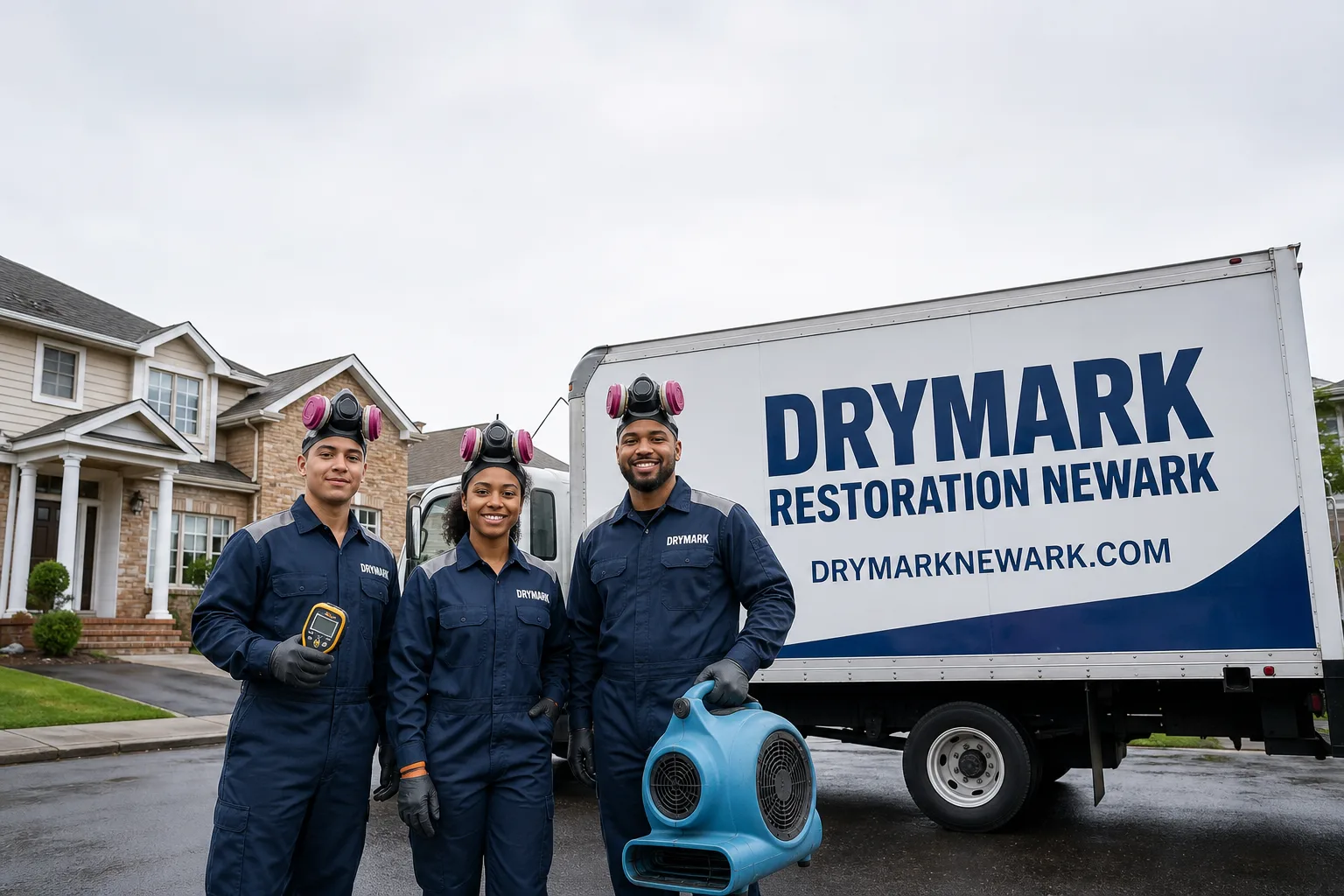
Free visual inspection and a written scope of work before any mitigation begins - photos, moisture readings, and drying logs go in your claim file
The scope we write is the scope we bill. Anything new gets shown to you, in writing, before we touch it.
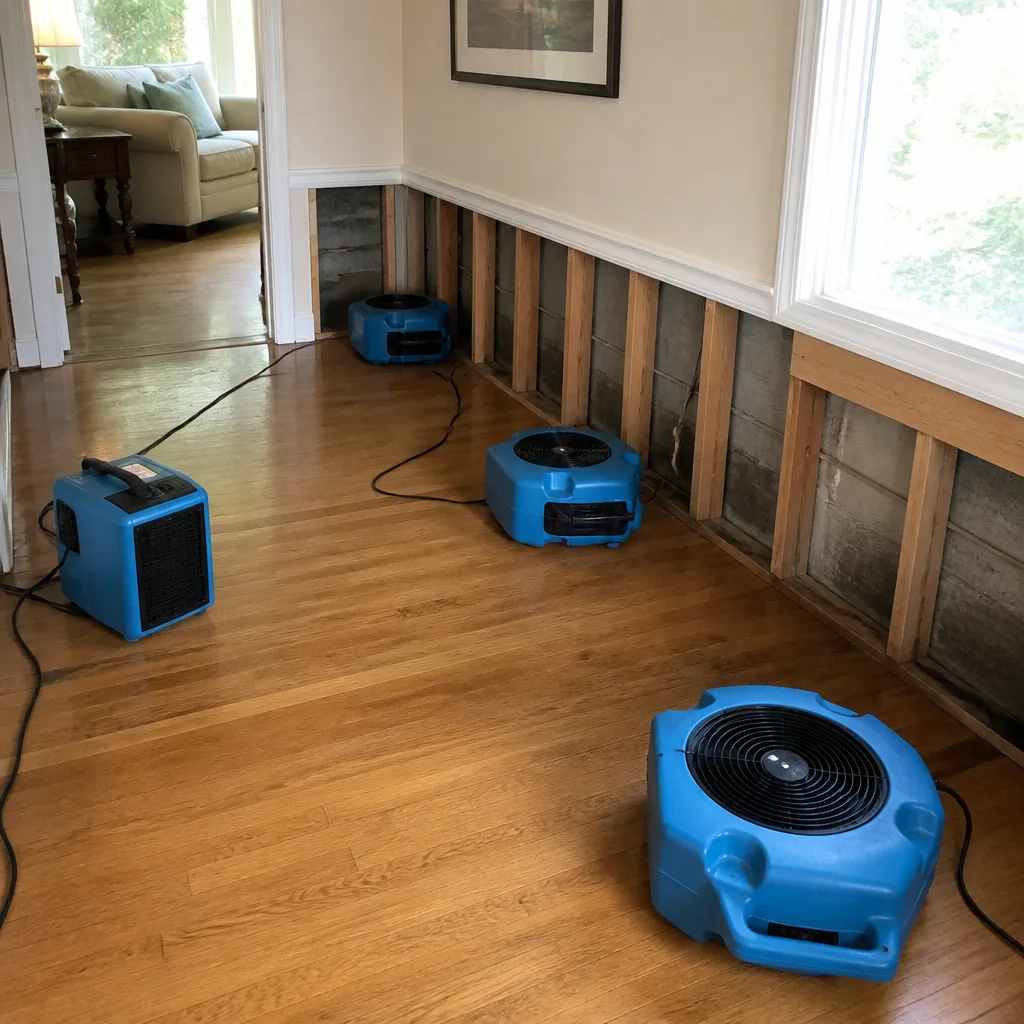
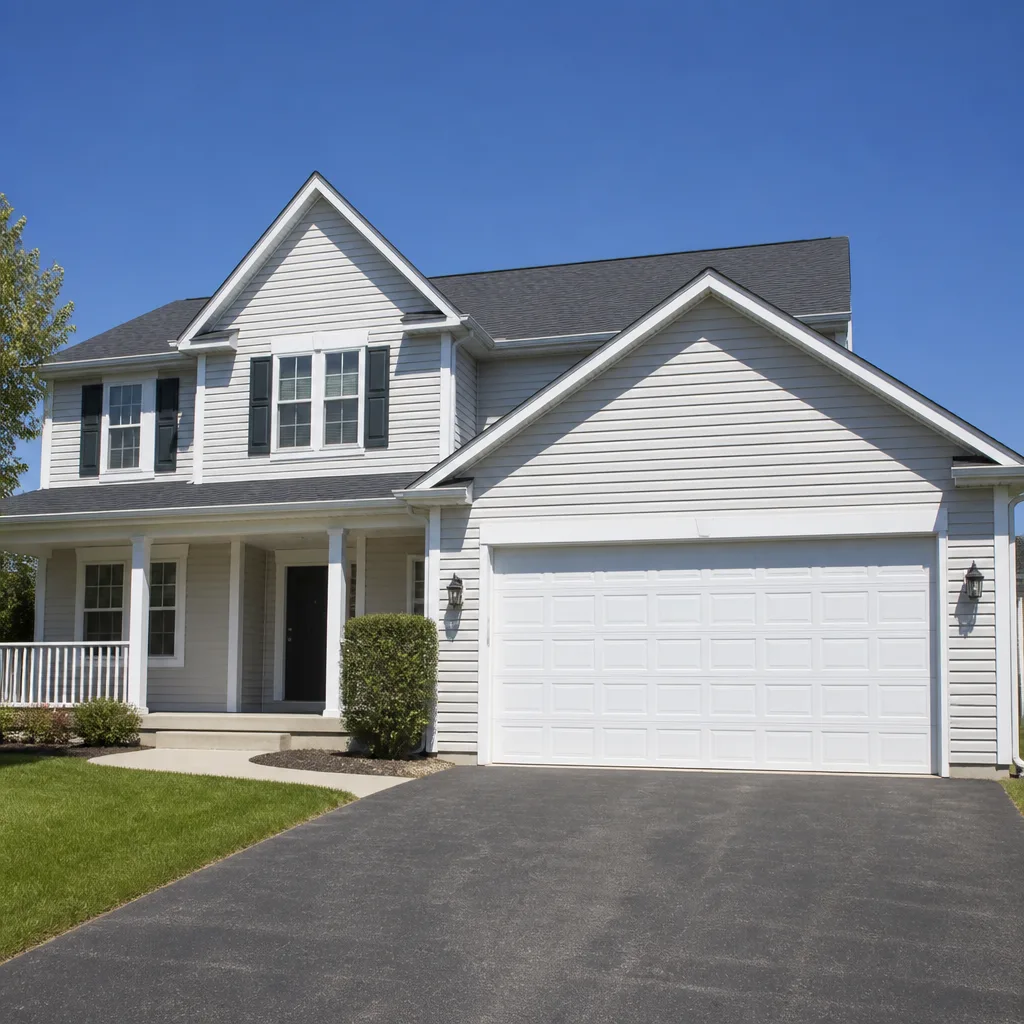
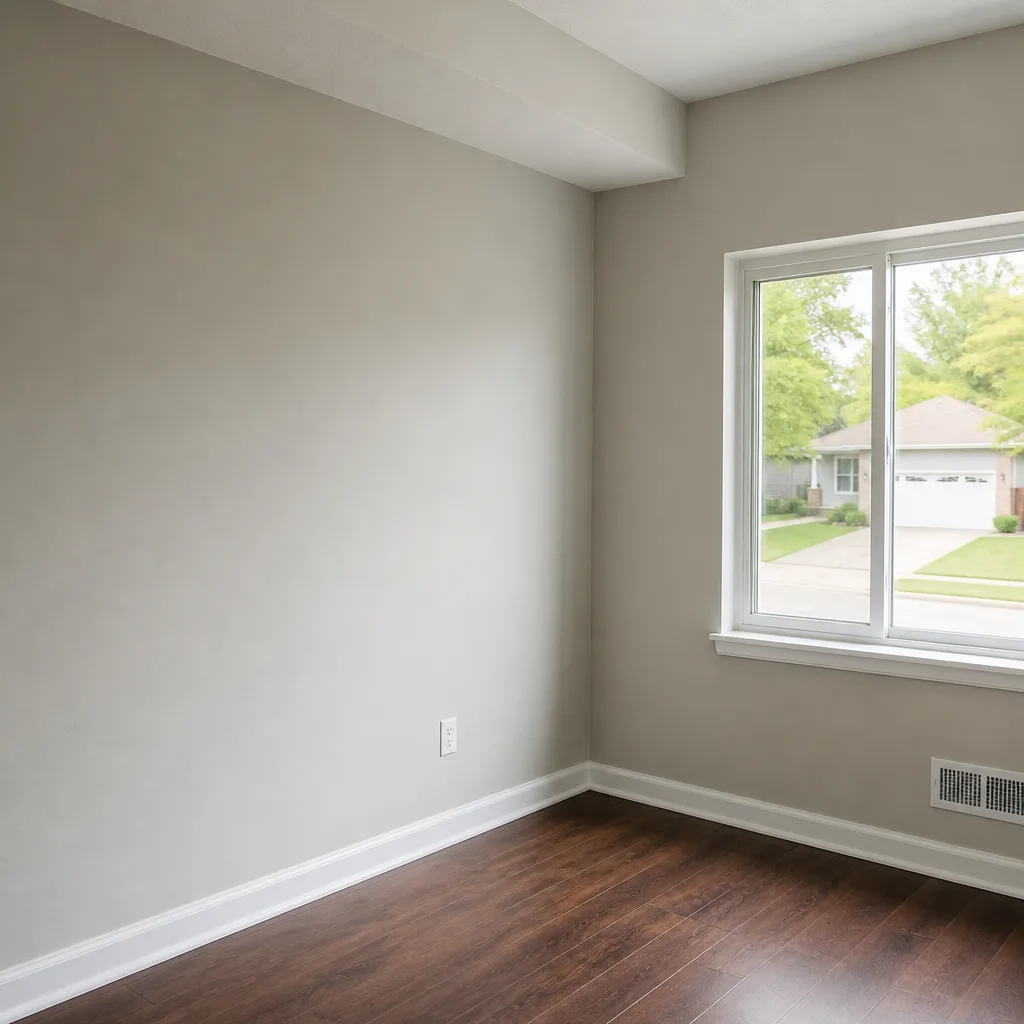
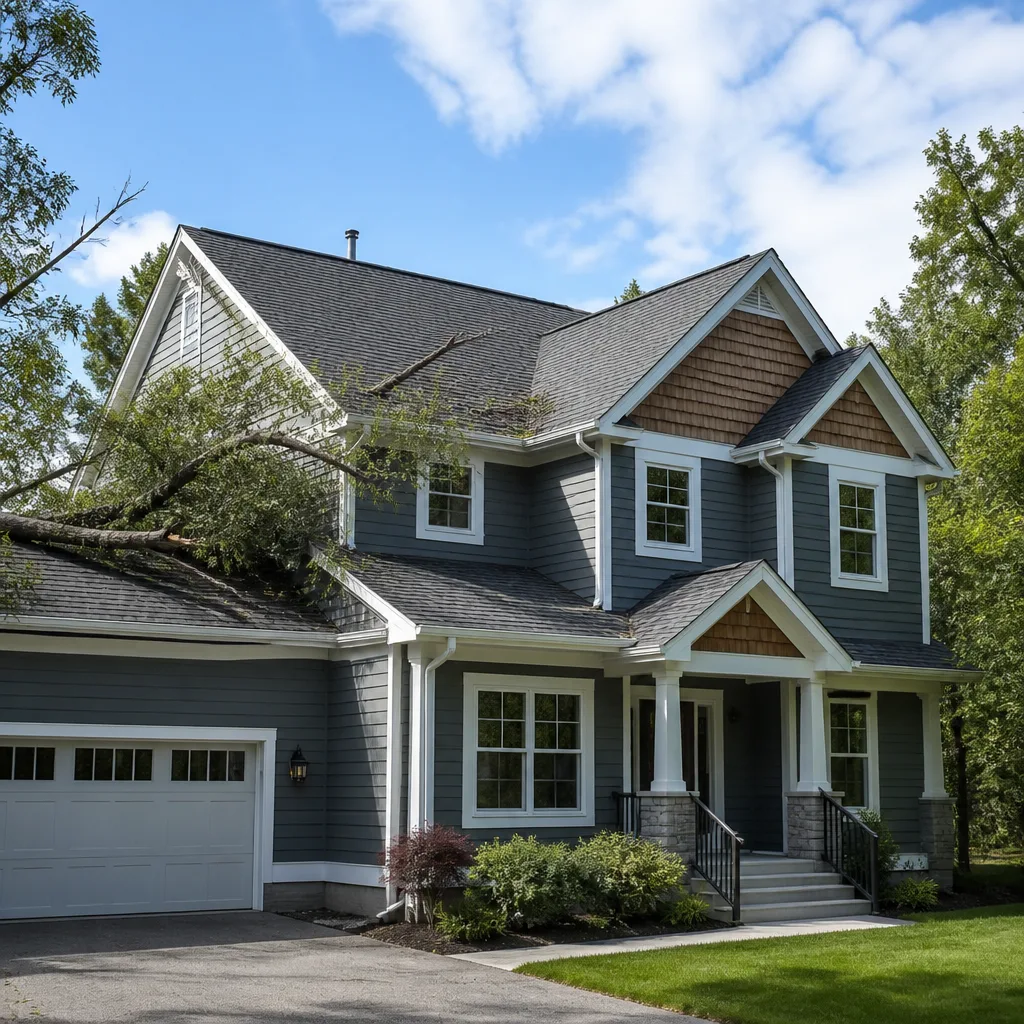
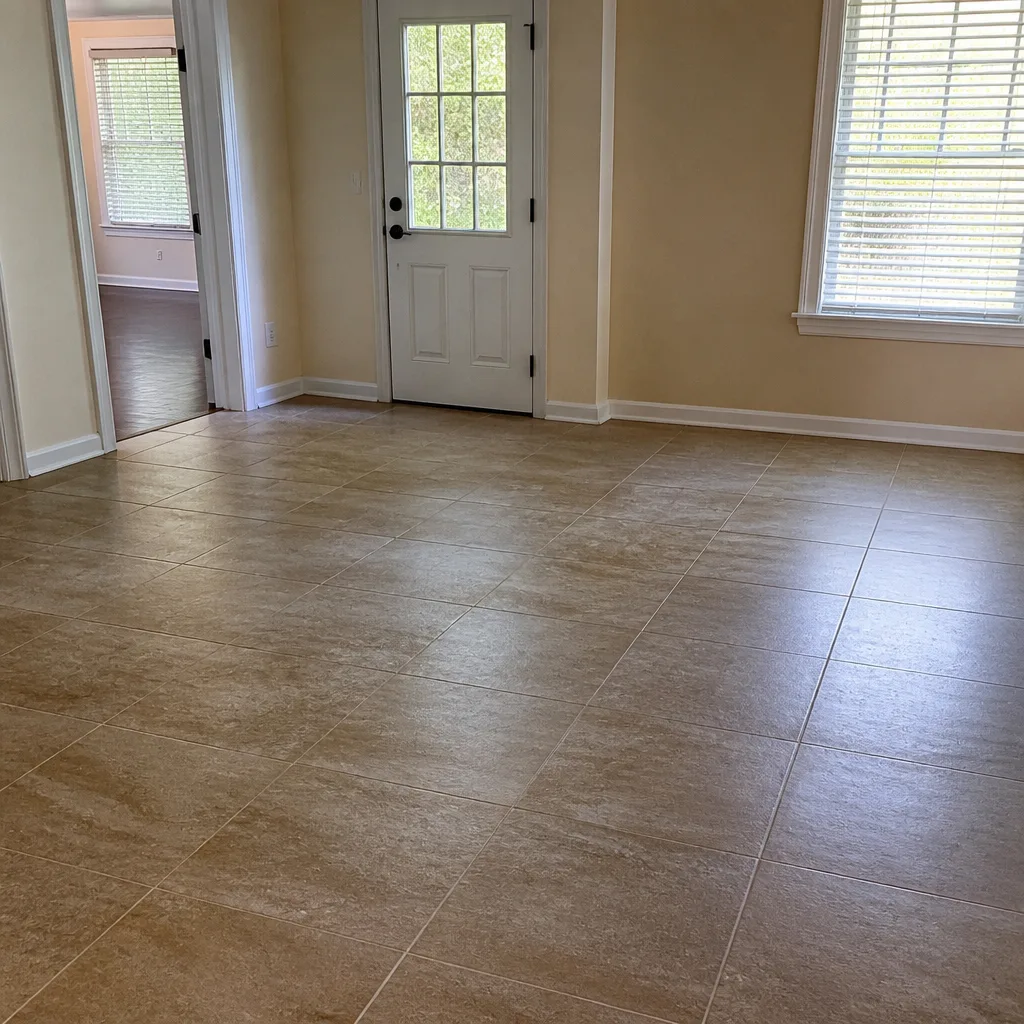
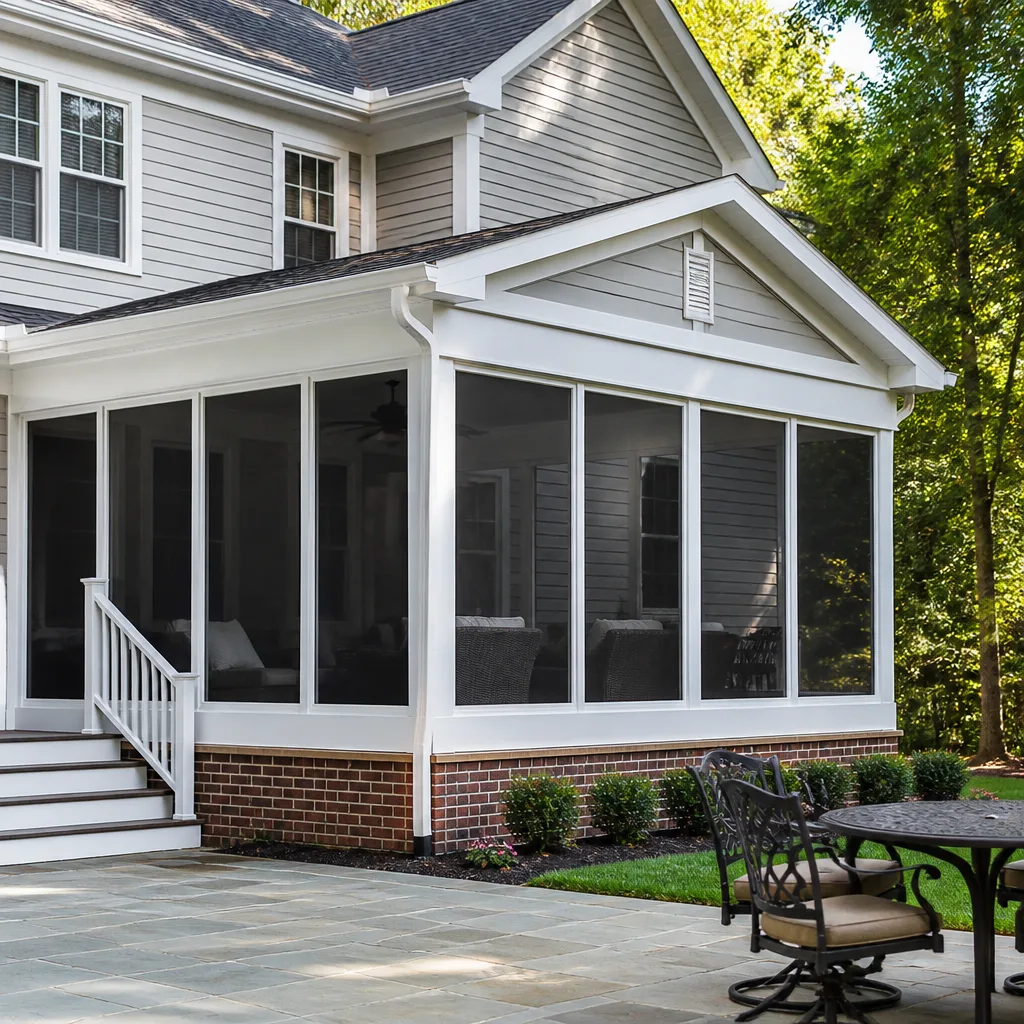
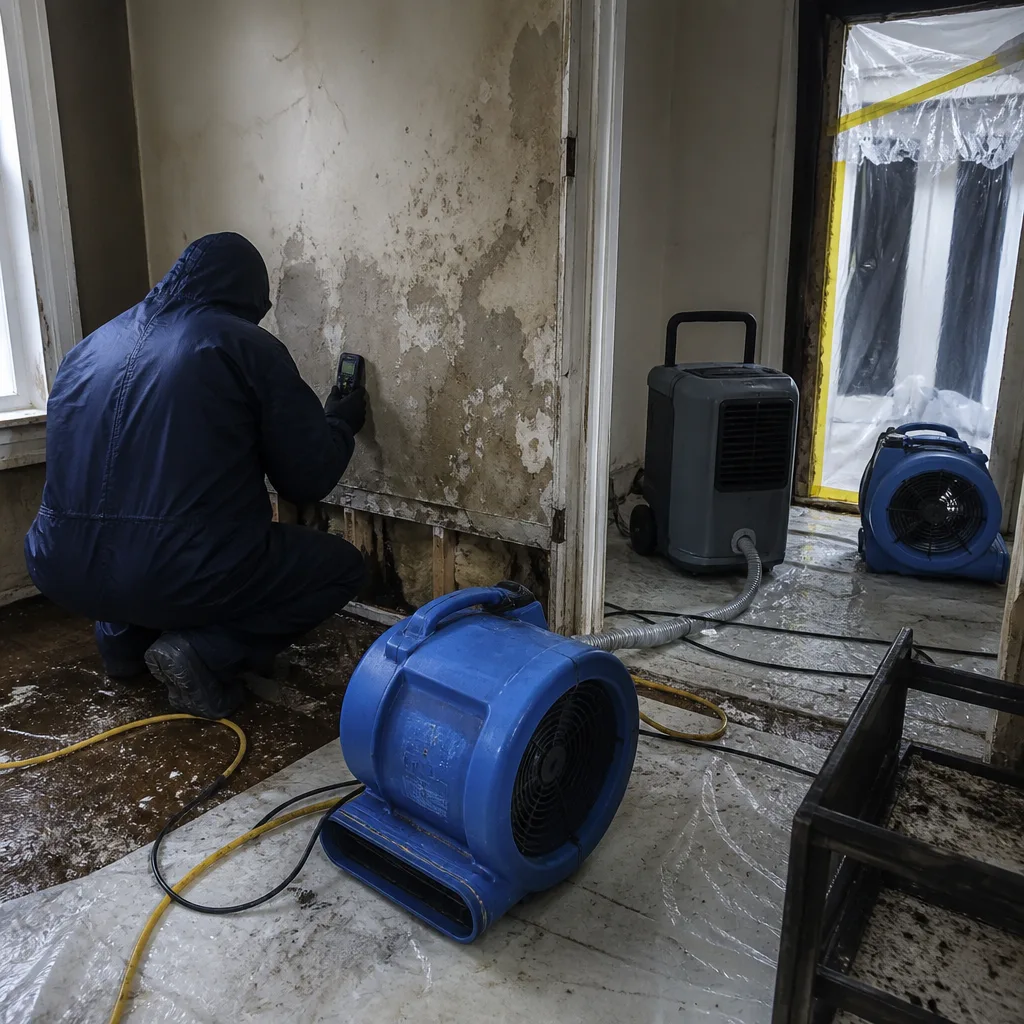 Before
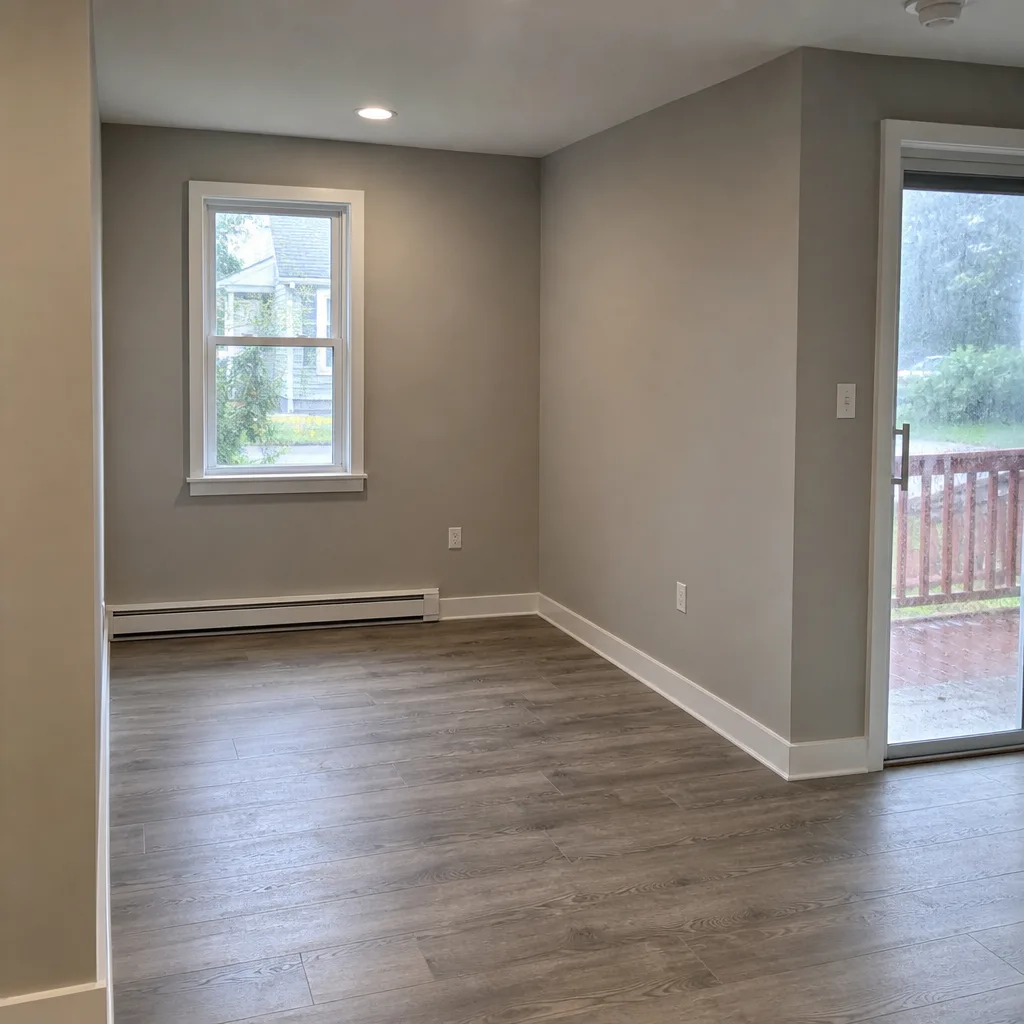 After
After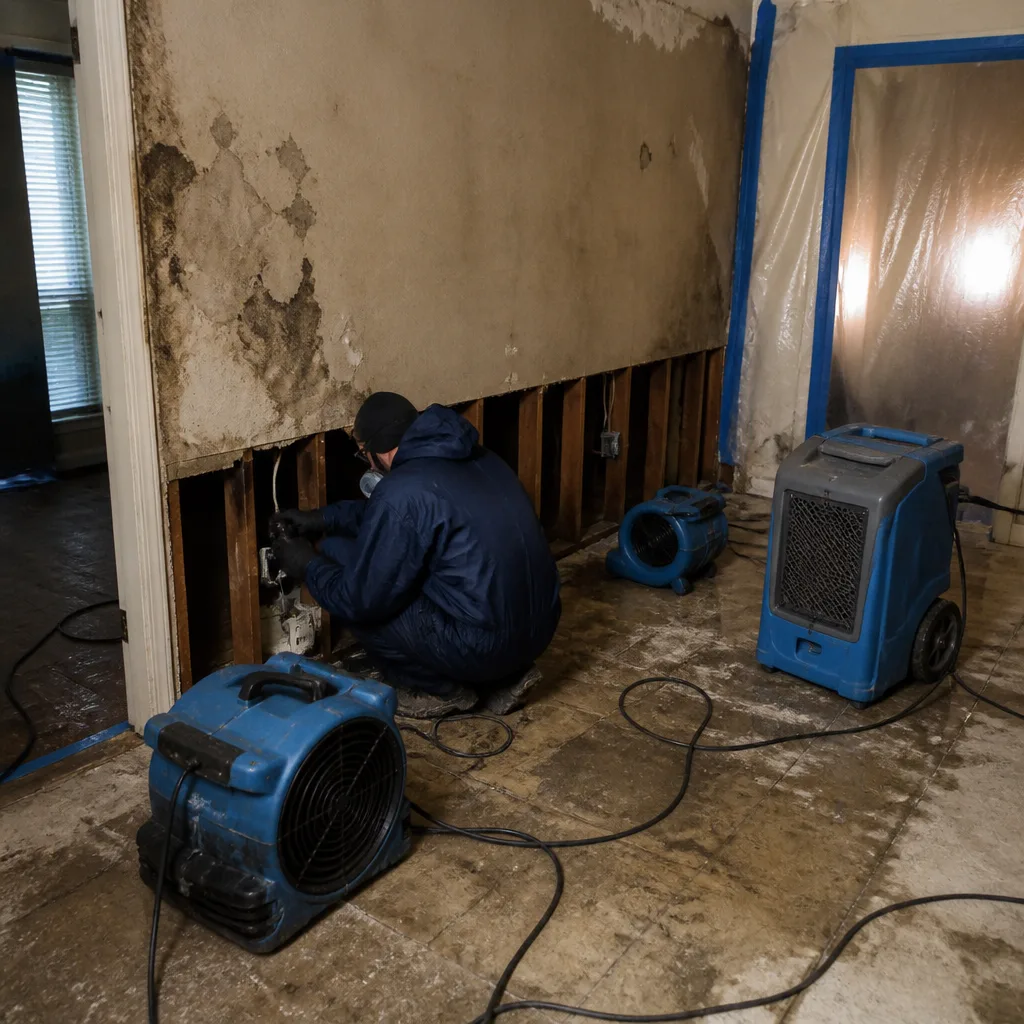 Before
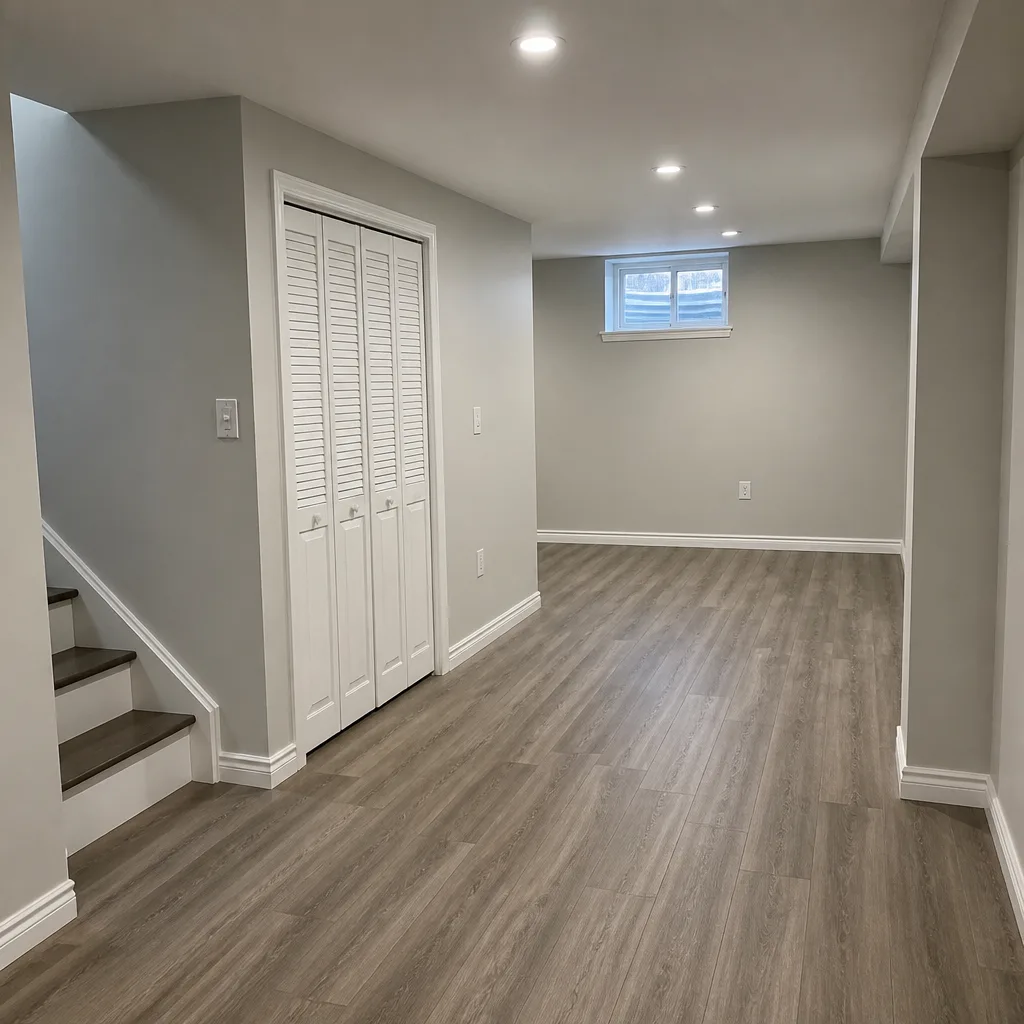 After
After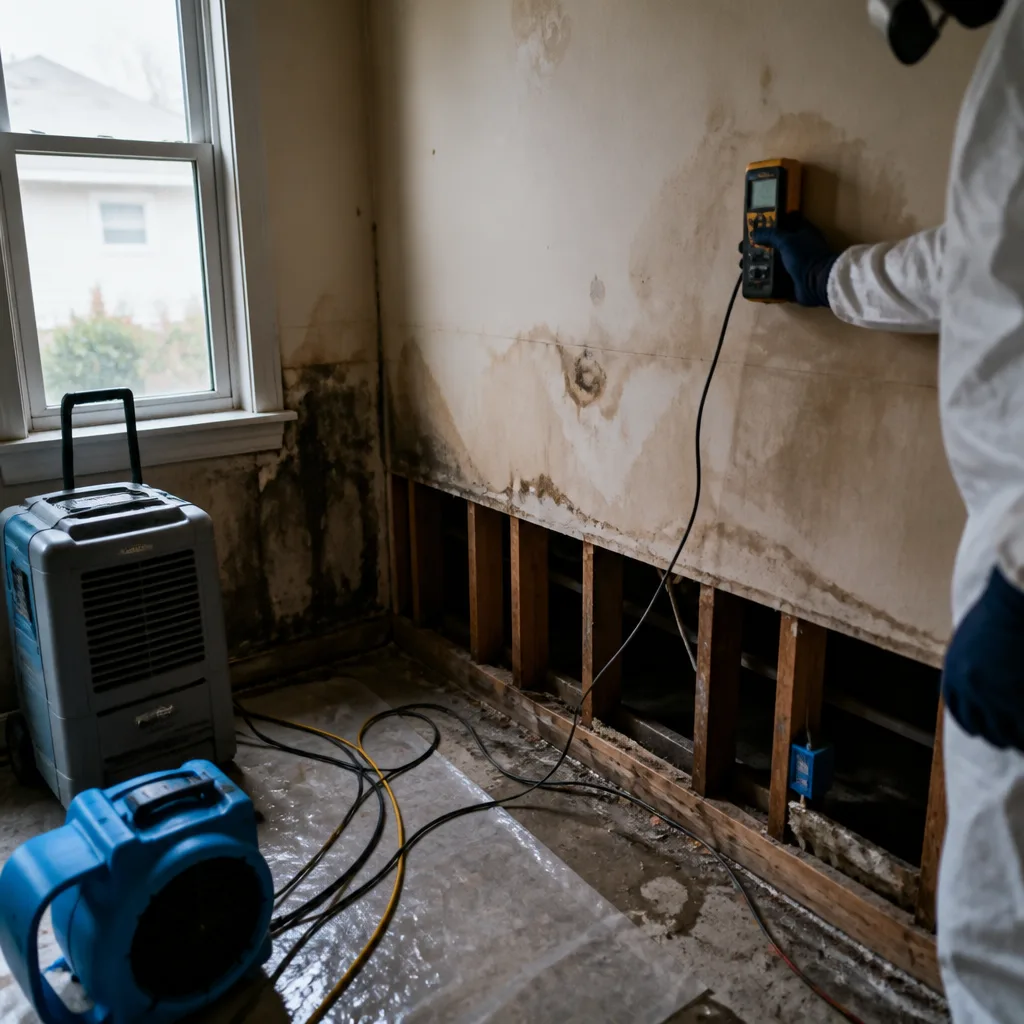 Before
 After
AfterFast, Reliable Water Damage Restoration Across West Village
Water damage restoration in West Village, NY typically runs $2,800-$8,500 for a standard burst-pipe loss in a landmarked row house, with emergency crews arriving within 60-90 minutes to begin extraction and moisture mapping. Because West Village’s 1820s-1860s housing stock sits almost entirely within the Greenwich Village Historic District, every restoration job carries Landmarks Preservation Commission oversight that inland Manhattan properties simply don’t face. We’re the Water Damage Restoration team that shows up with Dri-Eaz dehumidifiers, Injectidry drying systems, and a plan for your lime-plaster walls - not a truck full of drywall. Call (862) 292-4268 now; our live dispatch answers 24 hours a day, 7 days a week with no voicemail, and a crew will be routed from our New York City office.
Why DryMark Restoration Newark Is West Village’s Preferred Water Damage Restoration Company
We’ve restored water losses on Hudson Street, Bedford Street, and throughout the narrow, angled blocks that define this neighborhood. Our crews know which streets have restricted parking, which basement entries flood first during Hudson tidal backflow, and how to document pre-loss plaster condition for LPC review before a single wall is touched.
Homeowners here don’t hire us for speed alone. They hire us because we’ve already handled the scenario they’re facing: a burst pipe feeding original wide-plank floors, storm surge pressing through garden-level doors, or a supply-line failure soaking three-coat lime plaster that can’t be ripped out and replaced with drywall. Our 365-Day Done Right Promise under The Haven Standard means if it’s not done right, we make it right - in writing, not as a verbal afterthought.
Every job starts with Haven Standard, Clause 1: a written price delivered before any work begins. No exceptions. We also offer a Free Second Opinion on any competitor’s written estimate - bring us their scope and we’ll review it at no charge.
Our documentation package - photo record on every visit, daily moisture logs, written scope - is built specifically for the insurance claims process. Alicia Brennan, who leads Back to Dry Restoration, founded the company in 2011 after working as a claims adjuster and watching homeowners lose legitimate claims over sloppy paperwork. That origin is why we operate this way.
Our Water Damage Restoration Services in West Village
Emergency Water Extraction
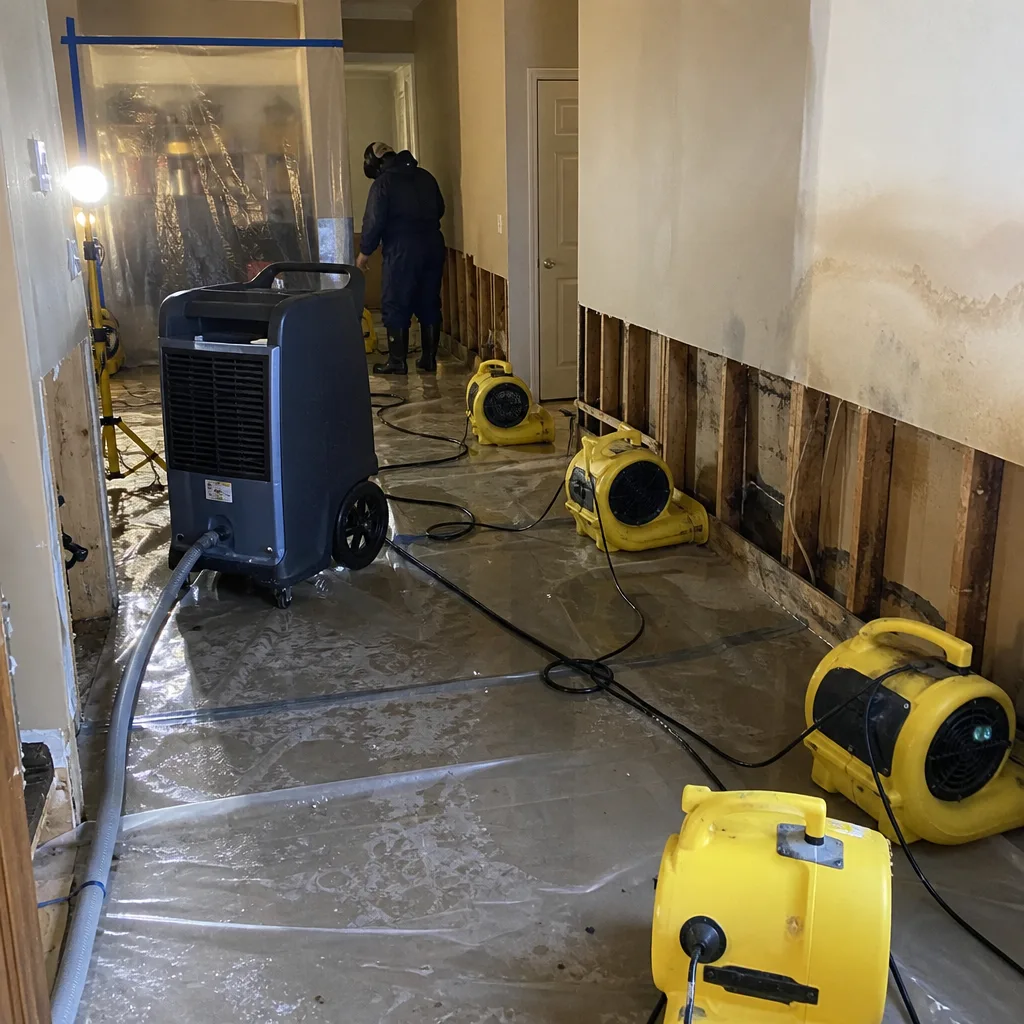
When a supply line fails in a West Village row house, water doesn’t behave like it does in new construction. It follows original plaster-on-lath channels, pools in cast-iron plumbing chases, and wicks into wide-plank subfloors laid before modern vapor barriers existed. Our extraction teams use truck-mounted systems and portable units sized for tight historic stairwells and garden-level access points. We document standing-water depth, affected square footage, and material classifications by trade name - category 1, 2, or 3 - then explain each in plain language on your written scope.
Structural Drying & Dehumidification
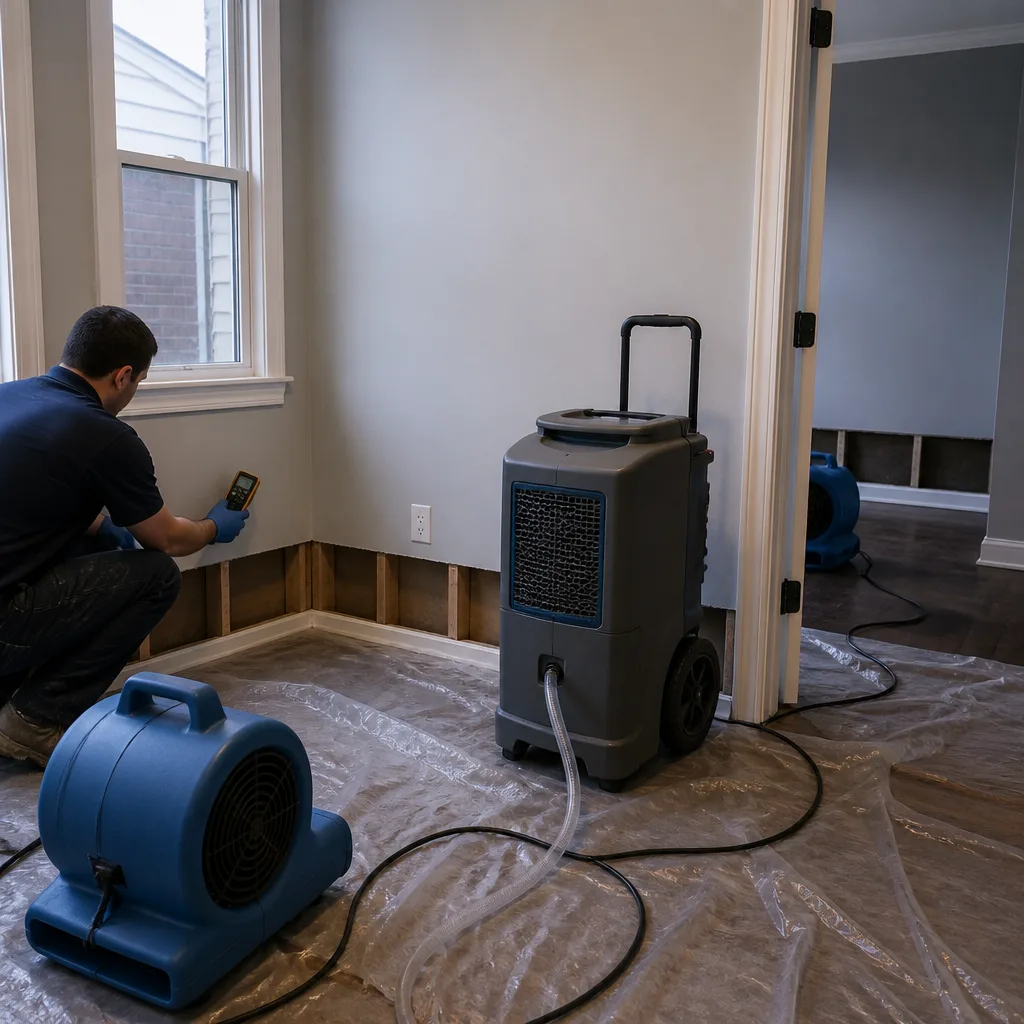
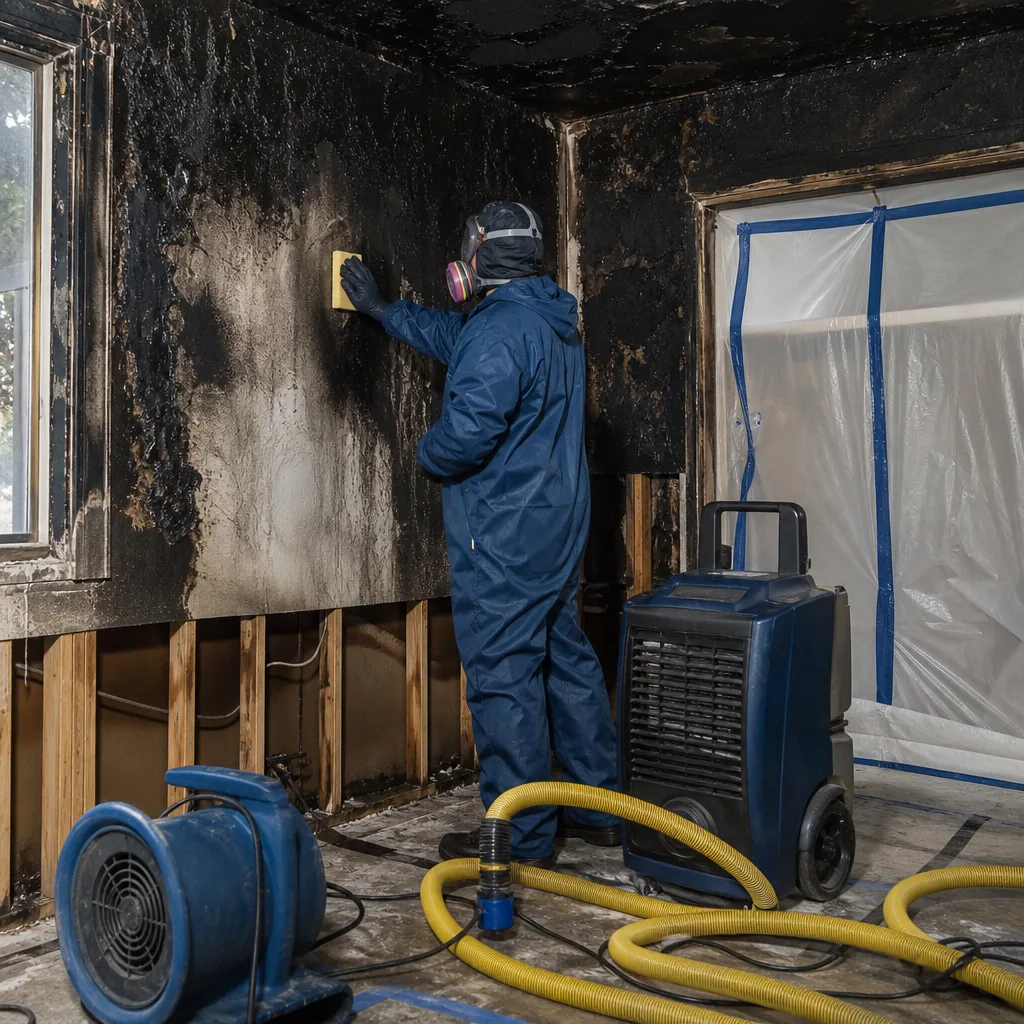
Structural drying in West Village requires psychrometric data - precise measurements of temperature, relative humidity, and vapor pressure differential - to drive moisture out of dense, historic materials without warping them. We deploy Dri-Eaz and Phoenix dehumidifiers, B-Air air movers, and Injectidry cavity-drying systems to deliver controlled airflow into wall cavities behind original plaster. Daily drying logs track moisture content readings in every affected room, producing the documentation that turns restoration invoices into payable insurance claims. Waterfront humidity near the Hudson compresses the safe mold-remediation window here, so delayed response isn’t a scheduling inconvenience - it’s a coverage risk.
Flood Cleanup
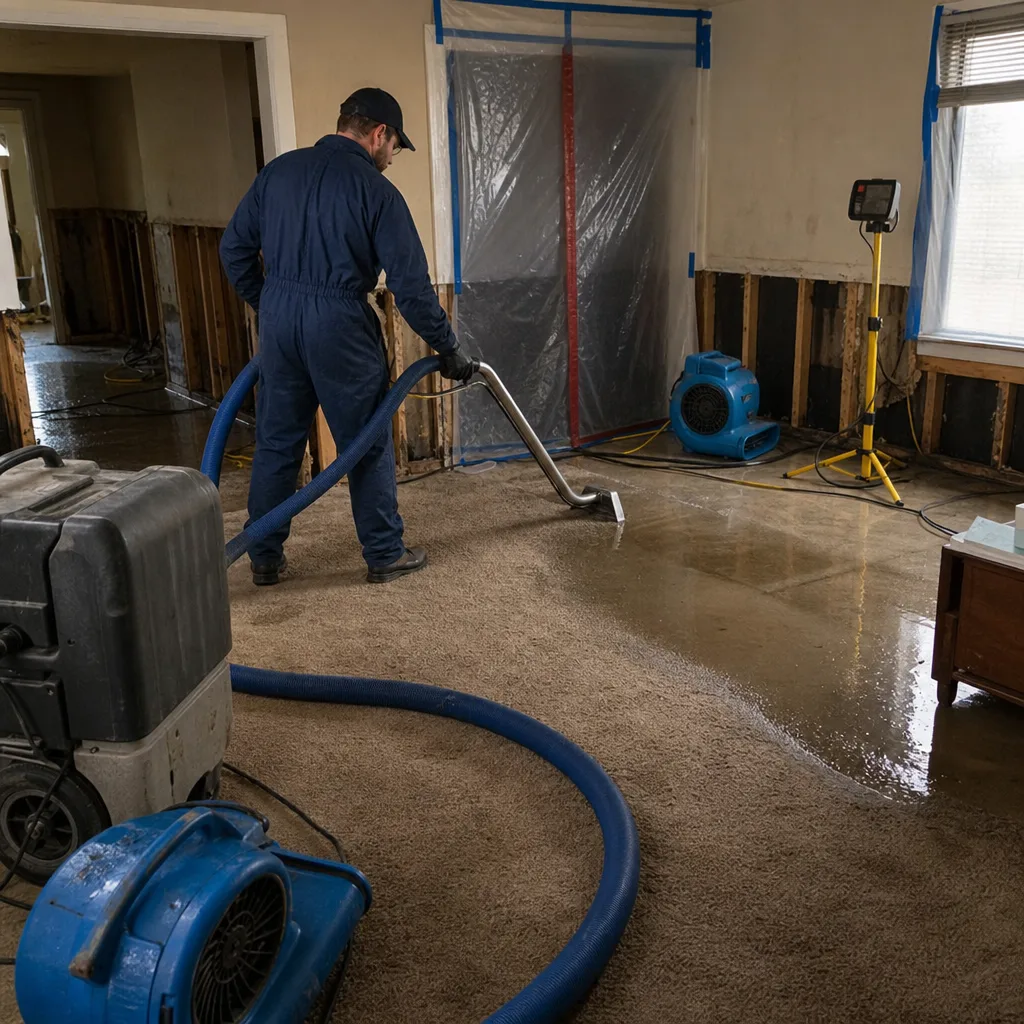
West Village’s western edge sits directly along the Hudson River in FEMA-designated flood zones proven hazardous during Hurricane Sandy. Storm surge and tidal backflow from the Hudson are documented, recurring threats that affect basement and garden-level units far more acutely than in inland Manhattan. Our flood cleanup protocols account for category 3 water classification - grossly contaminated - when Hudson River backup is involved, requiring full PPE, antimicrobial application, and disposal documentation that standard pipe-break drying doesn’t need.
Burst Pipe Restoration
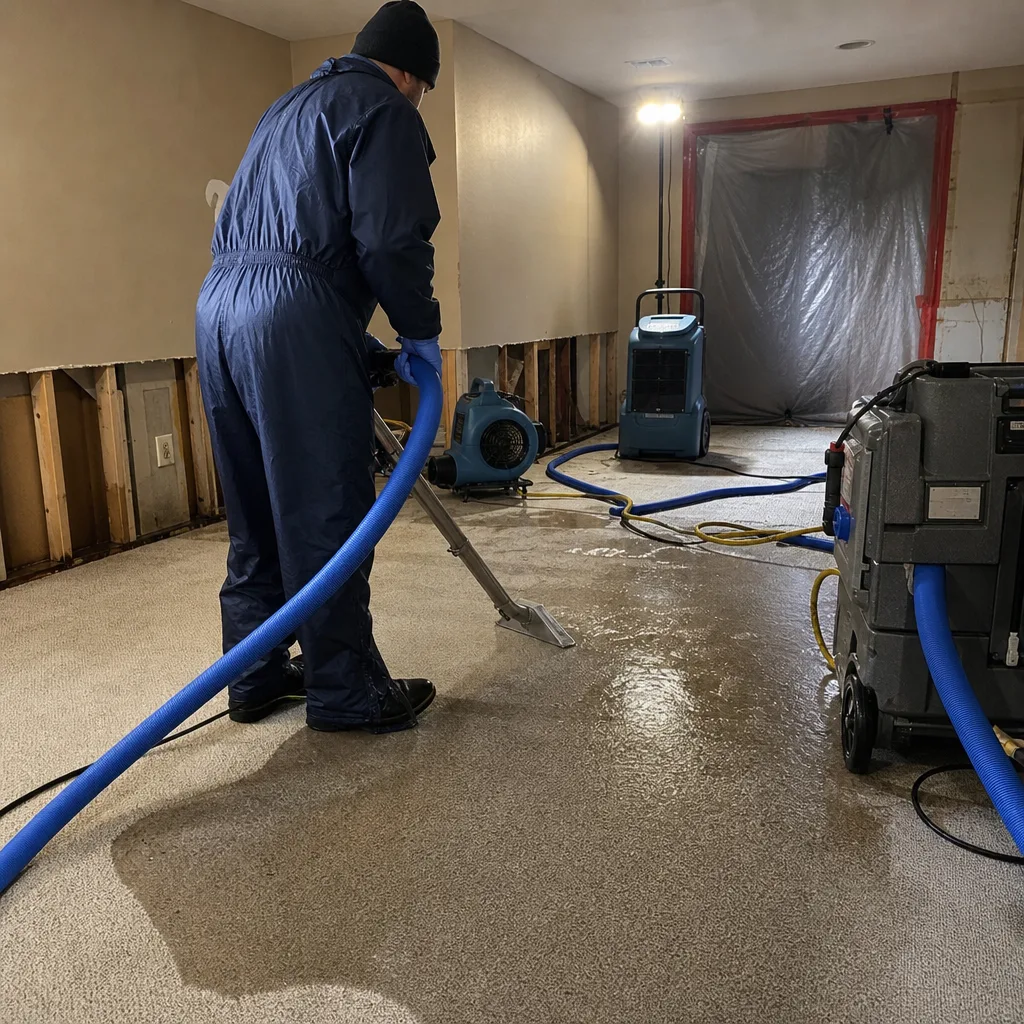
This is the service that separates West Village restorers from everyone else. In the 1820s-1860s landmarked row houses that dominate this neighborhood, a burst pipe can’t be dried and patched with drywall. Damaged three-coat lime plaster must be matched in kind under LPC rules. The same water loss that’s a two-day fix inland triggers specialty lime-scratch-coat sourcing, skilled application, and compliance review - effectively doubling the timeline and significantly increasing the bill. We maintain relationships with the few plaster specialists who can execute this work, and we document pre-loss wall condition with the photo record required for LPC approval.
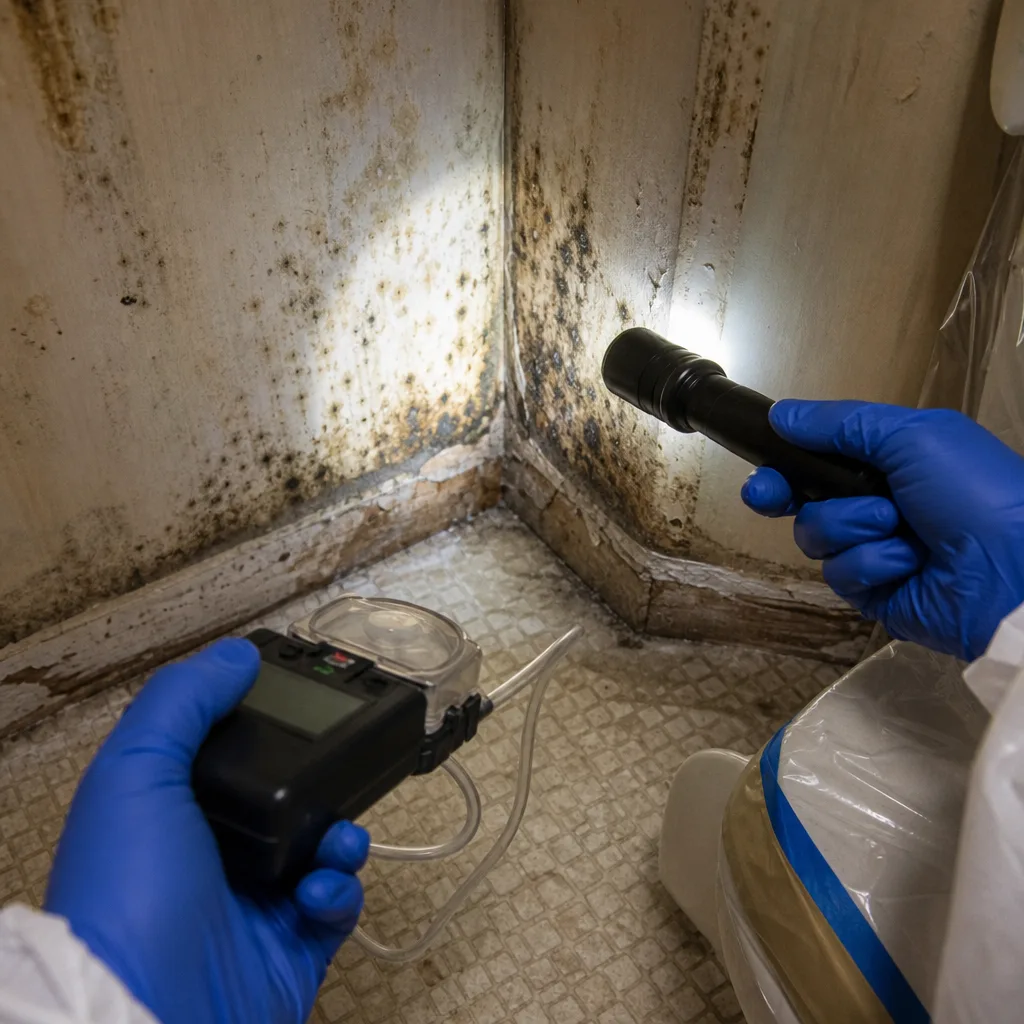
Basement Water Removal
Basement and garden-level units in West Village face dual pressure: rising groundwater through unreinforced brick foundations and Hudson tidal backflow during storm events. Our basement water removal includes submersible pumping, vapor pressure differential measurement to identify hidden wall cavity moisture, and documentation of original material condition - wide-plank flooring, cast-iron drains, early galvanized supply lines - before any drying plan is finalized. The narrow streets and restricted parking that delay equipment delivery here make pre-positioned response planning essential.
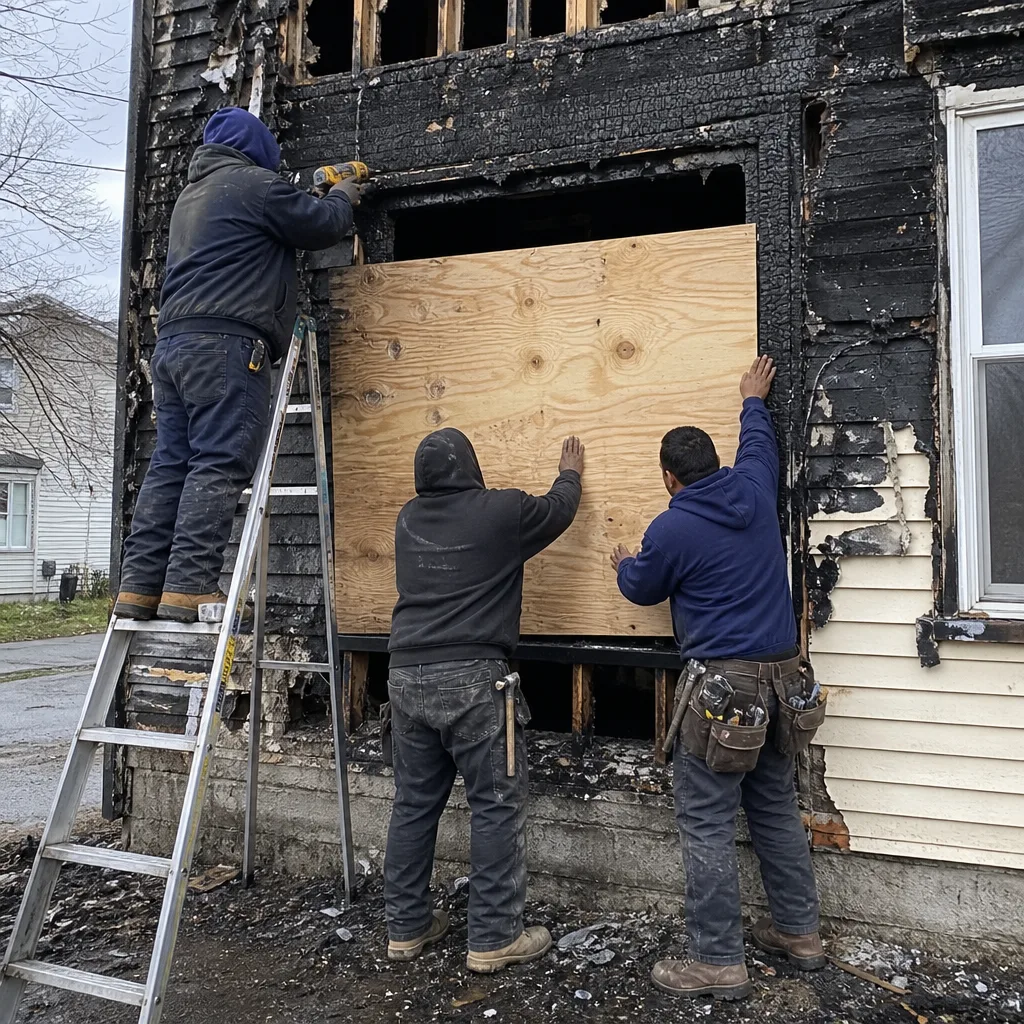
Ceiling & Roof Leak Water Damage
Flat roofs and parapet walls on 3-to-5-story West Village row houses channel water into unexpected paths. A roof leak three floors up may show as plaster staining in a ground-floor ceiling three rooms away, following original structural channels that don’t exist in modern framing. We trace moisture migration with thermal imaging and document each affected surface for your written scope and insurance file.
What happens when you call
- 1
A real person answersNo phone trees - you reach a local pro.
- 2
You get an upfront price rangeHonest numbers before anyone is dispatched.
- 3
A background-checked tech heads outLicensed & insured, dispatched right away.
- 4
You approve before work beginsNothing starts until you say go.
BeforeAfterTrusted Brands We Service in West Village
Our equipment inventory - Dri-Eaz, Phoenix, XPOWER, B-Air, and Injectidry systems - is maintained for immediate deployment to West Village jobs. We don’t subcontract drying equipment delivery to third-party rental services that don’t understand historic-property access constraints. Every dehumidifier, air mover, and Injectidry panel is documented to IICRC, RIA, and IFA standards, and our technicians are trained on psychrometric calculations specific to dense, pre-modern building envelopes. Parts and replacement components are stocked locally for fast turnaround when equipment needs swapping mid-job.
Common Water Damage Restoration Problems We See in West Village Homes
- LPC non-compliance after standard drywall replacement. Restorers treating a burst pipe in a landmarked row house like a suburban loss - ripping out three-coat lime plaster for drywall - get the job flagged by LPC, forcing a complete redo at lime-scratch-coat pricing. We’ve been called in after this mistake more than once.
- Compressed mold window from waterfront humidity. The Hudson River humidity baseline in West Village means category 2 water wicks into original wide-plank flooring and cast-iron plumbing chases faster than inland drying standards allow. Crews that don’t run continuous moisture mapping and dehumidification find secondary mold growth in 36-48 hours, not the 72-hour window typical elsewhere.
- Equipment delays on narrow, angled streets. Restricted parking and single-lane blocks mean Dri-Eaz dehumidifiers and air movers sometimes arrive hours after they’re needed, while storm-surge or tidal backflow continues spreading through basement and garden-level units. We pre-stage smaller-format equipment and plan truck positioning before dispatch.
- Converted industrial buildings with heavy timber framing. Along the western fringe near the Meatpacking District, 19th-century industrial conversions with unreinforced brick bearing walls and heavy timber framing respond to water damage very differently from conventional construction - drying too fast cracks timber, too slow rots it.
Pricing for Water Damage Restoration in West Village, NY
Water damage restoration in West Village carries a structural cost premium over inland Manhattan due to LPC compliance, specialty material sourcing, and restricted site access. Here’s what we typically see:
| Service | Typical Range in West Village |
|---|---|
| Emergency water extraction (single room) | $1,200-$2,400 |
| Structural drying & dehumidification (3-5 days) | $2,800-$5,200 |
| Burst pipe restoration with lime-plaster match | $4,500-$8,500 |
| Basement flood cleanup (Hudson backflow, category 3) | $5,500-$12,000 |
| Ceiling/roof leak damage (multi-floor tracing) | $3,200-$6,800 |
These ranges reflect Haven Standard, Clause 1: your written price is delivered before any work begins, with no scope-creep additions once the crew is inside. Factors that move costs within these ranges include: LPC review requirements for lime-plaster work, category 3 water classification requiring antimicrobial treatment, number of affected floors in vertical water migration, and equipment access constraints on restricted streets. Every estimate is free, and we offer a Free Second Opinion on any competitor’s written estimate. Call (862) 292-4268 for your exact scope.
We Also Serve Cities Near West Village
Our crews respond throughout lower Manhattan from the same New York City dispatch base, including West Village neighbors in St. George, Battery Park City, Financial District, and Tribeca. Each area carries its own building-stock and flood-exposure profile, and we adjust drying protocols accordingly - whether that’s Battery Park City’s newer high-rise construction or Tribeca’s cast-iron loft conversions.
Serving West Village, NY - Our Local Coverage Area
We’re based in the West Village area and know this community well. Use the map below to see our service coverage - if you’re nearby, we can almost certainly help.
FAQs - Water Damage Restoration in West Village
Landmarked row houses require three-coat lime plaster matched in kind under LPC rules, not drywall replacement, and specialty plaster contractors command significant premiums with effectively no local competition for this work. The same burst-pipe loss that closes in two days inland typically runs 4-5 days here with material costs 40-60% higher. Call (862) 292-4268 for a written estimate on your specific loss - estimates are free.
Within 4 hours maximum, and ideally within 90 minutes, because waterfront humidity compresses the safe mold-remediation window to roughly 36-48 hours versus 72 hours inland. After a supply-line failure in a Hudson Street row house fed the garden-level unit, our crew ran water extraction, mapped moisture readings into every plaster-on-lath wall, and set Dri-Eaz air movers and dehumidifiers for structural drying. Because the home sits in the Greenwich Village Historic District, we documented the pre-loss condition for LPC and brought in a lime-plaster specialist rather than hanging drywall - the homeowner kept their 1840s walls and passed review. The same burst-pipe job inland would have closed in two days; here the plaster match and compliance layer roughly doubled the timeline. Call (862) 292-4268 for immediate dispatch.
Yes, in most cases - Injectidry cavity-drying systems and controlled psychrometric drying can restore moisture levels in plaster-on-lath without removal, provided response is fast enough and the plaster hasn’t delaminated from the lath. We document pre-loss wall condition with the photo record required for LPC review, then build a drying plan around preservation rather than replacement. If sections are unsalvageable, we source lime-scratch-coat specialists for in-kind repair. Call (862) 292-4268 to assess your specific walls.
Category 3 - grossly contaminated - because Hudson River water carries seawater, urban runoff, and potential sewage cross-contamination. This classification requires full PPE, antimicrobial treatment, porous material removal, and disposal documentation that category 1 or 2 pipe breaks don’t need. It also affects insurance coverage triggers and documentation requirements. Call (862) 292-4268 and we’ll classify your loss on arrival with photo documentation.
Yes - our standard deliverable includes pre-loss photo documentation formatted for LPC review, material classification by trade name, and written scope noting any proposed work on landmarked fabric. We don’t start plaster repair without this package ready, because unpermitted work in this district triggers stop-work orders and redo costs that aren’t covered by standard insurance. Haven Standard, Clause 1 means you see this documentation in your written price before work begins. Call (862) 292-4268 to start the file.
Written by Alicia Brennan, Owner at Back to Dry Restoration, serving West Village since 2011.