
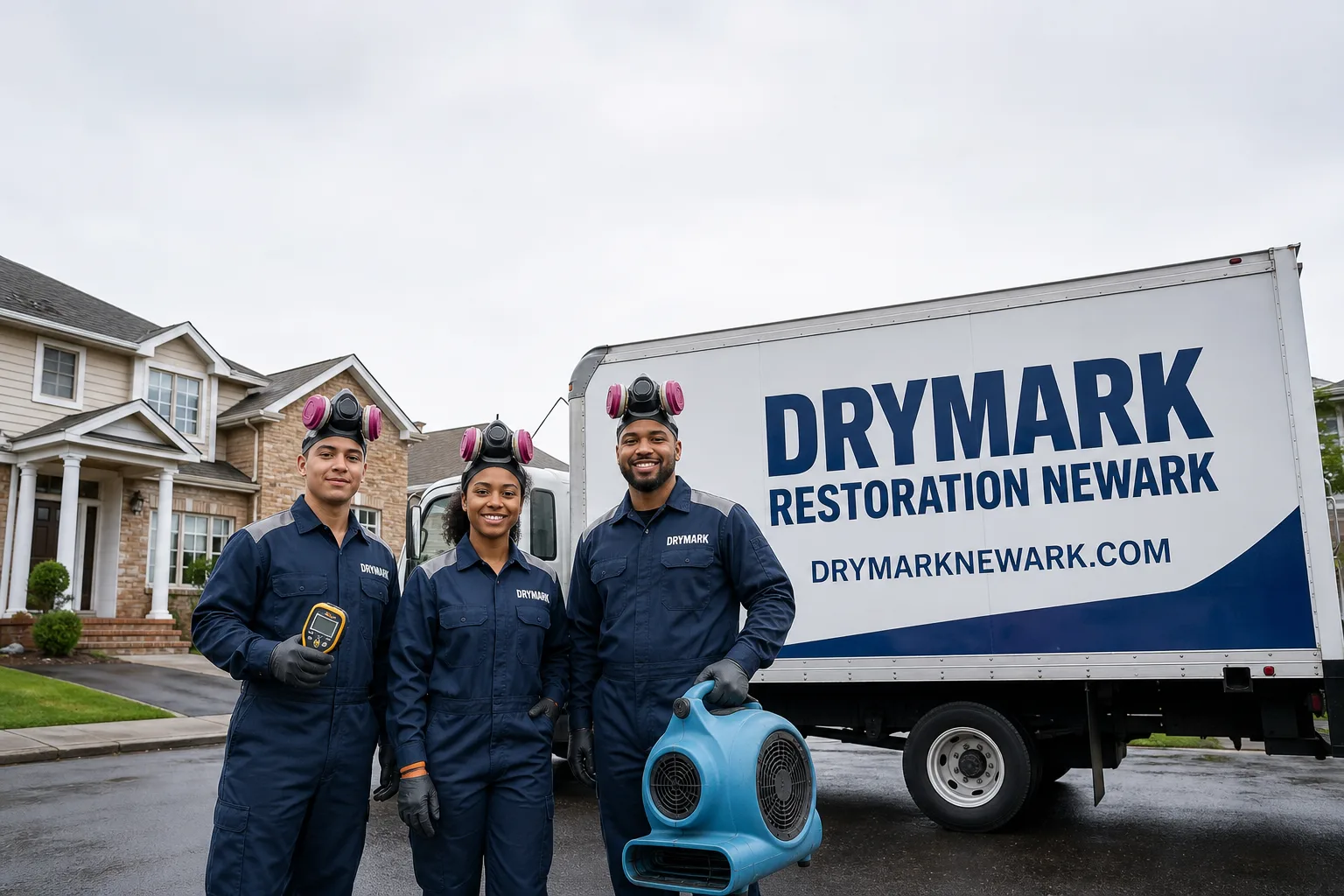
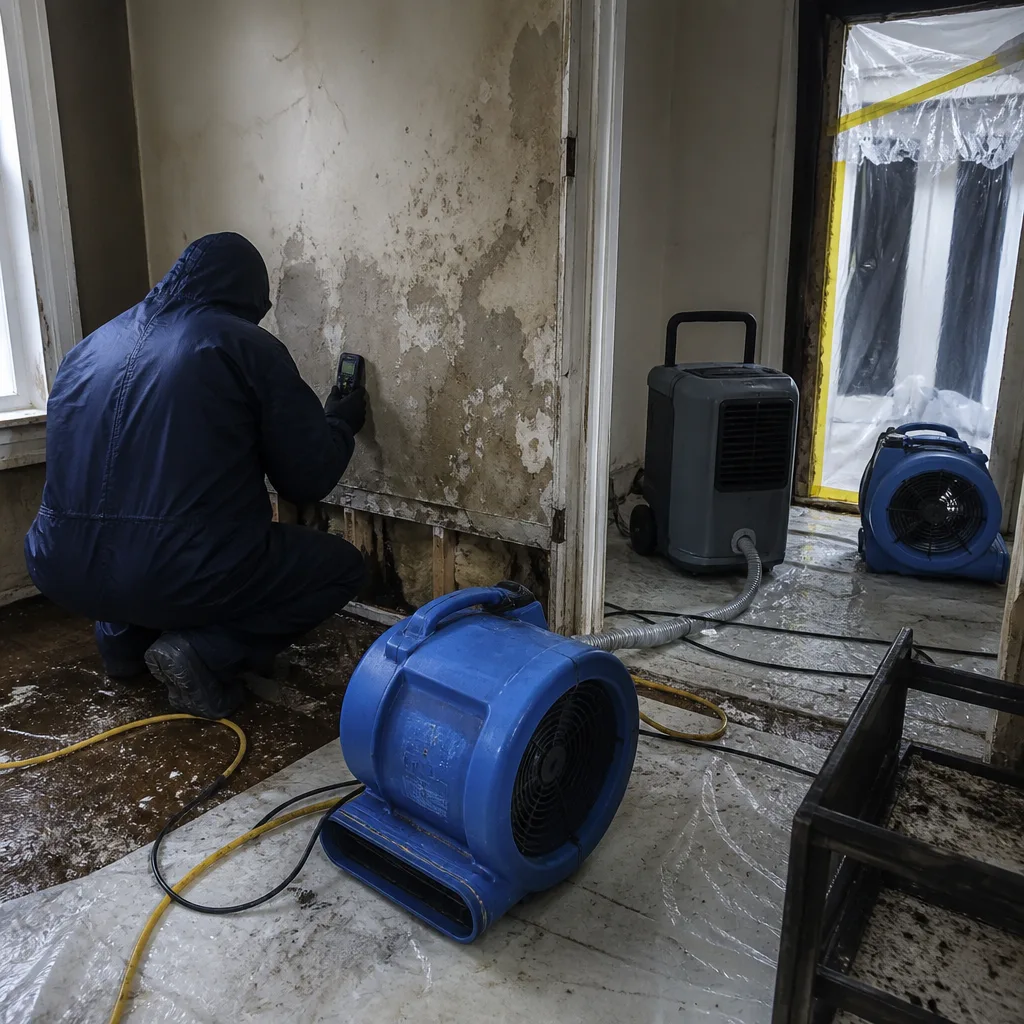
Free visual inspection and a written scope of work before any mitigation begins - photos, moisture readings, and drying logs go in your claim file
The scope we write is the scope we bill. Anything new gets shown to you, in writing, before we touch it.
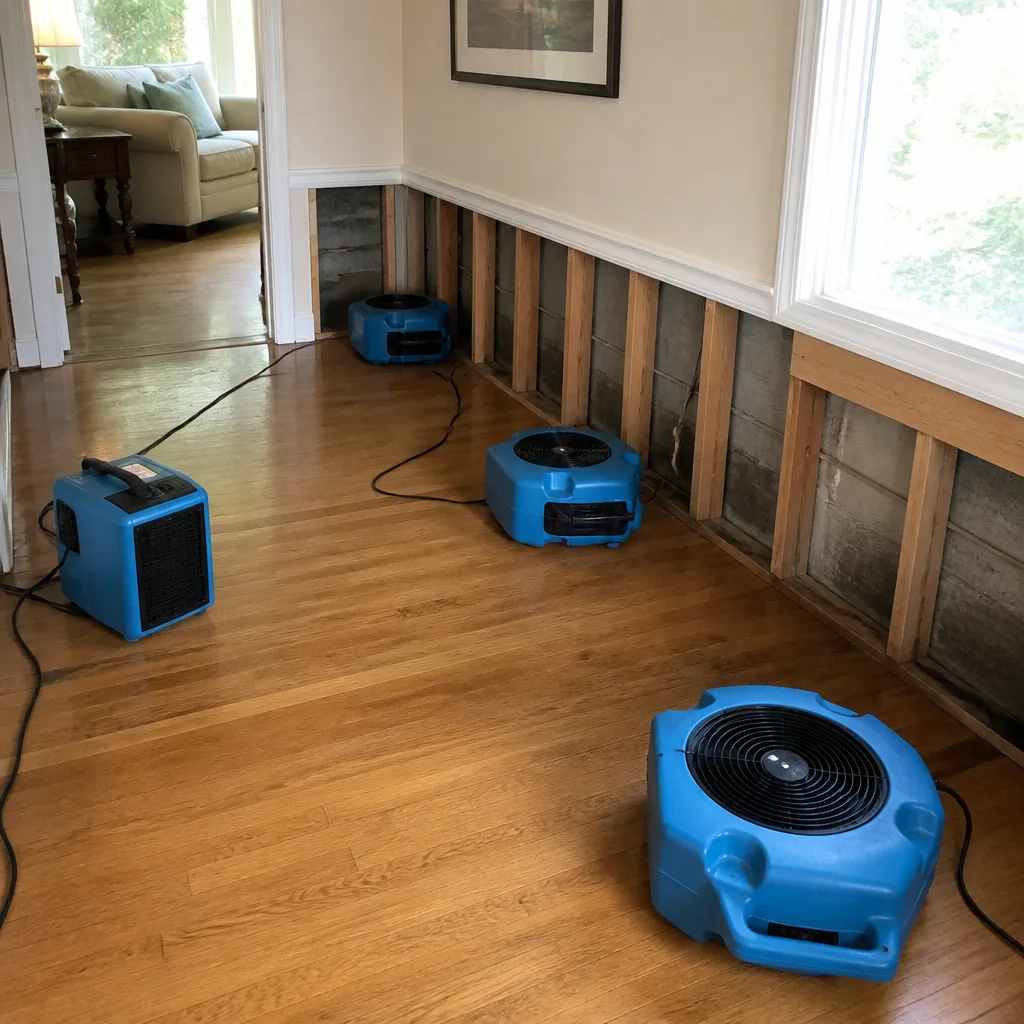
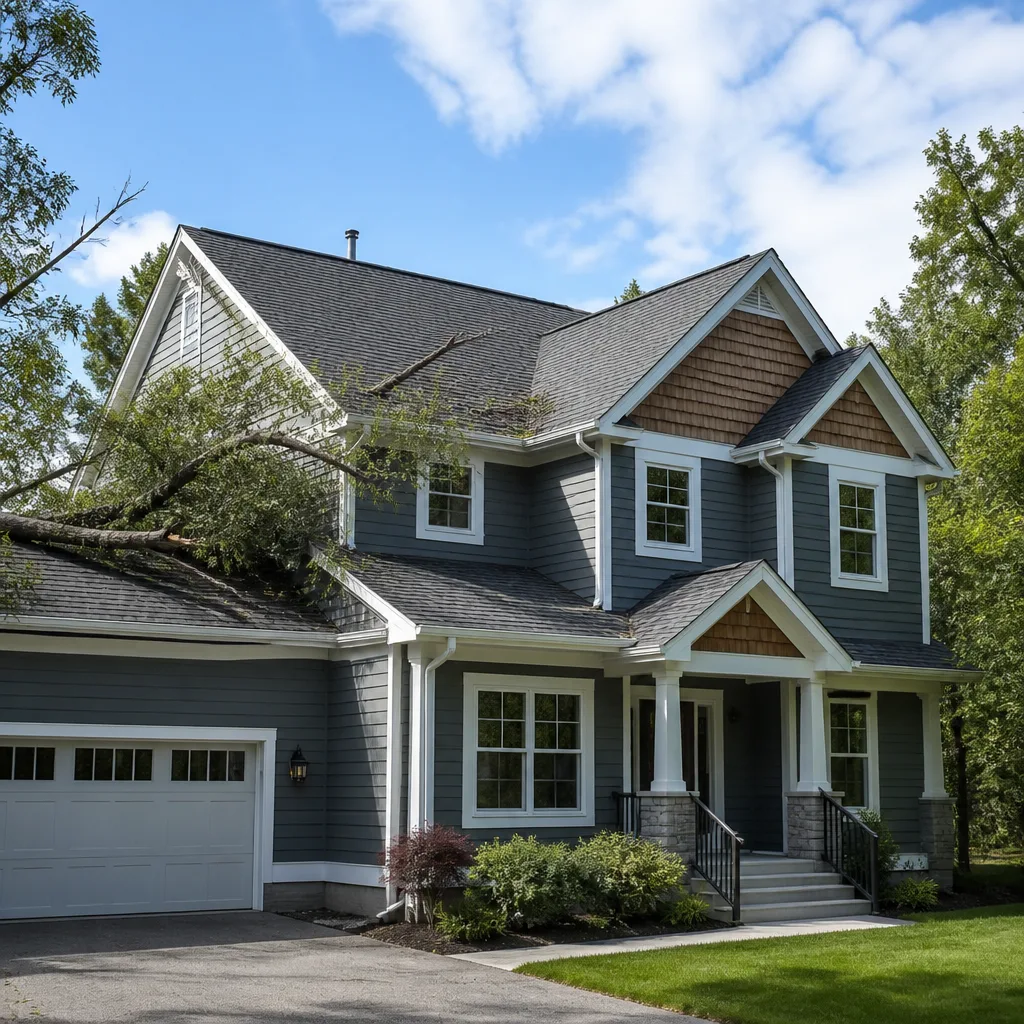
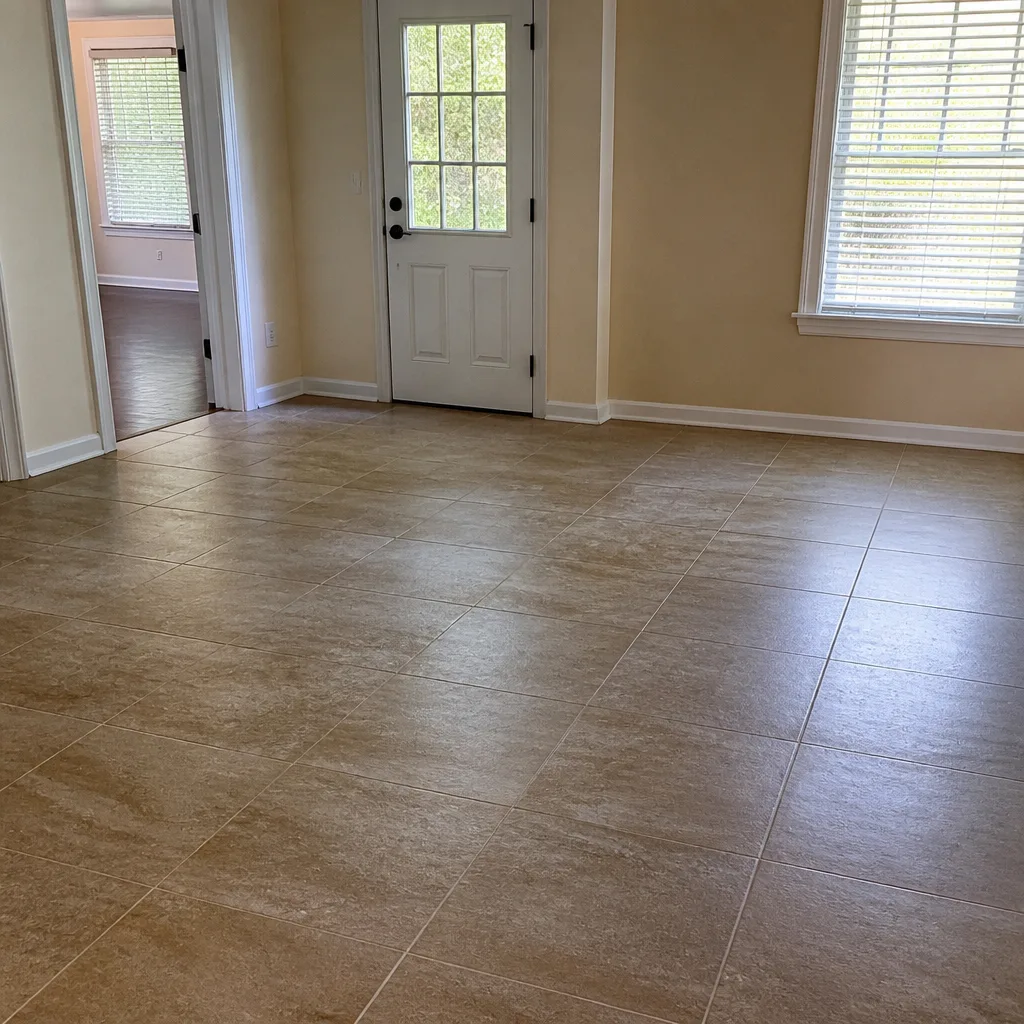
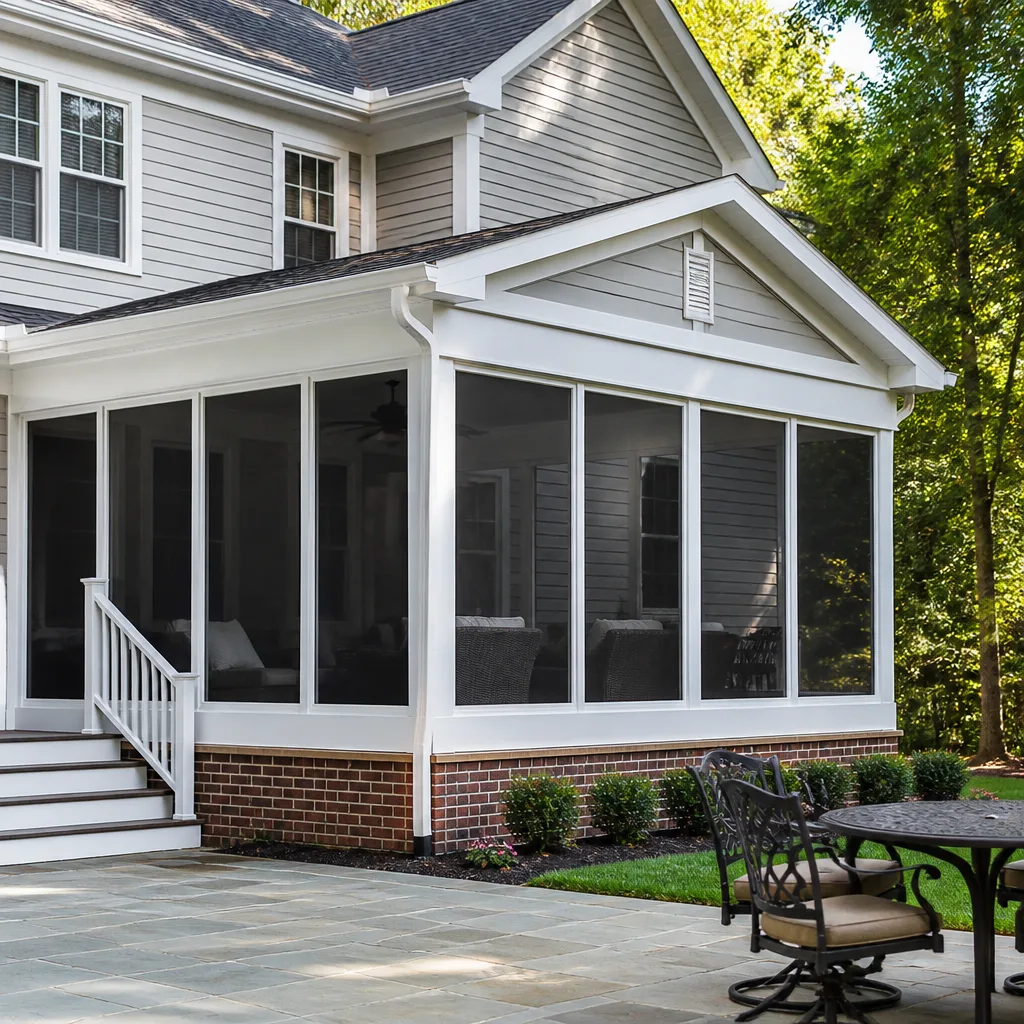
 Before
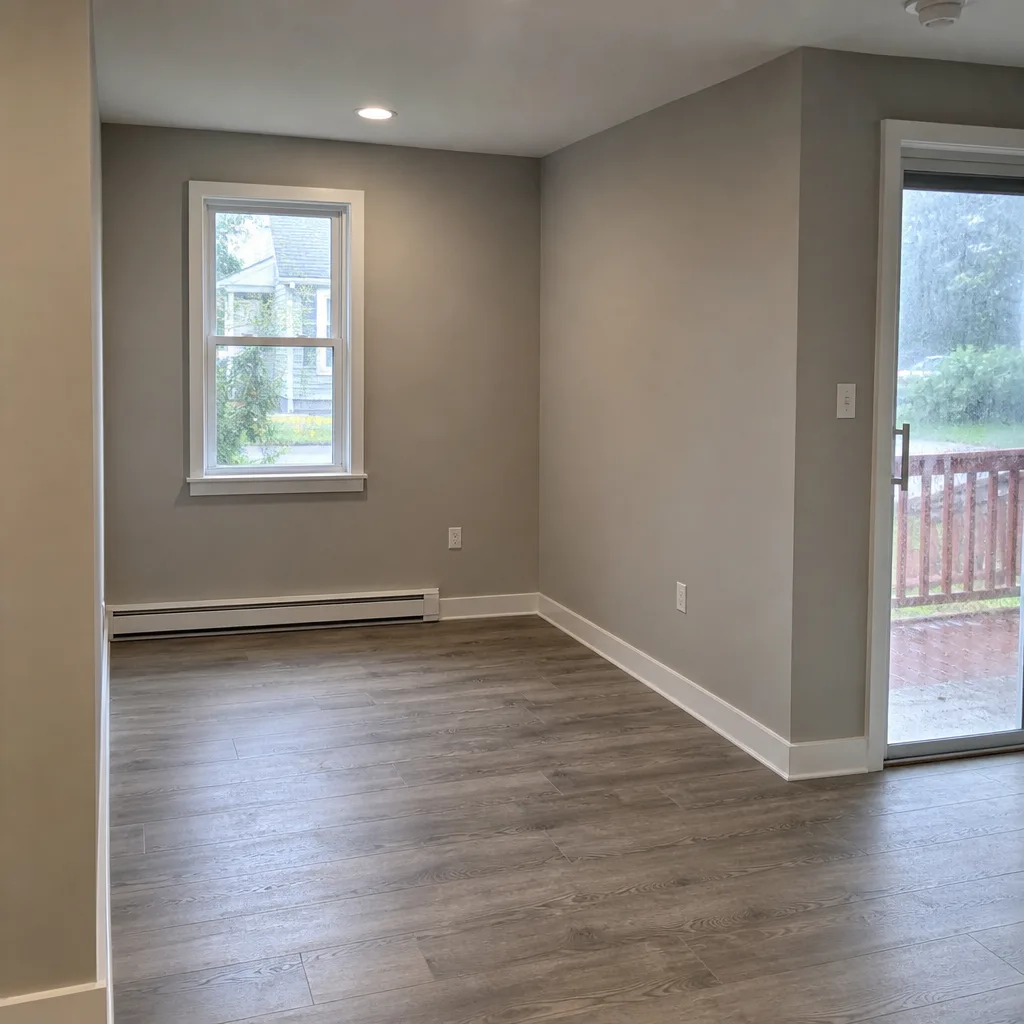 After
After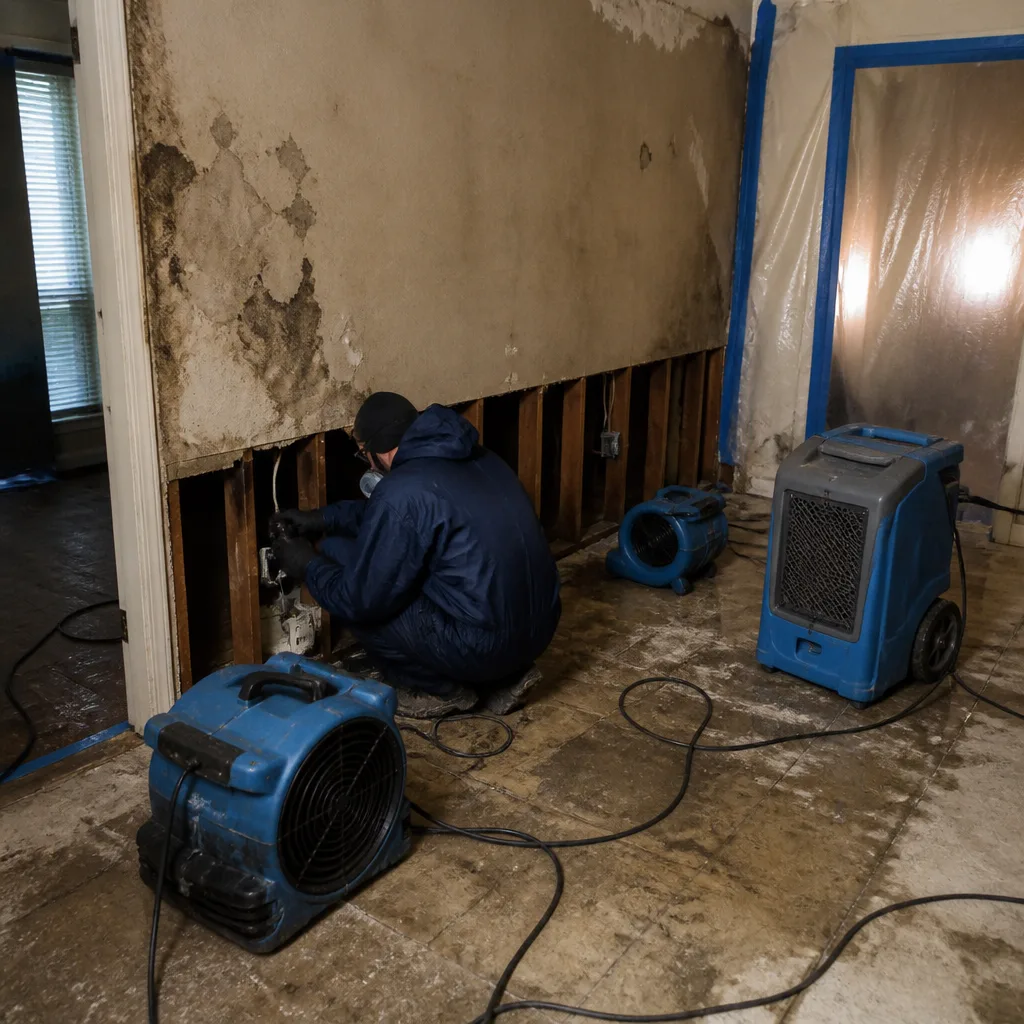 Before
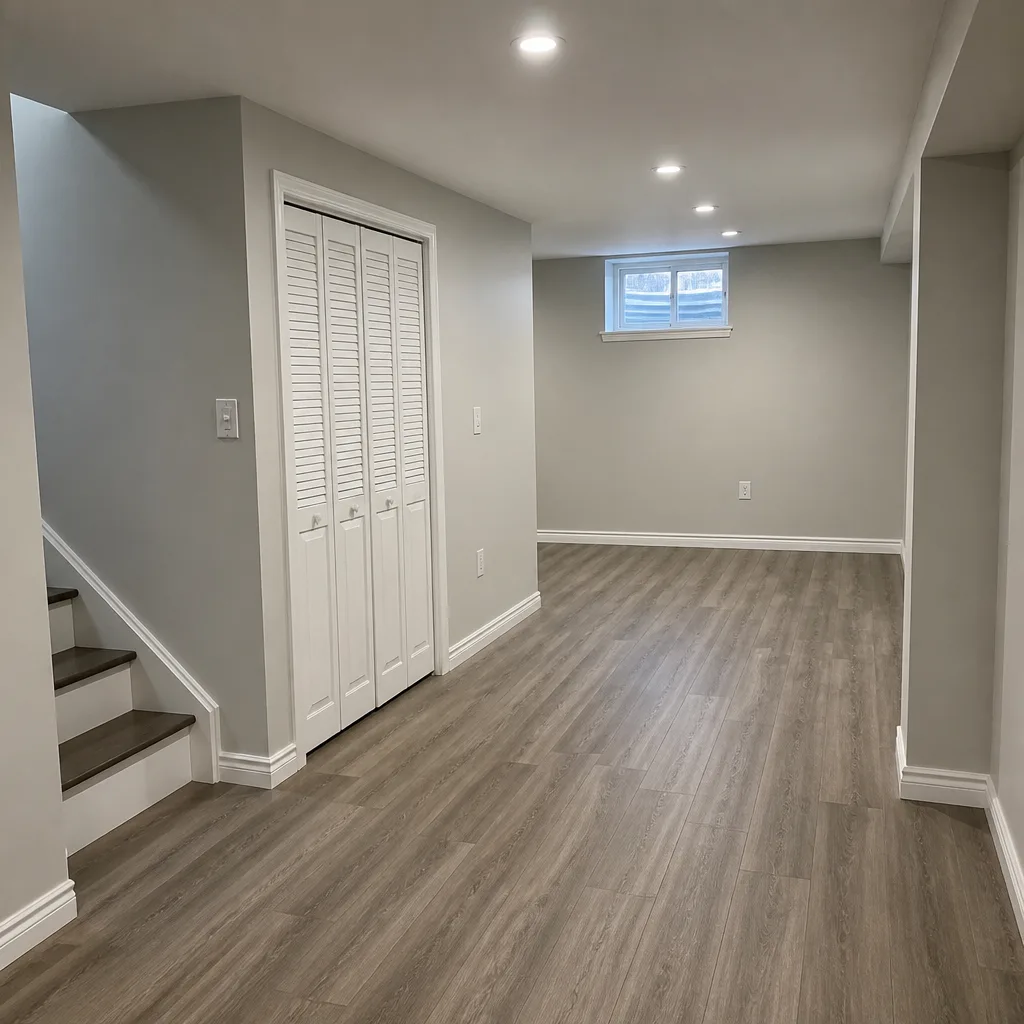 After
After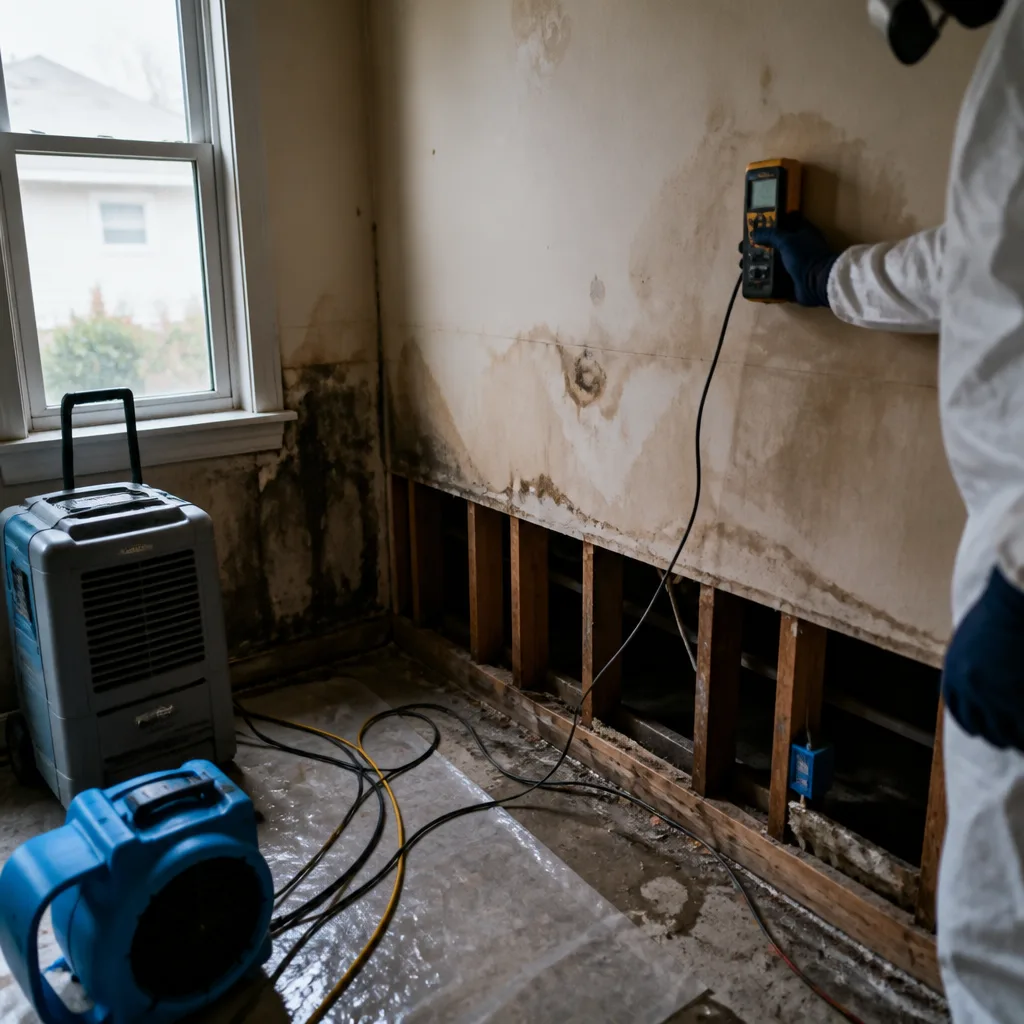 Before
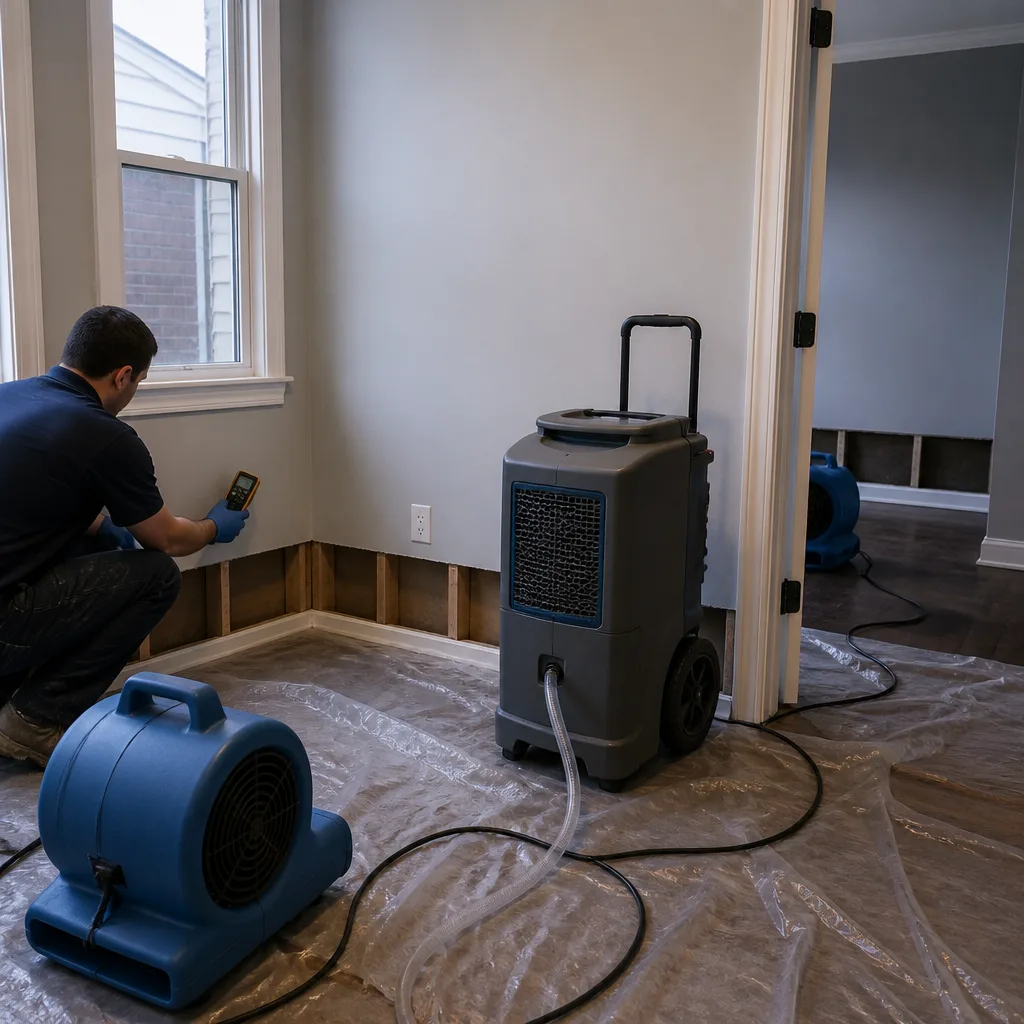 After
AfterFast, Reliable Water Damage Restoration Across St. George
Water damage restoration in St. George, NY typically runs $2,800-$6,500 for a standard residential job, with emergency extraction starting same-day when you call (862) 292-4268. We’re familiar with the hillside Victorian blocks above the St. George ferry terminal, the harbor-front flood plain below, and the specific way salt water moves through century-old foundations in this neighborhood. Our crews coordinate dispatch from our New York City office and carry the documentation-first protocols that turn restoration invoices into payable insurance claims.
Why DryMark Restoration Newark Is St. George’s Preferred Water Damage Restoration Company
We’ve restored water-damaged properties across St. George’s north-shore blocks since 2011, from the wood-frame homes lining St. Mark’s Place to the brick row houses near Hamilton Avenue. Our Water Damage Restoration team has completed 12,000+ jobs, every one with a written price before work started and a photo record on every visit.
St. George customers consistently mention our response time in reviews - crews typically arrive within 90 minutes of call confirmation to the hillside blocks above the ferry terminal, and we maintain live phone coverage 24 hours a day, 7 days a week with no voicemail on emergency lines. Alicia Brennan built this company around the documentation gap that costs homeowners their claims, and that origin shapes how we handle every St. George job.
Our local knowledge matters here in ways generic contractors miss. We know the lateral salt-water wicking pattern that moves through rubble-stone foundations on the slope down to the harbor, and we probe for it even when a property shows no visible flood damage from the street. That difference has saved St. George homeowners from secondary mold damage and denied insurance claims more times than we can count.
Our Water Damage Restoration Services in St. George
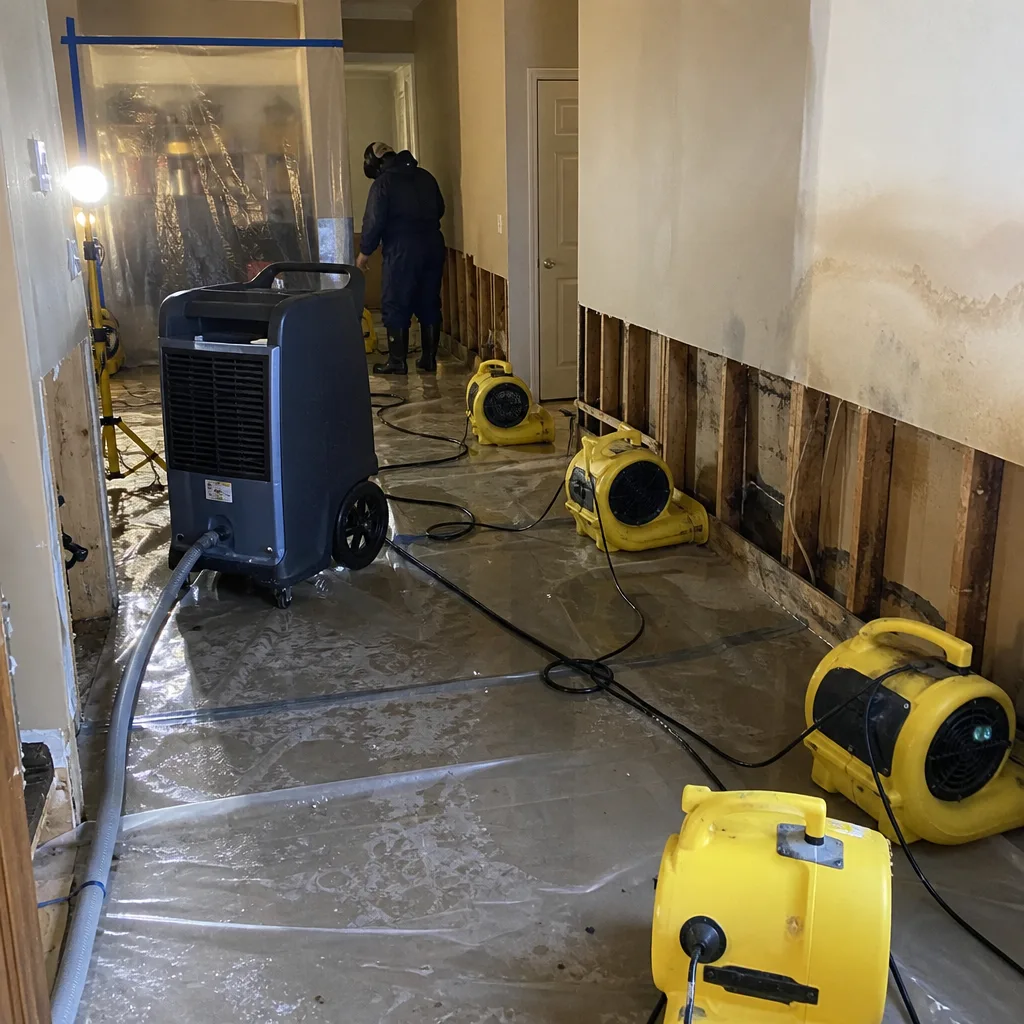
Emergency Water Extraction
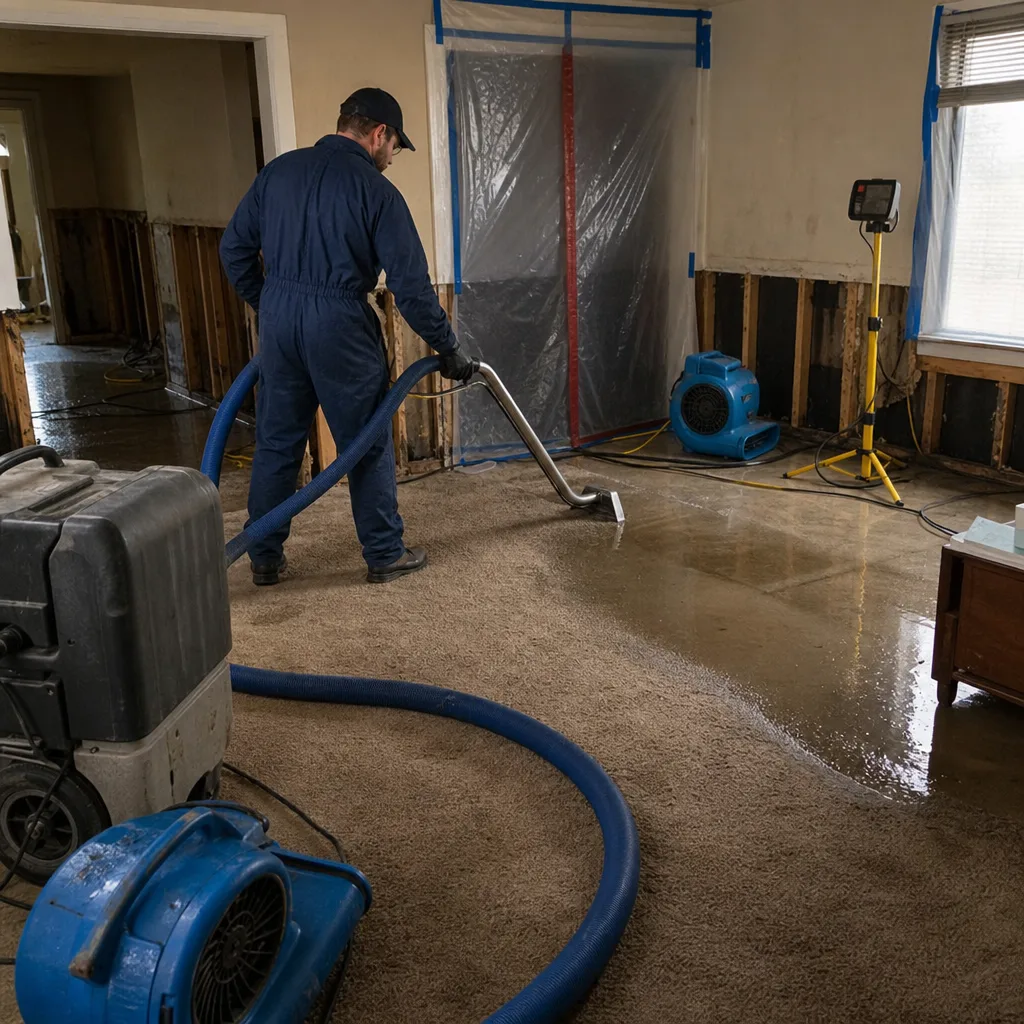
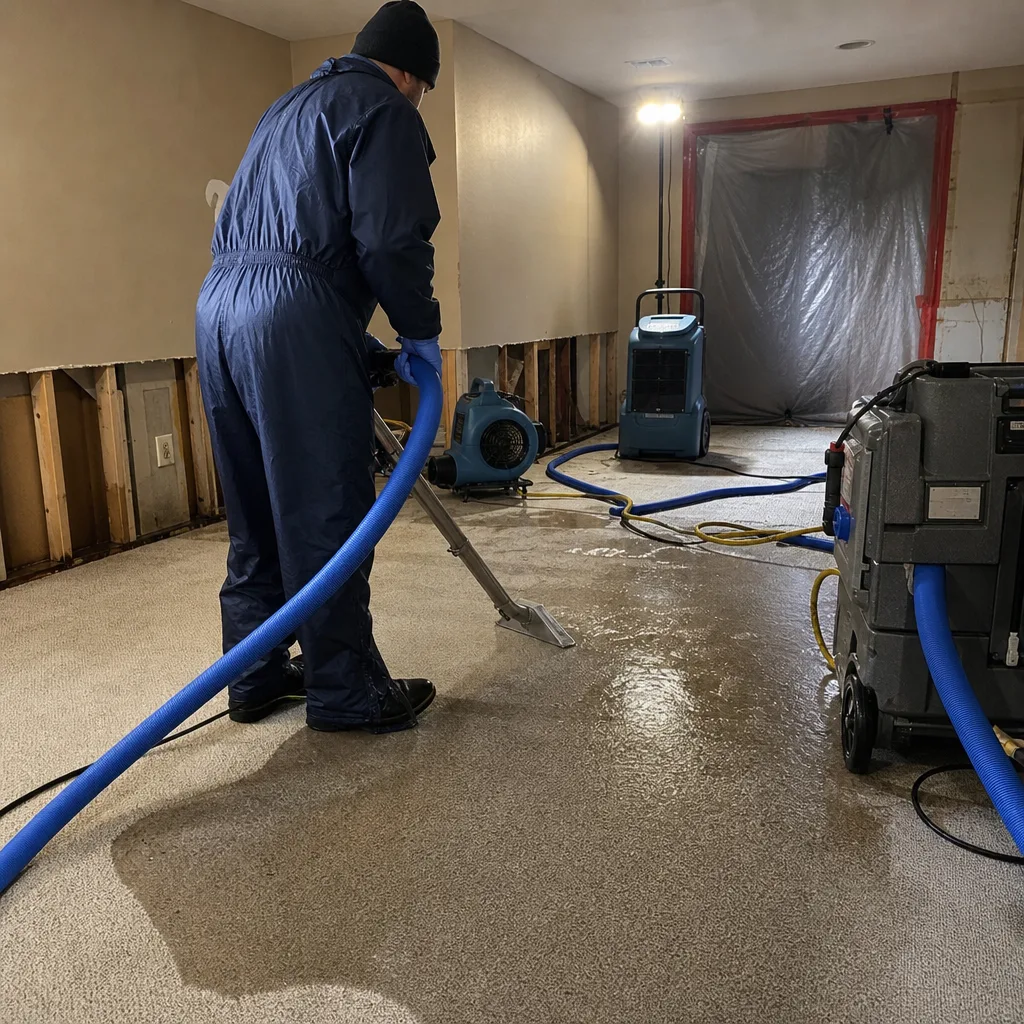
When water enters a St. George home - whether from a nor’easter storm surge pushing up from the harbor or a burst galvanized pipe in a Victorian on Daniel Low Terrace - speed matters. Our crews arrive with truck-mounted extraction systems and portable units for tight basement access, removing standing water before it wicks into original horsehair plaster or old-growth fir millwork. Every extraction is documented with before-and-after photos and moisture readings, building the file your adjuster needs.
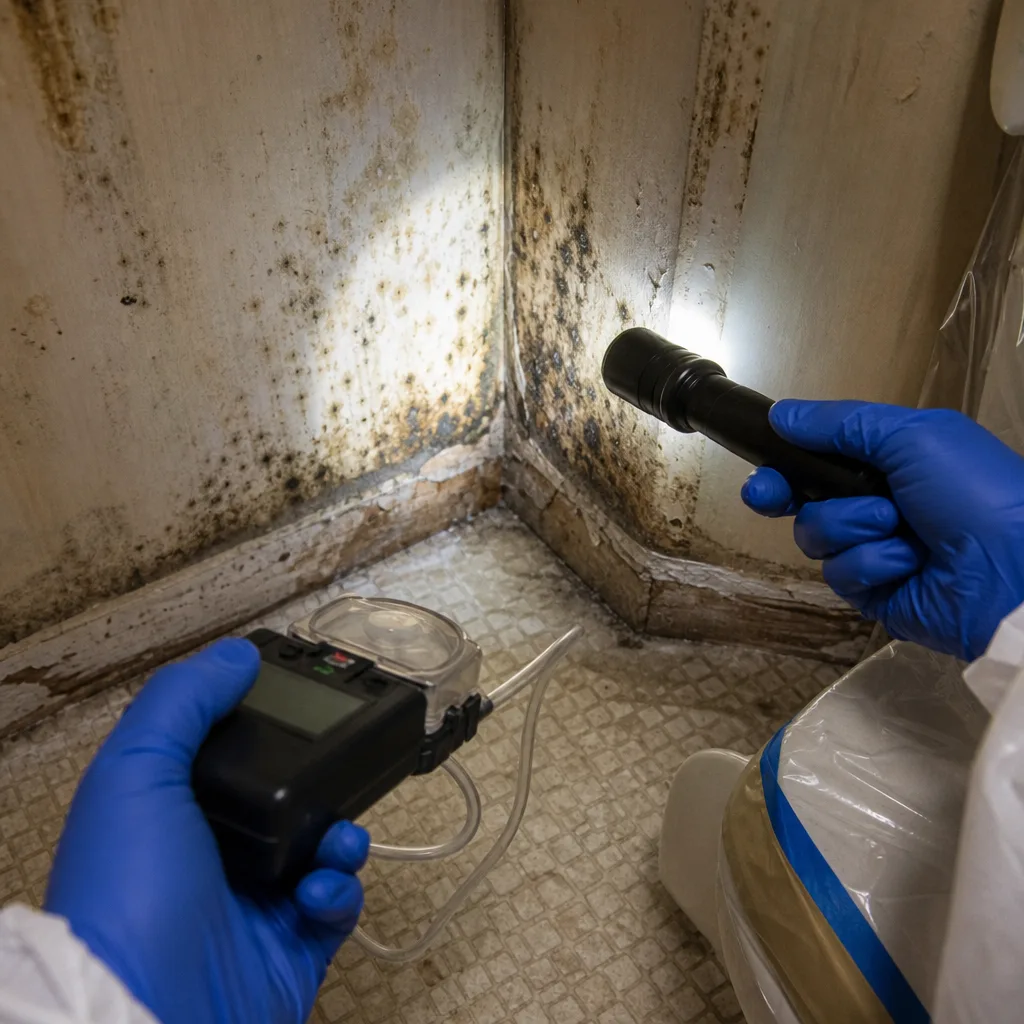
Structural Drying & Dehumidification
St. George’s salt-air environment changes the drying equation. Salt water holds moisture in plaster and lath differently than fresh water, and the harbor humidity slows natural evaporation. We deploy professional-grade drying systems - Injectidry cavity-drying equipment for enclosed wall spaces, B-Air axial air movers for open areas, and desiccant or LGR dehumidifiers sized to the psychrometric load. Daily moisture logs track vapor pressure differential and specific humidity, documenting tertiary drying progress until materials reach their dry standard.
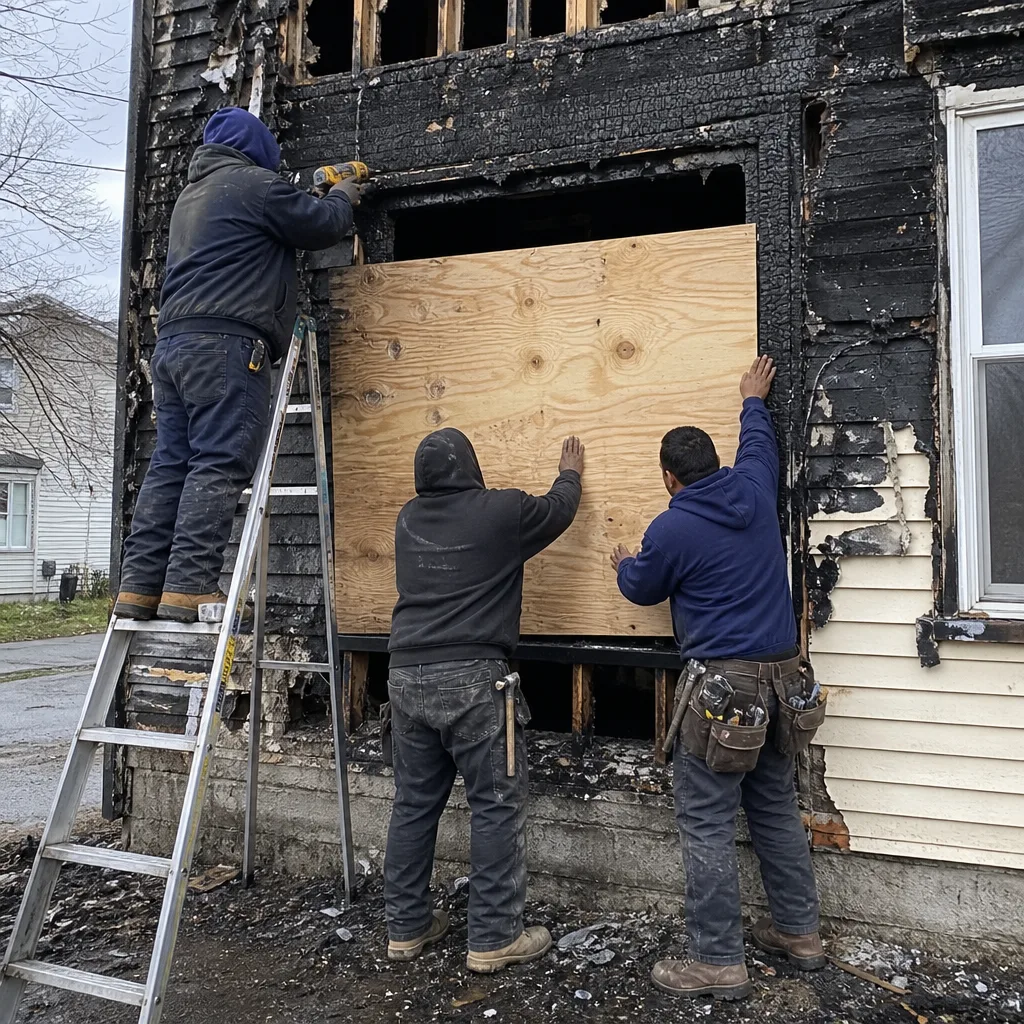
Basement Water Removal
Basements in St. George face a double threat: direct flooding from FEMA-designated flood zones and lateral intrusion through century-old rubble-stone foundations. The sharp topographic drop from the uphill Victorian blocks to the harbor means water moves sideways, not just down. Our basement scopes include sub-slab moisture probing and thermal imaging to find the intrusion path, not just the standing water. We document the water category - whether clean, gray, or black - and adjust antimicrobial protocols accordingly.
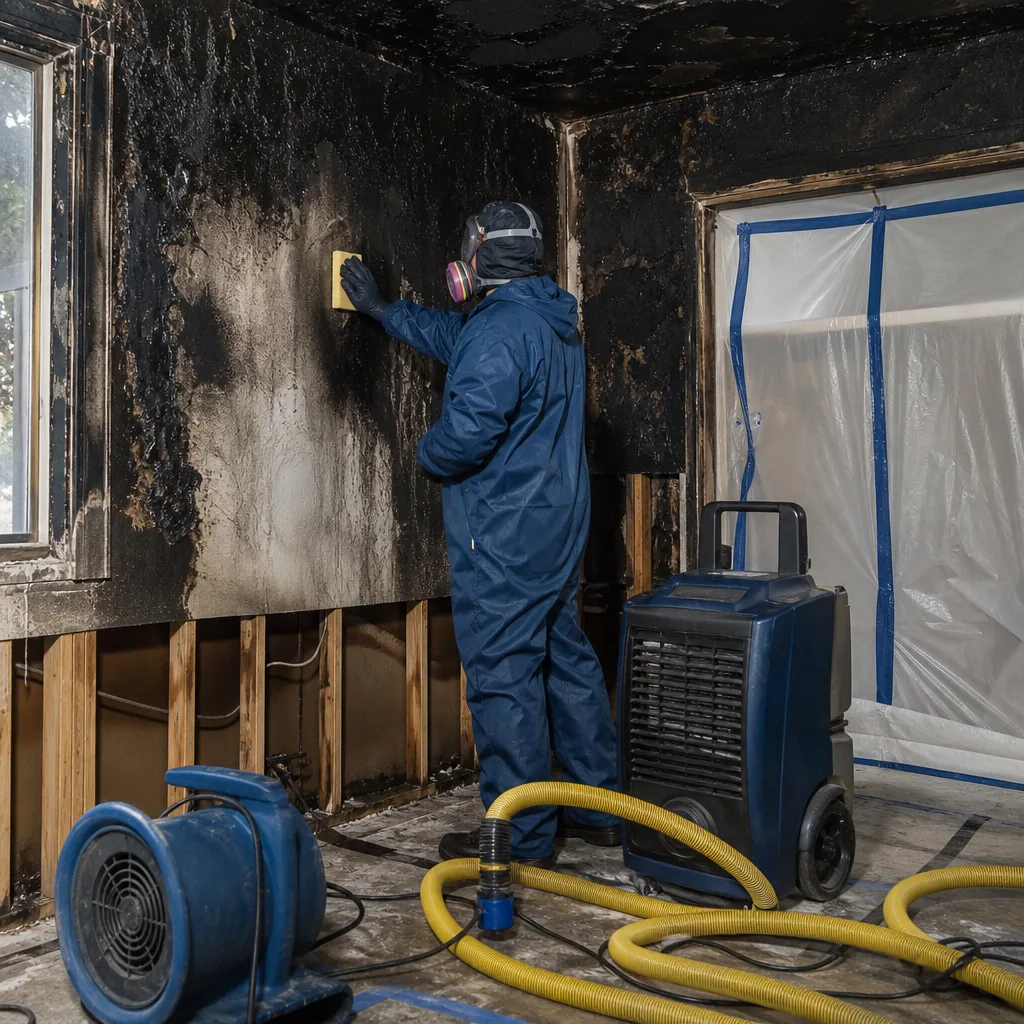
Flood Cleanup
Flood events in St. George carry salt, sediment, and often Category 3 contamination from combined sewer overflow. Cleanup requires more than extraction: affected porous materials must be classified by salvageability, hazardous-materials testing must precede any demolition under NYC DEP rules, and corrosion-prone systems (cast-iron drainage, HVAC components, electrical panels) need inspection beyond the visible wet line. We deliver a written scope before work begins, Haven Standard, Clause 1, with line-item pricing for each phase.
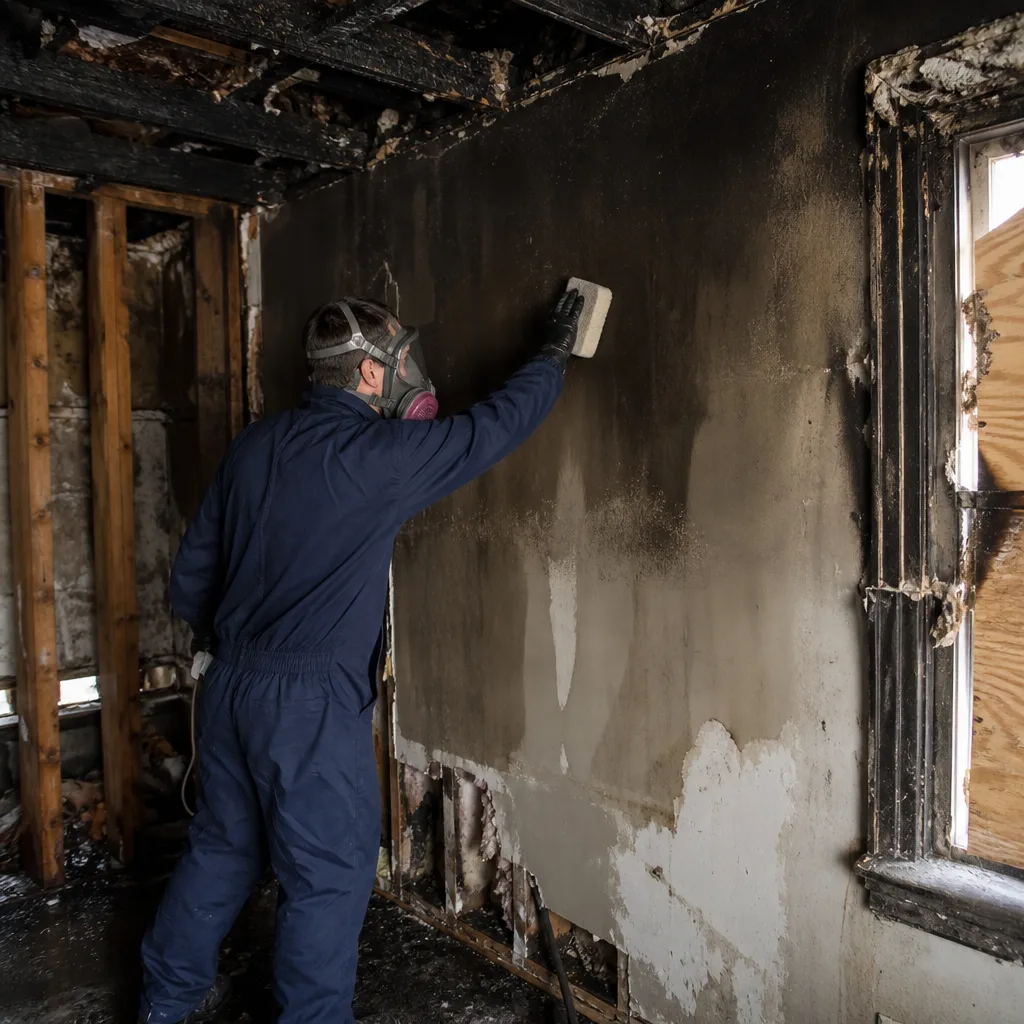
Burst Pipe Restoration
St. George’s aged housing stock - galvanized supply piping, cast-iron drainage, homes dating to 1890-1930 - means burst pipes often signal systemic corrosion, not an isolated failure. We extract the immediate water, map the moisture migration, and document the pipe condition for your insurance file. If the burst occurred in a wall with knob-and-tube or early Romex wiring, we flag the electrical hazard and coordinate testing before any wall opening.
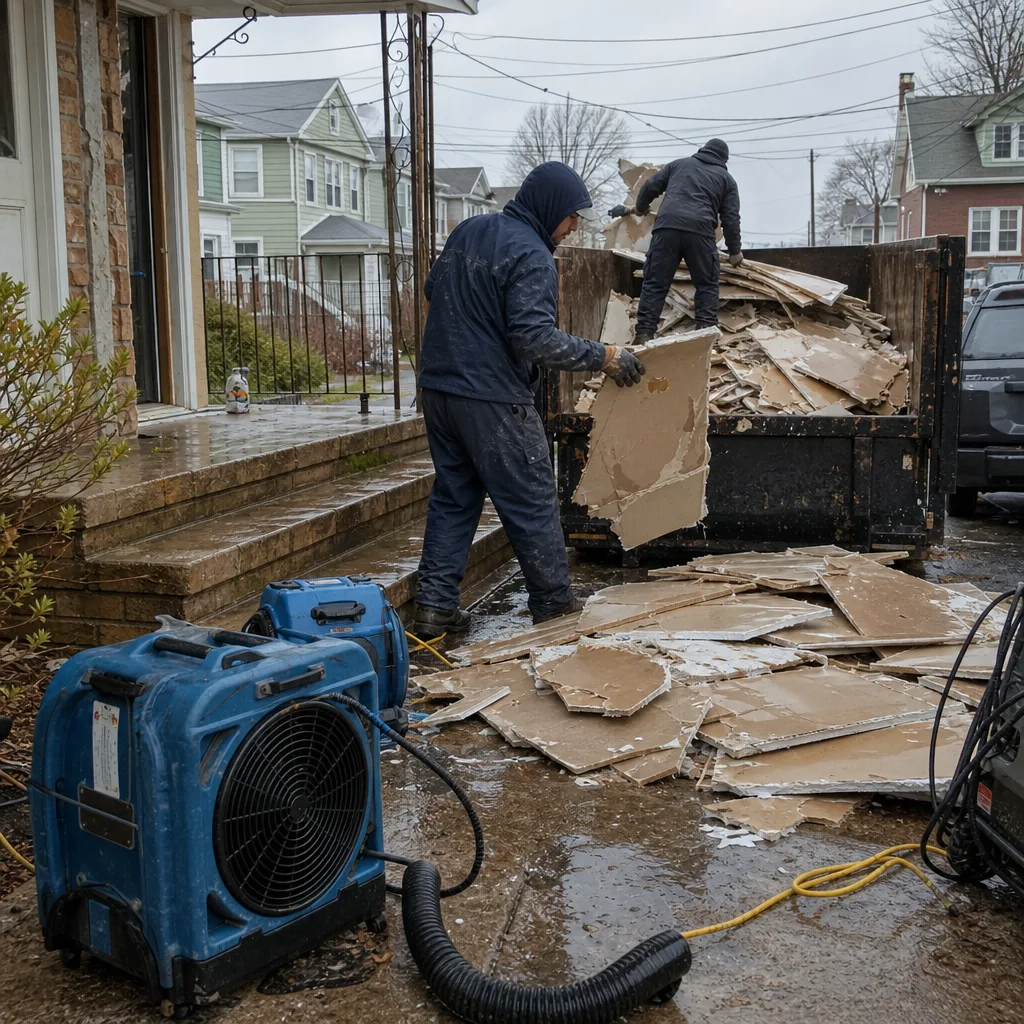
Ceiling & Roof Leak Water Damage
Roof leaks in St. George’s salt-air climate accelerate fast. Corroded flashing, wind-driven rain through aging slate or asphalt, and ice damming on uninsulated Victorian rooflines all send water into plaster ceilings. We probe ceiling cavities with borescopes, check for compromised knob-and-tube wiring, and dry from both sides when possible to preserve original plaster rather than defaulting to demolition.
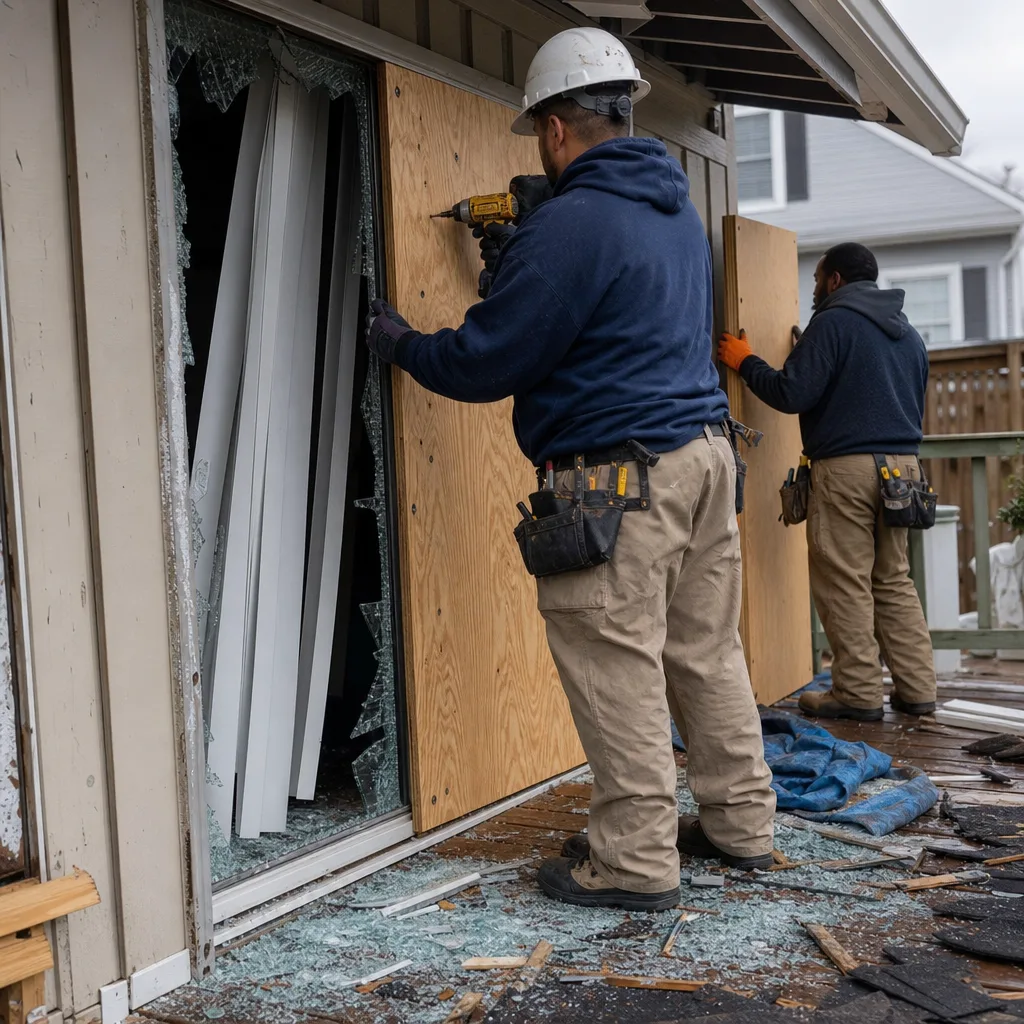
What happens when you call
- 1
A real person answersNo phone trees - you reach a local pro.
- 2
You get an upfront price rangeHonest numbers before anyone is dispatched.
- 3
A background-checked tech heads outLicensed & insured, dispatched right away.
- 4
You approve before work beginsNothing starts until you say go.
BeforeAfterCommon Water Damage Restoration Problems We See in St. George Homes
- Lateral foundation wicking. Storm surge pushes salt water through rubble-stone and brick foundations on the slope to the harbor, creating active moisture intrusion in homes that never took visible floodwater. Technicians who scope only visible wet areas miss the damage entirely.
- Accelerated corrosion from salt-air exposure. Cast-iron drainage, HVAC components, and exposed structural steel corrode faster after salt-water intrusion than after fresh-water flooding. We inspect beyond the visible wet line because the corrosion continues after the water is gone.
- Mandatory hazardous-materials delays. Original horsehair plaster, lead paint, and asbestos-containing materials trigger NYC DEP testing requirements before demolition. Crews who skip this step stall the job and expose homeowners to liability.
- Mold colonization inside the 24-48 hour window. St. George’s harbor humidity and salt-residue nutrients accelerate mold growth compared to inland fresh-water events. Delayed or incomplete drying almost guarantees secondary microbial damage.
Pricing for Water Damage Restoration in St. George, NY
We publish ranges because Haven Standard, Clause 1 requires a written price before work starts - every time, with no exceptions. Typical St. George jobs fall in these brackets:
- Emergency water extraction (first 2 hours): $450-$850
- Structural drying & dehumidification (3-5 day standard): $1,800-$3,200
- Basement water removal with sub-slab probing: $2,200-$4,500
- Flood cleanup with Category 3 contamination: $3,500-$7,800
- Burst pipe restoration with moisture mapping: $2,800-$5,500
- Ceiling leak drying with plaster preservation attempt: $1,200-$2,800
Factors that move St. George jobs higher: salt-water intrusion requiring specialized antimicrobial treatment, hazardous-materials testing and abatement coordination, hidden moisture in original plaster-on-lath walls, and corrosion damage to aged mechanical systems. Factors that keep costs controlled: fast call response limiting secondary damage, accurate moisture mapping preventing unnecessary demolition, and documented drying logs that prevent insurer disputes. Call (862) 292-4268 - estimates are free, and we provide a Free Second Opinion on any competitor’s written estimate.
We Also Serve Cities Near St. George
Our crews respond throughout the north-shore and lower Manhattan area, including St. George neighbors in Battery Park City, the Financial District, Tribeca, and SoHo. Dispatch and scheduling are coordinated from our New York City office; crews serve St. George locally with the same documentation protocols applied across our entire service area.
Serving St. George, NY - Our Local Coverage Area
We’re based in the St. George area and know this community well. Use the map below to see our service coverage - if you’re nearby, we can almost certainly help.
FAQs - Water Damage Restoration in St. George
Lateral salt-water wicking through century-old rubble-stone and brick foundations moves storm surge horizontally into hillside homes that never took direct floodwater. The sharp topographic drop from your block down to the harbor creates a subsurface migration path that shows up as elevated moisture readings in basement walls and first-floor plaster. We probe with thermal imaging and sub-slab sensors to find the intrusion source, then document it for your insurance file. Call (862) 292-4268 for moisture mapping - estimates are free.
Mold colonization typically begins within 24-48 hours in St. George’s harbor-humidity conditions, faster than inland fresh-water events because salt residue provides additional nutrients and the ambient moisture slows natural drying. We set drying equipment within hours of call confirmation to beat that window, and we document daily moisture logs to prove it to your adjuster. Call (862) 292-4268 for emergency response.
Late-Victorian and Edwardian construction features original horsehair plaster, plaster-on-lath walls, old-growth fir millwork, and likely asbestos or lead-paint hazards - all of which trigger mandatory NYC DEP testing before demolition and require specialized drying protocols to preserve salvageable materials. Knob-and-tube or early Romex wiring adds electrical hazards that must be tested before wall openings. We build these steps into every written scope, Haven Standard, Clause 1, so there are no surprise additions once the crew is inside.
Yes. Salt-water intrusion corrodes cast-iron drainage, HVAC components, and exposed structural steel faster than fresh-water flooding, and the corrosion continues after visible water is extracted. We inspect mechanical systems beyond the visible wet line and document corrosion findings in the photo record included as a standard deliverable on every visit. Call (862) 292-4268 for a full-system assessment.
Water category determines antimicrobial protocol, material disposal requirements, and drying approach: Category 1 (clean source) requires basic extraction and drying; Category 2 (gray water, such as dishwasher discharge) requires disinfection; Category 3 (black water, including combined sewer overflow common in St. George flood events) requires full PPE, specialized antimicrobial treatment, and often removal of porous materials. We classify the water source in our initial assessment, document it with photos, and build the category-appropriate protocol into your written scope before work begins.
Written by Alicia Brennan, Owner at DryMark Restoration Newark, serving St. George since 2011.
Water Damage Restoration in Nearby Areas