
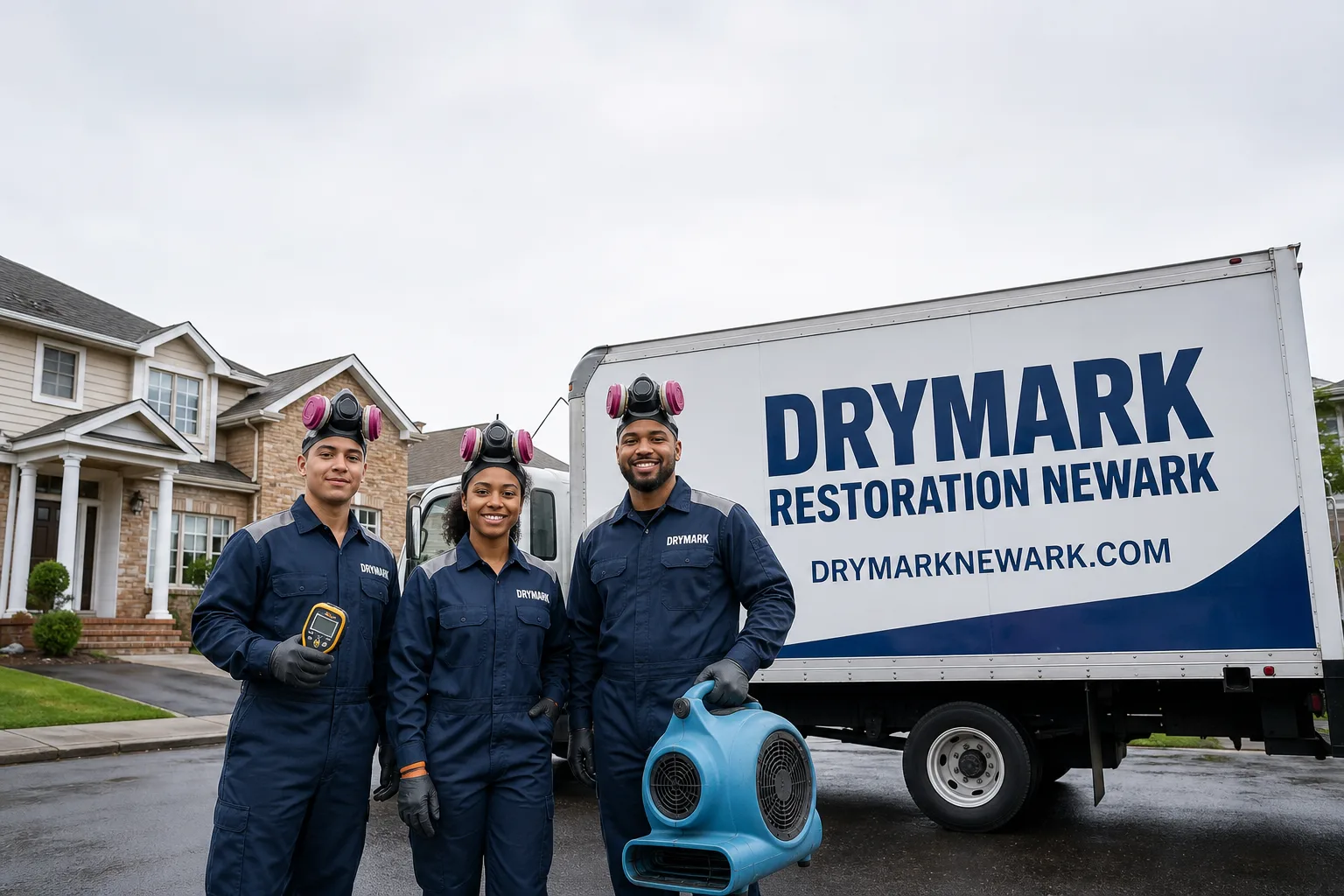
Free visual inspection and a written scope of work before any mitigation begins - photos, moisture readings, and drying logs go in your claim file
The scope we write is the scope we bill. Anything new gets shown to you, in writing, before we touch it.
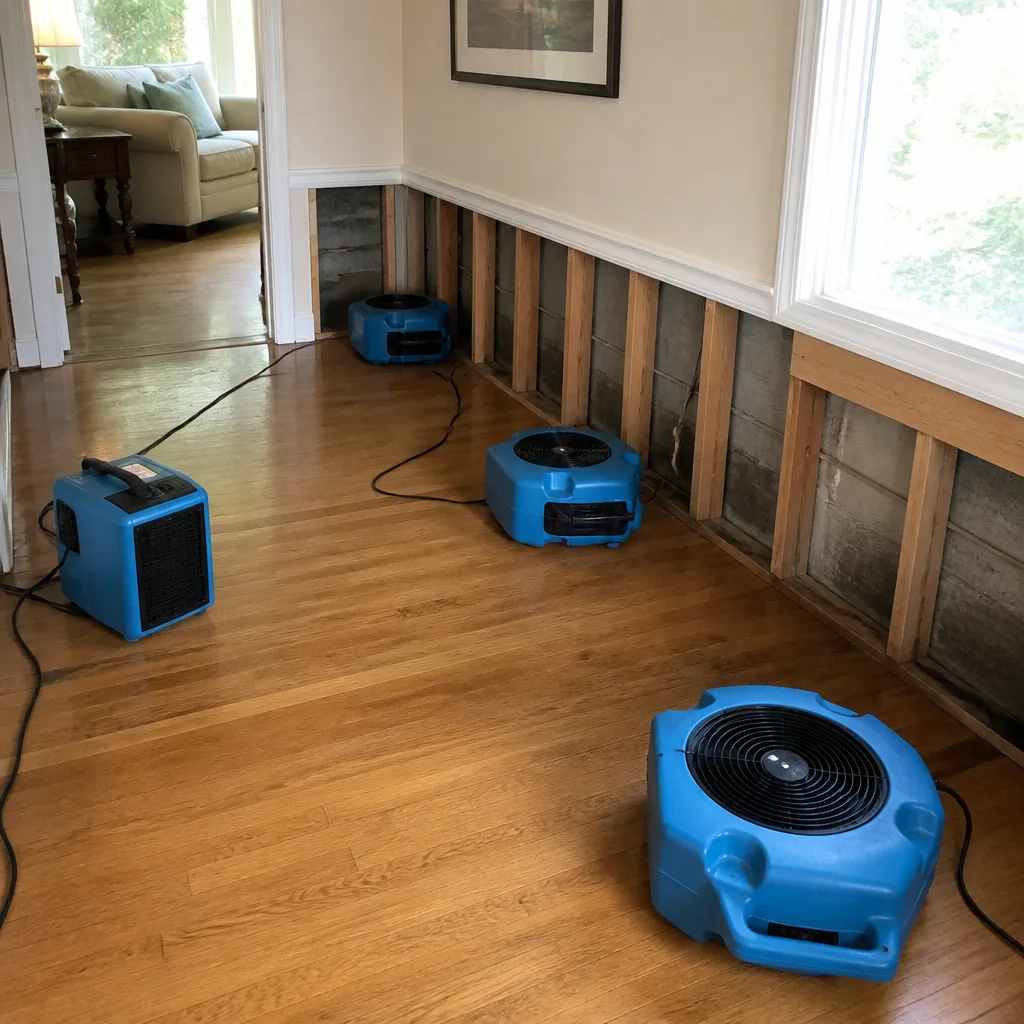
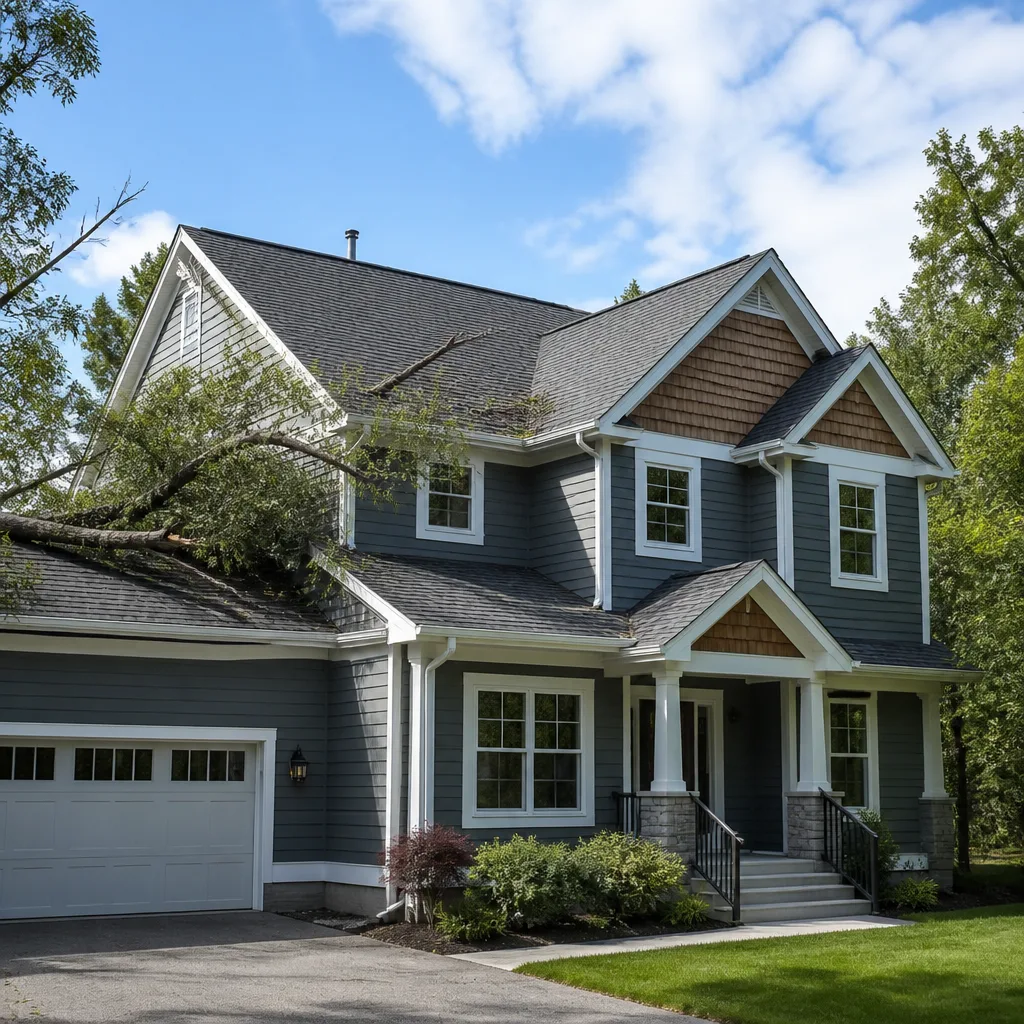
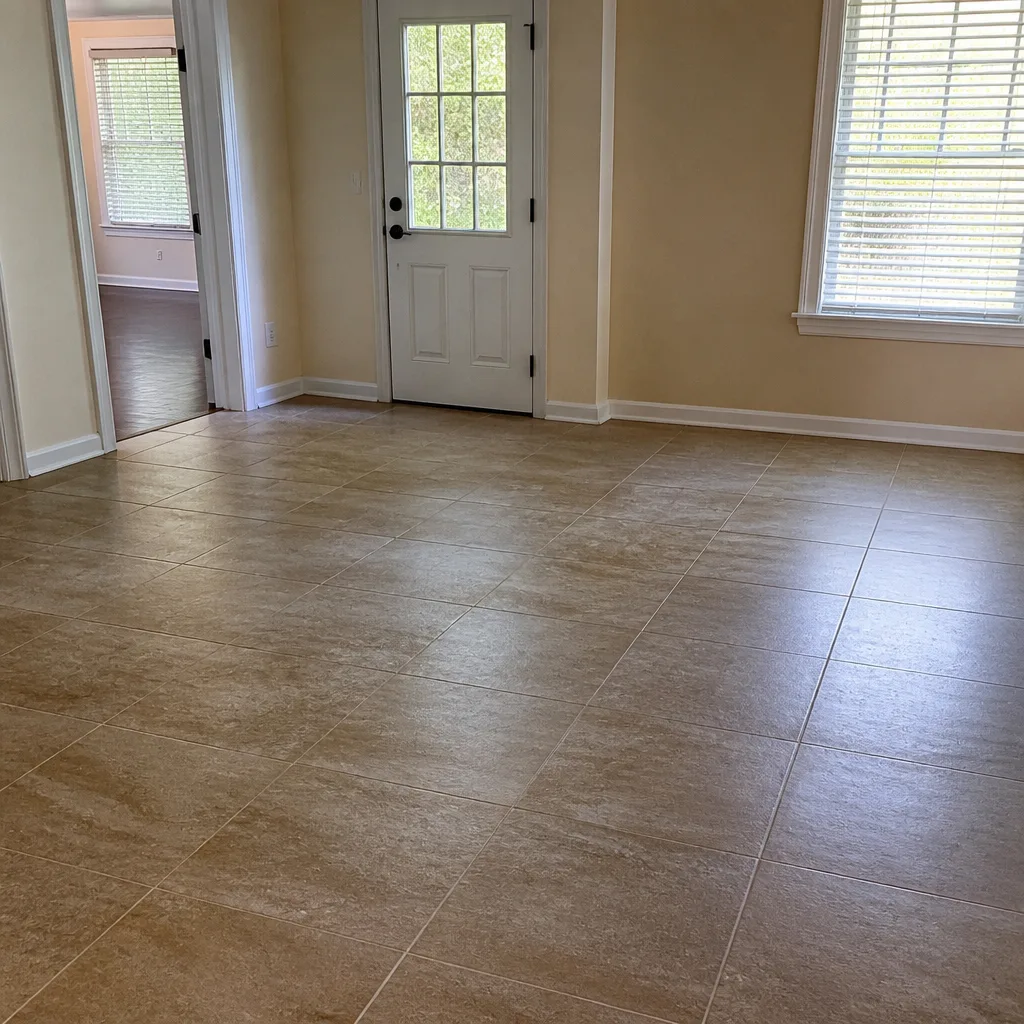
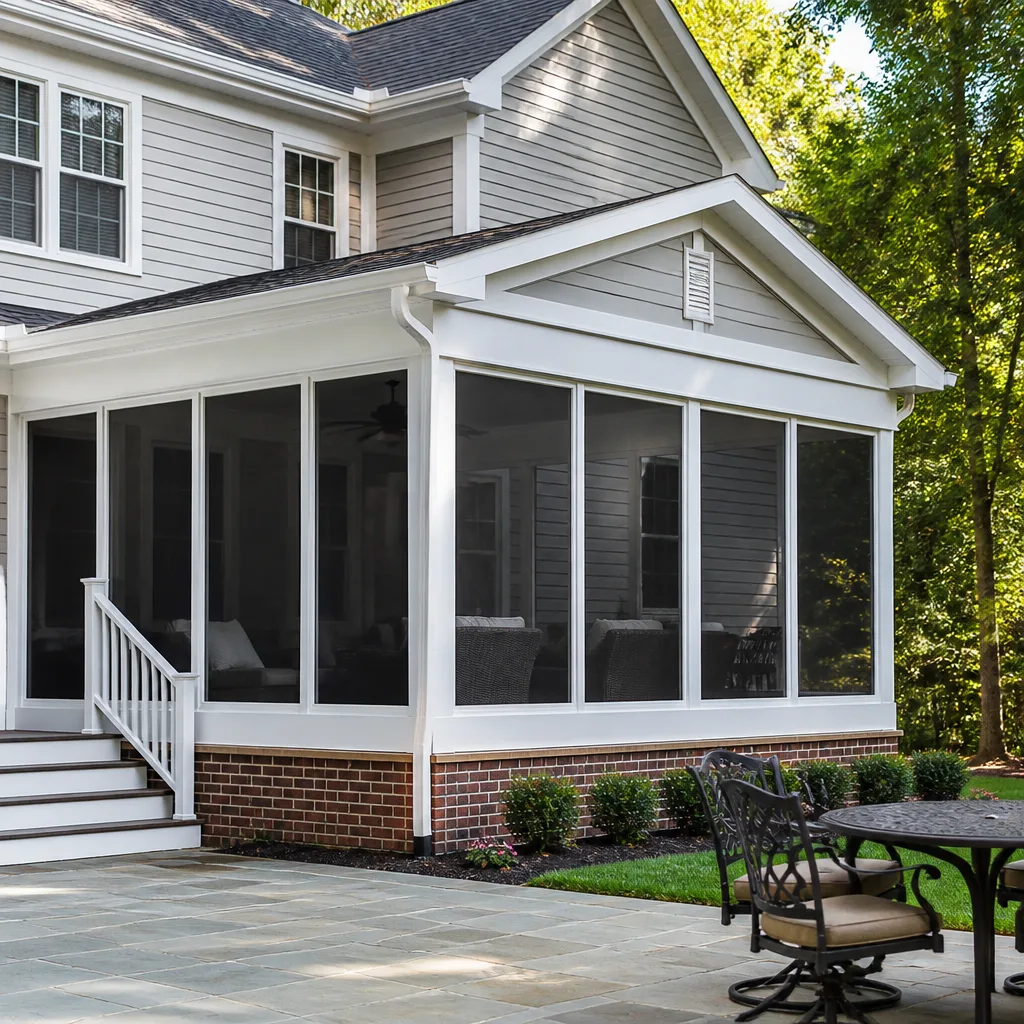
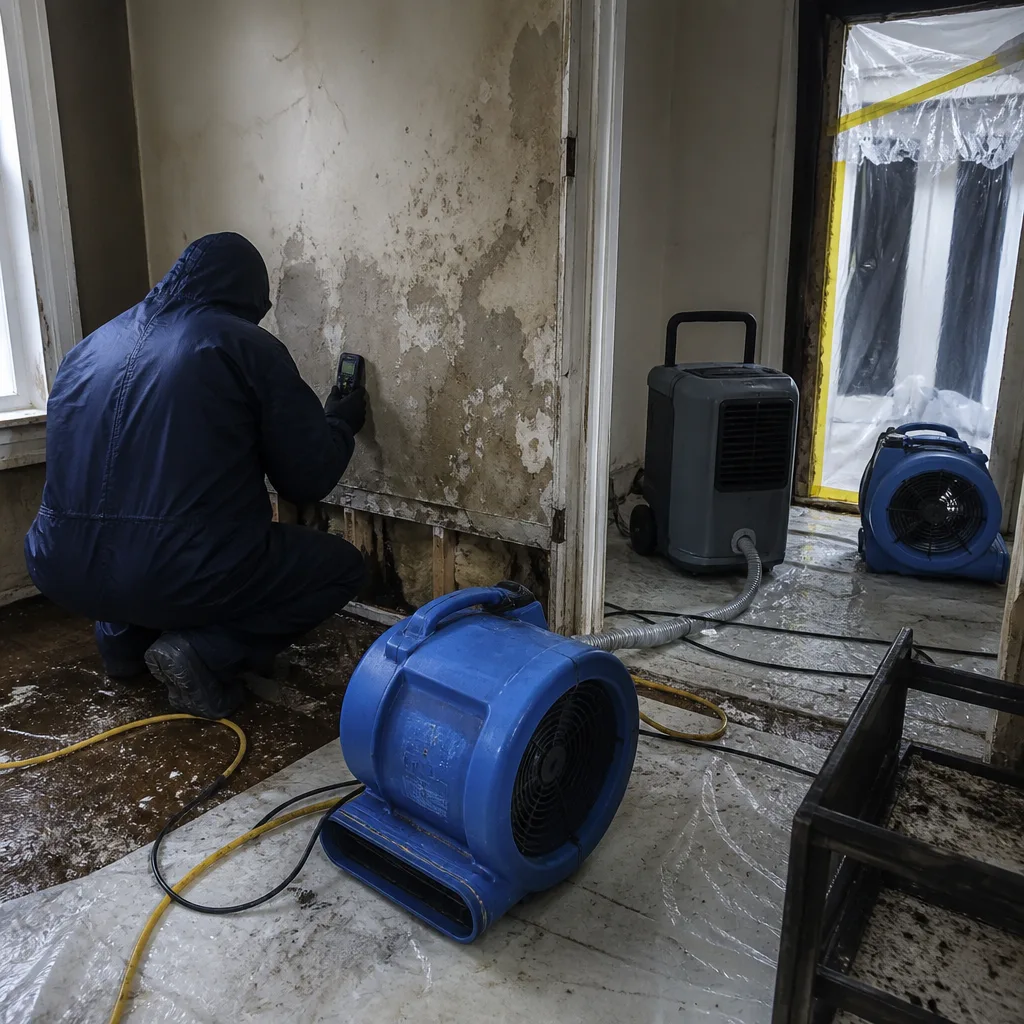 Before
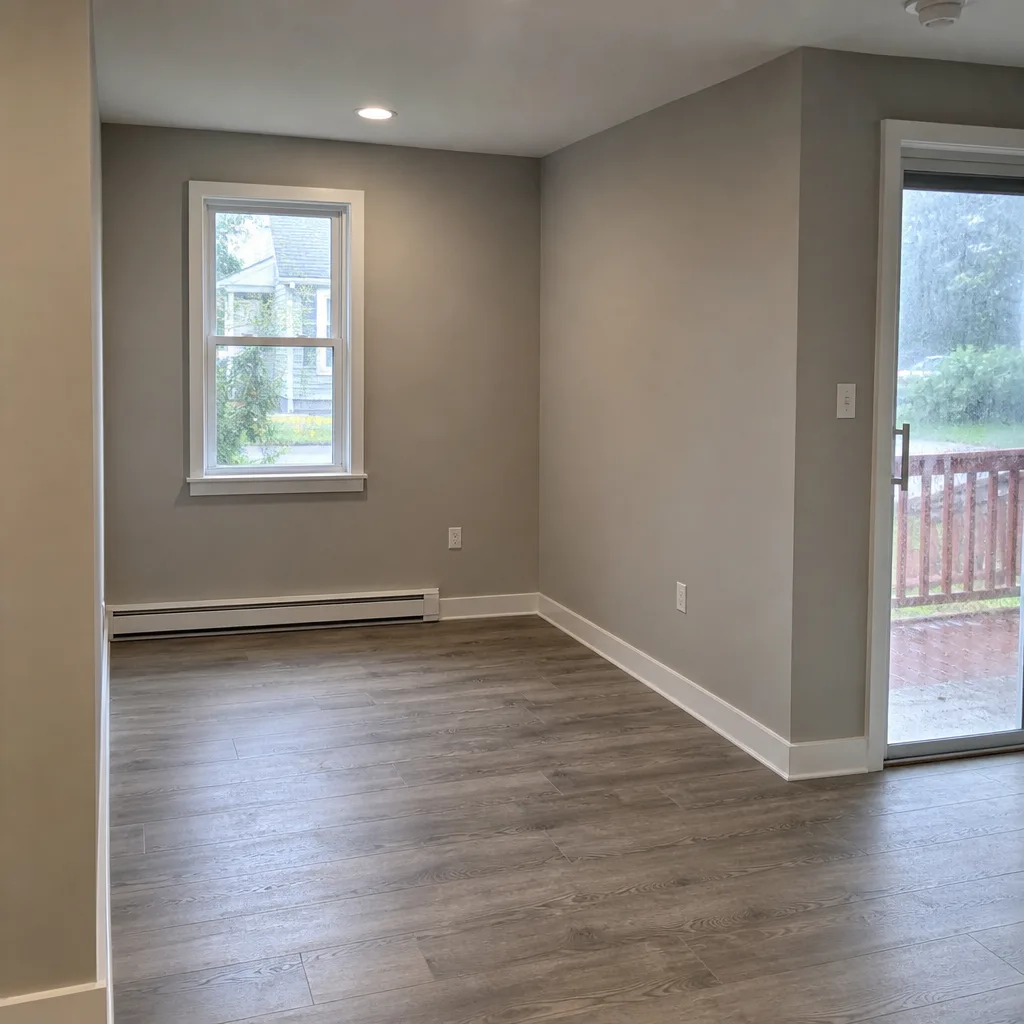 After
After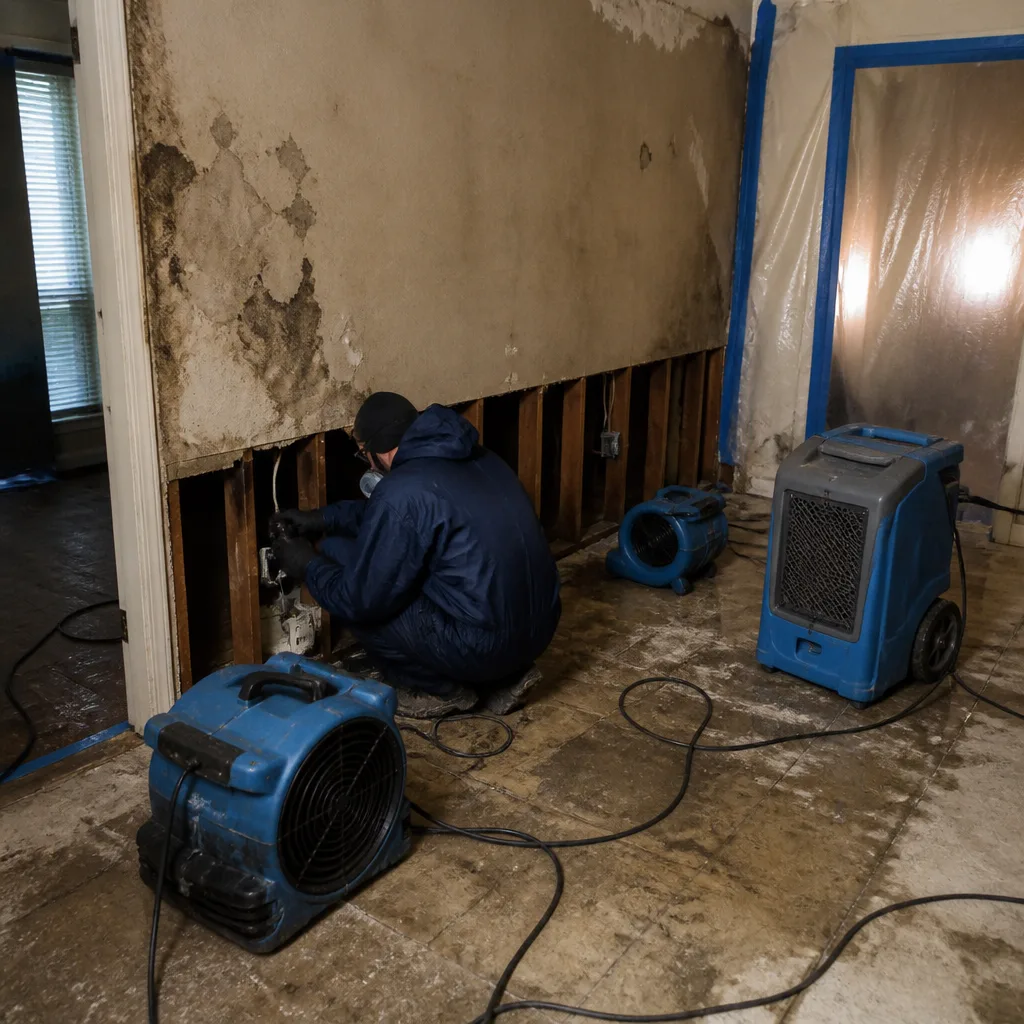 Before
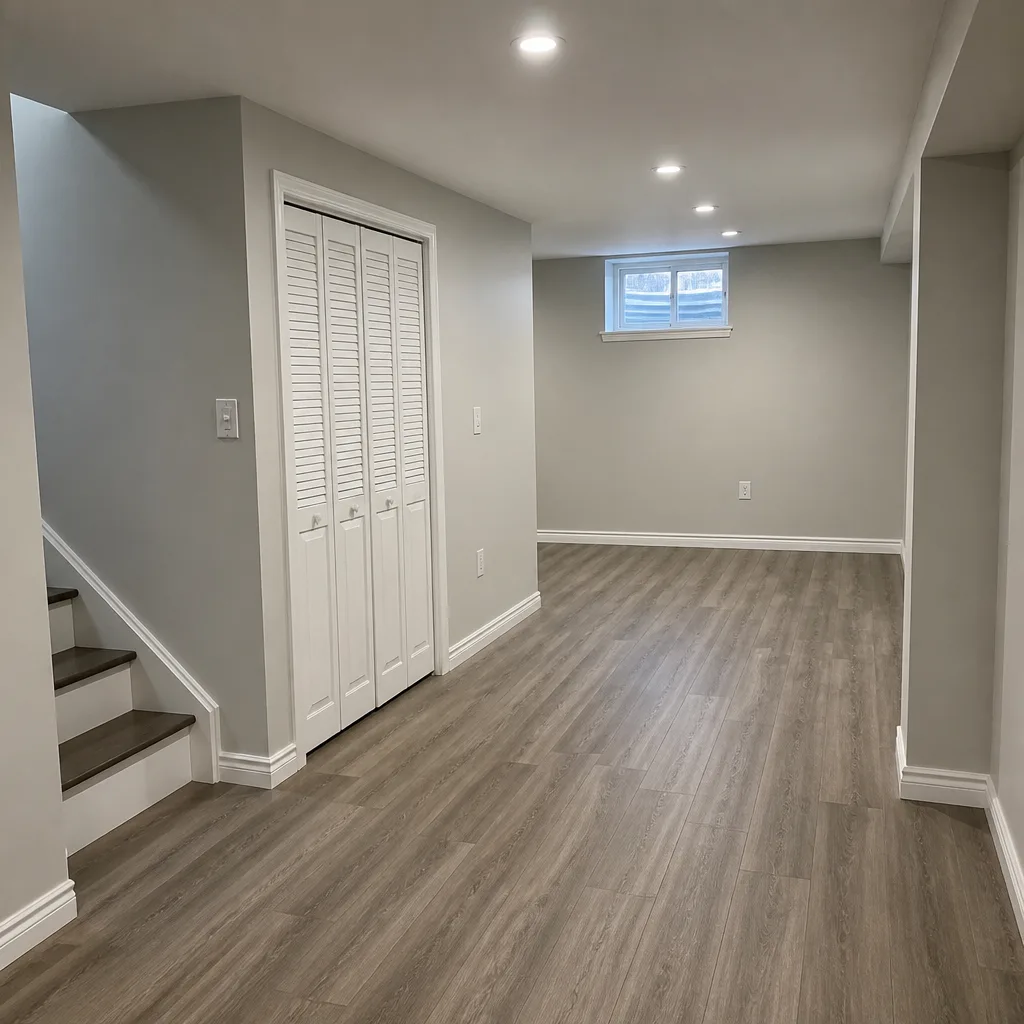 After
After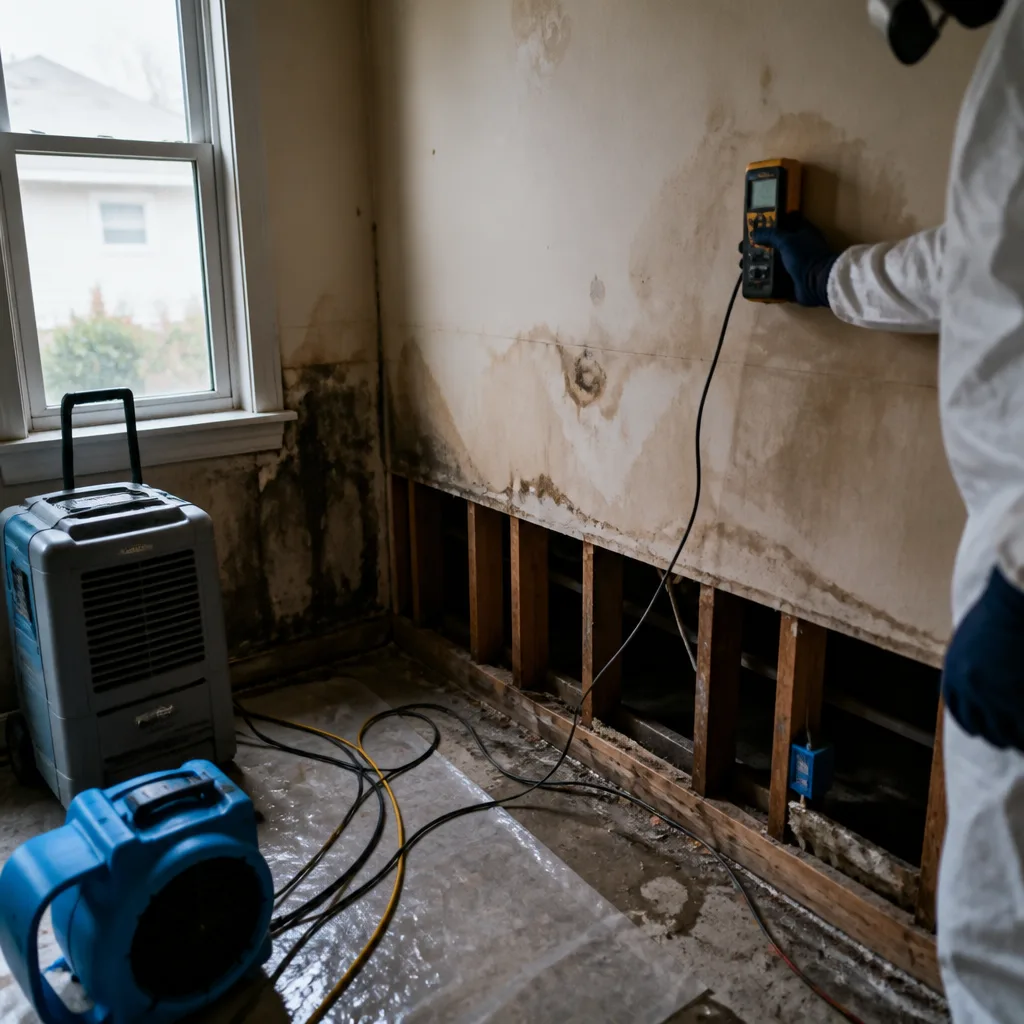 Before
 After
AfterFast, Reliable Water Damage Restoration Across Tribeca
Water damage restoration in Tribeca, NY typically costs $2,800-$7,500 for a standard residential loss, with emergency extraction starting at $450-$950 and structural drying running $1,200-$3,200 depending on square footage and material type. Most Tribeca properties need 5-14 days of monitored drying because of the neighborhood’s heavy old-growth timber construction. Our crews respond to Tribeca within 60-90 minutes from our New York City office, and every job starts with a written price before any equipment is unloaded.
We’ve restored water-damaged properties throughout Tribeca’s historic loft district, from converted 1880s warehouses along Duane Street to co-op buildings near Washington Market Park. The neighborhood’s 19th-century mill construction, FEMA flood exposure, and Landmarks Preservation Commission oversight create restoration challenges that standard residential crews are not equipped to handle. Our Water Damage Restoration team documents every job to IICRC and RIA standards, with daily moisture logs and photo records that keep insurance claims moving without dispute.
Call (862) 292-4268 now. A live person answers, 24 hours a day, 7 days a week.
Why DryMark Restoration Newark Is Tribeca’s Preferred Water Damage Restoration Company
We’ve restored properties across Tribeca’s four historic districts - Tribeca North, South, East, and West - and our documentation has supported successful insurance claims on losses ranging from single-unit pipe bursts to building-wide flood events. Our 12,000+ restored homes since 2011 include dozens of Tribeca lofts where moisture mapping across original timber beams was the difference between preservation and demolition.
Response time to Tribeca averages 60-90 minutes from dispatch. Our crews carry the equipment to begin extraction immediately: truck-mounted extractors, XPOWER air movers, and Injectidry mat systems for hardwood and plank subfloors. We know which Tribeca buildings have sub-grade mechanical vaults, which blocks saw the deepest Sandy flooding, and which co-op boards require pre-approved scopes - local knowledge that prevents delays when water is still spreading.
Every technician is background-checked, uniformed, and licensed, with documentation provided on request. Every job is quoted in writing before work begins, per Haven Standard, Clause 1. Our 365-Day Done Right Promise applies to every Tribeca restoration, backed by The Haven Standard, not a verbal assurance.
Our Water Damage Restoration Services in Tribeca
Emergency Water Extraction
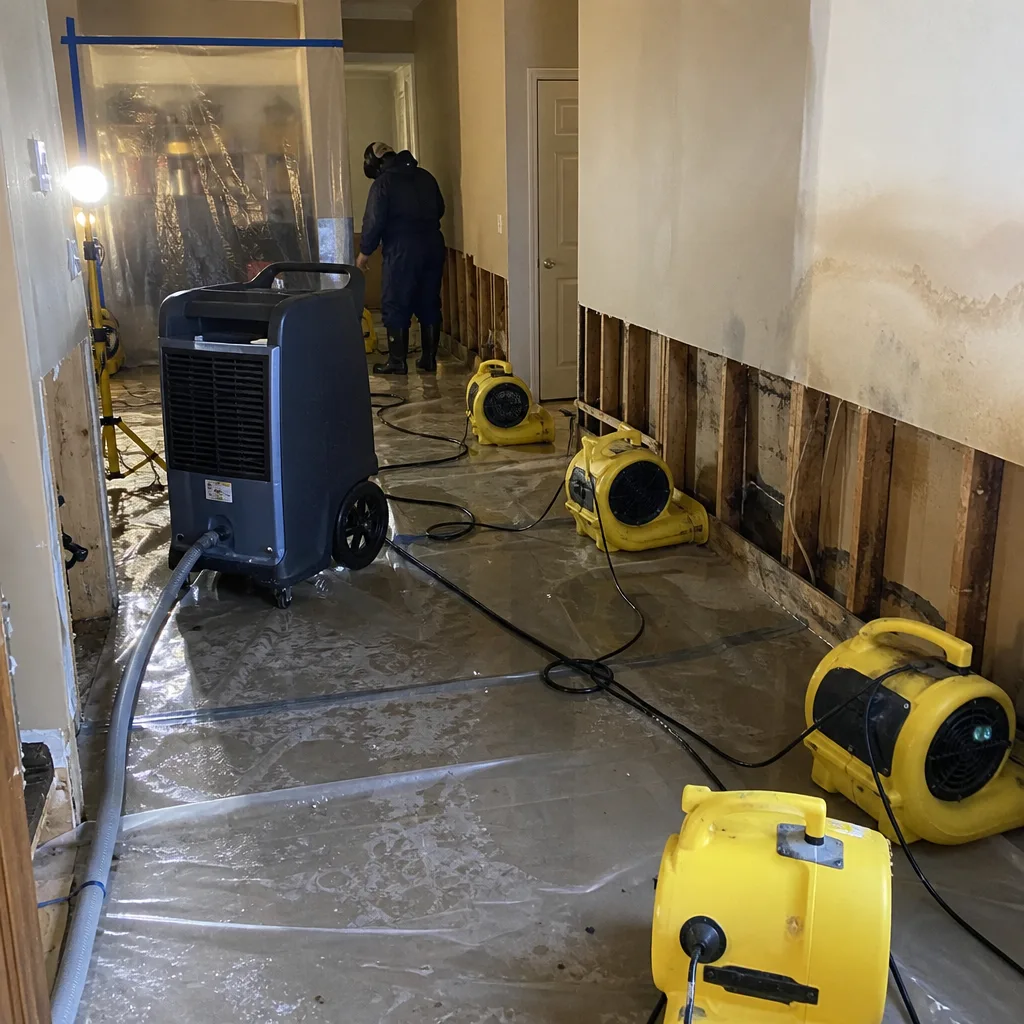
When a burst pipe, sewer backup, or storm surge floods a Tribeca property, speed matters - but so does what happens after the visible water is gone. Our truck-mounted extraction systems remove standing water from loft spaces, basement vaults, and sub-grade mechanical rooms at rates up to 25 gallons per minute. In Tribeca’s converted warehouses, we often extract from multiple levels simultaneously: the residential loft above, the commercial space below, and the shared mechanical vault beneath the sidewalk. We document water depth, contamination category, and affected materials with photos before any equipment is moved, creating the record your adjuster needs from hour one.
Structural Drying & Dehumidification
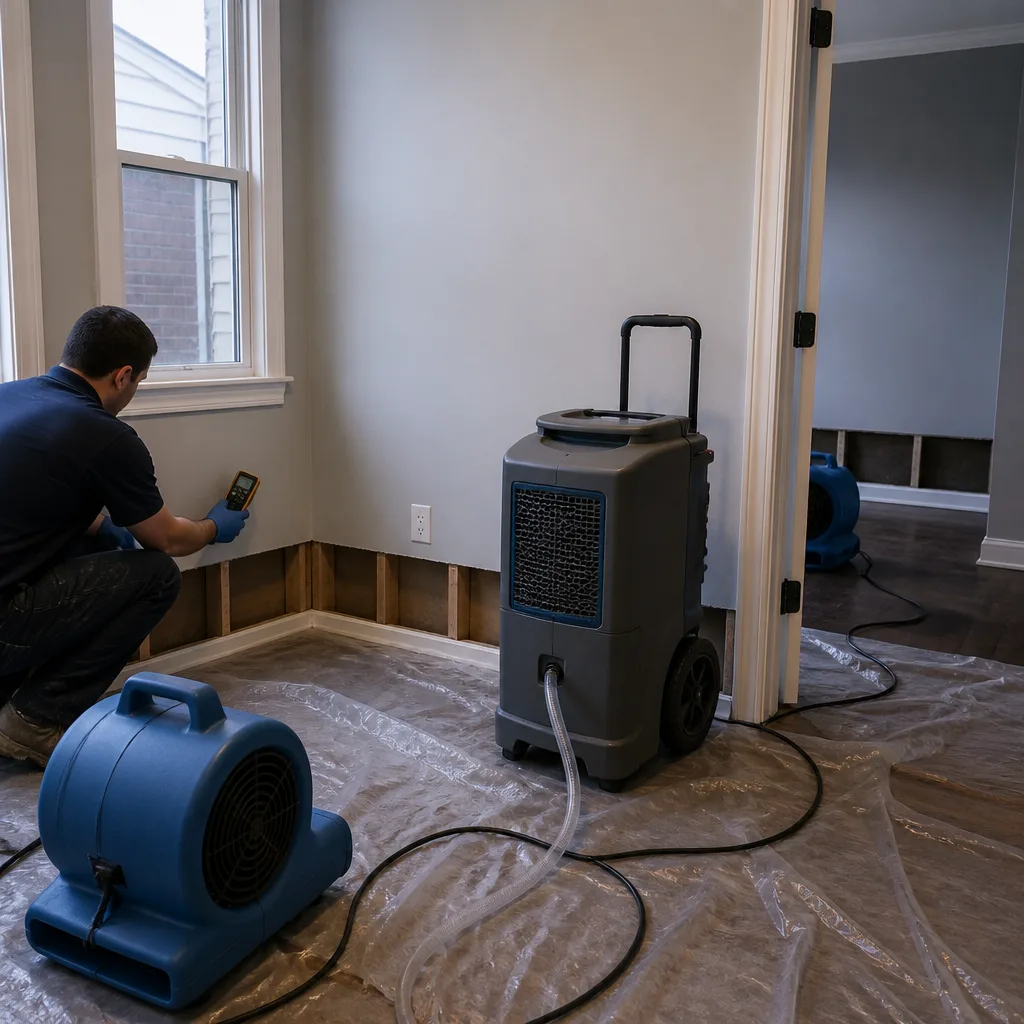
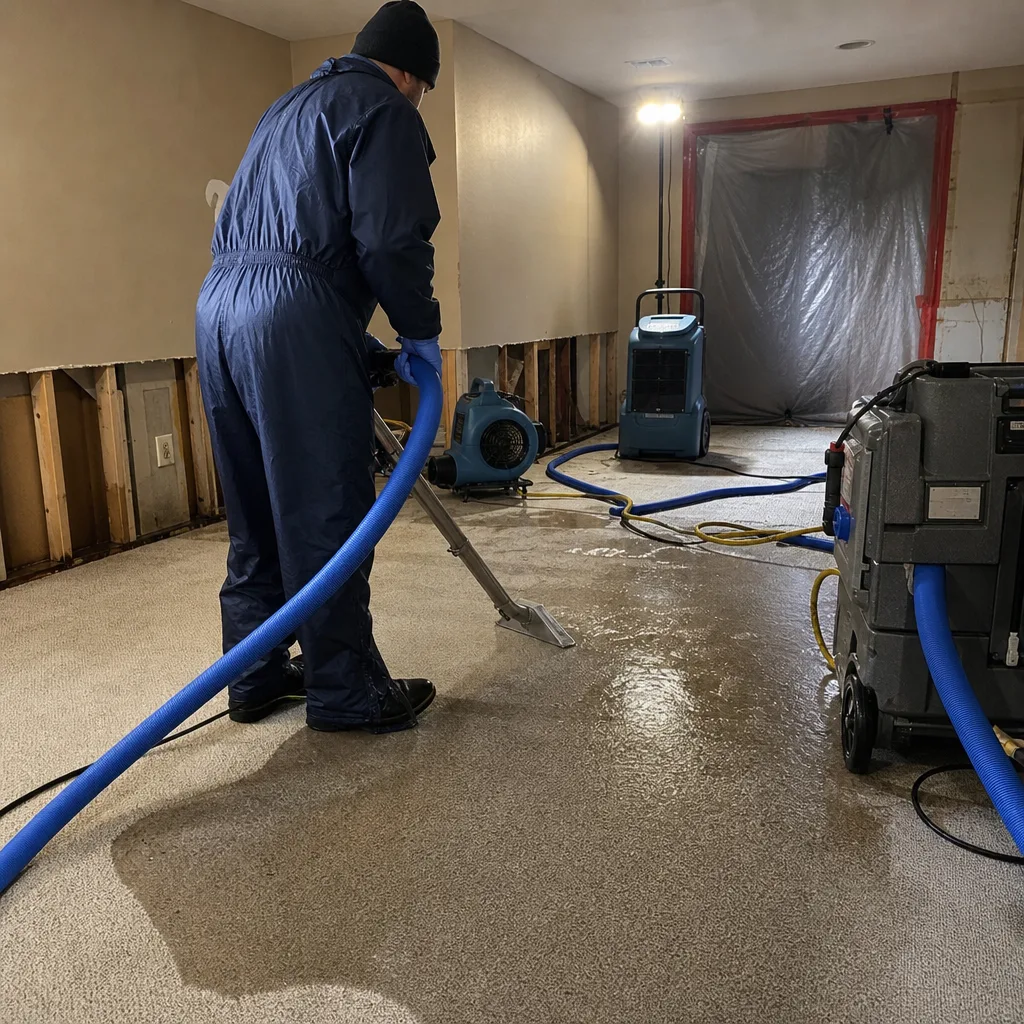
This is where Tribeca’s mill construction changes everything. Standard drywall-and-stud drying protocols - air movers pointed at walls, dehumidifiers in the corner - miss water that has wicked deep into 12-inch old-growth timber posts and 3-inch plank subfloors. Our structural drying process for Tribeca lofts includes moisture mapping across every accessible timber member using penetrating meters and thermal imaging, followed by targeted drying with Injectidry mat systems on plank floors and B-Air axial fans creating controlled airflow through wall and floor cavities. We log psychrometric data - temperature, relative humidity, vapor pressure differential - daily, producing the drying records that demonstrate restoration to pre-loss condition. Typical Tribeca loft drying runs 7-14 days, compared to 3-5 days for modern light-frame construction.
Basement Water Removal
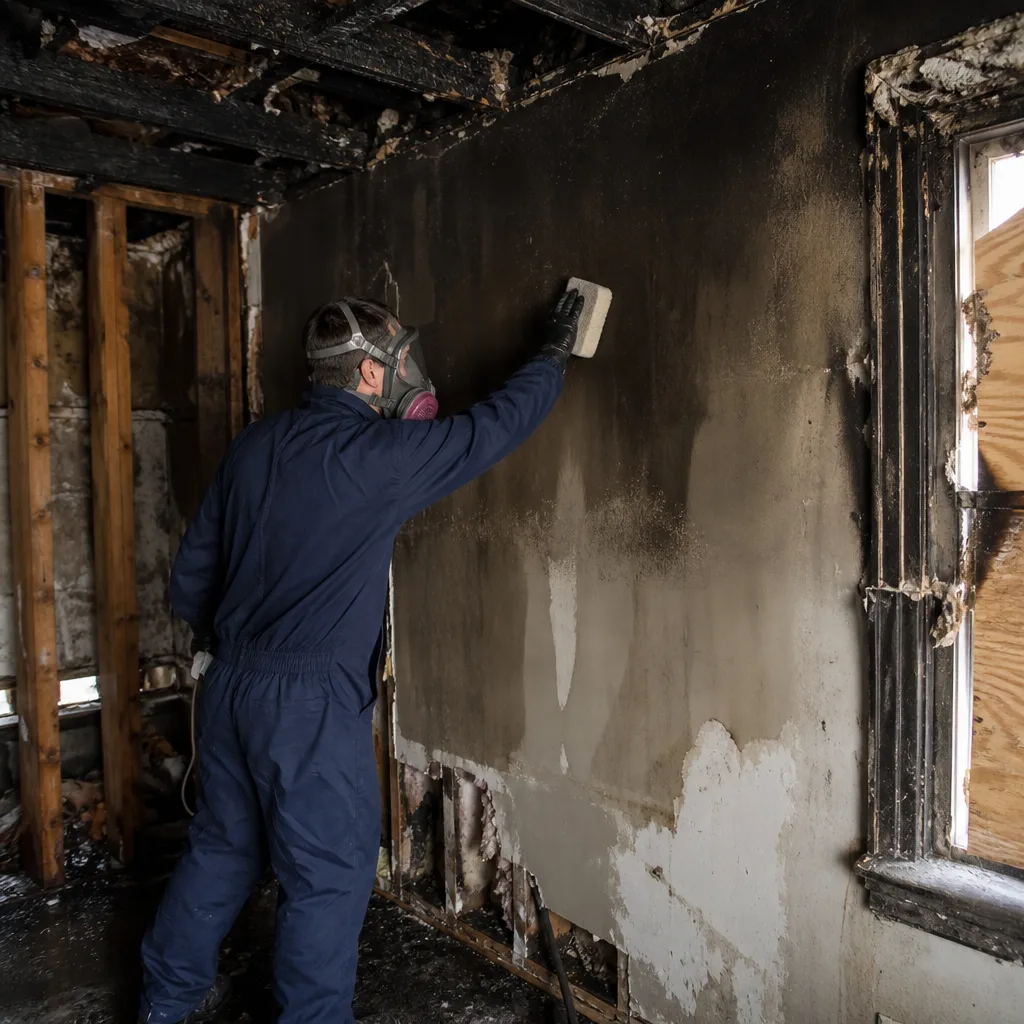
Tribeca’s lowest-elevation position in lower Manhattan, combined with aging combined sewer infrastructure, means basement and sub-grade vault flooding is a distinct risk category here. Many buildings have mechanical systems - boilers, electrical panels, elevator equipment - installed in basement levels during 1970s-80s conversions, so a single flood event can damage both structure and building-wide systems. We extract Category 3 black water from sewer backups with full PPE and containment, remove contaminated porous materials per IICRC S500 standards, and apply antimicrobial treatment to structural timbers. We also document mechanical system condition for co-op board and insurance review, since a basement flood in Tribeca is rarely just a basement flood.
Flood Cleanup
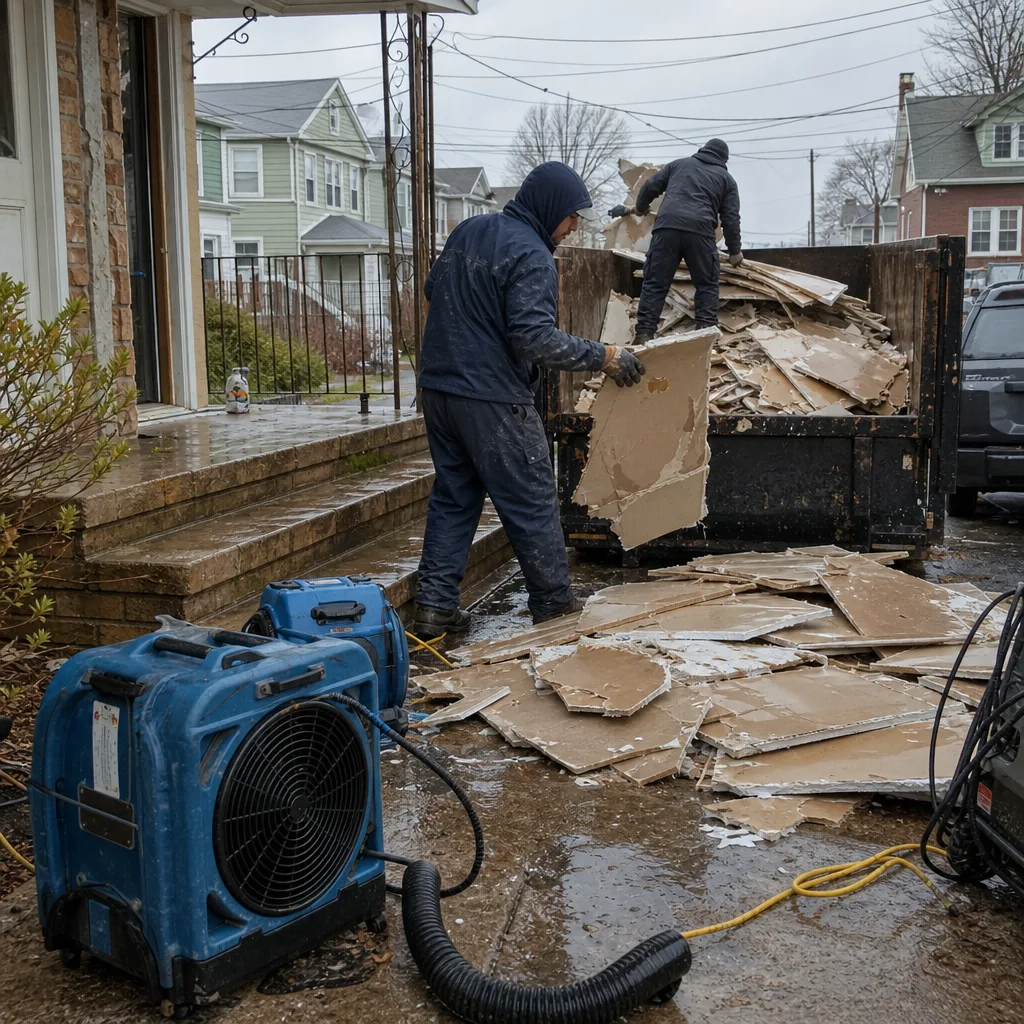
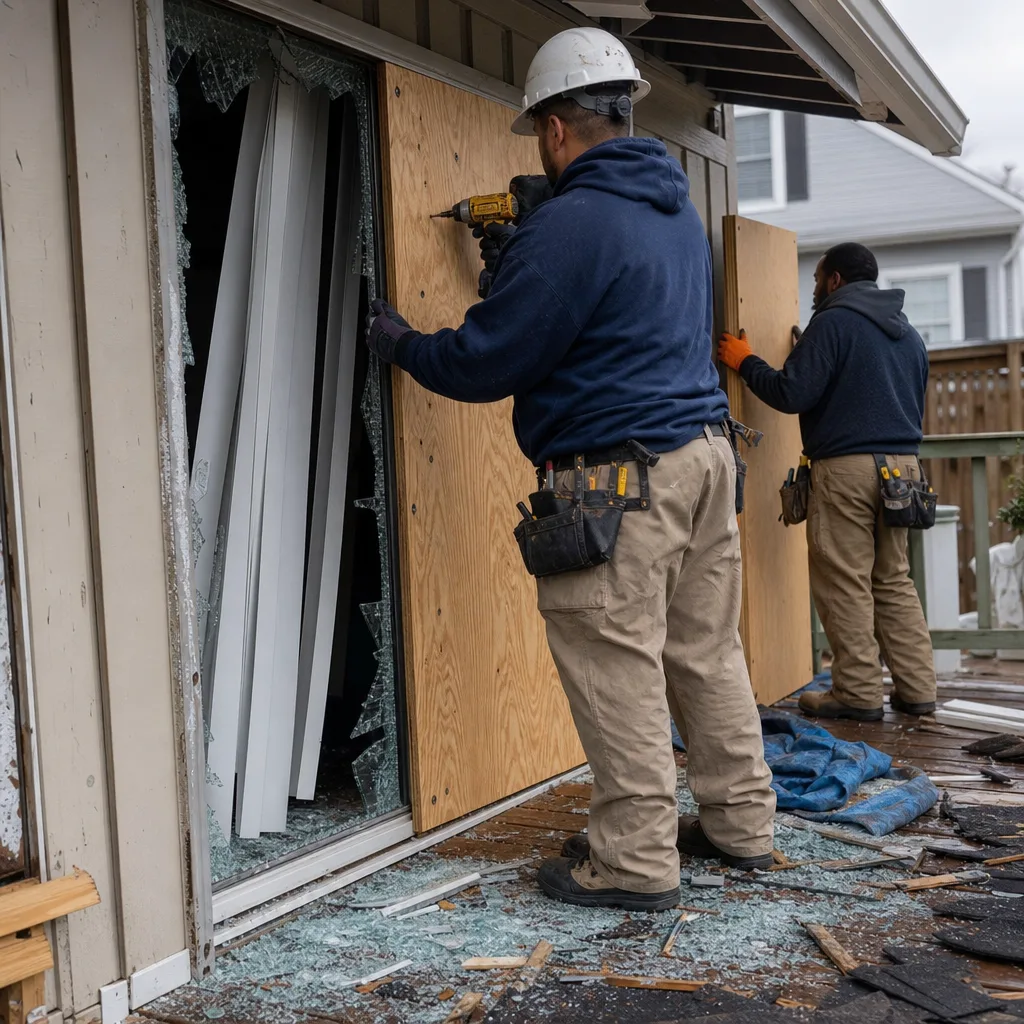
Tribeca’s FEMA Zone A/AE designation and documented Sandy inundation mean flood cleanup here requires storm-surge-specific protocols. Floodwater from the Hudson River or backed-up combined sewers carries Category 3 contamination - pathogens, chemicals, sediment - that demands full PPE, containment, and documented disposal. We coordinate with co-op boards and multiple insurers when flood damage extends beyond individual units, and we flag any exterior damage to cast-iron facades or historic windows for LPC review before repairs begin. Our flood cleanup scopes include mold prevention treatment for timber structures that will dry slowly, preventing the hidden growth that standard rapid-dry approaches miss.
What happens when you call
- 1
A real person answersNo phone trees - you reach a local pro.
- 2
You get an upfront price rangeHonest numbers before anyone is dispatched.
- 3
A background-checked tech heads outLicensed & insured, dispatched right away.
- 4
You approve before work beginsNothing starts until you say go.
BeforeAfterTrusted Brands We Service in Tribeca
Our equipment inventory for Tribeca includes professional-grade drying systems from Dri-Eaz, Phoenix, XPOWER, B-Air, and Injectidry - brands specified by IICRC and RIA protocols for structural drying in historic and commercial buildings. We stock Injectidry mat systems and hardwood floor drying panels locally, since Tribeca’s plank subfloors and wide-board hardwood finishes require specialized attachment methods that standard air movers cannot address. Our Dri-Eaz and Phoenix dehumidifiers are sized for the cubic volume of Tribeca’s double-height loft spaces, not standard 8-foot residential ceilings. Every piece of equipment is logged to the job, with runtime and performance data included in your daily drying report.
Common Water Damage Restoration Problems We See in Tribeca Homes
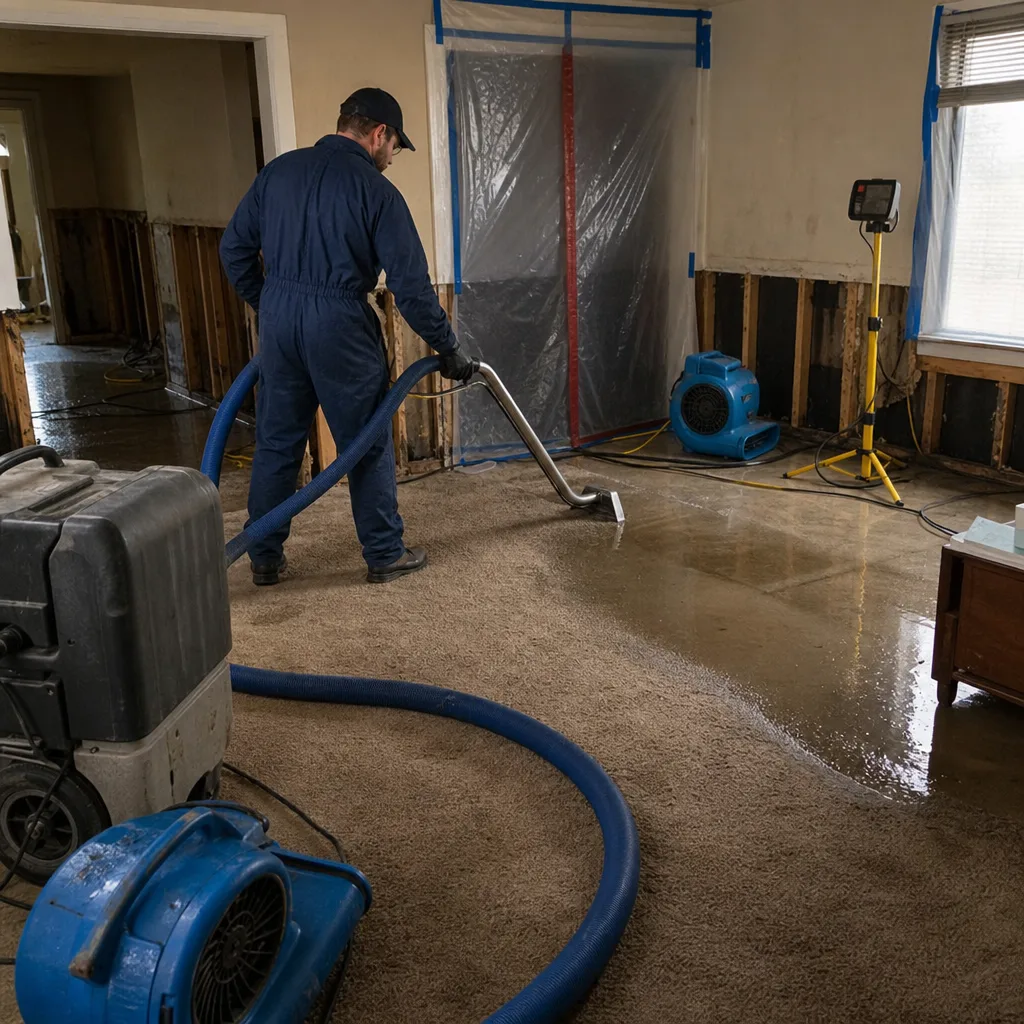
- Hidden moisture in heavy timber members. Water from burst pipes or sewer backups wicks into old-growth timber posts and beams that standard moisture meters on drywall cannot detect. Without penetrating probes and thermal imaging, this moisture feeds mold for weeks before visible growth appears.
- Category 3 contamination misclassified as clean water. Heavy rain events back sewage and stormwater through Tribeca’s combined sewer system into basement floor drains. The water may look clear, but bacterial and chemical contamination from the sewer line makes it Category 3 black water requiring full remediation, not simple extraction.
- LPC stop-work orders on exterior repairs. Storm damage to historic cast-iron facades, original windows, or masonry triggers NYC Landmarks Preservation Commission review. Crews who begin repairs without LPC approval face stop-work orders that delay exterior closure and let interior moisture spread.
- Building-wide mechanical damage from localized flooding. Sub-grade vaults shared across co-op buildings mean a single-unit water loss can disable elevators, boilers, or electrical service for the entire building. Restoration scopes must address both the visible damage and the mechanical systems that keep the building operational.
Pricing for Water Damage Restoration in Tribeca, NY
| Service | Tribeca Price Range |
|---|---|
| Emergency water extraction (up to 1,000 sq ft) | $450-$950 |
| Structural drying & dehumidification (per day) | $180-$320 |
| Category 3 flood cleanup with antimicrobial treatment | $3,200-$7,500 |
| Basement/sub-grade vault extraction and drying | $2,100-$5,800 |
| Moisture mapping and thermal imaging documentation | $350-$650 |
| Written estimate and scope (Haven Standard, Clause 1) | No charge |
What drives cost in Tribeca: the extent of timber penetration requiring extended drying, contamination category (Category 3 adds disposal and treatment costs), whether LPC coordination is needed for exterior repairs, and whether building-wide mechanical systems are affected. Every Tribeca job receives a written price before work begins, with no scope-creep additions once the crew is inside. We also offer a Free Second Opinion on any competitor’s written estimate - bring their scope and we’ll review it at no charge.
We Also Serve Cities Near Tribeca
Our Water Damage Restoration in Tribeca crews also respond to water damage emergencies in St. George, Battery Park City, Financial District, and SoHo. Each neighborhood has distinct building stock and flood exposure - St. George’s waterfront elevation, Battery Park City’s post-Sandy resilience infrastructure, the Financial District’s high-rise mechanical systems, SoHo’s similar cast-iron loft construction - and our documentation protocols adapt to each. Dispatch and scheduling are coordinated from our New York City office.
Serving Tribeca, NY - Our Local Coverage Area
We’re based in the Tribeca area and know this community well. Use the map below to see our service coverage - if you’re nearby, we can almost certainly help.
FAQs - Water Damage Restoration in Tribeca
Tribeca’s 19th-century mill construction uses massive old-growth timber posts, beams, and 3-inch plank subfloors that absorb and hold water far longer than modern 2×4 framing and plywood subfloors. A standard 3-5 day dry cycle for light-frame construction typically extends to 7-14 days in Tribeca lofts, with moisture mapping required across structural timber members that drywall-focused protocols miss entirely. Call (862) 292-4268 for a written scope that specifies your timber drying timeline.
Buildings in Tribeca’s FEMA Zone A/AE should pre-qualify restoration contractors who understand Category 3 flood protocols, have LPC coordination experience, and can document moisture across heavy timber structures for insurance and co-op board review. Post-Sandy, we’ve seen the most successful recoveries in buildings that had our contact information, scope templates, and pre-approved emergency access procedures in place before the next surge event. Call (862) 292-4268 to discuss pre-event documentation for your building.
Yes, in most cases. Our Injectidry mat systems and controlled dehumidification can restore timber to pre-loss moisture content without removal, provided drying begins promptly and moisture is mapped across all affected members. We document the drying curve daily; if timber readings plateau above 16% moisture content, we adjust equipment or recommend targeted intervention before decay organisms establish. Call (862) 292-4268 for a timber-specific assessment.
Tribeca’s combined sewer system carries both sanitary waste and stormwater in the same pipes; heavy rain causes backups that mix sewage, street runoff, and chemicals with the rainwater entering your basement. The water may look clear, but bacterial testing consistently shows Category 3 contamination from these events. Category 3 requires full PPE, containment, removal of porous materials, and antimicrobial treatment - protocols that protect your health and satisfy insurance documentation requirements. Call (862) 292-4268 for contamination testing and proper remediation.
Yes. Much of Tribeca falls within LPC historic districts, so exterior repairs to cast-iron facades, original windows, or masonry require LPC review and period-appropriate materials before work proceeds. We flag exterior damage during our initial assessment and coordinate LPC documentation, preventing stop-work orders that delay exterior closure and let interior moisture continue spreading. Our scopes separate emergency water mitigation (which proceeds immediately) from LPC-governed repairs (which follow approval). Call (862) 292-4268 for a scope that addresses both timelines.
After a nor’easter pushed Hudson River surge into a converted 1880s cast-iron-facade warehouse on Duane Street, our crew pulled 4 inches of Category 3 black water from a sub-grade vault housing the building’s boiler and electrical panels. We set up containment, extracted with truck-mount and XPOWER units, then ran Injectidry mats and Dri-Eaz dehumidifiers for 11 days - logging moisture readings across the original timber beams and plank subfloor - while coordinating with the co-op board and LPC because the storm had also damaged historic window sills. The mechanicals were saved; the timber dried to pre-loss condition without removal.
Water damage in Tribeca is not a standard residential loss. The neighborhood’s unique intersection of 19th-century mill construction, FEMA flood exposure, and LPC historic districts turns burst pipes, sewer backups, and storm surges into preservation-sensitive, building-wide restoration projects requiring specialized equipment, extended drying protocols, and documentation that satisfies insurers, co-op boards, and landmarks regulators. Our crews bring that capability to every Tribeca job, with a written price before work begins and a 365-Day Done Right Promise backed by The Haven Standard.
Call (862) 292-4268 now for a free written estimate. A live person answers, 24 hours a day, 7 days a week.
Written by Alicia Brennan, Owner at DryMark Restoration Newark, serving Tribeca since 2011.