
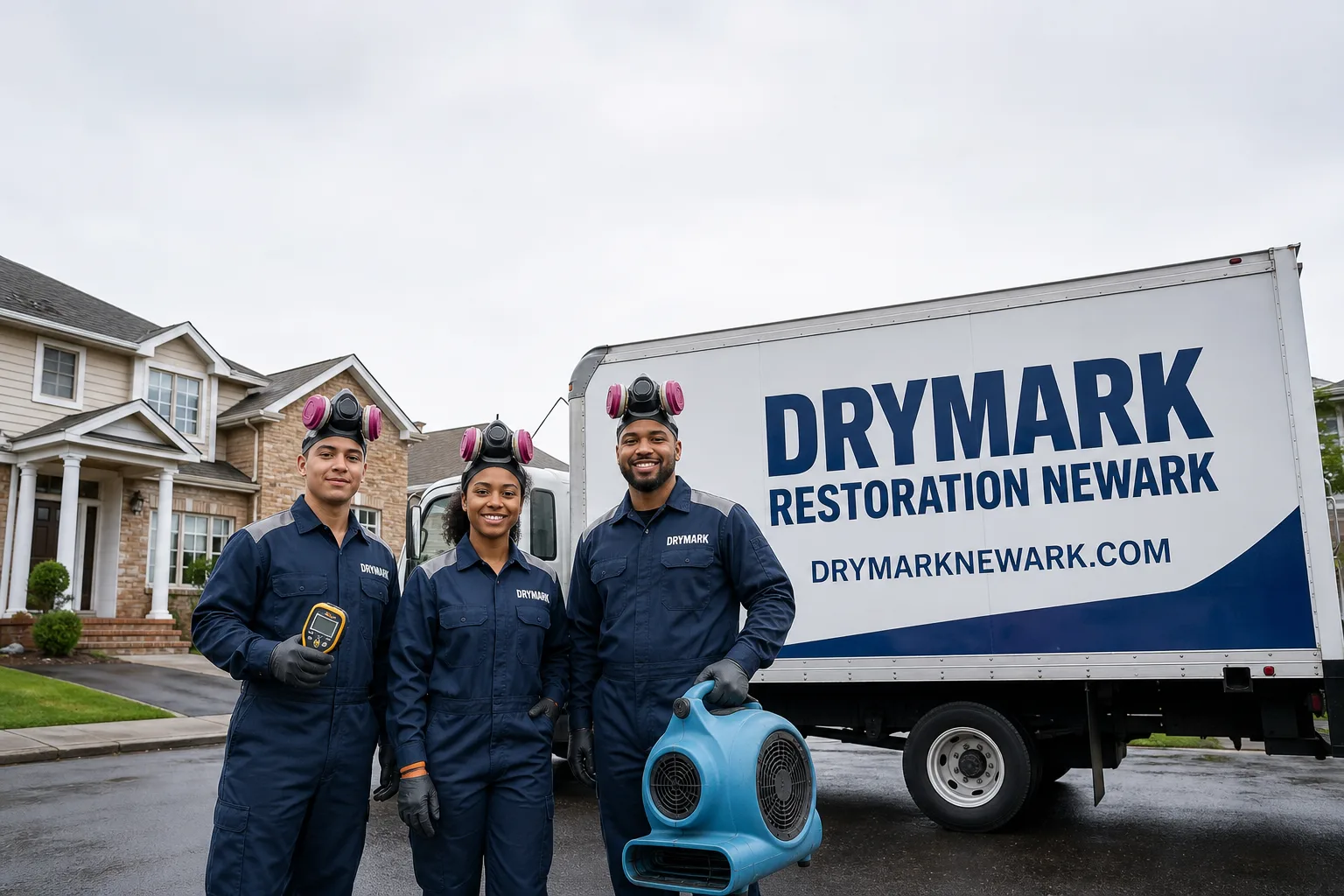
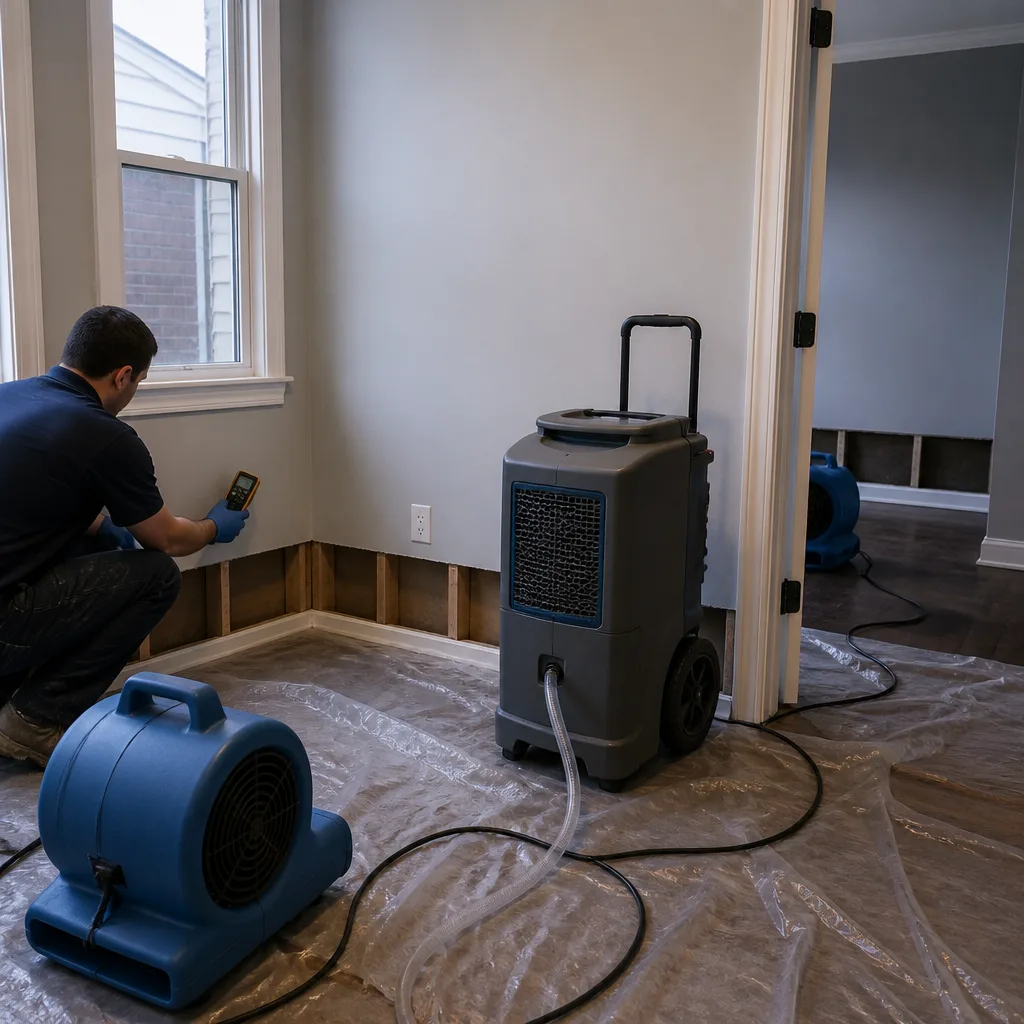
Free visual inspection and a written scope of work before any mitigation begins - photos, moisture readings, and drying logs go in your claim file
The scope we write is the scope we bill. Anything new gets shown to you, in writing, before we touch it.
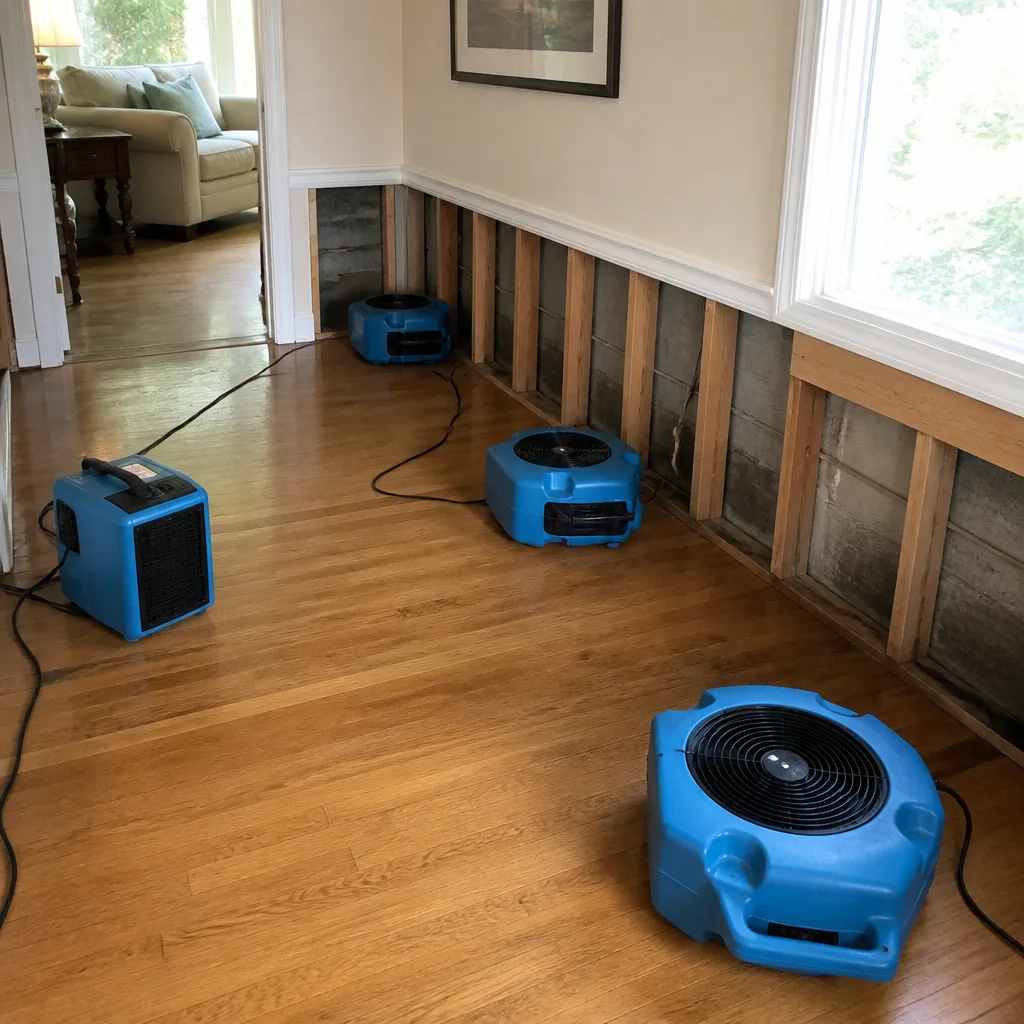
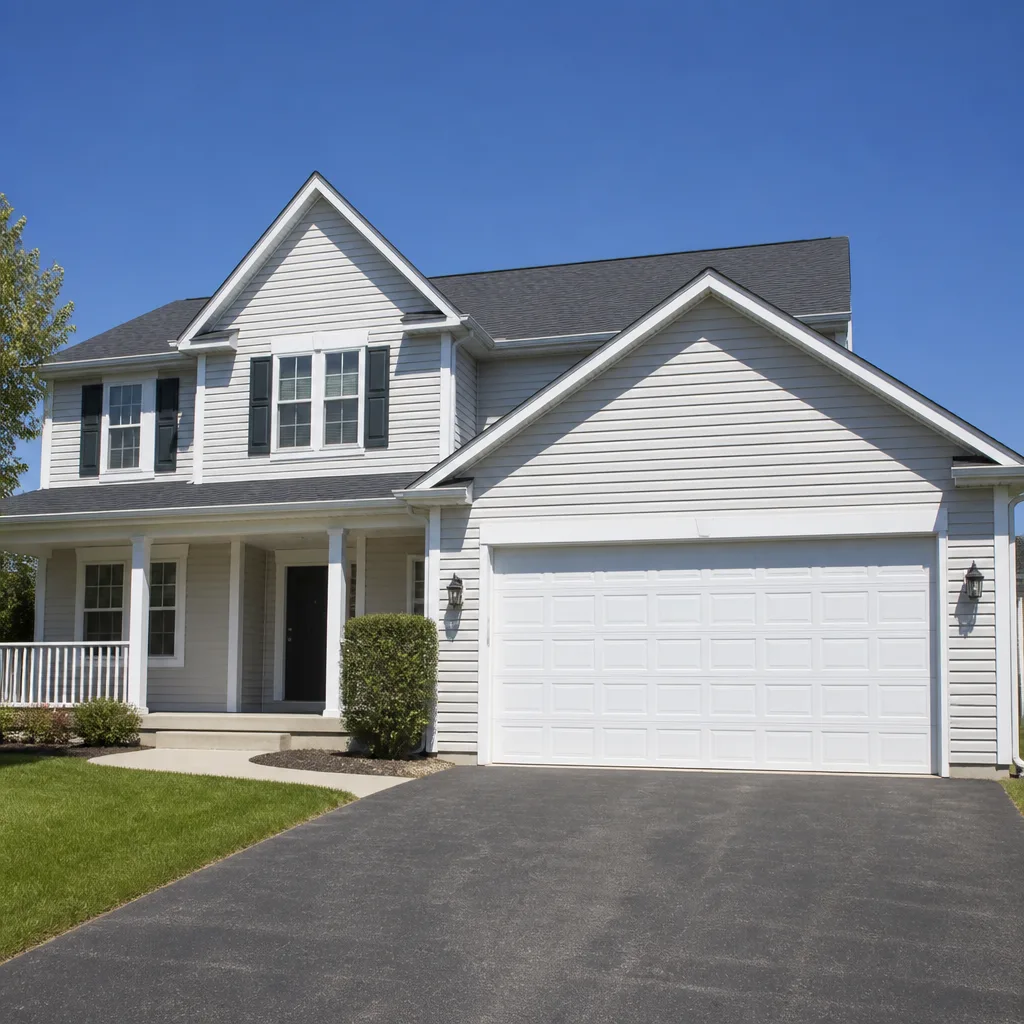
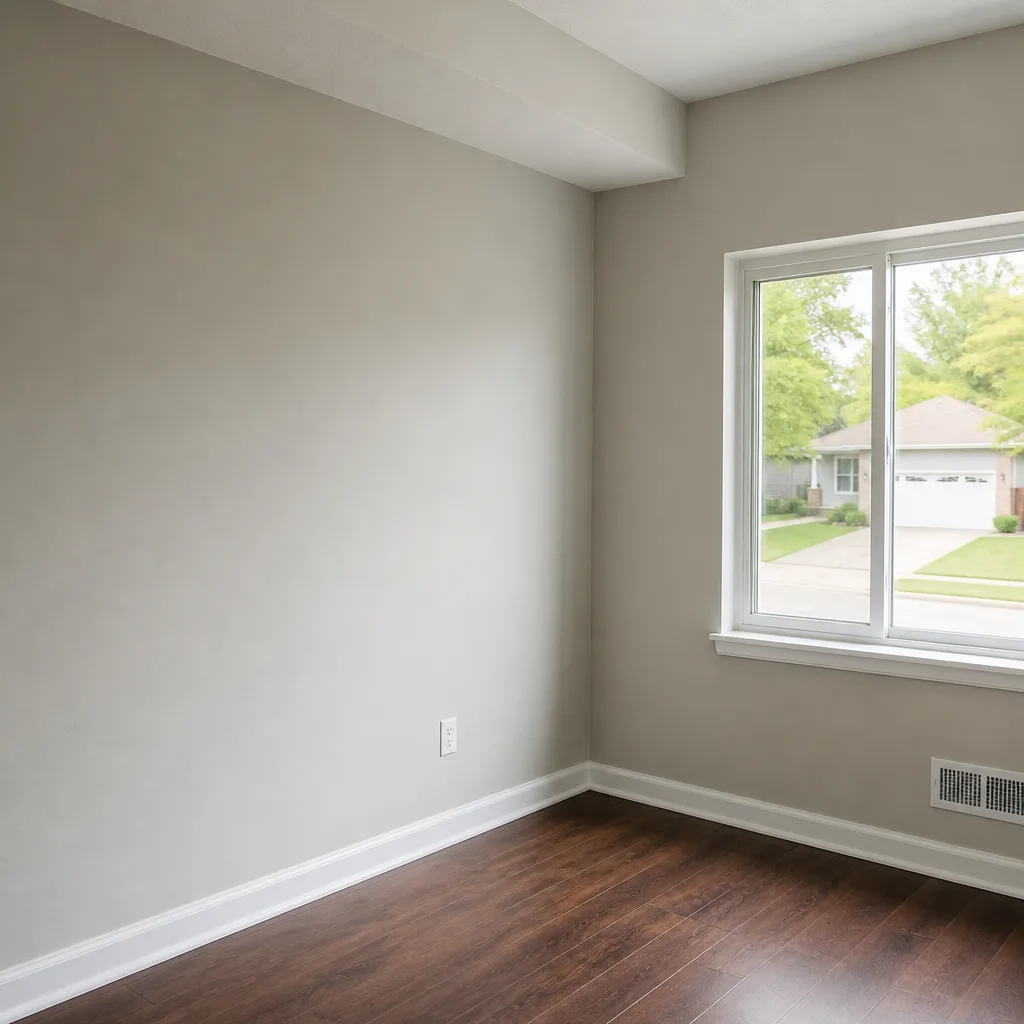
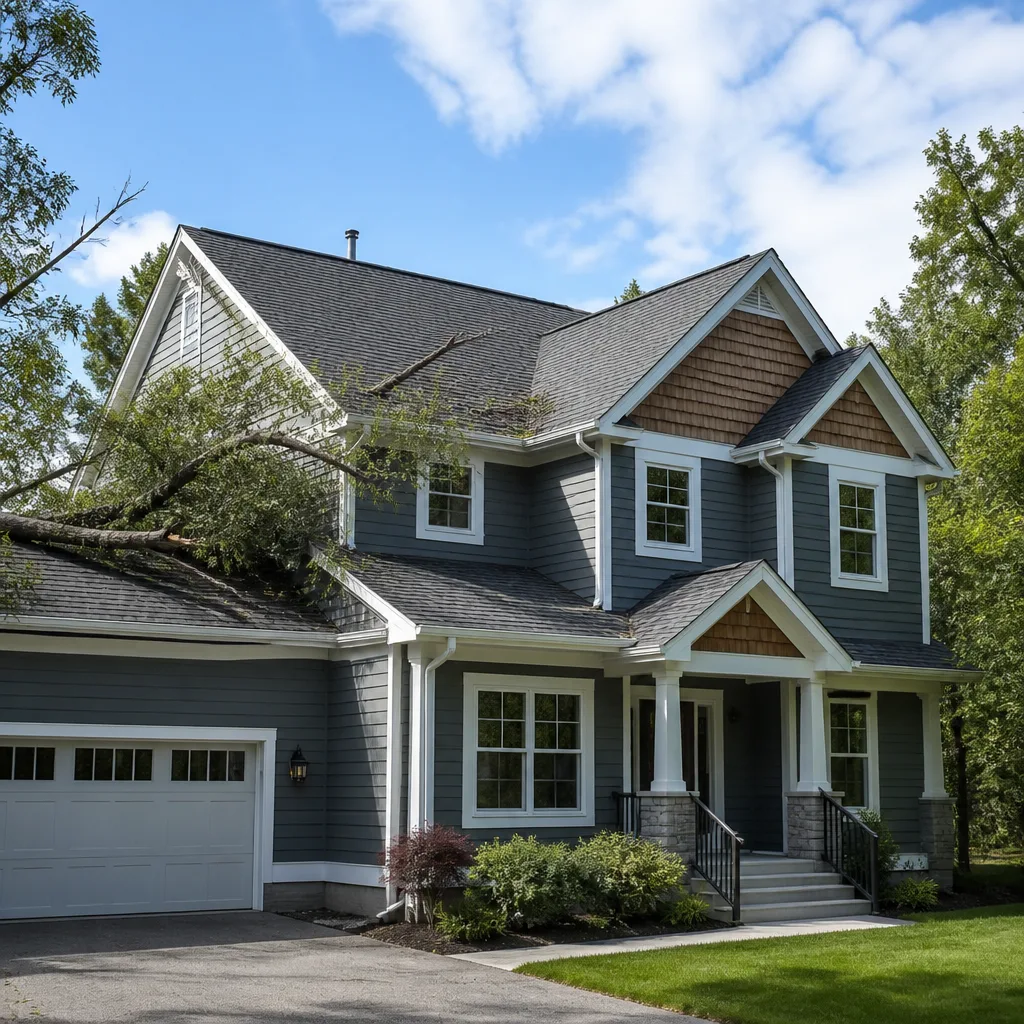
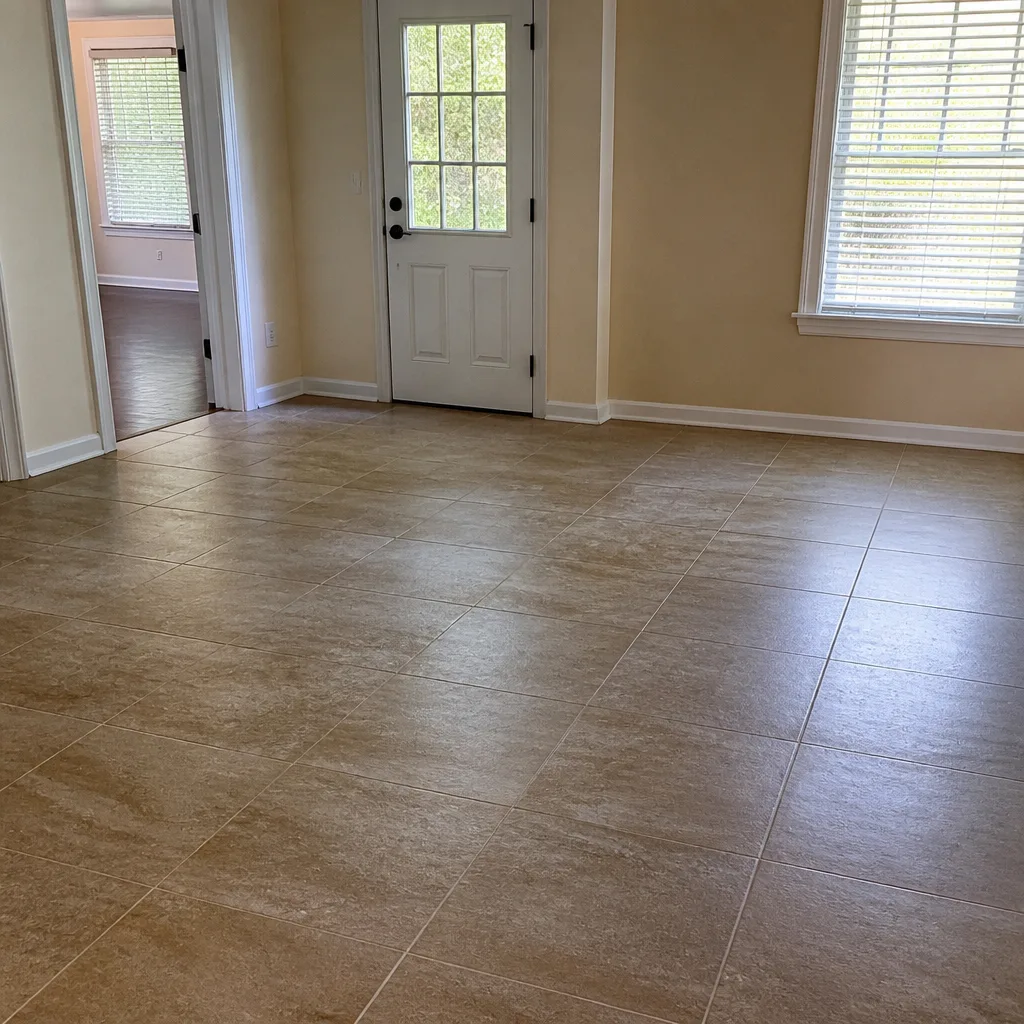
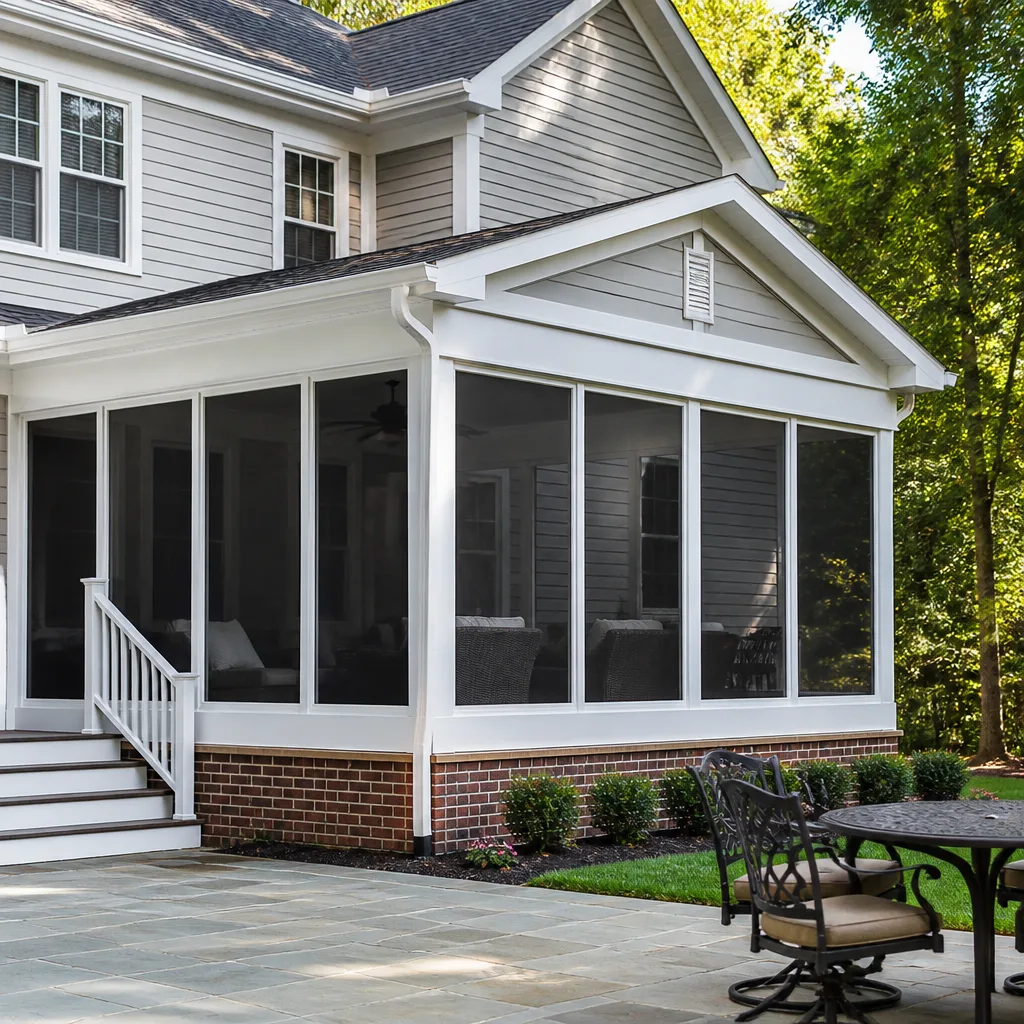
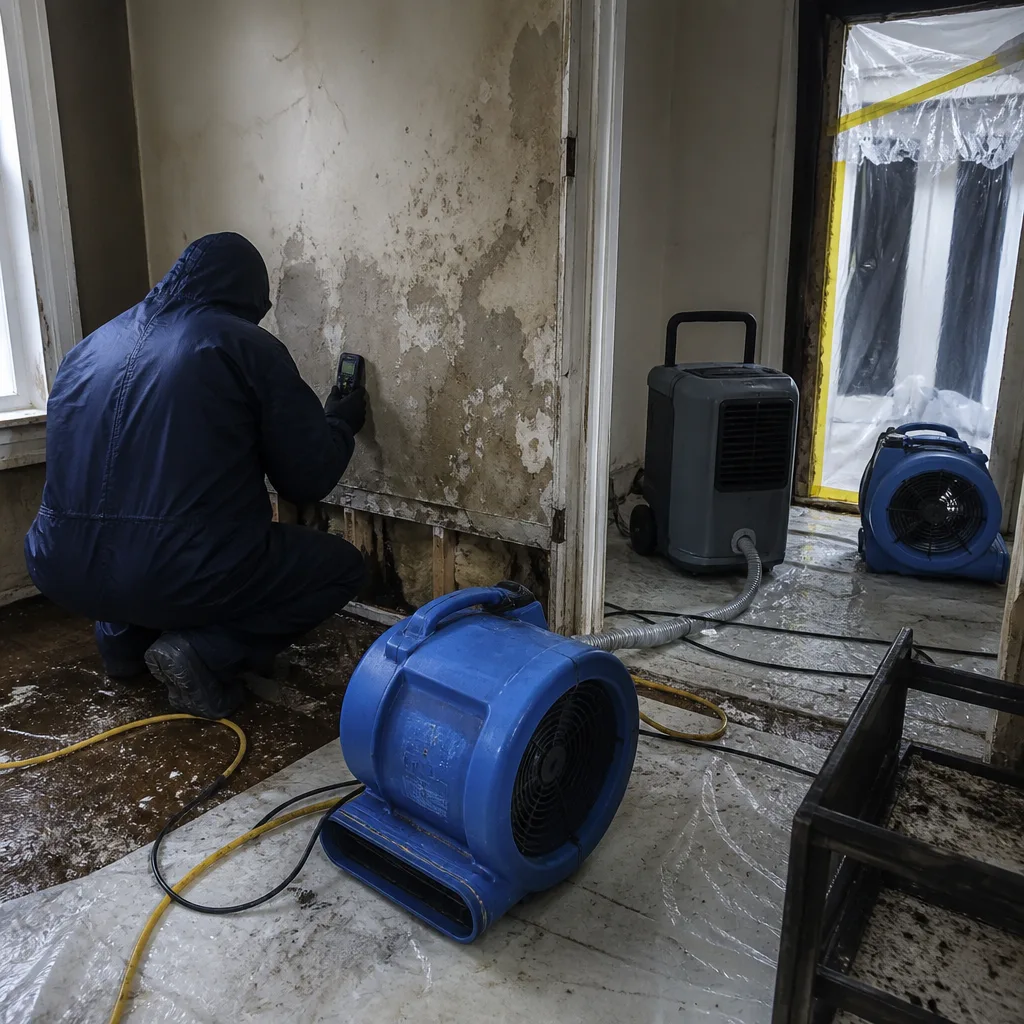 Before
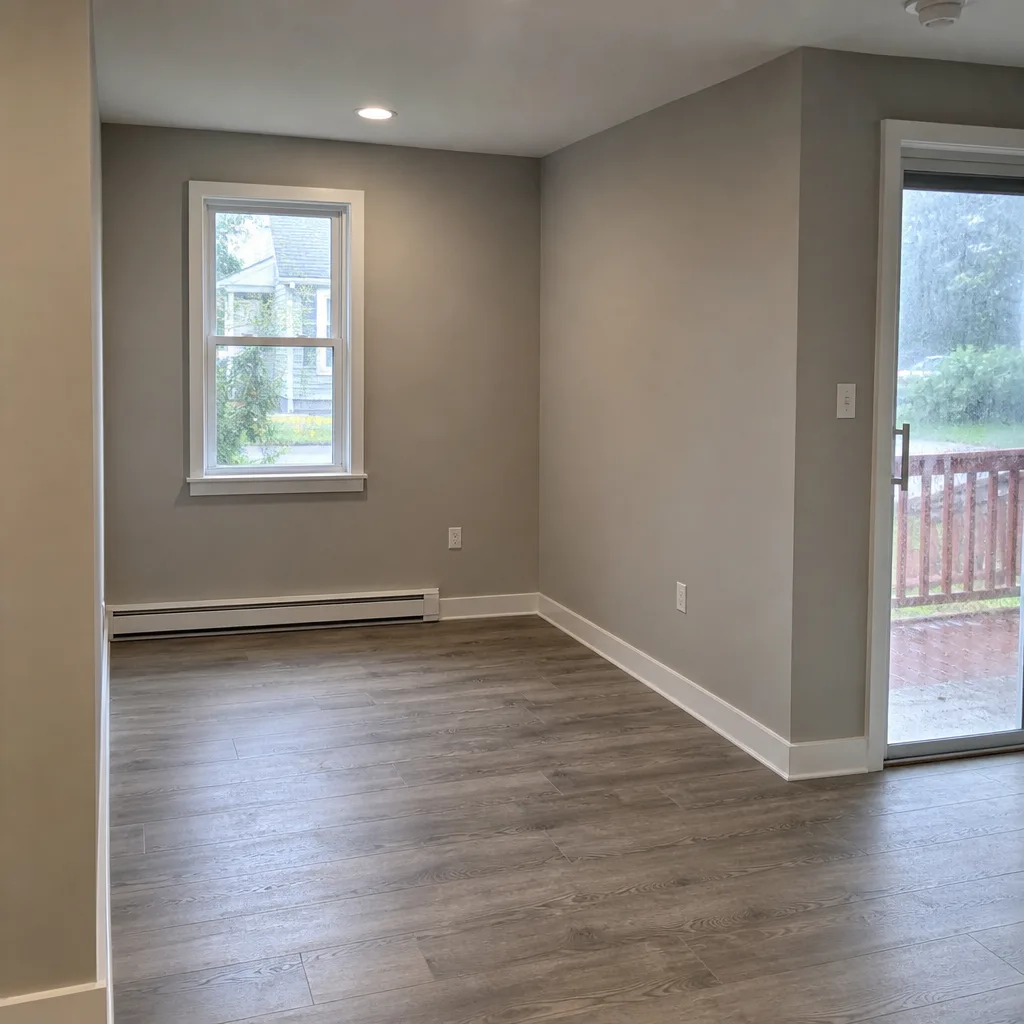 After
After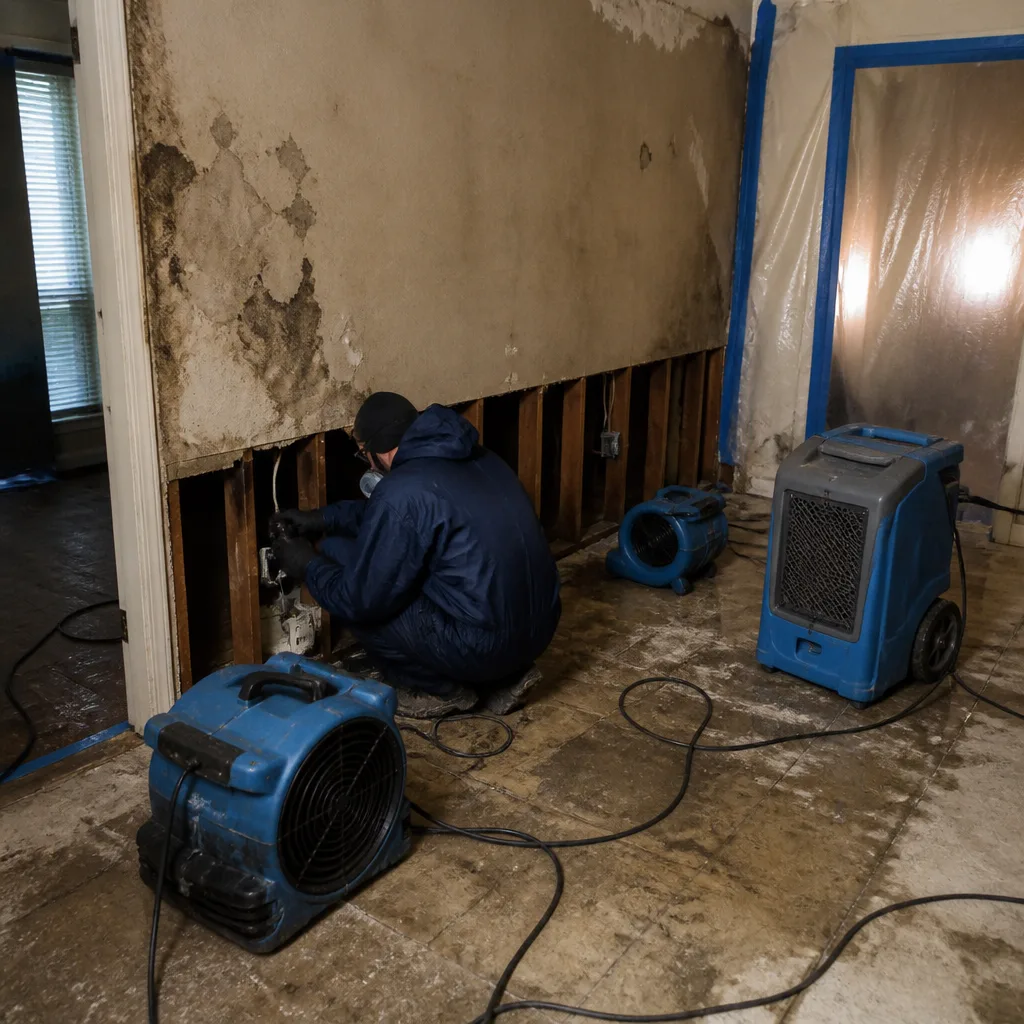 Before
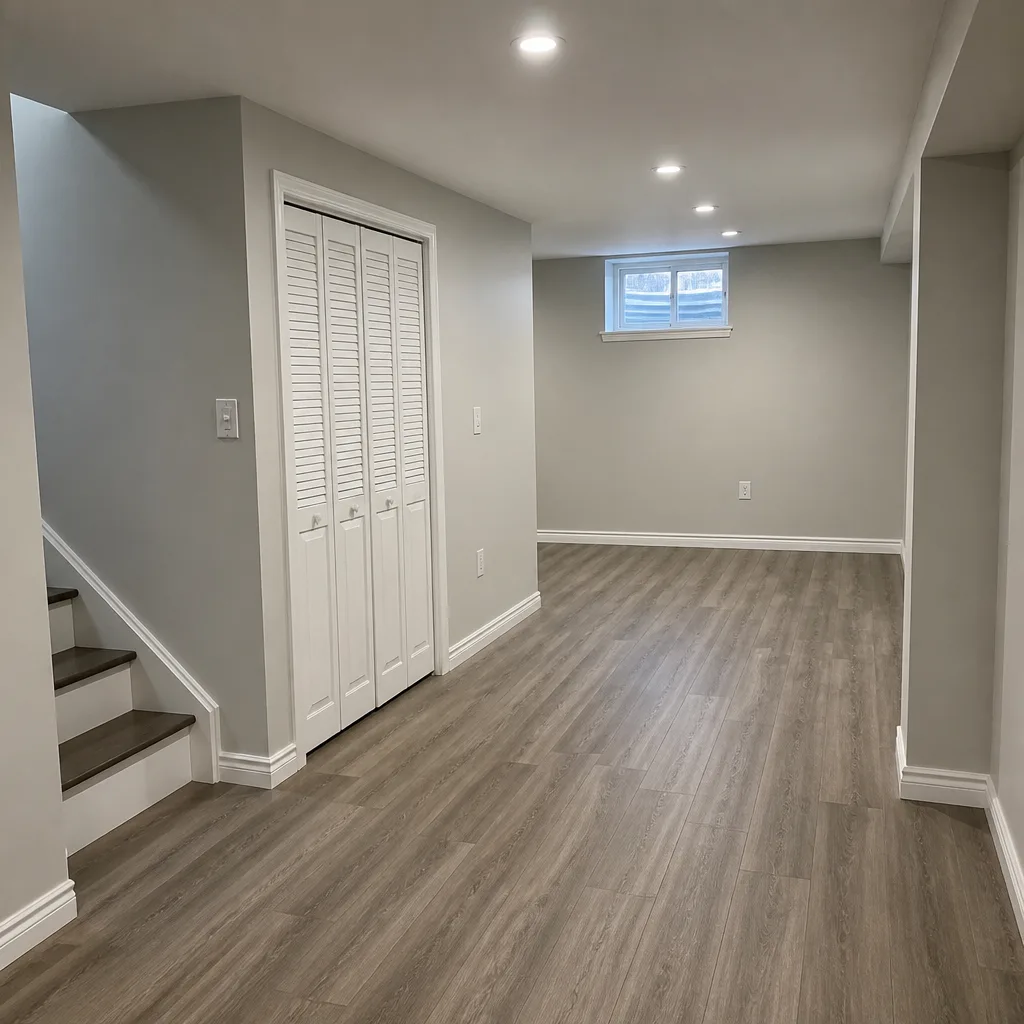 After
After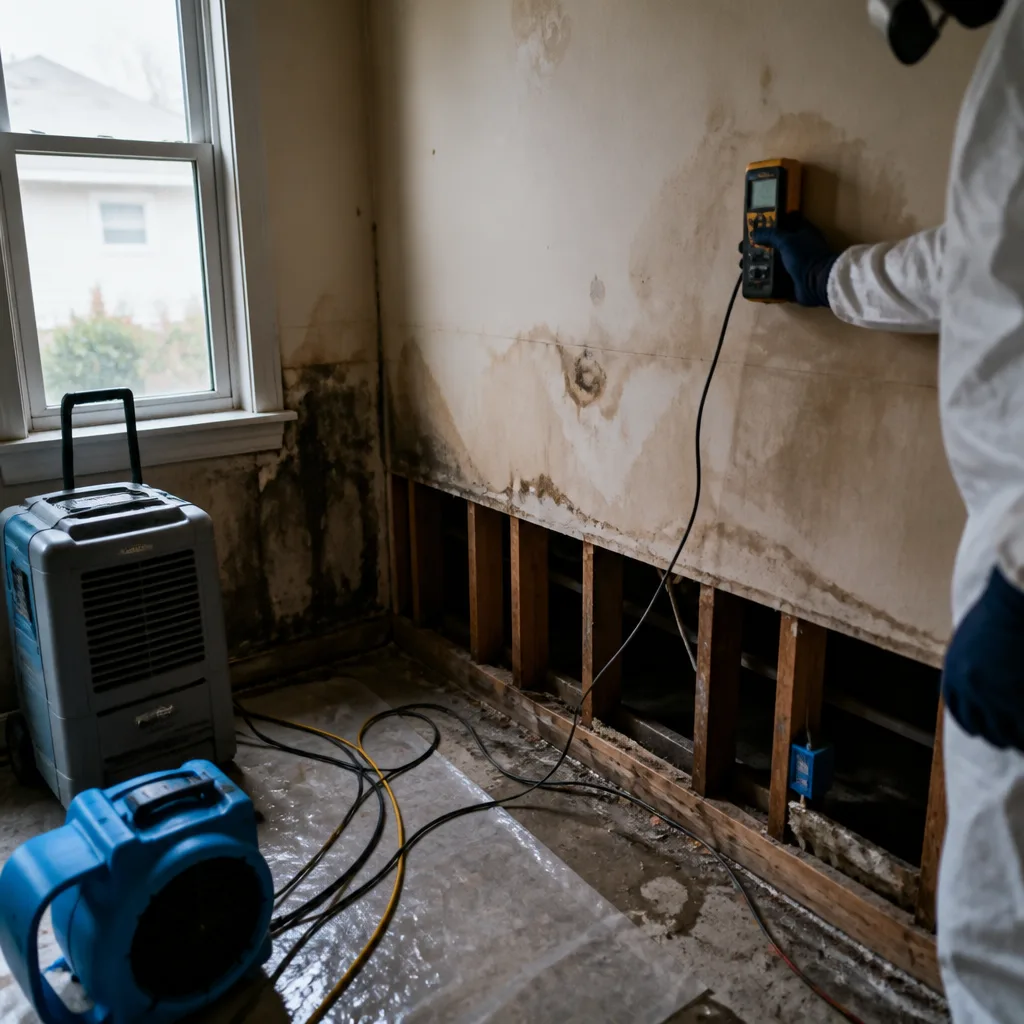 Before
 After
AfterFast, Reliable Fire & Smoke Damage Restoration Across West Village
Fire and smoke damage restoration in West Village typically costs between $4,200 for contained kitchen fires and $38,000+ for multi-floor row house restoration with historic plaster replacement, with most jobs beginning same-day and full structural repair scoped in writing before any demolition starts. Our crews serve West Village from our New York City office, navigating the narrow, angled streets near Hudson Street with pre-staged equipment to meet the 24-hour response window that matters once water from suppression joins smoke damage in your walls.
We know West Village’s Federal and Greek Revival row houses - the 1820s to 1860s brick townhouses with original plaster-on-lath walls, wide-plank floors, and cast-iron plumbing that make fire restoration here fundamentally different from anywhere else in Manhattan. When smoke moves through four floors of historic fabric, standard drywall replacement isn’t an option. The Landmarks Preservation Commission requires damaged three-coat lime plaster to be matched in kind, which means your restoration team needs a plaster specialist on scope from day one. That’s not a complication we discovered yesterday. We’ve documented it on every West Village fire job since 2011. Call (862) 292-4268 - a live person answers, 24 hours a day, 7 days a week.
Why DryMark Restoration Newark Is West Village’s Preferred Fire & Smoke Damage Restoration Company
Our reputation in West Village was built on documentation that survives adjuster review. Every job starts with a written price before work begins - Haven Standard, Clause 1 - and ends with a photo record, drying logs, and a signed 365-Day Done Right Promise. Homeowners here research before they call. They read the three-star reviews. They want to see what a company can show them, not what it claims.
We respond to West Village calls with crews already briefed on LPC requirements, parking restrictions near Bedford and Hudson Streets, and the equipment staging needed for garden-level units in the FEMA flood zone. Response time to the neighborhood averages under 90 minutes for emergency board-up and initial assessment, though we never promise speed on structural repair - that work is scoped, scheduled, and priced in writing like the restoration project it is.
Our local knowledge runs deep. We know which West Village blocks fall under Greenwich Village Historic District oversight, where the 19th-century industrial conversions near the Meatpacking District shift from brick bearing walls to heavy timber framing, and how Hudson River humidity compresses the safe remediation window after any water intrusion. That specificity is what turns a restoration invoice into a claim an insurer pays without a fight.
Our Fire & Smoke Damage Restoration Services in West Village
Fire Damage Cleanup
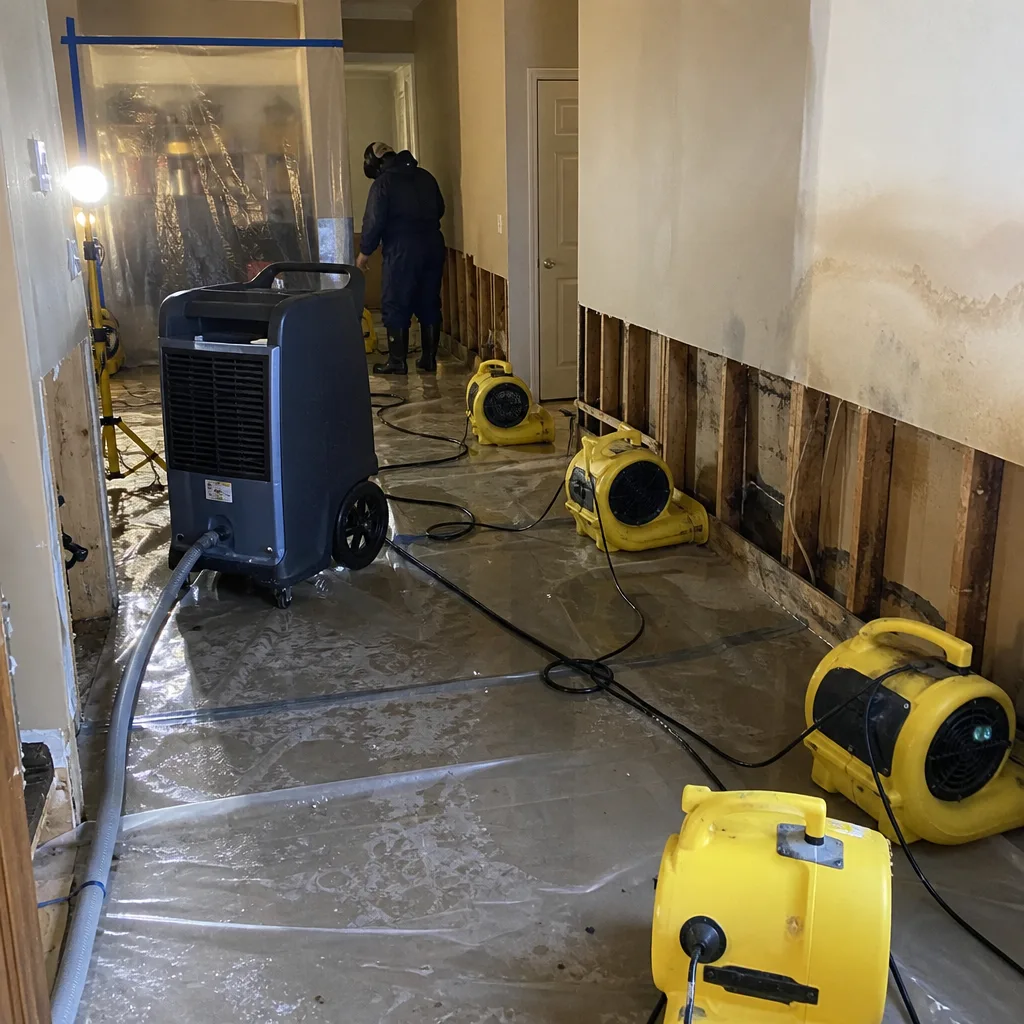
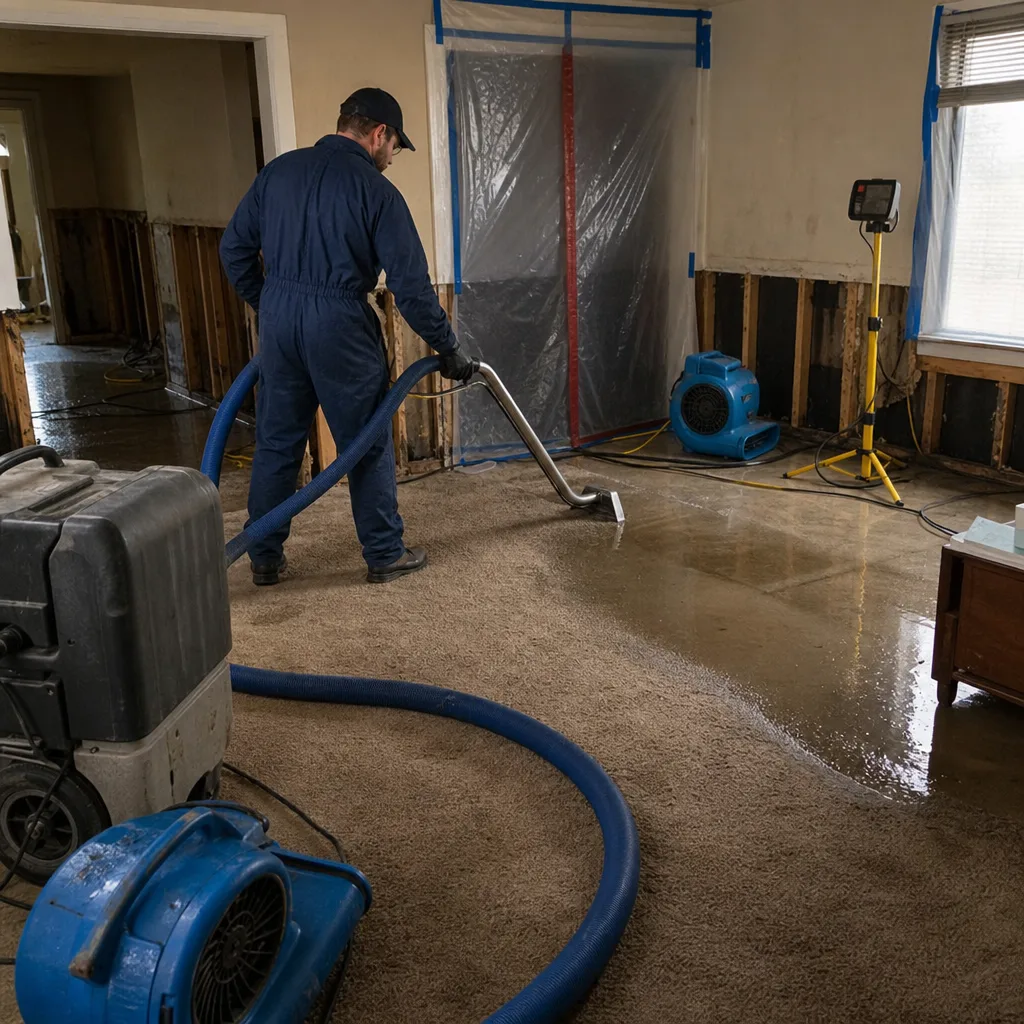
Fire damage cleanup in West Village row houses begins with understanding what burned and what the suppression water touched. A kitchen fire in a 1840s Federal townhouse on Grove Street sends smoke through balloon framing and original plaster channels that don’t exist in postwar construction. We document pre-loss condition with photos, test for moisture in plaster and lath, and build a scope that accounts for LPC review before any demolition starts. Typical fire damage cleanup in West Village runs $4,200-$12,500 depending on affected square footage and whether water intrusion from suppression requires secondary drying.
Smoke & Soot Removal
Smoke and soot removal is where West Village’s historic housing stock creates the most complex restoration challenge we face. Soot and smoke residue absorbed into original lime plaster and exposed cast-iron plumbing creates persistent odor that standard fogging can’t reach - requiring source removal and re-plastering rather than surface treatment. We use HEPA-filtered air movers and negative air containment, then source lime-scratch-coat plaster to match the original three-coat system. A smoke and soot removal job in a typical West Village row house runs $3,800-$9,200, with full plaster replacement adding $8,500-$18,000 depending on floor count and LPC coordination timeline.
Odor Removal & Deodorization
Odor removal in West Village requires more than equipment. It requires knowing where the odor lives. In plaster-on-lath walls, smoke compounds migrate into the scratch coat and behind baseboards where modern construction would have drywall and studs. We deploy thermal fogging and ozone treatment only after source removal is complete, with moisture readings confirming no hidden water feeding secondary odor. Deodorization as a standalone service in West Village typically runs $1,800-$4,500, though most odor jobs follow smoke and soot removal as part of a larger scope.
Contents Cleaning & Pack-Out
Contents cleaning and pack-out after a West Village fire demands the same documentation discipline as the structure itself. We inventory, photograph, and barcode every item before it leaves the property - textiles to electronics, artwork to kitchenware - with condition reports that attach directly to your claim file. Our pack-out service for a typical West Village townhouse runs $2,400-$6,800 depending on volume, with contents cleaning and storage billed separately at $0.85-$1.40 per item. We were called to a Greek Revival row house on Bedford Street after a kitchen fire sent smoke through four floors of original plaster-on-lath walls. Our crew set up containment and air movers with HEPA filtration, took moisture readings to confirm no water intrusion from suppression, and completed a full pack-out of contents before any demolition. Because the walls are protected historic fabric, we documented pre-loss condition with photos and drying logs, sourced lime-scratch-coat plaster to match the original, and finished with antimicrobial treatment on the exposed lath before the plaster crew closed it up.
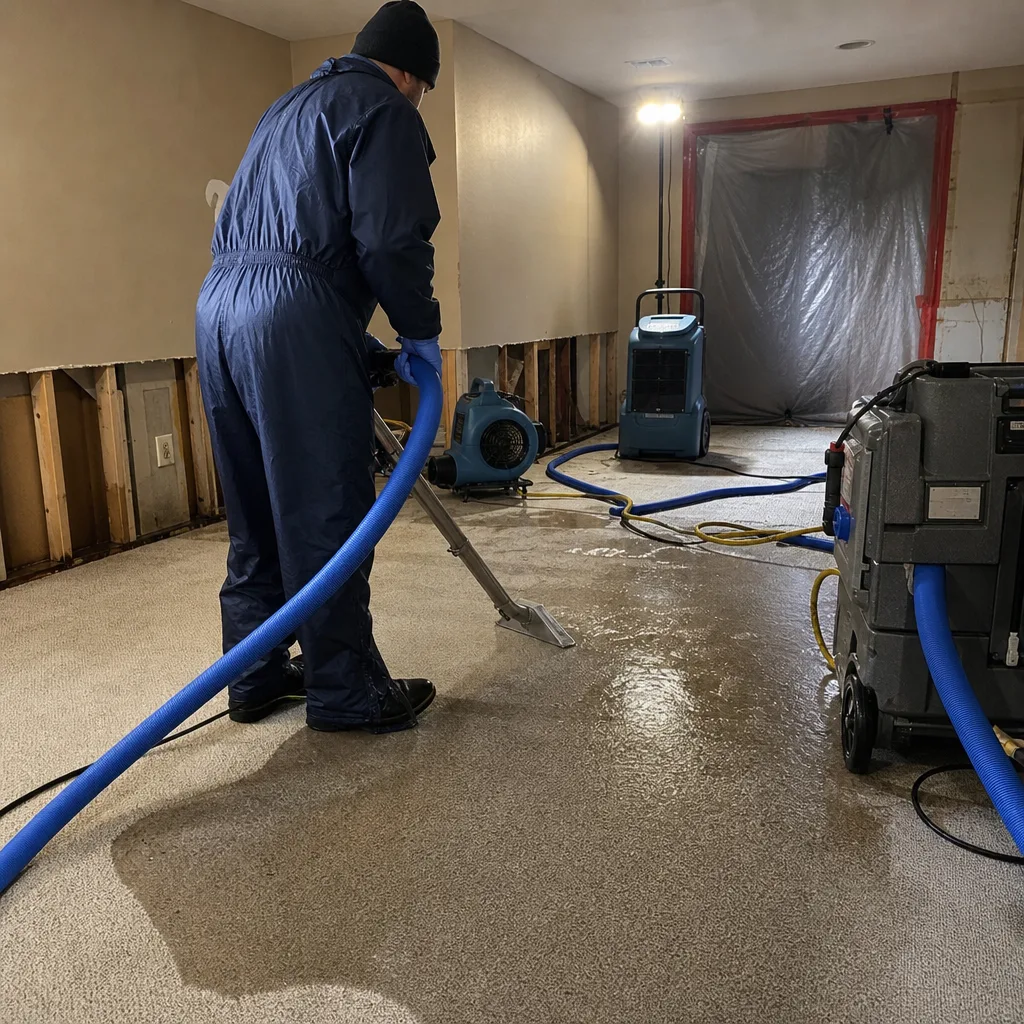
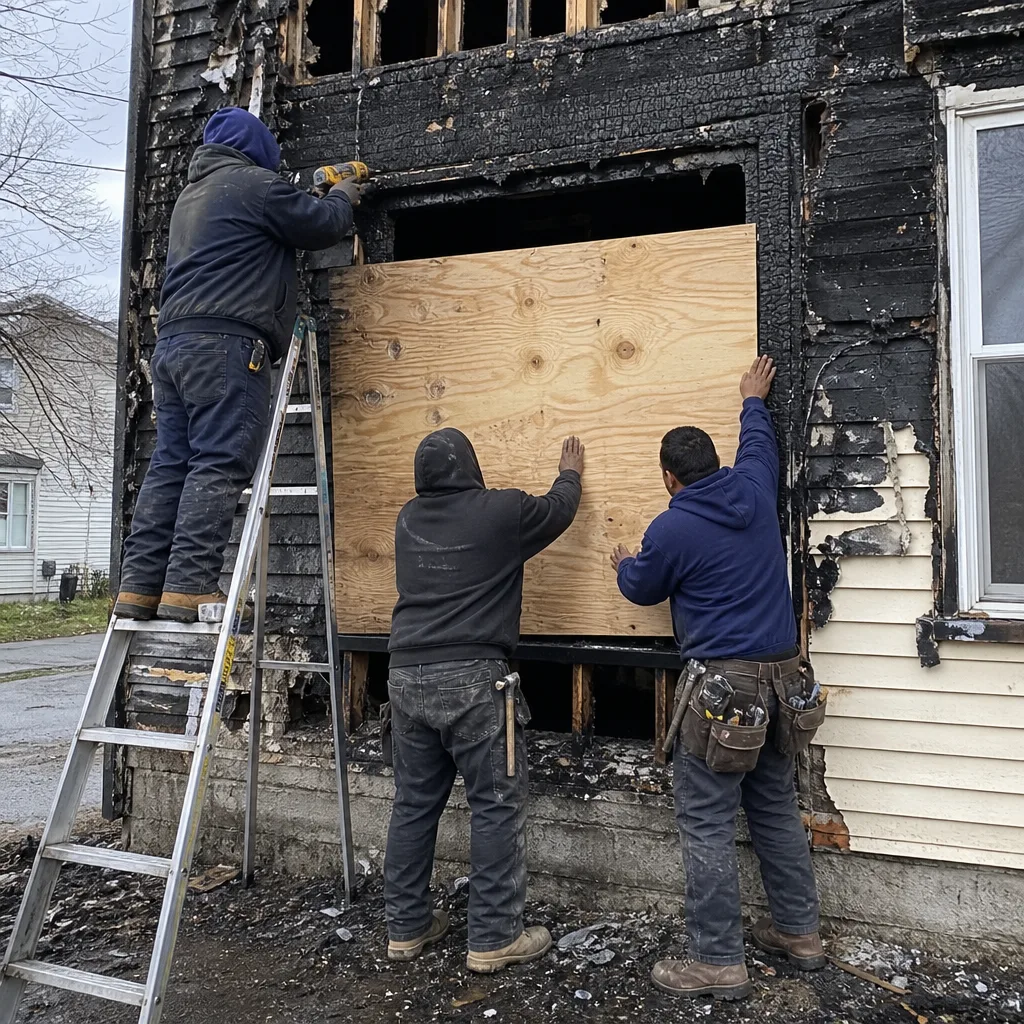
Emergency Board-Up & Tarping
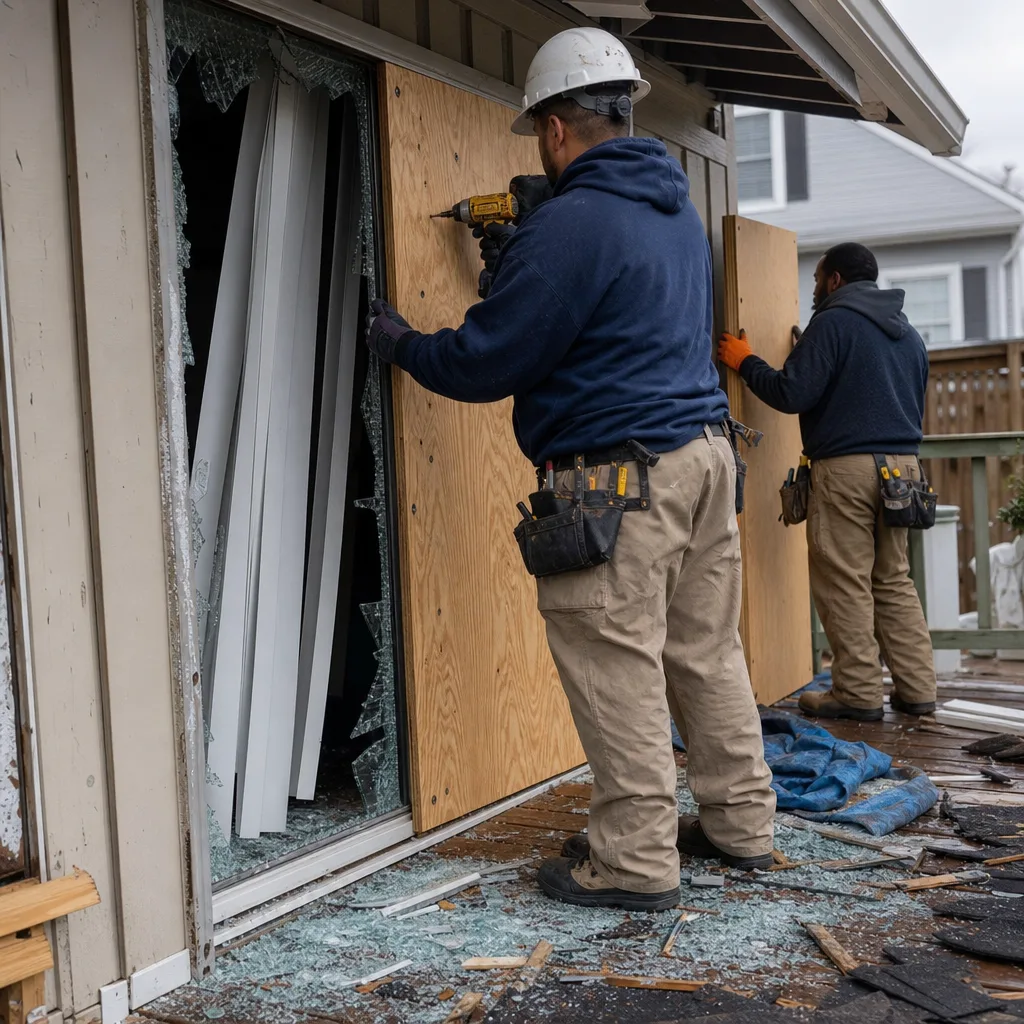
Emergency board-up and tarping in West Village must balance immediate security with LPC compliance. We use temporary plywood and weatherproofing that protects historic door and window openings without altering their profiles, documenting every temporary measure with photos for adjuster review. Same-day board-up service runs $850-$2,200 depending on opening count and height access.
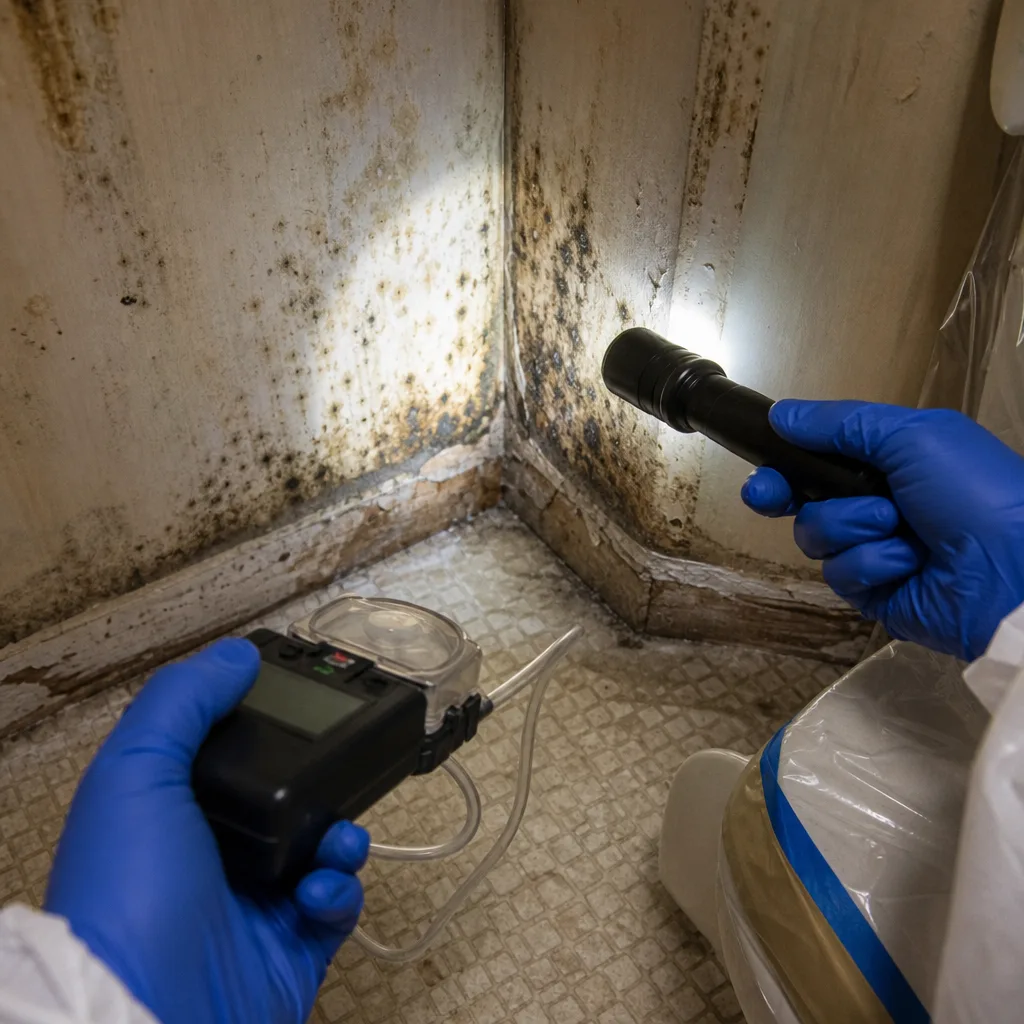
Structural Fire Repair
Structural fire repair in West Village is where our documentation-first approach proves its value. Heavy timber framing in converted Meatpacking District industrial buildings, unreinforced brick bearing walls, and balloon-framed row houses each require different structural assessment protocols. We coordinate with structural engineers familiar with LPC requirements and deliver a written scope with line-item pricing before any repair begins. Structural repair in West Village typically ranges from $14,000 for localized floor replacement to $38,000+ for multi-floor restoration with historic material matching.
What happens when you call
- 1
A real person answersNo phone trees - you reach a local pro.
- 2
You get an upfront price rangeHonest numbers before anyone is dispatched.
- 3
A background-checked tech heads outLicensed & insured, dispatched right away.
- 4
You approve before work beginsNothing starts until you say go.
BeforeAfterTrusted Brands We Service in West Village
Our equipment inventory includes professional-grade drying and air filtration systems from Dri-Eaz, Phoenix, and Injectidry - brands specified in IICRC, RIA, and IFA documentation standards. We stock HEPA filtration units, negative air machines, and thermal fogging equipment sized for West Village’s narrow row house floor plates, with Injectidry cavity drying systems that pull moisture from plaster-and-lath walls without destructive demolition. For West Village homeowners, this means equipment arrives ready for historic construction, not adapted from standard residential jobs. Parts and replacement units are staged at our New York City office, so turnaround on equipment failure doesn’t depend on cross-metro shipping.
Common Fire & Smoke Damage Restoration Problems We See in West Village Homes
- Soot absorption into original lime plaster. Smoke compounds penetrate the porous surface of three-coat lime plaster in 1820s-1860s row houses, creating odor that reactivates with humidity changes. Surface cleaning fails. Source removal and re-plastering with matched lime-scratch-coat material is the only permanent solution.
- Water intrusion from suppression in balloon-framed walls. Fire hoses and sprinkler systems drive water into wall cavities with no modern vapor barrier, saturating plaster keys and threatening lath failure. We take moisture readings at multiple depths and run Injectidry cavity drying before any plaster work is specified.
- LPC review delays on drywall substitution. Contractors unfamiliar with Greenwich Village Historic District requirements sometimes specify standard drywall replacement, triggering LPC review that halts work mid-mitigation. Open walls sit exposed, costs escalate, and the insurer questions why the scope changed. We specify matched plaster from day one.
- Equipment access delays on narrow streets. The angled, restricted parking near Hudson Street and the waterfront routinely delays large equipment delivery, compressing the 24-48 hour mold window in basement and garden-level units already vulnerable to Hudson River humidity and tidal backflow.
Pricing for Fire & Smoke Damage Restoration in West Village, NY
Fire and smoke damage restoration pricing in West Village runs higher than non-landmarked Manhattan neighborhoods because of LPC compliance, specialty plaster sourcing, and the structural complexity of 19th-century construction. Here’s what typical jobs cost:
| Service | West Village Price Range |
|---|---|
| Emergency board-up & tarping | $850 - $2,200 |
| Fire damage cleanup (contained, single room) | $4,200 - $8,500 |
| Smoke & soot removal (multi-floor row house) | $6,800 - $15,000 |
| Odor removal & deodorization | $1,800 - $4,500 |
| Contents pack-out & inventory | $2,400 - $6,800 |
| Historic lime plaster replacement (LPC-compliant) | $8,500 - $18,000 per floor |
| Structural fire repair (localized) | $14,000 - $22,000 |
| Full structural restoration (multi-floor) | $28,000 - $38,000+ |
What drives cost: affected square footage, whether water from suppression requires secondary drying, LPC coordination timeline, plaster matching complexity, and whether heavy timber or unreinforced brick in converted industrial buildings requires structural engineering review. Every job gets a written price before work starts - Haven Standard, Clause 1 - with no scope-creep additions once the crew is inside. Bring a competitor’s written estimate and we’ll review it free under our Free Second Opinion policy. Call (862) 292-4268 for an exact quote; estimates are free.
We Also Serve Cities Near West Village
Our Fire & Smoke Damage Restoration in West Village crews also respond to fire damage calls in St. George, Battery Park City, Financial District, and Tribeca - each with its own building stock and compliance landscape, none with West Village’s concentration of LPC-protected 1820s-1860s row houses. If you’re in one of these nearby neighborhoods, the same documentation standards and written-price guarantee apply. Dispatch and scheduling are coordinated from our New York City office.
Serving West Village, NY - Our Local Coverage Area
We’re based in the West Village area and know this community well. Use the map below to see our service coverage - if you’re nearby, we can almost certainly help.
FAQs - Fire & Smoke Damage Restoration in West Village
No. The Landmarks Preservation Commission requires damaged three-coat lime plaster in Greenwich Village Historic District properties to be matched in kind, not substituted with drywall. Drywall substitution triggers LPC review and can halt a job mid-mitigation, leaving open walls exposed and driving up both cost and timeline. We source lime-scratch-coat plaster specialists from day one and document the pre-loss condition with photos and drying logs to support your claim. Call (862) 292-4268 for a written scope that accounts for LPC compliance from the start.
Hudson River humidity compresses the safe remediation window after any water intrusion from fire suppression, routinely turning a 48-hour response standard into a liability if contractors are delayed by West Village’s restricted parking and narrow streets. Persistent waterfront humidity also reactivates smoke odor compounds trapped in porous lime plaster, making thorough drying and source removal more critical here than in inland Manhattan. We stage equipment at our New York City office specifically to cut response time to West Village’s waterfront blocks.
A pack-out involves inventorying, photographing, barcoding, and removing all contents before any structural work begins, with condition reports that attach directly to your insurance claim. In a landmarked West Village townhouse, this happens after containment and air filtration are established but before any demolition that could damage remaining contents - the sequence matters because LPC-protected plaster work can’t proceed with furniture in place. We documented this exact sequence on a Bedford Street Greek Revival job, completing full pack-out before sourcing lime-scratch-coat plaster for the walls.
Yes. The 19th-century industrial and packing buildings converted to residential and commercial use along West Village’s western fringe contain heavy timber framing and unreinforced brick bearing walls that respond to fire and water damage very differently from conventional construction. Timber members require specialized moisture assessment to check for pyrolysis and hidden char, while unreinforced brick demands structural engineering review before any load-bearing alteration. Our scopes for these buildings include timber-specific assessment and engineering coordination that standard residential restoration doesn’t require.
We establish safety perimeter and containment, then document pre-loss condition with photographs and moisture readings before any equipment runs or any material is disturbed. This documentation - photos, psychrometric data, written scope - is what turns a restoration invoice into a claim an insurer pays without dispute. Only after documentation is complete do we deploy HEPA filtration, assess plaster damage for LPC compliance, and begin contents inventory if pack-out is indicated. The sequence never varies, regardless of how urgent the situation feels. Call (862) 292-4268 and a live person will dispatch crews who follow it every time.
Fire and smoke damage in a West Village landmarked property isn’t a standard restoration job with extra paperwork. It’s a fundamentally different workflow shaped by LPC plaster-matching requirements, 1820s-1860s building assemblies, and Hudson River environmental conditions that generic restoration pages never address. Our Fire & Smoke Damage Restoration team has documented every variation since 2011. If you’re facing fire damage in West Village, call (862) 292-4268 now. A live person answers 24 hours a day, 7 days a week. We’ll deliver a written price before any work starts, document every visit with photos and drying logs, and back the result with our 365-Day Done Right Promise under The Haven Standard.
Written by Alicia Brennan, Owner at Back to Dry Restoration, serving West Village since 2011 under The Haven Standard.