
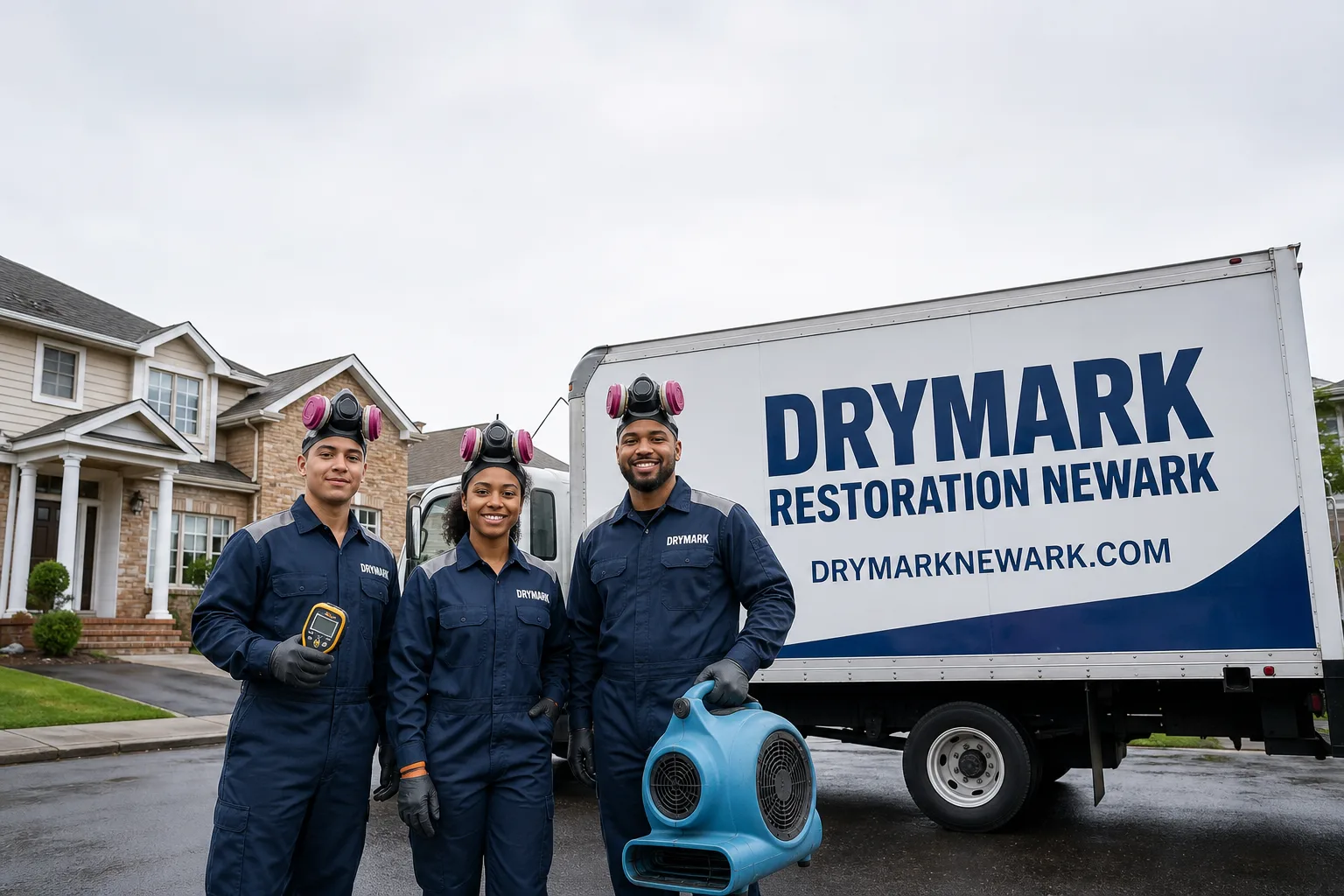
Free visual inspection and a written scope of work before any mitigation begins - photos, moisture readings, and drying logs go in your claim file
The scope we write is the scope we bill. Anything new gets shown to you, in writing, before we touch it.
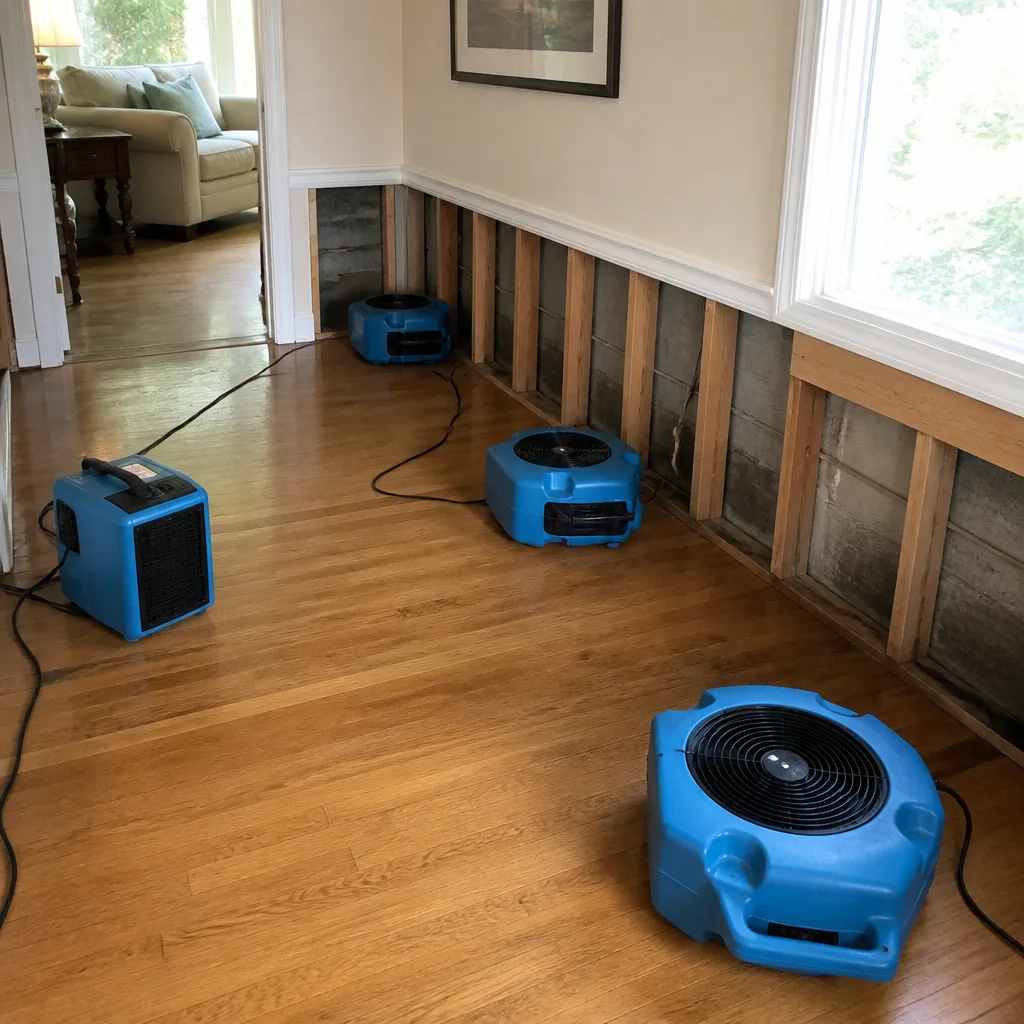
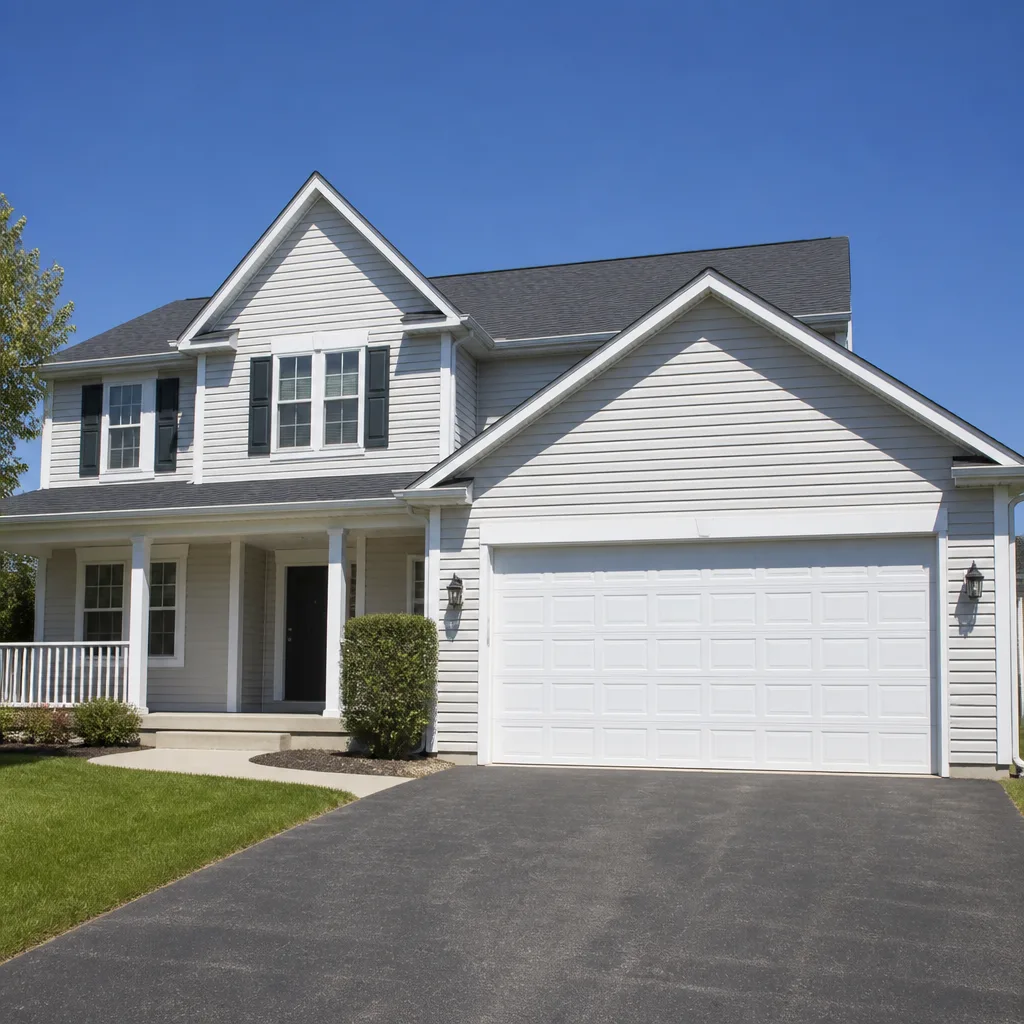
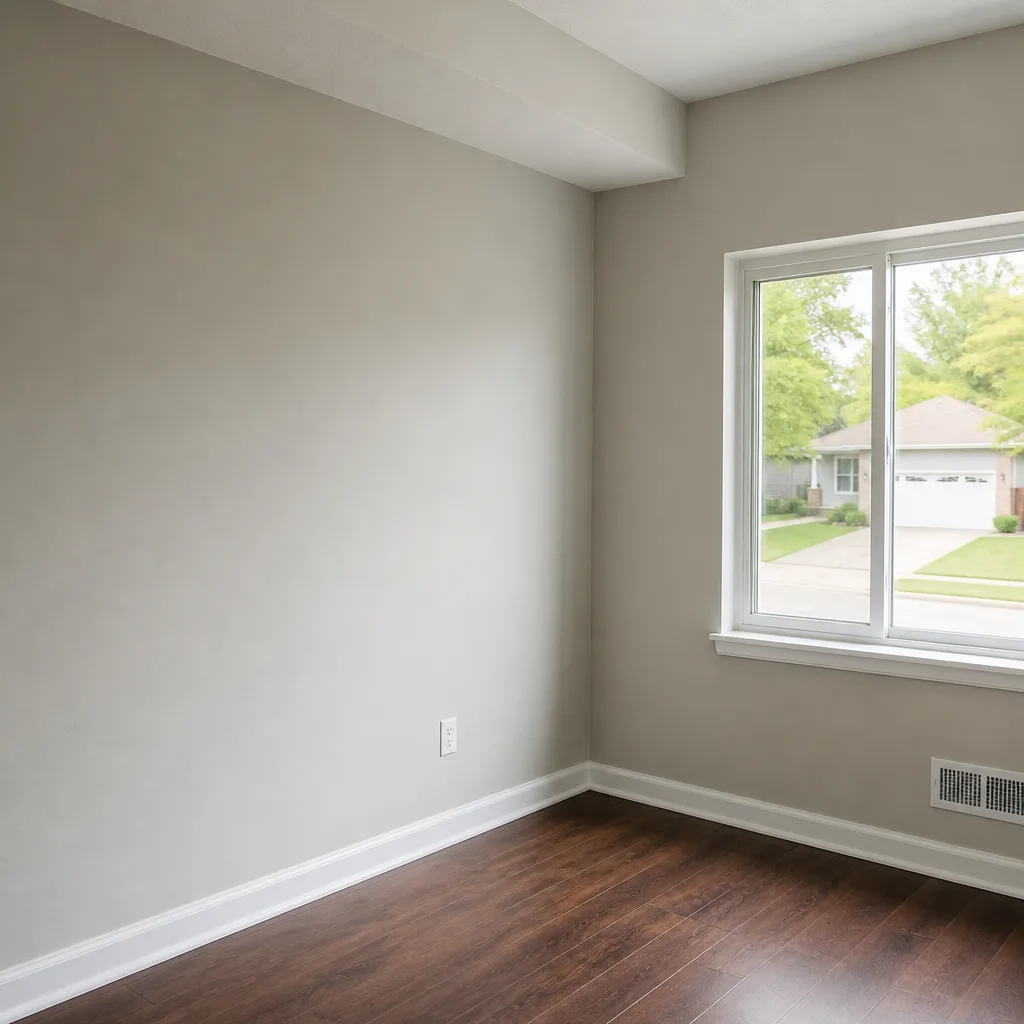
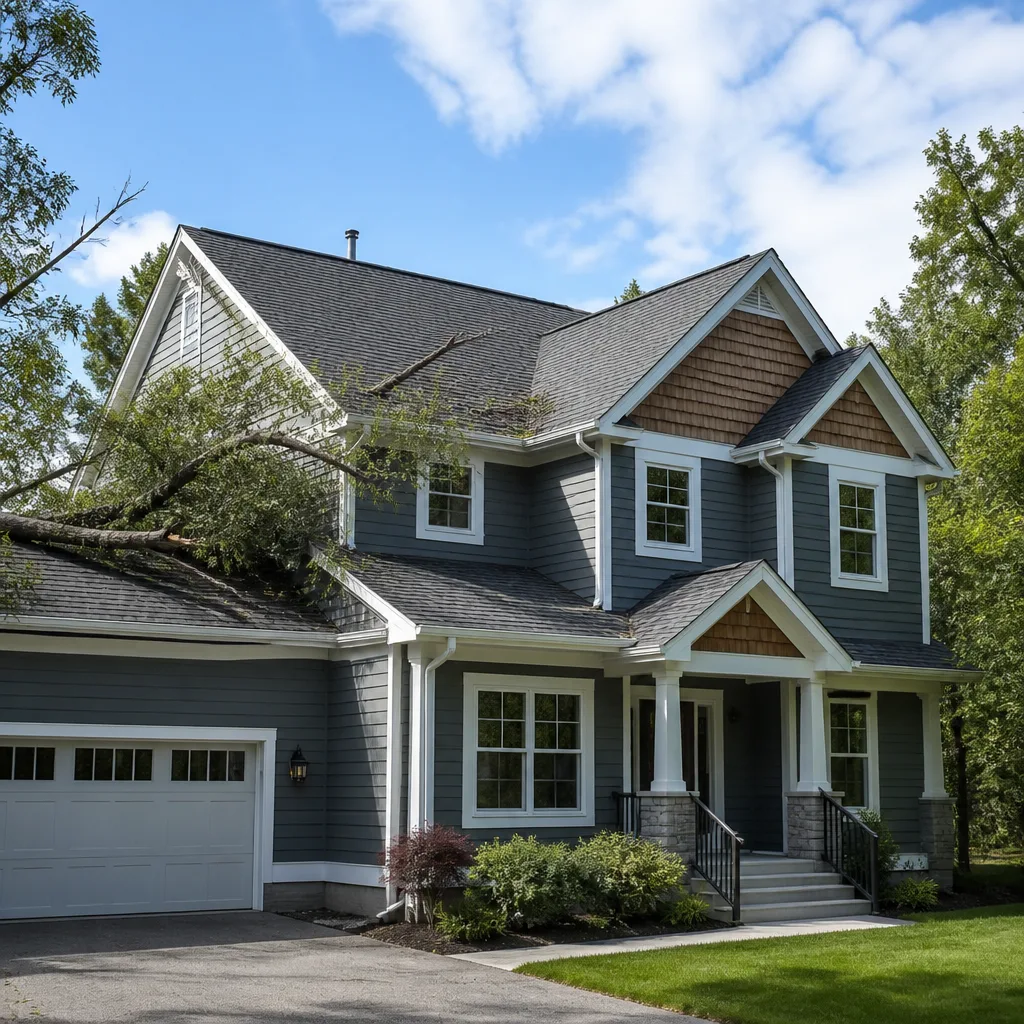
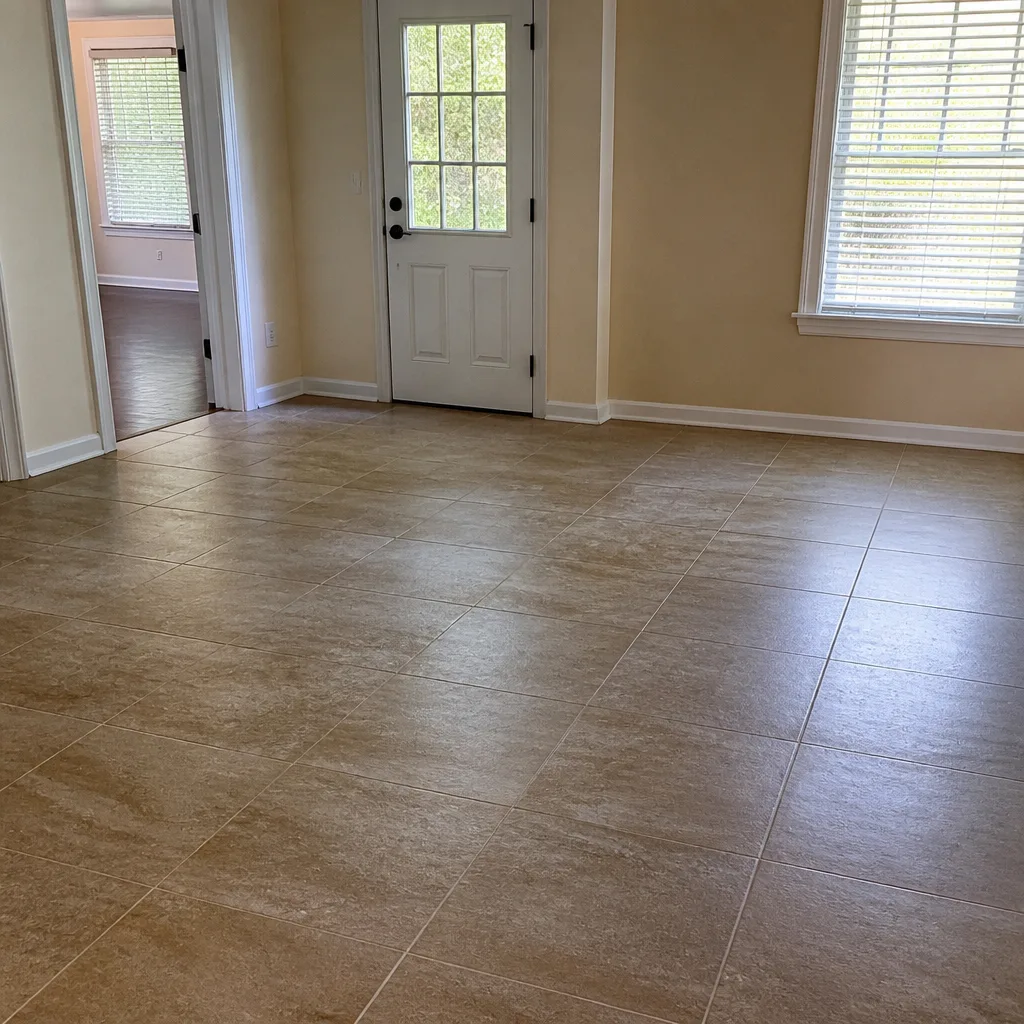
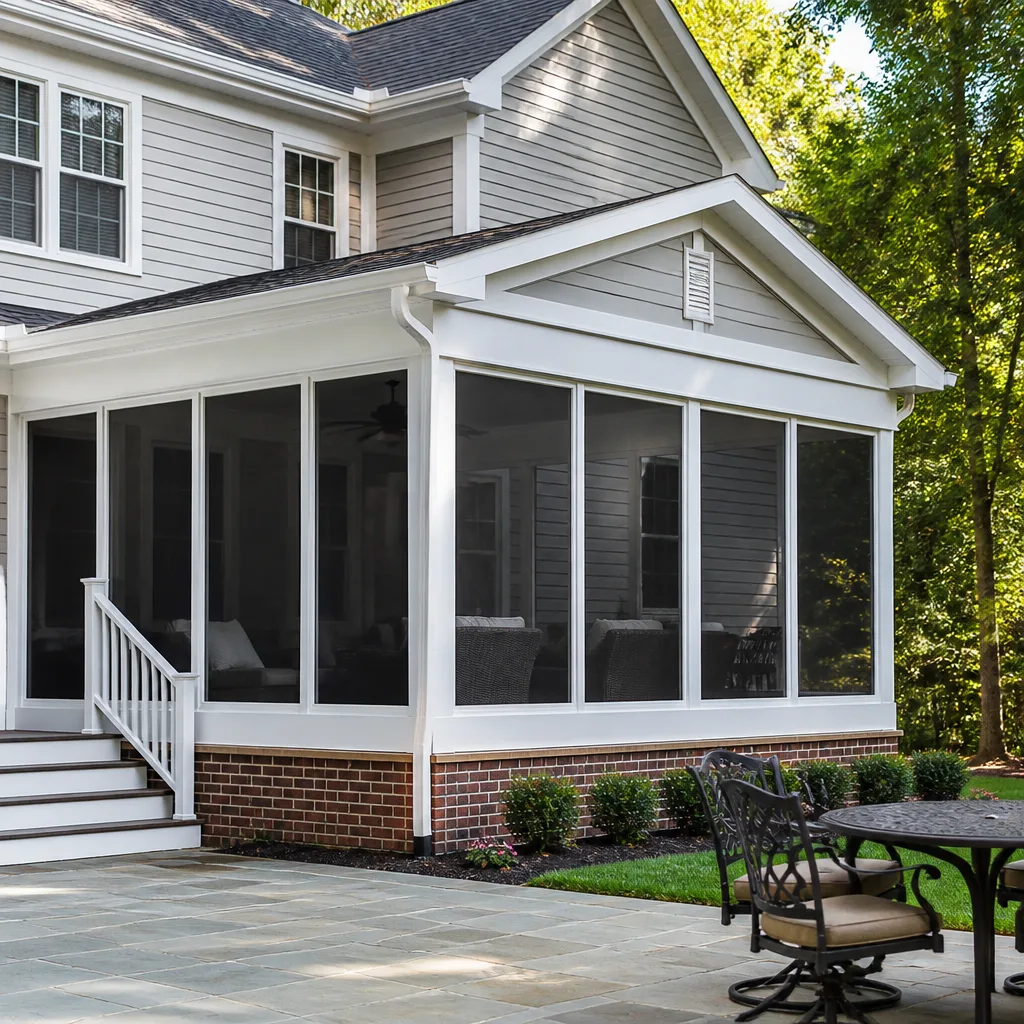
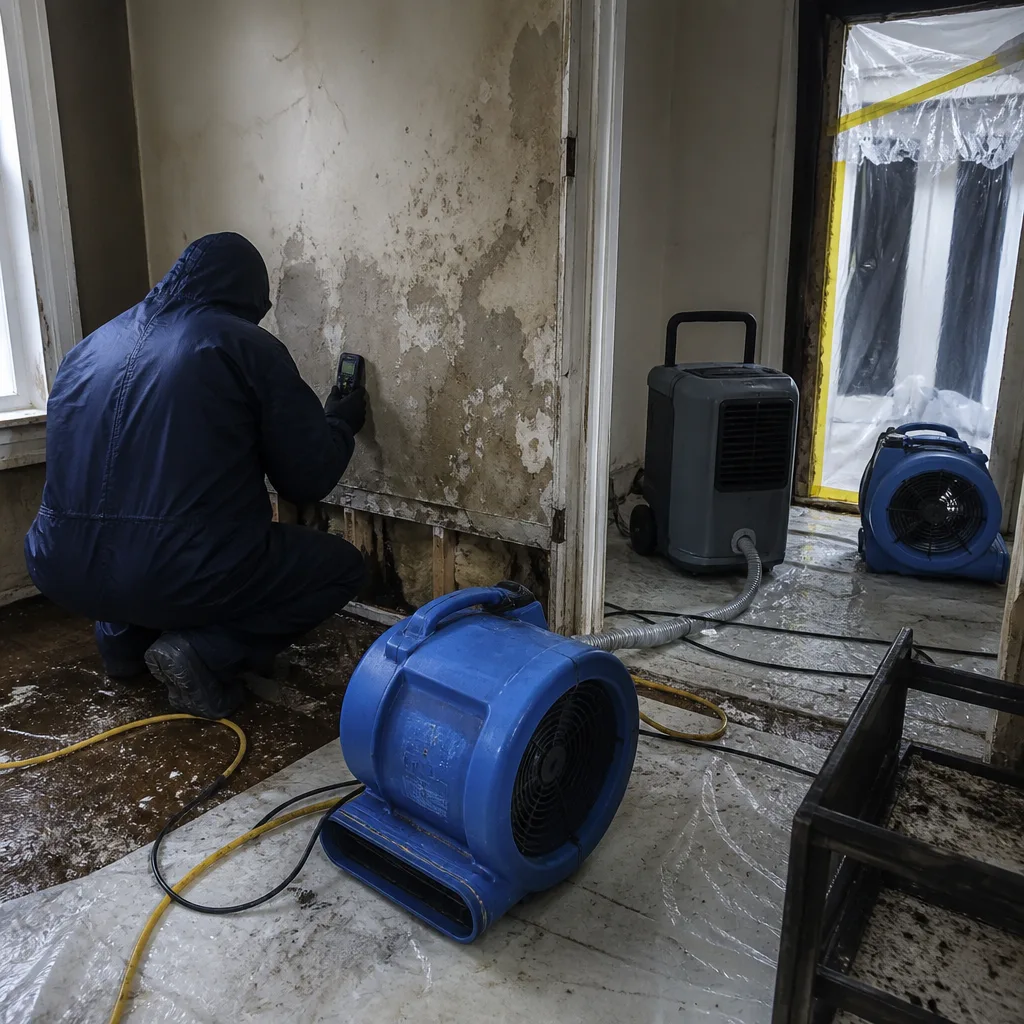 Before
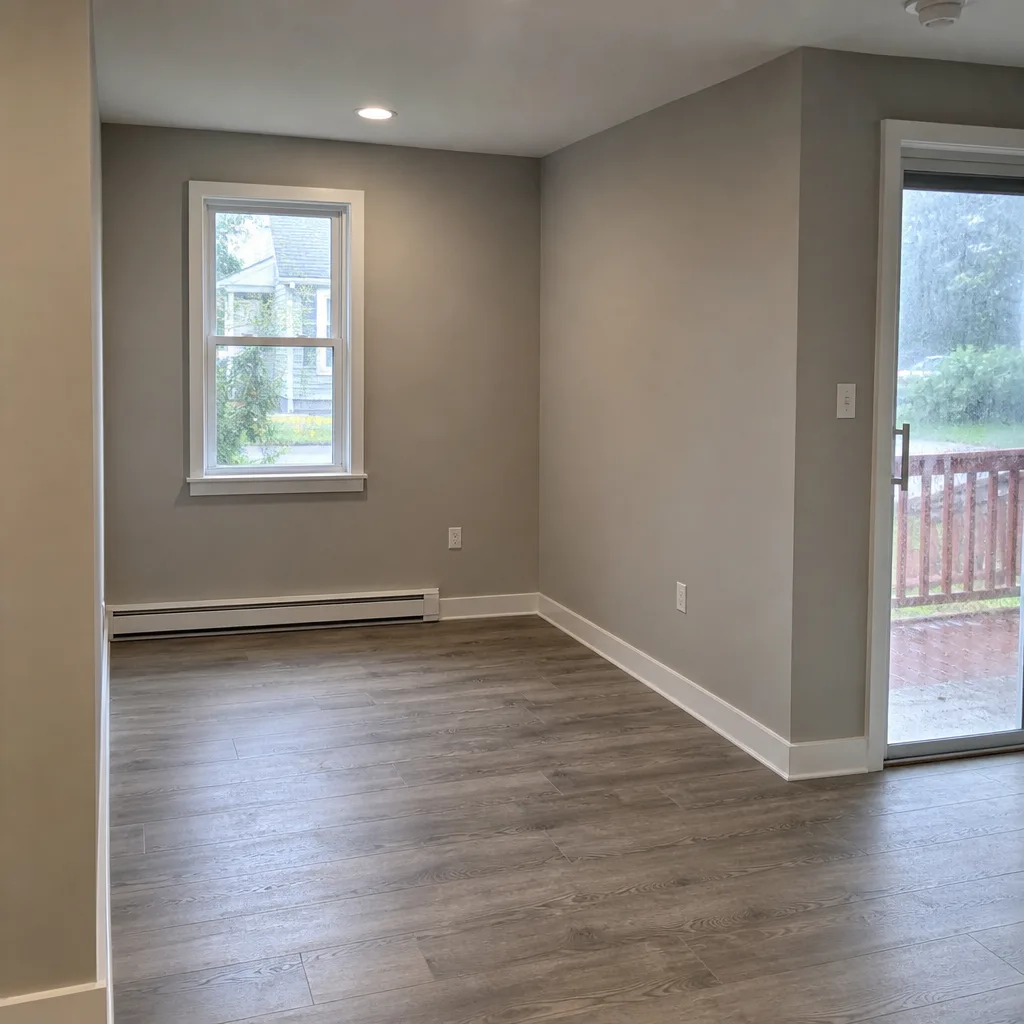 After
After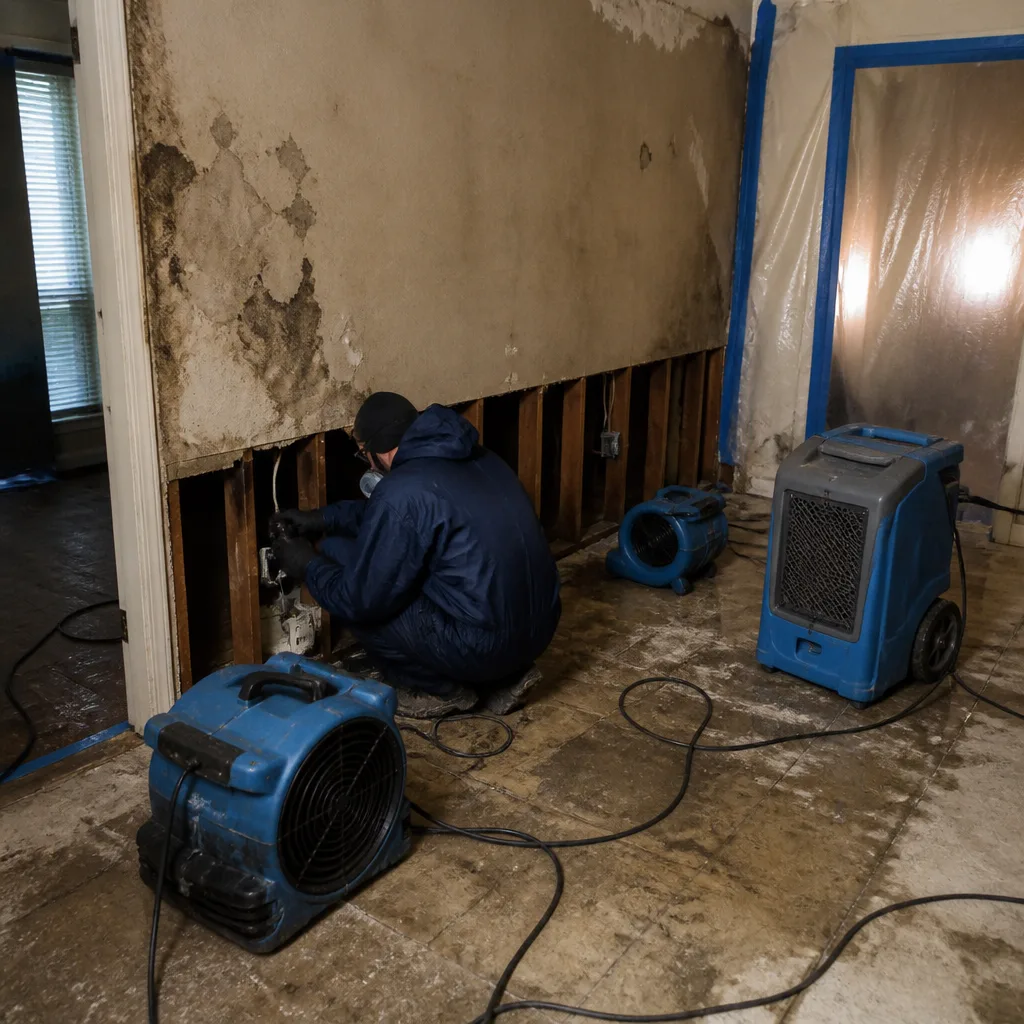 Before
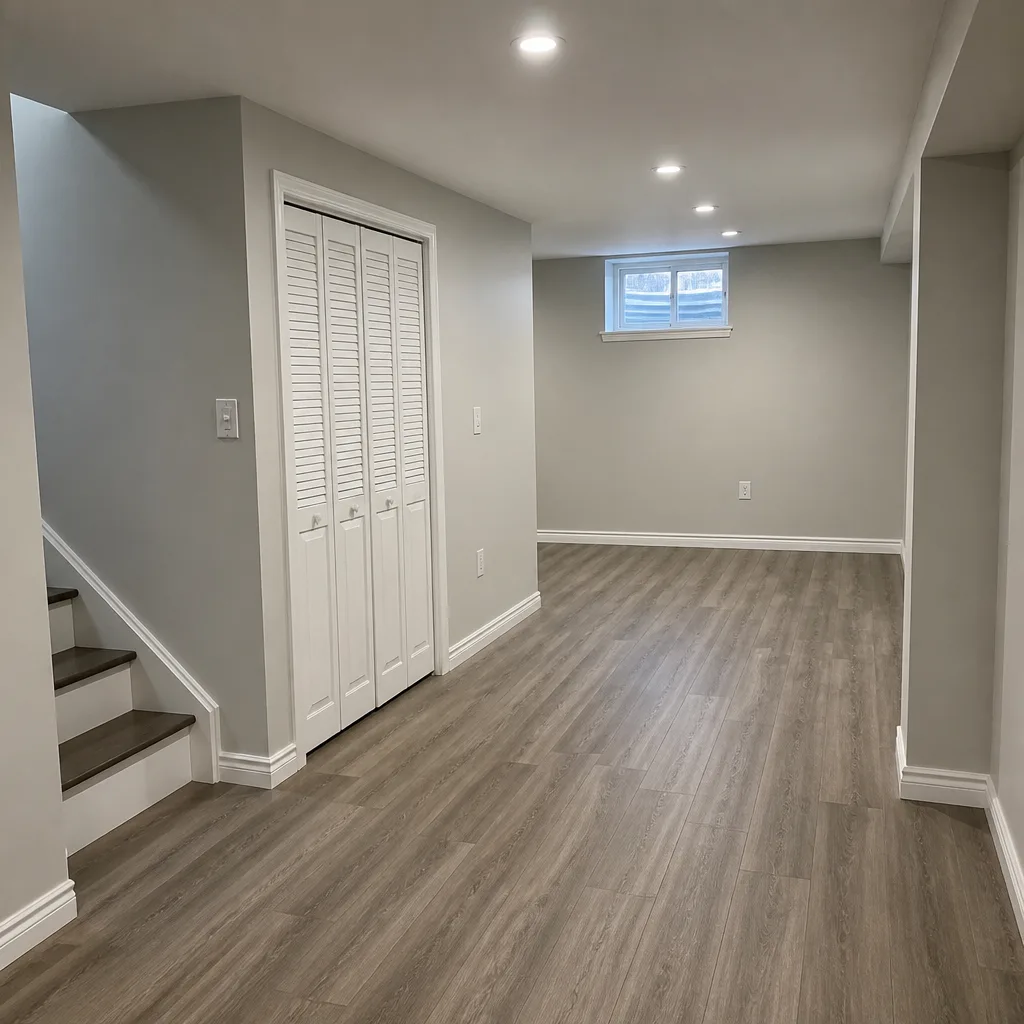 After
After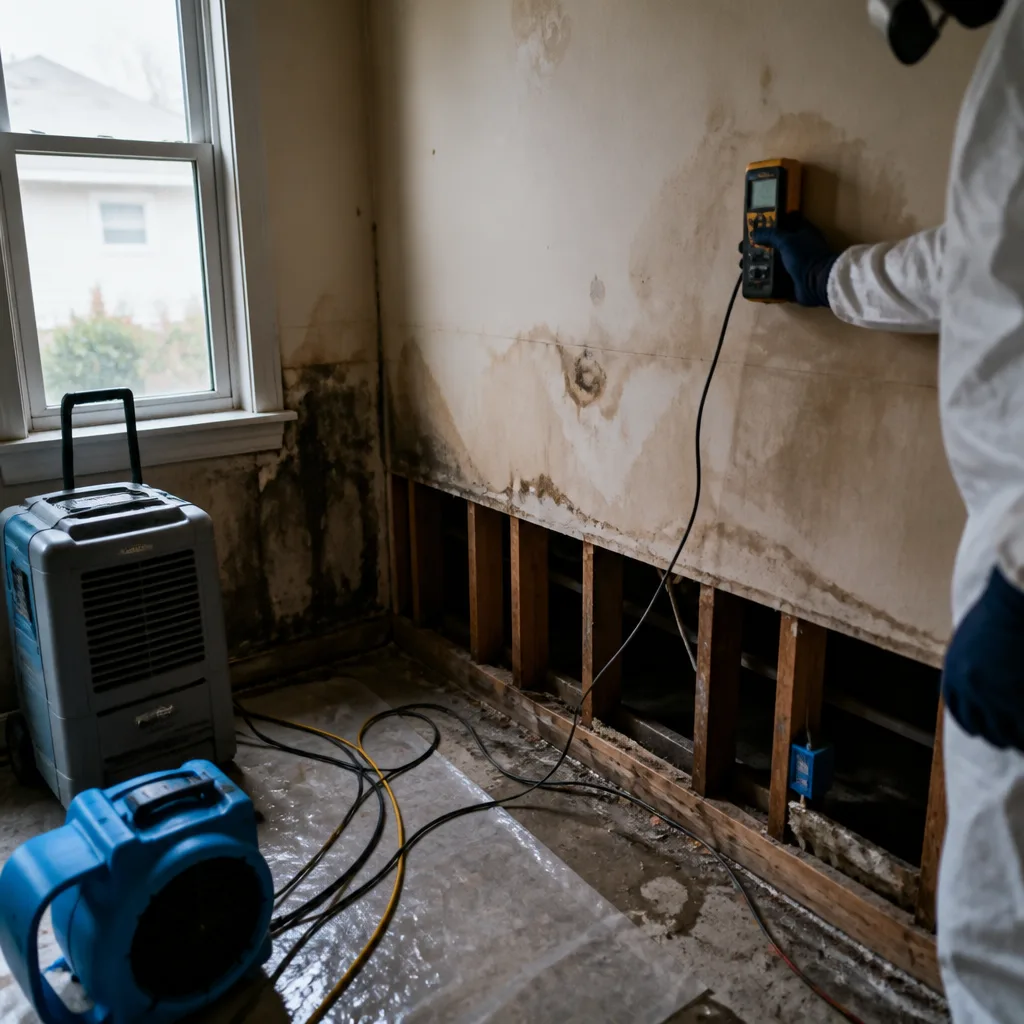 Before
 After
AfterFast, Reliable Water Damage Restoration Across Financial District
Water damage restoration in Financial District, NY typically runs $2,800-$7,500 for a standard residential mitigation, with emergency water extraction starting around $1,200-$2,400 and full structural drying adding $1,600-$5,100 depending on affected square footage and material type. Our crews dispatch from our New York City office and can be on-site in Financial District within 45-60 minutes of a verified call, 24 hours a day, 7 days a week. When you’re standing in six inches of harbor surge in your lobby off Pearl Street, that timeline matters.
We’re Back to Dry Restoration, independently owned and operated under The Haven Standard since 2011. Our Water Damage Restoration team has handled Category 3 saltwater inundation in converted bank buildings, pre-war co-ops, and glass towers throughout Lower Manhattan. We know the difference between a burst-pipe call in Tribeca and a surge event in FiDi, and we document every job with the photo records and drying logs that turn restoration invoices into payable insurance claims.
Call (862) 292-4268. A live person answers. Estimates are free.
Why Back to Dry Is Financial District’s Preferred Water Damage Restoration Company
Financial District residents don’t hire based on who shouts loudest. They hire based on what a company can show them. Since 2011, we’ve restored 12,000+ homes with a written price before work started on every single one - Haven Standard, Clause 1 - and a documented photo record on every visit. Alicia Brennan founded this company after years as a claims adjuster watching homeowners lose their claims to sloppy documentation. That origin is the problem we solve.
Our Financial District customers find us through three-star reviews as often as five-star ones, and they stay because we deliver what we document. Background-checked, uniformed technicians arrive with license numbers visible, professional-grade drying systems from Dri-Eaz, Phoenix, and XPOWER, and a written scope signed before anyone touches a wall. No scope creep. No verbal assurances. The 365-Day Done Right Promise is stamped on every job, not printed on a mailer.
Response time to Financial District averages under an hour because we coordinate dispatch from our New York City office and route crews through Lower Manhattan’s grid without the tunnel delays that slow Brooklyn or Queens-based operators. When a nor’easter is pushing surge up the harbor, that local routing knowledge is the difference between mitigation and mold.
Our Water Damage Restoration Services in Financial District
Emergency Water Extraction
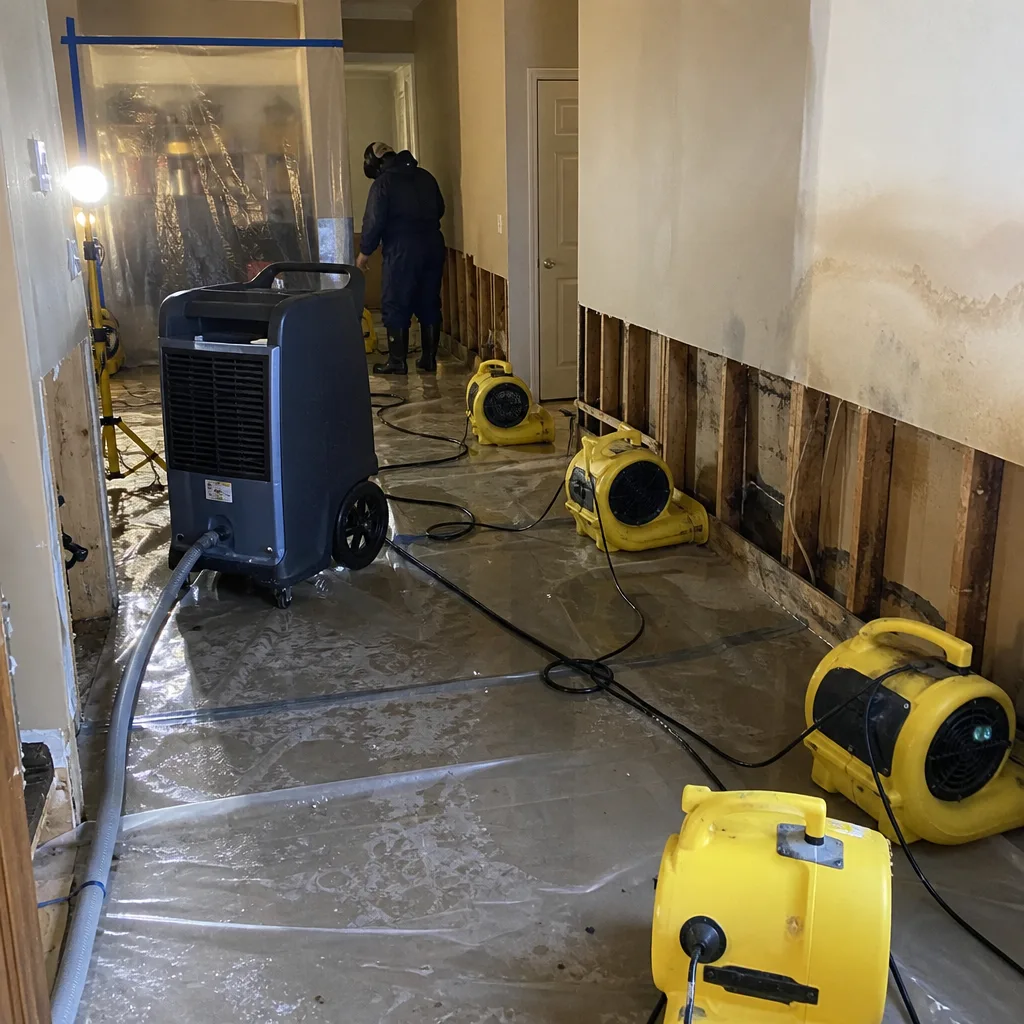
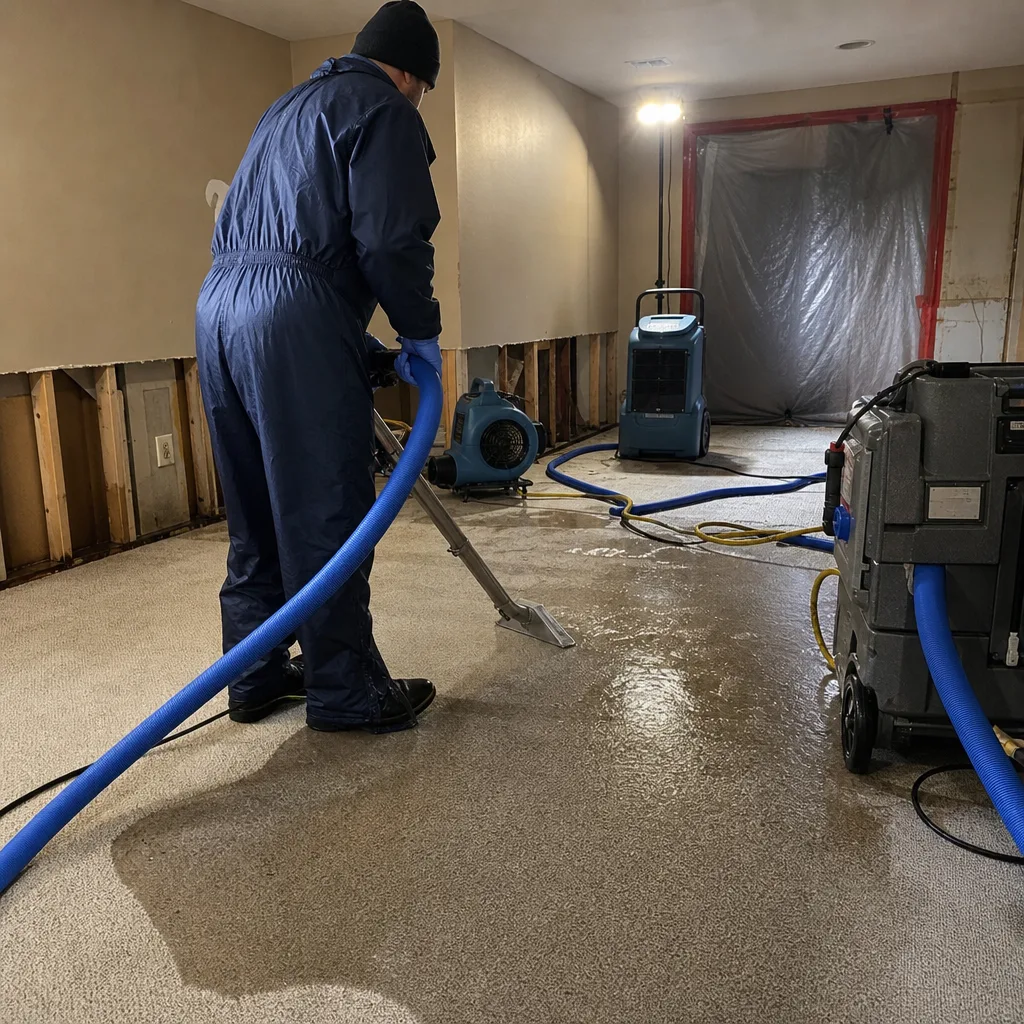
Financial District’s defining water event isn’t a washing machine hose - it’s harbor surge pushing through lobby doors and sub-basement vaults with Category 3 saltwater. Our emergency water extraction teams deploy truck-mounted extraction units and portable flood pumper systems within the hour, but more importantly, we classify the water correctly on arrival. Treating surge as Category 1 or 2 is the most expensive mistake a restoration contractor can make here; salt residue corrodes low-voltage electrical systems and masonry anchors long after visible water is gone. We extract, we test conductivity, we document the classification in your file before drying begins.
Structural Drying & Dehumidification
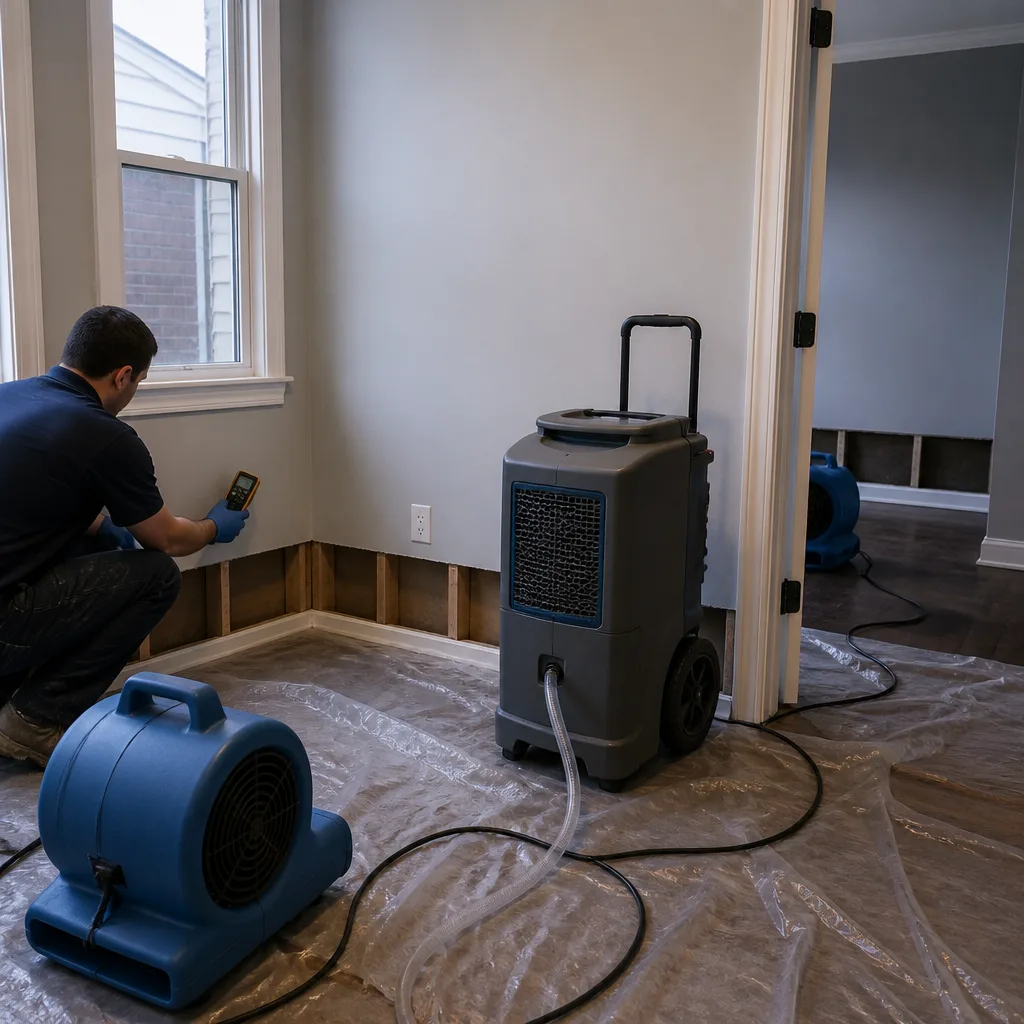
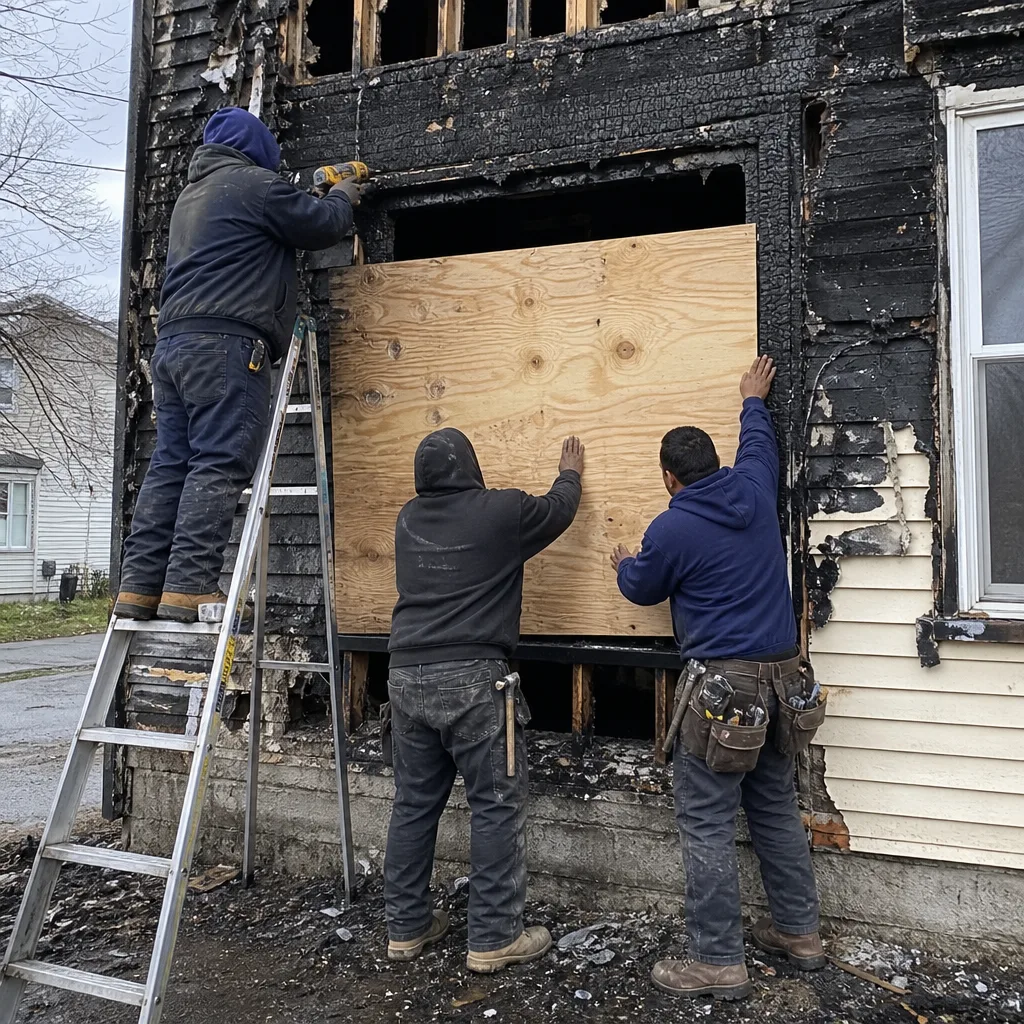
Standard residential drying assumes drywall, studs, and maybe some plywood subfloor. Financial District’s converted bank buildings present three-foot granite and limestone assemblies, load-bearing brick walls, and cavernous former mechanical rooms that hold moisture for weeks. Our structural drying protocol uses psychrometric data - temperature, relative humidity, and vapor pressure differential, which is the force that actually moves moisture out of dense materials - to calculate drying time rather than guessing. Dri-Eaz and Phoenix LGR dehumidifiers paired with Injectidry cavity drying systems and directional air movers run until daily moisture readings prove the assembly is dry, not until the schedule says so. In a 1901 conversion off Pearl Street, that can mean 14-21 days versus a standard 5-day residential timeline.
Flood Cleanup
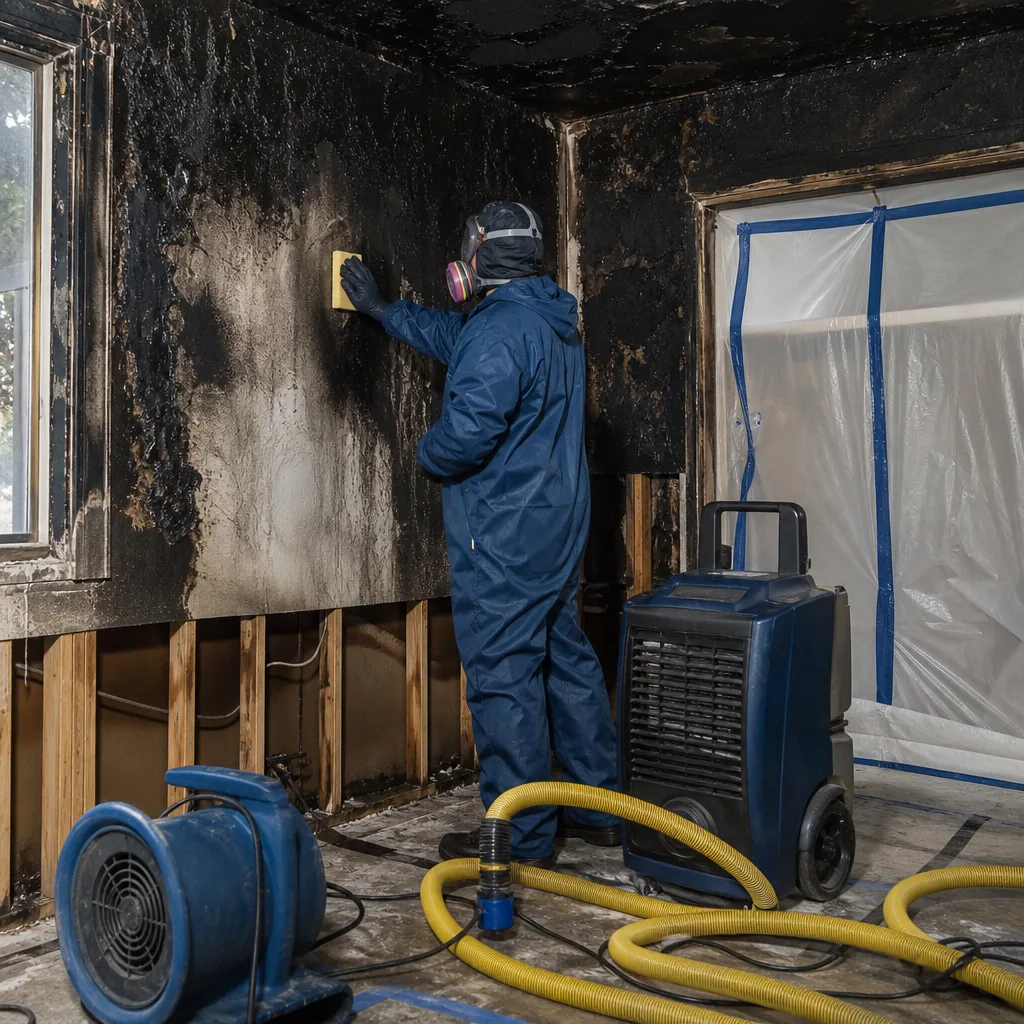
Flood cleanup in Financial District starts with FEMA flood zone AE reality: this neighborhood sits at the low-lying southern tip of Manhattan, flanked by tidal water on three sides, with harbor geometry that funnels surge energy directly into the street grid. After Hurricane Sandy’s 2012 inundation, every restoration contractor working here had to learn saltwater extraction protocols, extended drying of thick masonry, and full replacement of corroded electrical systems that inland restorers rarely see. Our flood cleanup includes contaminated-content inventory with photo documentation for your adjuster, antimicrobial application to salt-residue-affected surfaces, and air-quality clearance testing before rebuild. We also coordinate directly with your insurance adjuster - photo-documented assessments, written scopes, and daily drying logs delivered in the format claims departments expect.
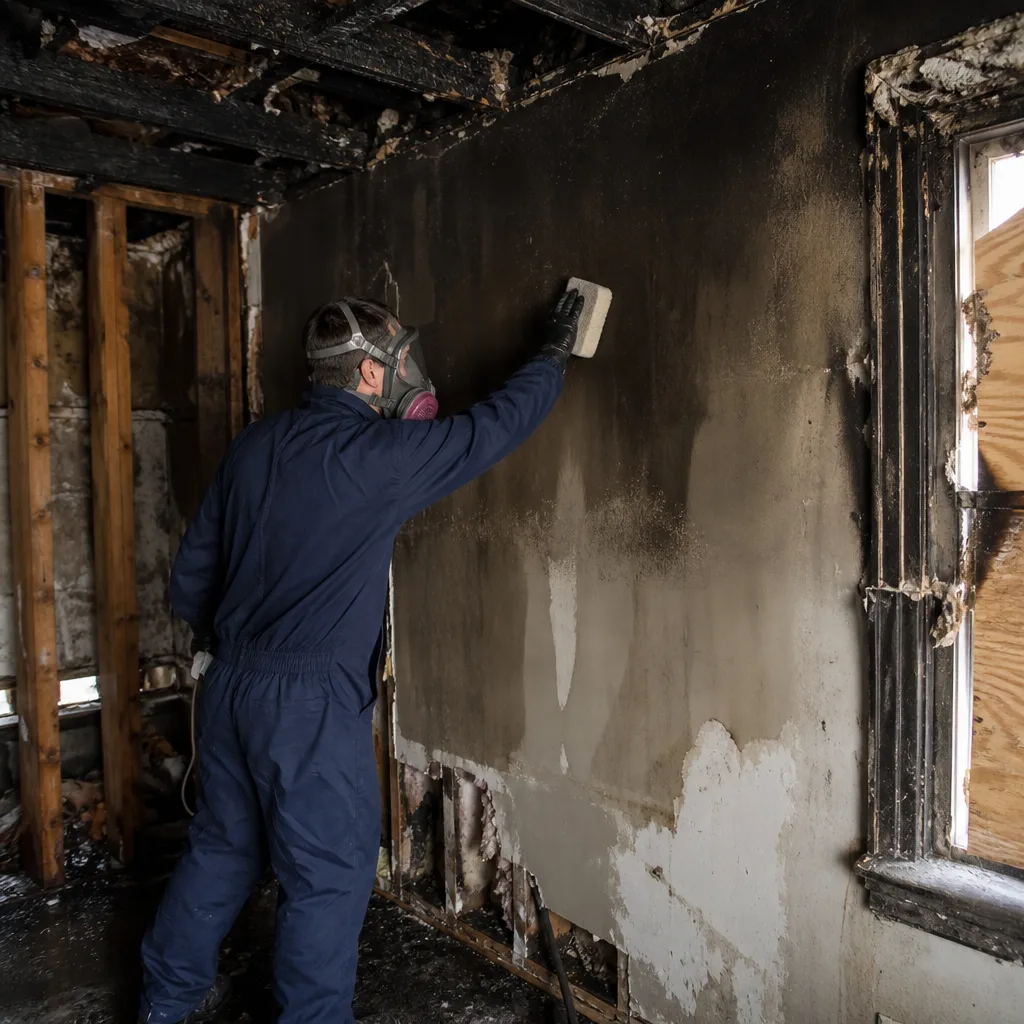
Burst Pipe Restoration
Even in FiDi, burst pipes happen - original cast-iron supply lines in pre-war conversions, frozen risers in facade penetrations, pressure failures in aging mains. Our burst pipe restoration includes emergency shutoff assistance, water extraction, full moisture mapping with thermal imaging to find migration paths behind limestone and granite finishes, and structural drying with documented daily logs. The critical difference: we map how far water traveled through masonry assemblies before declaring the scope. In a typical drywall-and-stud building, water runs down. In a FiDi conversion with three-foot stone walls, it can migrate laterally for days before showing.
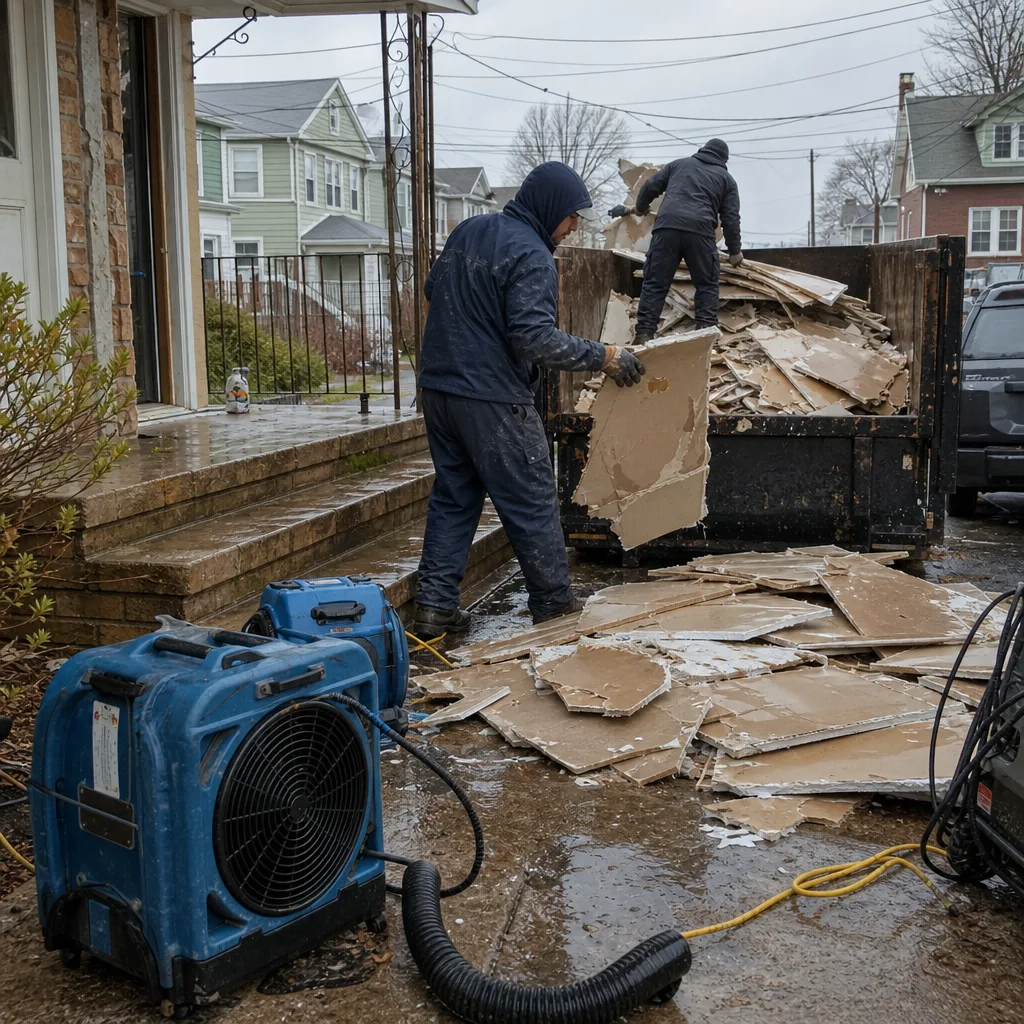
Basement Water Removal
Basement water removal in Financial District means sub-basements - former bank vaults, trading-floor mechanical rooms, document storage caverns - built below grade in buildings where “basement” is a relative term. These spaces pool water and resist standard pumping because of their depth, their connection to foundation drainage systems, and in buildings east of Pearl Street and west of Greenwich Street, their construction on 18th- and 19th-century landfill. Our crews use submersible trash pumps, portable extraction units, and when necessary, coordinated dewatering with building management to manage shared drainage infrastructure. We also watch for efflorescence and lateral wall movement as fill soil slowly drains - a structural tell that almost never appears in Midtown buildings anchored to Manhattan schist.
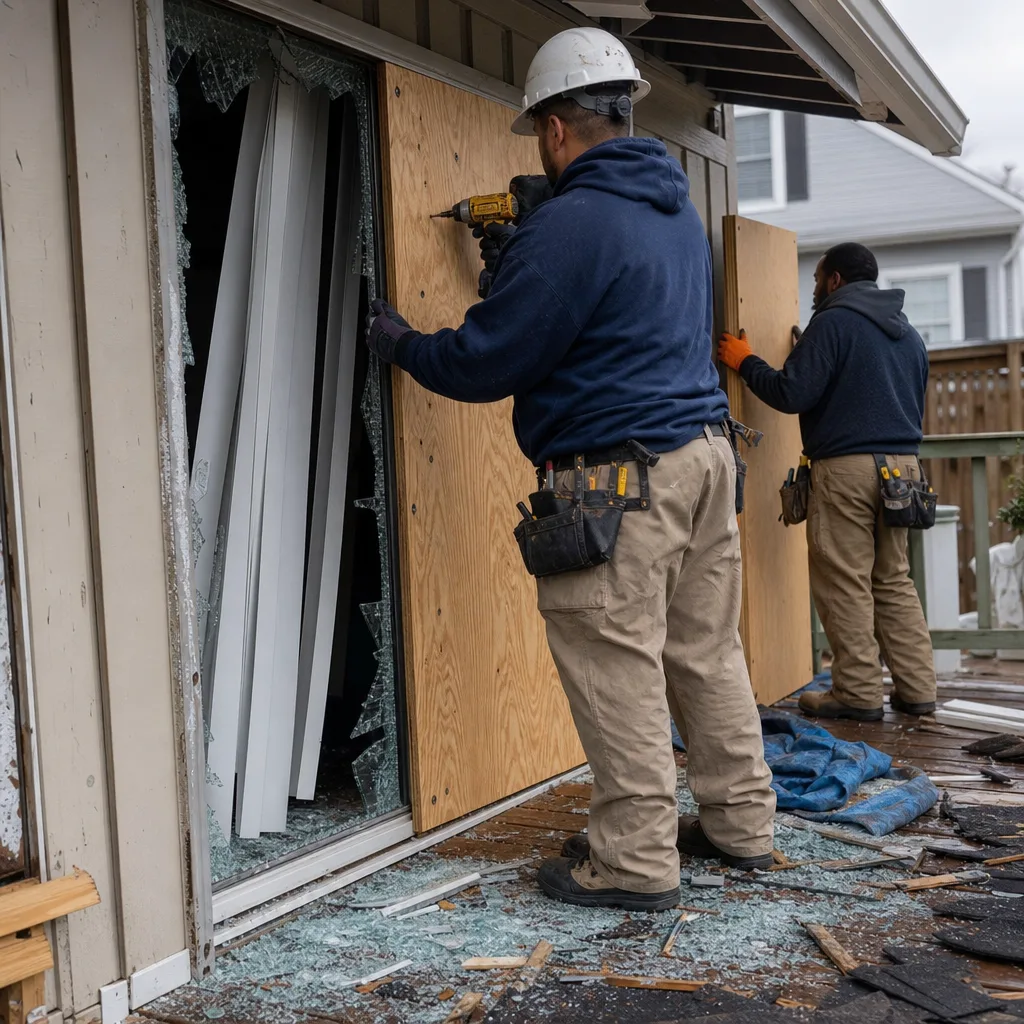
Ceiling & Roof Leak Water Damage
Postwar towers and converted pre-war buildings in Financial District present distinct ceiling and roof leak patterns. Tower curtain-wall failures send water through facade joints dozens of stories up, tracking down column enclosures and showing as damage far from the source. Pre-war conversions with flat roofs and original parapets see seasonal pooling that breaches aging membrane systems. Our response includes thermal imaging to trace the actual leak path, not just repair the visible damage, with photo documentation for your insurance claim and a written scope before any work begins.
What happens when you call
- 1
A real person answersNo phone trees - you reach a local pro.
- 2
You get an upfront price rangeHonest numbers before anyone is dispatched.
- 3
A background-checked tech heads outLicensed & insured, dispatched right away.
- 4
You approve before work beginsNothing starts until you say go.
BeforeAfterTrusted Equipment & Standards We Deploy in Financial District
We don’t list equipment brands to impress. We name them because your adjuster will ask, and because documentation matters. Our crews deploy professional-grade drying systems from Dri-Eaz, Phoenix, and XPOWER - LGR dehumidifiers rated for the vapor pressure differentials dense masonry demands, axial and centrifugal air movers with calculated CFM placement, and Injectidry cavity drying systems for drying inside wall assemblies without destructive demolition. All work is documented to IICRC, RIA, and IFA standards, producing the daily moisture logs and psychrometric readings that turn restoration invoices into claims that pay without dispute. We stock HEPA air scrubbers, hydroxyl generators, and negative-air containment for Category 3 events, and we maintain local equipment reserves for surge events that can damage dozens of Financial District buildings within hours.
Common Water Damage Restoration Problems We See in Financial District Homes
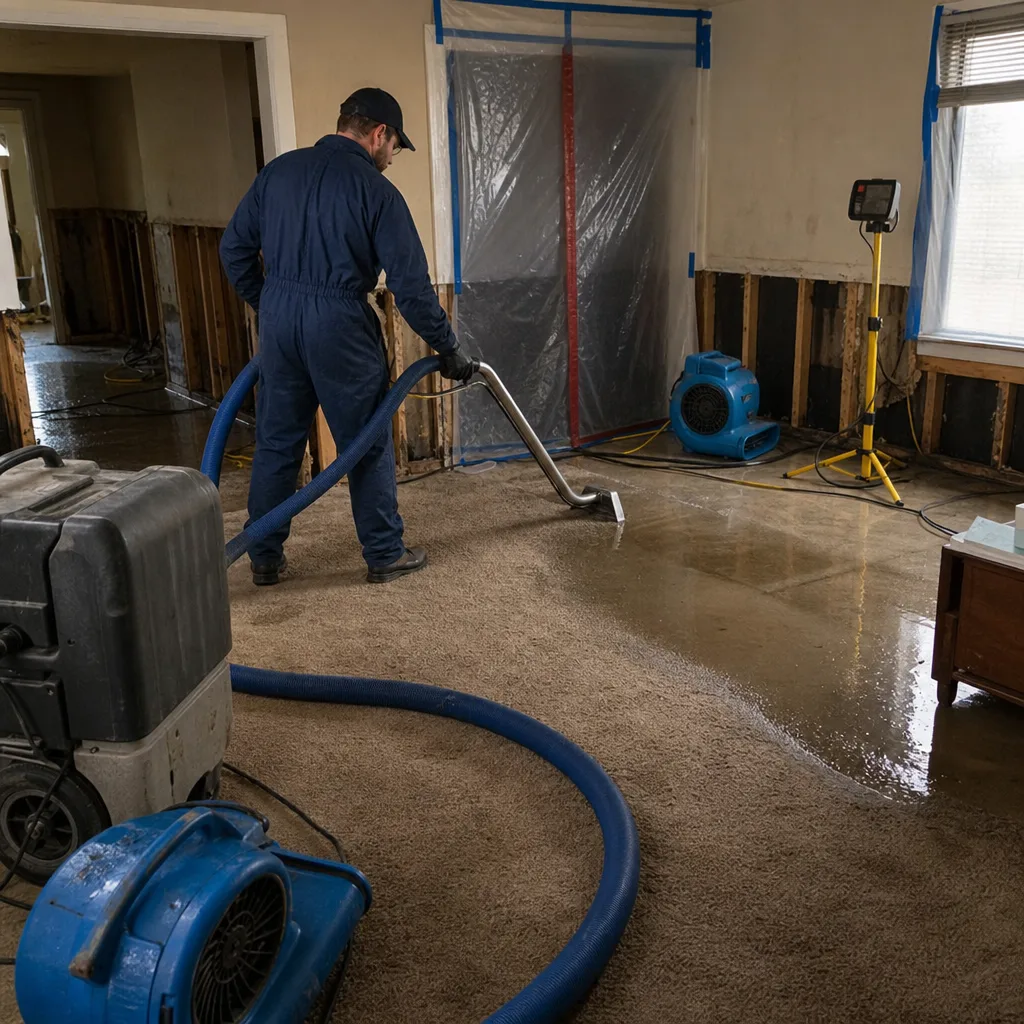
- Category 3 misclassification after surge events. Harbor water entering through lobby doors or loading docks carries salt, petroleum residue, and biological contaminants. Drying it in place instead of extracting and removing saturated finishes leaves corrosive residue in masonry and destroys low-voltage electrical systems within weeks.
- Premature job closure in cavernous sub-basements. Thick granite, limestone, and brick assemblies in former bank buildings hold moisture for weeks. Standard 5-day drying timelines fail; without daily moisture logs proving vapor pressure equilibrium, mold follows in 30-60 days.
- Missed landfill-soil drainage patterns east of Pearl Street. Buildings on historic fill develop efflorescence and lateral foundation wall movement after inundation. Inland-oriented crews don’t check for these tells, and homeowners discover structural damage months later when cracks propagate to finished surfaces.
- Undocumented scopes that insurers reject. Financial District buildings carry high replacement values and complex coverage structures. A verbal estimate or photo-light file gets challenged; a written scope with room-by-room moisture readings, photo records, and equipment placement logs gets paid.
Pricing for Water Damage Restoration in Financial District, NY
Here’s what water damage restoration costs in Financial District’s market, based on 12,000+ jobs documented since 2011:
| Service | Typical Range |
|---|---|
| Emergency water extraction (first 2 hours) | $1,200 - $2,400 |
| Structural drying & dehumidification (per day) | $800 - $1,700 |
| Full residential mitigation (average 1,200 sq ft) | $2,800 - $7,500 |
| Category 3 flood cleanup with content handling | $4,500 - $12,000 |
| Basement water removal (sub-basement / vault depth) | $2,200 - $6,800 |
| Ceiling / roof leak damage (per affected room) | $1,800 - $4,200 |
What moves you within these ranges: affected square footage, material classification (Category 1, 2, or 3), whether demolition is required to access wet assemblies, and the density of materials being dried. Three-foot limestone dries slower than half-inch drywall; we price the actual physics, not a square-footage guess. Haven Standard, Clause 1: your written price is delivered before work begins, with no additions once the crew is inside. Bring a competitor’s written estimate and we’ll review it free - our Free Second Opinion policy.
Call (862) 292-4268 for your exact quote. Estimates are free.
We Also Serve Cities Near Financial District
Our Water Damage Restoration in Financial District crews regularly cross into St. George, Battery Park City, Tribeca, and SoHo for surge events, burst-pipe calls, and coordinated building-management responses. Same standards, same documentation, same written price before work begins. If your property sits just outside FiDi’s boundaries, call anyway - we likely already know your building.
Serving Financial District, NY - Our Local Coverage Area
We’re based in the Financial District area and know this community well. Use the map below to see our service coverage - if you’re nearby, we can almost certainly help.
FAQs - Water Damage Restoration in Financial District
Yes - virtually always. Harbor surge carries salt, petroleum residue, biological contaminants from combined sewer overflow, and debris from street-level sources. By IICRC definition, that’s Category 3 water requiring extraction, removal of saturated porous materials, antimicrobial treatment, and air-quality clearance before rebuild. Drying it in place violates protocol and leaves corrosive salt residue in masonry and electrical systems. Call (862) 292-4268 and we’ll classify on arrival with conductivity testing - estimates are free.
Three-foot granite, limestone, and load-bearing brick assemblies hold exponentially more moisture than standard wood-frame construction with drywall. The thermal mass and density of these materials resist vapor pressure differential, which is the force that pulls moisture out. A typical apartment might dry in 5 days; a converted bank building with original masonry can require 14-21 days of documented dehumidification with daily moisture logs proving equilibrium. We don’t guess at completion - we measure. Call (862) 292-4268 for a written scope with realistic timelines.
Efflorescence is the white, powdery salt deposit that appears on masonry surfaces as moisture wicks through and evaporates. In Financial District buildings east of Pearl Street and west of Greenwich Street - constructed on 18th- and 19th-century landfill - it signals that fill soil is still draining after inundation, often with lateral foundation wall movement that structural engineers need to assess. We document efflorescence appearance, location, and progression in your photo record and drying log, and we extend drying timelines until the tell disappears. Midtown buildings on Manhattan schist don’t present this pattern. Call (862) 292-4268 if you’ve noticed white deposits after any water event.
Fundamentally, yes. Fresh water from a burst pipe can dry from low-voltage electrical components with proper dehumidification. Saltwater leaves conductive chloride residue that continues corroding copper and circuit boards even after visible drying, causing latent failures in fire alarm systems, elevator controls, and smart-building infrastructure weeks or months later. Our protocol after Category 3 saltwater exposure includes moisture mapping of electrical rooms, replacement assessment of submerged gear, and documentation for your adjuster covering both immediate and latent damage. Call (862) 292-4268 for assessment - don’t wait for the failure.
For Category 3 surge, within 4-6 hours to prevent microbial amplification and secondary damage to finishes. For Category 1 or 2 events, within 24 hours. Our live dispatch answers in Financial District 24 hours a day, 7 days a week, with crews typically on-site in 45-60 minutes. The harbor’s geometry means surge events can affect dozens of buildings simultaneously, so early call timing affects crew availability. We don’t manufacture urgency - we document response time in your file, and we maintain equipment reserves for coordinated building-management responses. Call (862) 292-4268 now; waiting changes the scope and the price.
Written by Alicia Brennan, Owner at Back to Dry Restoration, serving Financial District under The Haven Standard since 2011.