
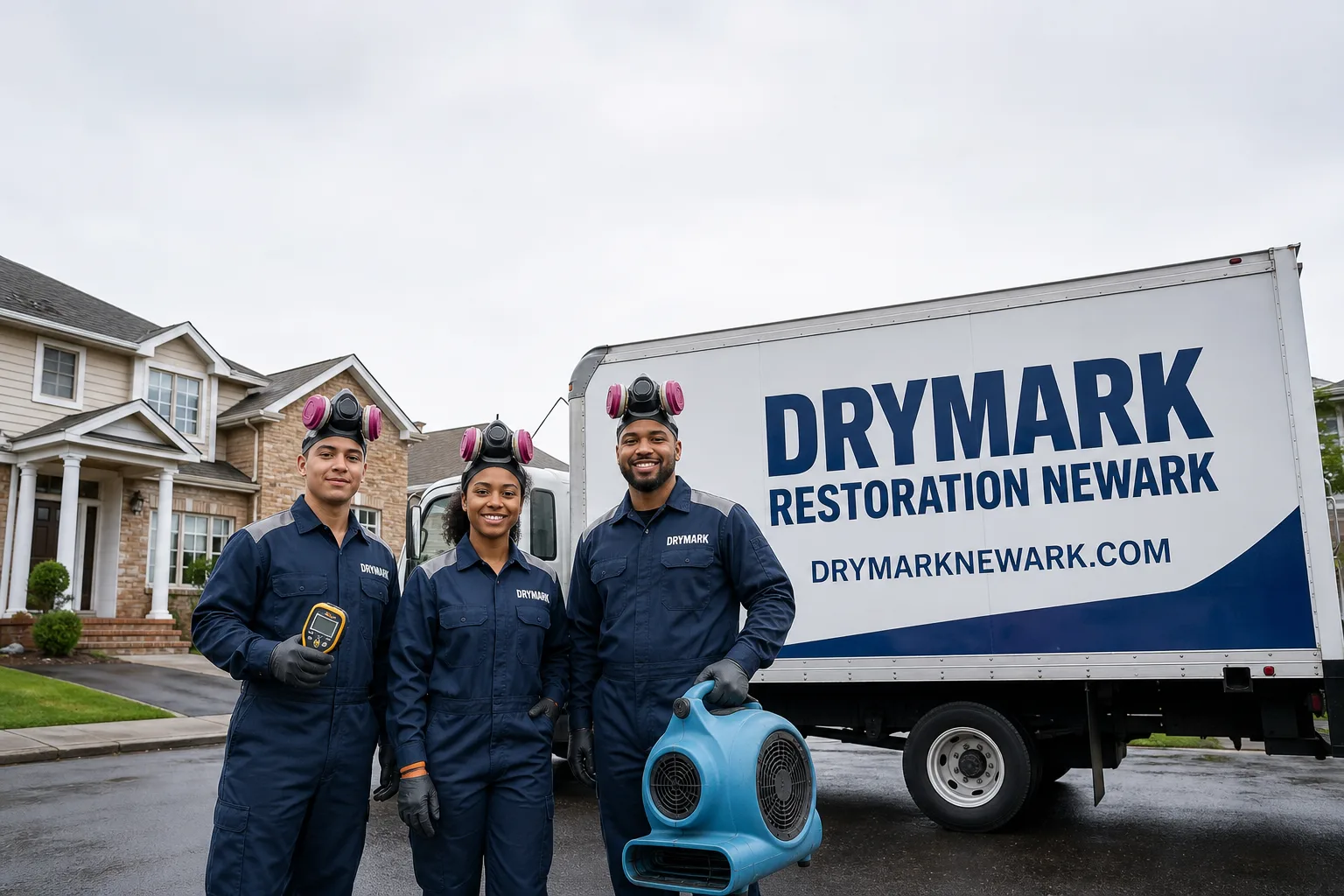
Free visual inspection and a written scope of work before any mitigation begins - photos, moisture readings, and drying logs go in your claim file
The scope we write is the scope we bill. Anything new gets shown to you, in writing, before we touch it.
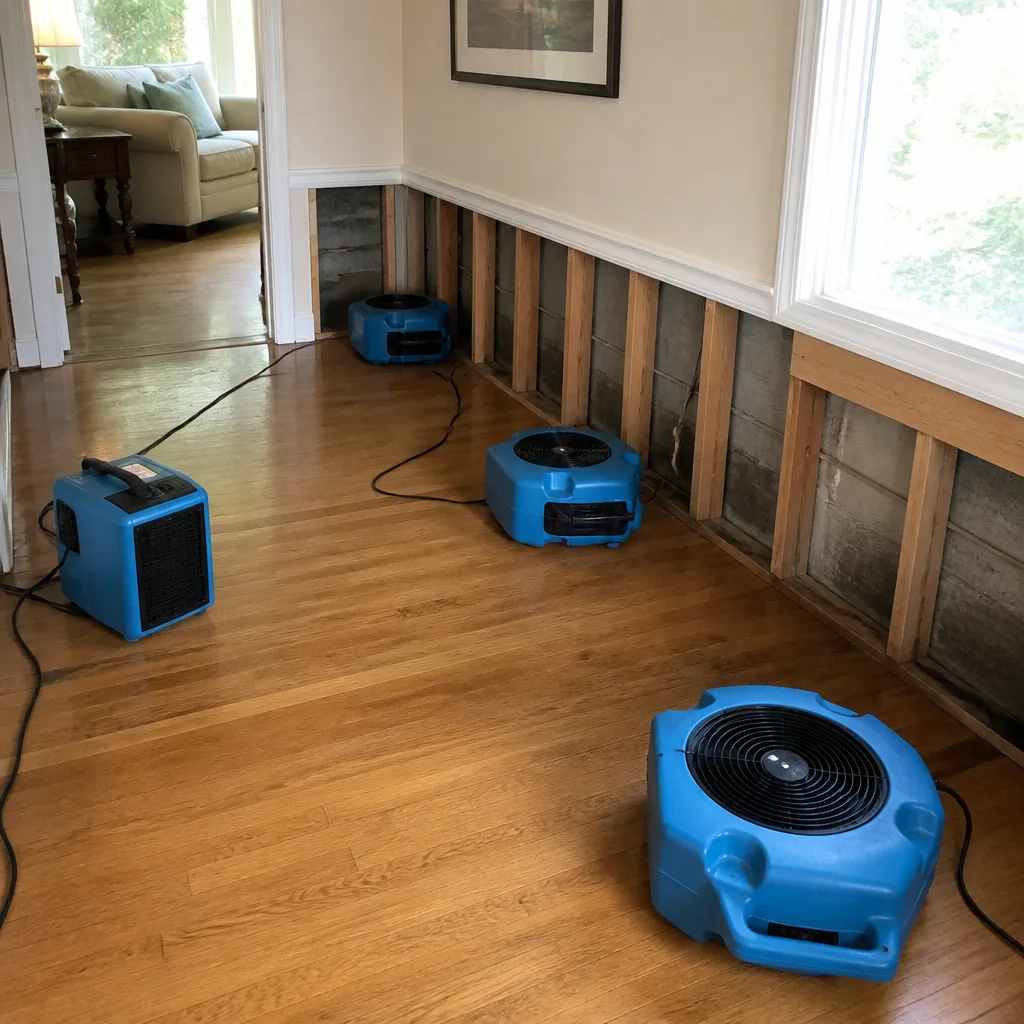
 Before
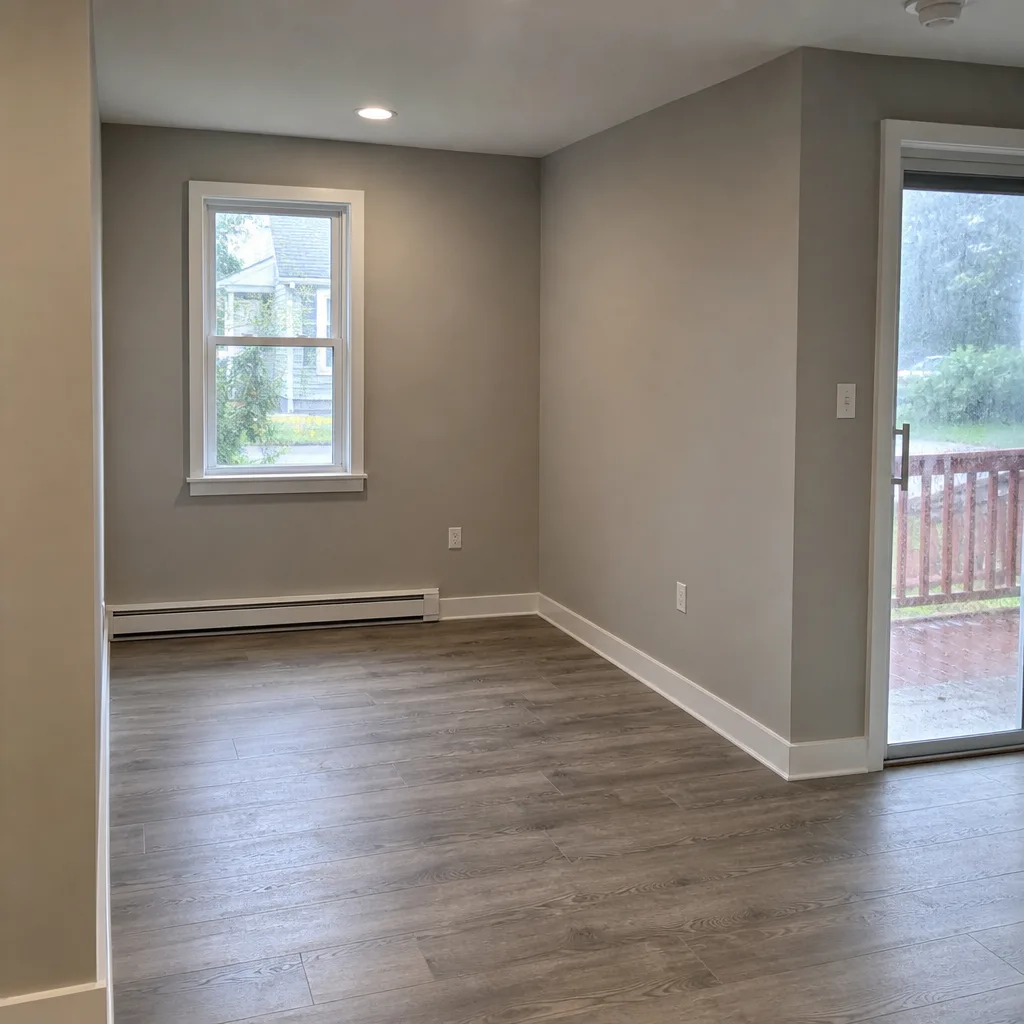 After
After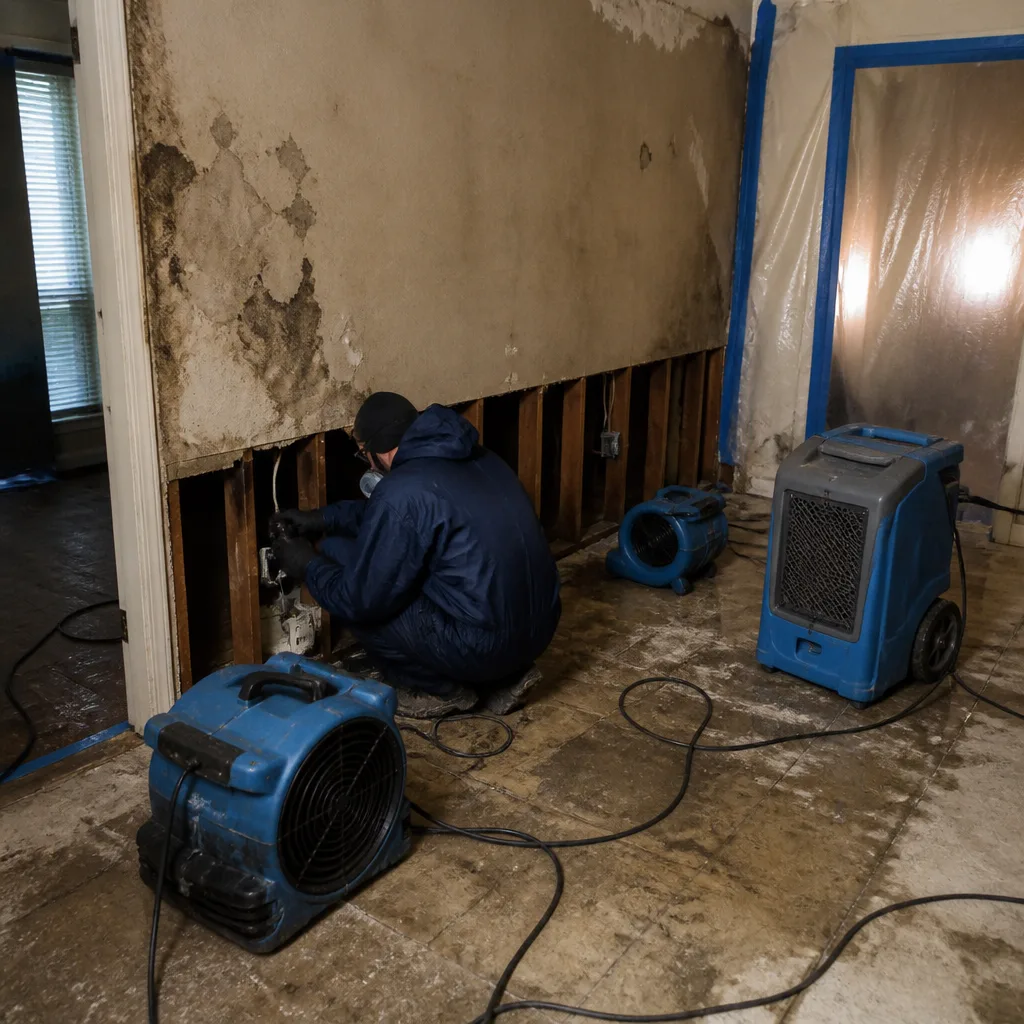 Before
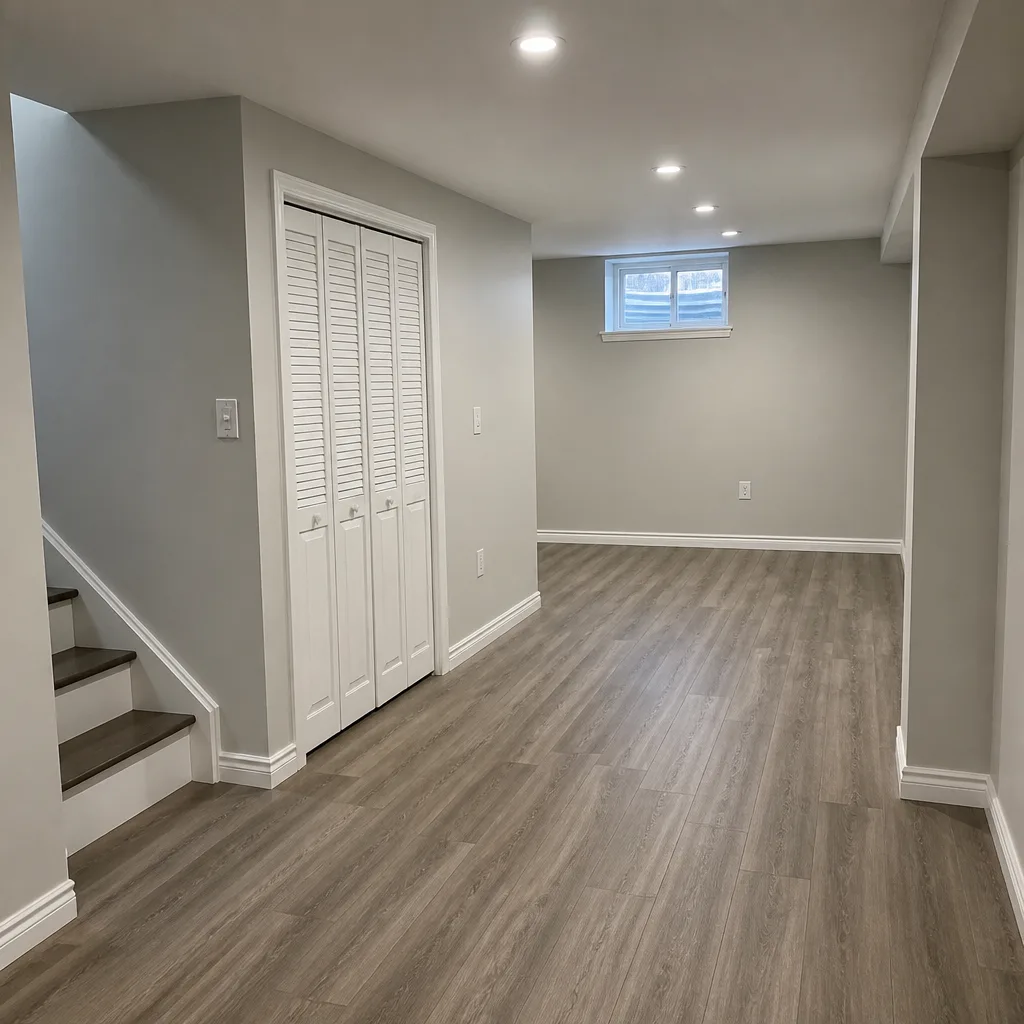 After
After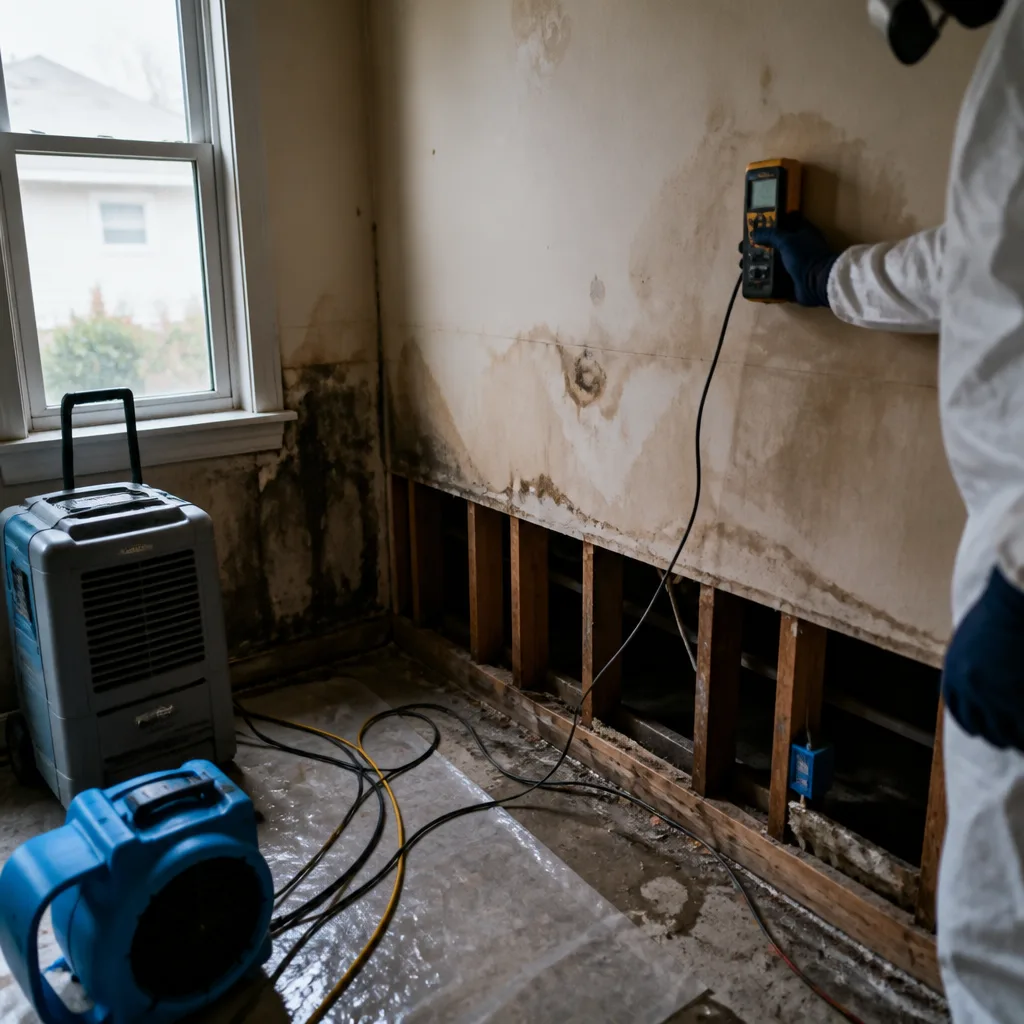 Before
 After
AfterTrusted Storm & Disaster Restoration for Newark Homeowners
Our Storm & Disaster Restoration cost guide shows Newark jobs typically run $2,800-$18,500 depending on damage severity, with emergency board-up and roof tarping available within 60-90 minutes of your call. Most Newark homeowners see crews on-site within the hour for active water intrusion, and full drying documentation is delivered to your adjuster within 48 hours. Call (862) 292-4268 for a written price before any work begins.
We’ve restored more than 12,000 homes since 2011, every one with a written scope signed before the first tool came out of the truck. Alicia Brennan founded Back to Dry Restoration after years as a claims adjuster watching homeowners lose coverage over missing documentation - moisture logs that never existed, photo records that stopped after day one, scopes that ballooned once crews were inside. Our home page shows how The Haven Standard fixes that. In Newark, we see the same pattern after every major storm: water finds the path of least resistance through aging brick facades on Forest Hill Victorians, flat-roof commercial buildings in the Ironbound, and the below-grade units common in University Heights. The damage is predictable. The documentation shouldn’t be.
Our Newark crews carry background-checked, licensed technicians in uniform, with live phone coverage 24 hours a day, 7 days a week - no voicemail trees, no next-business-day callbacks while water is still moving through your walls. We deploy professional-grade drying systems from Dri-Eaz, Phoenix, XPOWER, B-Air, and Injectidry, and we document every job to IICRC, RIA, and IFA standards. The result: daily drying logs and photo records that turn restoration invoices into claims insurers pay without a fight.
What Our Storm & Disaster Restoration Service Includes
Storm Damage Cleanup
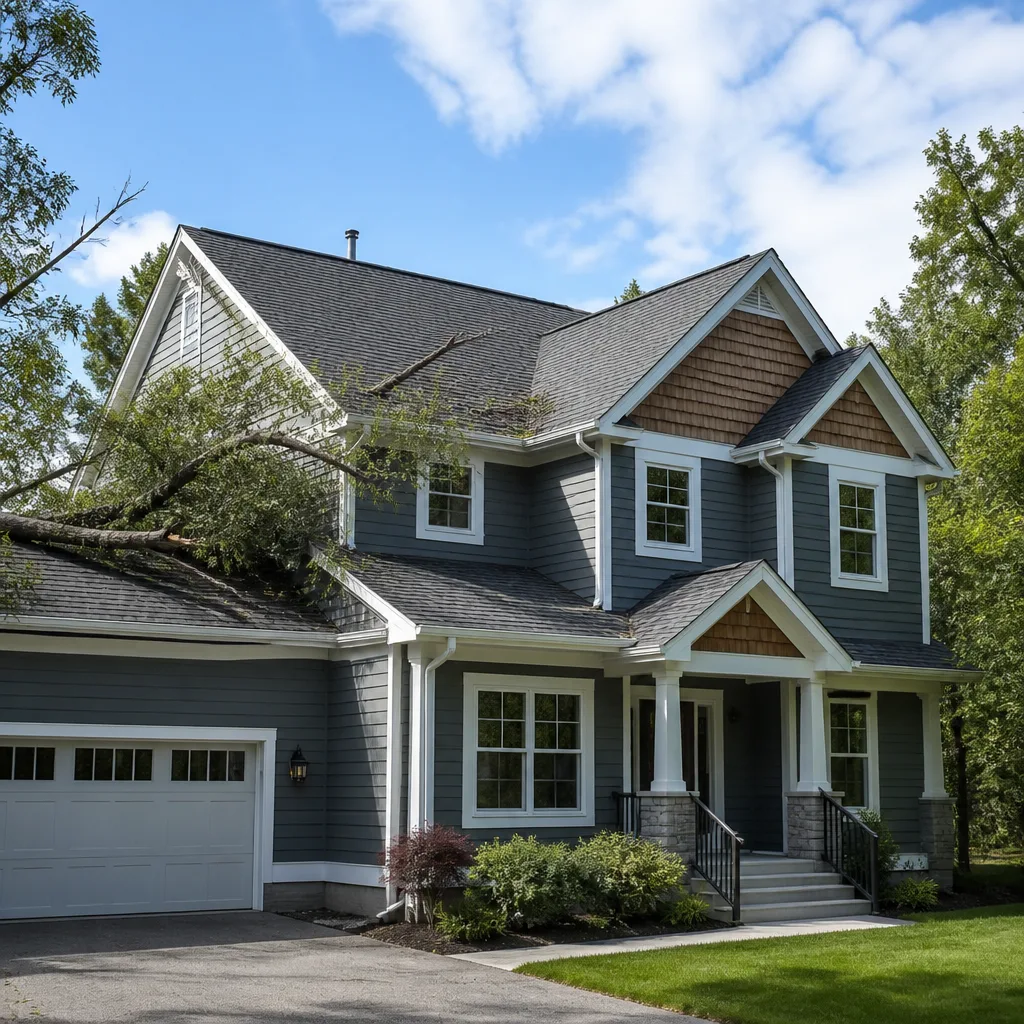
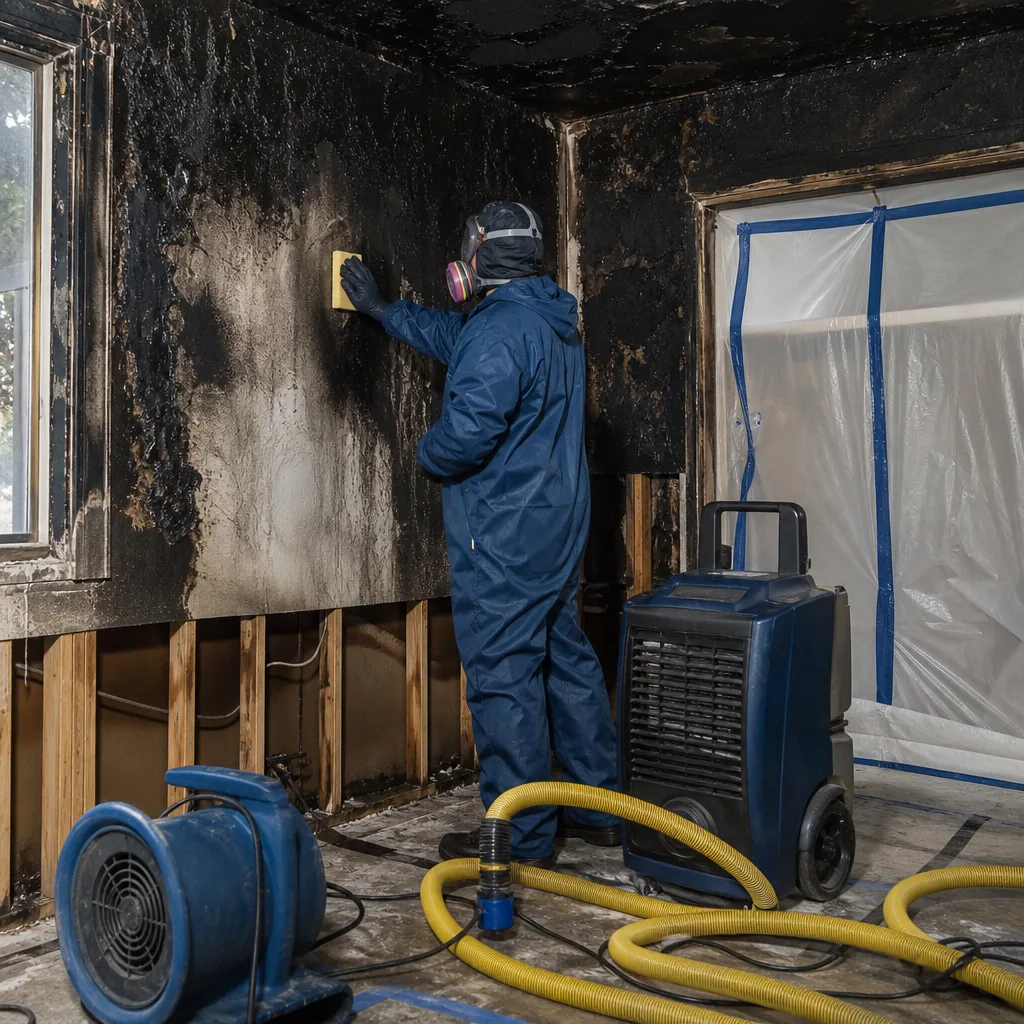
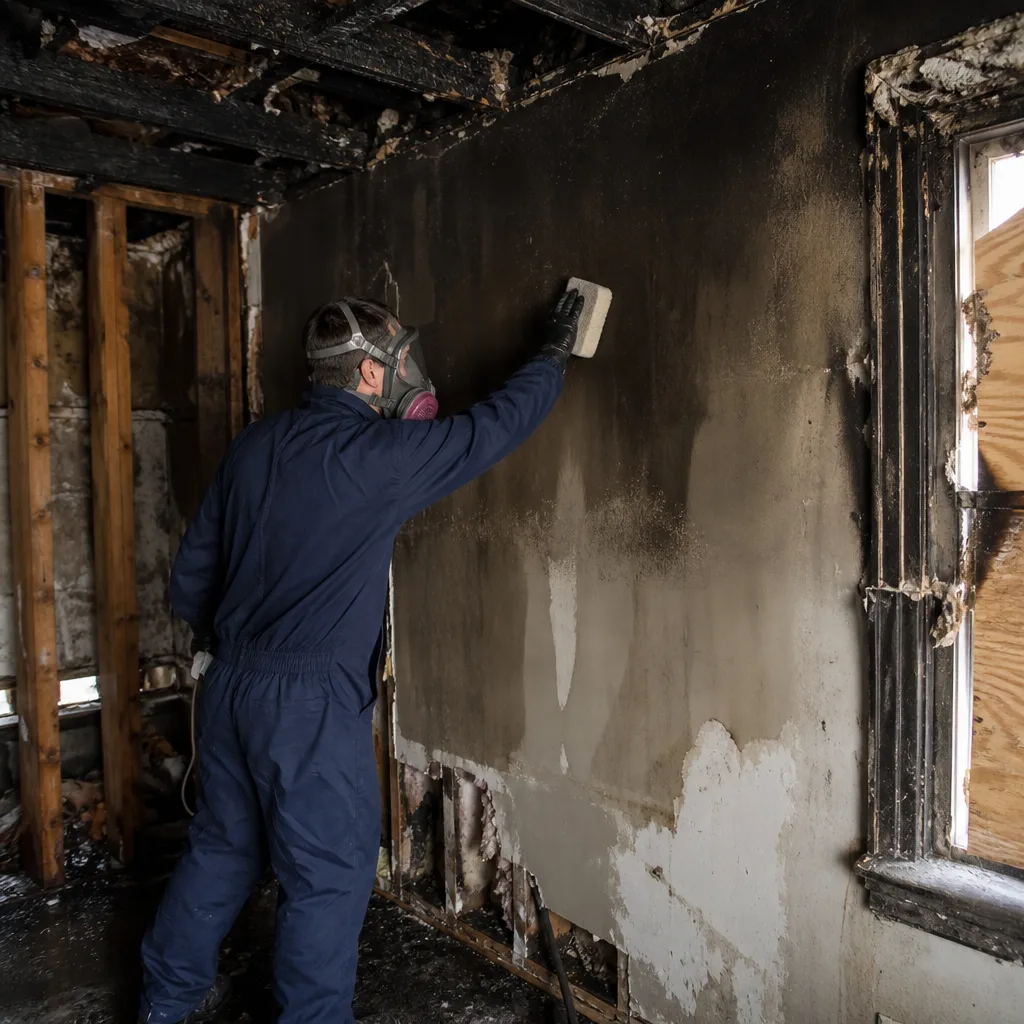
Storm damage cleanup addresses the full aftermath of severe weather - fallen trees, broken windows, structural breaches, and the water that follows. In Newark Storm & Disaster Restoration work, we regularly see this after nor’easters push Atlantic moisture inland, saturating the older masonry and flat-roof assemblies common in the Central Ward and Weequahic. Our crews arrive with extraction equipment, temporary power, and containment materials to stop secondary damage while documenting every affected square foot for your carrier.
Flood Damage Restoration
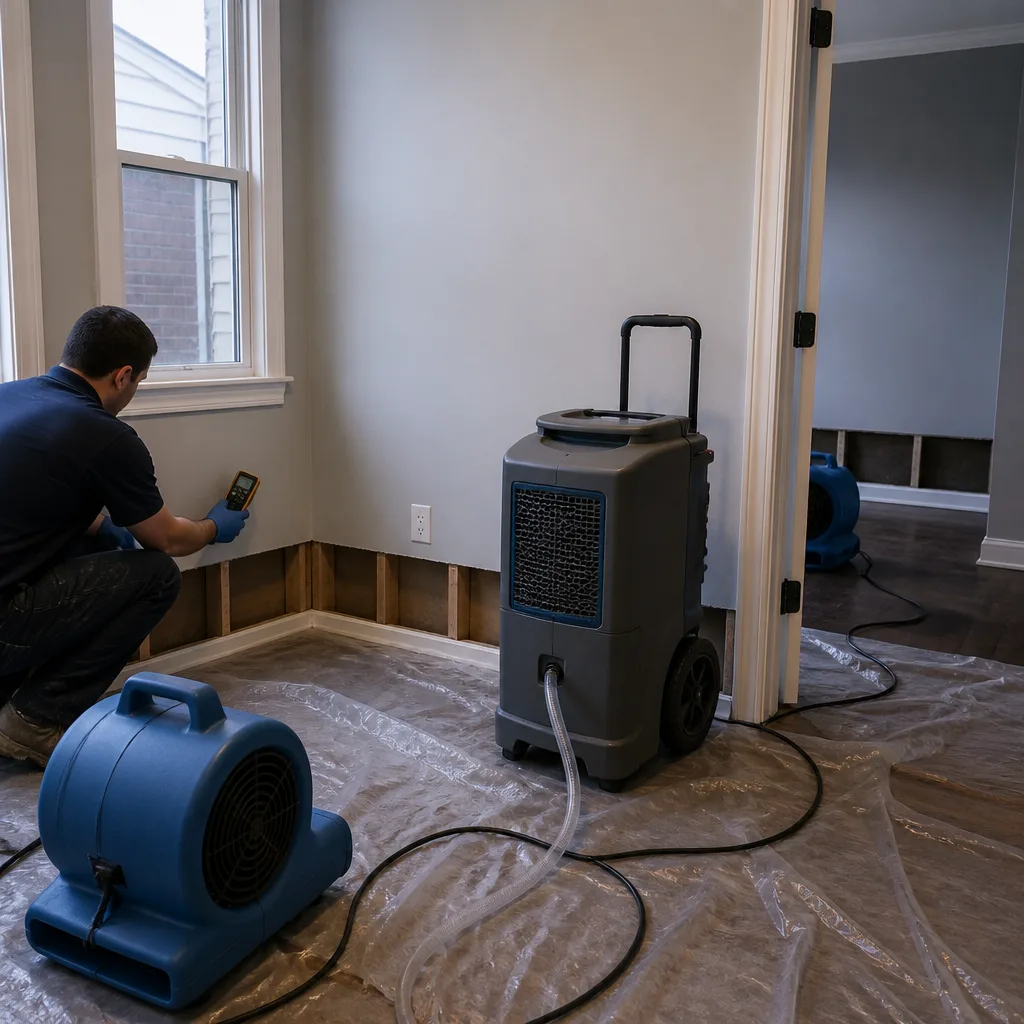
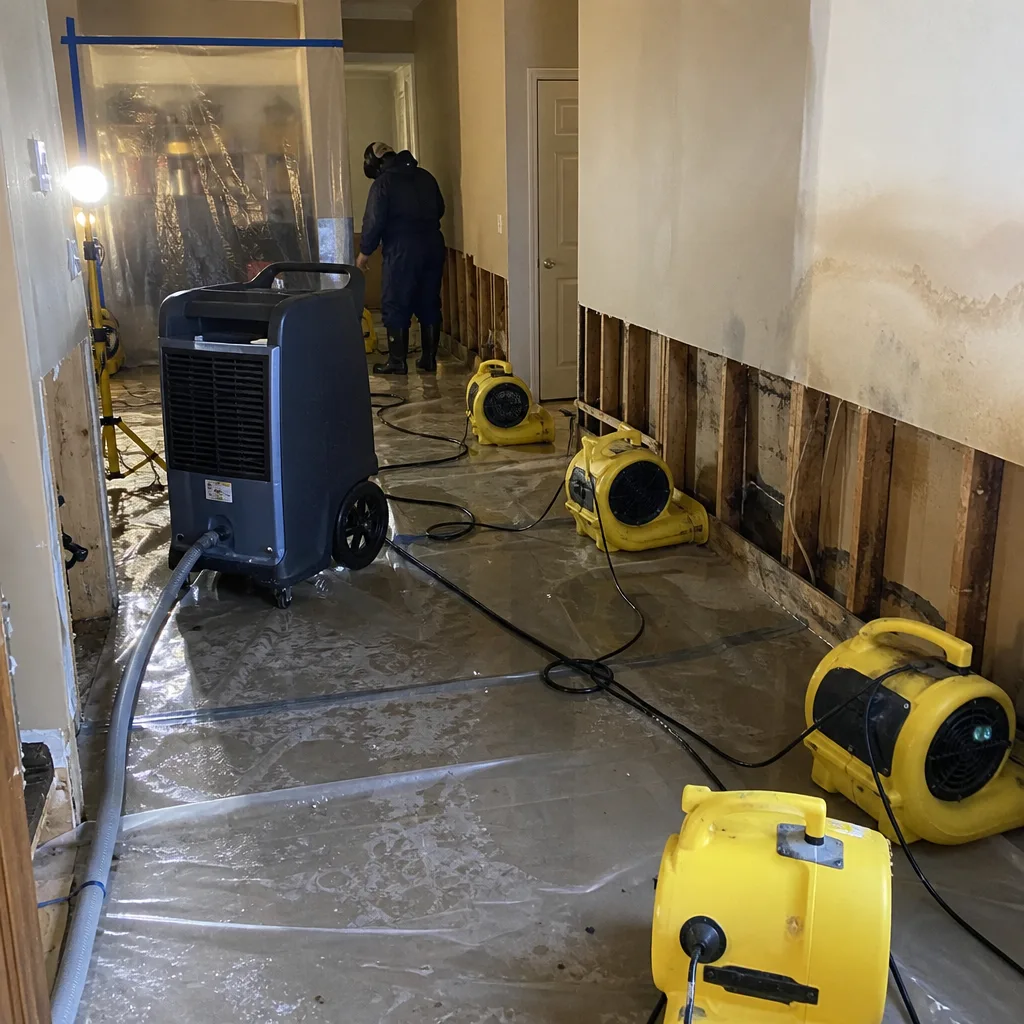
Flood damage restoration removes standing water, dries structural materials, and verifies completion through psychrometric data - the temperature and humidity readings that prove a building is truly dry, not just surface-dry. Newark’s combined sewer system overflows during heavy rain, pushing Category 3 water into basements in the South Ward and Lower Broadway areas. We classify all floodwater by contamination level, remove porous materials that cannot be sanitized, and produce daily moisture logs showing vapor pressure differential - the force that drives hidden moisture out of wall cavities - until readings return to dry standard.
Emergency Board-Up
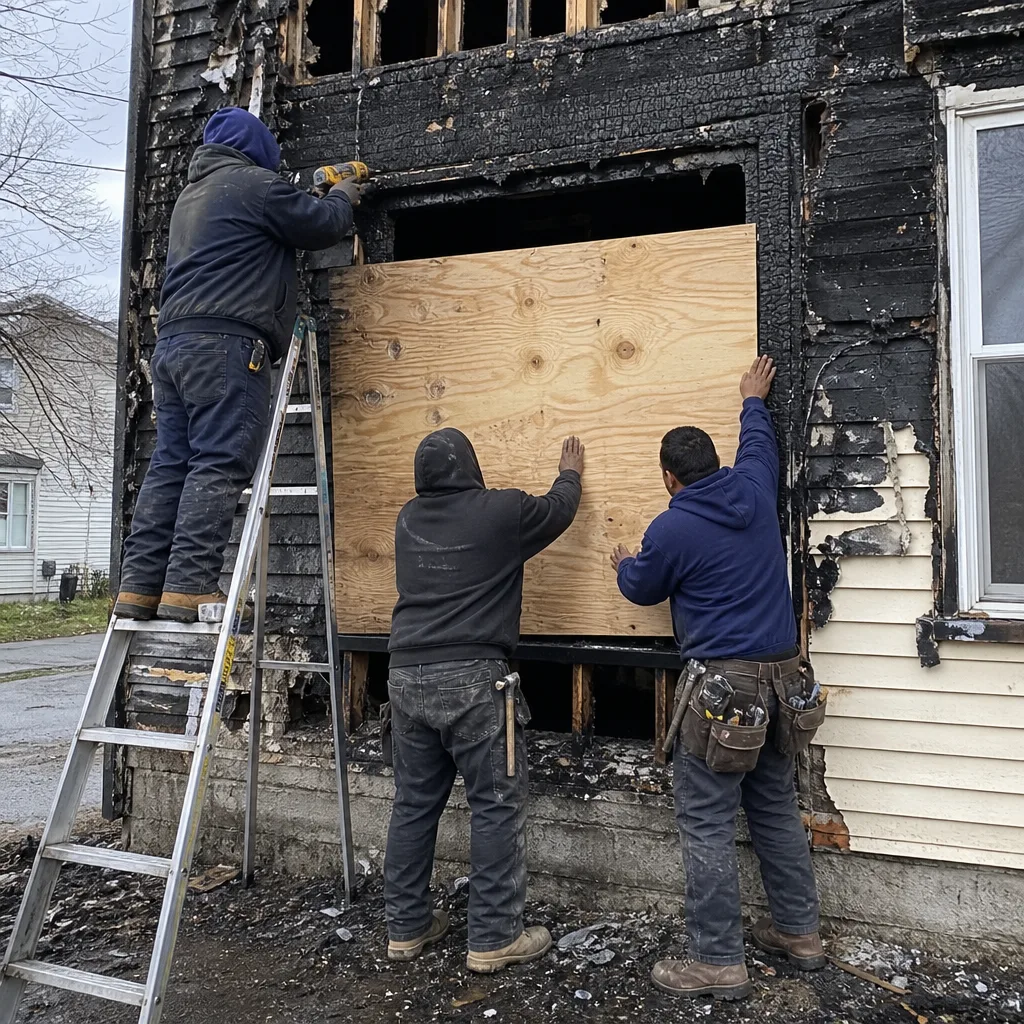
Emergency board-up secures breached openings within 60-90 minutes to prevent theft, weather intrusion, and liability exposure. After the 2023 wind event that tore through Branch Brook Park, we boarded 23 Newark properties in a single night, each with a photo record timestamped to the minute and a written scope delivered before sunrise. Our plywood is exterior-grade, cut to measure on-site, and fastened with tamper-resistant hardware - not the loose sheeting that blows off by morning.
Roof Tarping
Roof tarping is a temporary weatherproofing measure for compromised roofing assemblies, applied until permanent repair or replacement can be scheduled. Newark’s stock of flat-roofed row houses and low-slope commercial buildings makes them vulnerable to ponding and membrane failure during extended rain. We use reinforced polyethylene tarps with weighted perimeter anchoring - no nail guns that create new penetrations - and we photograph the underlying damage before covering it, so your adjuster sees what the tarp hides.
Debris Removal
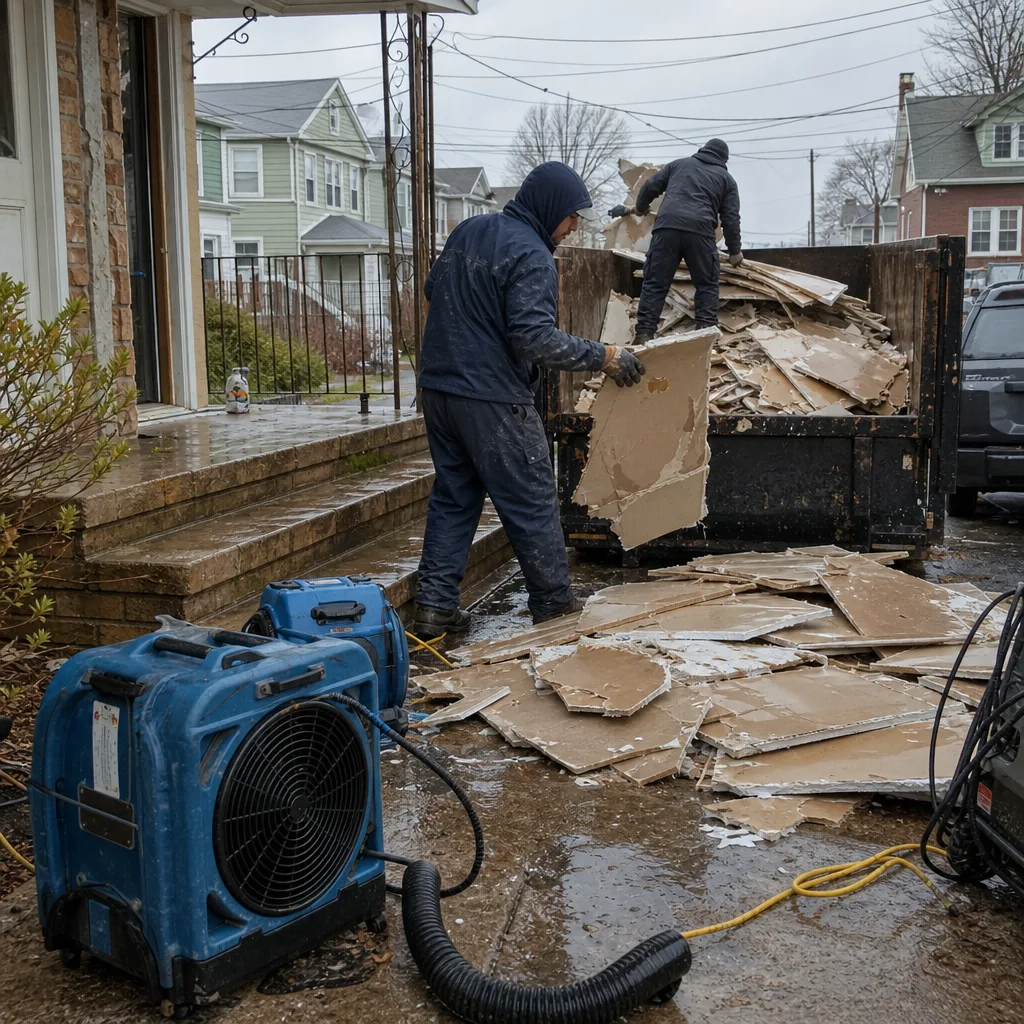
Debris removal clears structural fragments, tree limbs, damaged contents, and contaminated materials from the property in compliance with local disposal regulations. The City of Newark requires separate handling for construction debris, vegetative waste, and flood-damaged household goods; our crews sort on-site and provide disposal documentation that satisfies both municipal inspectors and insurance adjusters. After the 2021 Ida remnants flooded the Passaic River corridor, we removed 340 tons of debris from Harrison Storm & Disaster Restoration and Newark properties in 72 hours, with weight tickets and manifest records for every load.
Wind Damage Repair
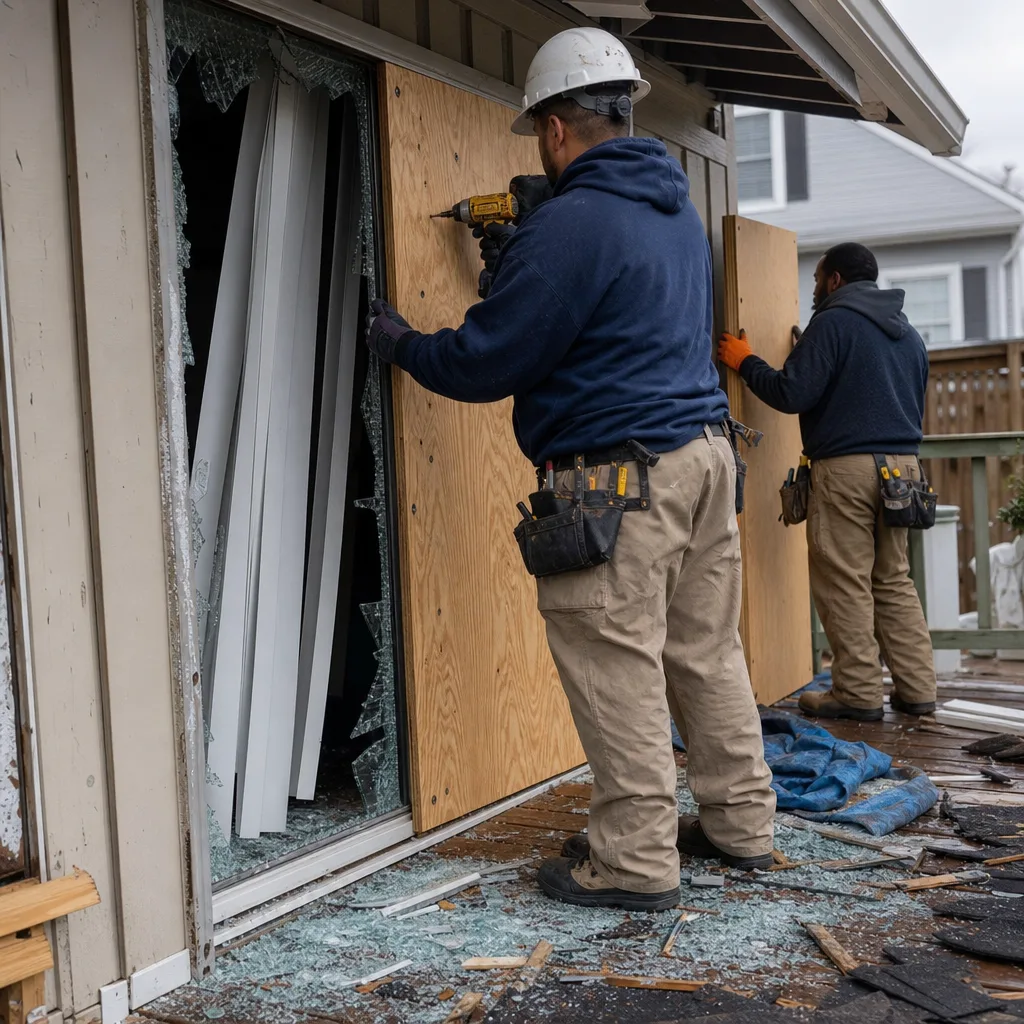
Wind damage repair restores structural integrity after sustained or gust-front winds compromise siding, roofing, windows, or structural connections. Proximity to Newark Bay and the Arthur Kill creates localized wind acceleration in Kearny Storm & Disaster Restoration and Newark areas alike, tearing flashing from century-old brick and separating modern vinyl siding from inadequate fastening. We assess structural connections with moisture meters and thermal imaging, repair using matching materials where possible, and document pre-existing conditions so your claim isn’t reduced for maintenance issues you didn’t cause.
What happens when you call
- 1
A real person answersNo phone trees - you reach a local pro.
- 2
You get an upfront price rangeHonest numbers before anyone is dispatched.
- 3
A background-checked tech heads outLicensed & insured, dispatched right away.
- 4
You approve before work beginsNothing starts until you say go.
Brands We Service for Storm & Disaster Restoration
We deploy and service professional-grade drying and extraction equipment from XPOWER, B-Air, and Injectidry on every storm and disaster restoration job in Newark. XPOWER air movers and dehumidifiers handle the high-capacity drying demands of multi-unit buildings in the Ironbound, where shared walls mean moisture migrates across property lines and documentation must prove which unit was the source. B-Air’s ducting systems and negative air machines contain airborne contaminants during debris removal, critical when floodwater has carried sewage or industrial runoff into residential spaces. Injectidry’s panel drying and hardwood floor rescue systems allow us to save original materials in Newark’s historic districts - the wide-plank floors in Forest Hill and Weequahic that replacement would cost three times more to replicate.
Whether your property requires equipment from these manufacturers or any other professional-grade system, our technicians are trained to match the tool to the material and document the rationale in your written scope. We don’t sell equipment brands; we specify what will dry your structure fastest with the least demolition, then we prove it worked with daily psychrometric readings. If you have a competitor’s estimate specifying different equipment, our Free Second Opinion will review their approach at no charge - Haven Standard, Clause 1 applies to estimates too.
BeforeAfterSigns You Need Storm & Disaster Restoration Right Now
- Active water intrusion during or after rainfall. Water entering through the roof, walls, or foundation will not stop on its own; it will follow gravity and capillary action into lower cavities, expanding the affected area exponentially. In Newark’s dense housing stock, this often means damage to neighboring units before you notice it in yours.
- Sagging or bulging ceiling materials. Drywall and plaster absorb water by weight; a square foot of saturated ceiling can hold 8-10 pounds before failure. When you see deformation, structural failure is imminent and the contents below are at risk - not tomorrow, but potentially within hours.
- Visible roof damage or missing shingles after wind events. Even small breaches admit gallons of water per hour during Newark’s frequent spring and fall storms. Thermal imaging often reveals saturated insulation extending 10-15 feet from the visible hole, far beyond what interior staining shows.
- Fallen trees or large limbs contacting the structure. The weight creates point loads that crack framing, and the root ball tears underground utilities including gas lines and drainage. We coordinate with PSE&G and the City of Newark for utility isolation before removal, with documentation for your liability carrier.
- Sewage odor or gray/black water in basements or ground floors. Combined sewer overflow is common in Newark during intense rainfall; this is Category 3 water requiring full PPE, antimicrobial treatment, and disposal of porous materials. Delay increases contamination spread and health risk; documentation requirements for insurance are also more stringent.
Our Storm & Disaster Restoration Process - Step by Step
- 1
Emergency response and site security. We arrive within 60-90 minutes for active emergencies, with board-up materials, temporary power, and extraction equipment. The crew chief photographs the full property condition, identifies safety hazards including compromised electrical service and structural instability, and establishes a containment perimeter. You receive a written incident report before we begin any mitigation.
- 2
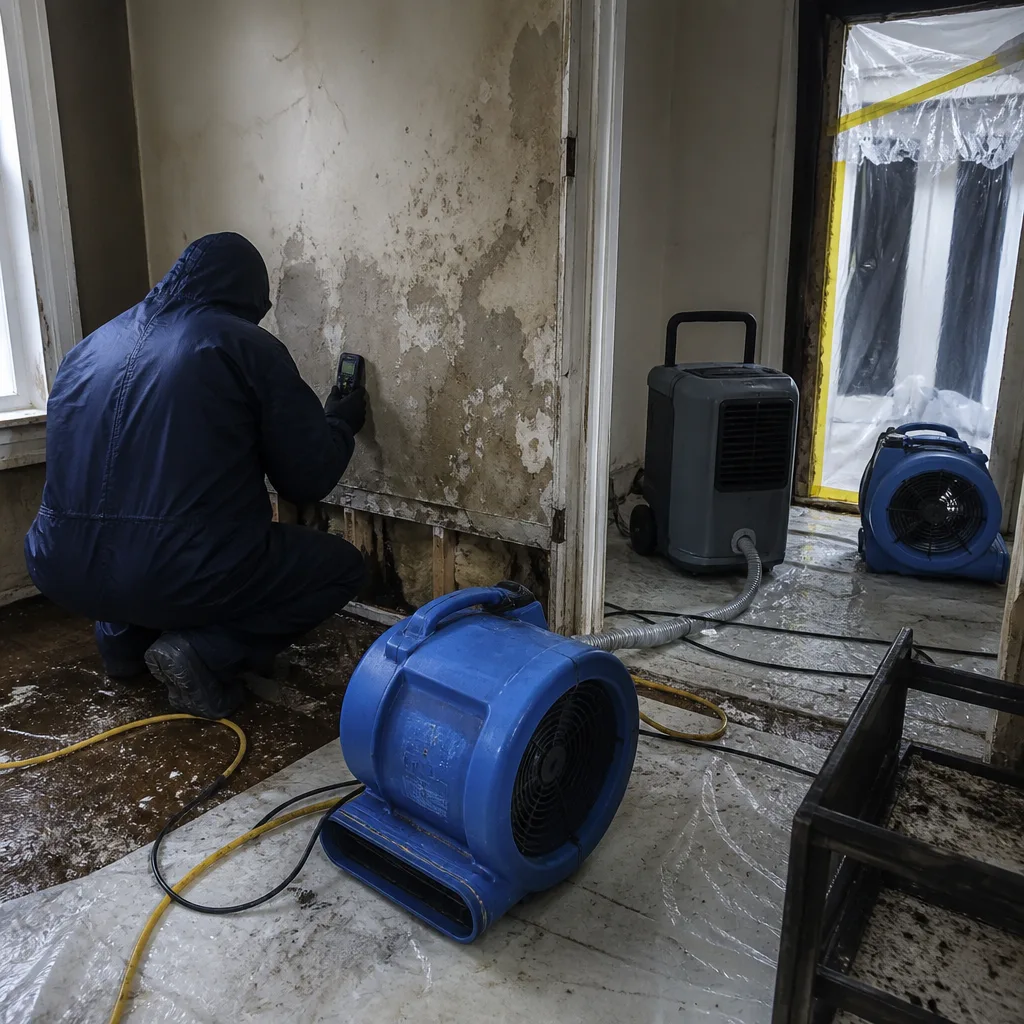
Damage assessment and moisture mapping. Using thermal imaging cameras, penetrating and non-penetrating moisture meters, and hygrometers, we map the full extent of water migration - not just what’s visible. In Newark’s balloon-framed Victorians, we’ve traced water from a roof breach down three stories and across party walls. The moisture map becomes the basis for your written scope and drying plan.
- 3
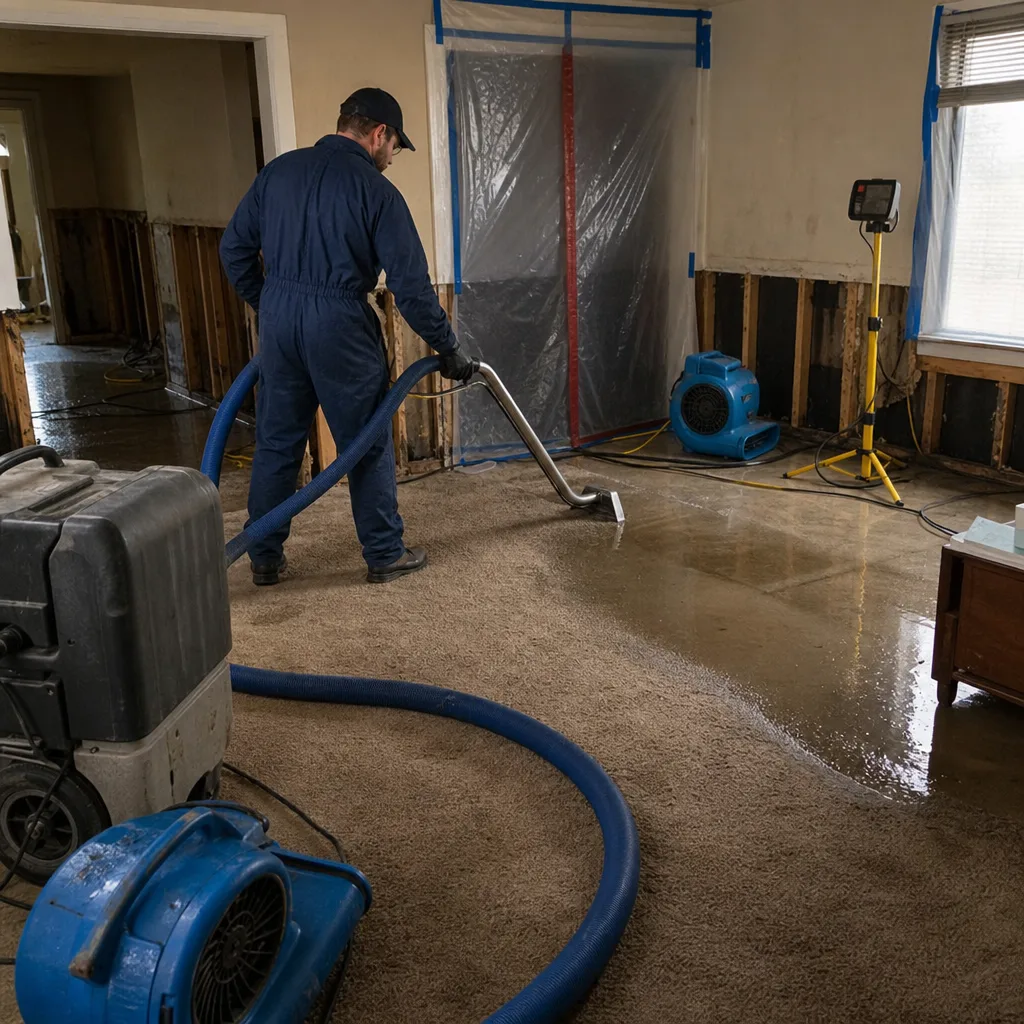
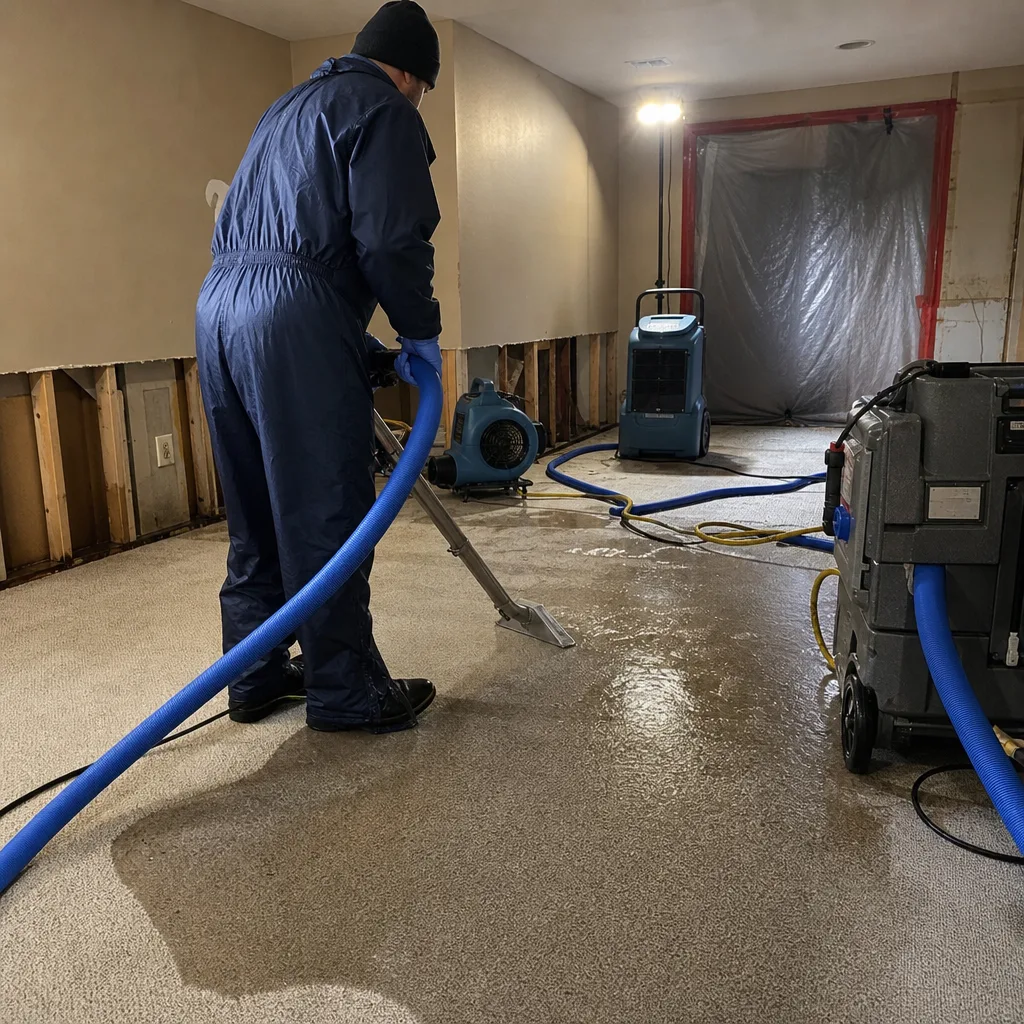
Water extraction and debris removal. Standing water is extracted with truck-mounted or portable systems depending on access; debris is sorted by disposal category on-site. We weigh and photograph all removed materials, with disposal manifests provided for insurance documentation. Contaminated materials are bagged, labeled, and transported by licensed haulers.
- 4
Structural drying with documented equipment placement. We install air movers, dehumidifiers, and specialty drying systems according to the IICRC S500 standard, with equipment counts and positions recorded on a room-by-room diagram. Daily readings of temperature, relative humidity, and specific humidity are logged; vapor pressure differential calculations show when hidden moisture is still moving out of materials. You or your adjuster can request these logs at any time.
- 5
Verification, reconstruction scope, and warranty delivery. Drying is complete when moisture content readings match dry standard for each material class - typically 12-16% for wood framing, verified with a calibrated pin meter. We deliver the full photo record, drying log, and a written reconstruction scope with fixed pricing before any rebuild begins. The 365-Day Done Right Promise, backed by The Haven Standard, is signed and dated on every job.
How Much Does Storm & Disaster Restoration Cost in Newark?
Storm and disaster restoration in Newark runs $2,800-$18,500 for typical residential scenarios, with commercial and multi-unit properties scaling from there. Here’s how common situations break down:
- Emergency board-up and roof tarping: $800-$2,400 depending on opening count, height access, and whether structural shoring is required
- Storm damage cleanup with debris removal only (no water damage): $1,500-$4,200 based on volume and contamination level
- Flood damage restoration, Category 1 (clean water), single-family home: $3,200-$7,800 depending on affected square footage and material types
- Flood damage restoration, Category 3 (sewage/contaminated), including demolition: $8,500-$18,500 or more for full-gut basement scenarios
- Wind damage repair, structural: $4,500-$12,000 for framing, sheathing, and exterior finish restoration
What moves the price: the water category (clean, gray, or black), the percentage of porous materials affected (drywall, insulation, carpet pad versus tile, concrete, solid wood), the need for specialty drying (hardwood floors, plaster, built-in cabinetry), and access constraints common in Newark’s narrow lots and multi-unit buildings. Height work requiring scaffolding or aerial lifts adds equipment rental to the scope.
How to avoid overpaying: demand a written price before work begins, with line-item equipment counts and labor hours. Haven Standard, Clause 1 exists because we’ve reviewed too many invoices where equipment stayed on-site days after drying was complete, or where “emergency rates” appeared with no prior written notice. Our Free Second Opinion on any competitor’s written estimate will flag these issues at no charge.
What’s included in our free estimate: full moisture mapping with thermal imaging, a written scope with fixed pricing, a photo record of pre-existing conditions, and direct coordination with your adjuster if you’ve opened a claim. No signature required to receive it; no pressure to commit. Call (862) 292-4268 for scheduling.
Storm & Disaster Restoration Near Newark - Our Service Area
We maintain crews and equipment staged for Newark response, with typical arrival times of 45-75 minutes across the city and immediate surrounding communities. Our service area includes Storm & Disaster Restoration in Harrison, Storm & Disaster Restoration in Kearny, North Arlington, Bayonne, Jersey City, Secaucus, Rutherford, St. George, Hoboken, Union City, and East Rutherford. Response to Harrison and Kearny typically matches Newark times; Hoboken and Jersey City may extend to 90 minutes during Hudson River corridor traffic. We do not charge travel fees within this radius; the written price covers the full scope, including mobilization.
Serving Newark, NJ - Our Local Coverage Area
We’re based in the Newark area and know this community well. Use the map below to see our service coverage - if you’re nearby, we can almost certainly help.
Frequently Asked Questions - Storm & Disaster Restoration in Newark
Storm and disaster restoration is the professional process of returning a storm-damaged property to pre-loss condition through emergency mitigation, structural drying, debris removal, and reconstruction. It differs from simple cleanup in its documentation requirements - moisture readings, photo records, and written scopes - that satisfy insurance adjusters and municipal inspectors. At Back to Dry, every restoration job includes these deliverables as standard, not upsells.
Emergency mitigation (board-up, extraction, initial drying) typically completes in 1-3 days; full structural drying takes 3-7 days for standard residential construction, with plaster, hardwood, and multi-story buildings extending to 10-14 days. Reconstruction timelines depend on material procurement and permit scheduling; in Newark, we coordinate directly with the Division of Code Enforcement to prevent delays. We provide a written schedule with your scope, updated daily as conditions change.
Residential storm and disaster restoration in Newark typically ranges $2,800-$18,500, with emergency board-up starting at $800 and full Category 3 flood restoration with demolition reaching the upper end. Commercial properties and historic structures with specialty material requirements scale higher. Your exact price depends on moisture mapping results, not estimates over the phone - call (862) 292-4268 for a free, written scope with fixed pricing before any work begins.
Yes - we deploy XPOWER, B-Air, and Injectidry systems on Newark jobs, and our technicians are trained to service and optimize each brand’s equipment in the field. XPOWER handles high-volume air movement, B-Air manages containment and negative air, and Injectidry rescues hardwood and specialty assemblies with targeted drying. If your property has been assessed with different equipment specified, our Free Second Opinion will review the technical rationale at no charge.
Yes - live phone coverage is available 24 hours a day, 7 days a week with no voicemail on emergency lines. A trained intake specialist answers every call, gathers incident details, and dispatches the nearest crew immediately. For active water intrusion, roof breaches, or structural compromise in Newark, we target 60-90 minute arrival times around the clock.
Every job carries the 365-Day Done Right Promise under The Haven Standard: if any restored area shows moisture-related failure, material defect, or workmanship issue within one year, we return to make it right at no additional cost. This is a signed warranty, not a verbal assurance, and it transfers to subsequent property owners if you sell. The only condition is that you notify us promptly when an issue appears - delayed reporting can allow secondary damage that falls outside coverage.
Ensure safe access to the property, turn off electrical service at the main if water has reached outlets or panels, and secure pets in a safe area. Do not enter structurally compromised areas or attempt DIY board-up on heights - these are documented injury sources in storm response. Gather your insurance policy number and adjuster contact if available; our crew chief will photograph everything and begin documentation whether you’re present or not. Call (862) 292-4268 when you’re safe, and we’ll handle the rest.
Schedule Your Storm & Disaster Restoration Service in Newark Today
Storm damage doesn’t wait for business hours, and neither do we. Call (862) 292-4268 now for live phone coverage 24 hours a day, 7 days a week - no voicemail, no callbacks tomorrow. We’ll dispatch a crew, perform moisture mapping, and deliver a written price before any work begins, guaranteed under Haven Standard, Clause 1. Estimates are free, second opinions on competitor quotes are free, and the 365-Day Done Right Promise backs every job we complete. Alicia Brennan built Back to Dry Restoration in 2011 to end the documentation gap that costs homeowners their claims; that same standard protects your Newark property today.
Written by Alicia Brennan, Owner at Back to Dry Restoration, serving Newark since 2011.