
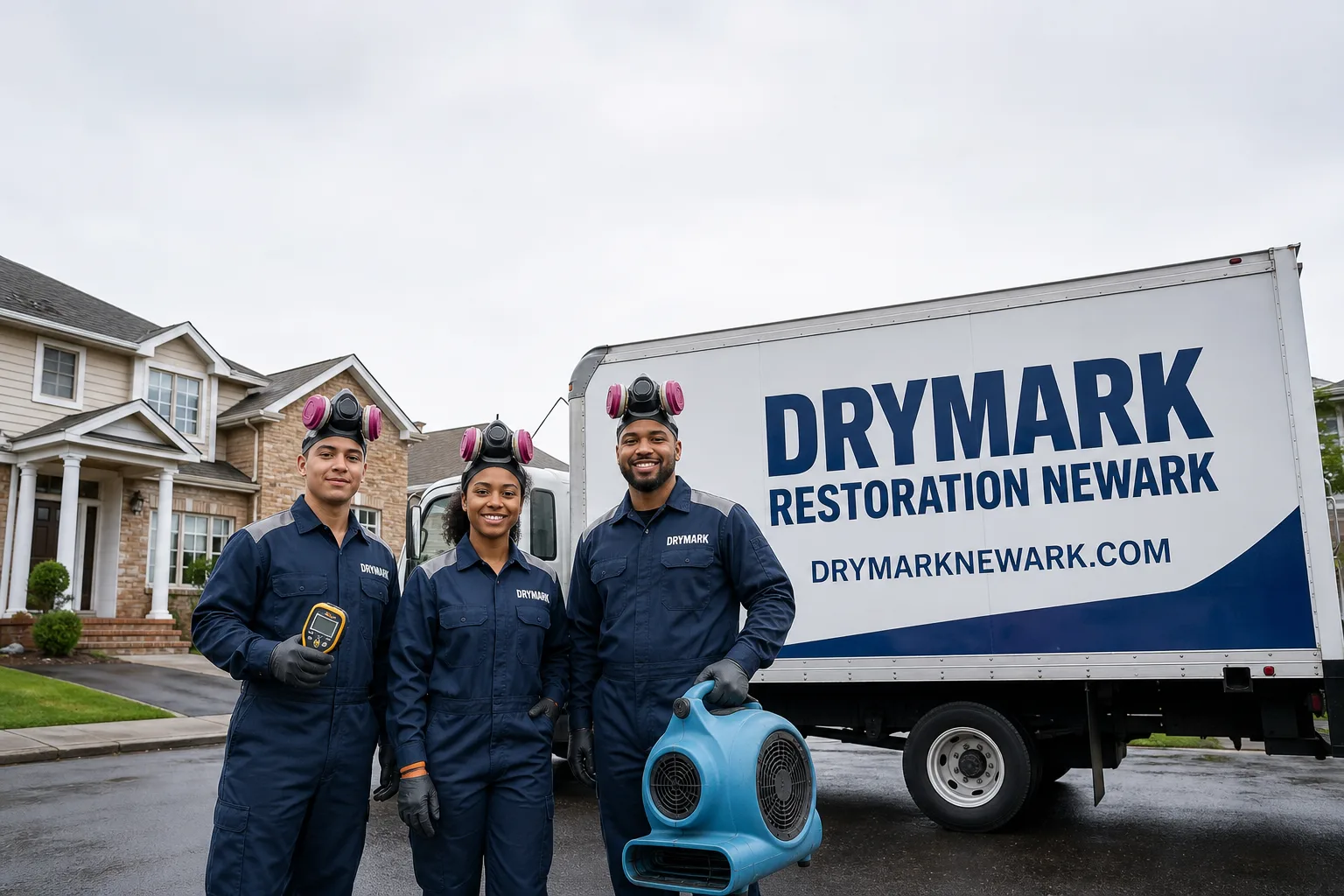
Free visual inspection and a written scope of work before any mitigation begins - photos, moisture readings, and drying logs go in your claim file
The scope we write is the scope we bill. Anything new gets shown to you, in writing, before we touch it.
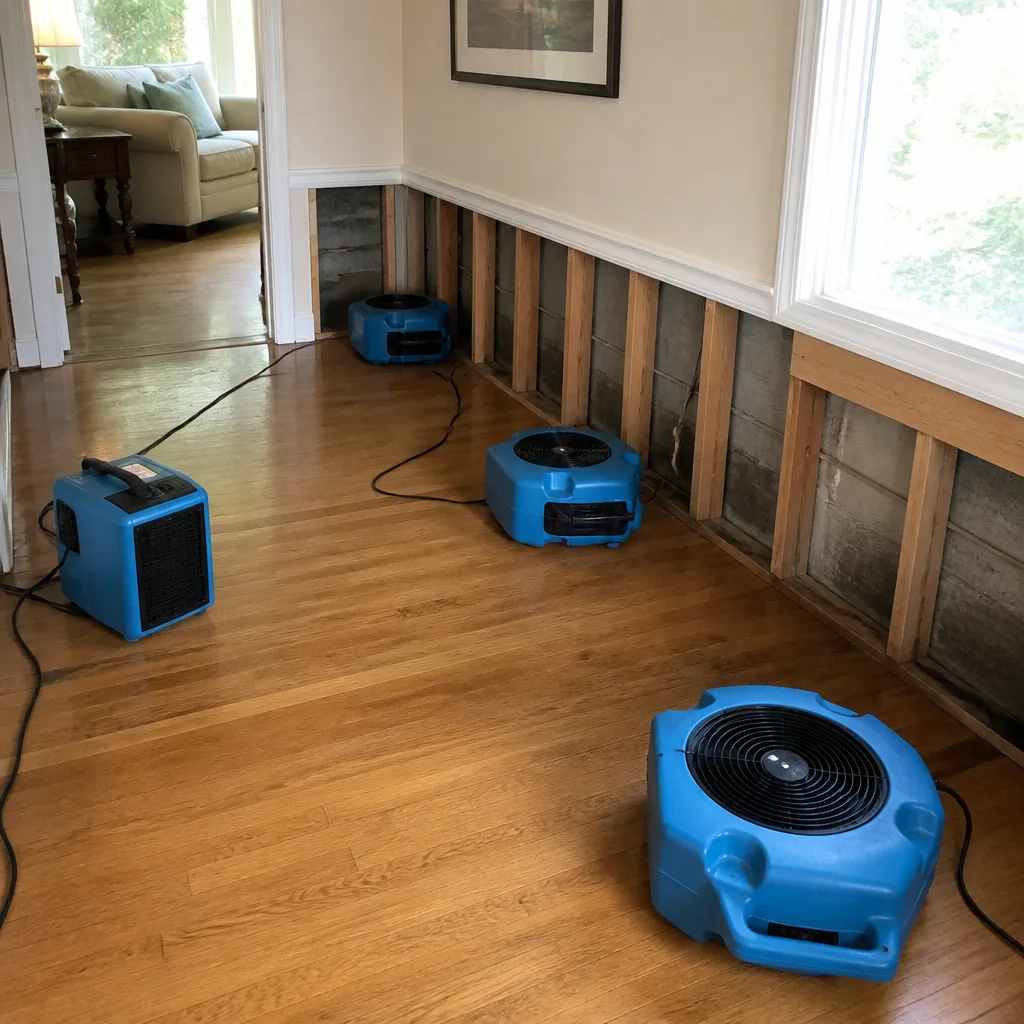
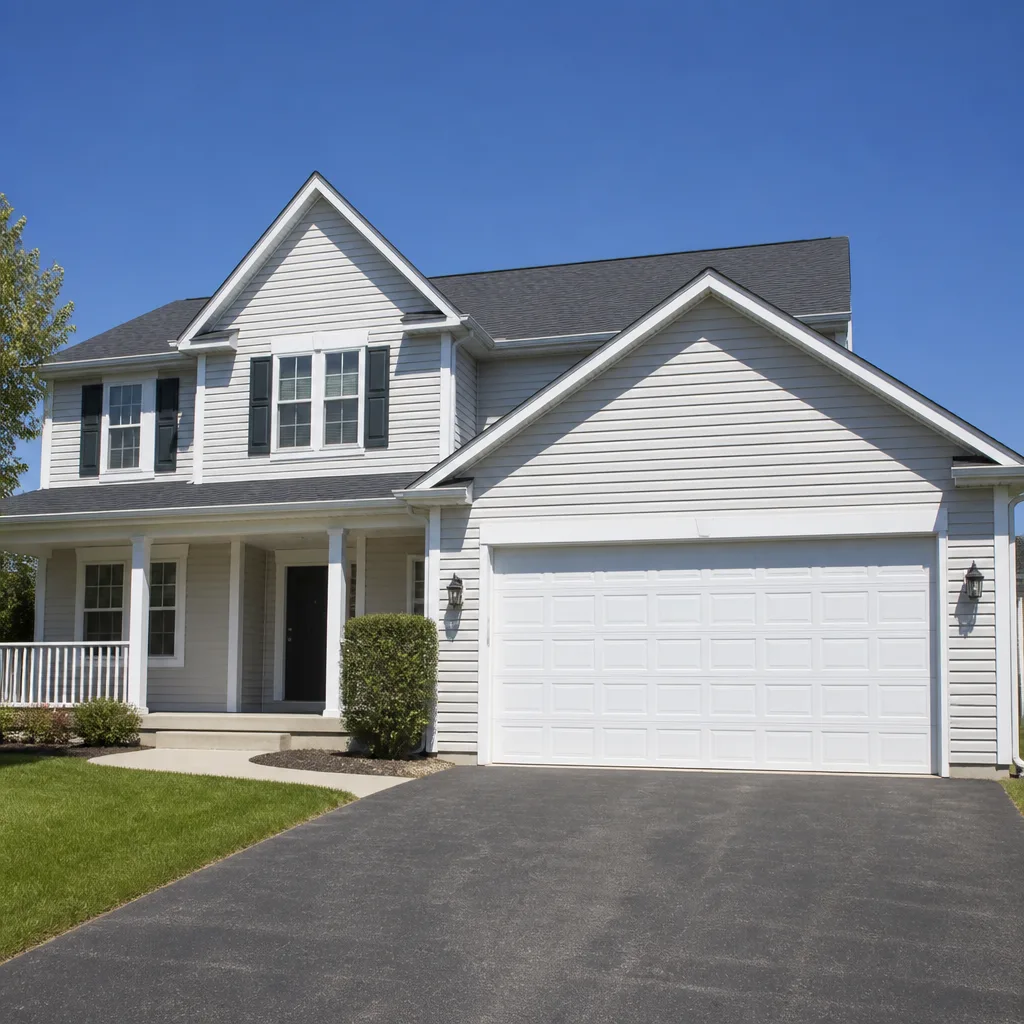
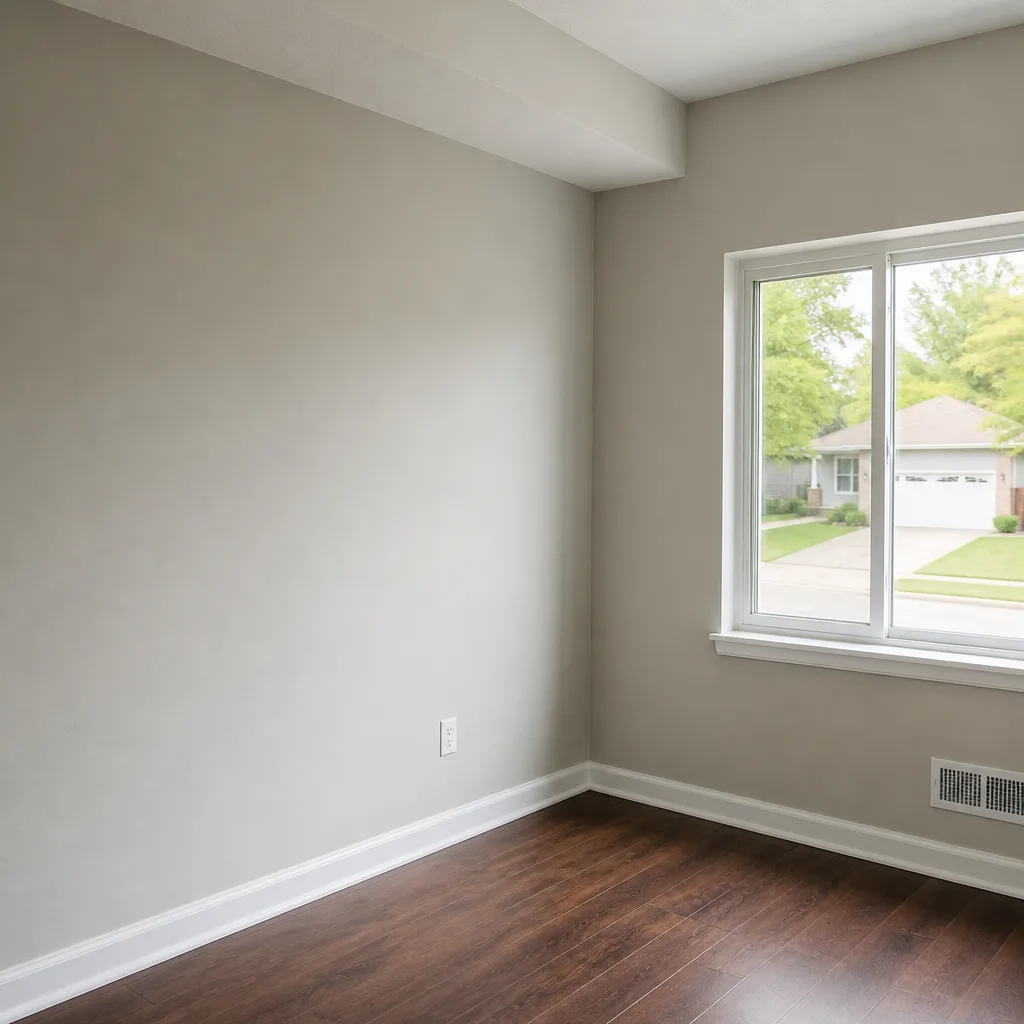
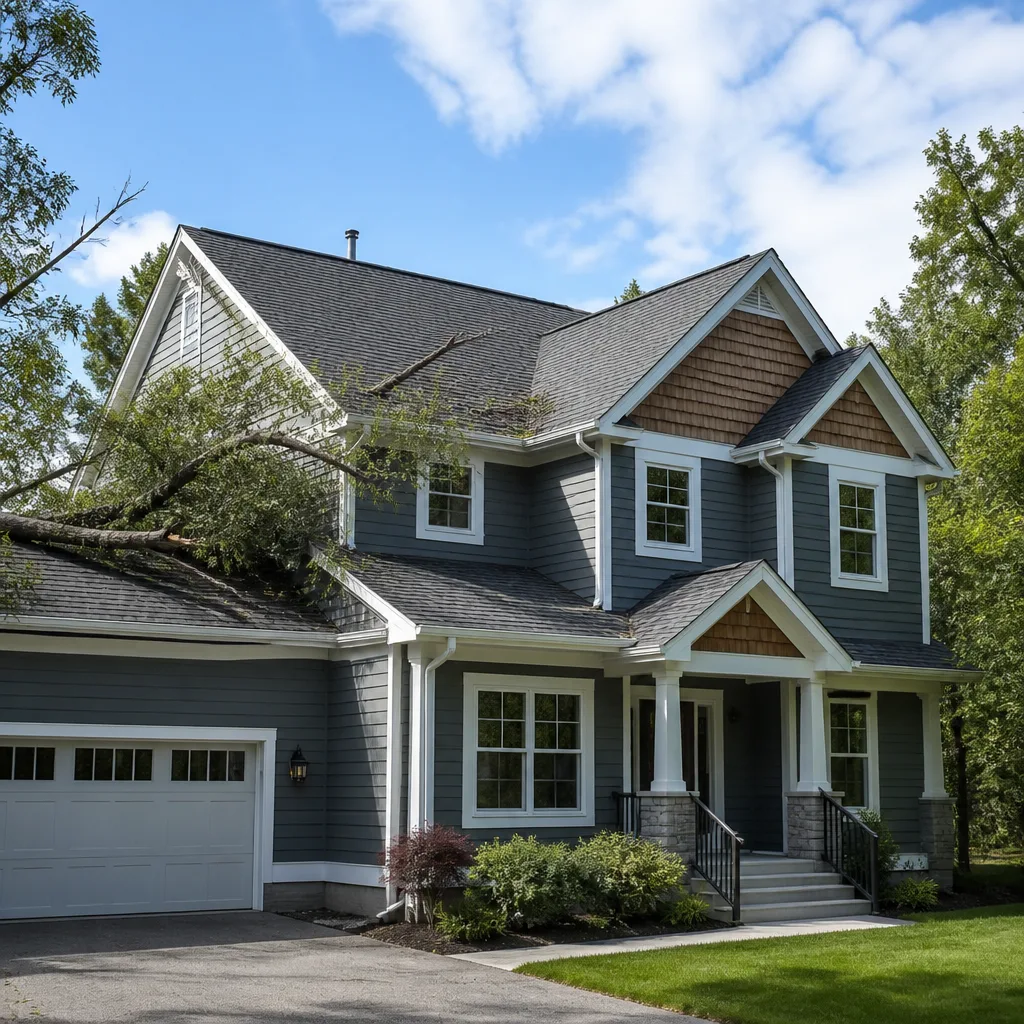
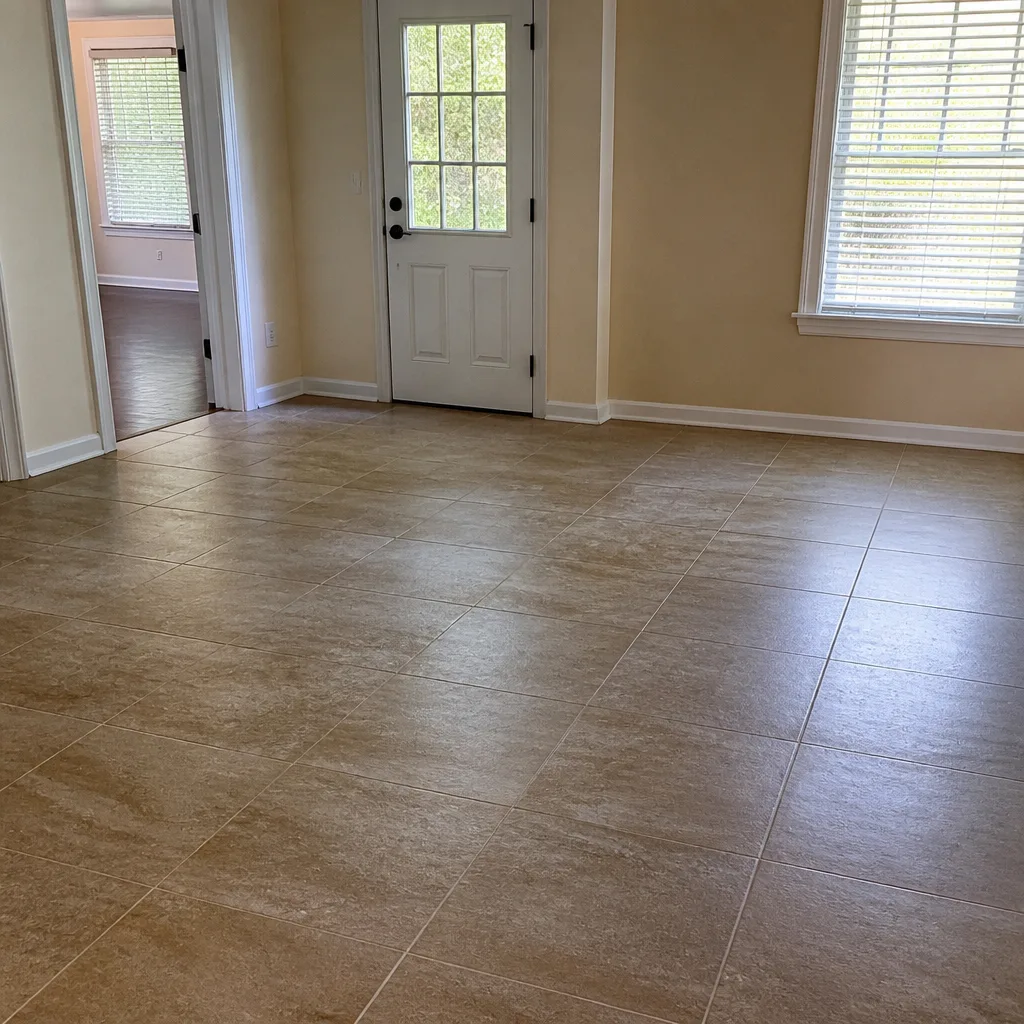
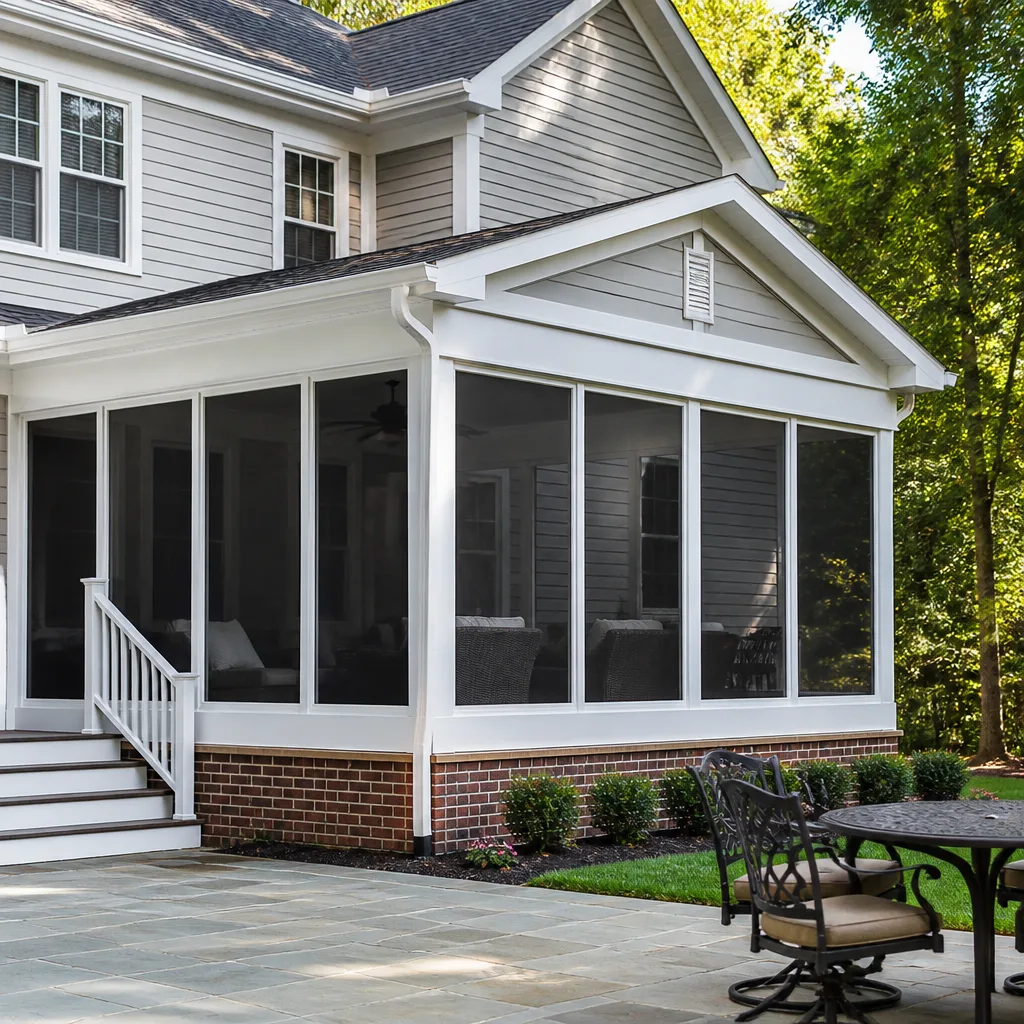
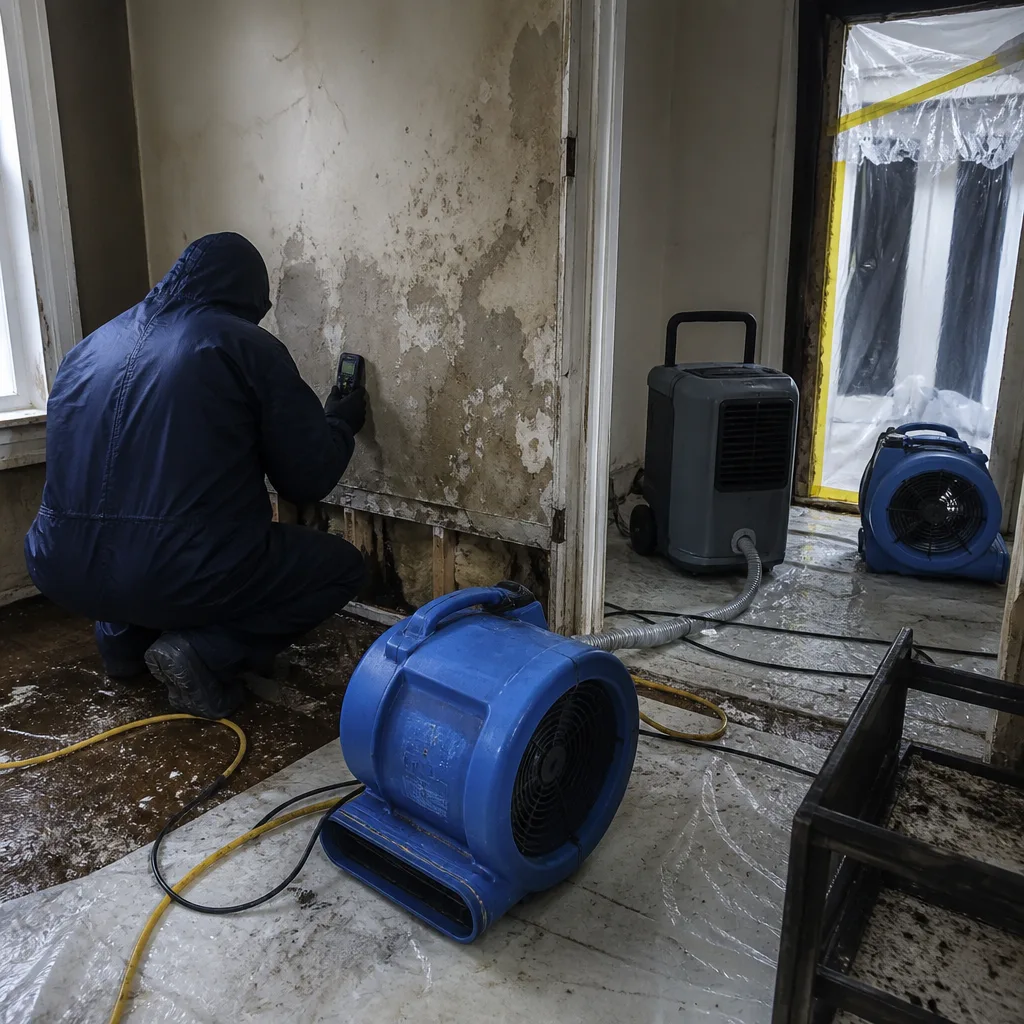 Before
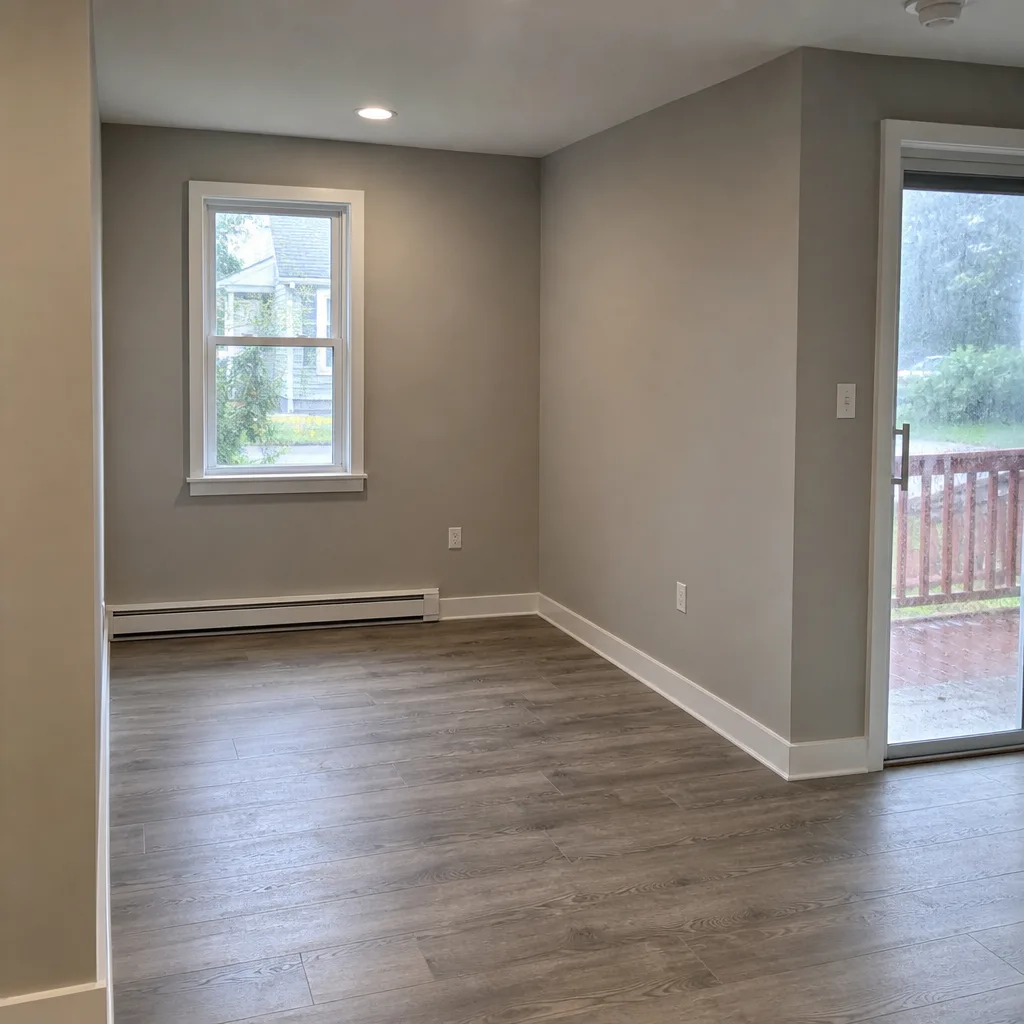 After
After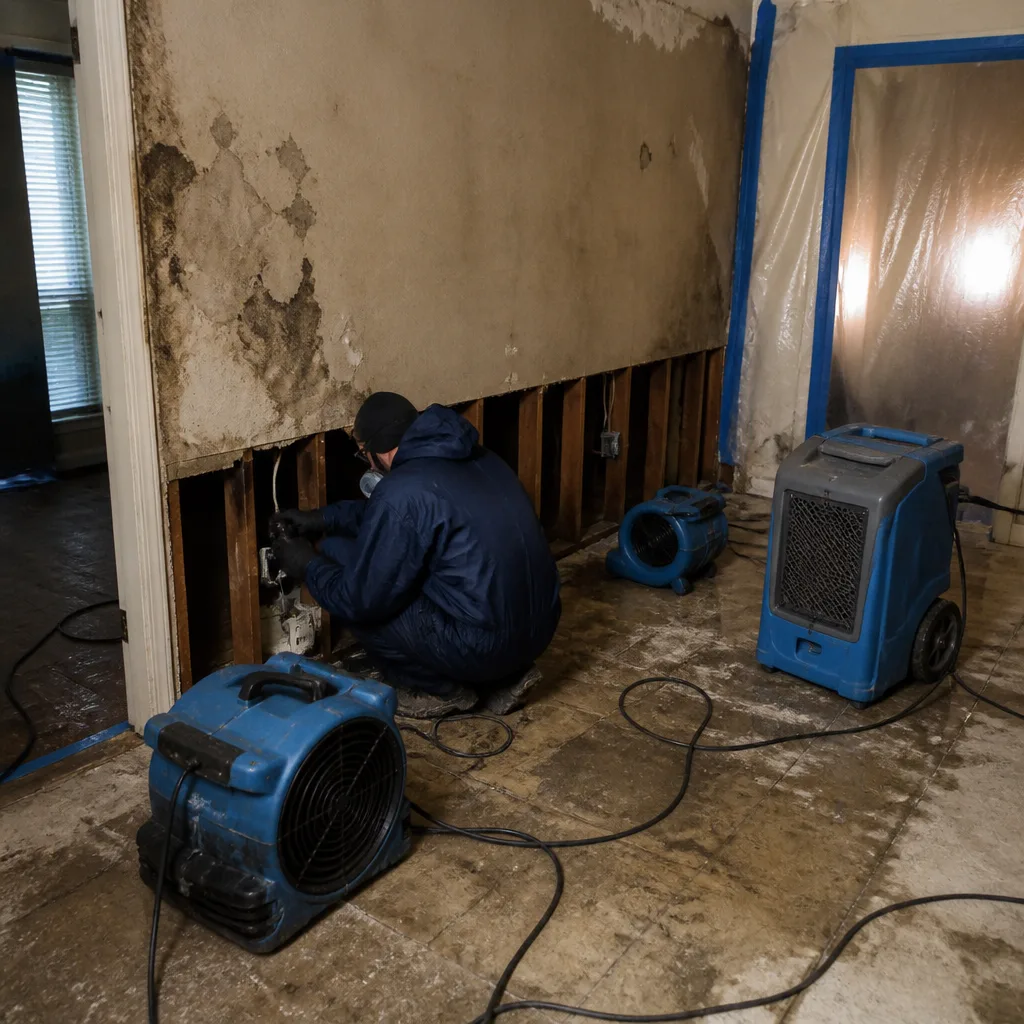 Before
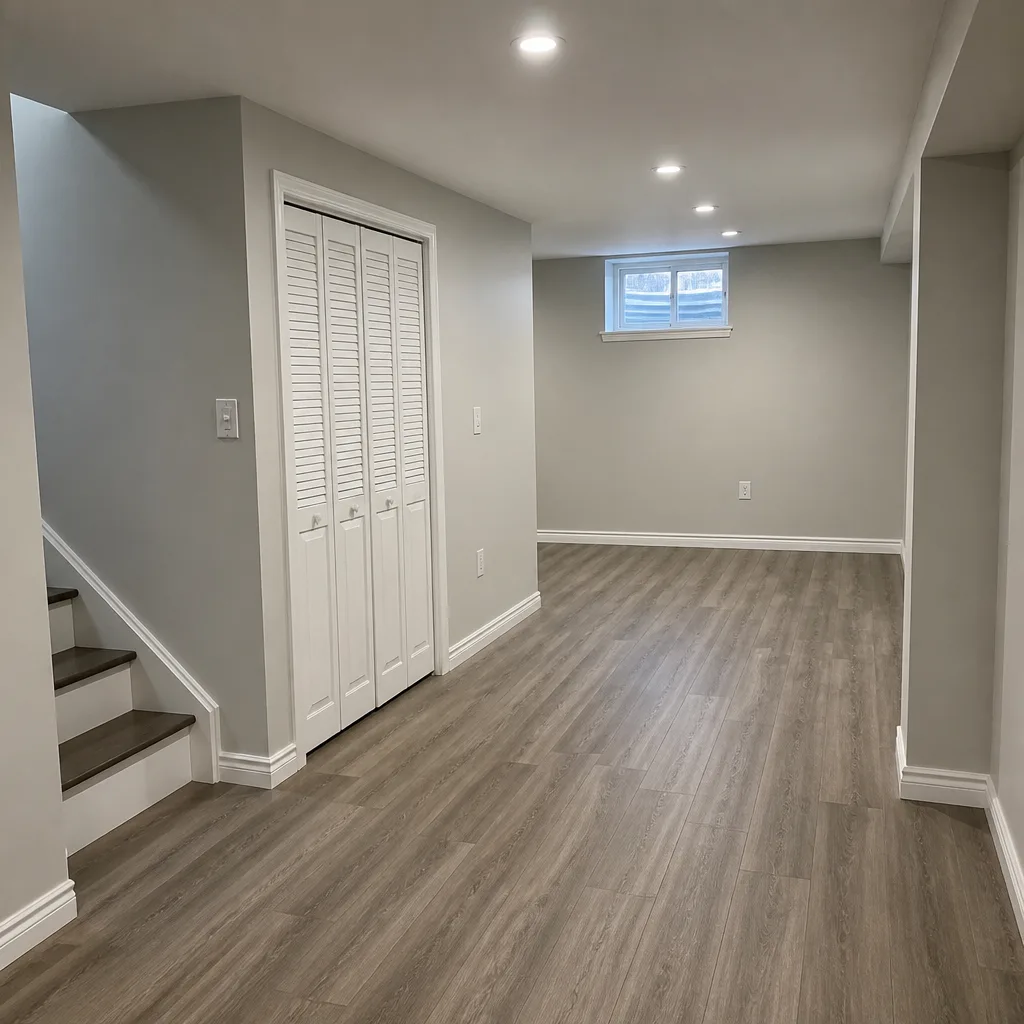 After
After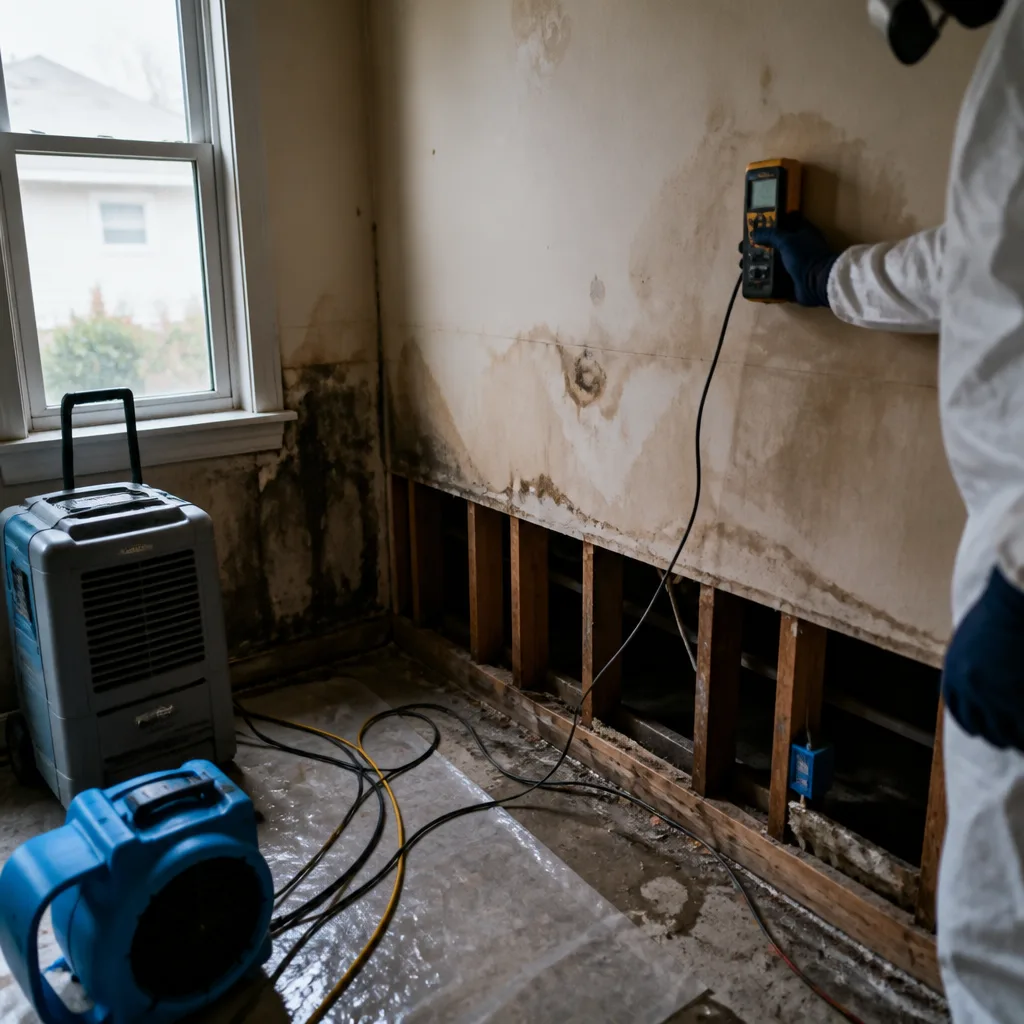 Before
 After
AfterFast, Reliable Fire & Smoke Damage Restoration Across St. George
Fire and smoke damage restoration in St. George, NY typically costs between $3,200 and $14,500 depending on the extent of structural involvement, with emergency board-up and stabilization usually completed within 2-4 hours of call receipt. Our crews coordinate dispatch from our New York City office and carry corrosion-resistant hardware specifically selected for the salt-air environment along the St. George waterfront. Call (862) 292-4268 for a written estimate before any work begins.
We’ve restored fire-damaged properties throughout the hillside Victorian blocks above the St. George ferry terminal and along the harbor-front streets where FEMA flood zones meet residential construction. The combination of late-Victorian and Edwardian wood-frame housing, original horsehair plaster, and year-round salt-air exposure creates restoration challenges that inland crews rarely encounter. Our technicians document every moisture reading, every photo, and every material classification to the IICRC standard because we’ve seen what incomplete documentation costs a homeowner when the adjuster reviews the file.
Why DryMark Restoration Newark Is St. George’s Preferred Fire & Smoke Damage Restoration Company
Our Fire & Smoke Damage Restoration team has handled fire losses in St. George’s circa-1900 row houses where knob-and-tube wiring, aged cast-iron piping, and original plaster-on-lath walls complicate every scope of work. We know the NYC DEP hazardous-materials testing requirements that must clear before demolition or remediation can begin on these older structures, and we build that timeline into every written estimate.
Homeowners in St. George have left us detailed reviews citing our photo-documented assessments and the written prices we deliver before any work starts. They mention the same thing repeatedly: they brought a competitor’s estimate and we reviewed it for free under our Free Second Opinion policy, then showed them where scope items were missing or where hazardous-materials protocols had been skipped.
Response time to St. George averages under 90 minutes for emergency board-up and stabilization, with live phone coverage 24 hours a day, 7 days a week. No voicemail trees. No next-business-day callbacks while smoke residue is still settling into porous surfaces.
Our local knowledge extends to the specific failure patterns of this neighborhood. We know that salt-laden harbor air corrodes garage-door torsion springs, hinges, rollers, and opener chains years before inland Staten Island hardware shows comparable wear. We know that storm surge events push Category 3 water into ground-floor framing while the same salt air continues attacking metal components. These aren’t abstract observations. They’re documented conditions we account for in every St. George scope of work.
Our Fire & Smoke Damage Restoration Services in St. George
Fire Damage Cleanup
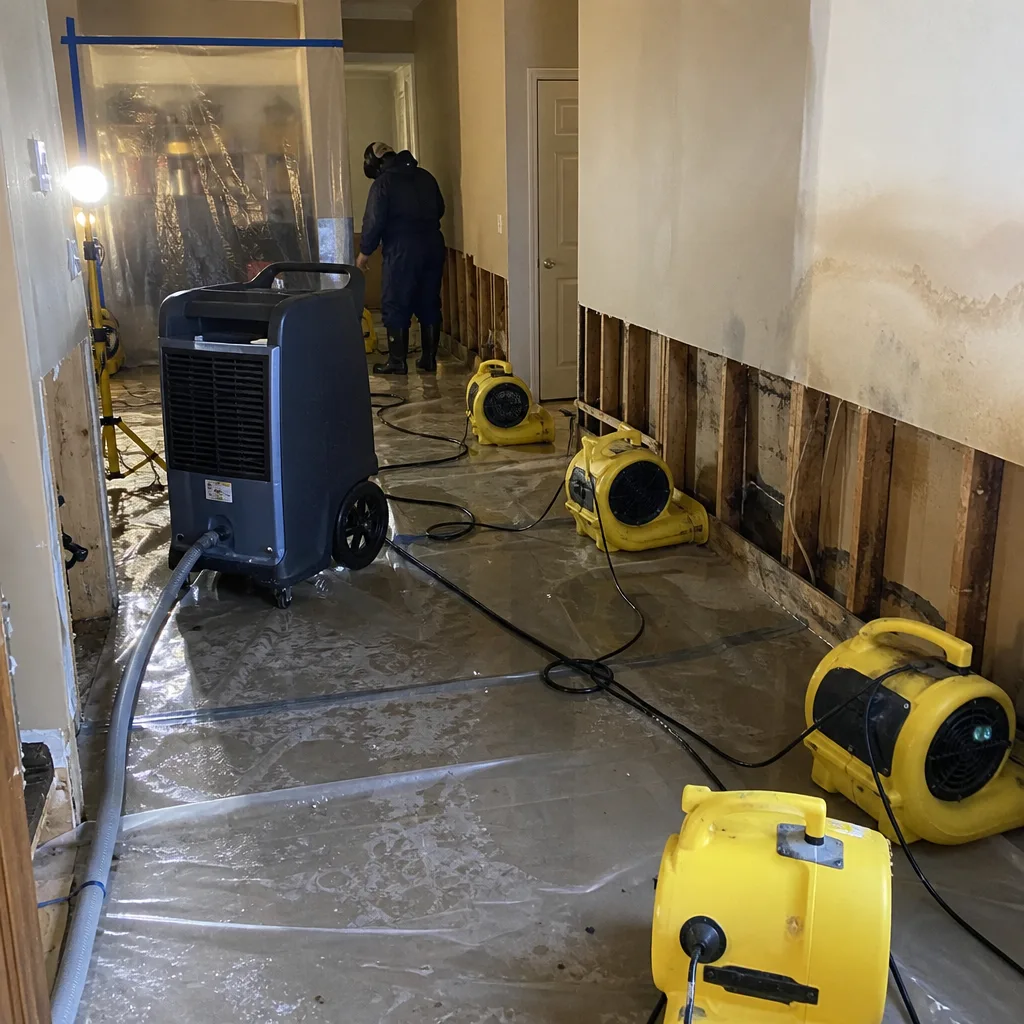
Fire damage cleanup in St. George begins with a documented assessment of structural integrity, hazardous-materials presence, and moisture intrusion patterns. The wood-frame and brick row houses on the hillside streets above the ferry terminal often contain original horsehair plaster, old-growth fir millwork, and pre-1978 finishes that trigger mandatory lead-paint and asbestos testing under NYC DEP rules before any demolition. We photograph every room, note every material classification, and deliver a written scope and price before any work begins. Haven Standard, Clause 1.
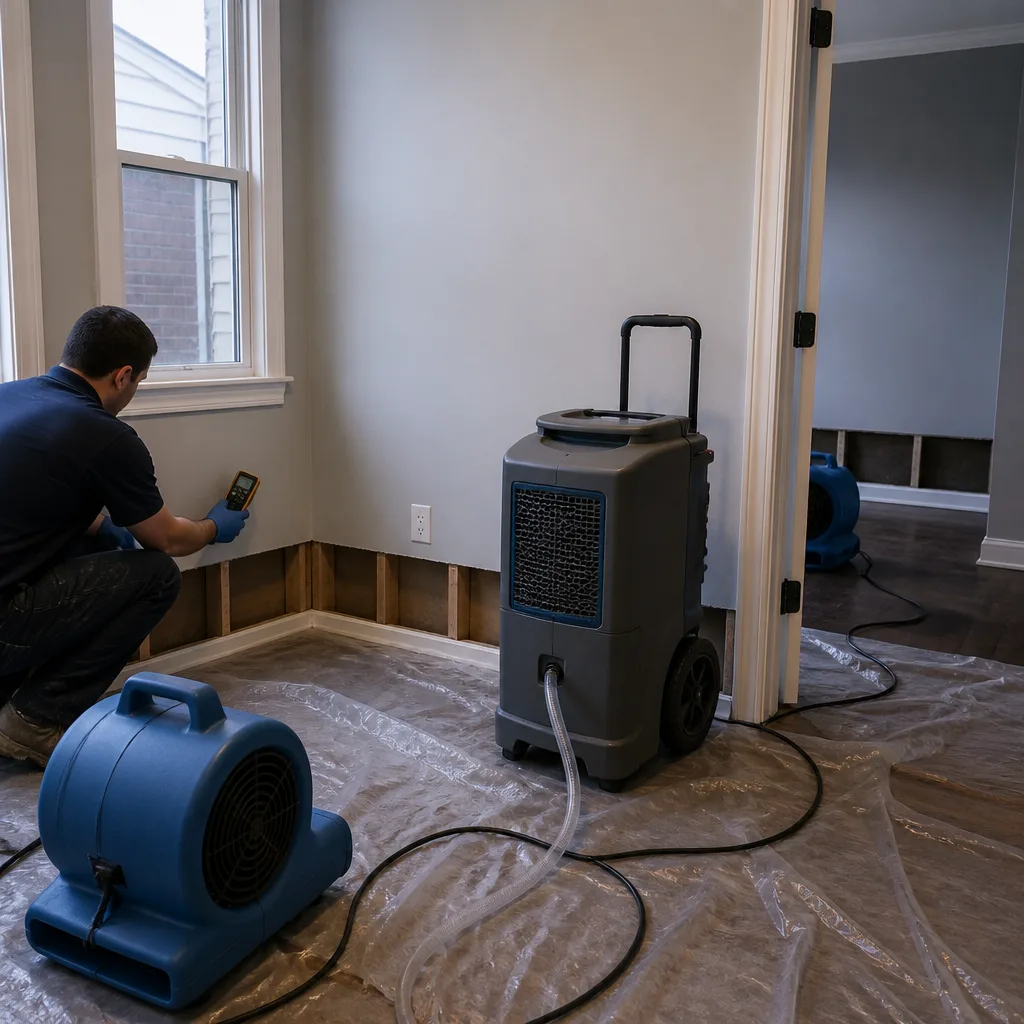
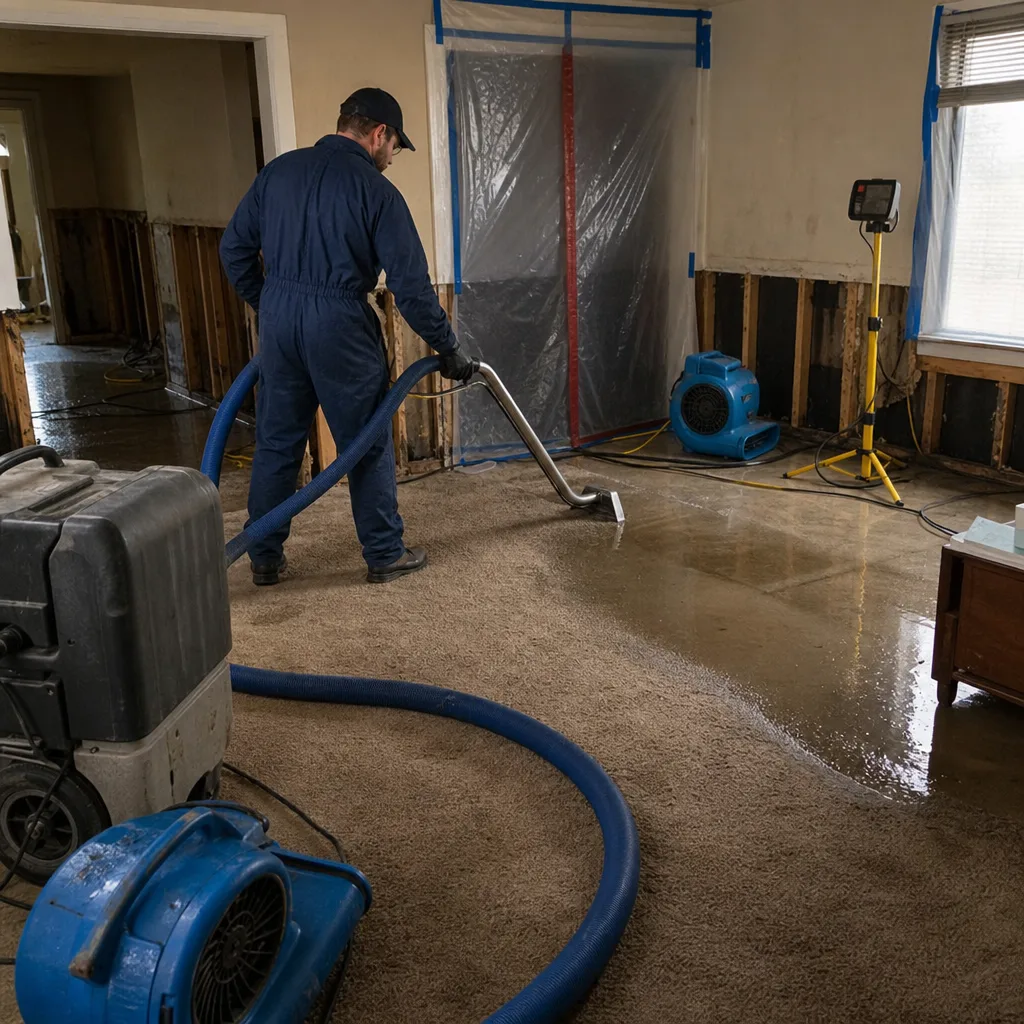
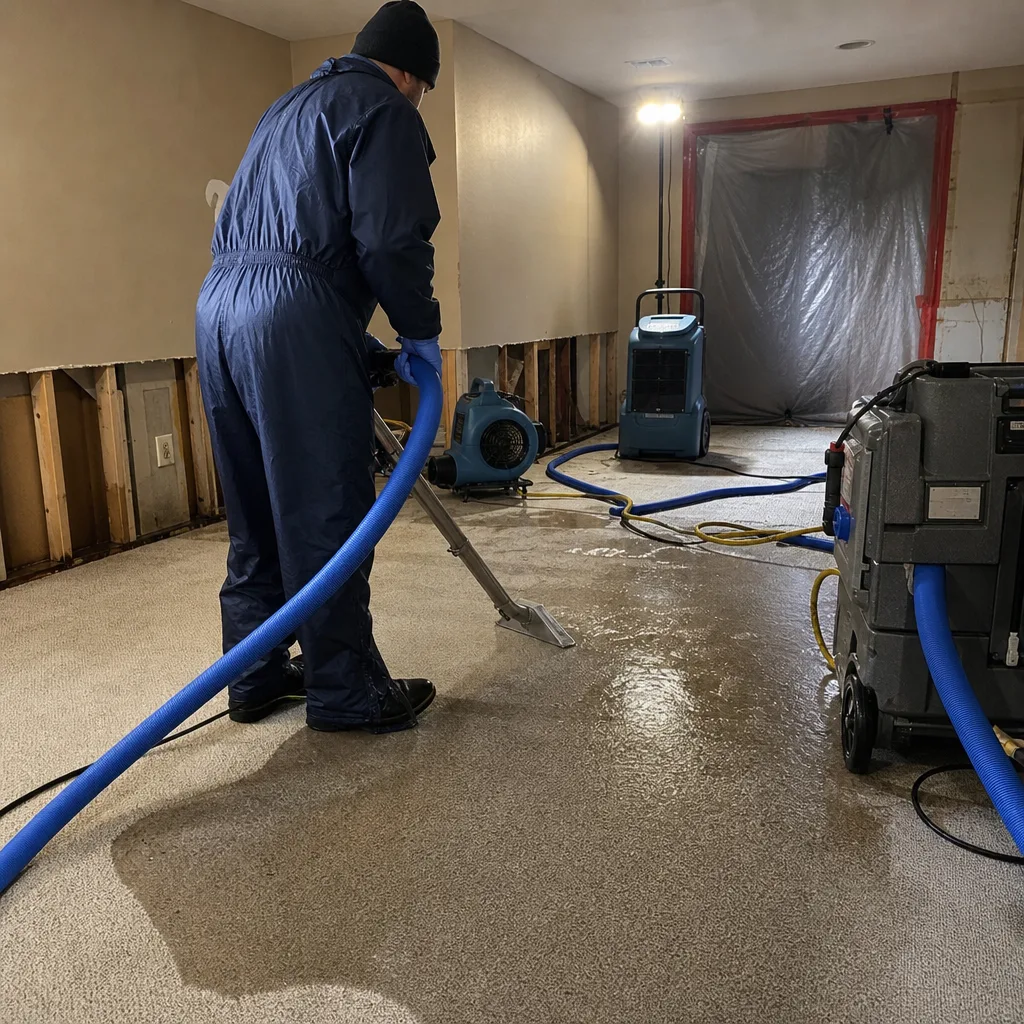
After a nor’easter-driven surge on the lower blocks near the St. George ferry terminal, our crew responded to a circa-1900 wood-frame row house with a fire in an attached garage: the salt-air exposure had already seized the torsion springs and rusted the roller tracks, so the door opened unevenly and blocked access during the fire. We extracted Category 3 water from the ground-floor framing, mapped moisture through original plaster-on-lath walls, set containment, and ran structural drying with Dri-Eaz dehumidifiers and air movers; once the dried scope of work cleared hazardous-materials testing, we replaced the door hardware with galvanized springs, stainless hinges, and nylon rollers and logged every moisture reading for the final report.
Smoke & Soot Removal
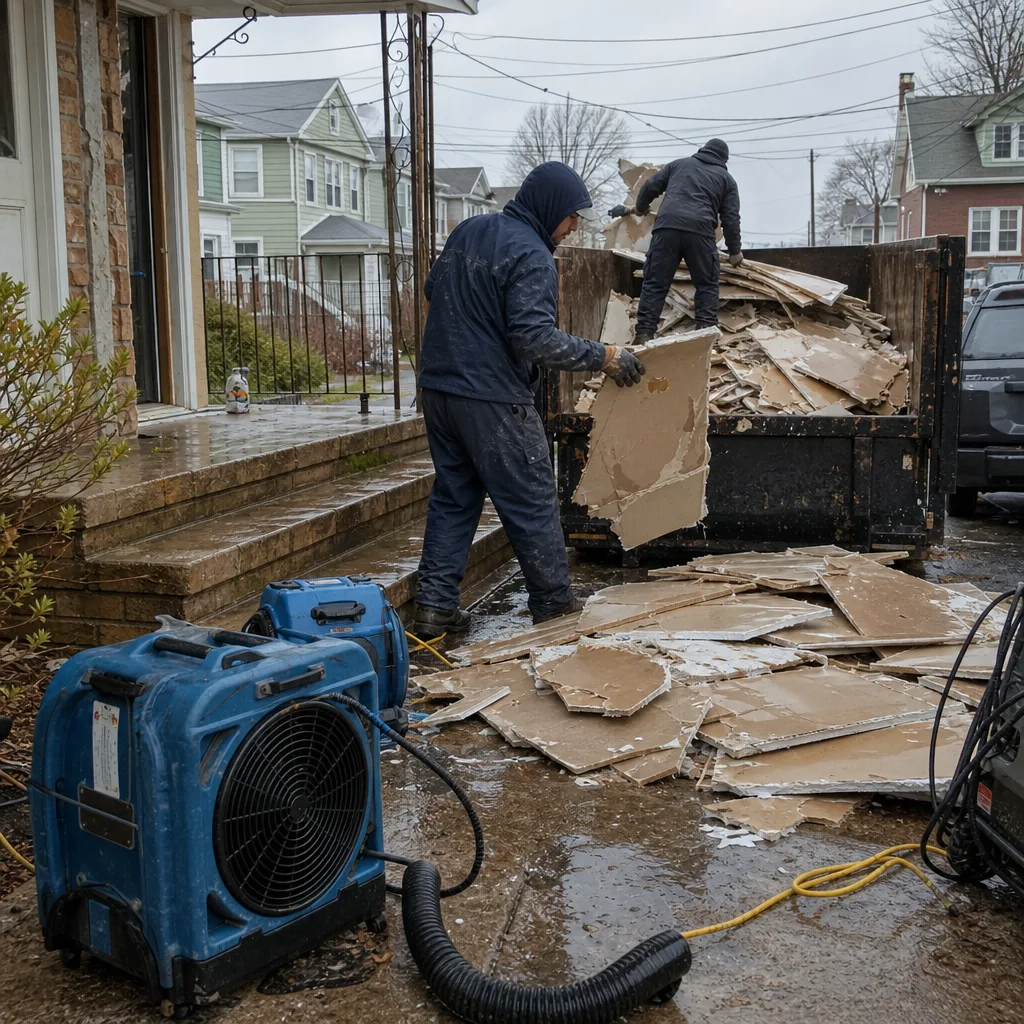
Smoke and soot removal in St. George properties requires different protocols depending on whether the fire involved synthetic materials, protein-based cooking fuels, or electrical components. The tight floor plans and original construction details in St. George’s Victorian housing stock - transom windows between rooms, balloon framing, and lath-and-plaster wall cavities - allow smoke to travel farther and settle in hidden spaces than in modern platform-framed construction. We use thermal fogging, ozone treatment, and HEPA vacuuming systems, with the method selected based on the fire source and the substrate being cleaned. Every treatment is documented with before-and-after photos.
Odor Removal & Deodorization
Odor removal in St. George homes must account for the porous nature of century-old materials. Original horsehair plaster absorbs smoke odor compounds deeply; old-growth fir millwork retains them in grain structures that modern kiln-dried lumber doesn’t possess. Surface cleaning alone fails. Our deodorization protocols include vapor-phase distribution of odor-counteractant compounds, thermal fogging to open material pores and neutralize trapped residues, and sealed-space ozone treatment for severe cases. We verify results with olfactory assessment and, where appropriate, air-quality sampling documented to IICRC standards.
Contents Cleaning & Pack-Out
Contents cleaning and pack-out services for St. George homeowners begin with a photo-inventory of every item before it leaves the premises. Fire-damaged contents are sorted into categories: restorable on-site, restorable at our facility, non-restorable with documented salvage value for insurance purposes. The Haven Standard requires that inventory to travel with the homeowner’s claim file. We clean textiles, electronics, documents, and furniture using methods matched to the fire source - wet cleaning for protein fires, dry-cleaning for dry smoke residues, specialized electronics cleaning for items exposed to corrosive combustion byproducts.
Emergency Board-Up & Tarping
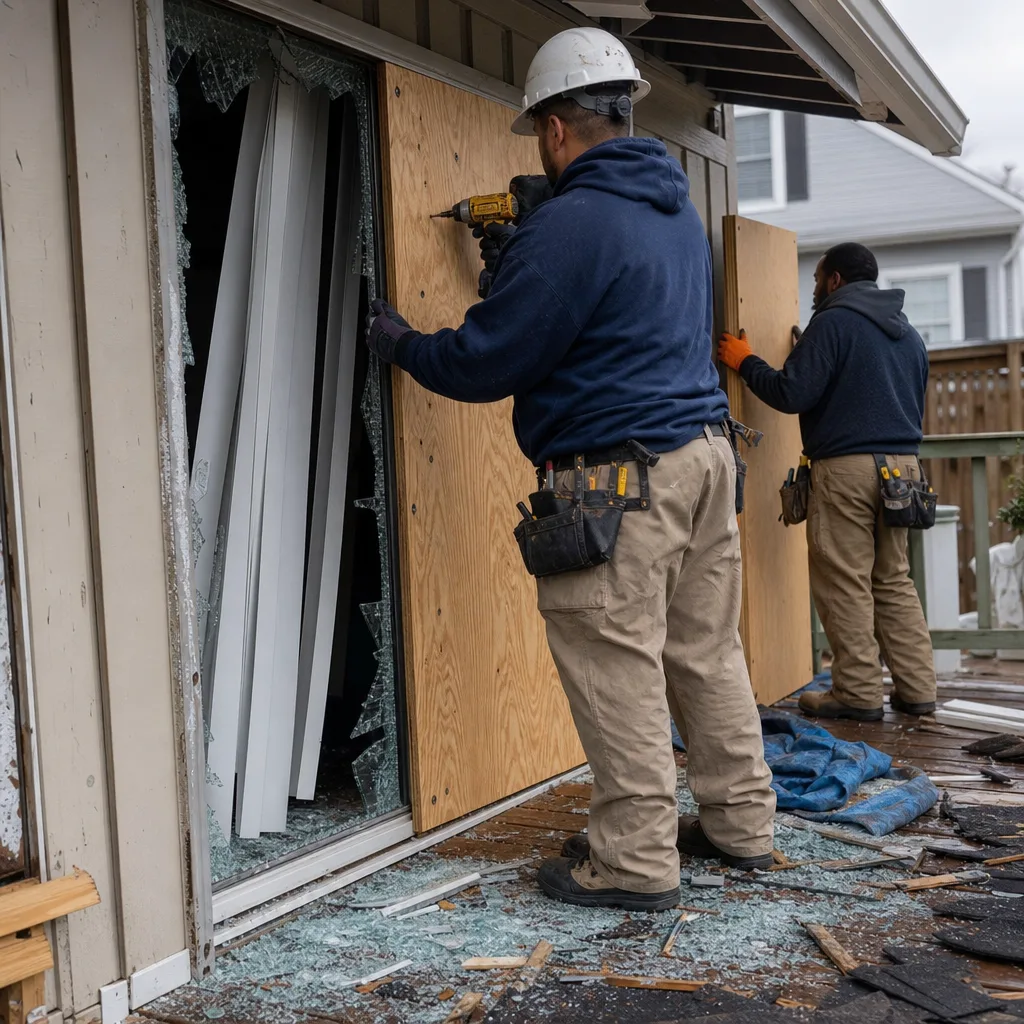
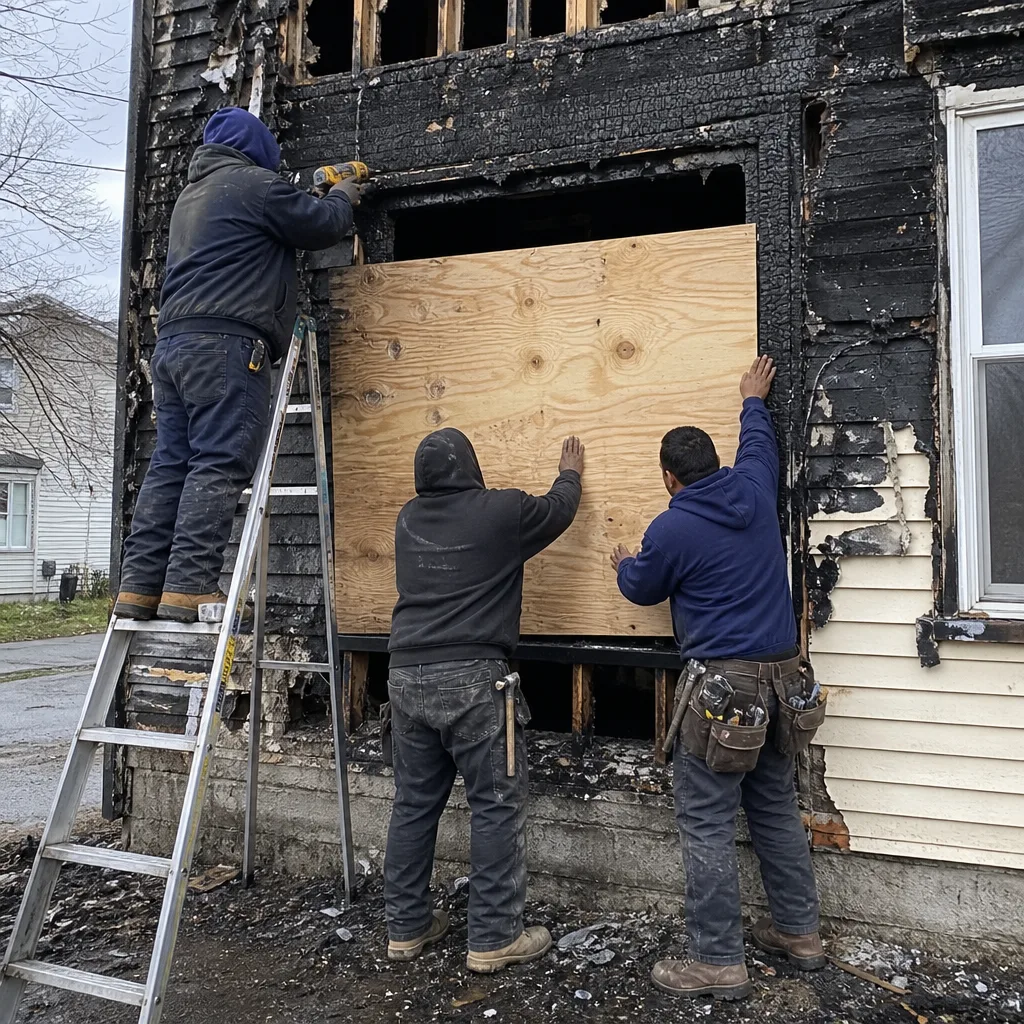
Emergency board-up and tarping in St. George must secure structures against additional salt-air exposure while permanent repairs are scoped and scheduled. Harbor-front wind exposure on the lower blocks can peel temporary protections if they’re not mechanically fastened to withstand sustained coastal gusts. We use pressure-treated plywood and corrosion-resistant fasteners, with documentation photos showing the secured condition for both insurance and municipal code-compliance purposes.
Structural Fire Repair
Structural fire repair in St. George’s Victorian and Edwardian housing stock often involves replacing fire-damaged framing while preserving historically significant millwork, plaster ornamentation, and exterior architectural details that contribute to the neighborhood’s character. We coordinate with NYC DEP for hazardous-materials clearance, with structural engineers for load-path verification in wood-frame row houses with shared party walls, and with historic-preservation guidelines where applicable. The written scope specifies every material, every fastener type, and every finish match before work begins.
What happens when you call
- 1
A real person answersNo phone trees - you reach a local pro.
- 2
You get an upfront price rangeHonest numbers before anyone is dispatched.
- 3
A background-checked tech heads outLicensed & insured, dispatched right away.
- 4
You approve before work beginsNothing starts until you say go.
BeforeAfterTrusted Standards We Follow in St. George
Our work in St. George is documented to IICRC, RIA, and IFA standards, with daily moisture logs, psychrometric data readings, and photo records that turn restoration invoices into payable insurance claims. We deploy professional-grade drying systems from Dri-Eaz, Phoenix, and Injectidry, with equipment selection based on the specific vapor pressure differential and tertiary drying requirements of each structure. The salt-air humidity in St. George, typically 10-15% higher than inland Staten Island neighborhoods, extends drying timelines for water-damaged materials; our logs account for this with adjusted equilibrium moisture content targets rather than generic inland benchmarks.
Common Fire & Smoke Damage Restoration Problems We See in St. George Homes
- Corroded garage hardware blocking emergency access. Salt-laden harbor air seizes torsion springs, rusts roller tracks, and degrades opener chains on St. George garage doors years before inland hardware fails. During a fire event, a door that won’t open fully traps vehicles, tools, and stored materials inside, compounding the loss.
- Lateral salt-water wicking through century-old foundations. The sharp topographic drop from St. George’s uphill Victorian blocks to the harbor-front flood plain means storm surge wicks laterally through rubble-stone and brick foundations. Moisture shows up in structures that never took on direct floodwater, and standard visual inspections miss it.
- Smoke residue trapped in original horsehair plaster and old-growth fir. These materials, common in St. George’s 1890-1930 housing stock, absorb odor compounds and particulate matter far more aggressively than modern drywall and softwood framing. Surface cleaning leaves deep contamination that re-emerges weeks later.
- Hazardous-materials testing delays from skipped protocols. NYC DEP rules require asbestos and lead-paint testing before demolition or remediation on pre-1978 structures. Crews unfamiliar with St. George’s housing age skip this step, start work, then face stop-work orders that extend the restoration timeline and complicate insurance documentation.
Pricing for Fire & Smoke Damage Restoration in St. George, NY
| Service | Typical Range in St. George |
|---|---|
| Emergency board-up and stabilization | $850 - $2,400 |
| Smoke and soot removal (per affected room) | $1,200 - $3,800 |
| Odor removal and deodorization (whole house) | $2,100 - $5,500 |
| Contents cleaning and pack-out | $1,800 - $6,200 |
| Structural fire repair (per 100 sq ft) | $4,500 - $12,000 |
| Full restoration with hazardous-materials protocols | $8,500 - $14,500+ |
Costs in St. George run toward the higher end of regional ranges for three reasons: the mandatory hazardous-materials testing on pre-1978 structures, the extended drying timelines required by harbor-front humidity levels, and the specialized hardware needed for corrosion-resistant repairs in salt-air exposure zones. Every estimate we deliver is written, itemized, and fixed before work begins. Haven Standard, Clause 1. Bring a competitor’s written estimate and we’ll review it at no charge.
We Also Serve Cities Near St. George
Our crews respond throughout the harbor-front and downtown core from St. George to Battery Park City, the Financial District, Tribeca, and SoHo. Dispatch and scheduling are coordinated from our New York City office; crews serve each neighborhood locally with equipment and hardware matched to that area’s specific building stock and environmental conditions.
Serving St. George, NY - Our Local Coverage Area
We’re based in the St. George area and know this community well. Use the map below to see our service coverage - if you’re nearby, we can almost certainly help.
FAQs - Fire & Smoke Damage Restoration in St. George
Salt-laden harbor air accelerates corrosion of torsion springs, hinges, rollers, tracks, and opener chains by a factor of years compared to inland Staten Island. The same salt-air exposure that seizes hardware also degrades the structural fasteners and brackets that mount door systems to wood-frame construction. We replace failed components with galvanized springs, stainless hinges, and nylon rollers rated for coastal environments, and we document the hardware condition in our photo record for insurance purposes. Call (862) 292-4268 for a written estimate on corrosion-resistant replacement.
Yes. The sharp topographic drop from St. George’s uphill blocks to the harbor-front flood plain creates lateral salt-water wicking through century-old rubble-stone and brick foundations. Moisture migrates into structures that never took on direct floodwater, and this pattern is invisible from the street. Our technicians probe for subsurface moisture intrusion with penetrating meters even when visual inspection shows no damage, because we’ve documented too many claims where hidden moisture voided coverage months later.
These materials absorb odor compounds and particulate matter deeply, and surface cleaning fails to reach the contamination. We evaluate restorability based on the fire source, the depth of penetration, and the structural integrity of the substrate. In many St. George properties, selective removal of irreparable plaster sections combined with vapor-phase deodorization of retained millwork preserves historically significant materials while eliminating odor sources. The written scope specifies which materials are restored, which are replaced, and why.
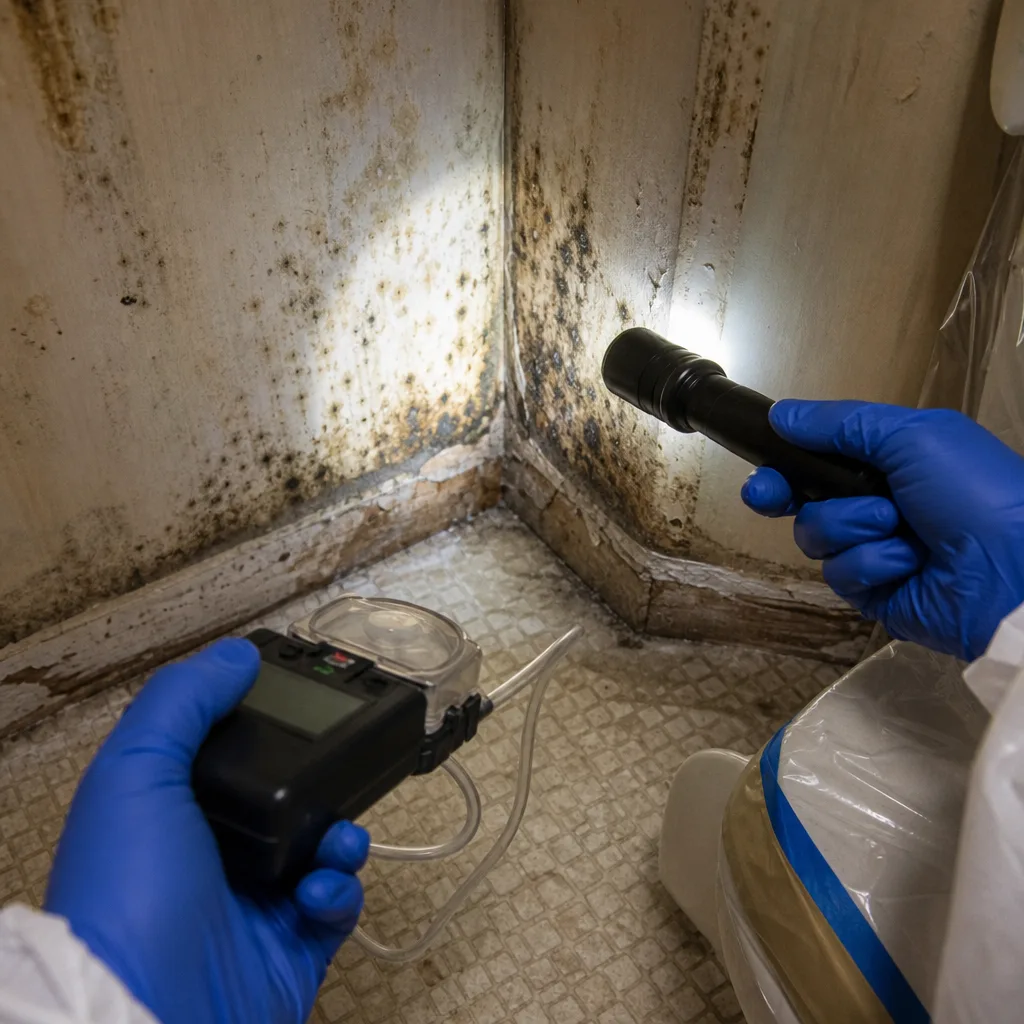
Colony formation begins 24-48 hours after moisture introduction in St. George’s harbor-front humidity, faster than inland timelines because salt-water intrusion delivers nutrients and the elevated ambient humidity sustains growth conditions without additional water sources. Fire suppression water, surge water, or even residual moisture from lateral foundation wicking all trigger the same clock. Our emergency response includes immediate moisture mapping and structural drying with documented daily logs to establish the pre-mold condition for insurance.
Storm surge water in St. George is Category 3 by definition: it contains salt, sediment, fuel residue, sewage, and chemical contaminants picked up from the harbor and industrial waterfront. Category 3 protocols require removal of porous materials that cannot be disinfected, HEPA containment, and antimicrobial treatment of remaining structural elements. Drying must complete before any reconstruction begins, and all work requires documentation to IICRC S500 standards for insurance acceptance.
Key Takeaways for St. George Homeowners
- Fire damage restoration in St. George requires corrosion-resistant hardware and coastal-environment drying protocols
- All pre-1978 structures need NYC DEP hazardous-materials testing before demolition or remediation
- Lateral salt-water wicking through old foundations is invisible and must be probed with moisture meters
- Written price before work begins, photo record on every visit, 365-Day Done Right Promise
Fire damage doesn’t wait for business hours, and neither do we. Call (862) 292-4268 for a written estimate before any work begins. Our live dispatch answers 24 hours a day, 7 days a week. Free Second Opinion on any competitor’s written estimate.
Written by Alicia Brennan, Owner at Back to Dry Restoration, serving St. George since 2011 under The Haven Standard.