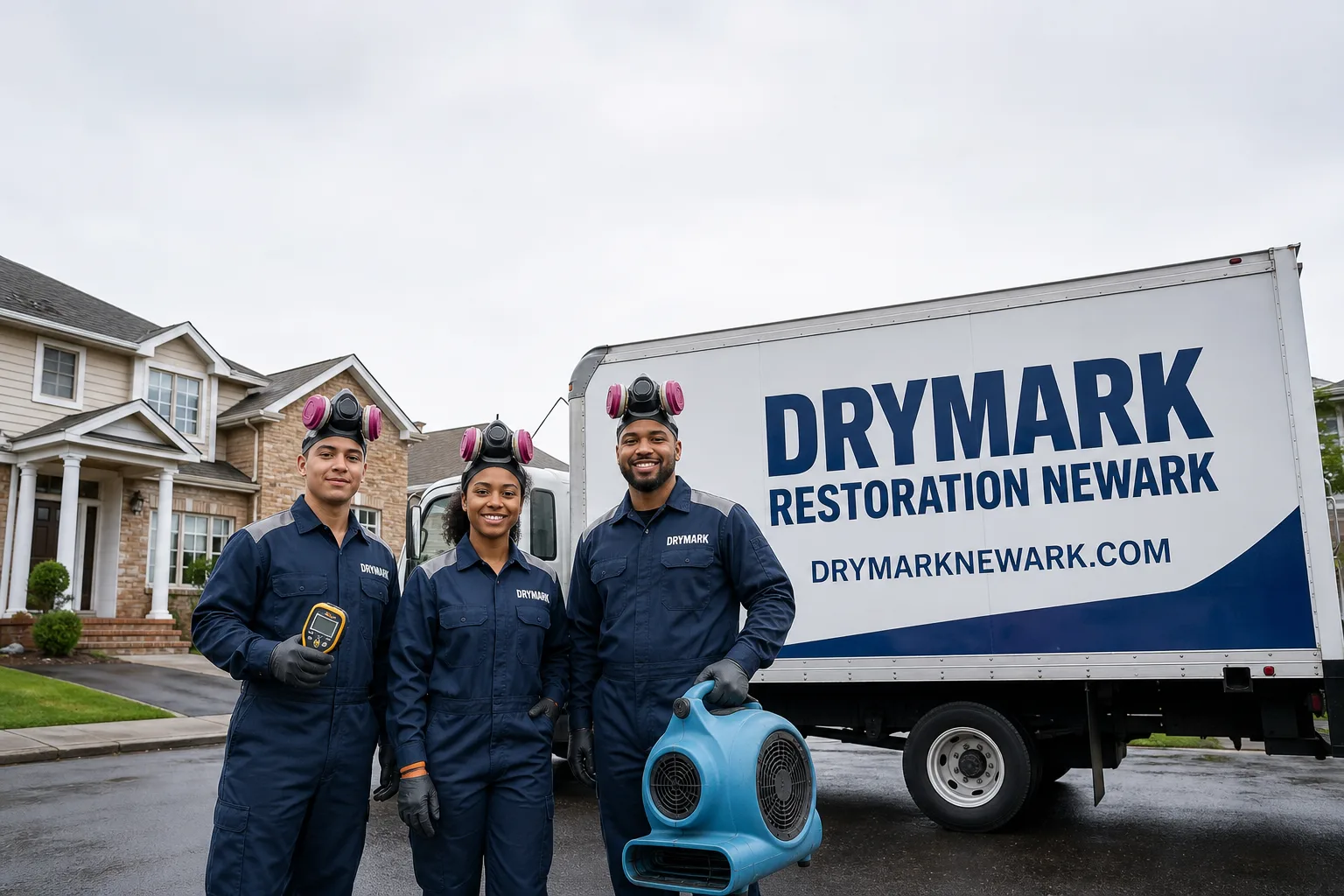
Free visual inspection and a written scope of work before any mitigation begins - photos, moisture readings, and drying logs go in your claim file
The scope we write is the scope we bill. Anything new gets shown to you, in writing, before we touch it.
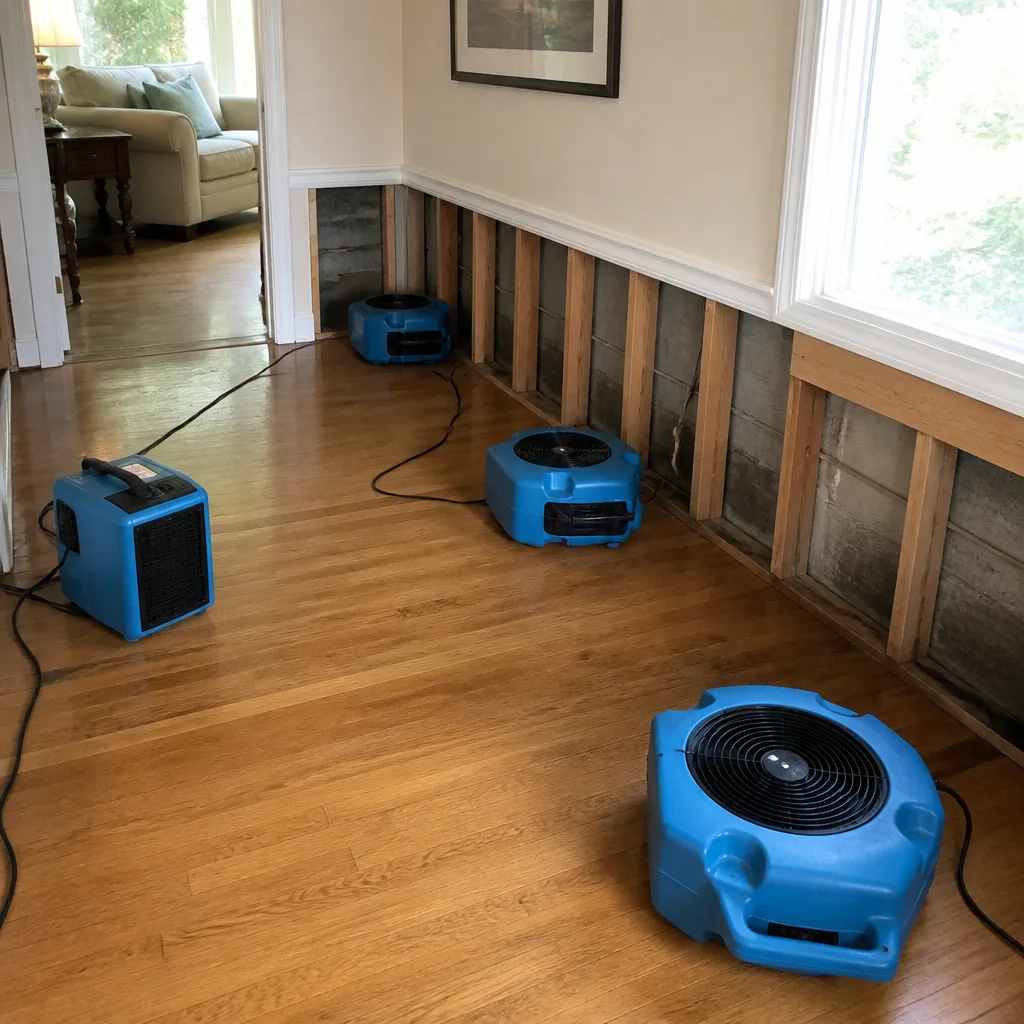
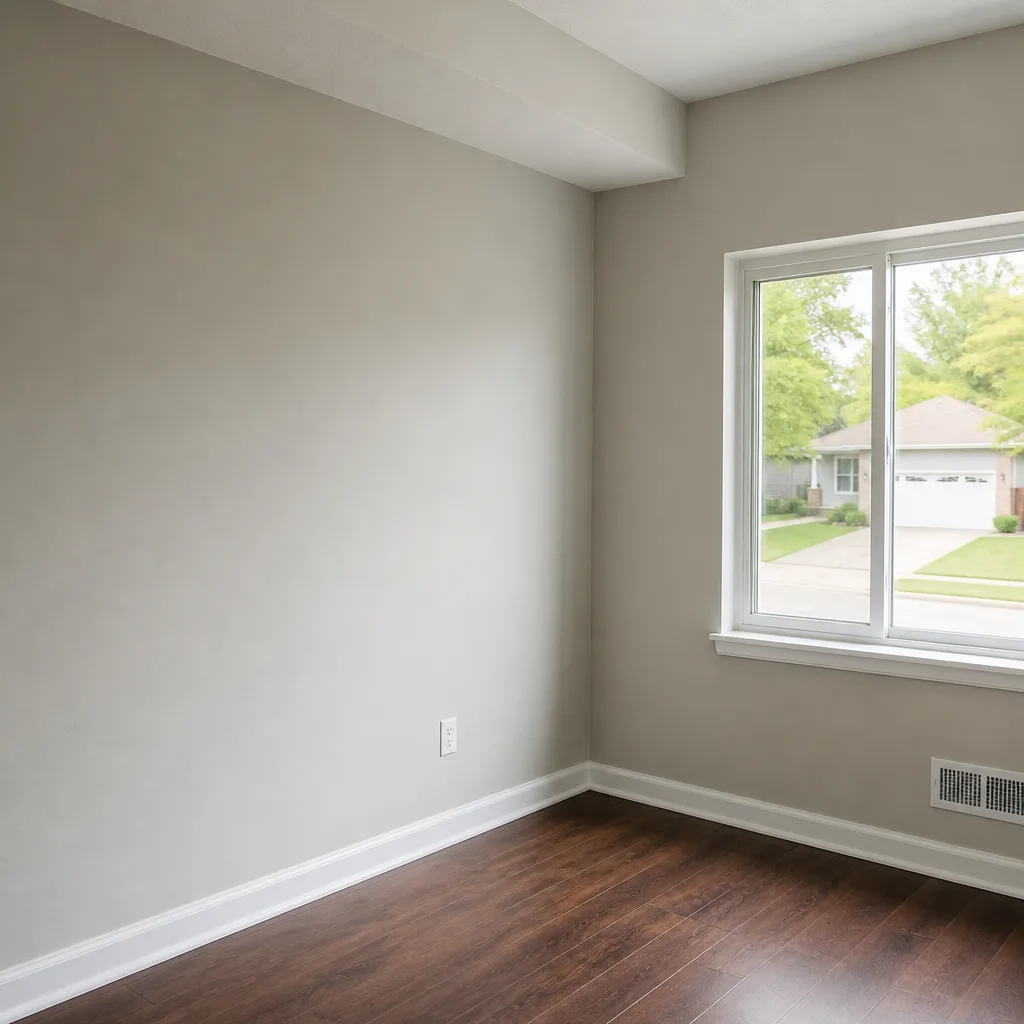
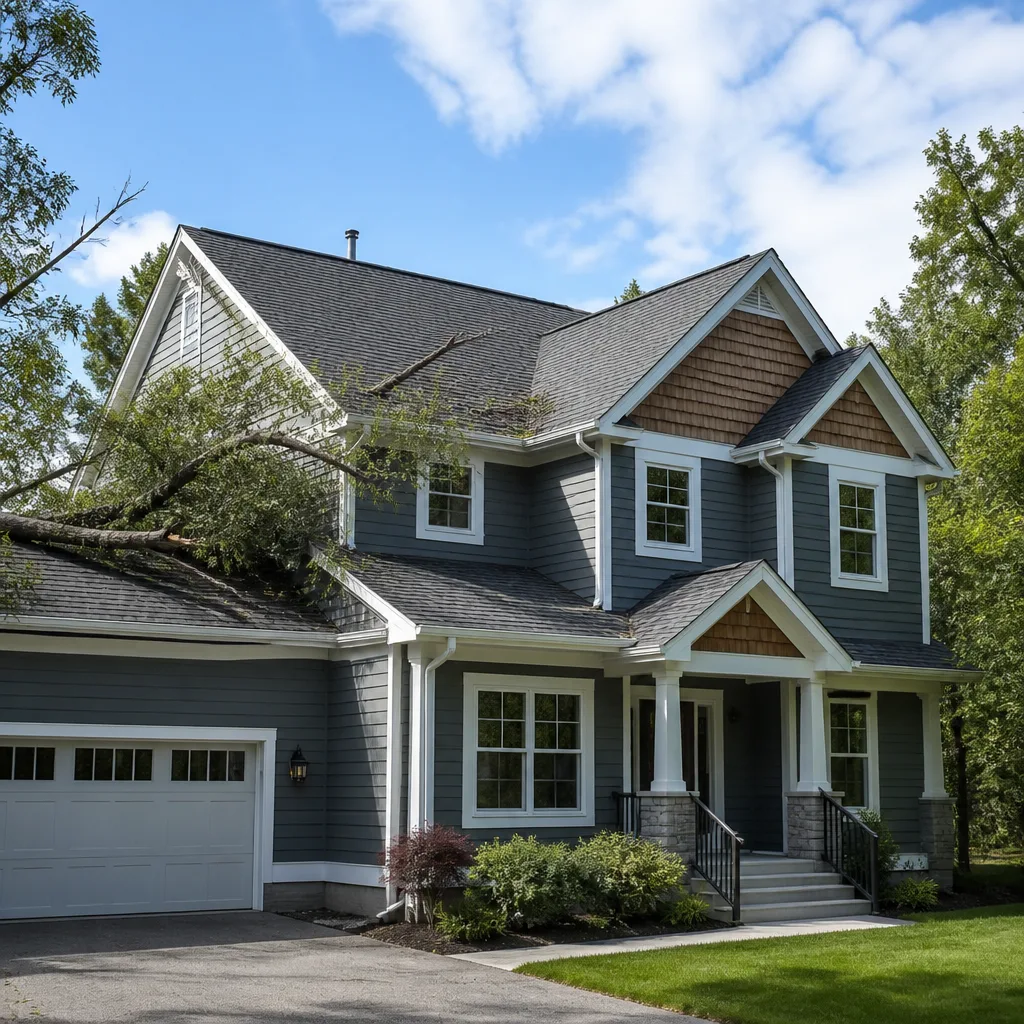
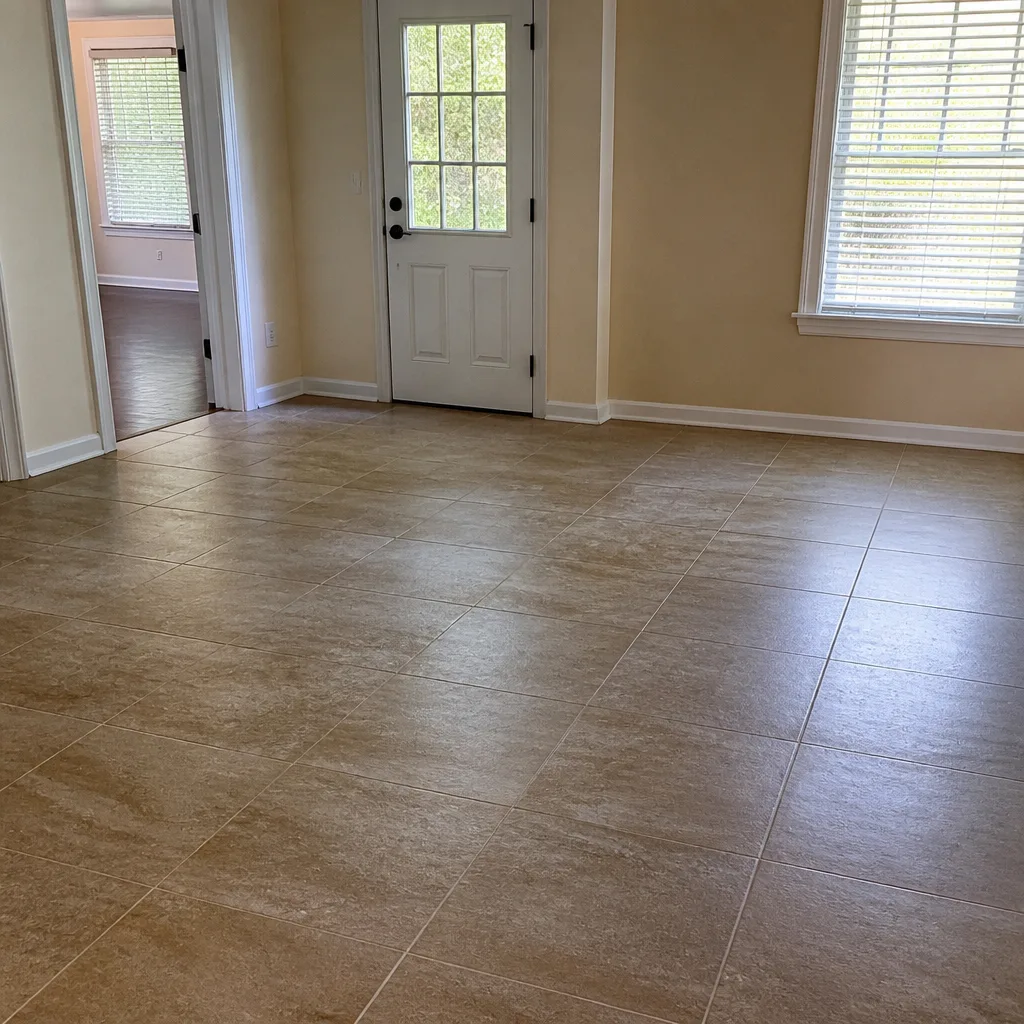
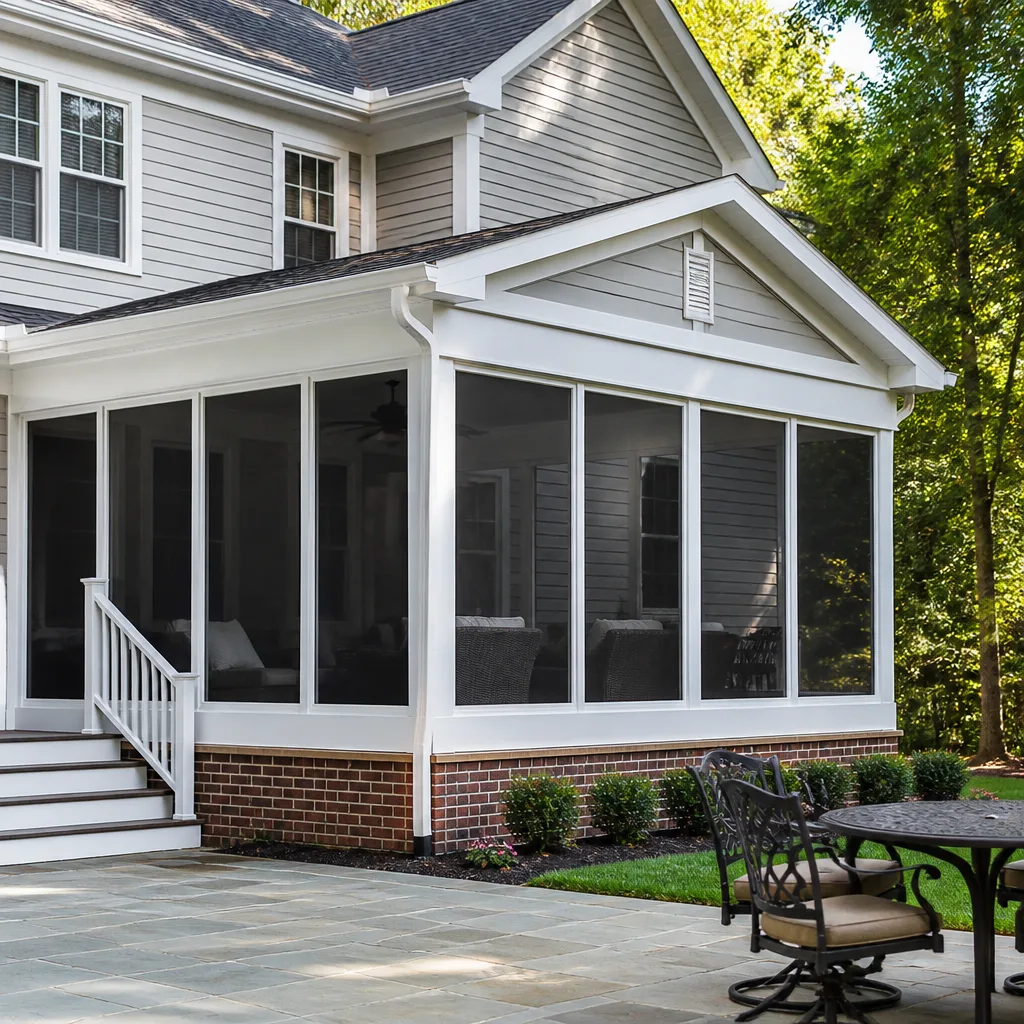
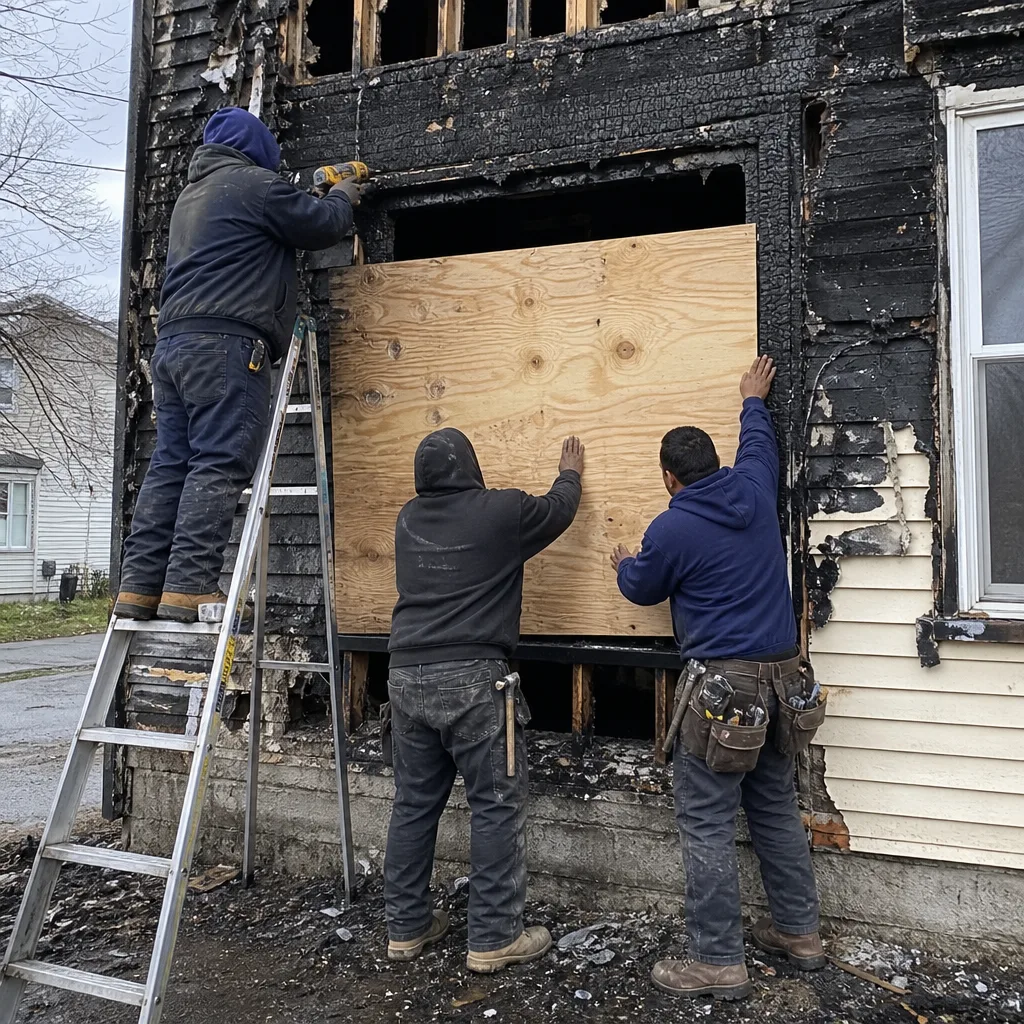
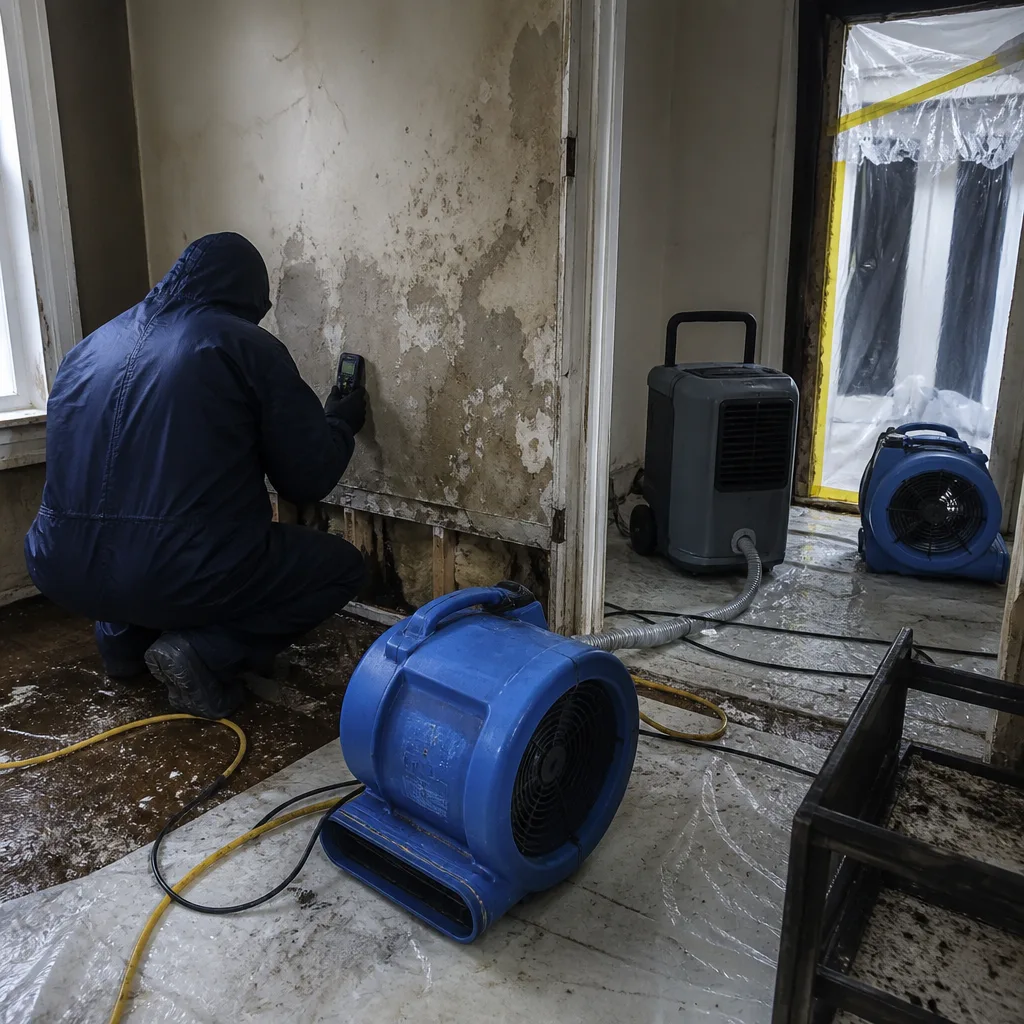 Before
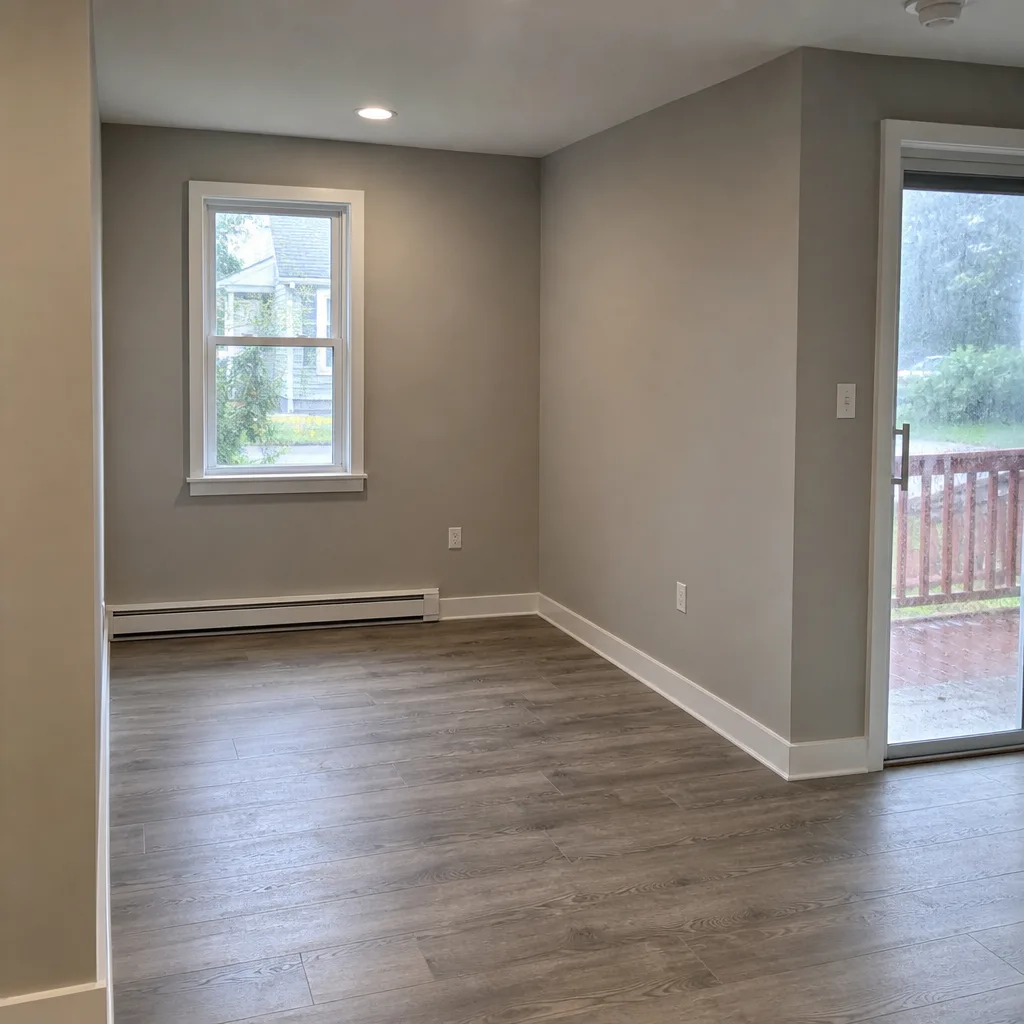 After
After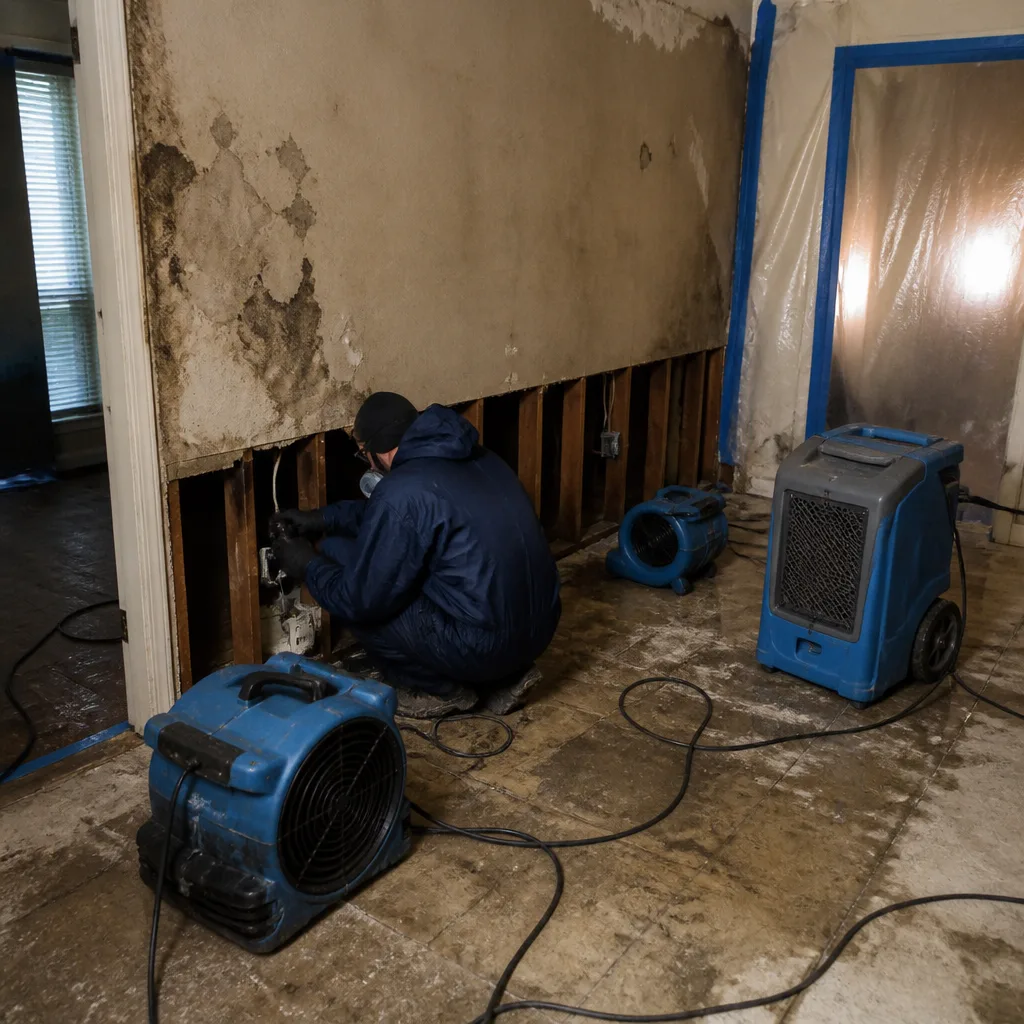 Before
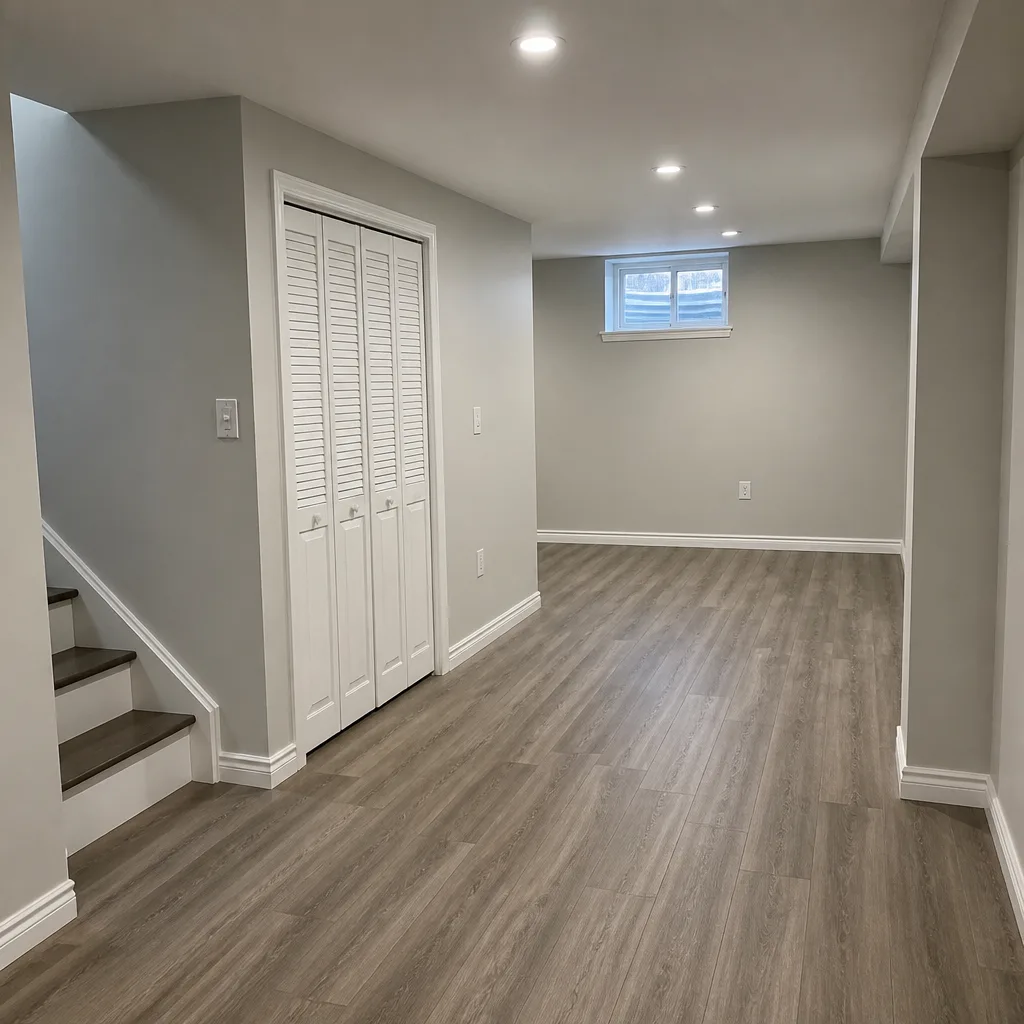 After
After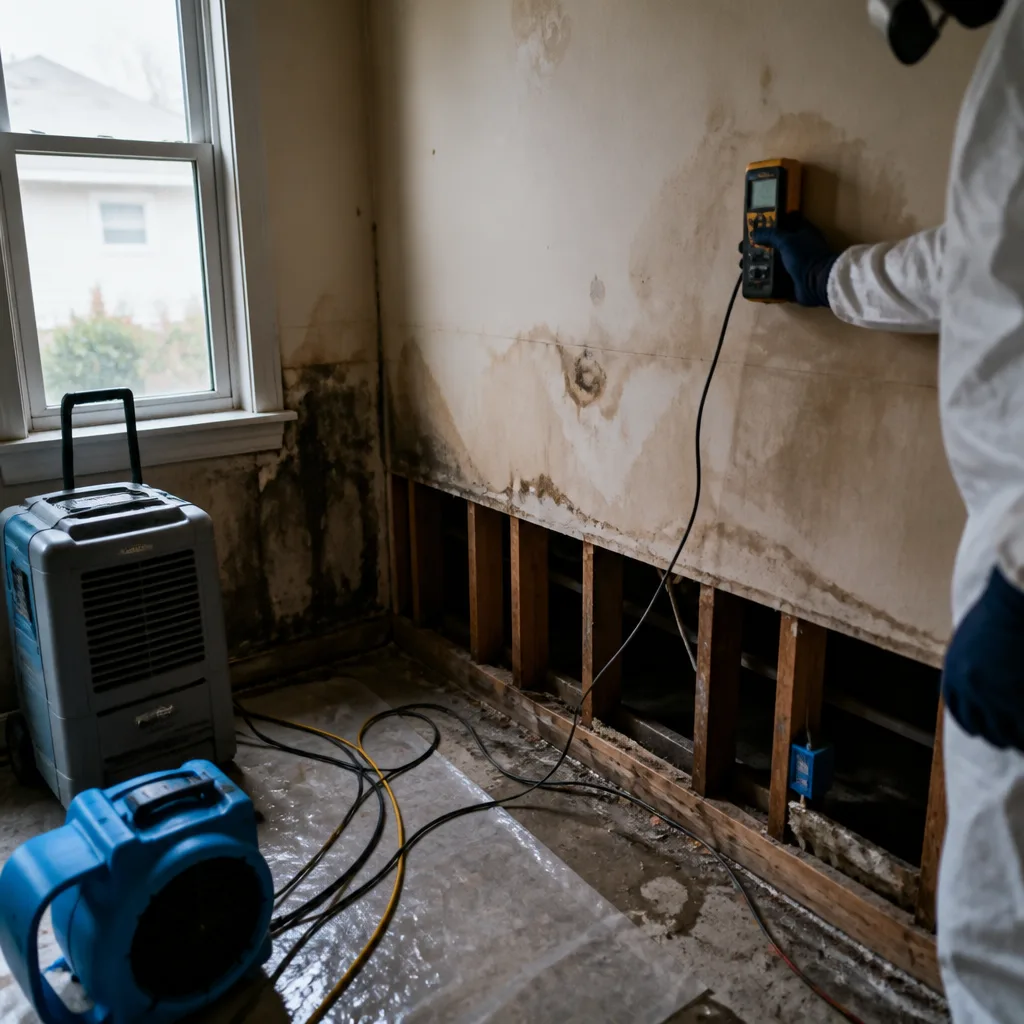 Before
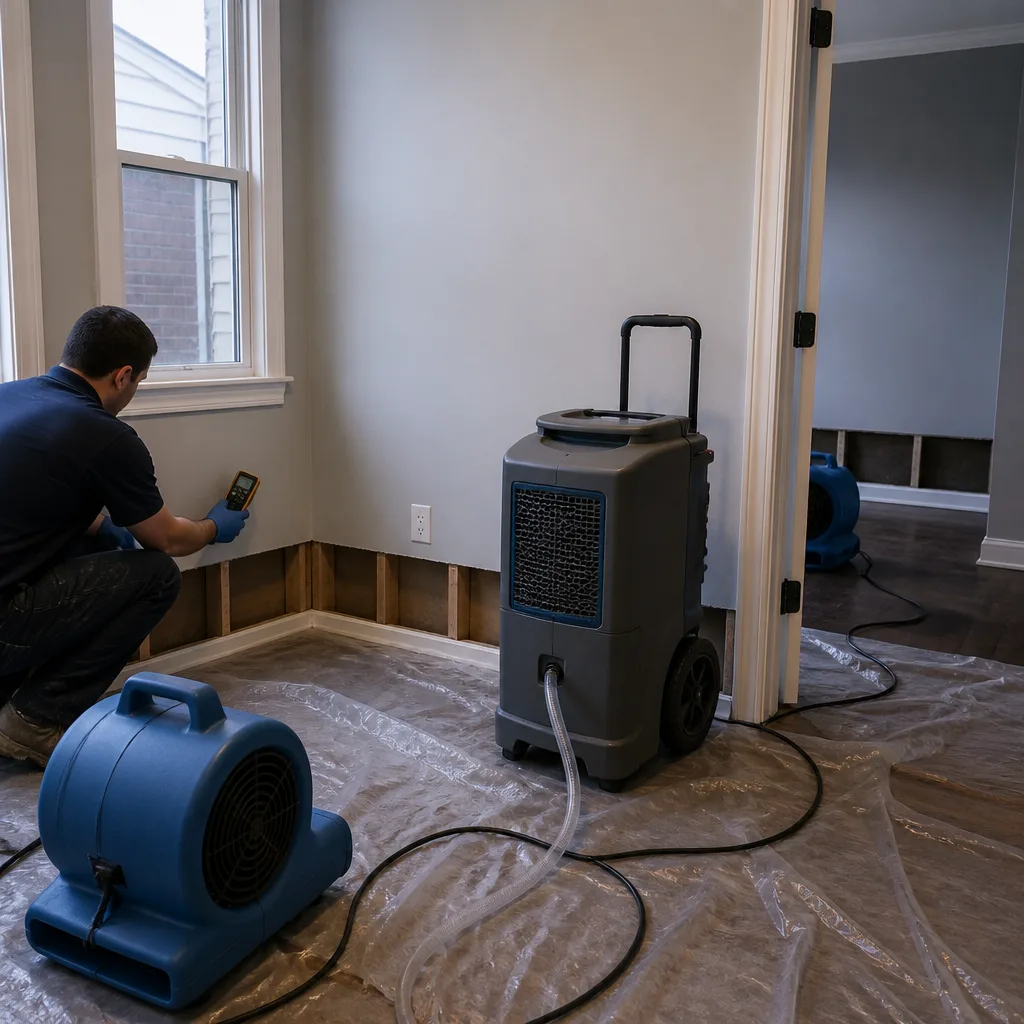 After
AfterFast, Reliable Water Damage Restoration Across SoHo
Water damage restoration in SoHo, NY typically runs $2,800-$7,500 for a standard residential extraction and dry-out, with emergency calls answered live and crews dispatched within 60-90 minutes to lower Manhattan. Our Water Damage Restoration team coordinates dispatch from our New York City office, with technicians who know the cast-iron lofts on Greene Street, the basement mechanical rooms near Canal Street, and the LPC permit process that exterior work in the SoHo-Cast Iron Historic District requires. Call (862) 292-4268 any hour - a live person answers, no voicemail while water is still moving.
Why DryMark Restoration Newark Is SoHo’s Preferred Water Damage Restoration Company
We’ve restored water damage in SoHo’s landmarked cast-iron buildings since 2011, and our documentation-first approach was built by a former claims adjuster who watched too many homeowners lose coverage over missing photos and verbal scopes. Our 12,000+ completed jobs include dozens of SoHo lofts where the open floor plates and heavy timber construction demanded drying protocols that standard apartment crews simply don’t carry.
Our response time to SoHo averages under 75 minutes for emergency calls. We know the building superintendents on Prince Street, the loading restrictions on Broadway, and which SoHo blocks still have original 1870s plumbing laterals prone to catastrophic failure.
Every job starts with Haven Standard, Clause 1: a written price before any work begins. Every visit produces a documented photo record. And our 365-Day Done Right Promise under The Haven Standard means if we miss something, we return and make it right - in writing, not as a favor.
Bring any competitor’s written estimate for a Free Second Opinion. We’ll review their scope line by line at no charge.
Our Water Damage Restoration Services in SoHo
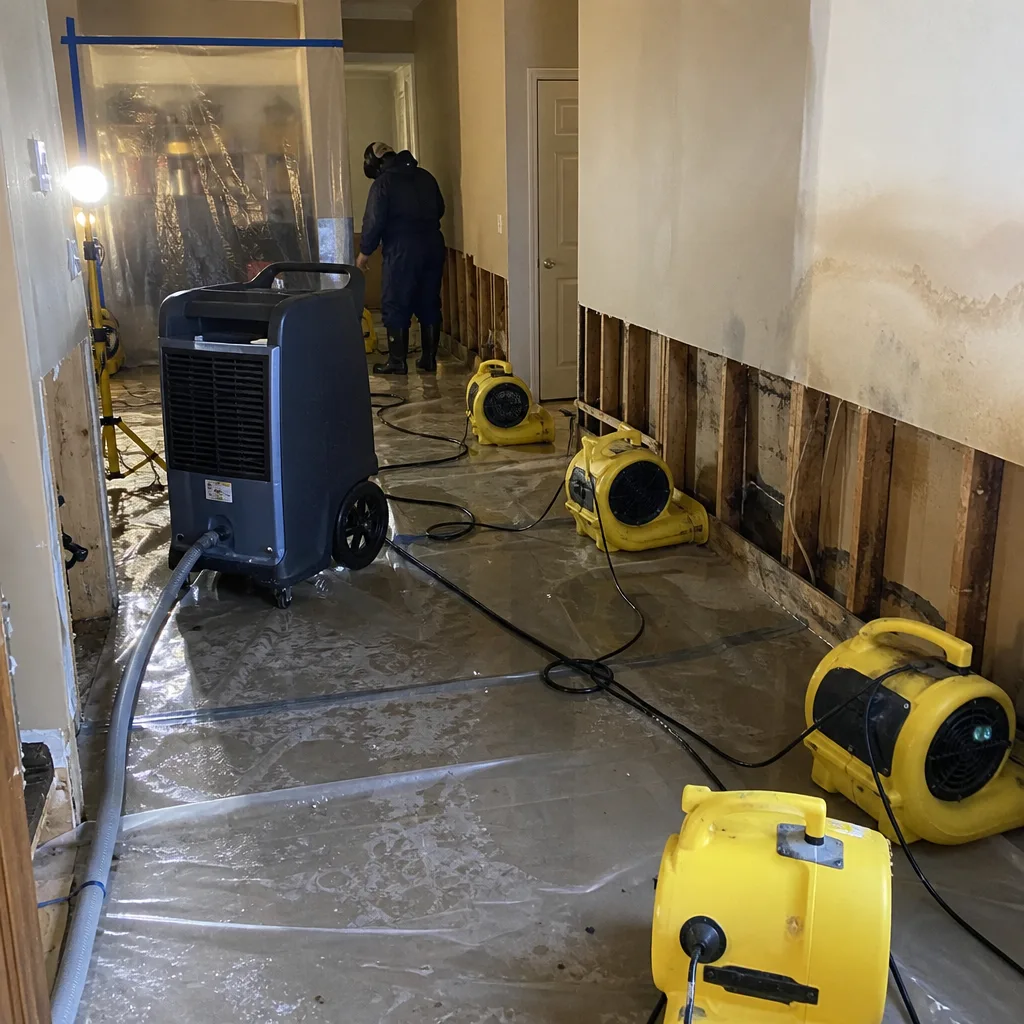
Emergency Water Extraction
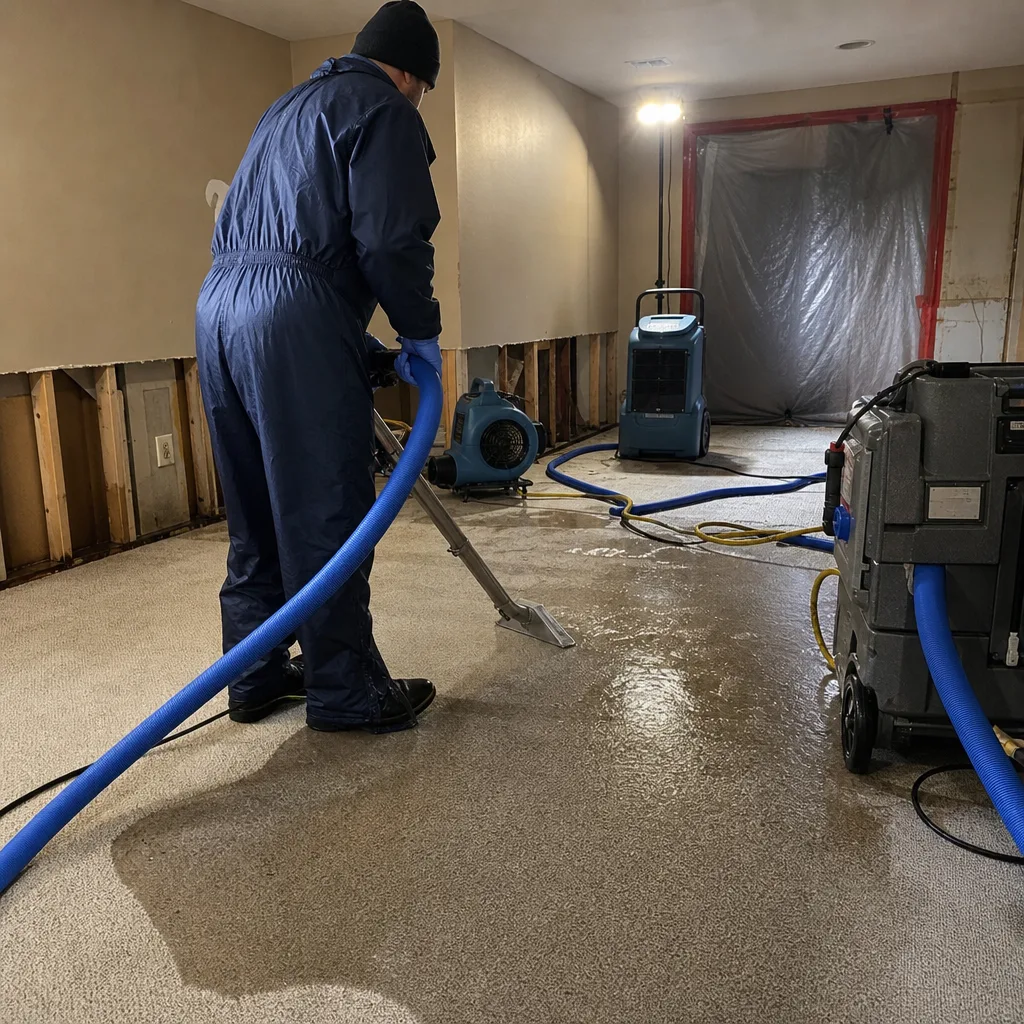
In a SoHo cast-iron loft, a single burst pipe can push water across 3,000-6,000 square feet of open floor plate before the super even gets the call. Our crews arrive with truck-mounted extraction systems and portable units sized for these enormous floor plates, not standard apartment setups. We document standing water depth in every bay, photograph pre-loss condition, and begin moisture mapping immediately - the evidence that turns your invoice into a payable claim.
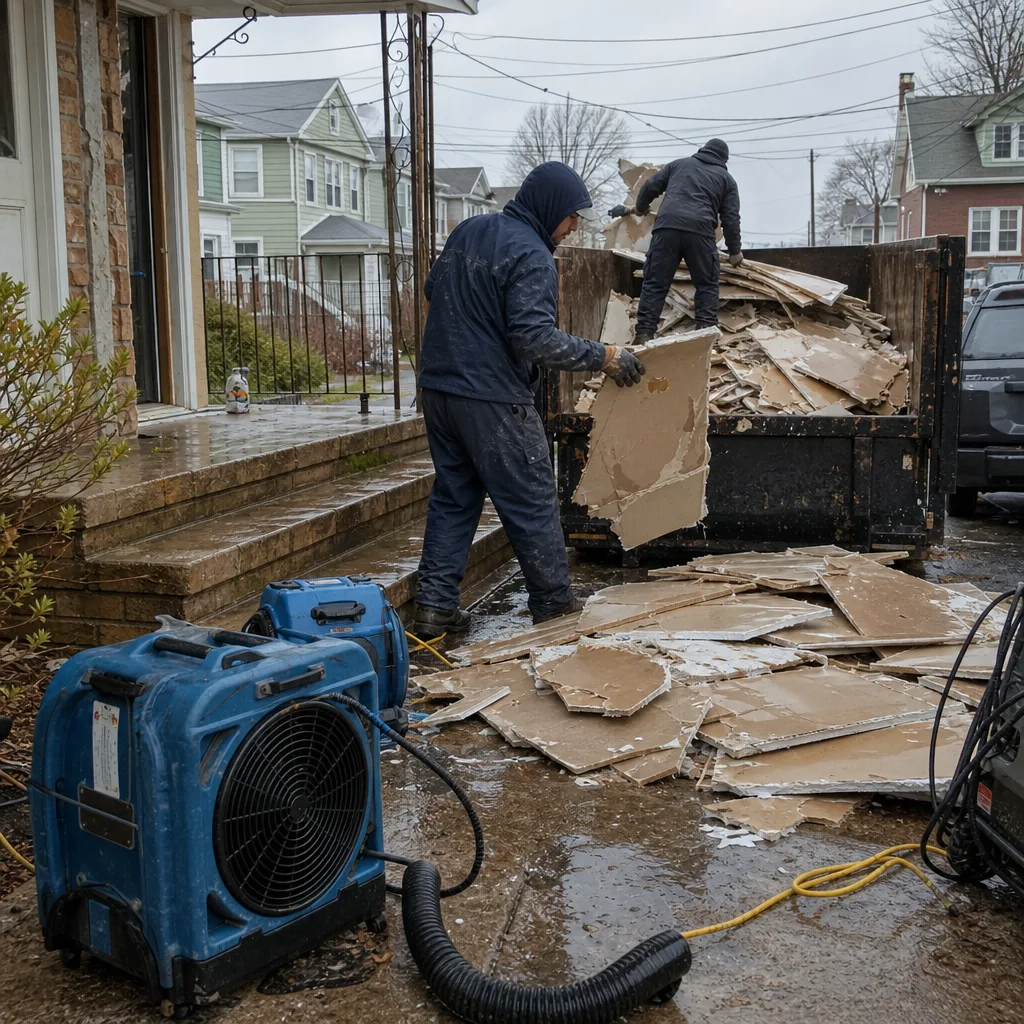
Structural Drying & Dehumidification
SoHo’s 150-year-old heavy-timber post-and-beam construction absorbs water at a scale modern drywall never approaches. Douglas fir beams 8×10 inches and larger can hold moisture for weeks while showing dry surface readings. We deploy Injectidry panel systems for cavity drying, Dri-Eaz and Phoenix dehumidifiers sized for the cubic volume of these tall loft spaces, and daily psychrometric logs - temperature, relative humidity, and vapor pressure differential - that document progress to IICRC and RIA standards. Tertiary drying, the final phase where dense timber releases bound moisture, often runs 7-14 days in SoHo lofts versus 3-5 days in standard frame construction.
Flood Cleanup
SoHo’s position at low elevation between tidal waterways made it vulnerable to Hurricane Sandy’s 2012 surge, and basement mechanical rooms below grade on Mercer Street, Wooster Street, and the smaller side blocks can still flood during major coastal events. Category 3 water in these basements - sewage-contaminated or saltwater-intruded - requires full PPE, antimicrobial treatment, and disposal documentation that meets IFA standards. We photo-document flood lines, inventory damaged equipment, and coordinate directly with your adjuster so the claim file matches the scope.
Burst Pipe Restoration
Winter freeze-thaw cycles stress SoHo’s ornate cast-iron facades, opening hairline gaps that let water infiltrate behind the iron cladding and into interior timber framing. A burst pipe in a perimeter wall can saturate original wide-plank flooring, tin ceilings, and the heavy beams above before visible staining appears. We locate the break, extract standing water, and map lateral migration across the open floor plate - then deliver a written scope that separates emergency drying from the LPC-permitted exterior repair that follows.
Ceiling & Roof Leak Water Damage
This is where SoHo’s landmark status changes the timeline. A slow roof leak behind a tin ceiling can feed original Douglas fir beams for months. By the time a tenant smells mold, the timber is deeply colonized. We caught a call on Greene Street where exactly this scenario had played out - heavy rain finally pushed the odor through. We set Injectidry panels and Dri-Eaz dehumidifiers with air movers, ran moisture mapping across the whole floor to confirm lateral spread wiped clean past the first bay, and documented pre-loss condition for the LPC file before we opened the plaster access. The fix was a repair, not a retrofit: the 150-year-old timber was dried in place while the LPC-reviewed exterior patch was scheduled.
What happens when you call
- 1
A real person answersNo phone trees - you reach a local pro.
- 2
You get an upfront price rangeHonest numbers before anyone is dispatched.
- 3
A background-checked tech heads outLicensed & insured, dispatched right away.
- 4
You approve before work beginsNothing starts until you say go.
BeforeAfterCommon Water Damage Restoration Problems We See in SoHo Homes
- Lateral migration across open loft plates. Water from a single source can travel 60 feet across a SoHo floor before saturation triggers detection. Standard apartment drying crews set equipment at the visible stain and miss the real damage.
- Hidden saturation behind tin ceilings and plaster. Original 19th-century finishes hold water against heavy timber for weeks. Surface readings say dry; core samples from the beam say otherwise.
- LPC permit delays on exterior access. Starting demolition on a landmarked cast-iron facade without Landmarks Preservation Commission review can stall the job by weeks and expose the owner to violation penalties.
- Category escalation in basement mechanical rooms. Ground-floor and below-grade spaces in SoHo flood with water that meets Category 2 or 3 criteria - not the Category 1 assumption many adjusters initially apply.
Pricing for Water Damage Restoration in SoHo, NY
Water damage restoration in SoHo, NY carries pricing that reflects the building stock, not just the square footage.
| Service | Typical Range in SoHo |
|---|---|
| Emergency water extraction (initial visit) | $450-$950 |
| Structural drying & dehumidification (per day) | $380-$720 |
| Cavity drying with Injectidry panel system | $1,200-$2,400 |
| Full loft dry-out (3,000-6,000 sq ft open plate) | $4,500-$9,800 |
| LPC-coordinated exterior repair (facade/roof tie-in) | $3,200-$8,500 |
| Mold remediation following delayed detection | $2,800-$7,200 |
Three factors push SoHo jobs toward the higher end: the extended drying time required for heavy-timber construction (often 10-18 days versus 5-7 for standard frame), the LPC permit coordination for any exterior access, and the Category 2/3 water common in basement floods that demands antimicrobial treatment and specialized disposal. Every estimate is delivered in writing before work begins, per Haven Standard, Clause 1. Call (862) 292-4268 for a written scope on your specific loss - estimates are free, and we offer a Free Second Opinion on any competitor’s written estimate.
We Also Serve Cities Near SoHo
Our crews respond throughout lower Manhattan and across the harbor, including Water Damage Restoration in SoHo and surrounding areas: St. George, Battery Park City, Financial District, and Tribeca. Dispatch and scheduling are coordinated from our New York City office.
Serving SoHo, NY - Our Local Coverage Area
We’re based in the SoHo area and know this community well. Use the map below to see our service coverage - if you’re nearby, we can almost certainly help.
FAQs - Water Damage Restoration in SoHo
The heavy-timber post-and-beam construction in SoHo’s 1860s-1890s buildings absorbs and retains water at a scale modern construction never approaches. Douglas fir beams 8×10 inches and larger hold moisture deep in the wood grain even when surface readings show dry, and the open floor plates - 3,000-6,000 square feet with few interior walls - create enormous cubic volumes that standard dehumidifiers cannot process efficiently. Our drying logs for SoHo lofts typically run 10-18 days versus 5-7 for standard apartments, with tertiary drying on dense timber often extending to two weeks. Call (862) 292-4268 and we’ll walk through the specific timeline for your building’s construction.
No - emergency drying and interior moisture control do not require LPC review. But any invasive access to the exterior envelope, including demolition to reach timbers behind cast-iron columns or repointing around facade tie-ins, must clear NYC Landmarks Preservation Commission permit with period-appropriate materials. We document pre-loss condition and coordinate the LPC file as part of our standard scope, so the exterior repair phase moves without delay once drying is complete. The key is sequencing: dry first, permit in parallel, open the facade last. Call (862) 292-4268 for a written scope that maps this timeline.
Yes, and in SoHo’s cast-iron lofts it’s often the first reliable signal. Original tin ceilings and plaster can mask moisture for months while heavy-timber beams behind them saturate. By the time odor penetrates the finish layer, the Douglas fir is typically above 20% moisture content and mold colonization is active. We core-sample the timber, map vapor pressure differential across the cavity, and photograph everything for the claim file. Waiting for visible staining in these buildings costs you the 24-to-48-hour mold remediation window. Call (862) 292-4268 for same-day moisture mapping.
We repair original hardware whenever structurally viable, and we document the condition with photos before any work begins so you and your adjuster can see what was salvageable. SoHo’s massive industrial steel-sash windows, original wide-plank flooring, and heavy-timber framing are often repairable in place with controlled drying - retrofit is not the default. When replacement is necessary, LPC review applies to any exterior element, and we coordinate that permit as part of our scope. The Haven Standard requires a written price before work begins, so you’ll know repair-versus-retrofit costs before we start. Call (862) 292-4268 for an exact assessment.
SoHo basement floods are rarely Category 1 clean water. Low elevation, proximity to tidal waterways, and shared mechanical systems mean basement water typically carries Category 2 (gray water with chemical or biological contamination) or Category 3 (black water with sewage or saltwater intrusion) classification. This changes cleanup significantly: full PPE for technicians, antimicrobial treatment of all affected surfaces, specialized disposal documentation, and extended drying verification before rebuild. We test and document water category on arrival, photograph the flood line and affected equipment, and build the scope to IFA standards so your adjuster has no basis to dispute the classification. Call (862) 292-4268 for immediate response.
Water damage in a SoHo landmark building is not a standard loss. The cast-iron facade, the open loft plate, the heavy-timber construction, and the LPC permit layer all demand a restoration company that documents before it demolishes and prices before it starts. That’s The Haven Standard, and it’s how we’ve operated since 2011.
Call (862) 292-4268 now. A live person answers, 24 hours a day, 7 days a week. We’ll deliver a written price before any work begins, a photo record on every visit, and the 365-Day Done Right Promise backed by The Haven Standard.
Written by Alicia Brennan, Owner at Back to Dry Restoration, serving SoHo and lower Manhattan since 2011.
Water Damage Restoration in Nearby Areas