
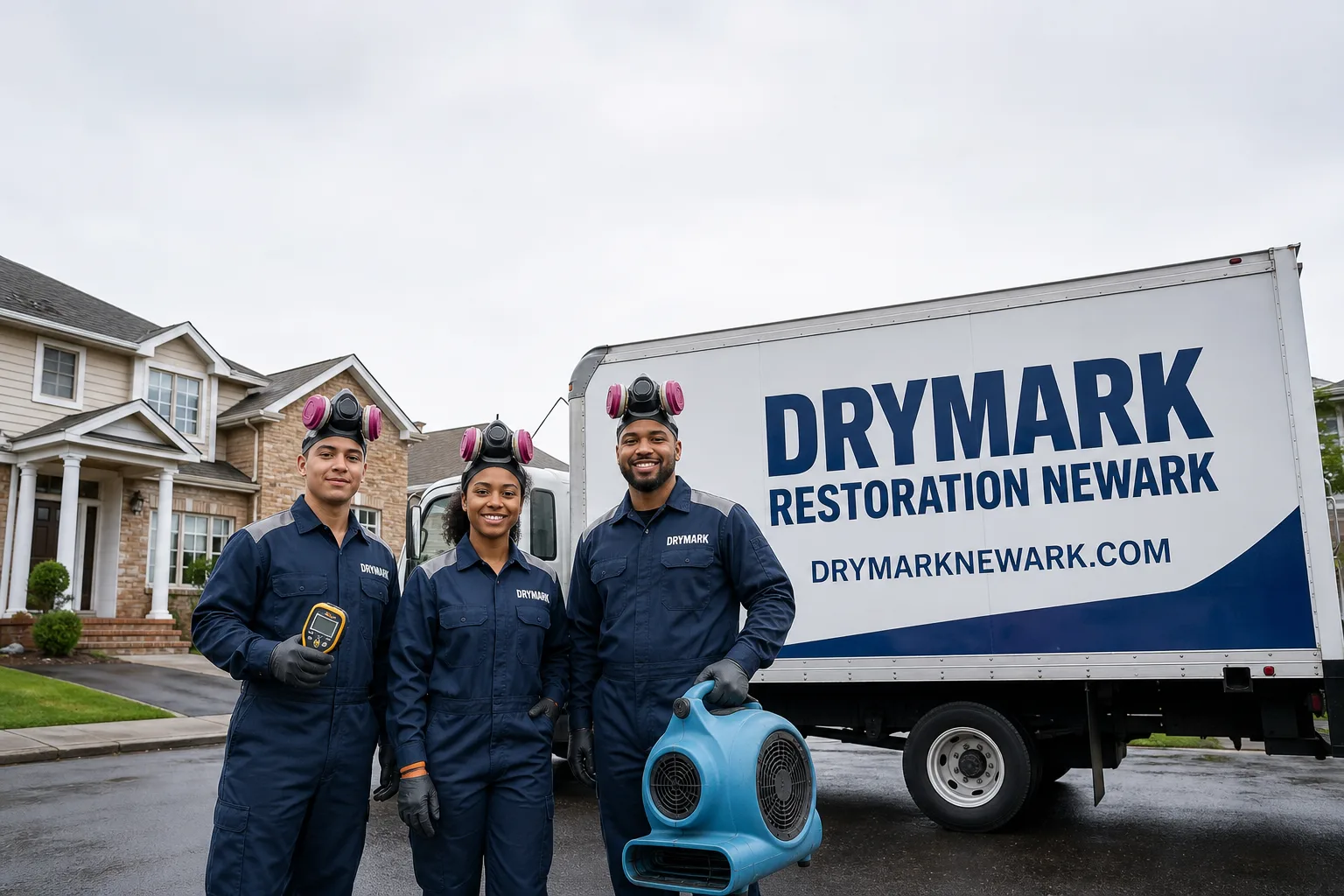
Free visual inspection and a written scope of work before any mitigation begins - photos, moisture readings, and drying logs go in your claim file
The scope we write is the scope we bill. Anything new gets shown to you, in writing, before we touch it.
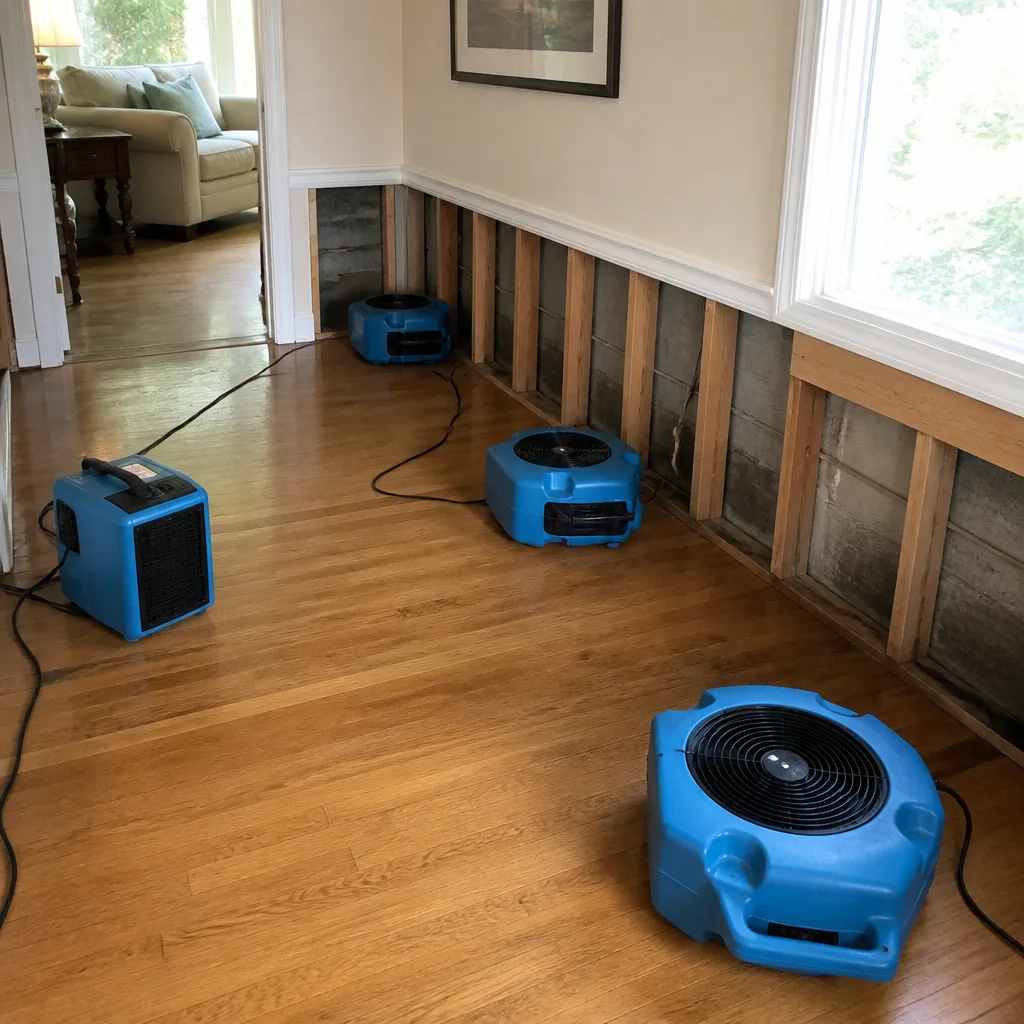
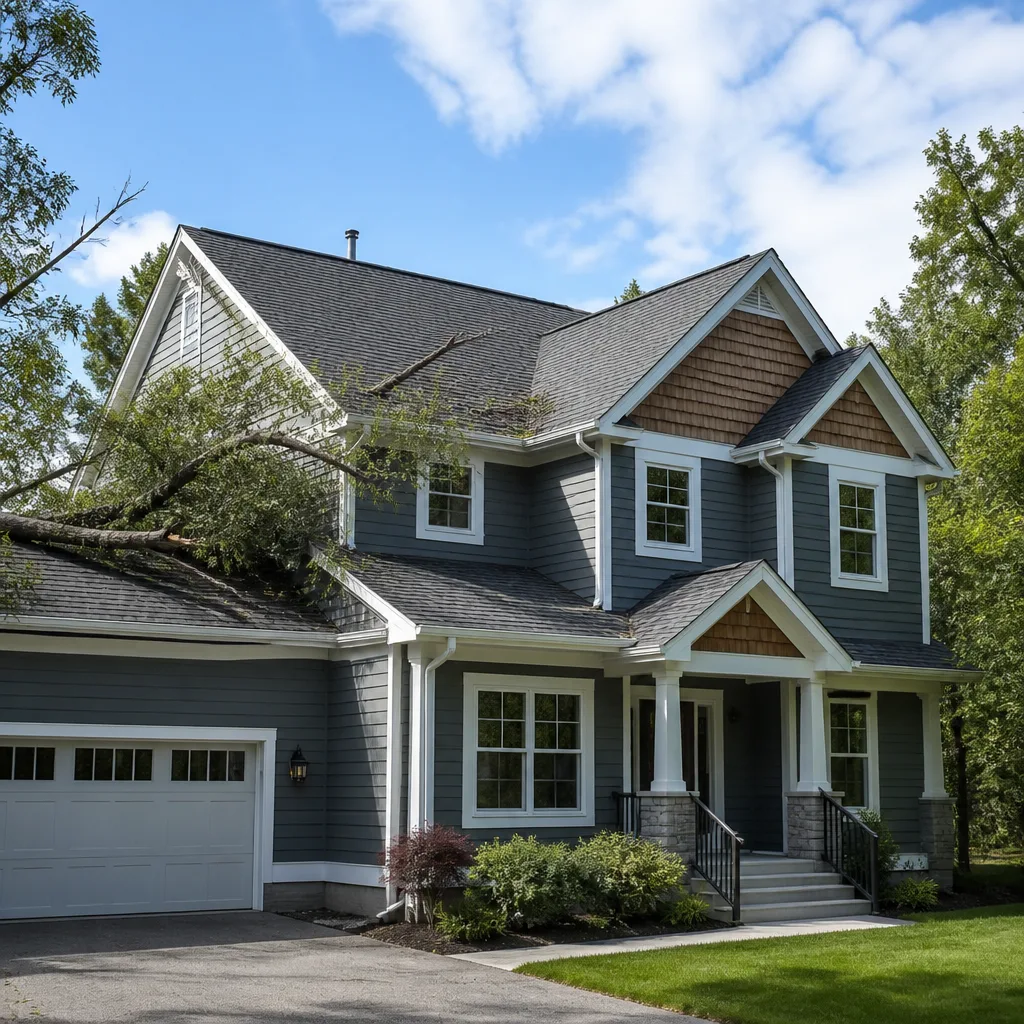
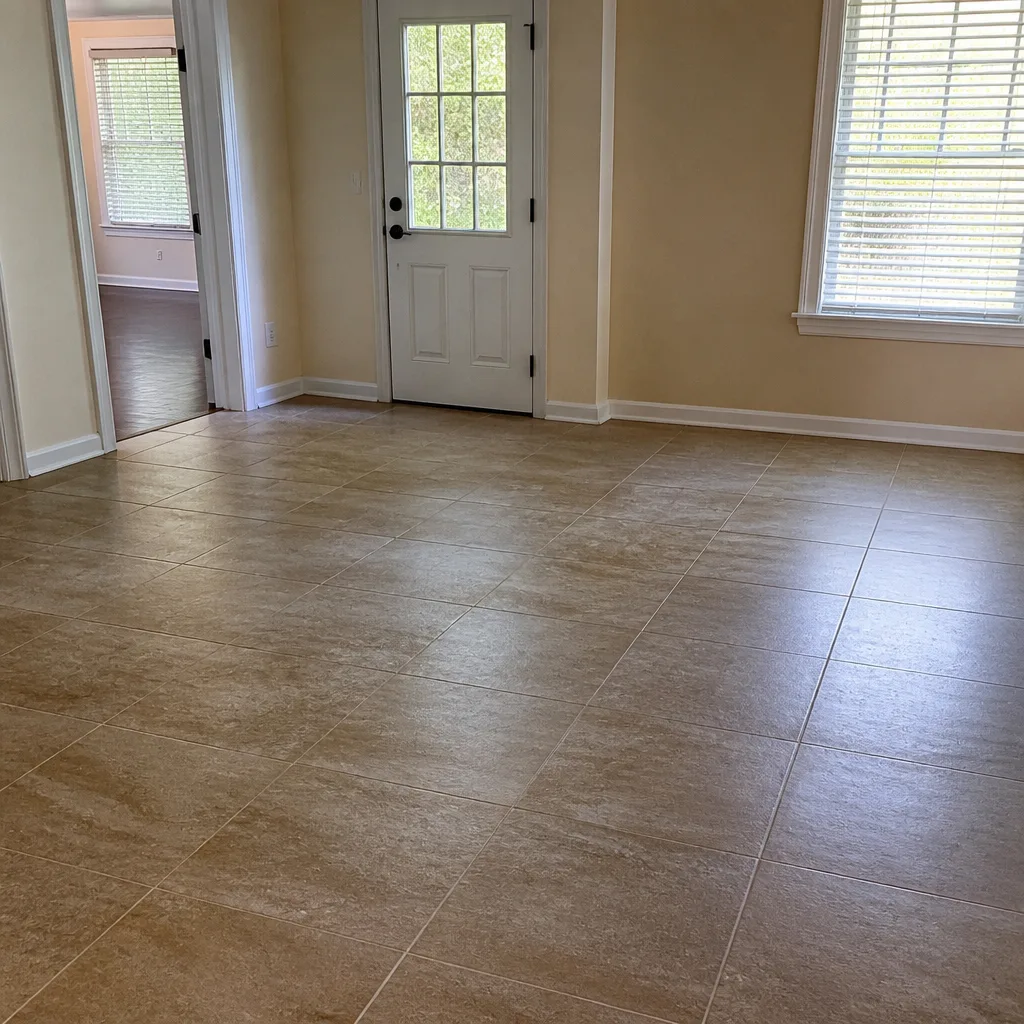
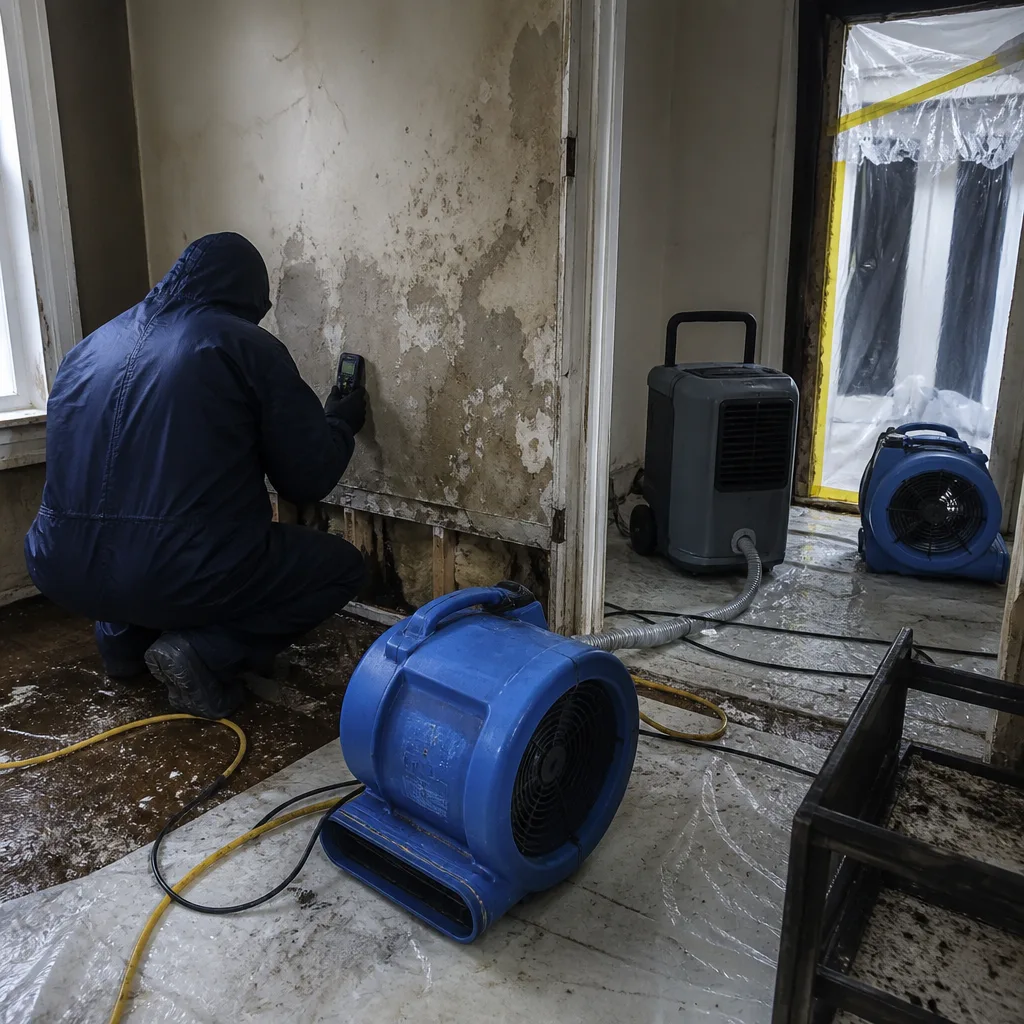 Before
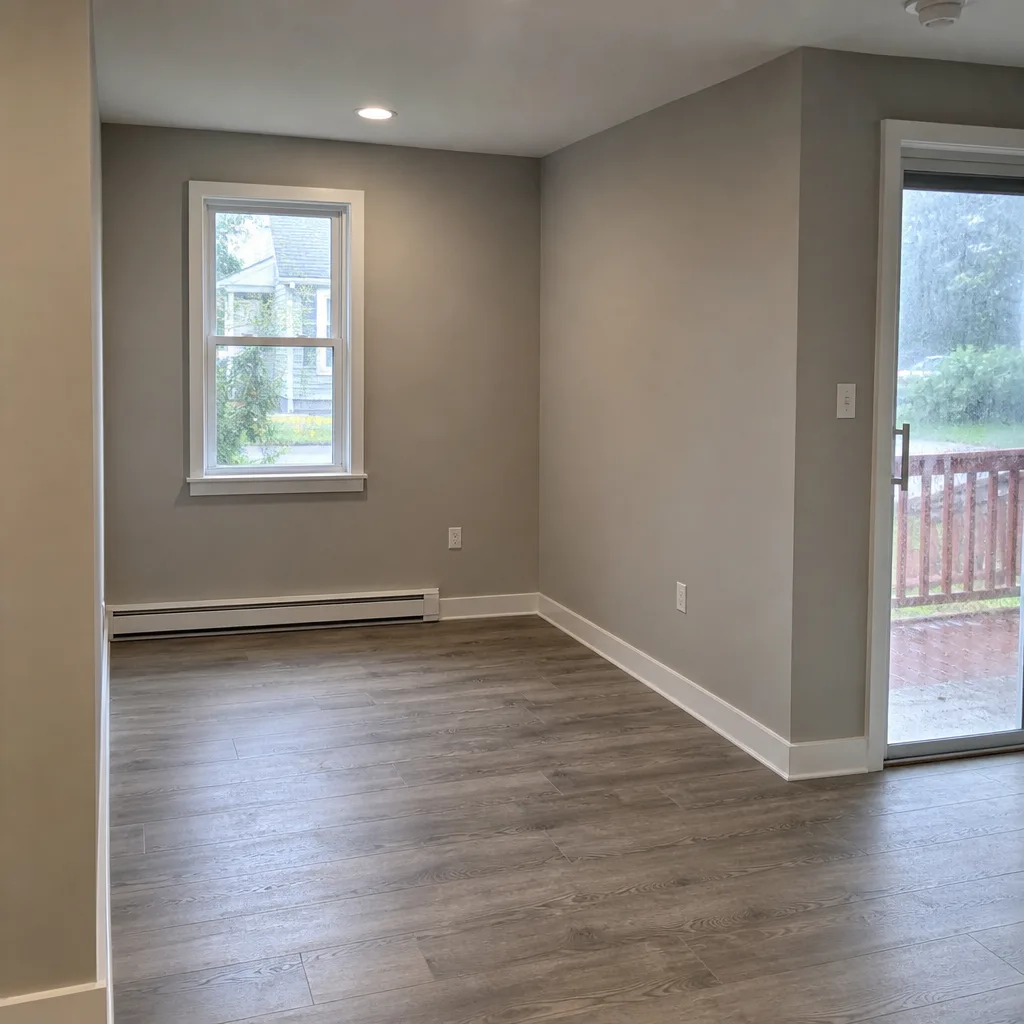 After
After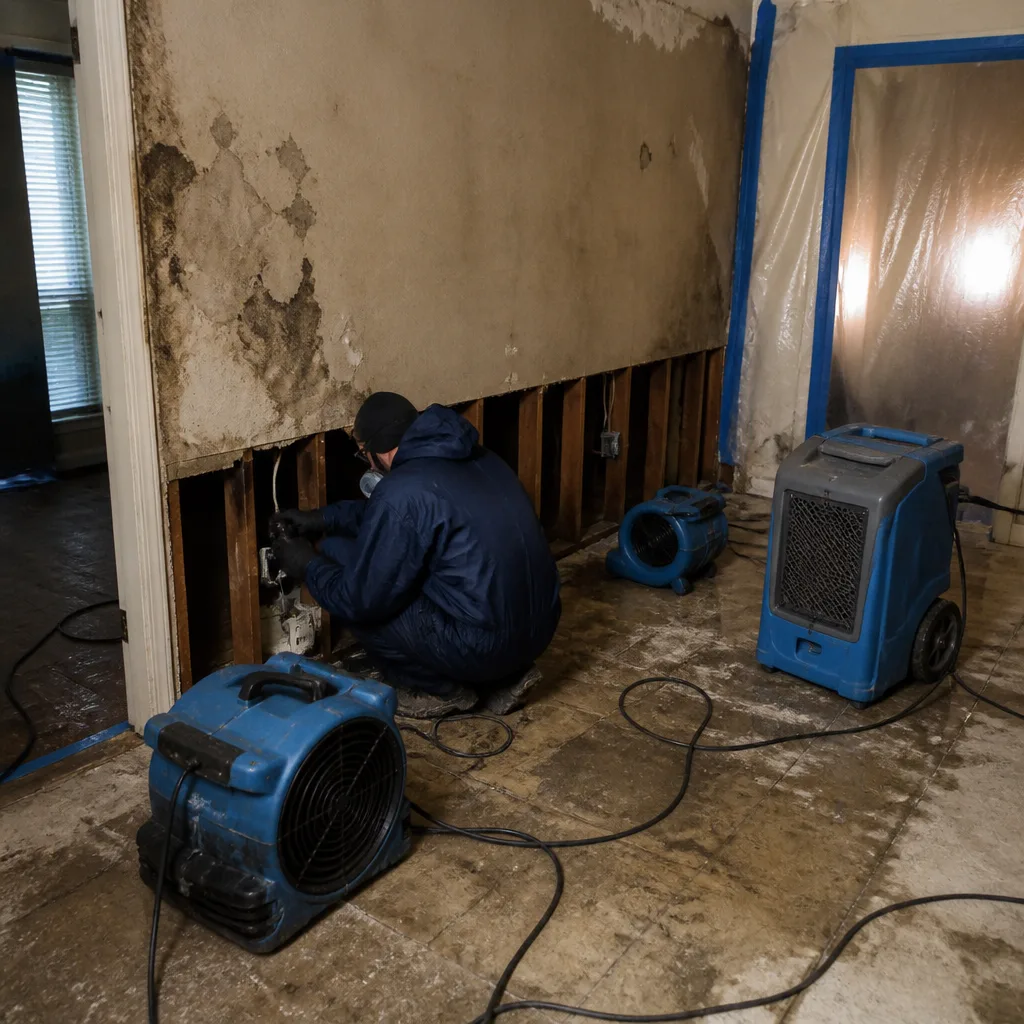 Before
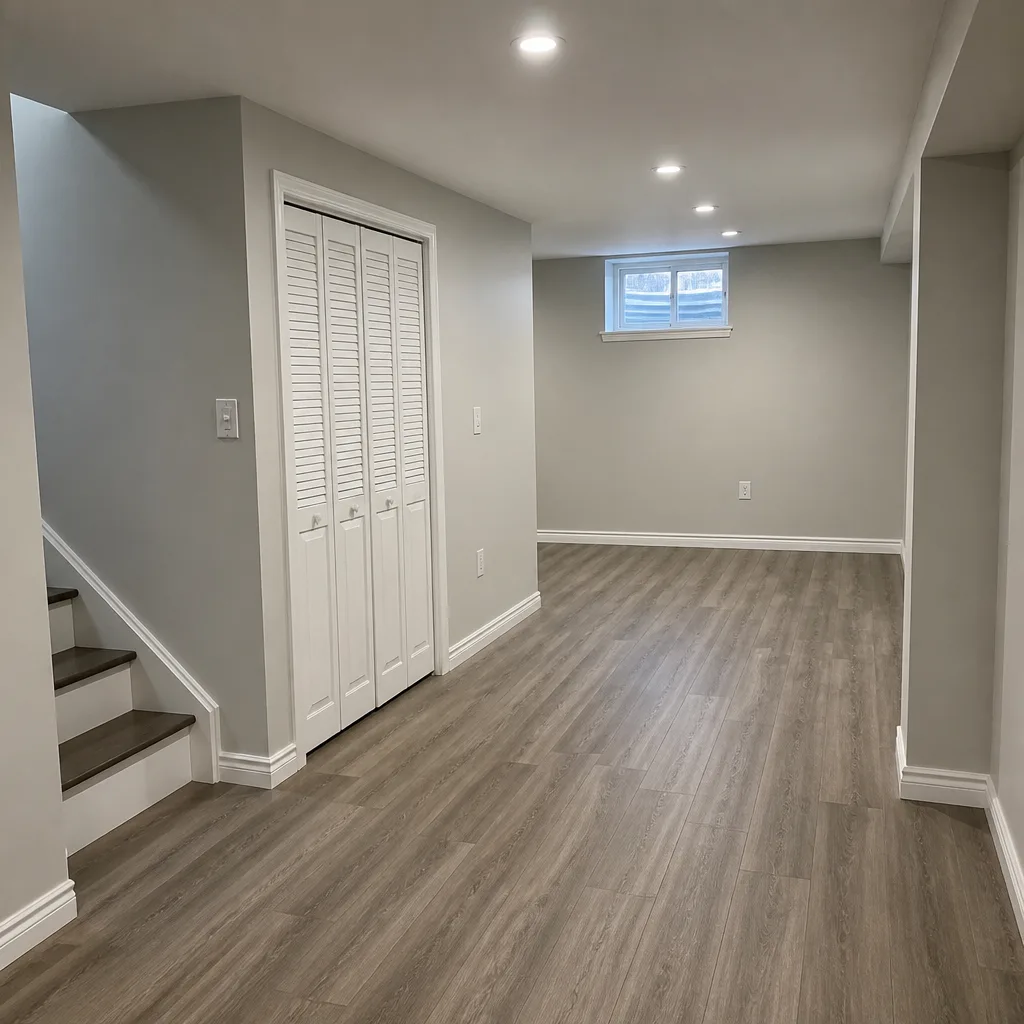 After
After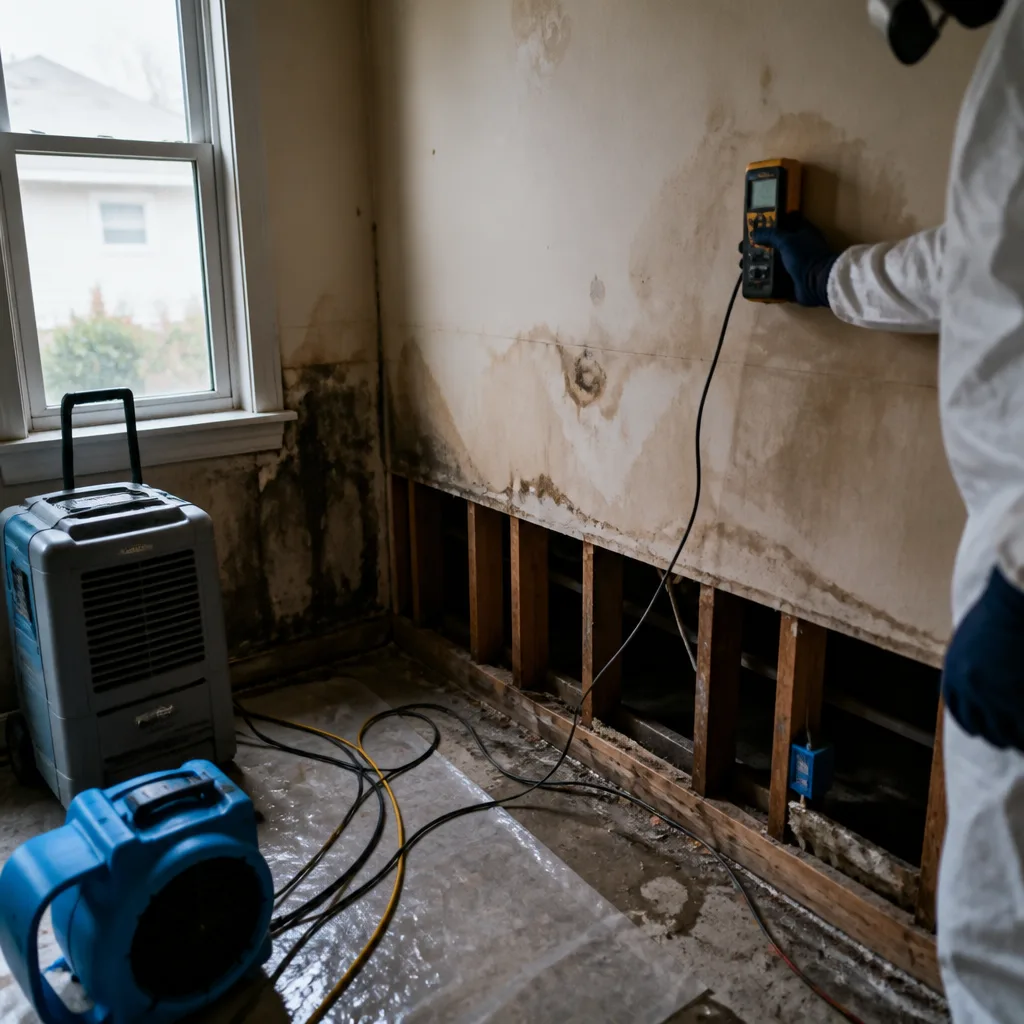 Before
 After
AfterFast, Reliable Fire & Smoke Damage Restoration Across SoHo
Fire and smoke damage restoration in SoHo typically runs $4,200-$18,500 depending on floor plate size, landmark permit requirements, and whether heavy-timber beams need treatment. Most emergency board-up and stabilization calls in SoHo are answered within 60-90 minutes, with full smoke and soot mitigation beginning once LPC coordination is documented. If you’re standing in a smoke-damaged cast-iron loft on Spring Street or Grand Street right now, call (862) 292-4268 - a live person picks up, and we’ll have a written scope in your hands before any work starts.
We’ve restored fire-damaged properties throughout the SoHo-Cast Iron Historic District since 2011. Our crews know the difference between a standard apartment smoke job and a 6,000 sq ft loft where soot has traveled laterally through open timber bays. That local knowledge saves weeks on the back end.
Why DryMark Restoration Newark Is SoHo’s Preferred Fire & Smoke Damage Restoration Company
SoHo property owners measure contractors by what they can document, not what they promise. Our Fire & Smoke Damage Restoration team produces written scopes, photo records on every visit, and daily moisture logs that turn restoration invoices into payable claims. Haven Standard, Clause 1: the price is delivered in writing before work begins. No exceptions.
We’ve completed fire and smoke restoration in cast-iron buildings along Broadway, Mercer Street, and Wooster Street. Reviews from SoHo customers consistently cite our documentation discipline and our willingness to coordinate directly with insurance adjusters. One recent Greene Street client noted that our pre-LPC permit photo record prevented a three-week delay when the Landmarks Preservation Commission requested condition verification.
Response time to SoHo averages under 90 minutes for emergency board-up and stabilization. Our New York City office coordinates dispatch; crews serve SoHo locally and carry the specialized equipment needed for heavy-timber loft environments.
We also offer a Free Second Opinion on any competitor’s written estimate. Bring another restoration company’s scope and we’ll review it at no charge.
Our Fire & Smoke Damage Restoration Services in SoHo
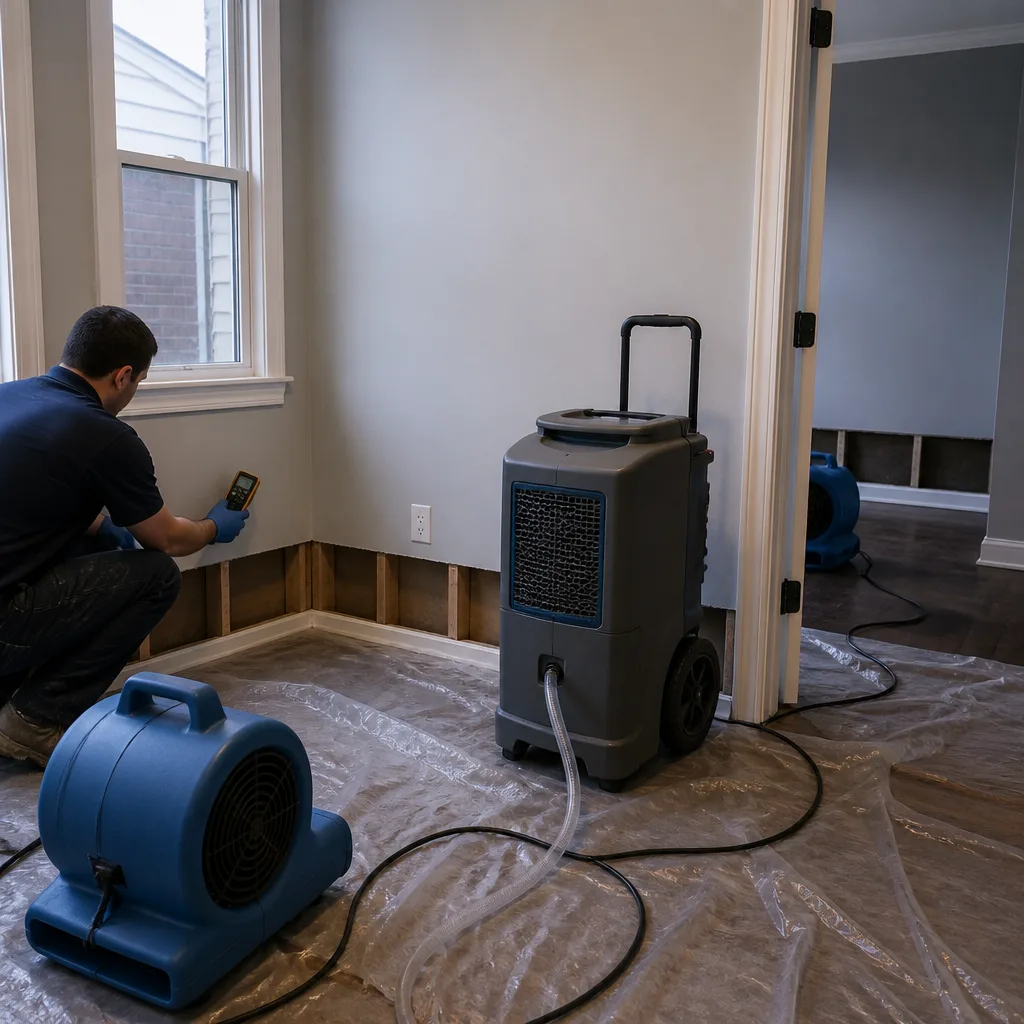
Fire Damage Cleanup
Fire damage cleanup in SoHo starts with understanding the building. A typical 5-story cast-iron loft on Prince Street has 150-year-old heavy-timber post-and-beam construction, tin ceilings, and wide-plank Douglas fir flooring that absorbs soot differently than modern gypsum and plywood. We map the full floor plate - often 3,000-6,000 sq ft - before demolition begins. This prevents the common error of treating a loft like a standard apartment and missing lateral smoke migration two bays from the fire’s origin.
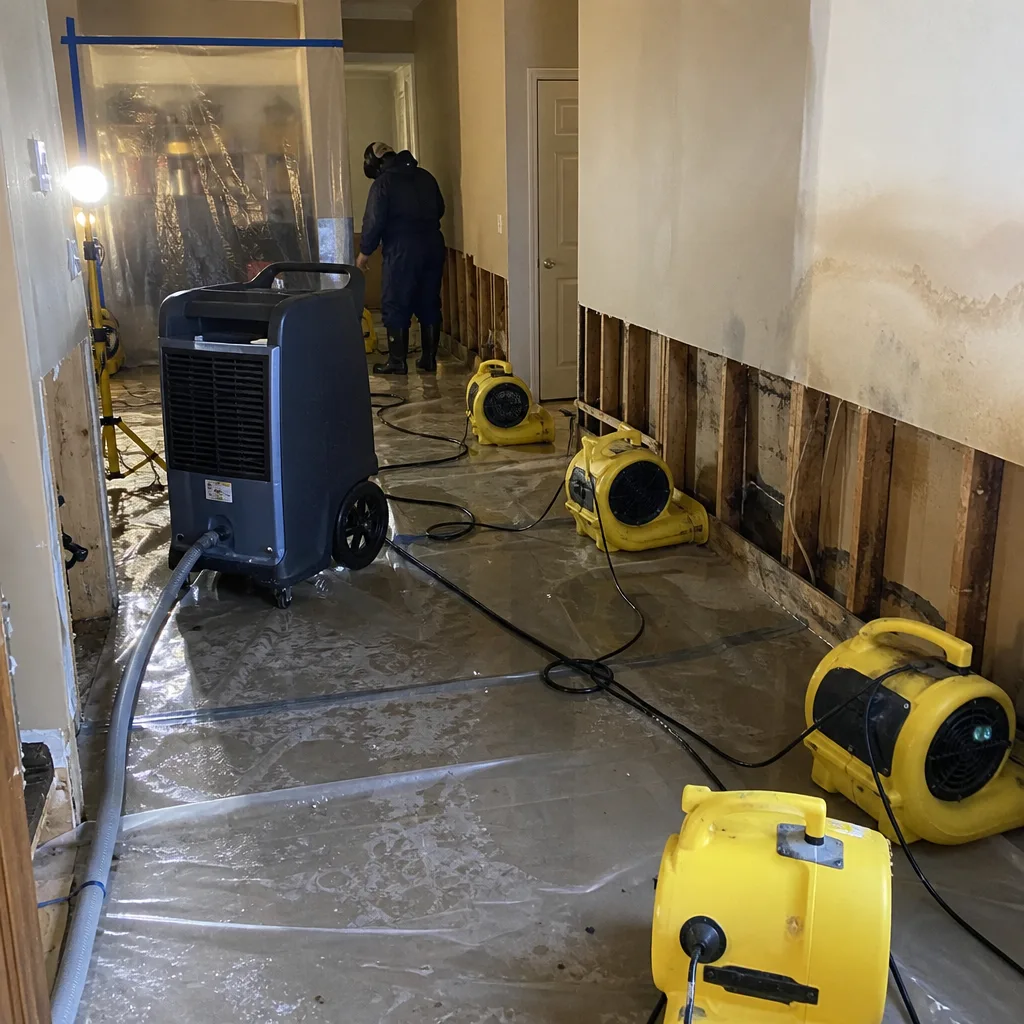
Smoke & Soot Removal
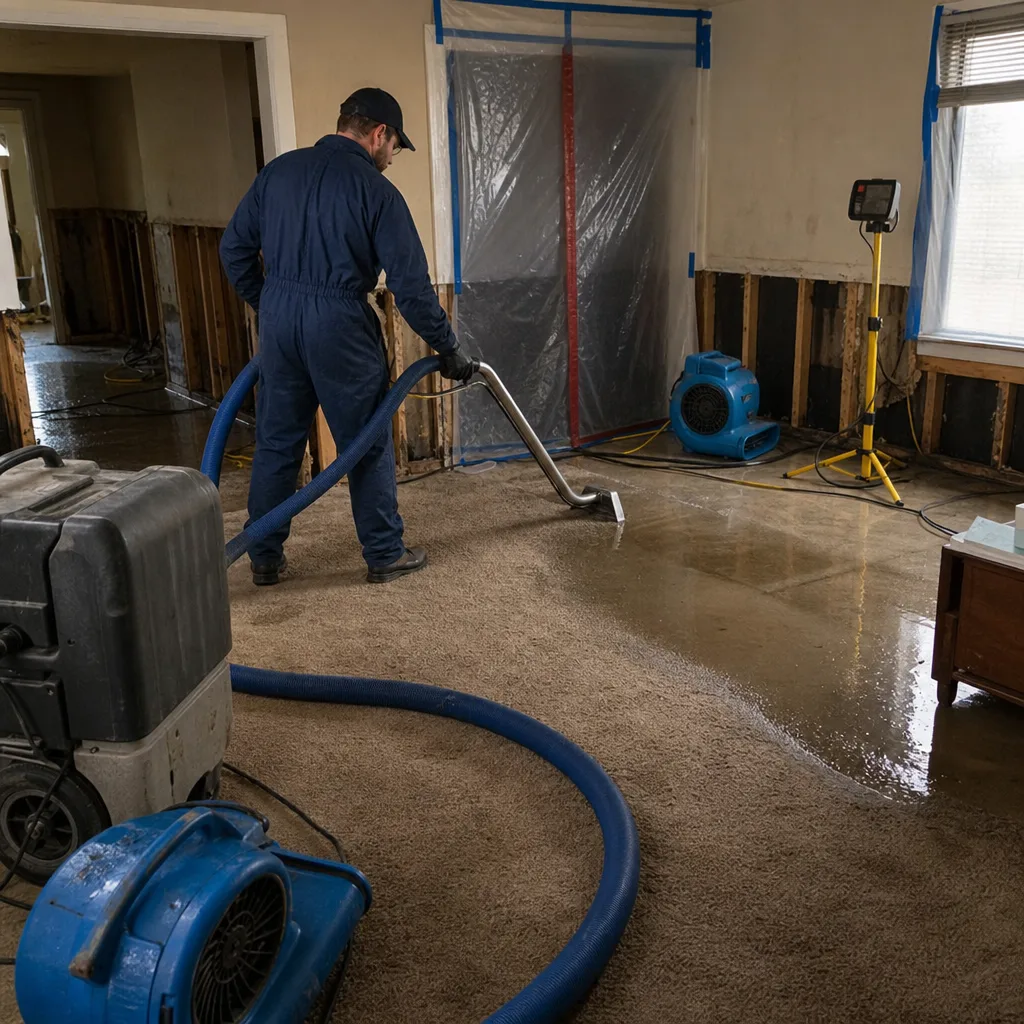
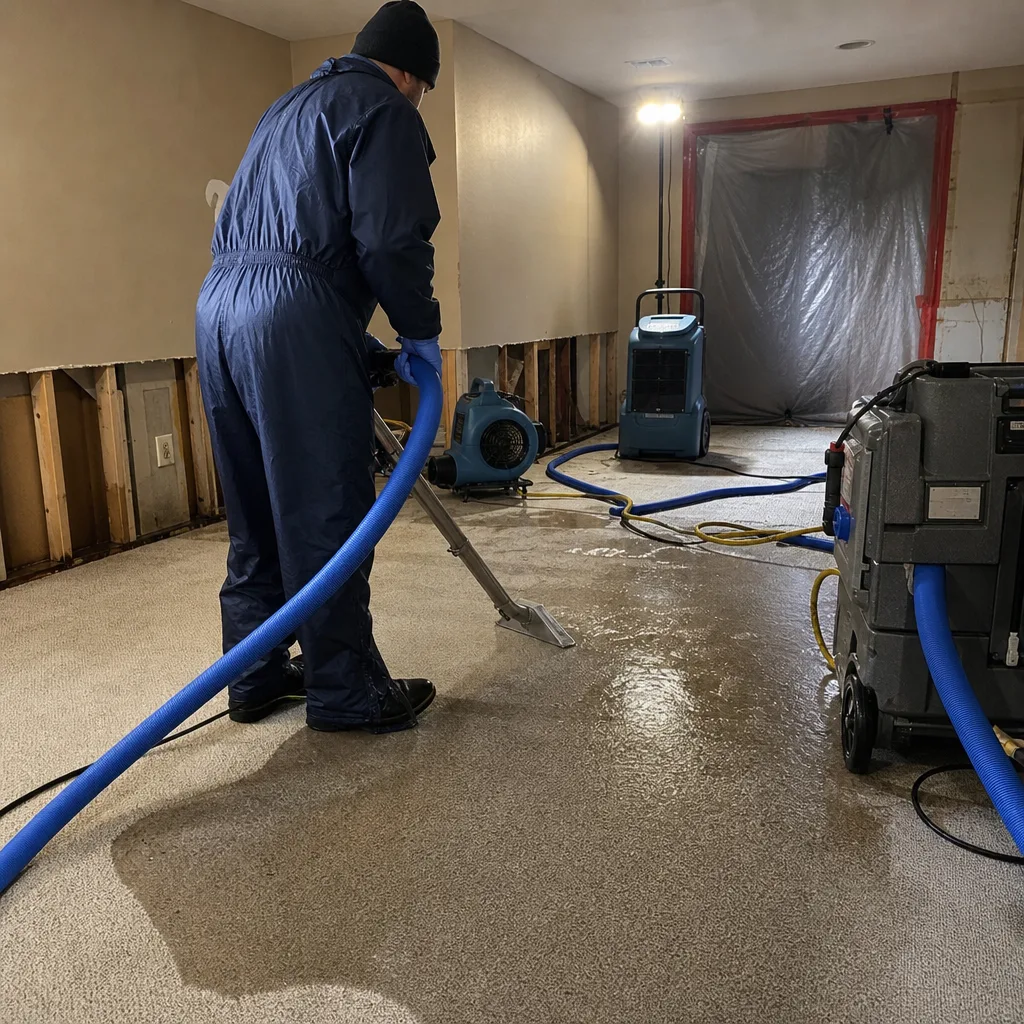
Smoke and soot removal is our most-called service in SoHo, and for good reason. The same open floor plates that make these lofts desirable allow category 2 and 3 smoke residue to travel horizontally through timber bays and ceiling cavities. We use HEPA air scrubbers, contact vacuums with natural-bristle brushes for tin ceilings, and chemical sponges for dry soot on plaster and timber. Every step is photo-documented to IICRC and RIA standards. Our equipment includes professional-grade systems from Injectidry for cavity drying when fire suppression water has followed smoke paths into hidden framing.
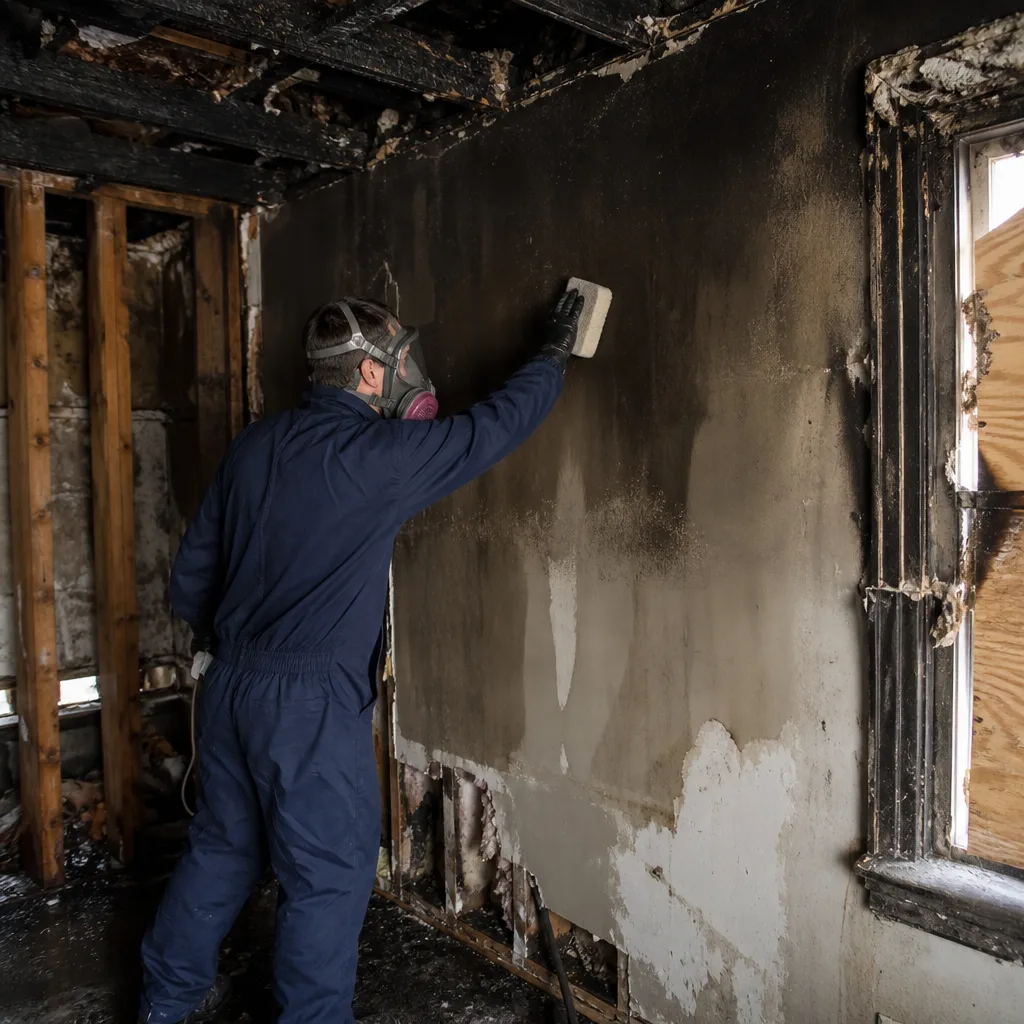
Odor Removal & Deodorization
Odor removal in a SoHo loft requires more than surface cleaning. Soot particles embed in porous 19th-century timber and can re-release when seasonal humidity shifts. We deploy hydroxyl generators and thermal fogging with odor-counteractant formulations specific to protein fires, electrical fires, and synthetic-material fires. In landmarked buildings where LPC permit delays can stretch weeks, we often run negative air containment with carbon filtration to prevent odor migration while permits process. The goal is stabilization now, permanent elimination after access is approved.
Contents Cleaning & Pack-Out
SoHo lofts often house valuable art collections, vintage furniture, and commercial inventory alongside residential contents. Our pack-out service inventories every item with photo documentation, transports contents to our facility for ultrasonic cleaning, ozone treatment, or specialized textile restoration, and stores them in climate-controlled conditions until the loft is cleared for return. We coordinate this process with your adjuster from day one, with written chain-of-custody records that satisfy even the most documentation-intensive policies.
Emergency Board-Up & Tarping
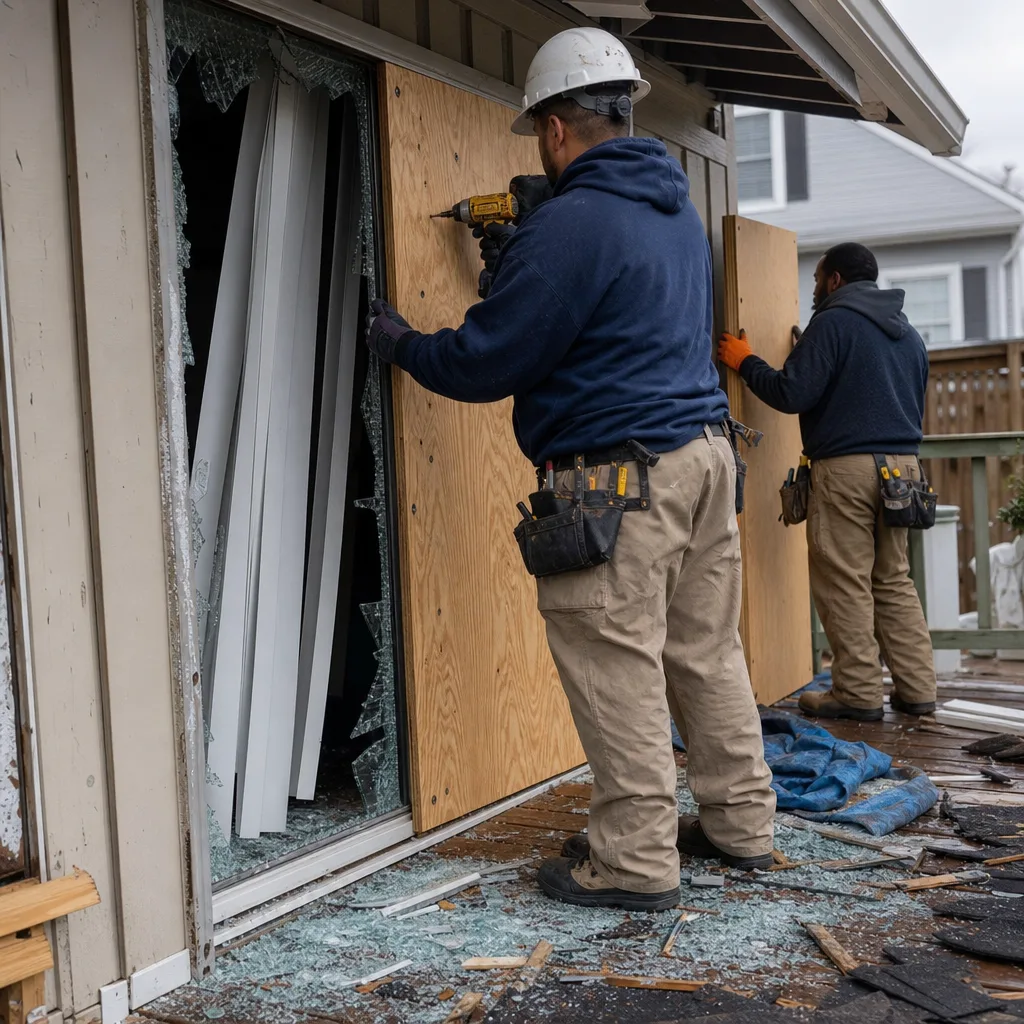
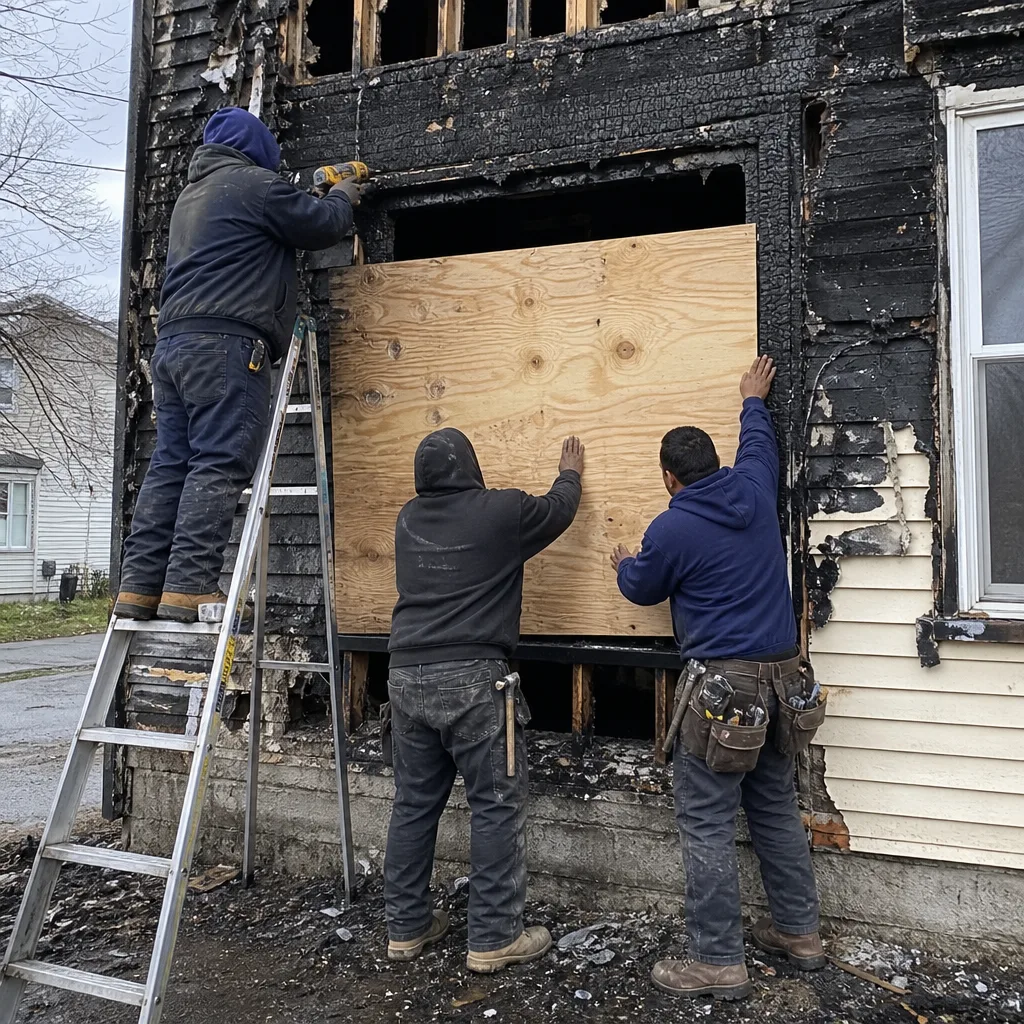
After a fire, cast-iron facade openings and damaged industrial steel-sash windows need immediate weather protection. We board with marine-grade plywood and tarp with reinforced polyethylene, documenting all temporary measures for your insurance file. In SoHo’s winter freeze-thaw cycles, an unprotected opening can admit water that wicks into already smoke-damaged timber, compounding the loss.
Structural Fire Repair
Structural fire repair in SoHo’s landmark district is where local knowledge becomes critical. Any invasive work to heavy-timber beams, cast-iron columns, or tin ceilings requires NYC Landmarks Preservation Commission approval. We prepare permit applications with pre-loss photo documentation, engineered scope letters, and period-appropriate material specifications. This front-loaded documentation prevents the job stoppages that plague less experienced contractors. Our 365-Day Done Right Promise covers all structural work; if it’s not done right, we make it right.
What happens when you call
- 1
A real person answersNo phone trees - you reach a local pro.
- 2
You get an upfront price rangeHonest numbers before anyone is dispatched.
- 3
A background-checked tech heads outLicensed & insured, dispatched right away.
- 4
You approve before work beginsNothing starts until you say go.
BeforeAfterTrusted Brands We Service in SoHo
Our crews are trained to IICRC and RIA standards and deploy professional-grade equipment from Injectidry, Dri-Eaz, Phoenix, and XPOWER on SoHo jobs. We stock HEPA filtration media, hydroxyl generator lamps, and natural-bristle cleaning tools sized for tin ceiling restoration locally. That inventory position matters when a winter storm follows a fire and temporary protection needs immediate reinforcement, or when LPC permit delays require extended odor control runs. Every piece of equipment is logged to the job file with serial numbers and calibration dates.
Common Fire & Smoke Damage Restoration Problems We See in SoHo Homes
- Lateral smoke migration across open floor plates. A kitchen fire on a 4,000 sq ft Greene Street loft can deposit category 3 smoke residue in bedrooms two structural bays away. Standard apartment protocols miss this entirely. We map the full floor plate with moisture meters and thermal imaging before declaring any area clean.
- Pre-LPC invasive demolition. Contractors unfamiliar with SoHo’s landmark status sometimes open heavy-timber beams or tin ceilings before LPC review. The job halts for weeks, and the owner faces potential violation notices. We stabilize, document, and permit before invasive work begins.
- Fire-compromised facade gaps admitting winter moisture. Heat from a structure fire can open hairline separations in cast-iron column covers or window surrounds. Freeze-thaw cycles then drive water into smoke-damaged timber framing, creating hidden mold that appears months later. Our post-fire inspections include facade thermal scanning to catch this.
- Underestimating timber absorption in heavy post-and-beam construction. Modern light-frame construction chars and dries predictably. SoHo’s 12×12 and 14×14 timber beams absorb smoke compounds to depth and release them slowly. Surface cleaning alone fails; we specify depth-of-penetration testing and phased extraction protocols.
Pricing for Fire & Smoke Damage Restoration in SoHo, NY
| Service | Typical Range in SoHo |
|---|---|
| Emergency board-up & stabilization | $850-$2,400 |
| Smoke & soot removal (per 1,000 sq ft) | $1,800-$4,200 |
| Odor removal & deodorization (whole loft) | $2,200-$5,800 |
| Contents pack-out & cleaning | $1,500-$6,500 |
| Structural fire repair with LPC coordination | $8,500-$28,000+ |
SoHo pricing runs toward the higher end of Manhattan ranges for two reasons: floor plate size and landmark compliance. A 5,000 sq ft loft requires more equipment runtime and more labor hours than a standard 1,200 sq ft apartment. LPC permit coordination adds professional time that generalist contractors don’t account for, then eat as overrun.
What affects your specific cost: square footage of affected area, category of smoke residue (dry, wet, protein, or synthetic), whether heavy-timber beams need treatment, LPC permit requirements, and whether contents require specialized restoration. Every job is quoted in writing before work begins - Haven Standard, Clause 1. Call (862) 292-4268 for a written estimate; estimates are free.
We Also Serve Cities Near SoHo
Our crews respond to fire and smoke damage throughout lower Manhattan, including Fire & Smoke Damage Restoration in SoHo and neighboring St. George, Battery Park City, Financial District, and Tribeca. Each area has distinct building stock and regulatory requirements; we adjust our documentation and scope preparation accordingly.
Serving SoHo, NY - Our Local Coverage Area
We’re based in the SoHo area and know this community well. Use the map below to see our service coverage - if you’re nearby, we can almost certainly help.
FAQs - Fire & Smoke Damage Restoration in SoHo
Any invasive repair to exterior cast-iron elements, visible timber beams, or tin ceilings requires NYC Landmarks Preservation Commission approval, which typically adds 2-6 weeks to the permitting phase. We front-load this by documenting pre-loss conditions, preparing engineered scope letters, and stabilizing the property without invasive demolition until permits clear. Call (862) 292-4268 if you need help navigating LPC requirements on an active fire loss.
The enormous open floor plates - often 3,000-6,000 sq ft with few interior walls - allow smoke and soot to travel laterally through timber bays and ceiling cavities, appearing two or more structural bays from the fire’s origin. Standard apartment smoke protocols don’t account for this lateral migration. We map the entire floor plate with thermal imaging and moisture meters before scoping cleanup. Call (862) 292-4268 for a full-floor assessment.
Yes. Fire heat opens hairline gaps in cast-iron facade elements and window surrounds. SoHo’s winter freeze-thaw cycles then drive water into already smoke-damaged heavy timber, and the open floor plates allow that water to migrate extensively before detection. Our post-fire inspections include facade thermal scanning to identify these compromised areas before they develop into secondary mold losses. Call (862) 292-4268 to schedule fire-follow inspection.
Ensure occupants are safe and the FDNY has cleared re-entry, then call for emergency board-up to secure openings and prevent weather intrusion. Do not begin cleaning or discard anything until photo documentation is complete - your insurance claim depends on that record. We answer live 24 hours a day at (862) 292-4268 and can have a crew stabilizing the property within 90 minutes.
Non-invasive smoke and soot mitigation typically takes 3-7 days for a standard loft floor plate. If heavy-timber beams need invasive treatment, add 2-6 weeks for LPC permit review before that phase begins. We run continuous odor control and air filtration during permit delays so the property remains habitable and odor doesn’t migrate to adjacent units. Call (862) 292-4268 for a timeline specific to your building and loss.
We were called to a fourth-floor loft on Greene Street after a kitchen fire in a 1870s cast-iron building; the open floor plate had pushed category 3 smoke residue into the tin ceiling and wide-plank Douglas fir. Our tech set containment, used moisture mapping to confirm char hadn’t followed the timber bays into the adjacent unit, and ran HEPA air scrubbers with hydroxyl generators for odor. Because any beam access needed LPC coordination, we documented pre-loss condition and stabilized the scope before the permit cleared.
Written by Alicia Brennan, Owner at Back to Dry Restoration, serving SoHo since 2011.