
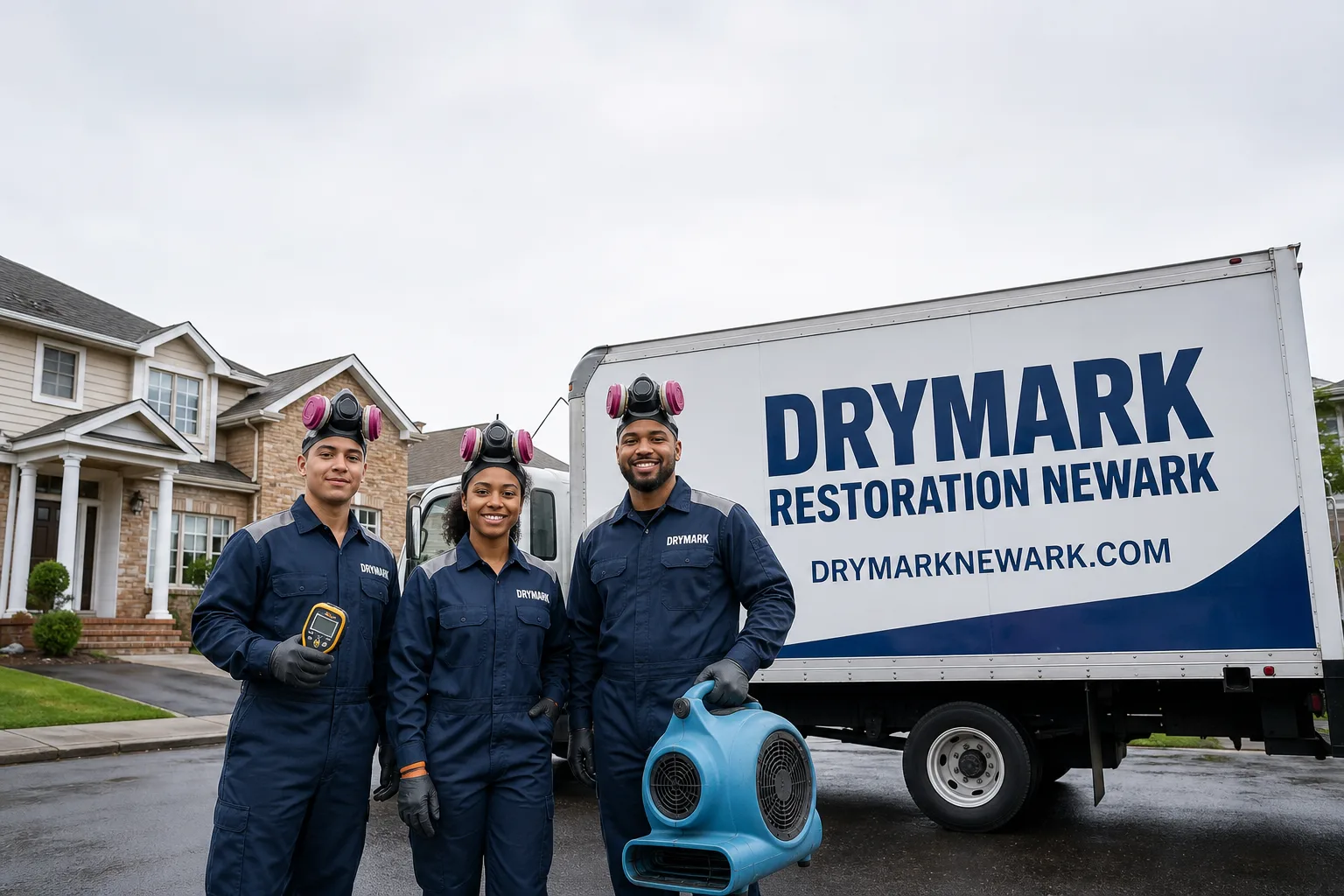
Free visual inspection and a written scope of work before any mitigation begins - photos, moisture readings, and drying logs go in your claim file
The scope we write is the scope we bill. Anything new gets shown to you, in writing, before we touch it.
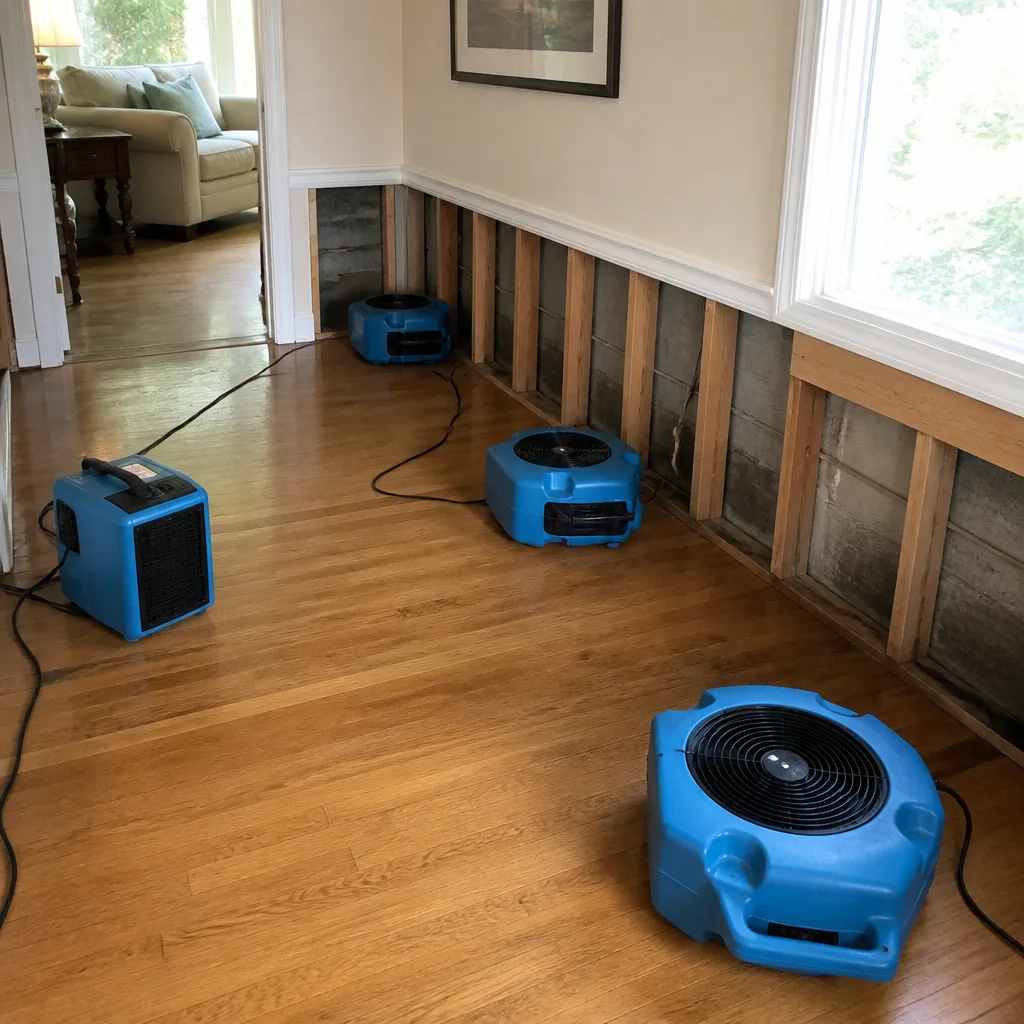
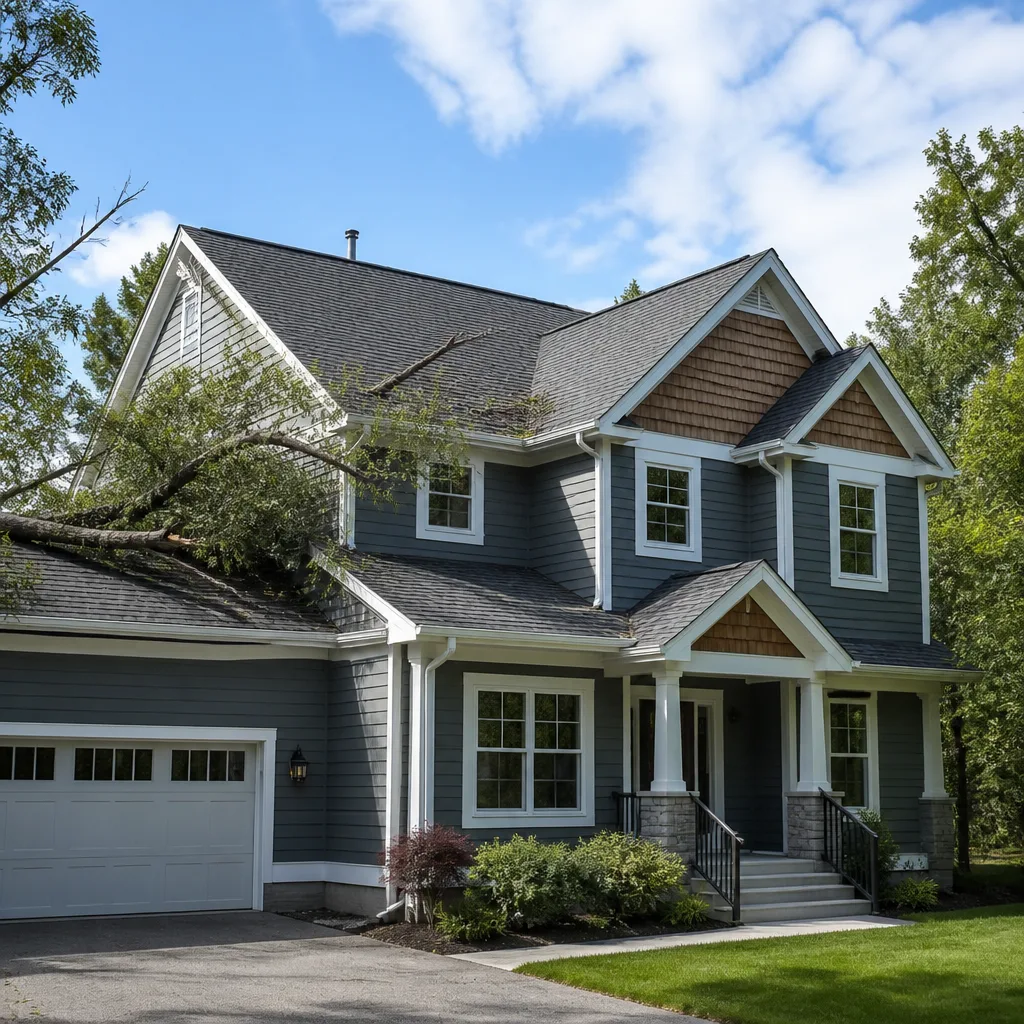
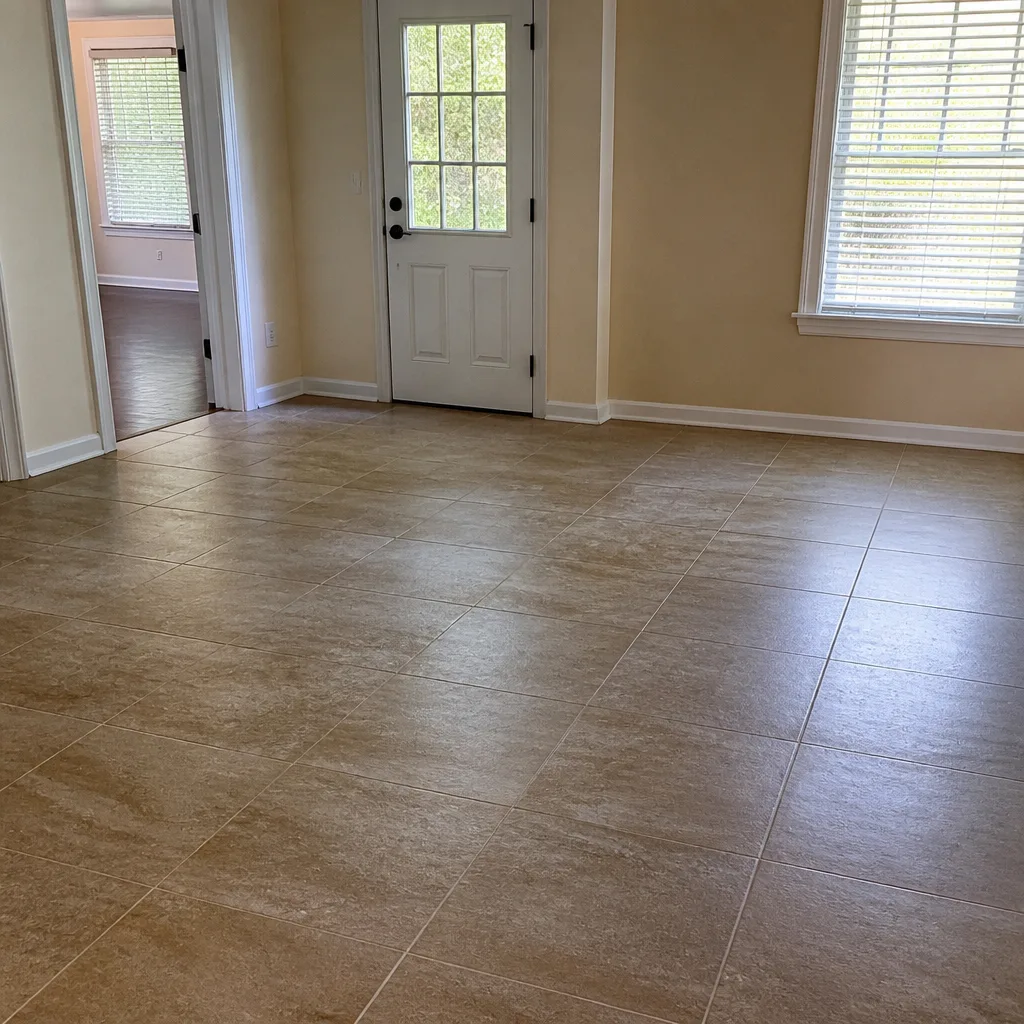
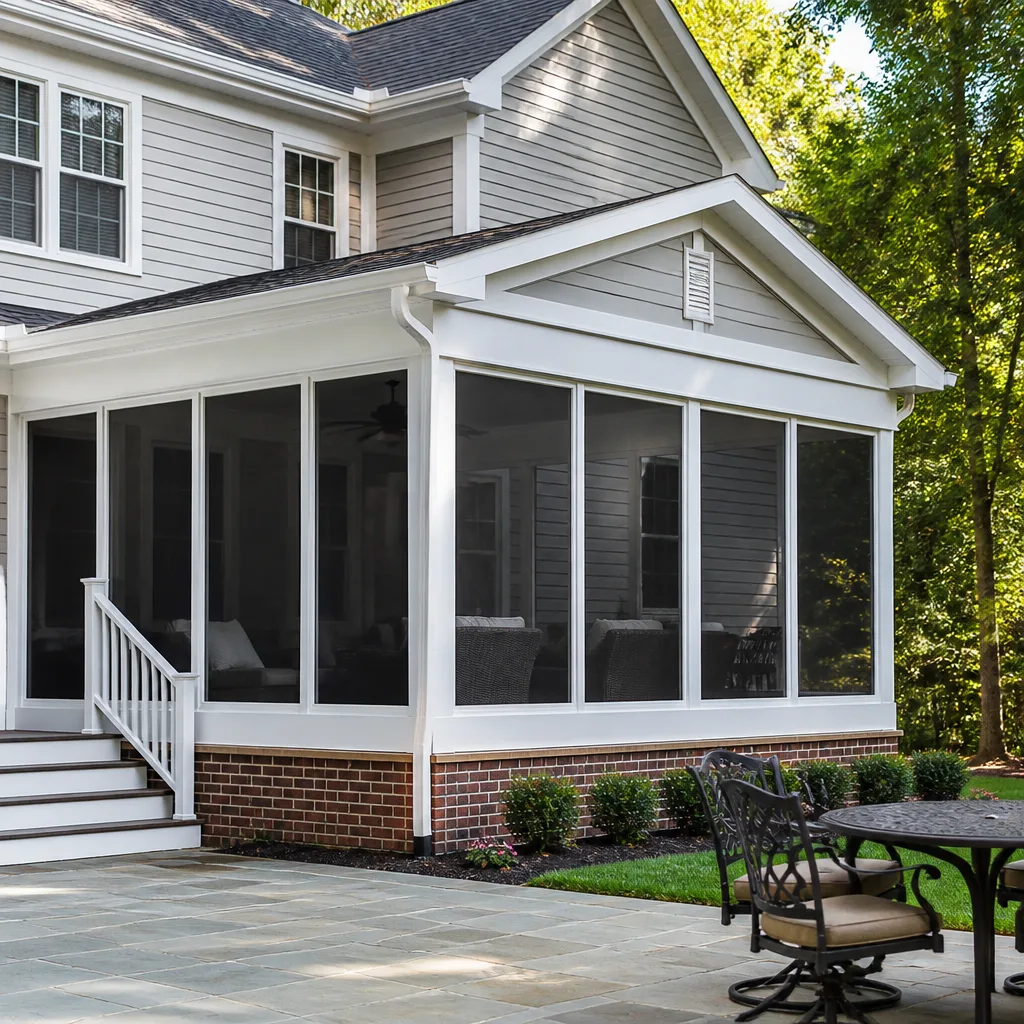
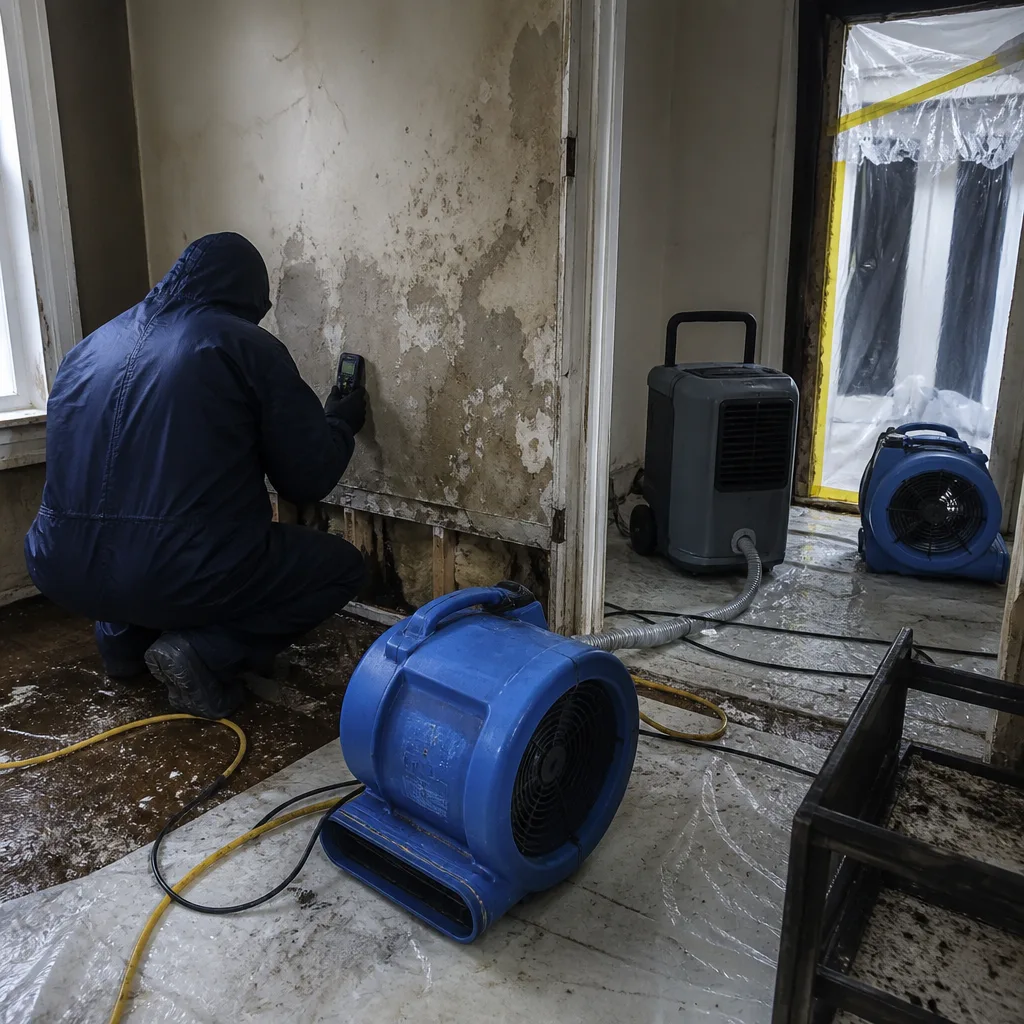 Before
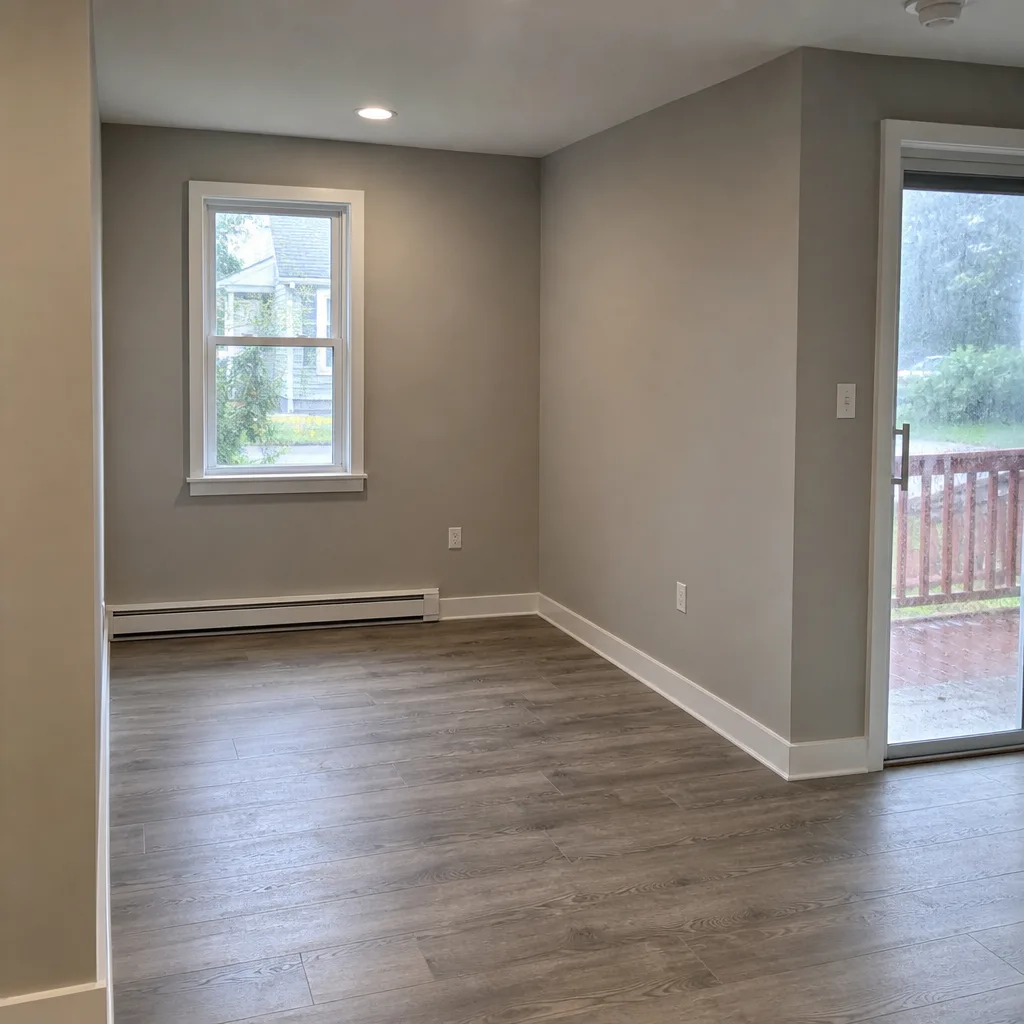 After
After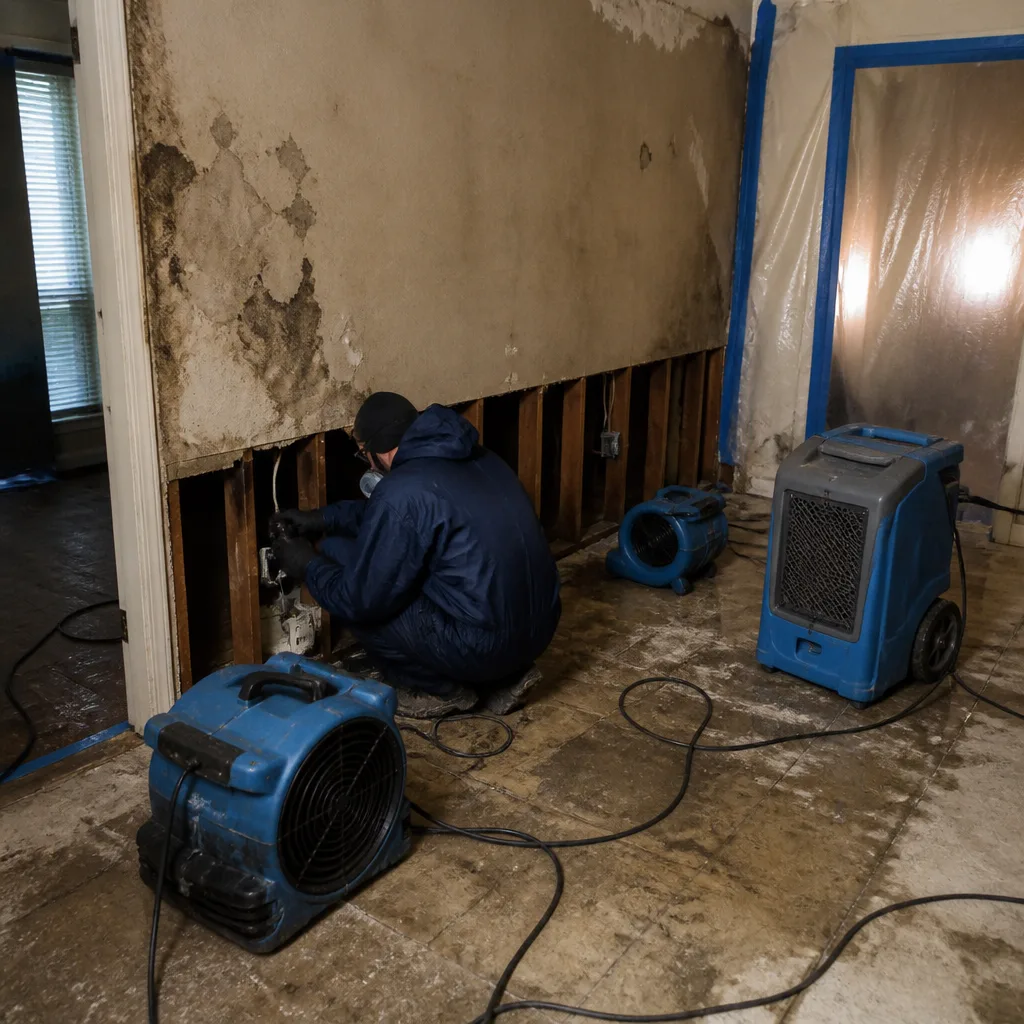 Before
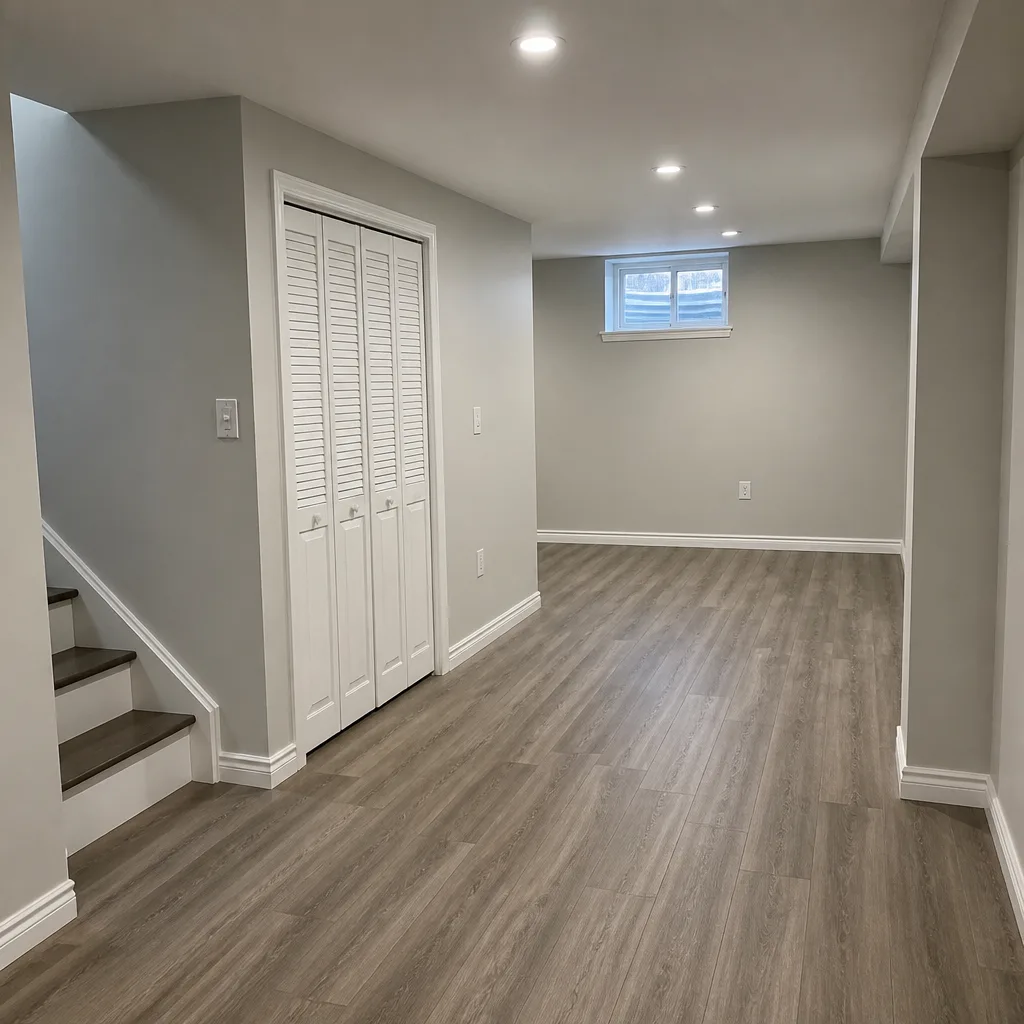 After
After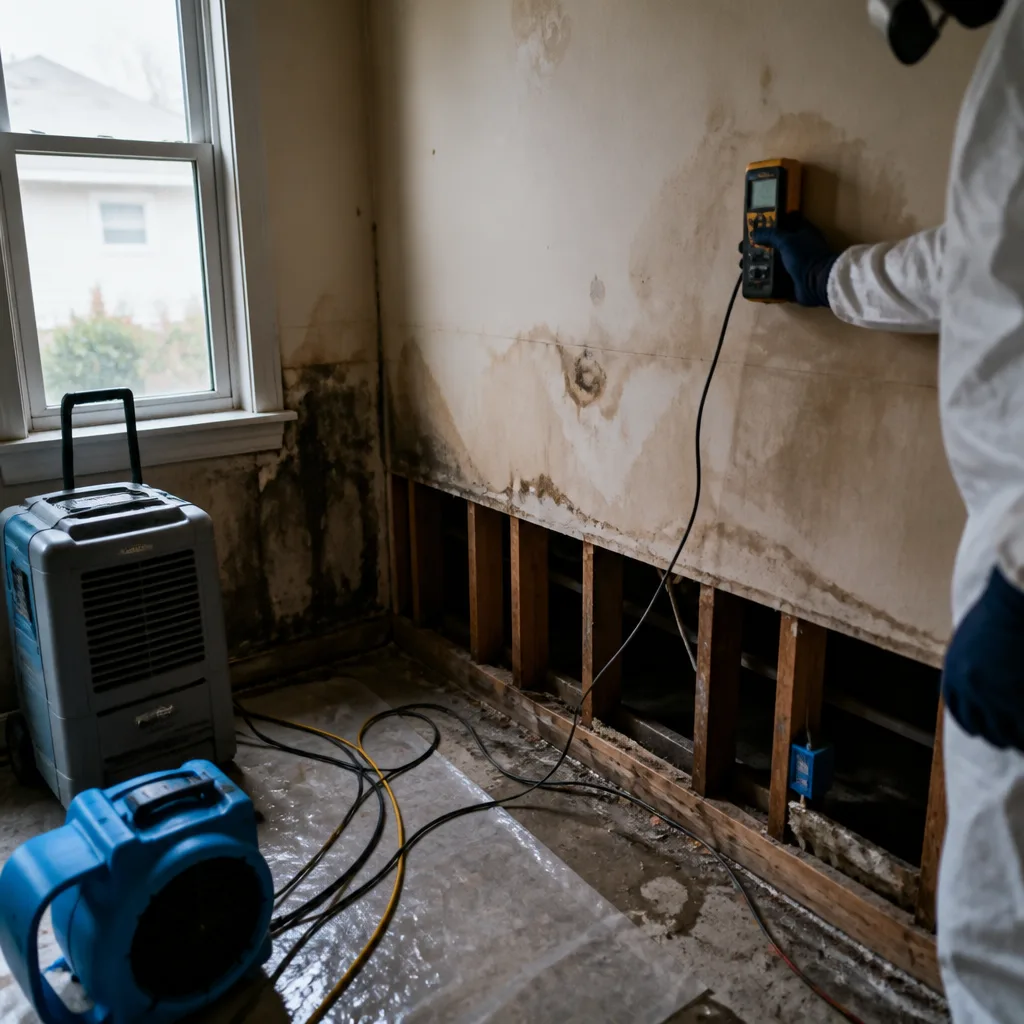 Before
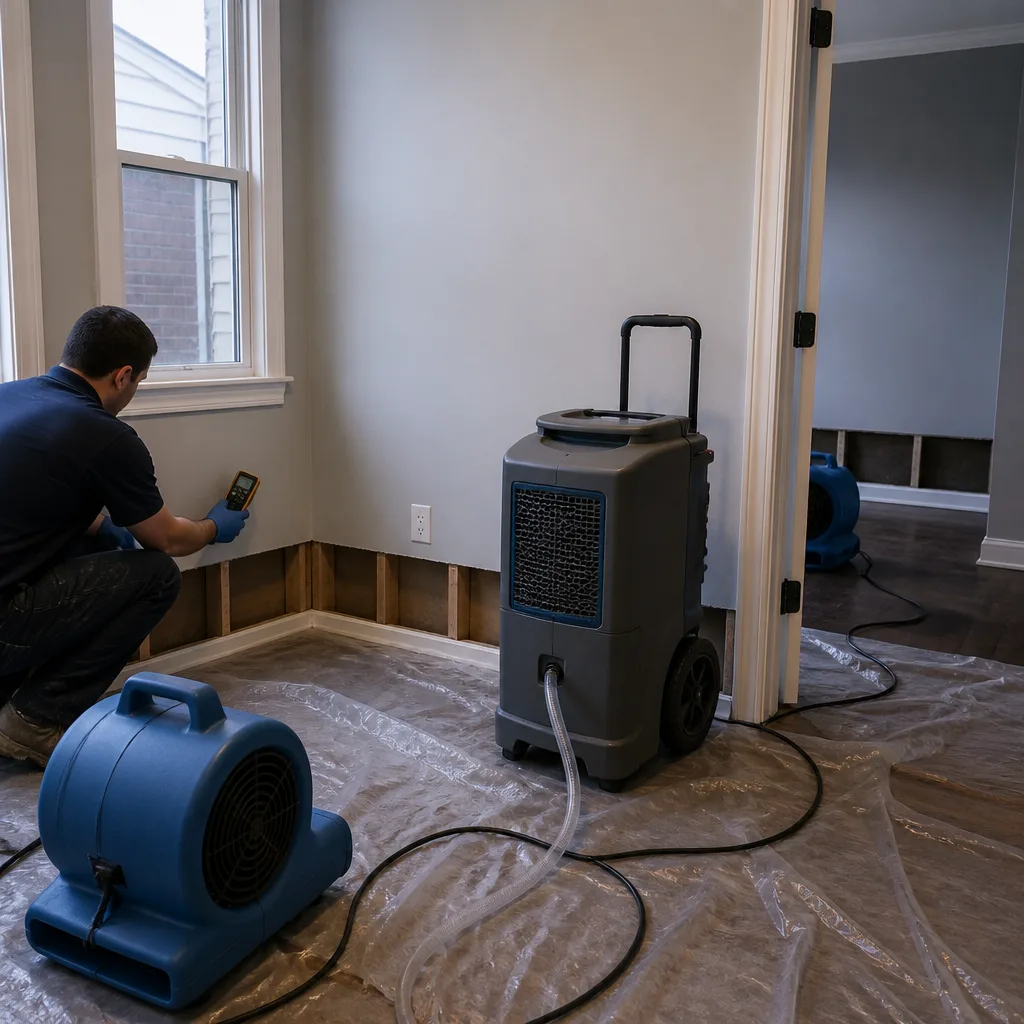 After
AfterFast, Reliable Fire & Smoke Damage Restoration Across Financial District
Fire and smoke damage restoration in Financial District, NY typically costs $4,200-$18,500 depending on the scope, with emergency board-up and tarping available within 60-90 minutes of your call. Our crews are dispatched from our New York City office and arrive prepared for the unique challenges of FiDi’s converted banking halls, pre-war masonry buildings, and flood-zone-AE conditions. Call (862) 292-4268 for a written estimate before any work begins - Haven Standard, Clause 1.
We’ve restored fire-damaged properties throughout Financial District since 2011, from luxury condos in converted 1920s limestone buildings near Wall Street to loft residences east of Pearl Street. The neighborhood’s pre-war commercial conversions demand a restoration approach that standard residential contractors rarely provide: thick granite and load-bearing brick assemblies that hold smoke residue for weeks, cast-iron supply lines that corrode after saltwater exposure, and cavernous sub-basement vaults that pool contaminated water and resist conventional drying. Our Fire & Smoke Damage Restoration team documents every moisture reading and photo to IICRC standards so your insurer pays the claim without dispute.
Why DryMark Restoration Newark Is Financial District’s Preferred Fire & Smoke Damage Restoration Company
Financial District residents choose us because we understand what their buildings actually are. Most FiDi “apartments” are conversions of late-19th- and early-20th-century banking and commercial edifices - thick masonry, original cast-iron infrastructure, and mechanical spaces buried below grade that a typical smoke-and-drywall crew will miss entirely. We’ve completed over 12,000 restorations since 2011, every one with a written price before work started and a documented photo record when the crew left.
Our response time to Financial District averages under 90 minutes for emergency calls. Dispatch and scheduling are coordinated from our New York City office, with crews carrying the specialized equipment these buildings require: Injectidry panel systems for drying dense masonry, HEPA-negative-air containment for soot-laden environments, and corrosion assessment tools for salt-damaged low-voltage systems.
Reviews from Financial District customers consistently mention our documentation. One recent client in a converted building near Beaver Street noted that our daily moisture logs and photo records were the reason their adjuster approved the full scope without a second inspection. That’s the purpose of The Haven Standard - to replace verbal assurances with evidence that survives a claims review.
Every technician who enters your Financial District property is background-checked, uniformed, and licensed, with verification available on request. No exceptions. No subcontractor surprises.
Our Fire & Smoke Damage Restoration Services in Financial District
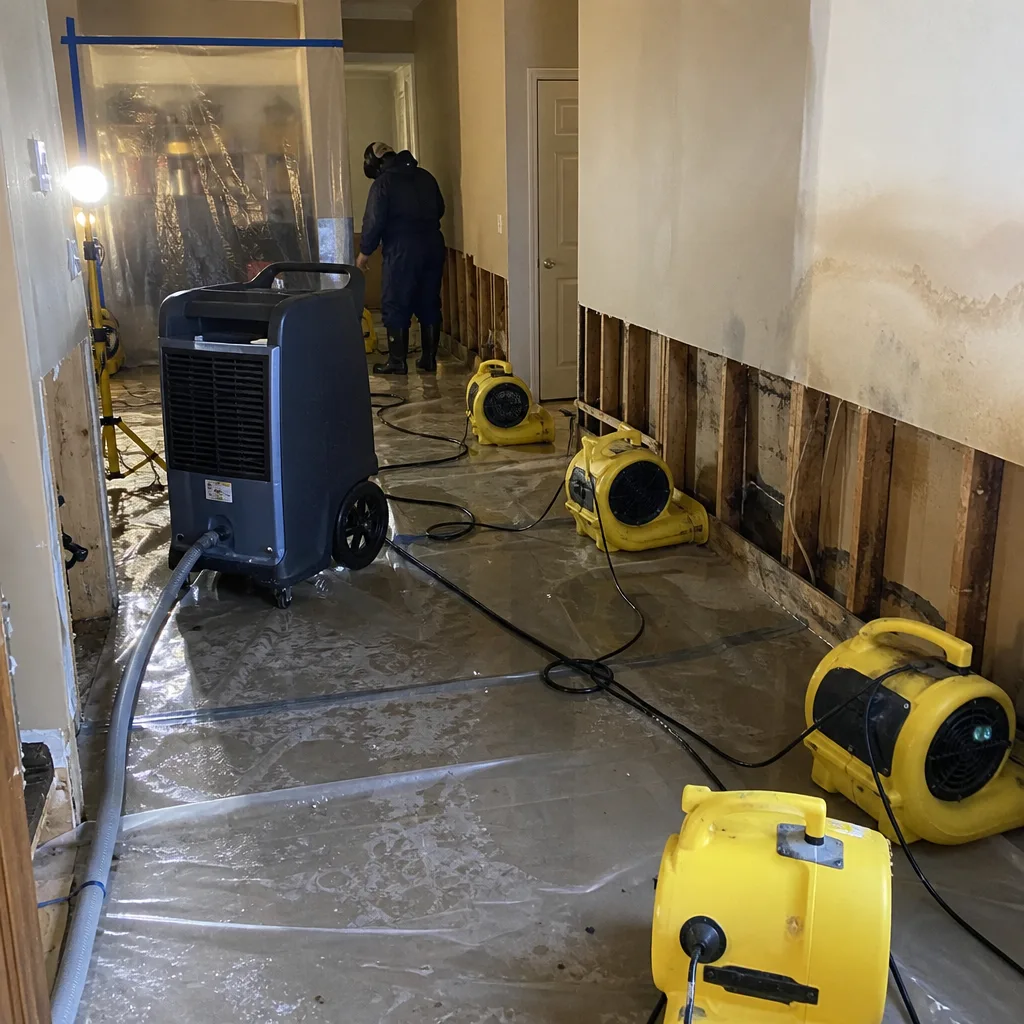
Fire Damage Cleanup
Fire damage cleanup in Financial District begins with understanding what burned and what the building is made of. In a typical FiDi conversion, we’re not removing standard 5/8″ drywall from wood framing; we’re assessing char penetration through plaster-on-brick, evaluating heat damage to century-old cast-iron radiators, and determining whether the sub-basement vault has taken on Category 3 water from fire suppression or storm surge. Our crews document every material classification by trade name - Type X gypsum, lime plaster, granite ashlar, terrazzo flooring - then explain each finding in plain language with a written scope and price before any demolition begins. Haven Standard, Clause 1.
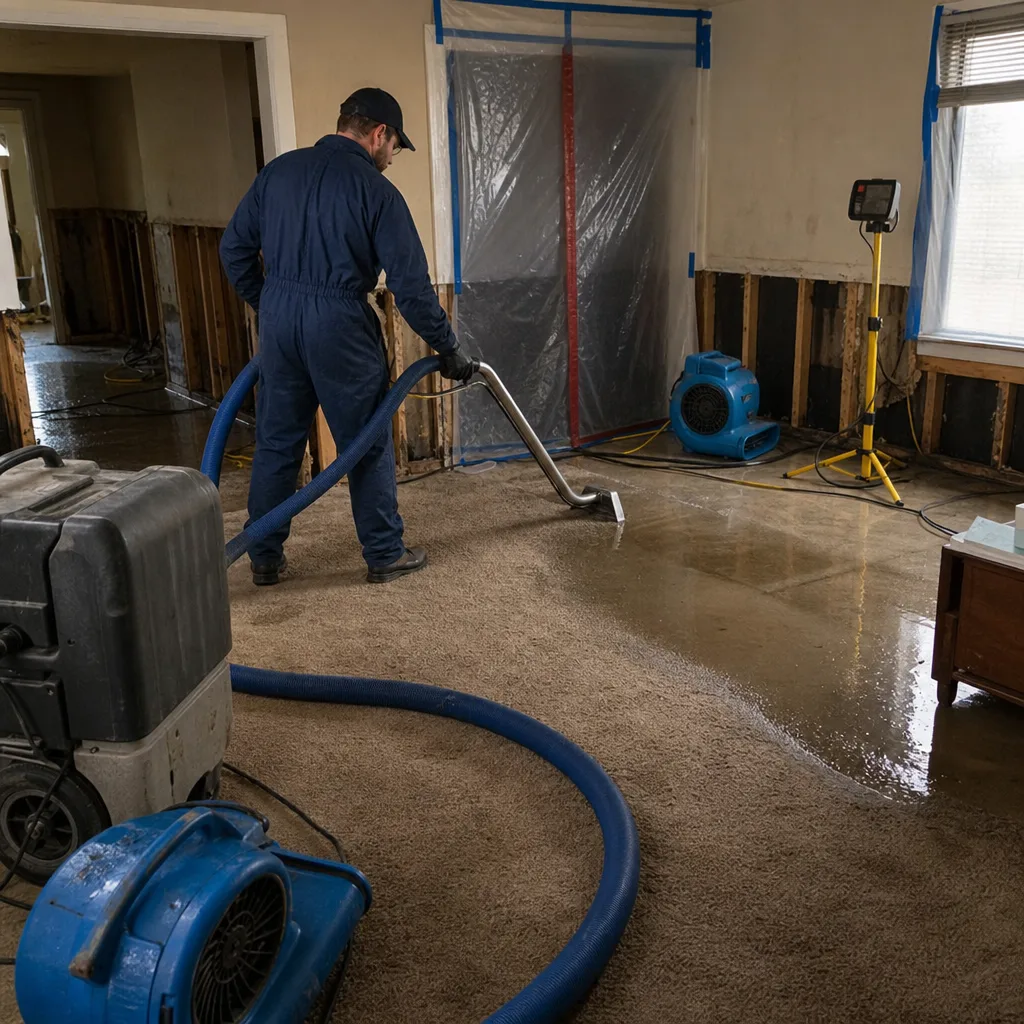
Smoke & Soot Removal
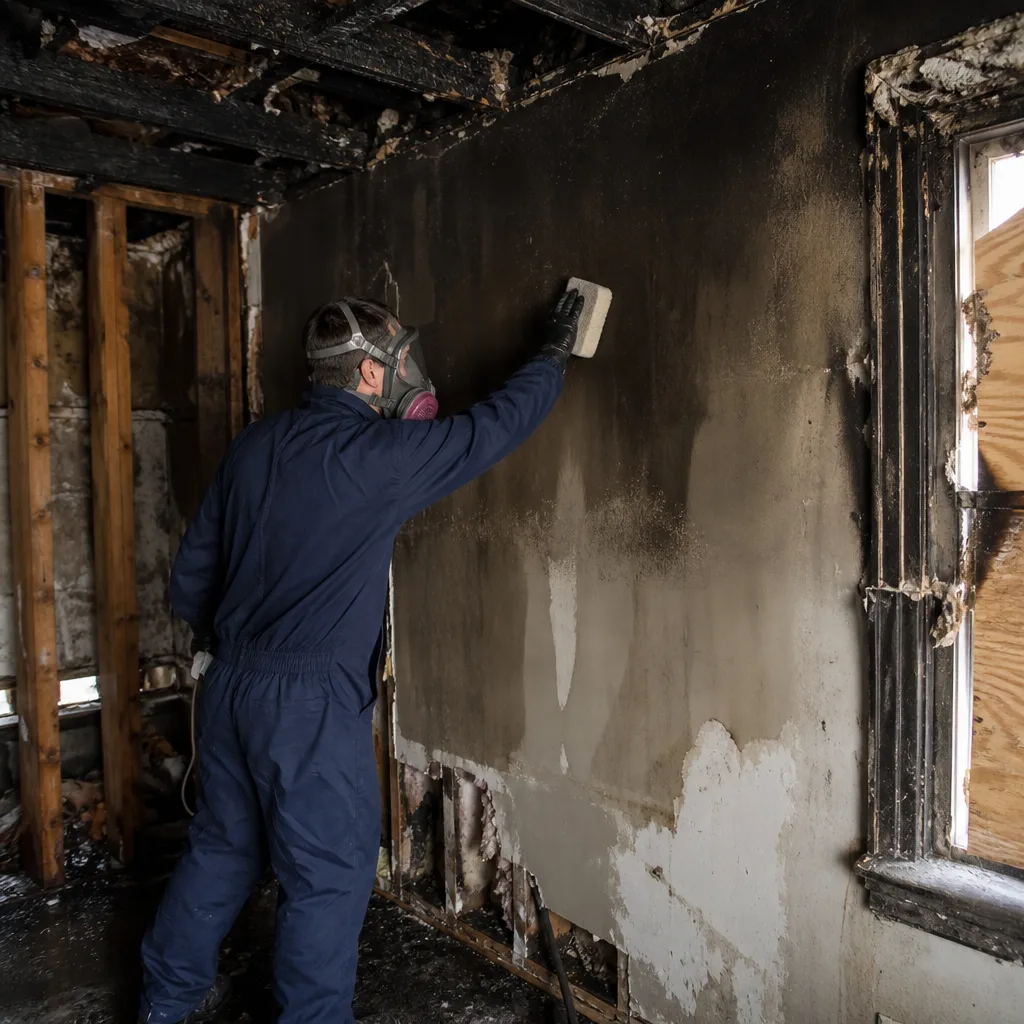
Smoke and soot behave differently in Financial District’s pre-war masonry buildings than in standard wood-frame construction. The thermal mass of thick granite and limestone walls creates temperature differentials that drive soot into porous surfaces long after the fire is out. Our technicians use dry-ice blasting and HEPA vacuum systems on delicate historic finishes, then apply counteractants matched to the specific soot type - protein residue from kitchen fires, wet smoke from slow-burning synthetic materials, or dry smoke from fast-burning wood and paper. We were called to a converted 1920s banking hall east of Pearl Street after a kitchen fire sent soot through a cast-iron radiator loop and into a sub-basement vault; the blackened wood carriage door and custom millwork in the entry required containment and precision pack-out before we could even begin structural drying. Our techs ran moisture mapping across granite walls and used Dri-Eaz and Phoenix air movers with Injectidry panels to dry the thick masonry assembly, then did antimicrobial treatment on the corroded low-voltage switchgear. The final scope of work matched replacement parts for the whisper-quiet openers and smart-home integration so the custom entry could be restored to pre-loss condition.
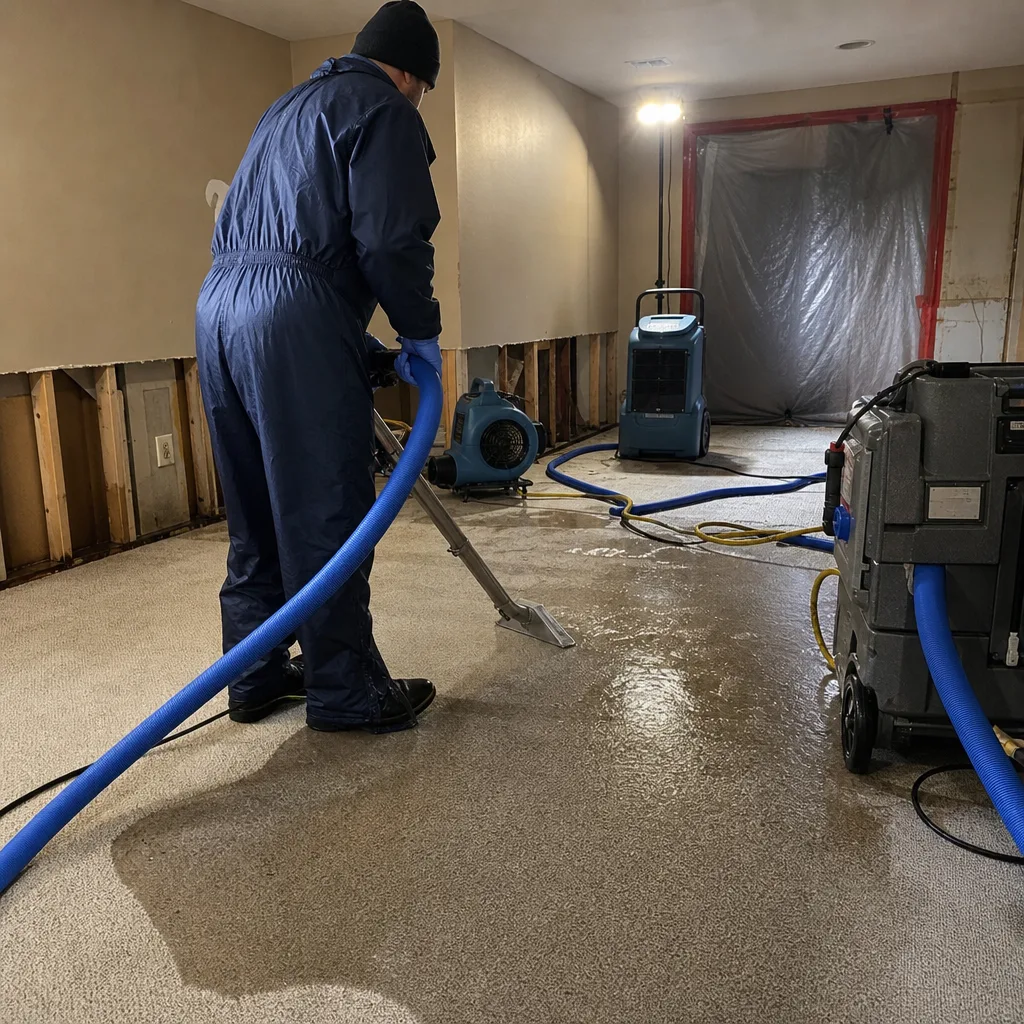
Odor Removal & Deodorization
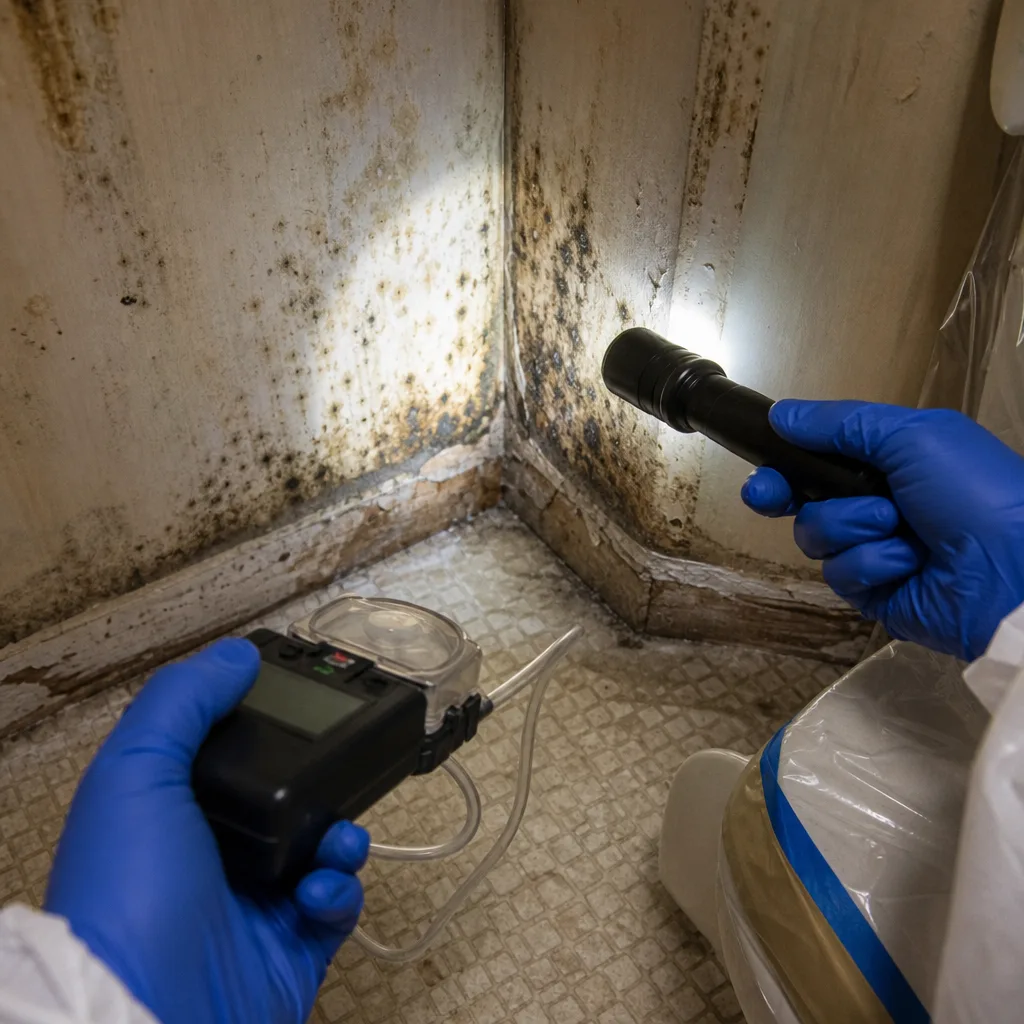
Smoke odor in Financial District apartments often persists because standard deodorization stops at the surface. In FiDi’s converted commercial buildings, smoke penetrates into masonry cavities, follows HVAC risers between floors, and settles into the porous mortar joints of load-bearing brick. Our odor removal process includes thermal fogging for accessible spaces, ozone treatment for unoccupied areas, and hydroxyl generators for occupied environments where safety matters. We measure success with olfactory testing and air-quality meters, not by whether the technician can still smell anything. For buildings with vault sub-basements, we extend treatment to these below-grade spaces where stagnant air holds odor molecules for months.
Contents Cleaning & Pack-Out
Contents cleaning in Financial District demands precision because the contents themselves are often irreplaceable. Custom millwork, historic hardware, built-in cabinetry from the original banking era - these require on-site evaluation before any cleaning method is selected. We pack out sensitive items to our climate-controlled facility when the building environment is unstable, documenting each piece with photo records that accompany your claim file. For items that can be cleaned on site, we use ultrasonic cleaning for metal fixtures, dry-cleaning sponges for soot-damaged textiles, and specialized solutions for marble, limestone, and terrazzo surfaces common in FiDi lobbies and entries. The decision to pack out or clean in place is always documented in your written scope with a clear rationale.
Emergency Board-Up & Tarping
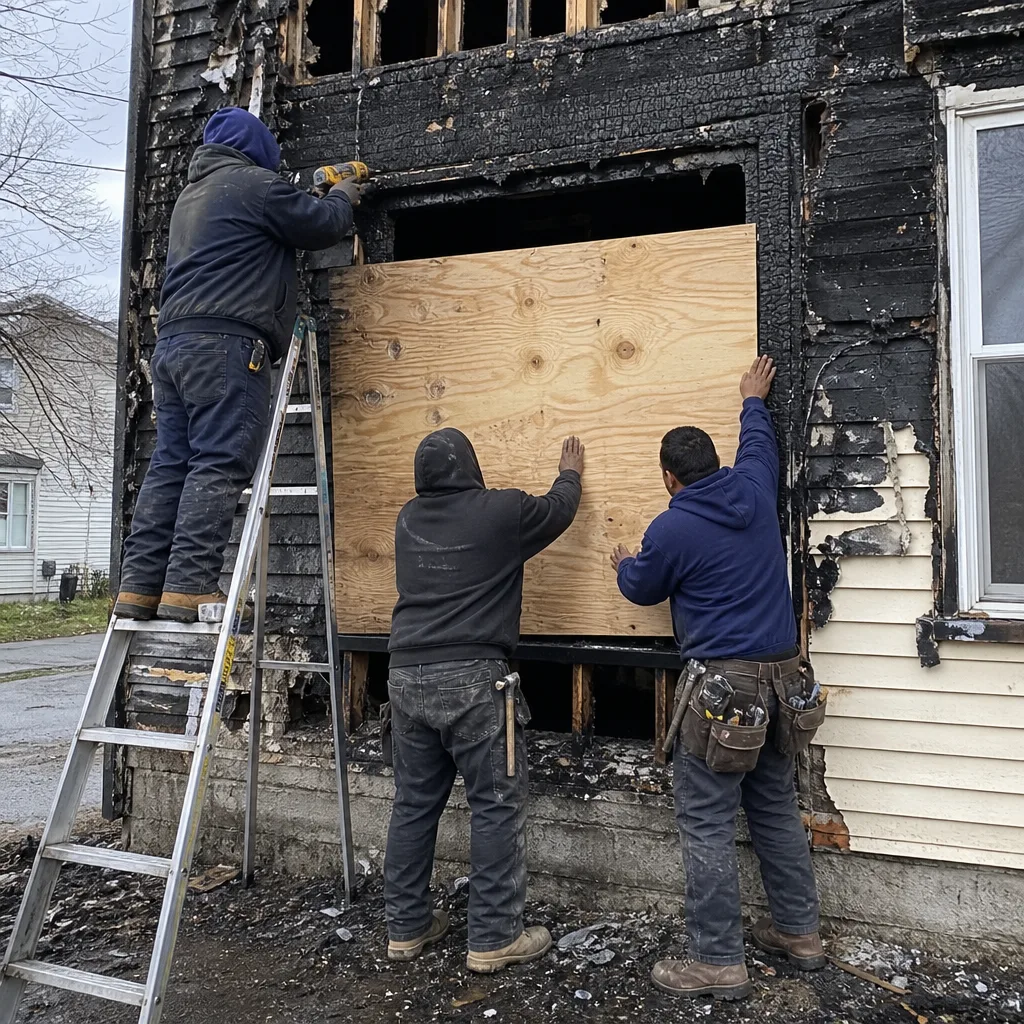
Emergency board-up in Financial District presents unique constraints. Many buildings are landmarked or subject to LPC review, meaning temporary protection must preserve historic facades while securing the structure. We use non-invasive fastening systems on limestone and granite exteriors, custom-cut plywood for irregular window openings in pre-war construction, and weatherproofing that accounts for the wind exposure of low-lying waterfront properties. Our crews carry the specialized hardware these buildings require, not standard residential storm panels.
Structural Fire Repair
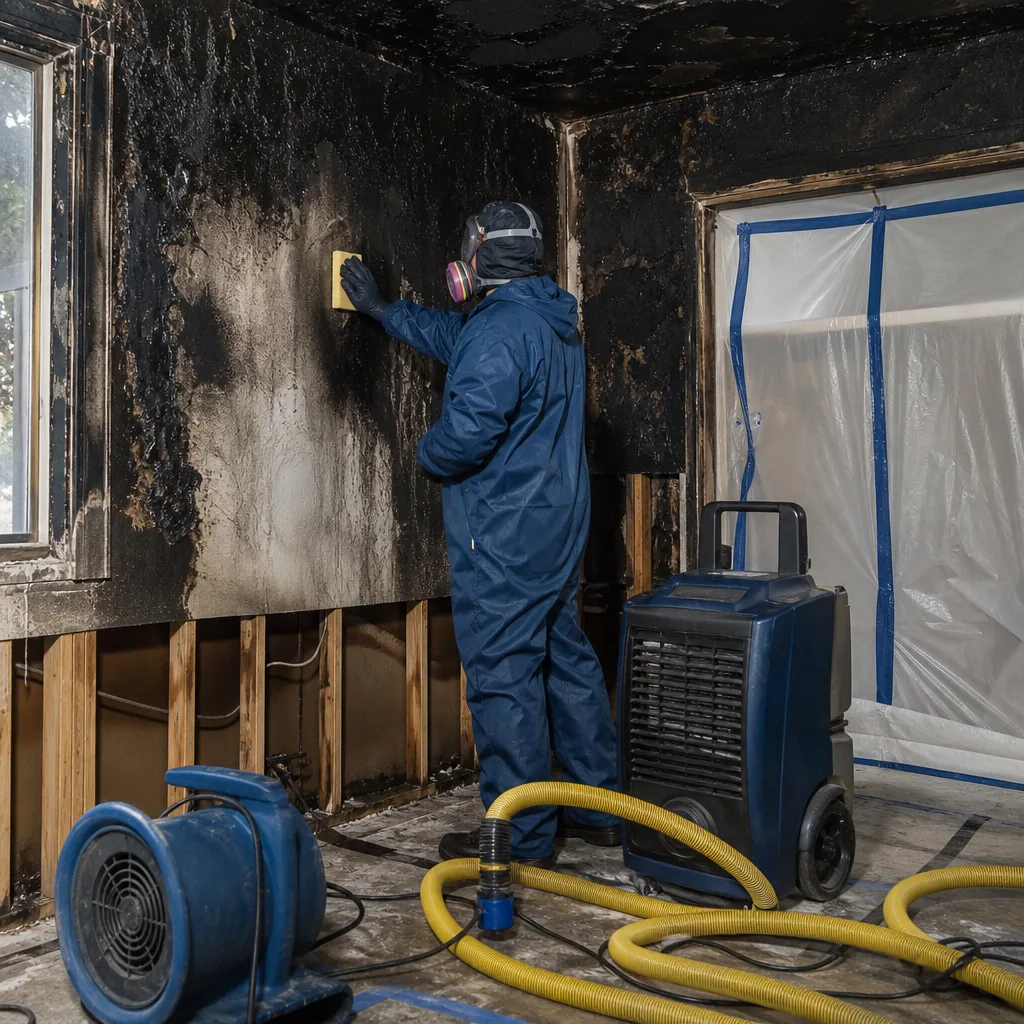
Structural fire repair in Financial District’s converted commercial buildings often involves coordinating with structural engineers familiar with cast-iron framing, masonry arch construction, and the lateral-load behavior of buildings on historic landfill. We provide the documentation - moisture readings, material testing, photo records - that engineers need to assess whether heat exposure has compromised structural integrity. Our reconstruction work restores fire-damaged elements to code while preserving landmark-compliant finishes, with every phase priced in writing before it begins.
What happens when you call
- 1
A real person answersNo phone trees - you reach a local pro.
- 2
You get an upfront price rangeHonest numbers before anyone is dispatched.
- 3
A background-checked tech heads outLicensed & insured, dispatched right away.
- 4
You approve before work beginsNothing starts until you say go.
BeforeAfterTrusted Brands We Service in Financial District
We deploy professional-grade drying and restoration equipment from Dri-Eaz, Phoenix, XPOWER, B-Air, and Injectidry on every Financial District job, documented to IICRC, RIA, and IFA standards. For fire and smoke restoration specifically, our inventory includes HEPA-negative-air machines, hydroxyl generators, thermal foggers, and dry-ice blasting systems sized for commercial-scale masonry buildings. We stock replacement components for the smart-home integrations and whisper-quiet mechanical systems common in FiDi’s luxury conversions, reducing wait times for parts that specialty suppliers might need weeks to deliver. Every piece of equipment is logged in your job file with deployment dates and performance readings.
Common Fire & Smoke Damage Restoration Problems We See in Financial District Homes
- Treating the fire as a standard residential soot-and-drywall job. Crews unfamiliar with FiDi’s building stock miss smoke residue and Category 3 saltwater contamination in vault sub-basements and cast-iron supply lines common in these conversions. The result is a “clean” apartment that still smells of smoke and a claim that gets reopened six months later.
- Under-drying thick granite, limestone, and load-bearing brick masonry assemblies. These materials hold moisture for weeks after a fire, especially when fire suppression water combines with existing humidity from the harbor. Incomplete drying leads to efflorescence, lateral wall movement in landfill-based foundations, and mold growth on adjacent drywall within 24 to 48 hours.
- Skipping full replacement of salt-corroded low-voltage electrical systems. This is a frequent oversight in Financial District because most inland restorers rarely encounter the corrosive aftermath of storm surge in pre-war shells. The low-voltage wiring for smart-home systems, intercoms, and building automation corrodes from salt exposure even without direct fire damage, then fails unpredictably after the restoration is supposedly complete.
- Failing to assess foundation movement after water intrusion. A substantial portion of FiDi east of Pearl Street and west of Greenwich Street was built on 18th- and 19th-century landfill. After major inundation, restoration techs here must watch for efflorescence and lateral wall movement in sub-basement foundation walls as the fill soil slowly drains - a structural complication that rarely appears in Midtown buildings anchored directly to Manhattan schist bedrock.
Pricing for Fire & Smoke Damage Restoration in Financial District, NY
Fire and smoke damage restoration in Financial District follows these typical ranges based on our 2011-2025 job data:
| Service | Typical Range in Financial District |
|---|---|
| Emergency board-up and tarping | $850 - $2,400 |
| Smoke and soot removal (per affected room) | $1,200 - $3,800 |
| Odor removal and deodorization (whole unit) | $1,800 - $5,200 |
| Contents cleaning and pack-out | $2,500 - $8,500 |
| Structural fire repair and reconstruction | $8,000 - $45,000+ |
What moves a job toward the higher end: thick masonry assemblies requiring extended drying, saltwater contamination adding remediation steps, custom finishes needing specialty restoration, and vault sub-basements or other below-grade spaces complicating access and ventilation. Every Financial District job receives a written price before work begins - Haven Standard, Clause 1 - with no scope-creep additions once the crew is inside. Bring a competitor’s written estimate and we’ll review it at no charge; our Free Second Opinion policy exists because precise documentation should be standard, not proprietary.
We Also Serve Cities Near Financial District
Our crews respond throughout Lower Manhattan and nearby communities, including Financial District neighbors: St. George, Battery Park City, Tribeca, and SoHo. Each area presents distinct building stock and restoration challenges, from Battery Park City’s newer high-rise construction to Tribeca’s cast-iron warehouse conversions. We adjust our approach to what the building actually is, not what a template assumes.
Serving Financial District, NY - Our Local Coverage Area
We’re based in the Financial District area and know this community well. Use the map below to see our service coverage - if you’re nearby, we can almost certainly help.
FAQs - Fire & Smoke Damage Restoration in Financial District
Because Financial District sits almost entirely in FEMA flood zone AE and was built partly on 18th-19th-century landfill, fire scenes here often combine charred masonry with salt-corroded low-voltage systems. Smoke residue penetrates converted banking halls with cast-iron supply lines and cavernous vault sub-basements that resist drying in ways a standard residential job never would. We check because missing corrosion means callbacks, claim disputes, and failed systems six months later. Call (862) 292-4268 for a written assessment - estimates are free.
Thick masonry assemblies in Financial District typically require 7-14 days of active drying, sometimes longer for fully saturated granite foundations or below-grade vault walls. We monitor daily with calibrated moisture meters and psychrometric data - temperature, relative humidity, and vapor pressure differential - adjusting equipment placement until readings confirm the assembly has returned to pre-loss moisture content. Rush drying causes spalling and mortar damage; we document the actual timeline in your drying log so your adjuster understands why the schedule is what it is. Call (862) 292-4268 for an exact timeline based on your specific building.
Yes, when the restoration addresses all odor reservoirs including masonry cavities, sub-basement vaults, and the porous interior of cast-iron radiator loops. Surface deodorization alone fails in FiDi buildings because smoke follows every pathway the building’s original commercial HVAC and plumbing created. Our process includes source removal, thermal fogging or hydroxyl treatment for the occupied space, and extended treatment of below-grade areas with mechanical ventilation. We verify results with air-quality measurement, not guesswork. Call (862) 292-4268 for a written scope and price before any treatment begins.
We evaluate each piece individually. Custom wood carriage doors, historic millwork, and built-in finishes from FiDi’s banking-era construction often require pack-out to our climate-controlled facility when the building environment is unstable from active drying or ongoing demolition. On-site cleaning risks exposing sensitive finishes to the moisture and particulates of an active restoration zone. Our written scope specifies which items stay and which go, with photo documentation for your claim file. Call (862) 292-4268 to schedule an assessment.
Financial District’s landmark-protected facades, irregular pre-war window openings, and wind exposure from the harbor require specialized approaches that standard plywood-and-nail board-up cannot provide. We use non-invasive fastening on limestone and granite, custom cuts for historic openings, and weatherproofing rated for waterfront wind loads. Many buildings also have active doorman or security protocols that require coordinated access. Our crews arrive prepared for these constraints, not improvising on your sidewalk. Call (862) 292-4268 for emergency response with the right materials already on the truck.
Call (862) 292-4268 for Fire & Smoke Damage Restoration in Financial District
Fire damage in Financial District demands more than standard restoration. The combination of flood-zone-AE exposure, pre-war masonry construction, and converted commercial spaces creates restoration challenges that documentation and specialized equipment solve - not reassurances. We provide a written price before any work begins, a photo record on every visit, and the 365-Day Done Right Promise backed by The Haven Standard. Our New York City office dispatches crews to Financial District with the tools and protocols these buildings require. Call (862) 292-4268 now for a free estimate, or bring a competitor’s written quote for our Free Second Opinion review.
Written by Alicia Brennan, Owner at DryMark Restoration Newark, serving Financial District since 2011.