
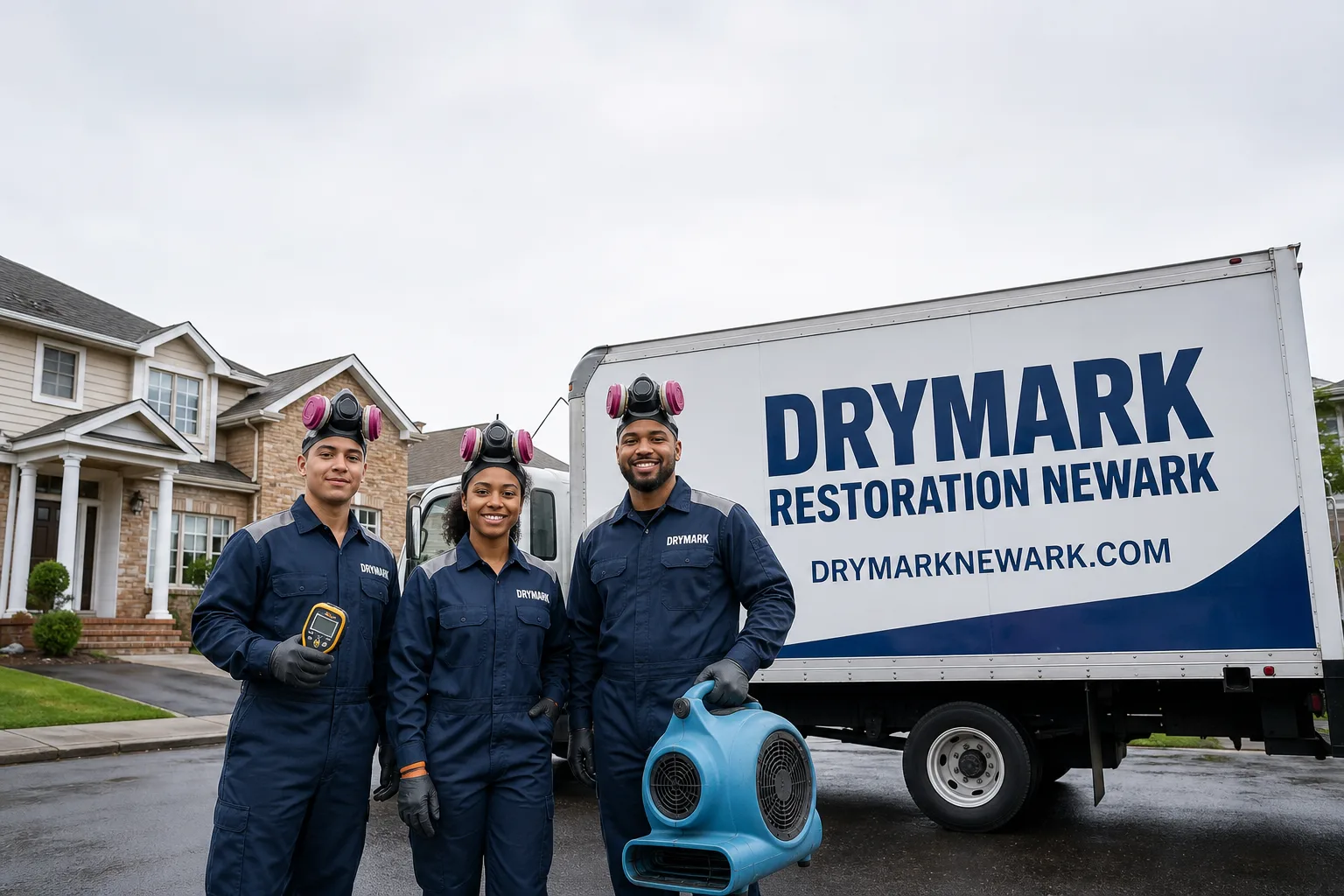
Free visual inspection and a written scope of work before any mitigation begins - photos, moisture readings, and drying logs go in your claim file
The scope we write is the scope we bill. Anything new gets shown to you, in writing, before we touch it.
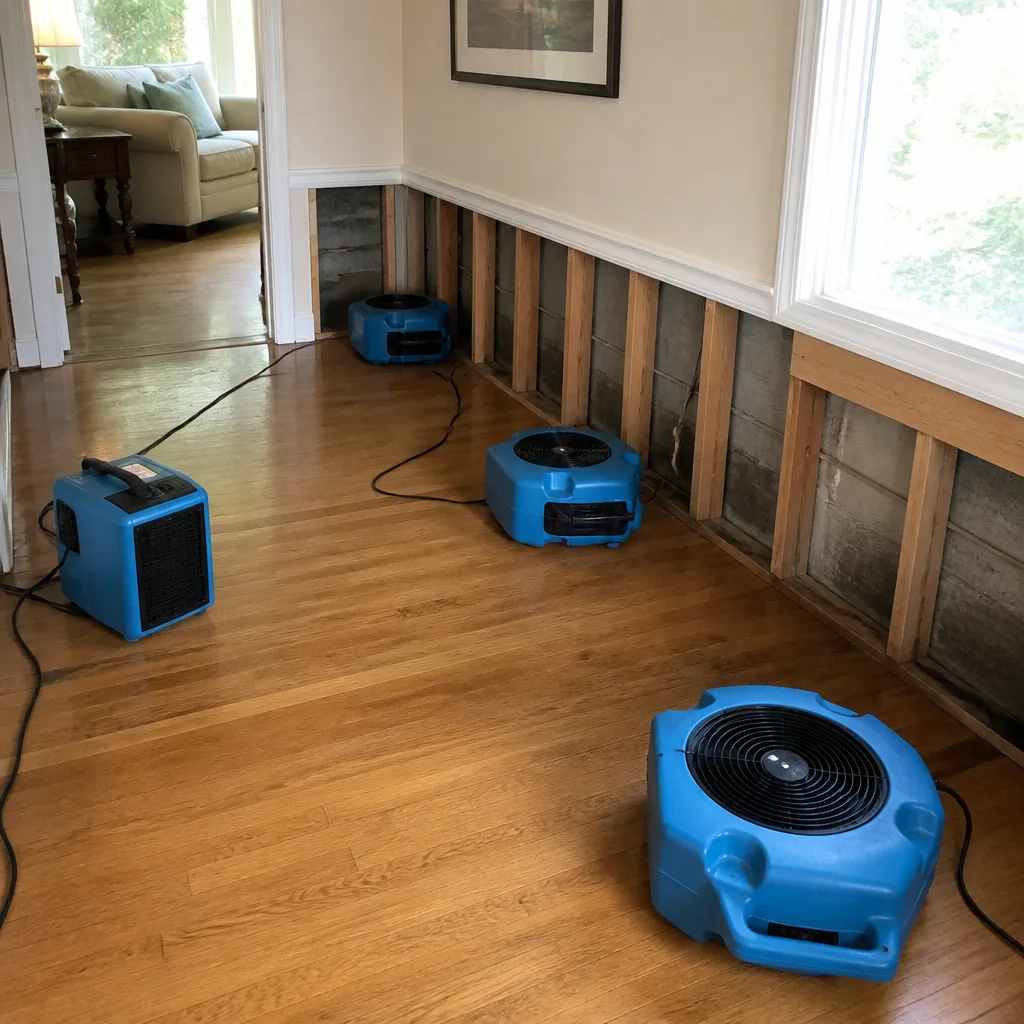
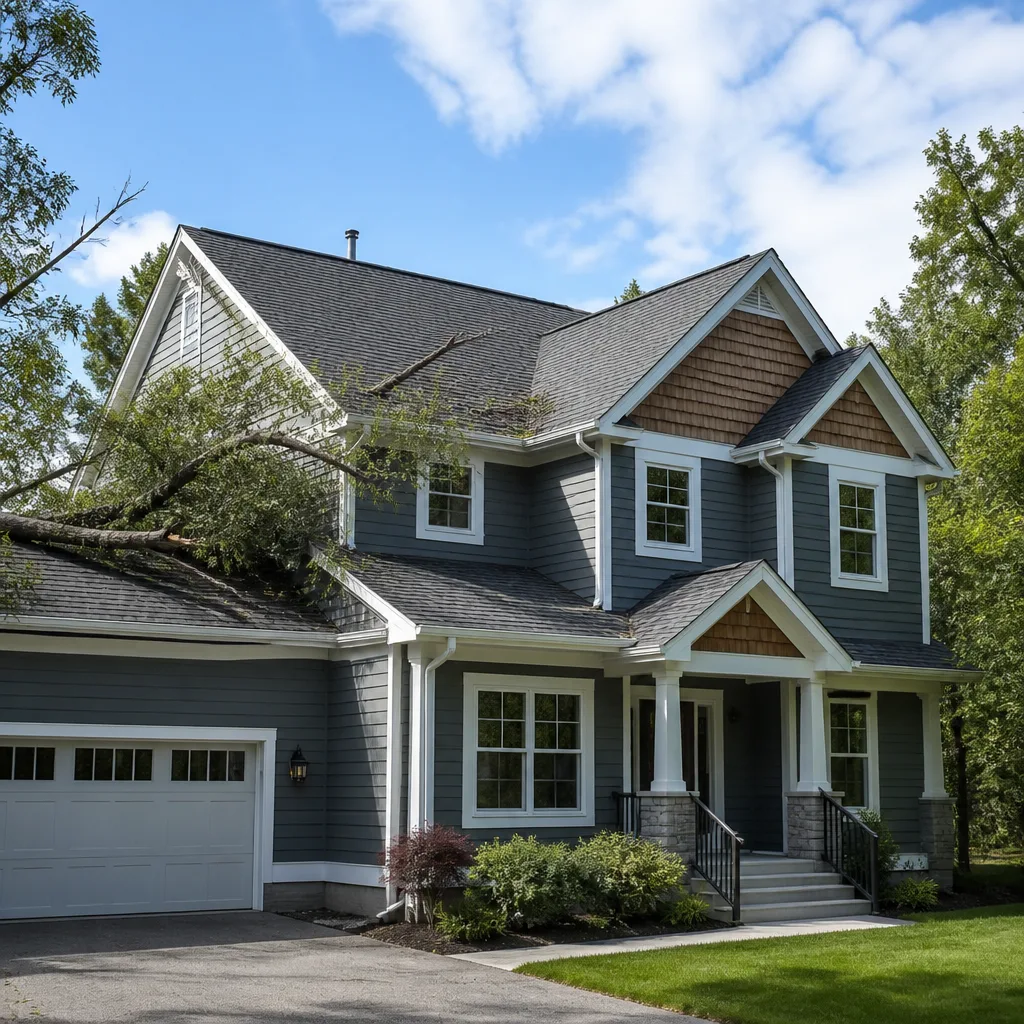
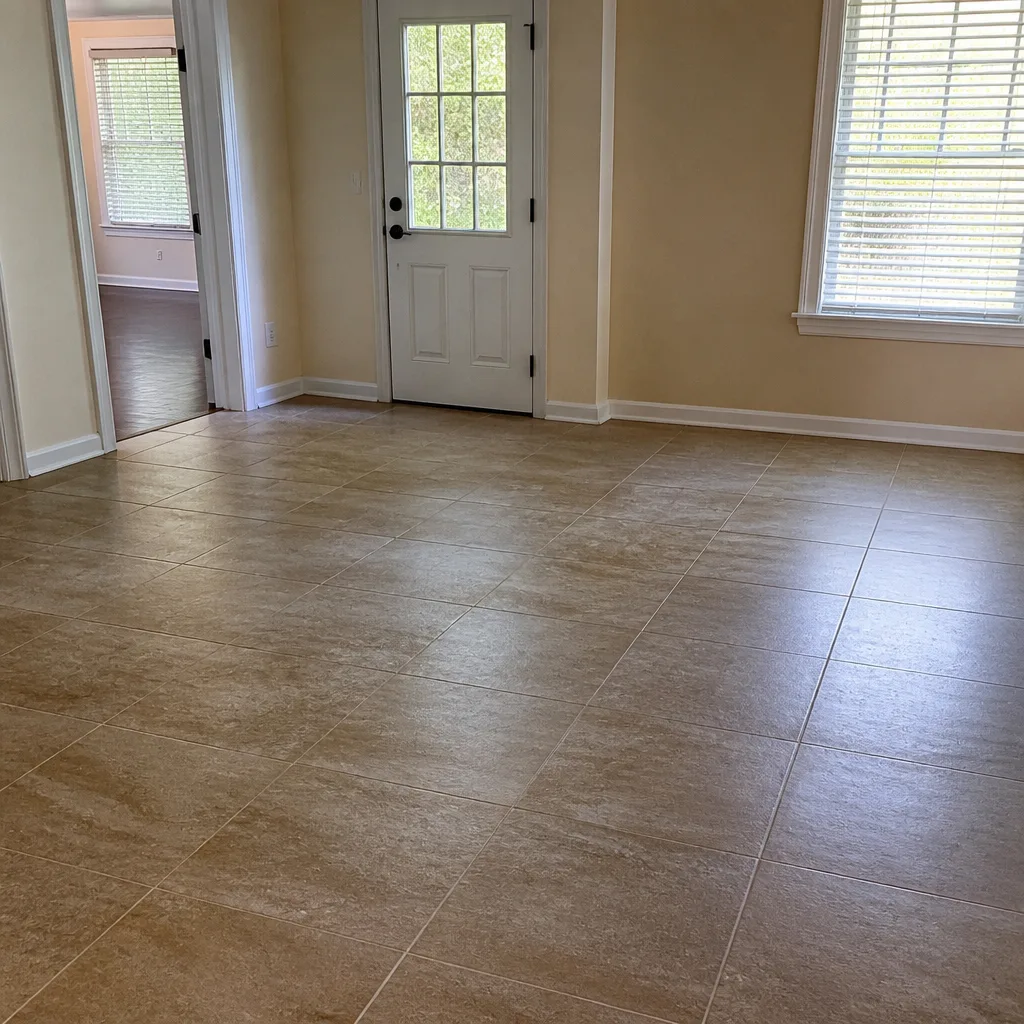
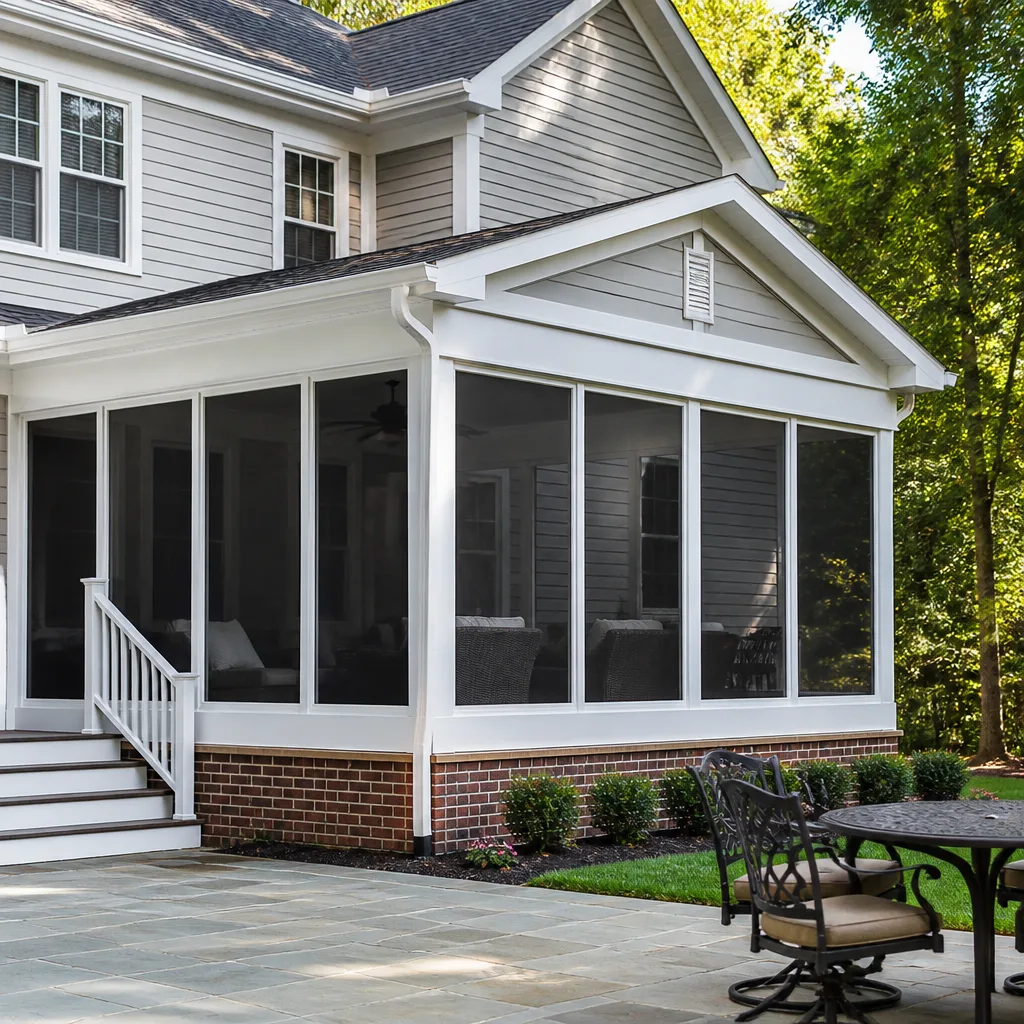
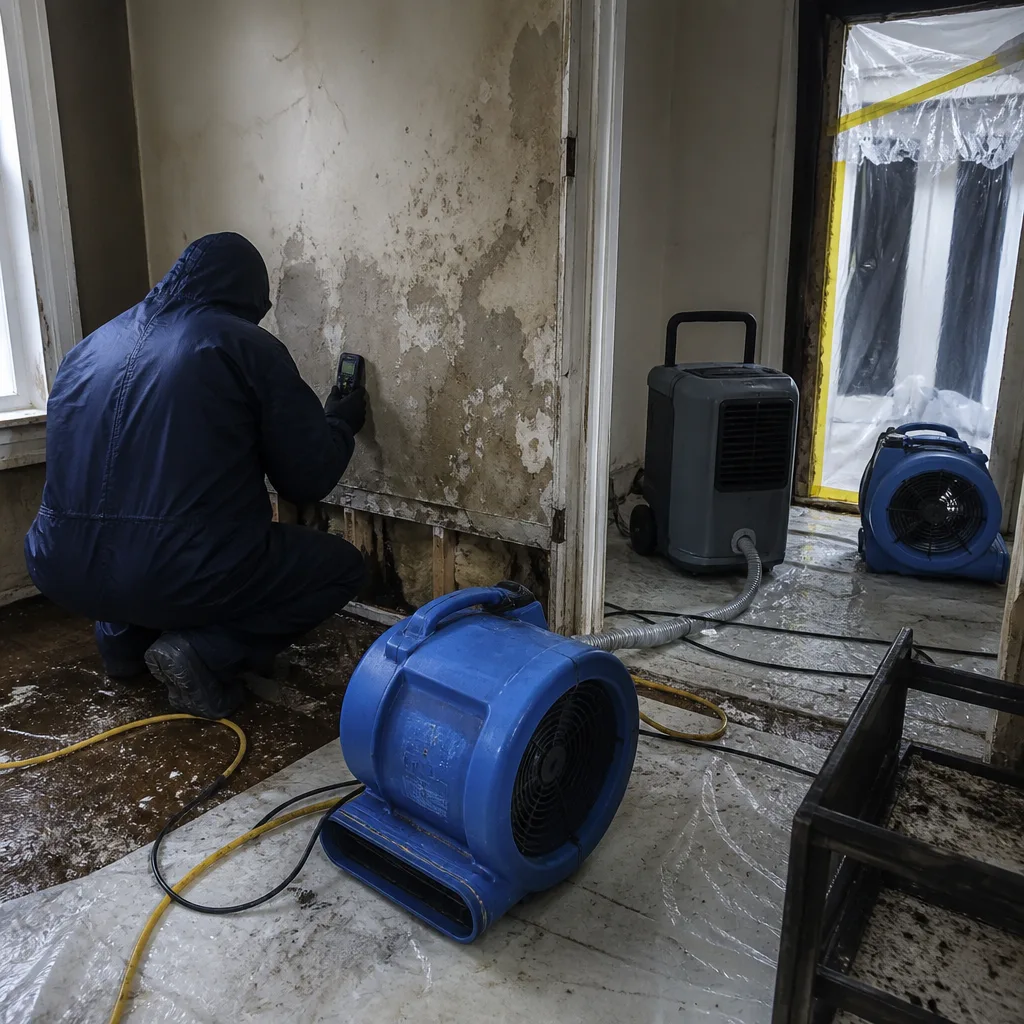 Before
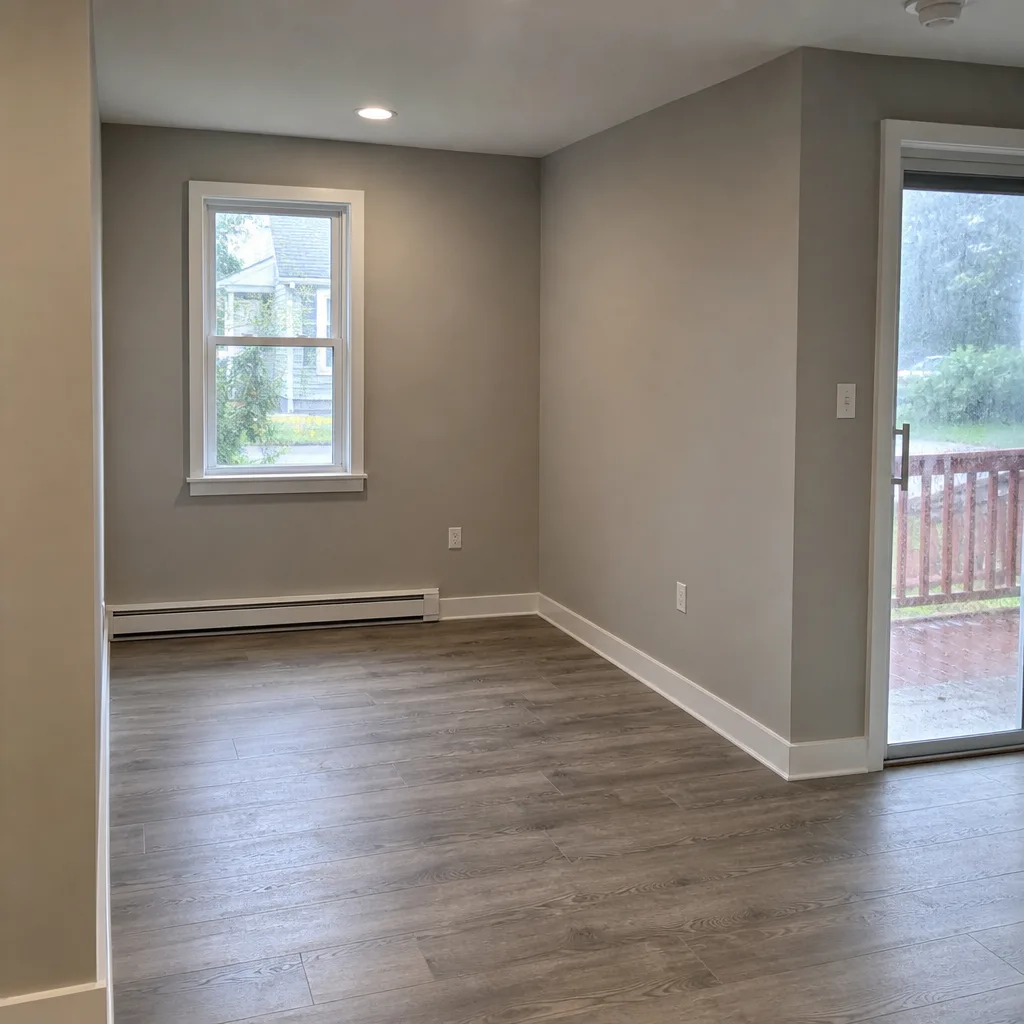 After
After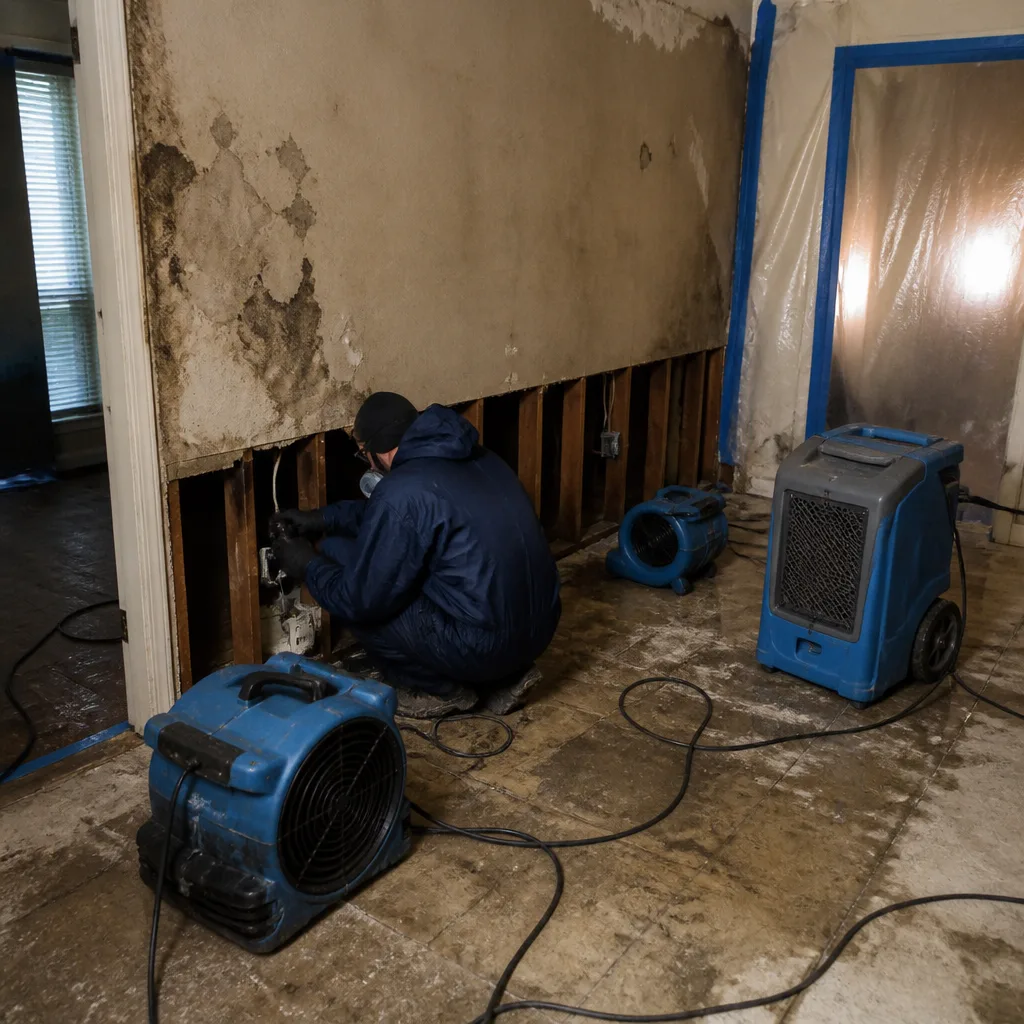 Before
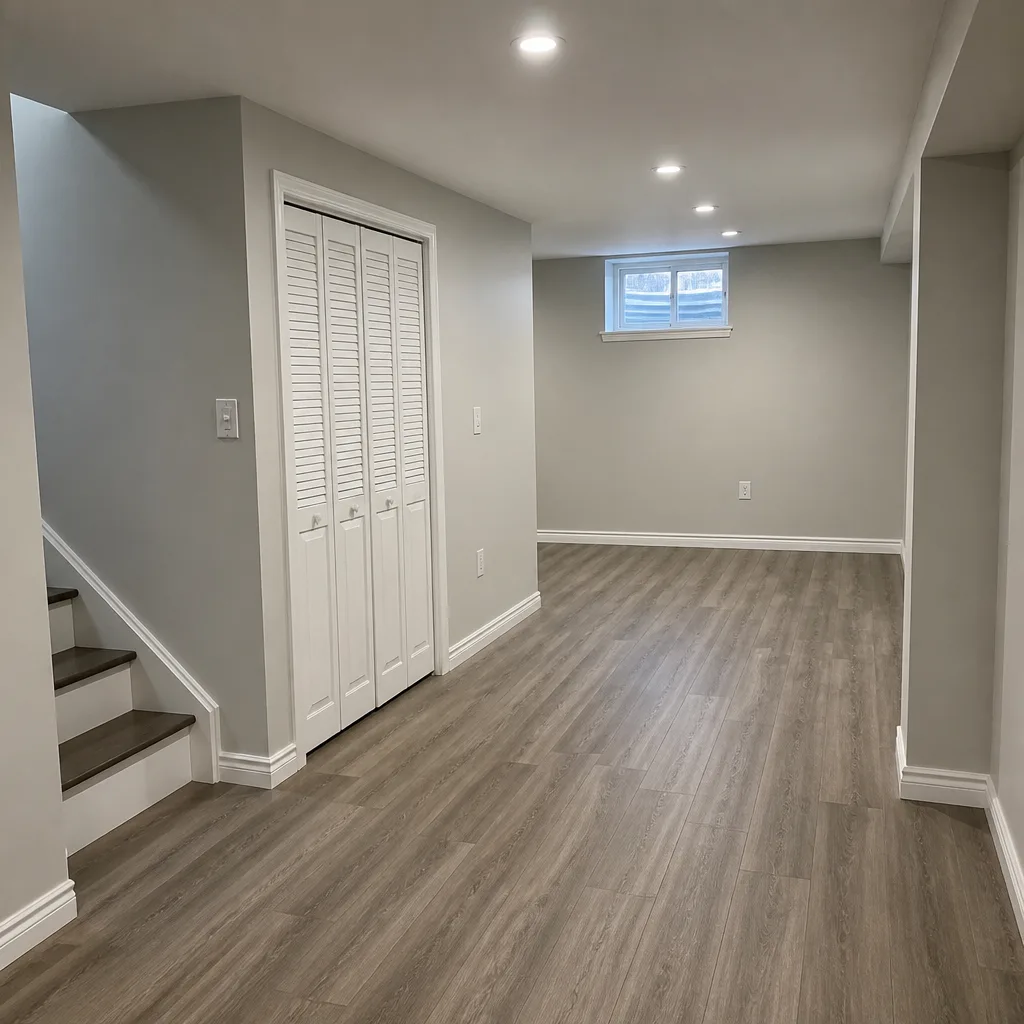 After
After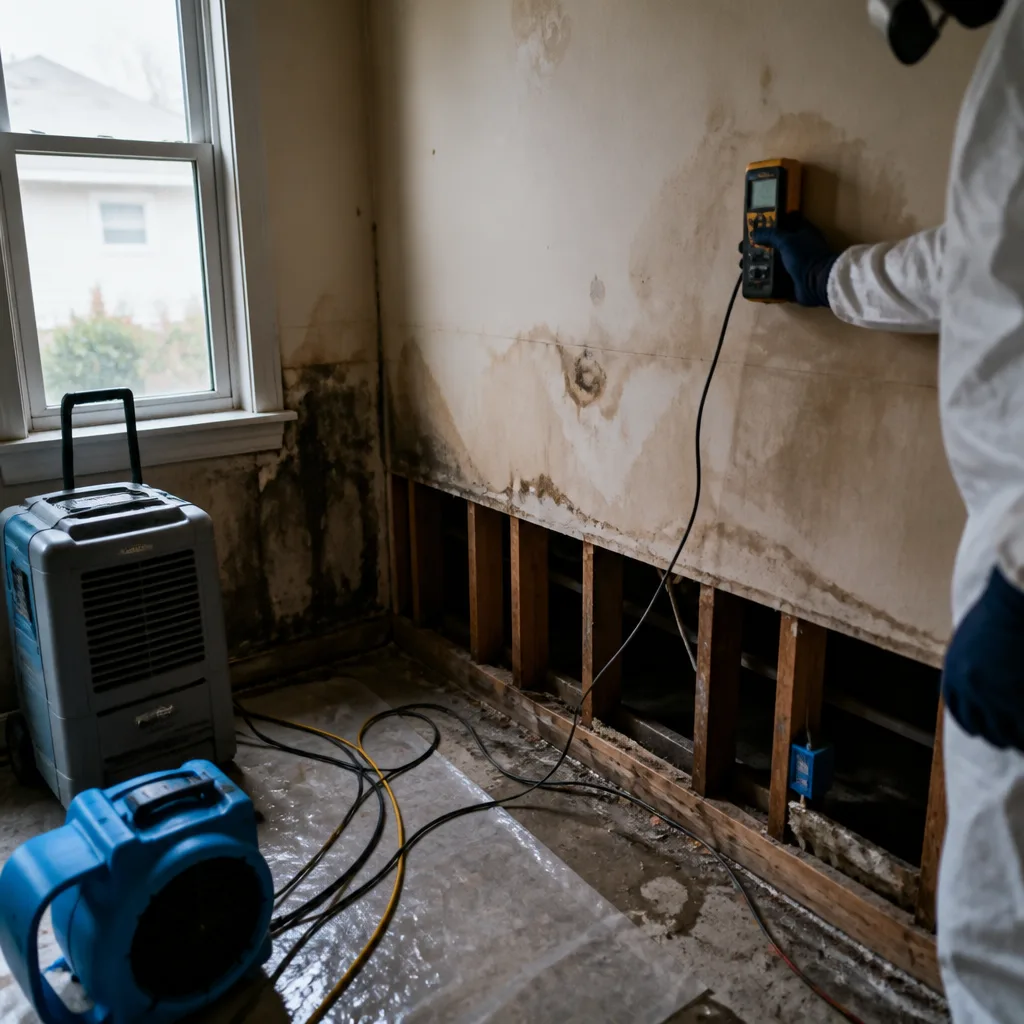 Before
 After
AfterFast, Reliable Mold Remediation Across Tribeca
Mold remediation in Tribeca typically runs $2,800-$7,500 for a standard loft unit, with full-structure drying of heavy-timber buildings reaching $12,000-$18,000 when sub-grade mechanical vaults are involved. Most Tribeca inspections are scheduled within 4 hours, and our crews arrive from the New York City office with the desiccant dehumidifiers and panel-drying equipment these buildings actually need. Call (862) 292-4268 for a written estimate before any work begins.
We’ve restored mold-damaged properties on Hudson Street, Greenwich Street, and throughout the Tribeca North and Tribeca South historic districts. The 1860s-1900s mill-construction lofts here aren’t built like anything else in Manhattan. Their massive old-growth timber posts, beams, and thick plank subfloors absorb water deep into the grain and dry at a fraction of the rate of modern light-frame construction. A crew that treats your loft like a standard drywall-and-stud apartment will miss the mold entirely.
Why DryMark Restoration Newark Is Tribeca’s Preferred Mold Remediation Company
Our reputation in Tribeca was built on documentation that passes insurance review. We’ve completed mold remediation in converted warehouse buildings from White Street to Chambers Street, and our drying logs have been accepted by adjusters on every major carrier writing policies in lower Manhattan. Homeowners here read the three-star reviews before calling. They ask about moisture readings, written scopes, and whether the crew understands co-op board requirements. We answer with data, not promises.
Response time to Tribeca averages under 4 hours from initial call to on-site inspection. Our New York City office coordinates dispatch directly; no third-party answering service, no voicemail trees on emergency lines. The live person who takes your call can access our equipment inventory and confirm that Dri-Eaz and Phoenix desiccant units are available for your job before the conversation ends.
Local knowledge matters because Tribeca’s buildings are governed by rules that don’t apply elsewhere. Much of the neighborhood falls within multiple NYC Landmarks Preservation Commission historic districts. Exterior work on cast-iron facades, original windows, or historic timber requires LPC review. We document every photo, every moisture reading, every material specification to that standard before work starts, because a stop-work order from the LPC turns a two-week remediation into a two-month ordeal.
Our Mold Remediation Services in Tribeca
Mold Inspection & Testing in Tribeca
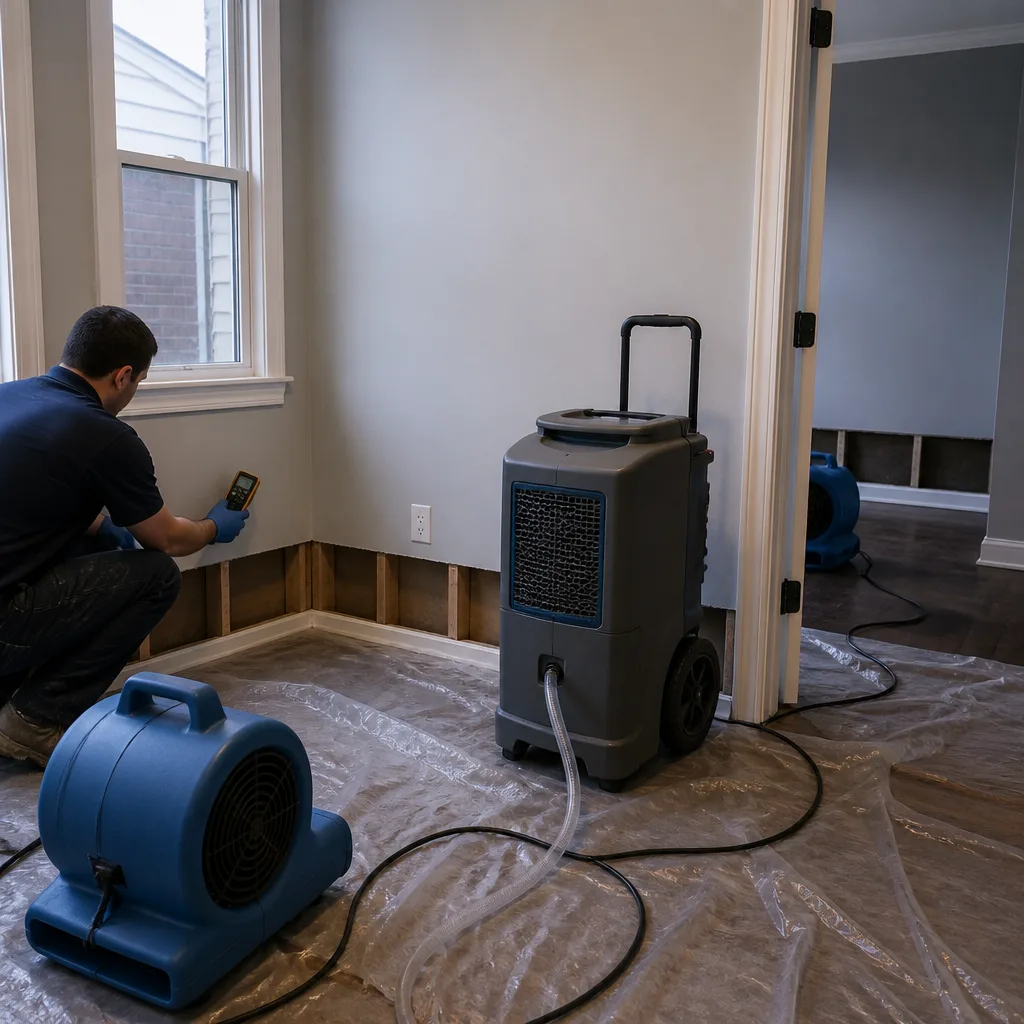
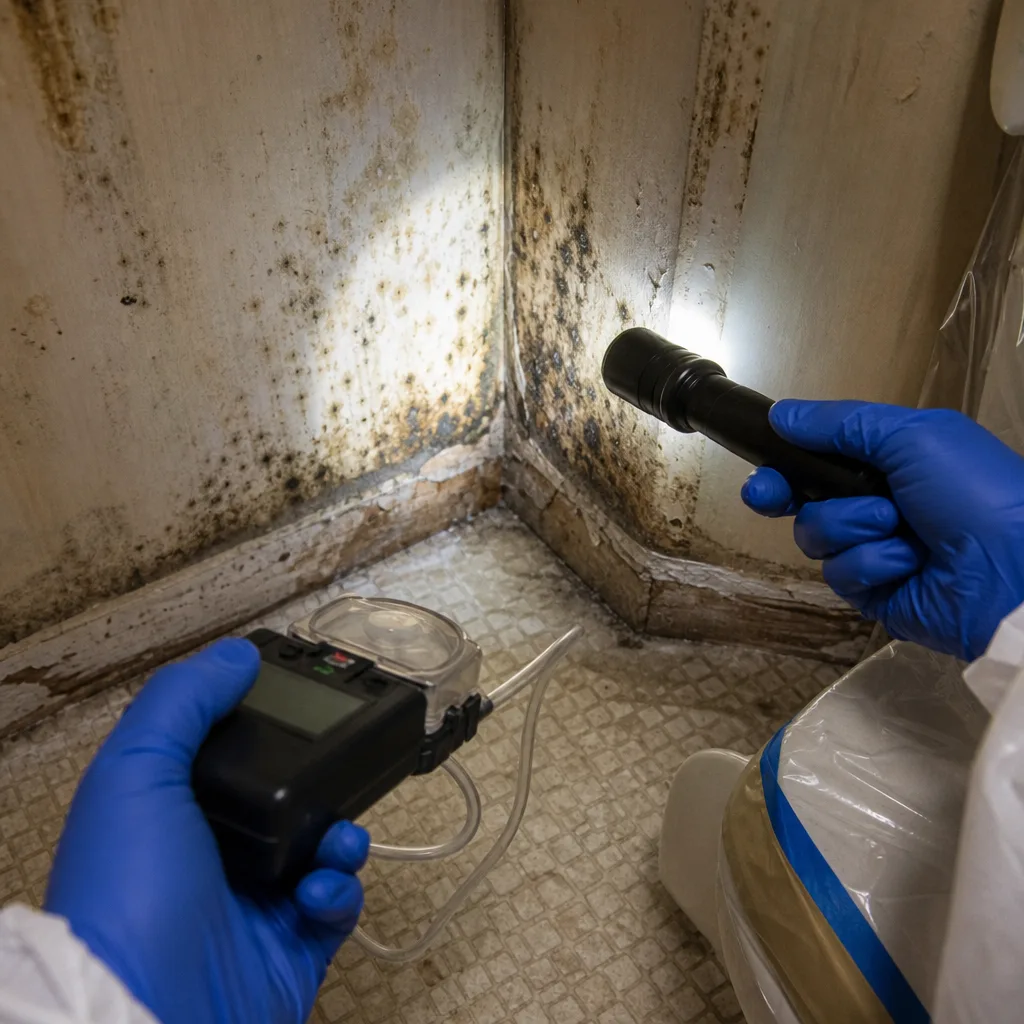
A Tribeca loft inspection starts with whole-structure moisture mapping, not surface swabs. We use thermal imaging and penetrating moisture meters to read the actual moisture content of the old-growth beams and plank subfloors, then compare those readings against the drywall moisture levels that a less thorough inspector might stop at. Air sampling follows IICRC protocols with third-party lab analysis. The written report includes every reading, every photo, and a scope of work with a price attached. Haven Standard, Clause 1: the price is delivered before anyone starts work.
Black Mold Remediation in Tribeca
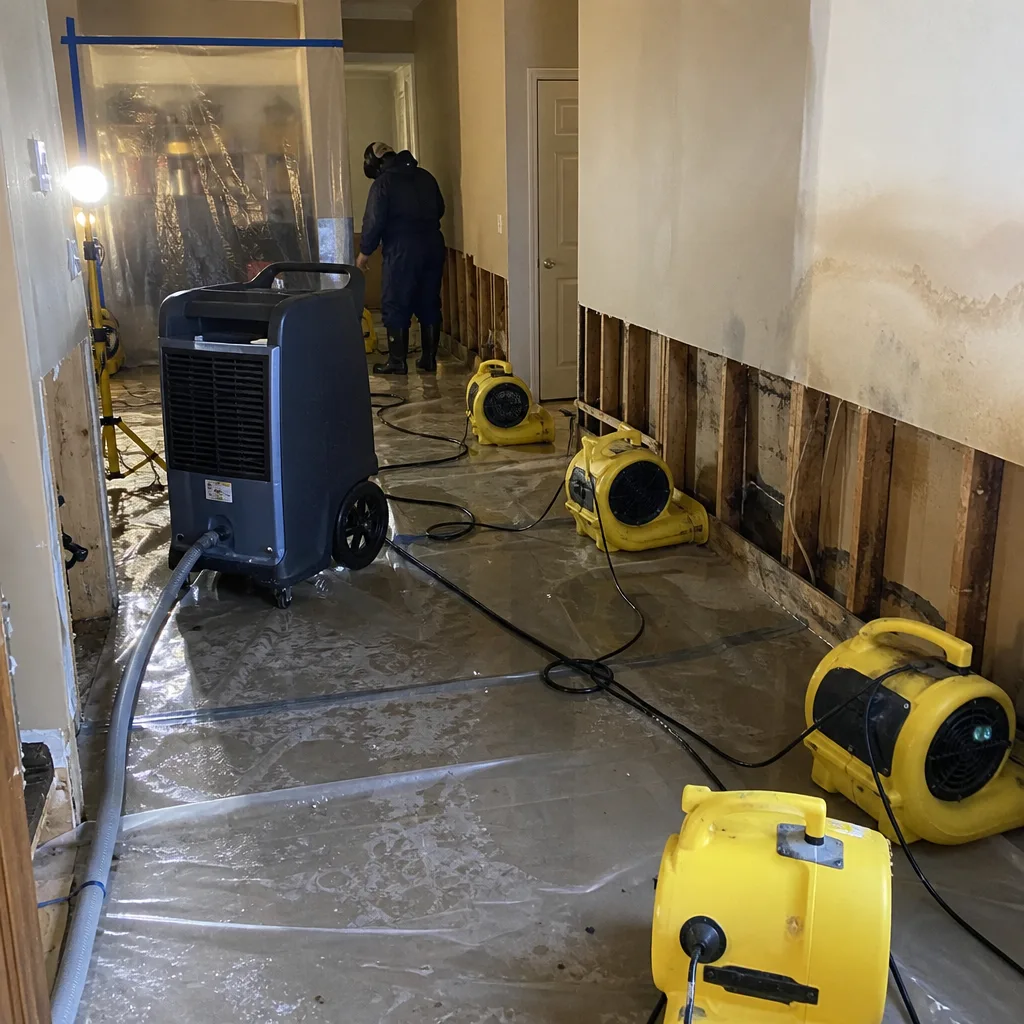
Stachybotrys and other toxigenic molds in Tribeca’s heavy-timber buildings require containment and negative-air pressure systems that account for the building’s original construction. The open floor plans and exposed timber that make these lofts desirable also mean spores travel differently than in compartmentalized modern apartments. We establish containment per RIA guidelines, deploy HEPA filtration, and treat the timber with antimicrobial agents formulated for historic wood preservation. Every step is photo-documented for the insurer and the co-op board.
Mold Removal for Tribeca Lofts and Mechanical Vaults
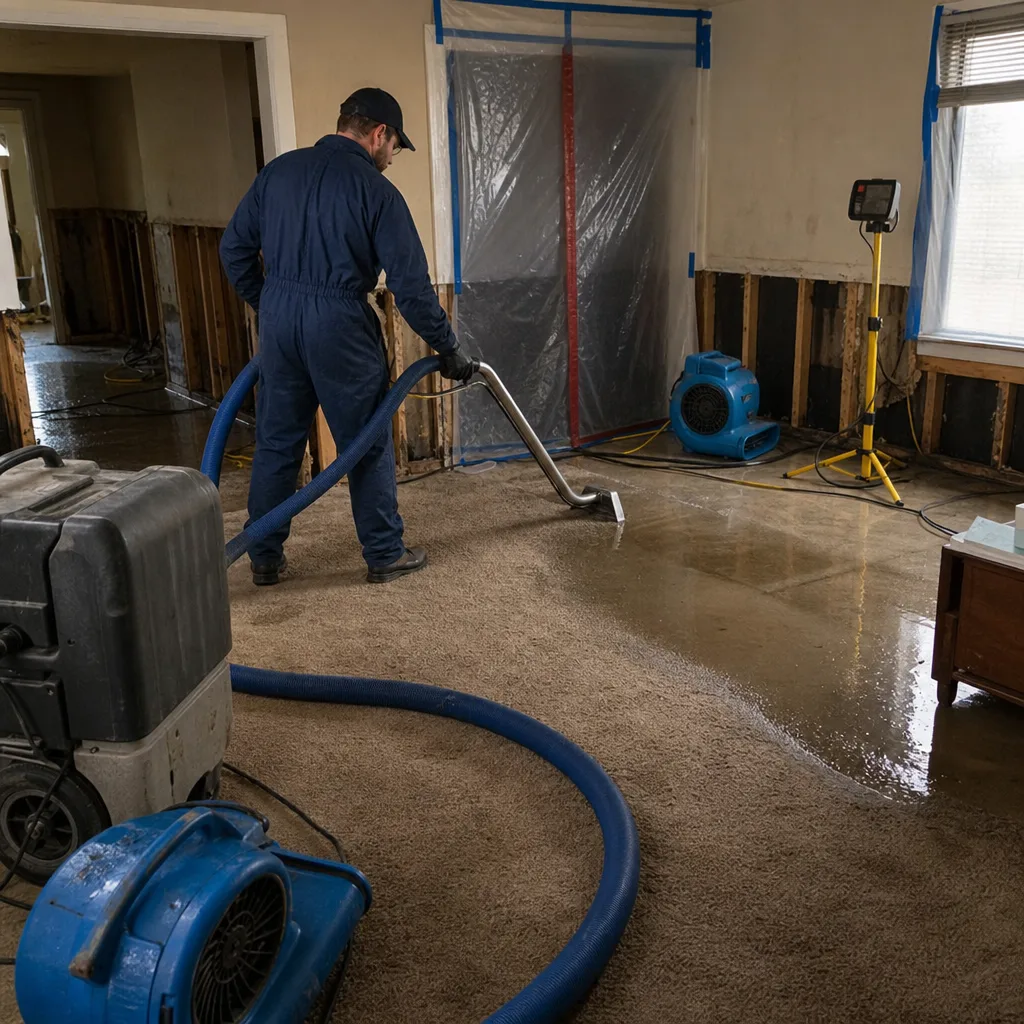
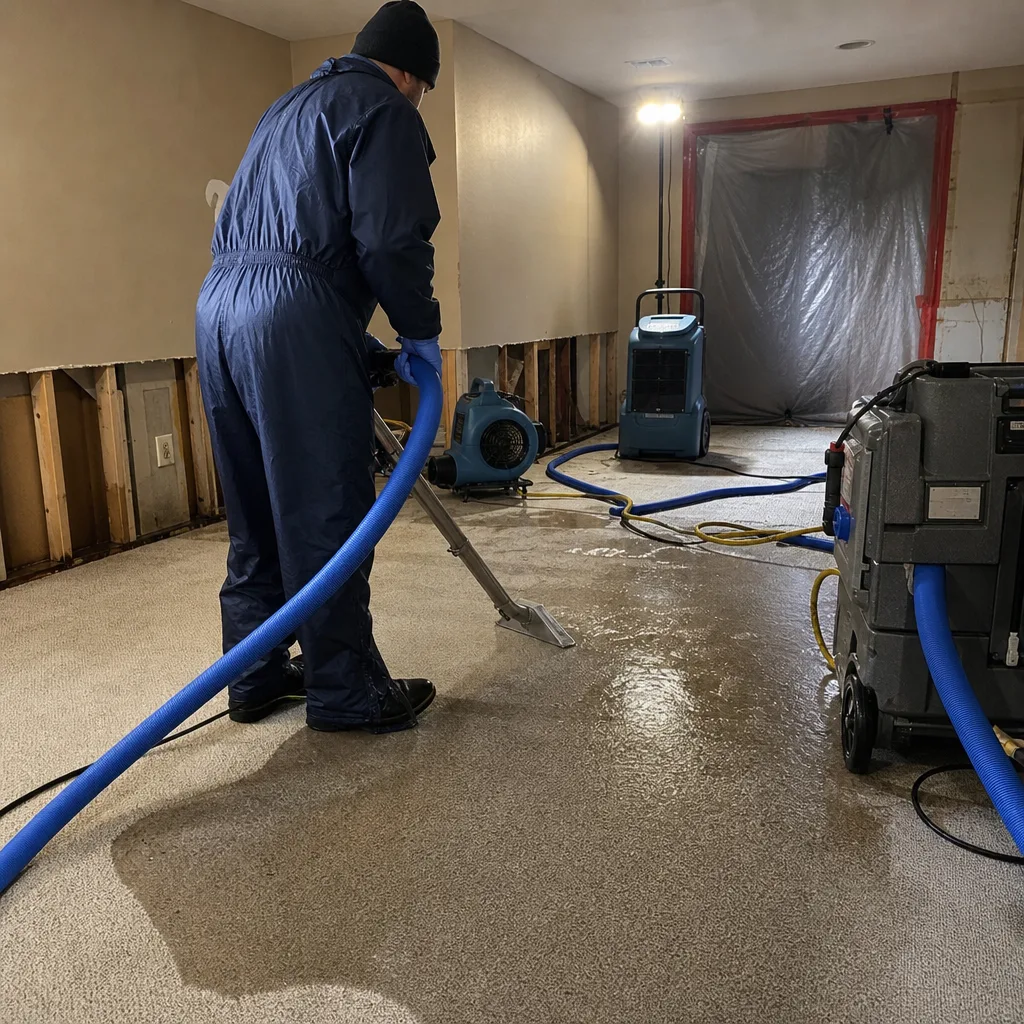
Removal in a converted warehouse building isn’t demolition. The 1970s mechanical vaults - sub-grade rooms housing boilers, electrical panels, and elevator equipment - were retrofitted into spaces never designed for them. When a Category 3 backup floods that vault, the mold grows on original timber that can’t be replaced with a trip to the lumber yard. We remove contaminated material surgically, preserve what the LPC protects, and dry the structure with Injectidry panel systems that pull moisture from deep in the wood grain without tearing out historic fabric.
Air Quality Restoration in Tribeca
Post-remediation air quality in Tribeca lofts is verified by third-party clearance testing, not our own equipment. We don’t sign off on our own work. The independent lab report confirms spore counts, species identification, and whether the HVAC system - often original to the 1970s conversion - requires separate duct cleaning. That report goes to you, your insurer, and your building management simultaneously.
Moisture & Humidity Control for Tribeca Buildings
Tribeca’s lowest-elevation position in Manhattan, with the Hudson River at its western edge, means ambient humidity runs higher than inland neighborhoods year-round. FEMA flood maps place large portions in Zone A and AE, and the combined sewer infrastructure backs stormwater into basement floor drains during heavy rain. We install permanent dehumidification and moisture monitoring in sub-grade spaces, with data logging that feeds directly into your building’s maintenance records. Prevention here is cheaper than a second remediation.
What happens when you call
- 1
A real person answersNo phone trees - you reach a local pro.
- 2
You get an upfront price rangeHonest numbers before anyone is dispatched.
- 3
A background-checked tech heads outLicensed & insured, dispatched right away.
- 4
You approve before work beginsNothing starts until you say go.
BeforeAfterTrusted Brands We Service in Tribeca
Our equipment inventory for Tribeca includes Dri-Eaz and Phoenix desiccant dehumidifiers sized for heavy-timber structural drying, XPOWER air movers for loft-scale air circulation, and Injectidry panel and mat systems for non-destructive moisture extraction from historic plank floors. All work is documented to IICRC, RIA, and IFA standards. We don’t rent equipment by the day and hope it arrives; we own it, maintain it, and deploy it with technicians who can read psychrometric data and explain what vapor pressure differential means for your drying timeline in plain language.
Common Mold Remediation Problems We See in Tribeca Homes
- Surface-drying the loft while the beams stay wet. A standard residential crew reads drywall moisture at 12%, declares the job dry, and leaves. Six weeks later, mold blooms from the old-growth timber that never dropped below 18% moisture content. We map the structural members and don’t sign off until the timber readings match IICRC drying standards.
- Missing the sub-grade mechanical vault entirely. The 1970s conversion shoehorned boilers and electrical panels into basement spaces with no waterproofing. A floor-drain backup during heavy rain saturates that vault, and the humidity migrates upward through the building’s core. We inspect and dry the vault as standard practice, not as an add-on.
- Starting demolition without LPC review. Tribeca North, South, East, and West historic districts cover most of the neighborhood. Removing original wood posts, cast-iron-adjacent finishes, or facade elements without Landmarks Preservation Commission approval triggers a stop-work order. We identify LPC-protected elements in the initial scope and build the remediation around preservation requirements from day one.
- Treating a Category 3 backup like clean water. The aging combined sewer infrastructure means basement flooding in Tribeca routinely contains sewage and stormwater. Standard water-loss protocols don’t apply. We classify the contamination correctly, deploy appropriate PPE and antimicrobial protocols, and document the category determination for your insurer.
Pricing for Mold Remediation in Tribeca, NY
Mold inspection and testing in Tribeca: $450-$850. This includes thermal imaging, penetrating moisture readings of structural timber, air sampling with third-party lab analysis, and the written scope with price.
Standard loft-unit mold remediation (surface mold, limited area, no structural saturation): $2,800-$5,200.
Heavy-timber structural drying and remediation (post-flood, beams and plank subfloors affected, mechanical vault involved): $7,500-$18,000. The range depends on square footage of affected timber, whether Injectidry panel drying is sufficient or selective removal is required, and whether the sub-grade vault needs separate Category 3 remediation.
Post-remediation third-party air quality clearance testing: $350-$600, typically required by co-op boards and insurers.
What moves the price: the depth of moisture penetration in the timber, whether the mold is limited to accessible surfaces or has colonized structural members, the presence of Category 3 contamination from sewer backup, and whether LPC review adds procedural steps. We deliver the written price before work begins, every time, with no scope-creep additions once the crew is inside. Haven Standard, Clause 1. Bring a competitor’s written estimate and we’ll review it at no charge.
We Also Serve Cities Near Tribeca
Our crews work throughout lower Manhattan and across the harbor, including Mold Remediation in Tribeca as well as St. George, Battery Park City, Financial District, and SoHo. Each neighborhood has its own building stock and flood-risk profile, and we adjust our drying protocols accordingly. The Mold Remediation team at DryMark Restoration Newark is available 24 hours a day, 7 days a week with live phone coverage.
Serving Tribeca, NY - Our Local Coverage Area
We’re based in the Tribeca area and know this community well. Use the map below to see our service coverage - if you’re nearby, we can almost certainly help.
FAQs - Mold Remediation in Tribeca
Testing in a Tribeca loft requires penetrating moisture meters that read the actual water content inside old-growth beams and thick plank subfloors, not just surface swabs or drywall readings. A modern apartment inspector might stop at 0.5-inch drywall depth; we map moisture across structural members that are 8 to 12 inches in dimension and dry at one-third the rate of pine studs. Call (862) 292-4268 to schedule an inspection with full timber mapping.
Yes. Old-growth timber can read dry on the surface while maintaining 18-22% moisture content several inches deep, well above the 16% threshold where mold colonizes. We’ve documented this on Greenwich Street and White Street lofts where surface readings were normal but core samples showed active fungal growth. The beams look dry. They’re not. That’s why our inspections include deep-penetrating probes as standard.
Tribeca’s aging combined sewer infrastructure means heavy rain routinely pushes Category 3 black water up through basement floor drains, adding sewage contamination to the flood. The 1970s mechanical vaults - housing boilers, electrical panels, and elevator equipment - weren’t waterproofed for this. A single backup can simultaneously damage structural timber, luxury finishes two floors up, and the building’s shared mechanical systems, turning a single-unit claim into a building-wide restoration project with multiple insurers and the co-op board involved. We document everything for all parties from the first visit.
If your building is in a Tribeca historic district - North, South, East, or West - any work affecting exterior elements, original windows, cast-iron facades, or structural timber visible from common areas may require NYC Landmarks Preservation Commission review. We identify LPC-protected elements in our initial scope and build the remediation to avoid triggering a stop-work order. The documentation we produce, including material specifications and photo records, is formatted for LPC submission if review is required.
Brownstones are masonry row houses with discrete floor plates and modern stud walls. Tribeca’s converted warehouses have open floor plans, exposed heavy timber, and sub-grade mechanical vaults that connect structurally to the residential units above. Mold spores travel farther in the open volume, timber absorbs moisture deeper than drywall, and a single flood event can affect the entire building’s systems. The remediation requires desiccant dehumidification for structural drying, panel systems for non-destructive moisture extraction, and coordination with building management that a brownstone simply doesn’t need. Call (862) 292-4268 for a written scope specific to your building type.
Written by Alicia Brennan, Owner at DryMark Restoration Newark, serving Tribeca with documentation-first mold remediation under The Haven Standard since 2011.