
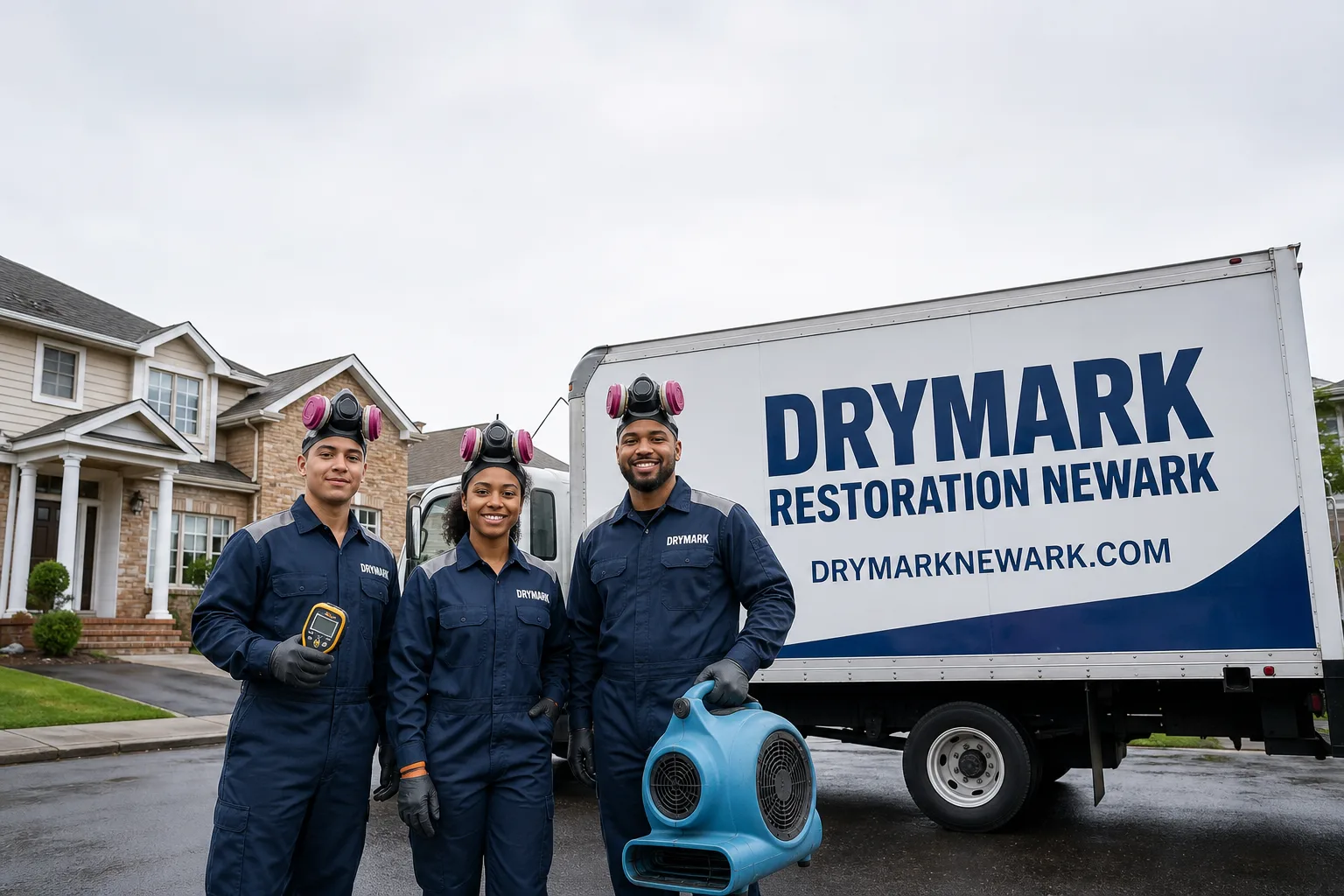
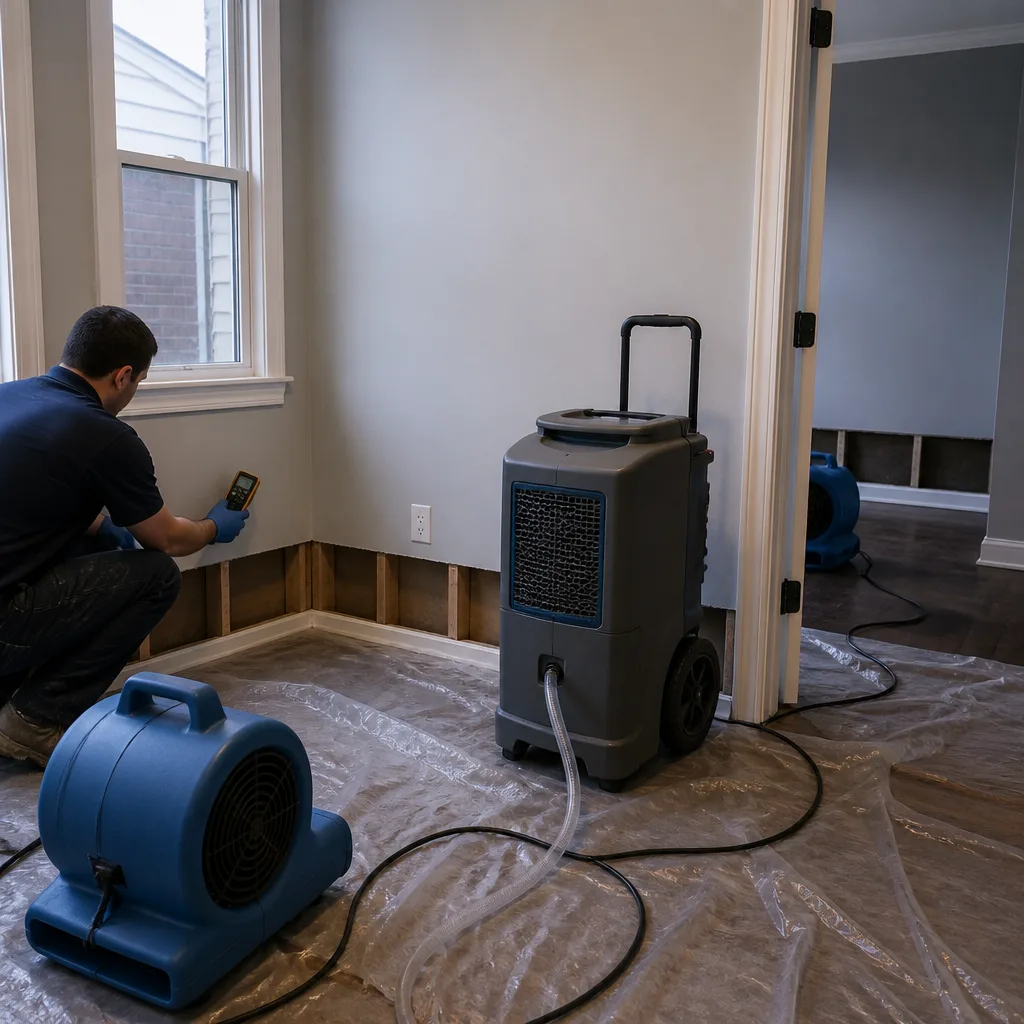
Free visual inspection and a written scope of work before any mitigation begins - photos, moisture readings, and drying logs go in your claim file
The scope we write is the scope we bill. Anything new gets shown to you, in writing, before we touch it.
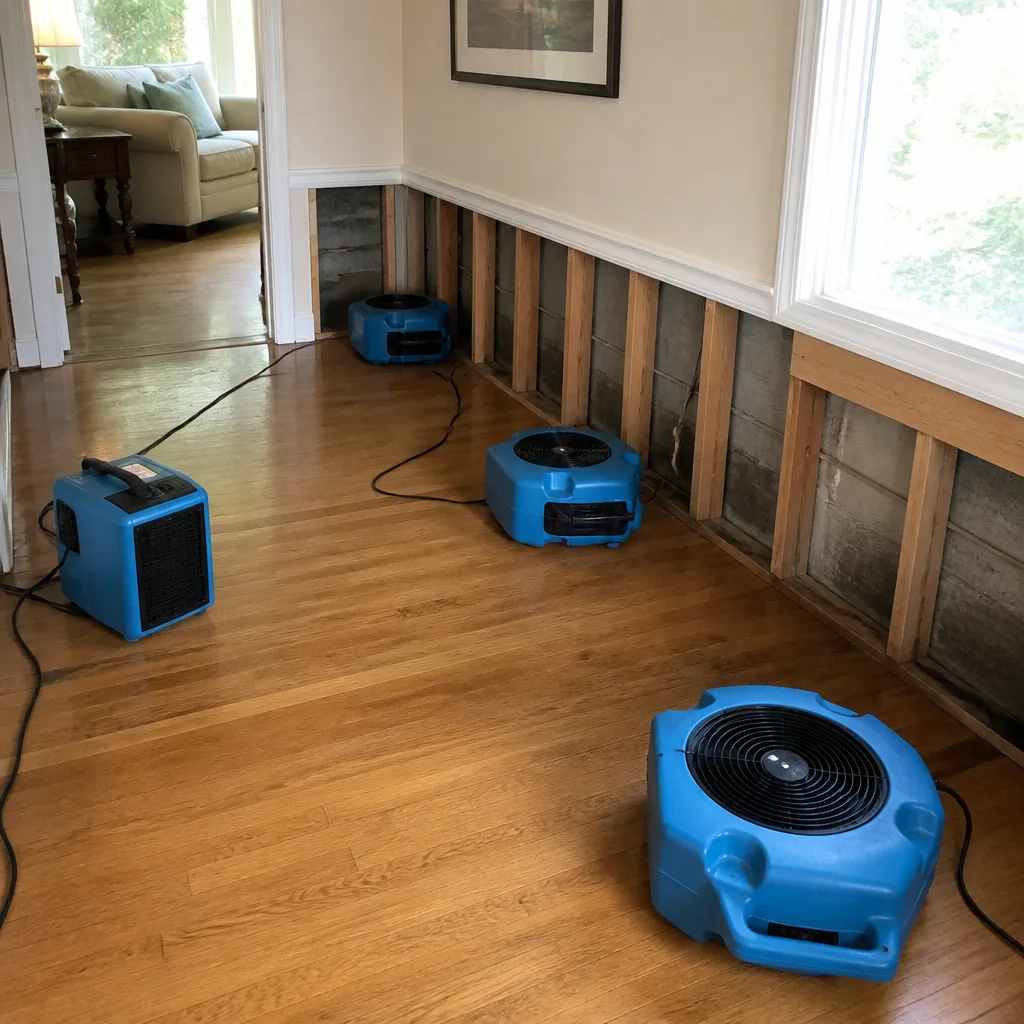
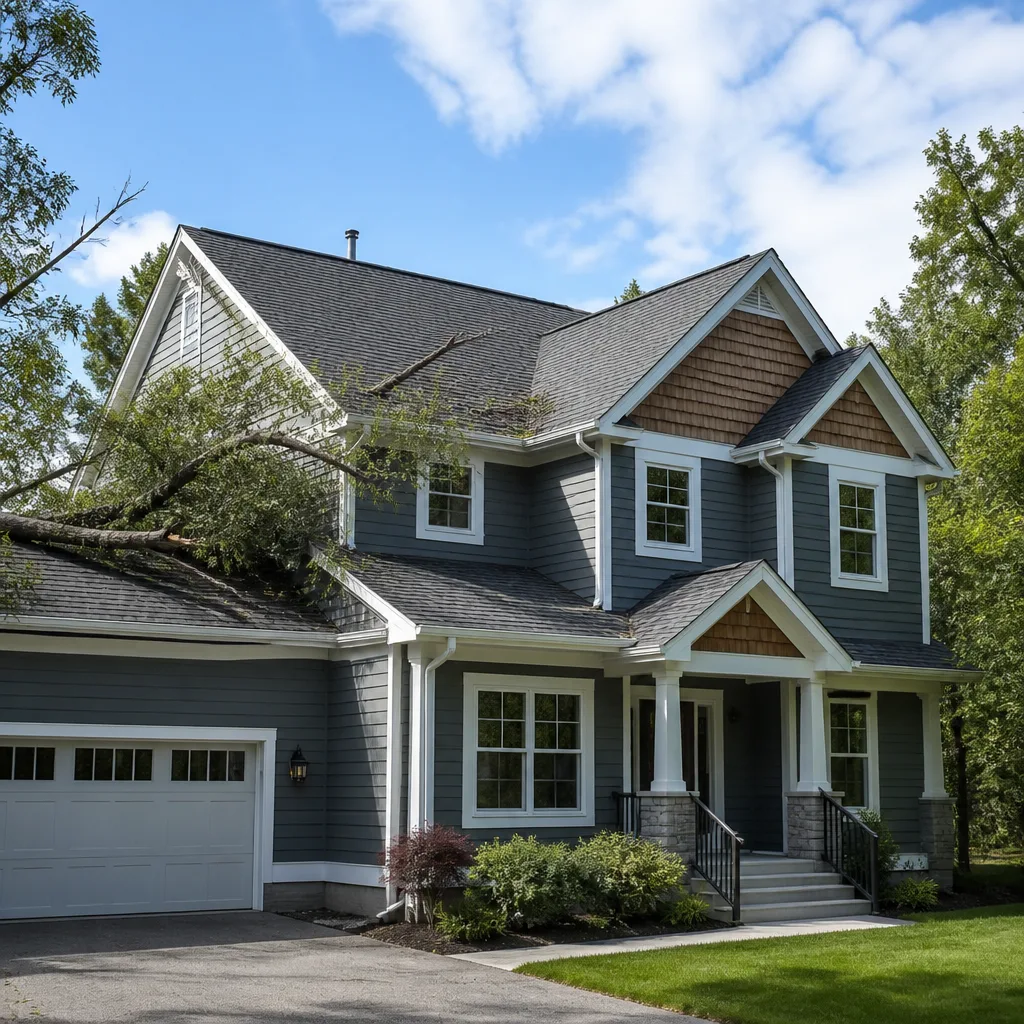
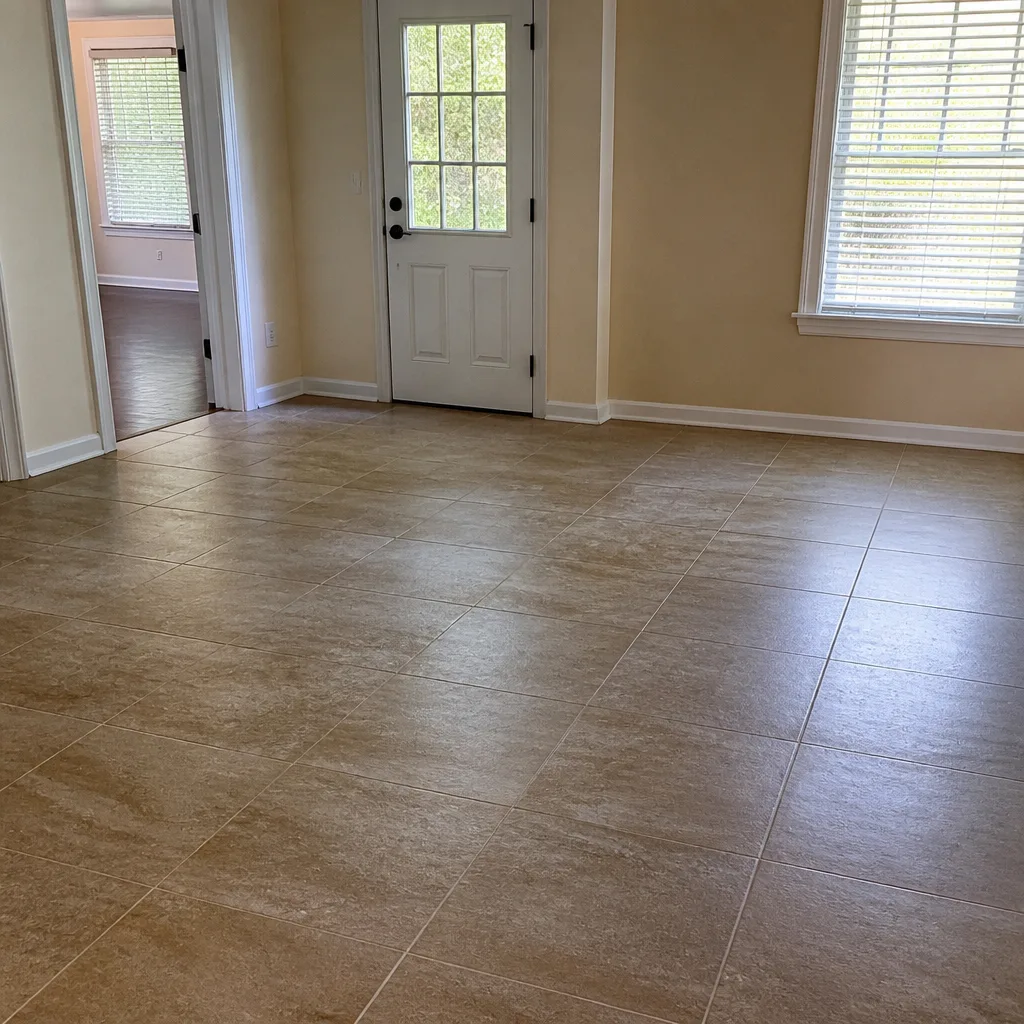
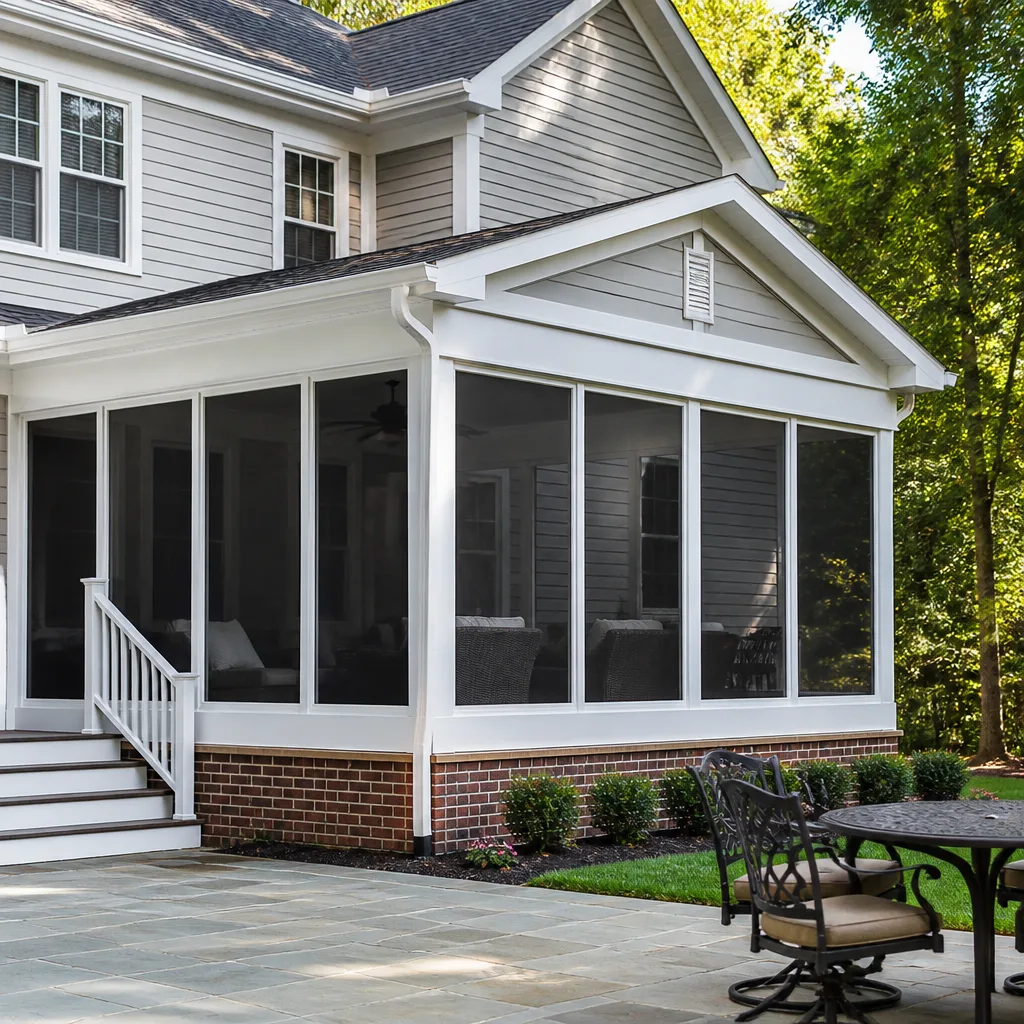
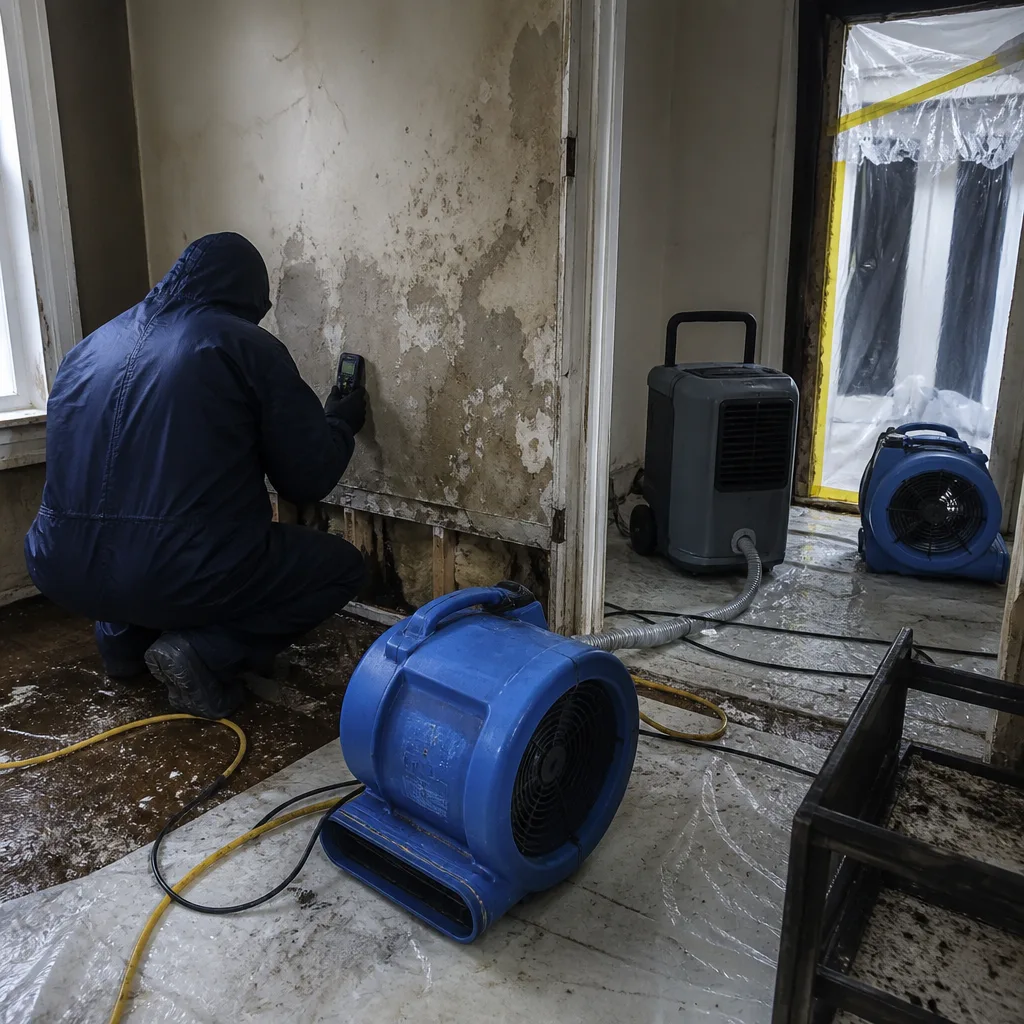 Before
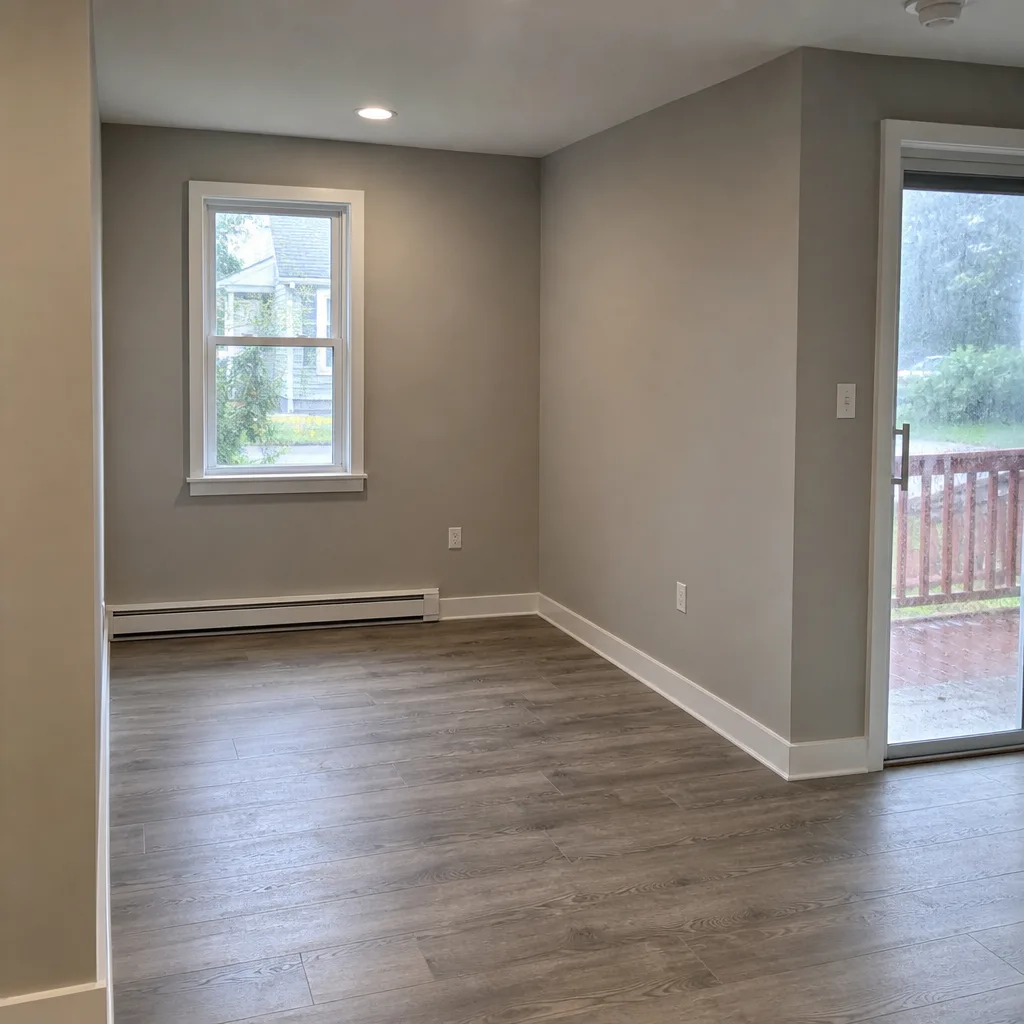 After
After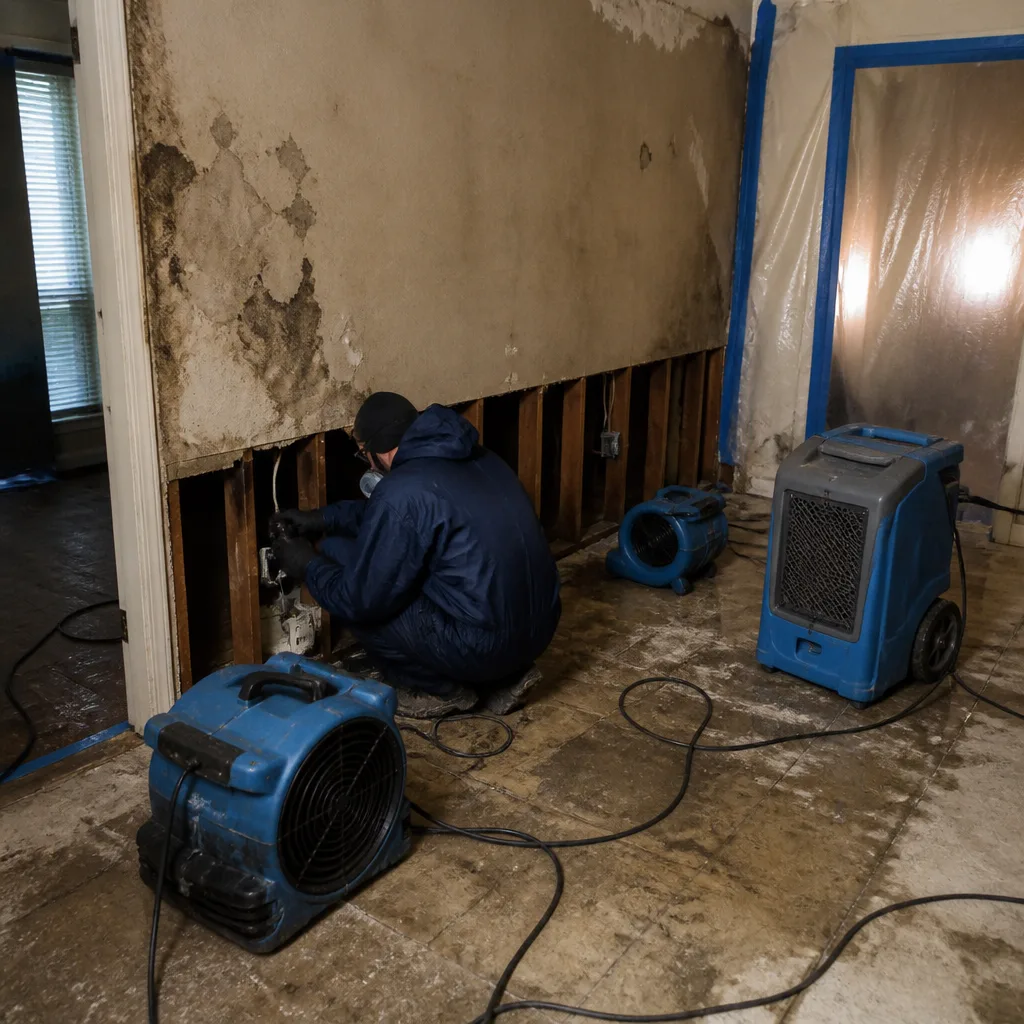 Before
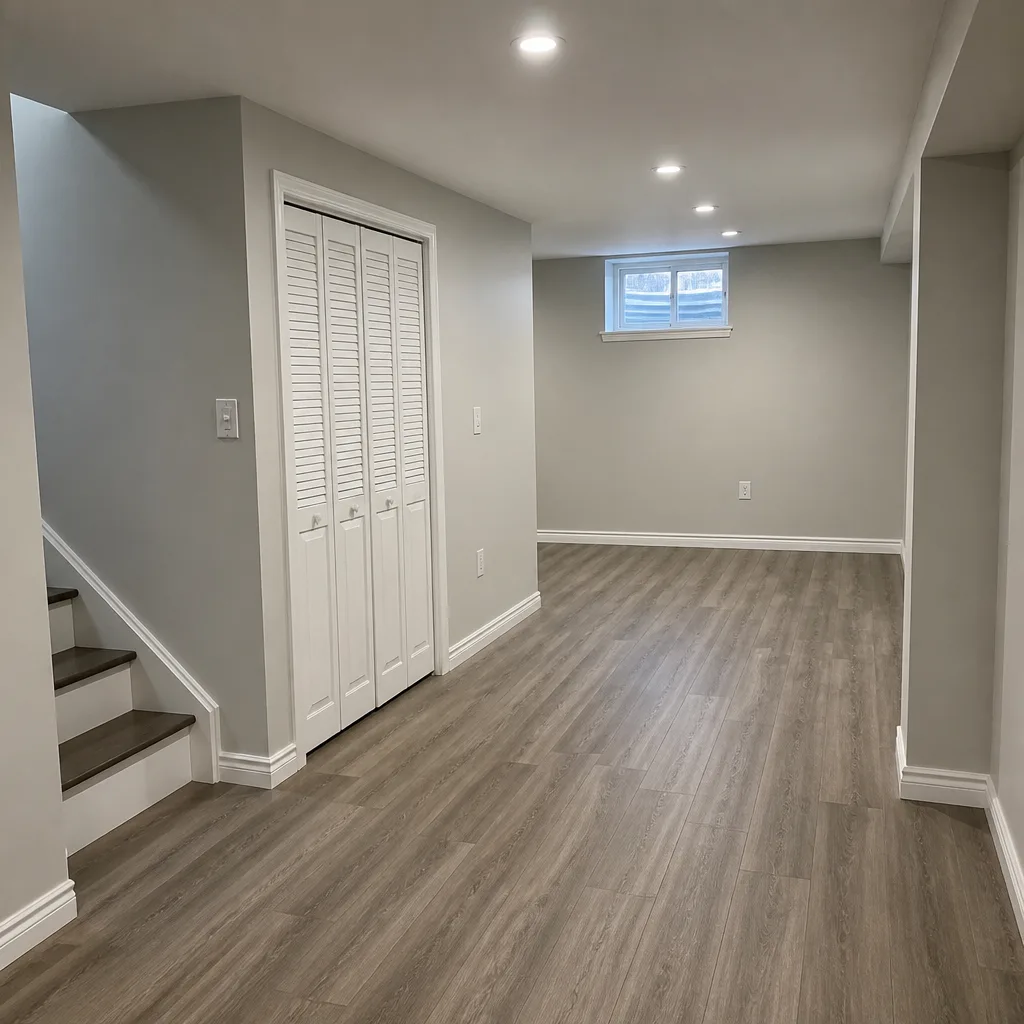 After
After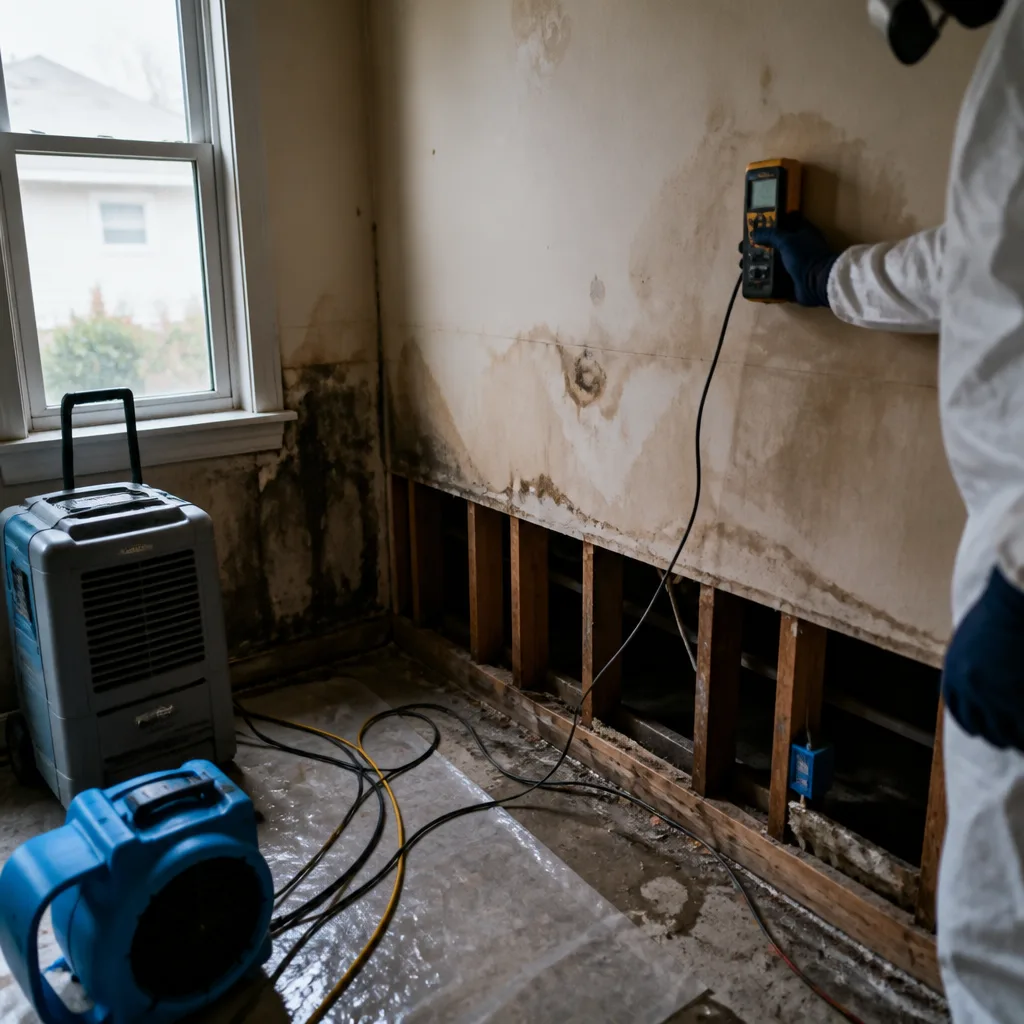 Before
 After
AfterFast, Reliable Mold Remediation Across SoHo
Mold remediation in SoHo typically runs $2,800-$7,500 for a standard loft unit, with full-service jobs in landmarked cast-iron buildings reaching $12,000-$18,000 when NYC Landmarks Preservation Commission review is required. Our crews dispatch to SoHo from our New York City office, usually arriving within 45-60 minutes for emergency calls. We know these buildings - the 5-story cast-iron lofts on Greene Street, the converted manufacturing floors on Spring Street, the heavy-timber interiors above West Broadway shops - and we know that standard apartment remediation protocols fail here because the building stock is anything but standard.
Call (862) 292-4268 for a written estimate before any work begins. That’s Haven Standard, Clause 1.
Why DryMark Restoration Newark Is SoHo’s Preferred Mold Remediation Company
We’ve restored more than 12,000 homes since 2011, and a significant share of our documentation-heavy jobs have been in lower Manhattan lofts where the adjuster’s file either gets paid or denied based on what we can prove with photos, moisture logs, and written scopes. In SoHo specifically, our reputation rests on knowing the difference between a Tribeca new-build water loss and a SoHo-Cast Iron Historic District remediation where one permit misstep stalls the entire job.
Our response time to SoHo averages under an hour for active water or visible mold emergencies. For non-urgent mold inspections, we typically schedule within 24 hours. Every technician who enters your loft is background-checked, uniformed, and licensed - their license number is documented on your job file, not hidden behind a dispatcher’s desk.
We don’t sell reassurance. We sell evidence: a photo record on every visit, a written price before work starts, and daily moisture readings logged to IICRC standards so your insurer pays the claim without a fight.
Our Mold Remediation Services in SoHo
Mold Inspection & Testing
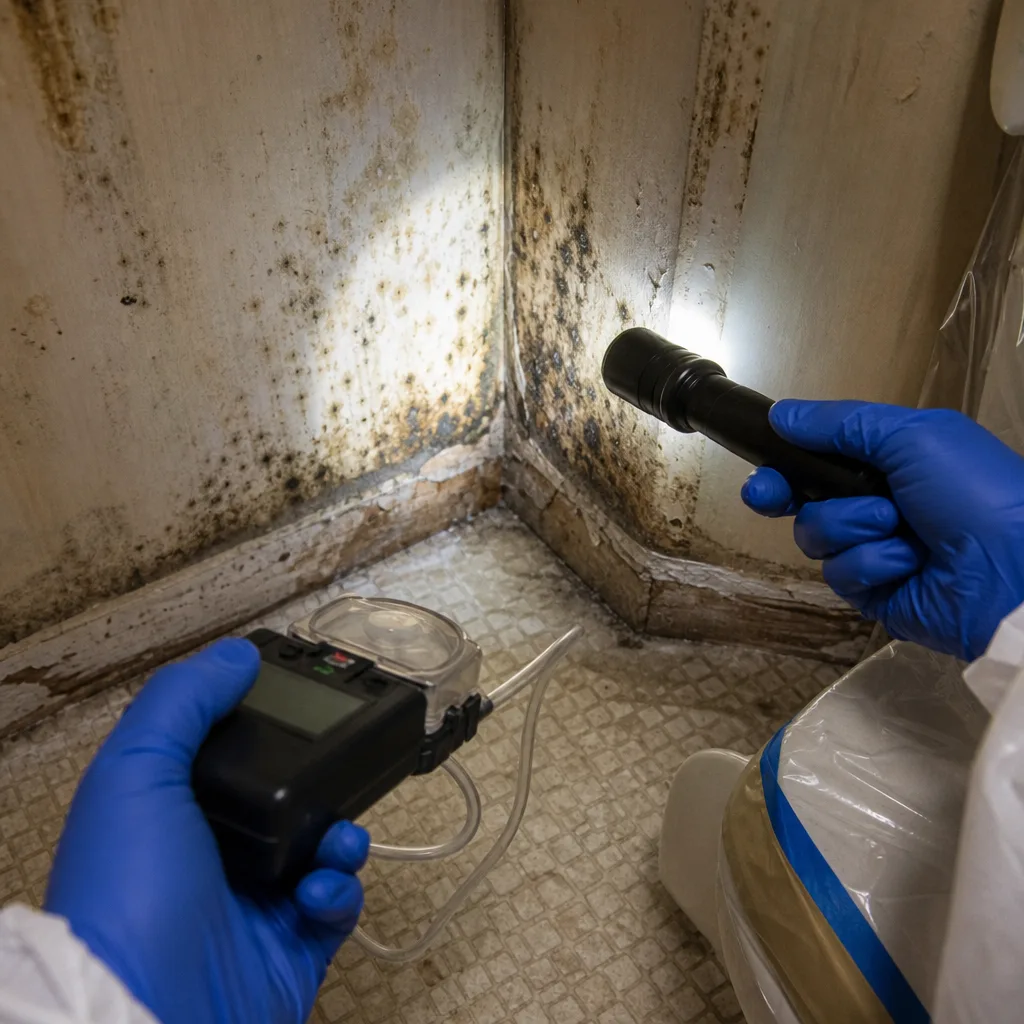
A proper SoHo mold inspection starts with understanding what you’re standing in. These 3,000-6,000 sq ft open floor plates, the ones carved out of 1860s manufacturing buildings with heavy Douglas fir plank flooring and tin ceilings overhead, hide moisture migration patterns that standard inspections miss. We moisture-map the full floor plate, test behind tin ceilings where 150-year-old timber beams sit, and sample air quality across the loft’s full volume - not just the corner where someone smelled something musty. Our inspection reports include photo documentation, moisture readings by location, and a written scope with a fixed price before any remediation begins.
Mold Removal
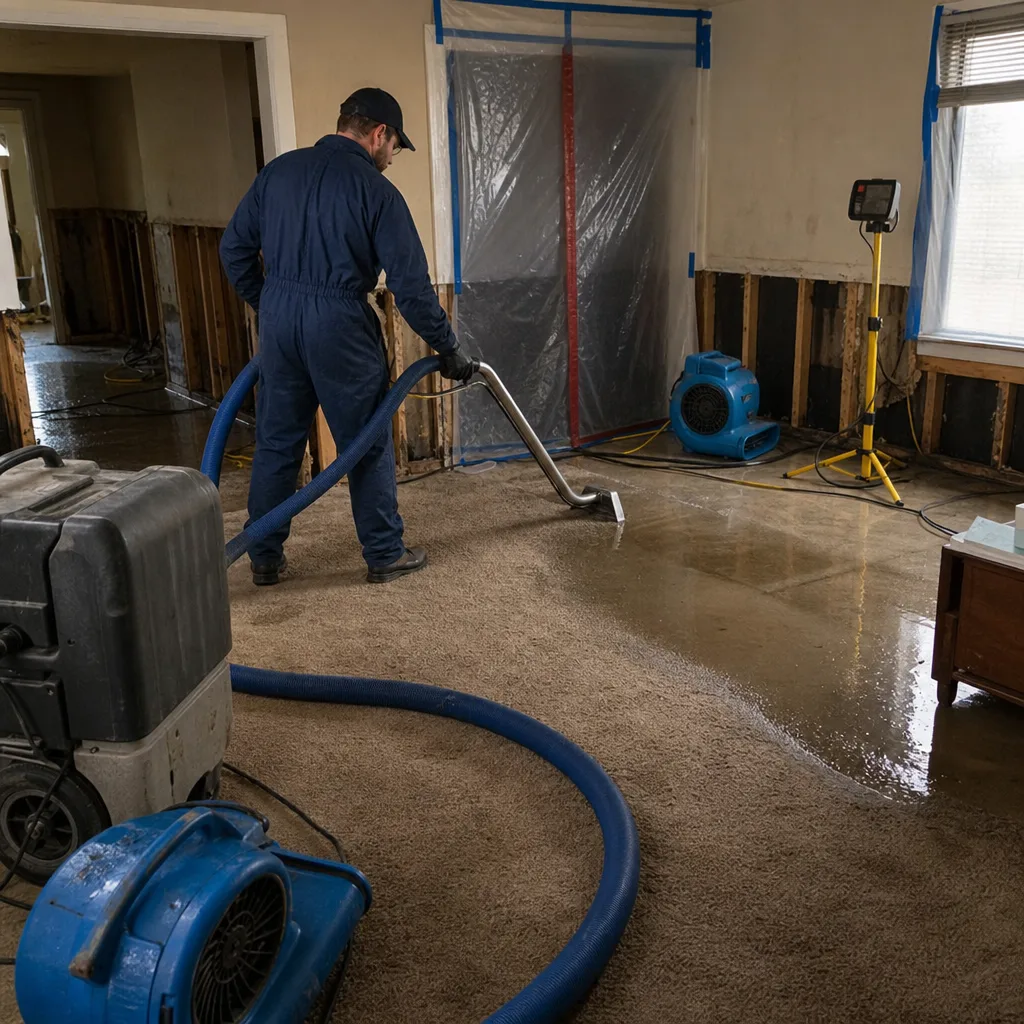
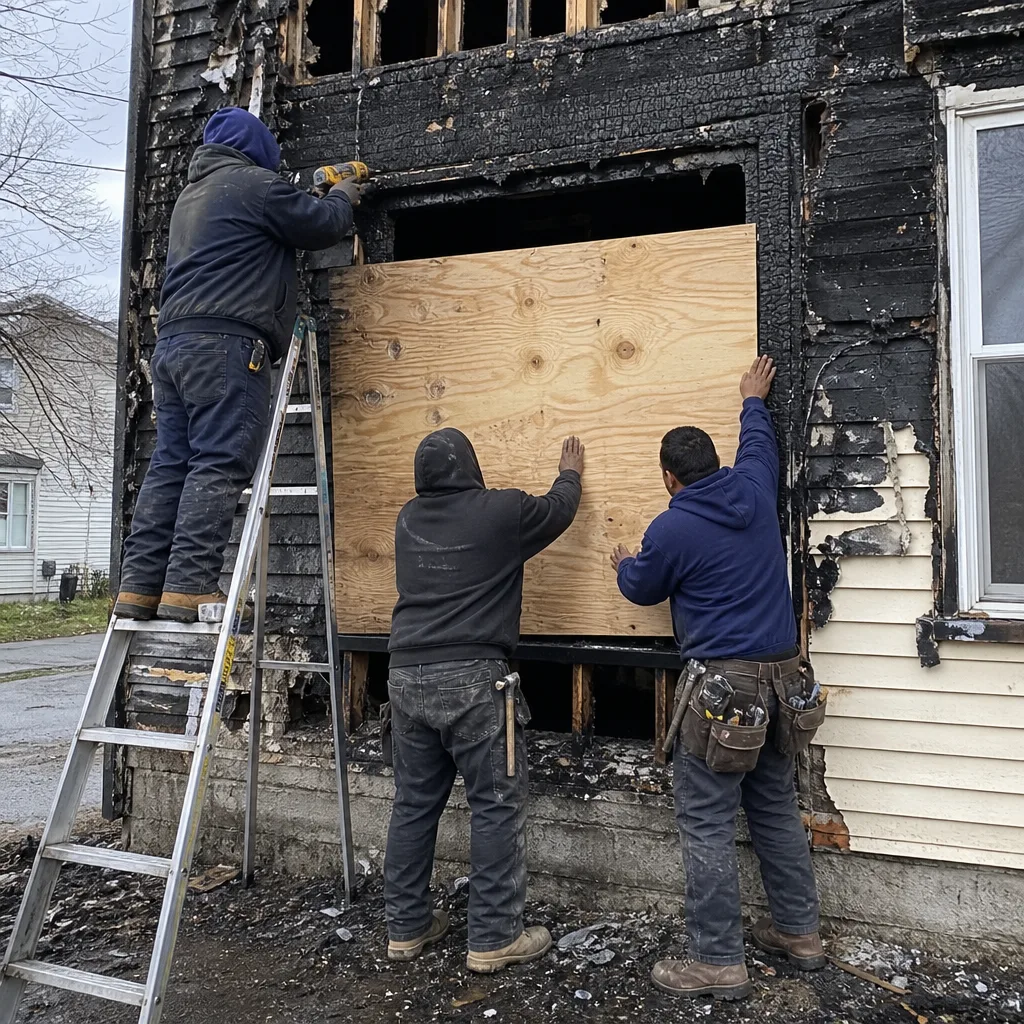
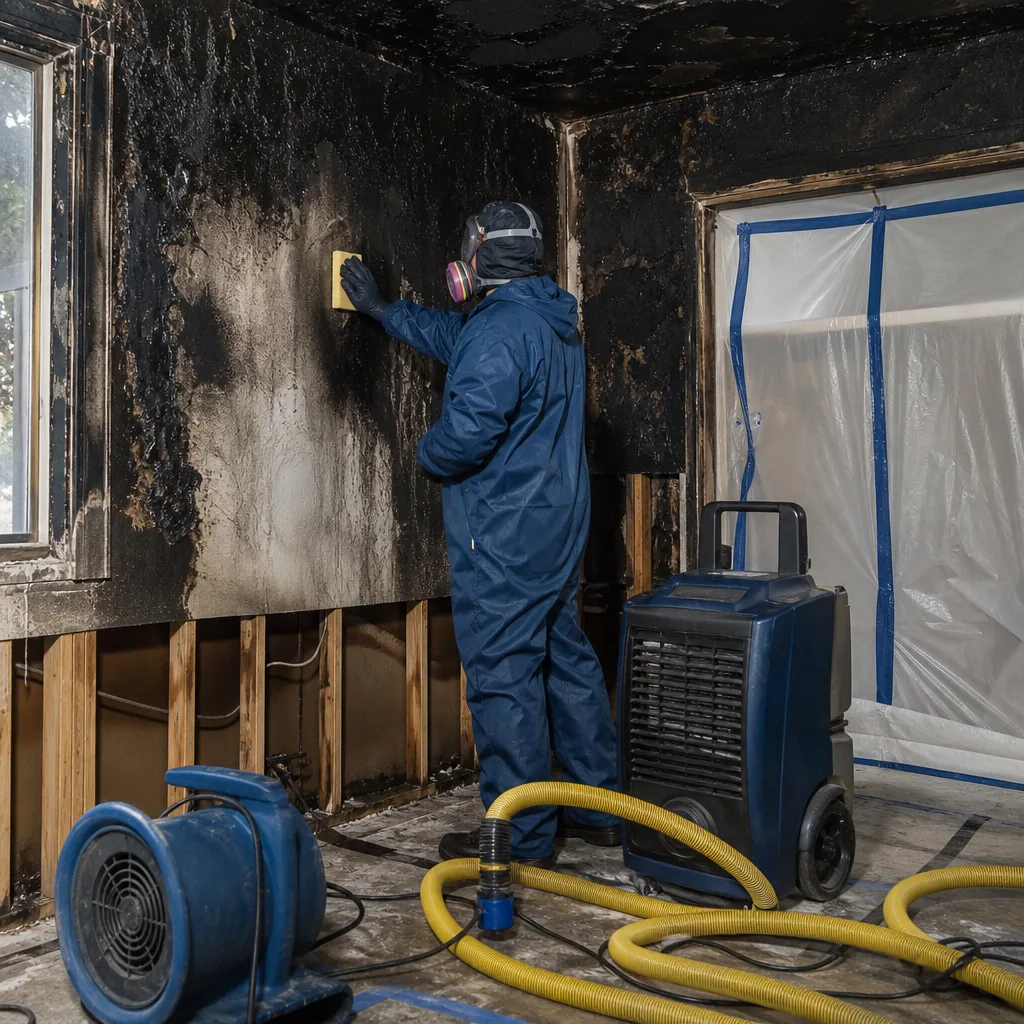
Removing mold from a SoHo loft isn’t a matter of spraying and wiping. When we find colonization behind plaster or above a tin ceiling, we have to determine whether that access point touches landmarked fabric - and if it does, we file LPC review before cutting anything. Our crews contain the affected area with HEPA-barrier isolation, remove contaminated materials using methods approved for historic structures, and treat structural timbers with antimicrobial applications that don’t compromise the wood’s integrity. Every bagged material is photo-logged, every disposal receipt kept, every drying reading recorded twice daily until the timber moisture content drops below 16%.
Black Mold Remediation
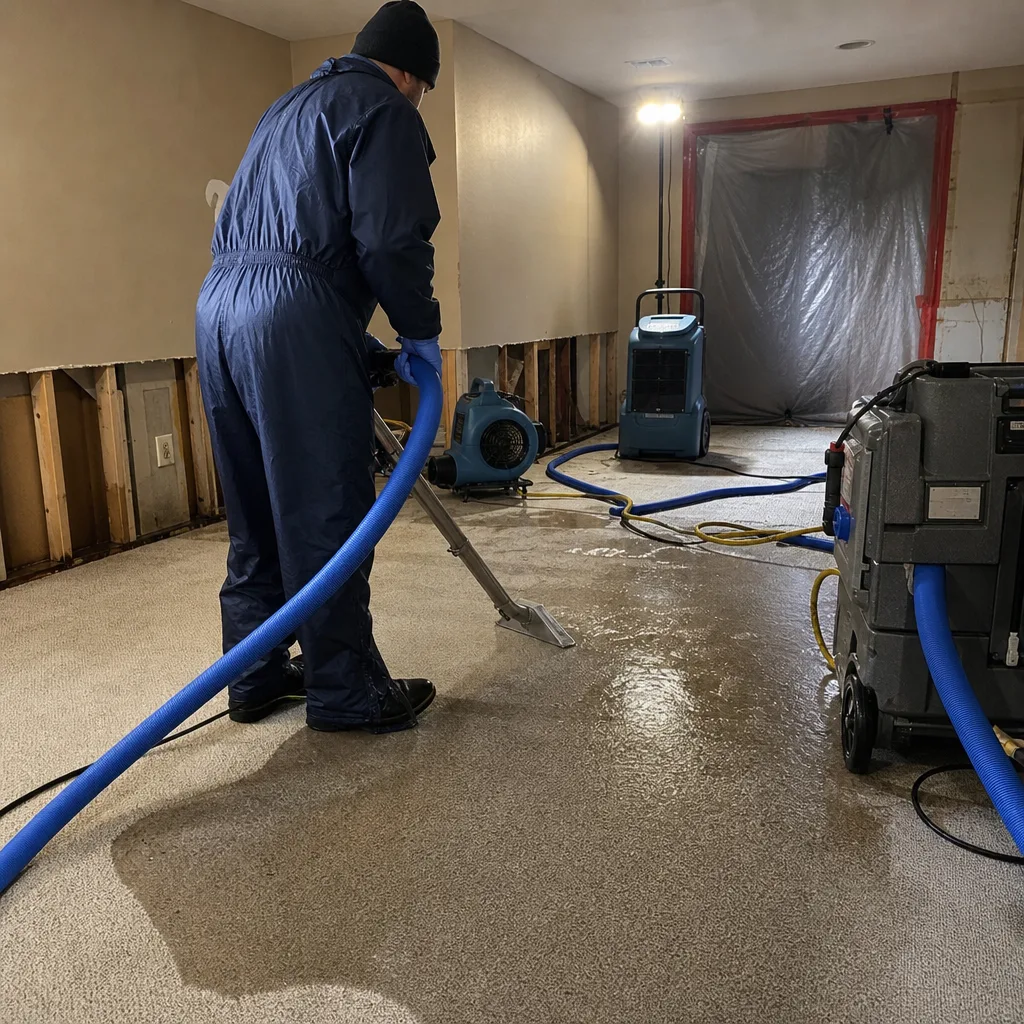
Stachybotrys colonization in SoHo lofts almost always traces to slow, hidden moisture - not the dramatic pipe burst that gets noticed immediately, but the facade gap that weeps into timber framing for months behind intact plaster. Black mold remediation here requires containment at a scale most residential crews aren’t equipped for: a single 4,200 sq ft loft floor might need full negative-air isolation. We deploy professional-grade HEPA air scrubbers and dehumidification from B-Air and XPOWER, document psychrometric data (temperature, relative humidity, vapor pressure differential - the measurable forces that determine whether mold can regrow), and don’t sign off until independent post-remediation verification confirms clearance.
Air Quality Restoration
After remediation, SoHo lofts need more than a fresh smell. The open floor plates and massive industrial steel-sash windows create air circulation patterns that can redistribute spores if filtration isn’t handled precisely. We calculate air changes per hour, size HEPA filtration to the loft’s full cubic volume, and run post-remediation air sampling that meets IICRC S520 standards. You receive the lab results, the photo record, and a written clearance statement - the documentation that closes your file with the insurer and satisfies any future property disclosure requirement.
Moisture & Humidity Control
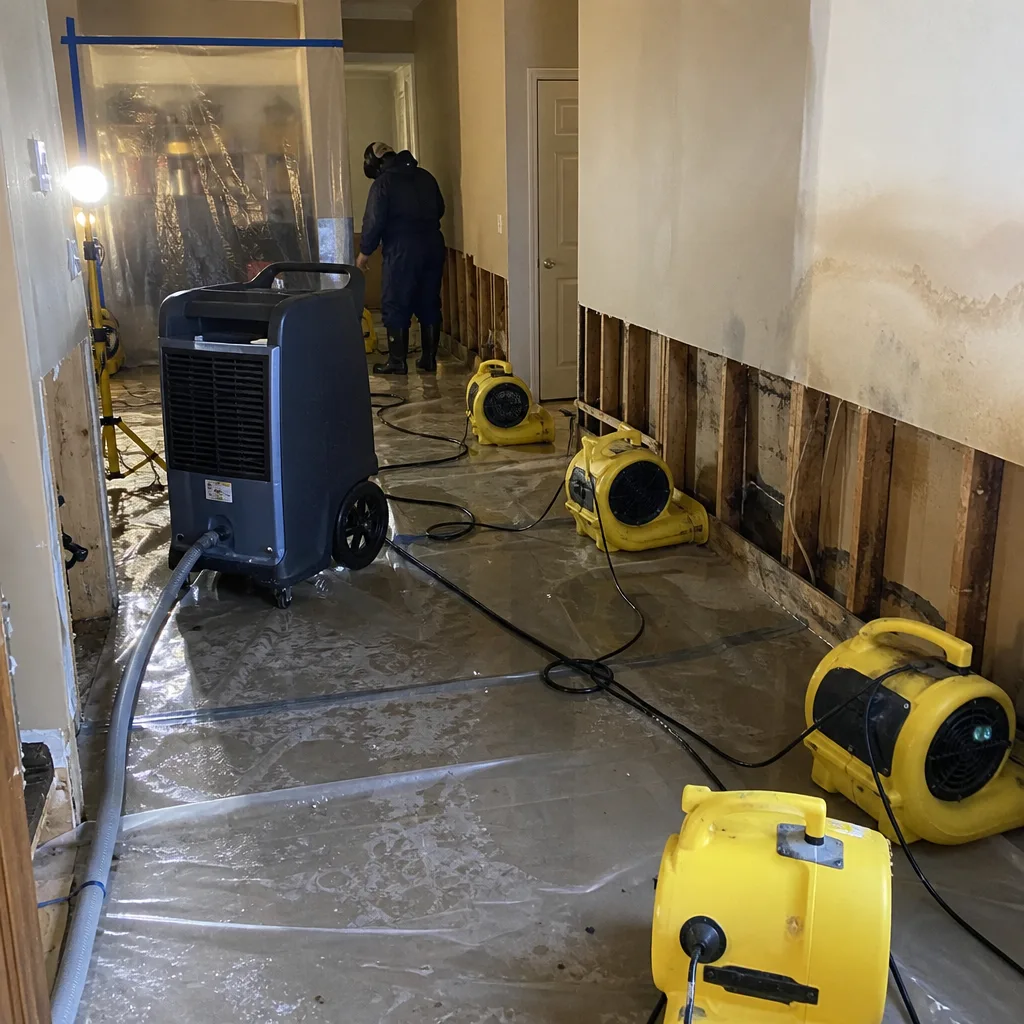
SoHo’s coastal position, bounded by the Hudson and East River tidal waterways, means baseline humidity runs higher than inland Manhattan year-round. Add the thermal mass of cast-iron facades that sweat through freeze-thaw cycles, and you’ve got a building envelope that fights standard humidity control. We install commercial-grade dehumidification sized to loft volumes, monitor with remote humidity sensors, and provide written drying logs that track vapor pressure differential - the actual force that pulls moisture out of timber framing - until the structure is stable.
What happens when you call
- 1
A real person answersNo phone trees - you reach a local pro.
- 2
You get an upfront price rangeHonest numbers before anyone is dispatched.
- 3
A background-checked tech heads outLicensed & insured, dispatched right away.
- 4
You approve before work beginsNothing starts until you say go.
BeforeAfterTrusted Equipment & Standards We Deploy in SoHo
Our equipment inventory includes professional-grade drying systems from Dri-Eaz, Phoenix, XPOWER, B-Air, and Injectidry - brands selected for their documentation capabilities, not their marketing. In SoHo specifically, we stock Injectidry panel systems that allow structural drying through plaster and tin ceilings without the invasive access that triggers LPC review. Every machine logs run-time and output data; that data becomes part of your job file. All work is documented to IICRC, RIA, and IFA standards - the same standards your adjuster’s desk reference cites when approving or denying a claim.
Common Mold Remediation Problems We See in SoHo Homes
- Mold hidden above tin ceilings on heavy-timber beams. A slow facade leak saturates 150-year-old structural wood for months before any stain shows on the plaster below. Crews who only moisture-test visible walls miss the colonized timbers entirely, and the mold returns after a cosmetic fix.
- Standard apartment drying timelines applied to massive loft floor plates. A 3,000 sq ft open floor with wide-plank Douglas fir and heavy timber framing releases moisture far slower than a subdivided apartment. Cut drying short at 3-5 days and Category 2 water remains in the structure; mold follows within weeks.
- Invasive access to landmarked fabric without LPC review. Punching through a tin ceiling or cast-iron window surround without Landmarks Preservation Commission approval stops the job cold. The mold keeps growing while paperwork sits in review, and the homeowner pays for the delay.
- Basement mechanical rooms flooding during coastal storms. SoHo’s low elevation and tidal exposure mean basement archives and mechanical spaces fill fast in major weather events. These Category 3 losses require full PPE, contained removal, and documented disposal - not a shop-vac and hope.
Pricing for Mold Remediation in SoHo, NY
Here’s what mold remediation costs in SoHo’s market, based on jobs we’ve completed in the SoHo-Cast Iron Historic District:
| Service | Typical Range in SoHo |
|---|---|
| Mold inspection & testing (standard loft) | $450-$850 |
| Surface mold removal (non-structural, <200 sq ft) | $1,800-$3,200 |
| Full loft remediation with containment | $4,500-$9,500 |
| Structural timber remediation with LPC coordination | $8,000-$18,000 |
| Air quality restoration & clearance testing | $650-$1,400 |
| Moisture control system installation | $2,200-$5,500 |
Three factors push SoHo jobs toward the higher end: LPC permit review requirements for landmarked buildings, the scale of open floor plates requiring larger containment and equipment, and the density of hidden timber colonization behind intact historic finishes. Every job gets a written price before work starts - Haven Standard, Clause 1 - with no scope-creep additions once our crew is inside. We also offer a Free Second Opinion on any competitor’s written estimate; bring it in and we’ll review it at no charge.
Call (862) 292-4268 for your written estimate. Estimates are free.
We Also Serve Cities Near SoHo
Our crews work throughout lower Manhattan and across the harbor. We regularly handle mold remediation in SoHo and nearby St. George, Battery Park City, Financial District, and Tribeca. Each neighborhood has distinct building stock and regulatory context; our Mold Remediation team adjusts protocols accordingly rather than applying a single template.
Serving SoHo, NY - Our Local Coverage Area
We’re based in the SoHo area and know this community well. Use the map below to see our service coverage - if you’re nearby, we can almost certainly help.
FAQs - Mold Remediation in SoHo
Yes, if the work requires invasive access to landmarked exterior walls, tin ceilings, cast-iron window surrounds, or shared structural beams. We file LPC review before cutting any protected fabric, and we coordinate with approved contractors for restoration of historic details to pre-loss condition. Call (862) 292-4268 and we’ll assess whether your specific job triggers review - estimates are free.
Mold can establish visible colonization within 48-72 hours on organic surfaces, but in SoHo’s heavy-timber lofts, the real risk is slower: water migrates laterally across 3,000-6,000 sq ft open floor plates, saturating Douglas fir plank and timber beams while the surface looks merely damp. By the time you smell mustiness, the structural wood may have been feeding mold for a week or more. We moisture-map the full floor plate to find what surface inspections miss.
A burst pipe gets noticed immediately, the water is Category 1 or 2, and drying starts fast. A slow facade leak - common where freeze-thaw cycles open hairline gaps in cast-iron cladding - weeps into timber framing for months behind intact plaster and tin ceilings. The wood reaches deep saturation, mold colonizes structurally, and by the time visible staining appears, remediation requires invasive access to landmarked fabric with full LPC coordination. The hidden duration is what drives cost and complexity.
Often yes, depending on contamination extent and the loft’s contents. We build contained work zones within the open floor plate, using HEPA barriers and negative air pressure to isolate the remediation area while furniture and belongings remain in place. For extensive structural timber work or full-ceiling access, partial or full pack-out may be necessary; we specify this in the written scope before work begins, with no surprises. Haven Standard, Clause 1.
Basement mechanical-room flooding in SoHo is typically Category 3 - grossly contaminated - because these low-elevation spaces are vulnerable to tidal surge, sewer backflow, and groundwater intrusion, especially during major coastal storms. Category 3 requires full PPE, removal of porous materials, antimicrobial treatment of structural surfaces, and documented disposal. We do not attempt to “clean” Category 3 carpets or drywall; we remove them, photo-log the disposal, and rebuild to pre-loss condition with a written scope.
Our Work in SoHo: A Field Example
A slow facade leak on a cast-iron-fronted Greene Street loft had been feeding moisture into the 150-year-old heavy-timber beams above a tin ceiling for an entire winter before the tenant smelled mold. Our techs ran moisture mapping across the 4,200 sq ft open floor plate, found the timber framing deeply colonized on two beams, and set up containment plus structural drying with Dri-Eaz dehumidification while we prepped an LPC submission for the ceiling access. We pulled the wet plaster, treated the beams with antimicrobial treatment, logged drying readings twice daily, and rebuilt the tin ceiling detail to pre-loss condition with LPC-approved methods.
The tenant received: the photo record, the daily moisture log, the written scope with fixed pricing, the LPC coordination documentation, and the 365-Day Done Right Promise stamped under The Haven Standard. The insurer paid the claim without dispute because the file was complete before the adjuster asked for it.
Contact DryMark Restoration Newark
We’re available 24 hours a day, 7 days a week - a live person answers every call, no voicemail trees, no next-business-day callbacks while water keeps moving or mold keeps growing. Every job starts with a written price before work begins, documented with a photo record on every visit, and backed by our 365-Day Done Right Promise under The Haven Standard.
Call (862) 292-4268 for your free estimate. We’ll answer your questions, assess whether LPC review applies to your specific building, and give you a fixed written price you can take to your insurer with confidence.
Written by Alicia Brennan, Owner at Back to Dry Restoration, serving SoHo since 2011.