
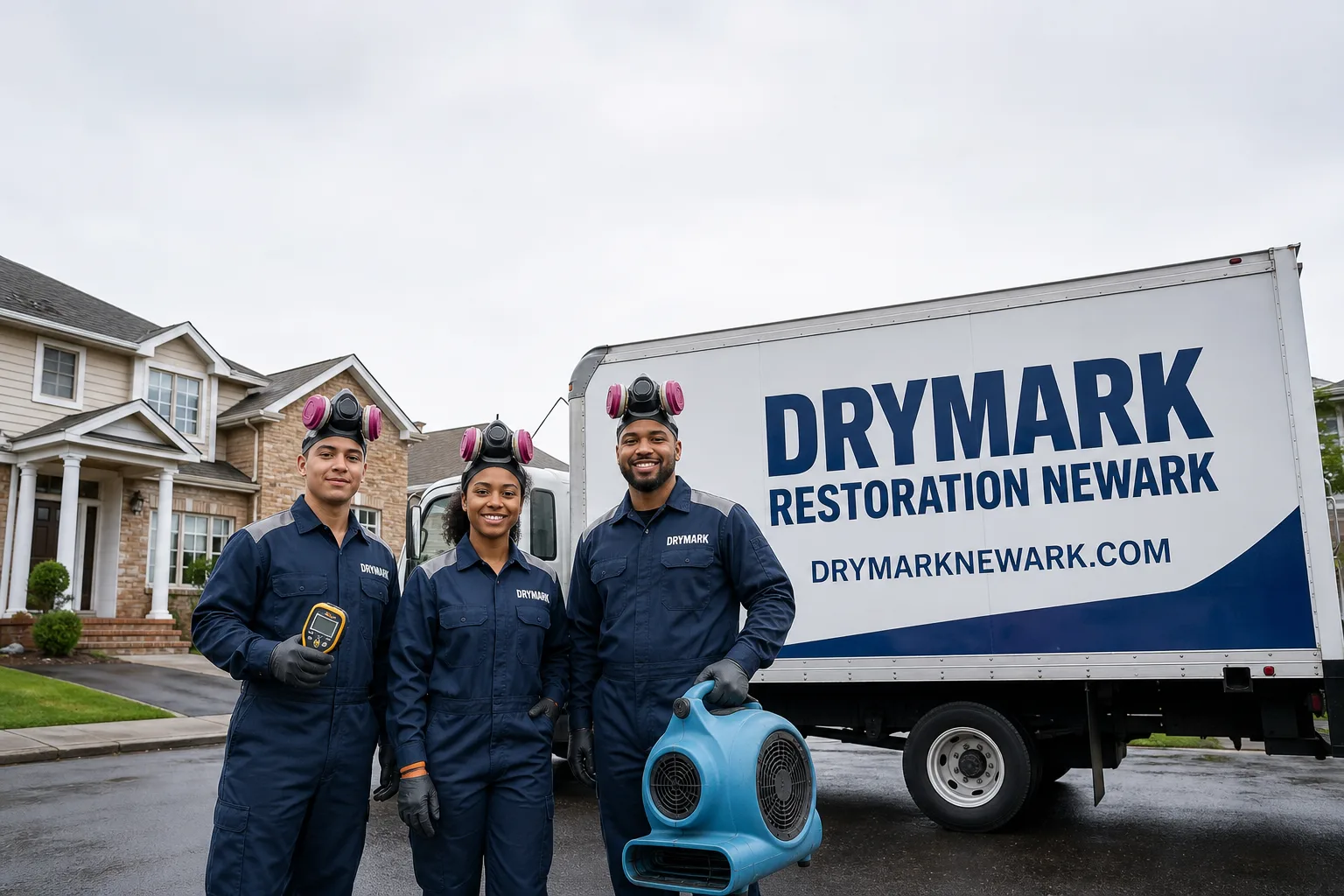
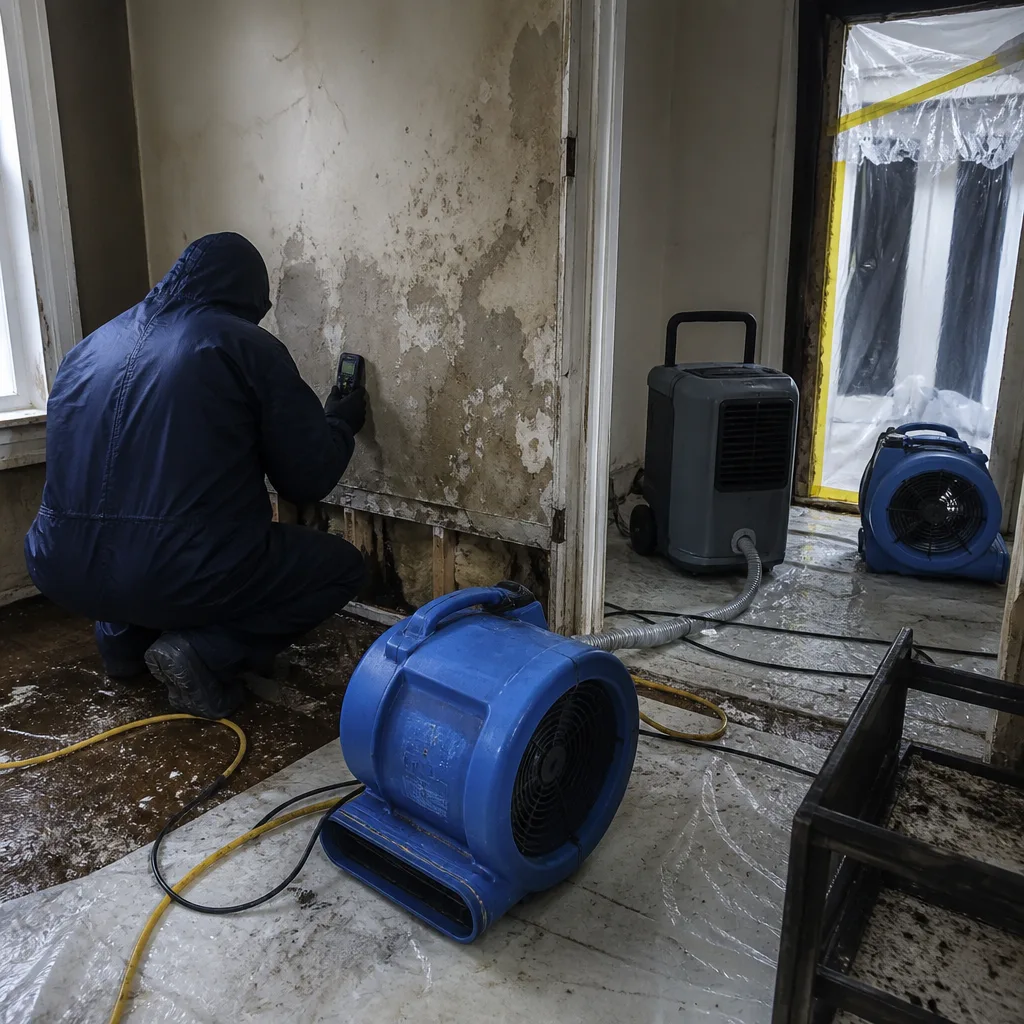
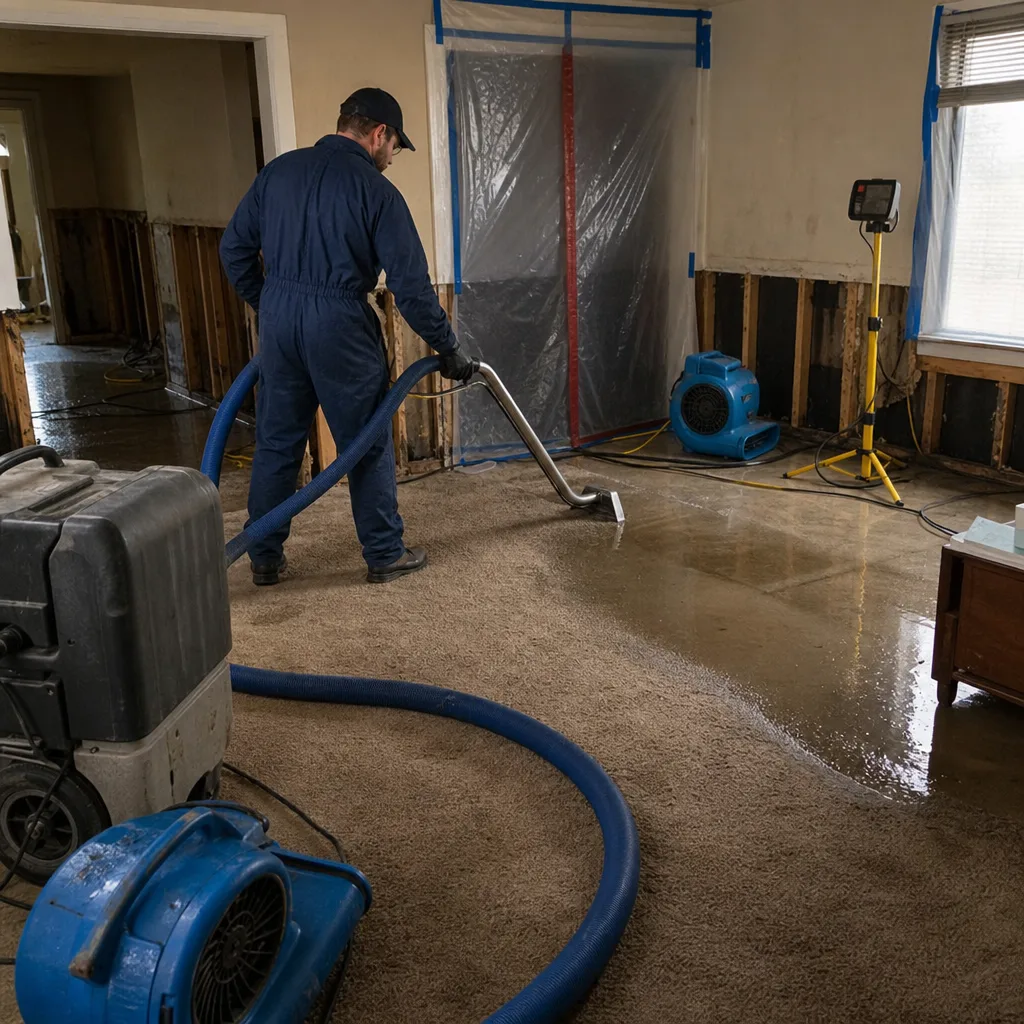
Free visual inspection and a written scope of work before any mitigation begins - photos, moisture readings, and drying logs go in your claim file
The scope we write is the scope we bill. Anything new gets shown to you, in writing, before we touch it.
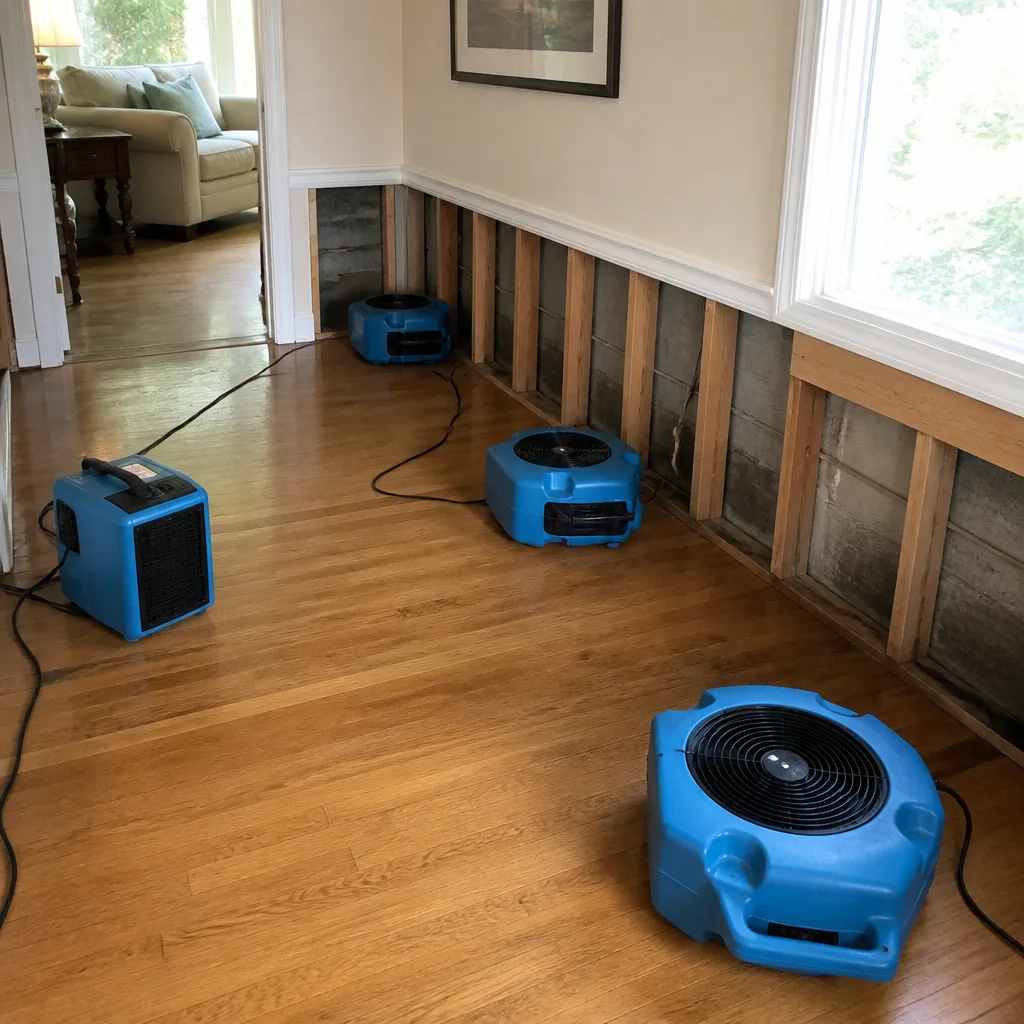
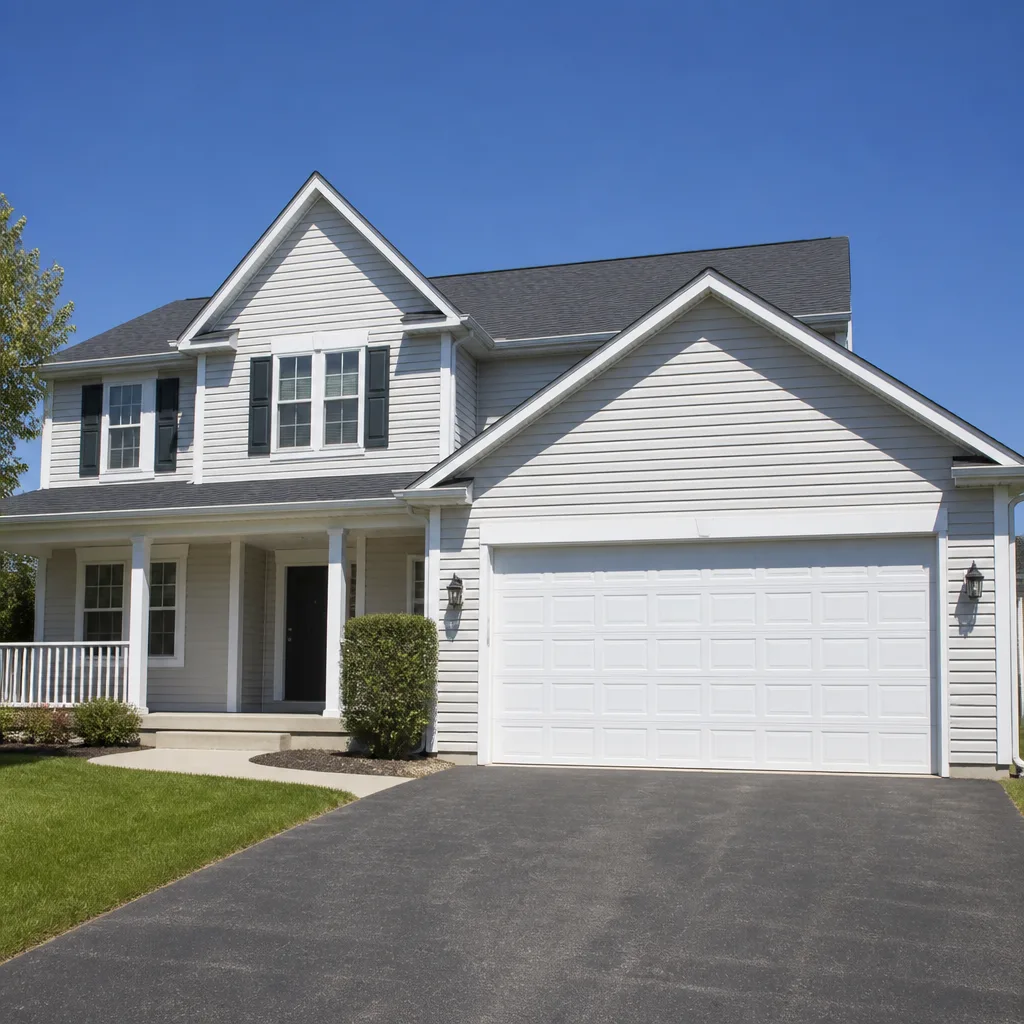
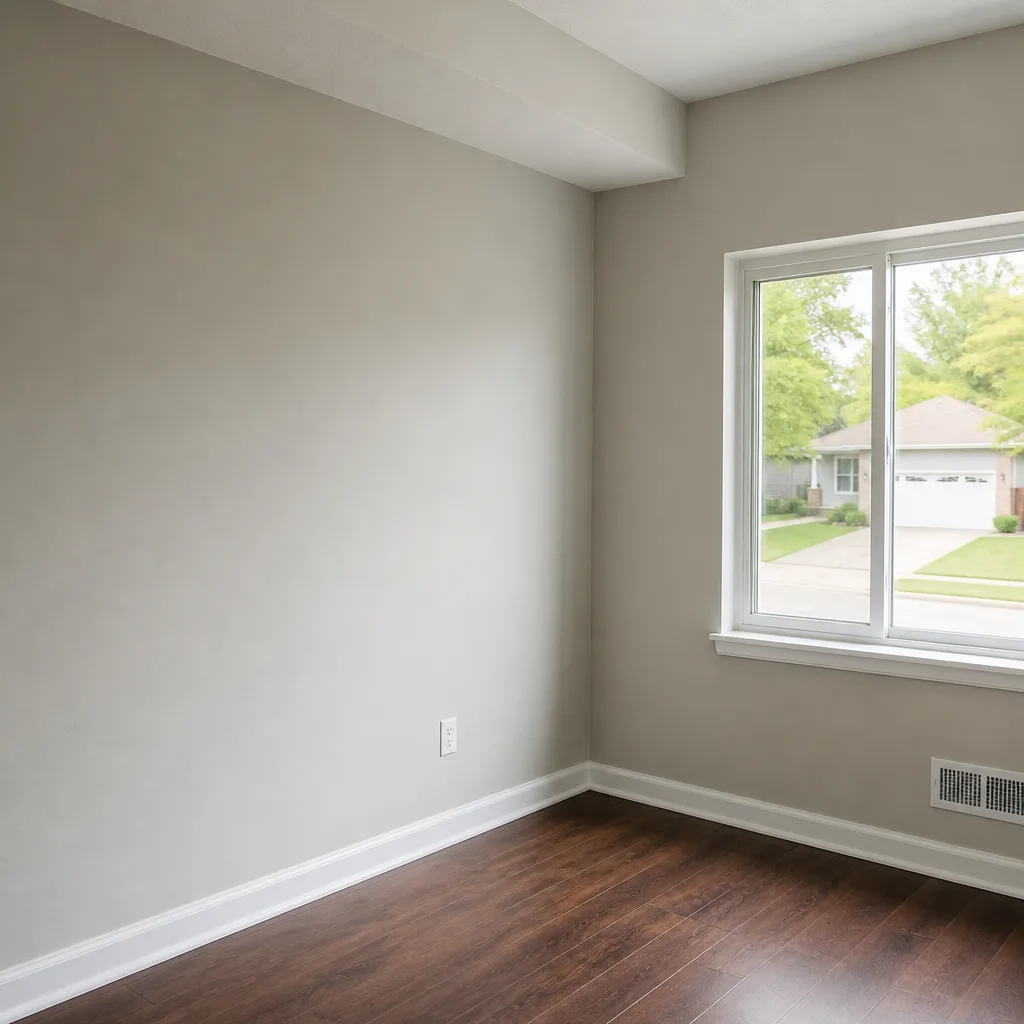
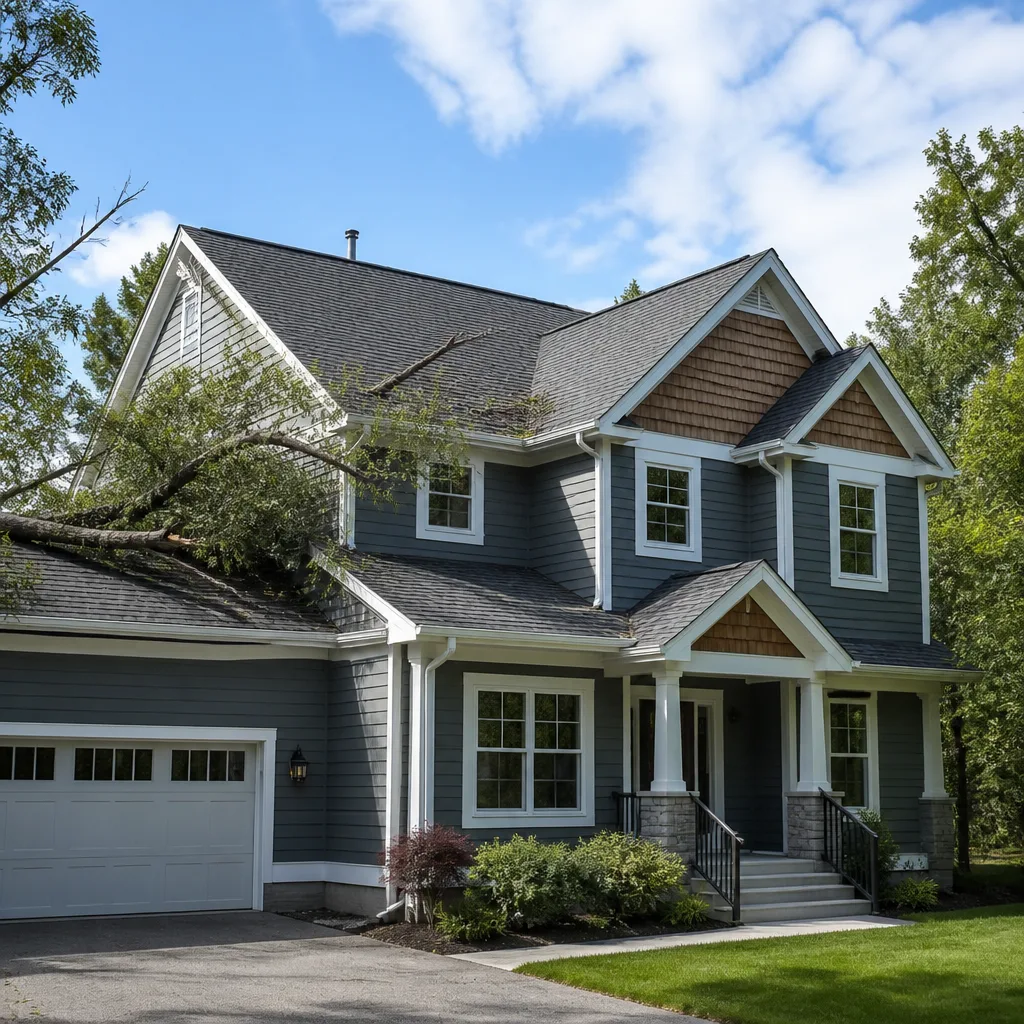
 Before
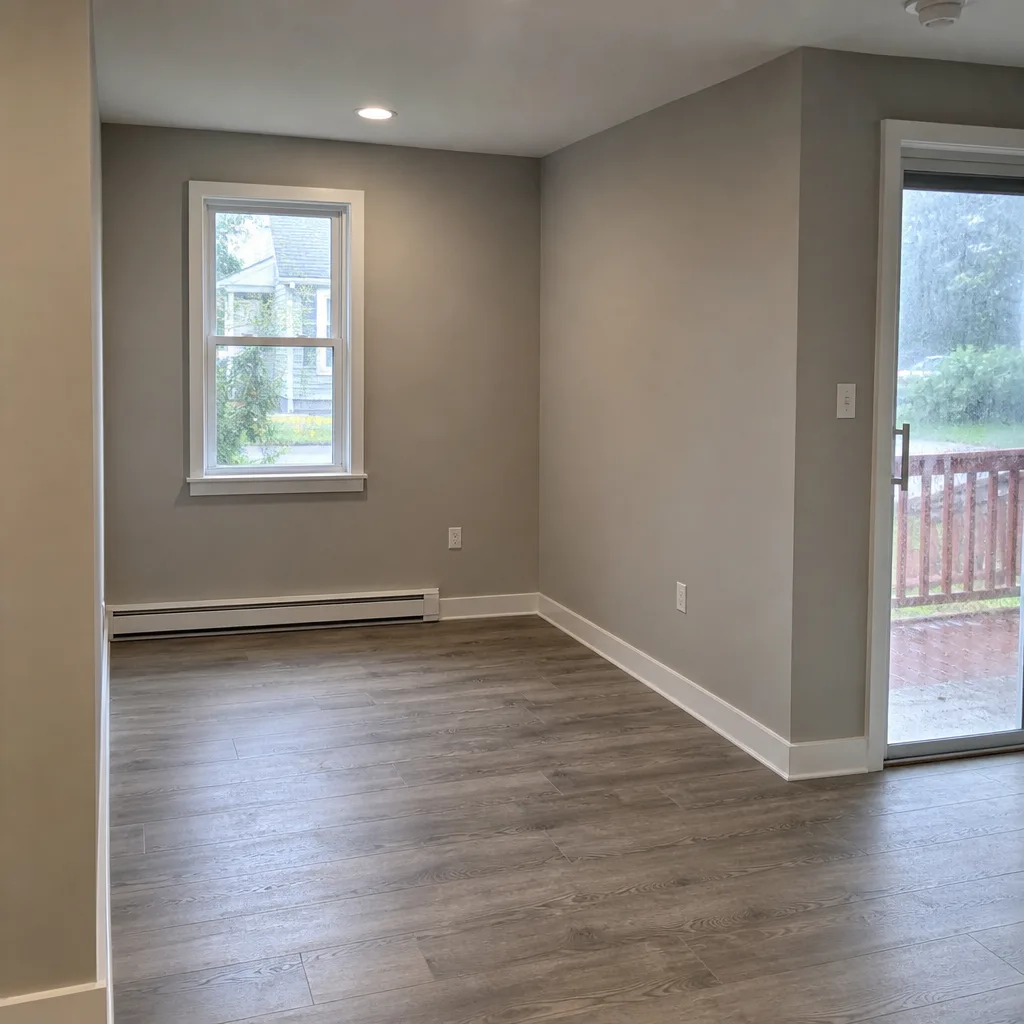 After
After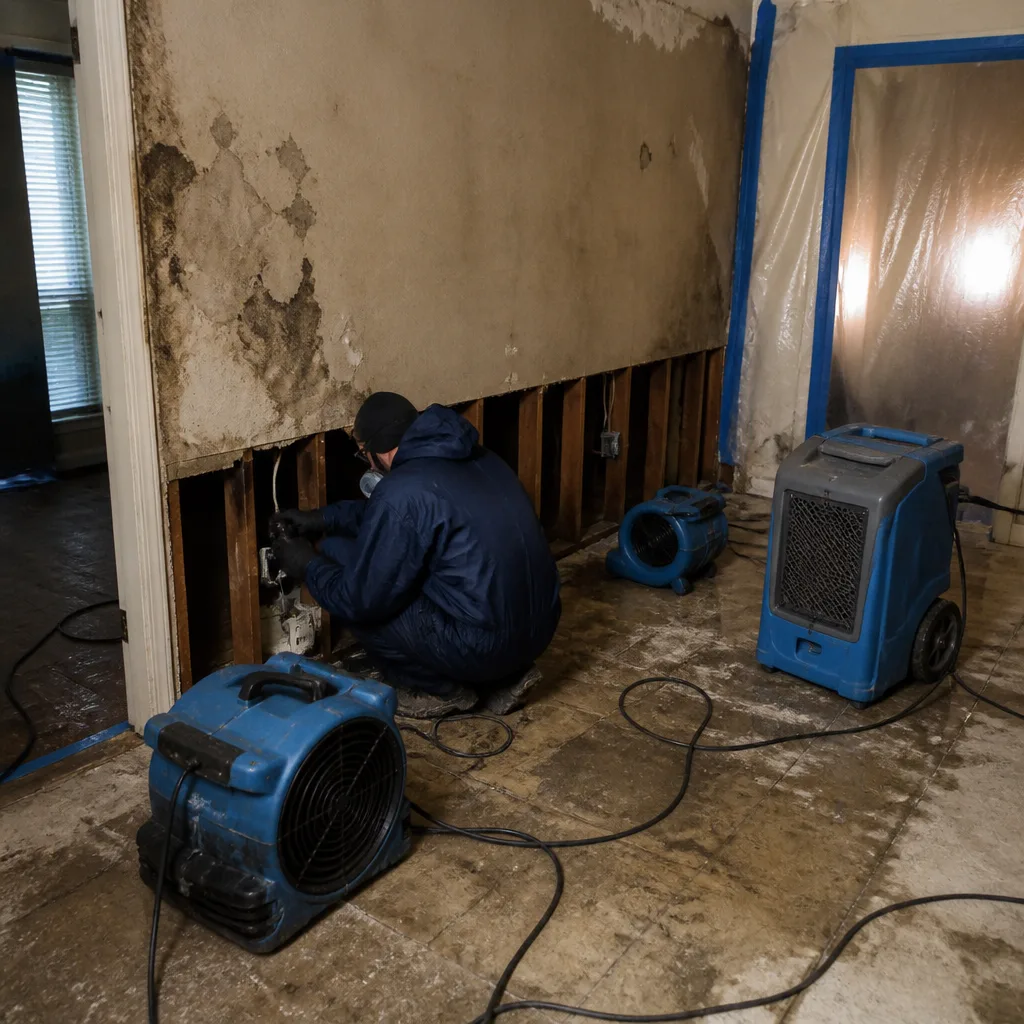 Before
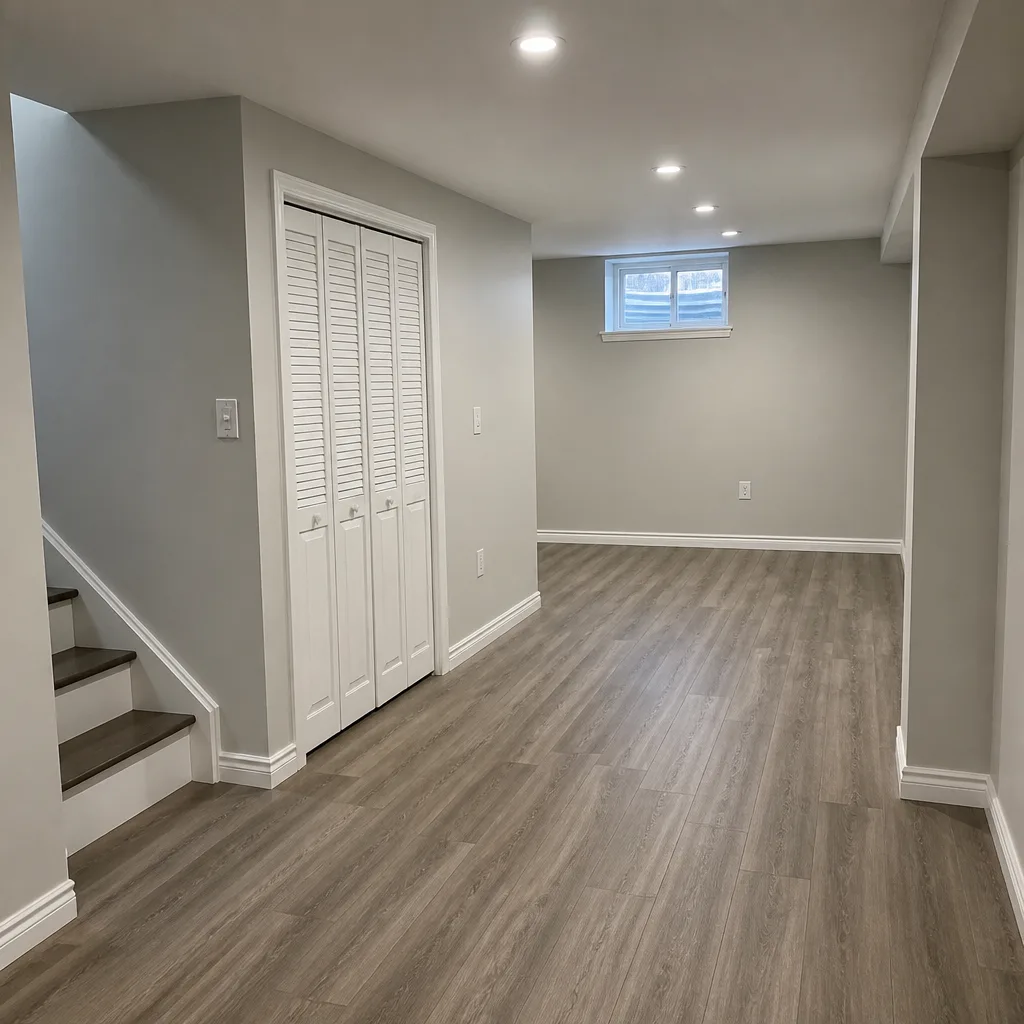 After
After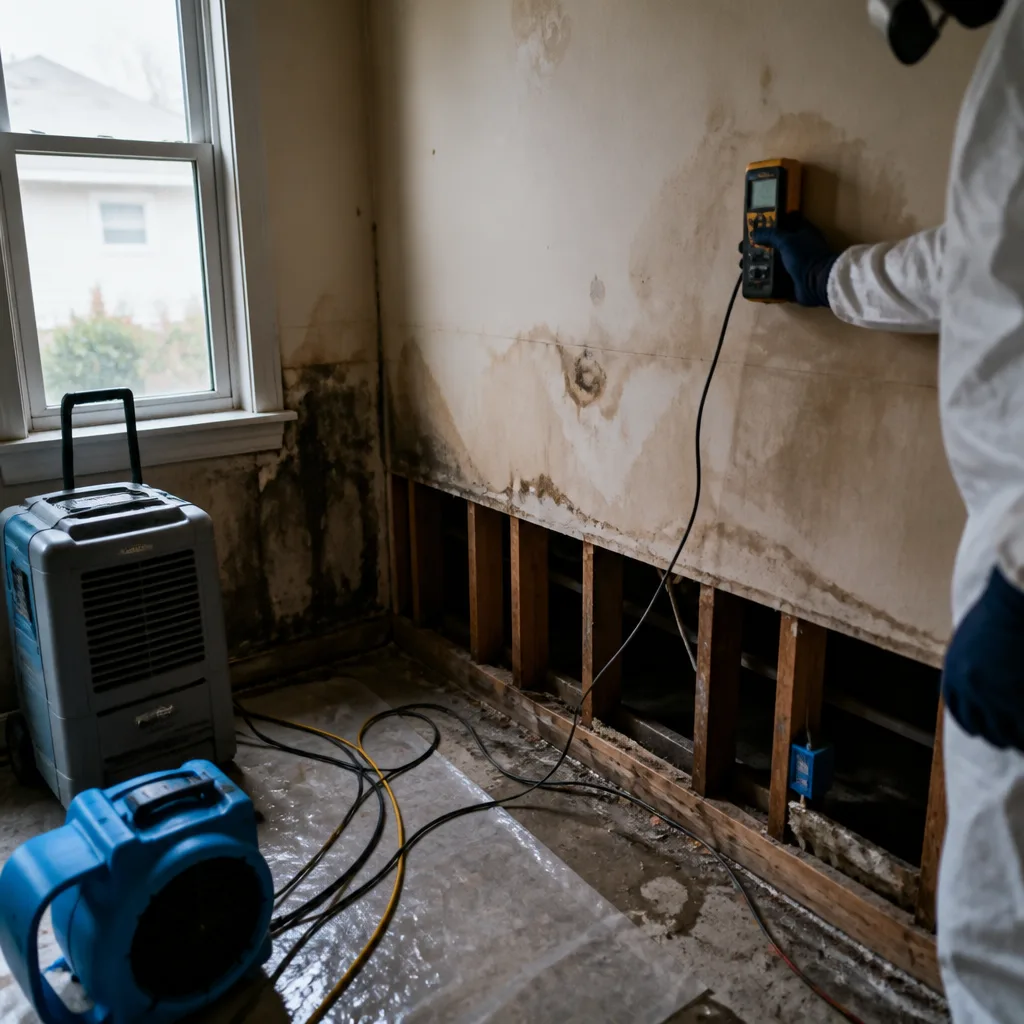 Before
 After
AfterFast, Reliable Mold Remediation Across Financial District
Mold remediation in Financial District, NY typically costs $2,800-$7,500 for residential units and $8,500-$22,000 for commercial or sub-basement projects, with most inspections scheduled within 24 hours and containment starting same-day when needed. We’re the Mold Remediation team that understands why FiDi’s 18th- and 19th-century landfill foundation, thick granite and limestone masonry, and saltwater storm-surge history make this a fundamentally different job than the standard drywall-and-insulation mold cases uptown.
Our crews dispatch from our New York City office to Financial District buildings daily. We know the converted banking halls on Wall Street, the postwar towers on Water Street, and the condo conversions along Pearl Street where former vault sub-basements still pool moisture weeks after a surge event. When you call (862) 292-4268, a live person answers, 24 hours a day, 7 days a week. No voicemail trees. No next-business-day callbacks while mold is still spreading through your ductwork.
Why DryMark Restoration Newark Is Financial District’s Preferred Mold Remediation Company
We’ve restored more than 12,000 homes and commercial spaces since 2011, every one with a written price before work started and a documented photo record when the crew left. In Financial District specifically, our reputation rests on one thing: we don’t treat saltwater surge like a burst pipe. Our competitors often do, and it costs building owners their second remediation six months later.
Our response time to Financial District averages 90 minutes during business hours and under 3 hours for after-hours emergency calls. We know which buildings on Greenwich Street have the original cast-iron supply lines that sweat in humid summer months, which converted 1920s banking halls on Broad Street have sub-basements that were never designed to dry, and why the landfill soil east of Pearl Street drains laterally instead of vertically. That local knowledge means we scope the job correctly the first time.
Every technician who enters your Financial District property is background-checked, uniformed, and licensed. Their license number is documented on your job file. We carry the equipment brands that matter in this market: Injectidry for drying inside thick masonry cavities, Dri-Eaz and Phoenix dehumidifiers rated for the humidity loads that harbor air delivers, and moisture meters calibrated to read accurately through limestone and granite rather than just standard gypsum board.
Our Mold Remediation Services in Financial District
Mold Inspection & Testing
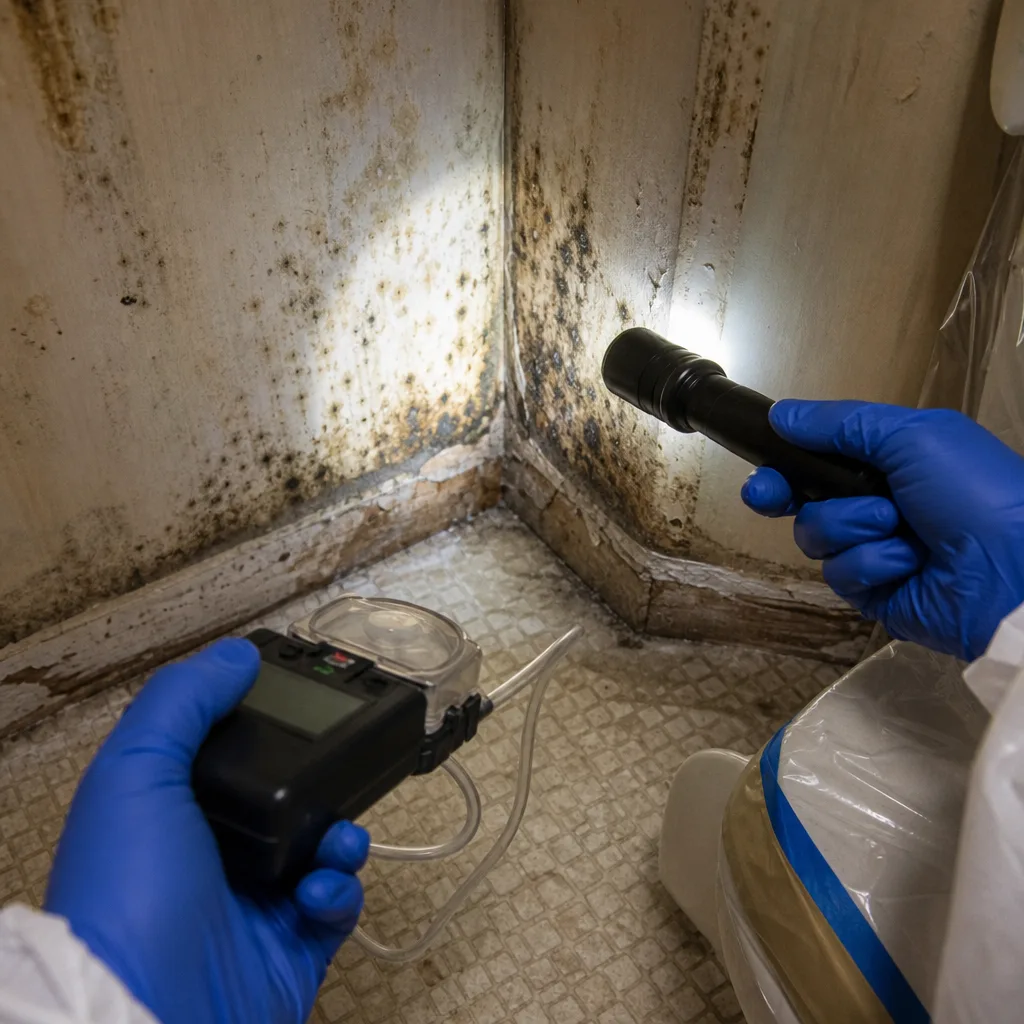
A proper mold inspection in Financial District starts with understanding the building’s water history, not just what’s visible today. We test air and surface samples, measure moisture content in masonry assemblies with calibrated penetrating meters, and inspect HVAC systems for spore distribution. In converted pre-war buildings near the Hudson, we regularly find mold colonizing original cast-iron pipe chases where condensation has gone undetected for years. Our inspection reports include photo documentation, moisture mapping, and a written scope of work with a fixed price before any remediation begins. Haven Standard, Clause 1: written price before work starts, every time.
Mold Removal
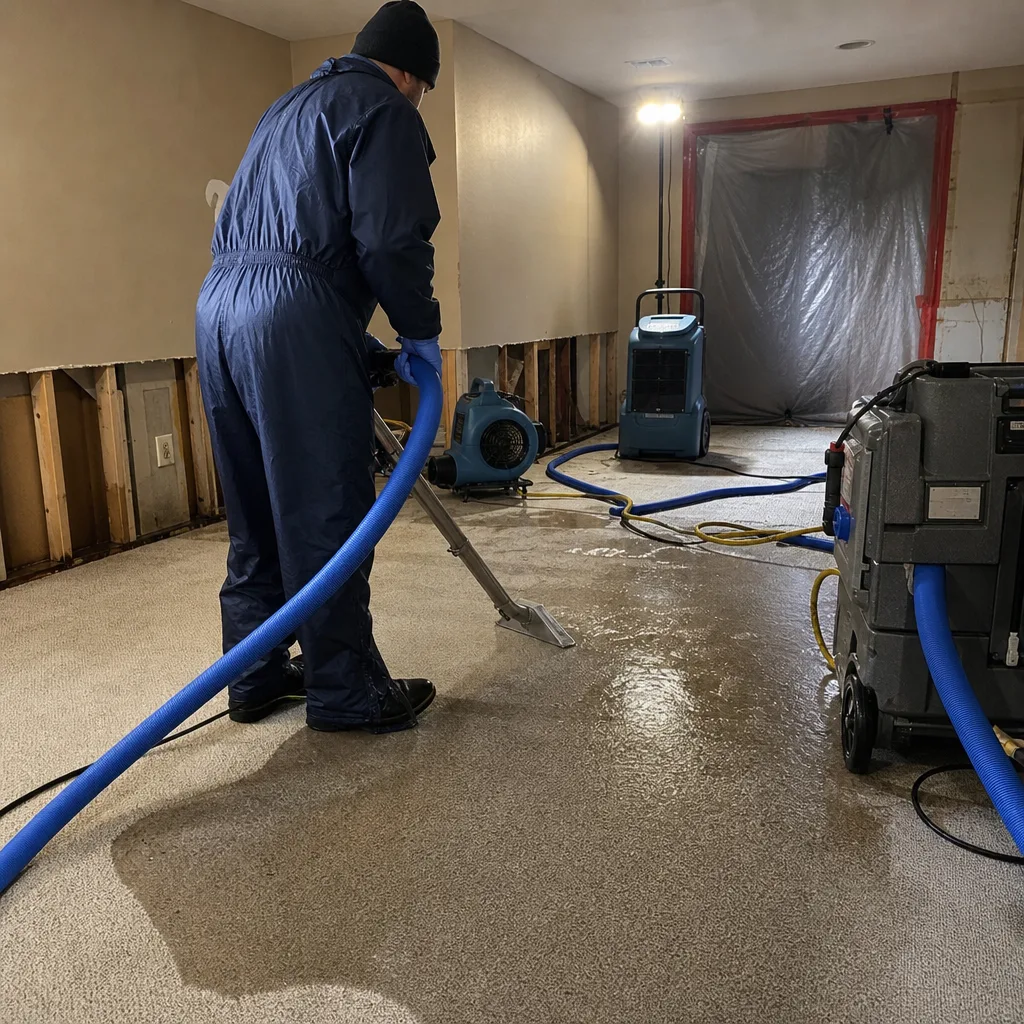
Mold removal in Financial District’s thick-walled buildings requires containment strategies that account for masonry’s thermal mass and slow drying characteristics. We erect negative-air containment, remove contaminated finish materials, and treat structural substrates with antimicrobial agents selected for the material: alkaline-buffered solutions for limestone, non-acidic formulations for granite and marble accents. In postwar towers on Water Street, we address the vinyl wallpaper and composite panels that trap moisture against concrete substrates. Every removal phase is photo-documented, and debris is handled per NYC Department of Sanitation requirements for regulated waste.
Black Mold Remediation
Stachybotrys chartarum and other toxigenic molds require heightened containment and personal protective protocols. In Financial District’s sub-basements, where former bank vaults and mechanical rooms create dead-air zones, black mold can establish significant colonies before ever reaching occupied floors. We deploy HEPA-negative air machines at 4-6 air changes per hour, seal HVAC returns, and establish clean-to-dirty decontamination corridors. Our crews are trained to IICRC S520 standards for professional mold remediation, and we document every step for insurance review and post-remediation clearance testing.
Air Quality Restoration
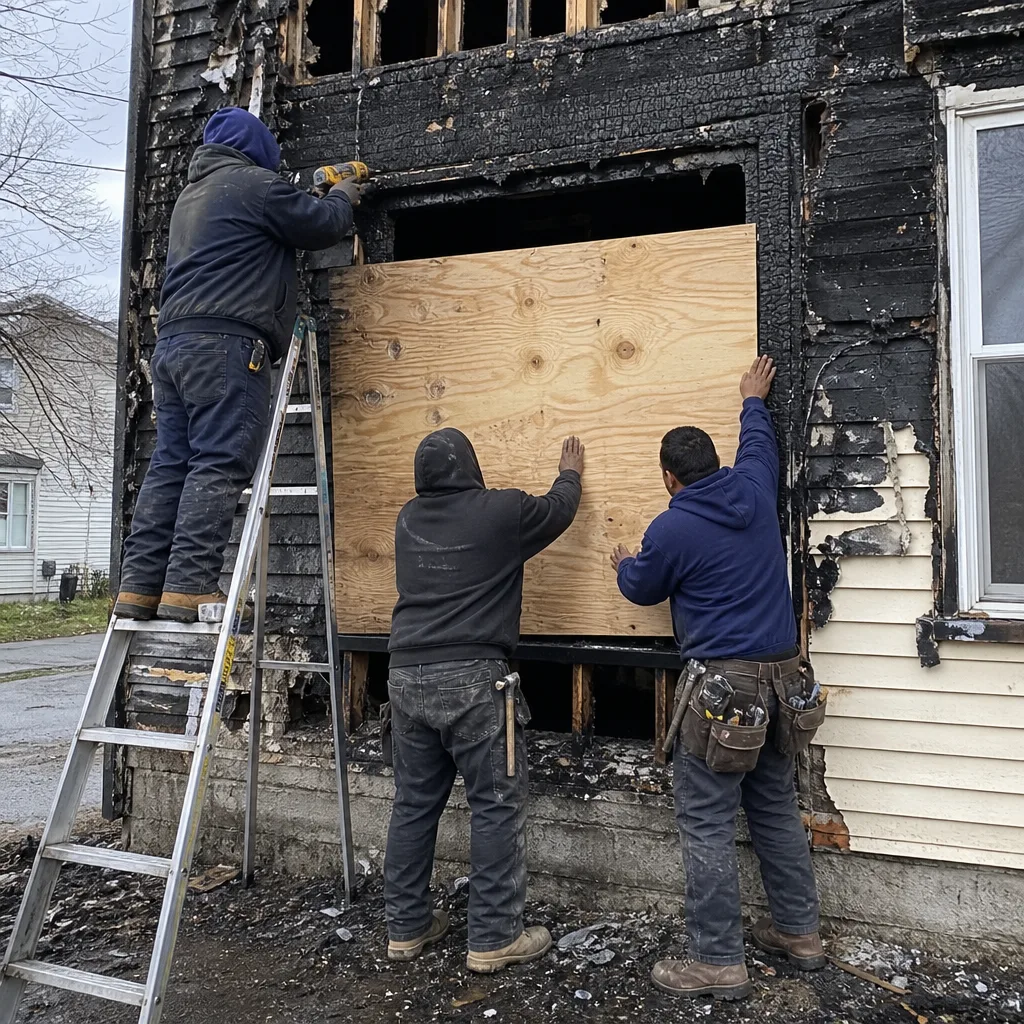
After remediation, Financial District buildings need more than a visual pass. We run post-remediation air sampling, compare spore counts to outdoor baseline levels, and document that HVAC systems have been cleaned and sealed. In buildings with centralized air handlers serving multiple units, we coordinate with building management to prevent cross-contamination during the restoration process. Our air quality reports include laboratory analysis, chain-of-custody documentation, and written clearance for occupancy.
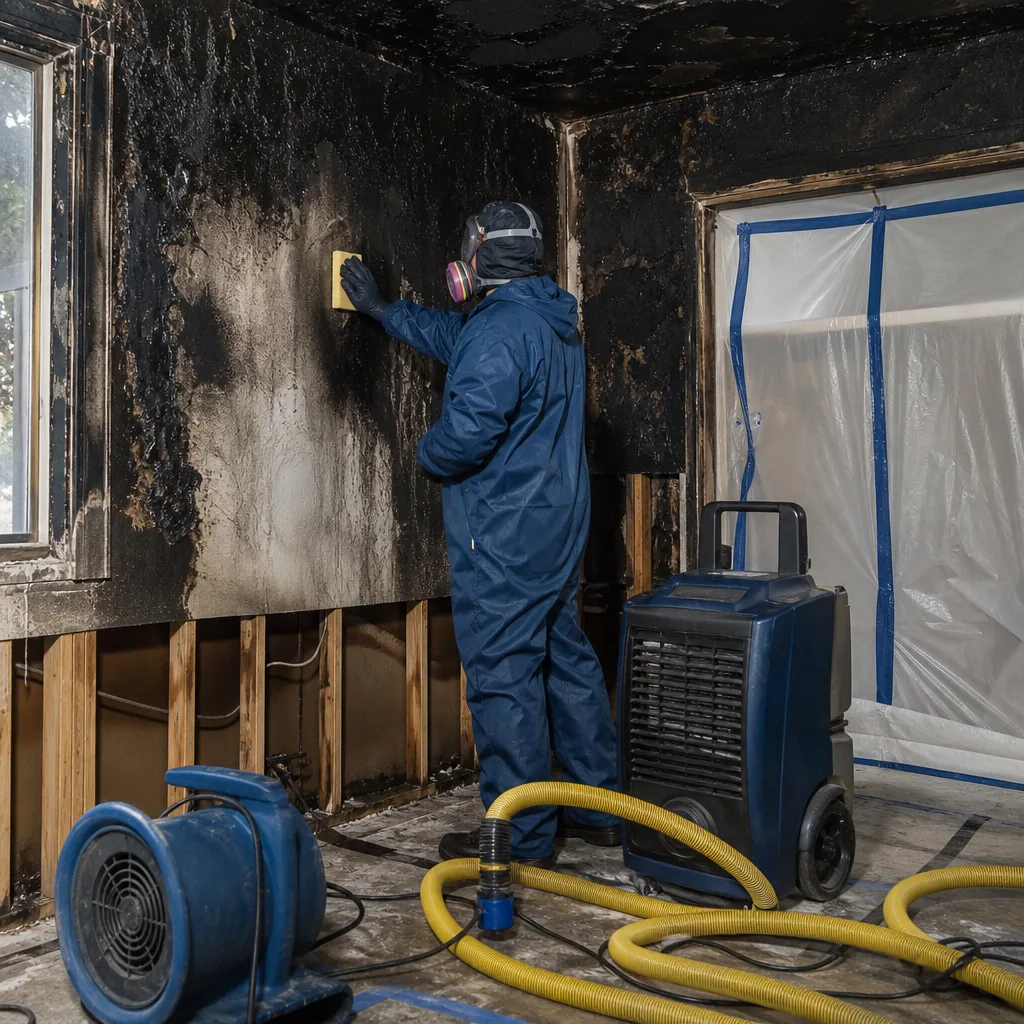
Crawl Space Treatment
While true crawl spaces are rare in Financial District high-rises, the equivalent exists: sub-basement plenums, former coal-storage vaults, and utility tunnels beneath converted banking buildings. These spaces share crawl-space characteristics: limited ventilation, soil contact or proximity, and chronic humidity. We apply vapor-barrier strategies, dehumidification sizing calculations for below-grade masonry volumes, and drainage improvements where landfill soil conditions allow.
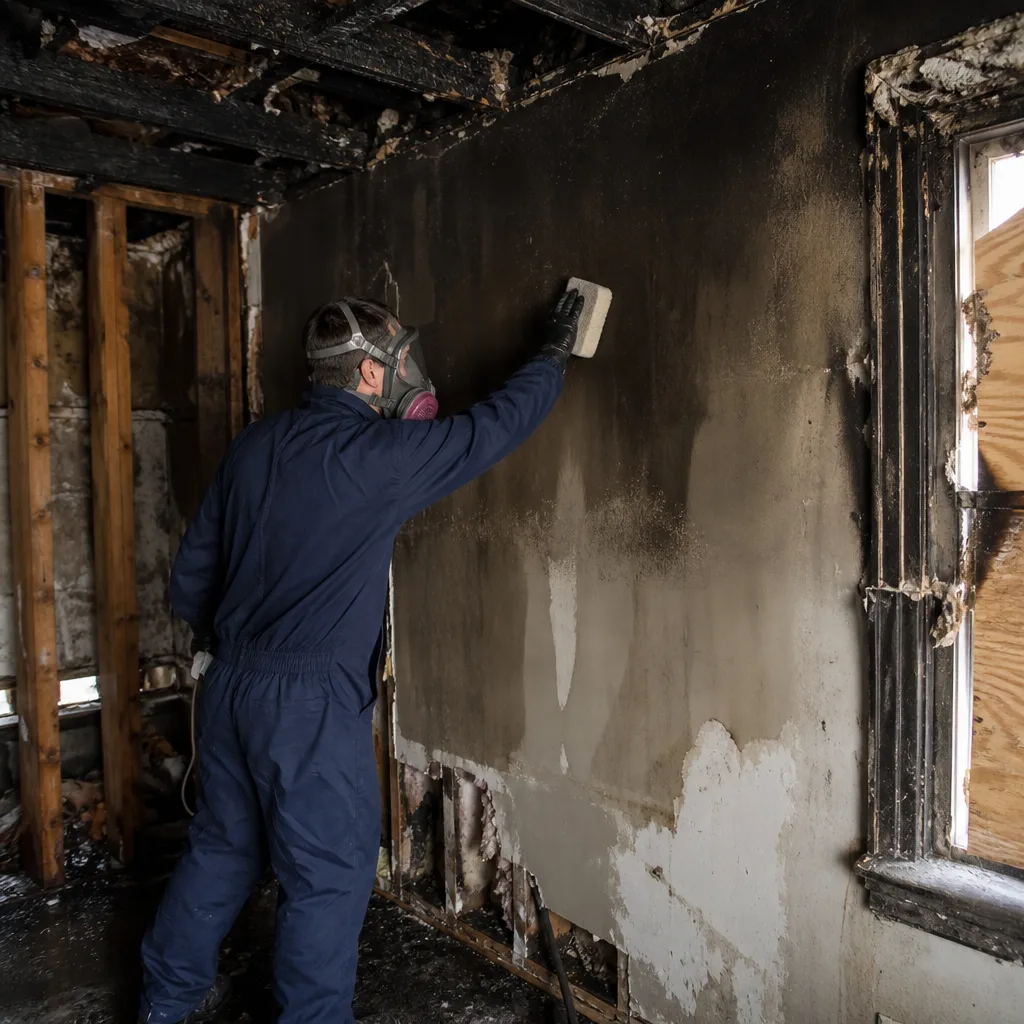
Moisture & Humidity Control
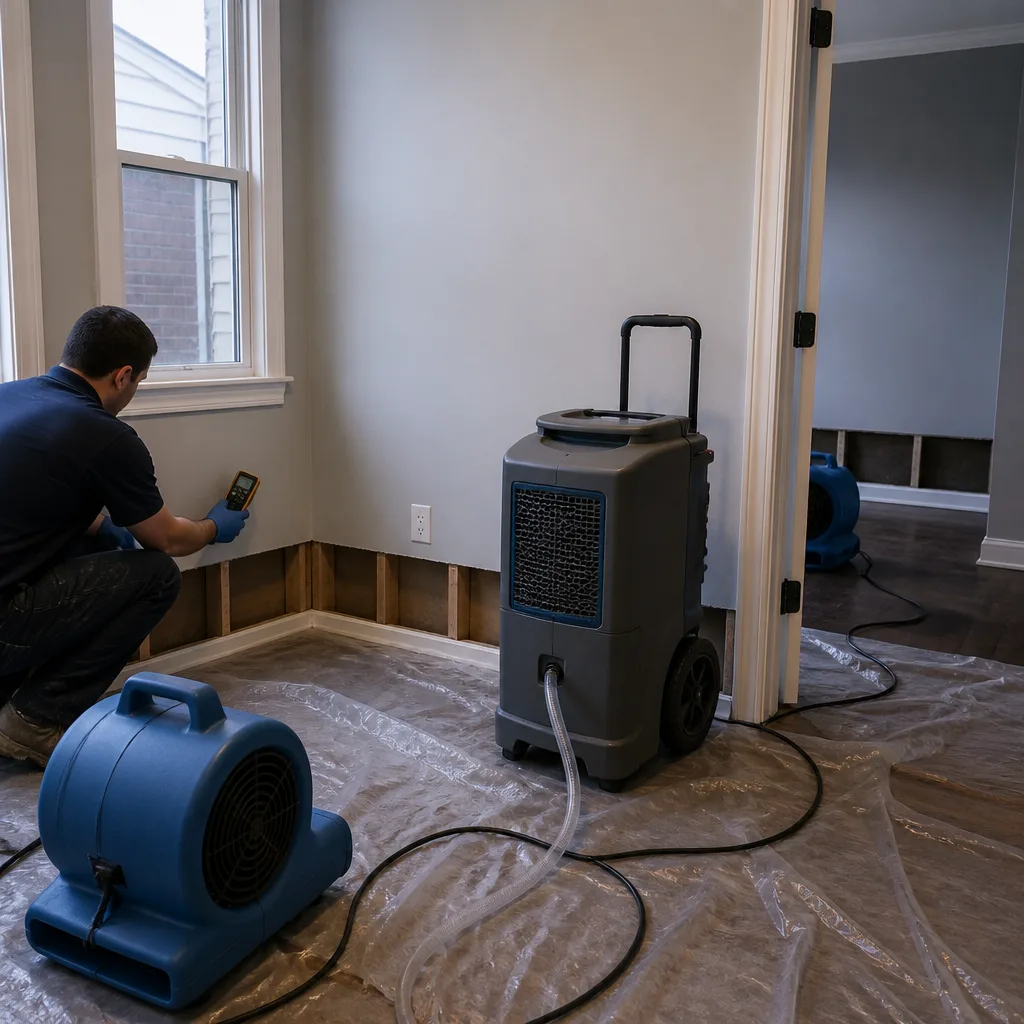
Moisture control in Financial District requires equipment sizing for harbor-influenced humidity loads and building envelopes that weren’t designed for residential occupancy. We calculate dehumidification needs based on psychrometric data, vapor pressure differential between interior and exterior, and the specific moisture storage capacity of your building’s masonry assemblies. Our drying logs track grain-per-pound readings daily, producing the documented evidence that turns restoration invoices into payable insurance claims. Equipment deployed includes Dri-Eaz, Phoenix, XPOWER, and B-Air systems, selected and positioned based on your building’s specific envelope characteristics.
What happens when you call
- 1
A real person answersNo phone trees - you reach a local pro.
- 2
You get an upfront price rangeHonest numbers before anyone is dispatched.
- 3
A background-checked tech heads outLicensed & insured, dispatched right away.
- 4
You approve before work beginsNothing starts until you say go.
BeforeAfterTrusted Brands We Service in Financial District
We stock local parts and maintain equipment from Injectidry, Dri-Eaz, and Phoenix for Financial District customers, meaning no waiting for specialized drying components when your building’s management requires immediate containment. Our Injectidry systems handle the cavity-drying challenges that FiDi’s thick masonry walls demand, forcing dry air through wall interiors that surface-mounted equipment alone cannot reach. For air quality restoration, we source HEPA filtration and negative-air machines sized to the cubic volumes of pre-war banking halls and postwar office conversions alike. Fast turnaround on equipment deployment matters here, where a single day of delayed drying in a sub-basement can expand a contained mold issue into a building-wide HVAC contamination.
Common Mold Remediation Problems We See in Financial District Homes
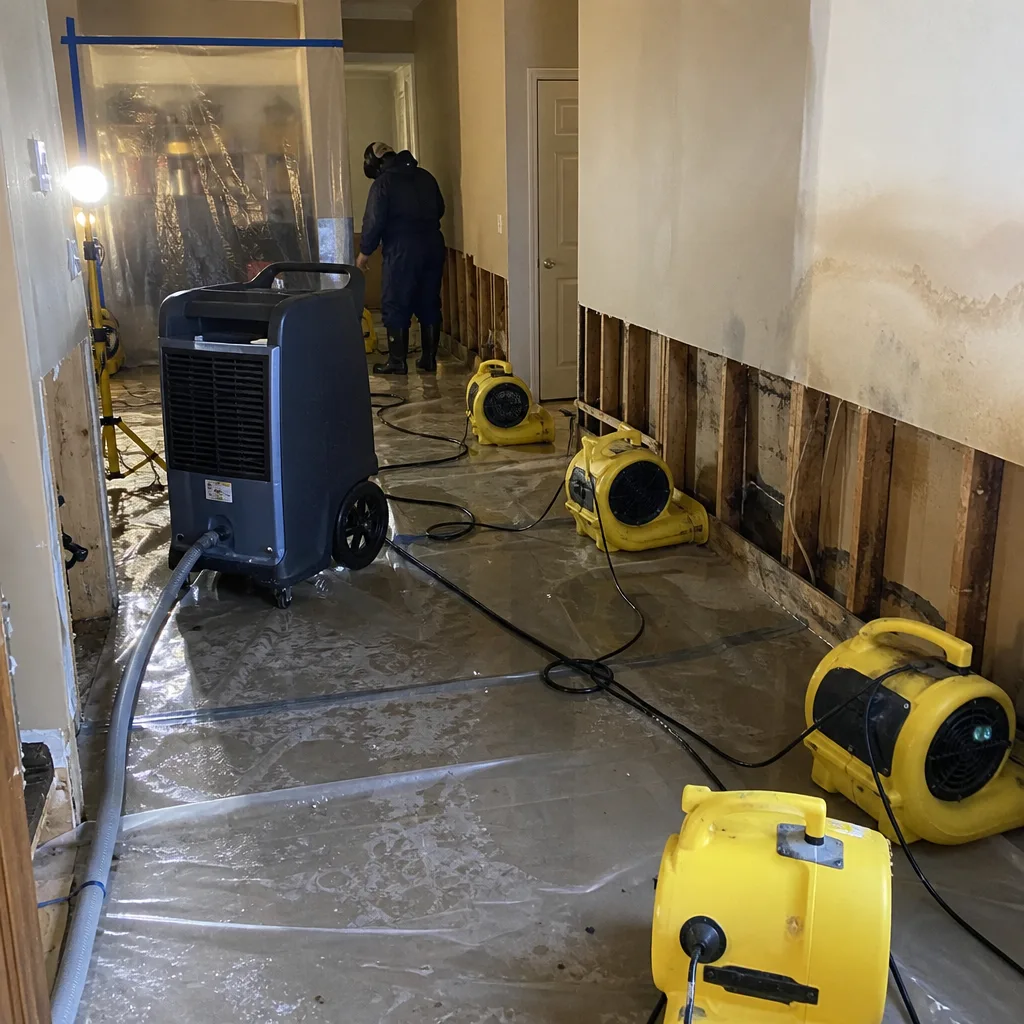
- Inland drying schedules applied to thick masonry walls. A standard 3-5 day drying protocol works for wood-frame construction with drywall. Financial District’s granite and limestone assemblies store moisture for weeks. We see mold rebound behind new finishes when contractors declare drying complete based on surface readings alone.
- Saltwater surge treated like clean water. Category 3 seawater from harbor surge is never dryable in place. The chloride residue continues corroding electrical hardware and provides a mineral matrix that supports mold recurrence. We scope full removal of contaminated substrates and document the Category 3 classification for insurance.
- Landfill-soil complications missed east of Pearl Street and west of Greenwich Street. Slow-draining fill triggers efflorescence and lateral wall movement while crews focus on surface mold. We inspect foundation walls for structural indicators and coordinate with structural engineers when soil conditions require it.
- Condensation in original cast-iron pipe chases. Converting 1900s commercial buildings to residential means running modern humidity loads through mechanical spaces never designed for it. Cold cast-iron pipes sweat, and the resulting chronic moisture feeds mold in wall cavities that standard inspections miss.
Pricing for Mold Remediation in Financial District, NY
Mold inspection and testing in Financial District runs $450-$850 for residential units and $1,200-$2,400 for commercial buildings with multiple zones or sub-basement access. Mold removal for contained residential projects typically ranges $2,800-$5,500. Black mold remediation with enhanced containment and PPE protocols runs $4,500-$7,500. Full commercial or sub-basement projects in converted banking buildings range $8,500-$22,000 depending on square footage, masonry complexity, and HVAC integration.
| Service | Financial District Range |
|---|---|
| Mold Inspection & Testing (residential) | $450 - $850 |
| Mold Inspection & Testing (commercial) | $1,200 - $2,400 |
| Contained Mold Removal (residential) | $2,800 - $5,500 |
| Black Mold Remediation | $4,500 - $7,500 |
| Commercial / Sub-Basement Project | $8,500 - $22,000 |
| Post-Remediation Air Quality Testing | $350 - $650 |
What affects cost: masonry thickness and drying time, containment complexity in occupied buildings, HVAC system integration, and whether Category 3 water damage requires substrate removal. Every job receives a written price before work begins, Haven Standard, Clause 1. Bring a competitor’s written estimate and we’ll review it at no charge. Call (862) 292-4268 for scheduling.
We Also Serve Cities Near Financial District
Our crews work throughout Lower Manhattan and across the harbor, including Financial District neighbors: St. George on Staten Island, Battery Park City along the Hudson waterfront, Tribeca’s converted industrial lofts, and SoHo’s cast-iron buildings. Each area presents distinct mold remediation challenges, from Battery Park City’s similar surge exposure to SoHo’s shallow bedrock and different drainage patterns.
Serving Financial District, NY - Our Local Coverage Area
We’re based in the Financial District area and know this community well. Use the map below to see our service coverage - if you’re nearby, we can almost certainly help.
FAQs - Mold Remediation in Financial District
It keeps coming back because thick granite and limestone masonry stays wet long after surface water disappears, and landfill soil beneath east-of-Pearl-Street buildings drains slowly, maintaining humidity at the wall base. Inland contractors often declare drying complete at 72 hours; Financial District masonry assemblies commonly require 14-21 days of monitored structural drying with cavity injection equipment. Call (862) 292-4268 and we’ll moisture-map the assembly to find where the water actually is.
Harbor surge is Category 3 water and is not dryable in place under IICRC standards. The seawater carries chloride, biological contaminants, and particulate matter that embed in porous materials and continue corroding hardware while supporting mold growth. We remove affected drywall, insulation, and finish flooring, treat structural substrates, and document the Category 3 classification for your insurer. Call (862) 292-4268 for a written scope and price before any work starts.
Salt air alone does not cause mold; mold requires moisture, organic food source, and time. But salt air accelerates corrosion of metal fasteners, HVAC components, and electrical hardware, creating failure points where condensation and leaks then introduce the moisture mold needs. We inspect for salt-corrosion damage as part of our moisture investigation, particularly in buildings within two blocks of the harbor. Call (862) 292-4268 to schedule an inspection that includes corrosion assessment.
Most residential units require 3-5 days of active remediation plus 7-14 days of monitored drying before clearance testing. Converted pre-war buildings with thick masonry walls add 5-10 days to the drying phase because granite and limestone store and release moisture slowly. Commercial projects with sub-basement involvement or HVAC integration typically run 2-4 weeks. We provide a written timeline with the written price before work begins. Call (862) 292-4268 for a specific schedule based on your building.
Yes, we conduct pre-remediation air and surface sampling to establish baseline contamination levels, and post-remediation clearance testing to document that spore counts have returned to acceptable levels relative to outdoor baseline. In Financial District’s multi-unit buildings, we also sample adjacent units and common HVAC zones to verify that containment prevented cross-contamination. All testing follows IICRC and RIA protocols, with laboratory analysis and chain-of-custody documentation included as standard deliverables, never an upsell. Call (862) 292-4268 to schedule.
After a nor’easter pushed harbor surge into a converted 1900s banking building near Pearl Street, our crew pulled Category 3 water out of a former vault sub-basement, ran moisture mapping across the granite and load-bearing brick, and found chloride-driven corrosion had already taken the low-voltage gear while mold was just beginning to colonize the wet masonry and original cast-iron pipe chases. We set containment, applied antimicrobial treatment, and ran Injectidry and Dri-Eaz equipment for an extended structural drying cycle, then logged moisture readings daily so the condo board had a documented scope of work. With drying logs in hand, the building passed clearance without tearing out masonry that was still structurally sound.
The Financial District sits at the low-lying southern tip of Manhattan, almost entirely within FEMA flood zone AE, flanked by the Hudson River and New York Harbor. This makes saltwater storm-surge flooding the defining damage-restoration risk here, not the burst pipes or roof leaks typical of other NYC neighborhoods. Hurricane Sandy’s 2012 surge submerged building lobbies, electrical switchgear rooms, and sub-basements with corrosive Category 3 seawater, and with documented sea-level rise, every restoration contractor working here must be fluent in saltwater extraction protocols, extended drying of thick masonry assemblies, and full replacement of salt-corroded low-voltage electrical systems that most inland restorers rarely encounter. A substantial portion of FiDi east of Pearl Street and west of Greenwich Street was built on 18th- and 19th-century landfill; after a major inundation, restoration techs here have learned to watch for efflorescence and lateral wall movement in sub-basement foundation walls as the fill soil slowly drains. This is a structural complication that rarely appears in Midtown buildings anchored directly to Manhattan schist bedrock, and it’s why mold remediation in Financial District requires contractors who understand the ground beneath the building, not just the mold on the wall.
Ready to stop the cycle of recurring mold in your Financial District property? Call (862) 292-4268 now. A live person answers 24 hours a day, 7 days a week. We’ll schedule your inspection, deliver a written price before any work begins, and back every job with our 365-Day Done Right Promise under The Haven Standard. Free second opinions on any competitor’s written estimate are always available.
Written by Alicia Brennan, Owner at Back to Dry Restoration, serving Financial District and the New York City metro area since 2011.