Last updated September 23, 2026
Free visual inspection and a written scope of work before any mitigation begins - photos, moisture readings, and drying logs go in your claim file
The scope we write is the scope we bill. Anything new gets shown to you, in writing, before we touch it.
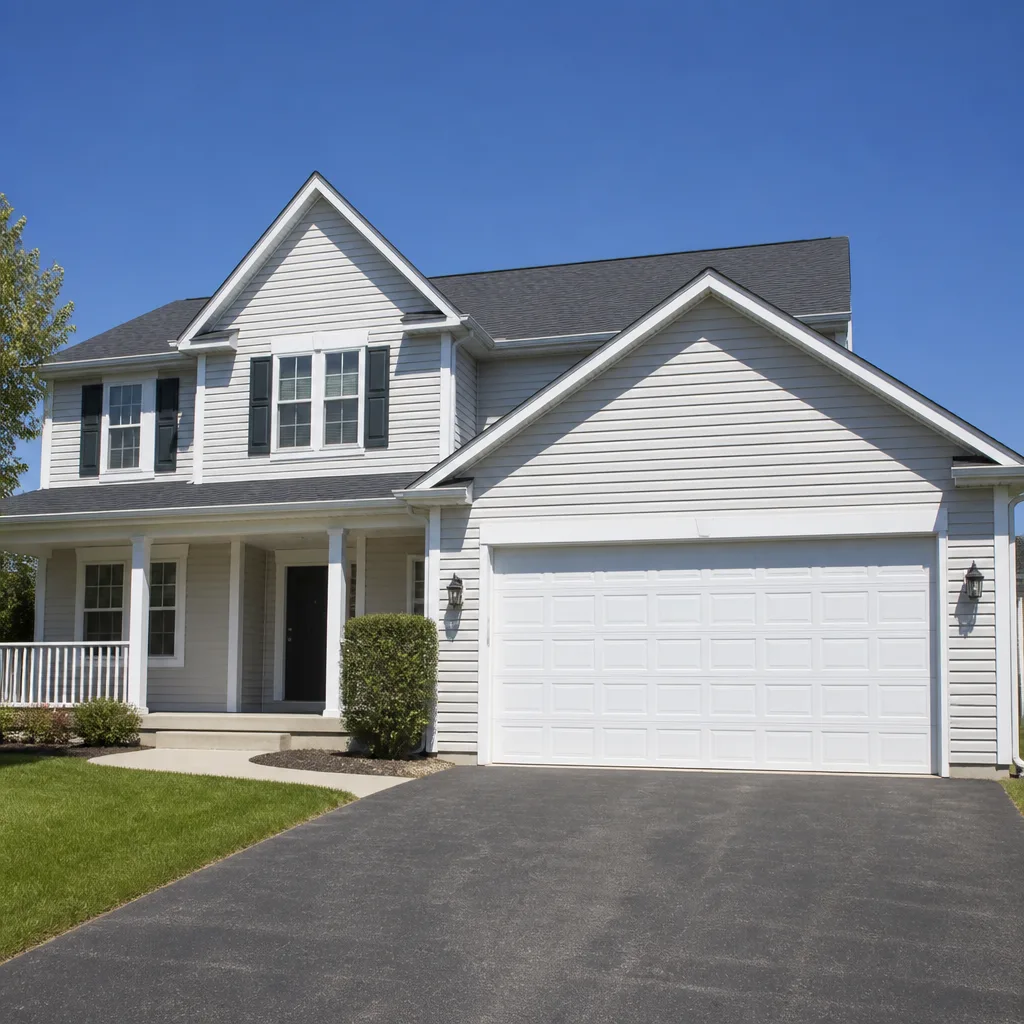
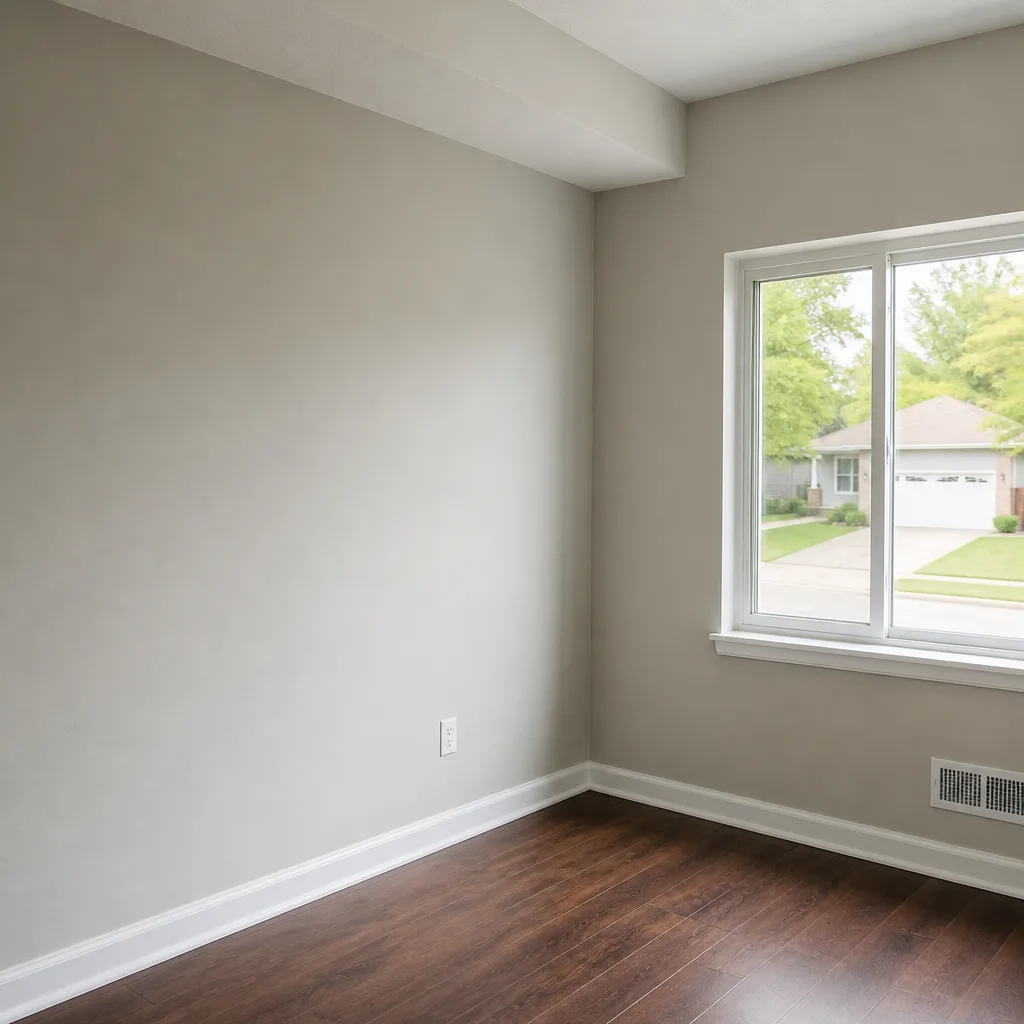
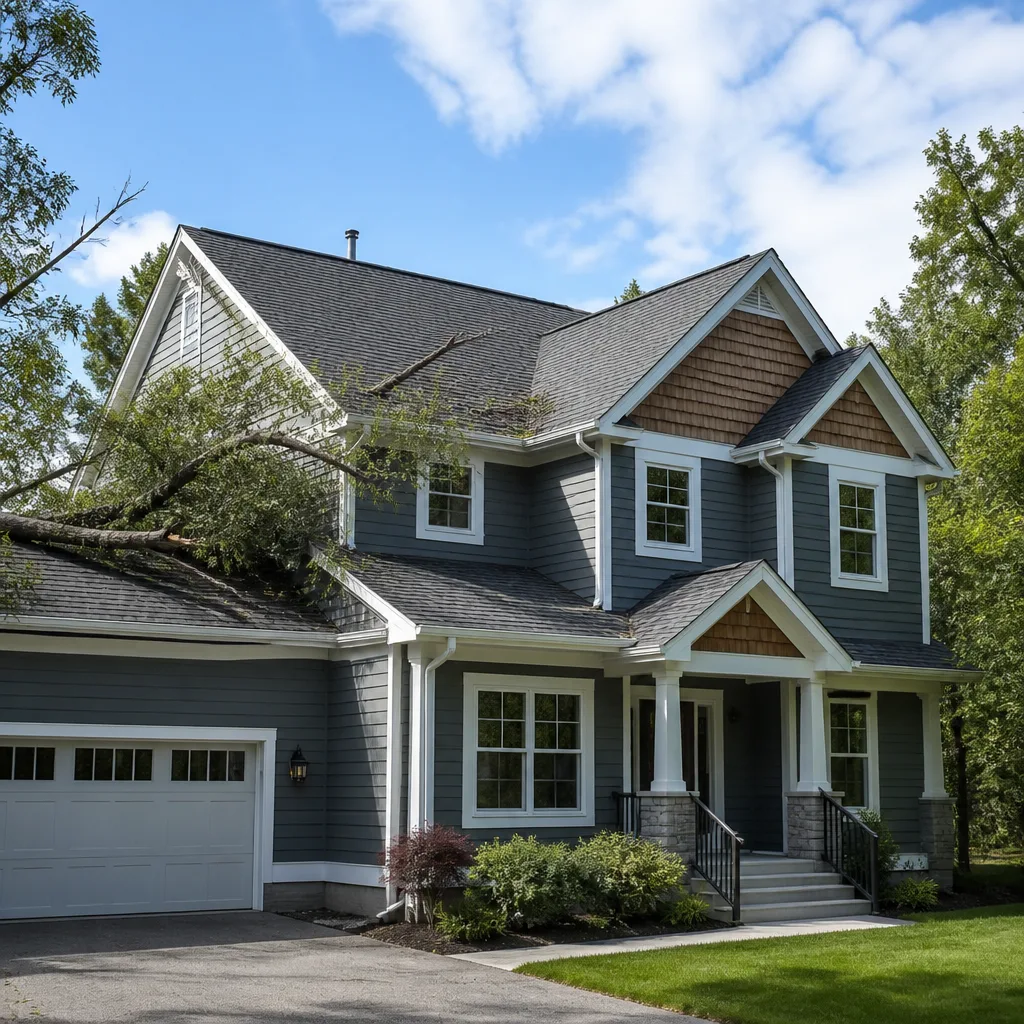
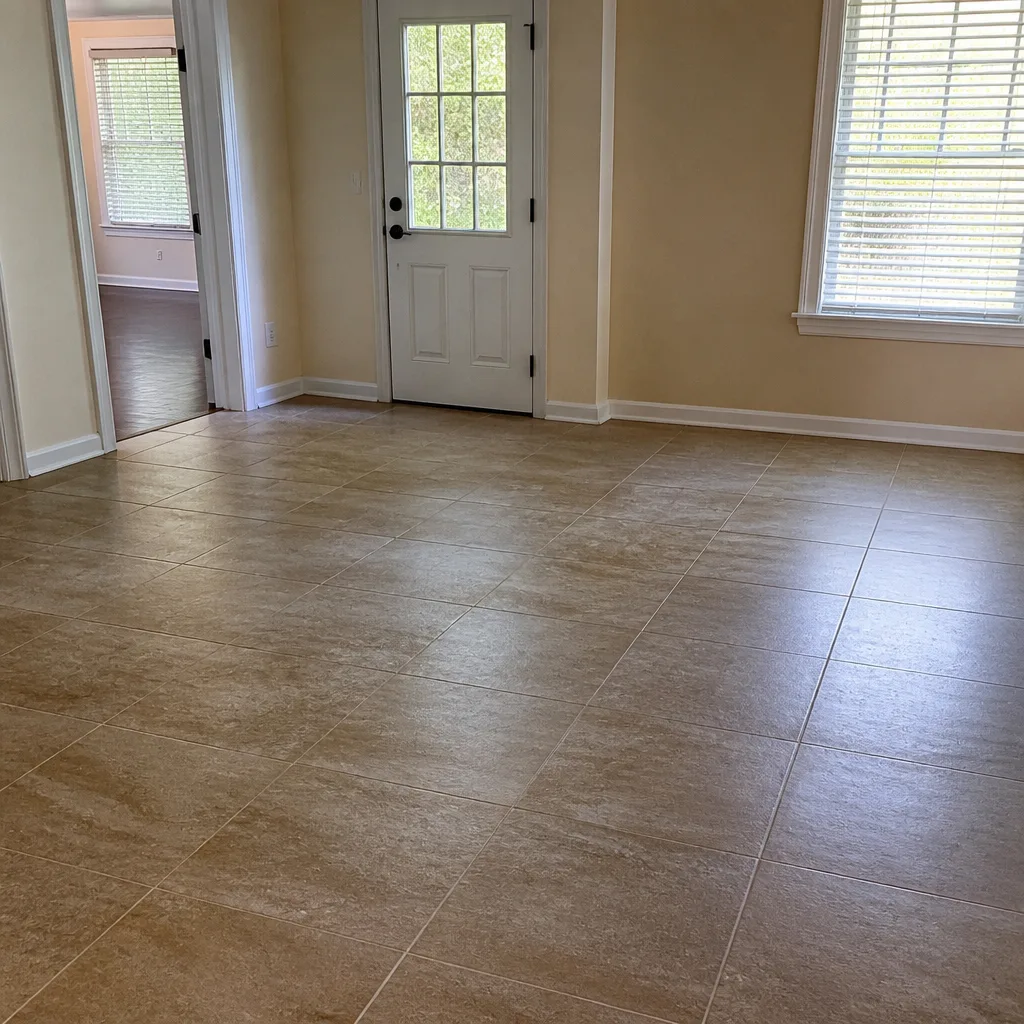
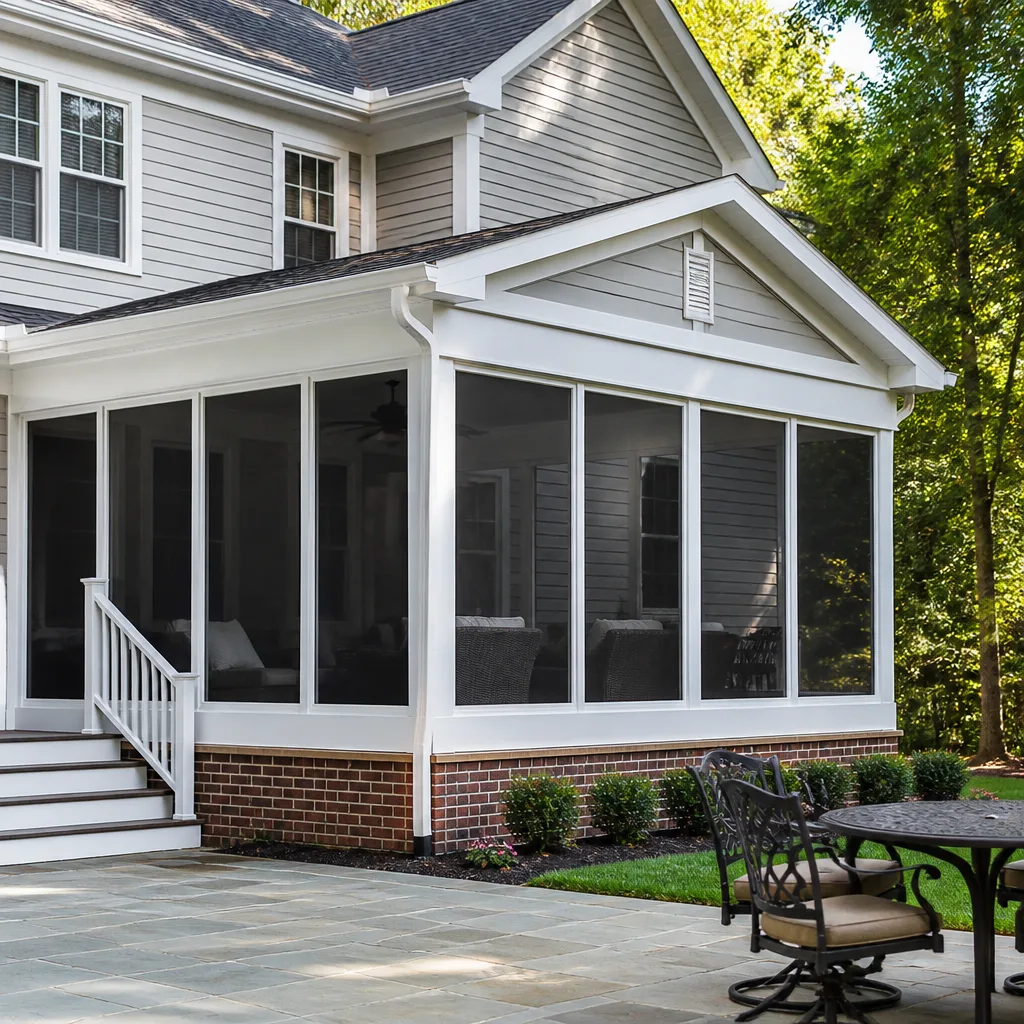
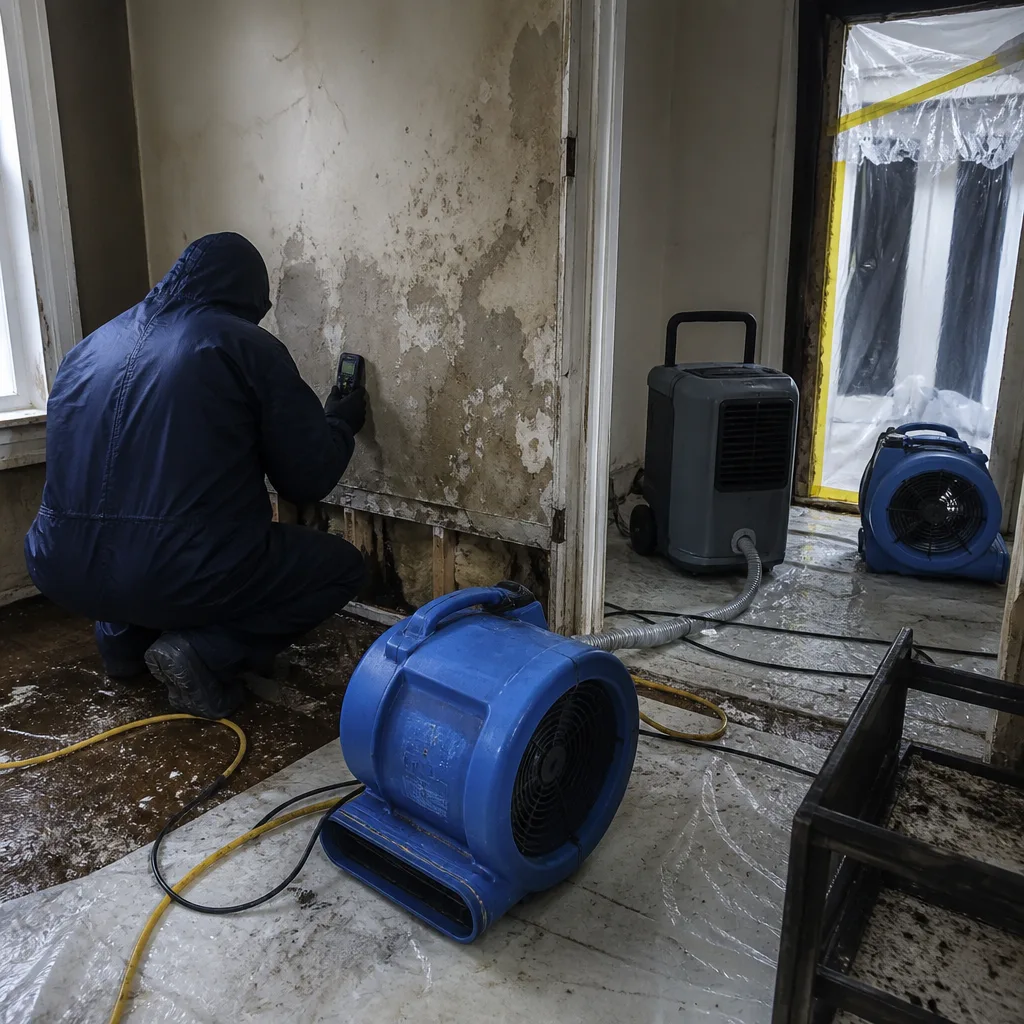 Before
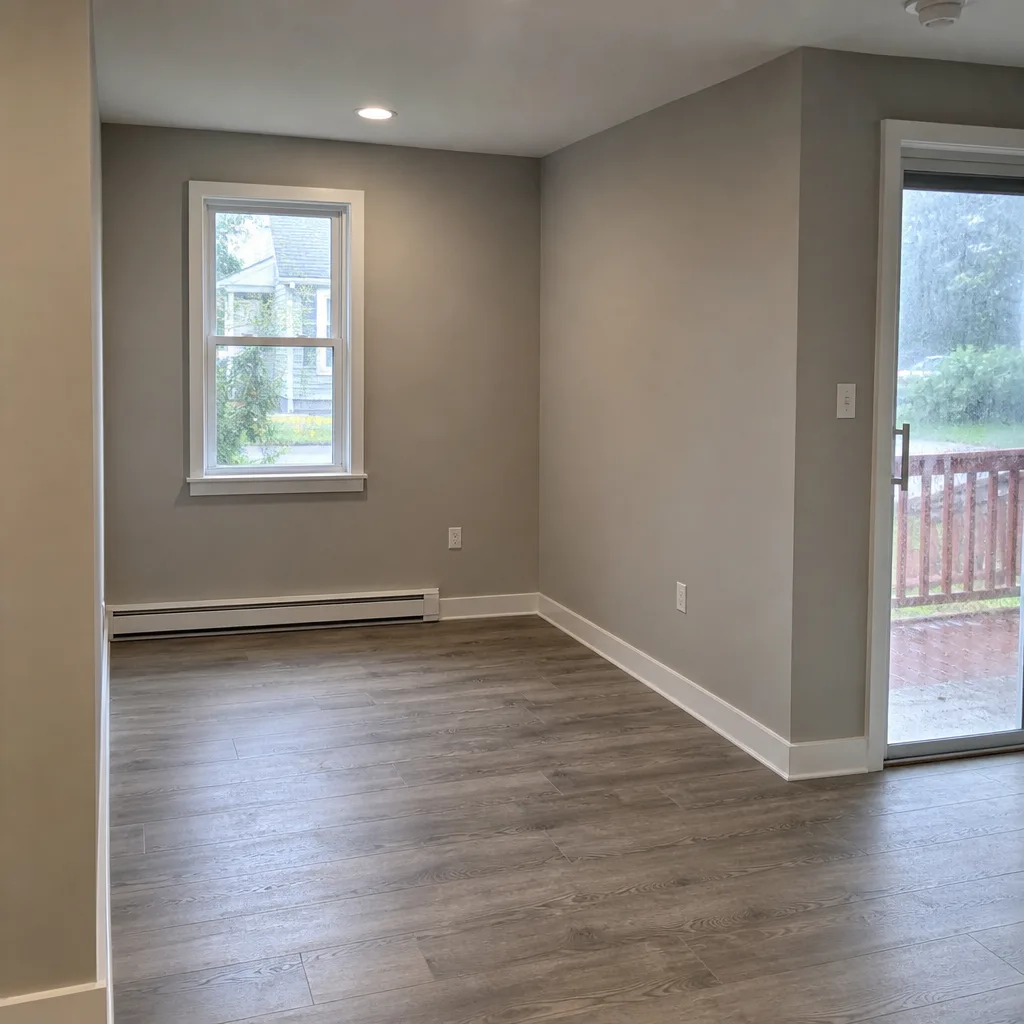 After
After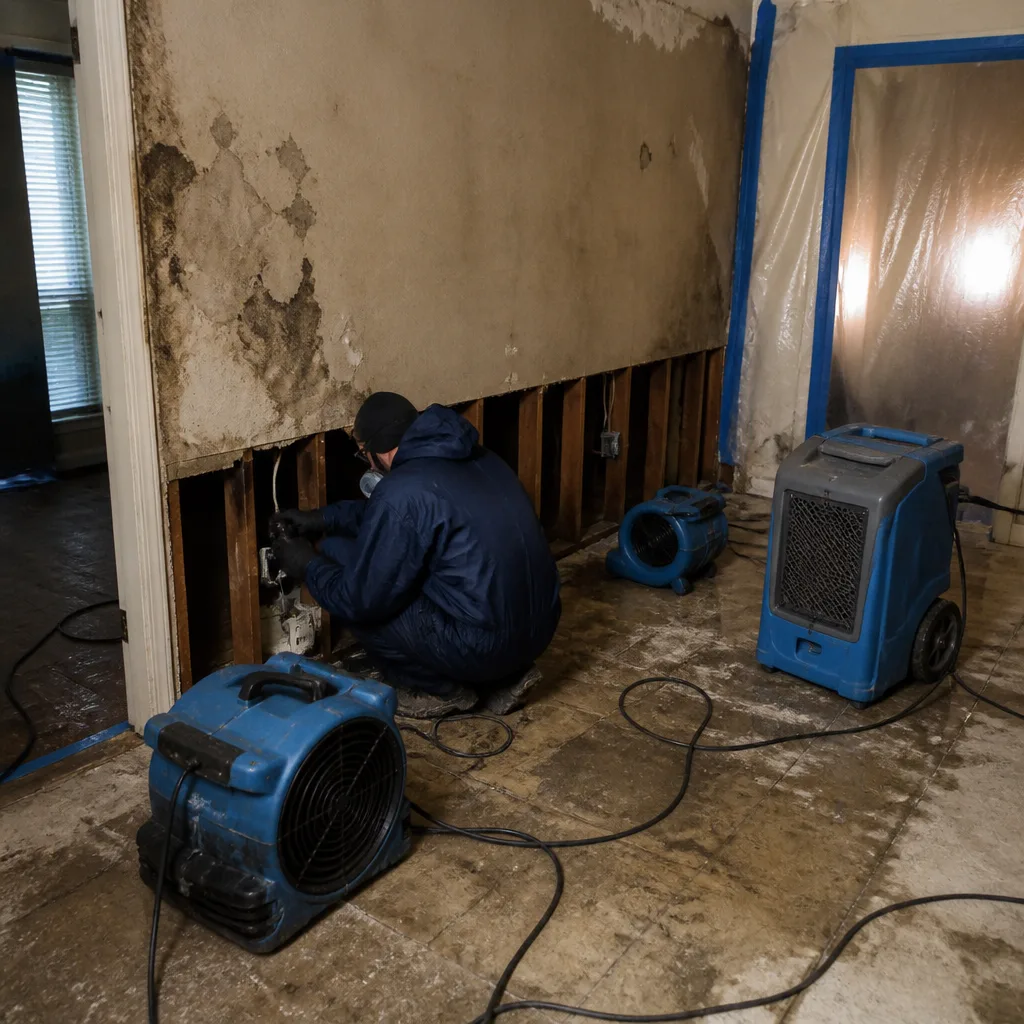 Before
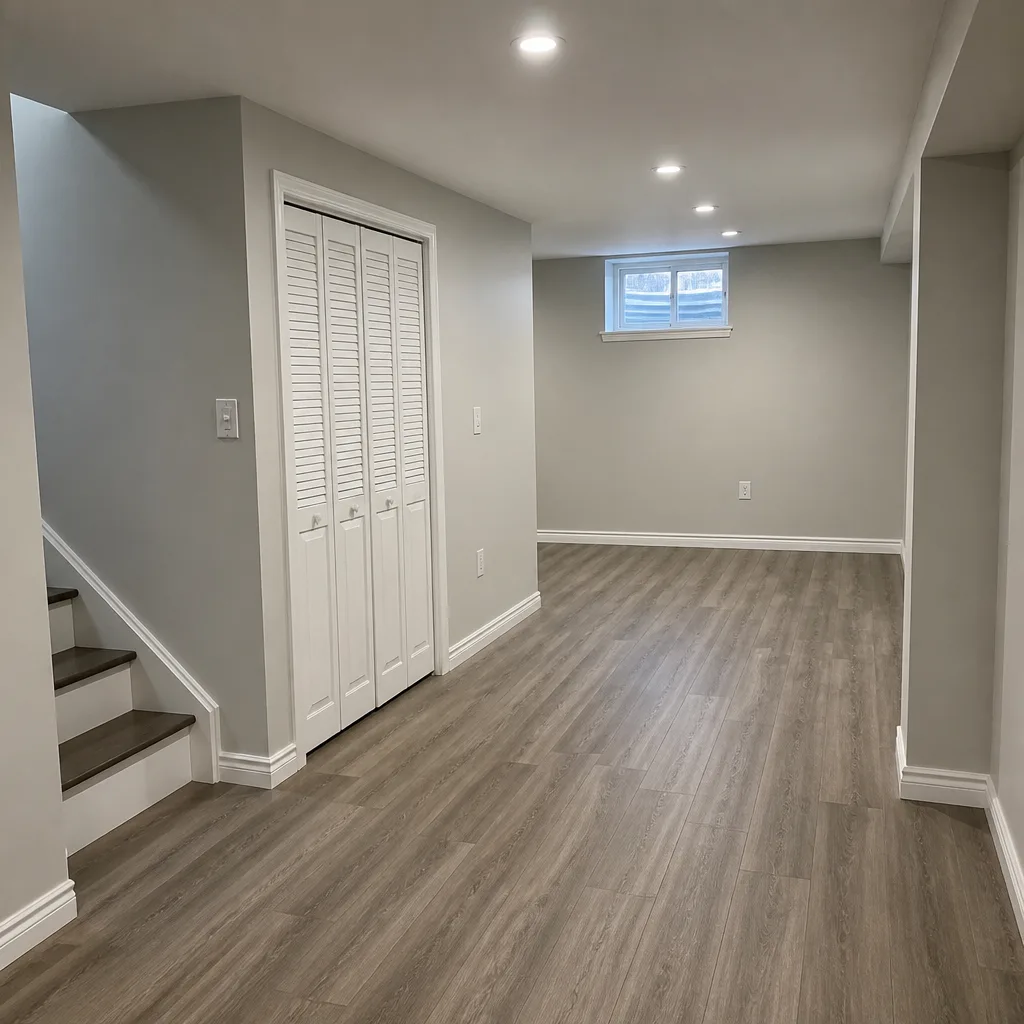 After
After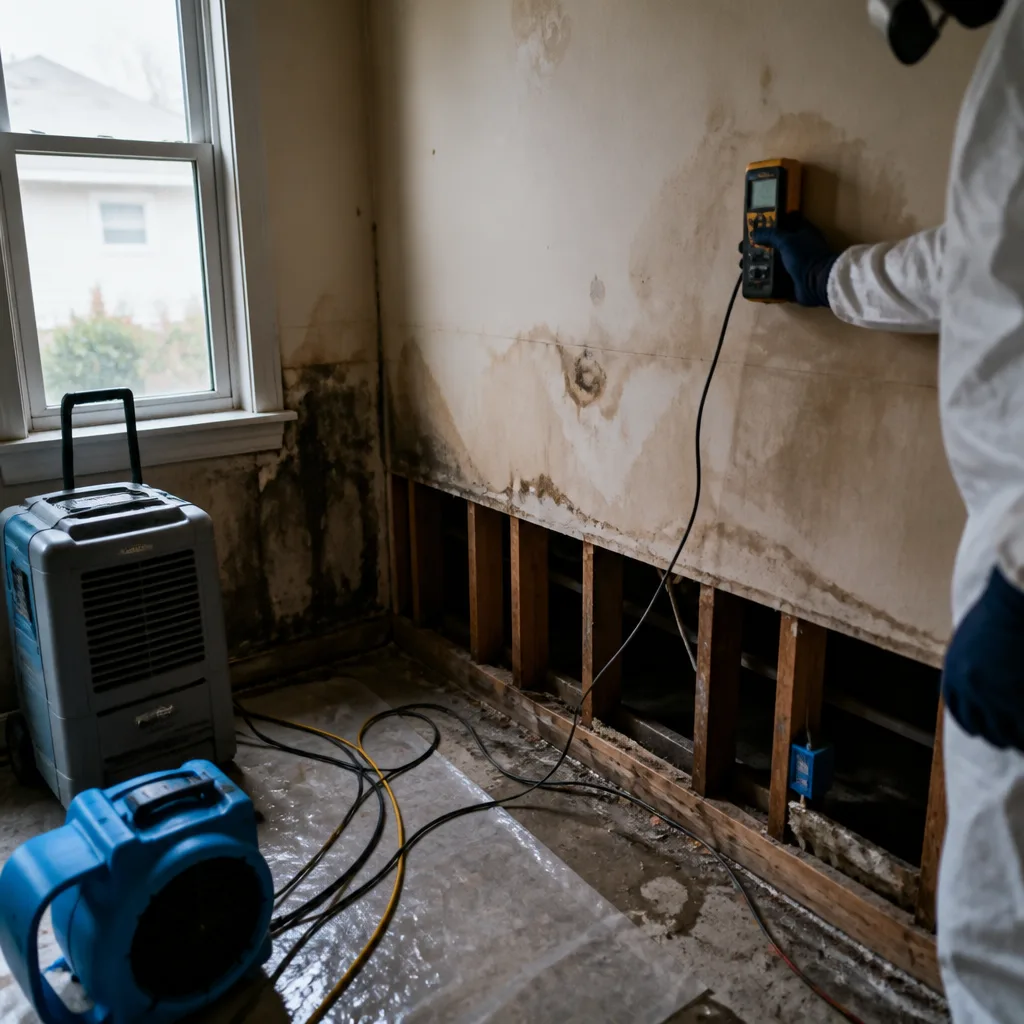 Before
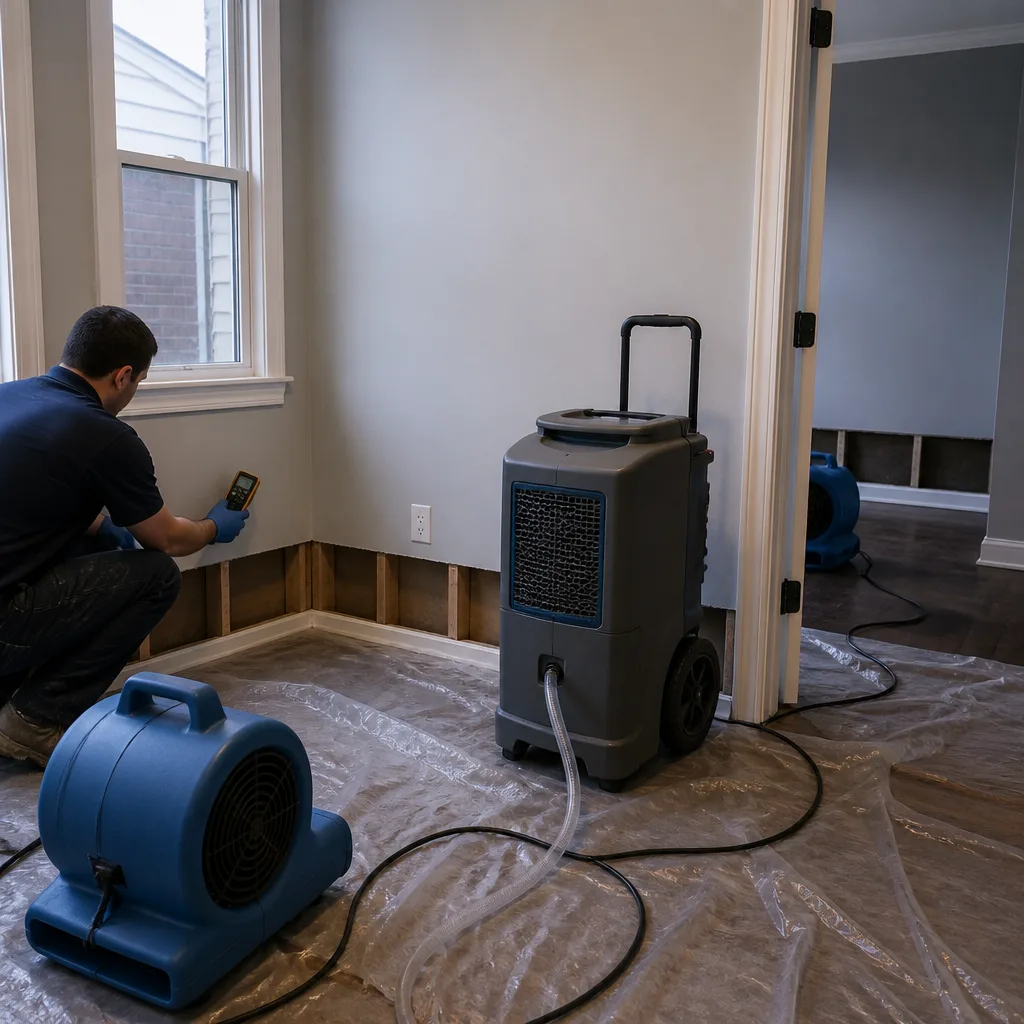 After
AfterDamage Restoration Cost Breakdown: The Newark Homeowner’s Reference for 2026
Most Newark restoration cost guides quote ranges so wide they’re useless for claim negotiation. Xactimate, the estimating software used by most major insurers, prices labor and materials by zip code - Newark’s 07102 rates differ from 07103, and differ again from neighboring Irvington - meaning a regional estimate pulled from a national cost guide is already off before work begins. This guide is organized around the line-item categories Xactimate uses so a homeowner can audit their own estimate against the same pricing structure their insurer’s adjuster is using. You’ll learn what each line item means, what it costs in Newark’s market, and where claims most commonly fall short.
Quick Answer
Water damage restoration in Newark typically runs $3,200-$8,500 for a standard residential job, with mold remediation adding $15-$28 per square foot and fire restoration starting around $8,000 for light smoke damage. Costs vary by zip code, building type, and whether the job triggers code-upgrade requirements. The three most commonly underpaid categories in Newark claims are contents pack-out and storage, temporary housing during remediation, and code-upgrade costs triggered by the repair itself.
Table of Contents
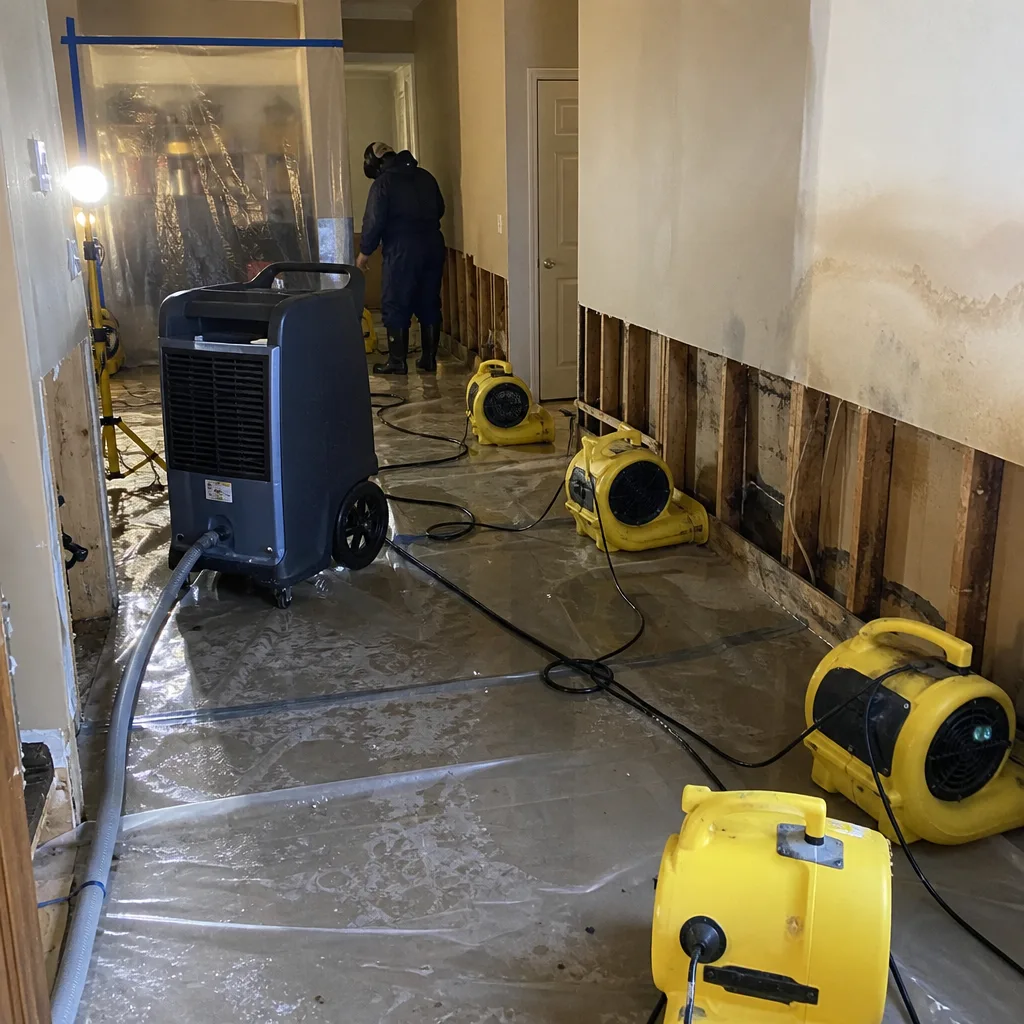
- How to Read an Xactimate Estimate Line by Line
- Water Damage Restoration Costs in Newark
- Mold Remediation Pricing Per Square Foot
- Fire and Smoke Damage Restoration Costs
- Why Multi-Family Buildings Cost More to Restore
- The Three Most Underpaid Cost Categories in Newark Claims
- When to Use a Public Adjuster vs. Contractor Estimating
- Common Mistakes to Avoid
- When to Call a Professional
- Frequently Asked Questions
BeforeAfterHow to Read an Xactimate Estimate Line by Line
Xactimate is not a black box. It’s a line-item database that prices labor, material, and equipment by geographic market. When an adjuster opens a claim for a Newark property, the software pulls rates calibrated to Essex County’s labor market, material delivery costs, and permit fees. Understanding the line-item structure lets you spot what’s missing before you sign off on a settlement.
Every Xactimate estimate contains these core categories:
- F&P (Floor and Prep): This covers surface protection, containment setup, and initial preparation of the work area. In Newark’s older housing stock, F&P often runs higher because pre-1978 buildings trigger EPA RRP (Renovation, Repair, and Painting) lead-safe practices. Expect $0.85-$1.40 per square foot for residential F&P in 07102-07108 zip codes.
- O&P (Overhead and Profit): A 10% overhead and 10% profit markup applied when a general contractor coordinates three or more trades. Many insurers automatically remove O&P from restoration estimates, treating the work as “repair” rather than “construction.” This is disputable. If your restoration involves water extraction, drywall replacement, electrical inspection, and painting, O&P applies. A typical Newark water damage job with O&P included adds $600-$1,400 to the total.
- Depreciation Holdbacks: Insurers depreciate materials based on age - a 12-year-old carpet might be valued at 40% of replacement cost. You recover this holdback only after proving replacement with receipts. For Newark homeowners in Ironbound or North Ward neighborhoods with original finishes, depreciation disputes are common. Document everything with dated photos before any removal.
- R&R (Remove and Replace): The actual demolition and installation line items. Each has a unit price - per square foot, per linear foot, or per each - that you can verify against Xactimate’s published price list for your zip code.
- Drying Equipment (DE): Charged per day, per machine. Low-grain refrigerant (LGR) dehumidifiers run $28-$42 per day in Newark; air movers $18-$26 per day. These charges should stop when drying goals are met, documented by daily moisture readings.
Here’s how to audit your estimate in three steps:
- Verify the zip code. The estimate header shows the pricing database version. Confirm it matches your property’s zip code, not a regional average.
- Count the line items. A complete water damage estimate should include: emergency extraction, moisture mapping, equipment setup, daily monitoring, content manipulation, demolition, cleaning, and reconstruction. Missing categories mean missing money.
- Check O&P application. If three or more trades are involved and O&P is absent, request a written explanation from the adjuster. Most will add it when challenged with documentation.
At DryMark Restoration Newark home, we provide every customer with an Xactimate-formatted estimate before work begins, written to the same standard your adjuster uses. Haven Standard, Clause 1: written price before work begins - always, with no exceptions.
Water Damage Restoration Costs in Newark
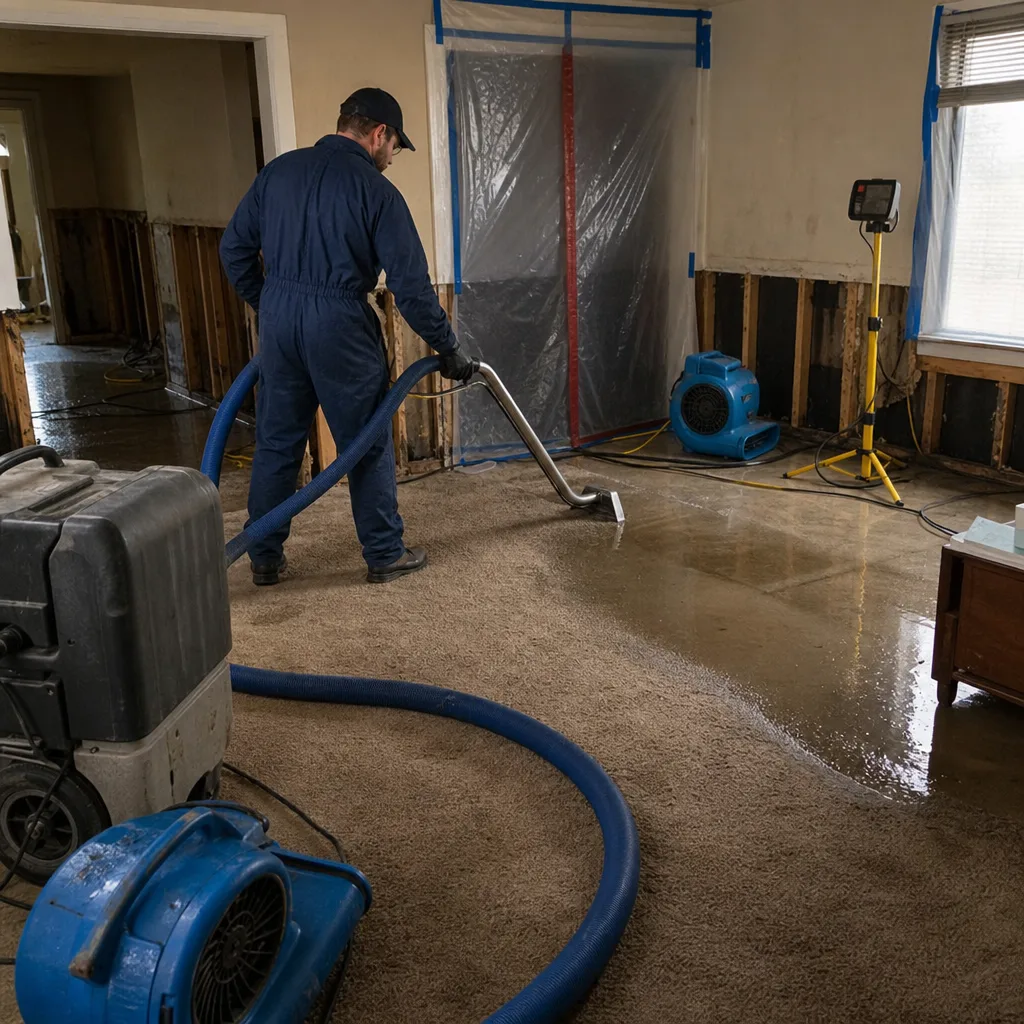
Newark’s water damage market has distinct characteristics that affect pricing. The city’s combined sewer system, aging cast-iron lateral lines in Forest Hill and University Heights, and high water table in the Meadowlands-adjacent South Ward all create conditions where water intrusion spreads fast and dries slow. Humidity in July and August regularly exceeds 75%, extending drying timelines by 20-40% compared to drier months.
These are the line-item ranges we’re seeing for Newark in 2026:
| Service Category | Newark Range (2026) | Notes |
|---|---|---|
| Emergency water extraction (per sq ft) | $1.80-$3.20 | Higher for Category 3 (sewage) requiring PPE and disposal protocols |
| Structural drying, LGR dehu (per day) | $28-$42 | Typical residential job: 3-5 days; commercial: 7-14 days |
| Air mover rental (per day) | $18-$26 | One per 50-70 sq ft of affected area |
| Moisture mapping and psychrometric readings | $180-$350 | Daily logs required for insurance documentation |
| Content manipulation (per room) | $85-$140 | Furniture moving, blocking, and protection |
| Demolition, wet materials (per sq ft) | $2.40-$4.80 | Includes disposal; plaster/lath costs 30% more than drywall |
| Antimicrobial application | $0.45-$0.85 per sq ft | Required for Category 2 and 3 water |
| Drywall replacement (per sq ft, R&R) | $3.20-$5.60 | Includes taping, mudding, primer; paint additional |
A typical Newark basement flood in a single-family home - say, 800 square feet affected with 4-inch water depth, finished drywall and carpet - runs $4,800-$7,200 for extraction, drying, and minimal demolition. Add $2,800-$4,500 for full drywall and flooring replacement. The same job in a 1920s Forest Hill colonial with plaster walls and hardwood floors jumps to $7,500-$11,000 because plaster demolition costs more and hardwood requires specialized drying with Injectidry mat systems or tent-and-chamber methods.
Psychrometric data - temperature, relative humidity, and vapor pressure differential - drives equipment decisions and daily costs. Vapor pressure differential is the force that moves moisture from wet materials into dry air. When outdoor humidity is high, as it frequently is in Newark’s summer months, we need more dehumidification capacity to maintain the 40-50% relative humidity target for structural drying. That means more equipment days, documented in the daily drying log that becomes part of your claim file.
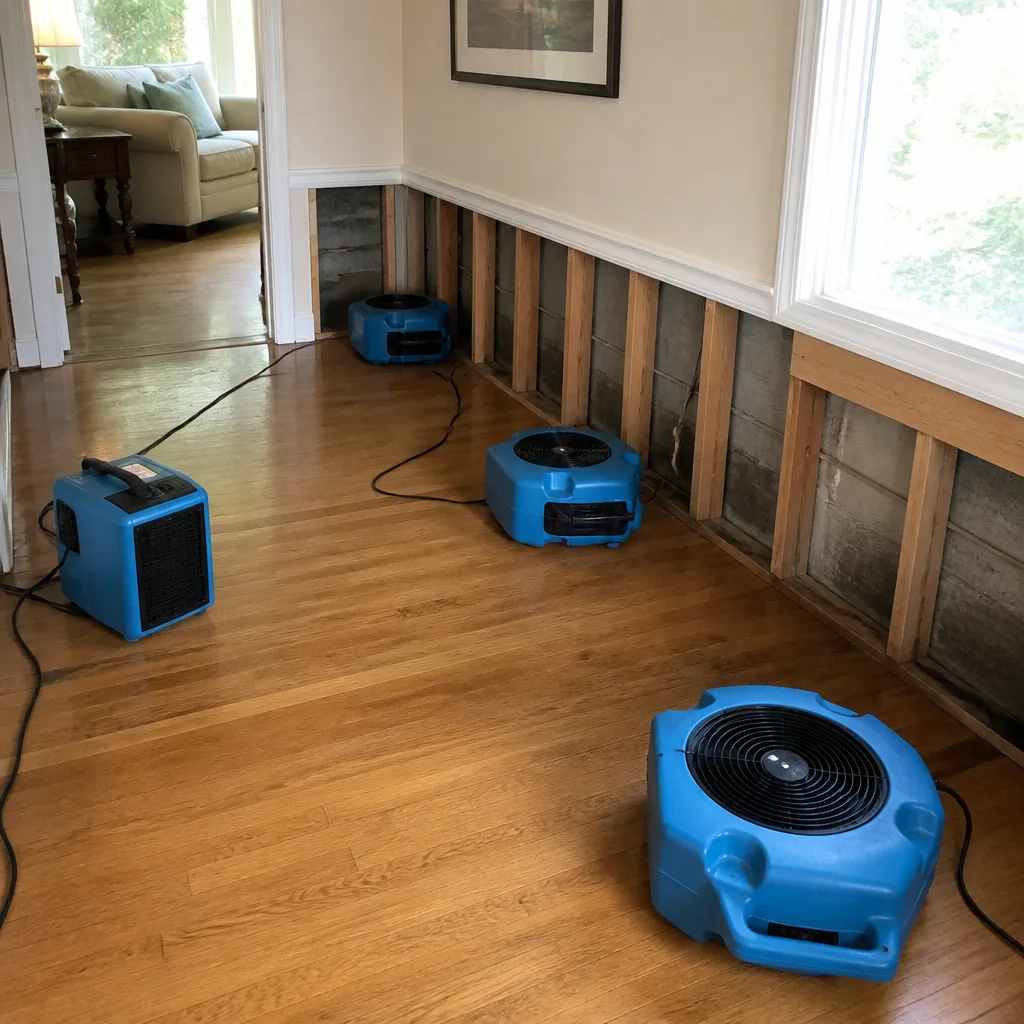
Our crews deploy professional-grade drying systems from Dri-Eaz, Phoenix, and XPOWER, documented to IICRC and RIA standards. Every visit produces a photo record and moisture readings, delivered as standard - never an upsell.
Mold Remediation Pricing Per Square Foot
Mold remediation in Newark carries pricing variables that national averages miss entirely. The city’s housing stock is among the oldest in the nation - median construction year in the Ironbound is 1910, in North Ward around 1925. Older buildings have more organic material (true plaster with horsehair, old cellulose insulation, layered wallpaper) that supports mold growth, and they were built before vapor barriers became standard. Remediation in these structures requires more containment, more controlled demolition, and more post-remediation verification.
Newark-specific mold remediation costs for 2026:
- Level I remediation (limited, <10 sq ft): $450-$850. Typically a bathroom corner or small ceiling patch. No full containment required; HEPA vacuum and antimicrobial treatment.
- Level II remediation (moderate, 10-100 sq ft): $15-$22 per square foot. Containment with 6-mil poly, negative air pressure, PPE upgrade to half-face respirators. Common in Newark’s multi-family units where bathroom exhaust fans vent into attics rather than outdoors.
- Level III remediation (major, >100 sq ft or HVAC involvement): $22-$28 per square foot. Full containment, negative air machines, post-remediation clearance testing by third-party inspector. Required when mold affects the HVAC system, which is common in Newark’s flat-roof commercial conversions and older apartment buildings.
- Post-remediation verification (PRV) testing: $350-$650. Air sampling and surface sampling compared to outdoor baseline. Required by most insurers for jobs exceeding $5,000.
The most expensive mold jobs we see in Newark are not the largest - they’re the ones that sat undiscovered, a pattern covered in our Damage Restoration Warning Signs: A Newark Homeowner’s Reference Guide. A slow leak behind a kitchen cabinet in a Weequahic duplex, discovered only when the tenant reports a musty smell, often means 8-12 linear feet of cabinet removal, subfloor replacement, and three weeks of drying before remediation can even begin. The mold line item is $3,200; the water damage and reconstruction behind it is $8,500.
Newark’s climate amplifies this risk. Annual precipitation averages 46 inches, with heavy spring rains and hurricane-season deluges that find every compromised flashing and cracked parapet. Buildings without functioning gutters - common in investor-owned multi-family stock - see chronic moisture at foundation levels that produces recurring mold in basement units.
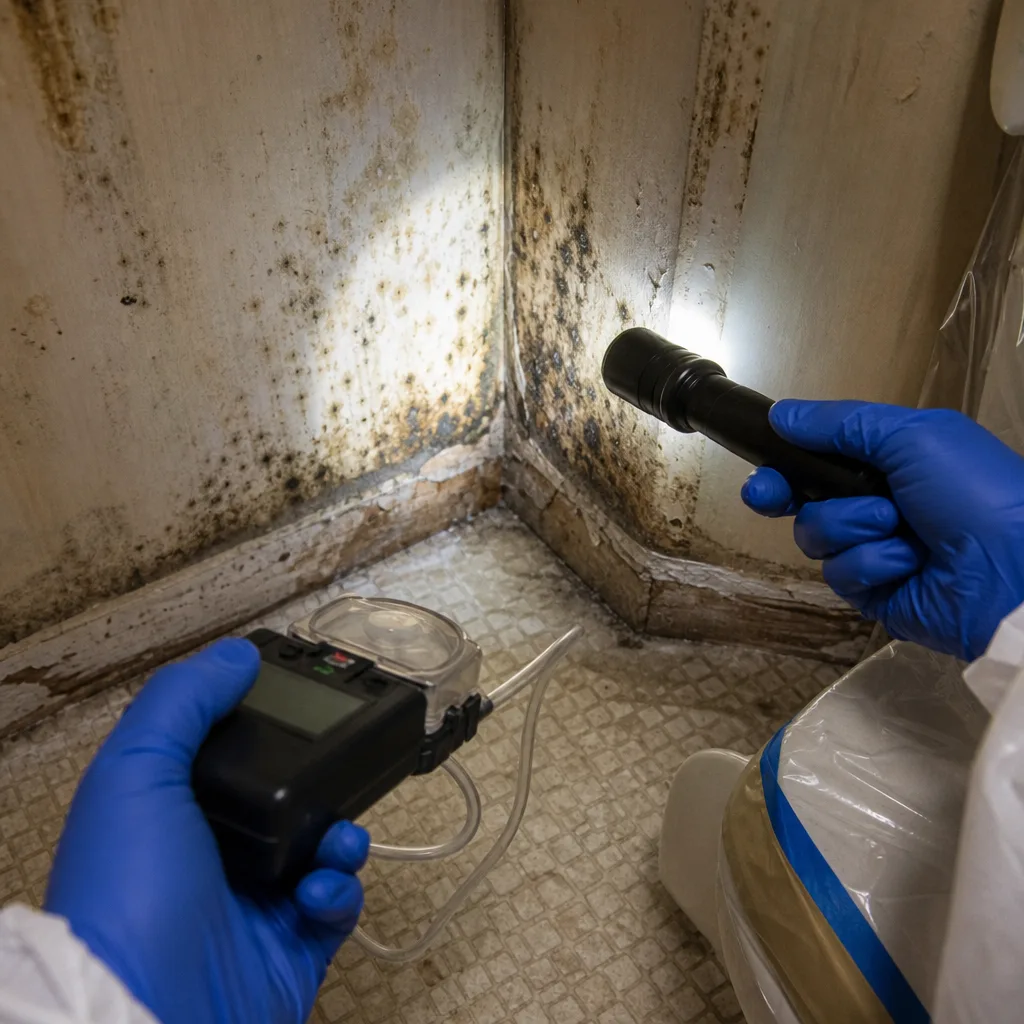
We document every mold job with pre-remediation photos, containment setup photos, and post-remediation verification. The Haven Standard requires it, and your adjuster expects it.
Fire and Smoke Damage Restoration Costs
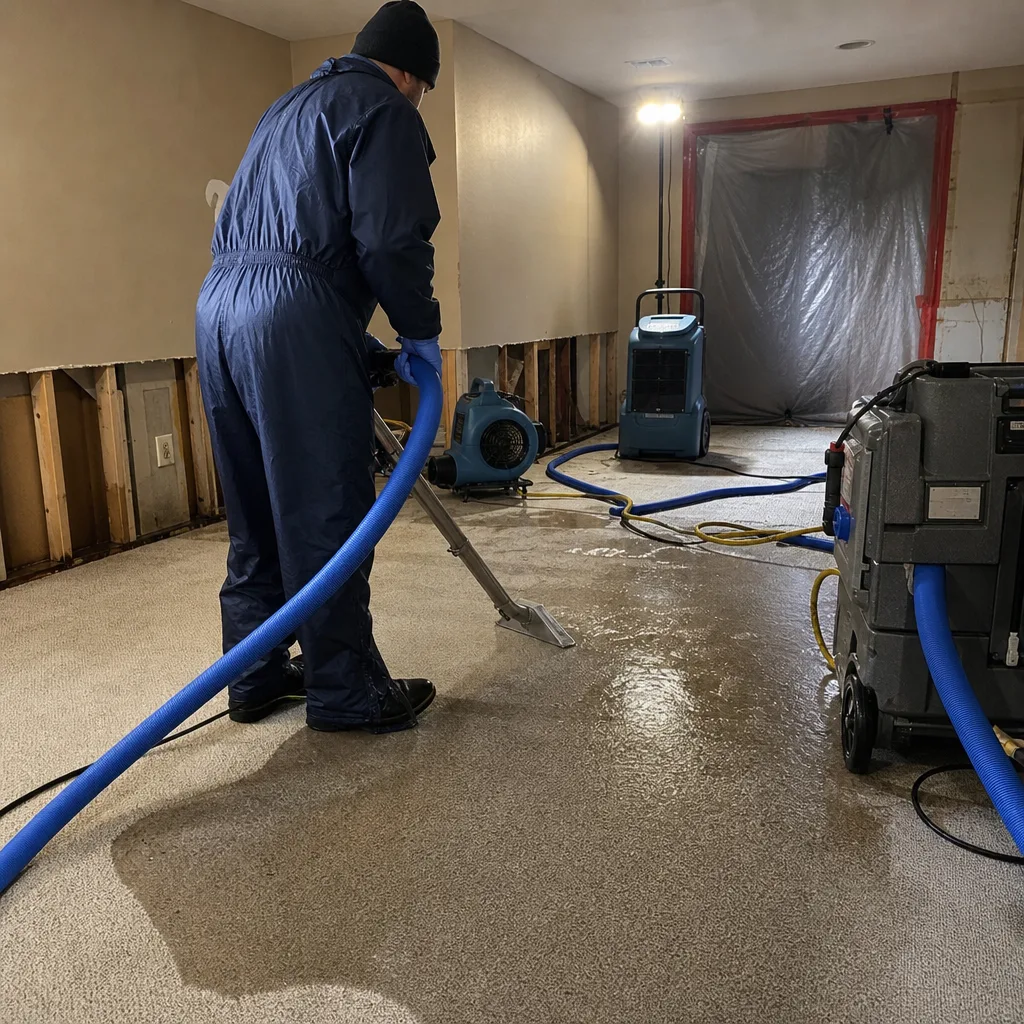
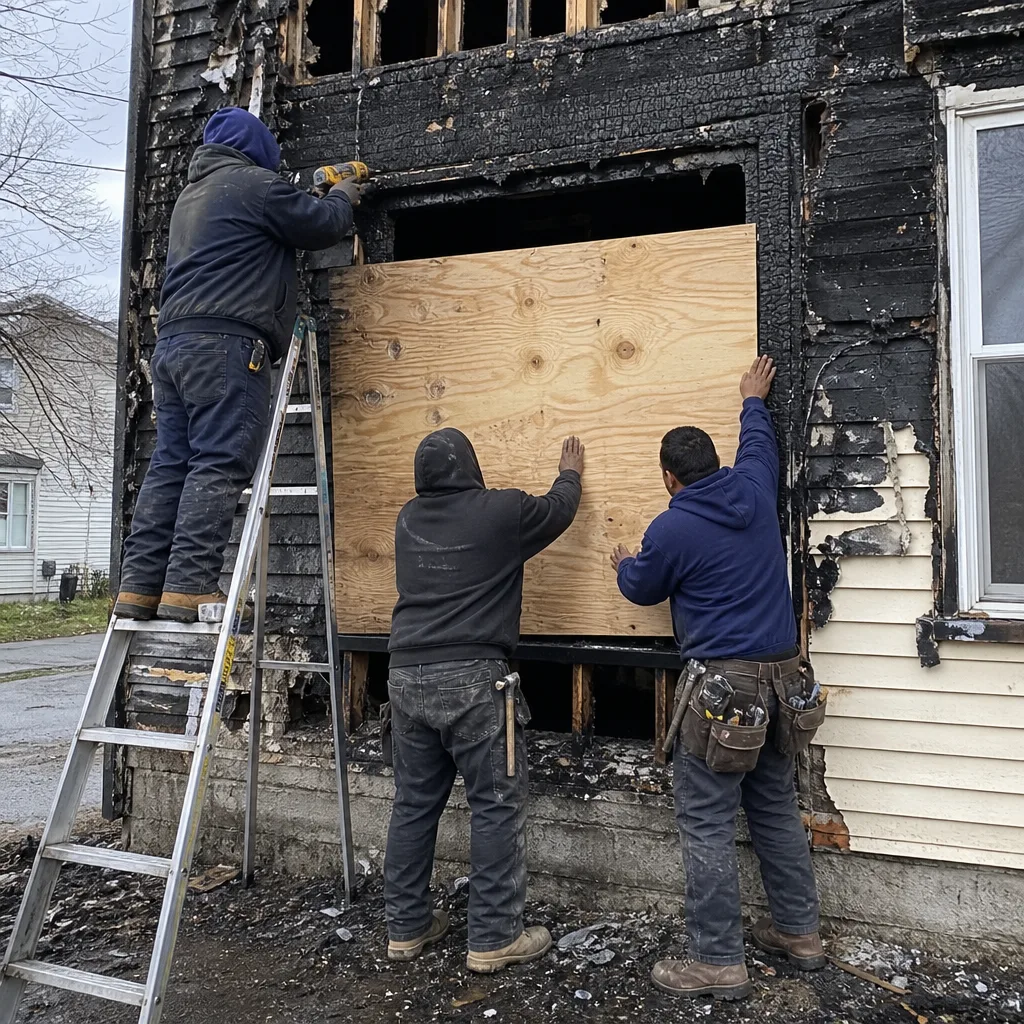
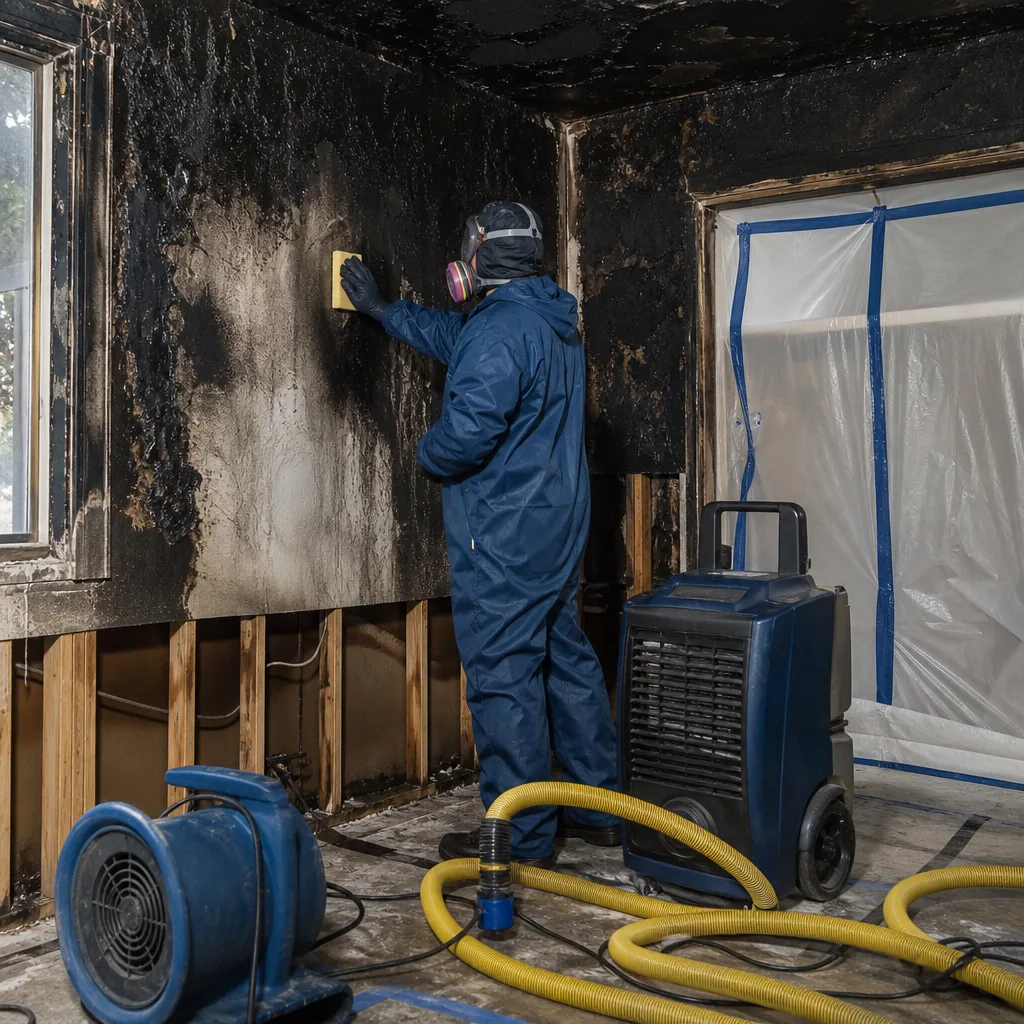
Fire restoration pricing diverges from water and mold because the damage types stack: thermal damage from flames, smoke damage from incomplete combustion, and water damage from suppression. Each requires distinct line items, and insurers often under-scope one or more categories.
Newark fire restoration costs for 2026:
| Damage Type | Typical Range | Scope Notes |
|---|---|---|
| Light smoke damage, single room | $4,500-$8,000 | Contents cleaning, HEPA air scrubbing, sealant primer on walls/ceilings |
| Moderate smoke, multiple rooms, no structural fire | $8,000-$18,000 | Full contents pack-out, ultrasonic cleaning, thermal fogging or ozone treatment, HVAC duct cleaning |
| Structural fire with rebuild | $35,000-$85,000+ | Framing repair, electrical/plumbing replacement, full finish restoration |
| Contents pack-out and storage (per month) | $280-$450 | Inventory, cleaning, climate-controlled storage; often underpaid |
| HVAC duct cleaning post-fire | $1,800-$3,200 | Required when smoke entered return air; frequently omitted from initial estimates |