
Last updated September 23, 2026
Free visual inspection and a written scope of work before any mitigation begins - photos, moisture readings, and drying logs go in your claim file
The scope we write is the scope we bill. Anything new gets shown to you, in writing, before we touch it.
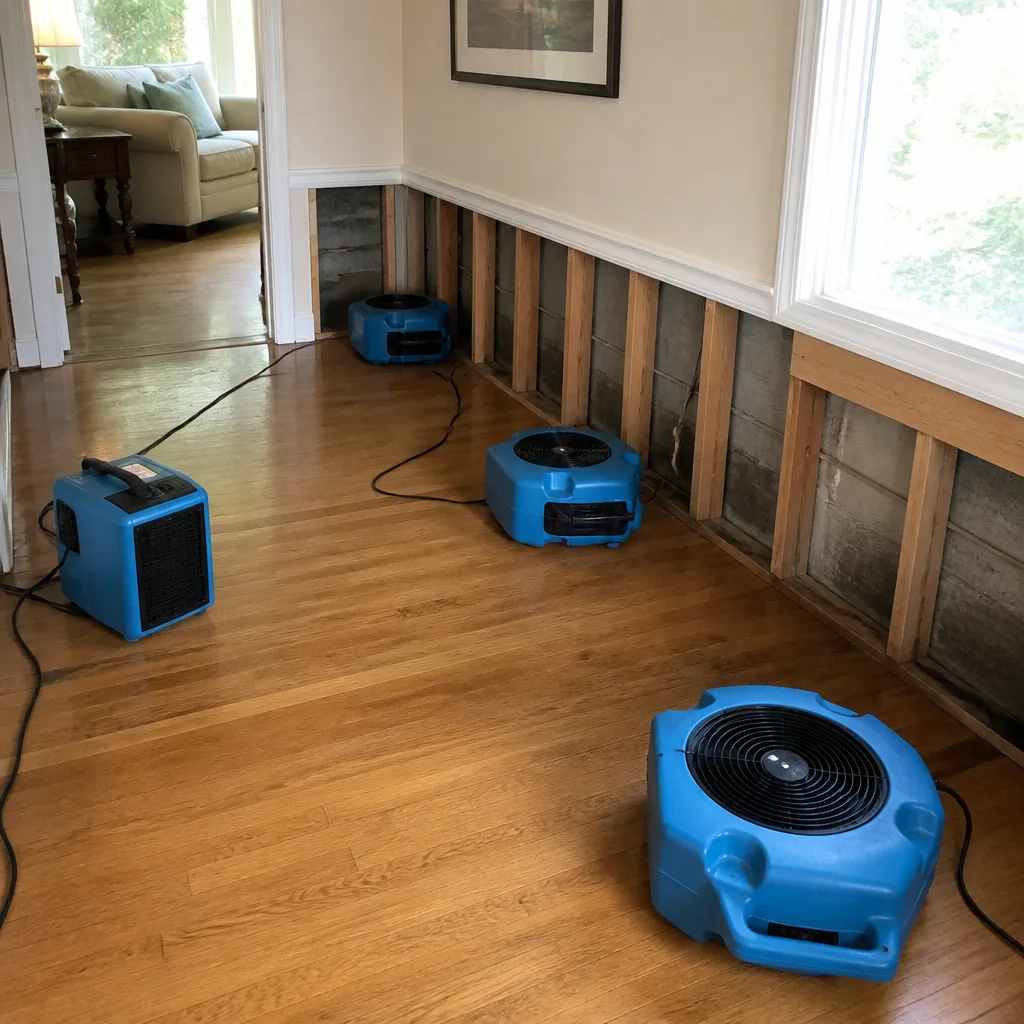
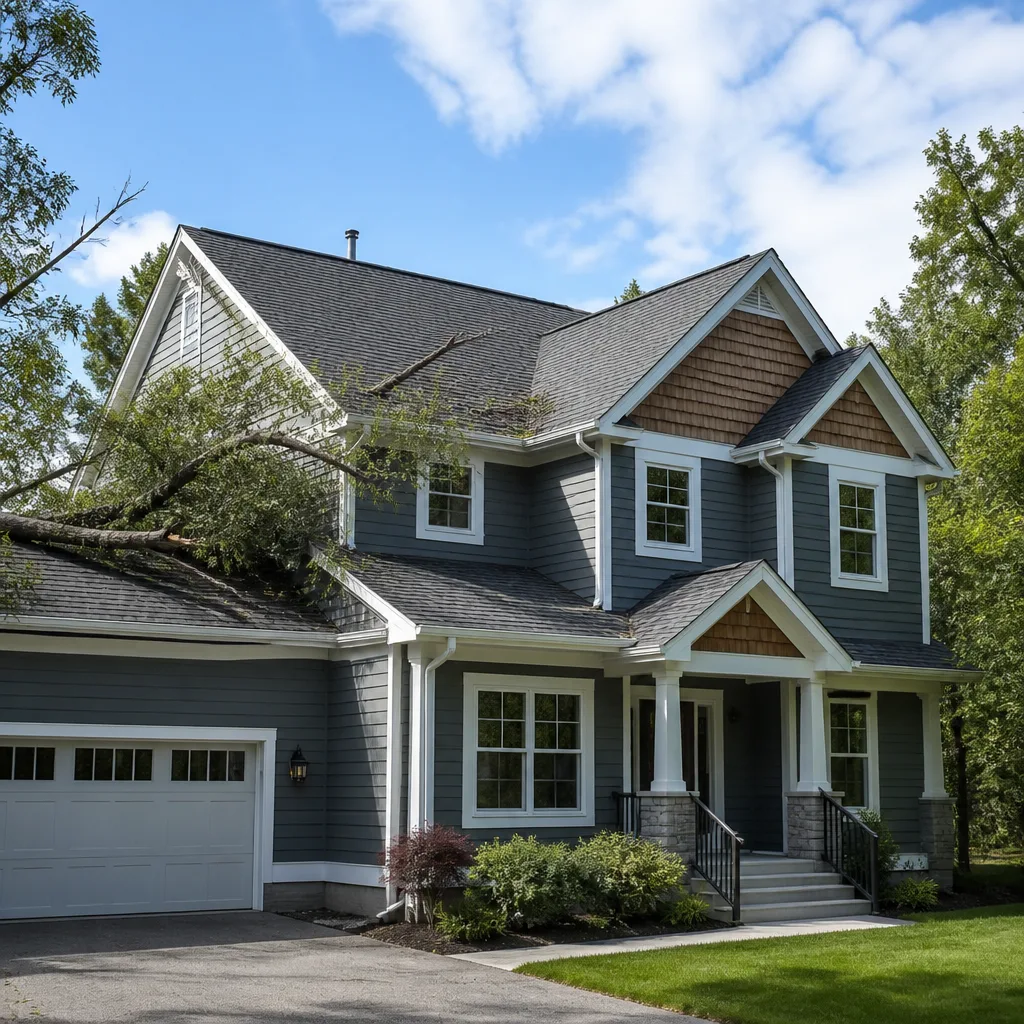
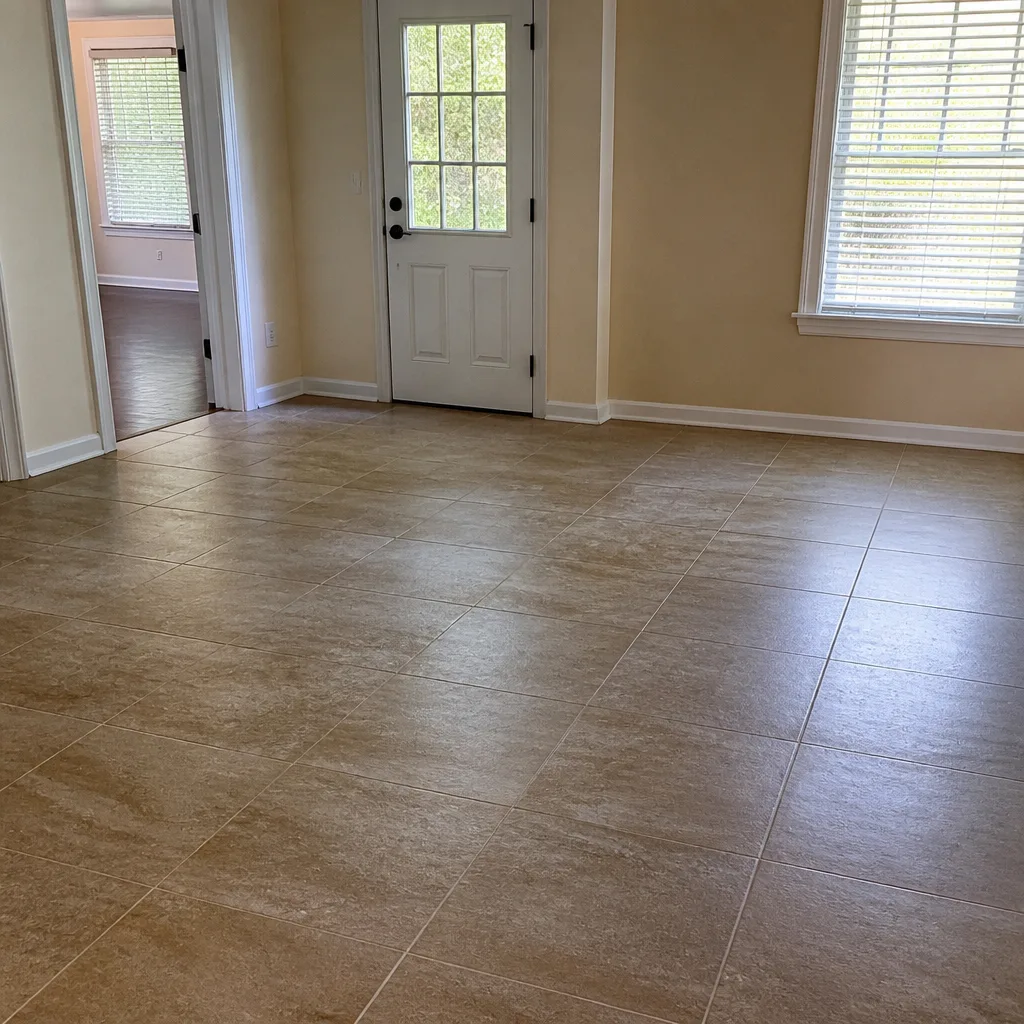
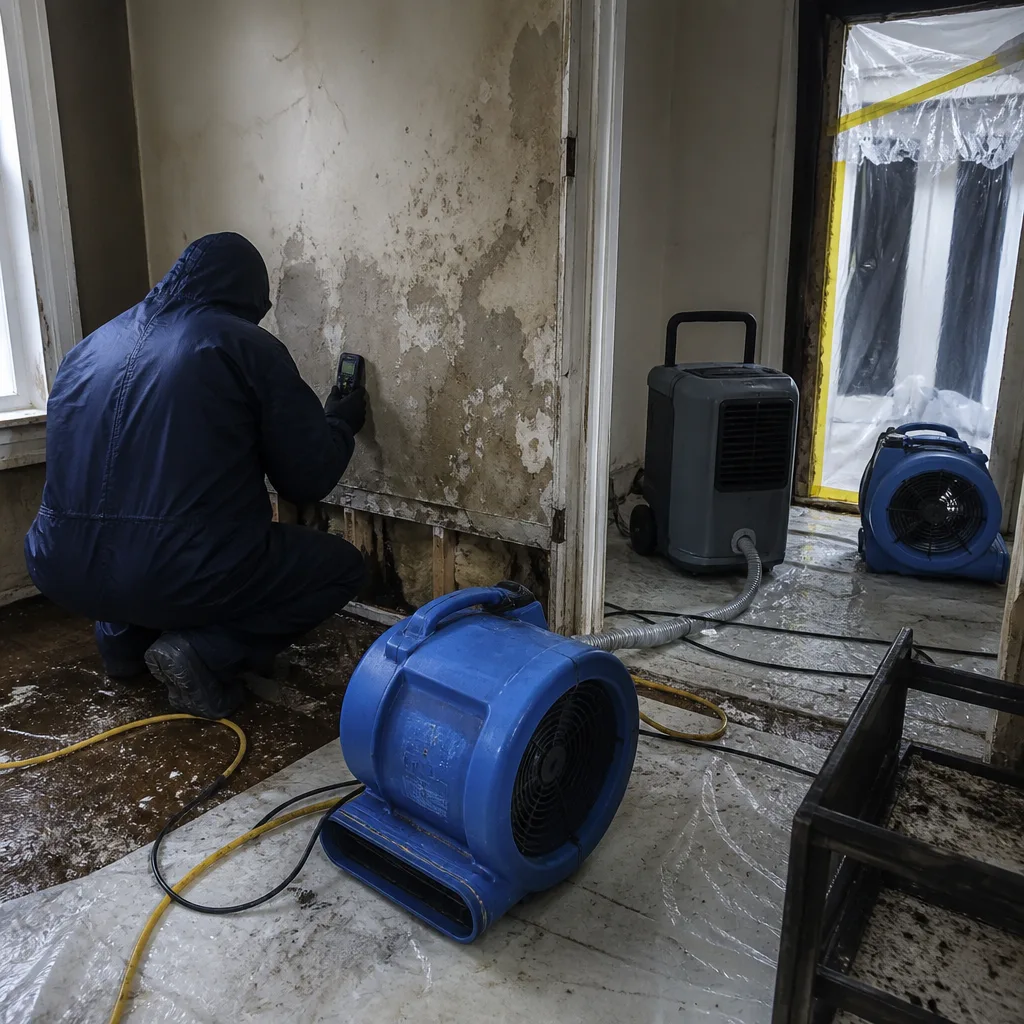 Before
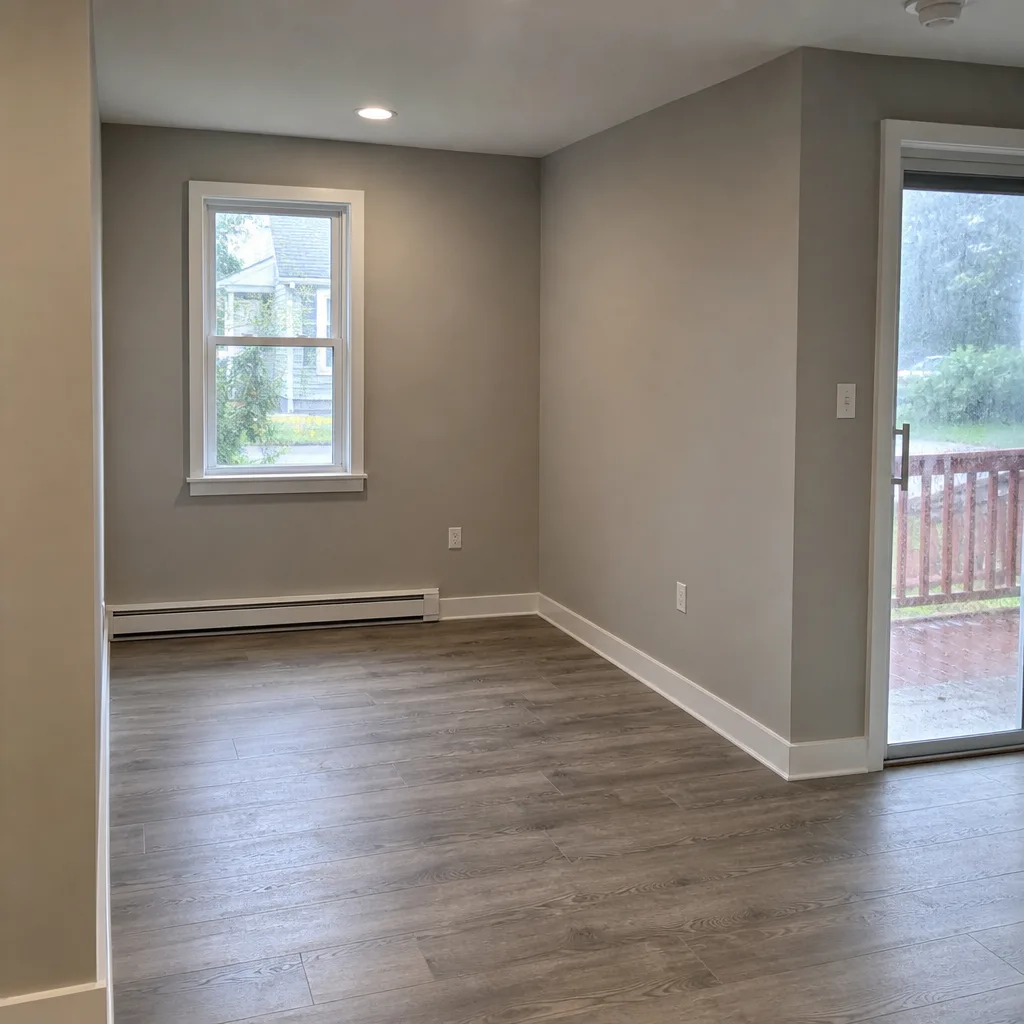 After
After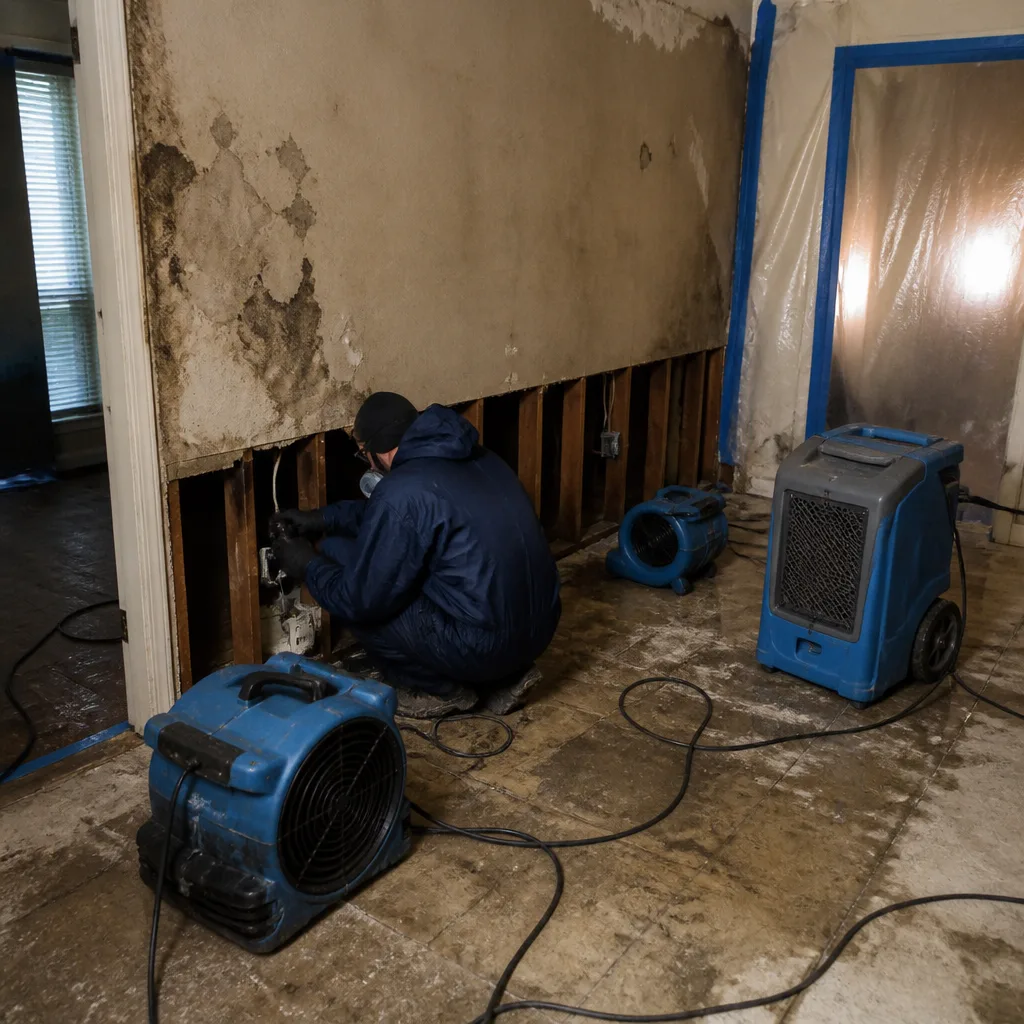 Before
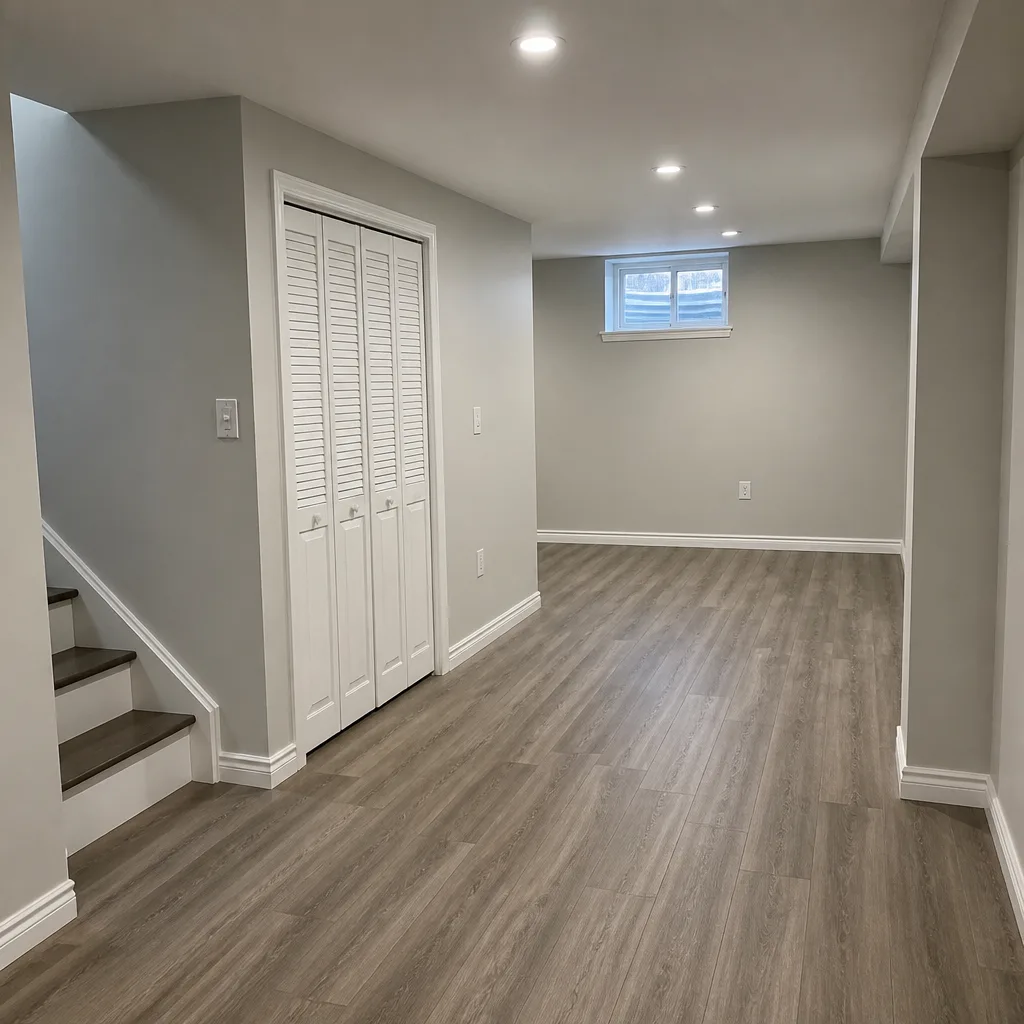 After
After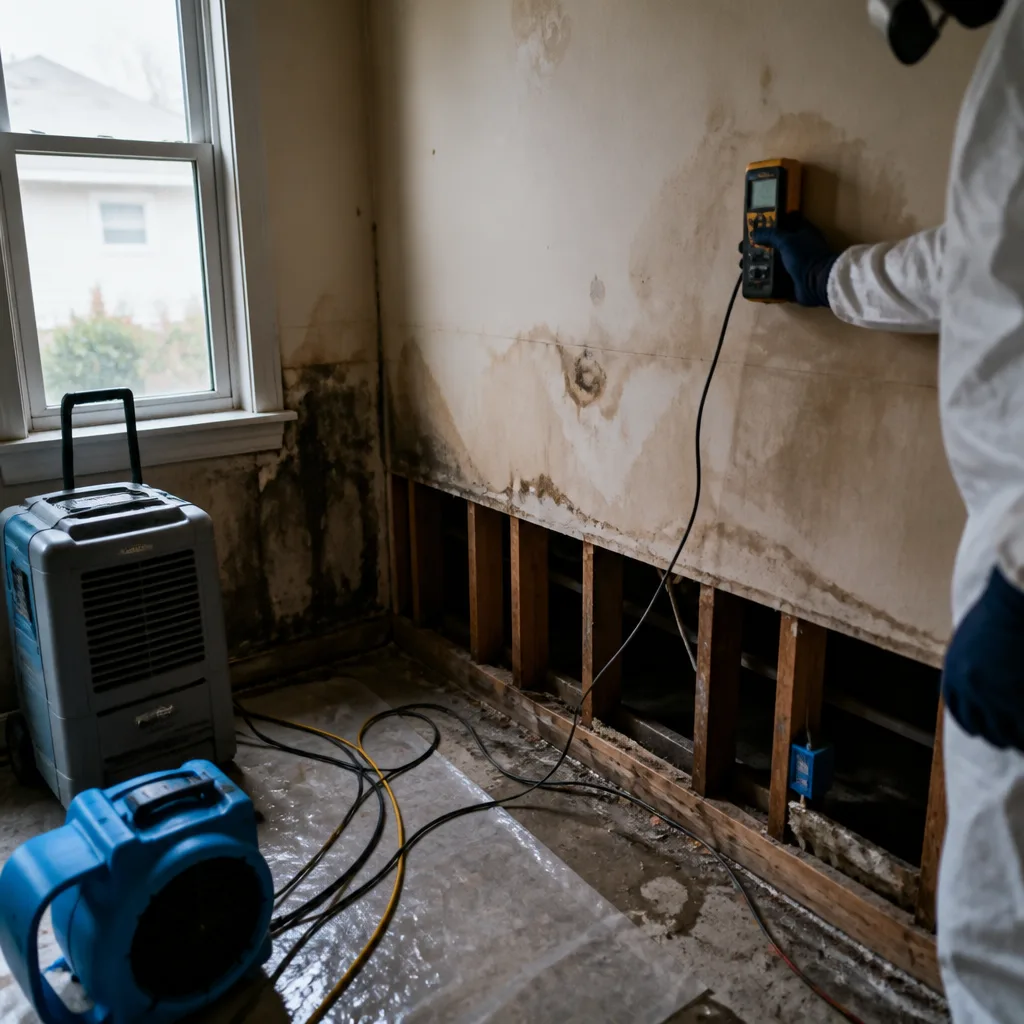 Before
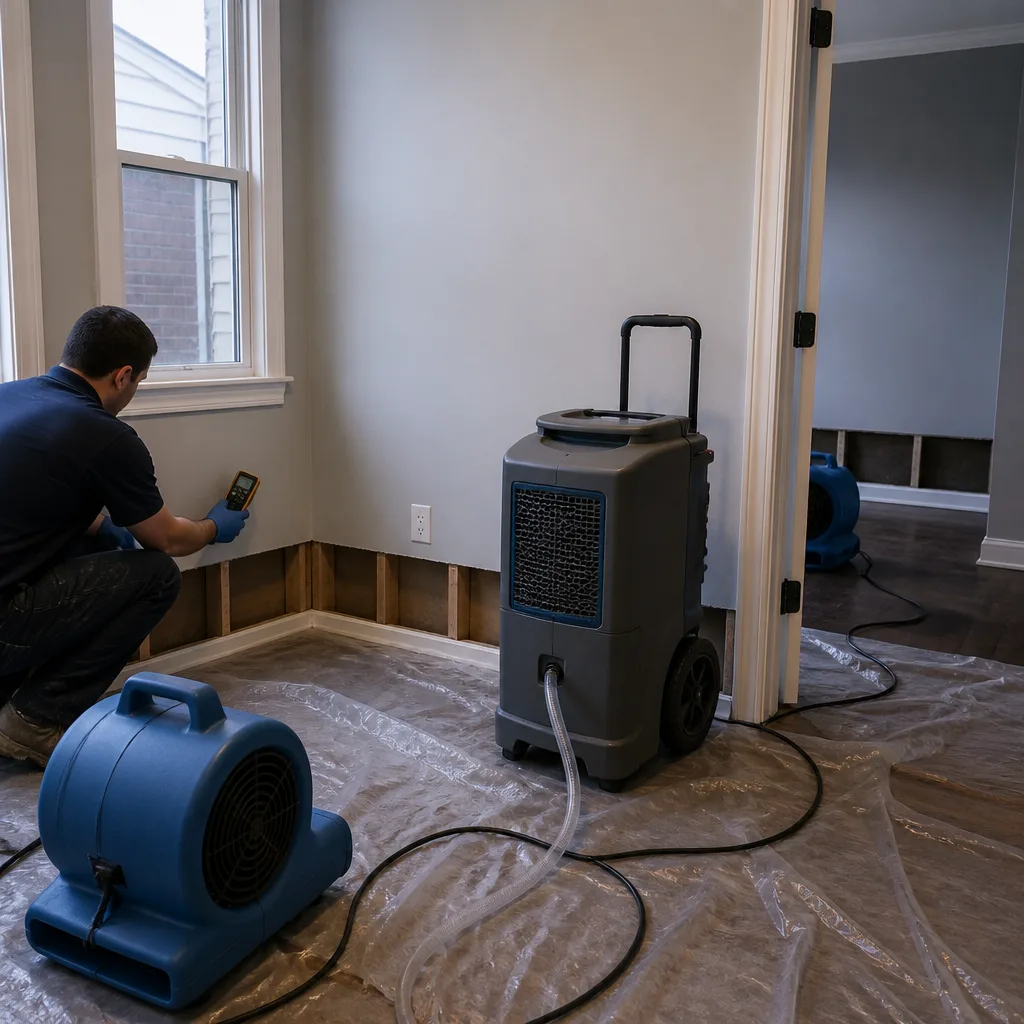 After
AfterDIY vs Professional Damage Restoration: The Newark Homeowner’s Decision Guide
Most Newark homeowners facing water damage start with a wet-dry vacuum and a prayer. Here’s what they don’t know: New Jersey case law recognizes the “reasonable homeowner standard” for emergency mitigation, meaning you’re legally allowed to extract standing water yourself without voiding your insurance claim. But that same standard requires documentation most DIY guides never mention - timestamped photos, moisture readings, written inventories, and insurer notifications within your policy’s strict timeframe. In our 12,000+ jobs since 2011, we’ve seen properly documented DIY mitigation save claims and sloppy DIY work destroy them. This guide shows you exactly where the line sits between what you can handle and what requires a licensed professional with the paperwork to protect your coverage. For more guidance, see our How to Hire a Damage Restoration Contractor in Newark: A Step-by-Step Guide.
Quick Answer
Homeowners in Newark can legally perform emergency water extraction and content moving under New Jersey’s reasonable homeowner standard, but structural drying, mold remediation, and any Category 2 or 3 water damage require a licensed contractor for your insurance claim to remain valid. The break-even point typically falls between 150-300 square feet of affected area or 24-48 hours after initial exposure, whichever comes first - beyond that, professional documentation (moisture logs, photo records, signed clearance readings) becomes essential to claim payment.
Table of Contents
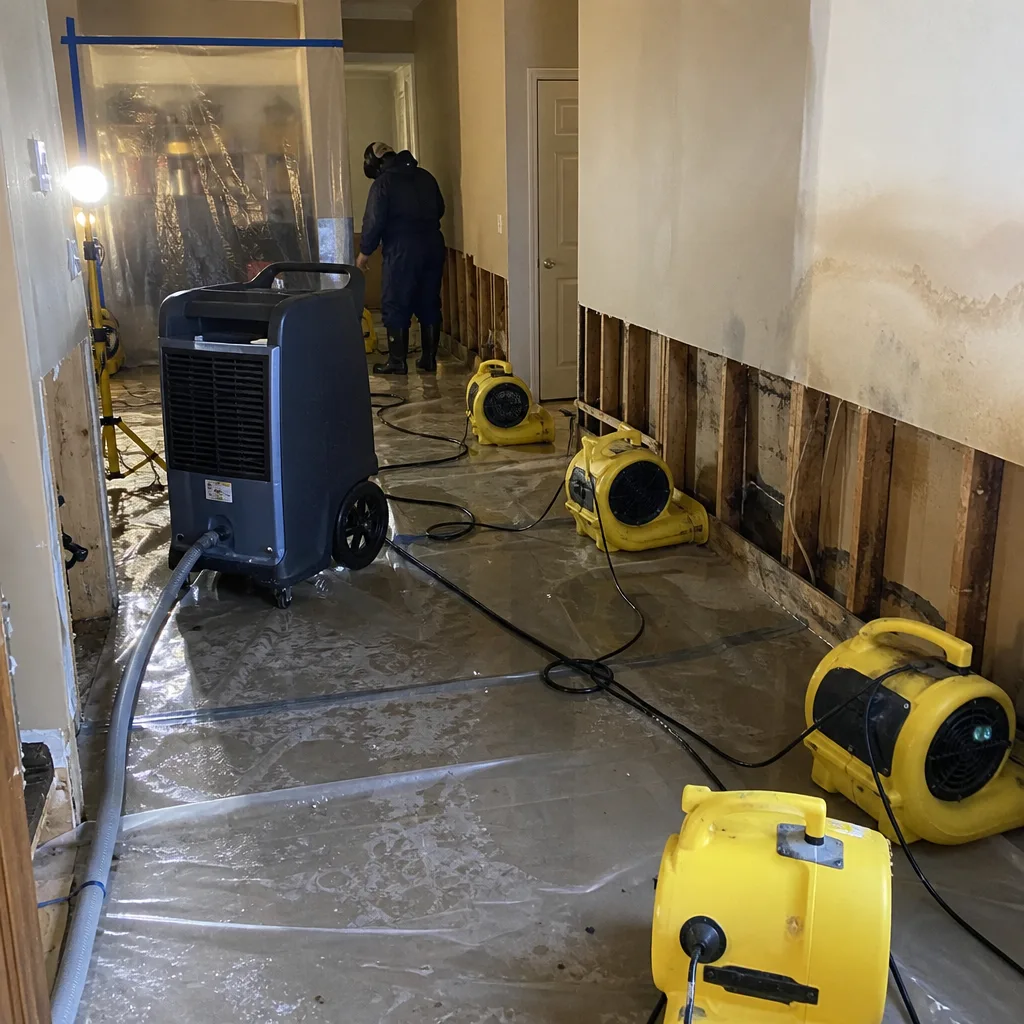
- The New Jersey Legal Distinction: Mitigation vs. Restoration
- What Documentation DIY Actually Requires
- When DIY Attempts Increase Total Cost
- Calculating the Real Break-Even: DIY vs. Professional
- The Decision Matrix: Water Category, Square Footage, Hours Exposed
- The Equipment Reality Check
- Newark-Specific Factors: Climate, Codes, and Construction
- What Your Insurance Adjuster Actually Sees
BeforeAfterThe New Jersey Legal Distinction: Mitigation vs. Restoration
New Jersey insurance law draws a sharp line between emergency mitigation and structural restoration, and crossing it without the right license can invalidate your claim. Understanding this distinction before you pick up a tool protects both your home and your coverage.
What Homeowners Can Legally Do: Emergency Mitigation
Under the reasonable homeowner standard, you have the right to:
- Extract standing water using wet-dry vacuums, pumps, or buckets - document start and stop times with photos showing water depth before and after
- Move undamaged contents to dry areas - photograph item condition before moving, create a written inventory with approximate values
- Remove wet porous materials that pose immediate contamination risk (saturated carpet pad, visibly moldy drywall) - but stop if you suspect asbestos in pre-1980 construction
- Increase air circulation with household fans - note fan placement and runtime hours
These actions are considered “reasonable and necessary” under standard HO-3 and HO-5 policies sold in Newark. But the standard is conditional: you must notify your insurer within the timeframe specified in your policy declarations page, typically 24-72 hours.
What Requires a Licensed Contractor in New Jersey
State law and standard policy language require licensed contractors for:
- Structural drying with psychrometric documentation (daily moisture readings, humidity ratios, vapor pressure differential calculations) - this is what transforms “we dried it” into a payable invoice
- Mold remediation exceeding 10 square feet, which triggers NJDEP licensing requirements and requires post-remediation clearance testing by an independent third party
- Category 2 (gray water) or Category 3 (black water) damage - any water containing chemical, biological, or sewage contamination requires certified technicians under IICRC S500 standards
- Fire and smoke damage restoration involving structural integrity assessment or HVAC system cleaning
- Any work requiring Newark construction permits - electrical, plumbing, or structural repairs in the Ironbound, Downtown, or University Heights districts fall under Newark’s unified construction code
The critical point: your insurer can deny coverage for work performed by unlicensed contractors, even if the work was technically correct. We’ve reviewed claims where homeowners paid $4,000 out-of-pocket for equipment rental and weekend labor, only to have the insurer reject the invoice because no licensed contractor signed the drying logs.
What Documentation DIY Actually Requires
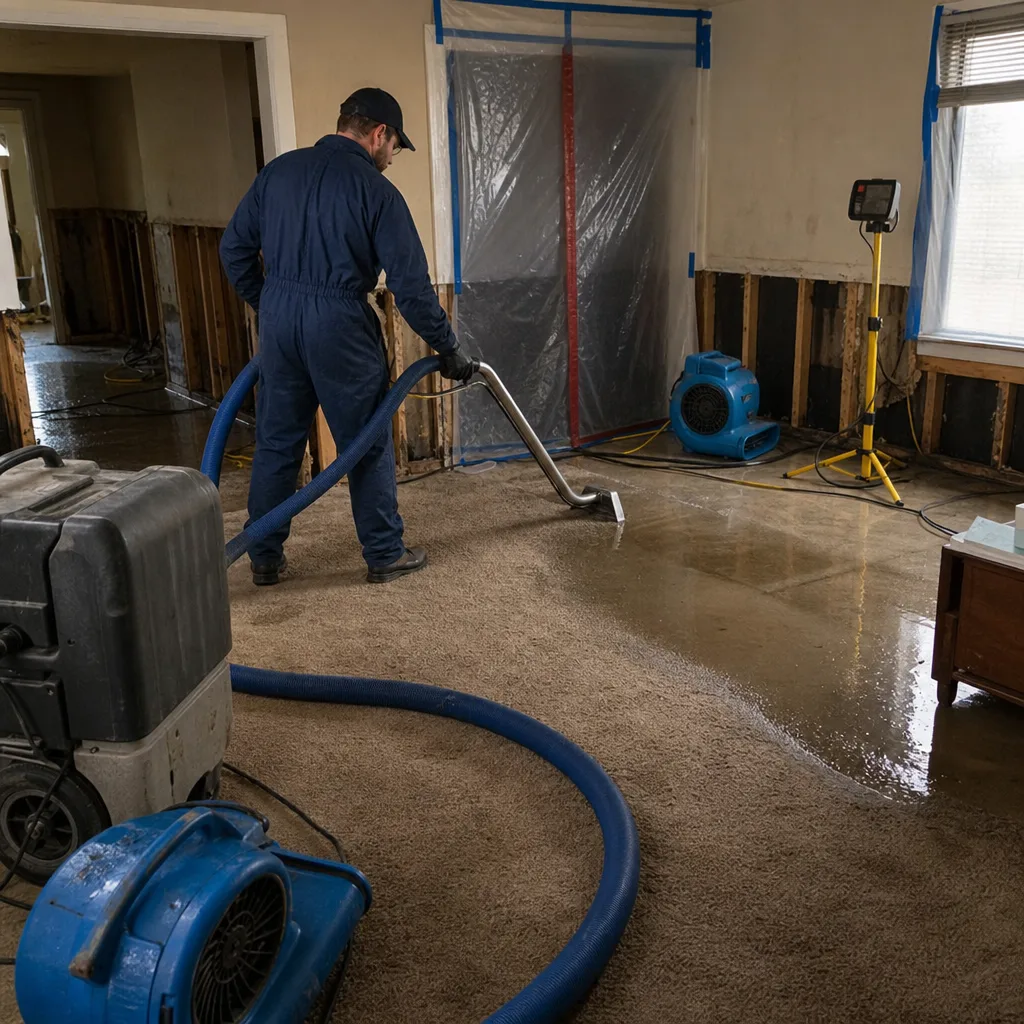
Documentation is where most DIY efforts fail, and where DryMark Restoration Newark home built its entire operating system. The Haven Standard requires six documentation elements on every job; a DIY homeowner needs at least four to protect their claim.
The Four Minimum DIY Documents
- Timestamped photo record: Photos of every affected room from multiple angles, with visible water line marks, before any water is removed. Include photos of the water source if identifiable (burst pipe, appliance, roof penetration). Date-stamp every image - phone metadata is acceptable if unedited.
- Moisture readings before and after: A pinless moisture meter costs $40-80 at hardware stores in Newark’s Home Depot on Springfield Avenue or Lowe’s in Kearny. Take readings at consistent locations: base of walls, subfloor if accessible, center of affected rooms. Record the percentage and the exact spot. Without “before” readings, you cannot prove the area was actually wet.
- Written inventory of damaged contents: Item description, approximate age, purchase price if known, condition before loss, current condition. Photograph each item. This inventory becomes your proof of loss for contents coverage - adjusters will not accept “some stuff got wet” without documentation.
- Written notification to insurer: Email or fax (keep confirmation) within your policy’s required timeframe. State the date and time of discovery, immediate actions taken, and whether a professional has been engaged. This preserves your duty to notify and starts the claim clock.
What Most DIY Guides Omit
Popular DIY blogs rarely mention that your insurer may send their own adjuster within 48-72 hours of notification. If you’ve already removed all visible water and thrown away damaged materials without photo documentation, the adjuster has no evidence to support your claimed damages. We’ve seen Newark homeowners in the Forest Hill and Vailsburg neighborhoods lose $15,000+ in legitimate coverage because they “cleaned up too well” before documenting.
Professional restoration companies produce daily drying logs showing psychrometric data - temperature, relative humidity, specific humidity, and vapor pressure differential - that prove drying progress to mathematical certainty. A homeowner with a box fan and a borrowed dehumidifier cannot produce this documentation, which means the insurer has no objective basis to approve continued drying charges.
When DIY Attempts Increase Total Cost
There are specific scenarios where DIY intervention doesn’t save money - it compounds the damage and inflates the final restoration bill. Recognizing these before you start protects your wallet and your health.
Category 2 or 3 Water Spread
Water from dishwasher discharge, washing machine overflow, or any source with chemical or biological contamination is Category 2 (gray water). Sewage backup, flooding from the Passaic River or Newark Bay, or any water that has passed through ground or building materials is Category 3 (black water). In both categories, DIY extraction without proper PPE and containment spreads contamination to previously unaffected areas.
We’ve responded to homes in the Ironbound where a homeowner extracted sewage backup with a wet-dry vacuum, then used that same vacuum on clean areas. The cross-contamination required full demolition of additional rooms and replacement of the vacuum owner’s HVAC ductwork. The initial DIY “savings” of $200 in equipment rental became $18,000 in additional restoration costs, none of which the insurer covered because the spread was caused by improper handling.
Closed-Cavity Drying Without Thermal Imaging
Water wicks into wall cavities, under cabinets, and beneath flooring through capillary action invisible to the eye. In Newark’s older housing stock - particularly the pre-war brick and frame homes in the North Ward and Weequahic areas - plaster and lath construction creates hidden reservoirs that hold moisture for weeks.
Professional restoration uses thermal imaging cameras and non-penetrating moisture meters to identify these hidden moisture pockets. Without this equipment, DIY drying addresses only the visible surface. The result: mold growth inside walls, structural decay of framing members, and eventually a much larger remediation project. We’ve opened walls in Newark homes six months after DIY “drying” to find 28% moisture content in studs - well above the 16% threshold for mold colonization.
Asbestos-Containing Materials in Pre-1980 Construction
Newark’s housing inventory includes significant pre-1980 construction, particularly in the Clinton Hill, Broadway, and South Ward neighborhoods. Vinyl asbestos tile, asbestos-containing drywall joint compound, and pipe insulation are common. Disturbing these materials during water damage cleanup without proper abatement procedures creates serious health hazards and EPA violations.
New Jersey law requires licensed asbestos abatement contractors for any disturbance of asbestos-containing materials beyond the minor repair exemption (less than three square feet or three linear feet). A homeowner who tears out wet drywall to “help” the drying process, unaware of asbestos in the joint compound, faces potential fines and personal liability - and their insurer will almost certainly deny any claim related to improper abatement.
Calculating the Real Break-Even: DIY vs. Professional
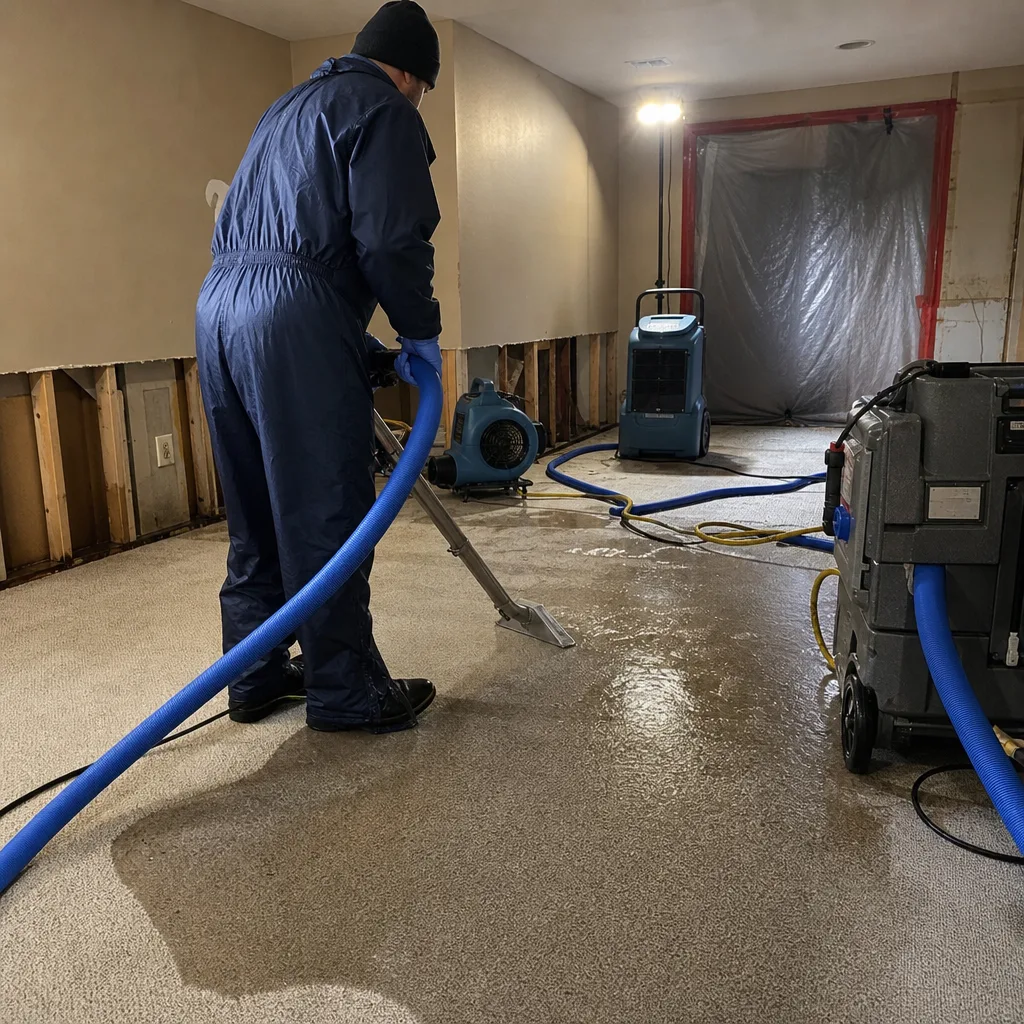
The financial comparison most homeowners make is incomplete. They compare equipment rental cost against a professional’s estimate, without accounting for the insurer reimbursement that only professional documentation unlocks.
DIY Equipment Costs (Newark Market, 2024-2025)
| Item | Rental/Purchase Cost | Duration Needed | Total |
|---|---|---|---|
| Commercial dehumidifier (70-pint) | $65-85/day | 3-7 days | $195-595 |
| Air mover (carpet dryer) | $25-35/day each | 3-7 days (need 3-4) | $225-980 |
| Pinless moisture meter | $45-80 purchase | One-time | $45-80 |
| Wet-dry vacuum (12+ gallon) | $40-60/day or $150 purchase | 1-2 days | $40-310 |
| HEPA air scrubber (for mold concern) | $150-200/day | 2-5 days | $300-1,000 |
| Personal protective equipment | $50-100 purchase | One-time | $50-100 |
| DIY Total Range | $855-3,065 |
Professional Cost with Insurance Reimbursement
Professional water damage restoration in Newark typically runs $3.50-5.50 per square foot for Category 1 water, $4.50-7.00 for Category 2, and $6.00-10.00 for Category 3, based on Xactimate pricing used by most insurers. For a 200 square foot affected area with Category 1 water, that’s $700-1,100 in professional charges.
But here’s what the DIY calculation misses: a professionally documented invoice with daily drying logs, photo records, and signed clearance readings is reimbursed by standard HO-3 and HO-5 policies at 100% minus deductible, assuming the loss is covered. The homeowner’s out-of-pocket is typically $500-1,500 (deductible) versus $855-3,065 in unrecoverable DIY costs. Download our Water Damage Restoration Maintenance Checklist for Newark Homeowners to stay prepared.
The break-even shifts further when you factor in:
- Additional living expenses (ALE): If the home is uninhabitable during drying, professional documentation supports faster ALE approval - hotel and meal costs that DIY cannot accelerate
- Contents restoration vs. replacement: Professional contents cleaning with ultrasonic and Esporta wash systems restores items at 20-30% of replacement cost, documented for full reimbursement; DIY typically results in total loss valuation, which pays depreciated value, not replacement cost
- Mold exclusion periods: Most policies have 14-day mold exclusions; professional drying with documentation proves the mold resulted from the covered loss, not secondary neglect
For Water Damage Restoration in Newark, the financial reality is that professional service often costs the homeowner less out-of-pocket than DIY, while producing superior documentation for claim payment.
The Decision Matrix: Water Category, Square Footage, Hours Exposed
Use this matrix to make an immediate, defensible decision without manufactured urgency. Match your situation across three variables.
Variable 1: Water Category
- Category 1 (clean water): Broken supply line, rainwater, melting ice. Lowest contamination risk. DIY mitigation is legally and technically feasible for small areas.
- Category 2 (gray water): Dishwasher discharge, washing machine overflow, sump pump failure. Contains chemical or biological contaminants. Requires professional handling for claim validity.
- Category 3 (black water): Sewage, flooding, any ground water. Health hazard. Professional only; DIY voids most policy coverage for resulting damage.
Variable 2: Affected Square Footage
| Area | DIY Viability | Professional Threshold |
|---|---|---|
| Under 50 sq ft, single room | Reasonable with proper documentation | Consider if structural materials affected |
| 50-150 sq ft, single room or adjacent | Marginal - documentation burden high | Recommended for Category 1; required for Category 2/3 |
| 150-300 sq ft, multiple rooms or wall cavities | Not recommended - hidden moisture likely | Required for claim validity |
| Over 300 sq ft or multi-level | Not viable - exceeds reasonable homeowner standard | Required; insurer may mandate preferred vendor |
Variable 3: Hours Since Initial Exposure
- 0-24 hours: Emergency mitigation window. Extract water, document, notify insurer. Professional engagement can wait for morning if Category 1 and under 150 sq ft.
- 24-48 hours: Mold colonization begins at 24 hours on organic materials with moisture content above 16%. Decision point - professional assessment recommended even for Category 1.
- 48-72 hours: Active mold growth likely. Professional required for documentation; DIY drying without clearance testing exposes homeowner to liability if mold spreads.
- Over 72 hours: Structural drying requires professional equipment and documentation. Insurer may classify delay as neglect, reducing coverage.
Matrix Recommendation
DIY reasonable: Category 1, under 150 sq ft, under 24 hours, with full documentation capability.
Professional recommended: Any Category 2 or 3; any area over 150 sq ft; any situation over 48 hours; any situation involving wall cavities, hardwood flooring, or pre-1980 construction.
Professional required: Category 3 any size; any area over 300 sq ft; any situation with visible mold; any situation where asbestos may be present.
The Equipment Reality Check
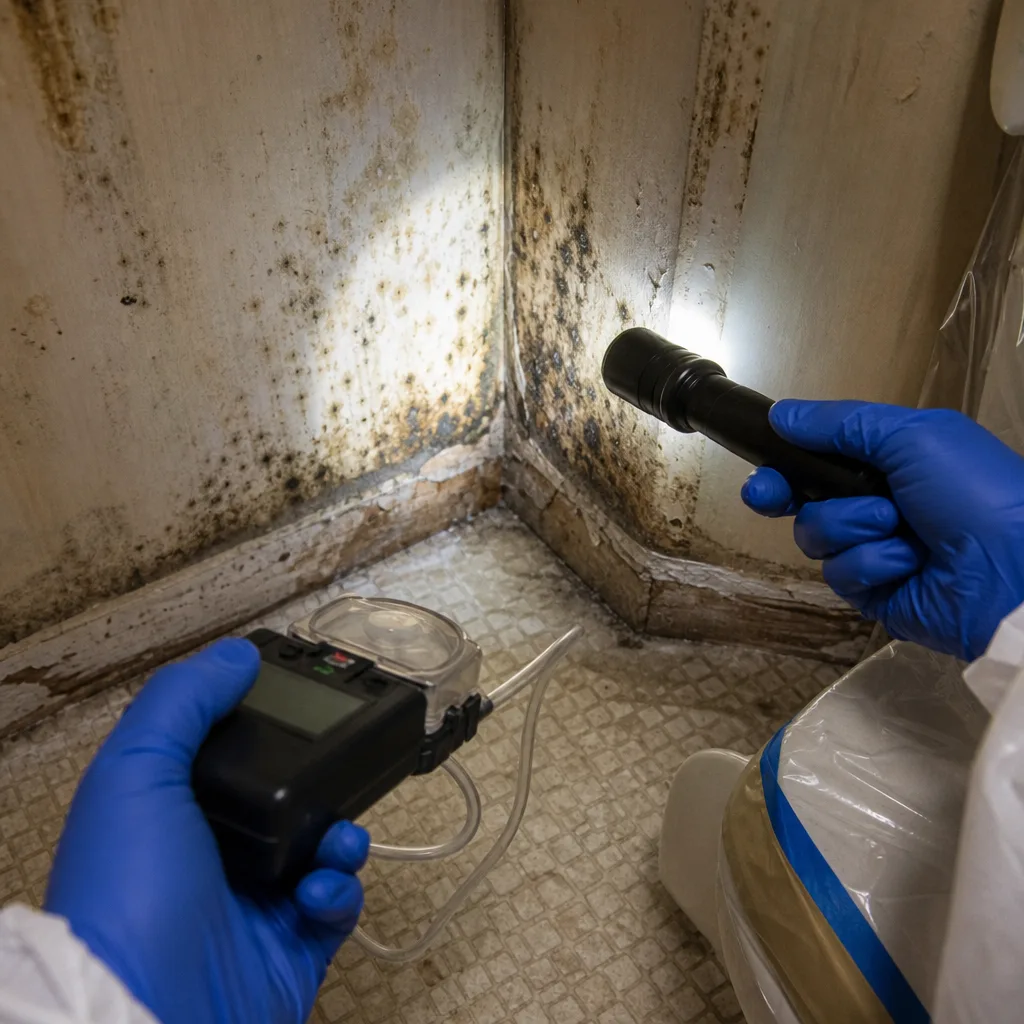
Homeowners often believe rental equipment equals professional capability. The specifications tell a different story.
What Homeowners Rent vs. What Professionals Deploy
A typical Home Depot rental dehumidifier removes 70 pints per day under ideal conditions (80°F, 60% relative humidity). Professional-grade Dri-Eaz and Phoenix LGR (low-grain refrigerant) dehumidifiers remove 130-170 pints per day and continue extracting moisture at humidity levels below 40% - conditions where rental units essentially stop working. This matters because drying a structure to below 12% wood moisture content requires maintaining low specific humidity for extended periods.
Air movers from XPOWER or B-Air, commonly available for rental, move 1,600-2,000 CFM (cubic feet per minute). Professional units from the same manufacturers, configured for restoration with specific airflow patterns for walls, floors, and cavities, move 2,400-3,200 CFM with adjustable angles that create the laminar airflow across wet surfaces that accelerates evaporation. More importantly, professionals deploy these in calculated ratios - typically one air mover per 10-12 linear feet of wall, plus one per 50-70 square feet of floor - based on psychrometric calculations, not guesswork.
The Documentation Gap
No rental equipment produces the documentation your insurer requires. Professional drying systems from Dri-Eaz and Phoenix include data logging capabilities that record temperature, relative humidity, and grain depression at programmable intervals. This data generates the daily drying logs that prove your structure was dried to IICRC S500 standards - the difference between a paid claim and a disputed one.
Injectidry systems, used for hardwood floor drying and wall cavity injection, require training to operate without damaging materials. We’ve responded to Newark homes where homeowners rented Injectidry equipment without understanding pressure settings, forcing pressurized air through finished flooring and creating cupping that required full replacement. The “saved” drying cost became a $8,000 floor replacement with no coverage because the damage resulted from improper equipment operation.
Newark-Specific Factors: Climate, Codes, and Construction
Newark’s environment creates conditions that modify the standard decision matrix. Understanding these local factors prevents assumptions that work in other markets but fail here.
Climate and Seasonal Considerations
Newark’s humid subtropical climate produces summer relative humidity averaging 65-75%, with frequent spikes above 80% during July and August storms. This ambient moisture load means rental dehumidifiers work against the outdoor air every time a door opens, dramatically extending drying times. Professional-grade LGR and desiccant dehumidifiers, sealed and ducted to create controlled drying chambers, overcome this ambient load. We’ve documented jobs in Newark’s Port Liberty area where rental equipment required 14 days to reach moisture targets that professional equipment achieved in 4 days - with the difference being claimable additional living expenses and labor costs.
Winter brings the opposite problem: heating systems in Newark’s older housing stock, particularly steam radiators in pre-war buildings, create extreme temperature differentials that drive moisture into cold exterior walls. Proper drying requires understanding these thermal dynamics, not simply adding heat.
Construction Types and Their Implications
Newark’s housing includes:
- Pre-war brick and frame (Forest Hill, Clinton Hill, parts of Vailsburg): Plaster and lath walls, balloon framing, minimal insulation. Water wicks extensively through plaster; drying requires wall cavity injection systems and extended monitoring. Asbestos-containing materials common in joint compound and flooring.
- Mid-century brick row houses (North Ward, Broadway, South Ward): Cinder block party walls, minimal vapor barriers. Capillary rise from flooded basements common; requires sub-slab depressurization or specialized basement drying systems.
- Post-1960s frame and vinyl (Weequahic, parts of East Orange border): Drywall construction, fiberglass insulation. Faster initial drying but higher mold risk if cavity moisture missed. Thermal imaging essential for verification.
- High-rise and multi-family (Downtown, University Heights, Ironbound): Concrete construction with gypsum wallboard. Water migration between units creates liability exposure; documentation of source and extent critical for association and neighbor claims.
Newark Construction Code Requirements
Newark operates under the New Jersey Uniform Construction Code with local amendments. Any restoration work involving electrical, plumbing, or structural elements requires permits from the Newark Department of Engineering. Professional restoration companies maintain relationships with permit expediters and understand the inspection schedule; DIY work that triggers permit requirements without proper filing can result in stop-work orders and code violation citations that complicate insurance settlement.
Particularly relevant: Newark’s floodplain management ordinance, which affects properties near the Passaic River and its tributaries. Restoration in these areas may require elevation certificates and flood-resistant material compliance that DIY work cannot self-certify.
What Your Insurance Adjuster Actually Sees
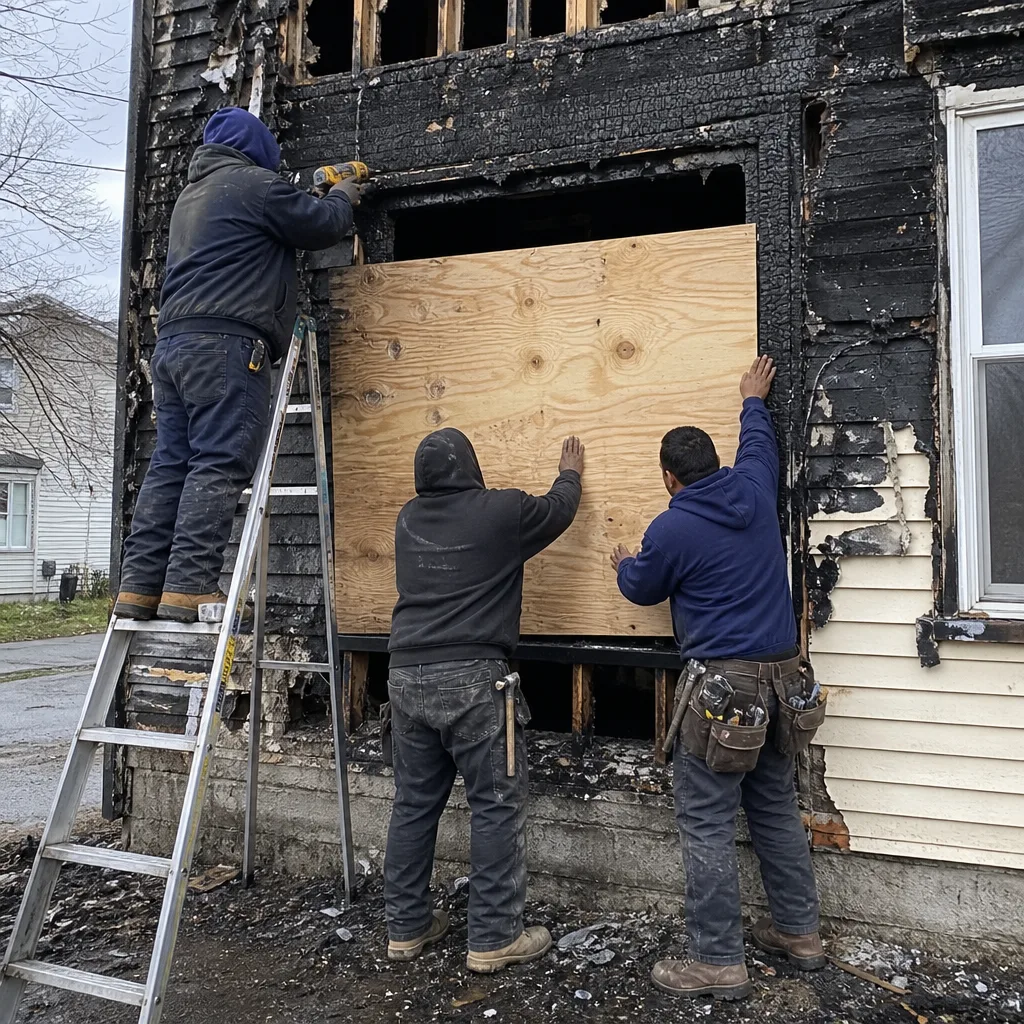
We’ve reviewed thousands of claims from both sides - Alicia Brennan founded Back to Dry after working as a claims adjuster and seeing how documentation gaps denied legitimate coverage. Here’s what actually happens when your claim file hits an adjuster’s desk.
The Documentation Hierarchy
Adjusters evaluate restoration claims in a specific priority order:
- Was the loss reported within policy timeframe? DIY or professional, this is binary. Miss the window, coverage is compromised.
- Was emergency mitigation reasonable and necessary? The reasonable homeowner standard applies - but only with documentation of what was done and why.
- Was structural drying performed by licensed contractors with IICRC documentation? This determines whether drying charges are payable. No license, no logs, no payment.
- Are moisture readings and photo records consistent with claimed damages? Inconsistent documentation triggers investigation, delay, and potential denial.
- Was work completed to industry standard with signed clearance? This releases final payment and closes the claim.
The DIY Claim Failure Pattern
Most DIY claim problems follow this sequence: homeowner extracts water, runs fans for several days, believes the area is dry because it “feels dry” or “smells fine,” submits receipts for equipment rental and replacement materials. Adjuster requests moisture readings - none exist. Adjuster requests photo documentation of wet conditions - none exist, or only “after” photos showing dry surfaces. Adjuster requests proof that drying met IICRC standards - impossible without professional documentation.
The result: equipment rental is sometimes reimbursed as “reasonable mitigation expense” at depreciated rates. Replacement materials are paid at actual cash value, not replacement cost. Structural drying charges are denied entirely. The homeowner bears the cost of any subsequent mold remediation because the insurer classifies it as secondary damage from inadequate initial drying.
Professional documentation from Mold Remediation in Newark or water damage restoration produces a complete claim file that moves through this hierarchy without friction. The adjuster’s job is to verify and pay legitimate claims - documentation makes that verification possible.
Common Mistakes to Avoid
- Throwing away damaged materials before photographing them. Your adjuster cannot verify claimed damages without evidence. In Newark’s North Ward, we’ve seen homeowners discard water-damaged hardwood flooring, then face a $6,000 coverage gap because the insurer couldn’t confirm the material quality or extent of damage.
- Using bleach on mold. Bleach does not kill mold on porous surfaces; it bleaches the color while allowing deeper hyphal growth. Worse, it creates a false “clean” appearance that delays proper remediation. For any mold concern over 10 square feet, professional assessment is required under NJDEP guidelines.
- Running HVAC systems during active water damage. Forced air distributes moisture and mold spores throughout the duct system. In Newark’s older homes with original ductwork, this contamination requires professional HVAC cleaning that costs $3,000-6,000 - often not covered if the homeowner caused the distribution.
- Assuming “feels dry” equals structurally dry. Wood framing at 20% moisture content feels dry to touch but supports active mold growth. Only moisture meter readings at or below 12-16% (depending on material) confirm structural dryness. We’ve found 18% moisture content in “dry” basement framing in Newark’s Ironbound months after DIY drying attempts.
- Delaying insurer notification to “see how bad it gets.” New Jersey standard policies require “prompt” notification, typically defined as 24-72 hours. Delay beyond this period allows insurers to claim prejudice - that their ability to investigate was compromised - and reduce or deny coverage.
- Signing competitor estimates without understanding scope. The Haven Standard, Clause 1 requires a written price before work begins; our Free Second Opinion on Any Written Estimate exists because competitors frequently omit necessary steps. We’ve reviewed estimates from other Newark restoration companies that excluded moisture mapping, omitted contents cleaning, or assumed Category 1 water when visual inspection suggested Category 2.
- Ignoring neighbor notification in multi-family buildings. Newark’s dense housing means water damage frequently affects adjacent units. Failure to document and notify neighbors, landlords, or condo associations creates liability exposure that your liability coverage may not address if you were negligent in mitigation.
When to Call a Professional
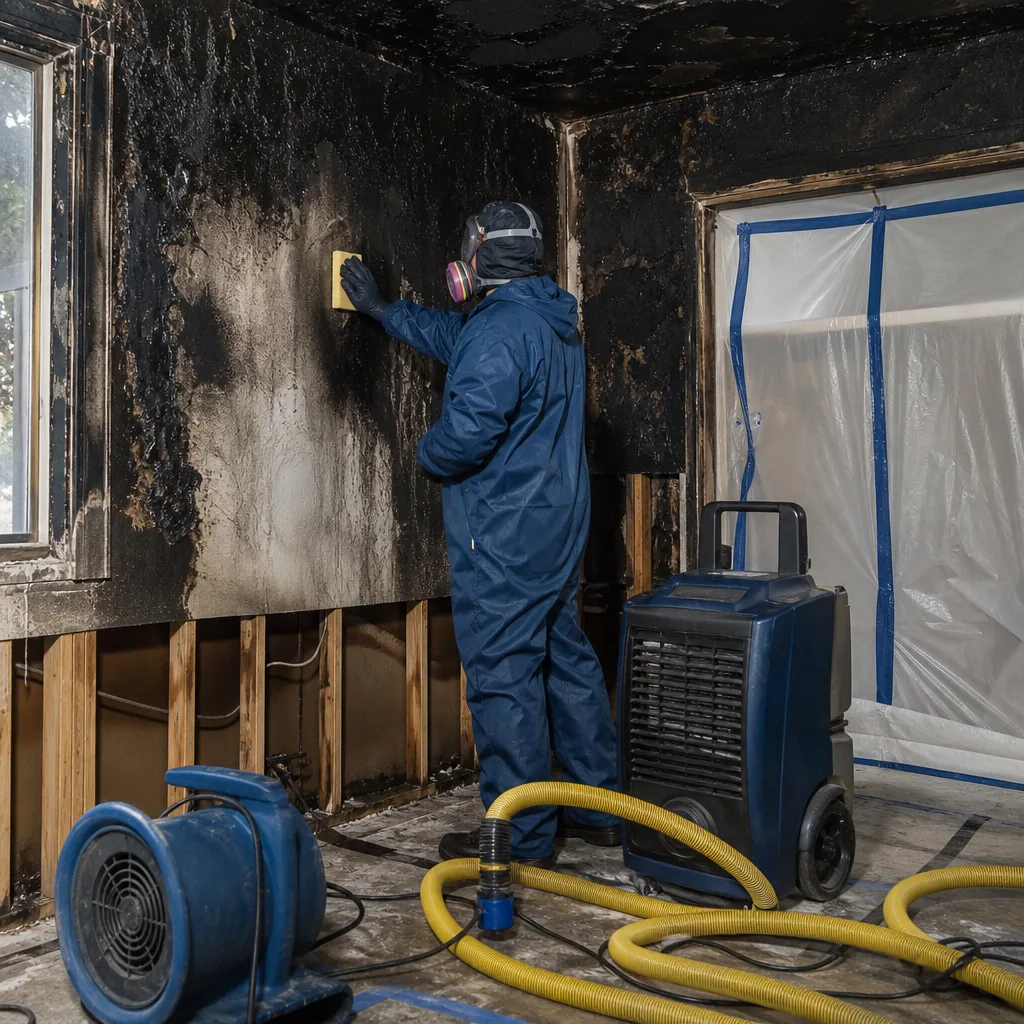
Call a professional immediately when: water is Category 2 or 3; affected area exceeds 150 square feet or involves multiple rooms; exposure time exceeds 48 hours; wall cavities, hardwood flooring, or pre-1980 construction is involved; visible mold is present; asbestos-containing materials may be disturbed; or your policy requires licensed contractor documentation for claim validity.
DryMark Restoration Newark offers free estimates in Newark - call (862) 292-4268. Visit our more guides & resources for additional homeowner information. Every estimate includes a written scope and price before any work begins, documented to The Haven Standard, Clause 1. We also provide a Free Second Opinion on any competitor’s written estimate at no charge, because we’ve seen too many homeowners commit to incomplete scopes that cost them coverage later.
For Fire & Smoke Damage Restoration in Newark, professional involvement is required from the outset - fire damage involves structural assessment, smoke residue testing, and coordination with your insurer’s fire investigator that DIY cannot replicate.
Frequently Asked Questions
Your insurer may reimburse reasonable mitigation expenses you incur, but will not pay for structural drying or mold remediation performed by unlicensed contractors - including yourself. The reasonable homeowner standard covers emergency extraction and content protection, not technical restoration work. For full coverage of drying and repair costs, licensed professional documentation is typically required. Call (862) 292-4268 for a free estimate that meets your policy’s documentation requirements.
DryMark Restoration Newark maintains live phone coverage 24 hours a day, 7 days a week with no voicemail on emergency lines. Response time varies by current demand and your location within Newark, but our standard is to have a technician en route within one hour of authorization for Category 2 and 3 water losses. For Water Damage Restoration in Newark, speed matters because mold colonization begins at 24 hours and insurer notification windows are typically 24-72 hours.
Surface cleaning addresses only what you can see. Mold hyphae penetrate porous materials - drywall, insulation, wood - and will regrow if moisture remains or if the root system isn’t removed. New Jersey requires licensed mold remediation for areas exceeding 10 square feet, with post-remediation clearance testing by an independent third party. DIY cleaning of visible mold without addressing hidden growth and moisture source typically results in recurrence within 30-90 days, and insurers will not cover subsequent remediation if initial work was improperly performed.
Both. You remain the policyholder with the duty to cooperate with your insurer’s investigation. However, professional restoration companies with insurance experience - DryMark Restoration Newark was founded by a former claims adjuster specifically for this purpose - can provide the documentation adjusters need, answer technical questions about scope and methodology, and advocate for appropriate coverage within the policy terms. We do not negotiate settlements (that’s between you and your insurer), but we do ensure our documentation supports your claimed damages with the moisture logs, photo records, and written scopes that turn restoration invoices into payable claims.
DIY equipment rental typically runs $855-3,065 for a moderate water loss, with no insurance reimbursement for structural drying work. Professional service for the same loss, properly documented, typically costs the homeowner $500-1,500 out-of-pocket (their deductible) with the insurer paying the remainder. The apparent “savings” of DIY often disappears when you factor in: unrecoverable equipment costs, denied drying charges, depreciated contents payments versus replacement cost, additional living expenses that professional documentation accelerates, and the cost of fixing DIY mistakes. For an exact comparison on your specific situation, call (862) 292-4268 - estimates are free.
Yes, but document everything from the first minute. The transition point creates the highest documentation risk - your insurer may question whether damage after DIY intervention was caused by the original loss or by improper handling. If you begin DIY mitigation, maintain the four minimum documents (timestamped photos, moisture readings, written inventory, insurer notification) and call a professional at the first sign of: spreading water, visible mold, odor development, or involvement of wall cavities and structural materials. The Haven Standard requires that we document existing conditions before beginning work, so your DIY documentation becomes part of the complete claim file.
The Bottom Line
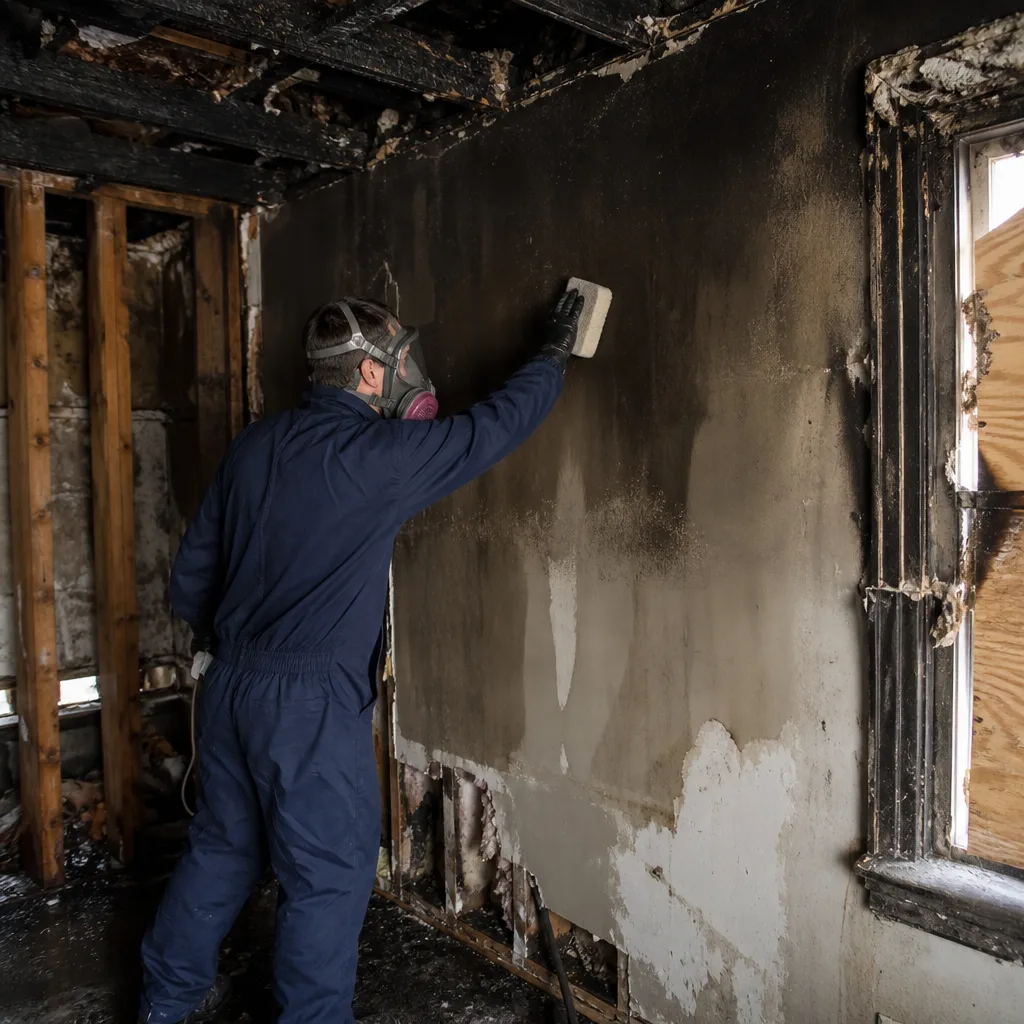
The DIY-versus-professional question in Newark is not about whether you’re capable of running a wet-dry vacuum. It’s about whether you can produce the documentation that transforms your restoration costs from disputed out-of-pocket expenses into paid insurance claims. New Jersey’s reasonable homeowner standard gives you the right to mitigate; it does not give you the tools to prove you dried to standard.
For small, recent, clean-water losses with minimal structural involvement, DIY is legally viable and potentially cost-effective - if you document meticulously. For everything else, professional restoration with licensed, documented, warranty-backed work protects both your property and your coverage. The break-even calculation favors professional service in most scenarios once insurance reimbursement and documentation value are included.
The Haven Standard exists because we saw what documentation gaps cost homeowners. Written price before work begins. Photo record on every visit. Daily drying logs. A 365-Day Done Right Promise backed by a signed guarantee, not a marketing line. That’s the difference between restoration that gets paid and restoration that gets disputed.
Written by Alicia Brennan, Owner at DryMark Restoration Newark, serving Newark since 2011.