
Last updated September 23, 2026
Free visual inspection and a written scope of work before any mitigation begins - photos, moisture readings, and drying logs go in your claim file
The scope we write is the scope we bill. Anything new gets shown to you, in writing, before we touch it.
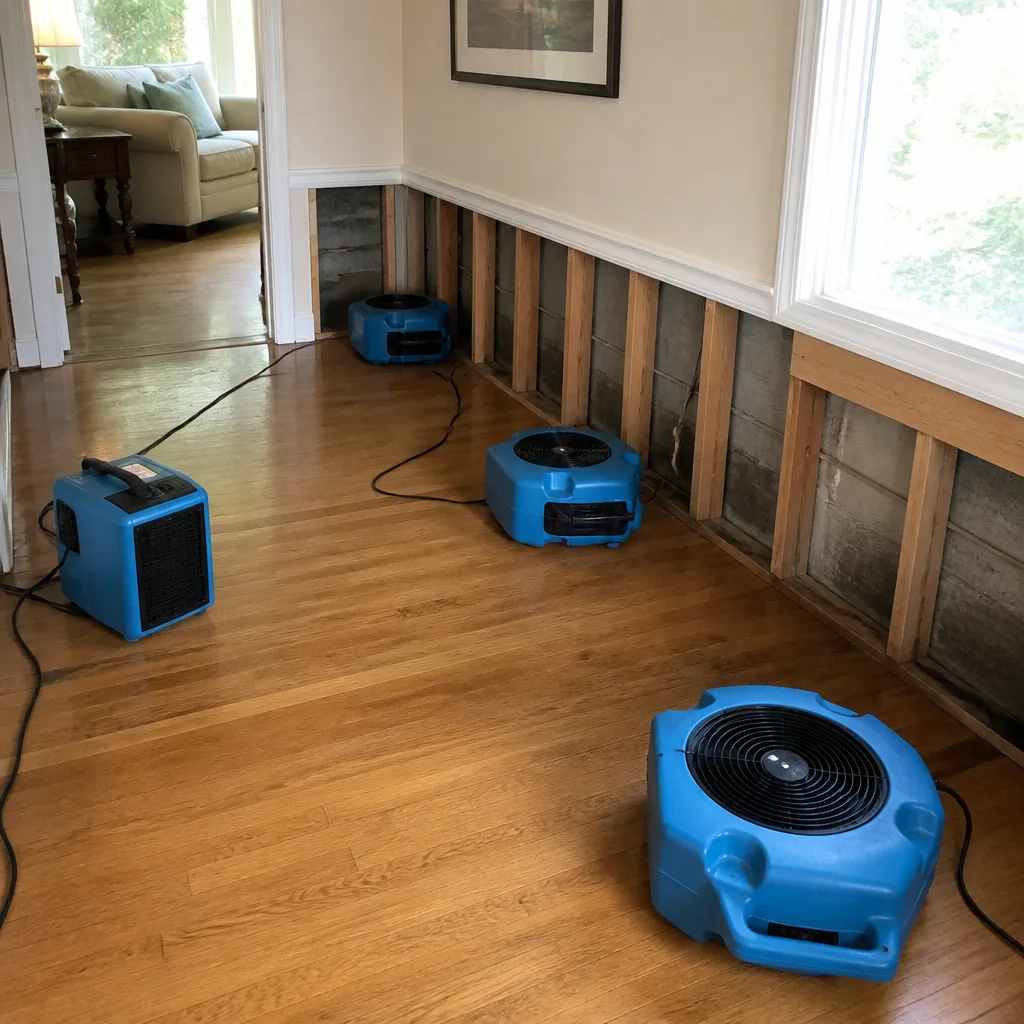
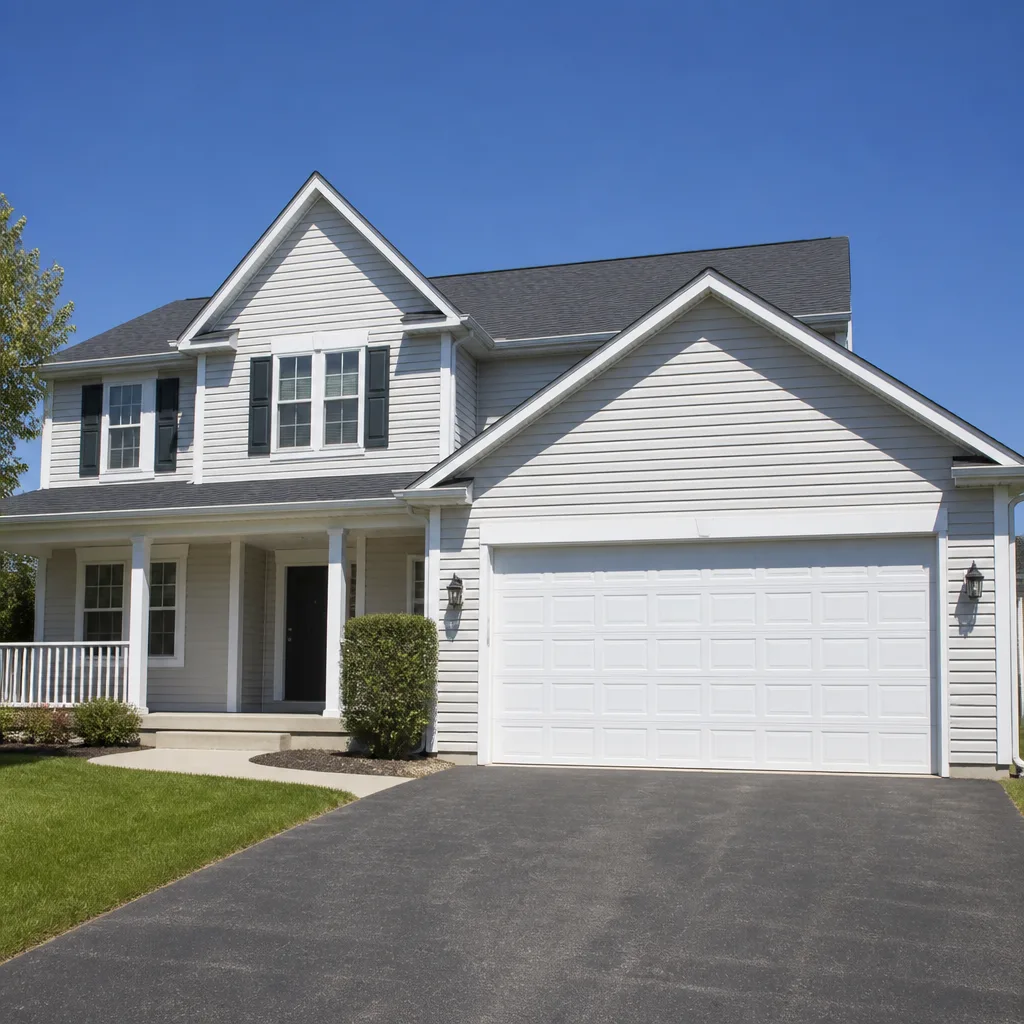
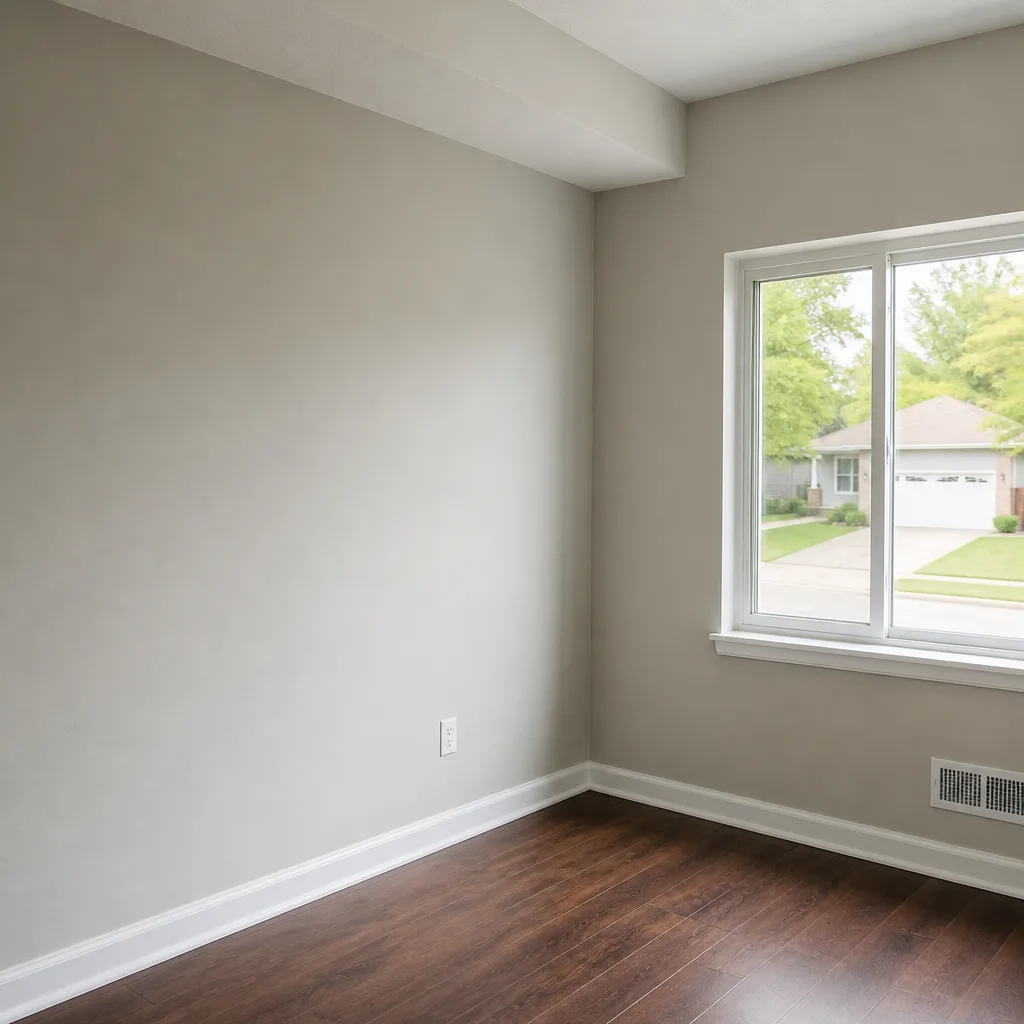
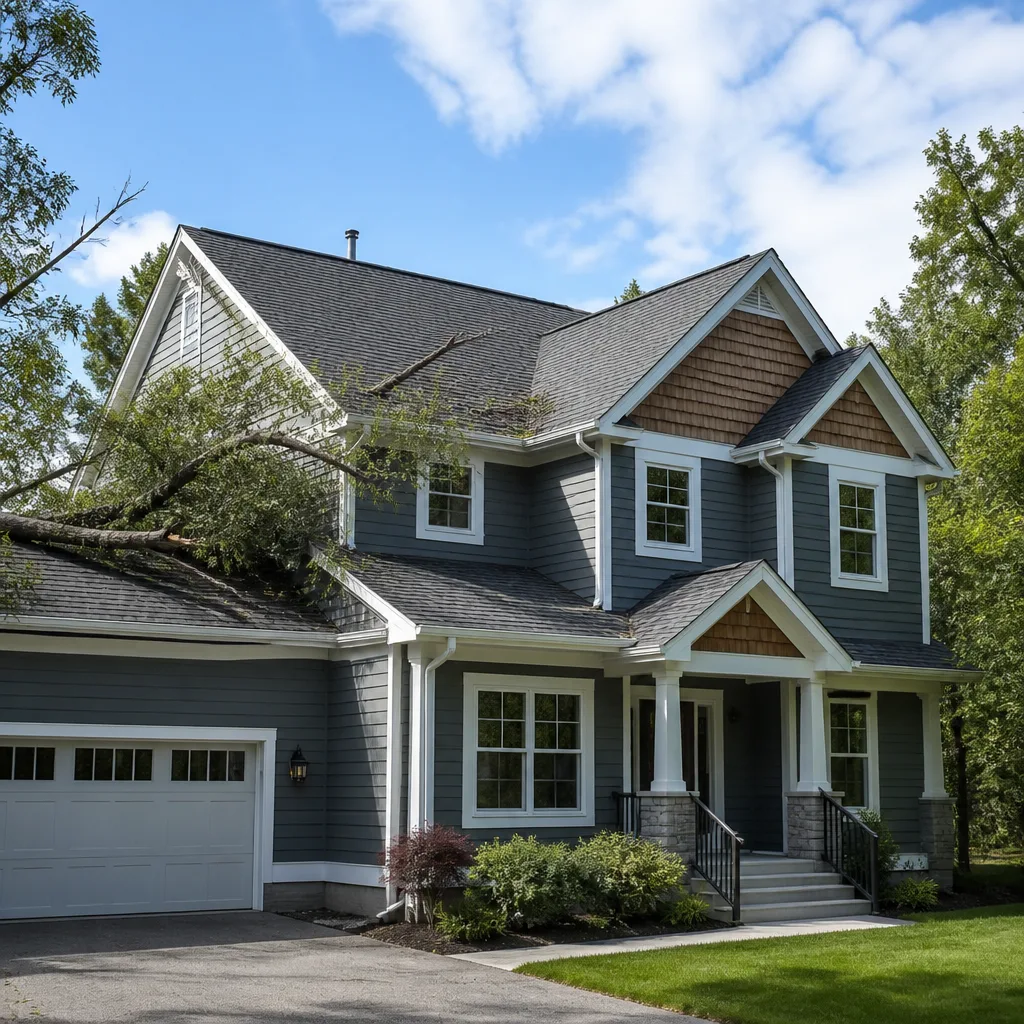
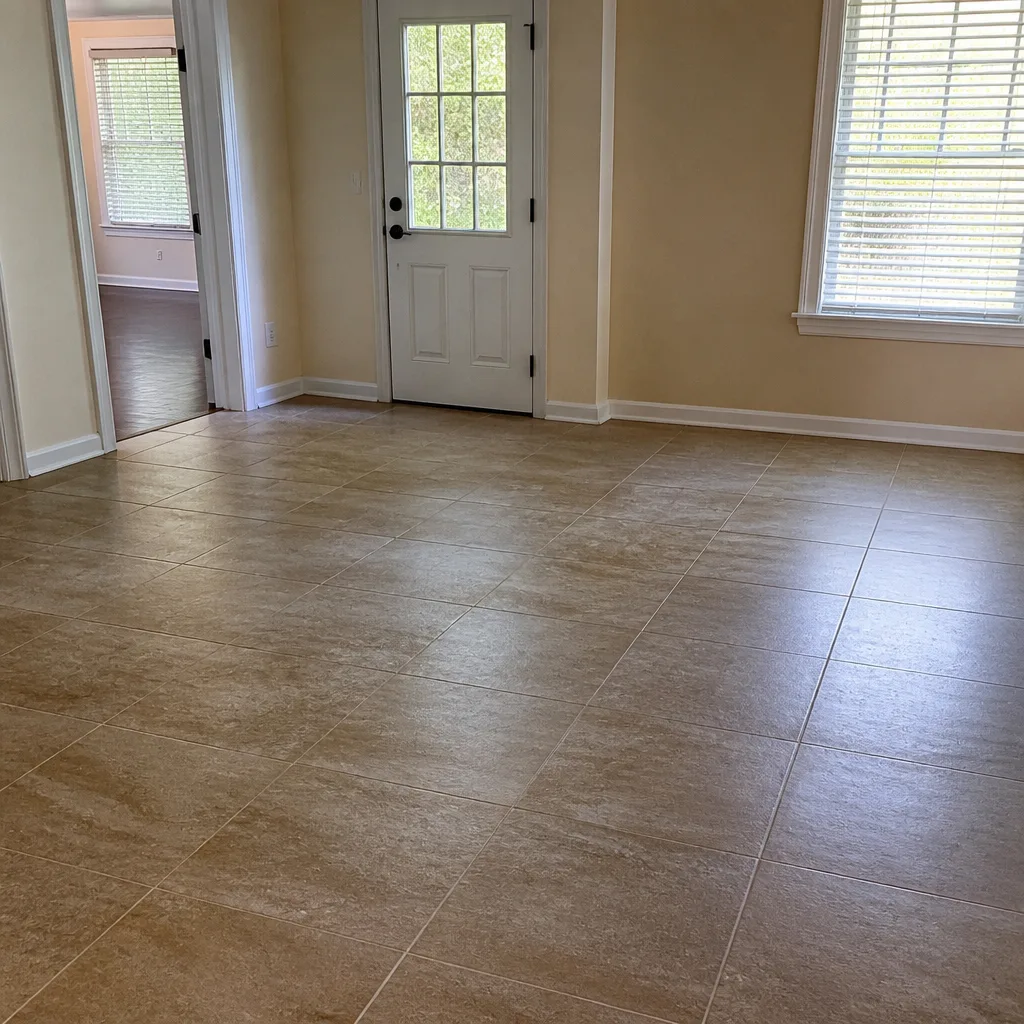

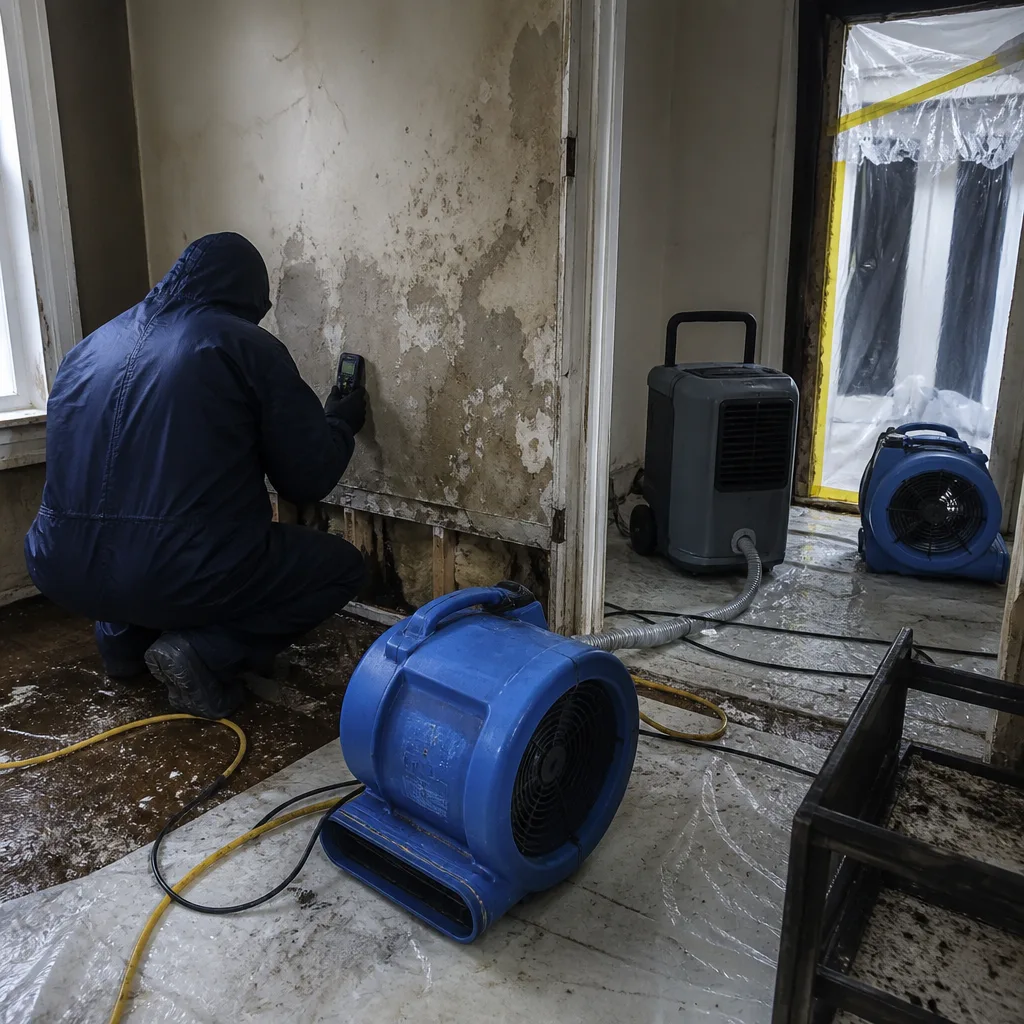 Before
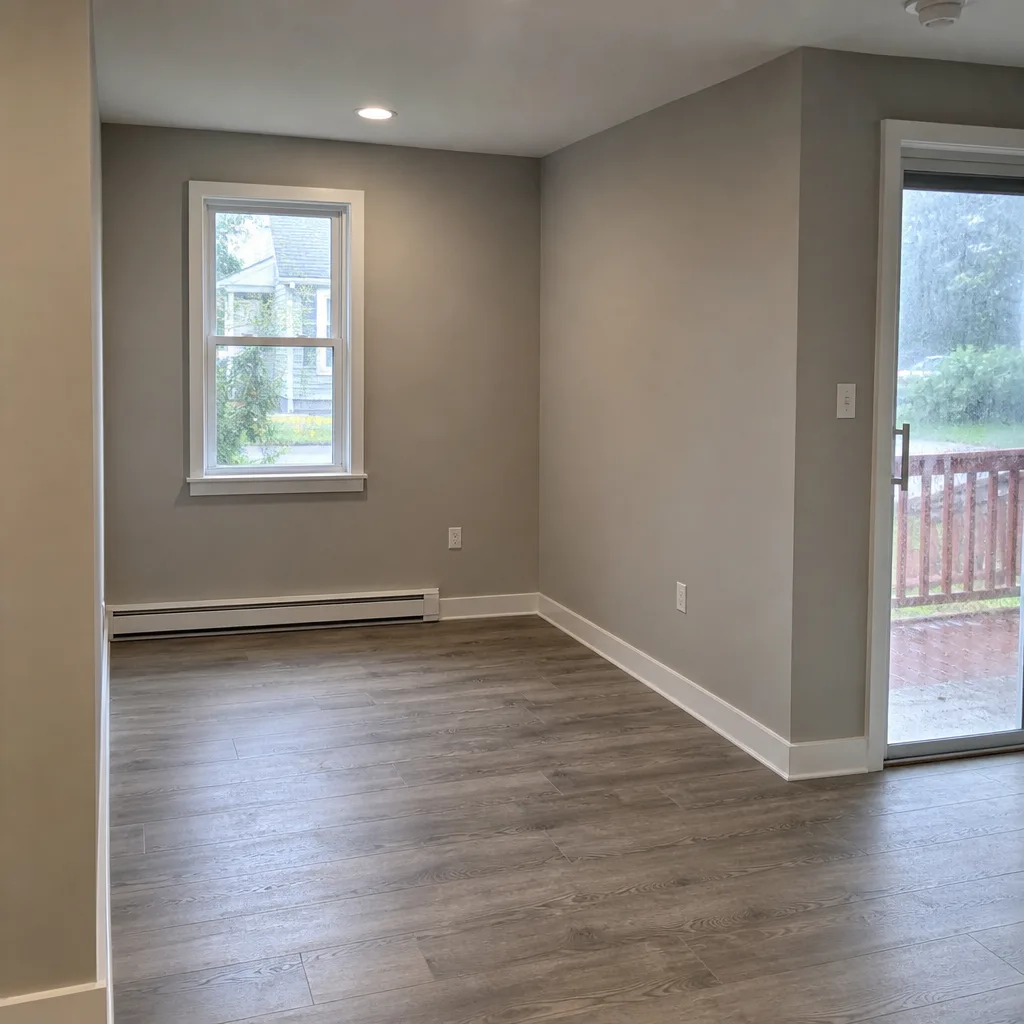 After
After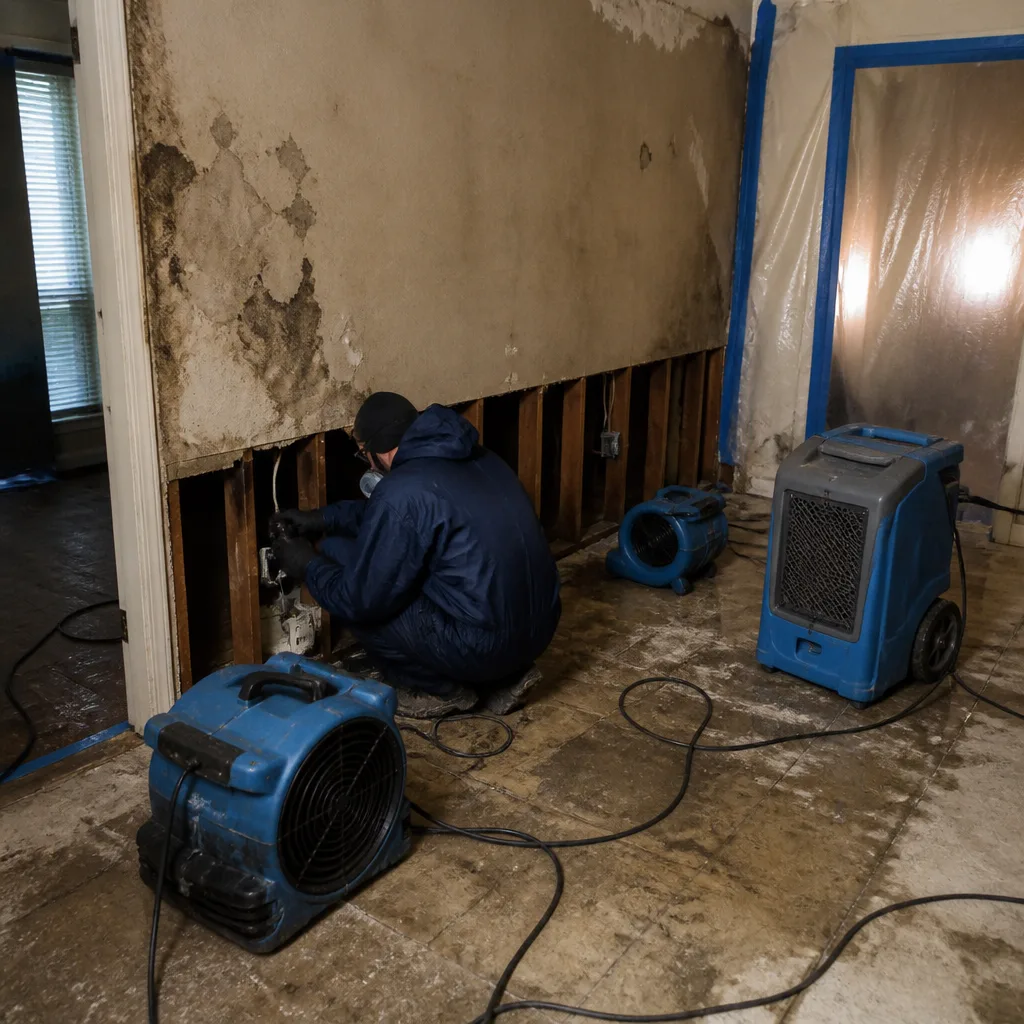 Before
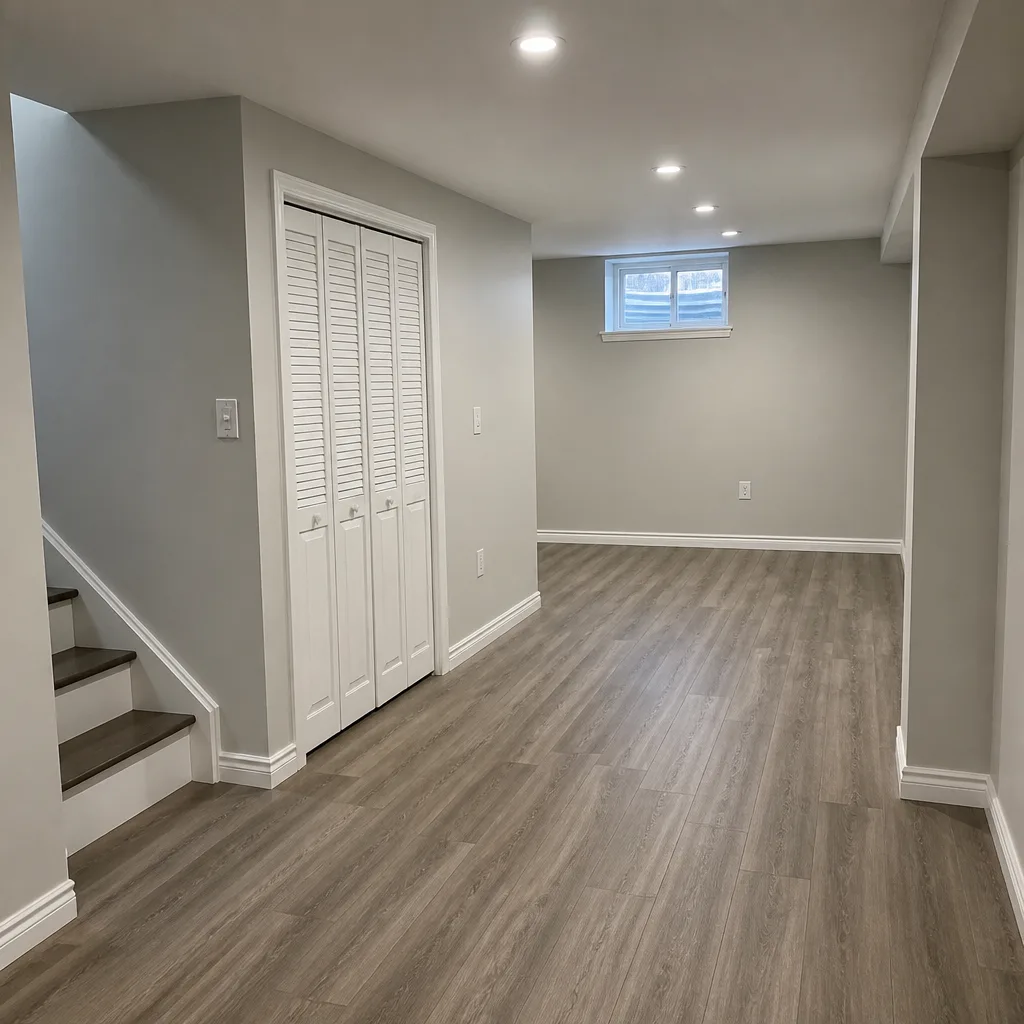 After
After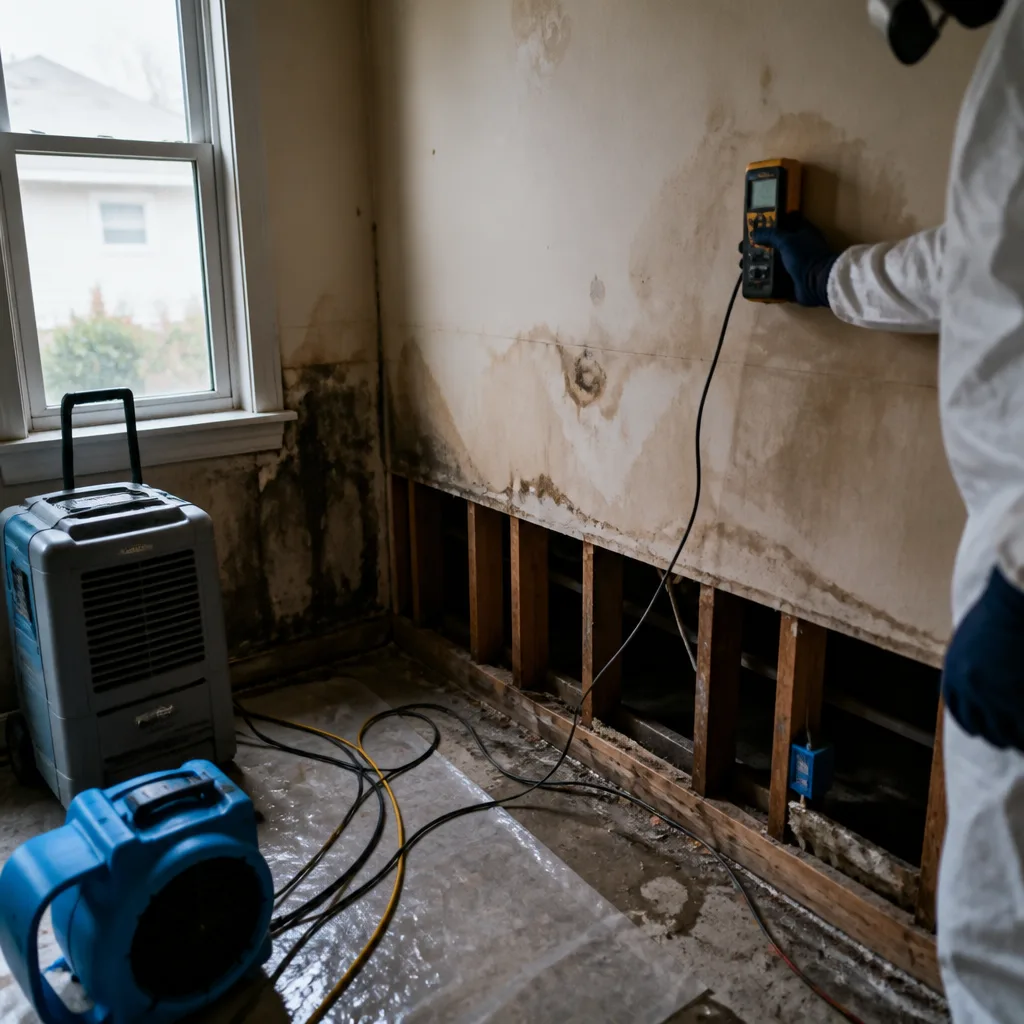 Before
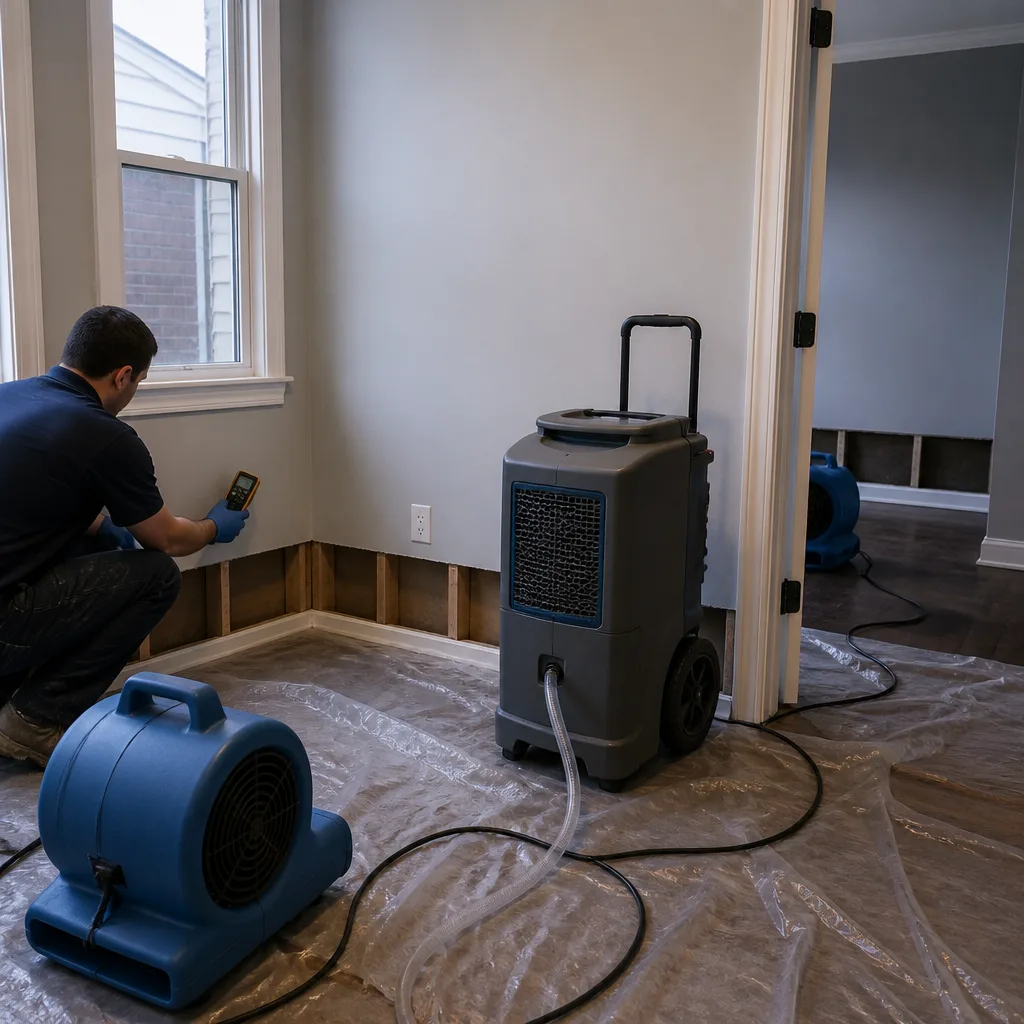 After
AfterDamage Restoration Warning Signs: A Newark Homeowner’s Reference Guide
A relative humidity reading above 60% sustained for 48 hours in an enclosed space is enough to initiate mold colonization on drywall. Yet the most common warning sign listed in competing guides is “a musty smell,” which means mold has already been growing for days. In Newark’s dense row-home neighborhoods, where party walls conceal shared water paths and century-old brick weeps seasonally, the damage homeowners miss most consistently is not visible stains or obvious odors. It’s measurable deviations that only become evidence when you know what instrument to use and what number constitutes a threshold. This guide is organized by instrument, not by symptom, because documentation wins claims and guesswork loses them. For more guides & resources on protecting your home, see our blog.
Quick Answer
The warning signs Newark homeowners should monitor are measurable, not merely visible: moisture meter readings above 16% on wood framing, relative humidity sustained above 60% in basements or crawl spaces, and temperature differentials exceeding 20°F between interior air and exterior walls that indicate condensation risk. Document each reading with date-stamped photos before calling any contractor; this record determines whether your insurer classifies damage as sudden-and-accidental (typically covered) or gradual (often excluded). If you’re unsure how to choose, read our DIY vs Professional Damage Restoration: The Newark Homeowner’s Decision Guide.
Table of Contents
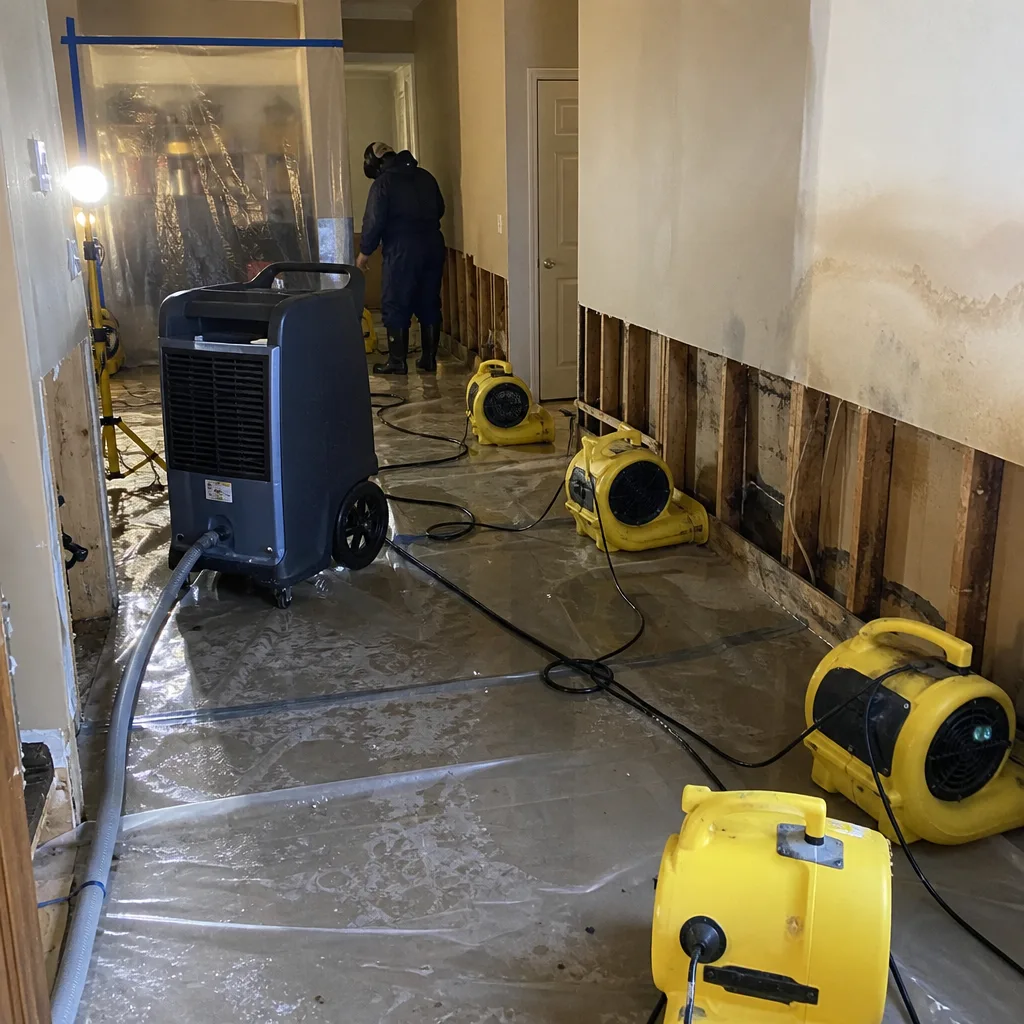
- What a Moisture Meter Reveals Before You See Stains
- Relative Humidity: The 60% Threshold That Triggers Mold
- Infrared Thermometers and the Condensation-Intrusion Distinction
- Newark Row-Home Specific Warning Patterns
- Active Intrusion vs. Historical Moisture: The Coverage Determinant
- The Documentation Protocol: What to Record, When, and How
- Professional Equipment and What the Trade Names Mean
- When to Call a Professional
BeforeAfterWhat a Moisture Meter Reveals Before You See Stains
Every water damage restoration in Newark we’ve performed since 2011 began with a moisture meter reading, often taken after a homeowner noticed something they couldn’t name. The meter removes ambiguity. Pin-type meters penetrate wood, drywall, or plaster to measure electrical resistance, which correlates directly to moisture content. Pinless meters use electromagnetic signals to scan flat surfaces without damage. Both are inexpensive and worth owning.
Here are the thresholds that matter, by material:
| Material | Normal Range | Elevated / Action Needed | Critical / Active Damage |
|---|---|---|---|
| Softwood framing (pine, fir) | 7-13% | 14-16% | 17%+ |
| Hardwood flooring (oak, maple) | 6-11% | 12-15% | 16%+ |
| Drywall (paper-faced) | 5-9% | 10-15% | 16%+ |
| Concrete slab (relative scale) | 75-85% RH in sealed area | 86-92% RH | 93%+ or visible efflorescence |
| Brick or masonry | Varies by season | Sustained 15%+ at depth | 20%+ with efflorescence |
A reading in the “elevated” range does not mean your wall is failing. It means conditions exist for secondary damage if the moisture source is not identified and interrupted. In Newark’s spring and fall, when the Passaic River basin holds humidity and temperature swings are sharp, we’ve recorded 14% moisture content in perfectly sound framing simply from air infiltration through unsealed sill plates. The reading requires interpretation.
Take your baseline readings during a dry week in late September, after summer humidity has dropped. Label each location with painter’s tape and a Sharpie. When you suspect a problem, re-measure the same spot and photograph both the meter display and the location. Two readings separated by time, with dates visible, constitute evidence. One reading is an anecdote.
We use Delmhorst and Protimeter meters on every DryMark Restoration Newark home visit, and we log readings by room on a standardized drying record that becomes part of your claim file. Homeowners who arrive at our door with their own dated readings already in hand typically see faster claim resolution, because the documentation timeline is established before we ever deploy a water damage restoration crew.
Relative Humidity: The 60% Threshold That Triggers Mold
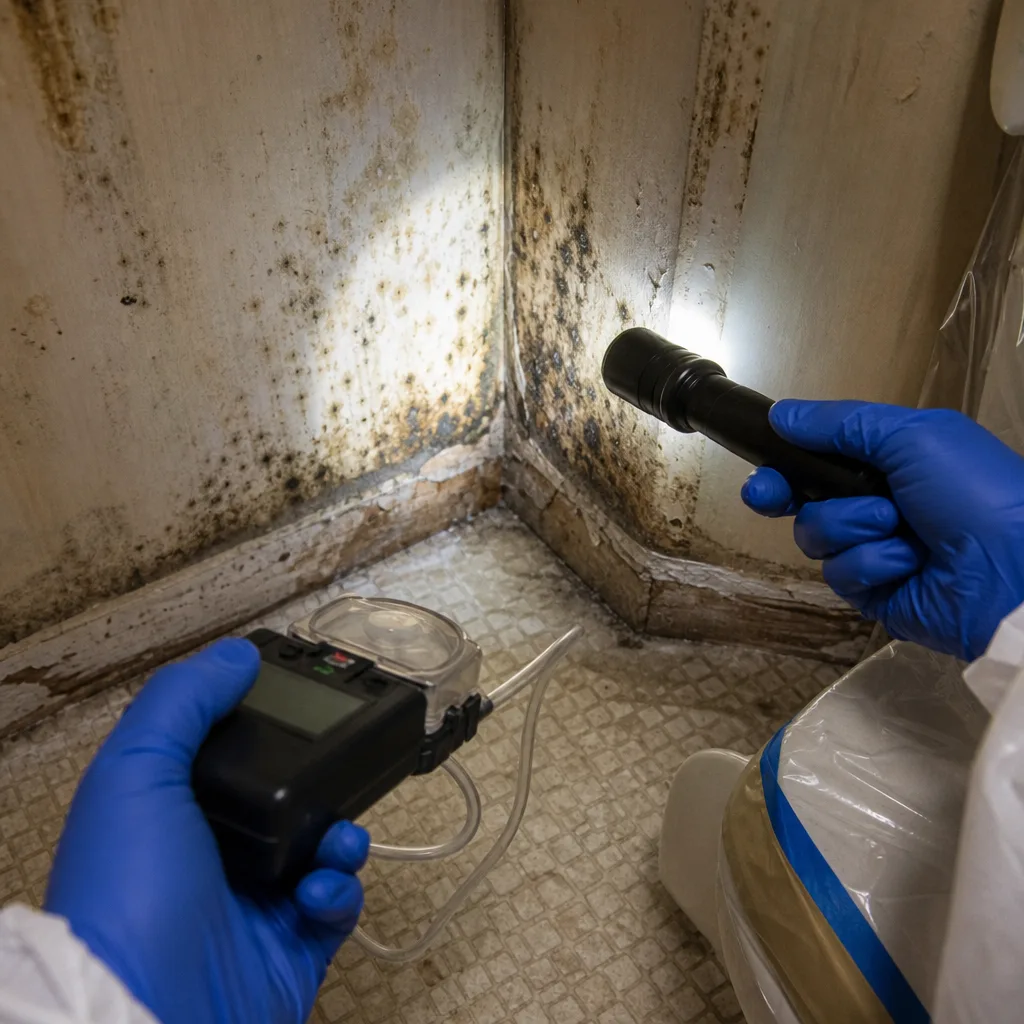
A hygrometer costs less than a takeout dinner and belongs in every Newark basement, crawl space, and utility closet. Relative humidity (RH) measures how much moisture the air holds relative to its capacity at that temperature. Warm air holds more moisture than cold air, which is why a 65°F basement at 70% RH becomes a 55°F basement at 85% RH when winter arrives, and why mold colonizes the coldest surfaces first.
The 60% threshold is not arbitrary. At 60% RH and 70°F, common indoor aspergillus and penicillium species can germinate on cellulose surfaces within 48 hours. At 70% RH, that window shortens to 24 hours. Below 50% RH, spores remain dormant even if present. These are peer-reviewed mycology numbers, not marketing claims.
Newark’s geography intensifies the risk. The city sits in the humid subtropical zone, with average July RH above 65% and frequent summer nights that don’t drop below 70°F. Basements in the Ironbound, built on filled marshland, often run 75-80% RH in August without any active water intrusion. The moisture is atmospheric, not plumbing-related, but the damage is identical: mold on stored items, rust on mechanicals, degraded air quality rising through floor assemblies.
What to measure and where:
- Basement center: Place the hygrometer at chest height, away from walls and floor, for 24 hours. Log the high, low, and average. A basement averaging 65% RH in July is normal; averaging 65% RH in January indicates a moisture source.
- Crawl space: If accessible, measure at the midpoint between ground and subfloor. Ground vapor is the dominant source here. Readings above 70% suggest inadequate vapor barrier or ventilation.
- Bathroom, post-shower: Measure 30 minutes after the last shower. Should drop below 60% within 2 hours with a functioning exhaust fan. If it lingers above 70%, the fan is undersized, ducting is compromised, or makeup air is insufficient.
- Attic: Measure at the ridge, away from the hatch. Winter readings above 70% indicate warm, moist interior air escaping through ceiling penetrations. Summer readings above 80% suggest inadequate ventilation or roof leaks.
We deploy Phoenix and Dri-Eaz dehumidification systems on mold remediation in Newark jobs specifically to drive RH below 50% and hold it there through the remediation cycle. The equipment is rated in pints per day at AHAM conditions (80°F, 60% RH), and we size it to the cubic footage of the affected area, not to the square footage of the floor. A 2,000-square-foot basement with 8-foot ceilings needs different capacity than a 2,000-square-foot warehouse with 20-foot ceilings. This is why “rent a dehumidifier from the hardware store” is often inadequate for active colonization.
Infrared Thermometers and the Condensation-Intrusion Distinction
An infrared thermometer, or better, a thermal imaging camera, reveals surface temperature differentials that explain why moisture is present. This distinction matters enormously for insurance coverage. Condensation damage, caused when warm, moist air contacts cold surfaces, is typically excluded as a maintenance issue. Intrusion damage, caused by water entering from outside the building envelope, is typically covered as sudden-and-accidental if documented promptly.
The measurement is simple. Point the device at the suspect surface and at a nearby reference surface of the same material. A differential of more than 20°F suggests the colder surface is below the dew point of the surrounding air, meaning condensation will form when humidity is sufficient. A differential of less than 10°F, with visible moisture or elevated meter readings, suggests water is migrating through the material from an external source.
In Newark’s housing stock, built largely between 1870 and 1960, we see this pattern repeatedly in winter: a north-facing bedroom wall reads 48°F while the interior air is 68°F and 45% RH. The dew point is 46°F. The wall is at risk. Add a humidifier set to 50% RH, and the dew point rises to 51°F; condensation forms, mold follows, and the homeowner calls us in March convinced they have a leak. They don’t. They have a physics problem.
Conversely, a south-facing brick wall in a Forest Hill colonial that reads 52°F while interior conditions are 70°F and 40% RH, with moisture meter readings of 18% at the base, indicates intrusion. The wall is not cold enough for condensation, yet it’s wet. The water is coming through the brick, likely from failed pointing, a compromised sill, or grade that slopes toward the foundation.
Document both readings: the thermal image or thermometer display, and the corresponding moisture meter reading at the same location. Write the ambient temperature and RH on the photo with a marker or in the file metadata. This pairing is what separates a covered claim from a denied one when the adjuster reviews your file.
Newark Row-Home Specific Warning Patterns
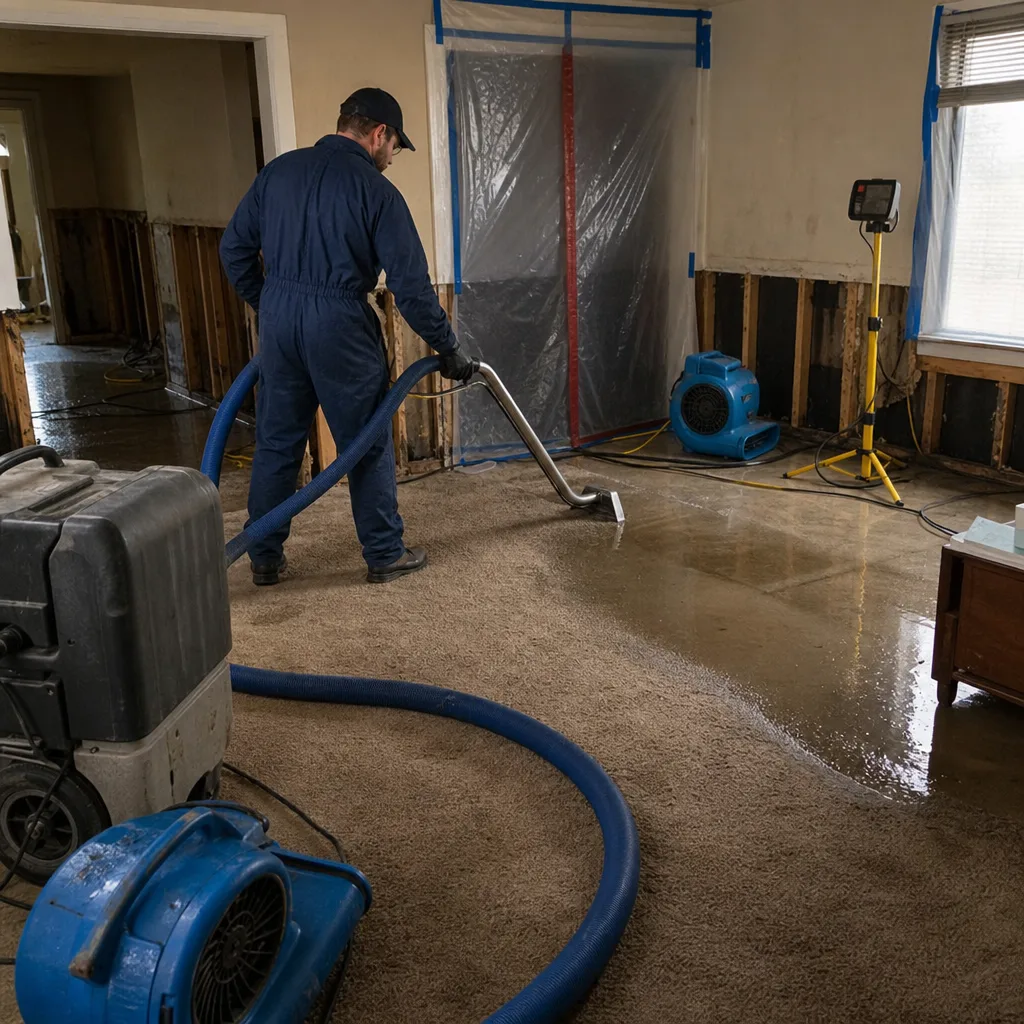
Newark’s row-home architecture, from the dense blocks of the Ironbound to the preserved streets of the James Street Commons Historic District, creates water paths that detached suburban homes simply don’t experience. Understanding these patterns prevents misdiagnosis and wasted remediation.
Efflorescence on shared party walls. The white, crystalline deposit that appears on interior brick or block is dissolved mineral salts carried by water moving through the masonry. In row homes, it often appears mid-wall, not at the base, because the water path is lateral: a leak in the neighbor’s roof or plumbing, migrating through the shared wall assembly. We’ve seen this in the Central Ward where a single roof leak propagated through four connected structures before anyone identified the source. The efflorescence is not the problem; it’s the documentation of a problem elsewhere. Photograph it with scale reference, note the date, and notify your neighbor in writing. If damage develops, this record establishes the timeline.
Seasonal wet marks at brick exterior bases. In spring, after winter freeze-thaw cycles, many Newark brick foundations display darkening at the base course. For year-round guidance, see our Seasonal Damage Restoration Care for Newark: Year-Round Homeowner’s Guide. This is not necessarily active intrusion. Brick is porous; it absorbs ground moisture by capillary action and releases it as conditions dry. The critical question is whether the darkening persists 72 hours after dry weather. Persistent darkening with moisture meter readings above 15% at depth indicates a broken dampproof course or grade that has risen over decades of resurfacing. Transient darkening that fades is normal masonry behavior.
Parapet wall failures. Flat-roofed row homes with parapets, common in commercial-residential mixed blocks, suffer from failed coping caps and deteriorated through-wall flashing. Water enters at the roof perimeter and runs down the interior of the party wall, appearing as stains on ceilings two or three rooms from the exterior. The homeowner searches for a roof leak directly above the stain; the actual entry point is 30 feet away. Infrared scanning of the ceiling plane, moving toward the parapet, reveals the thermal signature of the water path.
Basement sewer line intrusions. Newark’s combined sewer system, with infrastructure dating to the late 19th century, experiences backflow during intense rainfall events. Homes in low-lying areas, particularly near the Passaic River corridor, may see water entering through floor drains or the seal between floor slab and foundation wall. This is Category 3 water, potentially containing pathogens, and requires professional remediation. The warning sign is not standing water, which is obvious, but a ring of debris or staining at the high-water mark after the water recedes. Photograph this before cleaning; it documents the event for both insurance and municipal claims.
Active Intrusion vs. Historical Moisture: The Coverage Determinant
Insurance policies cover sudden and accidental damage. They exclude damage caused over time by maintenance failures or gradual deterioration. The distinction sounds clear in the policy language; in practice, it hinges on documentation that establishes when the damage began and whether it was discoverable.
Active intrusion has a beginning date. A pipe bursts on Tuesday; water is visible Wednesday. Historical moisture has a duration measured in seasons. A foundation crack allows water every spring for three years; the homeowner finally notices mold in October. The insurer will argue, often successfully, that the damage was not sudden and that the homeowner failed to mitigate.
The warning signs that distinguish these categories:
| Indicator | Active Intrusion | Historical Moisture |
|---|---|---|
| Moisture meter trend | Rising readings over days | Stable elevated readings over weeks |
| Material condition | Saturated, deformable, fresh staining | Stiff, mineral-deposited, layered staining |
| Odor character | Wet, earthy, immediate | Musty, fungal, persistent |
| Mold growth pattern | Spotty, recent, on exposed surfaces | Extensive, mature, in concealed cavities |
| Seasonal correlation | Correlates with specific event | Correlates with seasonal pattern |
In Newark, where many homeowners are first-time buyers of century-old properties, we encounter historical moisture misidentified as new damage with disturbing frequency. Our How to Hire a Damage Restoration Contractor in Newark: A Step-by-Step Guide can help you avoid these pitfalls. A young couple in the North Ward purchased a home in March, dry season, and discovered basement mold in July. The seller’s disclosure mentioned “occasional dampness.” The insurer denied the claim as pre-existing. The couple had no documentation of the property’s condition at purchase.
The preventive protocol: photograph every wall, floor, and ceiling with date stamps during your walkthrough before closing. Take moisture meter readings at the base of every exterior wall, in the basement, and under every sink. Store these in cloud backup. If damage appears later, you have evidence of the property’s condition at transfer. This is not paranoia; it is the documentation habit that DryMark Restoration Newark applies to every job, and it is available to every homeowner with a $30 meter and a smartphone.
The Documentation Protocol: What to Record, When, and How
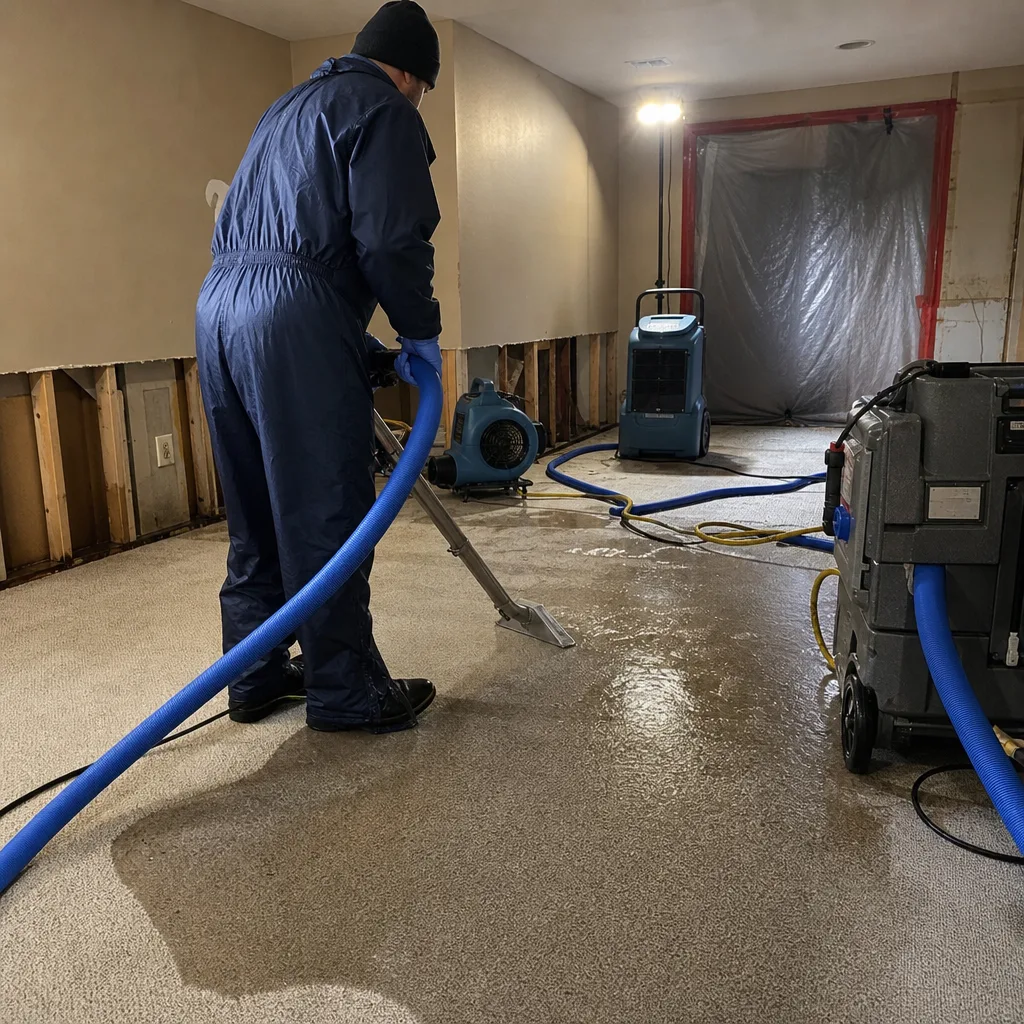
When you identify a warning sign, the next actions determine whether your restoration is a covered claim with a clear scope or a disputed invoice. We developed this protocol from 12,000+ homes restored since 2011, and from the claims we saw denied for documentation gaps.
- Photograph the warning sign in context. Wide shot showing location in the room. Medium shot showing the affected area with a measuring tape or ruler for scale. Close-up of any instrument reading, with the display clearly visible. Use your phone’s timestamp or a newspaper date in the frame.
- Record environmental conditions. Ambient temperature, relative humidity, and outdoor weather conditions. Note HVAC status: running, off, or set to what temperature. These variables affect moisture readings and may be questioned later.
- Take instrument readings at multiple points. A single moisture meter reading is a snapshot; three readings in a line, 12 inches apart, reveal the gradient and likely source. Log each with location description: “north basement wall, 18 inches from floor, 4 feet from west corner.”
- Identify and photograph potential sources. Roof condition above, plumbing in adjacent walls, grade slope at exterior, gutter downspout termination. You are not diagnosing; you are documenting what was visible before any contractor altered the scene.
- Notify your insurer in writing before calling a contractor. Email creates a timestamped record. State what you observed, what you measured, and that you are seeking professional assessment. Request a claim number. This establishes the event date and your diligence in reporting.
- Obtain a written scope and price before any work begins. Haven Standard, Clause 1. Any contractor who will not put a price in writing before starting work is not prepared to support your claim documentation. This is non-negotiable for insurance coordination.
We provide a photo record on every visit as a standard deliverable, never an upsell. Our drying logs, recorded with professional-grade equipment from Dri-Eaz and Phoenix, document psychrometric data - temperature, relative humidity, specific humidity, and vapor pressure - at each dehumidifier and air mover location, twice daily until the structure reaches dry standard. This is the documentation that turns restoration invoices into payable claims.
Professional Equipment and What the Trade Names Mean
When a restoration contractor describes their equipment, the names matter because they indicate capability and documentation standard. Here are the systems we deploy and what each does in plain language.
Dri-Eaz and Phoenix dehumidifiers. These are refrigerant-based low-grain refrigerant (LGR) units that extract moisture from air already dried by conventional means. “Low-grain” refers to their ability to reduce humidity below 40 grains per pound, the threshold at which structural materials release bound water. We size these to the cubic footage of the affected area and monitor their performance with onboard hygrometers logged to our drying record.
XPOWER and B-Air air movers. These are centrifugal or axial fans that create airflow across wet surfaces, accelerating evaporation. The key specification is airflow in cubic feet per minute (CFM) at the face of the unit, not the motor horsepower. We place one air mover per 50-100 square feet of affected floor, angled to create a vortex pattern that contacts all wet surfaces.
Injectidry systems. These are specialized drying panels and hoses that deliver heated, dehumidified air into wall cavities, under hardwood flooring, or inside cabinetry without demolition. The system uses negative air pressure to draw moisture out through small access points. In Newark’s historic homes, where plaster and lath cannot be replaced in kind, Injectidry allows us to dry in place rather than remove irreparable material.
All equipment performance is documented to IICRC S500 (water damage), S520 (mold remediation), and RIA standards, with daily logs that become part of your claim file. IFA certification confirms our adherence to these documentation protocols. When we say “dry standard,” we mean a moisture content reading within 4 percentage points of a dry standard reference reading taken from an unaffected area of the same material, confirmed by two consecutive daily readings.
When to Call a Professional
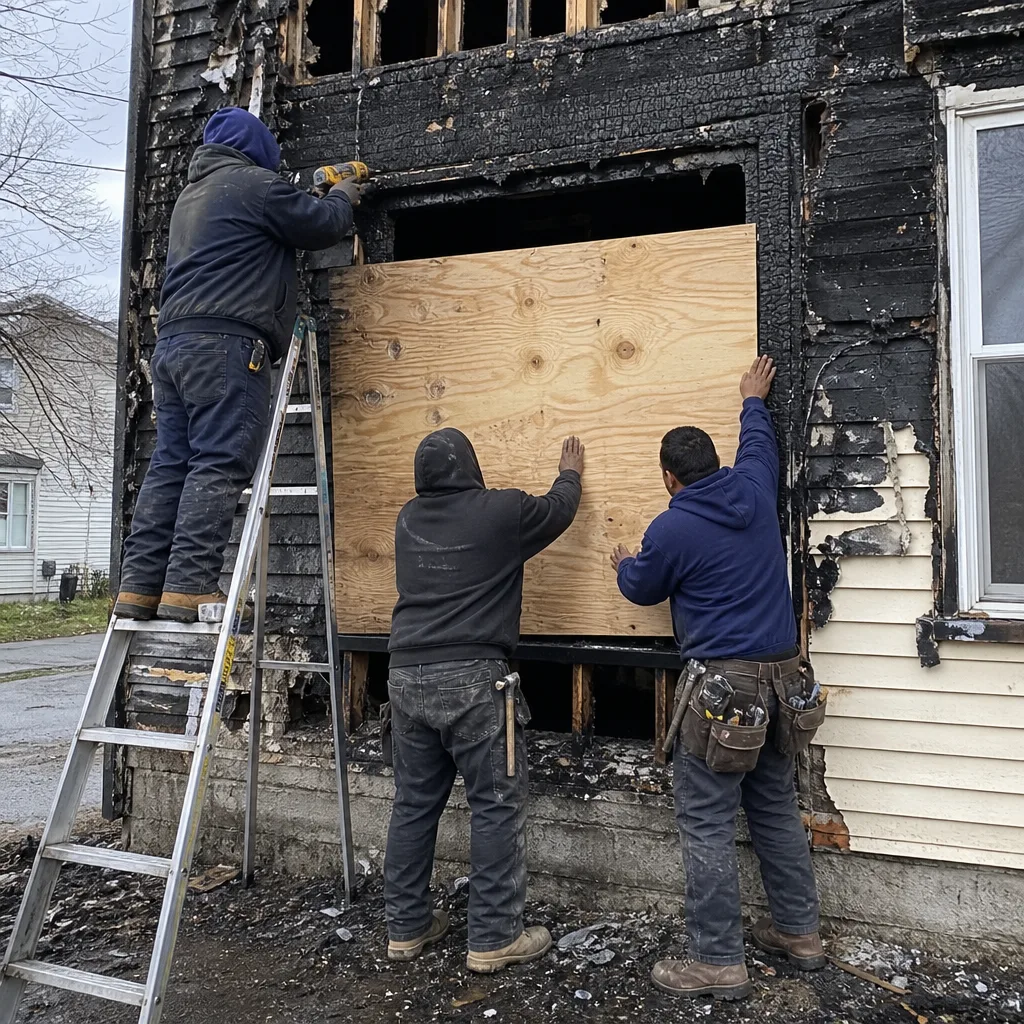
Call for professional assessment when: moisture meter readings exceed critical thresholds and are rising; you smell mold but cannot locate the source; water appears in a location with no plumbing above it; your insurer has assigned an adjuster and you need a written scope for comparison; or you have received a competitor’s estimate and want a free second opinion.
Do not wait for visible mold to confirm your suspicions. By the time mold is visible, colonization is established and the remediation scope is larger. Do not attempt to dry Category 2 or 3 water (gray water from appliances, or black water from sewage or flooding) with household equipment; the contamination risk requires professional containment and antimicrobial treatment.
DryMark Restoration Newark offers free estimates in Newark. Call (862) 292-4268. Every estimate is delivered in writing before work begins, with no scope-creep additions once our crew is inside your home. Haven Standard, Clause 1.
Common Mistakes to Avoid
- Assuming visible mold is the start of the problem. Mold is a symptom of moisture conditions that existed for days before colonization became visible. Treating only the mold without identifying and correcting the moisture source guarantees recurrence.
- Using bleach on porous materials. Bleach kills surface mold on non-porous materials but adds moisture to drywall, wood, and concrete, potentially worsening the underlying condition. It also removes pigment without killing hyphae in the material.
- Ignoring seasonal patterns in row homes. Newark homeowners often dismiss spring basement dampness as “normal for old houses.” It may be common, but it is not benign; chronic moisture degrades structural members and creates conditions for termites and rot.
- Failing to document before cleanup. The impulse to clean immediately after discovering damage destroys the evidence your insurer needs to establish coverage. Photograph everything first, even if the water is still flowing.
- Accepting verbal estimates. A price given over the phone or in person without written scope cannot be compared, cannot be submitted to insurance, and cannot be enforced. Haven Standard, Clause 1 exists because we have seen too many homeowners trapped by escalating verbal quotes.
- Neglecting to check party walls in row homes. Water stains on a shared wall may originate in a neighboring unit. Addressing only your side leaves the source active and exposes you to repeated damage and potential liability disputes.
- Confusing dehumidification with ventilation. Opening windows in humid weather introduces more moisture. Dehumidification removes it. In Newark’s summer, when outdoor RH regularly exceeds 70%, ventilation worsens basement conditions.
Frequently Asked Questions
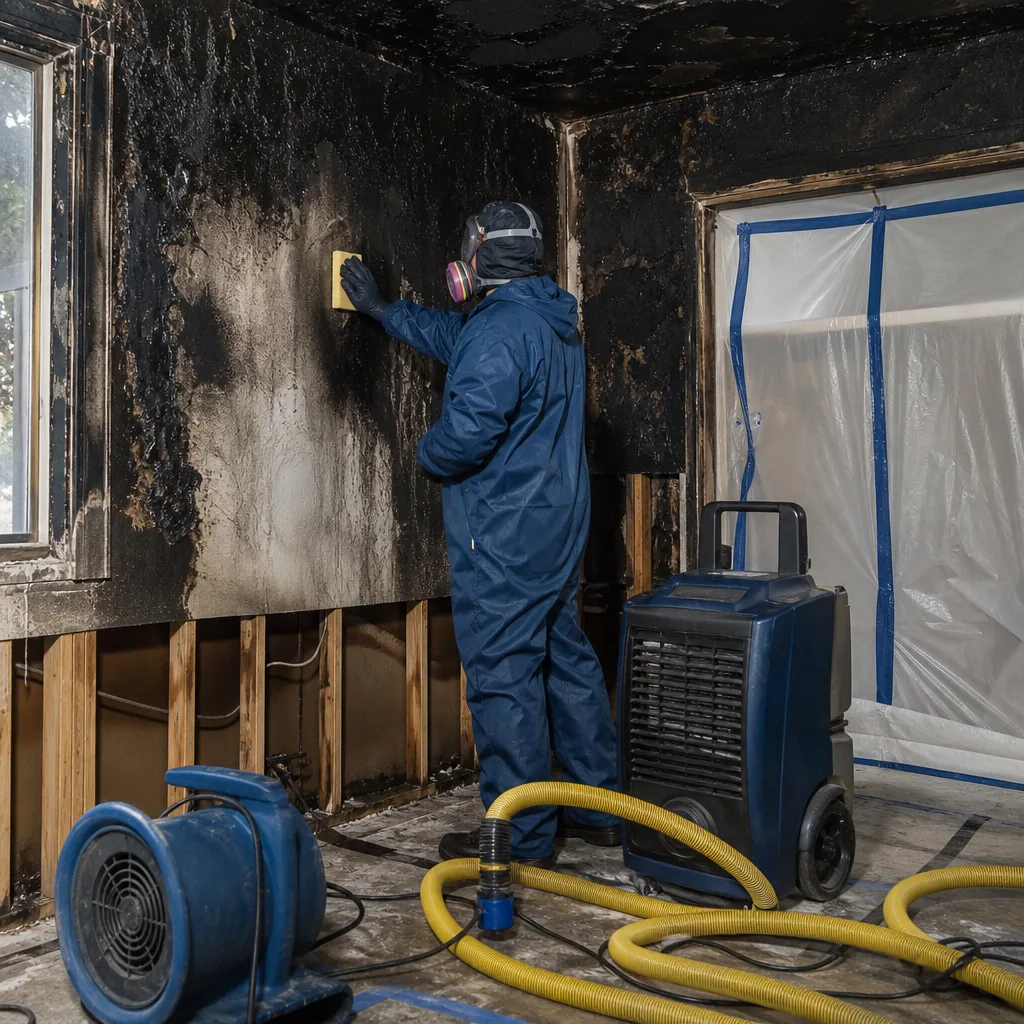
Most reputable restoration companies, including DryMark Restoration Newark, provide free estimates that include moisture mapping and instrument readings. The assessment should include documented readings by room, a written scope of work, and a fixed price before any work begins. Call (862) 292-4268 to schedule - estimates are free and come with no obligation.
Coverage depends on whether the damage is classified as sudden and accidental or gradual. Policies typically cover sudden events like pipe bursts or storm intrusion. They often exclude damage that developed over time from maintenance failures. Your documentation - dated photos, moisture readings, and written notification to the insurer - determines how the claim is classified. Notify your insurer in writing as soon as you discover any warning sign.
For active water intrusion, speed matters because moisture migrates rapidly into unaffected materials. DryMark Restoration Newark maintains live phone coverage 24 hours a day, 7 days a week with no voicemail on emergency lines. Response time varies by current call volume and weather events, but we prioritize active intrusions to prevent secondary damage. For non-emergency assessments, we typically schedule within 24-48 hours.
Remediation is required when mold colonization exceeds 10 square feet of contiguous growth, when HVAC systems are involved, or when occupants have respiratory sensitivity. Cleaning may suffice for small, surface-only spots on non-porous materials with an identified and corrected moisture source. A professional assessment with air sampling and surface testing determines the appropriate scope. We provide free second opinions on competitor estimates if you’re uncertain.
You are the policyholder and retain all decision authority. A professional restoration company should coordinate directly with your adjuster, providing documentation - photo records, drying logs, written scopes - that supports your claim. We handle adjuster coordination as part of our standard service, but every approval and authorization comes to you for signature. You are never obligated to use a contractor recommended by the insurer.
Consumer-grade pinless meters typically read to a depth of 0.75 inches and may miss moisture trapped deeper in wall cavities. Professional pin-type meters with insulated probes can read at variable depths and distinguish surface moisture from core saturation. We use both types, calibrated annually, and pair readings with thermal imaging to map the full extent of water migration. Your consumer meter is valuable for baseline monitoring and early detection; professional assessment confirms the scope for remediation.
The Bottom Line
The warning signs that matter are numbers, not narratives. A moisture meter reading of 17% on basement framing. Relative humidity held at 65% for three days. A 22°F temperature differential on a north wall in February. Each is evidence when documented with a date-stamped photo and a written record. In Newark’s old housing stock, where water paths hide in shared walls and seasonal patterns mask gradual damage, the homeowner who measures and documents before calling a contractor controls the claim process. The homeowner who waits for visible mold or musty odor is already behind. We built DryMark Restoration Newark on documentation because we’ve seen what its absence costs. The instruments are inexpensive. The habit is free. The protection is real.
Written by Alicia Brennan, Owner at DryMark Restoration Newark, serving Newark since 2011.