
Last updated September 23, 2026
Free visual inspection and a written scope of work before any mitigation begins - photos, moisture readings, and drying logs go in your claim file
The scope we write is the scope we bill. Anything new gets shown to you, in writing, before we touch it.
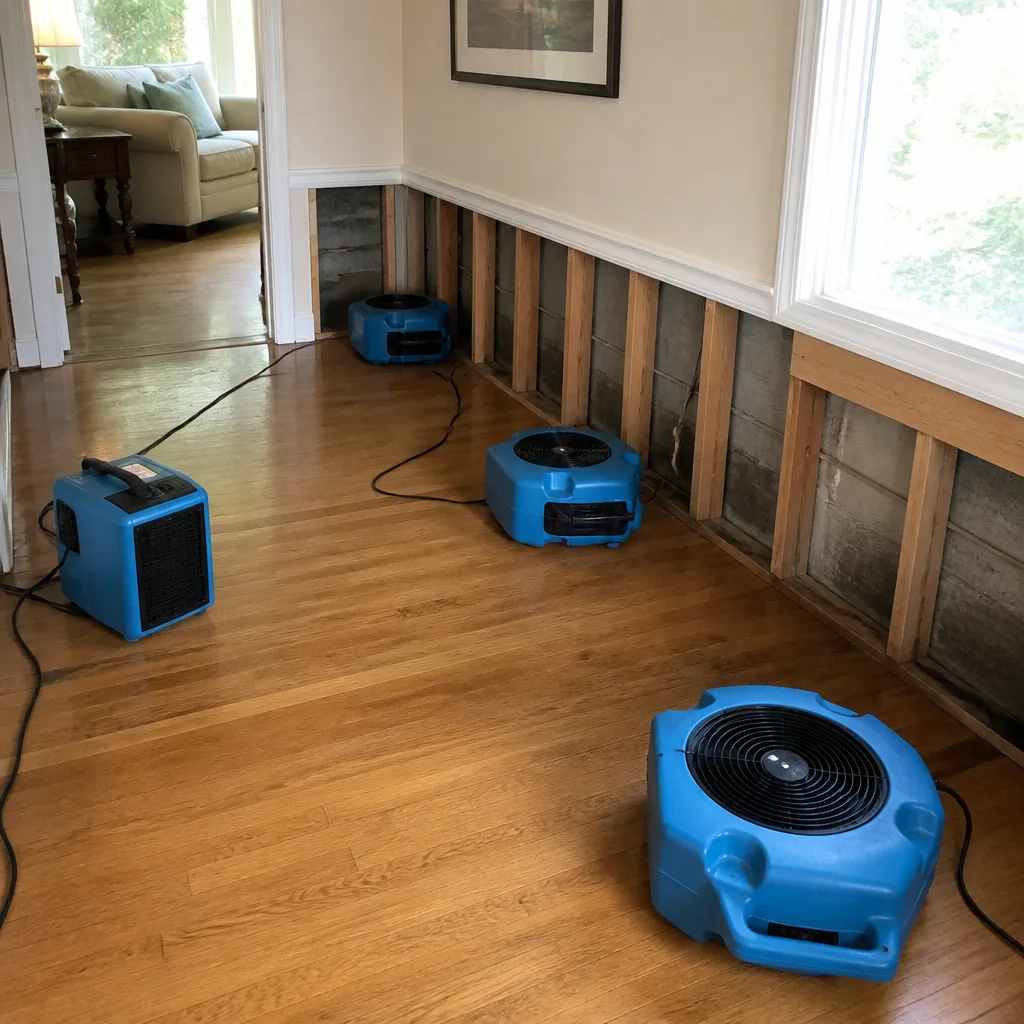
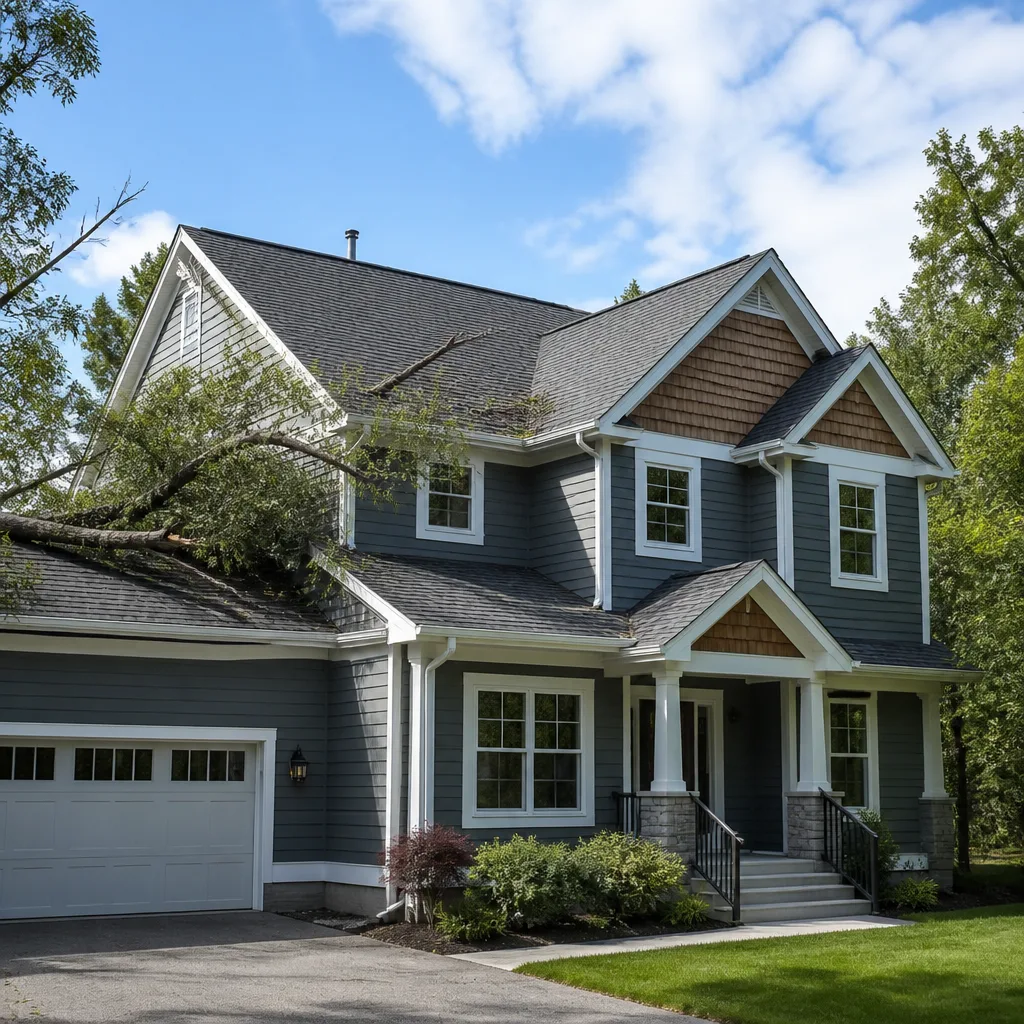
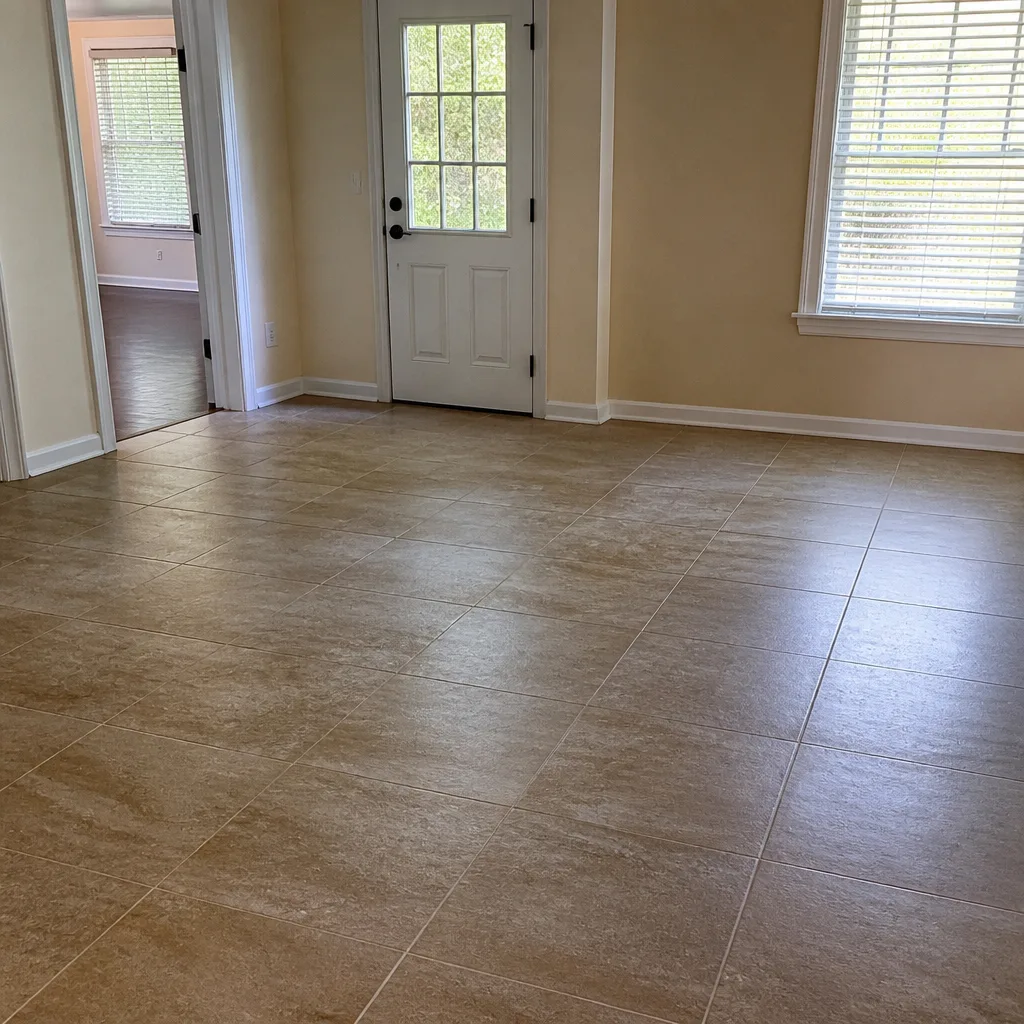
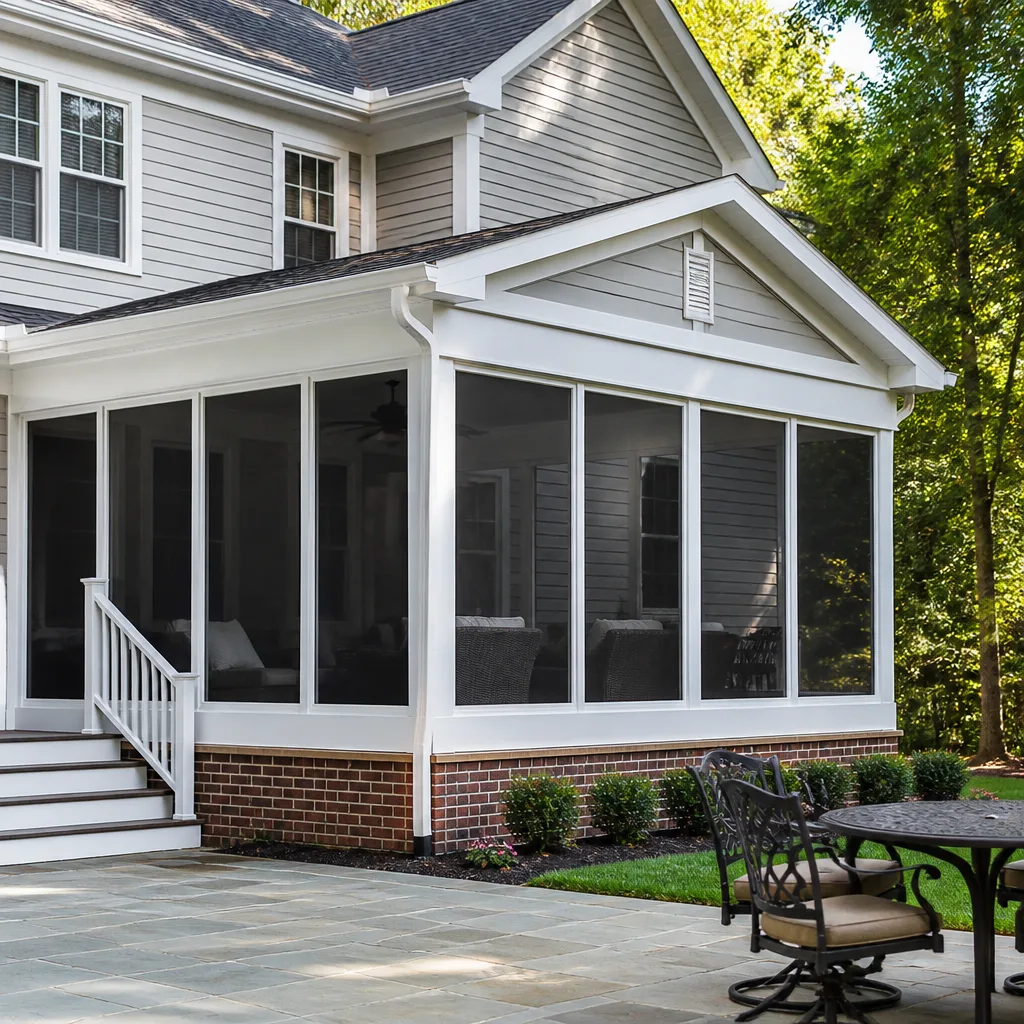
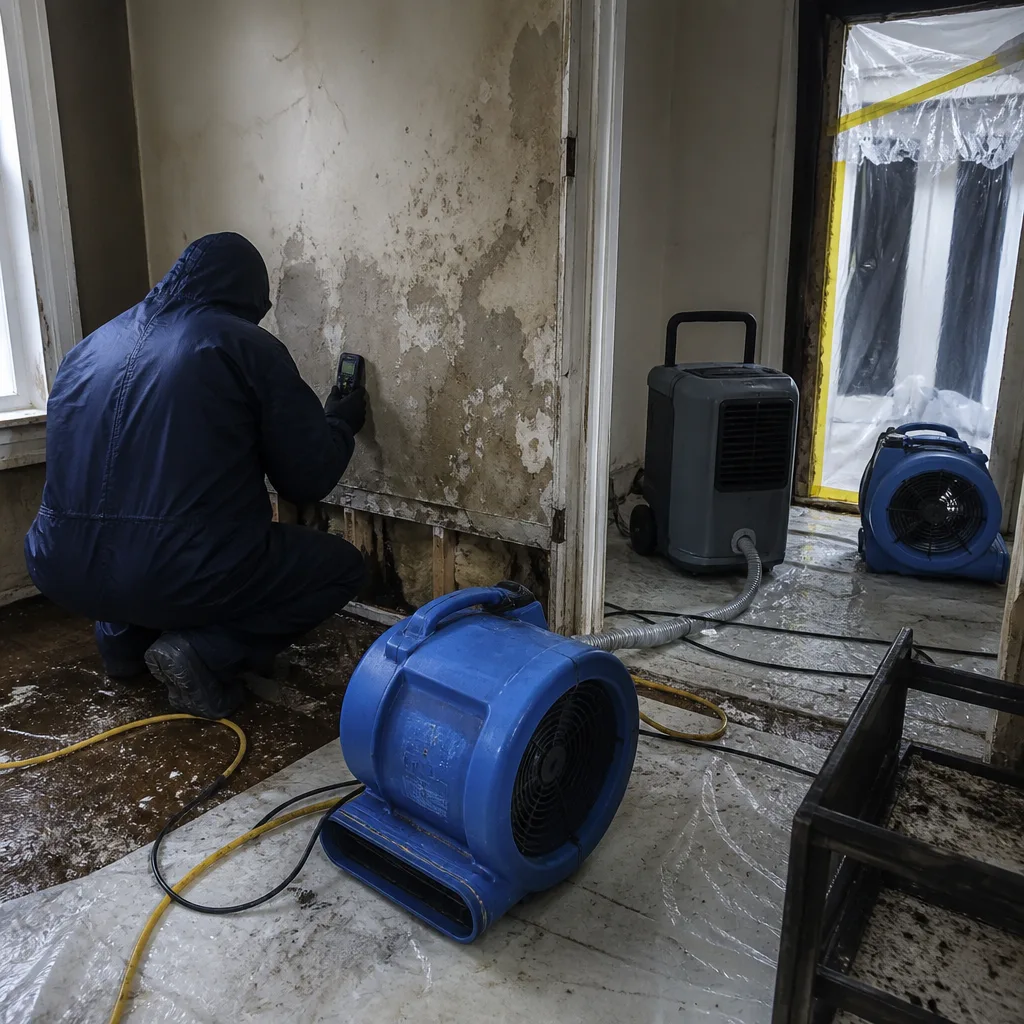 Before
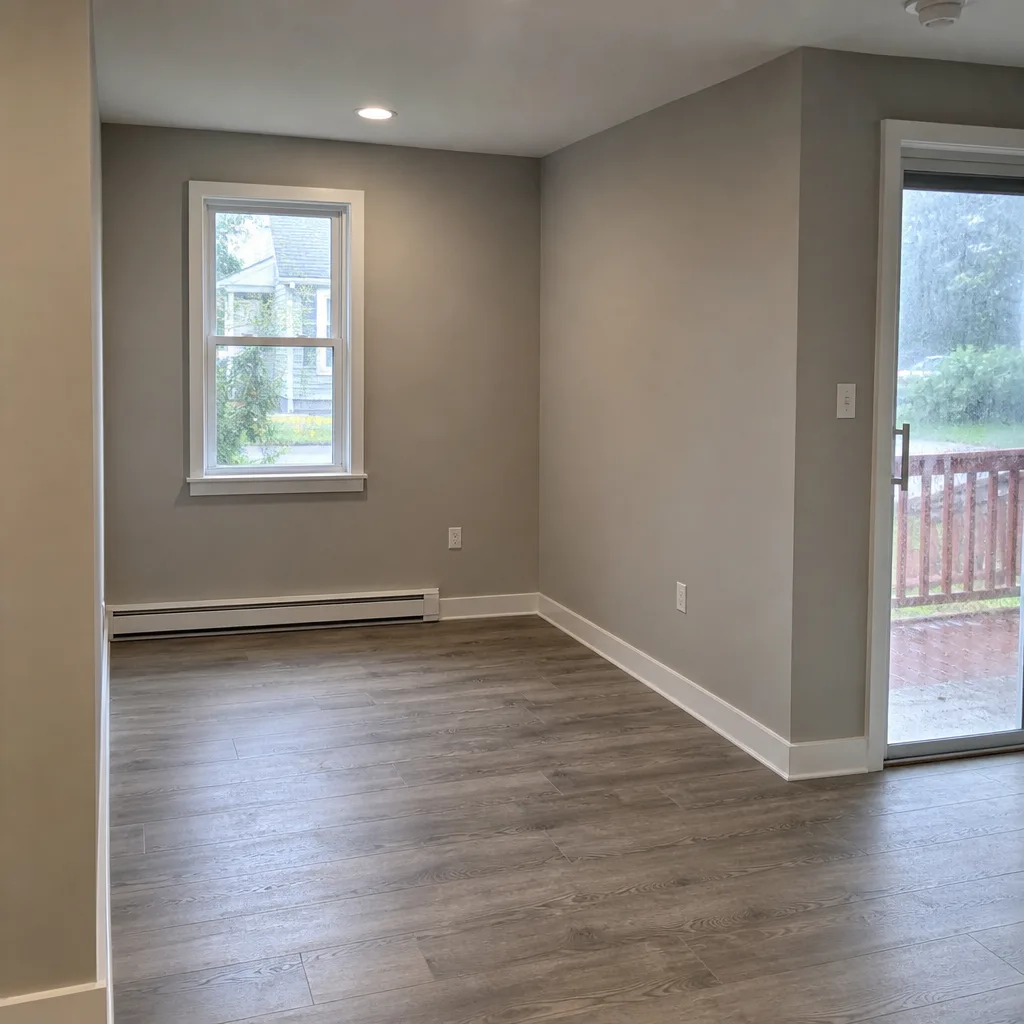 After
After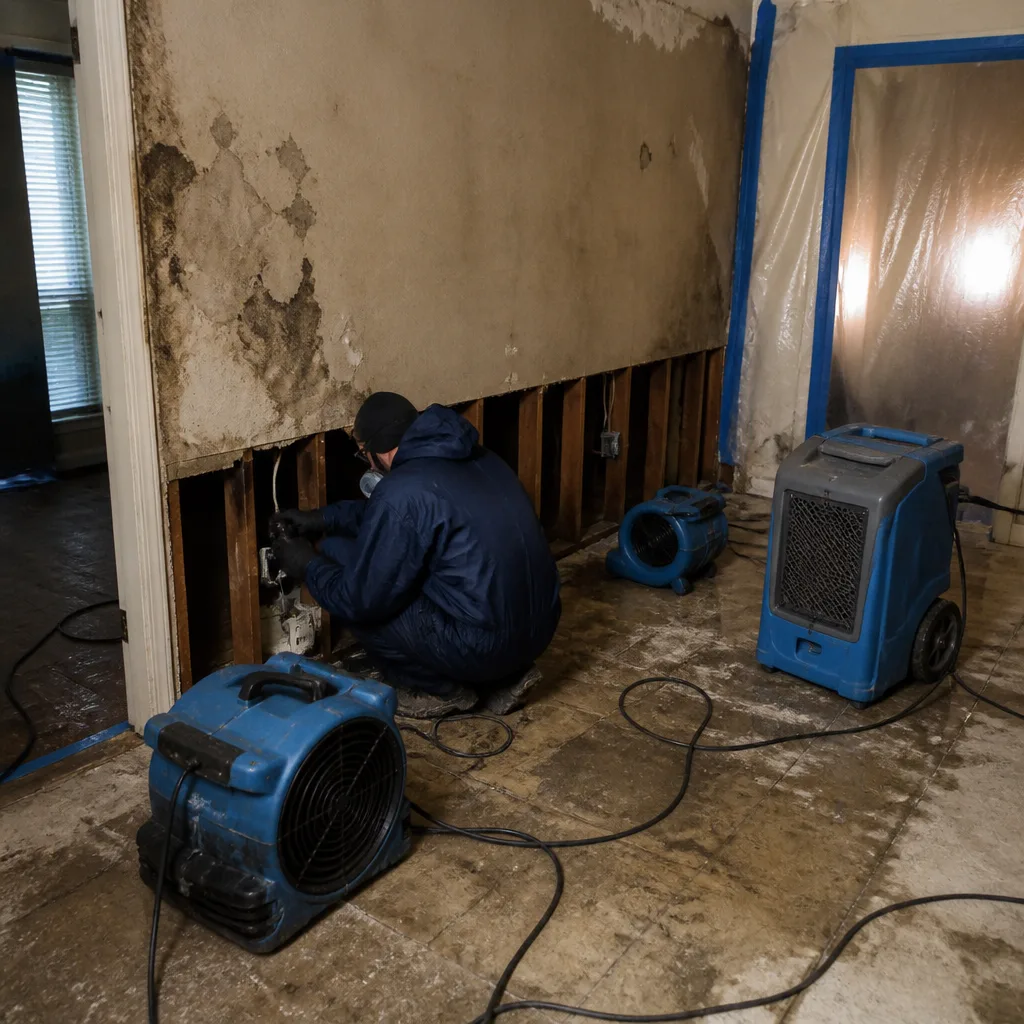 Before
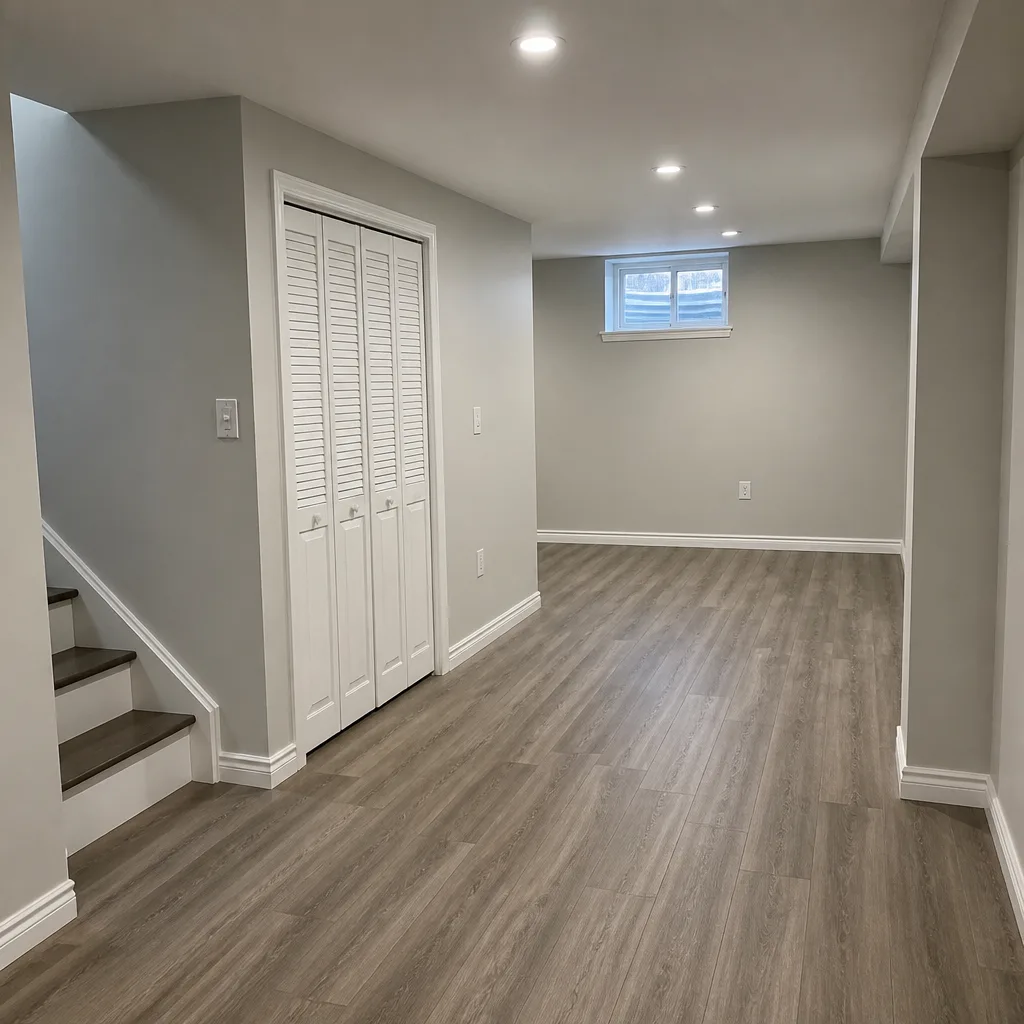 After
After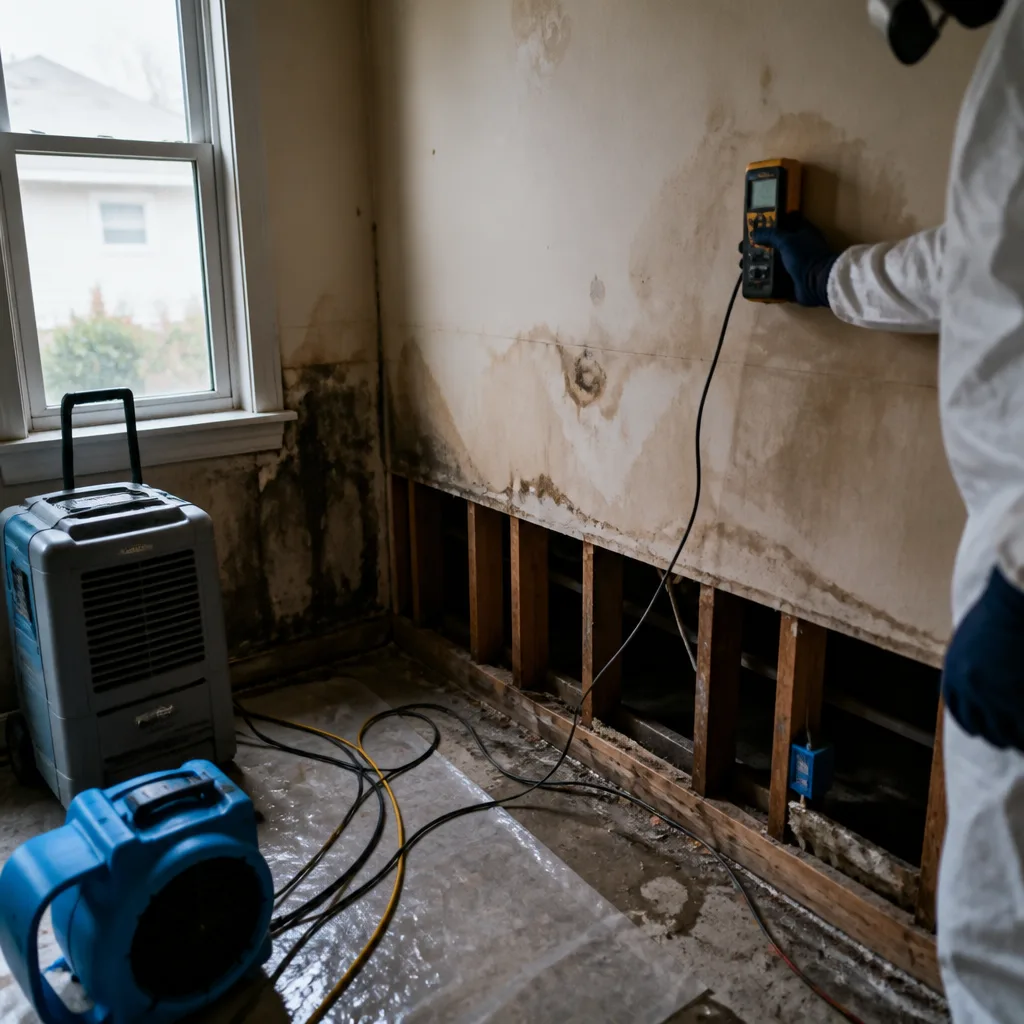 Before
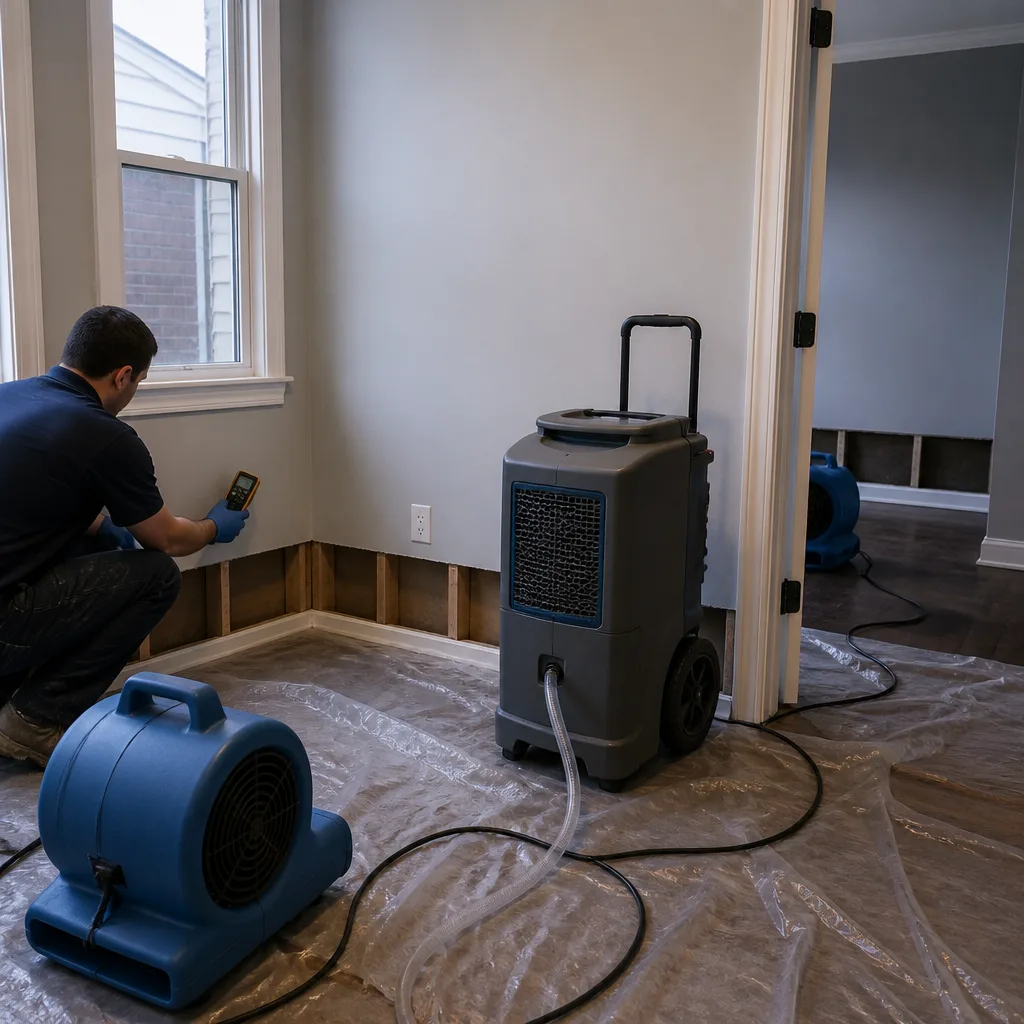 After
AfterDamage Restoration Permits, Codes & Inspections in NJ: What You Need to Know
A Newark homeowner we worked with in 2022 had structural drying and subfloor replacement performed after a basement flood. The contractor finished in four days, the insurance paid, and the basement looked fine. Three years later, during a routine title search for the sale of their home in the Forest Hill section, the unpermitted repair surfaced as a cloud on the title. The buyer’s attorney flagged it. The sale stalled for six weeks while they retroactively permitted work that should have been documented from day one. This happens more than contractors admit. In this guide, we’ll explain exactly which restoration activities trigger permits in Newark, how New Jersey’s Uniform Construction Code applies to post-disaster work, and why skipping the permit process can convert a temporary water problem into a permanent property defect.
Quick Answer
Most water damage and mold remediation work in Newark does not require a building permit if it involves only extraction, drying, and surface cleaning. However, any restoration activity that touches structural elements, electrical systems, plumbing, or HVAC - including subfloor replacement, drywall removal beyond 32 square feet, or rewiring - triggers Newark’s building permit requirement under the New Jersey Uniform Construction Code. For help spotting these issues early, see our Damage Restoration Warning Signs: A Newark Homeowner’s Reference Guide. Unpermitted structural work can be classified as a known defect under New Jersey’s seller disclosure law, creating liability at resale and potential retroactive insurance coverage issues.
Table of Contents
- Which Restoration Activities Trigger a Newark Building Permit?
- How New Jersey’s Uniform Construction Code Applies to Restoration Work
- The Newark Department of Engineering vs. Private Certified Inspectors
- Requesting Expedited Permits After a Declared Weather Emergency
- Unpermitted Work as a ‘Known Defect’ Under NJ Disclosure Law
- How Permits Affect Insurance Coverage and Claims Documentation
- What Proper Restoration Documentation Should Include
- Common Mistakes to Avoid
- When to Call a Professional
- Frequently Asked Questions
BeforeAfterWhich Restoration Activities Trigger a Newark Building Permit?
The line between maintenance and repair versus construction requiring a permit is structural, electrical, or plumbing involvement. Newark follows the New Jersey Uniform Construction Code (UCC), which adopts the International Building Code with state amendments. For restoration contractors, this means the scope of work documented in the initial assessment determines the permit path.
Work that typically does not require a permit in Newark includes:
- Water extraction and standing water removal
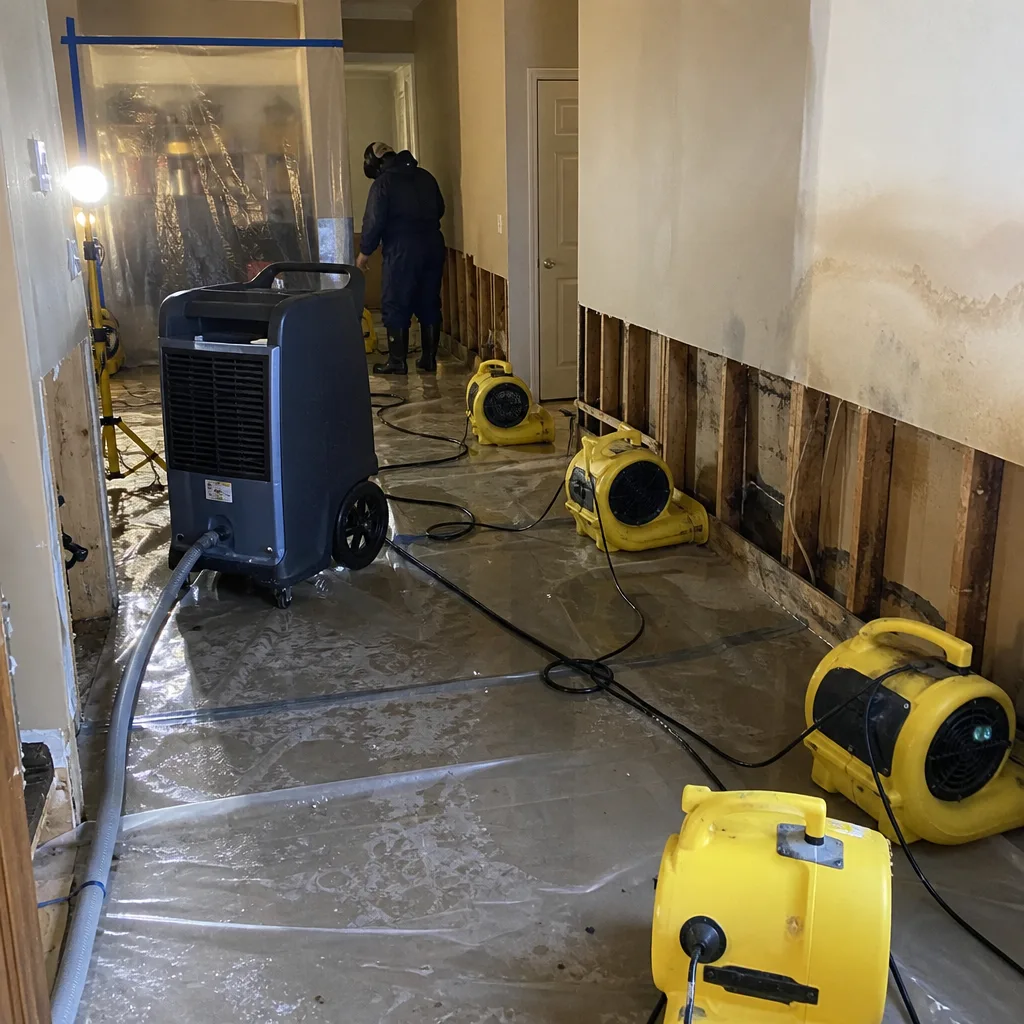
- Deployment of commercial drying equipment (Dri-Eaz, Phoenix, XPOWER, B-Air units)
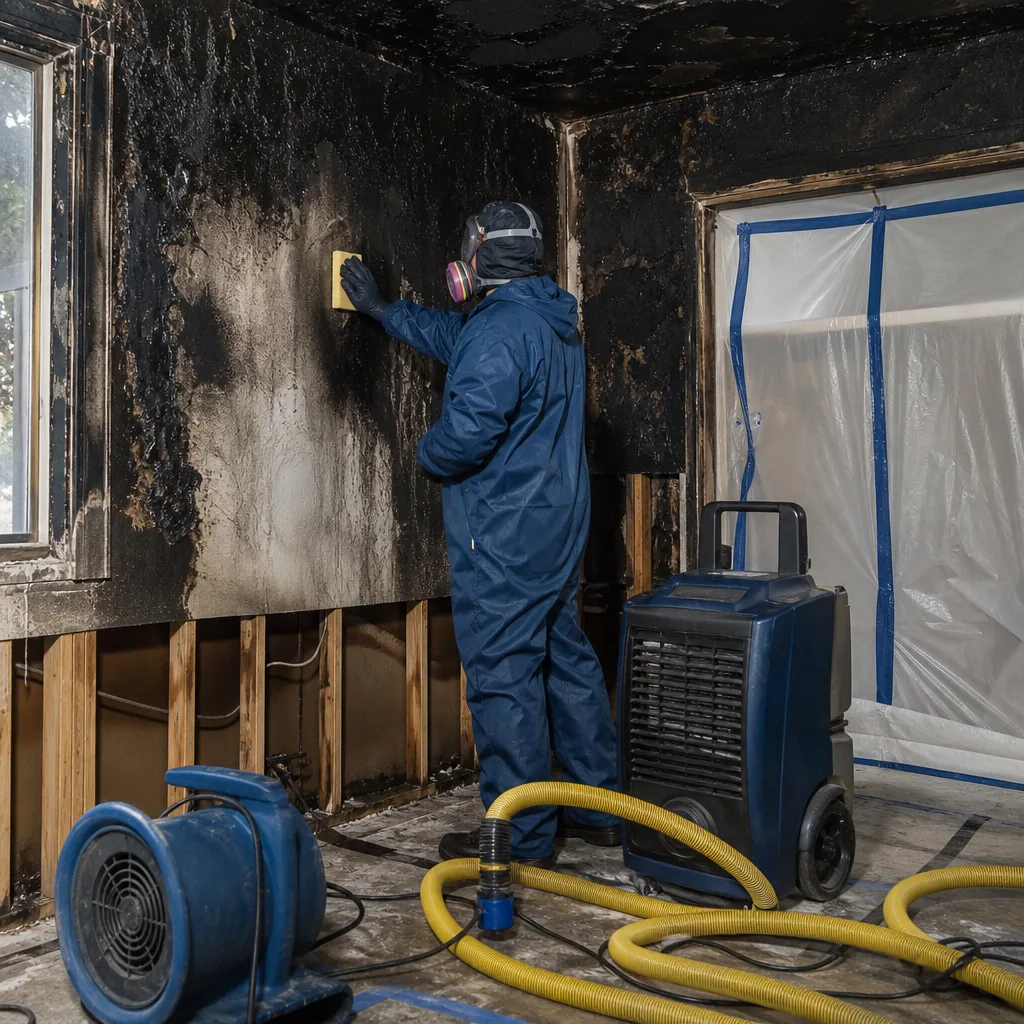
- Surface cleaning and antimicrobial application
- Removal of wet carpet, pad, or floating flooring
- Content manipulation and pack-out services
- Initial moisture mapping and psychrometric monitoring
Work that does require a permit includes:
- Subfloor replacement or structural member repair
- Drywall removal and replacement exceeding 32 square feet in a single room (UCC threshold for “repair” versus “alteration”)
- Electrical outlet or switch replacement below the flood line
- Plumbing line repair or replacement, including shut-off valves
- HVAC ductwork modification or replacement
- Foundation crack repair or waterproofing
- Any work affecting load-bearing walls or the building envelope
In the Ironbound section, we’ve seen repeated cases where contractors replaced drywall after flooding in basements near the Passaic River without pulling permits. The 32-square-foot threshold is specific and enforceable. A 4-by-8 sheet of drywall is 32 square feet exactly. Two sheets trigger the permit requirement. Many restoration crews know this threshold and deliberately limit replacement to a single sheet to avoid permitting, leaving homeowners with patched walls that don’t match and potential mold cavities behind the repair.
The permit application in Newark requires a scope of work, contractor license verification, and proof of insurance. At DryMark Restoration Newark home, we include permit requirements in our written scope before work begins, identified by Haven Standard, Clause 1: written price before work begins. If permits are needed, the cost and timeline are itemized, not buried.
How New Jersey’s Uniform Construction Code Applies to Restoration Work
New Jersey’s Uniform Construction Code (N.J.A.C. 5:23) governs all construction, renovation, and repair work statewide. For restoration specifically, the UCC distinguishes between emergency stabilization and permanent repair. This distinction matters for both permitting and reoccupancy.
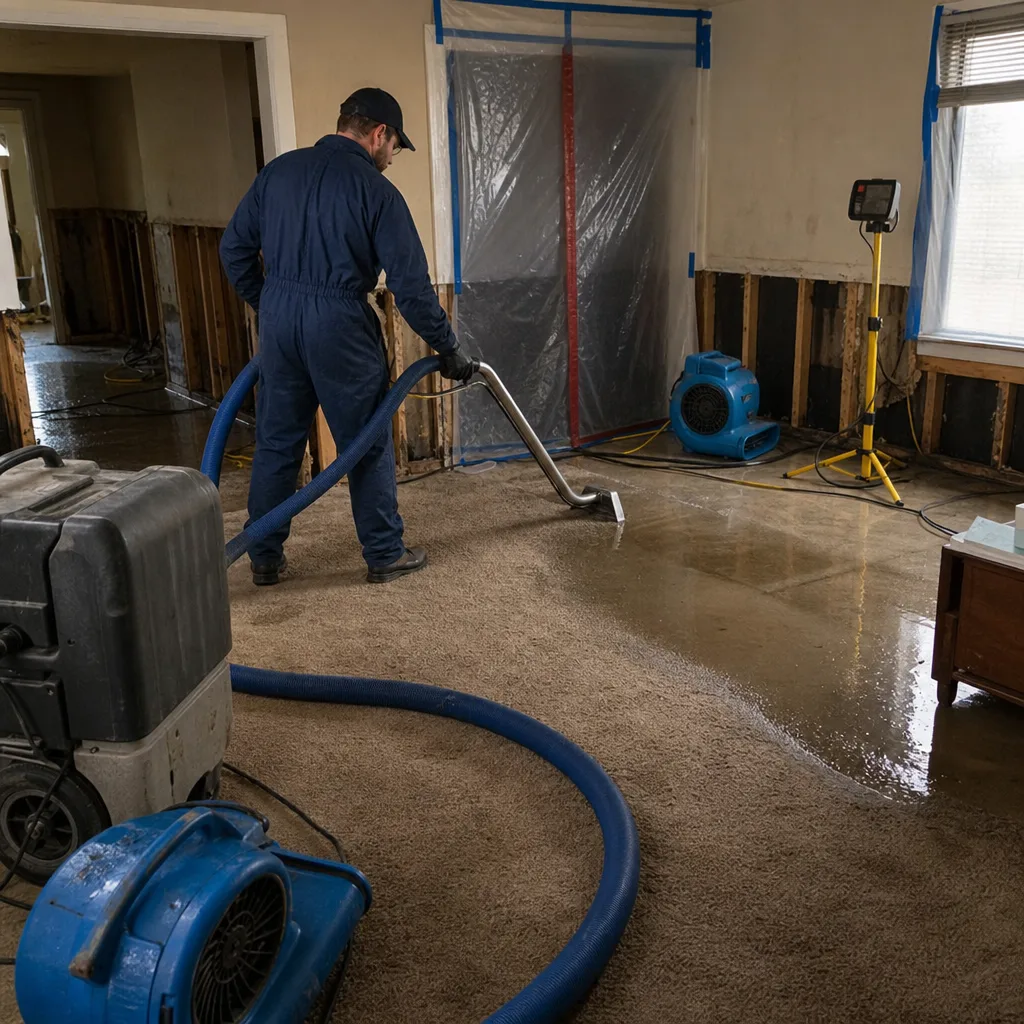
Emergency stabilization - boarding windows, tarping roofs, extracting water, installing temporary power - is exempt from permit requirements under UCC emergency provisions for up to 30 days. The work must be documented with photos, dates, and a description of the emergency condition. After 30 days, any temporary stabilization must either be removed or brought into permit compliance.
Permanent repair work requires permits when it meets the thresholds described above. The UCC also specifies when a Certificate of Occupancy (CO) or Certificate of Approval is required before a building can be reoccupied after significant damage:
- Certificate of Occupancy (CO): Required when the work involves structural elements, changes to the means of egress, or affects fire safety systems. In Newark, a new CO is typically required after fire damage restoration that involves framing repair, stair reconstruction, or sprinkler system work.
- Certificate of Approval: Required for renovations that do not change the occupancy classification but involve permitted work. This is the more common path for water damage restoration that includes subfloor or drywall replacement.
- Temporary Certificate of Occupancy (TCO): Issued when a building is safe to occupy but minor work remains. We’ve seen TCOs issued in Newark’s University Heights area after flood restoration where final electrical inspection was pending but the structure was otherwise habitable.
The UCC amendments specific to New Jersey include requirements for flood-resistant materials in Special Flood Hazard Areas. Newark’s flood zones - particularly portions of the Ironbound, South Ward, and areas near the Passaic River - fall under these requirements. Any restoration work in these zones must use flood-resistant materials below the Base Flood Elevation, documented on the permit application. Using standard drywall or insulation below the BFE is a code violation, even if the work itself is otherwise permitted correctly.
We’ve documented jobs where competitors installed standard fiberglass batt insulation in Newark flood zones because it was faster and cheaper. The material was wrong. The permit, if pulled at all, was based on inaccurate material specifications. The homeowner discovered the problem during a subsequent flood, when the insulation failed again and insurance questioned why flood-resistant materials weren’t used the first time.
The Newark Department of Engineering vs. Private Certified Inspectors
After significant water, fire, or storm damage in Newark, inspections occur at multiple points. Understanding who inspects what, and when each has authority, prevents delays and re-inspection fees.
The Newark Department of Engineering, Division of Code Enforcement holds primary jurisdiction over building permits and inspections within city limits. Their inspectors verify compliance with the UCC, Newark municipal amendments, and flood zone requirements. For restoration work, Department of Engineering inspectors typically conduct:
- Rough inspections (framing, electrical, plumbing before close-in)
- Insulation inspections (verifying flood-resistant materials in applicable zones)
- Final inspections (verifying completed work matches approved plans)
Private certified inspectors, known as Technical Assistants (TAs) under New Jersey’s licensed code official system, can perform inspections under contract with the property owner or contractor. However, their authority is limited. In Newark, a private TA can inspect and certify compliance, but the Department of Engineering must still issue the Certificate of Approval or CO. The private inspection does not replace municipal sign-off.
We’ve encountered situations where restoration contractors told homeowners that a “private inspector” handled everything and no municipal inspection was needed. This is incorrect for any permitted work in Newark. The Department of Engineering maintains the official record, and their sign-off is what appears in the property file.
For Water Damage Restoration in Newark that crosses into permitted work, we coordinate directly with the Department of Engineering’s permit counter at City Hall. The queue for routine inspections in Newark typically runs 5-10 business days. For emergency work, expedited inspection scheduling is available with proper documentation of the emergency condition.
In flood events affecting multiple properties, such as the Passaic River flooding in 2011 and Hurricane Ida’s remnants in 2021, the Department of Engineering established dedicated inspection teams for affected neighborhoods. Properties in the Clinton Hill, Weequahic, and Lower Broadway areas were prioritized based on declared damage severity. Knowing how to access these dedicated teams, rather than waiting in the general queue, saved our clients weeks on reconstruction timelines.
Requesting Expedited Permits After a Declared Weather Emergency
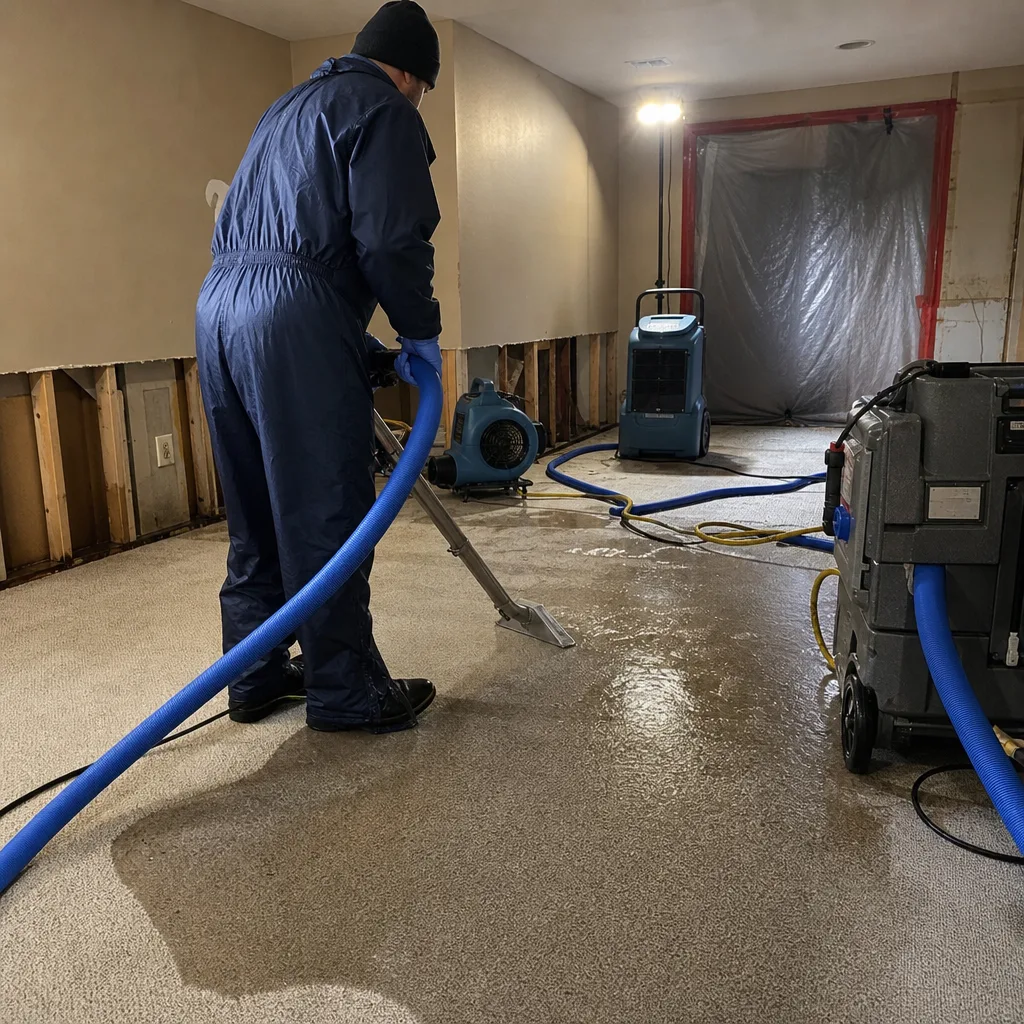
When the Governor declares a state of emergency or the President issues a major disaster declaration for Essex County, Newark’s permit process changes. Expedited permitting becomes available, but it is not automatic. Homeowners and contractors must follow specific procedures to access the expedited queue.
- Document the emergency condition: Photograph the damage before any stabilization work begins. Include date stamps, address visible, and reference objects for scale. This documentation supports both the insurance claim and the emergency permit application.
- File a damage assessment report with Newark Emergency Management: Call (862) 292-4268 or submit through the city’s online portal. This creates a record in the municipal emergency database, which the Department of Engineering cross-references for expedited permit eligibility.
- Complete the standard permit application with “EMERGENCY” noted in the description: The application fee structure remains the same, but the Department of Engineering routes these to a dedicated reviewer. Include the emergency management report number.
- Attach contractor license and insurance documentation: Newark requires this for all permits, but emergency applications are rejected without complete documentation. No exceptions.
- Request same-day or next-day rough inspection at time of filing: For emergency work, the Department of Engineering offers inspection scheduling concurrent with permit issuance. Confirm the inspection window and have the work site accessible.
- Submit daily progress photos to the assigned inspector: For multi-day emergency repairs, Newark’s expedited process requires photo documentation of each phase. This parallels our standard practice of documented photo records on every visit, included as a standard deliverable under The Haven Standard.
The expedited process does not waive code requirements. Flood-resistant material rules, electrical grounding requirements, and structural load calculations still apply. What changes is the timeline: permits issued within 24-48 hours versus the standard 10-15 business days, and inspections scheduled within 48 hours of request.
After Hurricane Ida’s flooding in September 2021, we processed seventeen expedited permits for Newark properties in the South Ward and Ironbound. The Department of Engineering’s emergency queue moved efficiently for applications with complete documentation. Applications with missing contractor information or undated damage photos sat for days, then weeks, then required standard re-filing when the emergency designation expired.
Unpermitted Work as a ‘Known Defect’ Under NJ Disclosure Law
New Jersey’s seller disclosure law (N.J.S.A. 46:3C-1 et seq., the “Megan’s Law” disclosure statute for property conditions) requires sellers to disclose known defects that materially affect the property’s value or desirability. Unpermitted structural, electrical, or plumbing work qualifies as a known defect when the seller has knowledge of it.
The disclosure form specifically asks about “additions, structural modifications, or other alterations made without required permits.” A restoration repair that replaced subflooring, rewired outlets, or rebuilt framing without permits falls squarely within this question. Checking “no” when the work occurred is misrepresentation. Checking “yes” without explanation typically triggers buyer investigation, appraisal conditions, and lender requirements for permit retroactivity.
The consequences extend beyond sale complications:
- Title insurance exceptions: Title insurers in New Jersey routinely exclude coverage for unpermitted work discovered after closing. The buyer assumes the risk of municipal enforcement, required remediation, or demolition.
- Lender conditions: Conventional mortgage lenders, FHA, and VA programs can decline to fund until permits are obtained retroactively or the work is removed and redone under permit.
- Retroactive permit costs: Newark charges double fees for retroactive permits, requires opening of completed work for inspection, and may mandate correction of code violations that were legal when the work was done but no longer comply with amended codes.
- Insurance coverage voidance: Some homeowner policies contain provisions voiding coverage for damage arising from unpermitted work. We’ve reviewed policies where the insurer denied a second flood claim because the first flood’s unpermitted repair created a condition that “increased the risk of loss.”
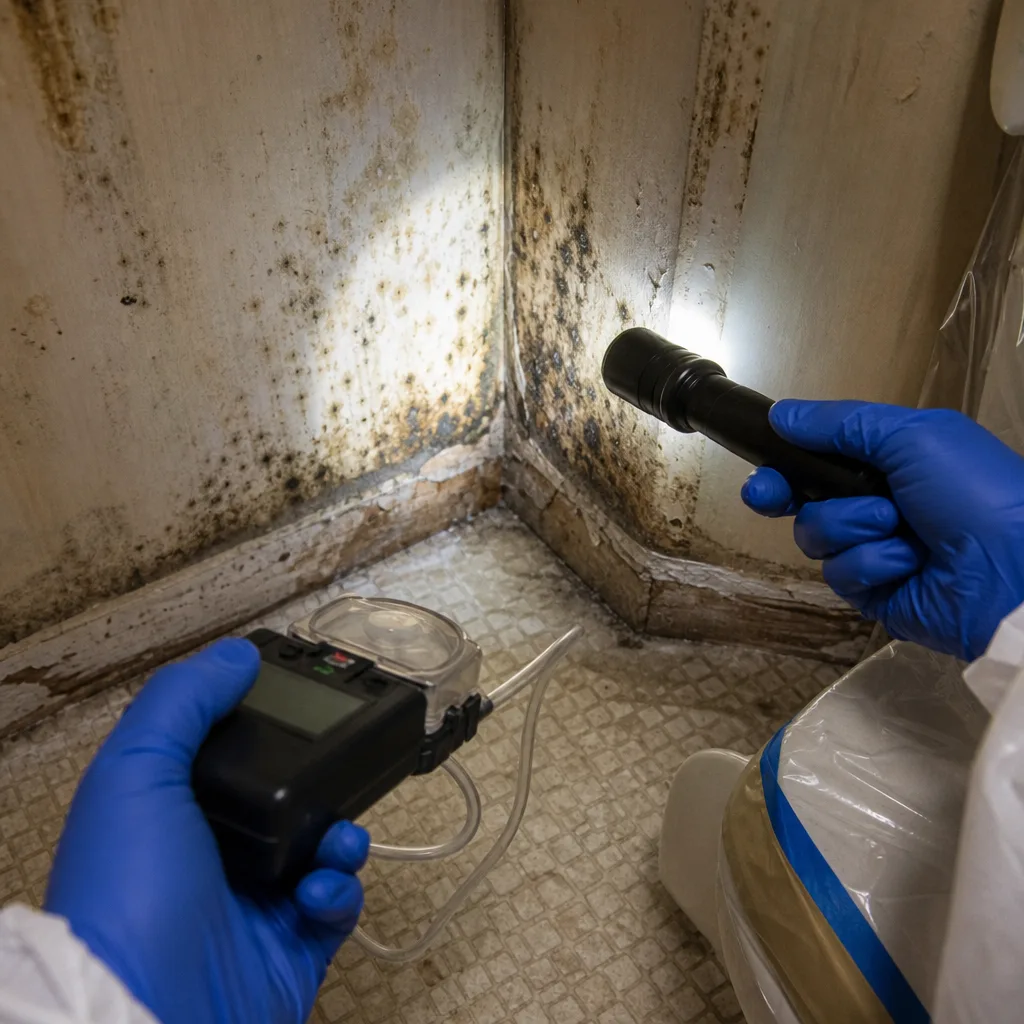
In 2019, a homeowner in Newark’s North Ward contacted us for what they described as “mold coming back” in a basement that another company had “fixed” after a 2016 flood. Our assessment found that the previous contractor had removed drywall, discovered structural fungal growth on the sill plate, replaced the drywall without treating the framing, and never pulled a permit. The visible mold was the symptom. The underlying defect was unpermitted, incomplete structural repair that failed to address the moisture source. The homeowner was now facing disclosure obligations for a sale that was under contract, a buyer demanding remediation, and an insurance company that denied the new claim based on the prior unpermitted work exclusion.
We documented the condition with moisture readings, thermal imaging, and material samples. The written scope included permit requirements for the structural repair, mold remediation under Mold Remediation in Newark protocols, and reconstruction with proper documentation. The sale closed four months later. The cost of doing it right the first time would have been approximately 40% of what the homeowner ultimately spent.
How Permits Affect Insurance Coverage and Claims Documentation
Insurance adjusters evaluate restoration claims against two standards: the policy’s coverage provisions and the documentation supporting the loss. Permits and inspection records are documentation. Their absence creates gaps that adjusters exploit to reduce or deny payment.
The chain of documentation for a properly permitted restoration in Newark should include:
- Emergency damage photos with timestamps
- Written scope of work with permit requirements identified
- Permit application with approved plans
- Rough inspection sign-off
- Final inspection sign-off
- Certificate of Approval or CO
- Daily drying logs with psychrometric data (temperature, relative humidity, vapor pressure differential, and grain depression)
- Photo record on every visit, showing equipment placement, moisture readings, and progressive drying
- Final walkthrough documentation with customer sign-off
At Back to Dry, our origin as a company is the documentation gap that costs homeowners their claims. Our founder, Alicia Brennan, worked as a claims adjuster before establishing the company in 2011. She saw restoration invoices denied because contractors couldn’t produce moisture logs proving the structure was dry. She saw rebuild costs disputed because no permit record validated that the work was necessary and code-compliant. The Haven Standard was built to close these gaps.
When we deploy Dri-Eaz and Phoenix dehumidification systems with XPOWER air movers, we document the equipment by serial number, placement location, and daily psychrometric readings. Vapor pressure differential - the difference in moisture vapor pressure between the affected material and the surrounding air - tells us when the material is actually dry, not just when it feels dry. This data, combined with permit records for any structural work, produces a claim file that insurers pay without extended negotiation.
For Fire & Smoke Damage Restoration in Newark, the permit and inspection chain is even more critical. Fire restoration often involves structural member replacement, electrical rewiring, and HVAC ductwork cleaning or replacement. Each of these requires permits. Each requires inspection. And each produces documentation that the insurer’s structural adjuster will request before releasing rebuild funds.
We’ve reviewed competitor estimates that itemize “structural drying” and “rebuild” as single line items without permit costs or inspection timelines. These estimates are incomplete. They expose the homeowner to out-of-pocket permit fees, inspection delays, and potential coverage disputes. Our written scope separates mitigation from reconstruction, identifies permit requirements for each phase, and prices them explicitly. Haven Standard, Clause 1: written price before work begins. No exceptions.
What Proper Restoration Documentation Should Include
Documentation is the difference between a paid claim and a disputed invoice. It’s also the difference between a clean title and a clouded one. The following standards apply to every restoration job we perform in Newark, regardless of size.
Initial Assessment Documentation
- Moisture mapping with readings at affected and unaffected materials for comparison
- Thermal imaging to identify hidden moisture patterns
- Classification of water loss by IICRC standards (Category 1, 2, or 3)
- Identification of affected materials by trade name and installation method
- Photo record: wide shots, detail shots, and readings visible in frame
- Written scope with permit requirements identified and priced
During-Work Documentation
- Daily moisture logs with psychrometric data
- Equipment inventory by serial number and placement
- Progress photos showing drying progression
- Permit inspection scheduling and sign-off records
- Change orders in writing, with customer approval, before any scope modification
Completion Documentation
- Final moisture readings meeting dry standard (typically within 4 percentage points of unaffected materials for wood, or below 12% moisture content)
- Final inspection sign-off from Newark Department of Engineering, where permitted work occurred
- Certificate of Approval or CO copy
- Customer sign-off on completed work
- 365-Day Done Right Promise documentation, signed and dated
Tertiary drying - the final phase where bound moisture is removed from deep within structural materials - is where many restoration jobs fail. The surface reads dry. The moisture meter shows acceptable levels at 3/8 inch depth. But the center of a 2-by-10 joist still holds moisture that will fuel mold growth in Newark’s humid summers. Our documentation includes deep-probe readings at multiple depths, not just surface scans. This is the detail that turns a restoration invoice into a payable insurance claim, and it’s the detail that protects a homeowner’s property record for future sale.
Common Mistakes to Avoid
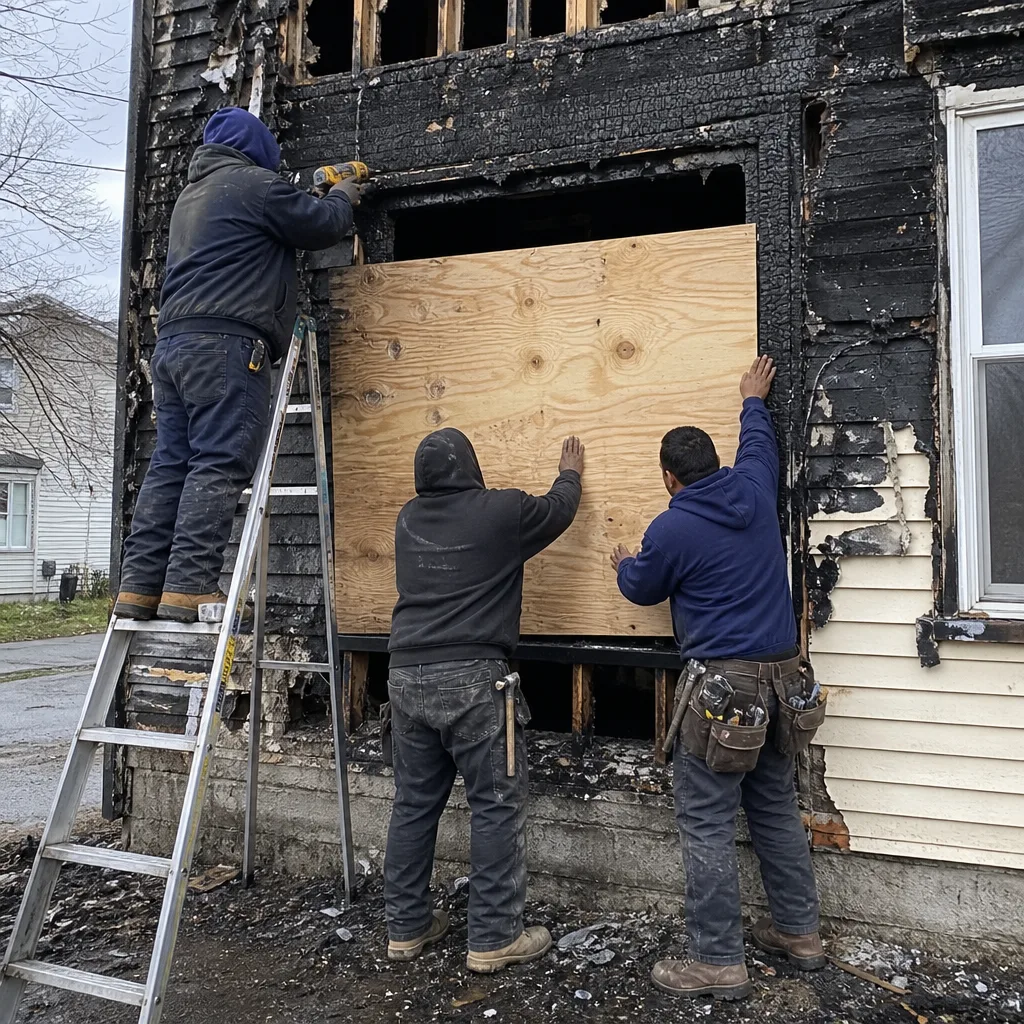
- Assuming emergency work never needs permits. Emergency stabilization is exempt for 30 days. Permanent repair requires permits. The transition point is where many homeowners and contractors stumble. Document the emergency condition, then permit the repair.
- Accepting a contractor’s verbal assurance that permits “aren’t needed for this.” In Newark, the permit requirement is determined by the scope of work, not the contractor’s preference. Ask for the specific code section supporting the exemption. If they can’t cite it, they haven’t checked.
- Paying for reconstruction before final inspection sign-off. Some contractors demand full payment at substantial completion, before the Department of Engineering has signed off. This leaves the homeowner with no leverage if inspection reveals code violations requiring correction.
- Failing to verify flood-resistant material requirements. Newark’s flood zones have specific material requirements below Base Flood Elevation. Standard materials in these locations are code violations, even if the work is otherwise permitted correctly.
- Not requesting the Certificate of Approval or CO copy. The permit file is the property’s record. Homeowners should receive and retain copies of all inspection sign-offs. These are the documents that answer title search questions years later.
- Discarding restoration documentation after insurance payment. Keep all records for at least 10 years. New Jersey’s statute of limitations for construction defect claims is 10 years. Disclosure obligations for known defects extend through ownership.
When to Call a Professional
Call a professional when the damage involves structural materials, electrical or plumbing systems, or when the affected area exceeds what you can dry with household equipment within 48 hours. In Newark’s climate, mold colonization begins on wet organic materials within 24-72 hours. Delay beyond this window converts a water extraction job into a mold remediation project with additional permit and inspection requirements. Not sure whether to handle it yourself or call in experts? Read our DIY vs Professional Damage Restoration: The Newark Homeowner’s Decision Guide.
Specific scenarios requiring professional assessment include: water reaching wall cavities or subflooring, fire damage with smoke infiltration into HVAC systems, sewage backup of any volume, storm damage with roof or structural compromise, and any situation where you cannot identify the moisture source with certainty.
DryMark Restoration Newark offers free estimates in Newark. Our assessments include moisture mapping, permit requirement identification, and a written scope with pricing before any work begins. Call (862) 292-4268. For competitor estimates, we provide a Free Second Opinion at no charge. If you’re still evaluating contractors, our How to Hire a Damage Restoration Contractor in Newark: A Step-by-Step Guide walks through what to ask before signing.
Frequently Asked Questions
Water extraction, drying, and surface cleaning do not require permits. Any structural repair, electrical work, plumbing repair, or drywall replacement exceeding 32 square feet requires a Newark building permit under the New Jersey Uniform Construction Code. Call (862) 292-4268 for a free assessment that identifies permit requirements specific to your damage.
Routine permit applications in Newark process in 10-15 business days, with inspections scheduled 5-10 days after issuance. After a declared weather emergency, expedited permits process in 24-48 hours with inspections within 48 hours of request, provided the application includes complete documentation and emergency management report confirmation.
Most homeowner policies cover permit fees as part of the “reasonable repair” or “building ordinance” coverage, but only when the work is necessary due to covered peril and the permits are obtained properly. Policies with “ordinance or law” coverage specifically include code upgrade costs. Policies without this coverage may exclude permit fees. We document permit necessity in our written scope to support coverage arguments with your adjuster.
Unpermitted work from a previous owner is still a known defect that must be disclosed under New Jersey law if you have knowledge of it. For work you did not perform, disclosure with the information you have is typically sufficient. However, if you subsequently modify or repair the unpermitted work, you may assume liability for bringing the entire installation into code compliance. Consult a real estate attorney for specific guidance.
Homeowners can perform their own work and act as their own contractor on single-family owner-occupied dwellings in New Jersey, but must still comply with all permit and inspection requirements. The work must meet the same standards as contractor-performed work. For structural, electrical, or plumbing work, Newark requires the same inspections and documentation regardless of who performs the work. Many insurers require licensed contractor documentation for claim payment, which owner-performed work cannot provide.
Request the permit application number and verify directly with the Newark Department of Engineering at (862) 292-4268 or through the city’s online permit portal. Active permits should show application date, scope of work, and inspection status. Completed permits should show final inspection sign-off and Certificate of Approval or CO issuance. Never accept a contractor’s verbal confirmation without independent verification.
The Bottom Line
Permits and inspections in Newark restoration work are not bureaucratic obstacles. They are documentation that protects property value, insurance coverage, and future saleability. The New Jersey Uniform Construction Code provides clear thresholds for when permits are required. The Newark Department of Engineering maintains the official record that title searches will find. And New Jersey’s disclosure law converts unpermitted work into a known defect with real liability.
The contractors who bury permit requirements are not saving homeowners money. They are deferring costs to the point of sale, when retroactive permits, lender conditions, and coverage disputes extract far more than the original permit fee. Proper documentation from the start - written scope, permit compliance, inspection sign-off, and photo records - is the only protection against this deferred liability.
At DryMark Restoration Newark, we identify permit requirements in every written scope, coordinate directly with municipal inspectors, and deliver complete documentation with every job. The Haven Standard requires it. Our clients’ property records depend on it. Explore our more guides & resources for additional homeowner support.
Written by Alicia Brennan, Owner at DryMark Restoration Newark, serving Newark since 2011.