
Last updated September 23, 2026
Free visual inspection and a written scope of work before any mitigation begins - photos, moisture readings, and drying logs go in your claim file
The scope we write is the scope we bill. Anything new gets shown to you, in writing, before we touch it.
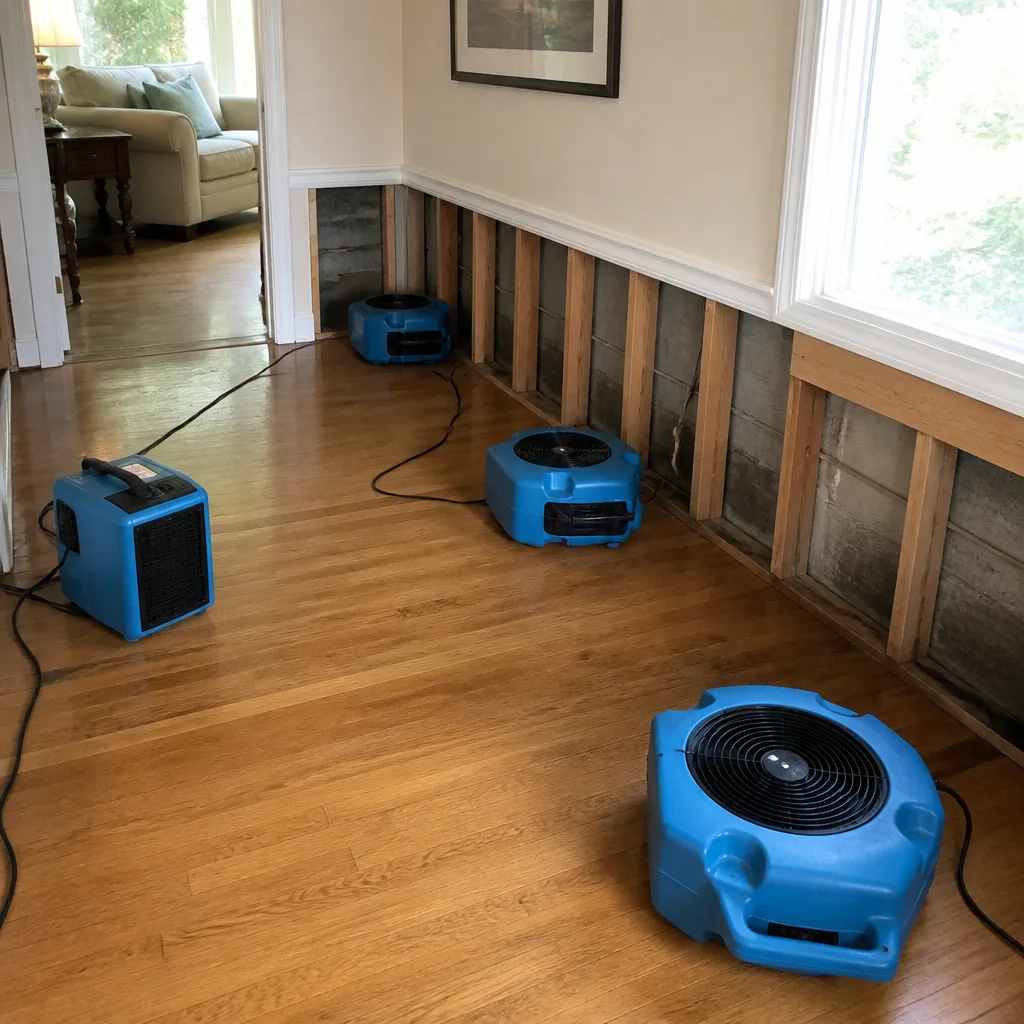
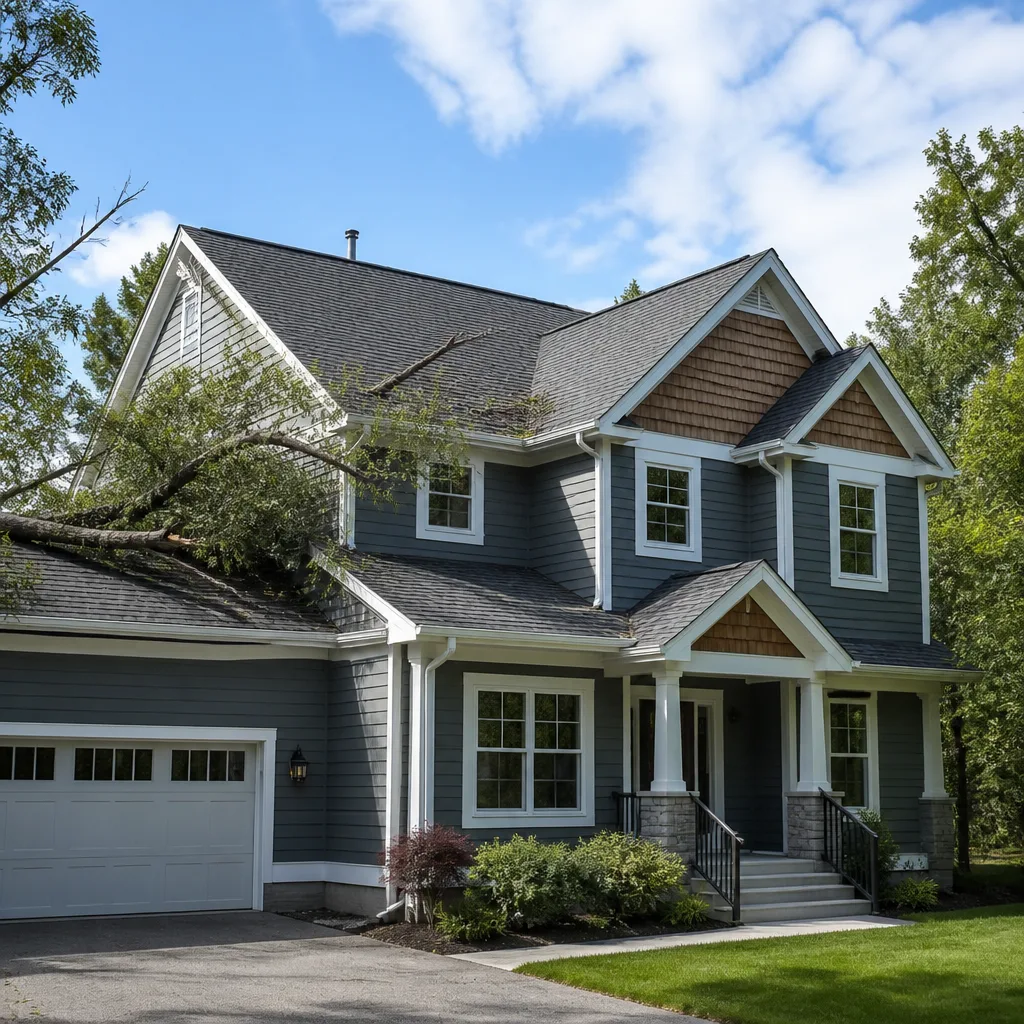
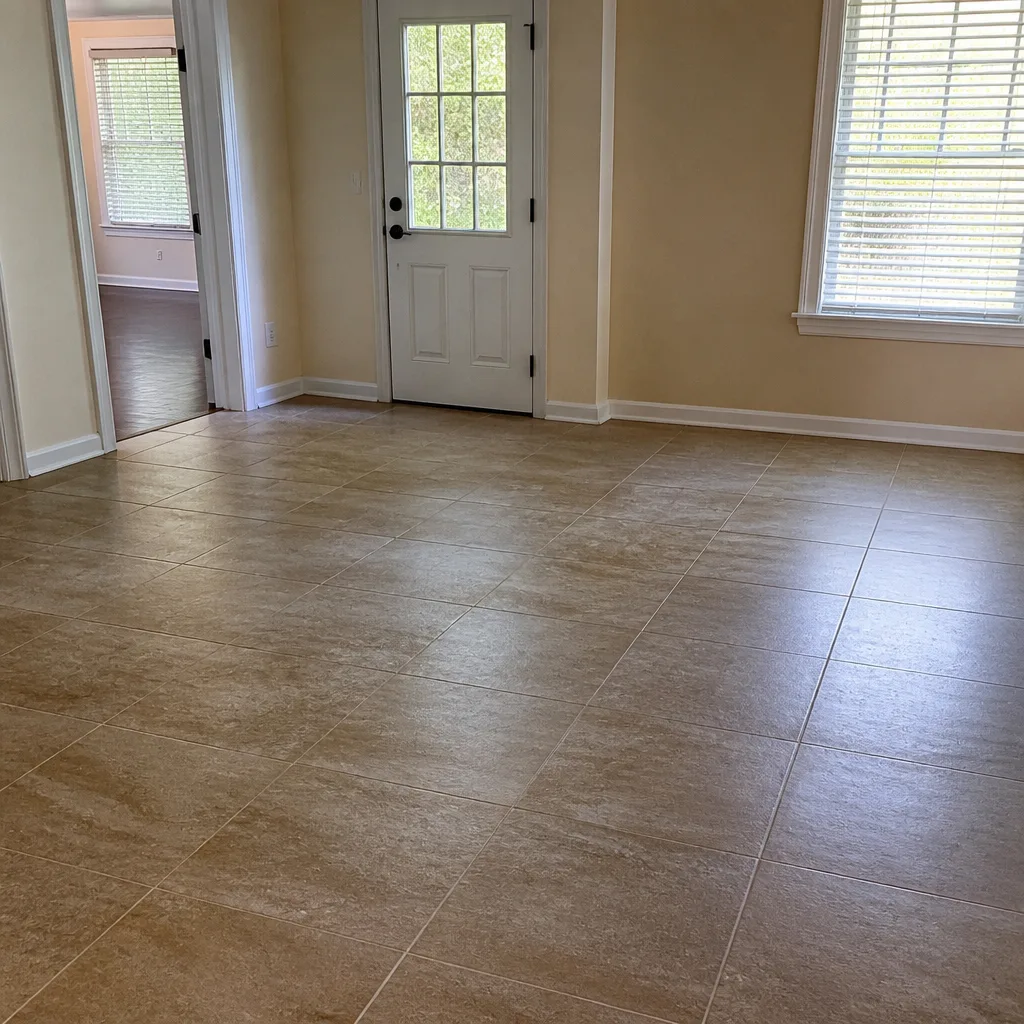
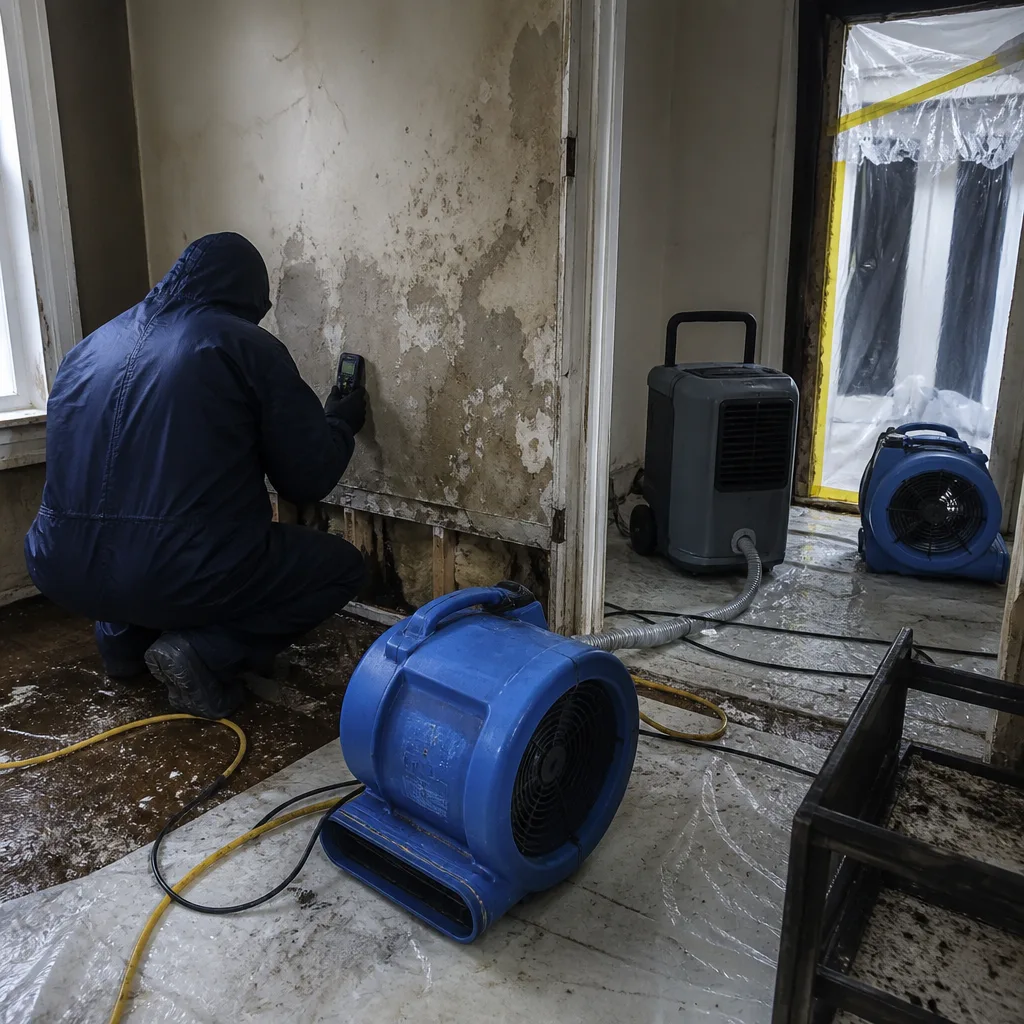 Before
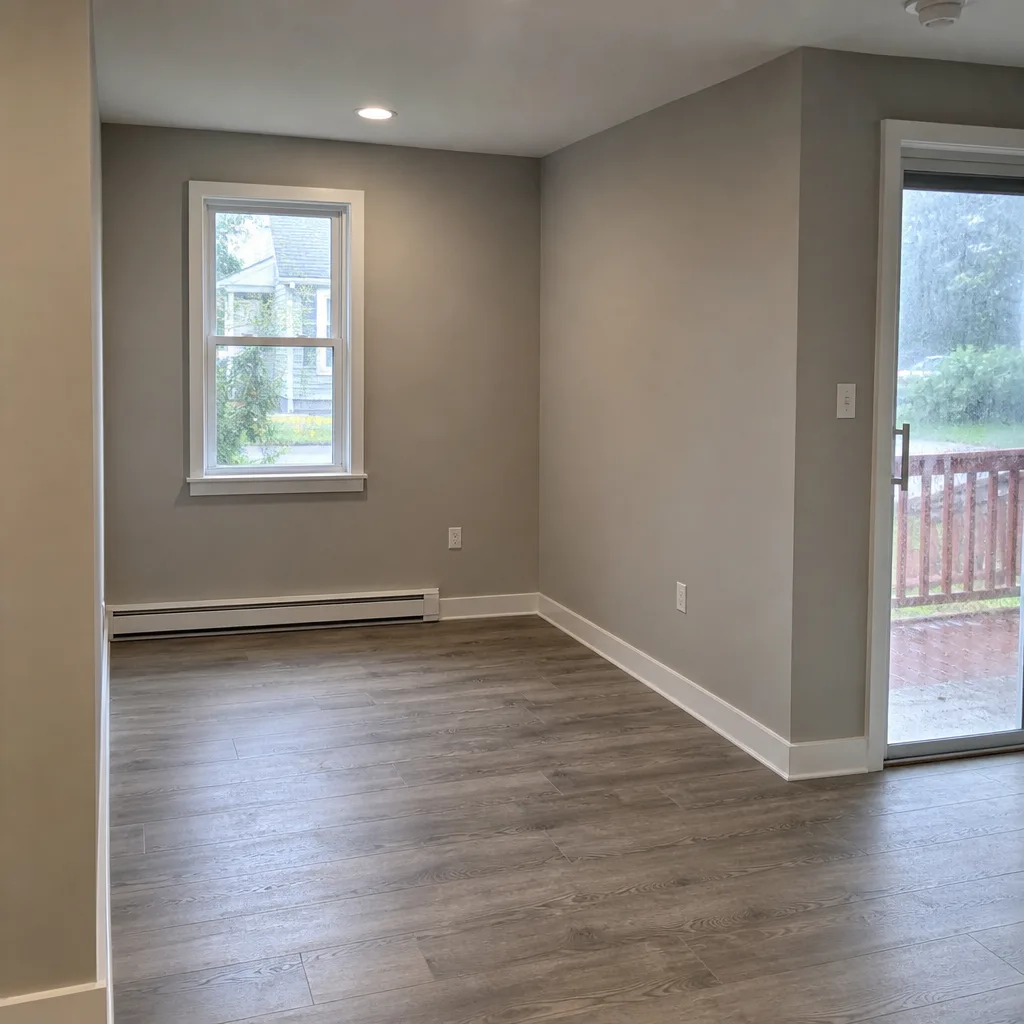 After
After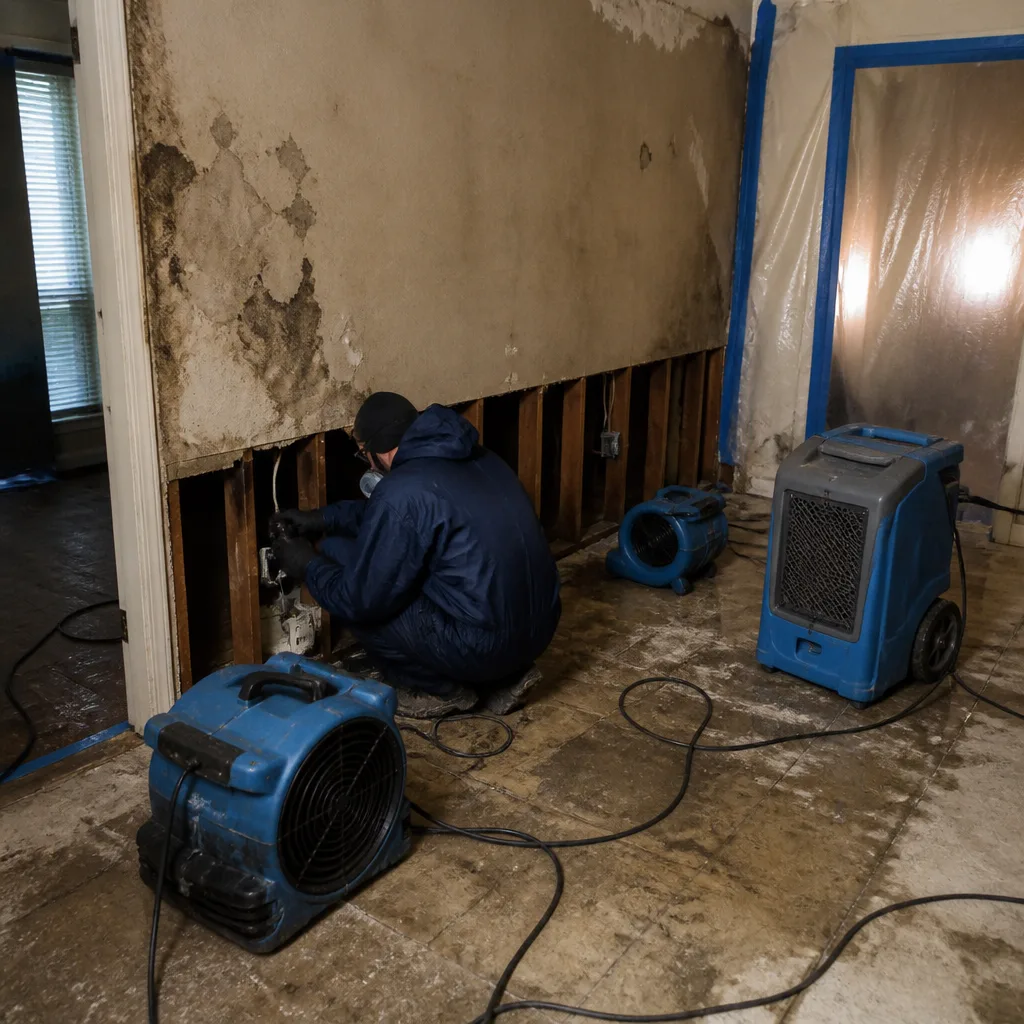 Before
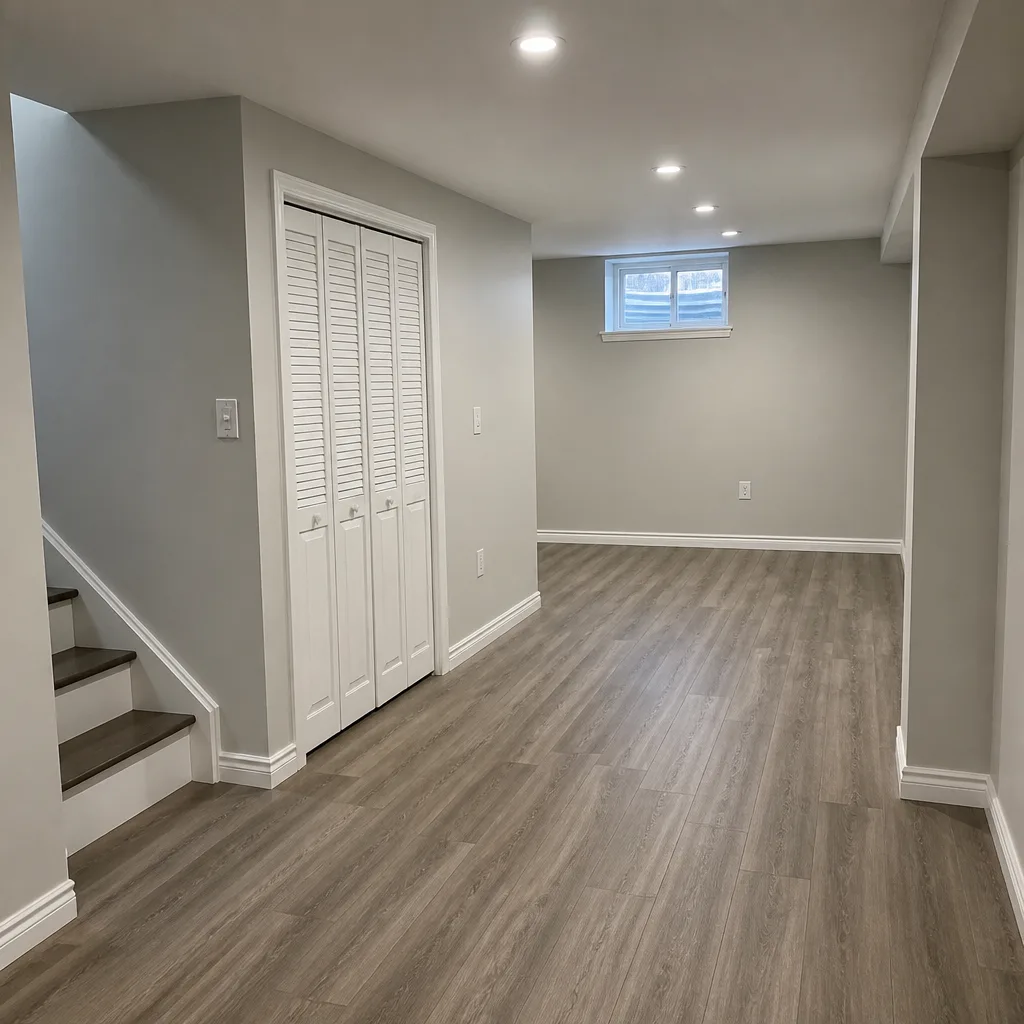 After
After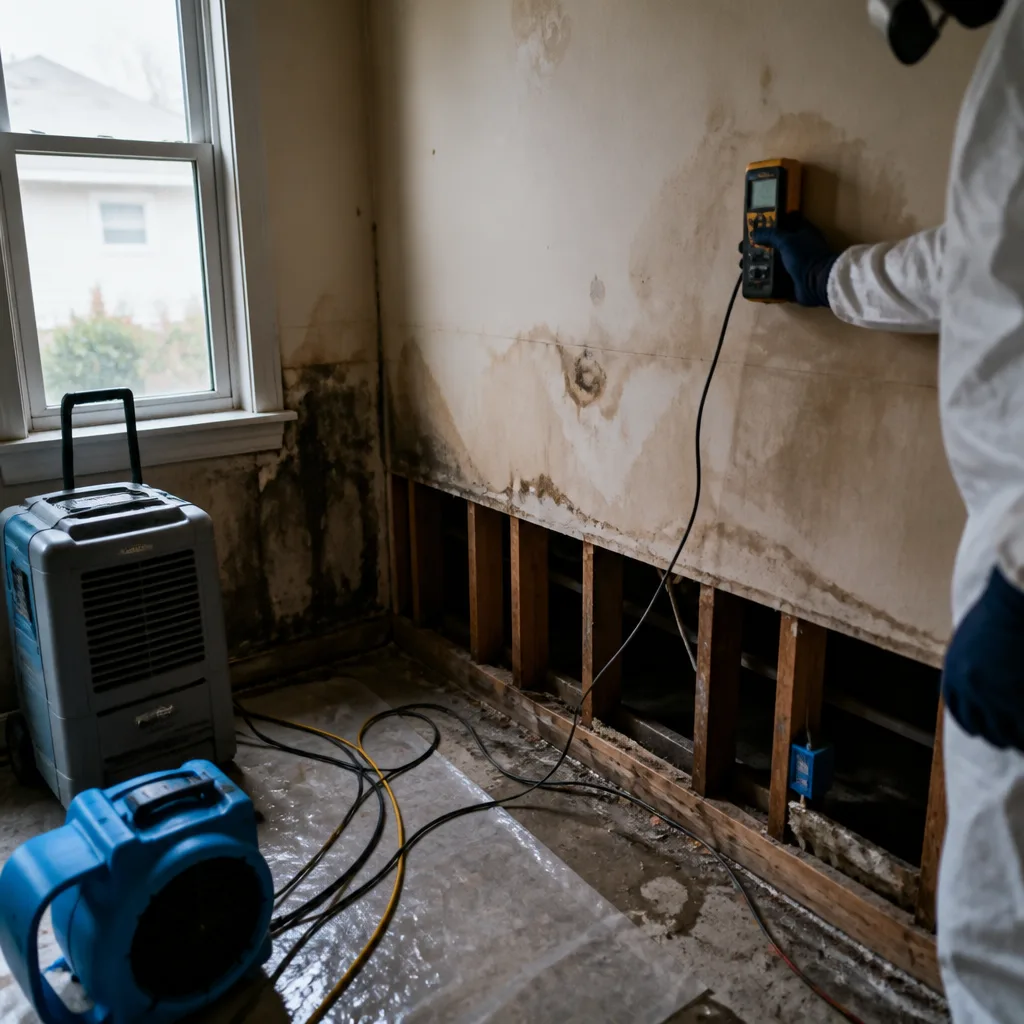 Before
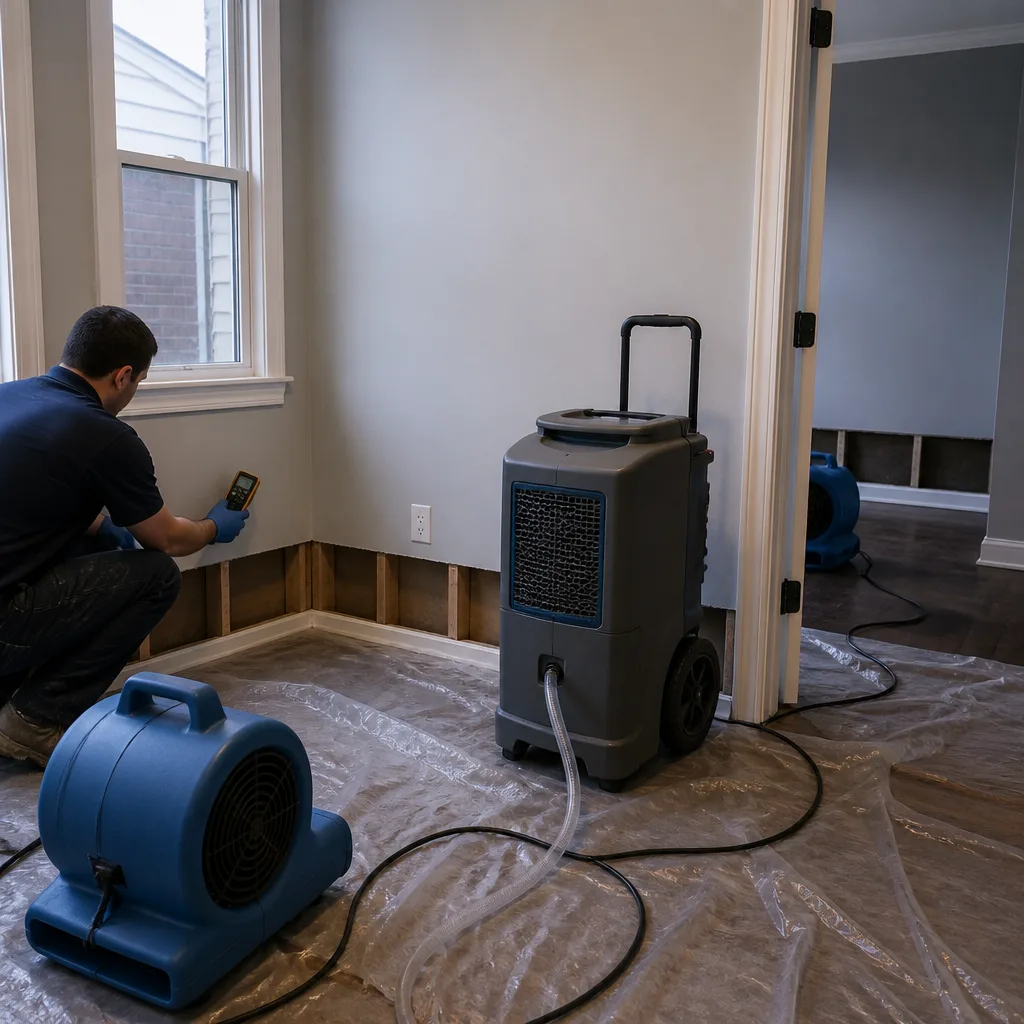 After
AfterThe Complete Guide to Damage Restoration in Newark
A Newark homeowner on South 10th Street received a $34,000 restoration invoice after a burst pipe flooded her basement. Her insurer denied the claim. The work was done correctly, the basement was dry, but no moisture readings were logged before the drying equipment was pulled. Without that documentation, the carrier classified the invoice as unverified and paid nothing. This guide and our more guides & resources exist because restoration in Newark is not a single event. It is a chain of documented decisions, each one affecting whether the insurer pays, the contractor returns, and the damage stays gone. We will map every link in that chain so nothing gets assumed.
Quick Answer
Damage restoration in Newark is the documented process of returning a property to its pre-loss condition after water, fire, mold, storm, or biohazard damage. In Newark’s market, successful restoration requires matching the protocol to the building type, producing insurer-grade documentation at each phase, and separating stabilization, remediation, and reconstruction as distinct line items with written prices before work begins.
Table of Contents
- How Newark’s Older Housing Stock Changes the Restoration Sequence
- The Exact Paper Trail Your Insurer Needs at Each Phase
- Why Newark’s Combined Sewer System Creates a Category 3 Risk
- How to Read a Contractor’s Certificate of Insurance Against NJ Requirements
- Stabilization, Remediation, and Reconstruction as Separate Line Items
- Professional Equipment and Documentation Standards
- Common Mistakes to Avoid
- When to Call a Professional
- Frequently Asked Questions
BeforeAfterHow Newark’s Older Housing Stock Changes the Restoration Sequence
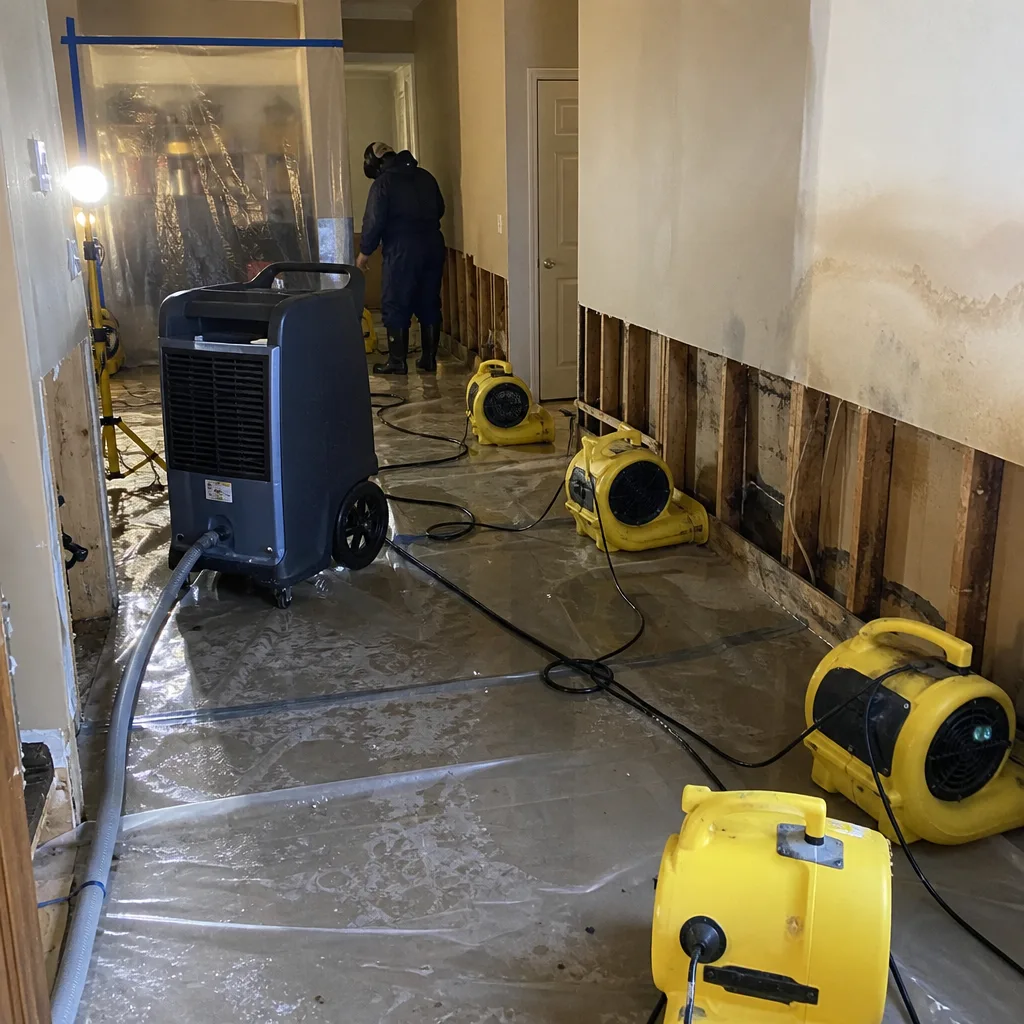
Newark’s housing stock is old. The Ironbound, Forest Hill, and the North Ward are dense with pre-1978 construction, brick row homes, and shared party walls. These building characteristics do not merely add charm. They fundamentally alter how water moves, how mold grows, and how fire damage travels.
In a newer suburban build with drywall, vinyl siding, and a 16-inch stud bay, water follows predictable paths. In a Newark row home with plaster-and-lath walls, balloon framing, and a shared masonry party wall, water can migrate horizontally through multiple units before showing at the source. We have opened walls in the Ironbound where the moisture front had traveled three apartments down from the original leak, invisible to each intervening homeowner because plaster holds water differently than drywall.
Three building-specific factors every Newark restoration must account for:
- Lead and asbestos: Pre-1978 properties trigger EPA RRP rules. Disturbance of painted surfaces or plaster requires certified abatement contractors, not standard restoration crews. A water loss in a 1920s Forest Hill colonial becomes a regulated project the moment the baseboard comes off.
- Shared party walls: In row home neighborhoods like the Ironbound and parts of Downtown, a fire or sewage backup in one unit can affect neighboring properties through wall cavities and chase ways. Restoration scope must include thermal imaging of adjacent units, not just the apparent loss location.
- Masonry construction: Brick and stone do not dry like wood frame. Vapor pressure differentials drive moisture into adjacent materials for weeks. Psychrometric data, the measurement of temperature, relative humidity, and vapor pressure, must be tracked until equilibrium is reached, not until surfaces feel dry.
The restoration sequence in Newark therefore starts with building age assessment, not water extraction. A crew that pulls wet carpet without testing for lead dust or checking the party wall cavity is creating liability, not solving it. In our experience on 12,000+ homes since 2011, the most expensive errors in Newark restoration happen in the first four hours, when assumptions replace inspection.
Water Damage Restoration in Newark requires this building-specific approach from arrival.
The Exact Paper Trail Your Insurer Needs at Each Phase
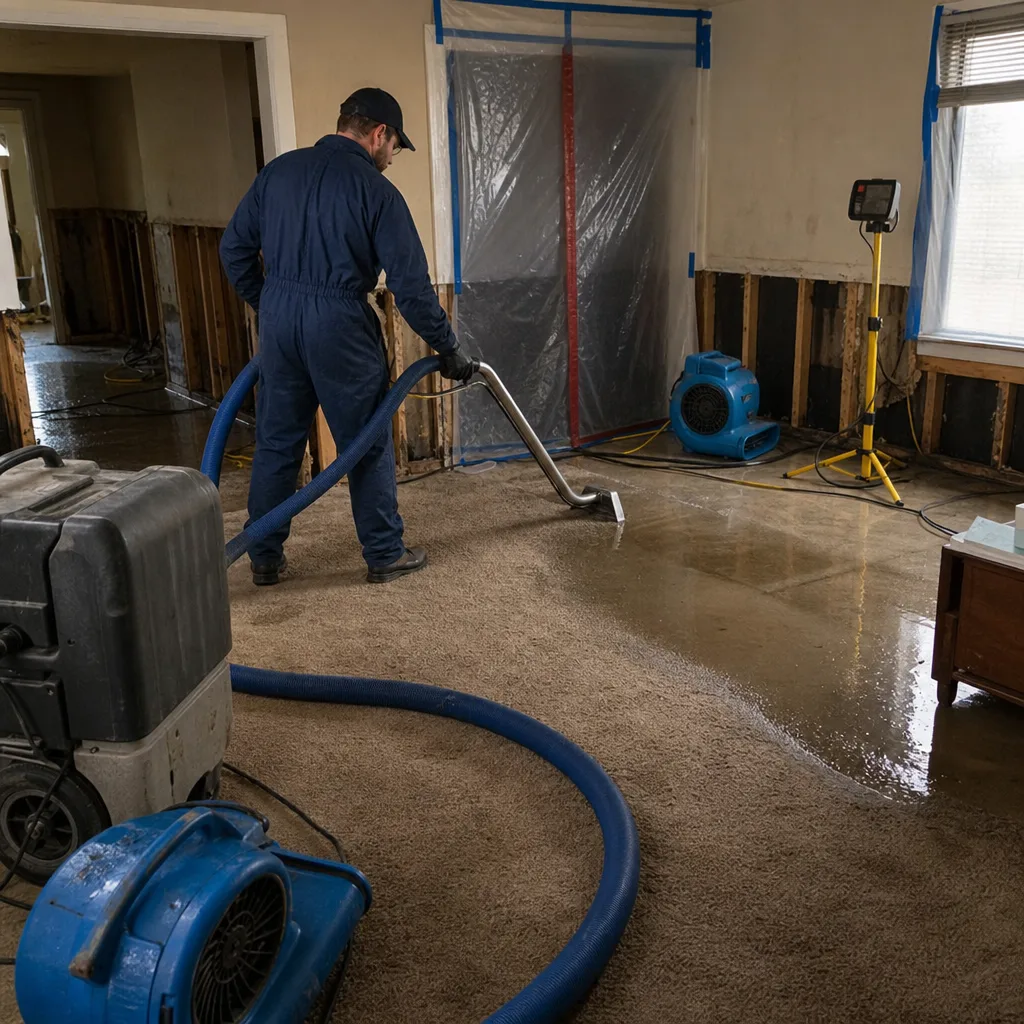
Insurance claims are paid on documentation, not description. Every carrier has the same structural requirement: prove the loss happened, prove the scope was necessary, prove the work was done, and prove the result. In Newark’s restoration market, where average water losses run $8,500-$24,000 depending on category and affected square footage, missing paperwork costs homeowners thousands.
Phase 1: Initial Loss Report
- Date and time of loss, with photo of the source (burst pipe, storm intrusion, appliance failure).
- Category of water: Category 1 (clean), Category 2 (gray), or Category 3 (black, including sewage and groundwater).
- Initial moisture readings with calibrated penetrating and non-penetrating meters, documented by room.
- Photo record of all affected materials before any disturbance.
The initial loss report is typically produced by the first responder, whether that is the homeowner, a plumber, or a restoration company. If the restoration company produces it, they become the documentation source for the entire claim. This is why we provide the initial loss report as a standard deliverable, never an upsell, and include it in every written price before work begins.
Phase 2: Scope of Work
- Room-by-room material classification: what is salvageable, what must be removed, and by what method.
- Equipment placement plan with dehumidifier capacity calculations (pints per day, based on affected cubic footage).
- Drying goal: specific moisture content percentage for each material type, not “dry to standard.”
- Written price for stabilization, remediation, and reconstruction as separate line items.
Haven Standard, Clause 1: written price before work begins. No exceptions. The scope of work is where most Newark claims fail. A contractor who combines stabilization and reconstruction on one line item gives the adjuster no basis to approve partial payment. We separate them so the carrier can release funds by milestone, and the homeowner knows exactly what each phase costs before signing.
Phase 3: Drying Logs
- Daily psychrometric data: temperature, relative humidity, and specific humidity for each affected room.
- Equipment readings: dehumidifier grain depression, air mover velocity at surface.
- Material moisture content readings at identical test points, documented daily.
- Photo record of equipment in place and any material changes.
The drying log is the document that turns a restoration invoice into a payable claim. Without it, the carrier cannot verify that drying was achieved before reconstruction began. We have seen Newark homeowners absorb $12,000 in reconstruction costs because their previous contractor pulled equipment based on surface feel rather than moisture content data, and the insurer refused to pay for work performed on wet substrate.
Phase 4: Clearance Readings
- Final moisture content readings meeting or exceeding IICRC S500 standards for each material class.
- Post-remediation verification for mold: air sample or ERMI dust analysis, depending on project type.
- Written clearance statement with technician signature, license number, and date.
- Photo record of all affected areas in dry, pre-reconstruction condition.
Clearance is not optional. It is the warranty trigger. Our 365-Day Done Right Promise, backed by The Haven Standard, requires clearance documentation as a condition. If moisture returns, we pull the file, review the drying log, and make it right. Without the file, there is nothing to review.
Why Newark’s Combined Sewer System Creates a Category 3 Risk
Newark operates a combined sewer system. Stormwater and sanitary sewage share pipes. During heavy rain events, the system overflows. This is not a theoretical risk. It is a documented, recurring event that changes the restoration protocol the moment water enters a basement or ground floor.
Any water that has contacted the combined sewer system is Category 3, black water, regardless of its original source. A clean water pipe burst in your basement becomes Category 3 if the floor drain backs up during the same storm. We have documented this exact scenario in the Weequahic and Clinton Hill neighborhoods, where basement flooding during rain events is common and the source is often mixed.
What Category 3 classification means for Newark restoration:
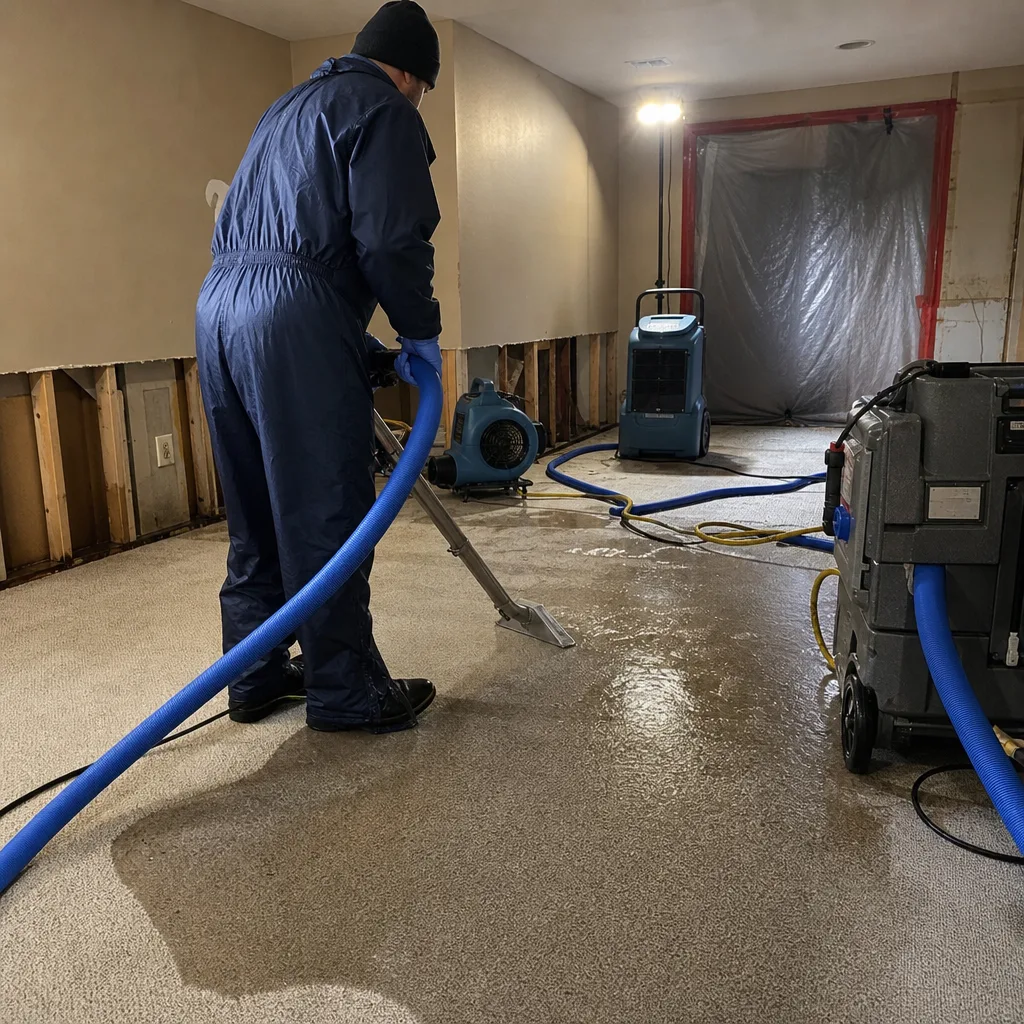
- Porous materials must be removed: Carpet, pad, drywall below the water line, insulation, and unfinished wood that has absorbed black water cannot be restored. They are disposed of as regulated waste.
- Antimicrobial protocol: EPA-registered disinfectants applied to all affected surfaces, with documented dwell times.
- Air scrubbing: HEPA filtration during removal, with negative air pressure containment if required by project size.
- Health clearance: Bacterial sampling in some cases, particularly where immunocompromised residents are present.
The claim classification also changes. Category 3 losses command higher reserves and may trigger additional coverages. A contractor who documents Category 2 when the source was combined sewer overflow is undercutting the claim. A contractor who documents Category 3 without evidence is inviting denial. We photograph the source, test where necessary, and classify based on what the evidence shows, not what speeds the job.
Mold Remediation in Newark often follows Category 3 events when drying is delayed or incomplete.
How to Read a Contractor’s Certificate of Insurance Against NJ Requirements
New Jersey requires specific credentials for restoration contractors, and the certificate of insurance is where homeowners verify them. Do not accept a business card. Do not accept verbal assurance. Request the certificate, then read it against this checklist.
Step 1: Verify the license type
New Jersey home improvement contractors must hold a New Jersey Home Improvement Contractor (HIC) license issued by the Division of Consumer Affairs. The license number must appear on all contracts and advertising. Ask for it. Verify it at njconsumeraffairs.gov/hic. An unlicensed contractor cannot legally perform restoration work on residential property in Newark.
Step 2: Read the certificate of insurance for these coverages
- General liability: minimum $500,000 per occurrence, though $1,000,000 is standard for restoration work involving structural drying and mold remediation.
- Workers compensation: mandatory if the contractor has employees. New Jersey law requires it.
- Pollution liability: covers mold, asbestos, and sewage-related claims that general liability excludes.
- Completed operations: extends coverage to defects or failures after the crew leaves.
Step 3: Check the named insured
The certificate must name the company performing the work, not a related entity or personal policy. We have seen Newark homeowners discover mid-claim that their “restoration company” was actually an unlicensed crew operating under another firm’s expired certificate.
Step 4: Verify the dates
The certificate must be current through the project duration. Request a fresh certificate if the project extends near expiration.
At DryMark Restoration Newark, our license number appears on every written scope, every contract, and every certificate of insurance we issue. Our technicians are background-checked, uniformed, and named on the dispatch record before they arrive. This is not a preference. It is Haven Standard protocol.
Stabilization, Remediation, and Reconstruction as Separate Line Items
The most common reason Newark restoration claims are underpaid is line-item confusion. Stabilization, remediation, and reconstruction are distinct phases with distinct pricing structures, documentation requirements, and payment timelines. When a contractor combines them, the adjuster cannot release partial funds, the homeowner cannot verify progress, and disputes proliferate.
Stabilization: The emergency response that stops ongoing damage. Water extraction, board-up, tarping, containment, initial dehumidification. Stabilization is urgent, time-sensitive, and typically covered under the policy’s emergency provisions. Documentation: initial loss report, moisture readings, photo record. Typical Newark range: $1,200-$4,500 depending on category and square footage.
Remediation: The controlled removal of damaged materials and contaminants to a defined clearance standard. Drying to specific moisture content, mold removal to post-remediation verification, smoke and soot cleaning to pre-loss condition. Remediation is scoped, scheduled, and priced in writing before work begins. Documentation: drying logs, clearance readings, photo record. Typical Newark range: $3,500-$18,000 depending on material classification and affected area.
Reconstruction: The return of removed materials to functional and cosmetic completion. Drywall, flooring, cabinetry, painting. Reconstruction is not emergency work. It is scheduled after remediation clearance, priced as a separate contract, and often subject to mortgagee notification or Damage Restoration Permits, Codes & Inspections in NJ: What You Need to Know. Documentation: written scope with material specifications, permit applications where required, final walkthrough with photo record. Typical Newark range: highly variable based on finishes; we provide itemized pricing before any reconstruction begins.
Haven Standard, Clause 1 applies to each phase separately. A written price before work begins, every time, with no scope-creep additions once the crew is inside. We have seen Newark homeowners accept verbal “ballpark” figures for reconstruction that doubled once demolition revealed hidden conditions. Our written scopes include contingency language for discoverable conditions, with pricing triggers defined in advance.
Fire & Smoke Damage Restoration in Newark typically spans all three phases, with smoke remediation requiring specialized equipment from Phoenix and Dri-Eaz systems.
Professional Equipment and Documentation Standards
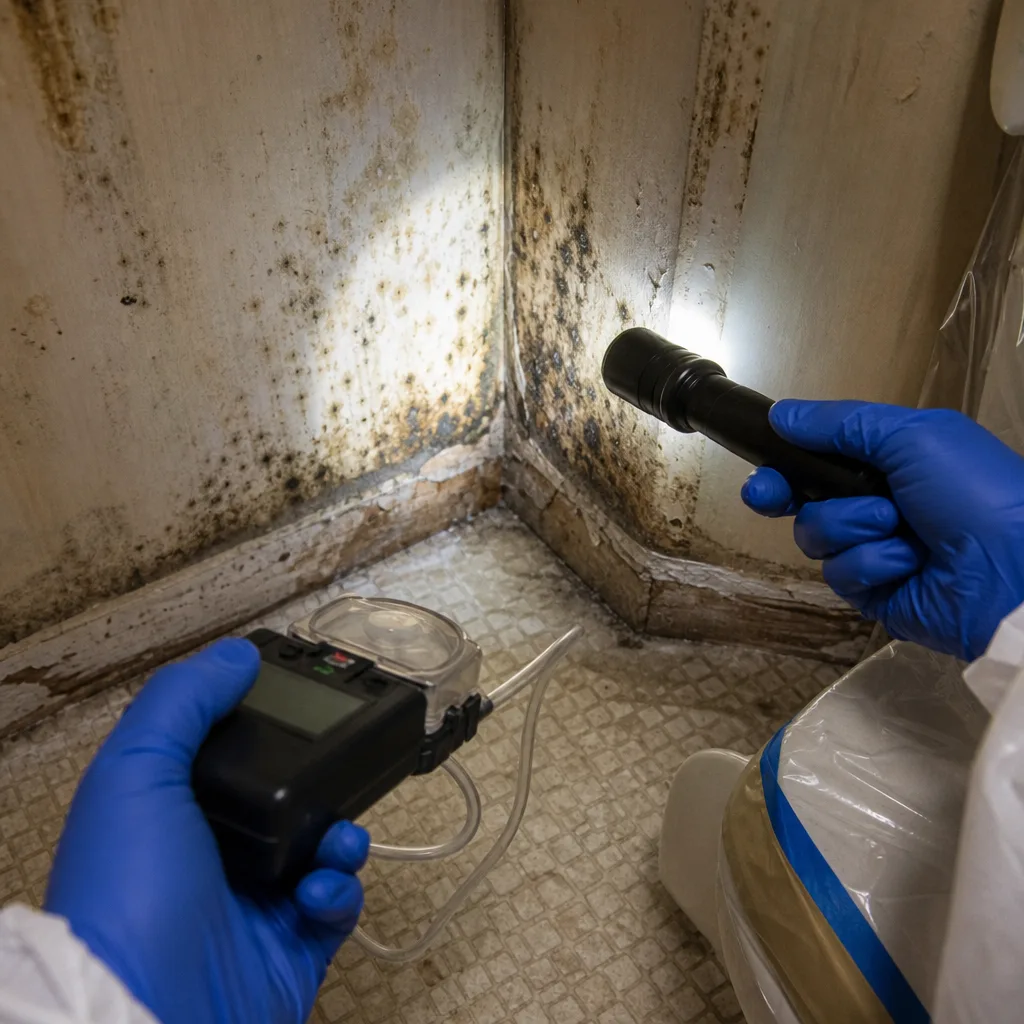
Restoration equipment is not interchangeable. A box fan from a hardware store moves air. It does not create the vapor pressure differential, the measured difference in moisture concentration between wet materials and the air, that forces bound water out of wood and concrete. Professional-grade drying systems are specified by capacity, airflow, and psychrometric performance, and they are documented to industry standards that insurers recognize.
Equipment we deploy, documented to IICRC, RIA, and IFA standards:
- Dri-Eaz and Phoenix dehumidifiers: Low-grain refrigerant (LGR) units rated to 80-130 pints per day at AHAM conditions. Capacity is matched to affected cubic footage, not guesswork.
- XPOWER and B-Air air movers: Axial and centrifugal units positioned for laminar airflow across wet surfaces. Velocity and angle are documented in the drying log.
- Injectidry systems: Directed heat drying for hardwood floors and wall cavities, preserving materials that would otherwise require removal. In Newark’s older homes with original pine or oak flooring, this can save $4,000-$8,000 in replacement costs.
The standard matters because the documentation matters. IICRC S500 is the water damage restoration standard. RIA guidelines govern fire and smoke restoration. IFA standards apply to mold and microbial remediation. Work performed to these standards, with daily logs, produces invoices that adjusters process without dispute. Work performed to “our standard” or “industry best practices” without citation produces invoices that sit in review.
Tertiary drying, the final phase where materials approach equilibrium moisture content, is where most failures occur. Equipment is often pulled when surfaces feel dry, before the core reaches the specified percentage. We continue logging until the data shows equilibrium, not until the schedule shows availability. The extra day of drying is cheaper than the reconstruction callback.
Common Mistakes to Avoid
- Starting reconstruction before clearance: We have replaced drywall in Newark homes that was installed over studs still at 18% moisture content. The mold returned in 90 days. The second remediation was not covered.
- Accepting a single combined price: A $15,000 “all-in” quote gives you no leverage if the contractor disappears after extraction. Separate line items let you verify completion and control payment.
- Ignoring the party wall: In row home neighborhoods, water and smoke travel through shared cavities. Restoration that treats only the apparent unit leaves hidden damage that will surface later, often after the claim is closed.
- Using unlicensed abatement contractors for lead or asbestos: Newark’s pre-1978 housing stock makes this a frequent error. EPA fines attach to the property owner, not the contractor.
- Failing to document the source category: A combined sewer backup documented as “clean water” will be denied when the adjuster reviews the weather data for that date. We photograph the source and note the conditions.
- Skipping the second opinion: A competitor’s written estimate can contain scope gaps that cost you coverage. Our Free Second Opinion on Any Written Estimate reviews the scope against what the documentation should show.
- Not verifying insurance until after work starts: Request the certificate before signing. A legitimate contractor provides it without delay.
When to Call a Professional
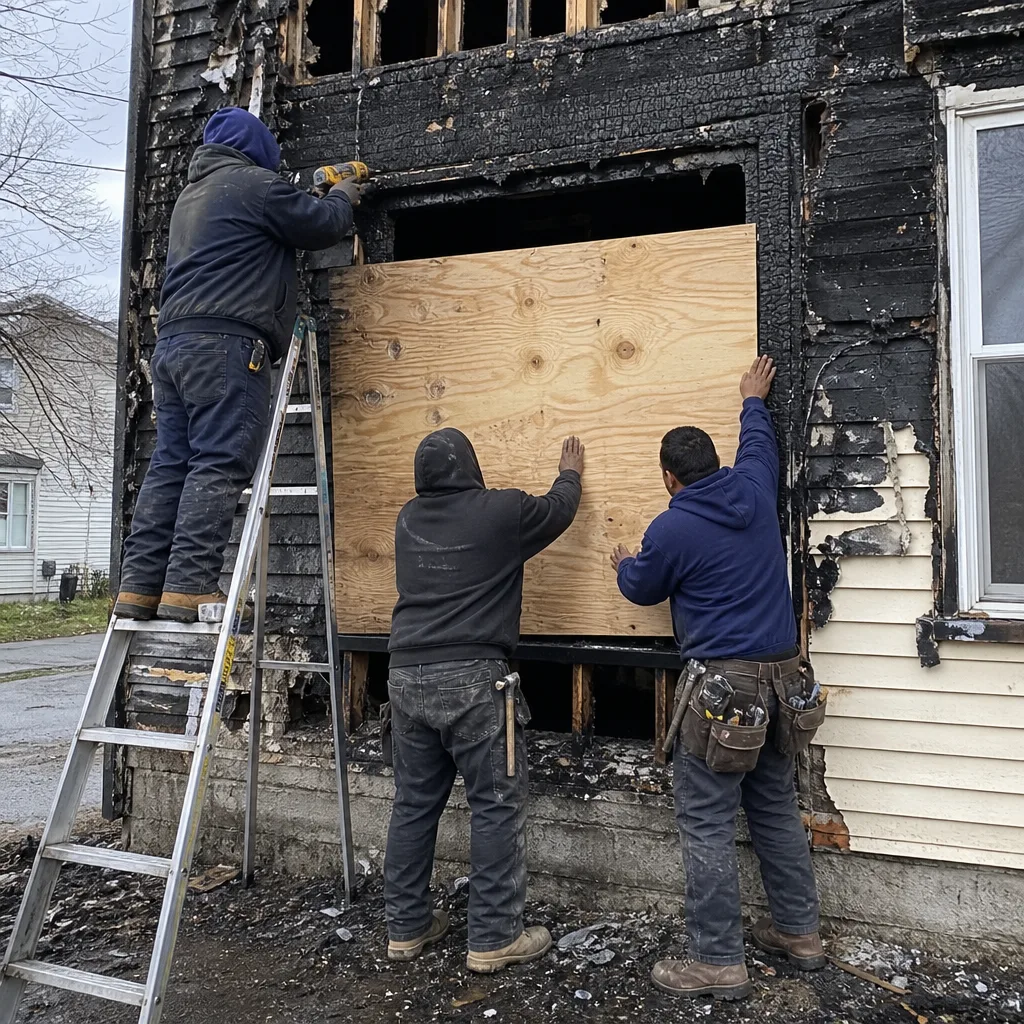
Call when water has affected more than a single small area that you can dry with household ventilation within 24 hours. Call when you smell must or see discoloration that may be mold. Call after any fire, regardless of apparent size, because smoke damage is often invisible until surfaces are tested. Call when sewage is involved, period. Call when the damage involves a shared wall, a common system, or any structure where your repair affects a neighbor’s property.
DryMark Restoration Newark offers free estimates in Newark. Our live dispatch answers every call, 24 hours a day, 7 days a week, with no voicemail on emergency lines. Every job is quoted in writing before work begins, documented with a photo record on every visit, and covered by the 365-Day Done Right Promise. Call (862) 292-4268.
Frequently Asked Questions
Water damage restoration in Newark typically ranges from $2,800 for a contained Category 1 loss to $24,000+ for Category 3 flooding with extensive material removal; see our Damage Restoration Cost Breakdown: The Newark Homeowner’s Reference for 2026 for detailed pricing factors. Fire and smoke restoration starts around $4,500 for light soot cleaning and can exceed $35,000 for structural reconstruction. Mold remediation averages $3,500-$12,000 depending on affected square footage and containment requirements. These ranges reflect Newark’s older housing stock, where plaster removal and lead-safe practices add labor hours compared to newer construction. Call (862) 292-4268 for a written price before work begins - estimates are free.
Most homeowners policies cover sudden and accidental water damage, fire, and storm intrusion, subject to your deductible and policy limits. Flood damage from exterior groundwater requires separate flood insurance. The key factor is documentation: carriers pay claims with clear source identification, category classification, moisture readings, and drying logs. Claims fail when documentation is missing or inconsistent. We produce insurer-grade documentation as a standard deliverable and coordinate directly with adjusters when requested. Bring your policy declaration page to our estimate review and we will flag coverage considerations before work begins.
For emergency stabilization - water extraction, board-up, containment - our live dispatch answers immediately and crews are typically on site within 60-90 minutes in Newark proper. Remediation and reconstruction are scheduled after written scope approval, not dispatched as emergencies. Speed matters for mitigation because water continues damaging materials until extraction begins. Once stabilized, the remaining work is scoped, priced in writing, and scheduled. Call (862) 292-4268 for emergency dispatch.
The answer depends on moisture verification, not visual inspection. A surface that looks clean can harbor mold at the substrate or elevated moisture content that will support mold growth within 72 hours. We measure with calibrated meters and, where indicated, collect samples for laboratory analysis. Cleaning without verification is gambling with a future claim denial. Our written scope specifies either cleaning with clearance testing or full remediation based on what the data shows, not what we hope is true.
You do, unless you authorize us to communicate directly. We provide the documentation package - initial loss report, scope of work, drying logs, photo record, clearance readings - in the format adjusters expect. Many Newark homeowners authorize direct adjuster communication to speed processing, but the choice is yours. We do not negotiate coverage limits or policy terms; we document the work performed and its necessity. For complex claims, we recommend involving a public adjuster, and we will coordinate documentation with them as well.
Three factors: building age and materials, the combined sewer system, and density. Pre-1978 construction requires lead and asbestos awareness. Combined sewers elevate water losses to Category 3 during rain events. Shared walls and row home construction mean damage propagates horizontally in ways that single-family suburban homes do not. A restoration protocol designed for Morris County colonials will fail in the Ironbound. We adjust our approach to the building, not the other way around.
The Bottom Line
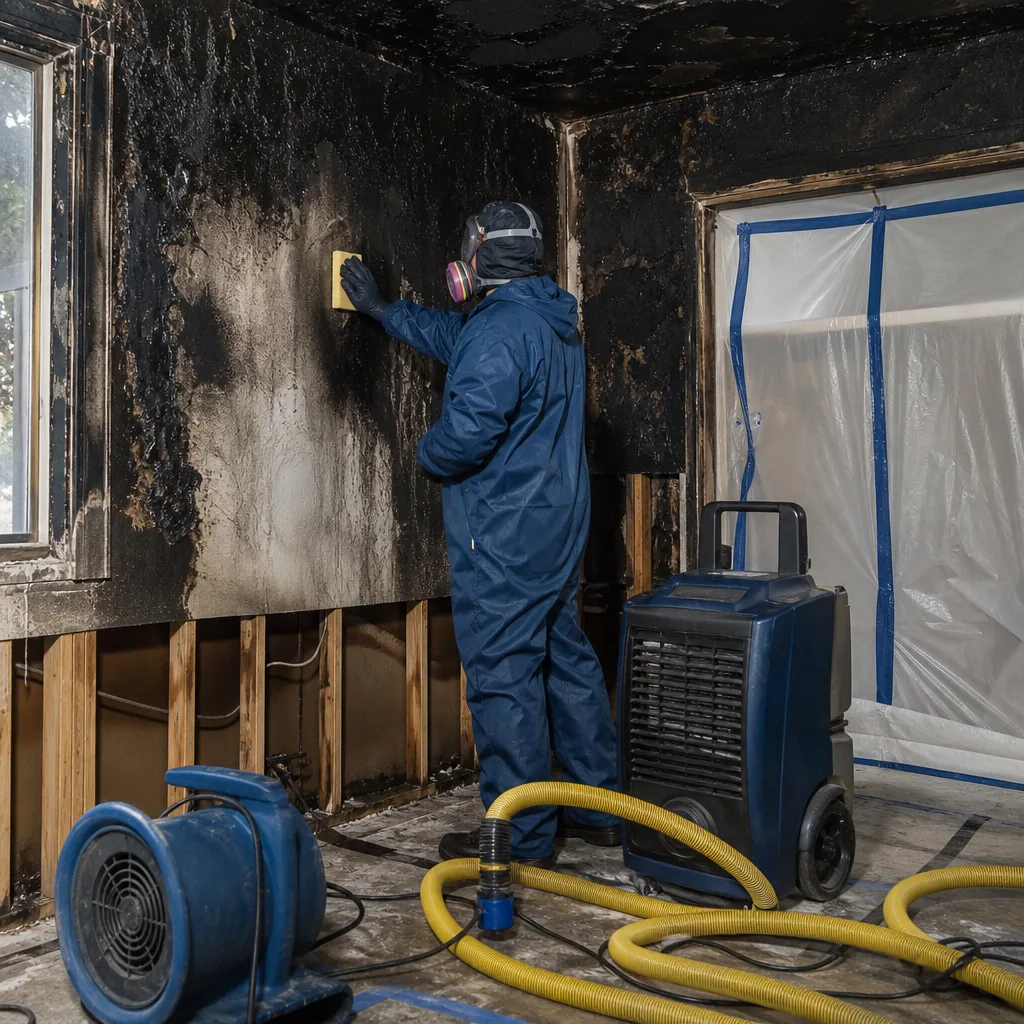
Damage restoration in Newark succeeds or fails on documentation. The building type determines the protocol. The protocol determines the equipment. The equipment produces the data. The data produces the invoice the insurer pays. Every break in that chain costs someone money, usually the homeowner. This guide has mapped the chain so you can verify each link: the license, the insurance, the written price, the separated line items, the daily logs, and the clearance that triggers warranty. The 365-Day Done Right Promise exists because we have seen what happens when one link is assumed rather than verified. We do not assume. We document.
Call (862) 292-4268 for a free estimate. Written price before work begins. Photo record on every visit. Live person answers, 24 hours a day, 7 days a week.
Written by Alicia Brennan, Owner at DryMark Restoration Newark, serving Newark since 2011.