
Last updated September 23, 2026
Free visual inspection and a written scope of work before any mitigation begins - photos, moisture readings, and drying logs go in your claim file
The scope we write is the scope we bill. Anything new gets shown to you, in writing, before we touch it.
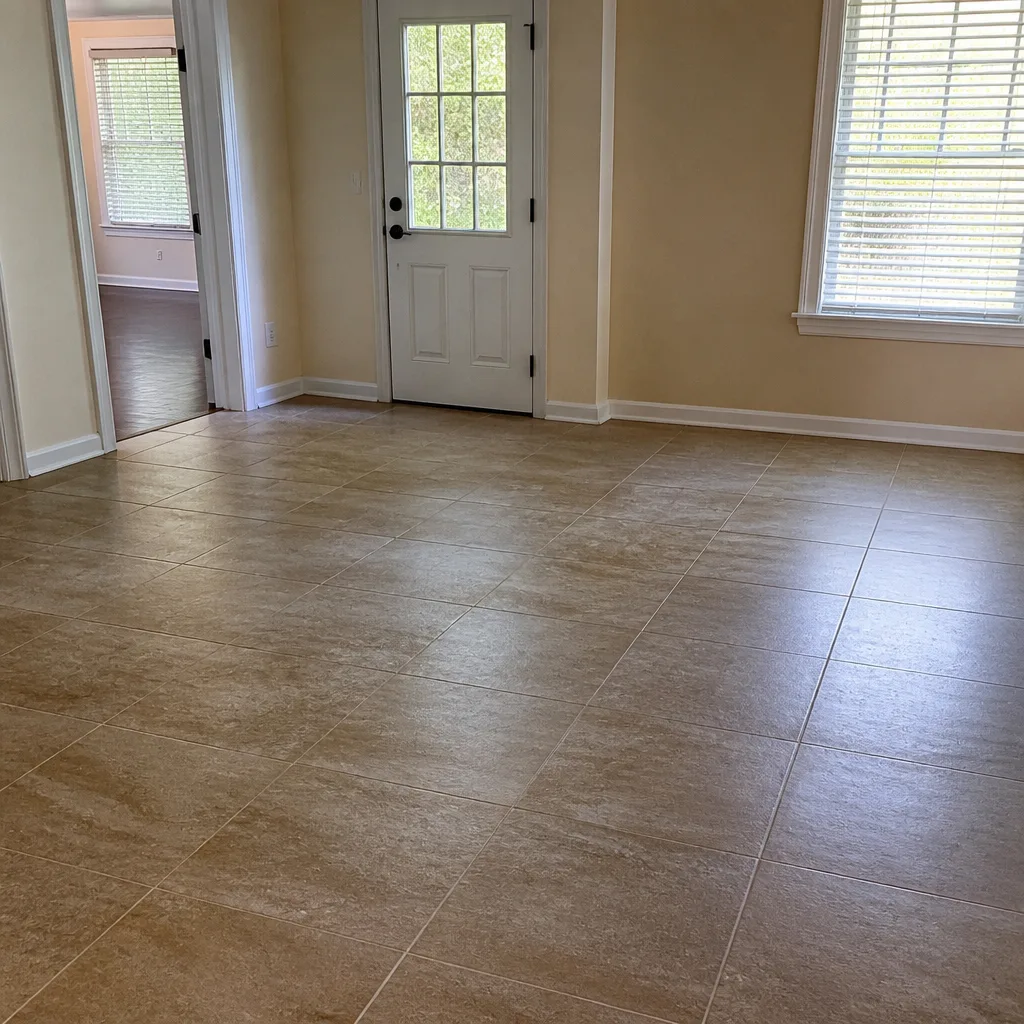

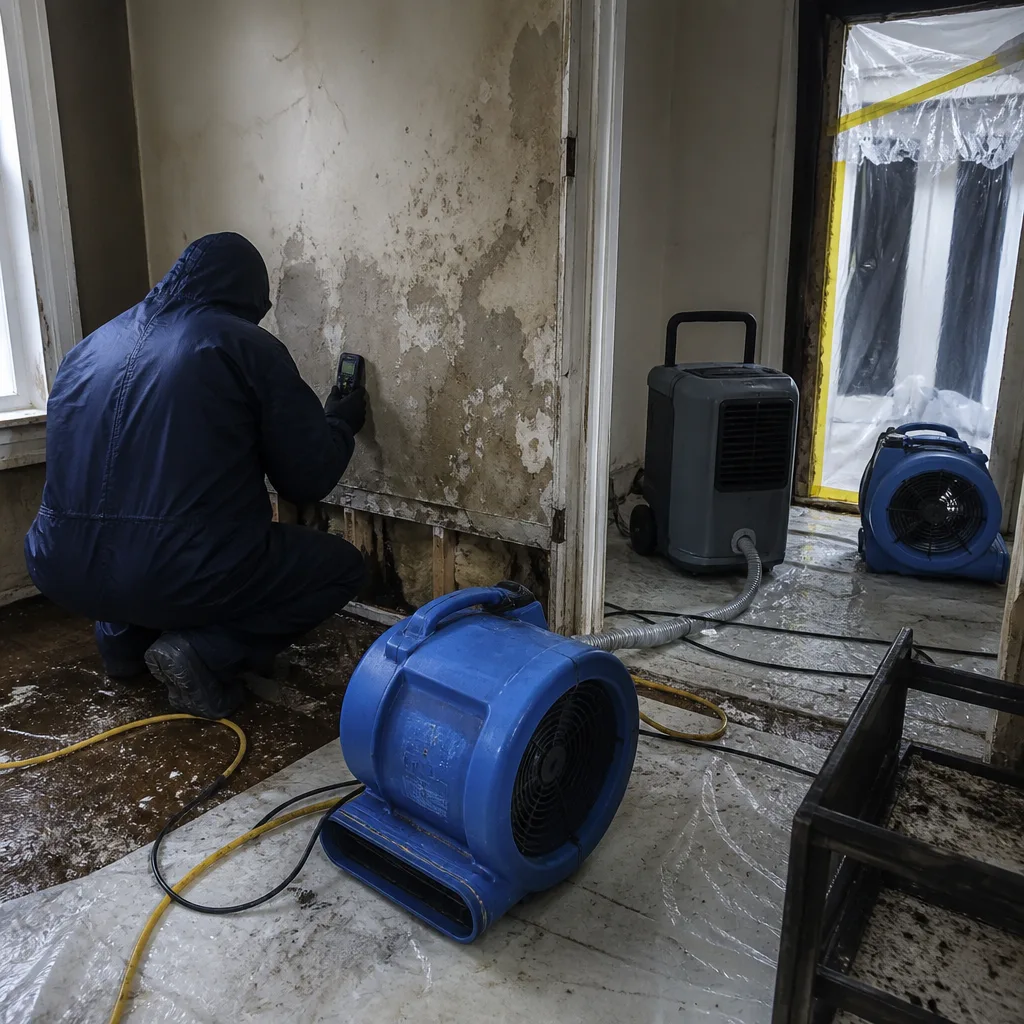 Before
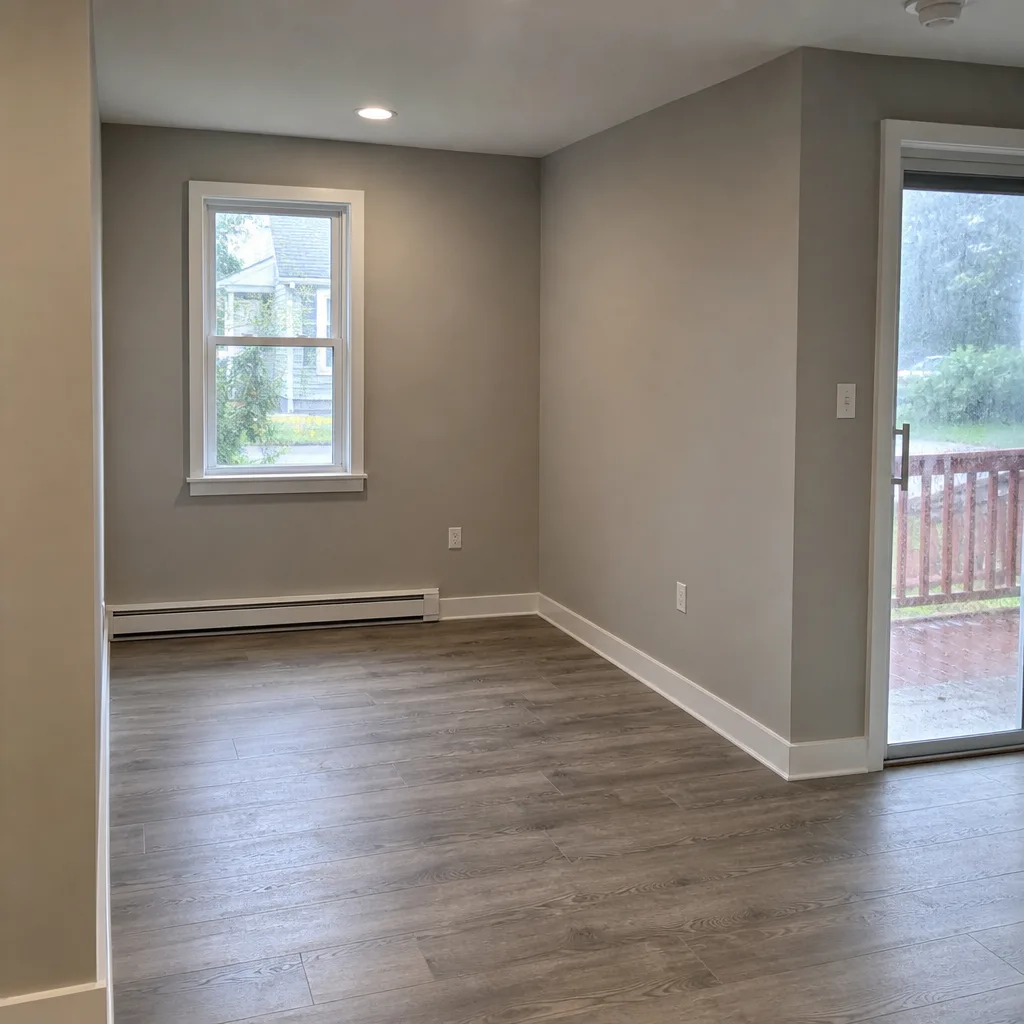 After
After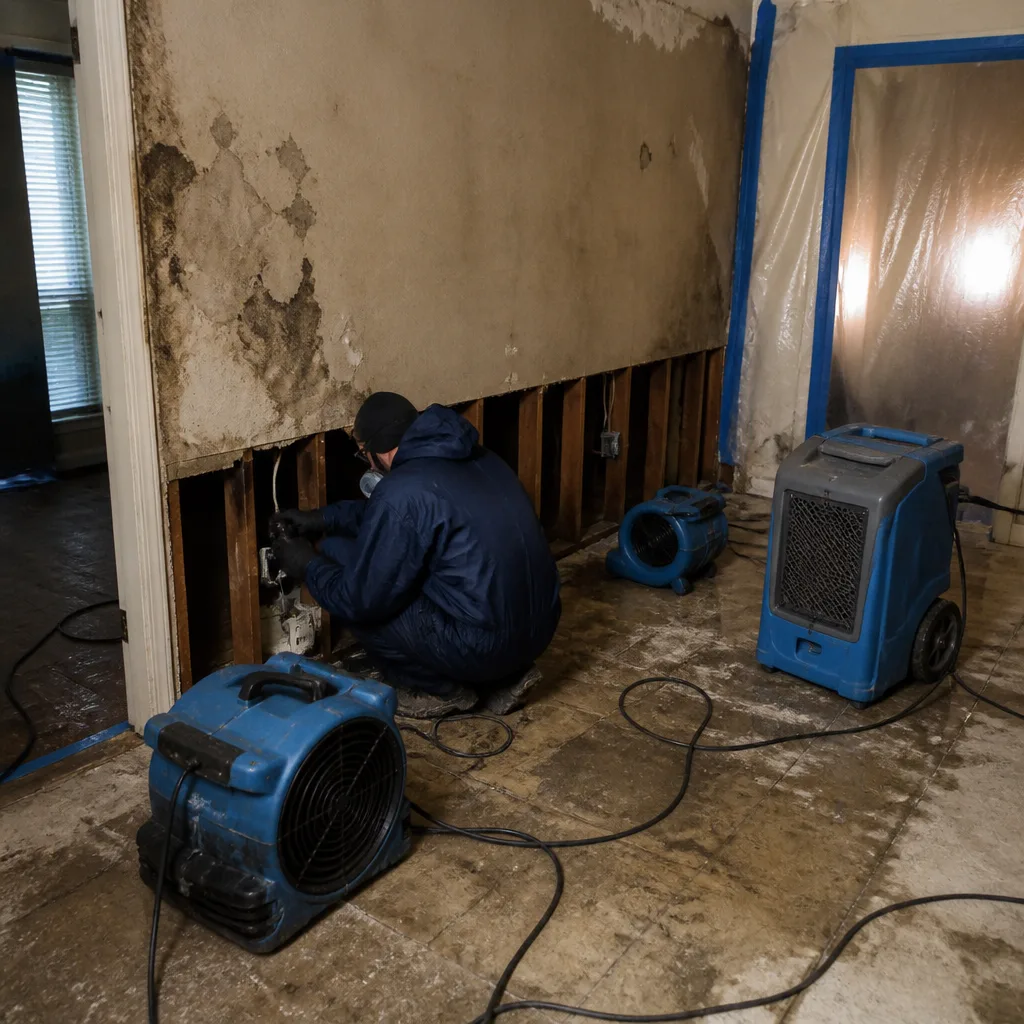 Before
 After
After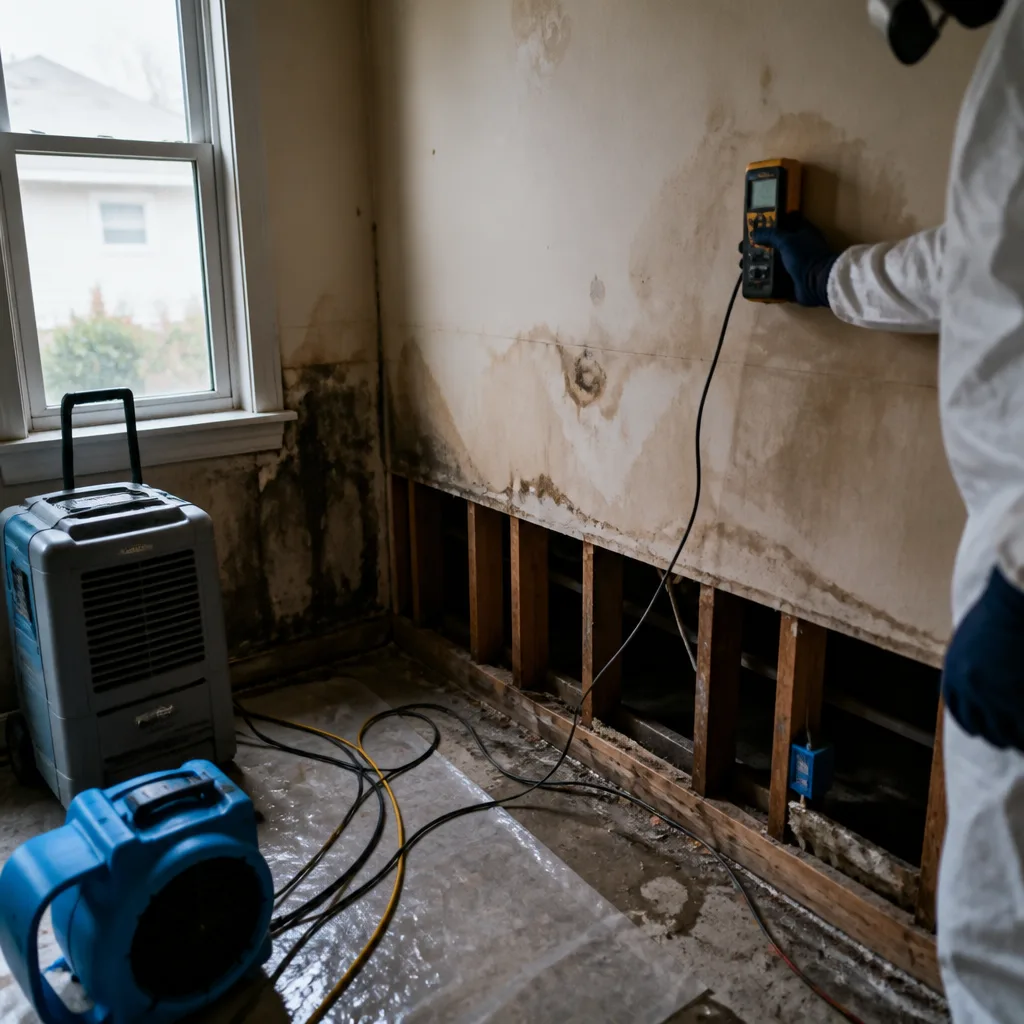 Before
 After
AfterWater Damage Restoration Maintenance Checklist for Newark Homeowners
A moisture content reading above 17% in a wood subfloor is actionable evidence of a problem. “The floor feels a little soft” is not. Yet most maintenance checklists Newark homeowners find online are written entirely in that second language, the language of impressions rather than measurements. Since 2011, we’ve restored more than 12,000 homes through our Water Damage Restoration services, and the water damage that generates denied claims is almost always the kind that hid behind plaster and inside crawl spaces for months before anyone saw a stain. This checklist is built around numbers, not impressions. You’ll learn the specific moisture thresholds to log twice yearly, how to create a baseline moisture map that holds up in a Newark insurance dispute, and which maintenance failures most commonly void a standard New Jersey HO-3 policy.
Quick Answer
Newark homeowners should inspect and document moisture readings in key building materials twice per year, with additional checks after freeze-thaw events from December through March. A proper water damage prevention checklist includes logging baseline moisture content for drywall (below 1%), wood framing (12-15%), and concrete block (below 5%), inspecting flat-roof drainage and below-grade entries, and maintaining a written log with photos that can be presented to an adjuster if a claim arises.
Table of Contents
- Why Measurable Readings Matter More Than Visual Inspections
- Newark-Specific Risk Points: What the Architecture Hides
- Moisture Thresholds by Material: The Numbers to Log
- How to Create a Baseline Moisture Map That Protects Your Claim
- Seasonal Maintenance Calendar: Newark’s Freeze-Thaw Cycle
- Insurance Policy Maintenance: What Voids an HO-3 in New Jersey
- Tools, Documentation, and the Haven Standard Approach
- Common Mistakes to Avoid
- When to Call a Professional
- Frequently Asked Questions
BeforeAfterWhy Measurable Readings Matter More Than Visual Inspections
We see it on nearly every water damage restoration job in Newark: the homeowner noticed a “musty smell” or a “slightly warped” baseboard and waited. By the time we arrive with our DryMark Restoration Newark home crews, the moisture has wicked six feet up the drywall, colonized the cavity insulation, and started secondary damage to the structural framing. The insurance adjuster asks for documentation of when the loss began. The homeowner has none.
Visual inspections fail because water damage is a lagging indicator. Drywall can reach 30% moisture content before surface staining appears. Wood subflooring can rot at the edges while the center looks and feels normal. A consumer-grade pin meter, available for $40-$80, measures electrical resistance between two probes driven into the material. The reading is a number. Numbers don’t change based on who’s holding the tool.
In our experience, the homeowners who recover fully on their claims are the ones who treated maintenance as documentation, not observation. They have a file. The file has dates, readings, and photos. When the adjuster asks “When did this start?” they hand over a spreadsheet, not a story.
The difference matters in New Jersey courts. In Hoffman v. Franklin Mutual Insurance Co., a denied claim turned on whether the homeowner had documented regular maintenance of a basement sump system. The court found for the insurer because the homeowner’s testimony of “checking it occasionally” lacked contemporaneous records. A written log with moisture readings would have changed that outcome.
Newark-Specific Risk Points: What the Architecture Hides
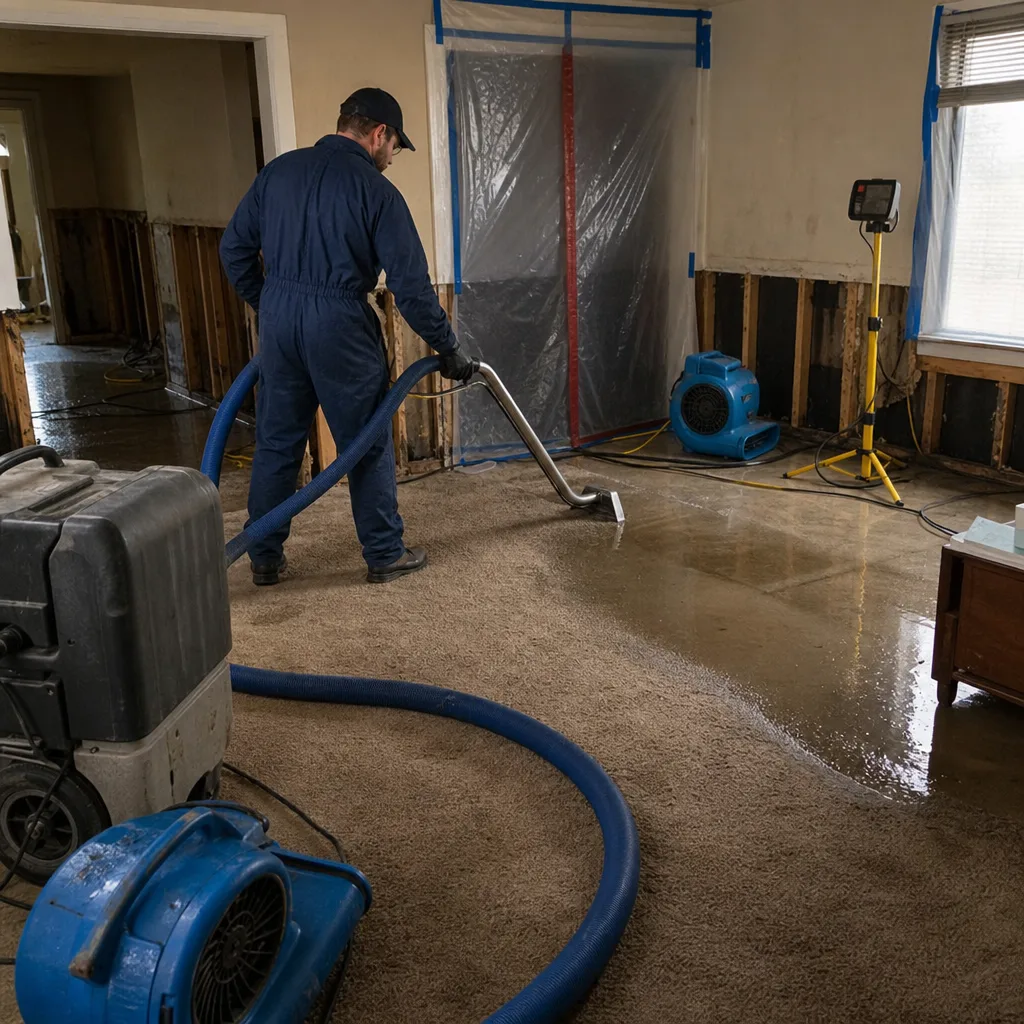
Newark’s housing stock presents a distinct risk profile that generic checklists ignore. Understanding these conditions is essential to building a maintenance routine that actually protects your property, as detailed in The Complete Guide to Damage Restoration in Newark.
Flat-Roof Row Homes and Modified Bitumen Aging
Large sections of Newark’s Ironbound, North Ward, and Central Ward consist of attached row homes with flat or low-slope roofs, many dating to the 1920s-1950s. These roofs typically use modified bitumen or built-up roofing (BUR) systems with a lifespan of 20-25 years under ideal conditions. In practice, Newark’s urban heat island effect accelerates UV degradation, and many installed systems are past their service life.
The failure mode is insidious: water enters at seams and penetrations, travels across the roof deck, and exits far from the entry point. By the time a ceiling stain appears in a second-floor bedroom, the roof deck may be compromised across multiple joist bays. We regularly find saturated insulation and rusted steel joist hangers in these properties, often with no exterior evidence of failure.
Maintenance action: Inspect roof membrane seams, drains, and penetrations twice yearly. Log a moisture reading of the roof deck from the interior attic or crawl space access. Any reading above 15% in roof sheathing warrants professional evaluation.
Below-Grade Unit Entries in Multi-Family Conversions
Newark’s conversion of single-family homes to multi-family units, particularly in the University Heights and West Ward areas, has created a common condition: basement-level unit entries that sit below the exterior grade with inadequate drainage. These entries collect runoff from sidewalks, driveways, and neighboring properties. During freeze-thaw cycles, water penetrates at the threshold and wicks upward through block walls.
Maintenance action: Grade soil away from below-grade entries at a minimum 6-inch drop over 10 feet. Install or maintain exterior drain channels. Log moisture readings of block walls at 12 inches and 24 inches above floor level. Readings above 5% in concrete block indicate active moisture intrusion.
Pre-1960 Cast-Iron Supply Lines
Homes built before 1960 in Newark often have original cast-iron water supply lines or early copper with lead-soldered joints. Cast iron corrodes from the interior, thinning the pipe wall until a pinhole leak develops. These leaks spray pressurized water into wall cavities for days or weeks before detection. We’ve opened walls in Forest Hill and Weequahic homes to find studs rotted through and mold colonization extending to the second floor.
Maintenance action: If your home has original cast-iron supply lines, annual pressure testing by a licensed plumber is essential. Log the test date and pressure reading. A drop of more than 10% from baseline indicates a leak somewhere in the system.
Moisture Thresholds by Material: The Numbers to Log
Every material in your home has an equilibrium moisture content (EMC), the percentage it stabilizes at given temperature and humidity conditions. Logging readings against these baselines, not against “how it looks,” is what separates actionable maintenance from wishful thinking.
| Material | Normal Range | Action Threshold | Critical Threshold |
|---|---|---|---|
| Drywall (paper-faced) | 0.5% – 1.0% | 1.5% | 5% (mold risk) |
| Wood framing (pine/spruce) | 12% – 15% | 17% | 20% (rot risk) |
| Wood subfloor (plywood/OSB) | 12% – 15% | 17% | 25% (structural compromise) |
| Concrete block | 2% – 4% | 5% | 8% (efflorescence/spalling) |
| Hardwood flooring | 6% – 12% | 14% | 16% (cupping/warping) |
These thresholds assume a conditioned interior environment of 68-72°F and 30-50% relative humidity. Newark’s summer humidity regularly exceeds 60%, which can push EMC readings toward the upper end of normal. That’s why seasonal baselines matter: a reading of 14% in wood framing may be normal in August but abnormal in February.
How to measure: A pin-type moisture meter with insulated probes (we use Protimeter and Delmhorst units in our professional work; consumer equivalents include the General Tools MMD4E or Wagner MMC220) provides the most reliable readings for building materials. For drywall, drive pins at a 45-degree angle to contact the core. For wood, measure across the grain at multiple depths. For concrete block, use the meter’s comparative scale or a calcium chloride test for quantitative results.
Log the following for each reading: date, time, location (room and wall orientation), material type, meter model, and reading. Photograph each measurement location with the meter display visible. This documentation creates a time-series record that any adjuster or contractor can interpret without dispute.
How to Create a Baseline Moisture Map That Protects Your Claim
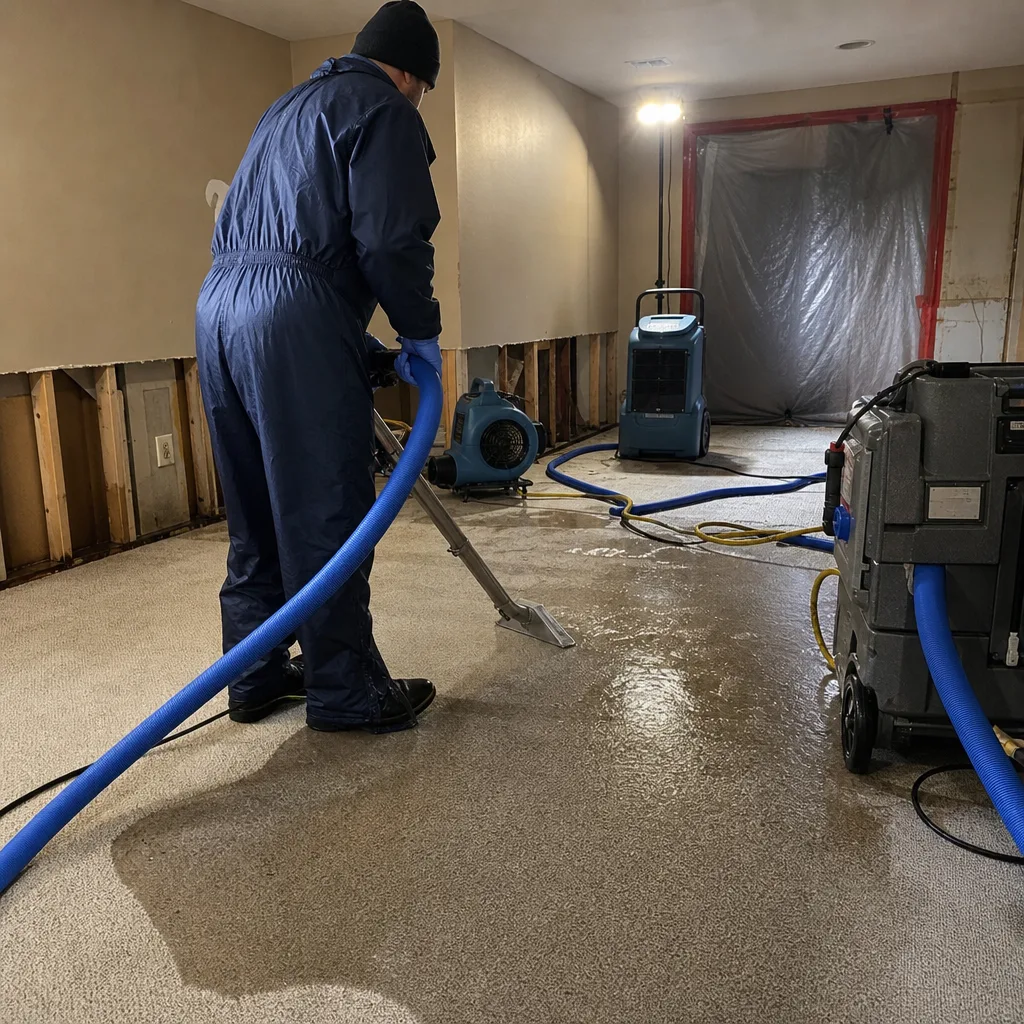
A moisture map is a floor-plan diagram with dated readings at marked locations. In professional restoration, we produce these on every job using moisture mapping software. A homeowner can create an equally valid document with graph paper, a pencil, and disciplined habit. The legal value lies in the contemporaneous record, not the format.
- Draw or print a basic floor plan for each level of your home. Include all exterior walls, plumbing fixtures, water heaters, HVAC equipment, and below-grade areas.
- Mark 8-12 measurement points per floor, concentrating on: exterior walls below grade, walls adjacent to plumbing fixtures, ceiling areas below flat roofs or bathrooms, and any location with a history of moisture.
- Take readings at each point using the same meter, same depth setting, and same technique each time. Record to one decimal place.
- Photograph each point with the meter in frame, showing the reading and the surrounding context.
- Store digital copies in cloud storage with date-stamped filenames. Keep a physical binder with printed maps as backup.
- Repeat every six months: April and October are optimal for Newark, capturing post-winter and post-summer conditions.
- After any water event, even minor, re-measure affected areas and adjacent spaces. Document the change from baseline.
The Haven Standard, Clause 1, requires a written price before any work begins on our jobs. We extend the same documentation discipline to our assessments: every moisture reading we take is photographed, logged, and delivered to the homeowner and adjuster. Your personal moisture map should meet the same standard. If you ever need to dispute a denied claim or prove the date of loss, this document is your primary evidence.
In Newark’s insurance market, where HO-3 policies often carry water damage sublimits and mold exclusions, the burden of proof falls heavily on the homeowner. A baseline moisture map shifts that burden. The adjuster can dispute a contractor’s reading; disputing two years of your own documented readings, with photos, is substantially harder.
Seasonal Maintenance Calendar: Newark’s Freeze-Thaw Cycle
Newark’s climate, moderated by the Hudson River and Newark Bay, produces distinct moisture risk periods that a national checklist cannot address. The freeze-thaw calendar drives basement seepage, pipe failure, and roof damage on a predictable schedule.
December through March: Freeze-Thaw and Foundation Seepage
The Hudson River and surrounding waterways keep Newark’s winter temperatures variable. Days above freezing followed by nights below 20°F create repeated freeze-thaw cycles in foundation soils. Water in soil expands 9% when frozen, exerting hydrostatic pressure on basement walls. When it thaws, the water seeks the path of least resistance, often through hairline cracks in foundation walls or at the wall-floor joint.
Maintenance actions:
- Inspect basement walls and floor after each significant thaw event. Look for new efflorescence (white mineral deposits), which indicates water passage through concrete.
- Log moisture readings at the base of all exterior basement walls. Compare to October baseline.
- Verify sump pump operation by pouring 5 gallons of water into the pit. Log the date and response time.
- Clear exterior drains and window wells of ice and debris. Newark’s street-salt accumulation can clog drains and accelerate corrosion of metal components.
- Inspect hose bibs and exterior faucets for frost damage. Even “frost-free” units fail if hoses remain attached.
April through May: Snowmelt and Roof Drainage
Spring in Newark brings rapid snowmelt combined with rain on saturated ground. Flat-roof drainage systems, already stressed by winter ice, face their highest volume. Blocked drains cause ponding, which accelerates membrane degradation and creates structural load.
Maintenance actions:
- Clear roof drains, scuppers, and gutters of debris. Newark’s urban tree canopy deposits significant leaf and seed matter in spring.
- Inspect flat roof membrane for ponding areas. Any standing water 48 hours after rain indicates inadequate slope or drainage.
- Log interior moisture readings of ceiling drywall below roof areas. Compare to pre-winter baseline.
- Test basement sump pump again after spring rains.
June through September: Humidity and Condensation
Newark’s summer humidity, regularly exceeding 70%, creates condensation risk on cool surfaces. Air-conditioned basements with uninsulated ductwork are particularly vulnerable. Surface condensation above 70% relative humidity sustains mold growth on organic materials.
Maintenance actions:
- Monitor indoor relative humidity with a calibrated hygrometer. Target 30-50%. Above 60%, dehumidify.
- Inspect HVAC condensate drain lines for blockage. A clogged line dumps gallons of water into mechanical spaces.
- Log moisture readings in basement and crawl space areas. Summer readings should not exceed winter baselines by more than 2-3%.
- Verify bathroom and kitchen exhaust fans move air effectively. Hold a tissue to the grille; it should draw firmly.
October: Pre-Winter Baseline
October is the optimal month for comprehensive baseline readings. Conditions are stable, heating systems are not yet running continuously, and the ground is neither frozen nor saturated.
Maintenance actions:
- Complete full moisture map for all levels.
- Inspect and photograph roof condition before winter.
- Service heating system; verify no leaks in hydronic systems.
- Drain and winterize exterior plumbing.
- Review and update insurance policy, noting any coverage changes or new exclusions.
Insurance Policy Maintenance: What Voids an HO-3 in New Jersey
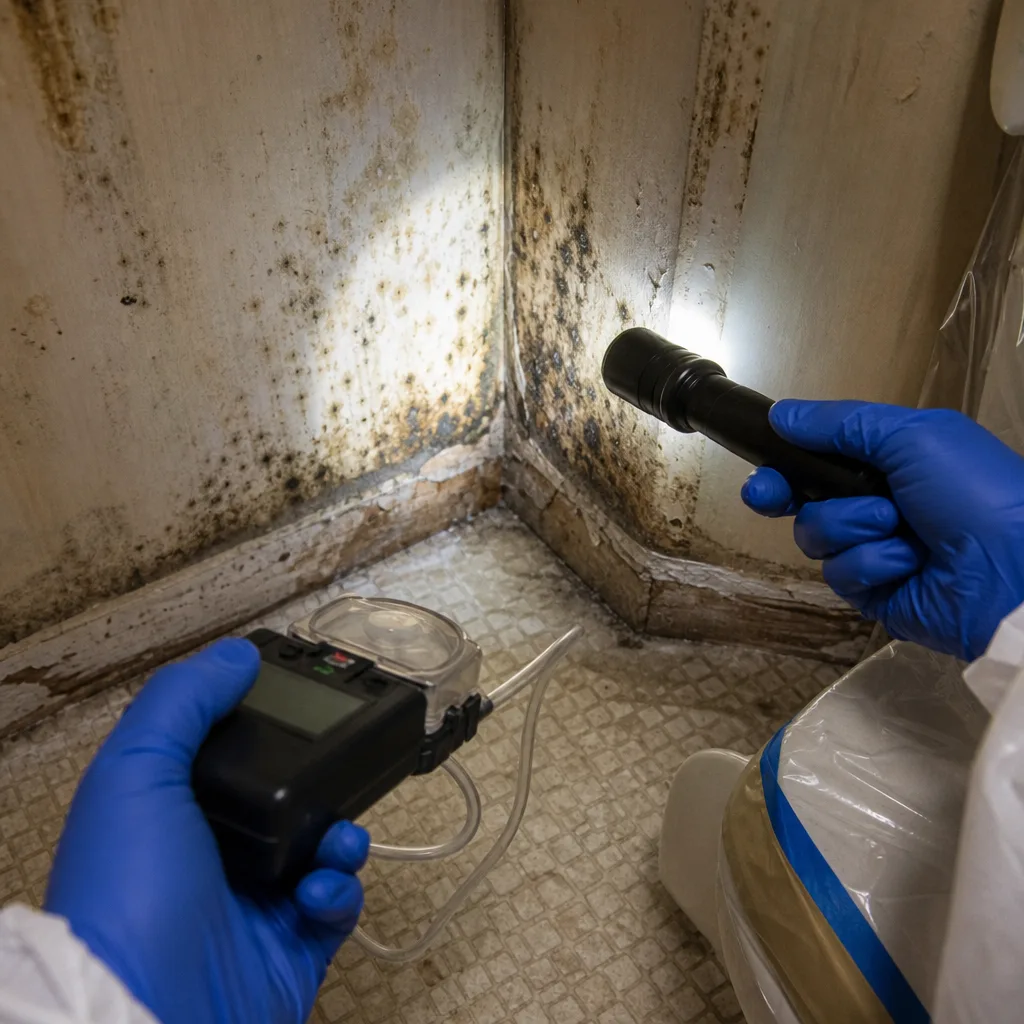
A standard New Jersey HO-3 homeowner’s policy covers sudden and accidental water damage but excludes damage from maintenance neglect, gradual leaks, and flooding. The interpretation of these exclusions has been shaped by New Jersey case law in ways that directly affect Newark homeowners.
The most common maintenance-related denials we encounter:
Gradual leak exclusion: Damage from a leak that existed for more than 14 days is typically excluded. The insurer determines this by mold growth patterns, wood decay stages, or the homeowner’s own statements. A maintenance log with moisture readings can prove the leak was recent and undetectable.
Neglect exclusion: Failure to repair a known condition voids coverage. “Known” is interpreted broadly: a stained ceiling, a previous repair, or even a neighbor’s complaint can suffice. Documented maintenance shows you were monitoring, not ignoring.
Flood exclusion: Surface water entering from outside is excluded unless you carry separate flood insurance through the NFIP. In Newark’s flood-prone areas, including portions of the Ironbound and areas near the Passaic River, this is a critical gap. Maintenance logs of sump pump function and foundation condition support claims that water entered due to sewer backup (often covered) rather than surface flooding (excluded).
Vacancy exclusion: Damage occurring after 30-60 days of vacancy is excluded. If you maintain a property in Newark as a rental or seasonal residence, documented maintenance visits preserve coverage.
A written maintenance log counters insurer arguments by establishing a pattern of care. The log should include: dates and descriptions of inspections, moisture readings with locations, photographs with timestamps, repairs performed with contractor names and invoice numbers, and communications with insurers or adjusters. Store this in physical and digital form, with copies off-site.
Back to Dry Restoration, founded in 2011 by a former claims adjuster, built its documentation practices around the gap that costs homeowners their claims. The daily drying logs, written scopes, and room-by-room moisture readings we produce turn restoration invoices into payable claims. Your personal maintenance log serves the same function at the front end of a loss.
Tools, Documentation, and the Haven Standard Approach
The tools for homeowner moisture monitoring are simple and inexpensive. The discipline of using them consistently is what separates protected properties from denied claims, and our more guides & resources can help you build that habit.
Essential Tools
- Pin-type moisture meter: General Tools MMD4E ($45) or equivalent. Measures wood, drywall, and masonry with relative scales.
- Thermo-hygrometer: AcuRite or SensorPush unit ($25-$50). Logs temperature and relative humidity over time.
- Infrared thermometer: Non-contact surface temperature readings to identify condensation-prone cool spots.
- Flashlight and inspection mirror: For visual access to crawl spaces, behind appliances, and under sinks.
- Graph paper or digital floor plan app: For moisture mapping.
Documentation Standards
Every entry in your maintenance log should answer: What did you check? What did you find? What did you do? When did you do it?
Example entry:
October 15, 2024. Basement north wall, 12″ above floor. Pin meter reading: 3.2% in concrete block. Visual: no efflorescence, no cracks. Action: logged, photographed. Compared to April 2024 baseline of 2.8% - within normal seasonal variation. Next check: April 15, 2025.
This level of specificity is what an adjuster or court finds credible. Vague entries (“checked basement, looked fine”) are easily dismissed.
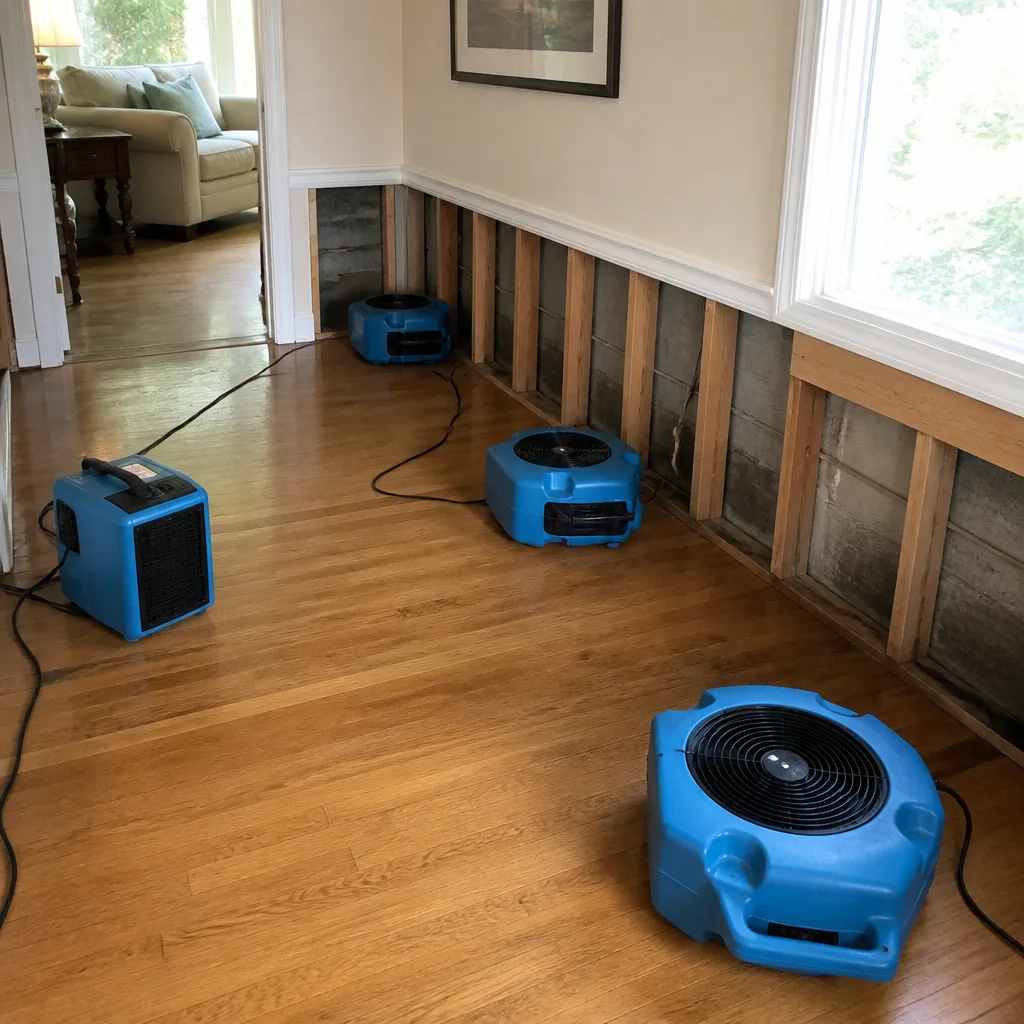
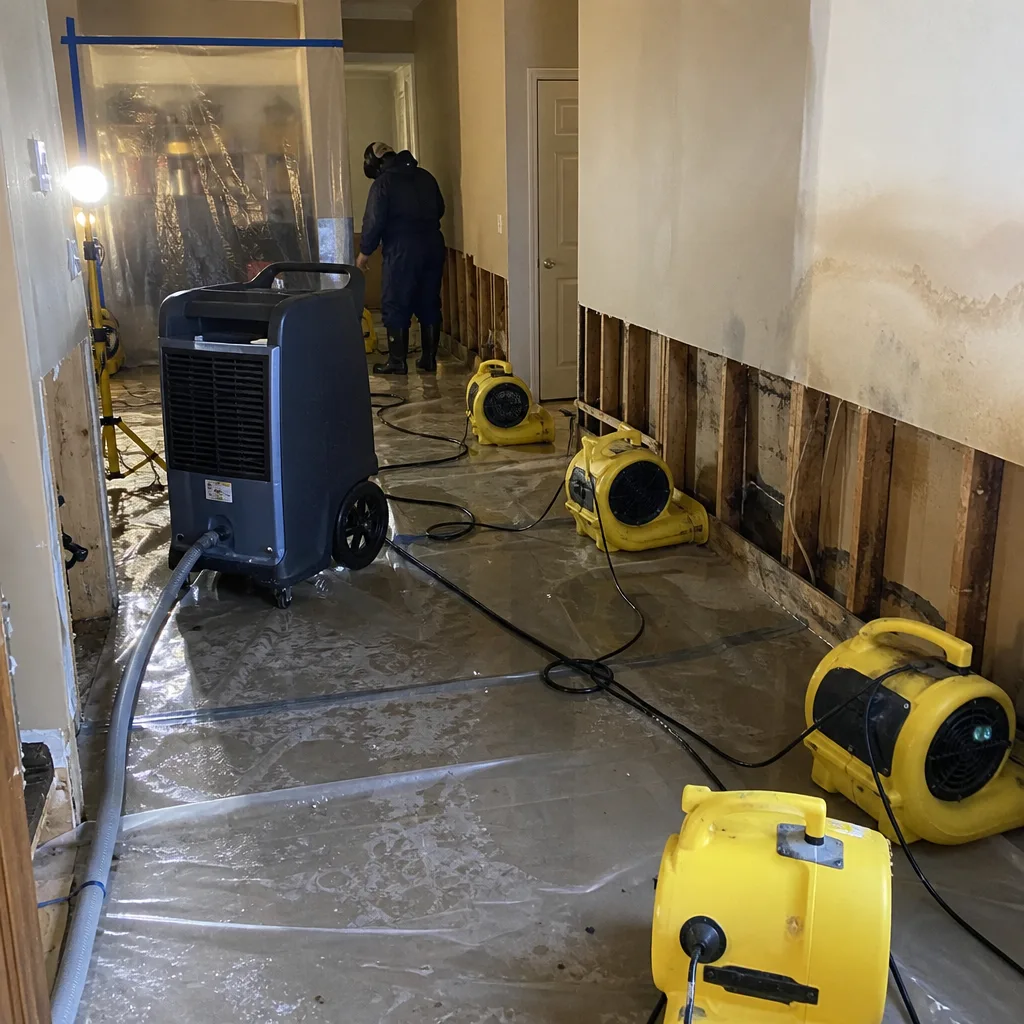
When professional restoration is needed, the documentation standard should rise accordingly. At DryMark Restoration Newark, every job includes: a written price before work begins (Haven Standard, Clause 1); a photo record on every visit, with images delivered to the homeowner and adjuster; daily moisture logs with psychrometric data (temperature, relative humidity, vapor pressure differential, and grain depression); and a 365-Day Done Right Promise backed by The Haven Standard. Our equipment - professional-grade drying systems from Dri-Eaz, Phoenix, and XPOWER - produces the airflow and dehumidification capacity to achieve tertiary drying, the final phase where bound moisture is removed from dense materials.
Psychrometric data, for the homeowner unfamiliar with the term, is simply the measurement of how much moisture air can hold at a given temperature. Vapor pressure differential is the force that drives moisture from wet materials to dry air. We calculate and log these values to prove, numerically, that drying is progressing to IICRC and RIA standards. Your maintenance log should aspire to the same evidentiary standard.
Common Mistakes to Avoid
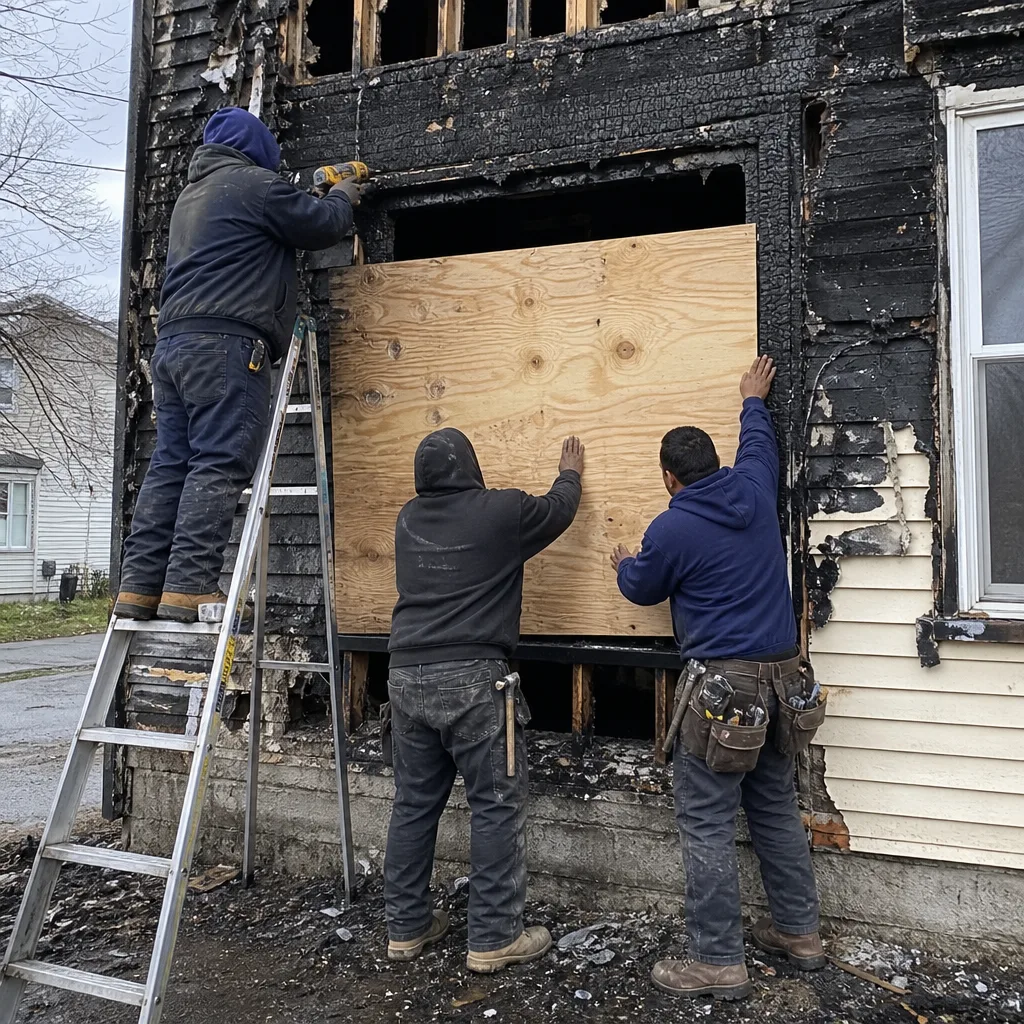
- Relying on visual inspection alone. Water damage is invisible until it’s extensive. A wall that looks dry can hold 25% moisture content in the sheathing behind it.
- Measuring only after a problem appears. Baseline readings are what make post-loss readings meaningful. Without them, you’re asking an adjuster to trust a contractor’s interpretation.
- Ignoring Newark’s flat-roof architecture. National checklists focus on pitched roofs and gutters. Newark’s row homes and commercial conversions require flat-roof drainage inspection that most homeowners never perform.
- Storing documentation only on a phone or single computer. Water damage often affects the device where your records live. Use cloud storage with automatic backup, and keep physical copies in a fire-safe box.
- Failing to document repairs professionally. A receipt from a handyman paid in cash is weak evidence. Use licensed contractors, obtain written invoices, and log permit numbers when required by Newark building code.
- Assuming insurance covers all water damage. Read your declarations page. Know your water damage sublimit, your mold cap, and whether you have sewer backup coverage. Newark’s combined sewer system creates significant backup risk in heavy rain.
- Waiting for “enough” damage to call a professional. Small, early intervention prevents large, excluded losses. A $200 plumbing repair today avoids a $20,000 mold remediation that your policy may not cover.
When to Call a Professional
Call for professional assessment when: moisture readings exceed action thresholds and rise between checks; you discover active leaks, standing water, or visible mold growth exceeding 10 square feet; your basement floods repeatedly despite maintenance; or you smell musty odors that persist after dehumidification. These conditions indicate problems beyond homeowner maintenance scope.
When you call, demand documentation. A professional should provide a written scope of work with line-item pricing before starting, photograph all affected areas, and explain their moisture readings in terms you can verify. If they cannot or will not, call someone else.
DryMark Restoration Newark offers free estimates in Newark. We also provide a Free Second Opinion on any competitor’s written estimate. Our assessments include documented moisture readings, a photo record, and a written price before any work begins, every time, with no exceptions. Call (862) 292-4268 to schedule.
Frequently Asked Questions
A reliable consumer-grade pin-type moisture meter costs $40-$80. Look for models that measure wood, drywall, and masonry on separate scales, with audible and visual indicators. The General Tools MMD4E and Wagner MMC220 are widely available and accurate enough for homeowner documentation. Avoid pinless meters for this purpose; they scan surface moisture only and miss the hidden saturation that matters for structural damage and mold risk.
Probably not. Standard New Jersey HO-3 policies exclude damage from leaks that existed for more than 14 days, which insurers determine by mold growth patterns, material decay, or your own statements. The only effective counter is documentation: a maintenance log showing regular inspections and stable moisture readings until a sudden change. Without that log, the insurer will classify the damage as gradual and deny the claim. Call (862) 292-4268 for a free estimate if you discover active damage - our documentation may help support your claim even if we don’t perform the restoration.
Log comprehensive readings twice yearly, in April and October, with additional checks after significant weather events: freeze-thaw cycles, heavy rains, or extended humidity periods. Newark’s December-through-March freeze-thaw calendar and summer humidity peaks create the highest-risk windows. Properties with flat roofs, below-grade entries, or pre-1960 plumbing should add quarterly checks.
Mold can germinate on any organic material with sustained moisture above 20% wood moisture equivalent, or when relative humidity exceeds 60% for 48-72 hours. On drywall, that translates to roughly 1% moisture content; on wood framing, about 17%. These are not absolute guarantees of mold growth, but they are conditions where professional assessment is warranted. Our crews use mold remediation protocols in Newark that begin with air and surface sampling, not guesswork.
Not always. A contained leak caught within hours, with no visible wicking beyond the immediate area, can often be addressed with extraction, airflow, and dehumidification if you have the equipment and monitor moisture daily. However, leaks that affect multiple rooms, reach wall cavities, or involve contaminated water (sewer, gray water from appliances) require professional-grade drying systems from Dri-Eaz, Phoenix, or equivalent brands, with psychrometric monitoring. The cost of inadequate drying is mold remediation or structural repair that insurance may not cover. DryMark Restoration Newark provides free estimates to evaluate whether professional drying is necessary.
Yes, and it’s often decisive. New Jersey courts give weight to contemporaneous business records kept in the regular course of property maintenance. Your log should include dated readings, photographs, repair invoices, and any contractor reports. The key is consistency: sporadic entries are less credible than a disciplined twice-yearly record. If you’re facing a dispute, we offer a Free Second Opinion on any written estimate or denial, and our documentation practices are designed to supplement your records with professional moisture mapping and drying logs.
Restoration is the emergency phase: water extraction, drying, cleaning, and stabilization to prevent further damage. Reconstruction is the repair phase: replacing drywall, flooring, cabinetry, and finishes to return the property to pre-loss condition. Restoration is typically time-critical and may be covered by insurance even when reconstruction is not, depending on your policy. At DryMark Restoration Newark, we provide both services, but we price and schedule them separately so you understand exactly what insurance is paying for and what you’re responsible for. Fire and smoke damage restoration in Newark follows a similar phased approach.
The Bottom Line
Water damage prevention for Newark homeowners is a documentation exercise, not a visual one. The maintenance checklist that protects your property and your insurance claim has three components: measurable moisture thresholds logged twice yearly, a baseline moisture map that creates legal evidence, and seasonal timing aligned to Newark’s freeze-thaw cycle and flat-roof architecture. Most competitors’ checklists stop at “check for leaks” and “clean gutters.” This one stops at a number you can defend in a claims dispute.
The homeowners who recover fully are the ones who treated maintenance as seriously before the loss as we treat documentation after it. Start your log this month. Log your baselines before the next freeze-thaw event. And if you find readings that don’t make sense, call someone who will explain them in numbers, not reassurance.
Written by Alicia Brennan, Owner at DryMark Restoration Newark, serving Newark since 2011.