
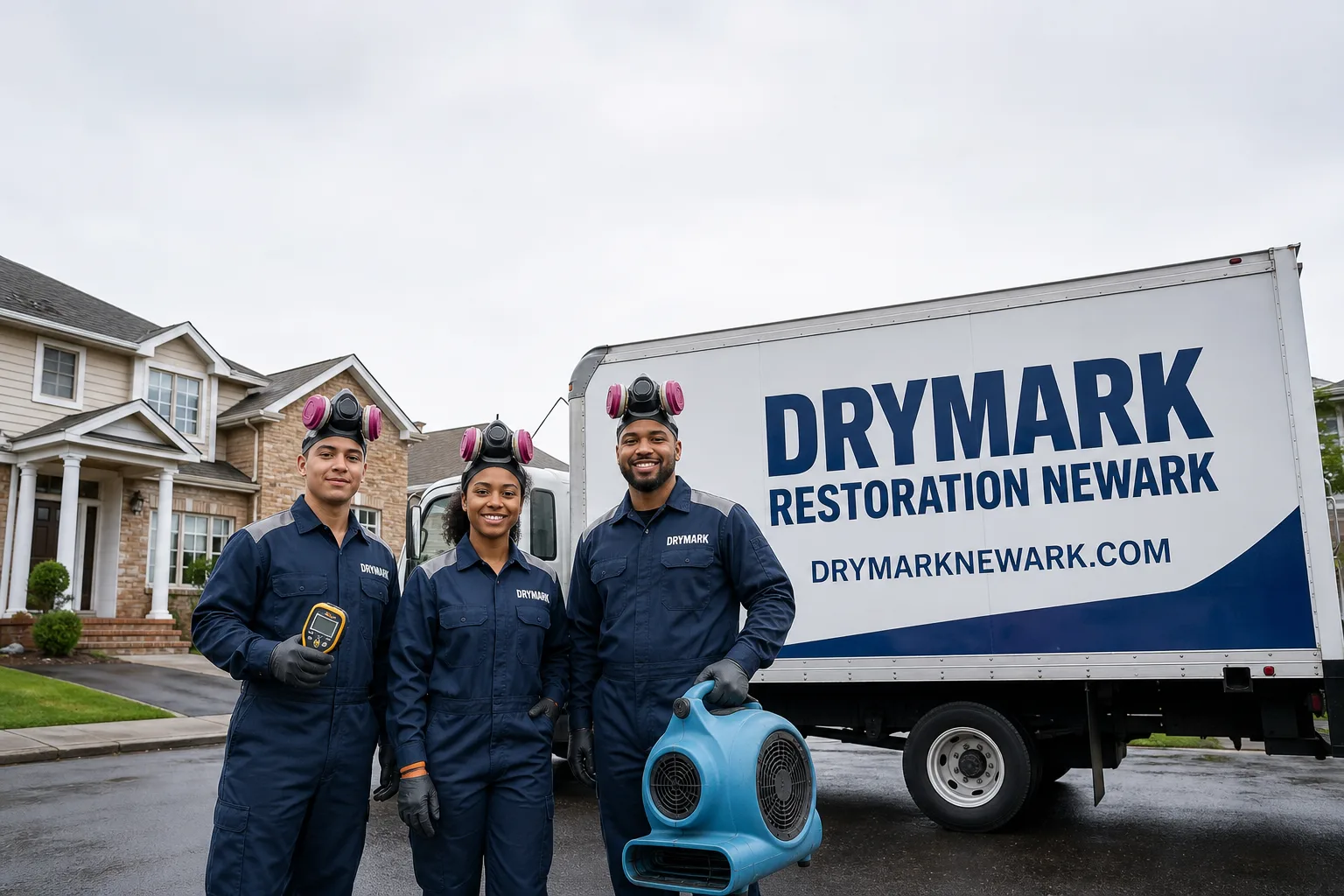
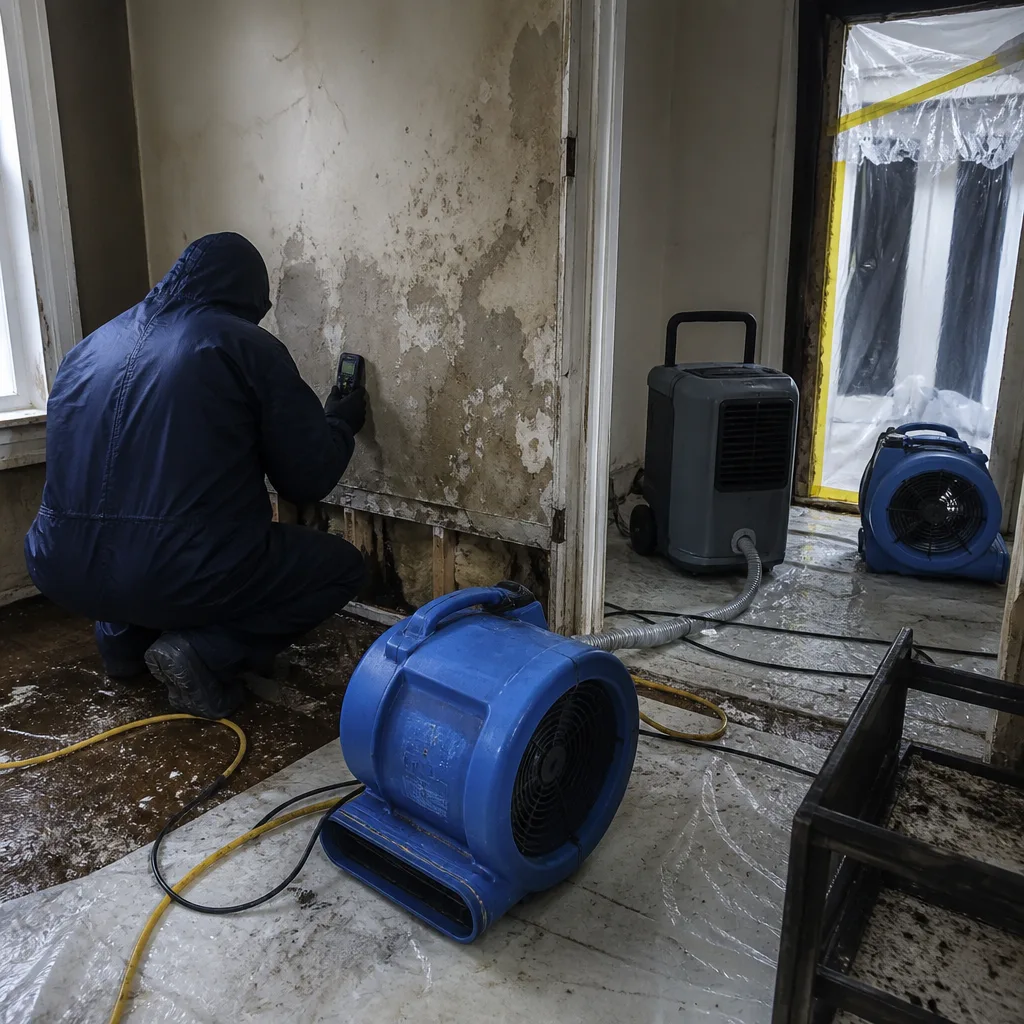
Free visual inspection and a written scope of work before any mitigation begins - photos, moisture readings, and drying logs go in your claim file
The scope we write is the scope we bill. Anything new gets shown to you, in writing, before we touch it.
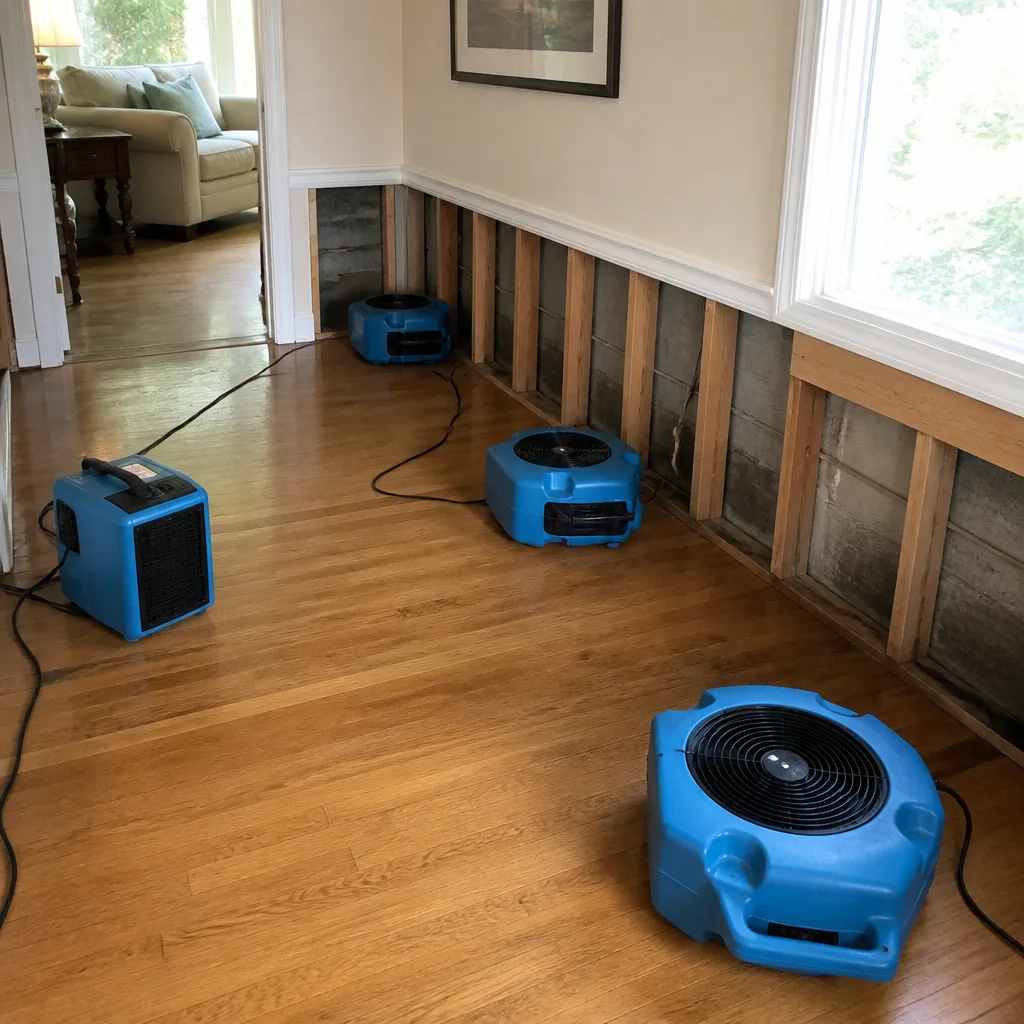
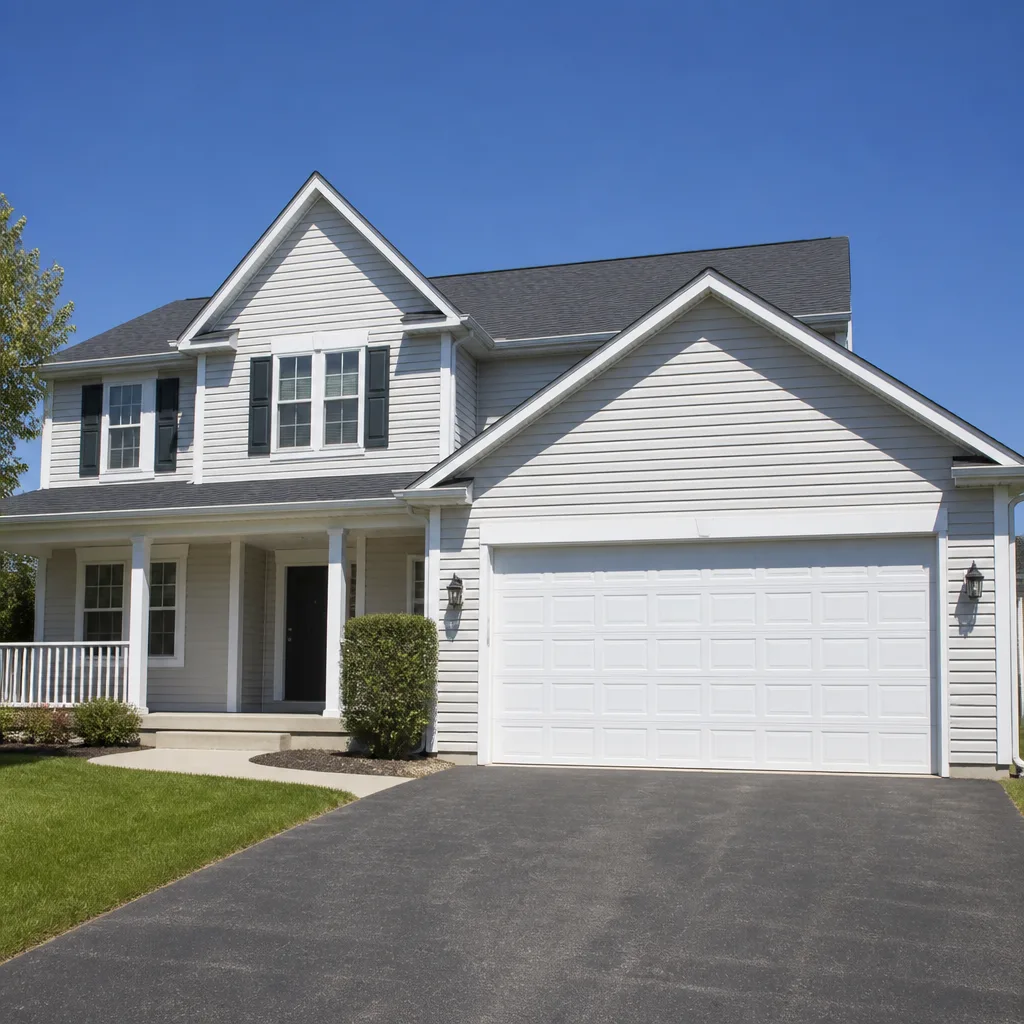
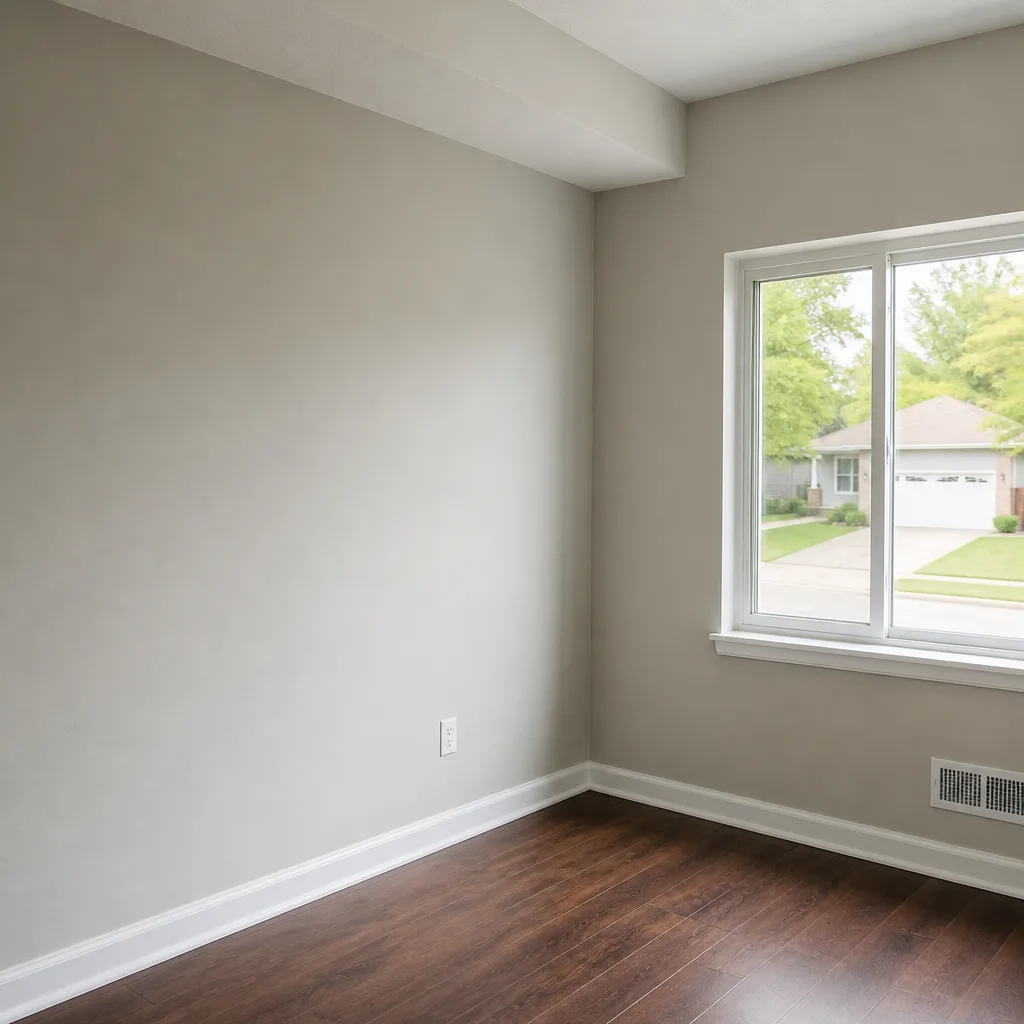
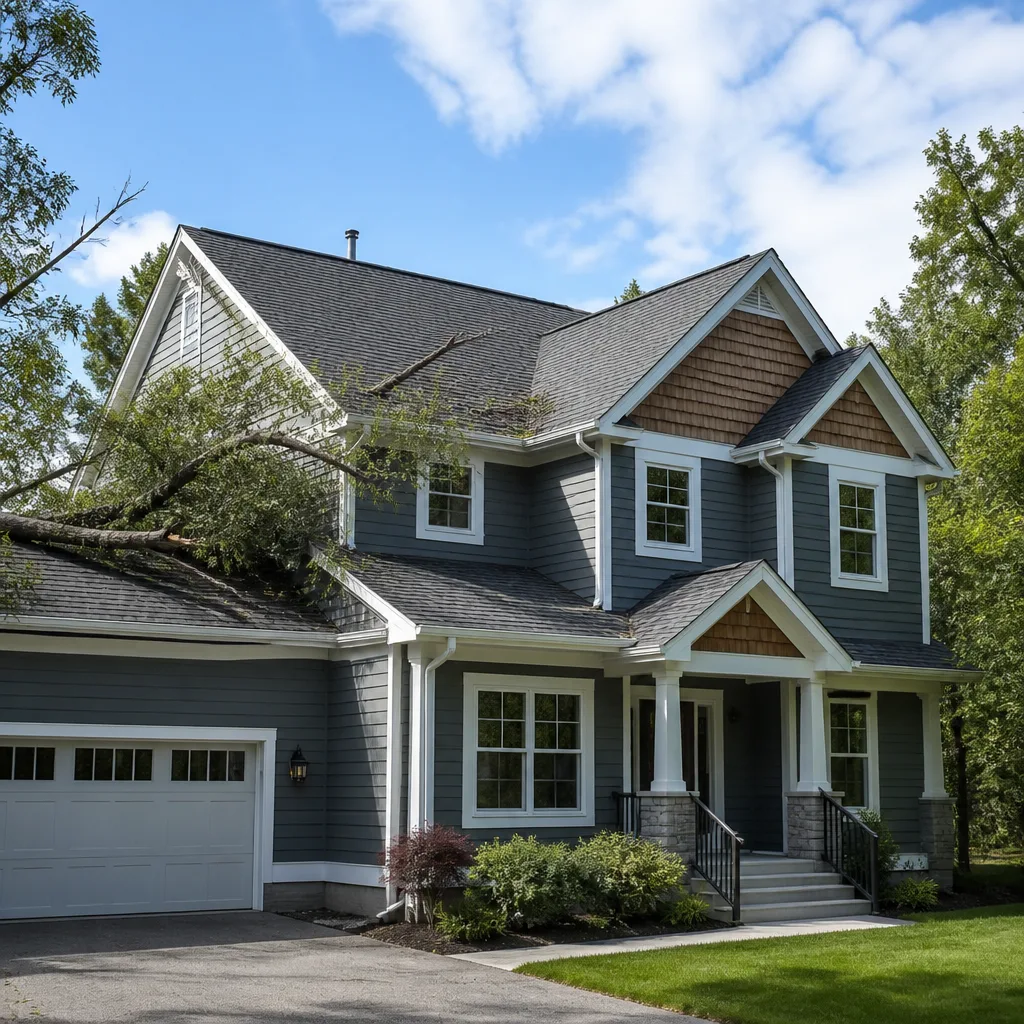
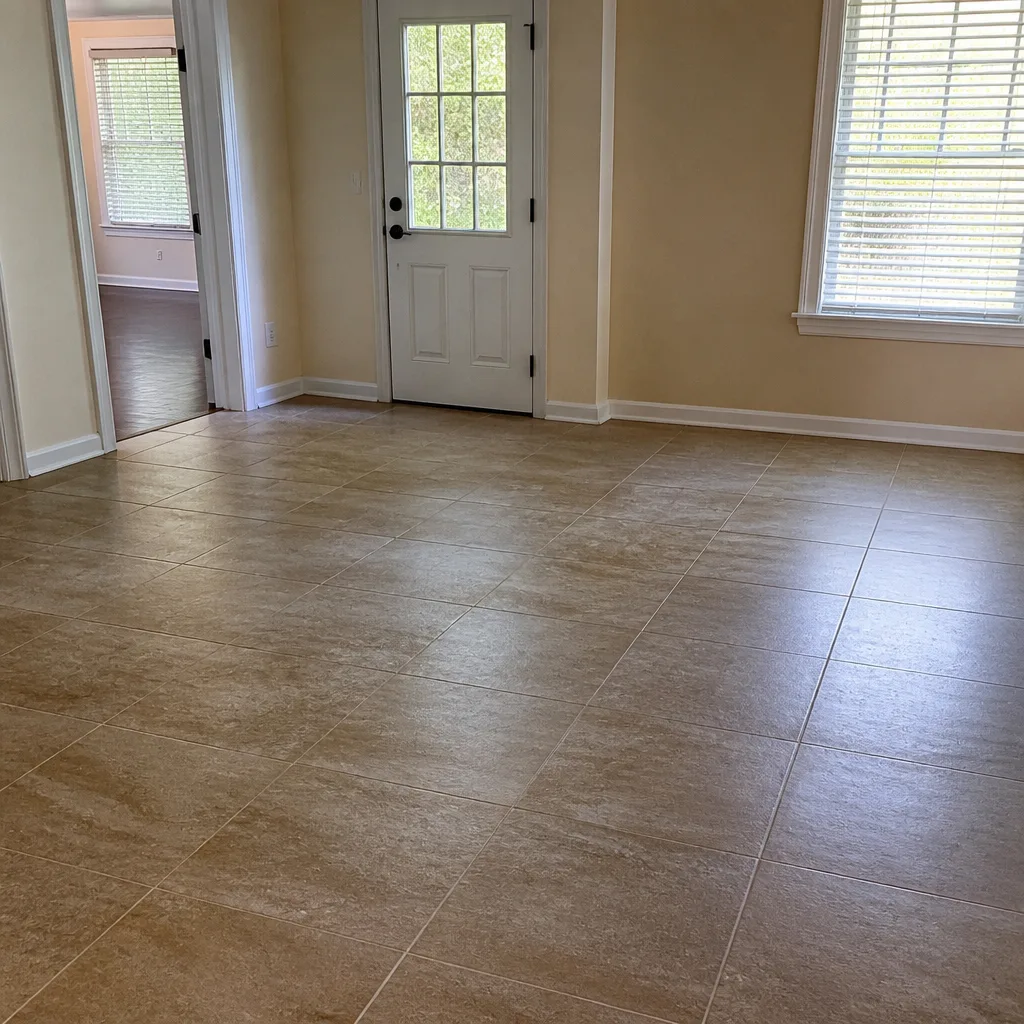
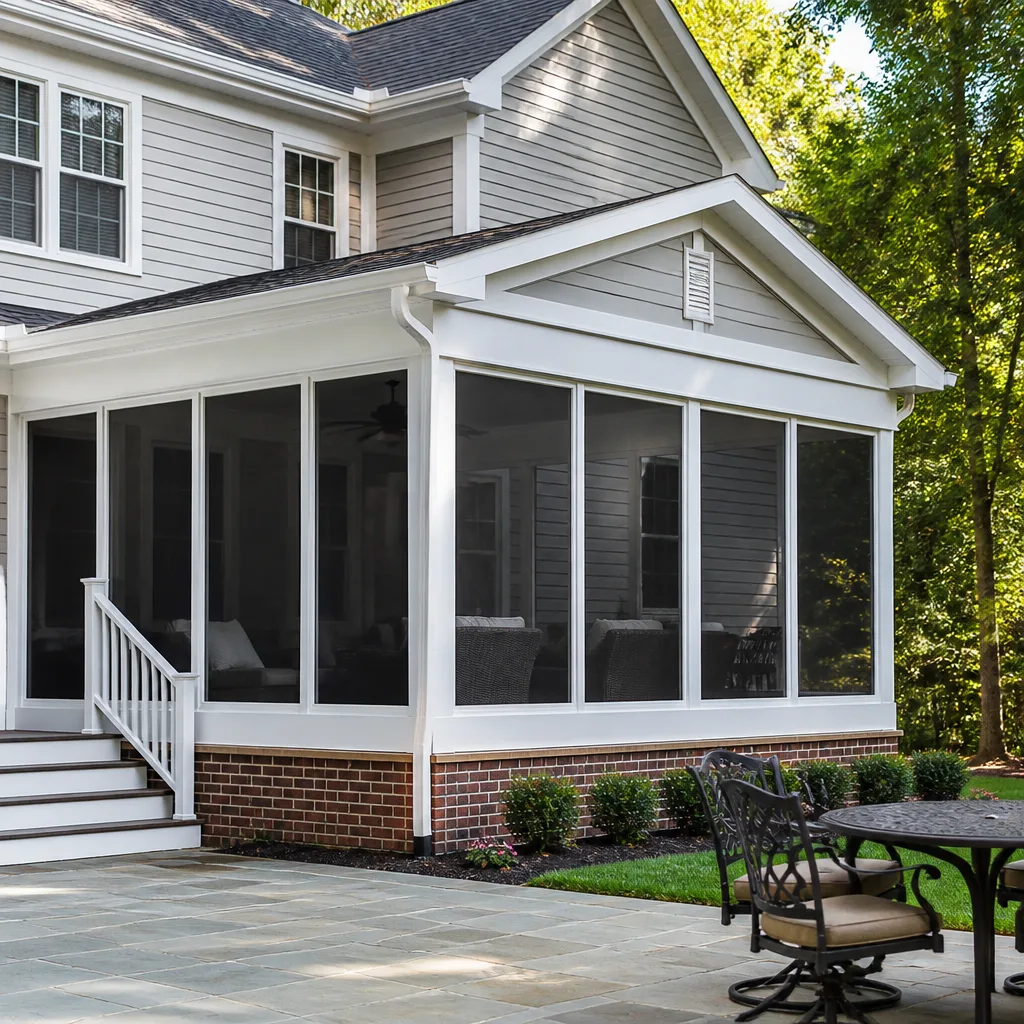
 Before
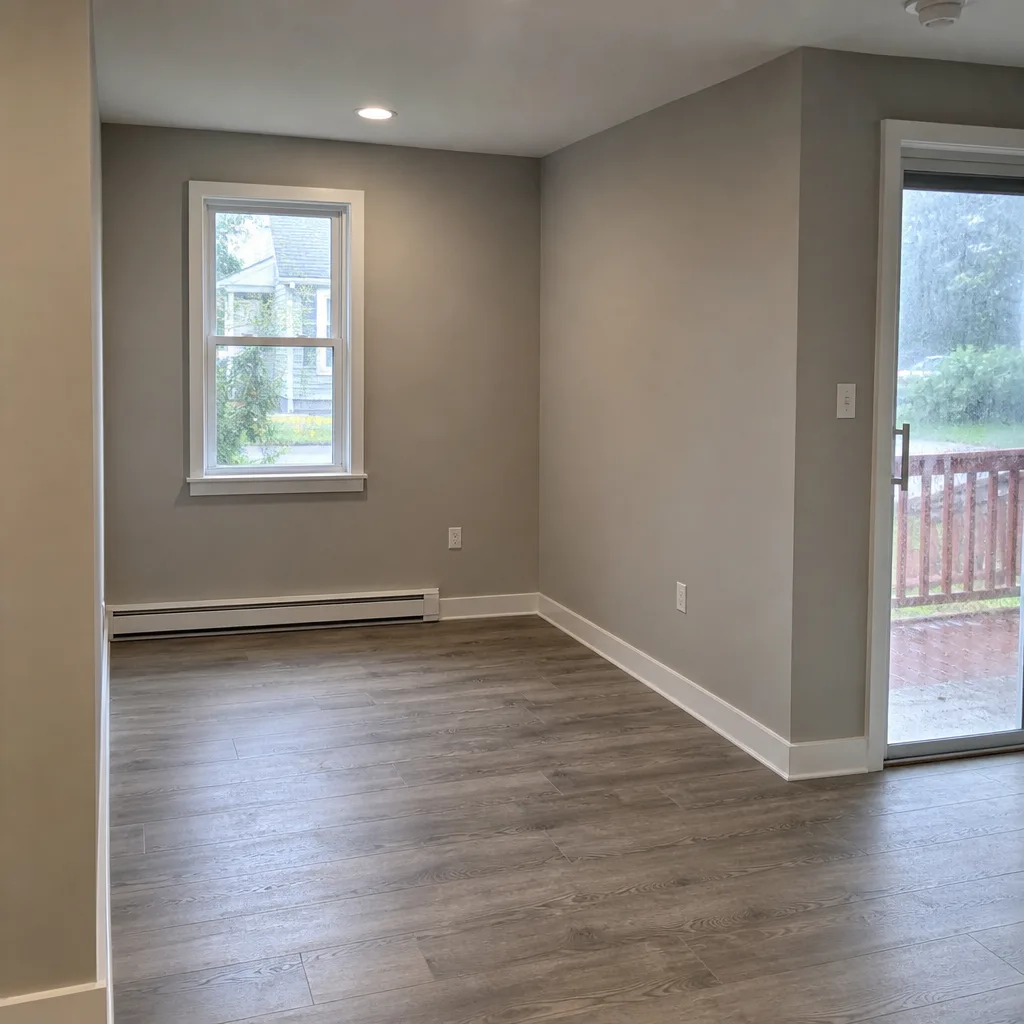 After
After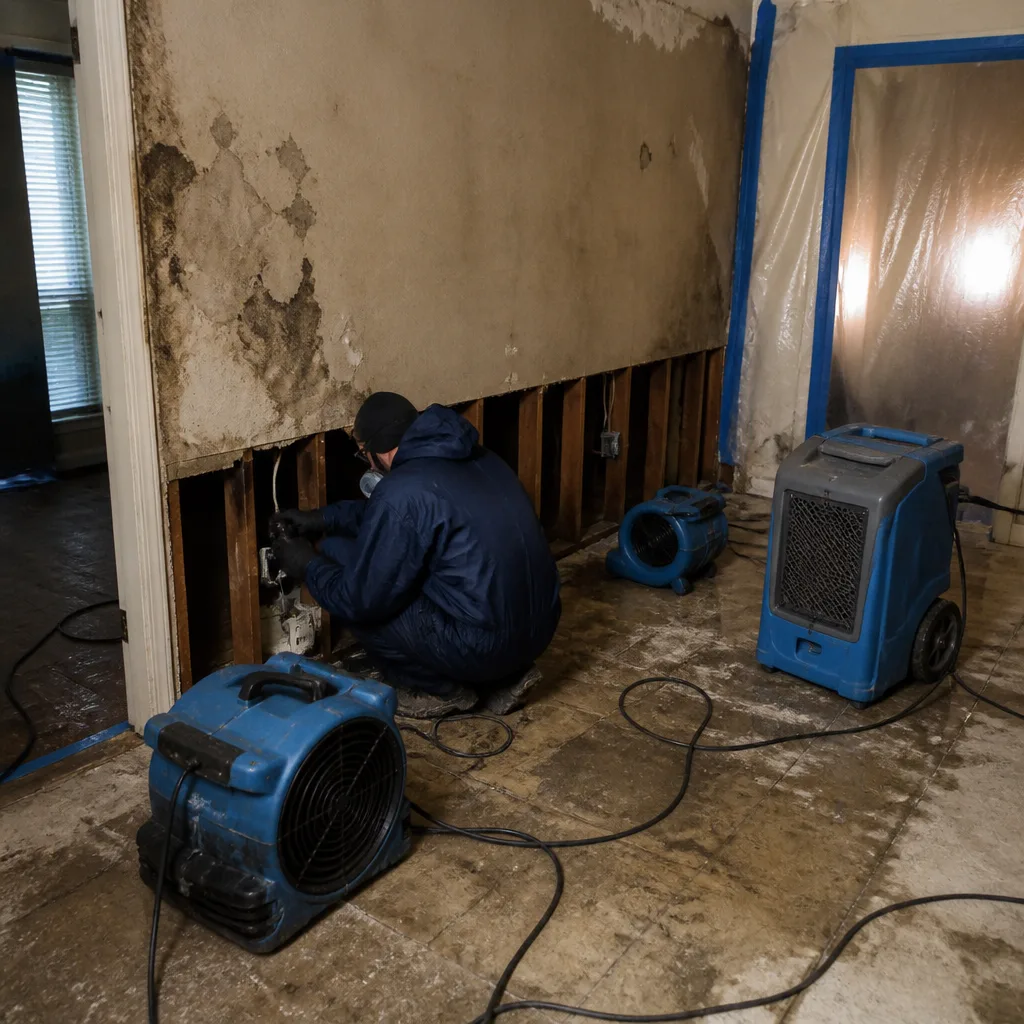 Before
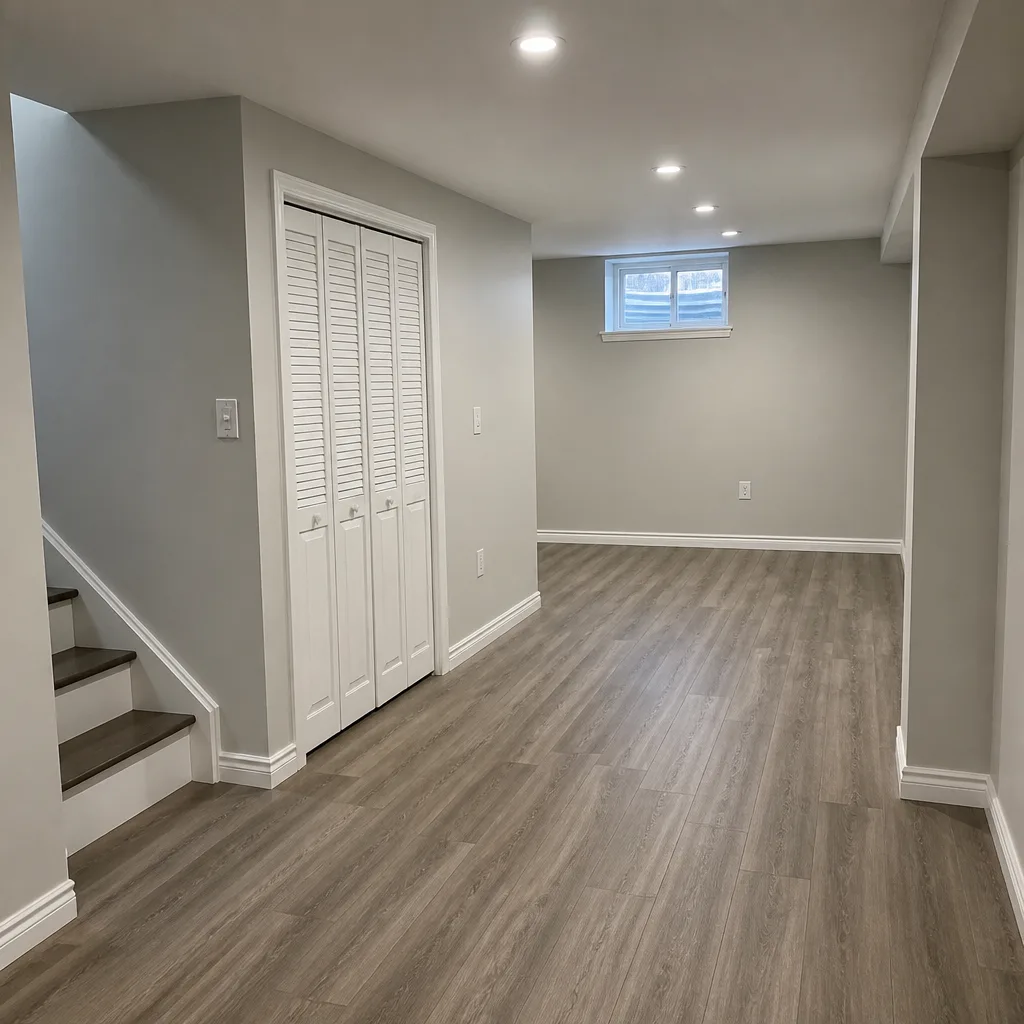 After
After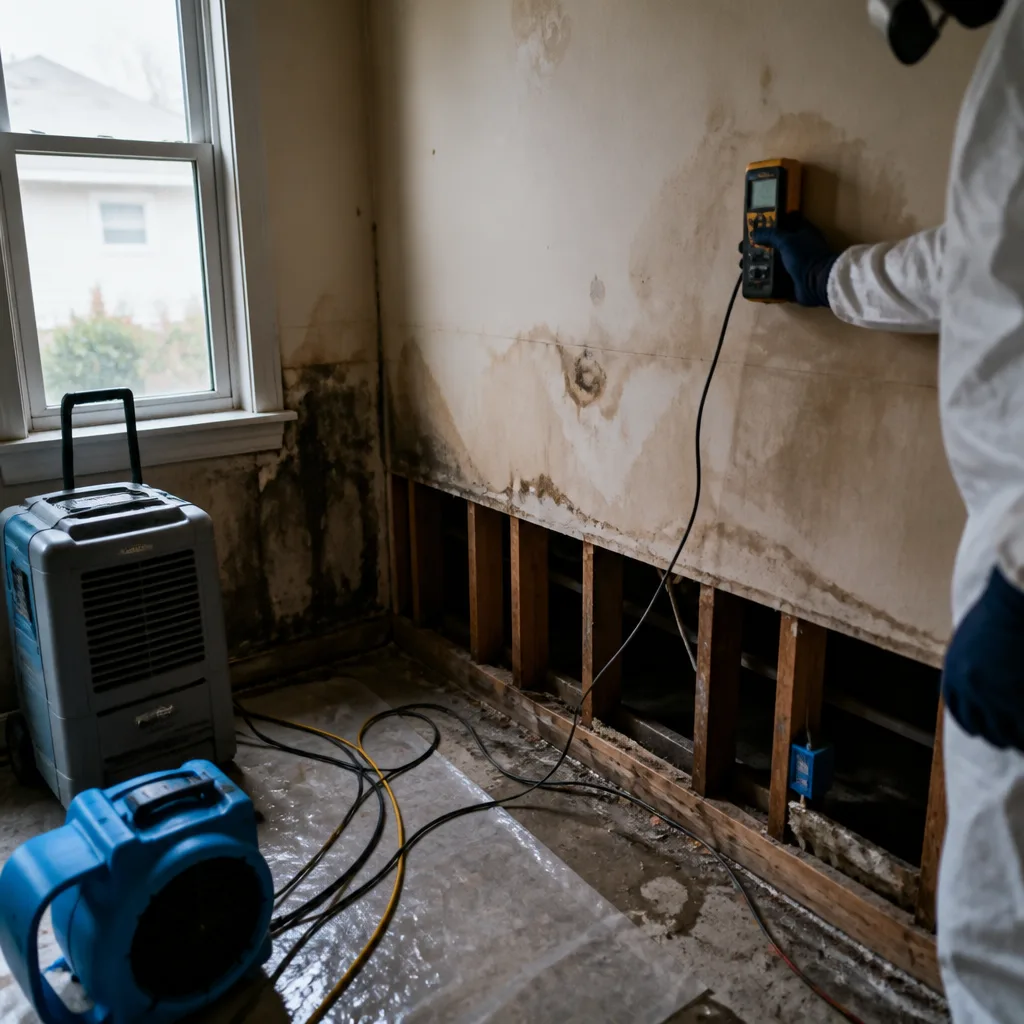 Before
 After
AfterFast, Reliable Water Damage Restoration Across Harrison
Water damage restoration in Harrison, NJ typically costs between $2,800 and $7,500 for a standard residential job, with emergency water extraction starting around $950 and full structural drying with dehumidification running $1,800-$4,200 depending on affected square footage and material type. Most Harrison properties need same-day dispatch because standing water in this low-lying Passaic River town doesn’t stay Category 1 for long. Call (862) 292-4268 and a live person answers, 24 hours a day, 7 days a week - no voicemail while water is still moving through your building.
We know Harrison’s blocks well: the 1920s brick multi-families along Frank E. Rodgers Boulevard, the attached wood-frame buildings near the PATH station, the tight alley-load entries where a standard van won’t fit. Our crews carry compact extraction equipment and portable drying systems specifically for the clearance constraints of Harrison’s dense, early-20th-century housing stock. Dispatch and scheduling are coordinated from our metro office, with crews serving Harrison locally.
Why DryMark Restoration Newark Is Harrison’s Preferred Water Damage Restoration Company
Harrison homeowners don’t have the luxury of elevation. When the Passaic River rises, it reaches first floors and basements across virtually every residential block in town. We’ve restored water-damaged properties in Harrison since 2011, and our documentation-first approach was built by a former claims adjuster who watched too many homeowners lose valid claims to sloppy paperwork.
Our reputation here rests on specifics: 12,000+ homes restored, every one with a written price before work started and a photo record on every visit. Harrison customers review us on the details - the moisture reading they can see, the drying log that matched their adjuster’s request, the written scope that prevented a surprise charge. We’re not the fastest-talking crew in town. We’re the ones whose invoices get paid.
Response time to Harrison averages under 90 minutes for emergency calls, with live dispatch coordinating crew routing around PATH traffic and the narrow street grid near the river. We know which blocks flood first, which basements have original cast-iron drains that back up under pressure, and which buildings need NFIP-compliant documentation from hour one.
Local knowledge matters because Harrison isn’t Kearny and it isn’t Newark. It’s a 1.3-square-mile town where FEMA Zone AE covers most residential parcels, where the same storm that causes minor seepage three miles west puts two feet of water in your basement. Our Water Damage Restoration team trains specifically on the building assemblies and claim types that dominate this market.
Our Water Damage Restoration Services in Harrison
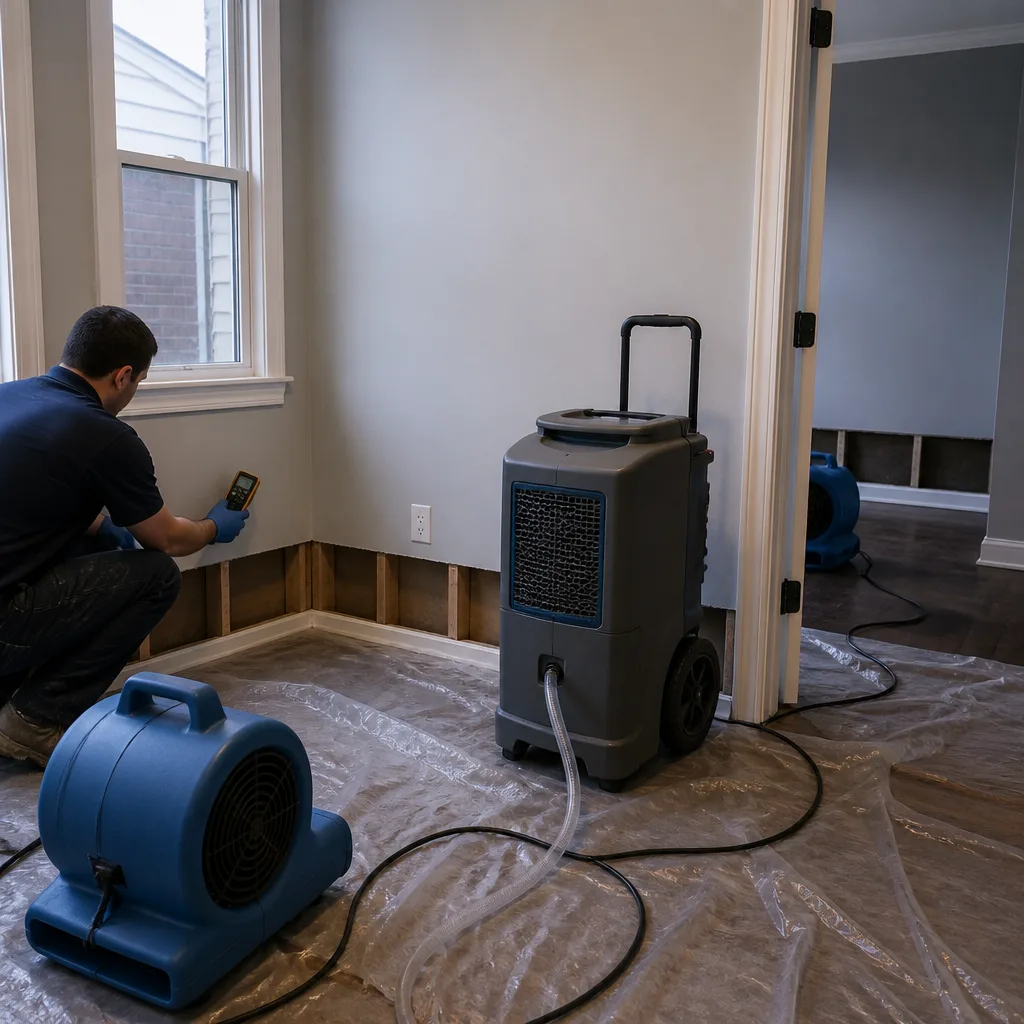
Emergency Water Extraction
Standing water in a Harrison basement or first floor demands immediate removal, not tomorrow. We deploy portable, high-volume extraction units that fit through 30-inch row-house doorways and down narrow basement stairs - the reality of Harrison’s 1900-1940 housing stock, where a standard truck-mount hose won’t reach. Extraction runs $950-$2,400 for typical Harrison properties, with pricing delivered in writing before any equipment starts. Haven Standard, Clause 1.
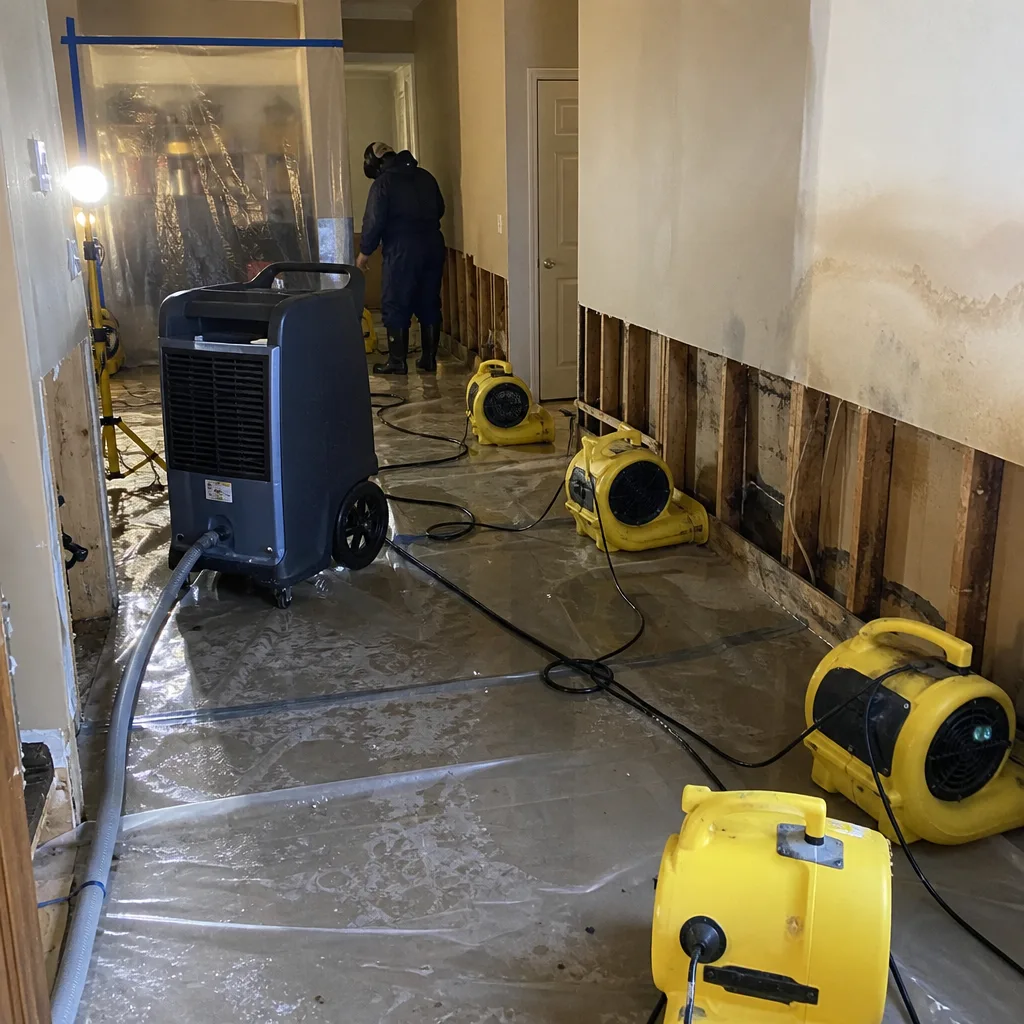
Structural Drying & Dehumidification
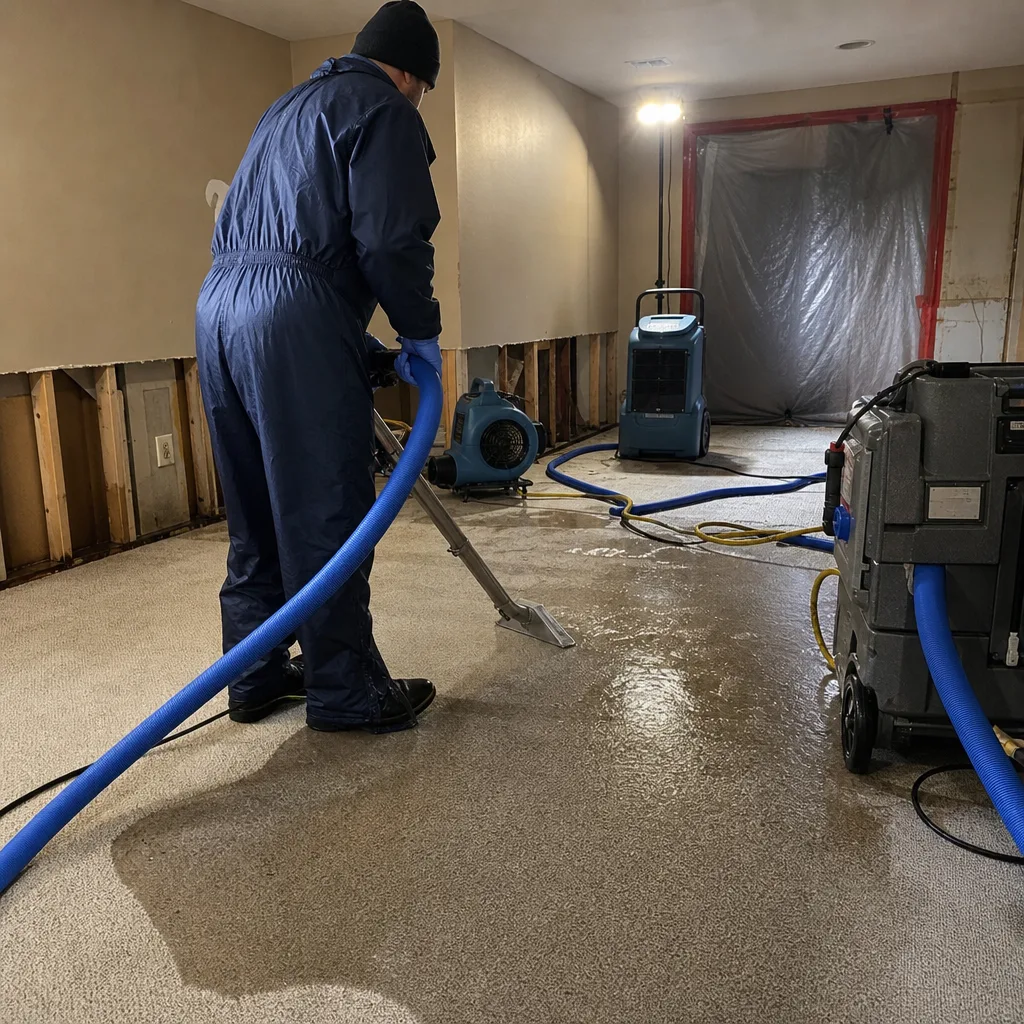
This is where Harrison’s old construction punishes shortcuts. Plaster-over-lath walls and tongue-and-groove subfloors - standard in Harrison’s brick row houses - hold moisture far longer than modern drywall and plywood. We map vapor pressure differential across every affected surface, set Dri-Eaz and XPOWER air movers in calculated positions, and run dehumidification until psychrometric data confirms materials are dry, not just surface-dry. Structural drying in Harrison typically ranges $1,800-$4,200, with multi-family buildings and plaster-wall assemblies trending toward the higher end. Daily moisture logs document every reading for your file.
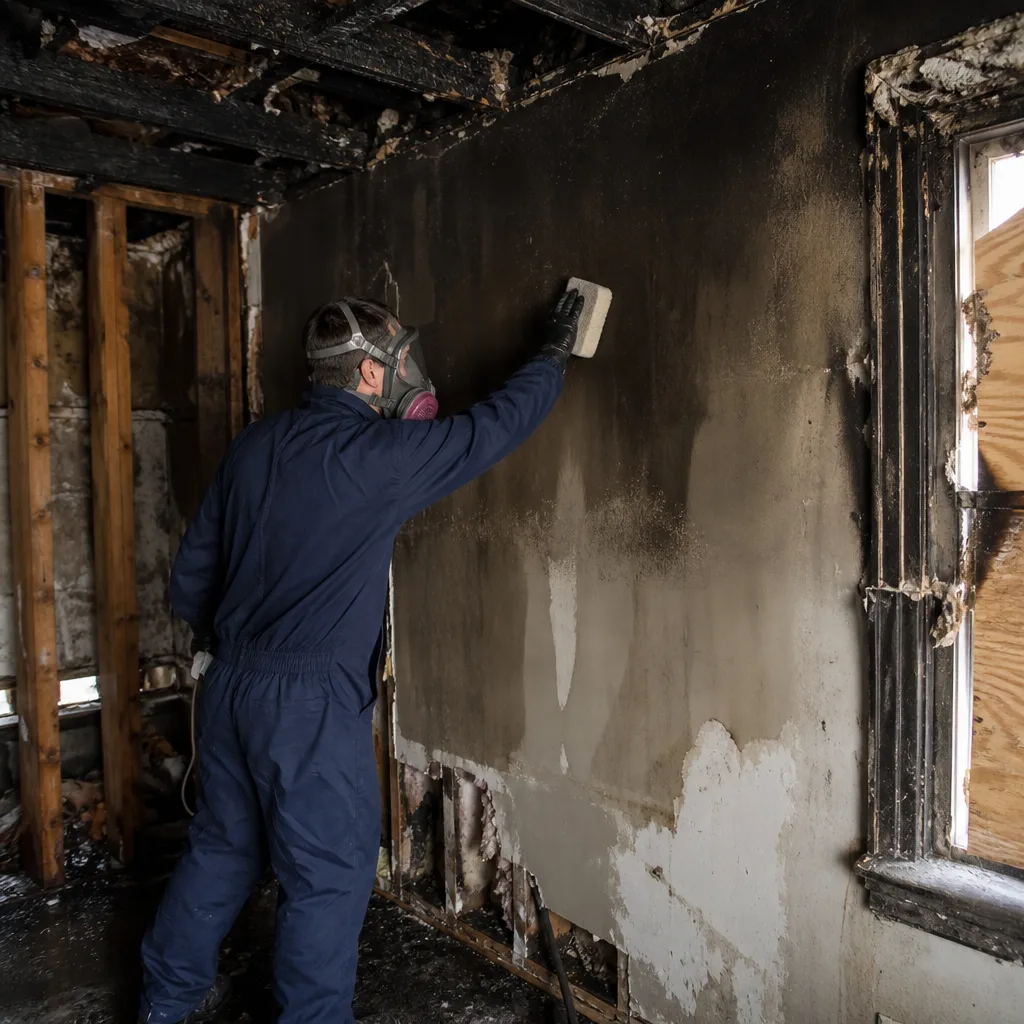
Flood Cleanup
Flood cleanup in Harrison is its own specialty. Because most residential blocks sit in FEMA Zone AE, a large share of these jobs run through NFIP flood insurance rather than standard homeowners’ policies - requiring elevation certificates, substantial damage determinations under the 50% rule, and separate adjusters with documentation standards that differ from typical carrier requirements. We document pre-loss condition, maintain drying logs with readings at every visit, and coordinate directly with flood adjusters so your claim doesn’t stall on paperwork. Flood cleanup in Harrison ranges $3,500-$8,500 depending on contamination level, affected area, and NFIP documentation complexity.
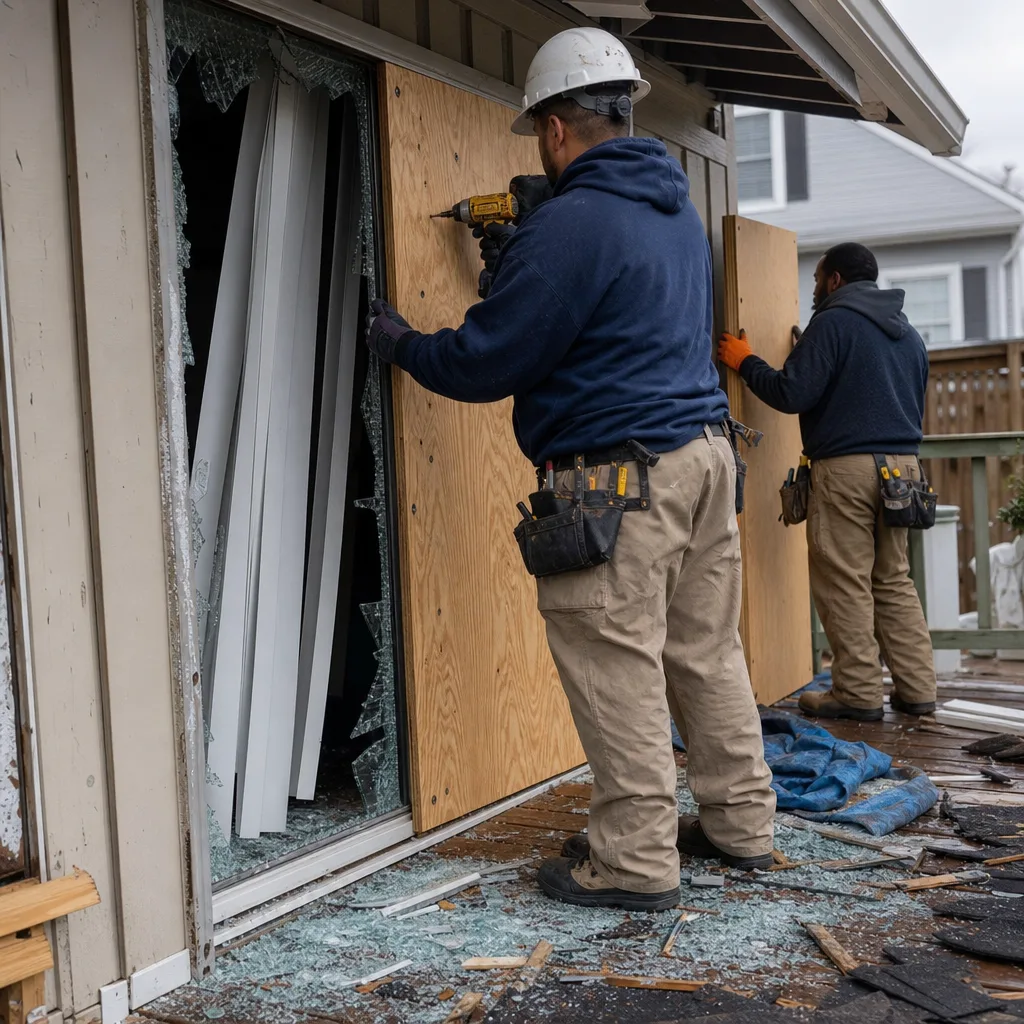
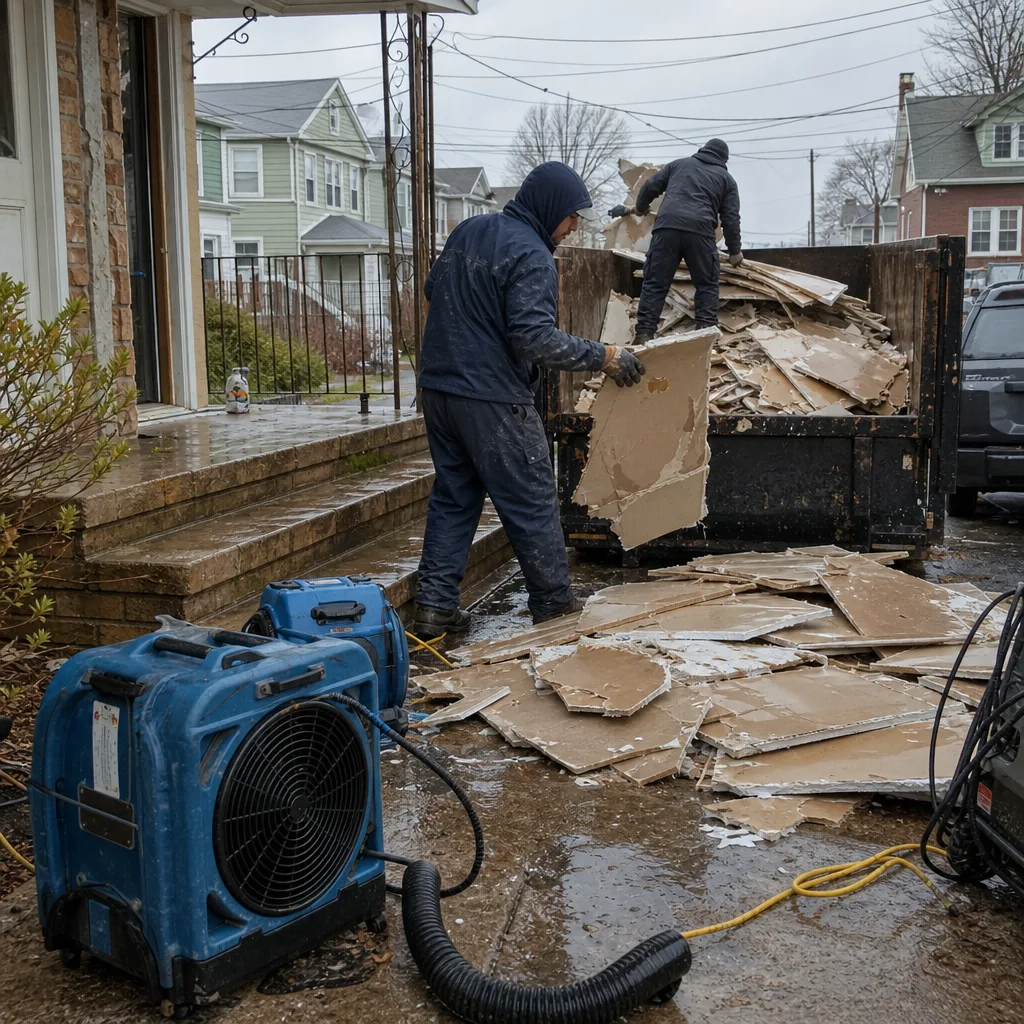
Burst Pipe Restoration
Harrison’s original galvanized and cast-iron drain lines - still common in pre-1940 buildings - corrode from the inside and fail without warning, often in February when freeze-thaw stress peaks. We extract, dry, and document the full scope, including secondary damage to plaster and subfloor assemblies that slower leaks hide for days. Burst pipe restoration in Harrison runs $2,200-$5,800, with written pricing before work begins and photo documentation on every visit.
Basement Water Removal
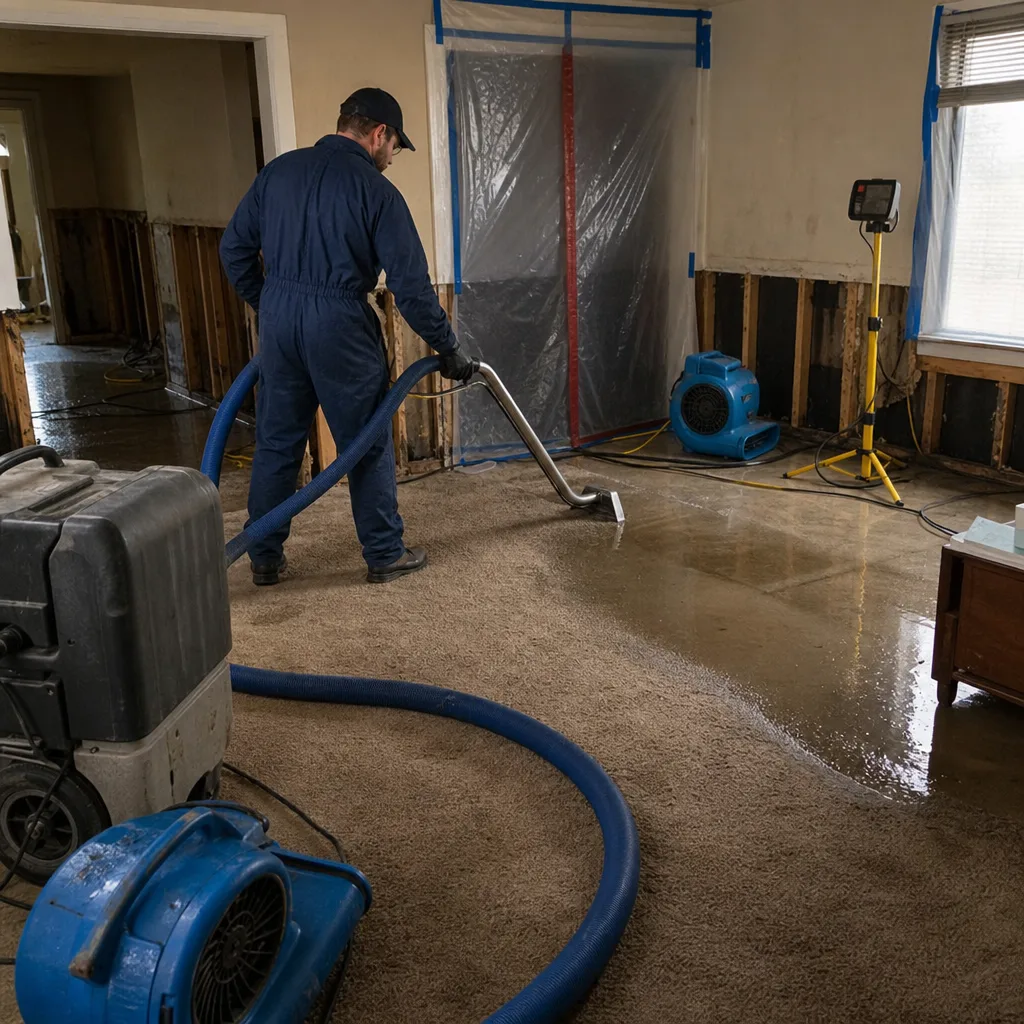
Harrison basements sit at or near Passaic River flood-stage elevation. When the river backs up or a drain line fails, water pools on impermeable urban terrain with nowhere to go. Our basement water removal service includes submersible pumping, extraction from finished and unfinished spaces, and moisture mapping of the concrete slab and any wood framing in contact. We treat Harrison basement jobs as extended-dry scenarios by default, not quick turns.
Ceiling & Roof Leak Water Damage
Flat-roof sections and parapet walls on Harrison’s multi-family buildings trap water that migrates laterally before showing as a ceiling stain. We trace the actual water path, document affected plaster and lath, and dry the full assembly rather than patching the visible spot.
What happens when you call
- 1
A real person answersNo phone trees - you reach a local pro.
- 2
You get an upfront price rangeHonest numbers before anyone is dispatched.
- 3
A background-checked tech heads outLicensed & insured, dispatched right away.
- 4
You approve before work beginsNothing starts until you say go.
BeforeAfterTrusted Brands We Service in Harrison
Our equipment inventory includes professional-grade drying systems from Dri-Eaz, B-Air, and Injectidry - brands specified in IICRC, RIA, and IFA documentation standards. The Injectidry panel drying system is particularly valuable in Harrison’s tight row-house layouts, where standard air mover placement is constrained by narrow rooms and fixed cabinetry. We stock local replacement components for these systems so Harrison jobs don’t wait on parts. Every machine’s output is logged to psychrometric targets and included in your daily drying record.
Common Water Damage Restoration Problems We See in Harrison Homes
- Zone AE flood losses treated like routine supply-line leaks. Contractors unfamiliar with NFIP procedures dry to standard documentation instead of producing elevation certificates and substantial damage determinations. The flood adjuster rejects the claim, and the homeowner pays twice.
- Moisture rebound in plaster-over-lath walls and tongue-and-groove subfloors. These original Harrison materials hold water far longer than modern construction. A crew that pulls equipment when drywall would be dry leaves behind readings that climb back within 72 hours.
- Category 3 misclassified as Category 1. Standing water over Harrison’s sewer-adjacent basement floors, especially after Passaic River flooding, is realistically contaminated. Drying materials that should be removed creates health liability and documentation failure.
- Missing the elevation certificate window. NFIP claims in Harrison require specific pre-loss documentation. Contractors who don’t know to photograph and record baseline conditions before drying begins lose the homeowner’s ability to prove substantial damage.
Pricing for Water Damage Restoration in Harrison, NJ
| Service | Typical Range in Harrison |
|---|---|
| Emergency Water Extraction | $950 - $2,400 |
| Structural Drying & Dehumidification | $1,800 - $4,200 |
| Flood Cleanup (NFIP documentation included) | $3,500 - $8,500 |
| Burst Pipe Restoration | $2,200 - $5,800 |
| Basement Water Removal | $1,400 - $3,600 |
| Ceiling & Roof Leak Damage | $1,200 - $3,800 |
What moves a Harrison job up or down within these ranges: affected square footage, contamination category (1, 2, or 3), whether plaster-over-lath or modern drywall is involved, NFIP documentation requirements, and access constraints (tight stairs, alley entry, parking limitations). Every job gets a written price before work starts - Haven Standard, Clause 1 - with no scope-creep additions once our crew is inside. Bring a competitor’s written estimate and we’ll review it free as part of our Free Second Opinion policy.
We Also Serve Cities Near Harrison
Our crews respond daily across the Passaic River corridor, including Harrison, Kearny, North Arlington, Newark, and Jersey City. Each city’s elevation profile, housing stock, and flood risk pattern shapes how we approach the job - Harrison’s near-zero elevation and Zone AE density make it the most documentation-intensive market we serve.
Serving Harrison, NJ - Our Local Coverage Area
We’re based in the Harrison area and know this community well. Use the map below to see our service coverage - if you’re nearby, we can almost certainly help.
FAQs - Water Damage Restoration in Harrison
Harrison’s flat, impermeable urban terrain and near-zero elevation cause floodwater to pond and drain slowly, extending the water-exposure window before we even arrive. Then the building itself works against speed: original plaster-over-lath walls and tongue-and-groove subfloors - standard in Harrison’s 1900-1940 housing - absorb and hold moisture far longer than modern drywall and plywood. We plan for extended drying cycles here and document every reading so you know when it’s actually done, not just when it looks dry. Call (862) 292-4268 for an exact quote - estimates are free.
Because most of Harrison sits in FEMA Zone AE, a large share of flood-related losses run through NFIP flood insurance rather than standard homeowners’ coverage - but the determining factor is water source, not location alone. Passaic River overflow, storm surge, or surface water flooding typically triggers NFIP; burst pipes, appliance failures, or roof leaks usually go to your homeowners’ carrier. We determine the correct claim path during our initial assessment and document to the corresponding standard from day one. Call (862) 292-4268 and we’ll review your specific loss.
Within 24 hours for Category 1 water, faster for Category 2 or 3 - and Harrison’s sewer-adjacent basements with Passaic River flooding are rarely Category 1 for long. Mold colonization begins in 48-72 hours on organic materials, and Harrison’s humid riverbank climate accelerates that timeline. Our live dispatch answers in seconds, not hours, and crews average under 90 minutes to Harrison properties. Call (862) 292-4268 for immediate dispatch.
Yes - our extraction and drying equipment is selected specifically for Harrison’s clearance constraints. Portable units fit through 30-inch openings, and our crews are trained on the alley-load entries and narrow basement stairs common in the town’s 2-4 family brick buildings. We don’t show up with gear that won’t fit. Call (862) 292-4268 to discuss access at your specific property.
Category 1 is clean water from a supply line; Category 2 is gray water with significant contamination from sources like dishwasher discharge; Category 3 is black water, including sewage and floodwater from rivers or storms. In Harrison, standing water in a Passaic River flood loss - especially in a basement with original cast-iron drains - is realistically Category 3 due to probable sewage and chemical contamination, regardless of initial appearance. We test and classify on arrival, remove Category 3 materials rather than drying them, and document the classification for your claim file. Call (862) 292-4268 for assessment - estimates are free.
Written by Alicia Brennan, Owner at Back to Dry Restoration, serving Harrison since 2011.