
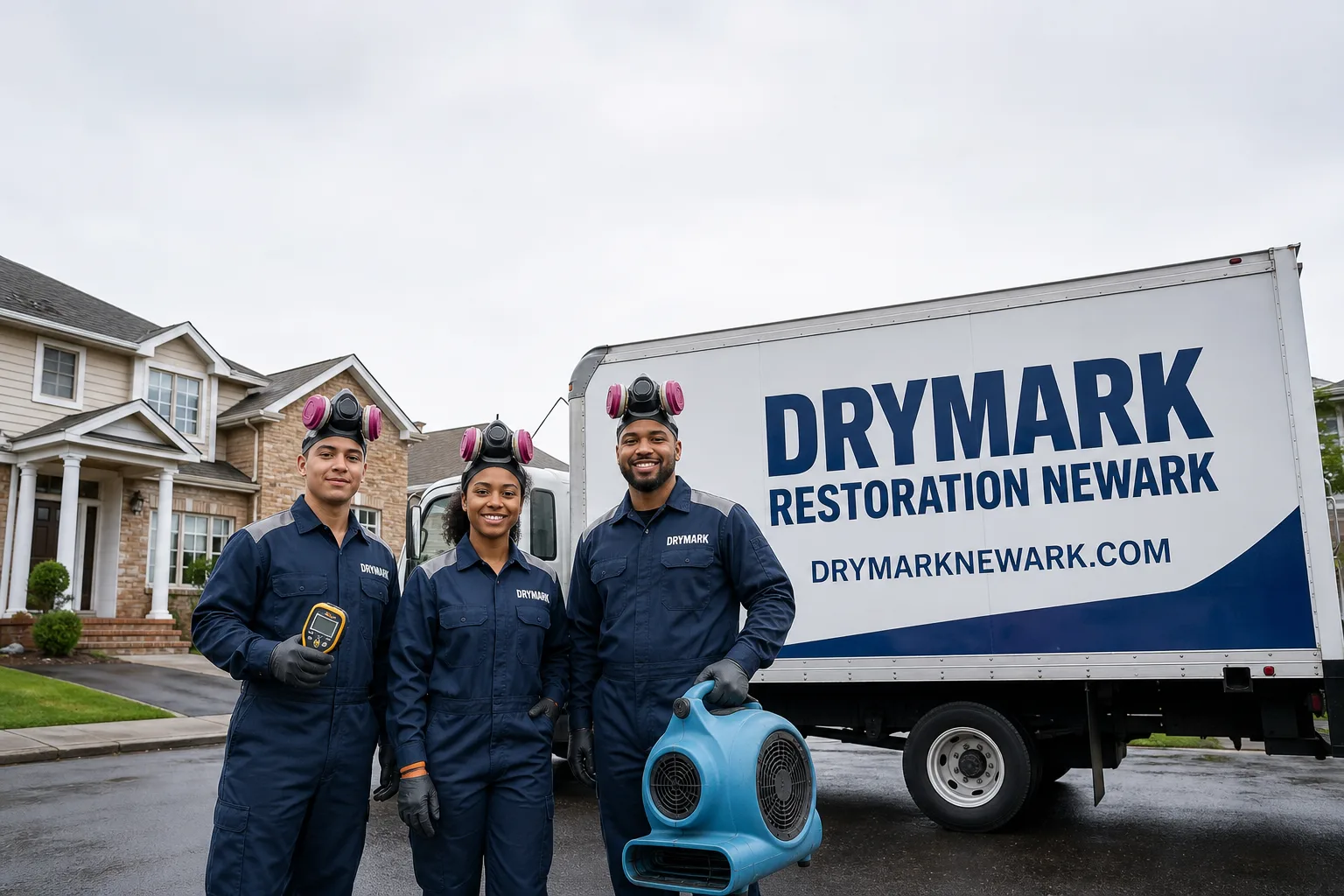
Free visual inspection and a written scope of work before any mitigation begins - photos, moisture readings, and drying logs go in your claim file
The scope we write is the scope we bill. Anything new gets shown to you, in writing, before we touch it.
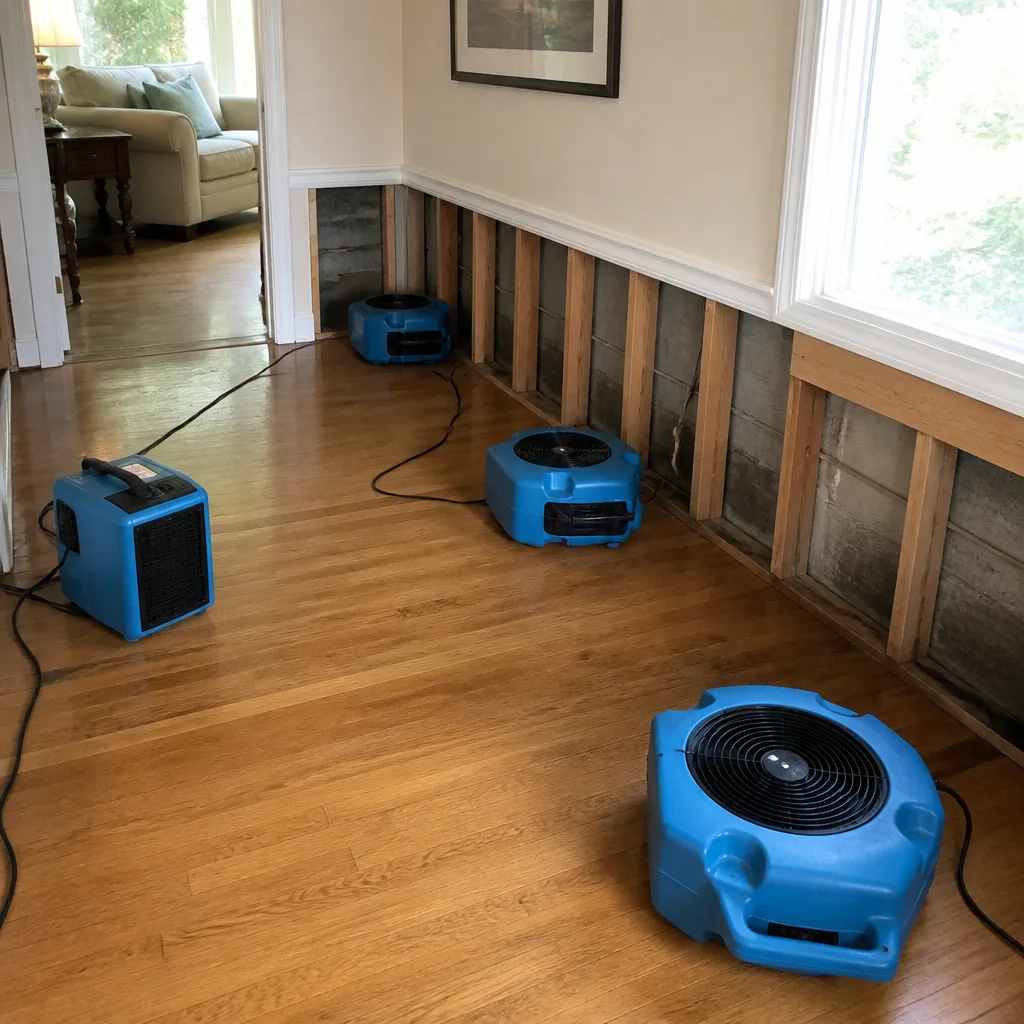
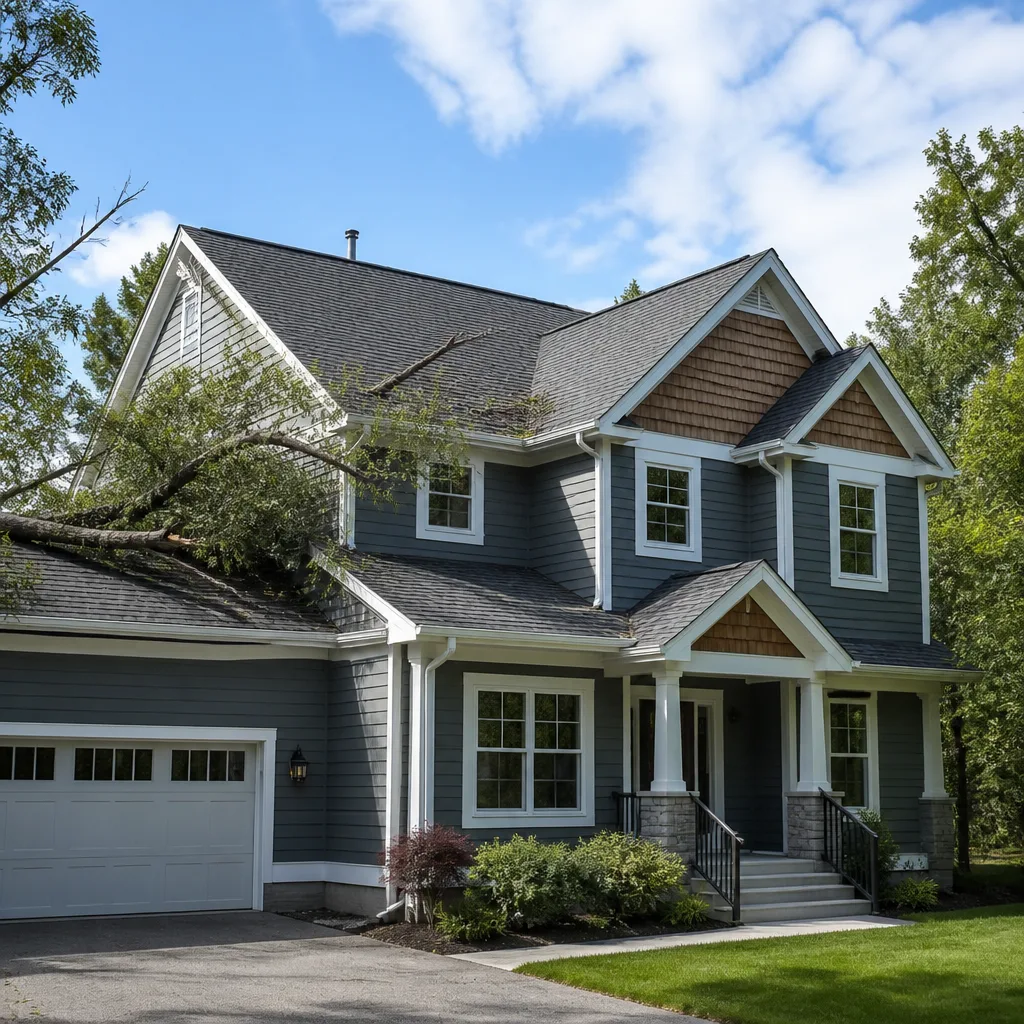
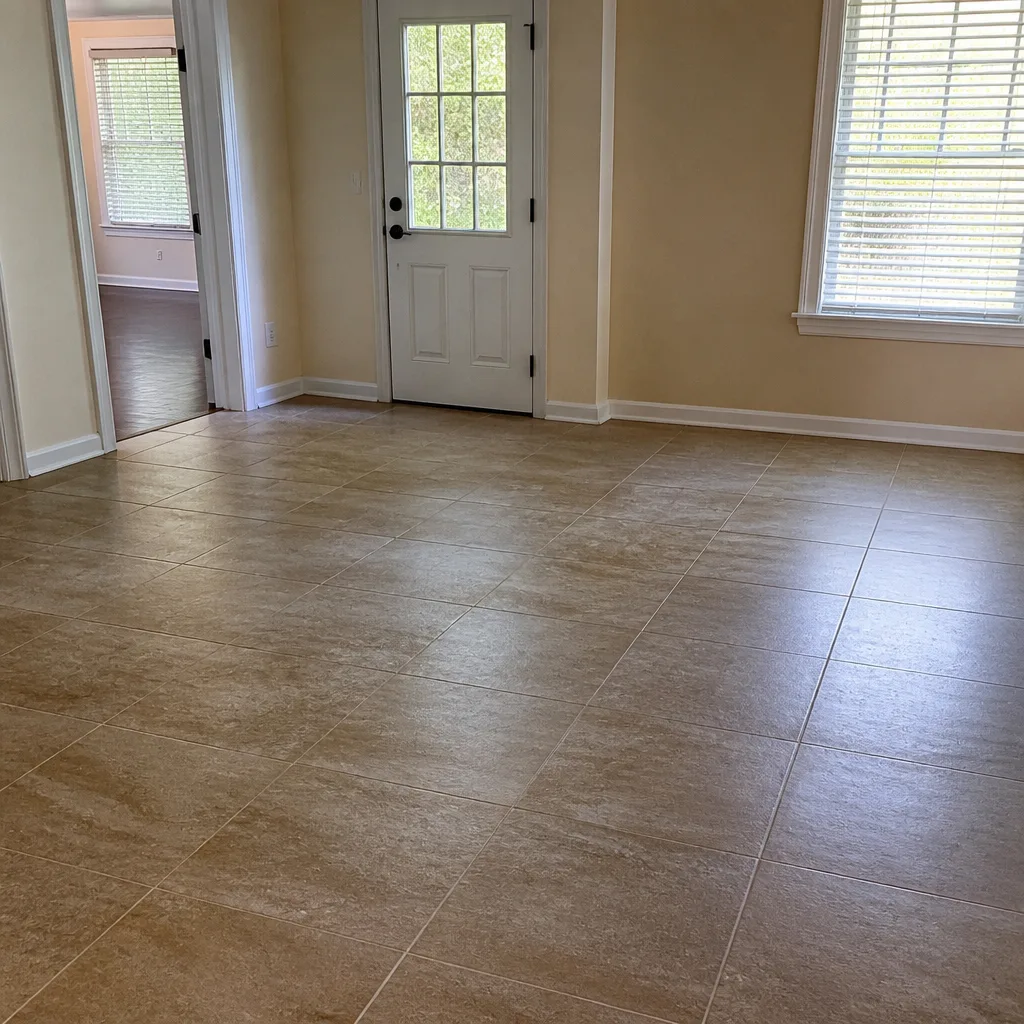
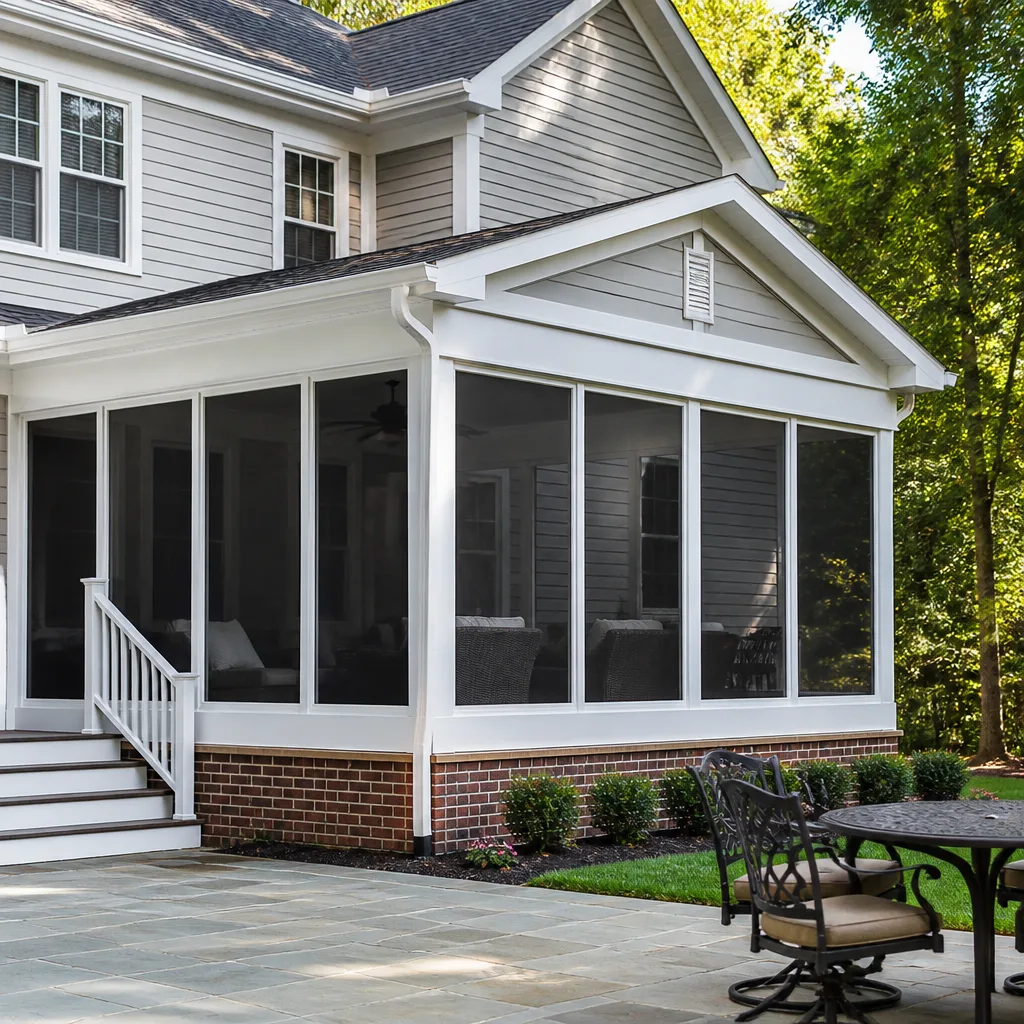
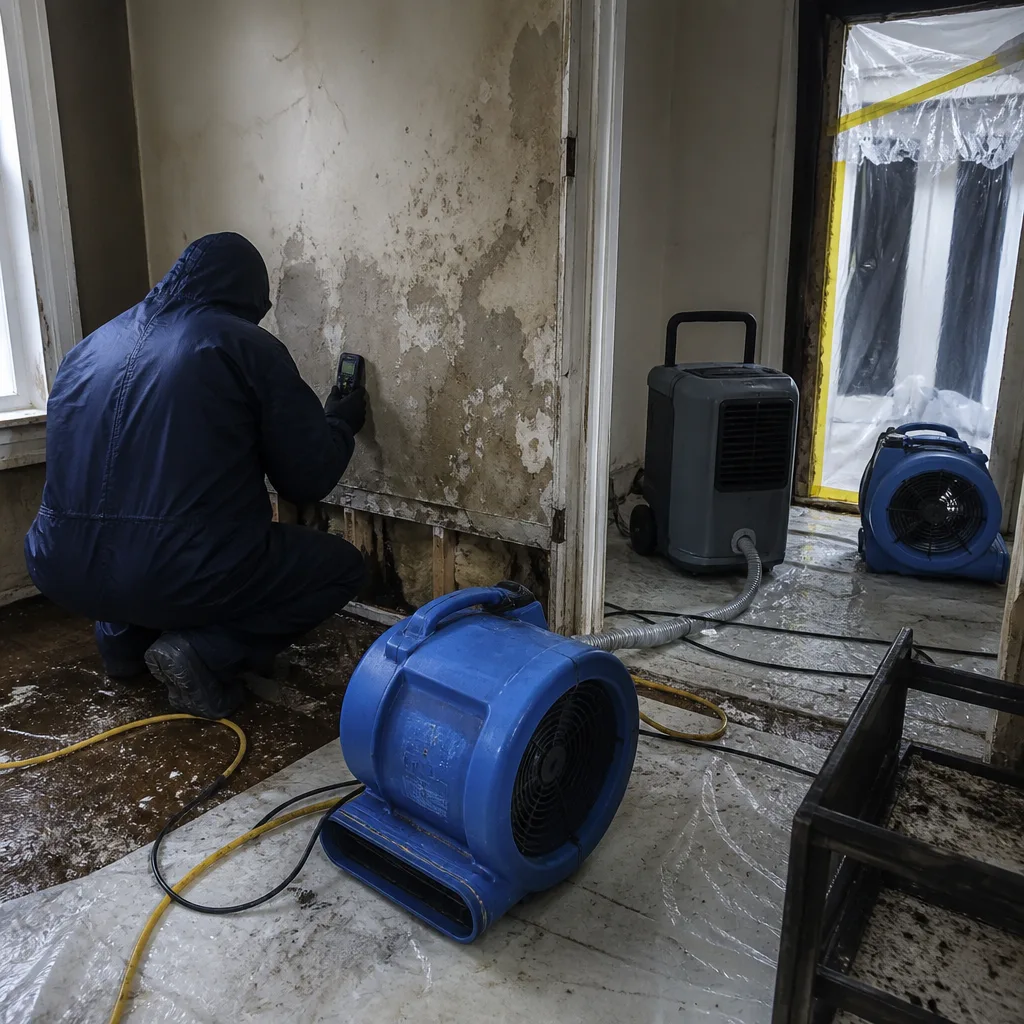 Before
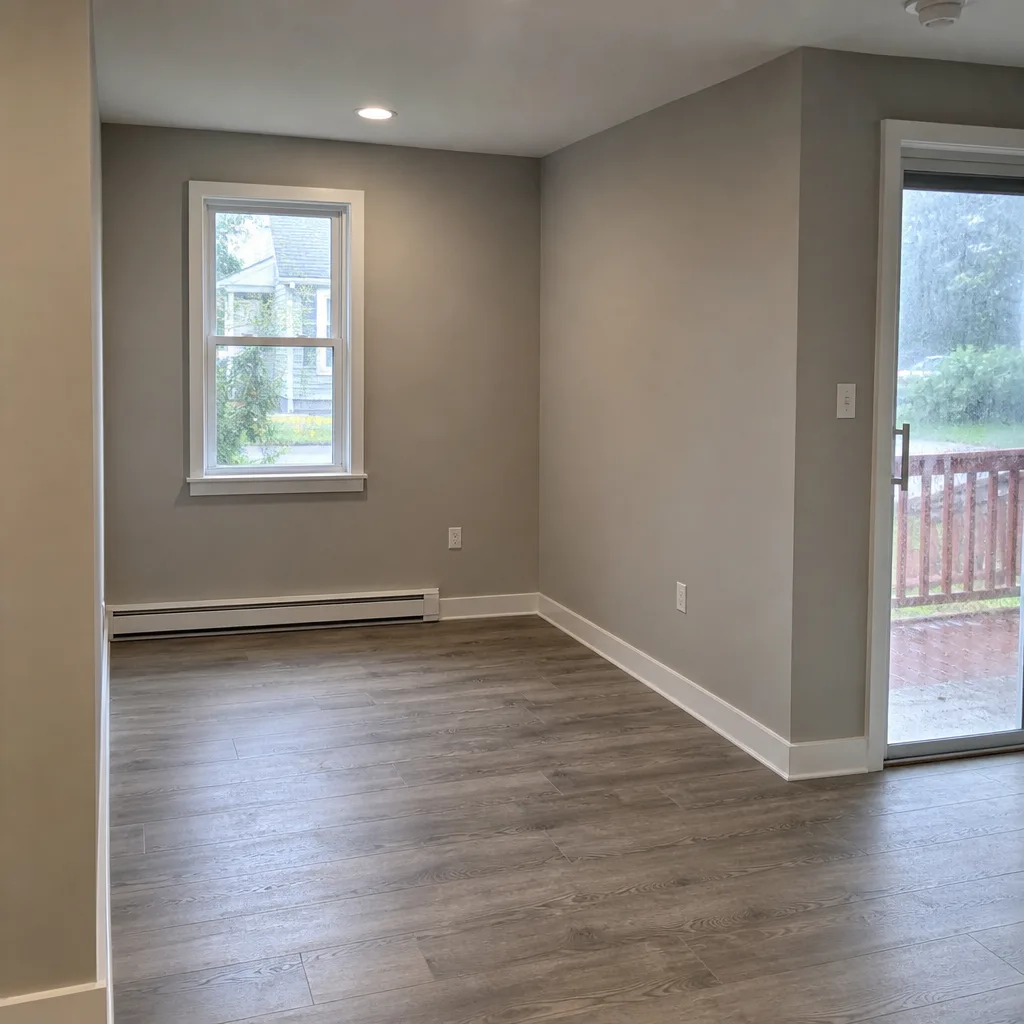 After
After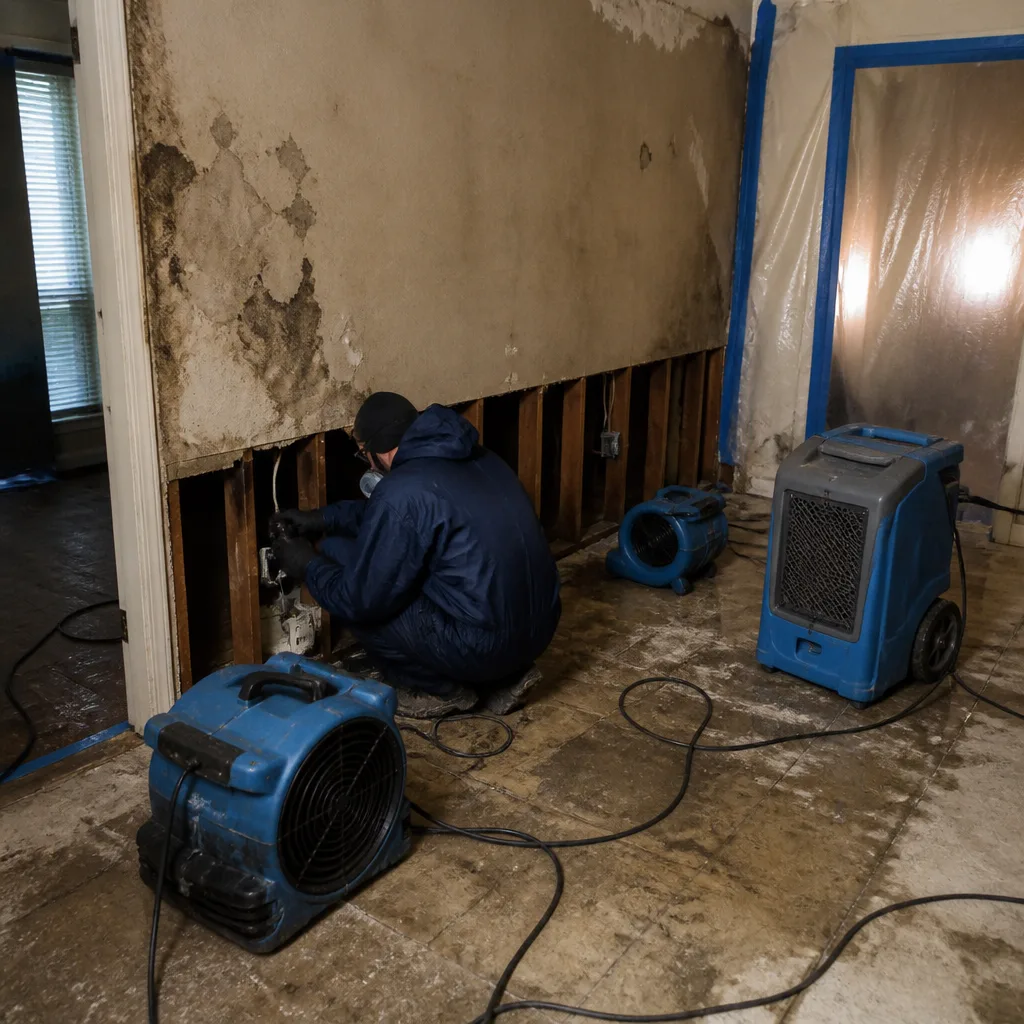 Before
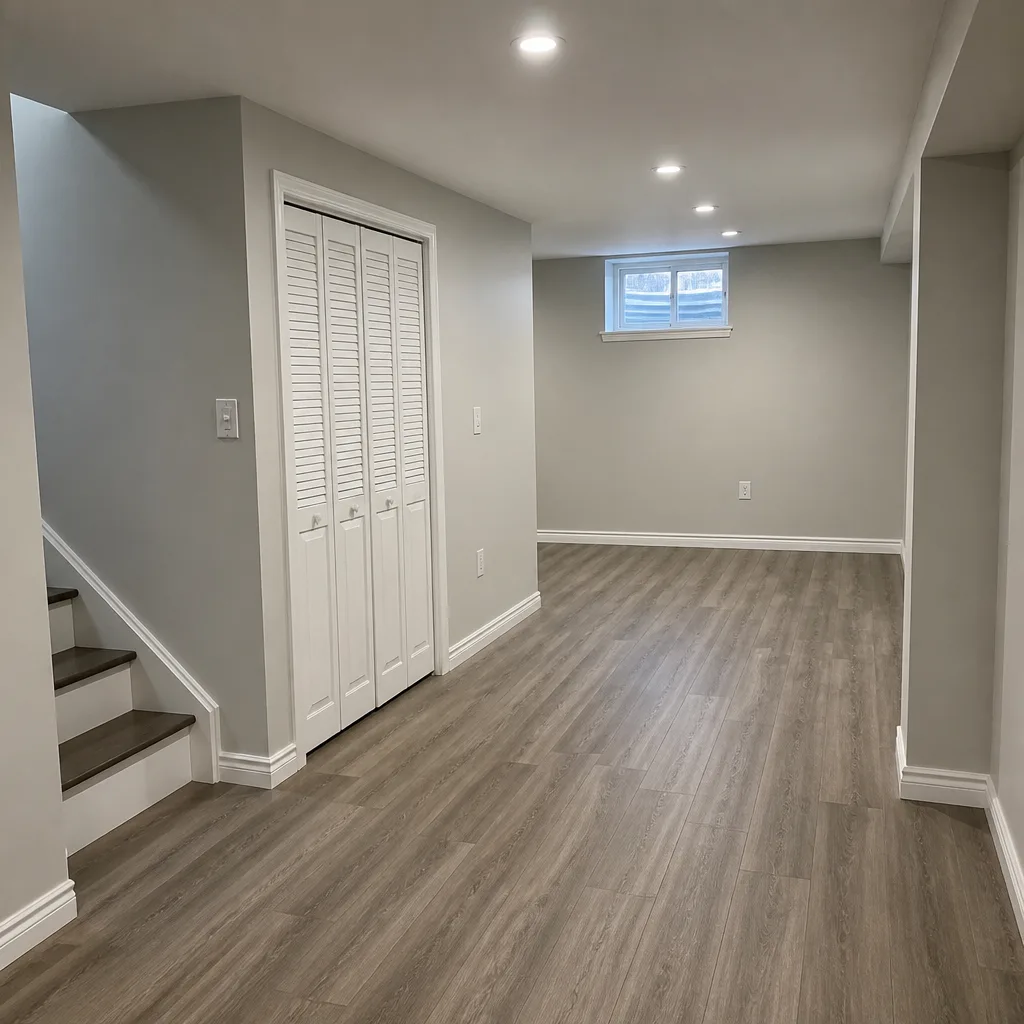 After
After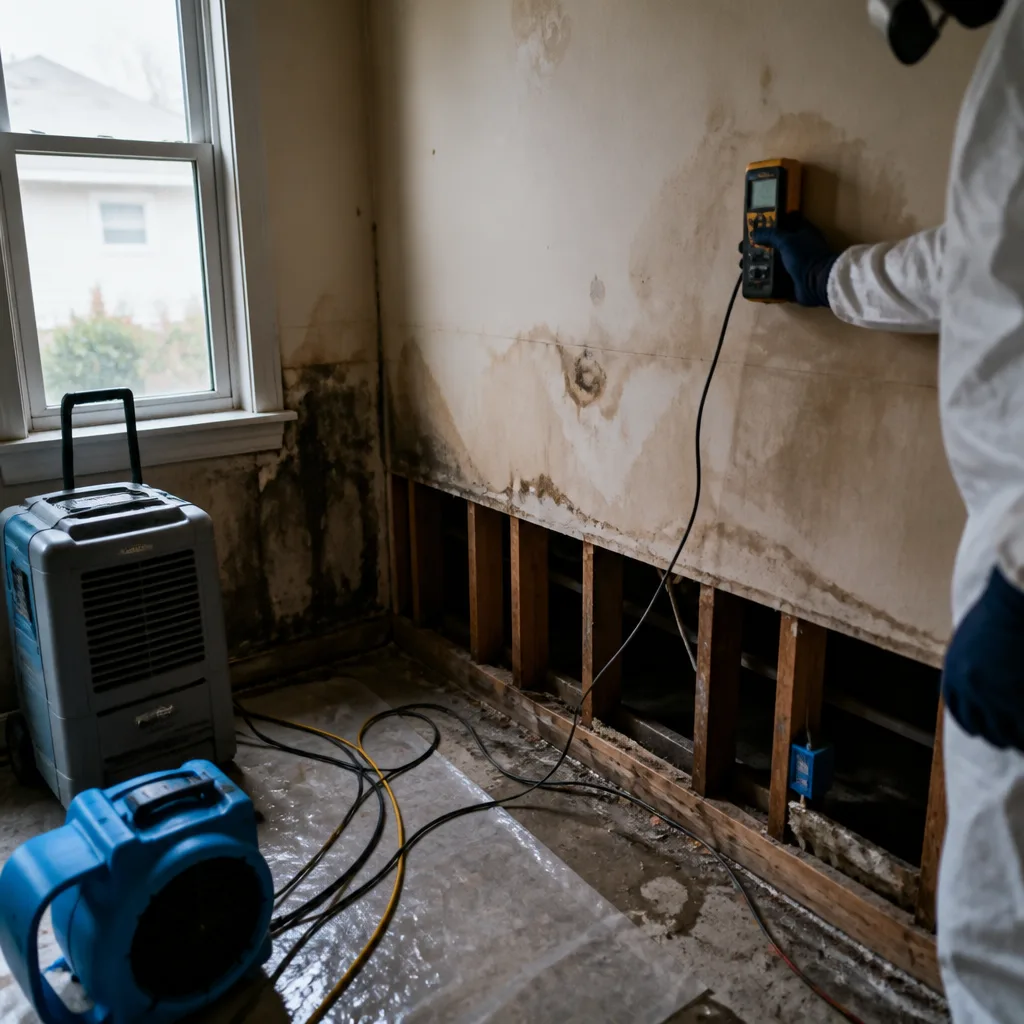 Before
 After
AfterFast, Reliable Fire & Smoke Damage Restoration Across Harrison
Fire and smoke damage restoration in Harrison, NJ typically costs $2,800-$8,500 for a standard residential job, with emergency board-up and tarping starting at $450-$950 and full structural fire repair on older row houses running $15,000-$45,000 depending on NFIP compliance requirements. Our crews respond to Harrison within 45-60 minutes, and every job opens with a written price before anyone touches your property. Call (862) 292-4268 for immediate dispatch or to schedule a free assessment.
We know Harrison’s streets. The narrow alleys between attached multi-families off Harrison Avenue. The tight clearances behind brick row houses where a box truck won’t fit. The shared party walls that let smoke migrate from one unit to the next before the fire department clears the scene. Our Fire & Smoke Damage Restoration team has handled these exact conditions since 2011, and we document every step to the standard that NFIP adjusters and homeowners’ carriers both accept.
Why DryMark Restoration Newark Is Harrison’s Preferred Fire & Smoke Damage Restoration Company
Harrison homeowners don’t have the luxury of wide setbacks or detached garages. When fire hits a 2-family brick row house near the PATH station, the response has to account for alley-only access, attached neighbors, and the real possibility that suppression water has pooled in a full basement sitting at Passaic River flood stage. We’ve restored properties on Hamilton Street, Frank E. Rodgers Boulevard, and the blocks between them. Our Harrison customers leave reviews mentioning the same things: crews who arrived with hand carts, not just box trucks, and documentation that their adjusters accepted without argument.
Response time to Harrison averages 45-60 minutes from dispatch. Scheduling and crew coordination run from our New York City office, but the technicians who arrive at your door are local to the Harrison metro area and familiar with the town’s building stock. They know which blocks have rear access and which don’t. They know that a fire on one side of a party wall almost always requires containment on both sides, even when the neighboring unit looks untouched.
Our 12,000+ restored homes since 2011 include hundreds in Harrison and the surrounding Passaic River corridor. Every one carried a written price before work started, a photo record on every visit, and a 365-Day Done Right Promise backed by The Haven Standard. Alicia Brennan built this company around the documentation gap that costs homeowners their claims. That origin shows up in how we handle Harrison’s specific challenges.
Our Fire & Smoke Damage Restoration Services in Harrison
Fire Damage Cleanup
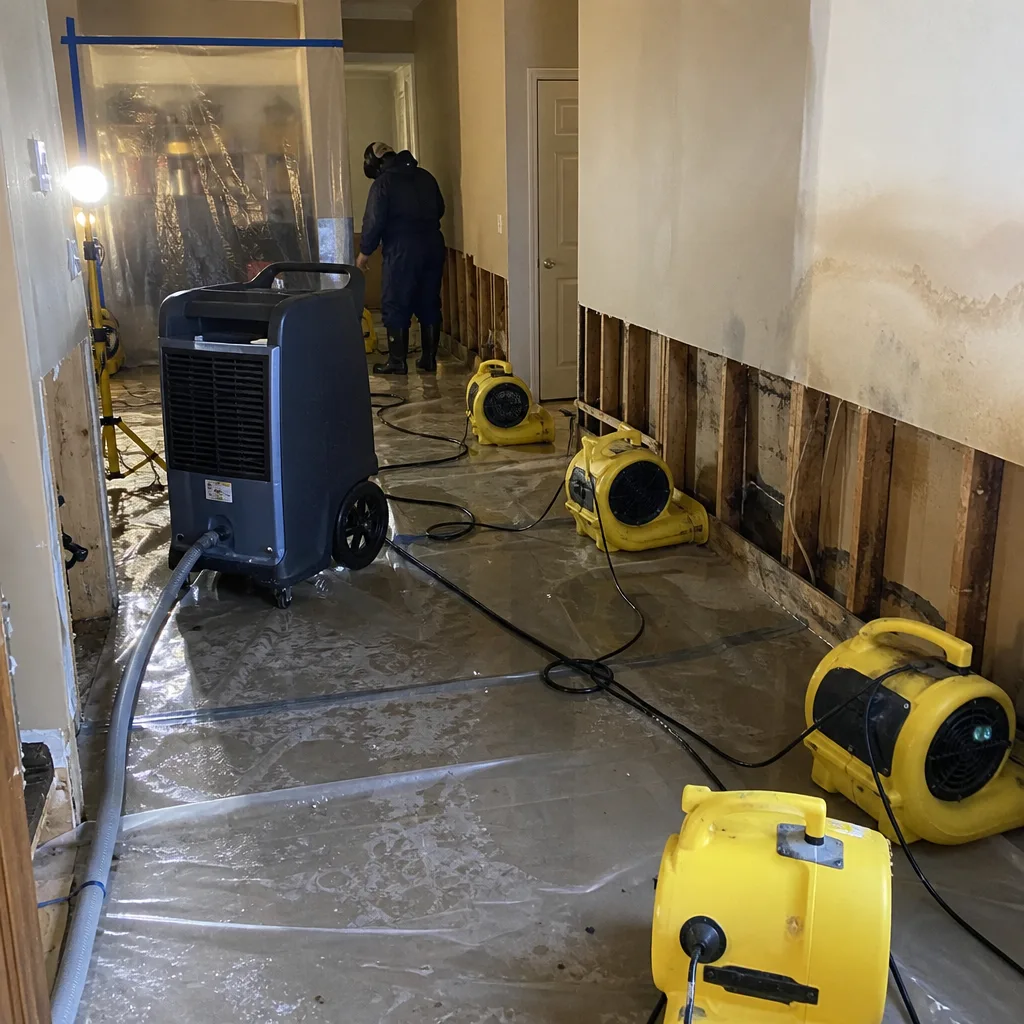
Harrison’s early-20th-century housing stock, built between 1900 and 1940, doesn’t respond to fire cleanup the way modern construction does. Plaster-over-lath walls hold soot deeper than drywall. Tongue-and-groove subfloors trap char and moisture where OSB would shed them. On a typical Harrison Avenue job, we remove damaged plaster in controlled sections to avoid collapsing the lath keys, then HEPA-vacuum every cavity before antimicrobial treatment. The full basement below, often at or near flood-stage elevation, gets inspected for suppression water intrusion even when the fire was two floors up.
Smoke & Soot Removal
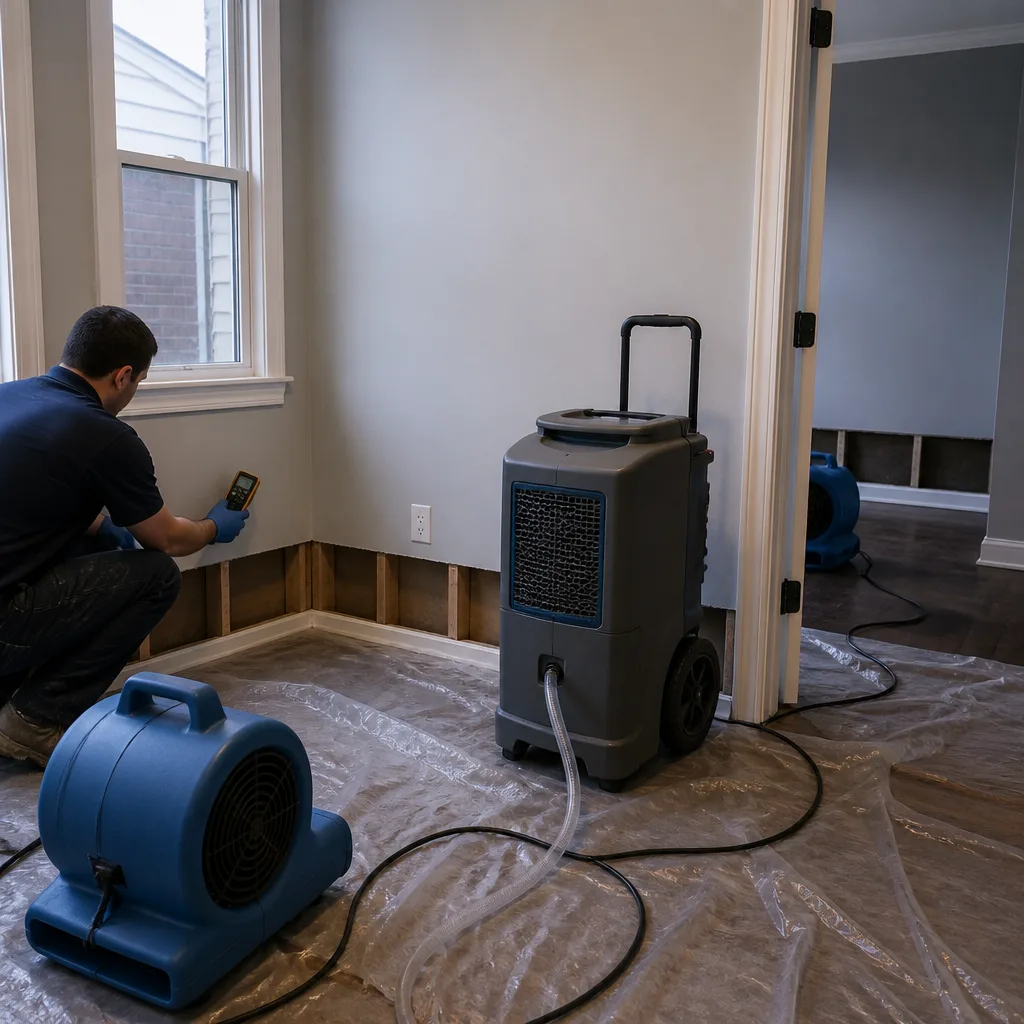
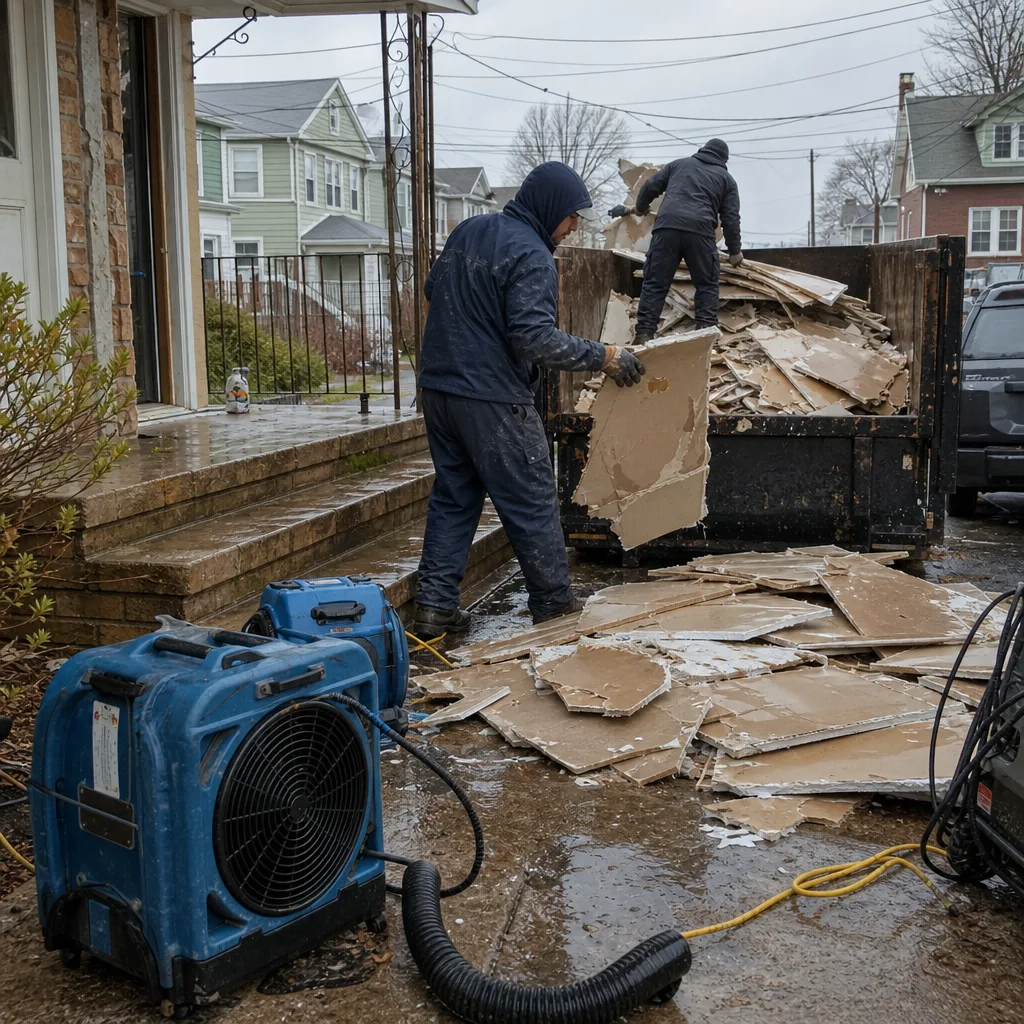
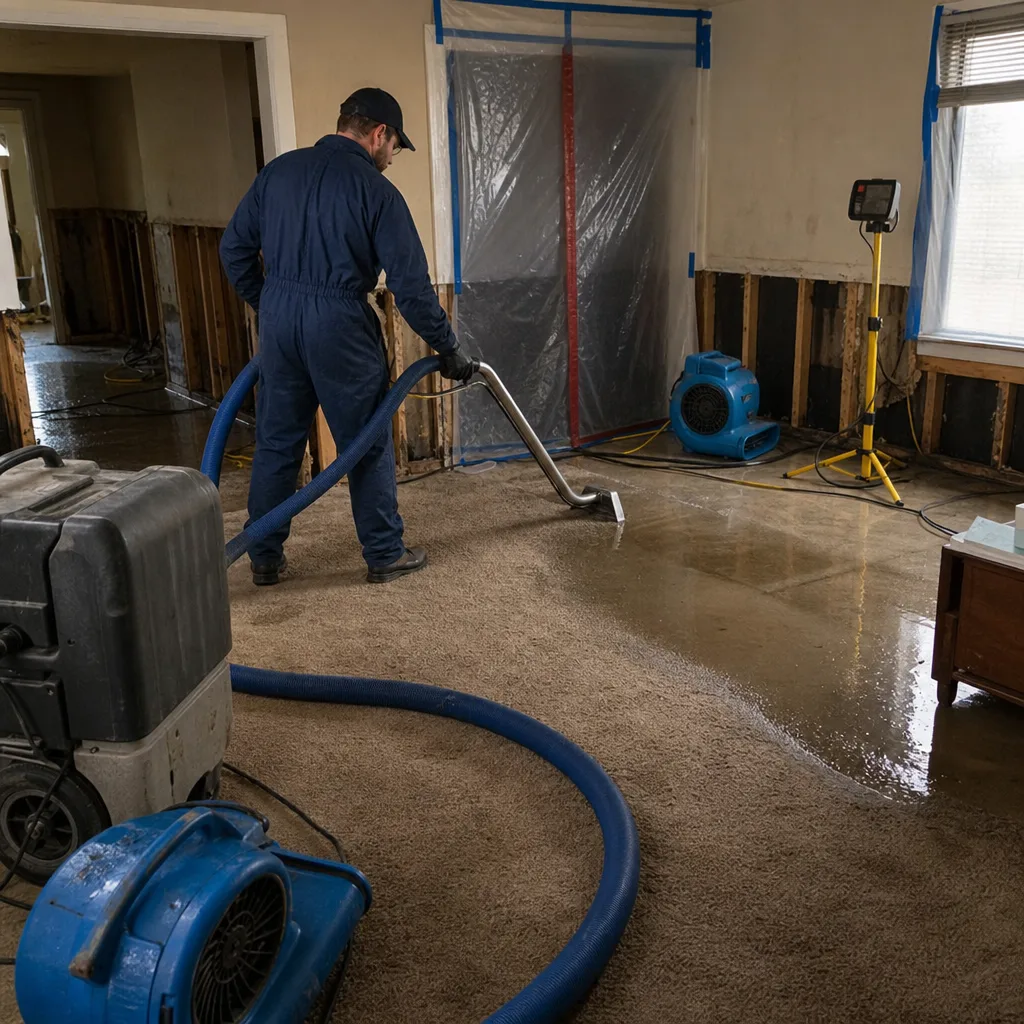
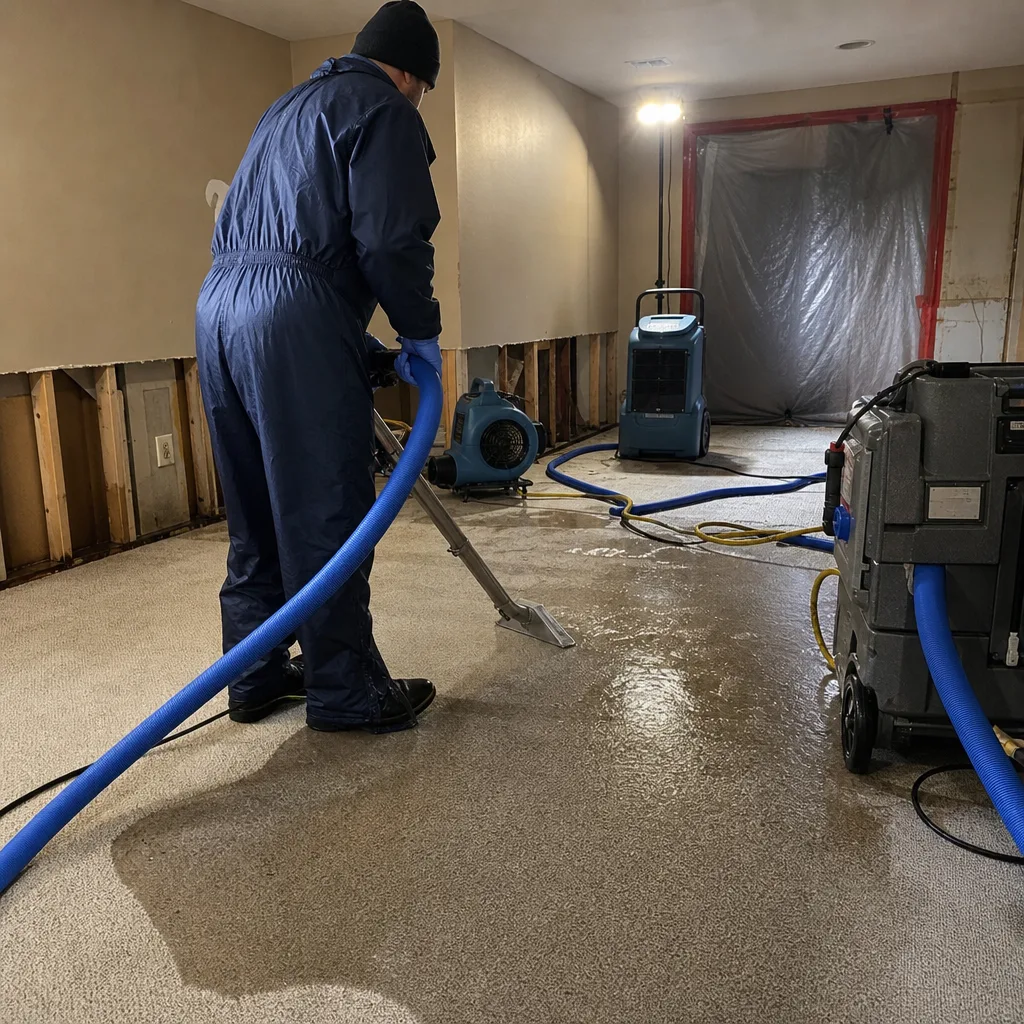
Smoke travels through paths you can’t see. In Harrison’s attached multi-families, that means the shared party wall, the common attic space, the gaps around original cast-iron plumbing stacks. We use thermal fogging and hydroxyl generators on soot-affected surfaces, but the critical step is containment: negative air pressure to prevent odor migration into the neighboring unit. On a recent job off Harrison Avenue near the PATH station, a kitchen fire sent smoke through plaster-over-lath walls and into the attached wood-frame unit next door. We staged our Dri-Eaz and XPOWER air movers on the sidewalk, ran containment inside, and set up negative air so soot odor didn’t migrate. We packed out the second-floor contents for cleaning, sprayed antimicrobial treatment on the charred joists, and logged moisture readings daily because the original cast-iron drains had backed up during suppression and pushed category 3 water into the full basement. Seven days of documented drying logs later, the structural fire repair and odor work closed out with both units re-occupiable.
Odor Removal & Deodorization
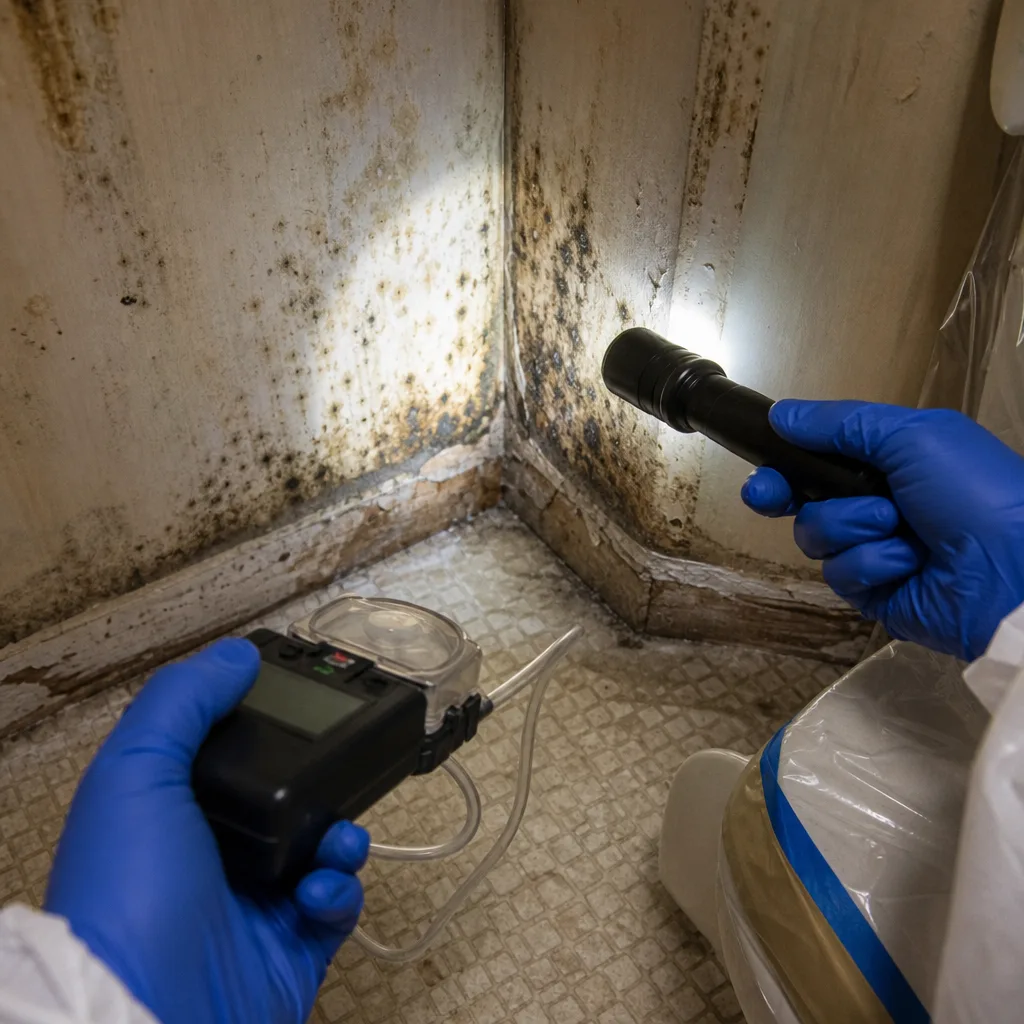
Soot odor in Harrison row houses doesn’t respond to surface cleaning alone. The porous plaster, the century-old wood framing, the gaps around electrical conduit in shared walls, all hold odor molecules that reactivate with humidity changes. Our process targets these reservoirs with vapor-phase deodorization, then verifies elimination with olfactory testing and air sampling, not just “it smells better.” We document the before readings and the after readings in your job file, so if an odor complaint resurfaces six months later, we have baseline data to determine whether it’s residual contamination or a new source.
Contents Cleaning & Pack-Out
Space is tight in Harrison units. There’s no spare room to stage damaged furniture while structural work proceeds. Our pack-out service removes contents to a controlled cleaning facility, where we evaluate each item against IICRC salvage criteria, clean what can be restored, and document total losses with photo evidence for your adjuster. In Harrison, where many residents rent the second unit of their 2-family or rely on the rental income, speed matters. We typically complete initial pack-out and inventory within 4-6 hours of arrival, with a written scope for contents work delivered before any cleaning begins.
Emergency Board-Up & Tarping
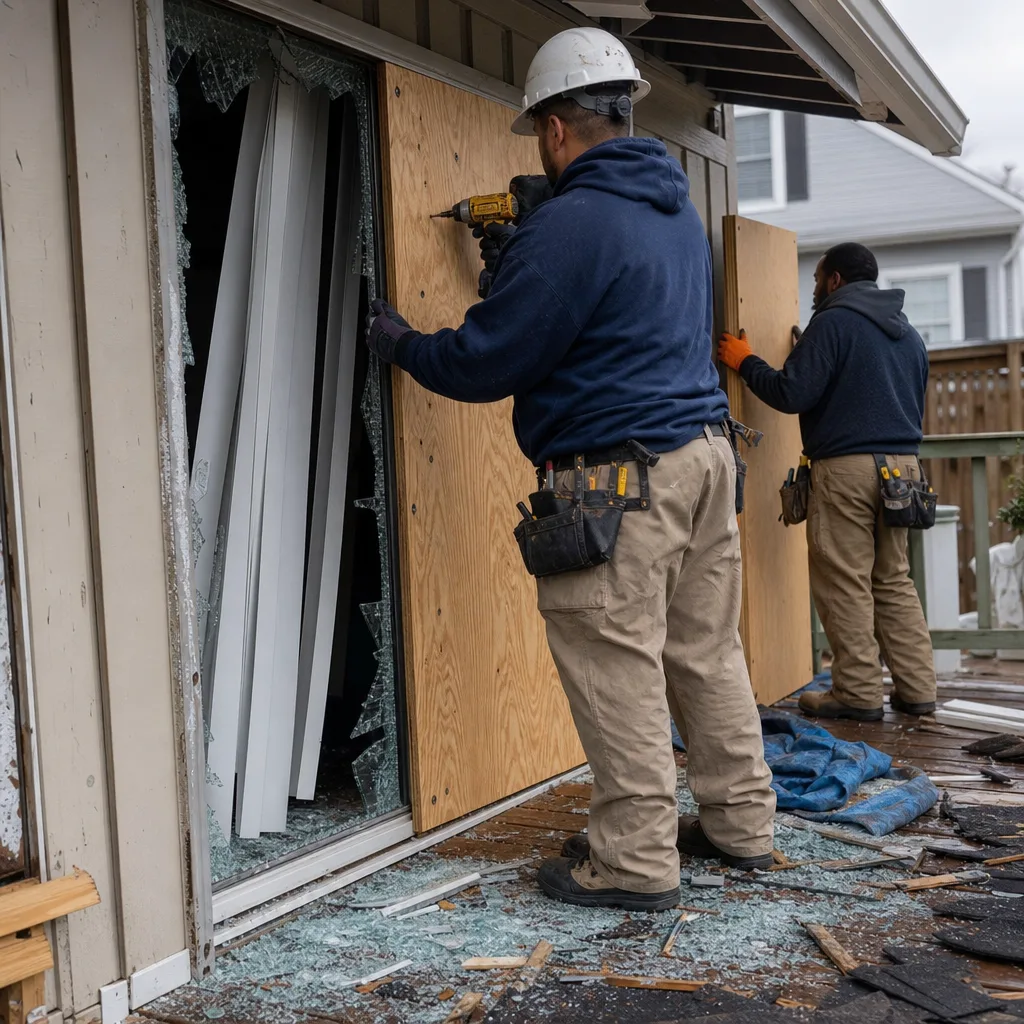
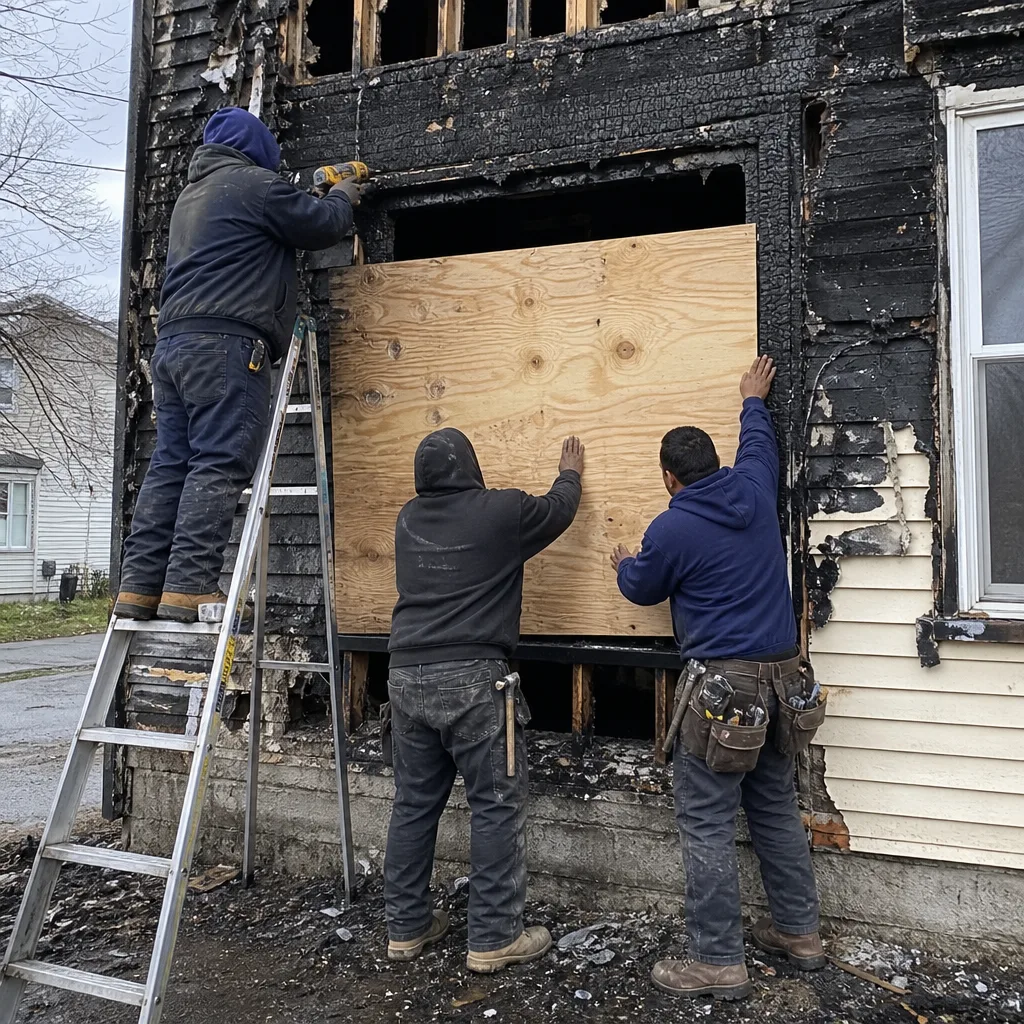
Harrison’s alley-only access and zero lot lines make board-up more complicated than in suburban locations. No driveway means no boom truck. No rear access means ladders staged from the sidewalk, with permits and traffic control factored into response time. We carry pre-cut plywood and temporary roofing materials sized for Harrison’s standard window and door openings, and our crews are trained in urban staging: hand-carting materials through narrow passages, securing roof tarps without anchor points on neighboring properties, and documenting the secure condition with date-stamped photos for your insurance file. Board-up and tarping in Harrison starts at $450-$950 for a standard row house, with complex multi-unit jobs running $1,200-$2,800.
Structural Fire Repair
Structural repair in Harrison often triggers the substantial damage determination, or 50% rule, because so much of the town sits in FEMA Zone AE. If your property has a documented flood history and the fire damage pushes total repair costs past 50% of pre-damage market value, NFIP compliance requirements kick in before standard structural work can proceed. Elevation certificates, separate adjuster assignments, and different documentation standards all enter the timeline. We’ve navigated this dual-claim process for Harrison properties where charred first-floor framing soaked in prior floodwater, and we write our scopes to satisfy both homeowners’ and NFIP adjusters from the first submission.
What happens when you call
- 1
A real person answersNo phone trees - you reach a local pro.
- 2
You get an upfront price rangeHonest numbers before anyone is dispatched.
- 3
A background-checked tech heads outLicensed & insured, dispatched right away.
- 4
You approve before work beginsNothing starts until you say go.
BeforeAfterTrusted Equipment & Standards We Deploy in Harrison
Our Harrison crews work with professional-grade drying and air quality systems from Dri-Eaz, XPOWER, and Injectidry, documented to IICRC and RIA standards. The XPOWER air movers we staged on that Harrison Avenue sidewalk job are the same units we use on high-rise water losses in Manhattan: compact enough for tight urban staging, powerful enough to maintain airflow in contained spaces. Injectidry’s panel drying system lets us dry plaster-over-lath walls without full demolition when conditions allow, preserving original character and reducing scope on historic Harrison properties. Every piece of equipment is logged to your job file with deployment and retrieval timestamps, part of the daily documentation that turns restoration invoices into payable claims.
Common Fire & Smoke Damage Restoration Problems We See in Harrison Homes
- Alley access fails, and the job loses three hours. Crews stage a full box truck and generator in the alley behind a Harrison row house and can’t access the back door. The narrow clearance between attached multi-families means equipment has to be hand-carted from the street, and a fire job that gets delayed 3+ hours loses more of the structure to smoke and water damage. We solve this by pre-staging with site photos from our initial call and sending appropriately sized equipment on the first truck.
- Smoke migrates through party walls into neighboring units. Without containment and negative air, a single-unit fire job turns into two claims. Harrison’s attached wood-frame multi-families are especially vulnerable. We establish containment at the first walkthrough, even when the neighboring tenant says they don’t smell anything yet.
- Suppression water meets flood-stage groundwater or backed-up drains. Fire suppression water runs into Harrison’s full basements and mixes with flood-stage groundwater or backs up through original cast-iron drain lines, turning what looked like a clean category 1 fire-water job into category 3 that can’t be dried in place. But the scope of work often gets written as if it can. We test and document water classification before any drying plan is finalized.
- The dual NFIP/homeowners’ claim documentation gap. Because so much of Harrison sits in FEMA Zone AE, fire jobs often stack a flood claim on top of a fire claim. Charred first-floor framing that soaked in Sandy-era or nor’easter floodwater has to be documented to both NFIP and homeowners’ adjusters, and a substantial damage determination can be triggered before structural fire repair can even be scoped. Neighboring Kearny and Belleville, with their elevation variance, rarely hit this dual-claim problem.
Pricing for Fire & Smoke Damage Restoration in Harrison, NJ
Fire and smoke damage restoration pricing in Harrison reflects the town’s specific conditions: tight access requiring hand-cart staging, dual NFIP/homeowners’ documentation requirements, and the frequent need for water classification and remediation alongside fire work.
| Service | Typical Range in Harrison |
|---|---|
| Emergency board-up & tarping (standard row house) | $450-$950 |
| Emergency board-up & tarping (multi-unit, complex staging) | $1,200-$2,800 |
| Smoke & soot removal (single unit, contained fire) | $2,800-$5,500 |
| Odor removal & deodorization (with vapor-phase treatment) | $1,800-$4,200 |
| Contents cleaning & pack-out (typical 2-family unit) | $2,200-$6,500 |
| Structural fire repair (Harrison row house, standard scope) | $15,000-$32,000 |
| Structural fire repair (with NFIP compliance/50% rule triggered) | $28,000-$45,000+ |
What moves a job toward the higher end: water classification above category 1, NFIP documentation requirements, party wall contamination requiring neighboring unit access, and structural members requiring engineered replacement rather than in-place repair. What keeps costs controlled: fast board-up limiting secondary damage, accurate initial scope written to Haven Standard, Clause 1, and documentation that prevents adjuster disputes.
Every Harrison job receives a written price before work begins, with no scope-creep additions once the crew is inside. Bring a competitor’s written estimate and we’ll review it at no charge. Call (862) 292-4268 for your specific assessment.
We Also Serve Cities Near Harrison
Our crews respond throughout the Passaic River corridor and surrounding urban core, including Harrison, Kearny, North Arlington, Newark, and Jersey City. Each city’s building stock and elevation profile create distinct restoration challenges. Kearny and Belleville’s elevation variance means they rarely face the dual NFIP/homeowners’ claim problem that defines Harrison fire jobs. Newark’s scale brings high-rise and commercial considerations. Jersey City’s waterfront properties have their own floodplain and insurance complexities. We adjust our documentation and staging approach for each.
Serving Harrison, NJ - Our Local Coverage Area
We’re based in the Harrison area and know this community well. Use the map below to see our service coverage - if you’re nearby, we can almost certainly help.
FAQs - Fire & Smoke Damage Restoration in Harrison
We establish physical containment and negative air pressure before any demolition or cleaning begins. On a recent Harrison Avenue job, we sealed the shared party wall with 6-mil polyethylene, ran HEPA-filtered negative air machines in the fire-affected unit, and maintained pressure differential that prevented odor migration into the attached wood-frame unit next door. The neighbor’s unit tested clean for particulate and VOCs when we finished. If you’re dealing with a multi-unit fire now, call (862) 292-4268 and we’ll walk through the containment plan before dispatch.
Harrison’s near-zero elevation and flat, impermeable urban terrain cause floodwater and suppression water to pond and drain slowly, extending the water-exposure window. The original cast-iron or galvanized drain lines in Harrison’s 1900-1940 housing stock back up more readily than modern systems, pushing contaminated water into full basements that then require category 3 remediation protocols. Plaster-over-lath walls and tongue-and-groove subfloors absorb and hold moisture longer than drywall and OSB. A typical Harrison fire job with water intrusion needs 5-9 days of documented drying versus 3-5 days in higher-elevation, newer-construction towns.
Yes. When suppression water enters a Harrison basement that’s already at or near Passaic River flood stage, or when it backs up through original cast-iron drains connected to a combined sewer system, the water classification shifts from category 1 to category 3 under IICRC S500 standards. Category 3 water contains pathogens and requires removal, not in-place drying, of affected porous materials. We test water classification with calibrated meters and document the result with photos before writing any drying scope. If your basement took water during a fire, call (862) 292-4268 for same-day classification.
Not every fire job, but a significant share do, because the majority of Harrison residential blocks carry FEMA Zone AE designation. When charred structural members also show flood damage from prior Passaic River overflow, or when suppression water mixes with flood-stage groundwater, NFIP documentation requirements apply. The substantial damage determination (50% rule) can be triggered, requiring elevation certificates and separate adjuster assignment before structural fire repair proceeds. We’ve handled this dual-claim process for Harrison properties and write our initial scopes to satisfy both NFIP and homeowners’ documentation standards.
We hand-cart materials from street staging through narrow alleys and passages, using pre-cut plywood sized for Harrison’s standard openings and ladder-deployed temporary roofing where boom trucks can’t reach. Traffic control and sidewalk permits are factored into response time. On multi-unit jobs, we coordinate with neighboring property owners for shared passage when necessary, documented in writing to prevent access disputes. Board-up and tarping in Harrison starts at $450-$950; call (862) 292-4268 for emergency dispatch or to schedule assessment.
Written by Alicia Brennan, Owner at DryMark Restoration Newark, serving Harrison since 2011 under The Haven Standard.