
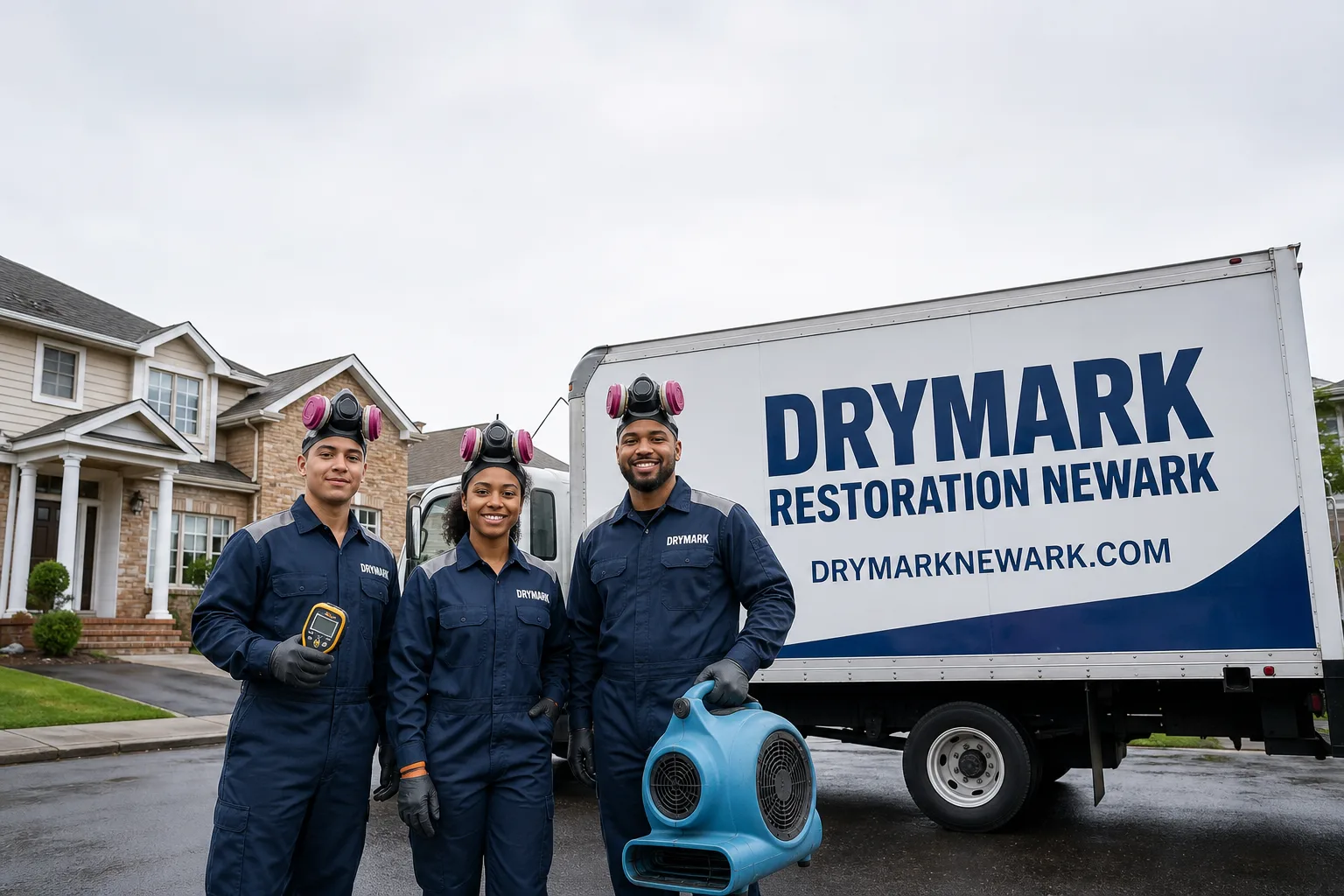
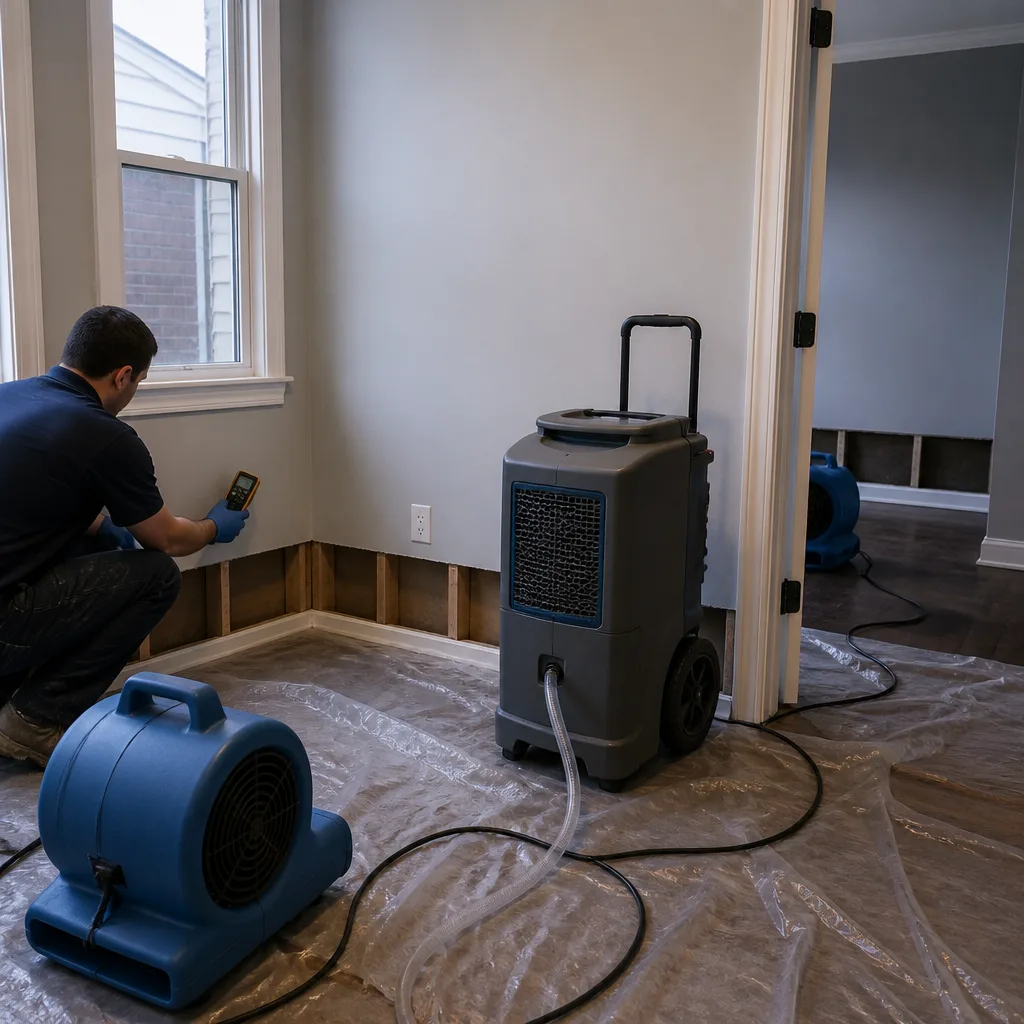
Free visual inspection and a written scope of work before any mitigation begins - photos, moisture readings, and drying logs go in your claim file
The scope we write is the scope we bill. Anything new gets shown to you, in writing, before we touch it.
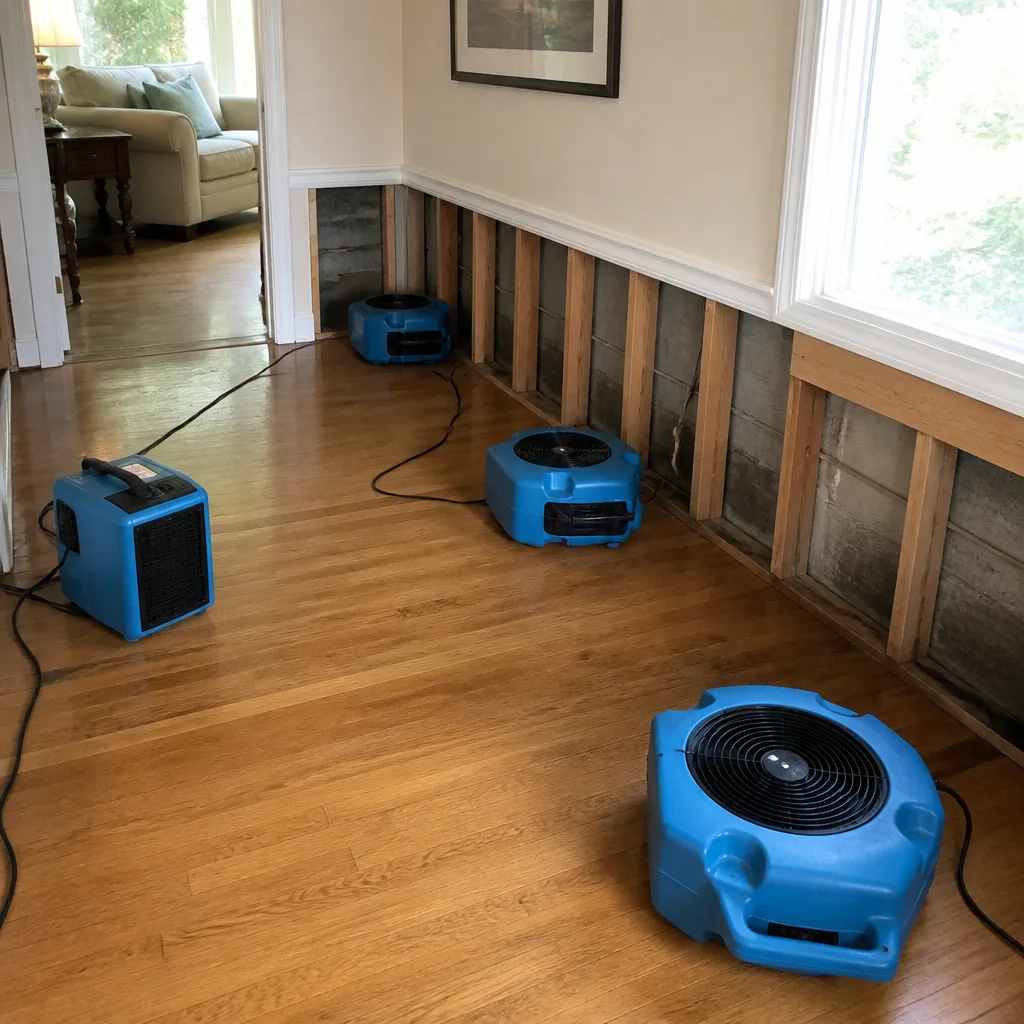
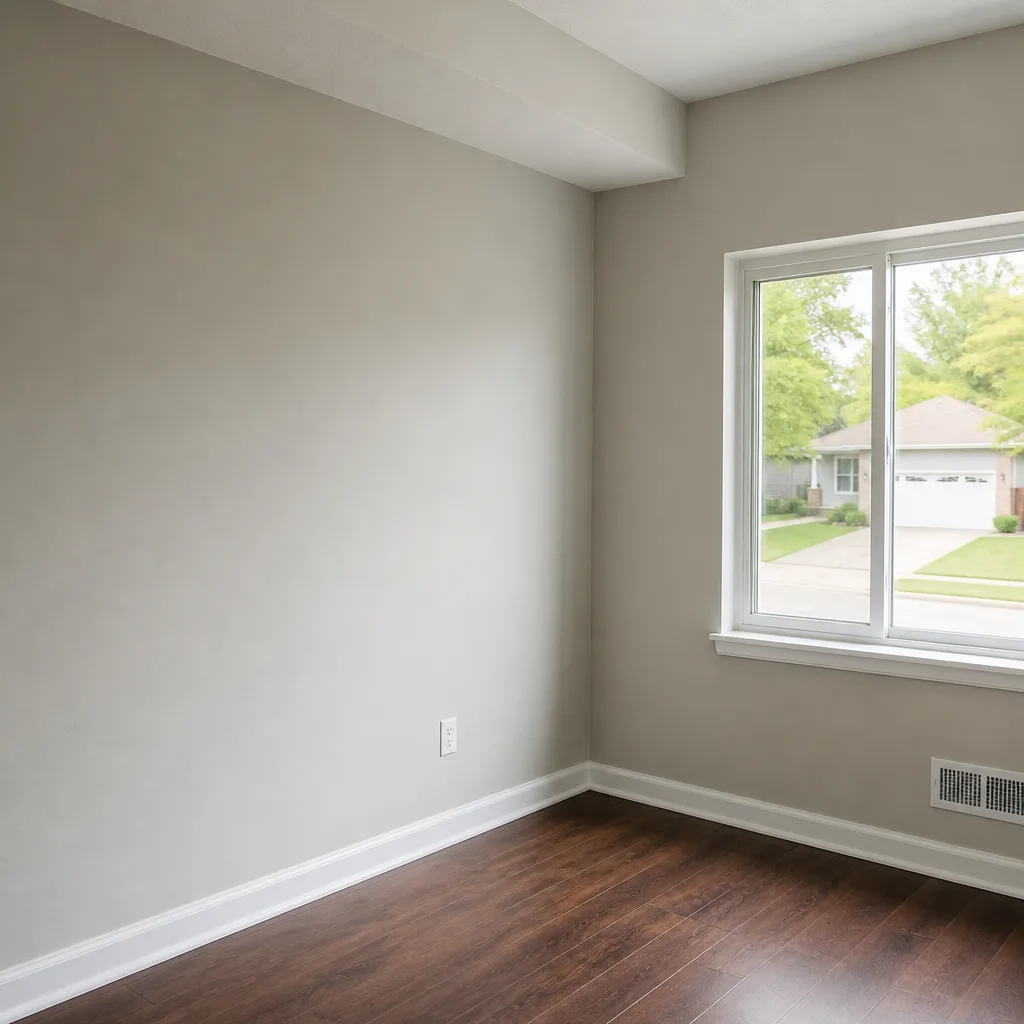
 Before
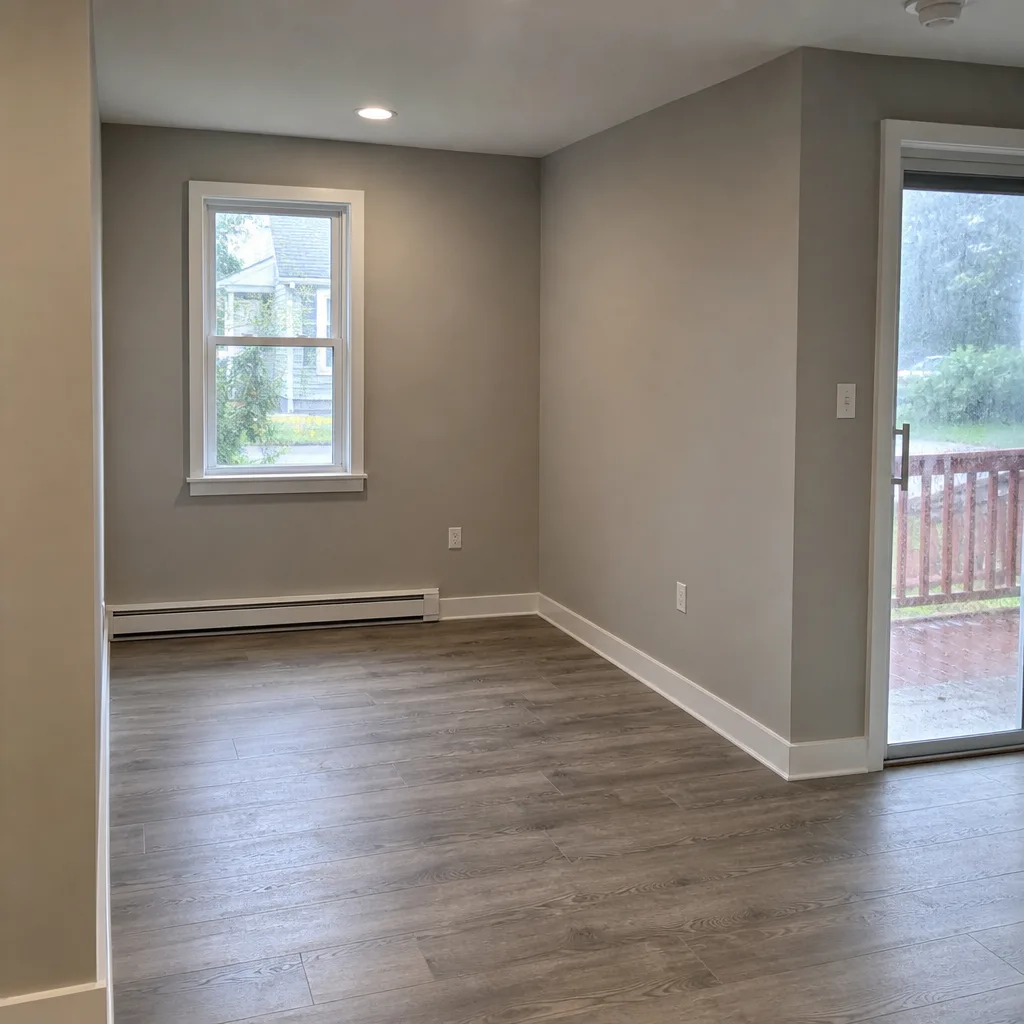 After
After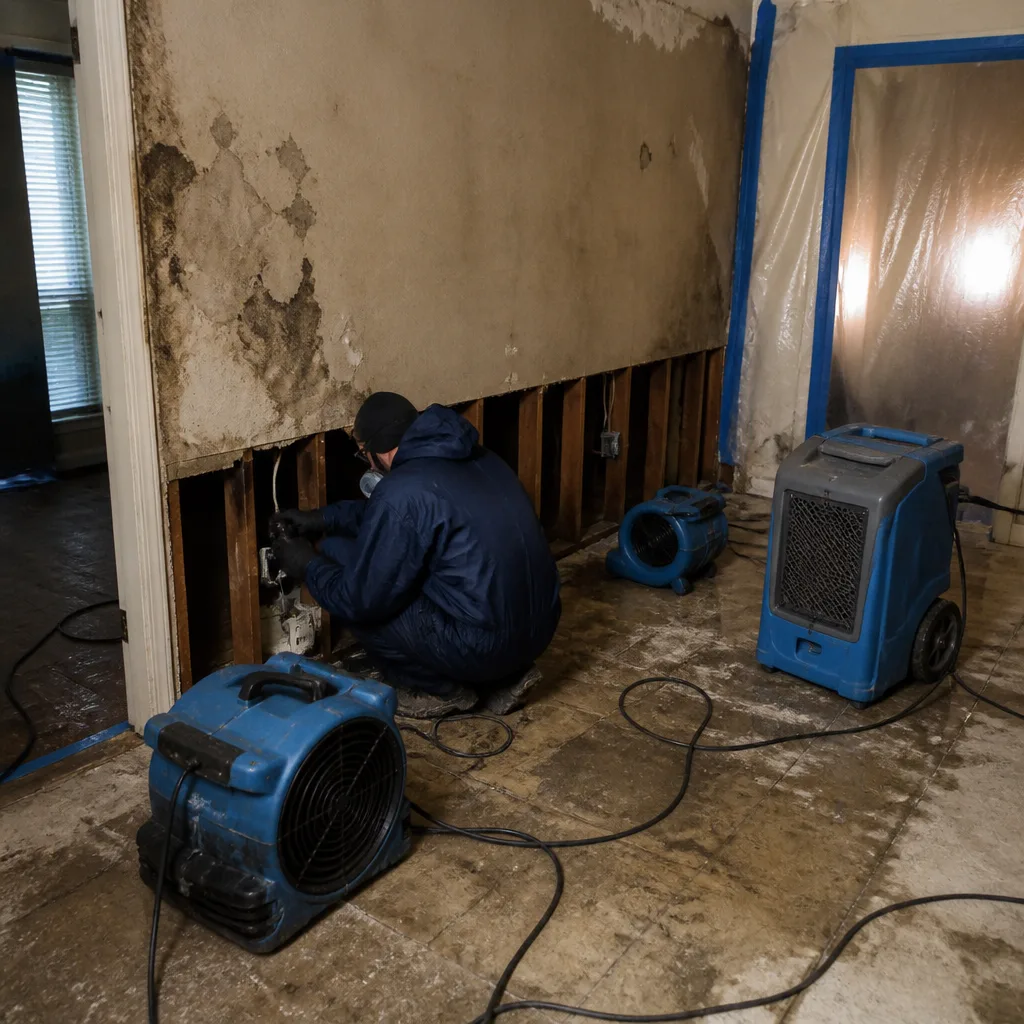 Before
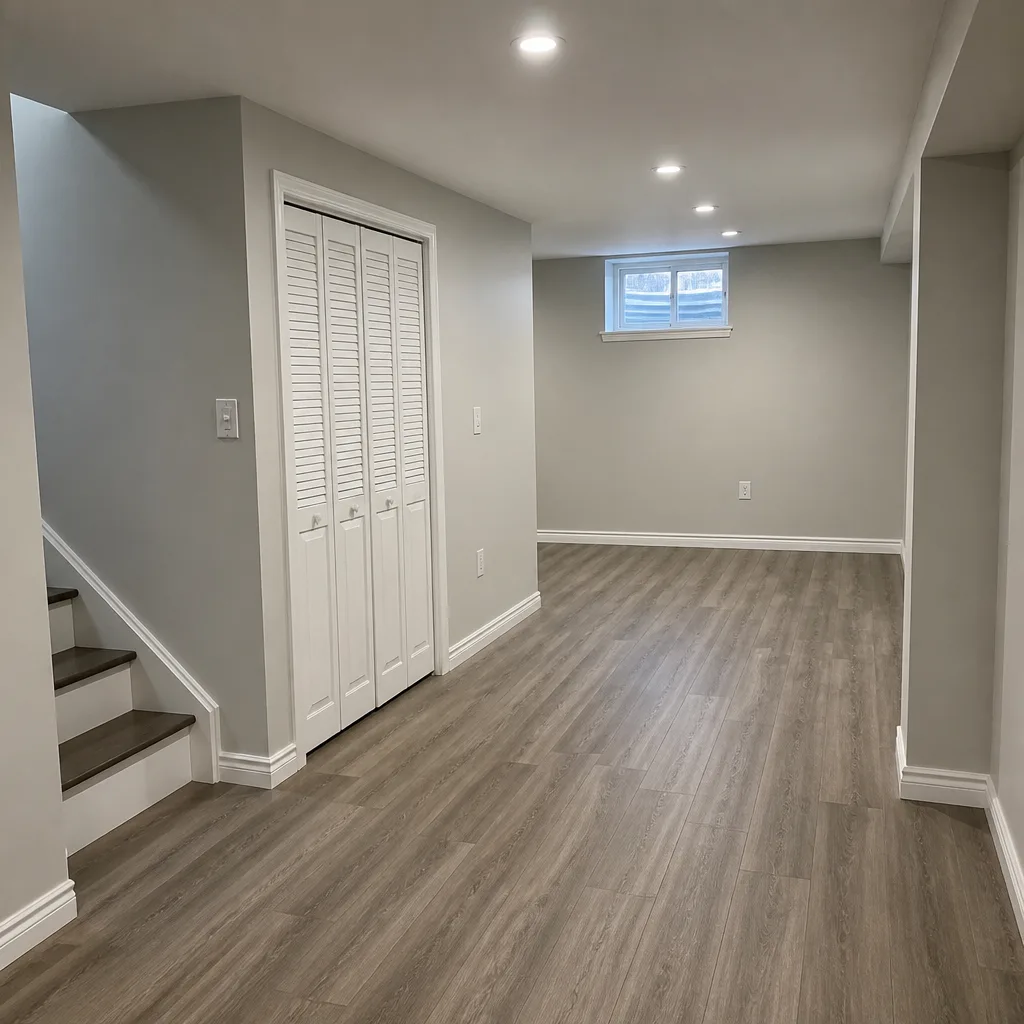 After
After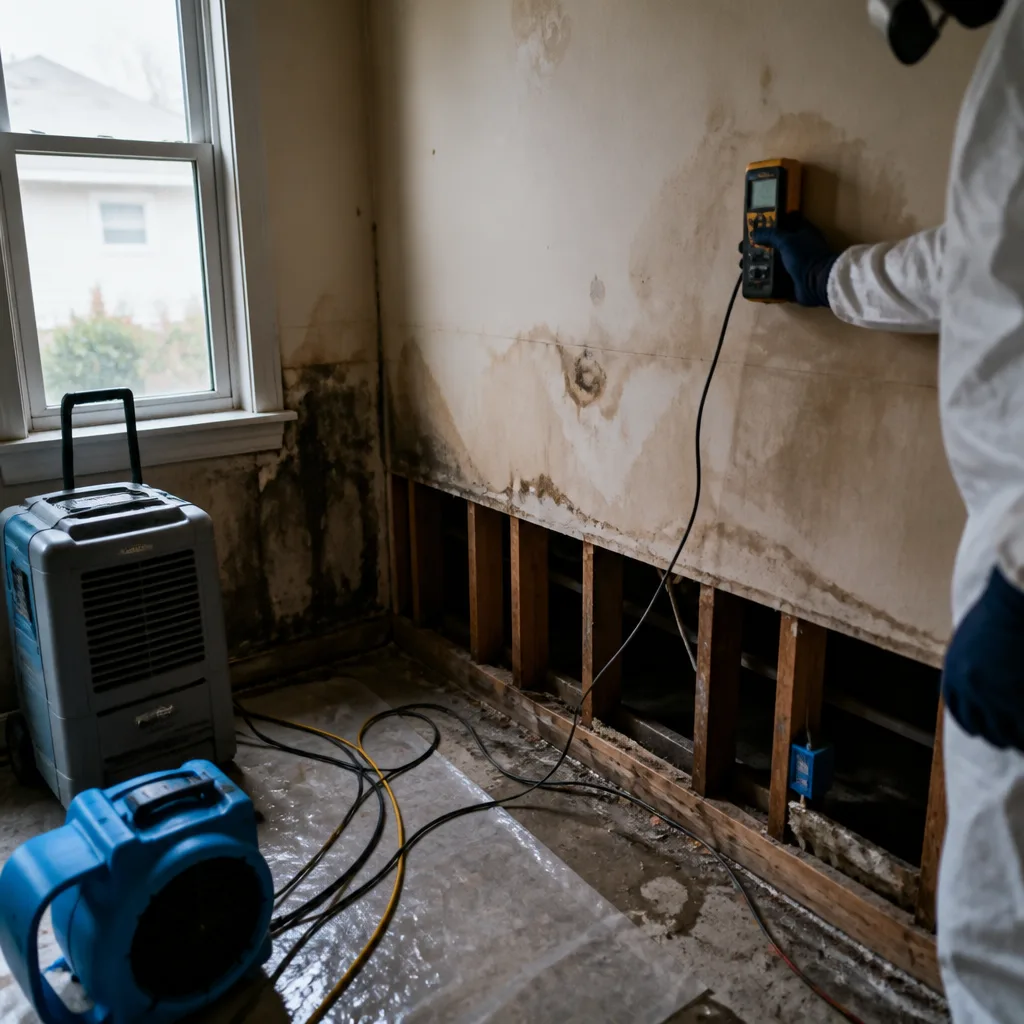 Before
 After
AfterFast, Reliable Water Damage Restoration Across Jersey City
Water damage restoration in Jersey City typically runs $2,800-$6,500 for a standard residential mitigation, with emergency extraction starting at $450 and full structural drying adding $1,800-$4,200 depending on affected square footage and contamination class. Most Jersey City homeowners see our crew on-site within 60 to 90 minutes of calling (862) 292-4268. We’re familiar with the dual flood exposure here - Hudson River surge on one side, Newark Bay and Hackensack tidal backflow on the other - and we’ve mapped the specific failure patterns that repeat in the same neighborhoods after every major storm.
Our Water Damage Restoration team dispatches from our New York City coordination office with crews already staged for Hudson County calls. That matters in a city where the combined sewer system can push Category 3 contamination into a Greenville basement while a Newport high-rise is dealing with a rooftop membrane failure cascading through mechanical chases. Jersey City’s density means water rarely stays in one unit, and the pre-war housing stock - brick row houses with unvented plaster cavities - traps moisture differently than modern vented construction. We document every moisture reading, every photo, every drying log to IICRC standards because we’ve seen what happens when documentation gaps turn a legitimate claim into a coverage dispute.
Why DryMark Restoration Newark Is Jersey City’s Preferred Water Damage Restoration Company
We’ve restored water-damaged properties in Jersey City since 2011 - 12,000 homes across our service area, every one with a written price before work started and a photo record on every visit. That documentation-first approach was built by Alicia Brennan, our owner and a former claims adjuster who founded Back to Dry around the exact gap that costs homeowners their settlements: incomplete drying logs, missing moisture readings, and scopes that expand after the crew is already inside.
Our Jersey City customers find us because they read the three-star reviews. They want to know what happens when something goes wrong, and our answer is Haven Standard, Clause 1: written price before any work starts, with no scope-creep additions once the crew is inside. Clause 3: documented photo record on every visit, included as standard. Clause 7: 365-Day Done Right Promise - if it’s not done right, we make it right, in writing, not as a verbal assurance.
Response time to Jersey City averages under 90 minutes for emergency calls. Our live dispatch answers 24 hours a day, 7 days a week - no voicemail trees, no next-business-day callbacks while water is still wicking up drywall. We know the local permitting landscape, the FEMA flood zones that redrawn after Sandy, and the specific blocks in the Heights that flood on the same cross streets every heavy rain.
Our technicians are background-checked, uniformed, and licensed - named on the work order before they arrive, with license numbers documented for your adjuster. We carry professional-grade drying systems from Dri-Eaz, Phoenix, and XPOWER, and we deploy Injectidry cavity-drying systems for the unvented masonry assemblies common in Jersey City’s pre-war housing stock.
Our Water Damage Restoration Services in Jersey City
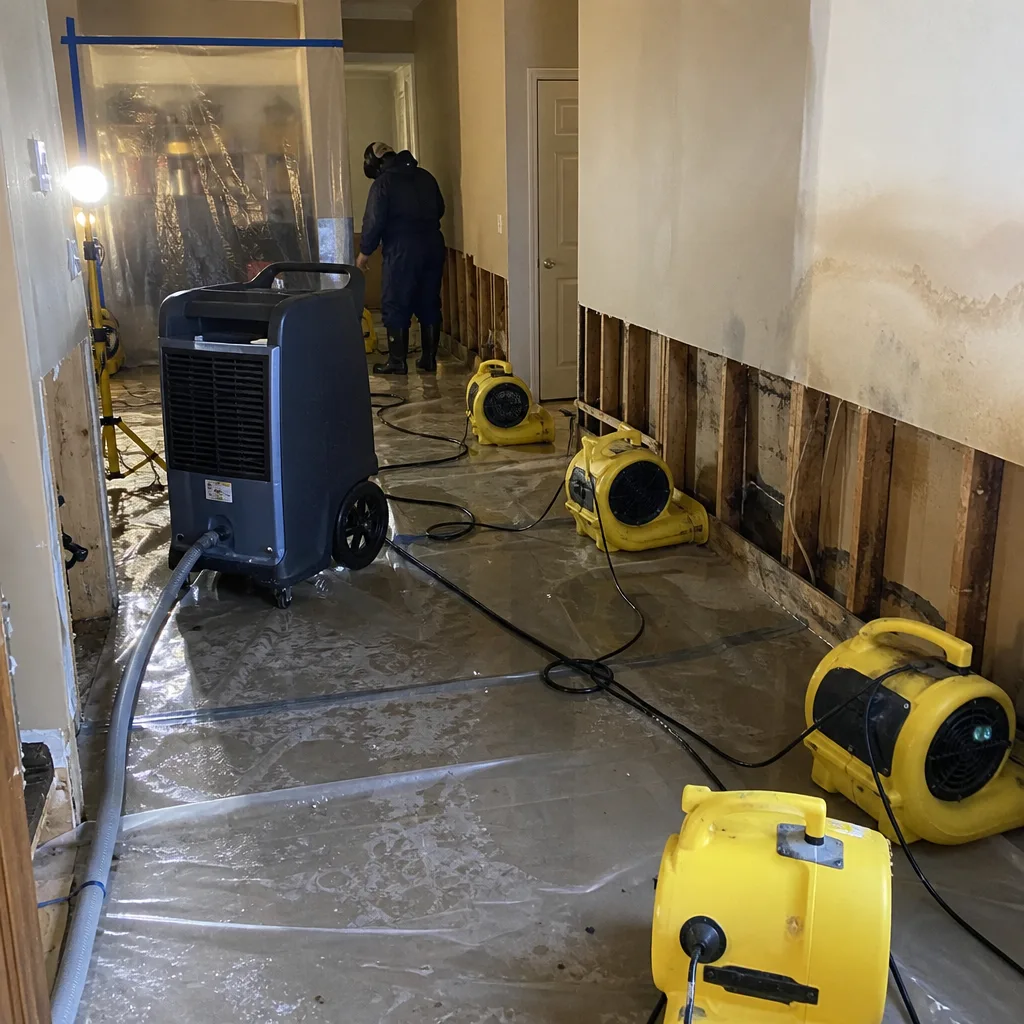
Emergency Water Extraction
We extract standing water with truck-mounted systems and portable XPOWER units rated for Category 1 through Category 3 contamination. In Jersey City, extraction calls spike along the Newark Bay side in Greenville and Bergen-Lafayette, where the combined sewer system backs up during nor’easters - a Category 3 event that requires full PPE, antimicrobial treatment, and removal of porous materials, not just drying. We classify the water before we pump a gallon, because drying sewage-soaked drywall is a health hazard and a claim denial waiting to happen.
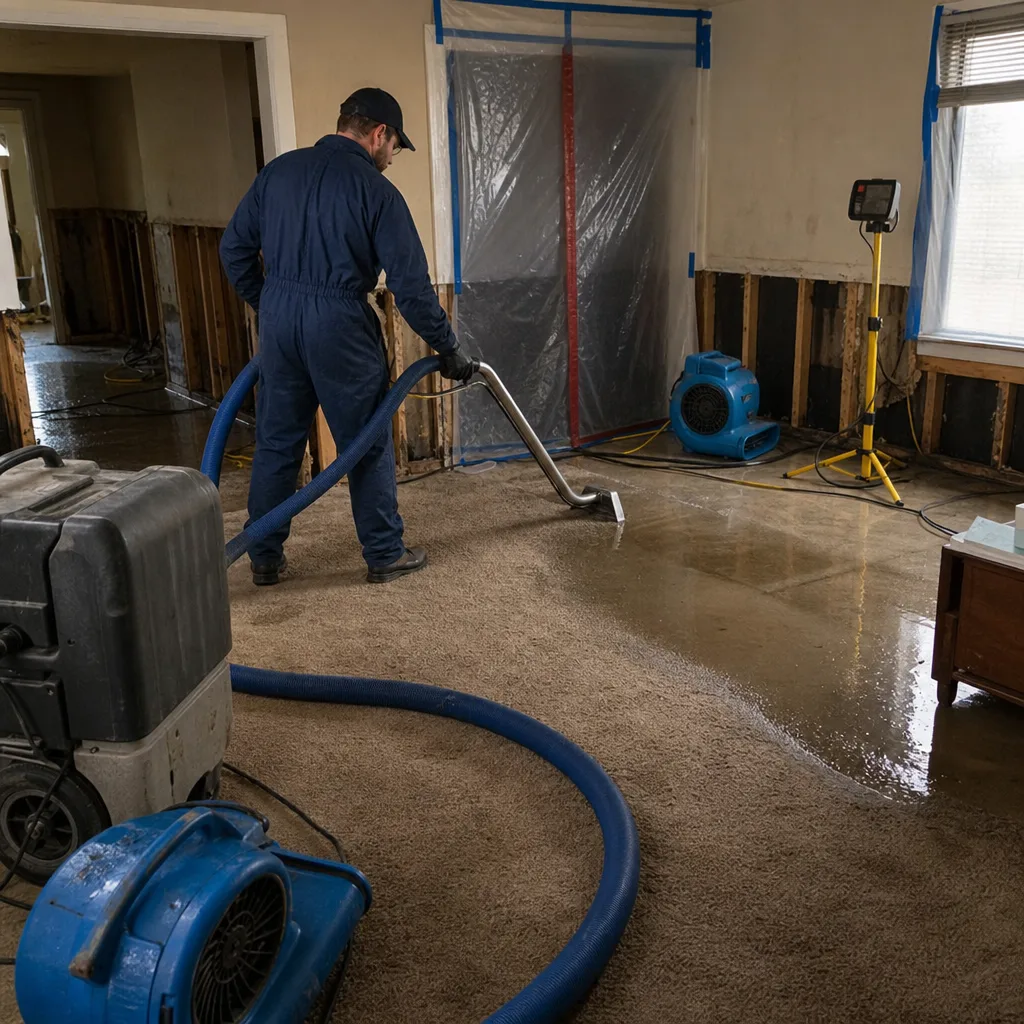
Structural Drying & Dehumidification
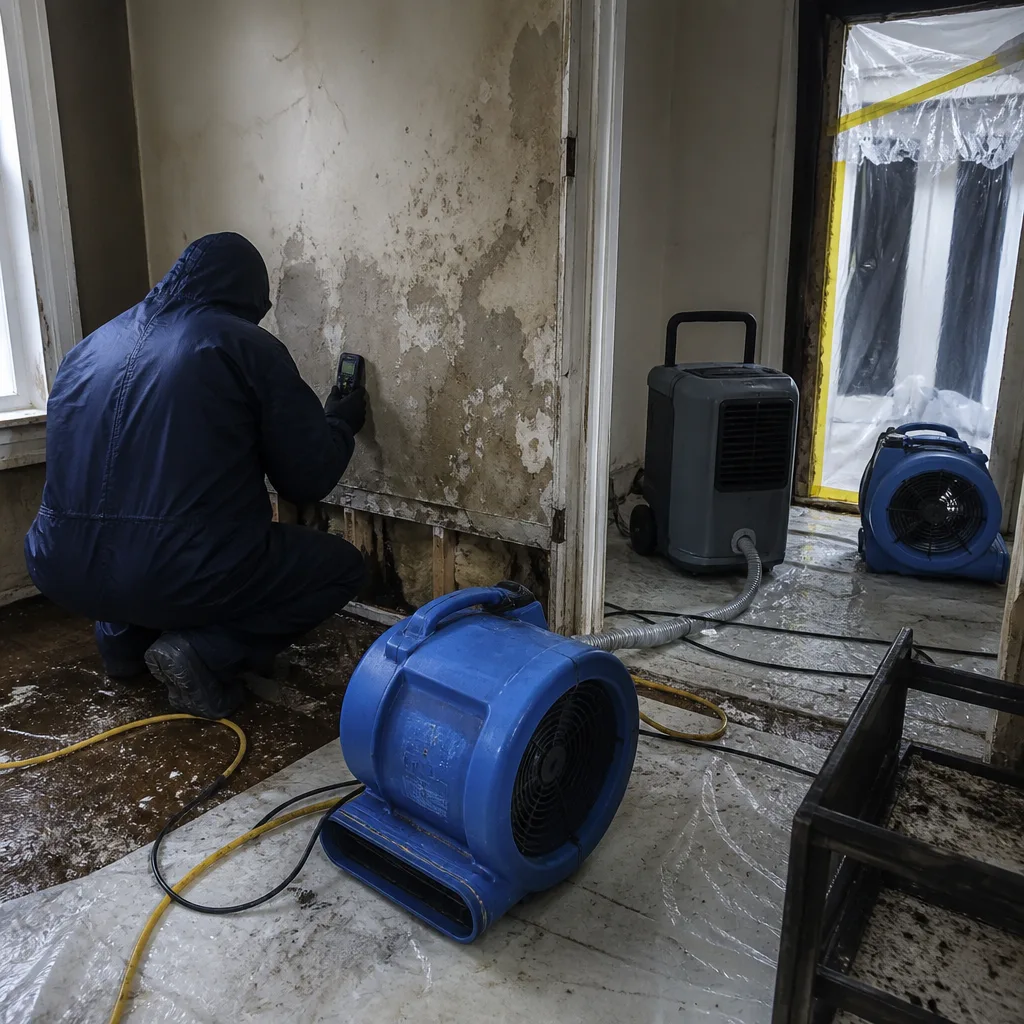
Our drying plans target specific moisture content readings - 12% or below for wood framing, 0.75% or below for concrete - using psychrometric data (temperature, relative humidity, and vapor pressure differential) to calculate exactly how much dehumidification capacity a space needs. Jersey City’s unvented brick-and-plaster row houses don’t dry like modern frame construction. The masonry acts as a thermal mass that holds humidity, and plaster lacks the permeability of drywall, so we adjust our drying strategy with targeted air movement and low-grain refrigerant dehumidifiers rather than standard convection drying. Every day’s readings go into a drying log your adjuster can follow.
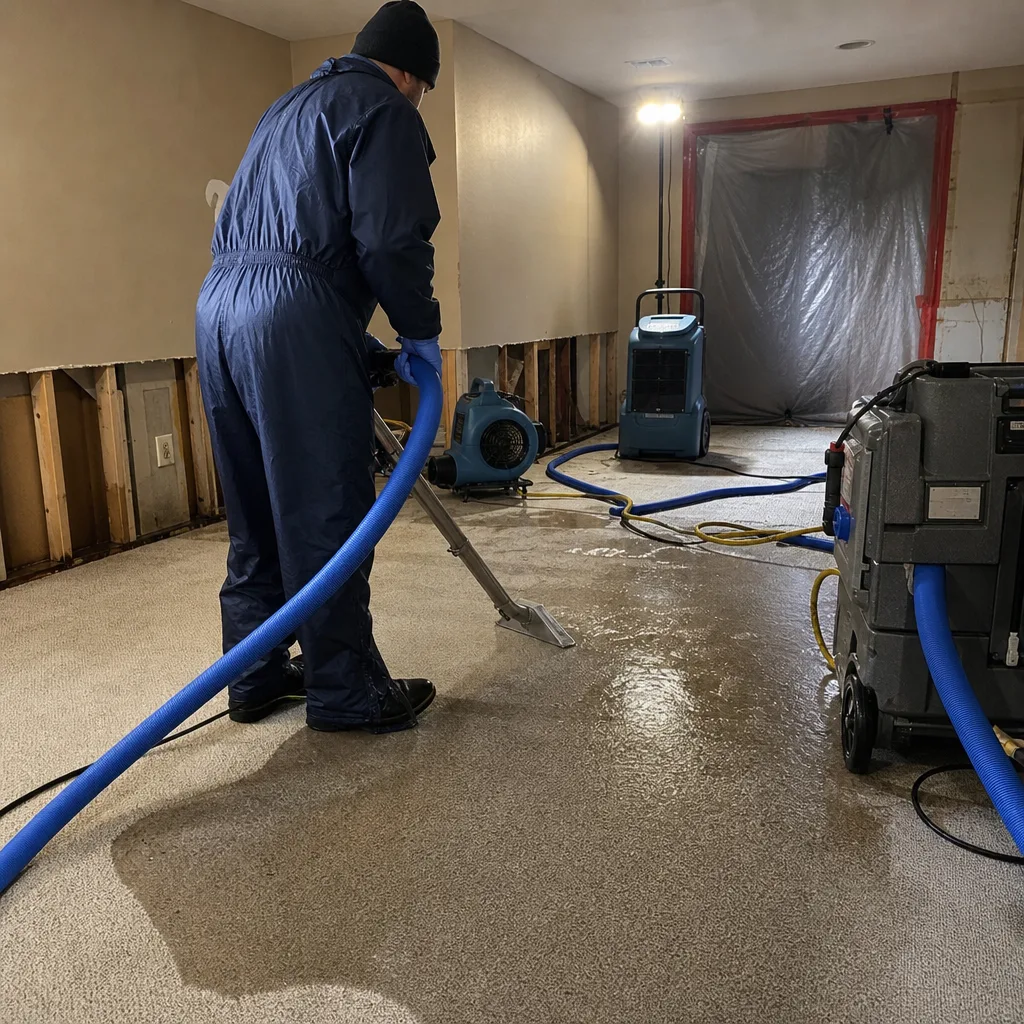
Flood Cleanup
Flood cleanup in Jersey City means understanding which flood you’re dealing with. Hudson River surge flooding in Newport or Exchange Place is typically Category 2 or 3 depending on duration and source contamination. Newark Bay backflow in the western neighborhoods is almost always Category 3. Palisades ridge runoff in the Heights is Category 1 or 2 depending on whether it picks up soil contaminants. We treat each differently - different extraction protocols, different antimicrobial applications, different material removal requirements. Our crew carries the full IICRC Water Damage Restoration Technician certification, and we document the category classification in writing before mitigation begins.
Burst Pipe Restoration
Jersey City’s original galvanized supply lines, still present in much of the pre-war housing stock, corrode in Hudson County’s hard municipal water. We see burst pipe calls cluster in winter when thermal expansion stresses aging fittings, and in the waterfront high-rises when a single riser failure floods multiple stacked units through mechanical chases. Our scope includes extraction, drying, and a written assessment of whether the original plumbing requires replacement to prevent recurrence. We coordinate directly with your adjuster on code-upgrade coverage when replacement is required by current Jersey City plumbing standards.
Ceiling & Roof Leak Water Damage
Flat and minimally pitched roofs dominate Jersey City’s pre-war row houses, and ponding water finds every compromised membrane. In the high-rises, rooftop HVAC condensate lines and membrane failures can cascade through dozens of units. We map the full vertical and horizontal extent of water migration with thermal imaging and moisture meters, then dry or remove based on documented readings rather than visual guesswork. A ceiling that looks dry can read 18% moisture content in the joist cavity - we find it before mold does.
What happens when you call
- 1
A real person answersNo phone trees - you reach a local pro.
- 2
You get an upfront price rangeHonest numbers before anyone is dispatched.
- 3
A background-checked tech heads outLicensed & insured, dispatched right away.
- 4
You approve before work beginsNothing starts until you say go.
BeforeAfterTrusted Brands We Service in Jersey City
We deploy professional-grade drying equipment from Dri-Eaz, Phoenix, XPOWER, B-Air, and Injectidry - brands that produce the documented performance data insurers expect. Our Jersey City crews stock common replacement materials locally for pre-war plaster and lath, modern drywall assemblies, and high-rise mechanical chase sealants. That inventory means we’re not waiting on a delivery while humidity continues colonizing your framing. Every piece of equipment is logged by serial number on your job record, with runtime hours and maintenance documentation available on request.
Common Water Damage Restoration Problems We See in Jersey City Homes
- Combined sewer backups in Greenville and Bergen-Lafayette. The city’s aging combined sewer system overflows into basements during major rain events, delivering Category 3 black water that requires full porous-material removal, antimicrobial treatment, and air-scrubber deployment - not standard drying.
- Palisades ridge runoff channeling into Heights basements. Over in the Heights, the sharp grade break down from the Palisades dumps stormwater into the same lower cross-street row houses after nearly every heavy rain, producing clustered calls on specific blocks our crews have mapped from years of repeat responses.
- Unvented masonry trapping moisture in pre-war row houses. Brick-and-plaster assemblies without ventilation cavities hold humidity 40-60% longer than modern frame construction, compressing the remediation window before secondary mold growth becomes a separate, billable remediation project.
- High-rise cascade failures in Newport and Exchange Place. A single HVAC condensate line or rooftop membrane failure in these post-1990 towers can migrate through mechanical chases into dozens of stacked units simultaneously, requiring coordinated multi-unit drying plans and building management coordination.
Pricing for Water Damage Restoration in Jersey City, NJ
Here’s what water damage restoration costs in Jersey City’s market, based on the jobs we’ve scoped and documented since 2011:
| Service | Typical Range in Jersey City |
|---|---|
| Emergency water extraction (up to 500 sq ft) | $450-$950 |
| Structural drying & dehumidification (per day) | $180-$340 |
| Full residential mitigation (Category 1-2, 1,000 sq ft) | $2,800-$4,500 |
| Category 3 sewage cleanup with removal | $4,200-$7,800 |
| Basement water removal (pre-war row house) | $1,800-$3,600 |
| High-rise unit drying with cavity injection | $2,200-$5,400 |
These ranges reflect Jersey City’s specific conditions: higher Category 3 frequency from combined sewer backups, unvented masonry requiring extended drying cycles, and high-rise coordination adding labor hours. Every job gets a written price before work begins - Haven Standard, Clause 1 - with no additions once the crew is inside. Bring a competitor’s written estimate and we’ll review it free under our Free Second Opinion policy. Call (862) 292-4268 for an exact quote; estimates are free.
We Also Serve Cities Near Jersey City
Our crews respond daily to Water Damage Restoration in Jersey City and the surrounding Hudson County area, including Hoboken, Union City, Harrison, and Secaucus. Each city’s infrastructure and housing stock produces distinct water damage patterns - Hoboken’s similar combined sewer challenges, Union City’s pre-war density, Harrison’s industrial-to-residential conversions - and we adjust our mitigation protocols accordingly.
Serving Jersey City, NJ - Our Local Coverage Area
We’re based in the Jersey City area and know this community well. Use the map below to see our service coverage - if you’re nearby, we can almost certainly help.
FAQs - Water Damage Restoration in Jersey City
The Palisades ridge creates a sharp grade break that channels stormwater runoff directly into the basements of century-old row houses on the lower cross streets. It’s a hyper-local drainage failure mode, not a random sump pump or grading issue, which means the same blocks flood repeatedly until the runoff path is addressed with perimeter drainage or municipal stormwater improvements. We’ve mapped these clusters from years of calls and can anticipate the pattern before we arrive. Call (862) 292-4268 if your block is on that list - we’ll check our records and scope accordingly.
Yes, fundamentally. Combined sewer overflow in Jersey City’s western neighborhoods is Category 3 black water - pathogenic, grossly unsanitary, requiring full removal of porous materials (drywall, carpet, padding, unfinished wood) and antimicrobial treatment of non-porous surfaces. A clean supply-line leak is Category 1 and can often be dried in place. Treating a Greenville backup like a clean-water event means drying contaminated materials instead of removing them, which violates IICRC standards and creates health hazards. We classify before we extract. Call (862) 292-4268 for immediate Category 3 response.
In Jersey City’s unvented masonry construction, mold colonization on wet drywall or plaster typically begins within 24 to 48 hours of water intrusion - faster than in vented modern frame construction because the masonry thermal mass maintains elevated humidity longer. Once visible mold growth exceeds 10 square feet, the job crosses from water damage mitigation into mold remediation, requiring separate containment, negative air pressure, and often additional abatement contractor licensing. Our structural drying protocols are designed to beat that window with aggressive dehumidification and daily moisture mapping. Call (862) 292-4268 for emergency drying before mold changes your claim category.
We start with moisture mapping across all affected units and common areas, because water in these buildings rarely respects lease boundaries. The scope includes extraction, classification of water category, structural drying with documented daily readings, and a written assessment of what materials can be dried versus what must be removed. In pre-war flats, we often find original plaster and framing that are still dryable within the remediation window, saving the assembly from unnecessary demolition. Every unit owner or tenant receives a copy of the drying log and photo record for their own insurance documentation. Call (862) 292-4268 for a written scope before any work begins.
These post-1990 towers use stacked mechanical chases - vertical shafts for HVAC, plumbing, and electrical - that connect dozens of units from rooftop to parking garage. A rooftop membrane failure or condensate line break at the 30th floor can migrate horizontally at each slab penetration, following the chase path down through 15 or 20 units before it finds a termination point. We coordinate with building management to access all affected units, map the full vertical extent with thermal imaging, and dry each cavity with Injectidry systems that reach inside walls without destructive demolition. The documentation package includes a single master drying log with unit-by-unit readings for the building’s master policy and individual unit owners. Call (862) 292-4268 for high-rise coordination.
After a nor’easter backed up the combined sewer on a lower cross street in the Heights, we pulled Category 3 water out of a 1920s brick row house basement with truck-mount and XPOWER extraction, set containment, applied antimicrobial treatment, then ran Dri-Eaz and Phoenix air movers plus dehumidification under a documented structural drying plan with daily moisture mapping and drying logs. The owner was ready to replace the finished basement, but the moisture readings showed the plaster and original framing were still dryable within the remediation window, so we saved the assembly and the scope of work stayed on the mitigation side.
Ready for a written price before work starts? Call DryMark Restoration Newark at (862) 292-4268. Our live dispatch answers 24 hours a day, 7 days a week. We’ll send a technician with a moisture meter, a camera, and a tablet - you’ll get a written scope, a documented photo record, and a price before anyone turns on a fan. Haven Standard, Clause 1. No exceptions.
Written by Alicia Brennan, Owner at Back to Dry Restoration, serving Jersey City since 2011.