
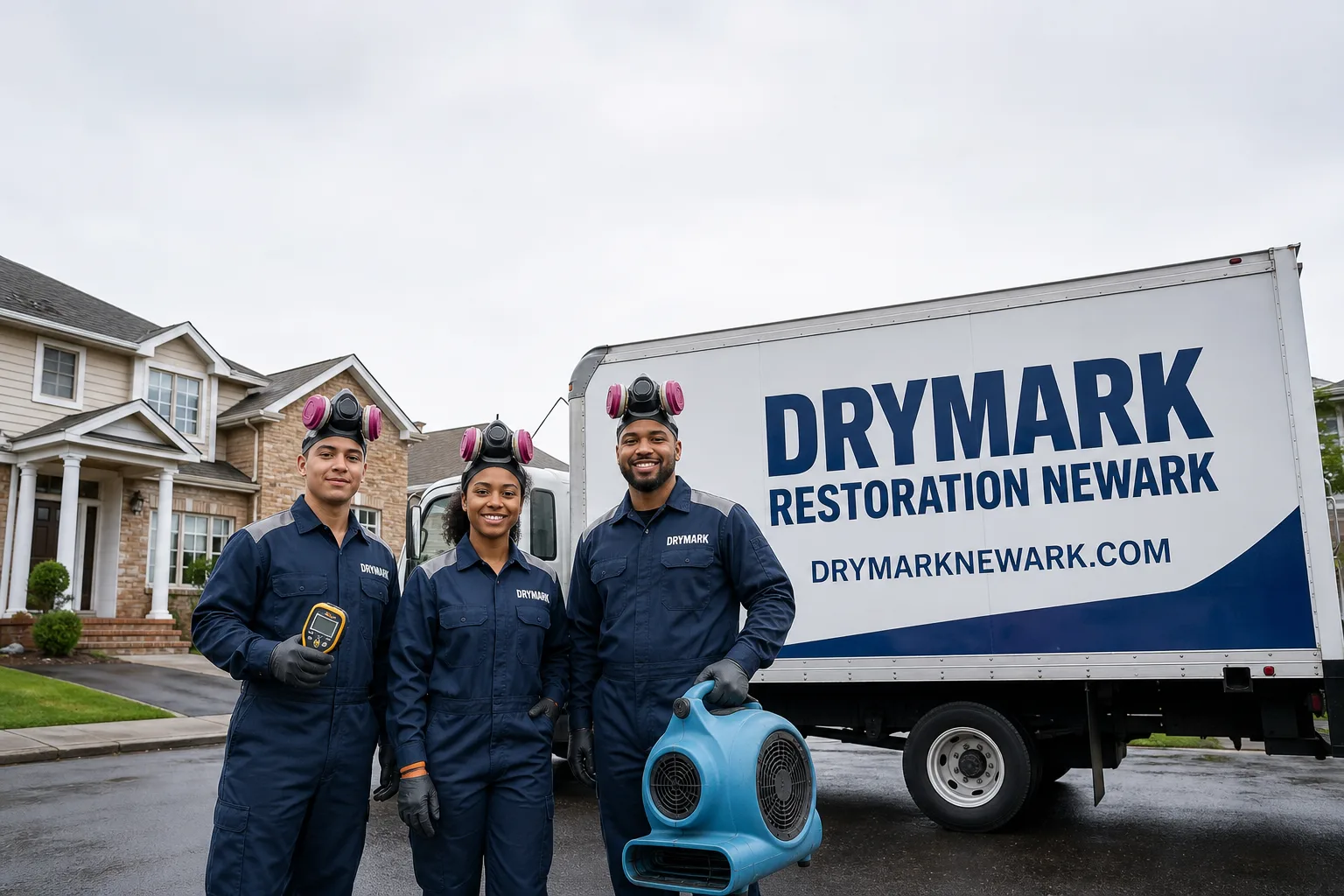
Free visual inspection and a written scope of work before any mitigation begins - photos, moisture readings, and drying logs go in your claim file
The scope we write is the scope we bill. Anything new gets shown to you, in writing, before we touch it.
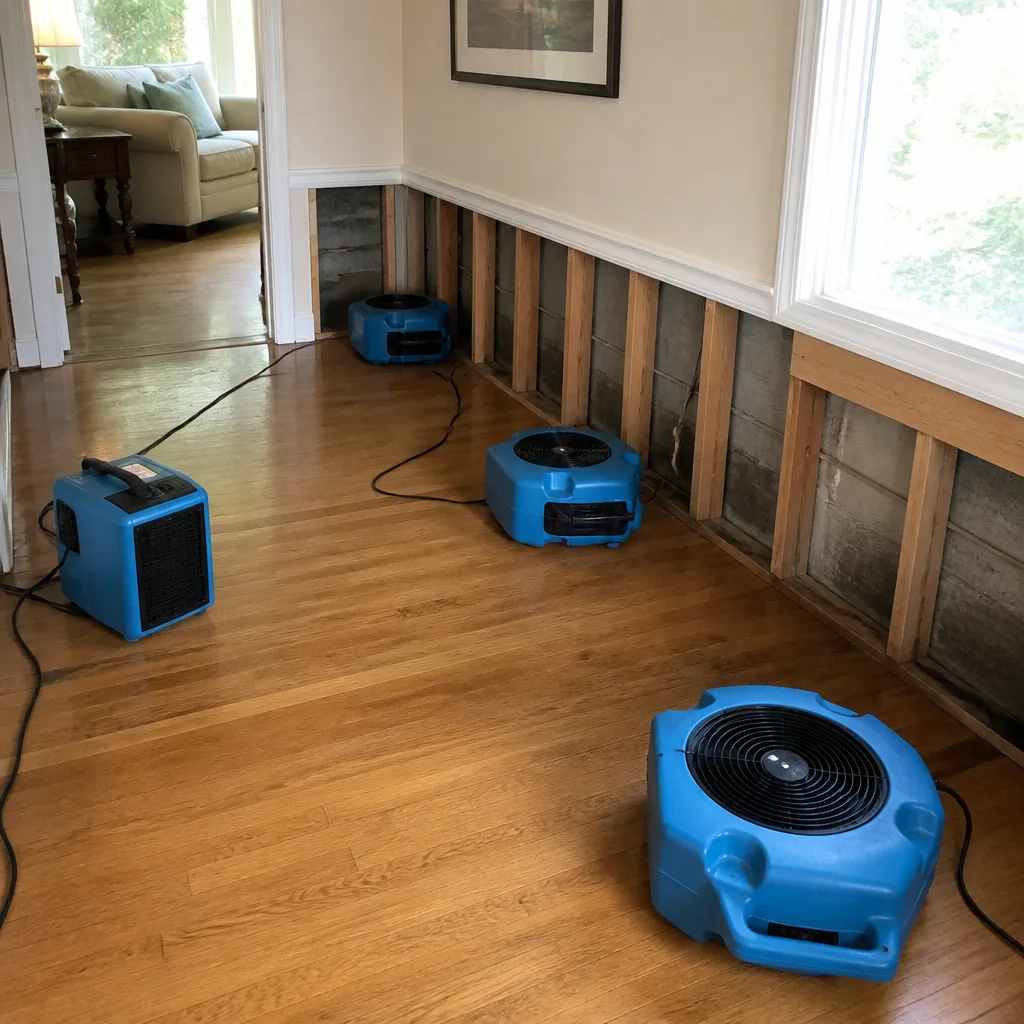
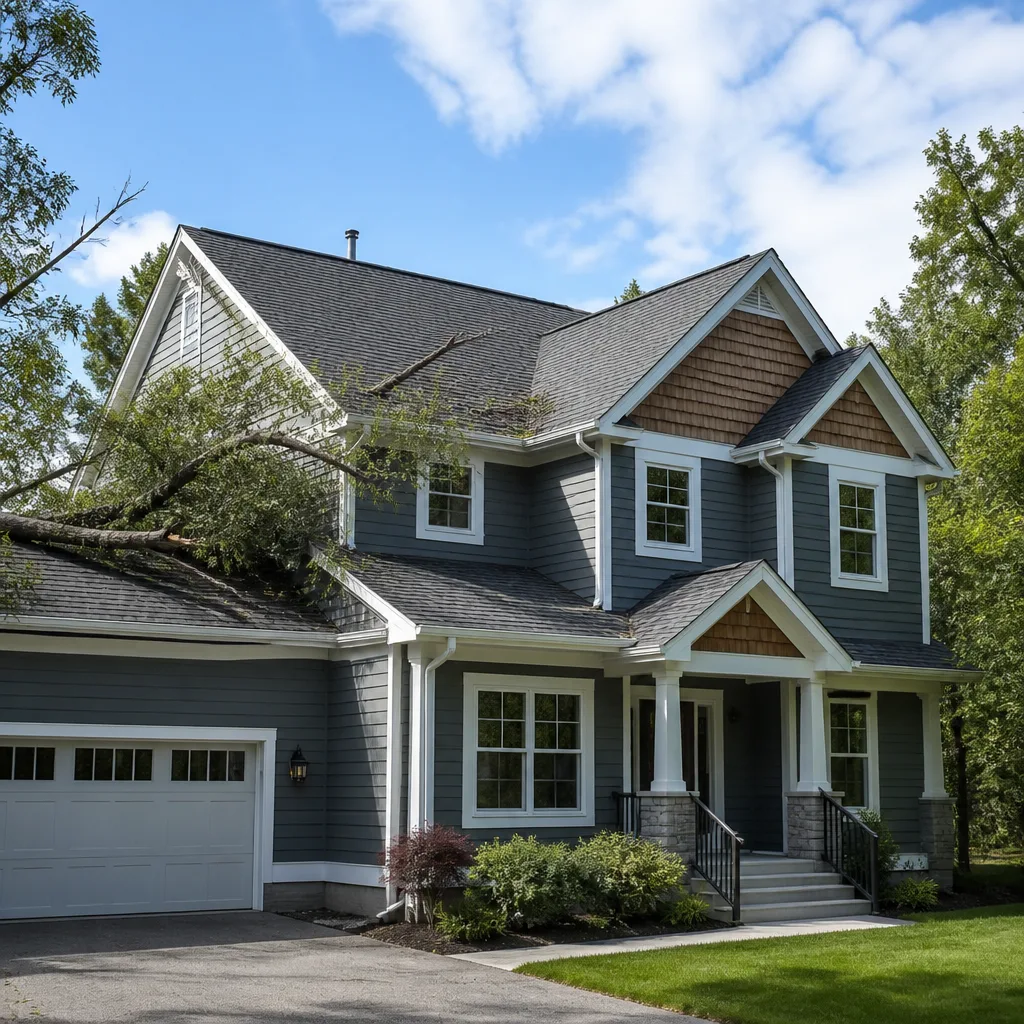
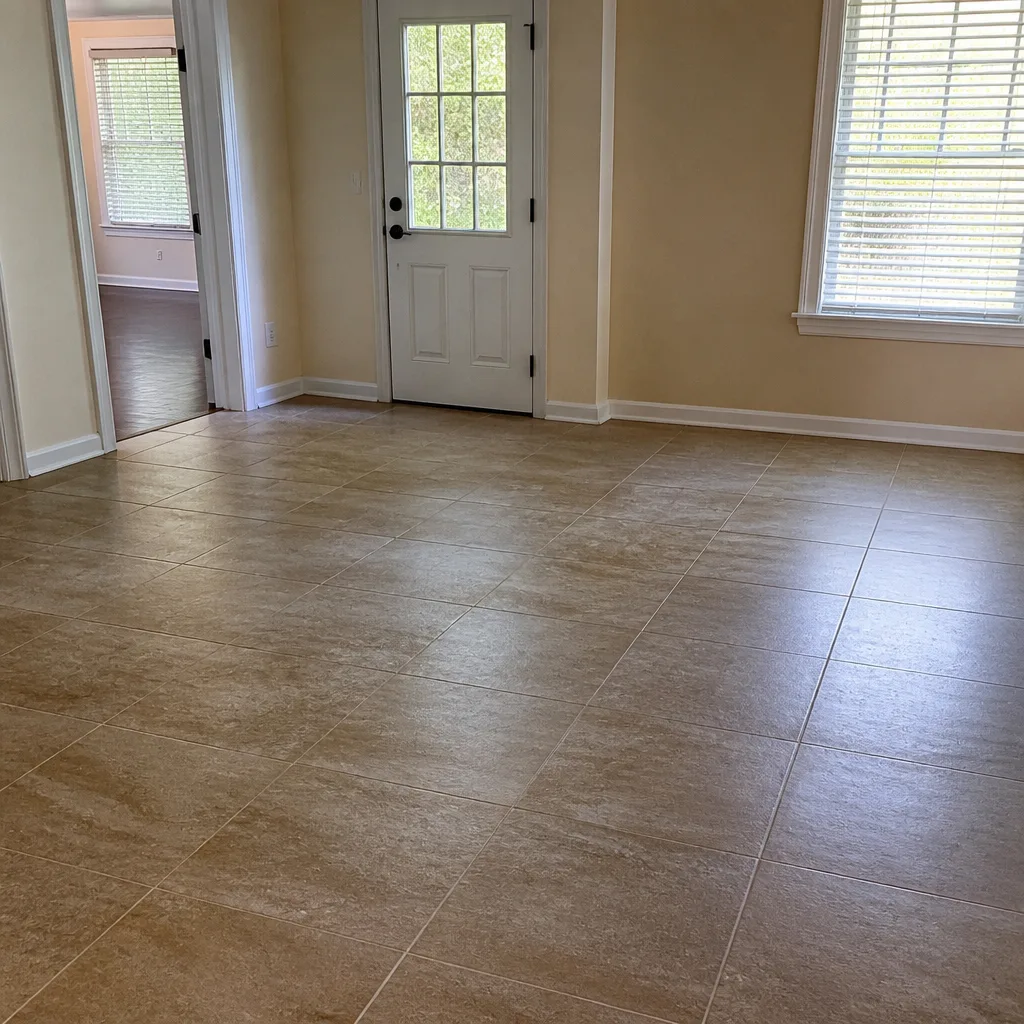
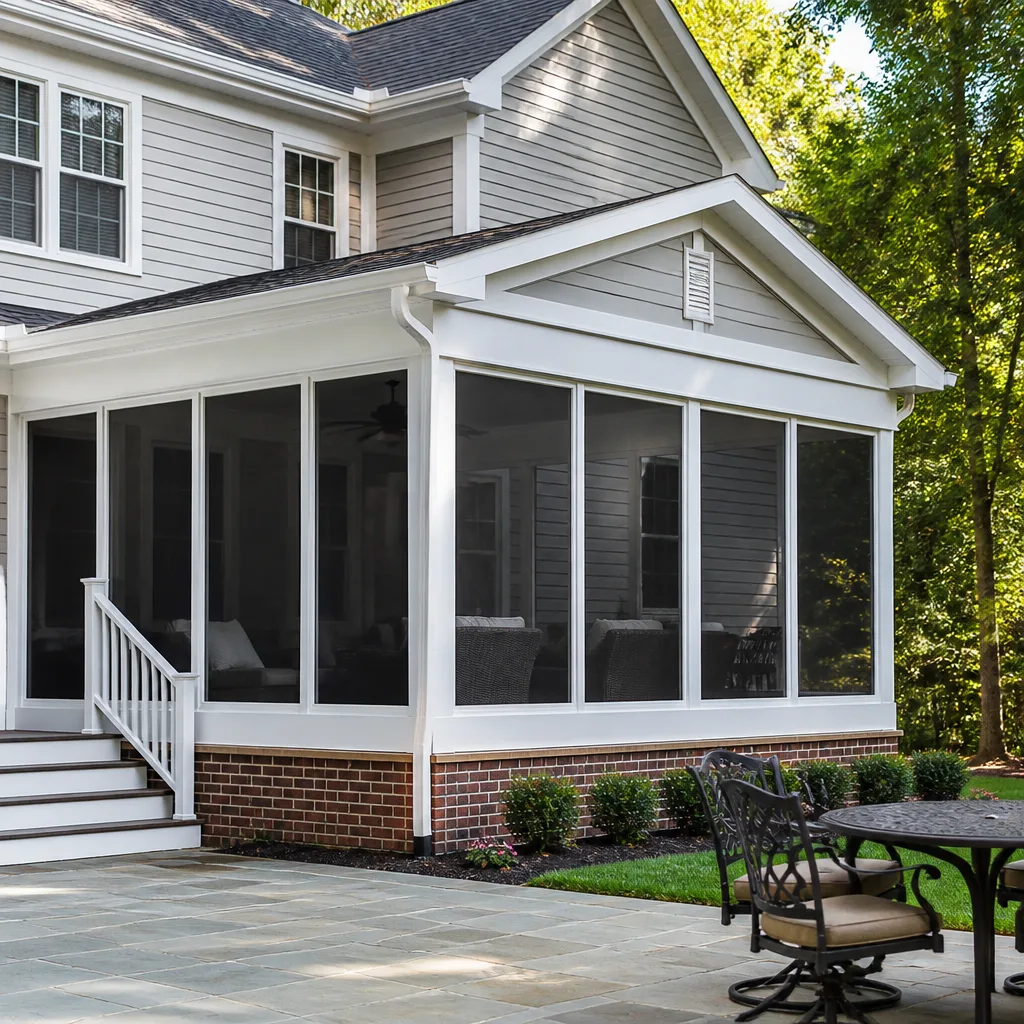
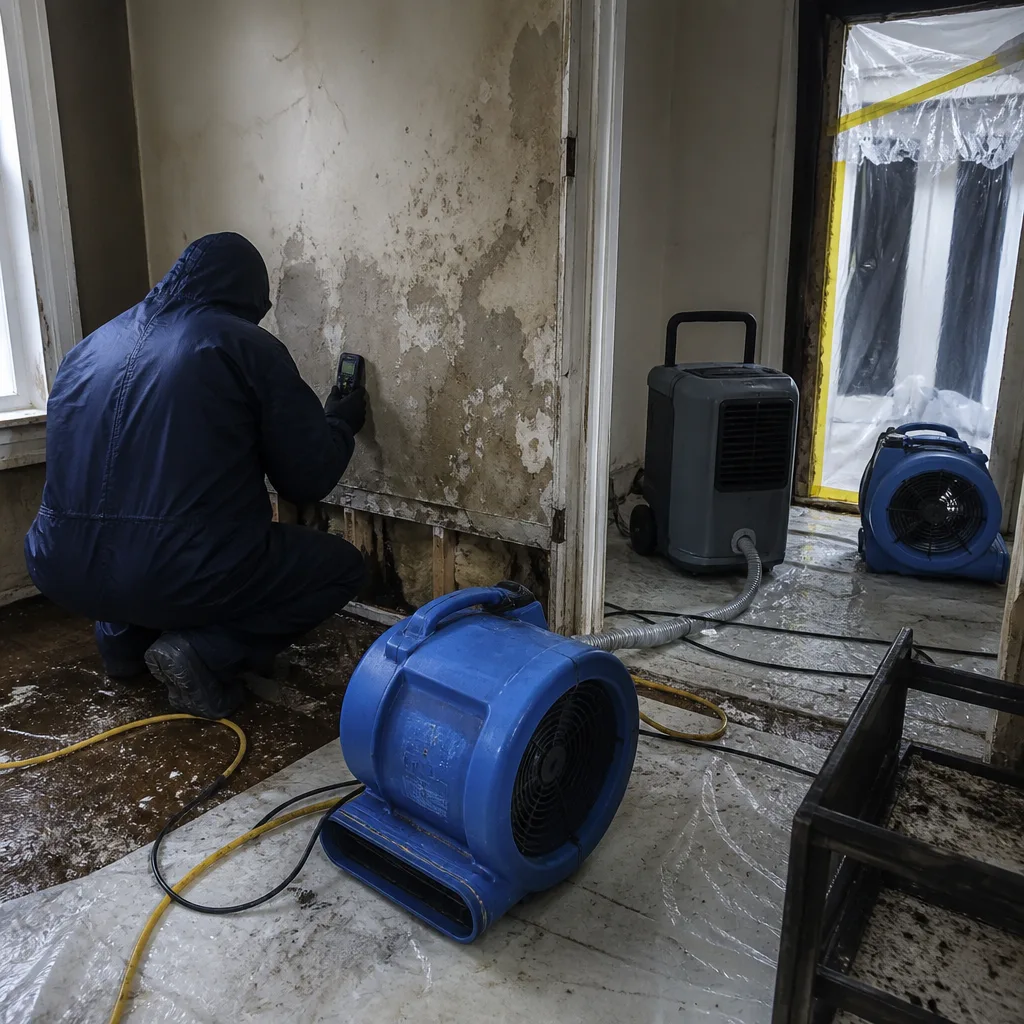 Before
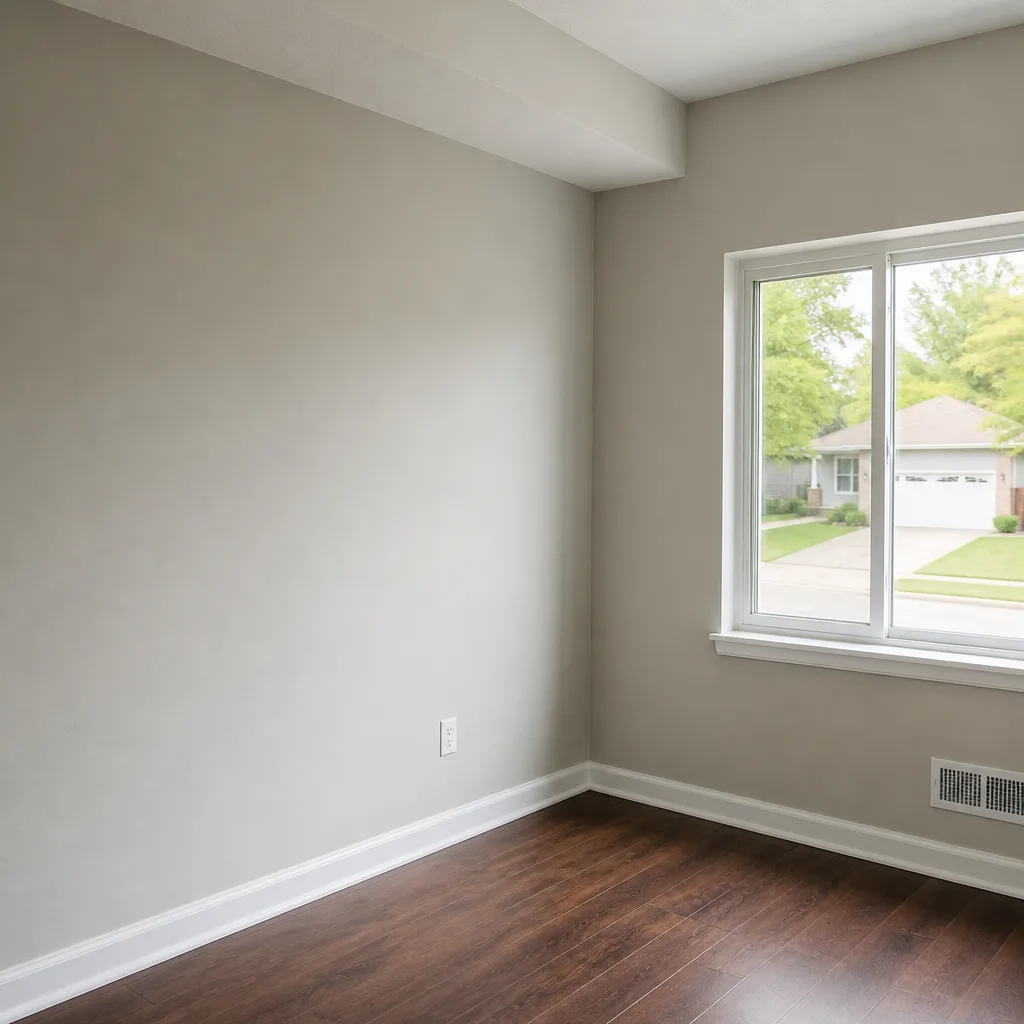
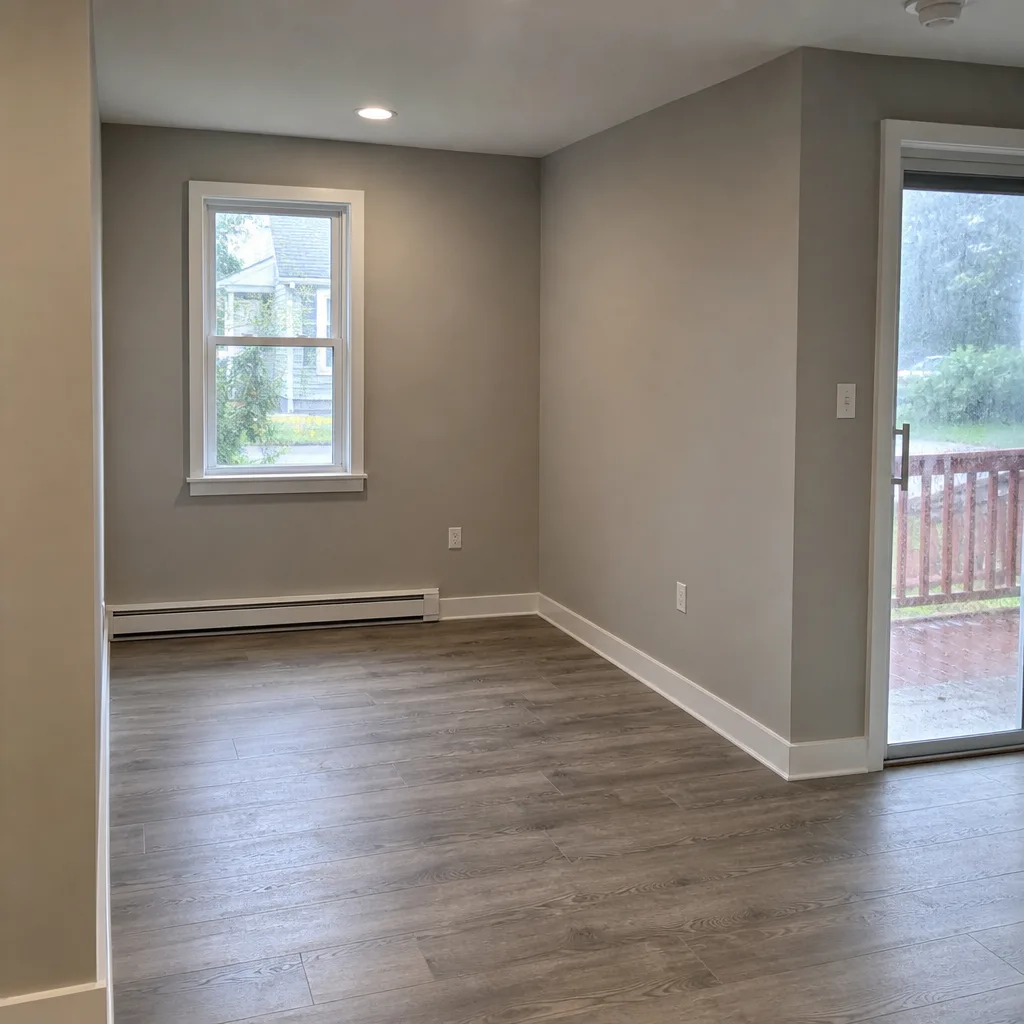 After
After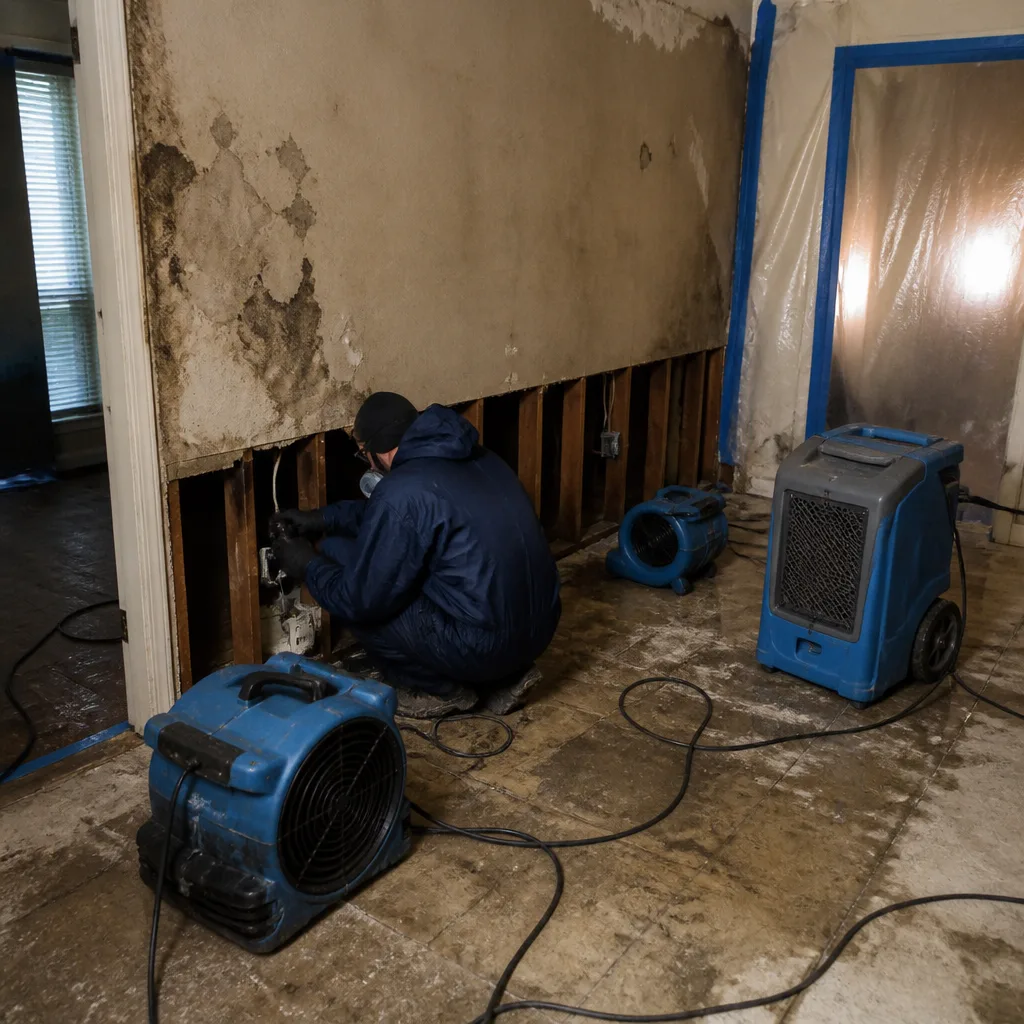 Before
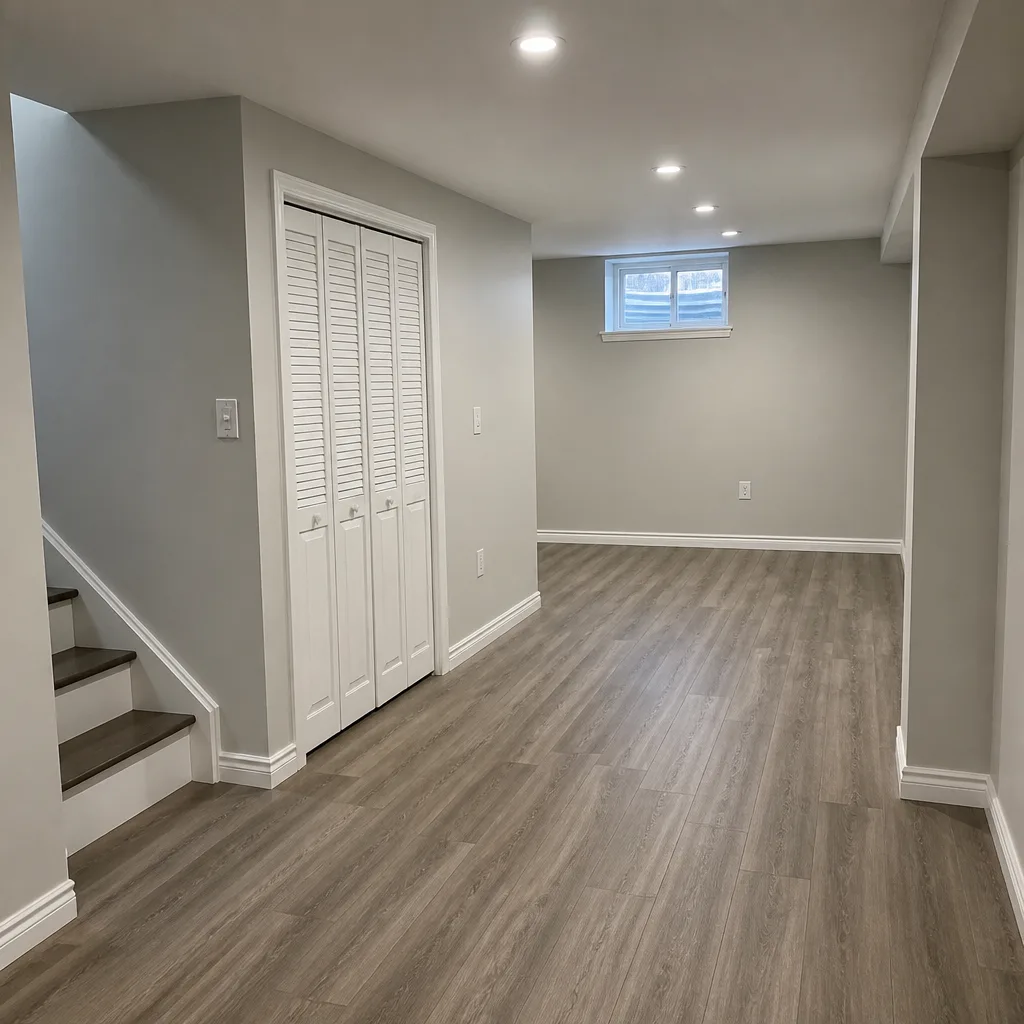 After
After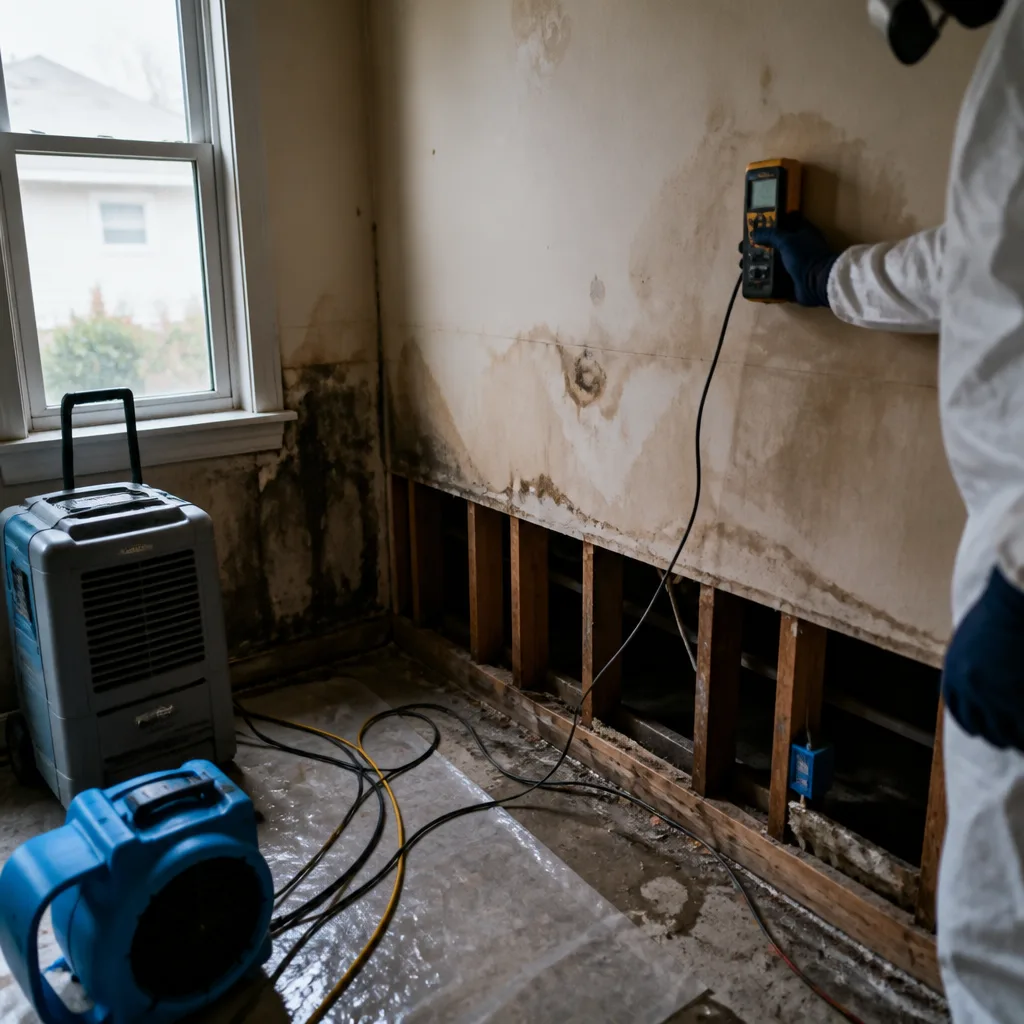 Before
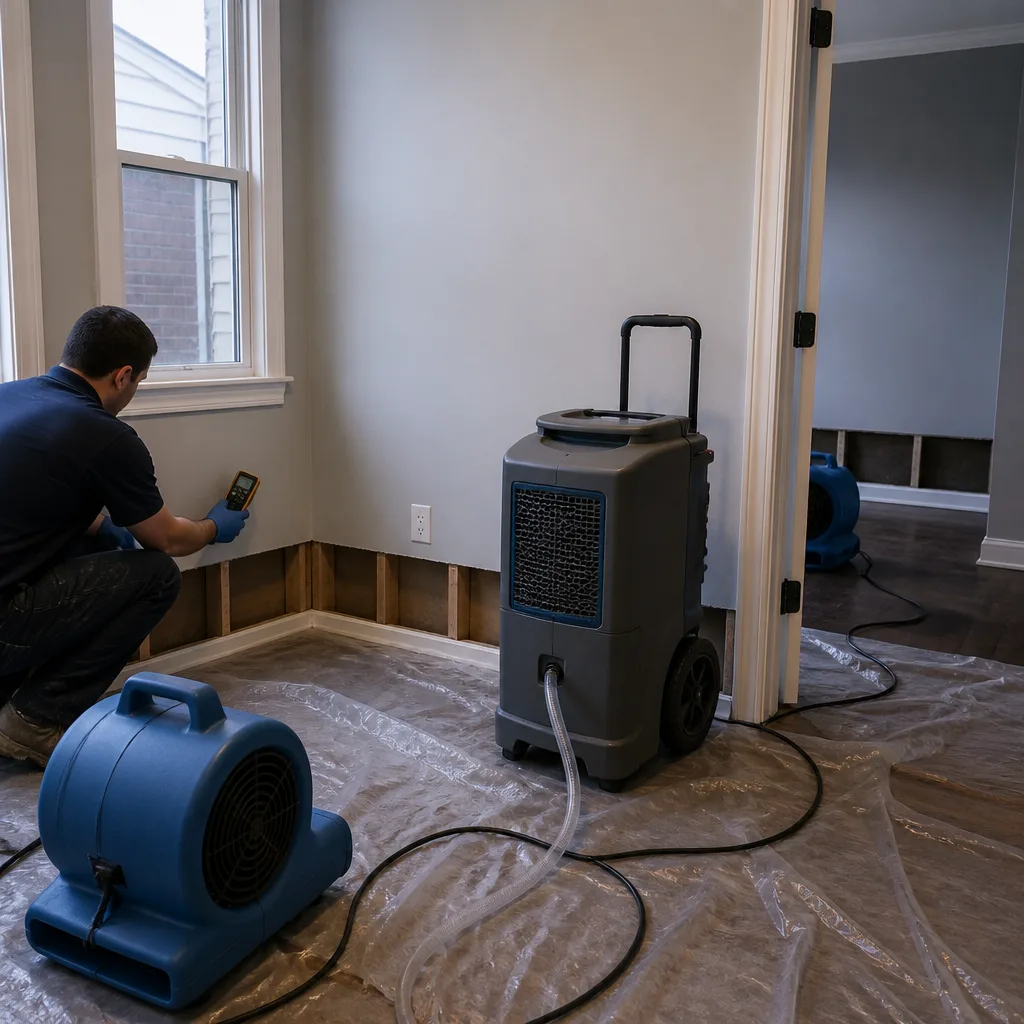 After
AfterFast, Reliable Mold Remediation Across Jersey City
Mold remediation in Jersey City typically costs $1,800-$4,500 for contained residential jobs and $4,500-$12,000+ when Category 3 sewage contamination or whole-unit demolition is involved. Most Jersey City inspections can be scheduled within 24 hours, with containment and air-quality controls established before the 48-hour colonization window closes. Call (862) 292-4268 for a written estimate before any work begins.
We’ve mapped Jersey City’s mold patterns block by block: the combined-sewer backups that push black water into Greenville and Bergen-Lafayette basements, the stormwater channeling off the Palisades ridge into Heights row houses, the HVAC cascade failures through Newport high-rise mechanical chases. Our crews dispatch from our New York City coordination office with equipment staged for the specific contamination class your property faces. Jersey City’s dual flood exposure - Hudson River surge to the east, Newark Bay tidal inundation to the west - means we rarely treat mold here as a simple moisture problem. The contamination class comes first.
Why DryMark Restoration Newark Is Jersey City’s Preferred Mold Remediation Company
Jersey City homeowners have left us reviews citing the same specific relief: the written scope arrived before the first containment barrier went up, and the photo record matched what the adjuster later saw. We don’t promise vague “satisfaction.” We document moisture readings, material classifications, and vapor pressure differentials in plain language that survives a claims review.
Our response time to Jersey City averages 90 minutes from call confirmation during business hours, with live phone coverage 24 hours a day, 7 days a week - no voicemail trees while water is still moving through your building. Alicia Brennan built this company in 2011 after years as a claims adjuster watching homeowners lose coverage over documentation gaps. That origin shapes every Jersey City job: the drying log, the photo record, the written price stamped before work starts under Haven Standard, Clause 1.
We’ve restored 12,000+ homes since 2011, every one with a written price before work started and a documented record when the crew left. In Jersey City specifically, our technicians carry mapped knowledge of which Heights cross streets flood predictably, which Greenville blocks sit inside FEMA Special Flood Hazard Areas from Sandy-era surge data, and which Bergen-Lafayette basements tie into the combined sewer line that turns a nor’easter into a Category 3 remediation. That local specificity saves days on scoping and prevents the scope-creep that inflates final invoices.
Our Mold Remediation Services in Jersey City
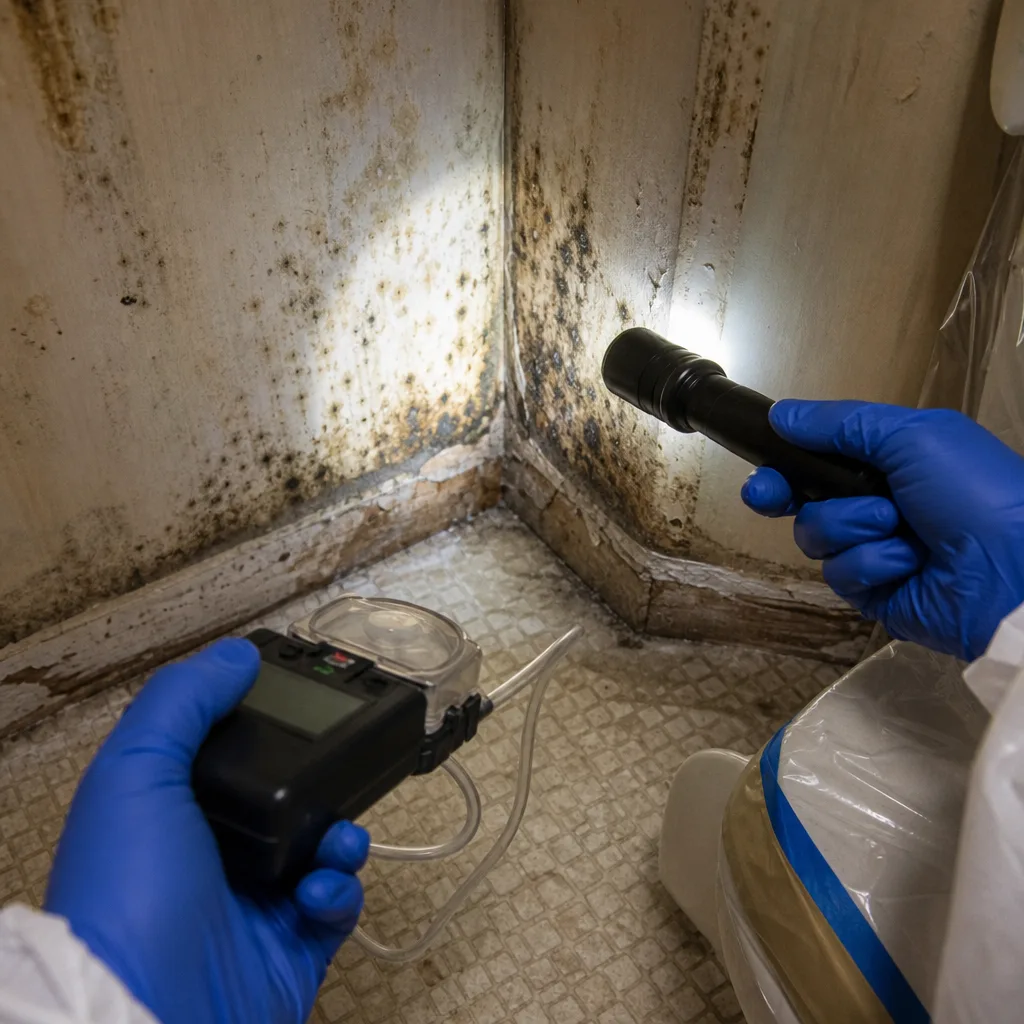
Mold Inspection & Testing
Every Jersey City inspection begins with contamination-class identification, not a moisture meter waved at drywall. If your basement flooded through the combined sewer system, the water is Category 3 regardless of how “clean” it looked - and that classification changes what we test for, where we sample, and what materials must be removed rather than dried. We document air quality, surface swabs, and cavity moisture readings to IICRC and RIA standards, with photo evidence of each sample location. In pre-war Jersey City row houses with unvented brick-and-plaster construction, we test through wall cavities, not just visible surfaces, because mold colonizes the cavity before it breaches the finish layer.
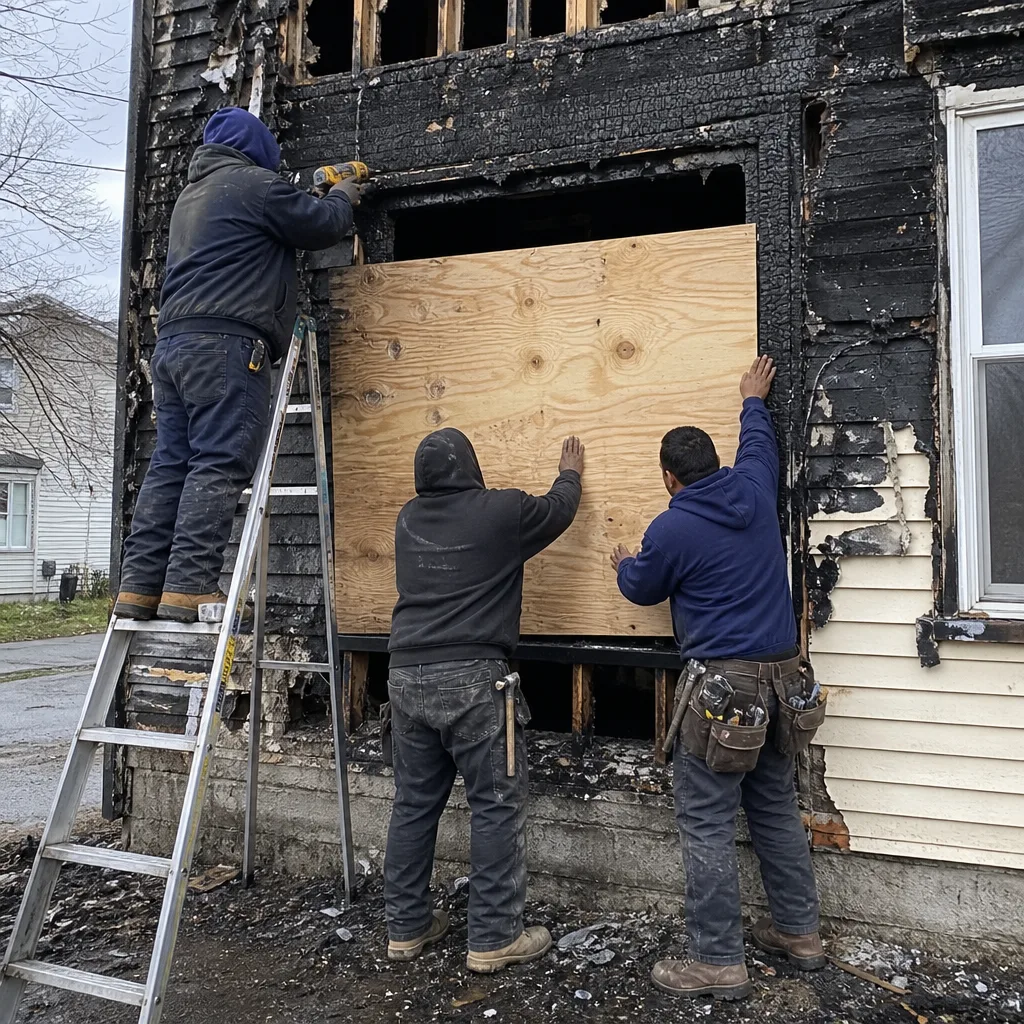
Mold Removal
Removal protocols in Jersey City follow the contamination class, not a one-size-fits-all demolition plan. Category 3 sewage-impacted materials in Greenville or Bergen-Lafayette basements come out: porous drywall, insulation, baseboards, and any cellulose-based finish that absorbed black water. Non-porous materials get HEPA vacuumed, antimicrobial treated, and sealed. In Sandy-era gutted row houses where owners later finished walls without moisture verification, we remove the new drywall to expose residual humidity pockets that have been colonizing for months. Every removal action is photographed, logged, and written into the scope you sign before work proceeds.
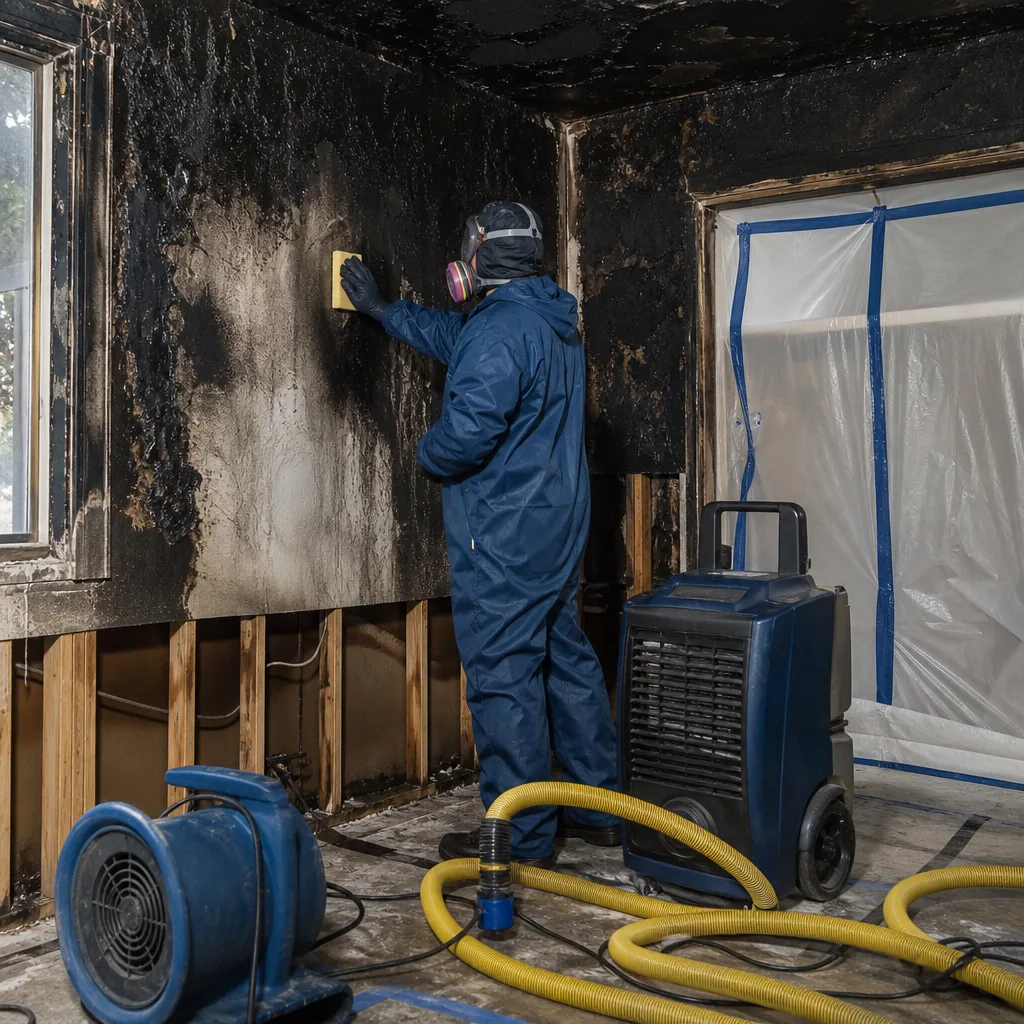
Black Mold Remediation
Stachybotrys and other toxigenic species in Jersey City almost always trace to sustained humidity above 60% in unvented masonry cavities - the exact conditions created when a combined-sewer backup soaks plaster and brick, then gets covered with new drywall before drying completes. Our black mold protocol establishes negative-air containment, HEPA filtration, and technician PPE scaled to the species identified in lab testing. We don’t treat “black mold” as a scare term; we treat it as a species-specific remediation with documented clearance criteria. The Haven Standard requires post-remediation air sampling before containment comes down, with results delivered to you and your insurer.
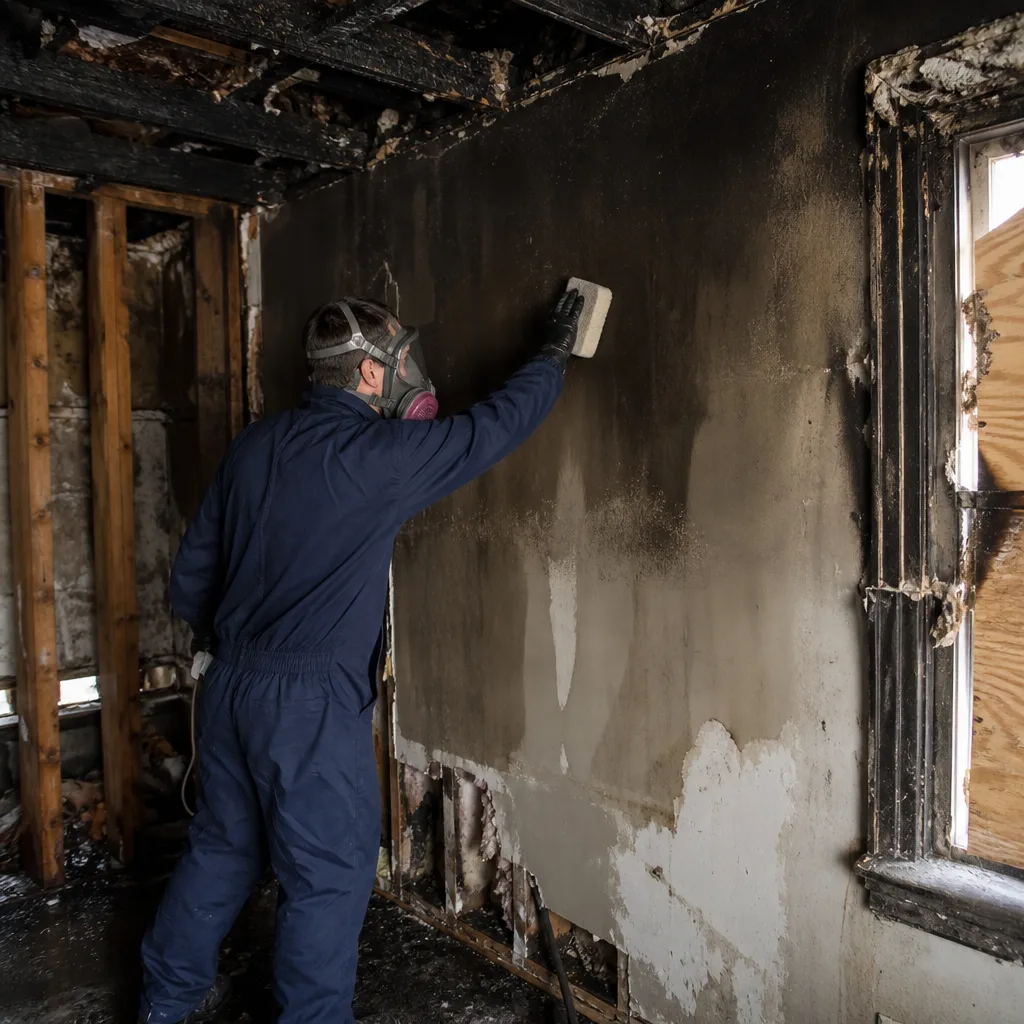
Air Quality Restoration
Jersey City’s extreme urban density means mold spores migrate through shared party walls, HVAC chases, and corridor pressurization gaps - especially in Newport and Exchange Place high-rises where one condensate line failure can affect stacked units. Our air quality restoration deploys HEPA-negative air machines, carbon filtration for mycotoxin byproducts, and real-time particle counting to verify clearance. We document psychrometric data - temperature, relative humidity, and vapor pressure differential - to prove the environment won’t support regrowth. In multi-unit buildings, we coordinate with neighboring unit owners and building management to prevent cross-contamination that turns one billable job into a building-wide claim.
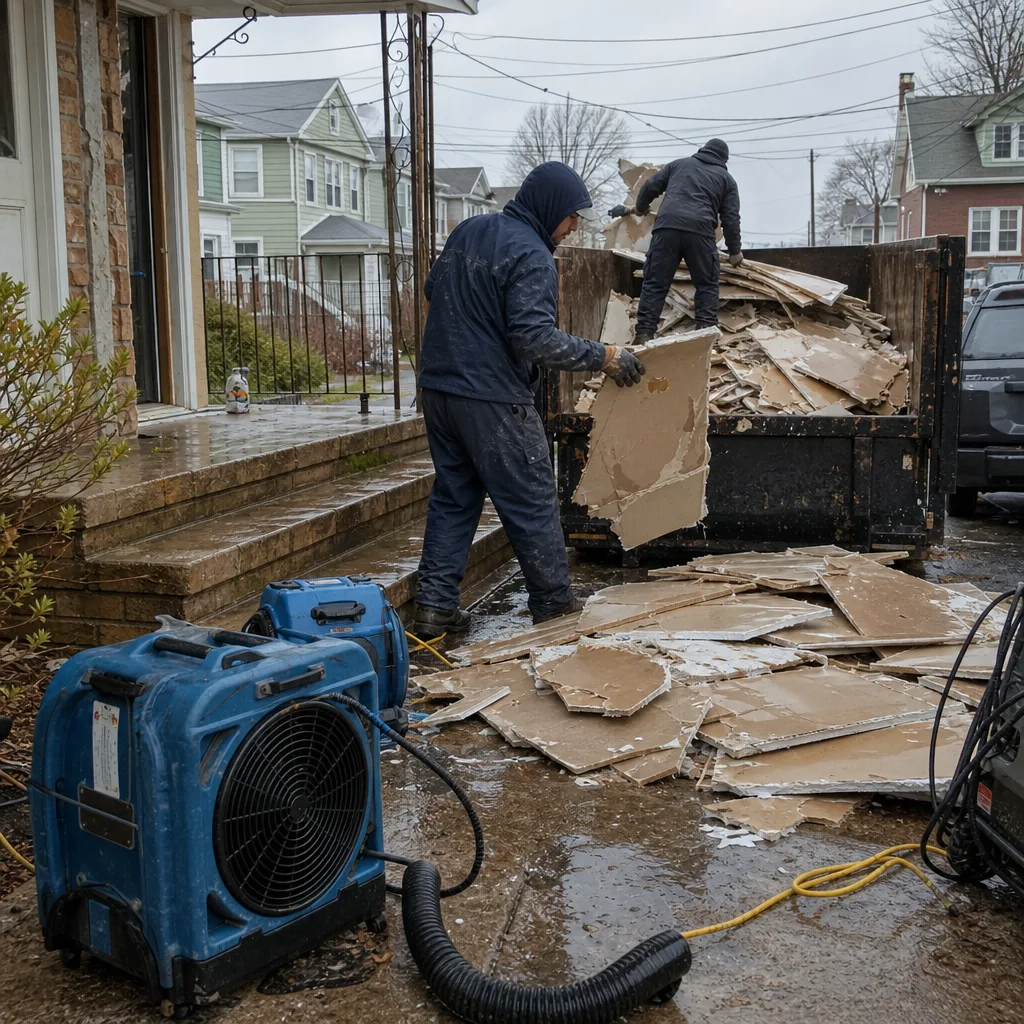
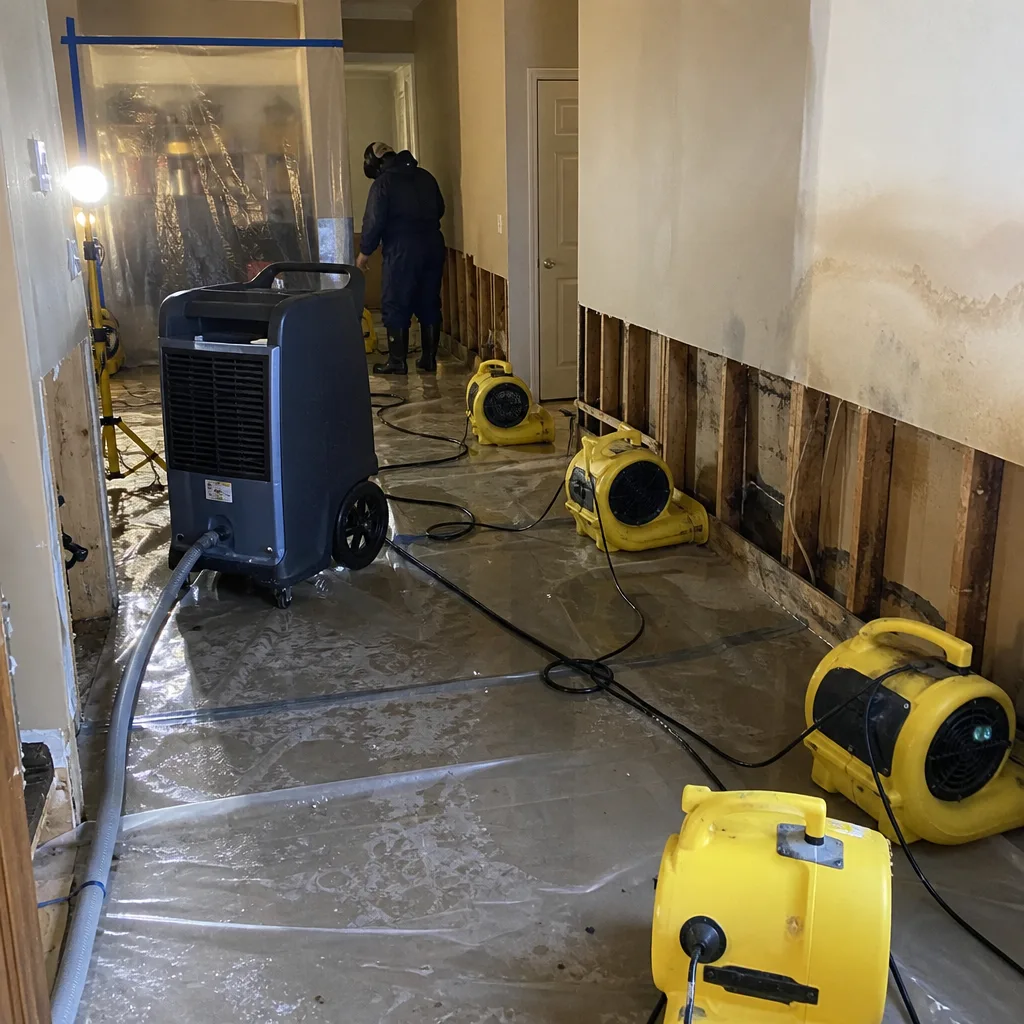
Moisture & Humidity Control
Jersey City’s unvented masonry construction traps humidity longer than suburban frame houses, compressing the remediation window. Our moisture control protocol maps vapor pressure differentials across wall assemblies, then targets the source: dehumidification staged with containment barriers, not just machines running in open rooms. In the Heights, where stormwater runoff channels into century-old basements, we install permanent humidity monitoring tied to automated dehumidifier cycling. Every reading logs to the drying record that accompanies your invoice.
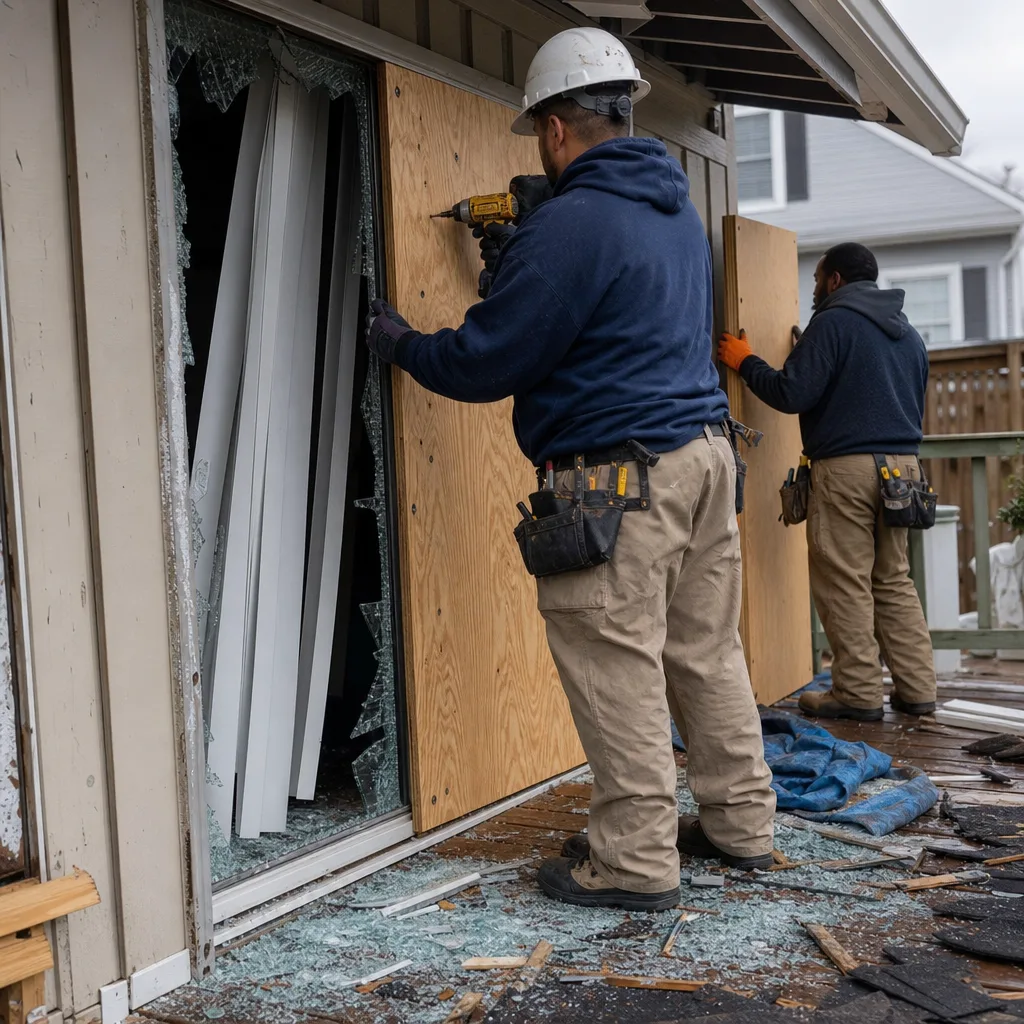
Crawl Space Treatment
Jersey City’s pre-war row houses often have partial dirt-crawl or rubble-stone foundations with no vapor barrier, especially in Greenville near the bay where the water table sits high year-round. We treat crawl spaces with vapor barrier installation, dehumidifier staging, and sub-slab moisture mapping. In Sandy-impacted properties where bay-side humidity has persisted since 2012, we may recommend full encapsulation with conditioned air supply - a scope decision documented with moisture readings, not sales pressure.
What happens when you call
- 1
A real person answersNo phone trees - you reach a local pro.
- 2
You get an upfront price rangeHonest numbers before anyone is dispatched.
- 3
A background-checked tech heads outLicensed & insured, dispatched right away.
- 4
You approve before work beginsNothing starts until you say go.
BeforeAfterTrusted Brands We Service in Jersey City
Our Jersey City crews deploy professional-grade drying systems from Dri-Eaz, B-Air, and Injectidry - equipment selected for the specific challenges of unvented masonry and high-density multi-unit construction. Dri-Eaz dehumidifiers handle the heavy latent loads in flooded Jersey City basements; Injectidry’s wall-cavity drying systems pull moisture from plaster-and-lath assemblies without demolition when the contamination class permits; B-Air air movers create the vapor pressure differential that drives bound water out of brick and mortar. We stock replacement components locally so Jersey City jobs aren’t delayed waiting for parts. Every machine’s output is logged to IICRC and RIA standards, producing the daily drying records that turn restoration invoices into payable claims.
Common Mold Remediation Problems We See in Jersey City Homes
- Treating combined-sewer backups as clean water. If your Greenville or Bergen-Lafayette basement flooded through the municipal sewer system during a nor’easter, the water is Category 3 - black water containing pathogens and chemical contaminants. Drying it without antimicrobial treatment and porous-material removal feeds mold inside brick-and-plaster cavities while the surface looks dry.
- Drywalling over Sandy-era gutted cavities without moisture verification. Too many Jersey City row houses got finished walls after 2012 with no documented drying phase. Residual bay-side humidity behind new drywall colonizes for months, producing the musty, persistent mold calls we get from owners who thought the problem was solved years ago.
- Running dehumidification without containment in unvented masonry flats. Humid air migrates through shared party walls into adjacent units. The next call is a separate, billable mold job in a neighboring condo - and a liability dispute over who caused the cross-contamination.
- Missing the 24-to-48-hour window after Heights stormwater intrusion. The Palisades ridge channels runoff into lower cross-street basements within hours of heavy rain. By day three, secondary mold growth is a separate remediation project with a separate scope and separate insurer negotiation.
Pricing for Mold Remediation in Jersey City, NJ
| Service | Typical Range in Jersey City |
|---|---|
| Mold inspection & air quality testing | $350-$750 |
| Contained mold removal (single room, Category 1-2 water source) | $1,800-$3,500 |
| Category 3 sewage-impacted remediation (basement/crawl space) | $4,500-$8,500 |
| Whole-unit demolition + reconstruction in pre-war row house | $8,000-$15,000+ |
| Crawl space encapsulation with vapor barrier | $3,500-$7,000 |
| Post-remediation air quality clearance testing | $400-$650 |
What moves Jersey City jobs toward the higher end: Category 3 contamination requiring porous-material removal, multi-unit coordination in high-rise or condo buildings, Sandy-era legacy moisture requiring cavity demolition, and crawl spaces with no existing vapor barrier. What keeps costs controlled: early inspection within the 24-to-48-hour window, accurate contamination-class identification at the start, and documentation that prevents insurer disputes. Every Jersey City job gets a written price before work begins - Haven Standard, Clause 1 - with no scope-creep additions once the crew is inside. Bring a competitor’s written estimate; we’ll review it free under our Free Second Opinion policy. Call (862) 292-4268.
We Also Serve Cities Near Jersey City
Our crews work throughout Hudson County and beyond, with regular mold remediation calls from Jersey City neighbors in Hoboken, Union City, Harrison, and Secaucus. Each city’s infrastructure and housing stock produces distinct mold patterns: Hoboken’s combined-sewer issues mirror Jersey City’s, while Secaucus’s marsh-adjacent developments face groundwater intrusion from a different direction. Our Mold Remediation team carries the mapped local knowledge for each market.
Serving Jersey City, NJ - Our Local Coverage Area
We’re based in the Jersey City area and know this community well. Use the map below to see our service coverage - if you’re nearby, we can almost certainly help.
FAQs - Mold Remediation in Jersey City
Jersey City’s combined sewer system handles stormwater and sanitary waste in the same pipe, and a nor’easter or high-tide event can push that mixture backward into basement drains in Greenville, Bergen-Lafayette, and low-lying Heights blocks. The water is Category 3 - black water - and the antimicrobial treatment and porous-material removal it requires create the moisture disturbance that triggers secondary mold growth if not properly contained and dried. Call (862) 292-4268 and we’ll classify your source correctly before scoping.
Mold colonization begins 24 to 48 hours after moisture intrusion in Jersey City’s unvented brick-and-plaster construction, and the masonry assembly extends that window only slightly before trapping humidity inside cavities. The city’s extreme urban density means shared walls and limited airflow slow natural drying, so professional dehumidification with containment is typically required to beat the colonization clock. Call (862) 292-4268 for same-day inspection scheduling.
Yes - Jersey City’s dual flood exposure and FEMA Special Flood Hazard Area designation mean properties near both water bodies face higher baseline humidity, more frequent inundation, and a larger share of Sandy-era legacy moisture still trapped in masonry assemblies. The salt air also corrodes mechanical systems faster, increasing HVAC condensate failures that introduce moisture from inside the building. Call (862) 292-4268 for moisture mapping that identifies whether your source is exterior flood, interior mechanical, or residual legacy humidity.
Sometimes - if the contamination class is Category 1 or 2, the plaster is intact with no visible staining, and cavity moisture readings show the lath and brick behind are below 16% wood-moisture equivalent. We use Injectidry cavity-drying systems and targeted antimicrobial application, with daily moisture logging to prove the assembly is dry before we close. Category 3 sewage impact or visible colonization behind the plaster requires removal. Call (862) 292-4268 for a written scope that specifies what stays and what goes.
A Jersey City scope specifies: contamination class and source identification, containment barrier placement with negative-air pressure, material removal list with square footage by room, antimicrobial treatment protocol, drying equipment type and count with daily moisture-log schedule, post-remediation air sampling criteria, and the Haven Standard 365-Day Done Right Promise. For multi-unit buildings, it also addresses party-wall sealing and neighbor notification. You receive this in writing and sign before work begins - Haven Standard, Clause 1. Call (862) 292-4268 for your written estimate.
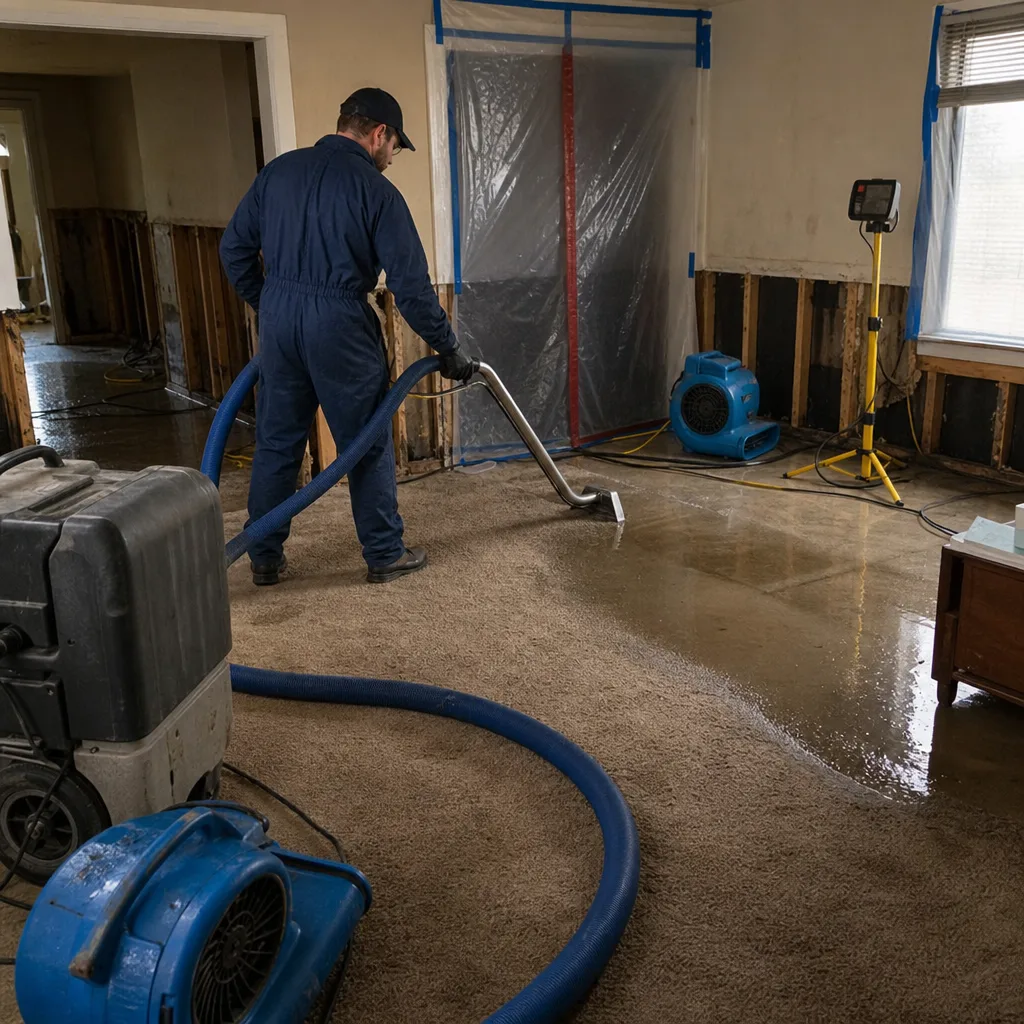
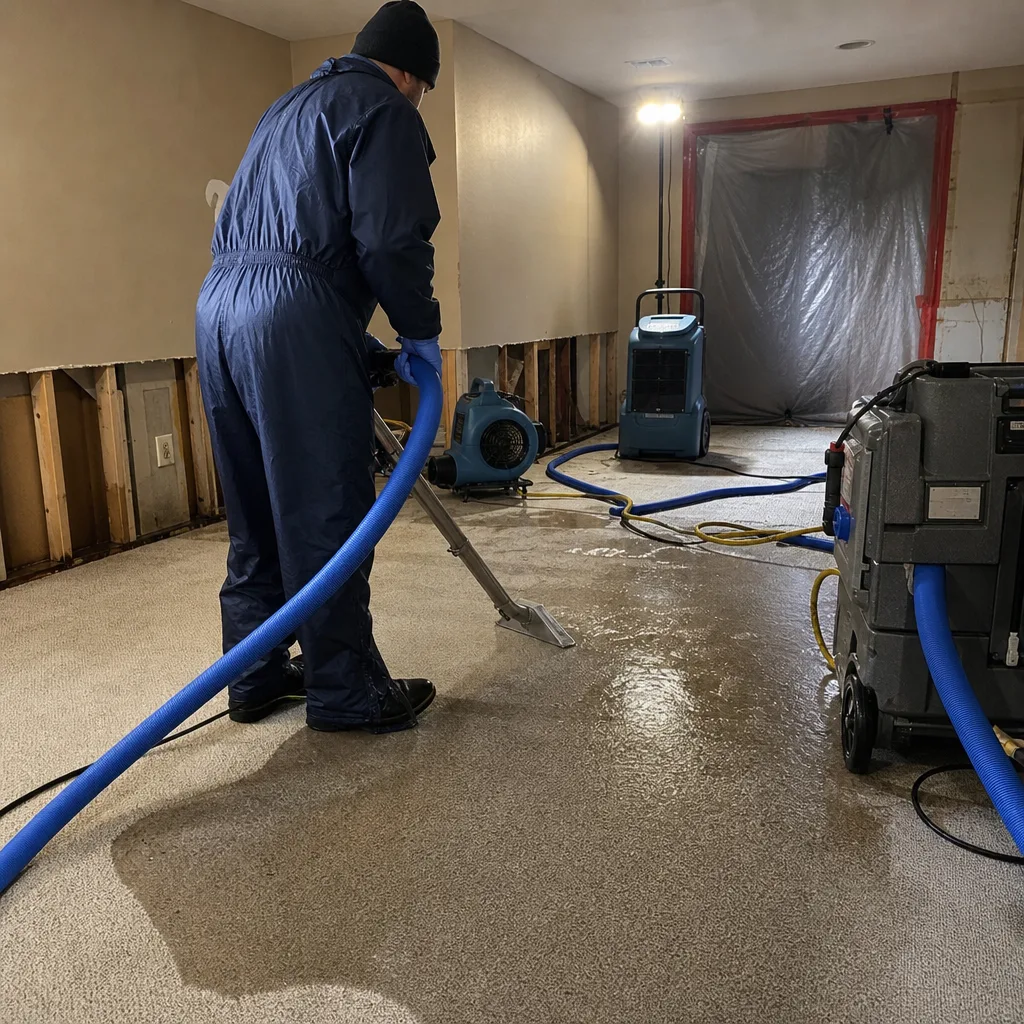
After a nor’easter backed up the combined sewer on a lower cross street below the Palisades in the Heights, we pulled Category 3 water from a 1910s brick row house basement, ran moisture mapping up through the unvented plaster walls, and set containment before the 24-to-48-hour mold clock ran out. Our techs completed water extraction, applied antimicrobial treatment, staged Dri-Eaz dehumidification and air movers, and logged every moisture reading so the scope of work separated sewage remediation from the secondary mold growth forming behind the baseboard. The owner’s insurer approved structural drying and crawl space treatment in a single pass because the drying logs showed we caught it before colonization spread.
Jersey City’s combined sewer system means mold remediation here often begins as Category 3 sewage cleanup - a nor’easter can push black water into Greenville and Bergen-Lafayette basements, and the contamination class dictates what gets dried versus torn out before mold even enters the conversation. No inland Jersey market sees this frequency of sewage-class mold jobs. That’s why our scoping starts with source classification, not a moisture reading. The documentation that follows - photo record, drying log, written scope, signed warranty - is what turns a Jersey City restoration invoice into a claim an insurer pays without a fight.
Ready for a written estimate before any work begins? Call (862) 292-4268. Alicia Brennan’s team answers live 24 hours a day, 7 days a week. We’ll schedule your Jersey City inspection, deliver a documented scope with line-item pricing, and stand behind the work with our 365-Day Done Right Promise under The Haven Standard.
Written by Alicia Brennan, Owner at DryMark Restoration Newark, serving Jersey City since 2011.