
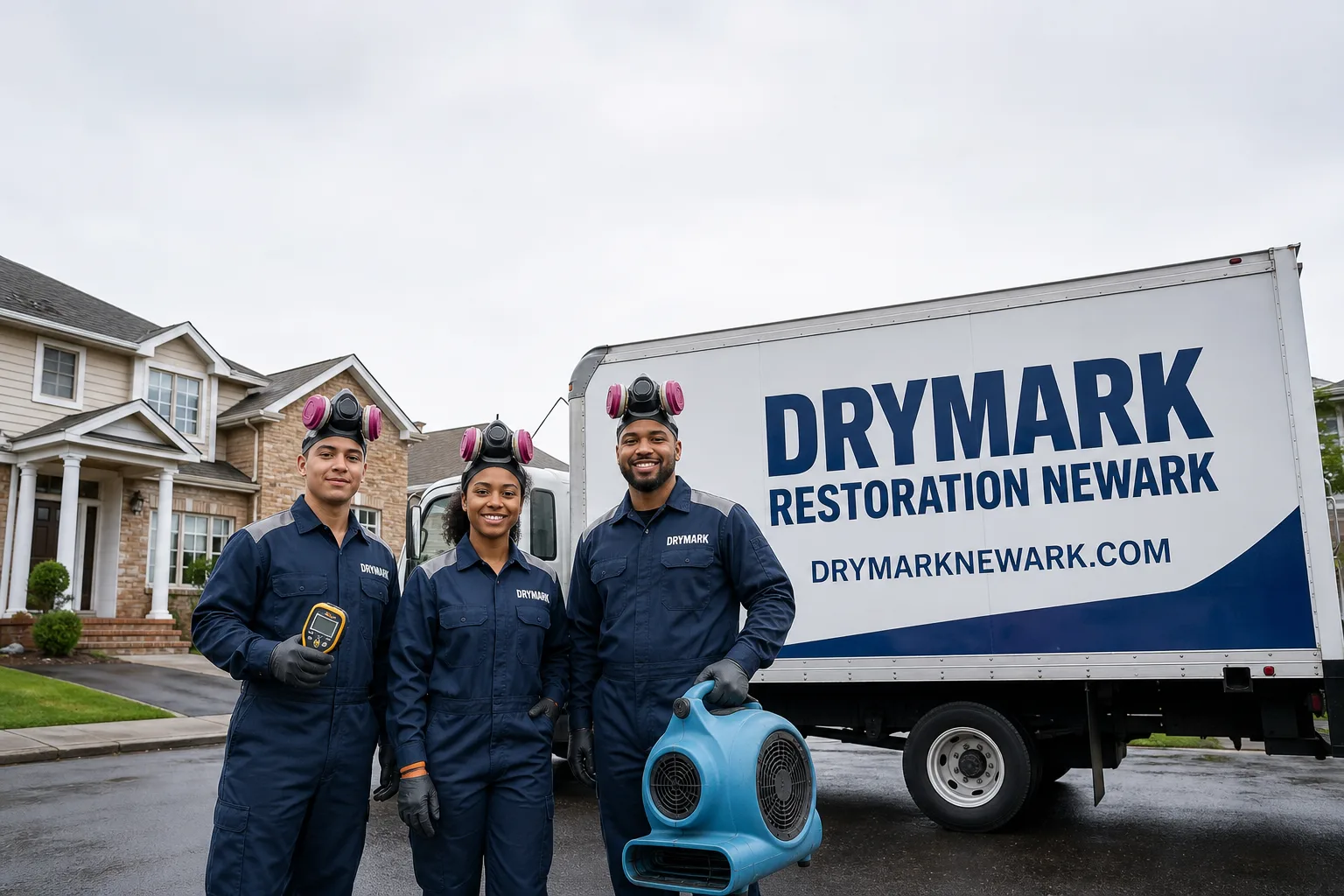
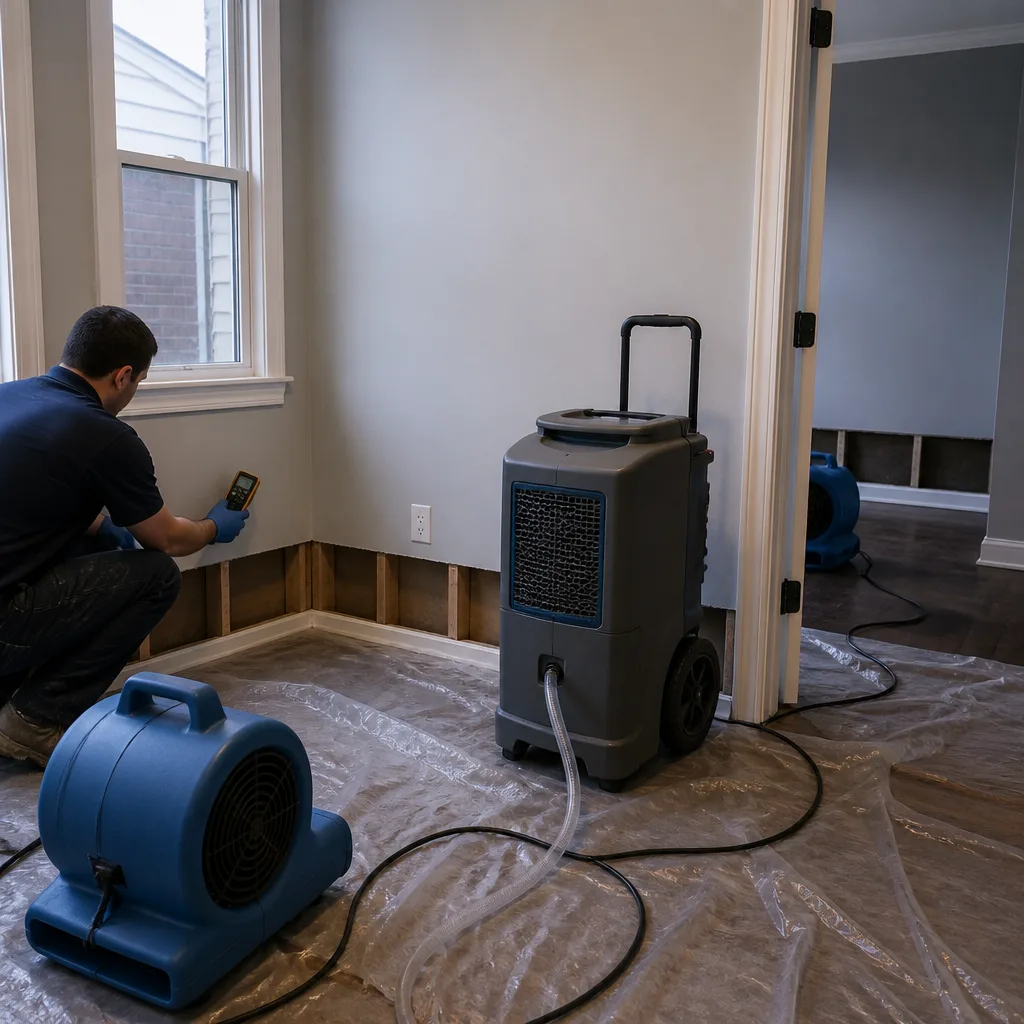
Free visual inspection and a written scope of work before any mitigation begins - photos, moisture readings, and drying logs go in your claim file
The scope we write is the scope we bill. Anything new gets shown to you, in writing, before we touch it.
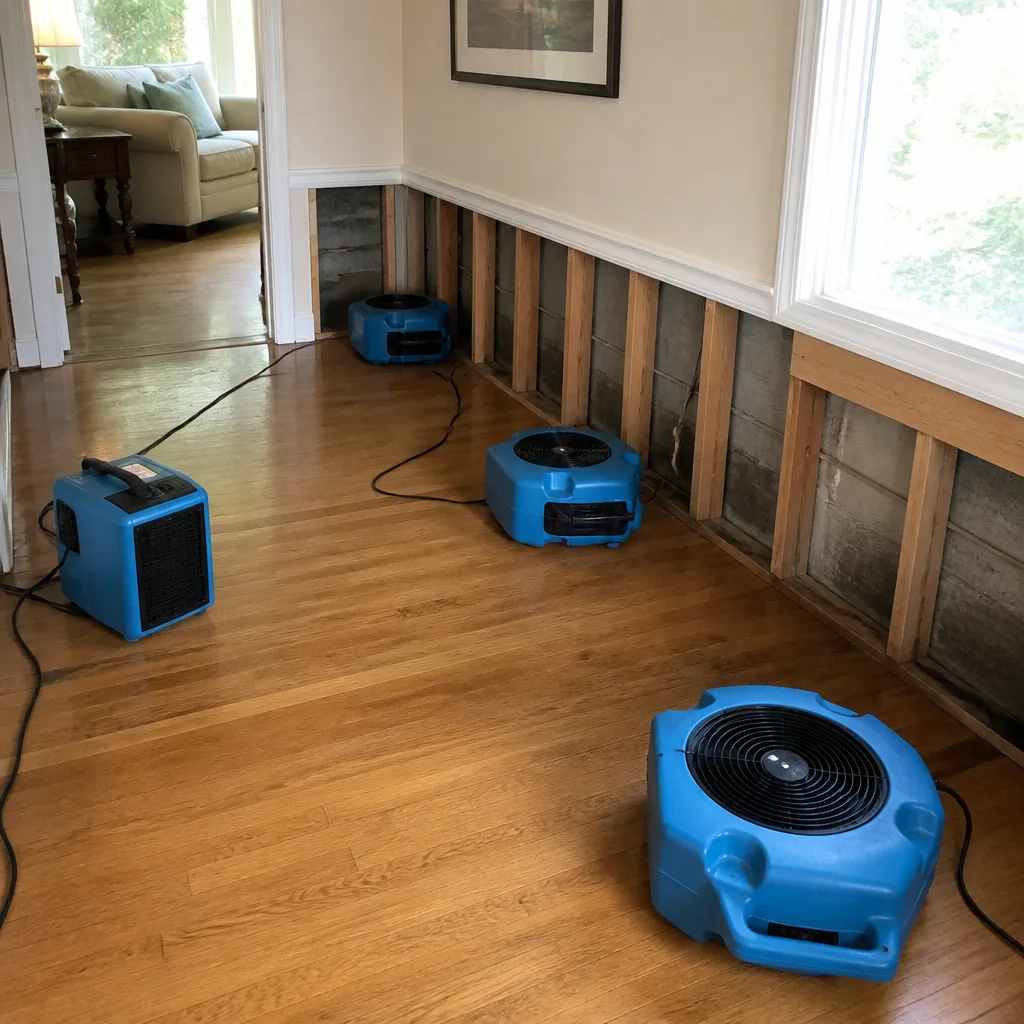
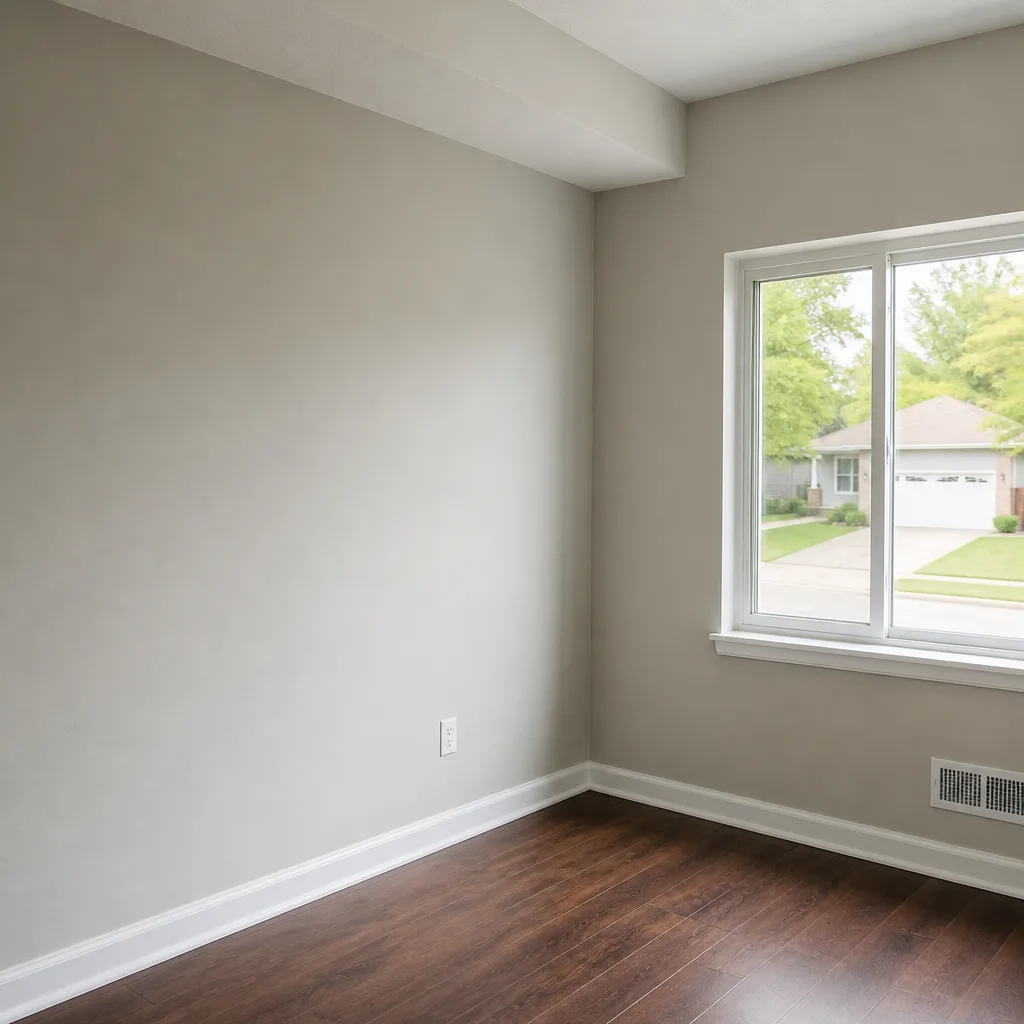
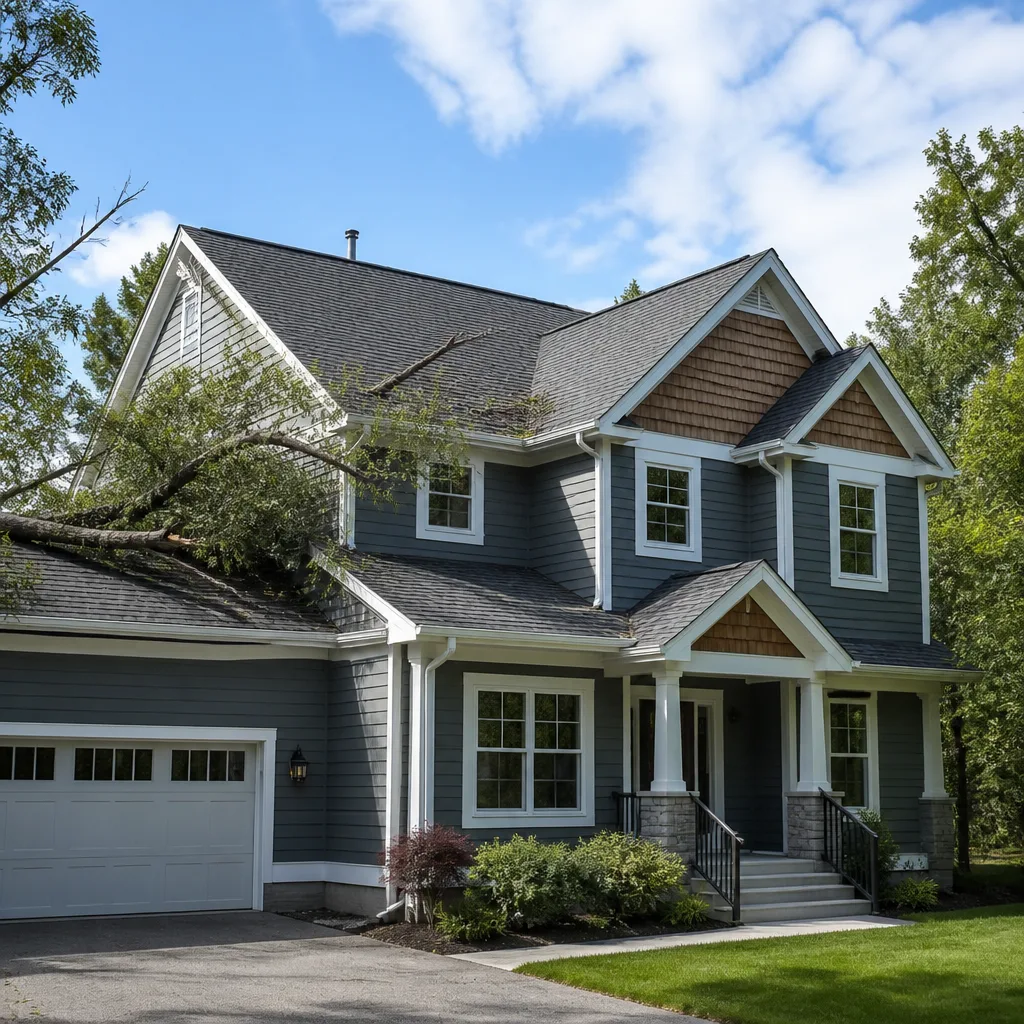
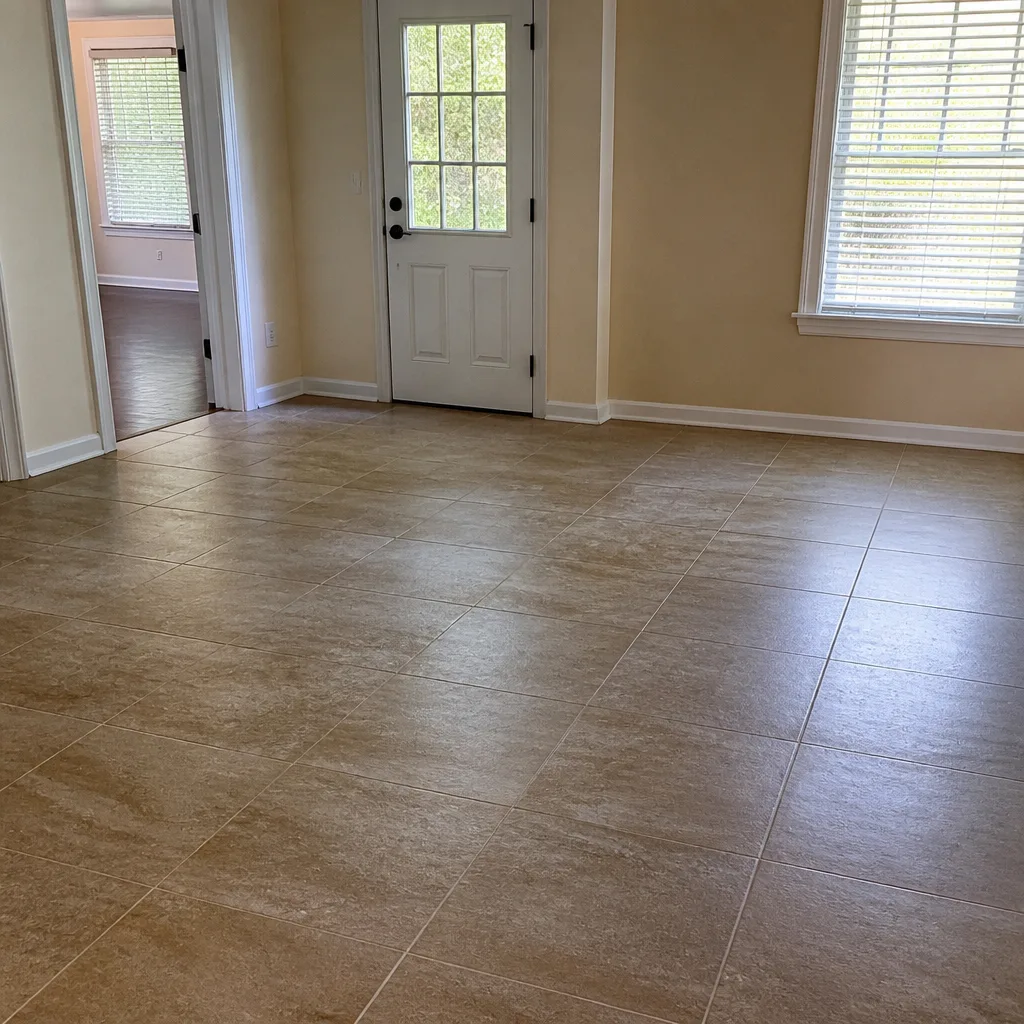
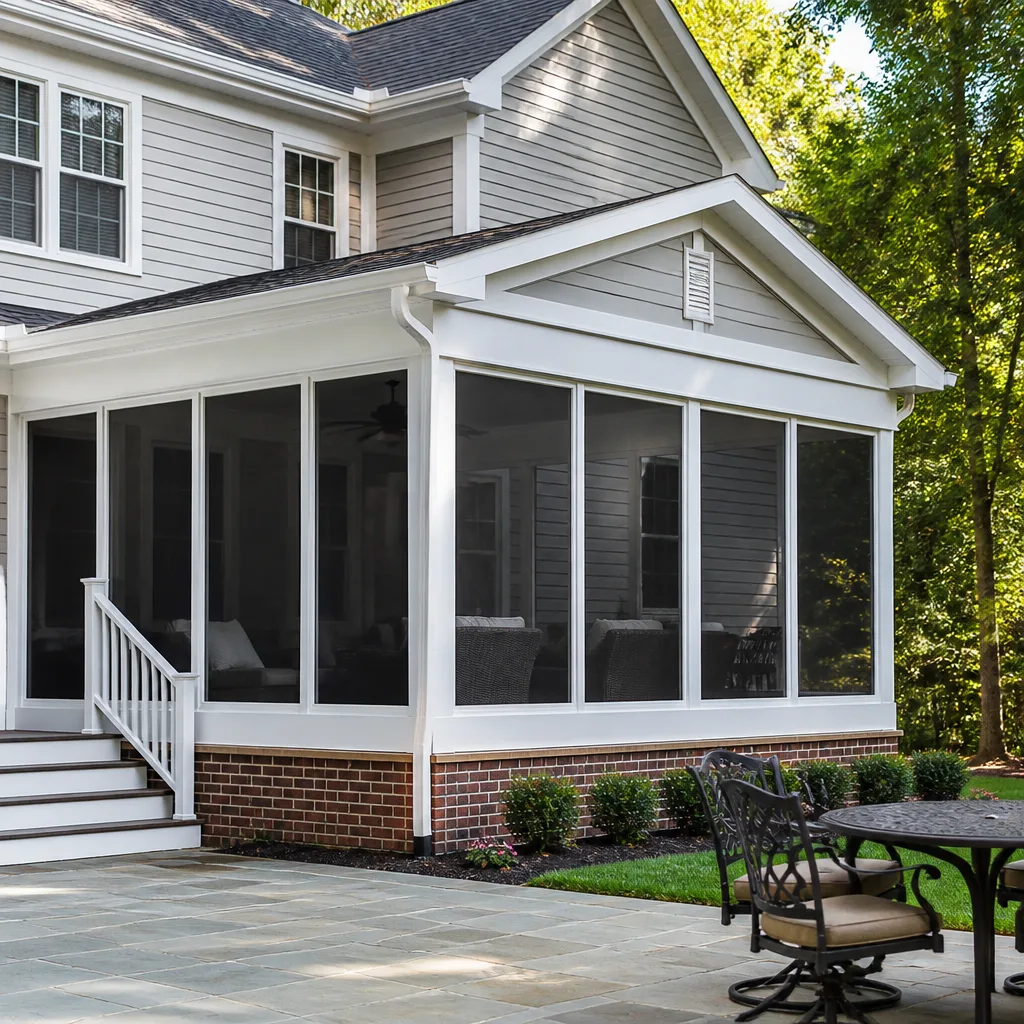
 Before
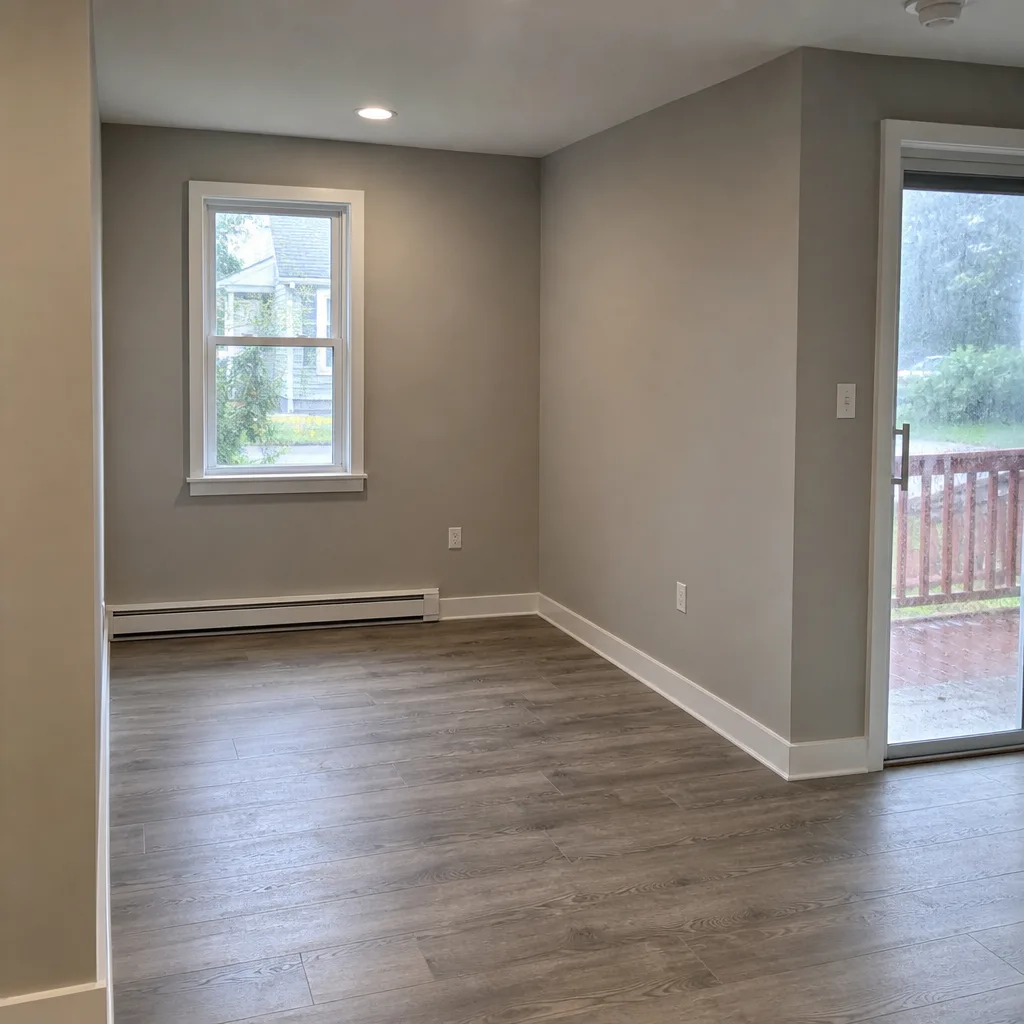 After
After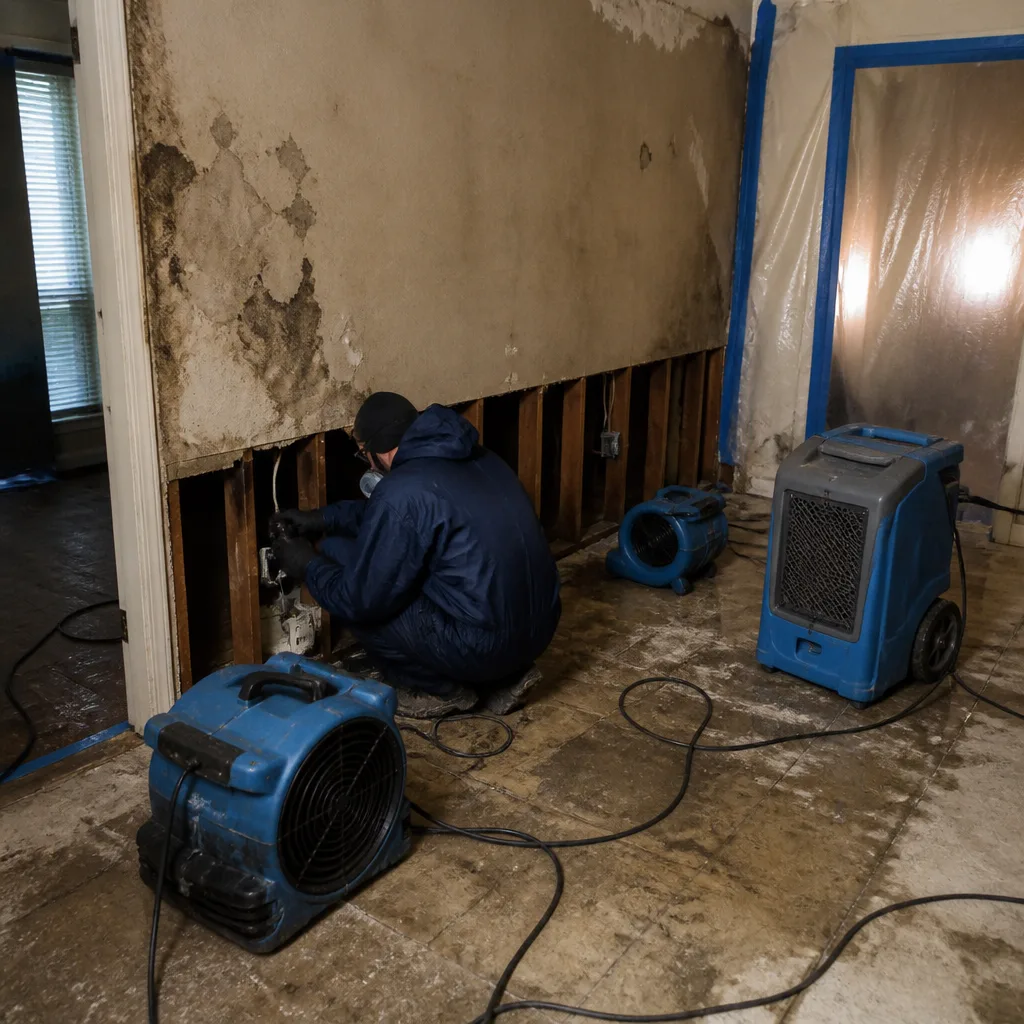 Before
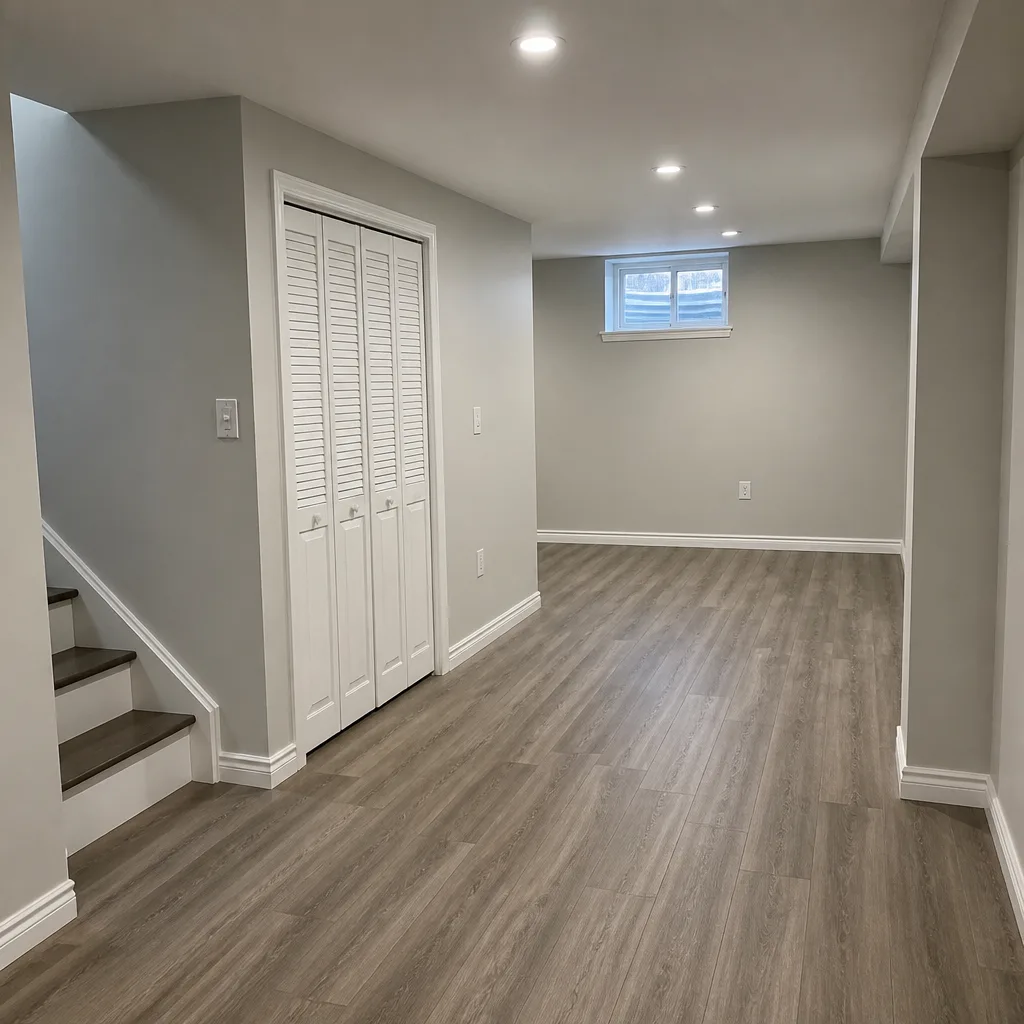 After
After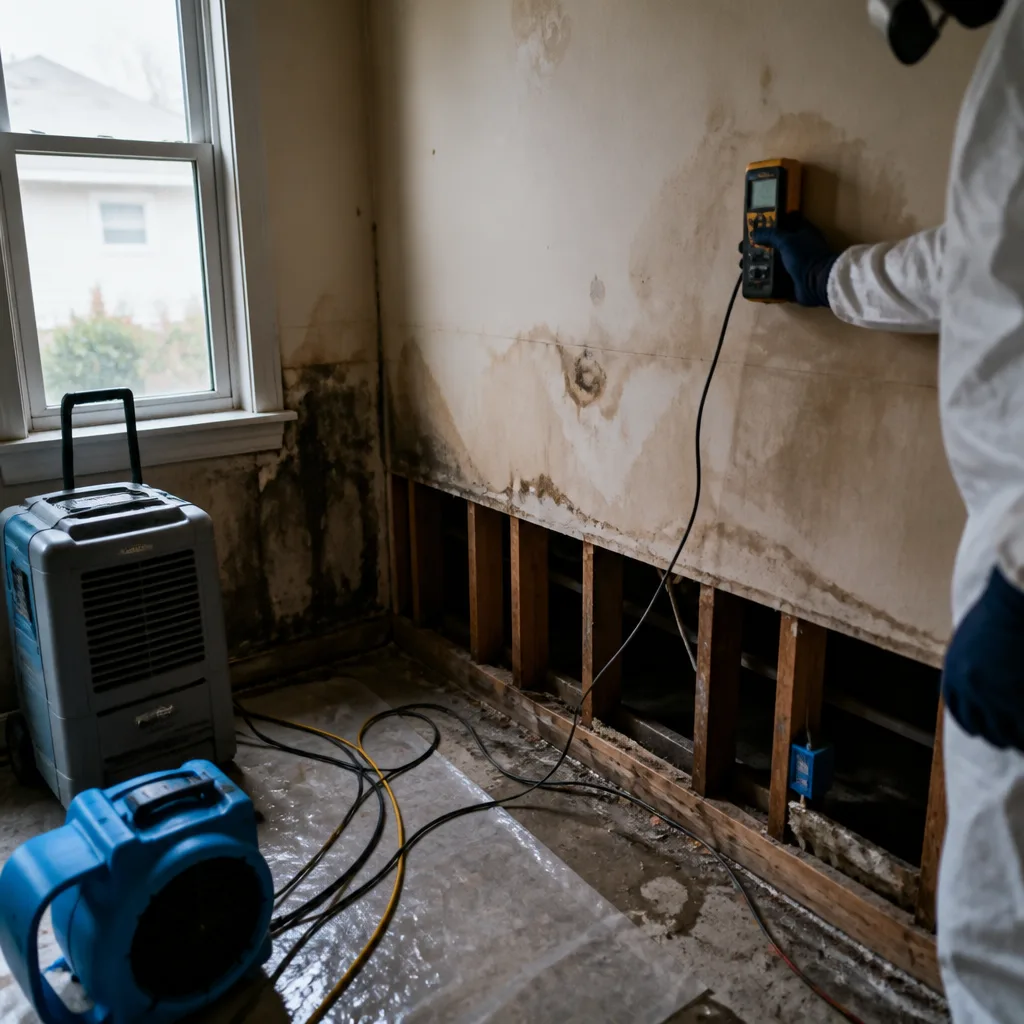 Before
 After
AfterFast, Reliable Mold Remediation Across Union City
Mold remediation in Union City typically costs $1,800-$4,500 for a standard multi-unit walk-up containment, with inspection and testing starting at $350-$650. Most Union City jobs require same-day emergency response because attached brick buildings let moisture migrate fast through shared walls.
We’re DryMark Restoration Newark, and we know Union City’s buildings. From Bergenline Avenue to Summit Avenue, from the rowhouses near Washington Park to the walk-ups along Palisade Avenue, we’ve performed Mold Remediation in the attached multi-story brick buildings that make up nearly every block of this city. Our crews are dispatched from our metro office and carry containment equipment sized for narrow stairwells, alley-access entries, and the tight clearances that come with 1900-1940 construction. Call (862) 292-4268 for a written estimate before any work begins.
Why DryMark Restoration Newark Is Union City’s Preferred Mold Remediation Company
Union City’s near-total absence of vapor barriers combined with original lime-based plaster interiors means mold can colonize behind walls after even modest water events, and because buildings are attached 1900-1940 brick walk-ups, moisture and mold routinely migrate through three to five adjacent units across shared walls before containment - a multi-tenant insurance coordination problem unique to this density. We’ve handled it. A failed steam supply line in a 1920s brick walk-up on Palisade Avenue near 32nd Street sent near-boiling water through three floors, buckling century-old plaster and soaking the structural brick in two adjacent units. Our crew performed water extraction and moisture mapping across all three units, set up containment with air movers and dehumidification, and applied antimicrobial treatment to the affected wall cavities before any visible mold could colonize. Because the landlord was absentee and two tenants were Spanish-speaking, we coordinated access and drying logs directly with each household and the building’s property manager to keep the mitigation moving around street-parking constraints and shared-entry access.
Back to Dry Restoration, led by Alicia Brennan, has operated under The Haven Standard since 2011. Every Union City job gets a written price before work starts - Haven Standard, Clause 1 - plus a documented photo record on every visit and a 365-Day Done Right Promise. We’ve restored 12,000+ homes, each with that same documentation package. Our live dispatch answers at (862) 292-4268, 24 hours a day, 7 days a week, no voicemail.
Our Mold Remediation Services in Union City
Mold Inspection & Testing in Union City
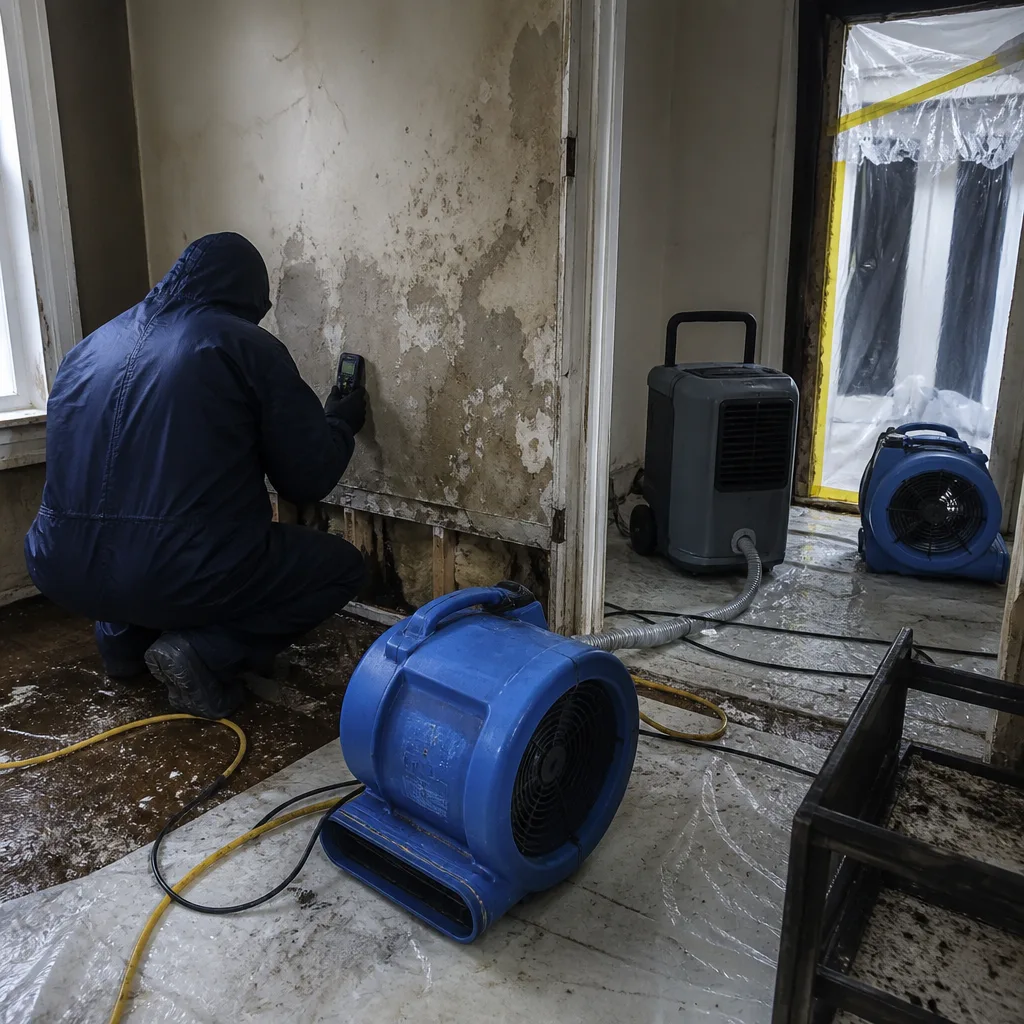
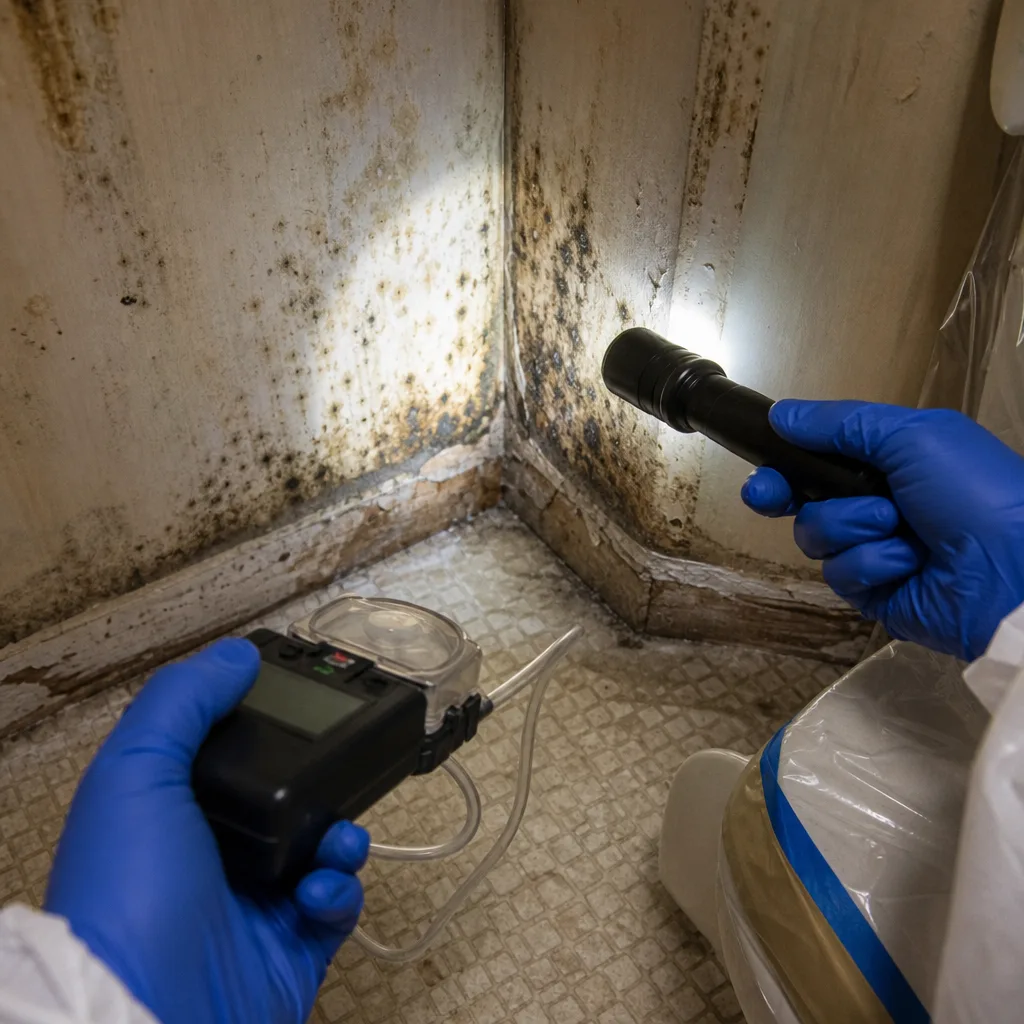
A proper Union City inspection starts with moisture mapping across multiple units, not just the one with visible damage. We use thermal imaging and moisture meters to trace migration paths through shared brick walls, then collect air and surface samples for lab analysis. Testing runs $350-$650 in Union City, with results in 24-48 hours. We document every reading to IICRC standards so your insurer sees the full scope, not just the obvious spots.
Mold Removal & Containment
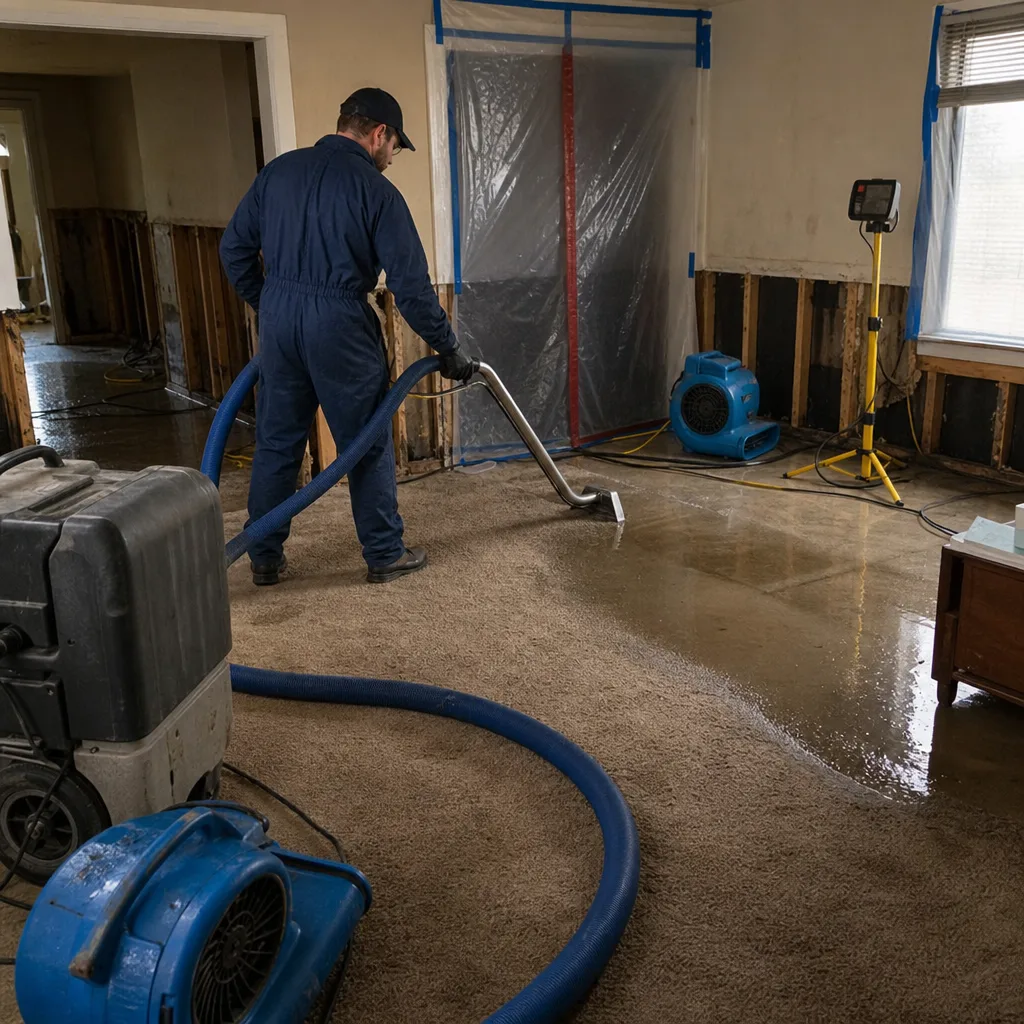
Removal in Union City means building containment barriers in hallways and stairwells that other residents still use. We seal affected units with polyethylene sheeting under negative air pressure, run HEPA filtration, and remove contaminated plaster and lath by hand when the space won’t fit standard demolition equipment. Our crews are background-checked, uniformed, and carry license numbers you can verify - named technicians, not day labor.
Black Mold Remediation
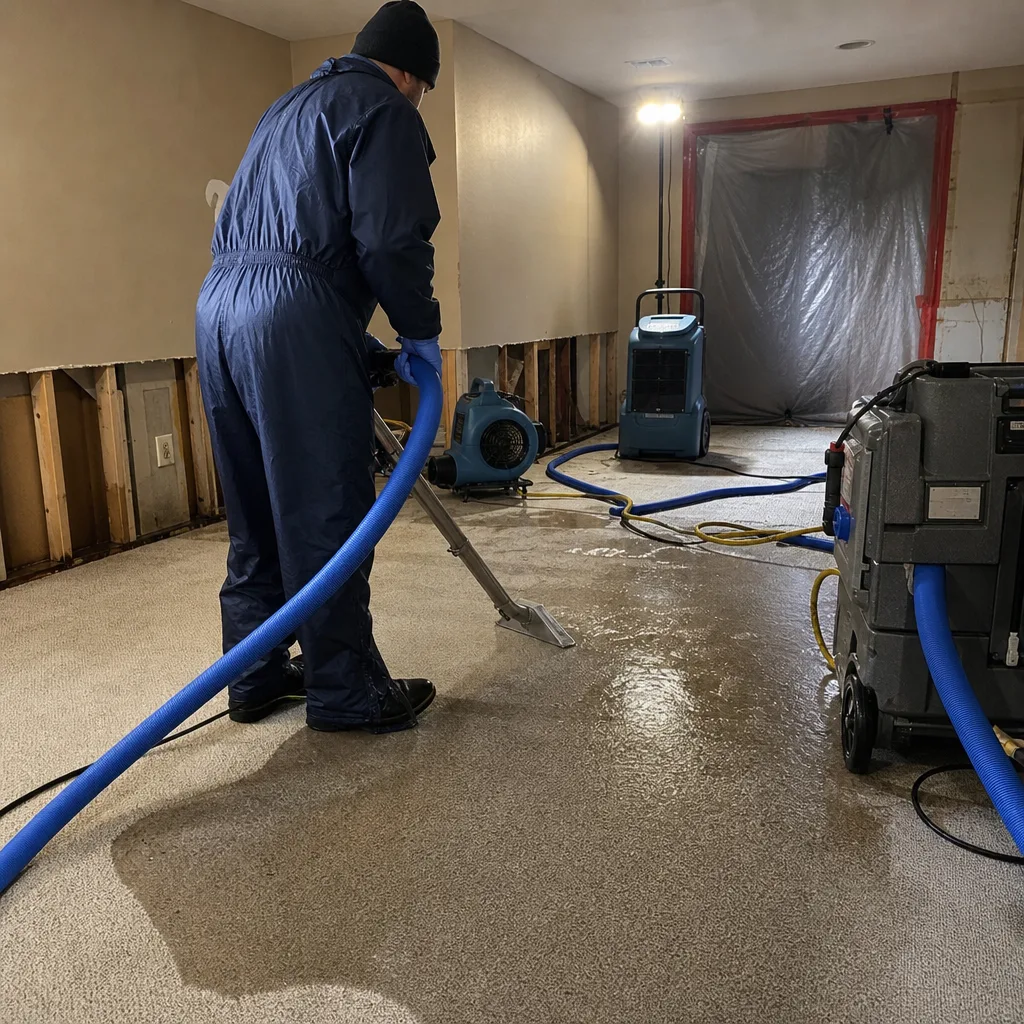
Stachybotrys and other toxigenic species colonize the cellulose in Union City’s original plaster and lath faster than they grow on modern drywall. We treat black mold with antimicrobial agents rated for porous masonry and plaster, then apply moisture barriers where possible to prevent recurrence. Every step is photo-documented for your insurance file.
Air Quality Restoration
After remediation, we run clearance testing to verify spore counts have dropped below outdoor baseline levels. In Union City’s dense housing, we also check adjacent units - the ones that seemed unaffected - because shared HVAC chases and wall cavities can harbor cross-contamination. No job is closed until the lab confirms clean air.
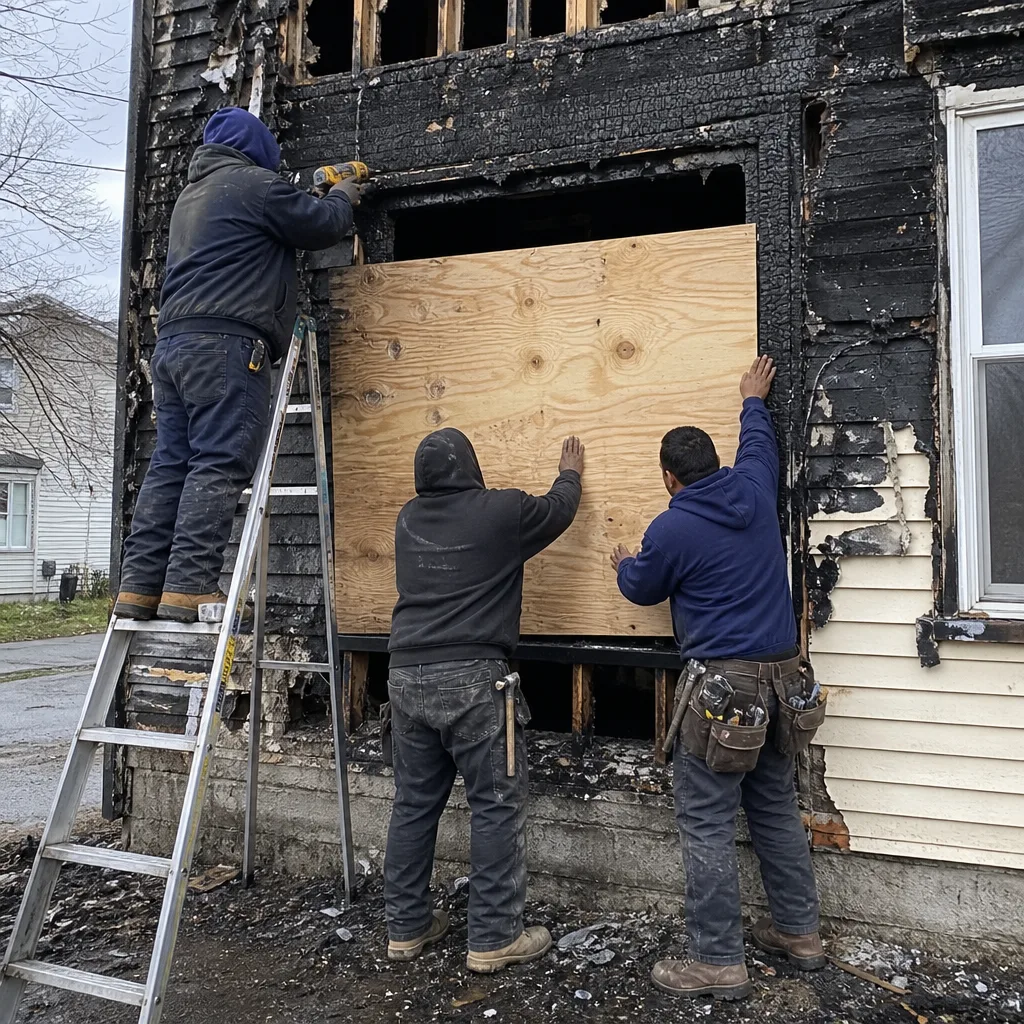
What happens when you call
- 1
A real person answersNo phone trees - you reach a local pro.
- 2
You get an upfront price rangeHonest numbers before anyone is dispatched.
- 3
A background-checked tech heads outLicensed & insured, dispatched right away.
- 4
You approve before work beginsNothing starts until you say go.
BeforeAfterTrusted Brands We Service in Union City
Our equipment comes from Dri-Eaz, Phoenix, and Injectidry - professional-grade drying and injection systems that force air into wall cavities without tearing out intact plaster. We stock HEPA air scrubbers, negative air machines, and dehumidifiers sized for the tight floor plans common on Bergenline Avenue and throughout Union City’s walk-ups. Parts and replacement filters are on our trucks, so we’re not waiting on deliveries while mold keeps growing. All work is documented to IICRC, RIA, and IFA standards, producing the daily moisture logs that turn restoration invoices into payable claims.
Common Mold Remediation Problems We See in Union City Homes
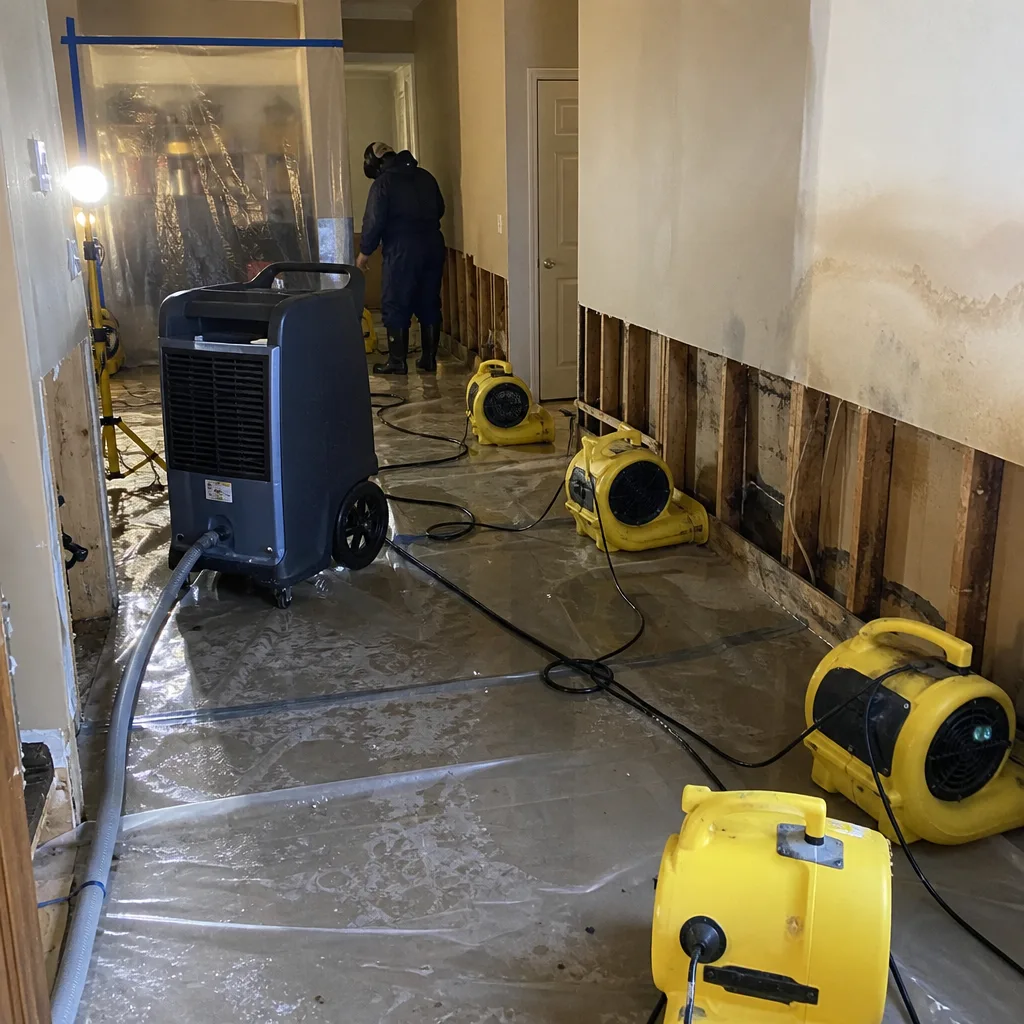
- Moisture migration through shared walls. A leak in one unit on Summit Avenue can saturate the brick party wall and colonize mold in three neighboring units before anyone smells it. We map the full migration path and coordinate access with every affected household.
- Original lime plaster holding hidden moisture. Unlike modern drywall, century-old plaster doesn’t show water stains immediately. It wicks moisture deep into the wall cavity, giving mold a 48-72 hour head start before visible signs appear.
- Failed steam lines delivering pressurized near-boiling water. Aging supply and condensate lines routed through walls and ceiling chases don’t just leak - they rupture, soaking structural members across multiple floors. This requires Category 2 or 3 remediation protocols, not standard drying.
- Urban canyon density trapping moisture. Union City’s building concentration slows natural evaporation and extends equipment-rental cycles. Contractors using suburban drying timelines pull equipment too early, leaving behind conditions for mold regrowth.
Pricing for Mold Remediation in Union City, NJ
| Service | Union City Price Range |
|---|---|
| Mold Inspection & Testing | $350 - $650 |
| Containment & Air Scrubbing (per affected unit) | $800 - $1,500 |
| Mold Removal & Antimicrobial Treatment | $1,800 - $4,500 |
| Crawl Space / Basement Treatment | $2,200 - $5,500 |
| Air Quality Clearance Testing | $300 - $500 |
Union City’s multi-unit jobs run higher than single-family suburban equivalents because containment must span multiple households, insurance claims, and sometimes absentee landlords. The ranges above reflect typical 1-3 unit walk-up projects. A written price is delivered before anyone starts work - Haven Standard, Clause 1 - with no scope-creep additions once the crew is inside. Bring a competitor’s written estimate and we’ll review it free: our Free Second Opinion guarantee. Call (862) 292-4268.
We Also Serve Cities Near Union City
Our crews perform Mold Remediation in Union City and respond throughout the immediate metro area, including Hoboken, Secaucus, Jersey City, and North Arlington. Each city’s building stock demands different approaches - Hoboken’s flood-prone basements, Secaucus’s newer construction with actual vapor barriers, Jersey City’s mixed-era housing - and we scope accordingly.
Serving Union City, NJ - Our Local Coverage Area
We’re based in the Union City area and know this community well. Use the map below to see our service coverage - if you’re nearby, we can almost certainly help.
FAQs - Mold Remediation in Union City
It turns a single-unit job into a multi-unit containment and coordination project. Shared brick walls, common HVAC chases, and steam lines that run through multiple floors mean mold and moisture routinely migrate into adjacent units before anyone detects the original leak. We moisture-map across unit boundaries, build hallway containment that maintains resident access, and coordinate with multiple tenants and landlords simultaneously - work that simply doesn’t exist in detached suburban homes. Call (862) 292-4268 for a written scope on your building.
Original lime-based plaster applied directly to brick, with no vapor barrier, wicks moisture deep into wall cavities and holds it there. Modern drywall would show staining or warp within hours; century-old plaster can absorb water for days while looking unchanged from the finished side. By the time you see or smell mold, colonization is often extensive behind the surface. Our inspections start with thermal imaging and pinless moisture meters, not visual checks alone.
Yes - and it often does. Near-boiling pressurized water soaks structural brick and plaster at temperatures that accelerate microbial growth. What looks like a small stain on a ceiling tile may represent saturated masonry in the wall cavity above, with mold colonizing the wood lath and plaster keys. We treat steam-line failures as Category 2 or 3 losses requiring full containment and antimicrobial treatment, not simple drying.
We coordinate directly with each household, in Spanish when needed, and with absentee landlords through their property managers. Containment barriers are built to maintain safe access to unaffected areas. Drying equipment runs on schedules that minimize noise disruption. Every tenant receives a copy of the daily moisture log for their unit, and we document photo evidence of containment integrity so property managers can verify tenant safety for their records.
It does. Buildings packed tight on narrow streets create urban canyons with reduced airflow and higher ambient humidity than open suburban environments. Natural evaporation is slower, so equipment must run longer - sometimes 30-50% longer than comparable jobs in North Arlington or Secaucus. Contractors who pull gear on standard suburban timelines leave behind moisture that guarantees mold recurrence. We adjust drying plans based on psychrometric readings taken on-site, not generic schedules.
Written by Alicia Brennan, Owner at Back to Dry Restoration, serving Union City since 2011 under The Haven Standard.