
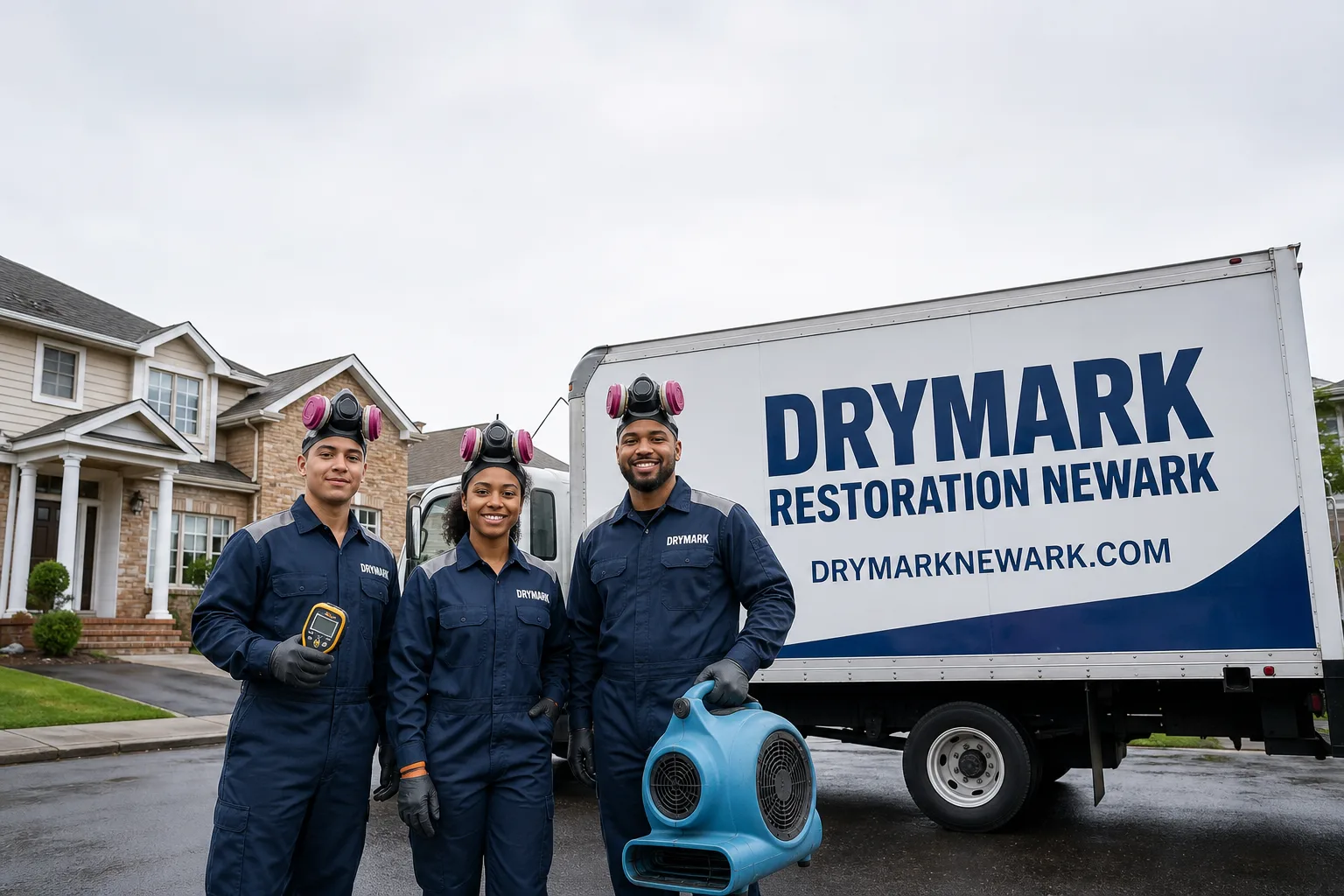
Free visual inspection and a written scope of work before any mitigation begins - photos, moisture readings, and drying logs go in your claim file
The scope we write is the scope we bill. Anything new gets shown to you, in writing, before we touch it.
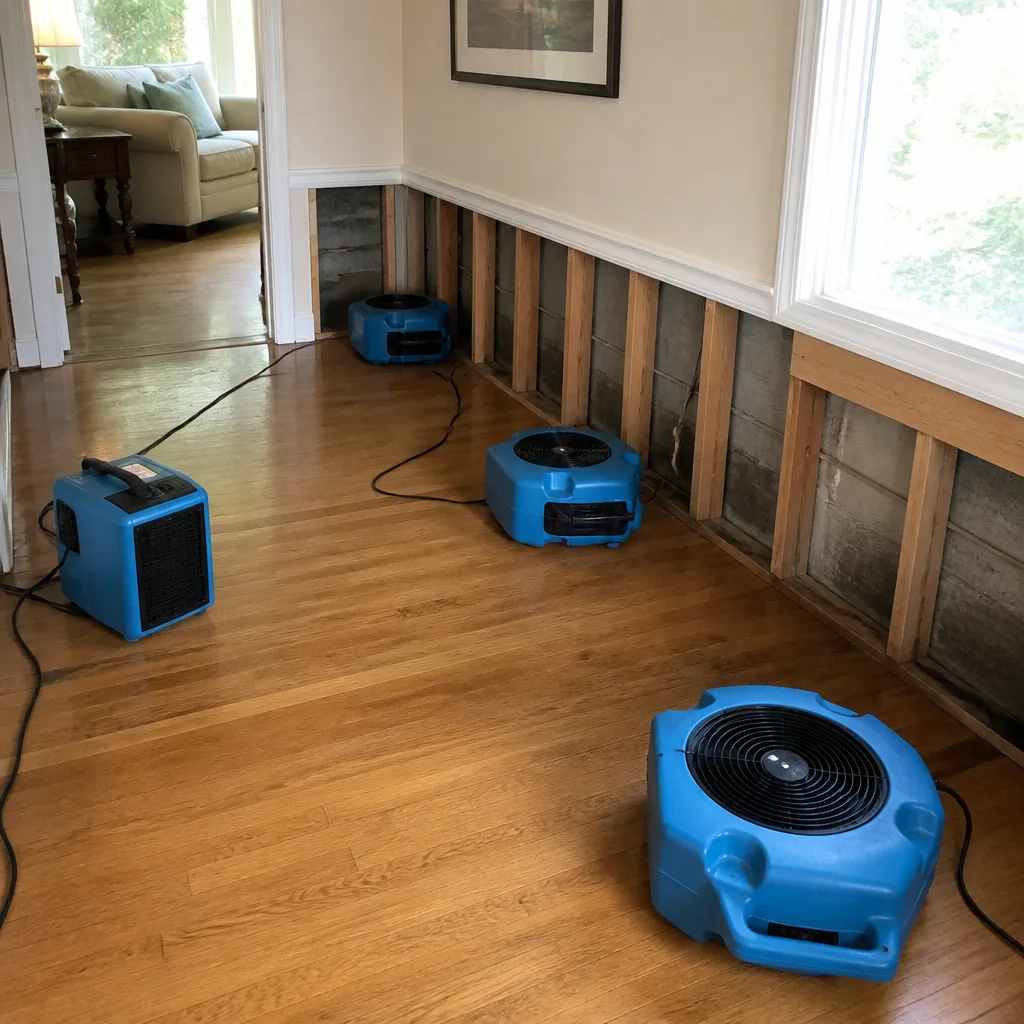
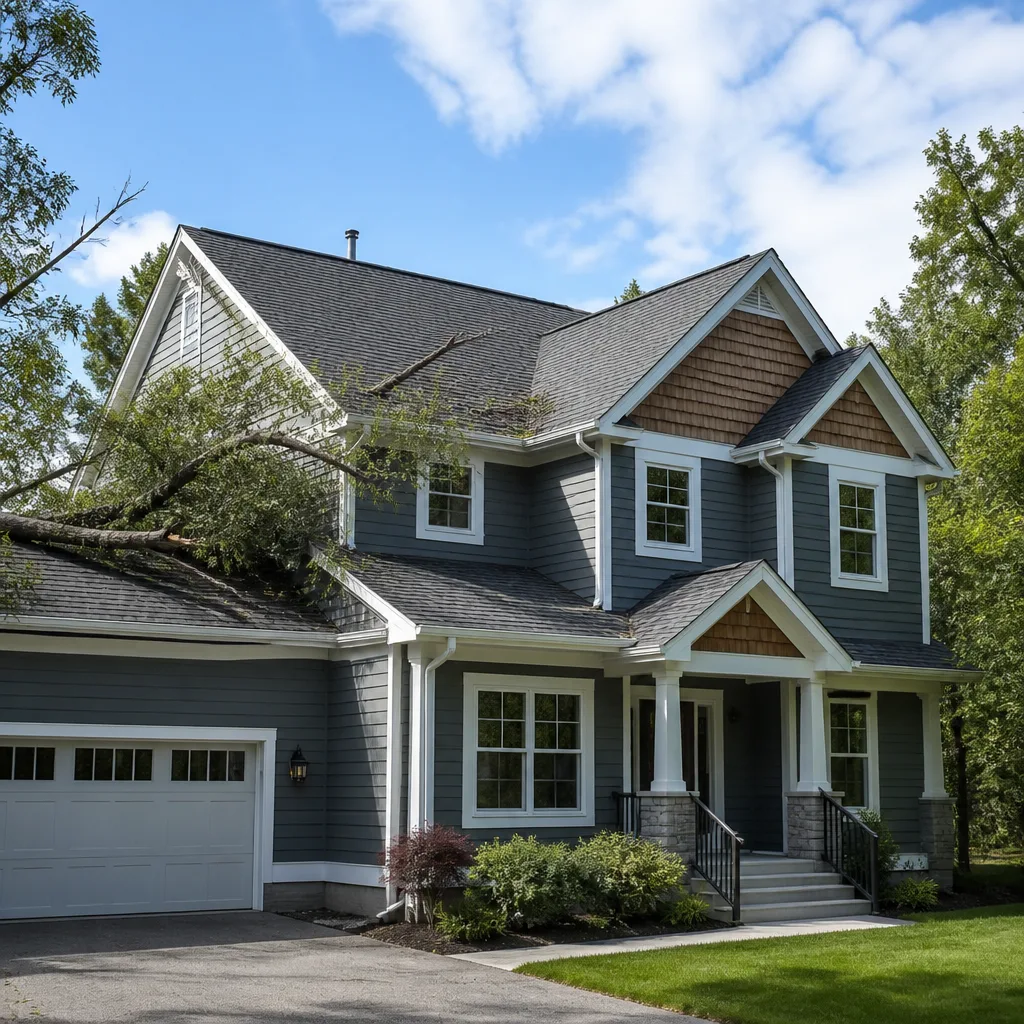
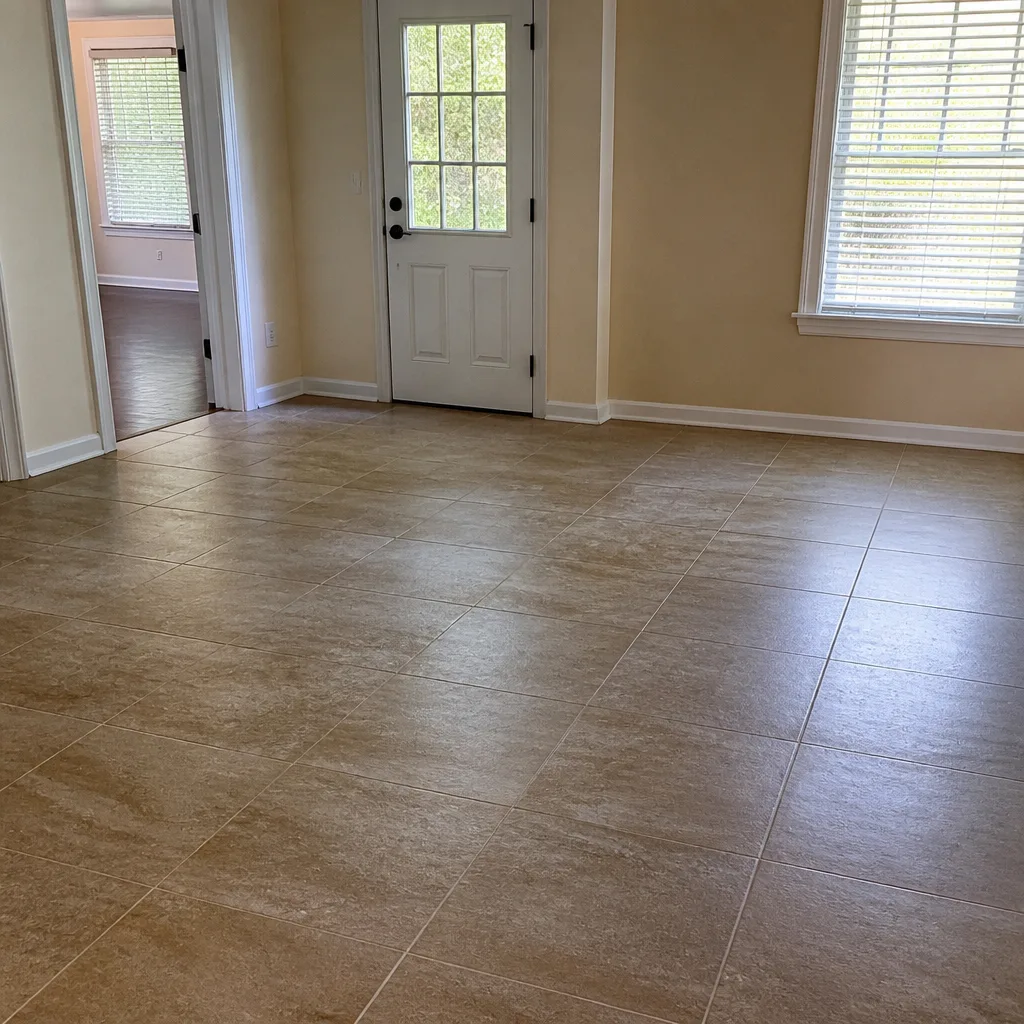
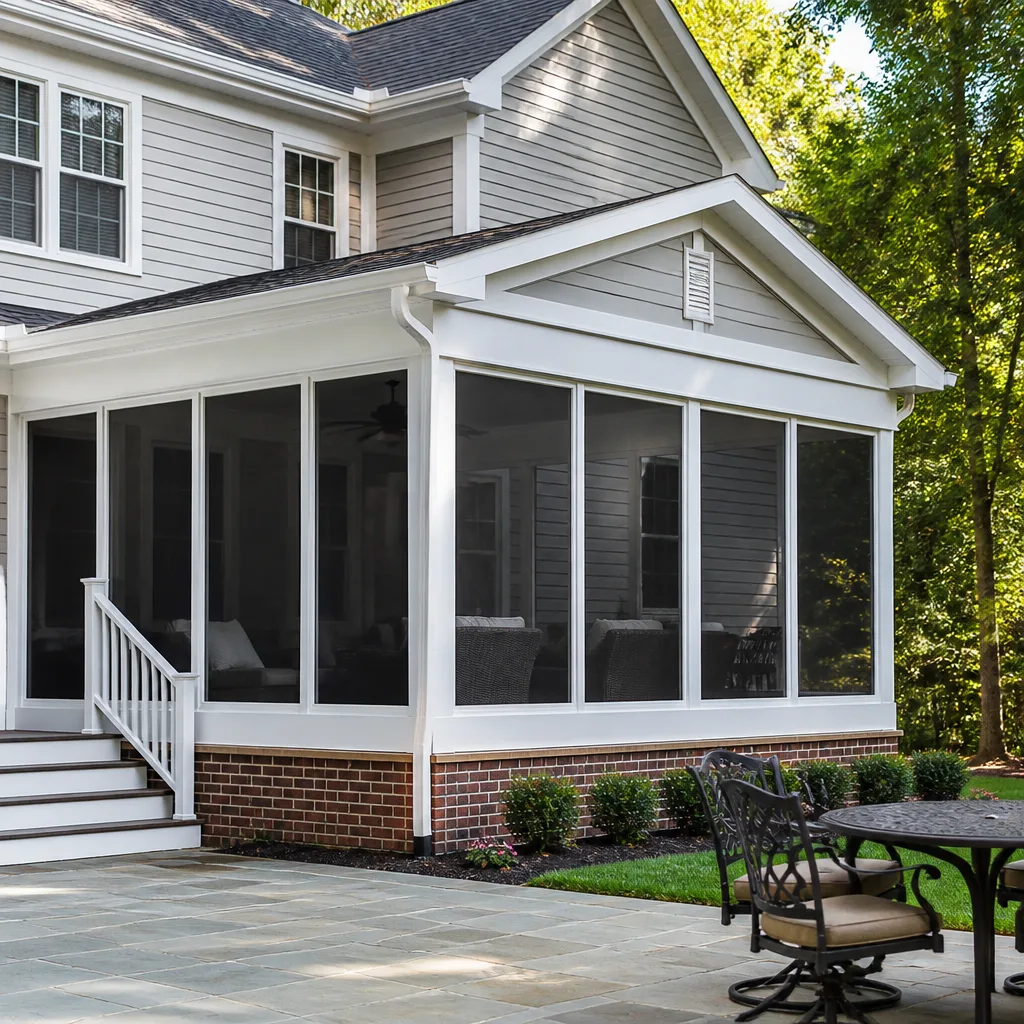
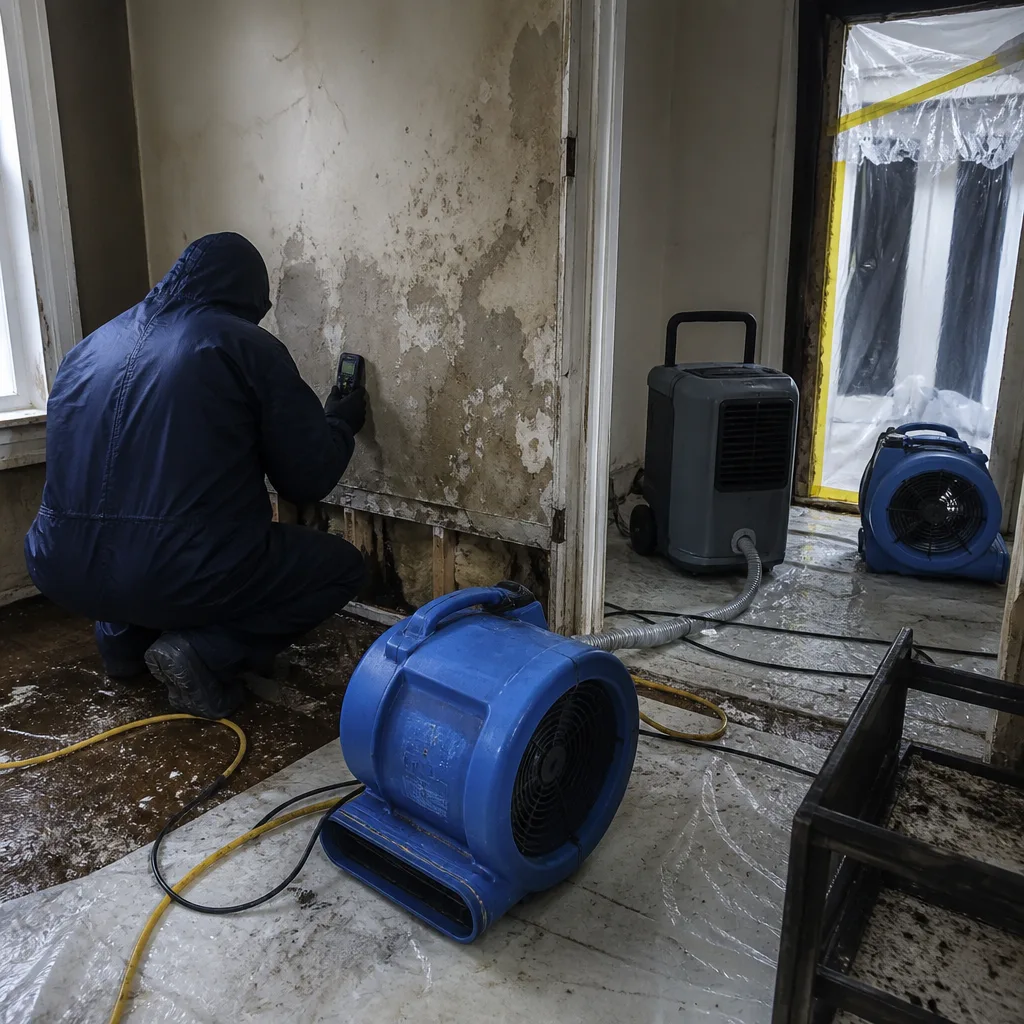 Before
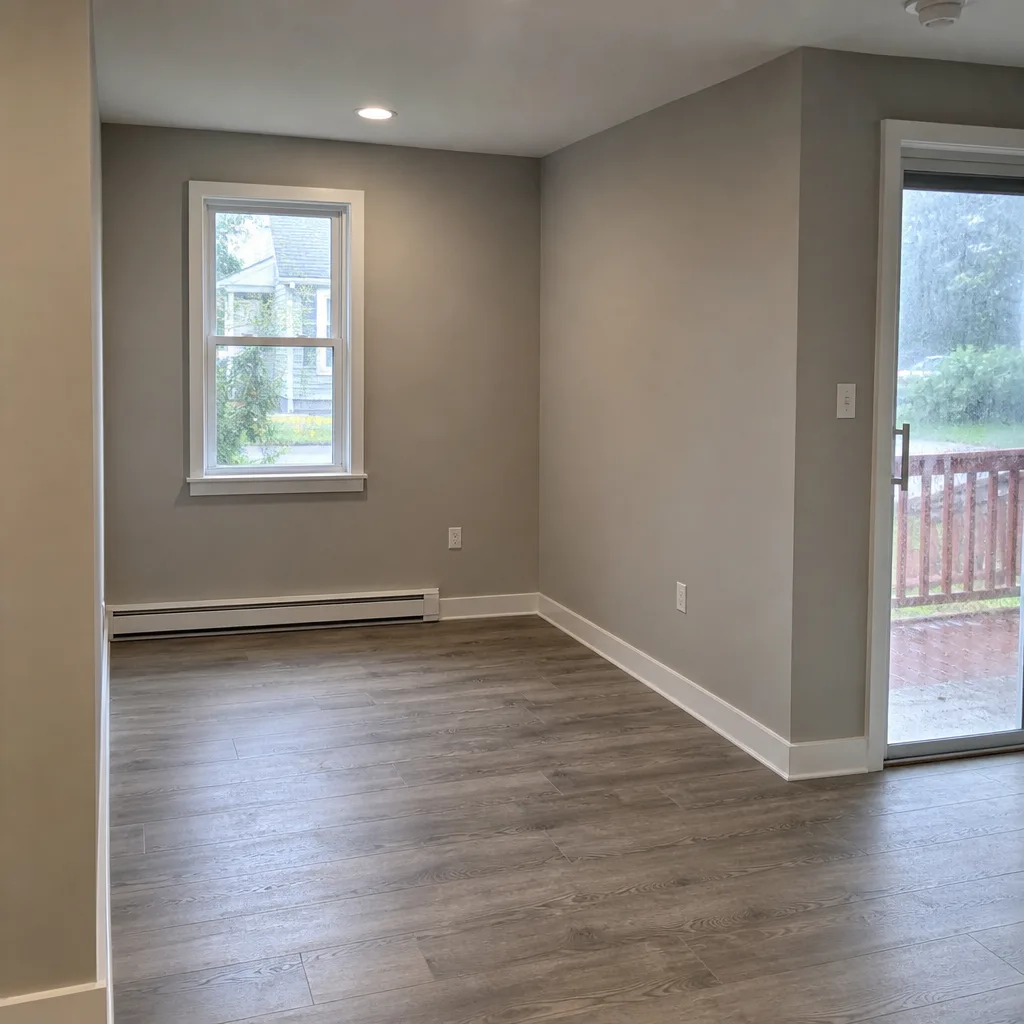 After
After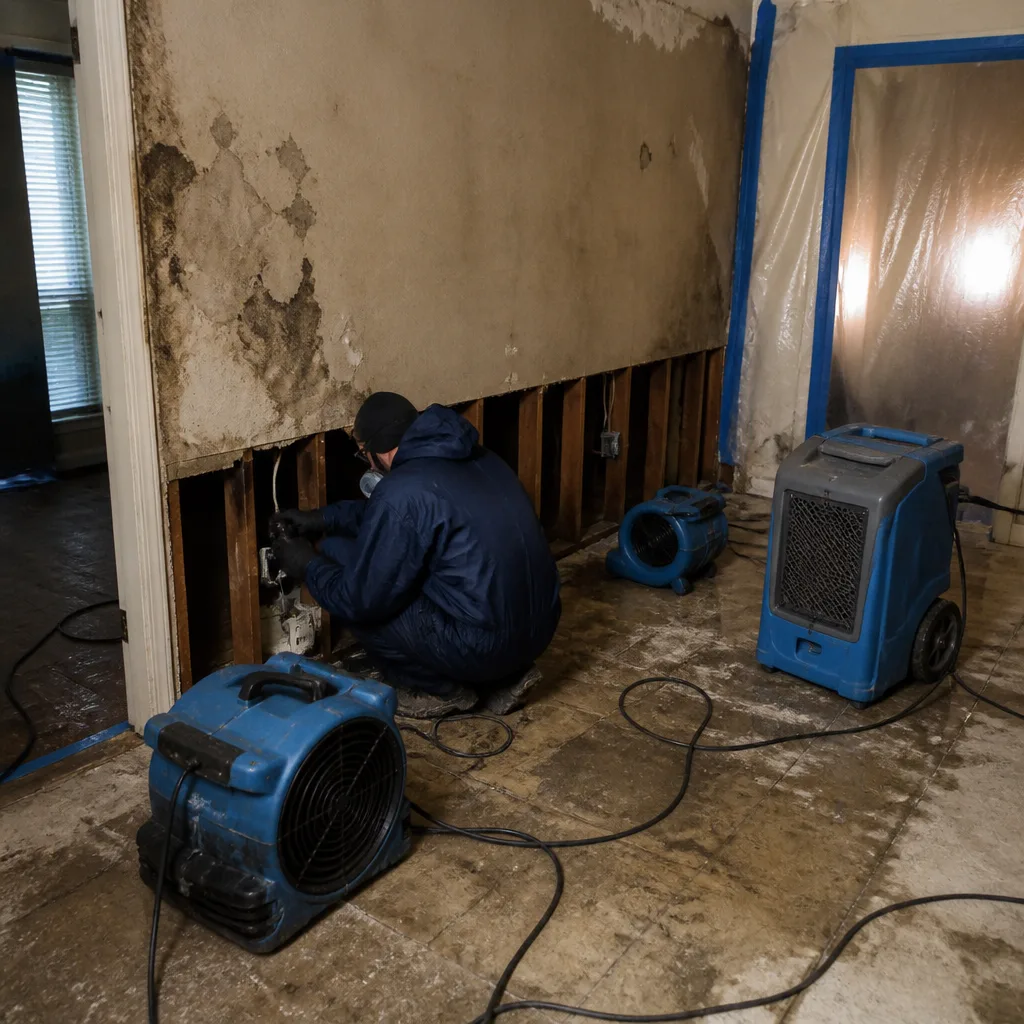 Before
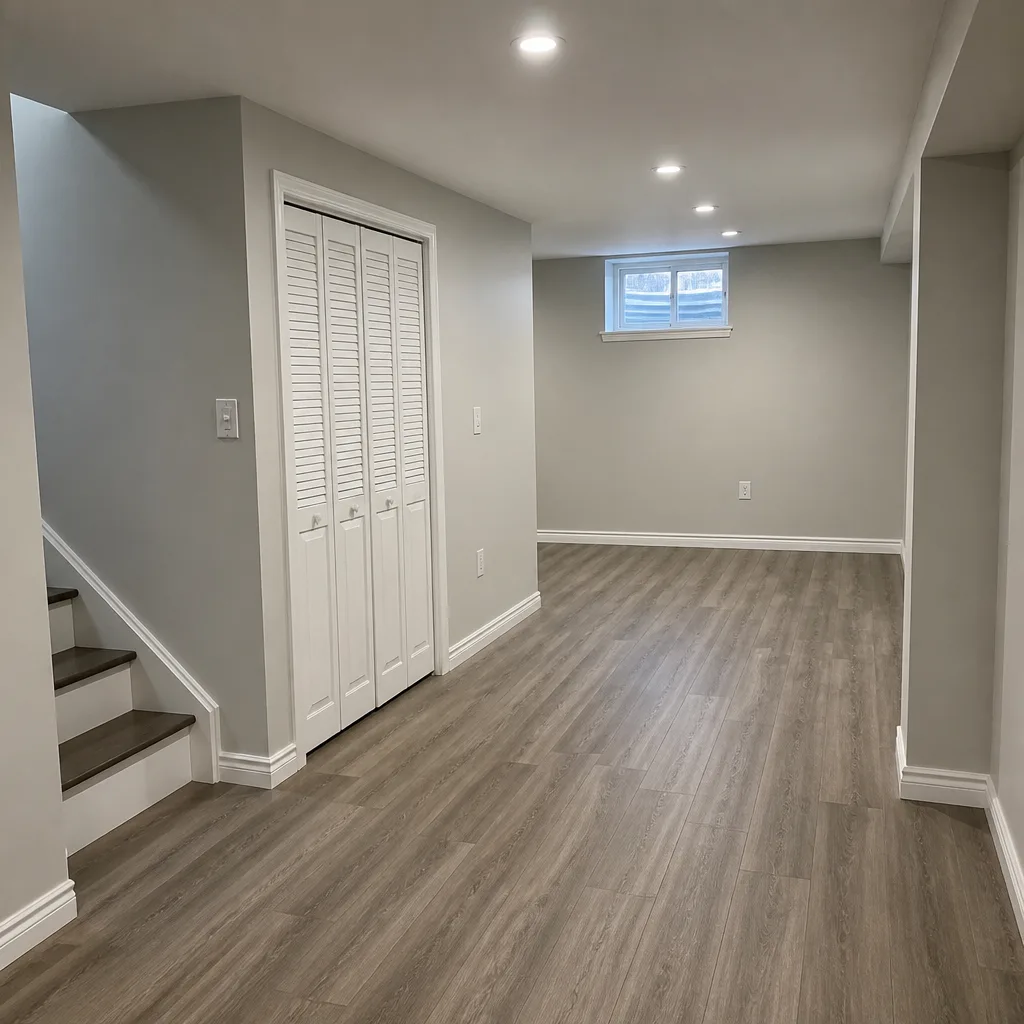 After
After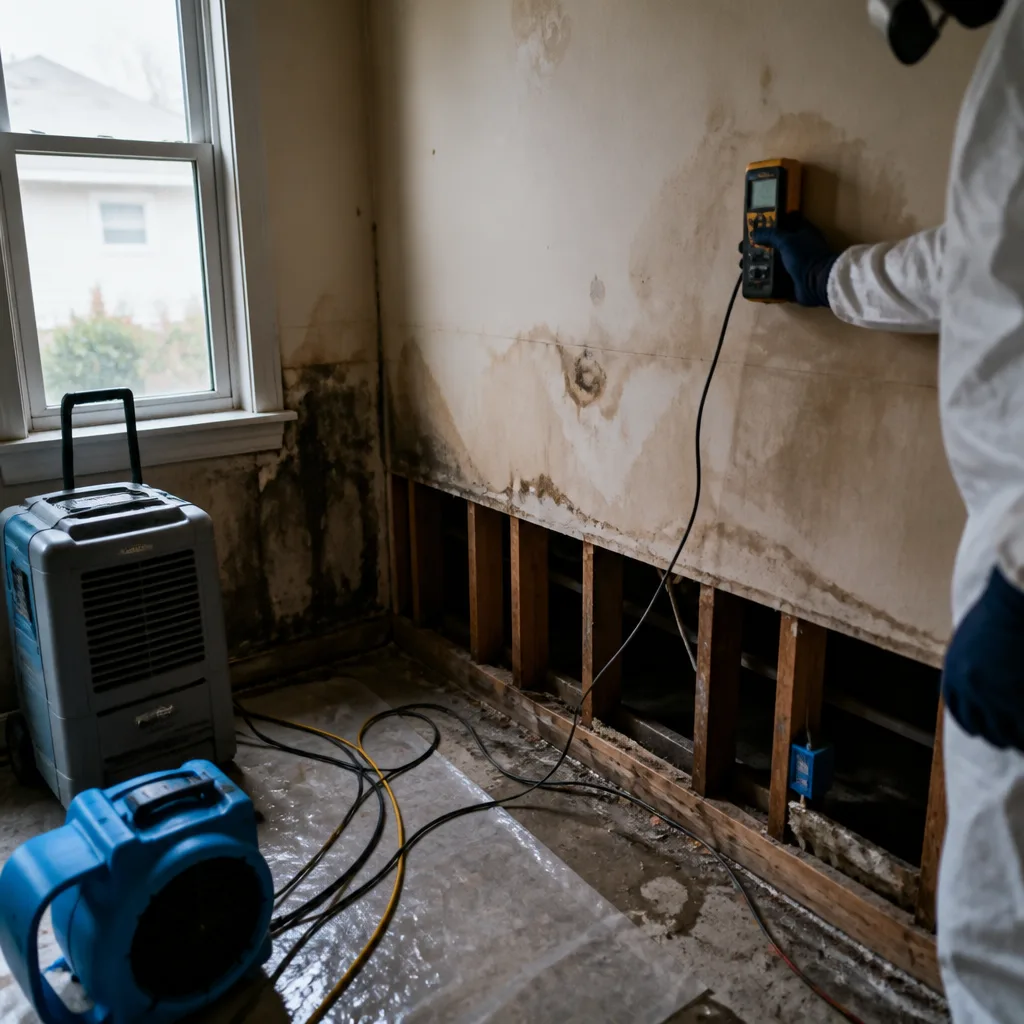 Before
 After
AfterFast, Reliable Fire & Smoke Damage Restoration Across Newark
Fire and smoke damage restoration in Newark typically runs $3,200-$8,500 for a standard residential job, with emergency board-up and tarping starting at $450-$950 and full smoke and soot remediation on pre-WWII row houses reaching the higher end once lathe-and-plaster walls are opened. Most Newark homeowners need same-day board-up when a fire loss occurs, followed by phased structural work once the fire marshal releases the property. Our crews dispatch to every Newark neighborhood, from the Ironbound to Weequahic to Forest Hill, with live phone coverage 24 hours a day, 7 days a week at (862) 292-4268. We’re familiar with the city’s aging housing stock, its DEP abatement requirements, and the way a small kitchen fire on Ferry Street can reveal far more than the char line suggests.
Why DryMark Restoration Newark Is Newark’s Preferred Fire & Smoke Damage Restoration Company
We’ve restored fire and smoke damage in Newark since 2011, and our documentation-first approach was built by a former claims adjuster who watched too many homeowners lose coverage over missing photo records and verbal scopes. Every job we take in Newark, whether a two-family brick row house in the Ironbound or a wood-frame multifamily near Broad Street, gets a written price before work starts, Haven Standard, Clause 1. Our technicians are background-checked, uniformed, and licensed, and they arrive with the equipment to document moisture readings, soot classification, and odor penetration room by room.
Our response time to Newark averages under 90 minutes for emergency board-up and tarping, because we coordinate dispatch from our metro office and stage crews for the Route 21 corridor. Newark customers have left us strong local reviews, particularly noting our willingness to explain the DEP abatement layer that competitors gloss over until the timeline slips. We don’t sell urgency. We sell evidence: a photo record on every visit, a written scope before any work begins, and a 365-Day Done Right Promise backed by The Haven Standard.
We also offer a Free Second Opinion on any competitor’s written estimate, because we’ve seen too many Newark scopes miss the moisture trapped behind lathe-and-plaster or the asbestos pipe wrap that halts work midstream.
Our Fire & Smoke Damage Restoration Services in Newark
Fire Damage Cleanup
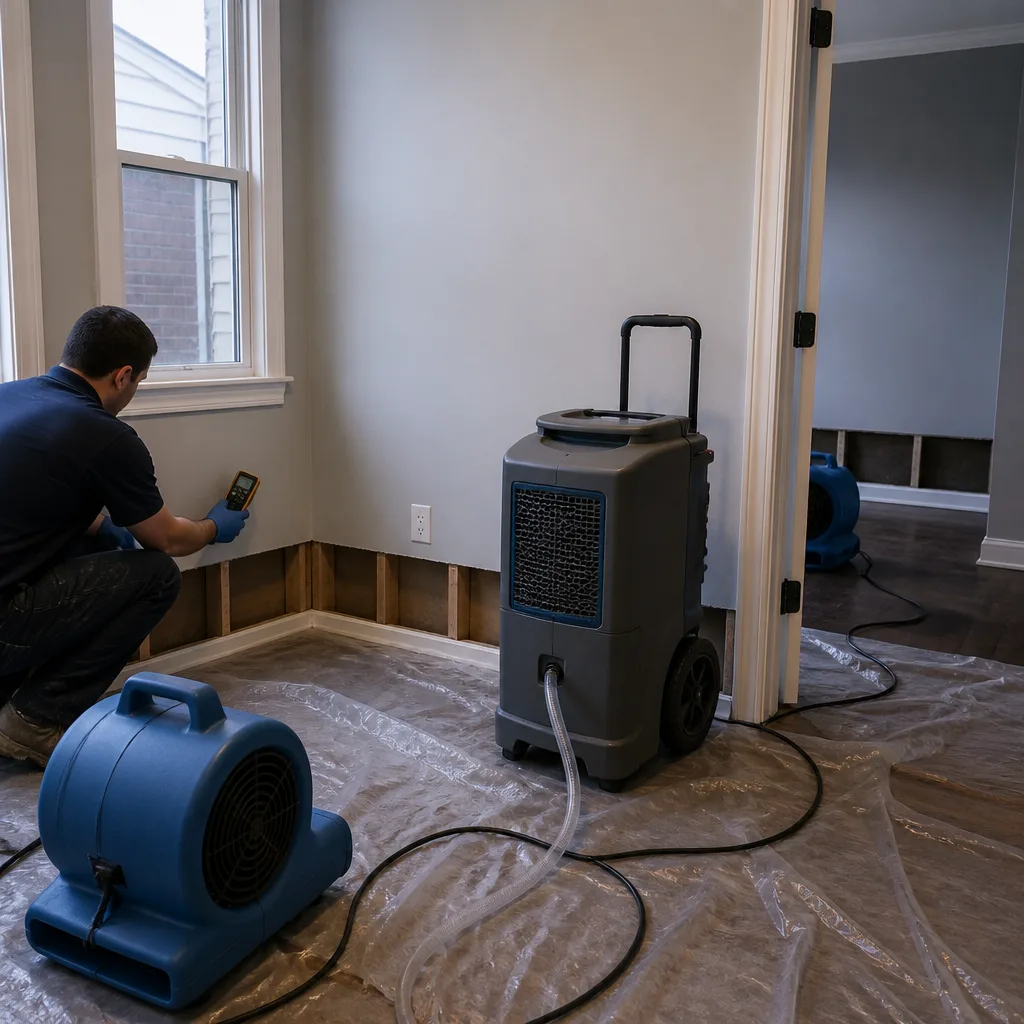
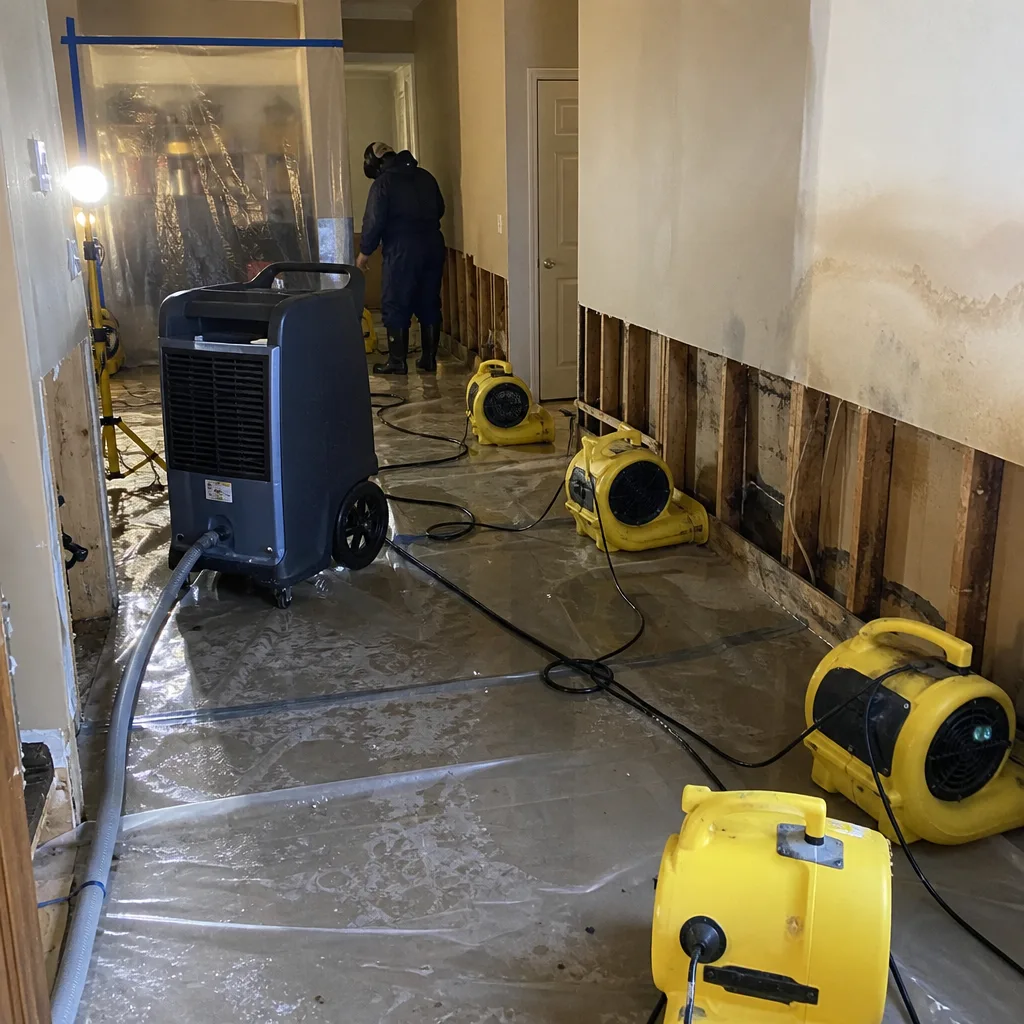
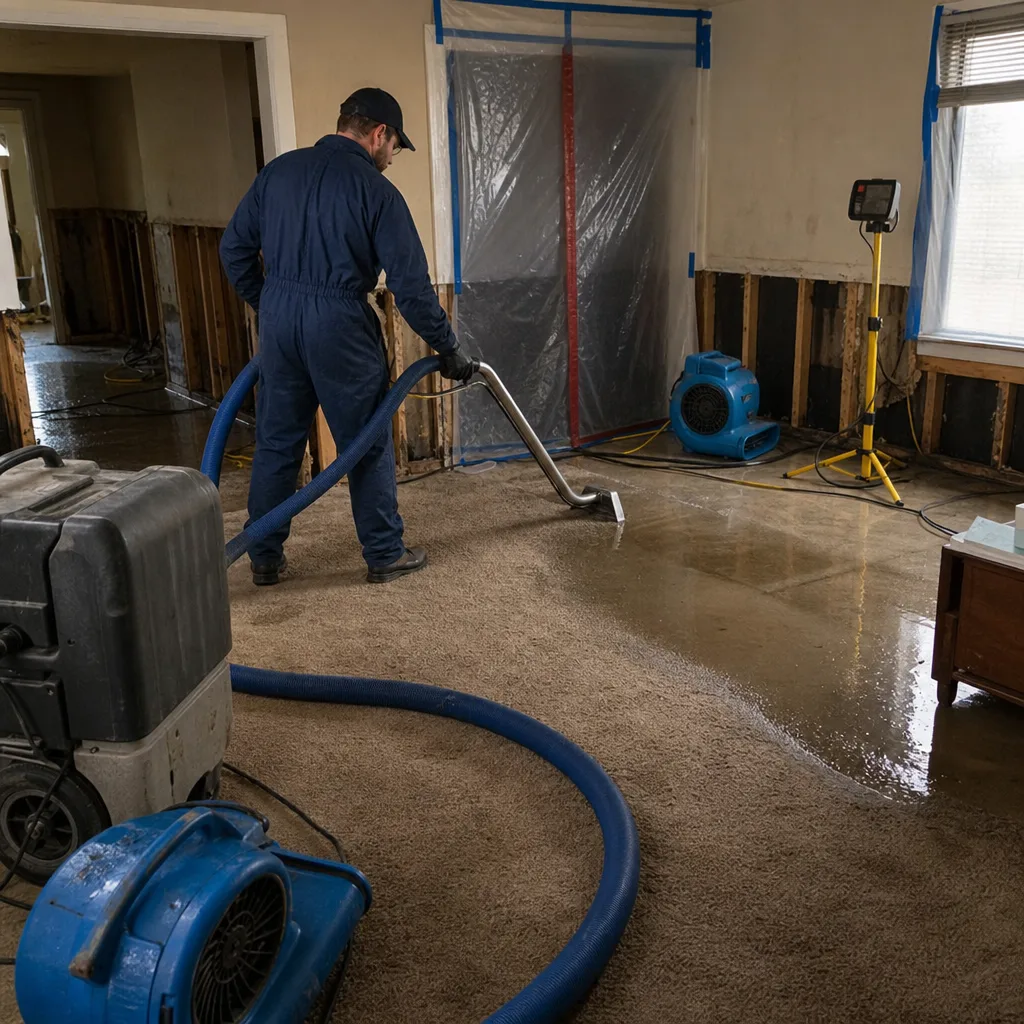
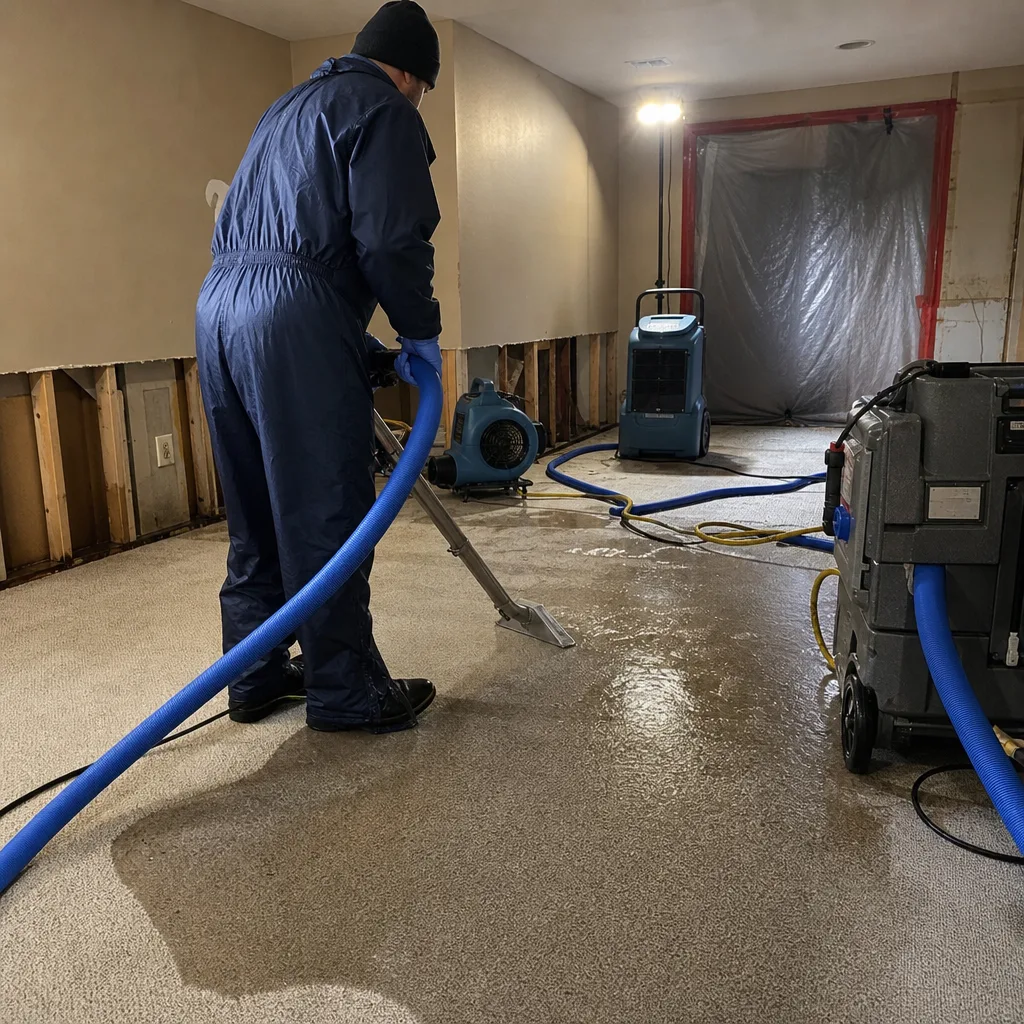
Newark’s attached brick row houses and wood-frame multifamilies, built overwhelmingly between the 1880s and 1930s, respond to fire damage differently than modern construction. The lathe-and-plaster wall assemblies common across the Ironbound and Down Neck don’t char and crumble like drywall; they crack, hold heat, and trap suppression water in the cavity for days. Our fire damage cleanup in Newark always includes moisture mapping of plaster assemblies with documented psychrometric data, vapor pressure differential readings that show whether the wall cavity is actively drying or just surface-dry. We classify affected materials by trade name and square footage, then deliver a written scope before demolition begins.
Smoke & Soot Removal
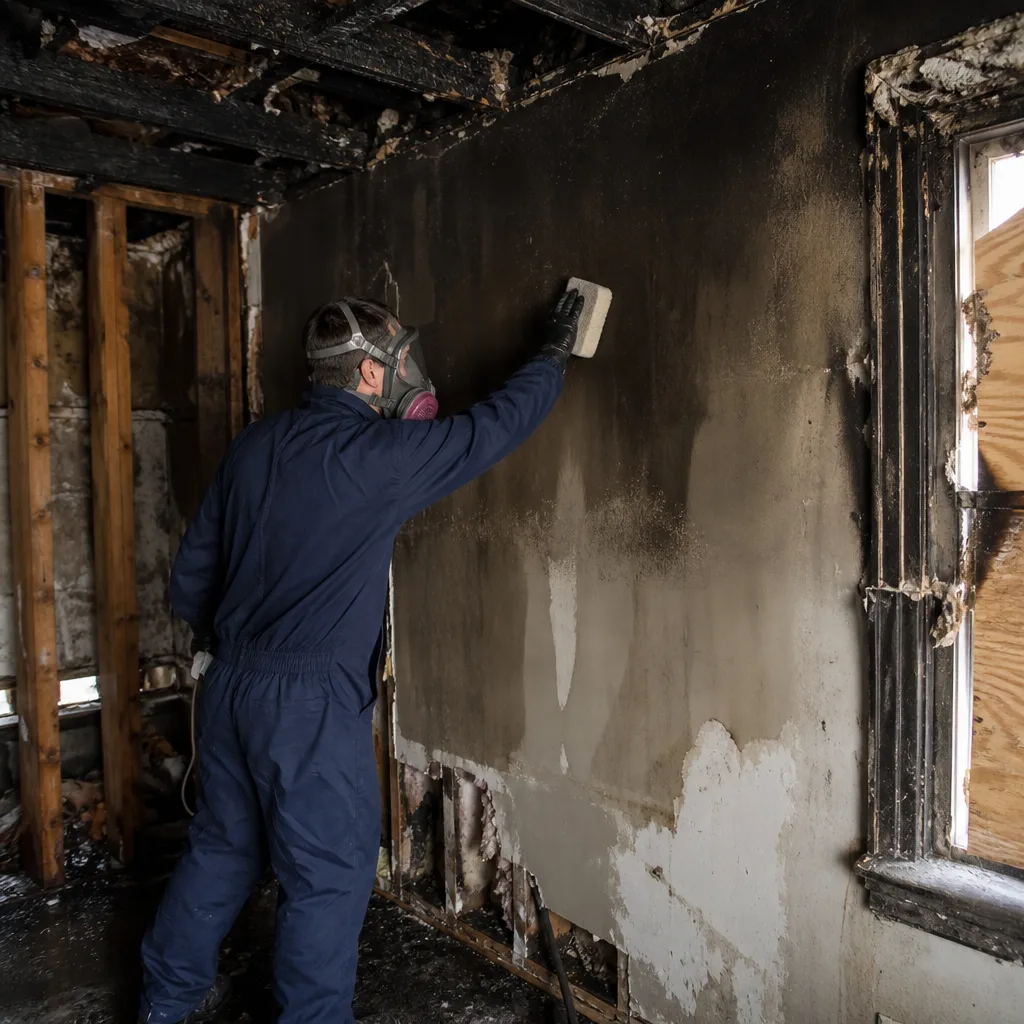
Smoke and soot behave differently in Newark’s pre-WWII housing than in suburban drywall construction. In a brick row house near Ferry Street, smoke pushes through original lathe-and-plaster cavities, around cast-iron radiators, and into the gaps between balloon-framed floors. Our smoke and soot removal process uses HEPA vacuuming, chemical sponging, and thermal fogging or ozone treatment depending on the soot classification: dry, wet, protein, or fuel-oil. We document the pre-cleaning condition with photos, note the porosity of each affected surface, and never close containment until the odor has been addressed at the structural level, not just the finish level.
Odor Removal & Deodorization
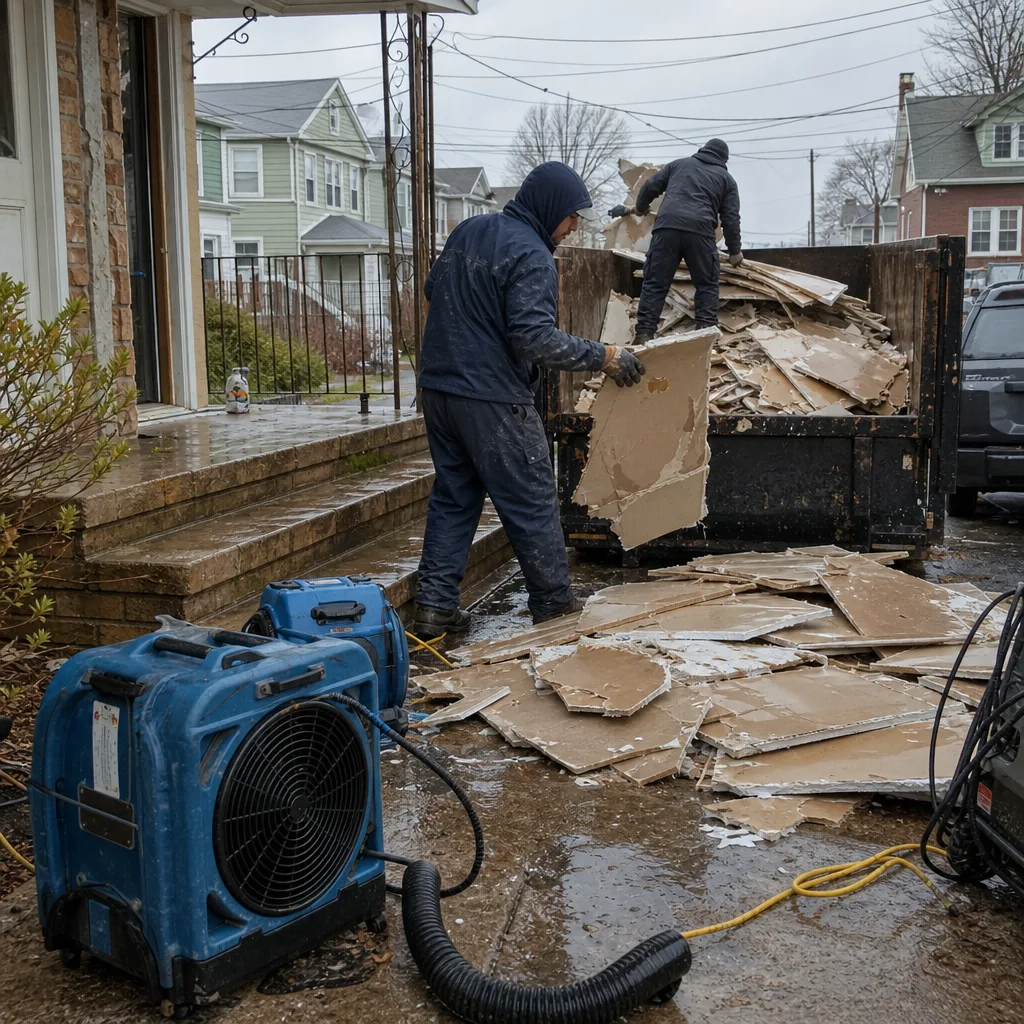
Odor removal in Newark multifamilies is where most restoration scopes fail. The porous plaster, original hardwood flooring, and unsealed joist bays in a 1920s three-family near Springfield Avenue absorb smoke odor at depths that surface cleaning cannot reach. Our odor removal and deodorization protocol includes vapor-phase deodorization for wall cavities, subfloor injection for hardwood assemblies, and sealed containment with negative air pressure during the process. We log odor readings by room and by material, and we don’t sign off until the homeowner confirms the space is neutral, not masked. The Haven Standard requires it.
Contents Cleaning & Pack-Out
When fire or smoke damage hits a Newark home, the contents often need to move before structural work can begin. Our contents cleaning and pack-out service inventories every item with photo documentation, cleans salvageable goods off-site using ultrasonic and ozone methods, and stores them in a climate-controlled facility while restoration proceeds. In the Ironbound, where many families have lived in the same unit for generations, this process requires particular care. We provide a written inventory with condition photos, and we coordinate the pack-out window with any DEP-required abatement so the timeline doesn’t slip.
Emergency Board-Up & Tarping
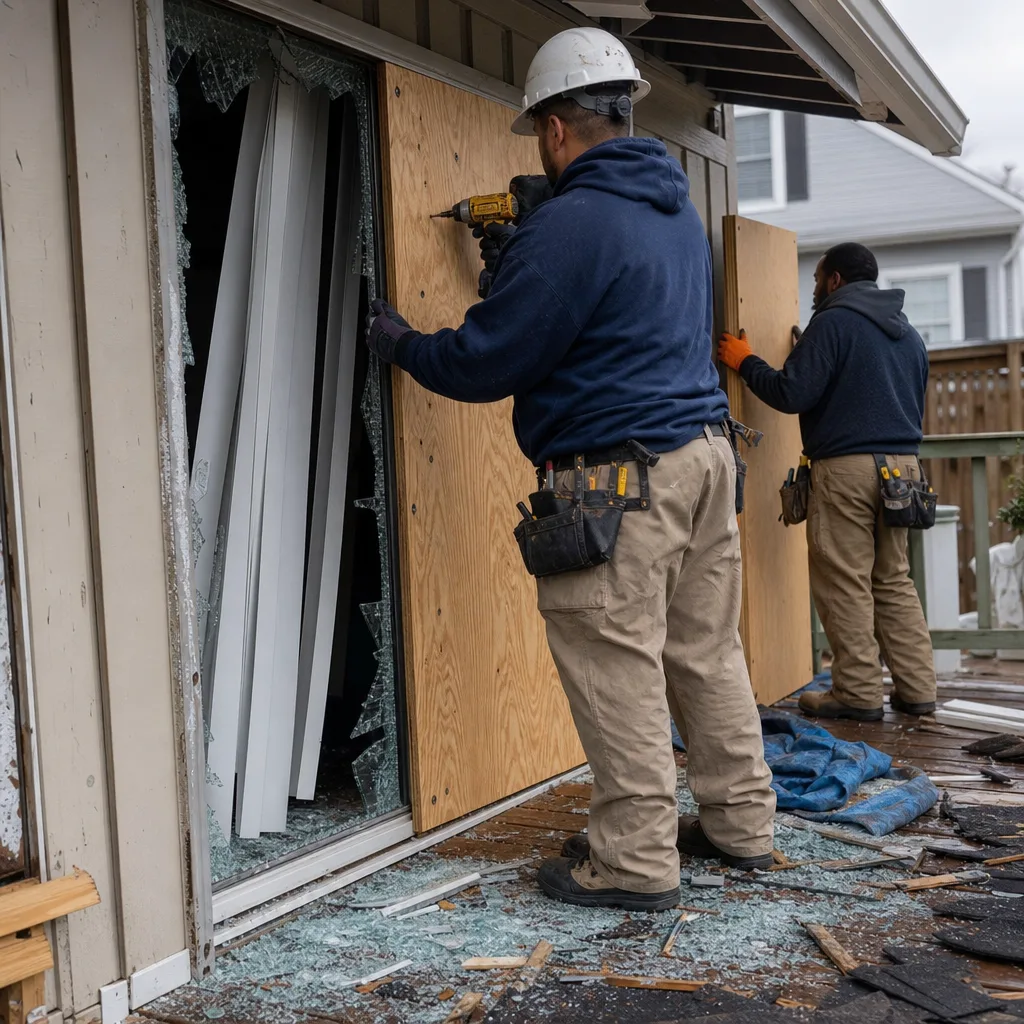
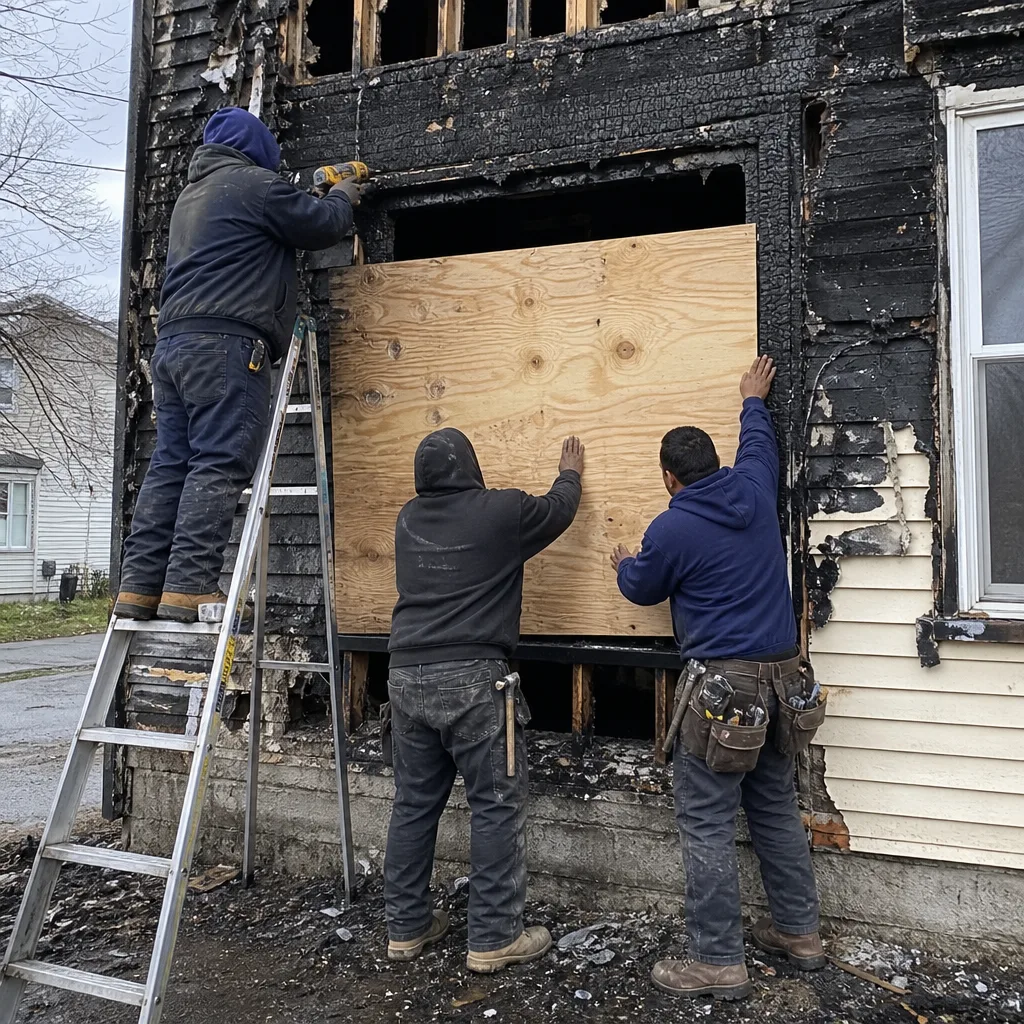
After a fire marshal releases a property, the first priority is securing it against weather, theft, and further damage. Our emergency board-up and tarping in Newark uses plywood and weatherproof membrane rated for the wind loads common to Passaic River corridor storms. We document the pre-boarding condition with photos for the insurance file, measure all openings, and provide a written scope for any structural stabilization needed before interior work begins. This service starts at $450-$950 for a typical Newark row house.
Structural Fire Repair
Structural fire repair in Newark must account for the city’s specific building stock: balloon framing in pre-1930 wood structures, terra-cotta block fire separations in later brick construction, and the frequent discovery of prior flood damage once finishes are removed. Our structural repairs follow IICRC and RIA standards, with all work documented to the moisture logs and photo records that turn restoration invoices into payable claims. We never start structural work without a written price, Haven Standard, Clause 1.
What happens when you call
- 1
A real person answersNo phone trees - you reach a local pro.
- 2
You get an upfront price rangeHonest numbers before anyone is dispatched.
- 3
A background-checked tech heads outLicensed & insured, dispatched right away.
- 4
You approve before work beginsNothing starts until you say go.
BeforeAfterTrusted Brands We Service in Newark
Our crews deploy professional-grade equipment from B-Air, Injectidry, and other manufacturers whose systems are documented to IICRC, RIA, and IFA standards. The Injectidry systems we use for wall-cavity drying are particularly effective on Newark’s lathe-and-plaster assemblies, where standard air mover placement would leave the cavity wet and the surface dry. We stock local replacement parts for B-Air dehumidifiers and maintain redundant units so that a Newark job never waits on equipment availability. Every machine’s output is logged daily: cubic feet per minute, grains per pound, and vapor pressure differential, all recorded in the drying log that accompanies your final invoice.
Common Fire & Smoke Damage Restoration Problems We See in Newark Homes
- Suppression water trapped in lathe-and-plaster walls. Newark’s pre-WWII row houses don’t have the drainage cavities of modern drywall assemblies. Firefighters do their job; we do ours, which means moisture mapping every plaster wall with penetrating meters before soot removal starts. Skip this step and the wall grows mold behind the finish in 72 hours.
- Smoke odor returning after premature containment closure. Contractors in the Ironbound often seal and paint over smoke-damaged plaster before the odor has been fully neutralized at the structural level. Six weeks later, the smell pushes through. Our protocol requires documented odor clearance by room before any finish work begins.
- Abatement delays stalling the mitigation timeline. Fire damage in Newark’s 1880s-1930s housing routinely reveals asbestos floor tile or pipe insulation. If the restoration crew hasn’t layered New Jersey DEP abatement protocols onto the IICRC scope from day one, the job stops midstream, the pack-out window closes, and the homeowner pays for storage extensions.
- Prior flood damage exposed during fire restoration. In the Ironbound, where the Passaic floods on a 3-to-5-year cycle, we regularly open walls for fire damage and find mold colonies from Hurricane Irene or Superstorm Sandy rebuilds that used standard paper-faced drywall. The scope grows. We document it, we explain it, and we write the price before proceeding.
Pricing for Fire & Smoke Damage Restoration in Newark, NJ
| Service | Typical Range in Newark |
|---|---|
| Emergency board-up and tarping | $450-$950 |
| Smoke and soot removal (per affected room) | $800-$1,800 |
| Odor removal and deodorization (whole unit) | $1,200-$3,400 |
| Contents cleaning and pack-out | $900-$2,500 |
| Structural fire repair (lathe-and-plaster wall replacement) | $2,400-$5,200 |
| Full residential fire and smoke restoration | $3,200-$8,500 |
What moves a Newark job toward the higher end: lathe-and-plaster walls that require full replacement rather than cleaning, DEP-mandated asbestos abatement before structural work, and the discovery of prior moisture damage once cavities are opened. We don’t guess at these conditions. We inspect, we photograph, we write the price, and we get your signature before any work begins. Haven Standard, Clause 1. Call (862) 292-4268 for a free estimate.
We Also Serve Cities Near Newark
Our Fire & Smoke Damage Restoration in Newark crews also respond to Harrison, Kearny, North Arlington, and Bayonne. Each of these municipalities shares Newark’s Passaic River floodplain exposure and much of its pre-WWII housing stock, so the same documentation-first approach, the same DEP abatement protocols, and the same written-price guarantee apply. Dispatch and scheduling are coordinated from our New York City metro office, with local crews serving each community directly.
Serving Newark, NJ - Our Local Coverage Area
We’re based in the Newark area and know this community well. Use the map below to see our service coverage - if you’re nearby, we can almost certainly help.
FAQs - Fire & Smoke Damage Restoration in Newark
Because smoke and suppression water travel through original lathe-and-plaster wall cavities that modern construction doesn’t have, and because the Passaic River floodplain means many Ironbound basements already harbor mold from prior floods. Once we open the wall, the scope expands past the char line. We document every finding with photos and moisture readings, then write a revised price before proceeding. Call (862) 292-4268 for a free estimate.
Often yes, when the building was constructed between 1880 and 1940 and still contains asbestos floor tile, pipe insulation, or lead paint. New Jersey DEP regulations require licensed abatement before standard IICRC mitigation can proceed. We layer these protocols into our initial scope so the timeline doesn’t slip. Our technicians are trained to identify suspect materials during the first inspection and flag them immediately.
We don’t paint over it. Our protocol for plaster assemblies includes vapor-phase deodorization of the wall cavity, thermal fogging or ozone treatment of the porous surface, and sealed containment with negative air pressure until documented odor clearance is achieved room by room. The Haven Standard requires homeowner confirmation, not just our technician’s judgment, before we close containment.
We stop, photograph, and document. In the Ironbound, this is common, not exceptional, because the Passaic floods on a 3-to-5-year cycle and many post-Irene or post-Sandy rebuilds used standard paper-faced drywall that now harbors embedded mold. We write a revised scope with a new price, explain the finding to you and your adjuster, and proceed only with your signed approval. Haven Standard, Clause 1.
In Newark’s humid river-plain climate, with temperatures inside a fire-damaged structure often elevated, mold can establish visible growth on organic materials in 48 to 72 hours. That’s why our fire damage protocol includes immediate moisture mapping and structural drying, not just soot removal. We deploy B-Air dehumidifiers and Injectidry cavity-drying systems, log daily moisture readings, and never leave a wet cavity behind a clean surface. Call (862) 292-4268 for emergency response.
Fire and smoke damage in Newark demands more than surface cleaning. It requires a crew that understands lathe-and-plaster assemblies, DEP abatement overlays, and the way this city’s flood history hides behind its fire damage. Our Fire & Smoke Damage Restoration team documents every step, writes every price, and stands behind every job with the 365-Day Done Right Promise. Call (862) 292-4268 for a free estimate. Live person, every call, 24 hours a day.
Written by Alicia Brennan, Owner at Back to Dry Restoration, serving Newark since 2011.