
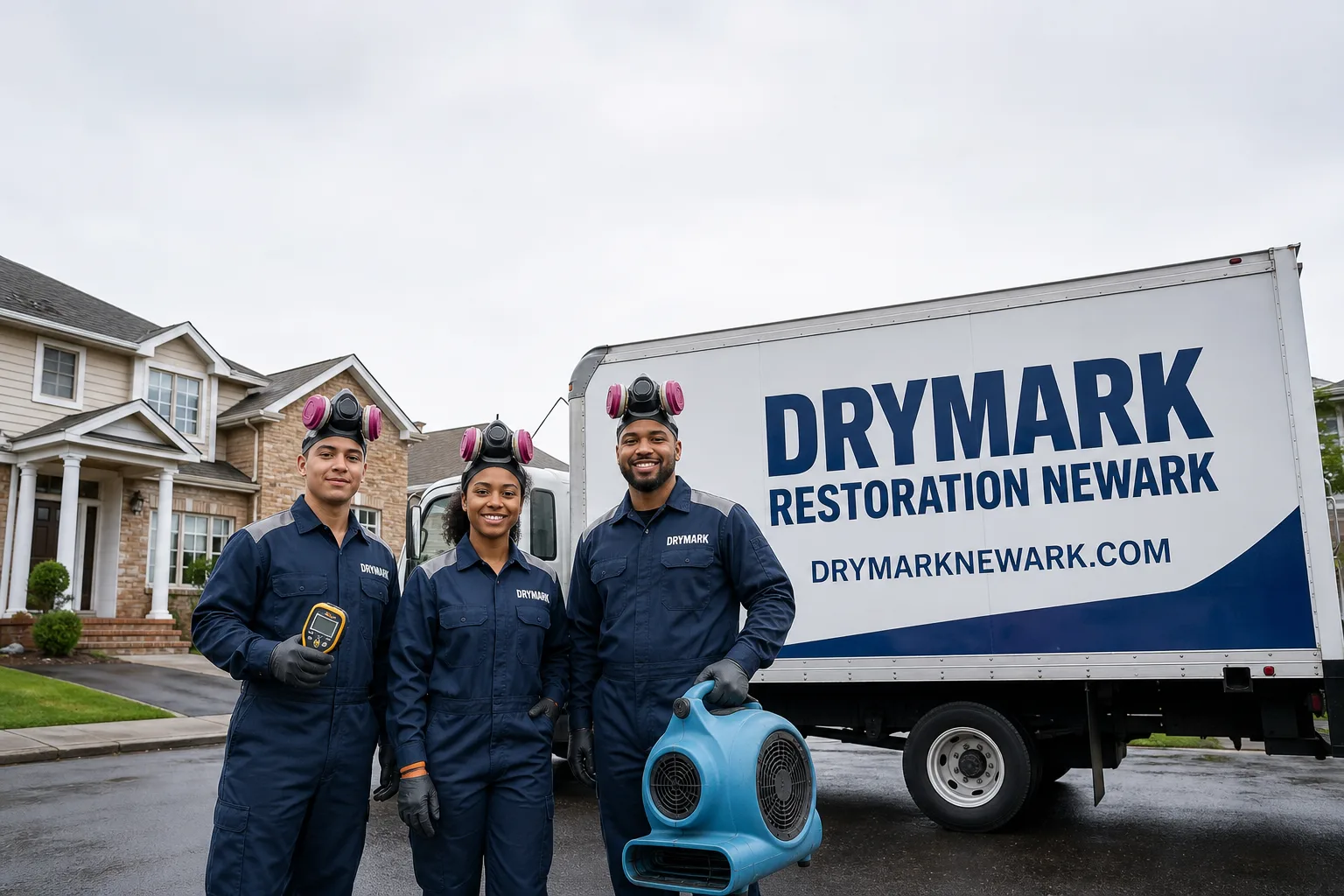
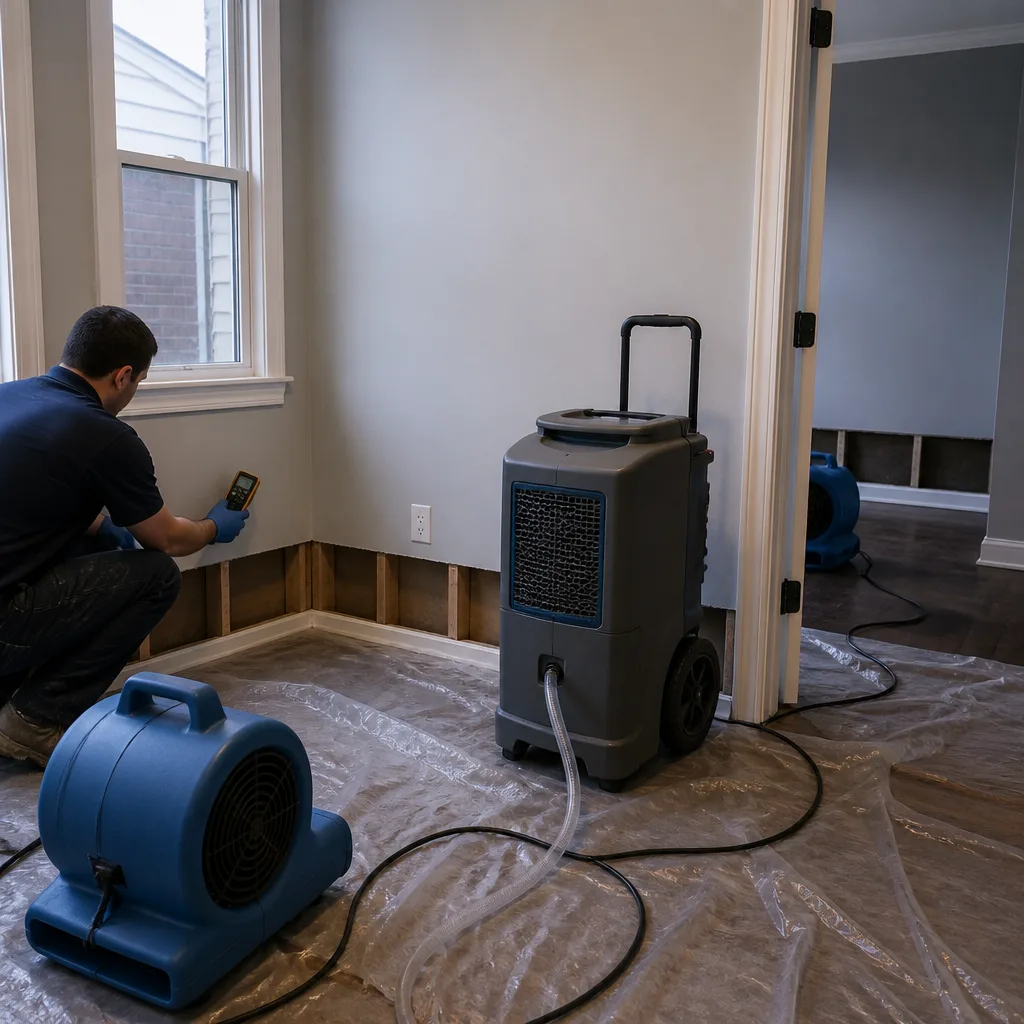
Free visual inspection and a written scope of work before any mitigation begins - photos, moisture readings, and drying logs go in your claim file
The scope we write is the scope we bill. Anything new gets shown to you, in writing, before we touch it.
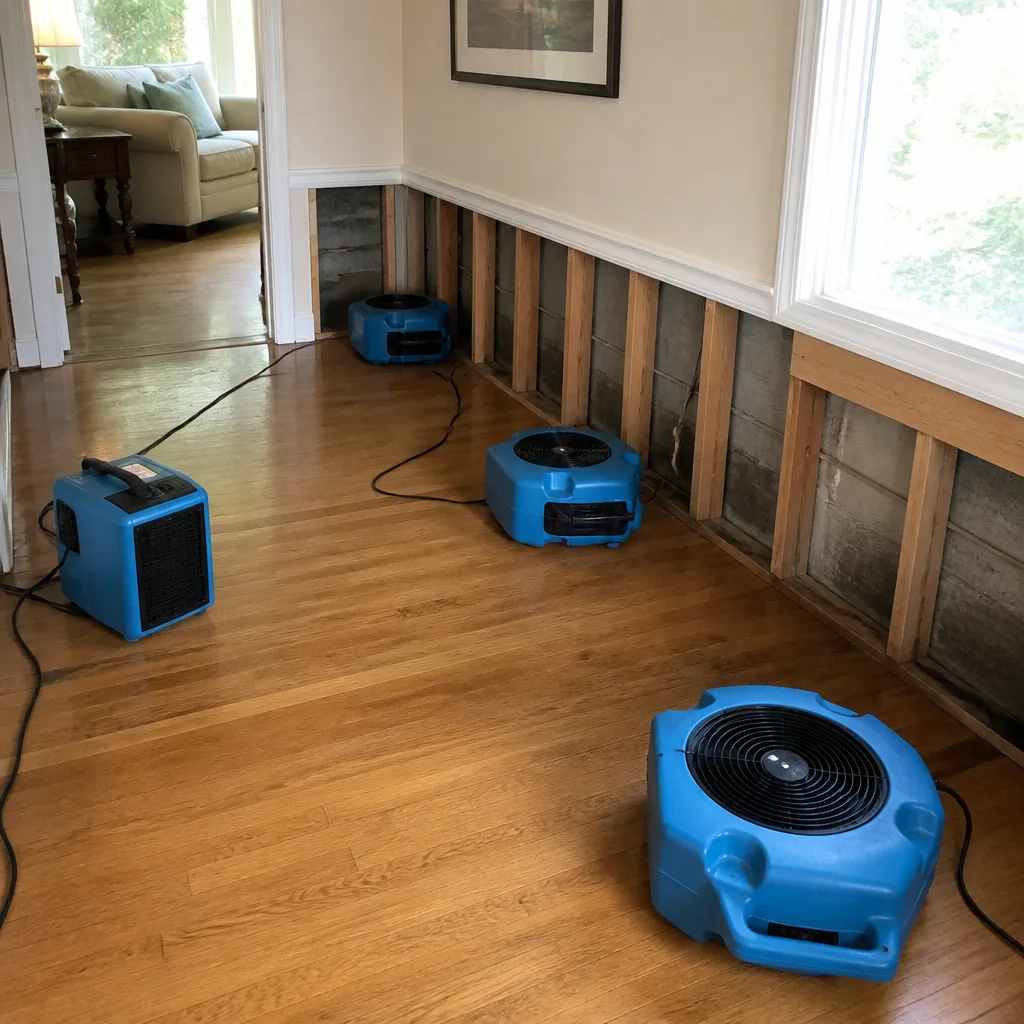
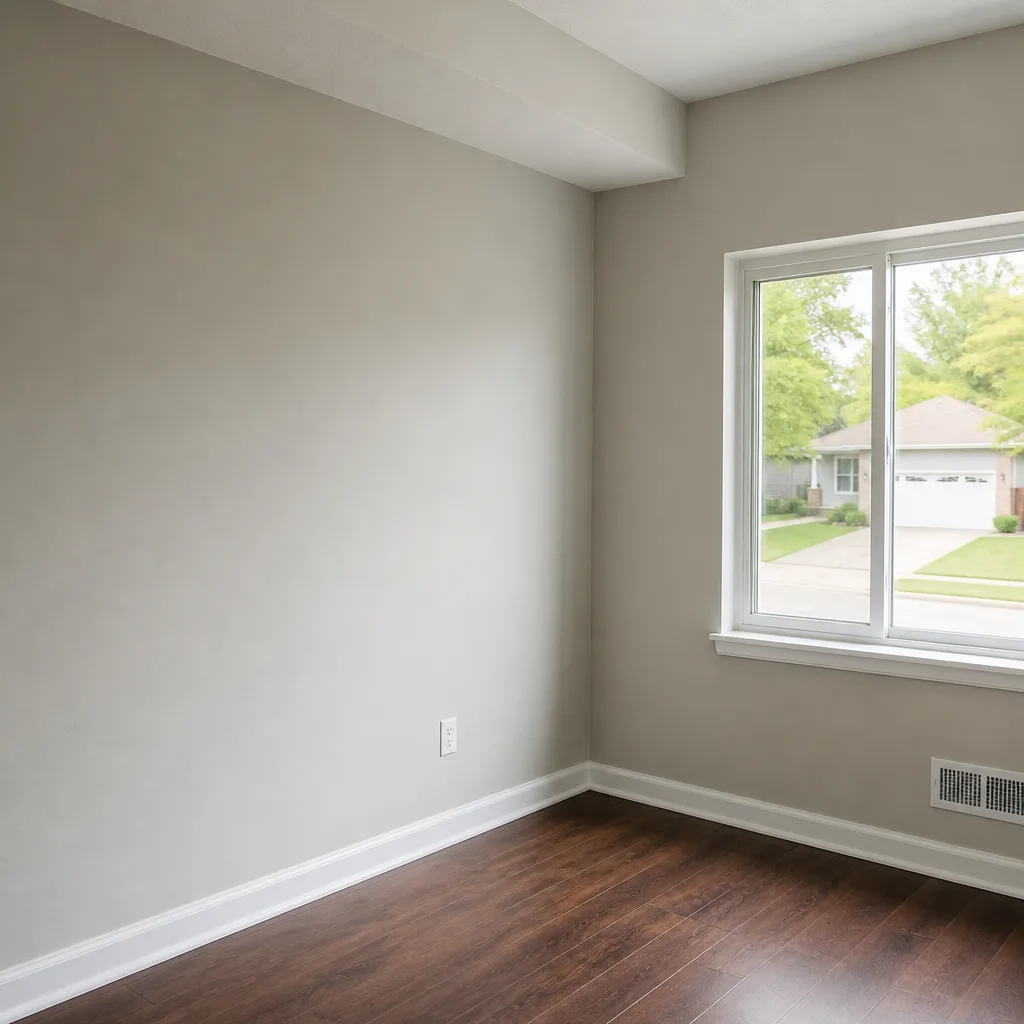
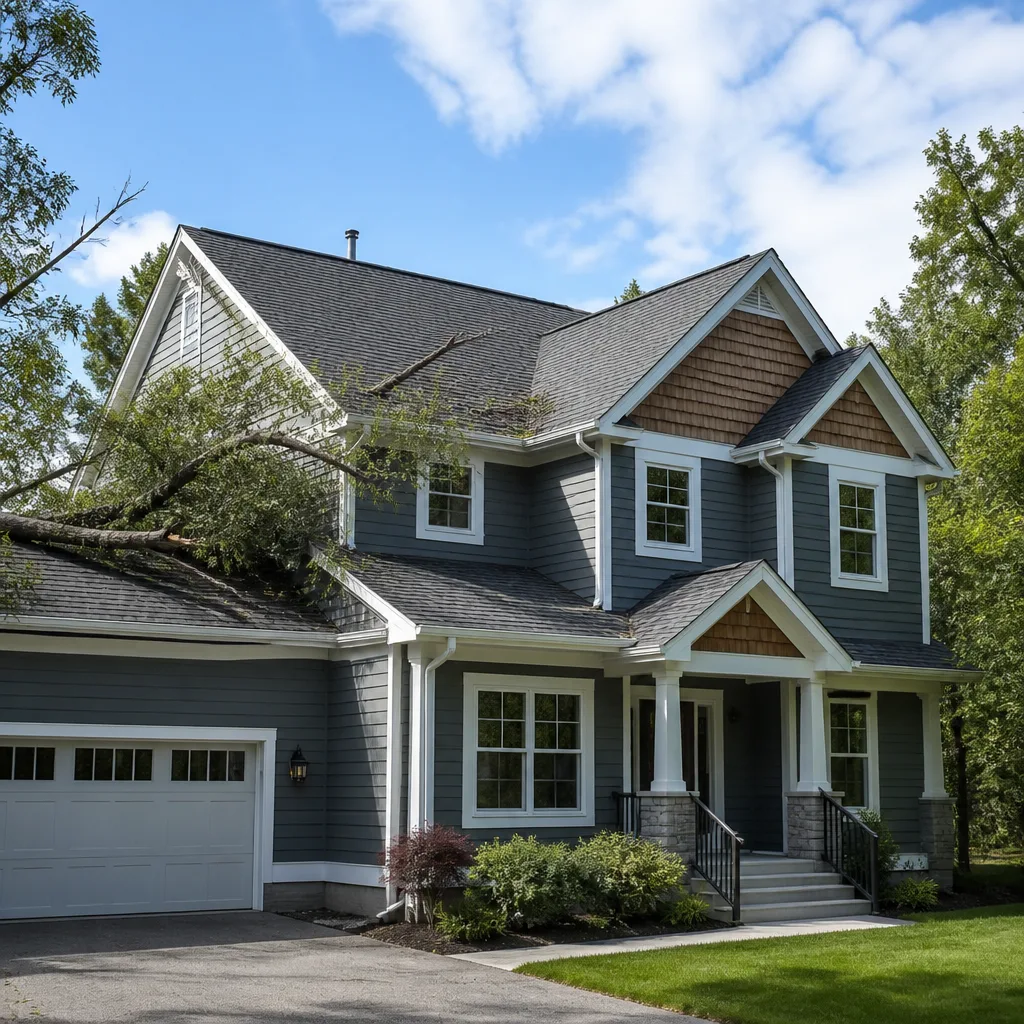
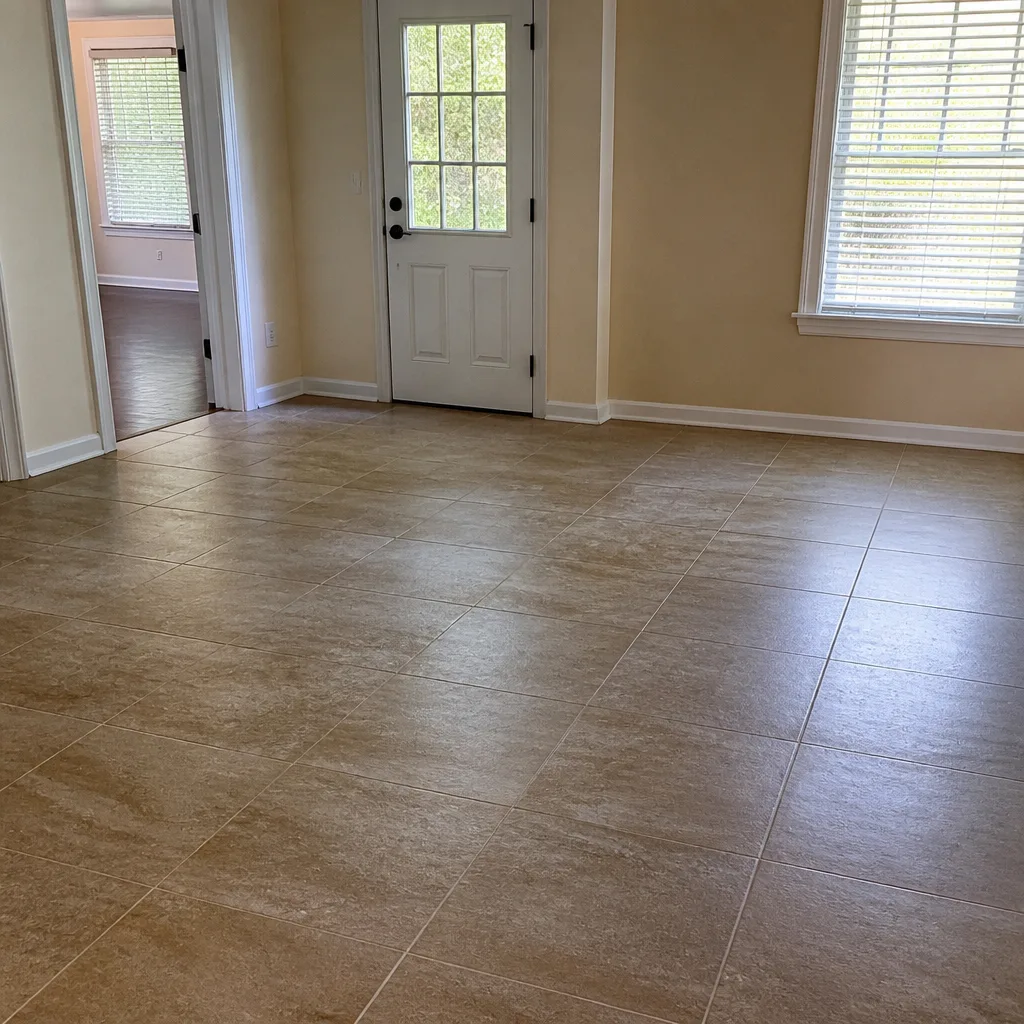
 Before
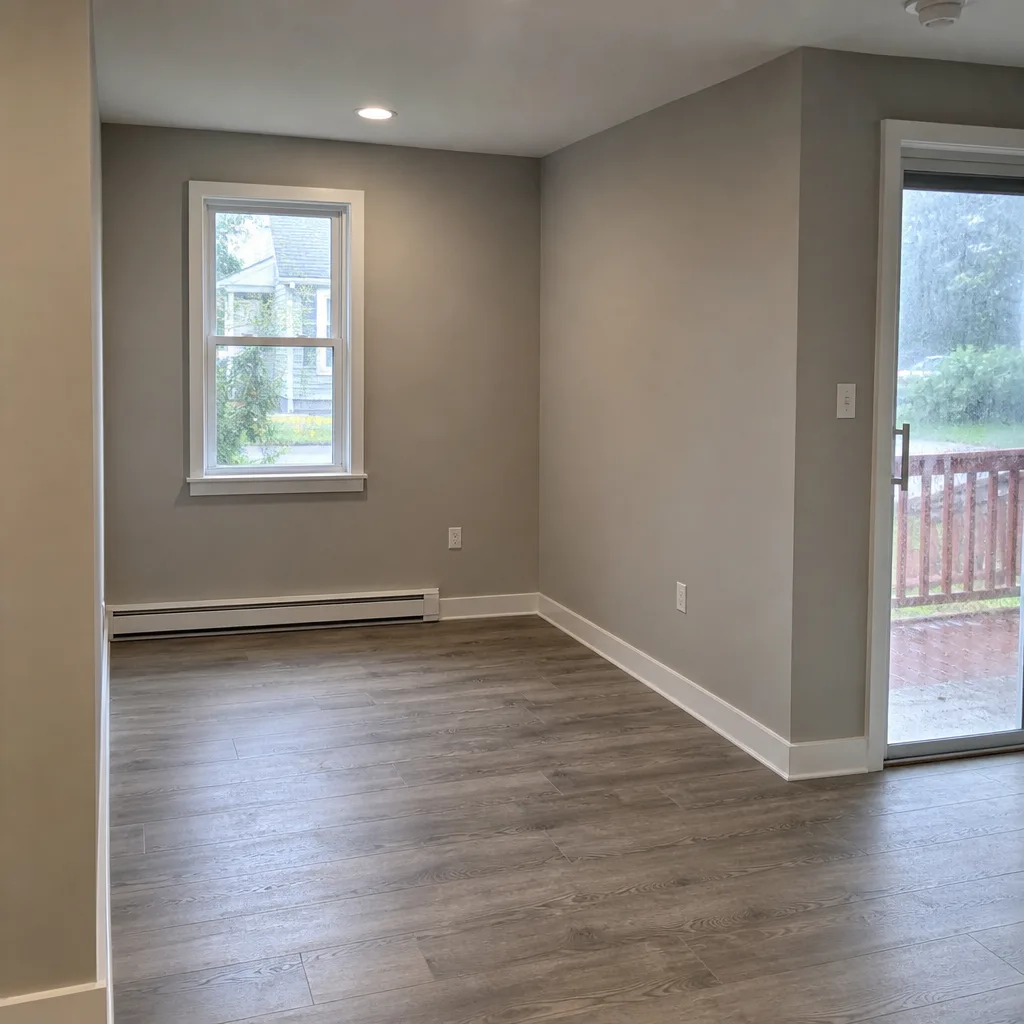 After
After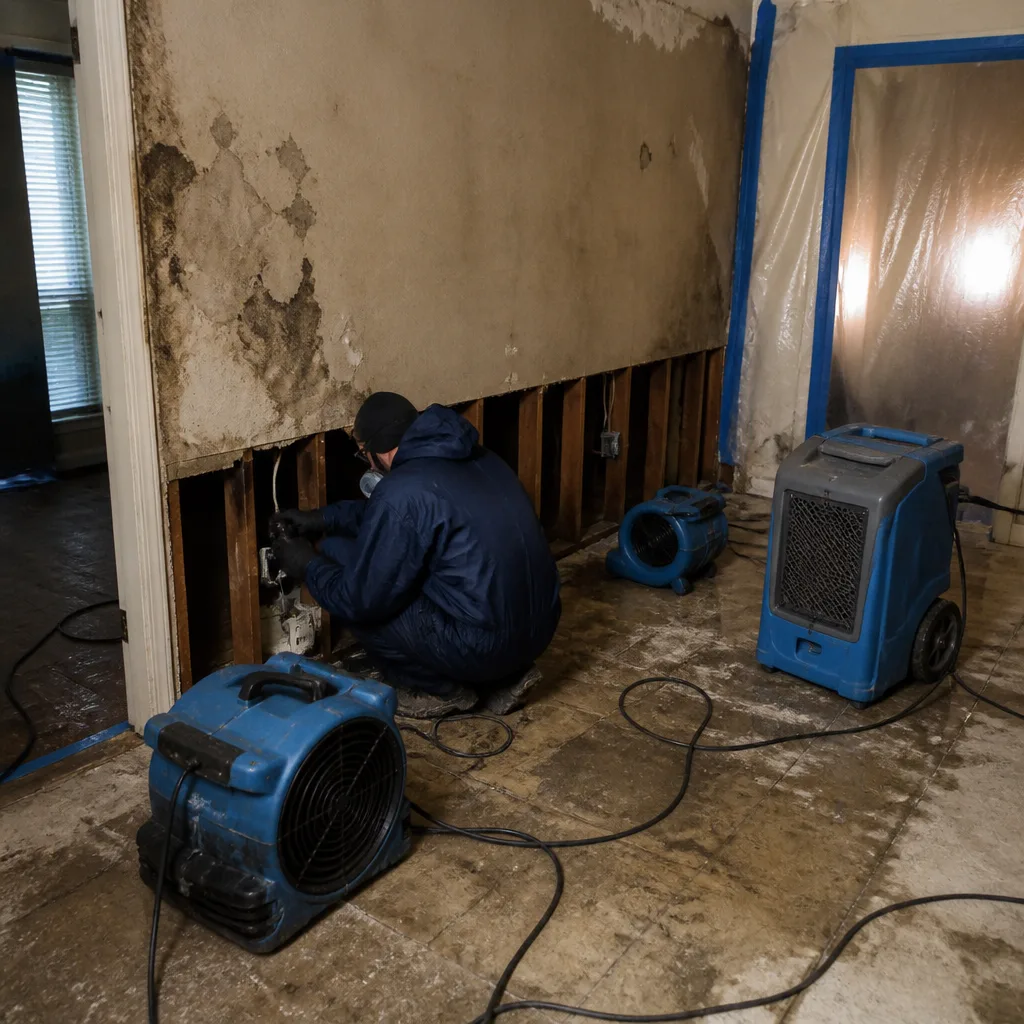 Before
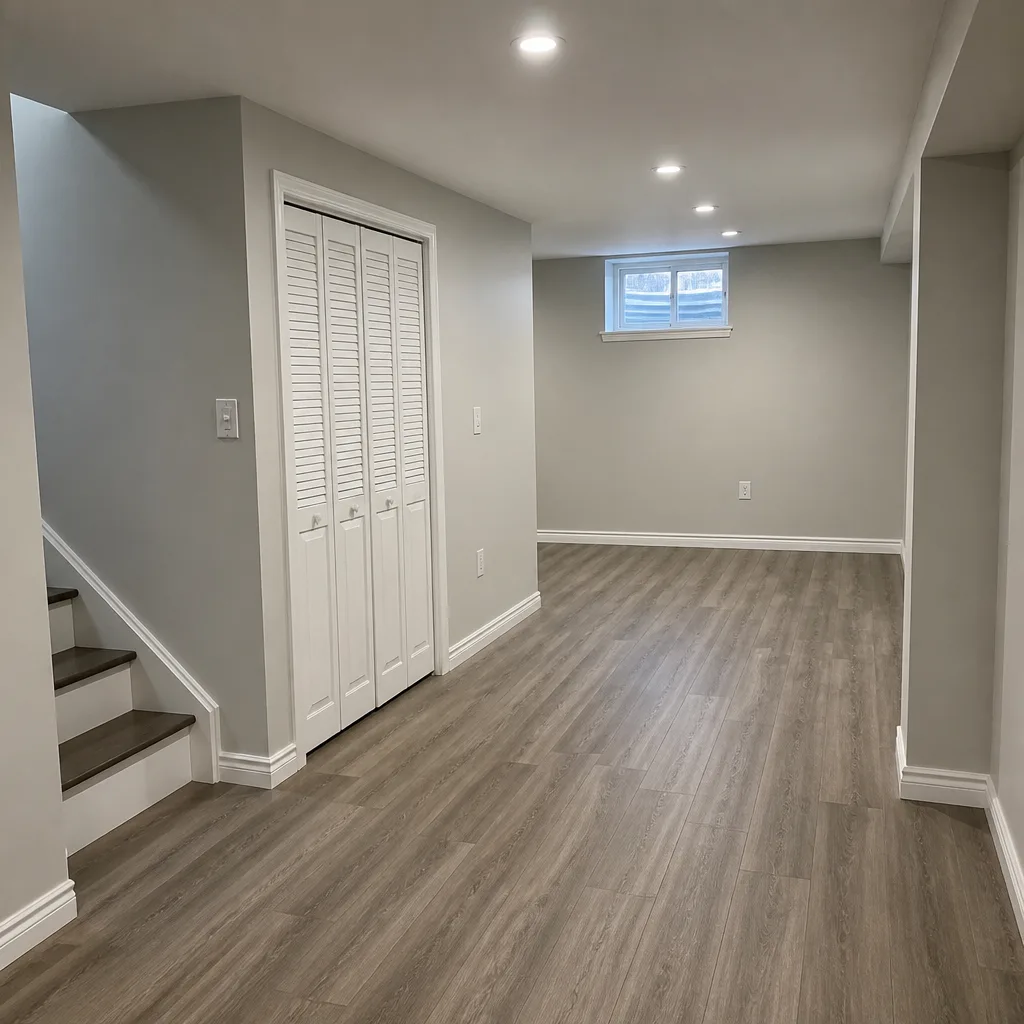 After
After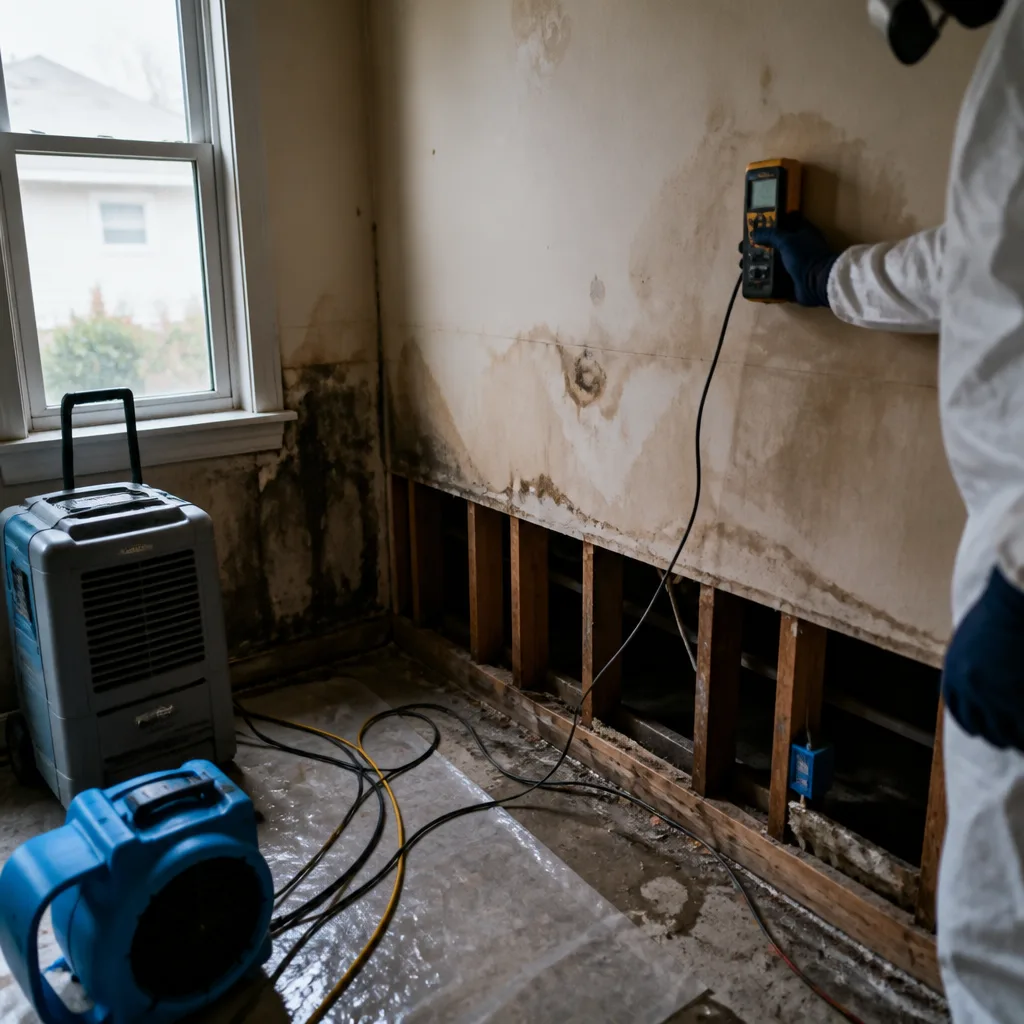 Before
 After
AfterFast, Reliable Mold Remediation Across Newark
Mold remediation in Newark runs $1,800-$4,500 for typical residential jobs, with full basement treatments in pre-1940 row houses often reaching $6,000-$9,000 once hazmat abatement and structural repairs are included. We’re DryMark Restoration Newark, and we handle the dual-compliance reality that defines every serious mold job in this city: New Jersey DEP hazmat protocols layered onto IICRC mitigation standards, driven by Newark’s combined-sewer surcharges and Passaic River floodplain. Our crews are staged from our New York City metro office and can be on-site in the Ironbound, Forest Hill, or the Central Ward within 90 minutes of your call. Phone us at (862) 292-4268 - a live person answers, 24 hours a day, 7 days a week.
Why DryMark Restoration Newark Is Newark’s Preferred Mold Remediation Company
We’ve restored more than 12,000 homes since 2011, every one with a written price before work started and a documented photo record when the crew left. That documentation-first approach was built by Alicia Brennan, our founder and a former claims adjuster who saw how many Newark homeowners lost legitimate coverage because their restoration contractor couldn’t produce the moisture logs, drying records, or hazmat disposal manifests that adjusters require.
Newark customers find us through word-of-mouth in the Ironbound’s three-family buildings and through the three-star reviews they actually read - the ones that mention whether crews showed up on time, whether the written price held, and whether the photo documentation arrived before the invoice. We answer every call live. No voicemail trees while sewage is still pooling in your basement.
Our Mold Remediation in Newark teams know the local housing stock: the lathe-and-plaster walls that hold moisture longer than drywall, the original cast-iron drains that fail catastrophically, the asbestos floor tiles and lead paint that trigger automatic DEP notification. This isn’t generic mold knowledge. It’s Newark-specific field experience that prevents the compliance failures and re-dos that cost homeowners thousands.
Our Mold Remediation Services in Newark
Mold Inspection & Testing
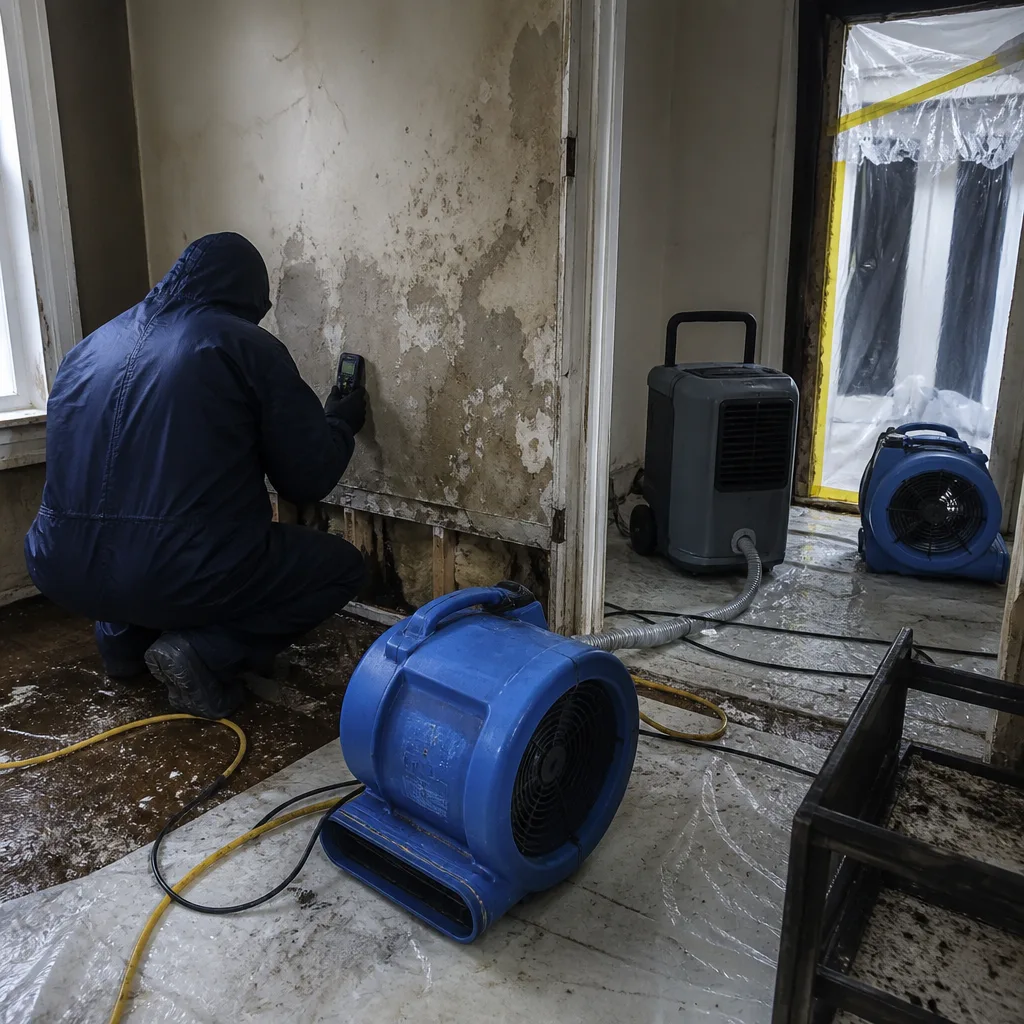
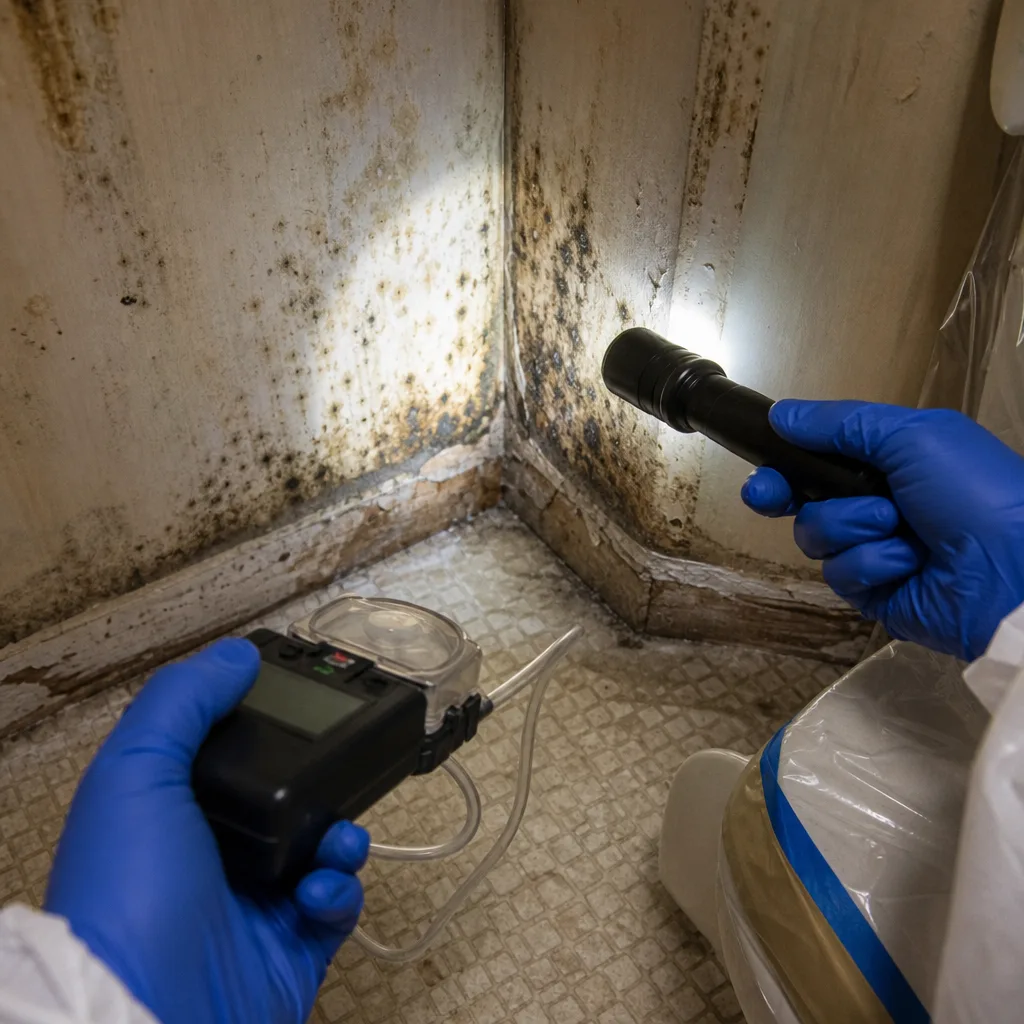
A proper mold inspection in Newark starts with understanding why the mold grew, not just where it spread. We use moisture meters, thermal imaging, and psychrometric data - measurements of temperature, humidity, and vapor pressure that tell us whether conditions remain favorable for regrowth. In Newark’s pre-1940 row houses, we pay particular attention to wall cavities behind lathe-and-plaster finishes, where moisture can linger at 18-22% wood moisture content for weeks after surface drying appears complete. Our inspections include written scope documentation with room-by-room moisture readings, delivered before any remediation work is authorized. Typical inspection and testing in Newark: $350-$650.
Mold Removal
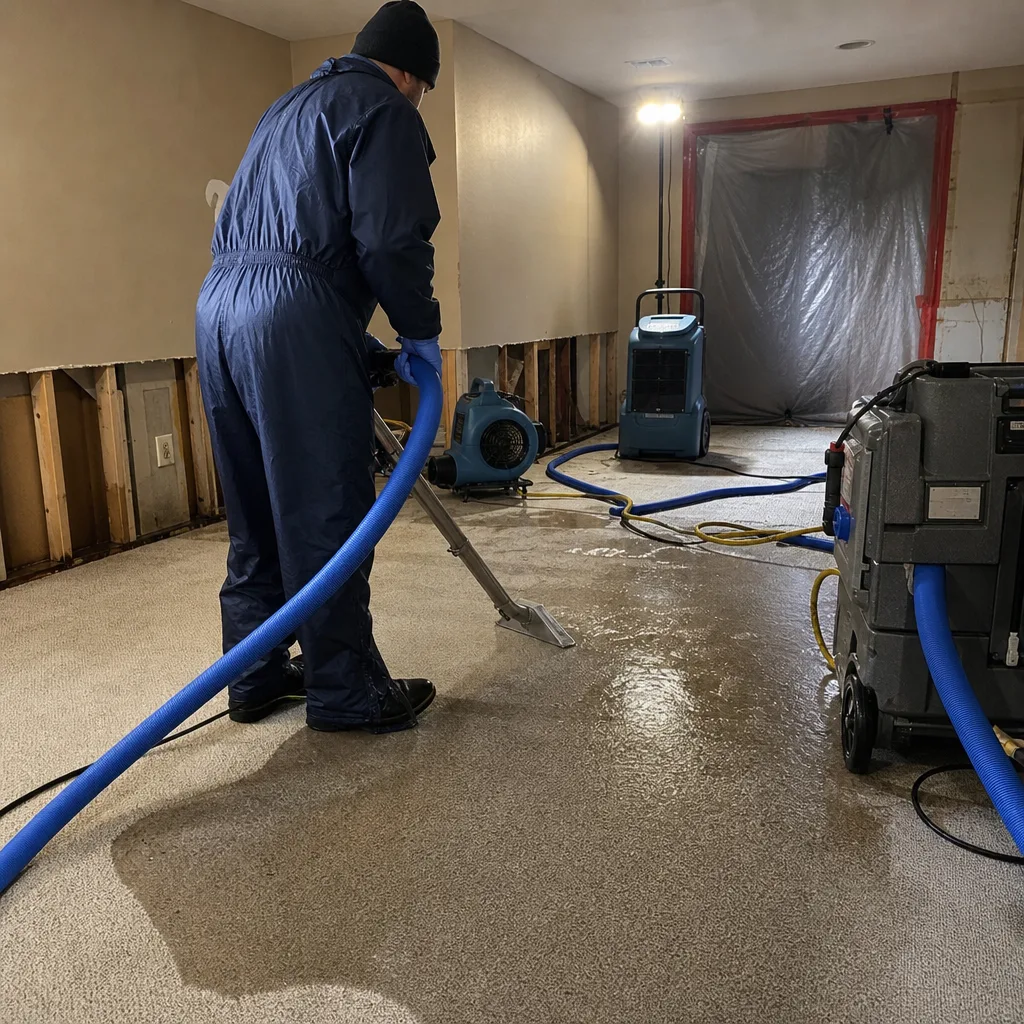
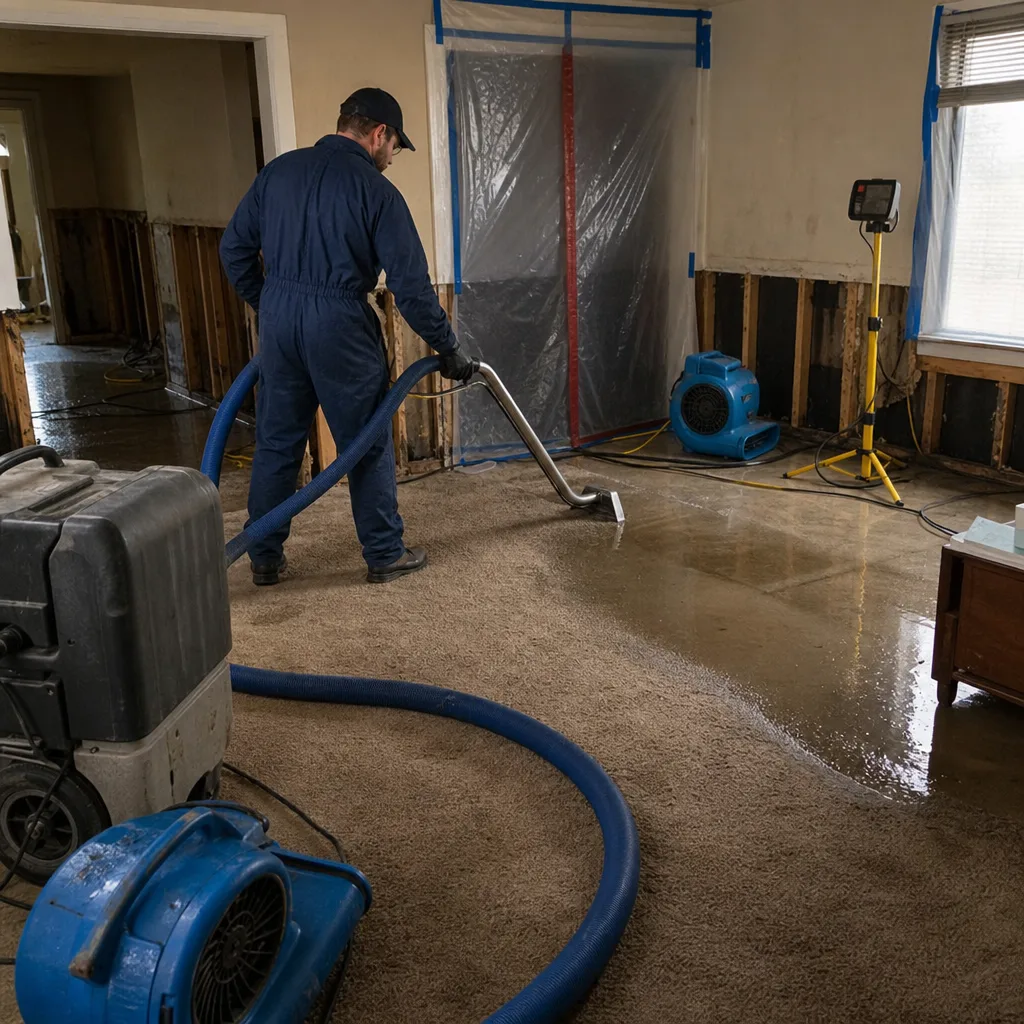
Mold removal in Newark is rarely a surface treatment. In the Ironbound’s below-grade spaces, we regularly find that “recent” mold growth is actually the third or fourth cycle on framing that was never fully dried after Hurricane Irene or Superstorm Sandy. Our crews establish containment barriers, deploy negative air pressure using HEPA filtration, and remove contaminated materials by the IICRC S520 standard. When we encounter Category 3 water history - sewage backup from combined-sewer surcharges - porous materials come out entirely. No drying in place. The bacteria load in that water renders insulation, paper-faced drywall, and unfinished wood non-salvageable by any standard we document to. Standard mold removal in Newark: $1,800-$4,000 for contained residential jobs.
Black Mold Remediation
Stachybotrys chartarum - the mold species most homeowners call “black mold” - requires the same containment and removal protocols as any toxigenic mold, but with stricter documentation because of its notoriety among insurers and property managers. In Newark, black mold calls often trace to the same root cause: below-grade spaces that were rebuilt after flooding with standard paper-faced drywall, without vapor barriers or proper drainage, in buildings where the next flood is statistically likely within 3-5 years. We document every square foot of affected material, photograph pre- and post-remediation conditions, and provide third-party clearance testing where required by the property’s insurance or management. Black mold remediation in Newark typically runs $3,500-$7,500 depending on containment complexity and whether hazmat abatement is triggered by concurrent asbestos or lead.
Air Quality Restoration
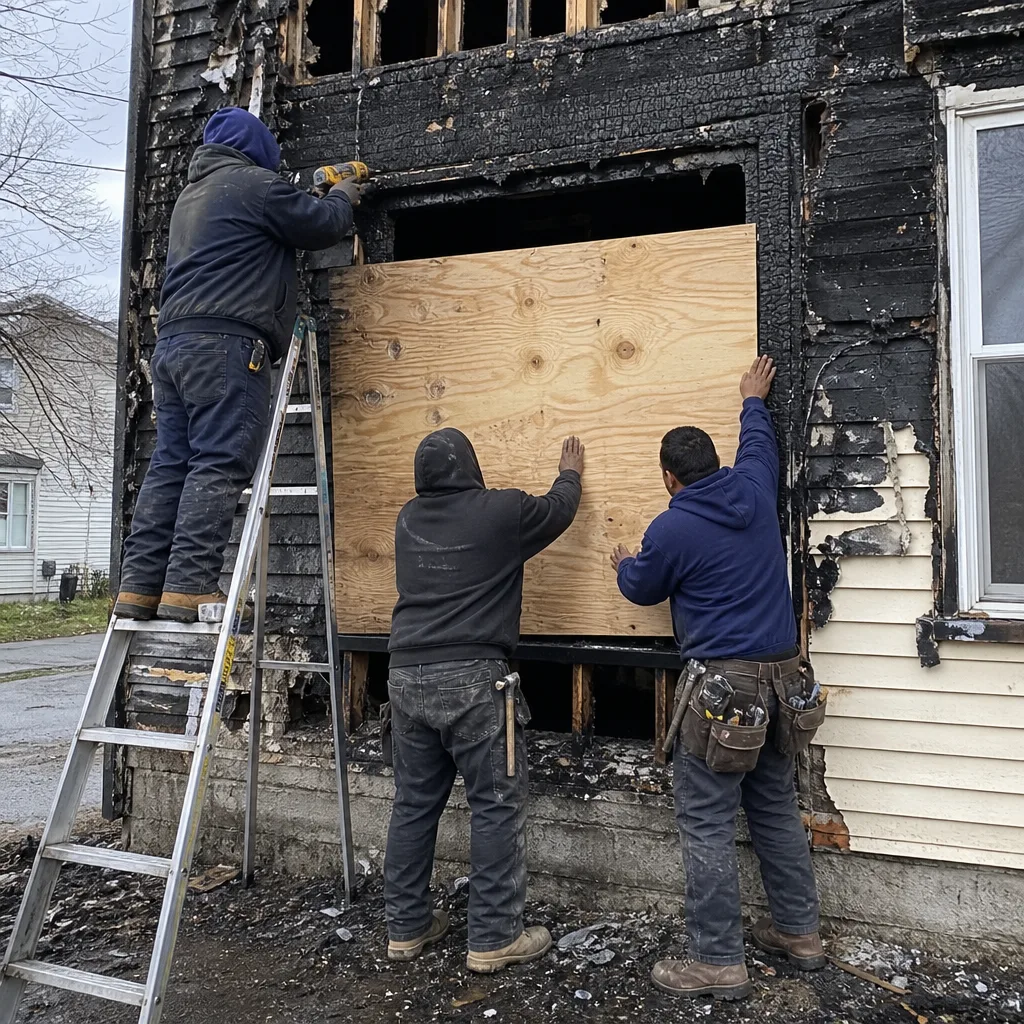
After physical removal, we restore breathable air through HEPA air scrubbing, ozone or hydroxyl treatment where appropriate, and continuous particulate monitoring. Newark’s older buildings present a specific challenge: HVAC ductwork in pre-1940 structures often runs through unconditioned wall cavities and basements, providing pathways for spore redistribution that newer buildings don’t have. We inspect accessible duct runs, document our findings with photos, and recommend targeted cleaning or sealing when spore counts justify it. Air quality restoration as part of a broader remediation: typically $800-$1,800 additional.
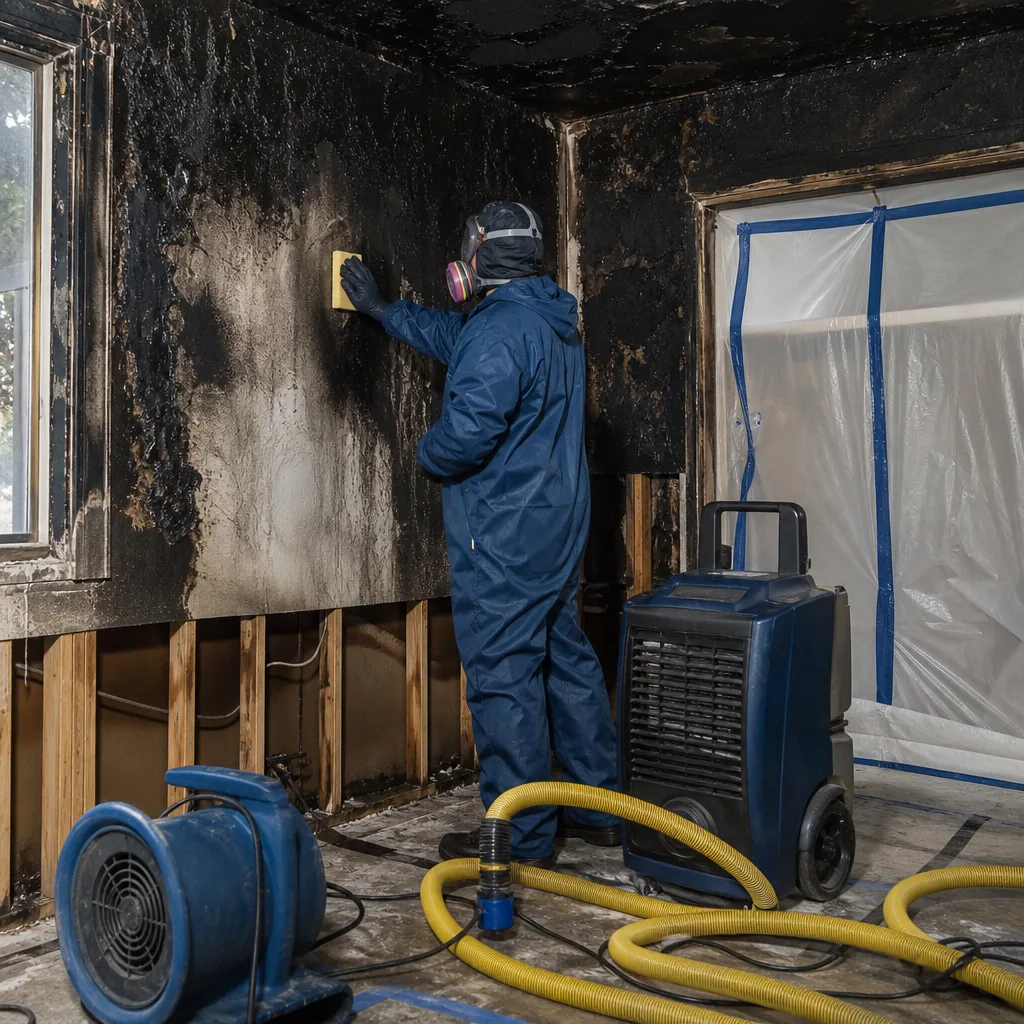
Crawl Space Treatment
Crawl spaces in Newark’s Ironbound and Vailsburg neighborhoods are often dirt-floored, vented to the exterior, and positioned below the water table during Passaic River flood events. We install vapor barriers, seal vents where appropriate, and deploy dehumidification sized to the cubic volume - not guesswork. Every crawl space job includes moisture mapping at multiple points across the footprint, because these spaces dry unevenly and incomplete drying guarantees return growth. Crawl space mold treatment in Newark: $2,200-$5,500.
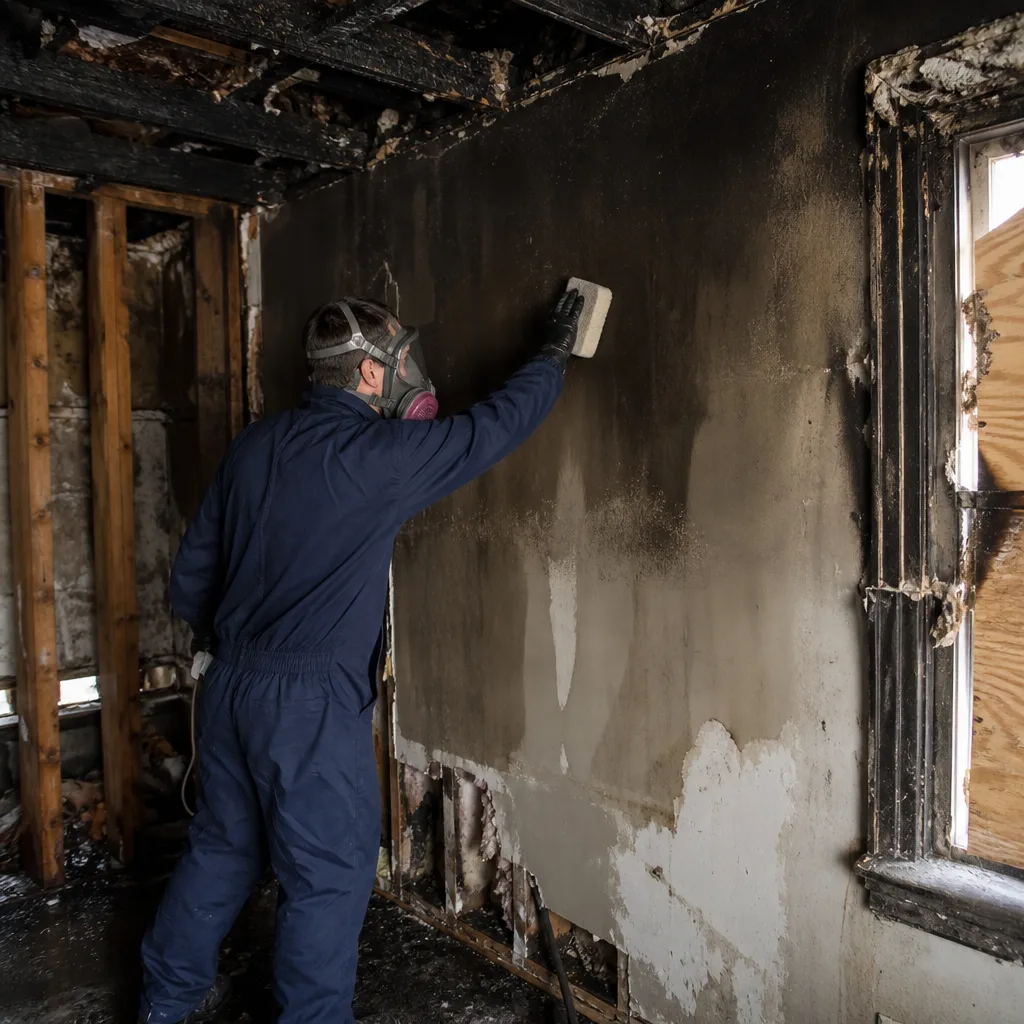
Moisture & Humidity Control
Permanent mold prevention requires controlling the moisture that enables it. In Newark’s row houses, this often means addressing drainage at the foundation perimeter, installing sump pumps with battery backup, or upgrading dehumidification in basements that function as occupied space. We specify equipment by load calculation, not by square-footage rule of thumb, and we document the target humidity range - typically 30-50% relative humidity - in your written scope. Moisture control system installation: $1,200-$3,800.
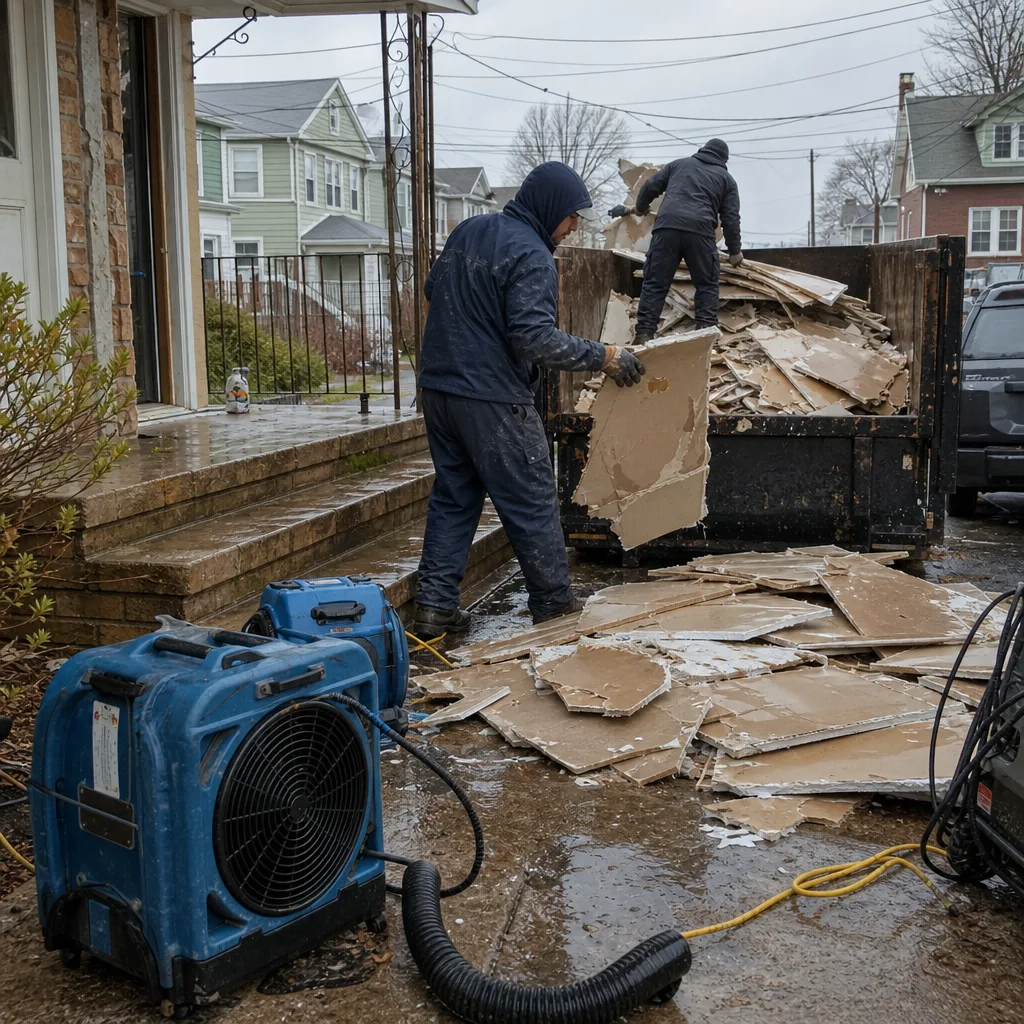
What happens when you call
- 1
A real person answersNo phone trees - you reach a local pro.
- 2
You get an upfront price rangeHonest numbers before anyone is dispatched.
- 3
A background-checked tech heads outLicensed & insured, dispatched right away.
- 4
You approve before work beginsNothing starts until you say go.
BeforeAfterTrusted Brands We Service in Newark
Our Mold Remediation crews deploy professional-grade drying and air quality equipment from Dri-Eaz, Phoenix, and Injectidry - brands chosen because their performance is documented to IICRC, RIA, and IFA standards, producing the daily moisture logs and psychrometric records that turn restoration invoices into payable insurance claims. We stock HEPA filtration media, containment supplies, and replacement dehumidifier coils locally, so Newark jobs don’t wait on freight. Injectidry’s intercavity drying systems are particularly valuable in Newark’s lathe-and-plaster buildings, where standard air mover placement can’t reach moisture trapped behind dense, historic wall assemblies.
Common Mold Remediation Problems We See in Newark Homes
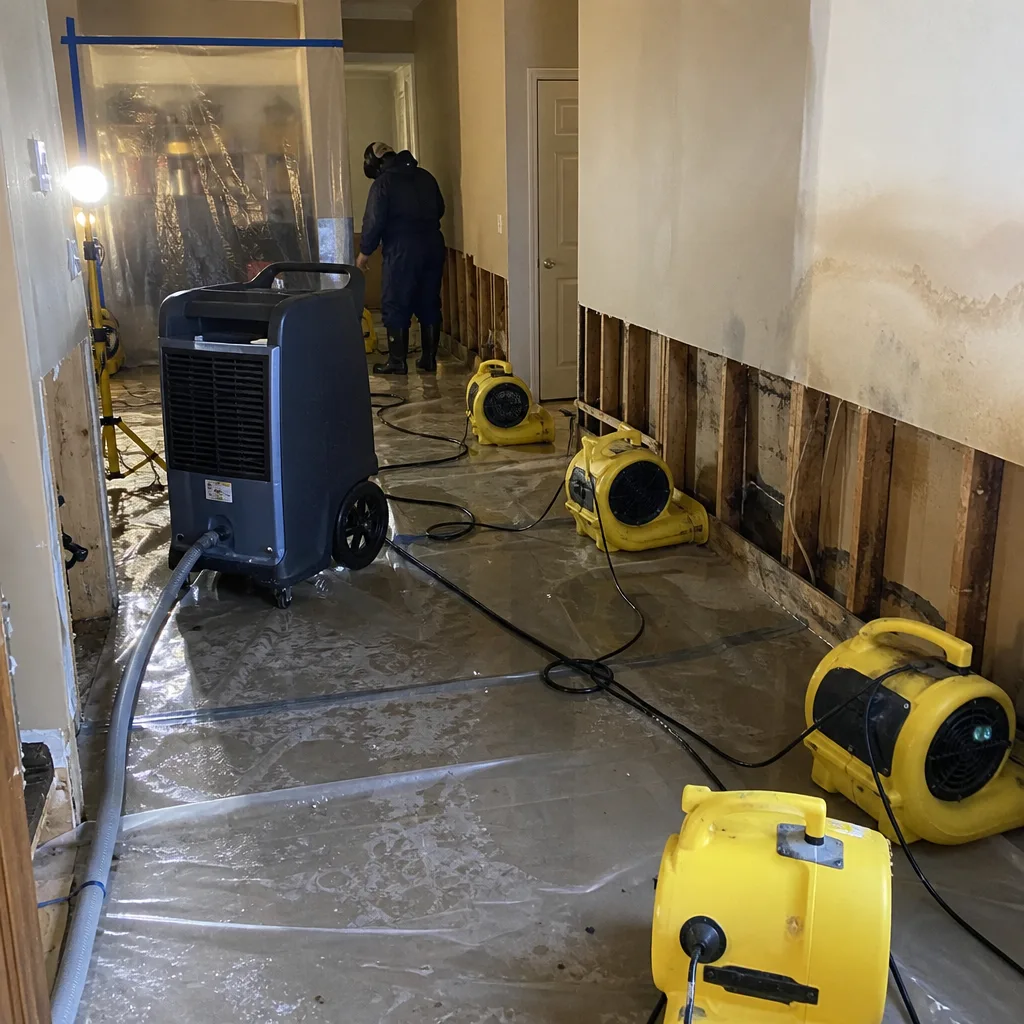
- Combined-sewer backups misclassified as clean water. Newark’s aging infrastructure delivers Category 3 black water into basements during heavy rain. Contractors who treat this as Category 2 and attempt to dry porous materials in place leave behind bacteria colonies and guaranteed mold regrowth in lathe-and-plaster assemblies that absorb contaminants deeply.
- Asbestos and lead abatement skipped to save time. Because nearly every flooded structure in the Ironbound, Vailsburg, or Weequahic predates 1940, original asbestos floor tile, pipe insulation, and lead paint are statistically likely. New Jersey DEP regulations require full hazmat protocols before structural drying. Crews that skip this step produce contaminated debris and expose homeowners to liability.
- Walls closed over embedded mold from previous floods. On Ferry Street and throughout the Ironbound, we regularly open walls rebuilt after Irene or Sandy and find active mold colonies on framing that was never properly dried. The initial moisture reading showed surface dryness. The framing behind told a different story.
- Crawl spaces “dried” with a single dehumidifier. Newark’s dirt-floored crawl spaces often exceed 1,500 square feet in three-family buildings. One residential dehumidifier can’t pull moisture from that volume effectively. We size equipment to cubic feet and air changes per hour, then document the readings that prove it worked.
Pricing for Mold Remediation in Newark, NJ
Here’s what mold remediation costs in Newark’s market, based on jobs we’ve scoped and completed under The Haven Standard:
| Service | Typical Range in Newark |
|---|---|
| Mold Inspection & Testing | $350 - $650 |
| Contained Mold Removal (single room) | $1,800 - $4,000 |
| Black Mold Remediation with containment | $3,500 - $7,500 |
| Full Basement Treatment (pre-1940 row house) | $6,000 - $9,000 |
| Crawl Space Mold Treatment | $2,200 - $5,500 |
| Air Quality Restoration (add-on) | $800 - $1,800 |
| Moisture Control System Installation | $1,200 - $3,800 |
These ranges include labor, equipment, disposal, and standard documentation. Jobs requiring NJ DEP hazmat abatement for asbestos or lead fall at the higher end or above, because abatement contractors and third-party air monitoring add legitimate cost. What drives your specific price: affected square footage, material type (lathe-and-plaster vs. drywall), Category 3 water history, accessibility, and whether containment must protect occupied units in a multi-family building. Haven Standard, Clause 1: we deliver a written price before any work starts, every time, with no scope-creep additions once the crew is inside. Bring a competitor’s written estimate and we’ll review it free - our Free Second Opinion, no charge.
We Also Serve Cities Near Newark
Our crews work throughout Essex and Hudson counties, including Newark and the adjacent communities of Harrison, Kearny, North Arlington, and Bayonne. Each shares elements of Newark’s housing stock and infrastructure challenges, though none face the identical Passaic River floodplain and combined-sewer surcharge pattern that defines Newark’s Category 3 baseline. Dispatch and scheduling are coordinated from our New York City metro office; crews serve all five municipalities locally.
Serving Newark, NJ - Our Local Coverage Area
We’re based in the Newark area and know this community well. Use the map below to see our service coverage - if you’re nearby, we can almost certainly help.
FAQs - Mold Remediation in Newark
Your basement floods because Newark’s combined sewer system - stormwater and sanitary waste in the same pipes - surcharges during heavy rain, pushing raw sewage backward into below-grade spaces. Newark Water Damage Restoration specialists treat every such event as Category 3 black water, removing porous materials, and disinfecting before any drying or reconstruction. The Passaic River floodplain adds horizontal water pressure from river overflows, particularly in the Ironbound’s low-lying blocks. This isn’t a plumbing failure on your property; it’s infrastructure capacity that hasn’t been upgraded to match development density. Proper remediation requires treating every such event as Category 3 black water, removing porous materials, and disinfecting before any drying or reconstruction. Call (862) 292-4268 and we’ll scope the permanent moisture-control measures that reduce recurrence.
Yes, but only after New Jersey DEP hazmat abatement protocols are completed. Those original 9-inch floor tiles are statistically likely to contain asbestos, and disturbance during water extraction or demolition triggers regulatory requirements. We coordinate with licensed abatement contractors, obtain necessary notifications, and document the chain of custody for all disposed materials. Drying begins only after clearance. This dual-compliance sequence - hazmat then mitigation - is standard for Newark’s housing stock and protects you from liability. The written price we provide before work starts includes abatement coordination when our initial inspection indicates likely asbestos.
Mold colonization begins 24-48 hours after water intrusion in organic materials at temperatures above 60°F. Newark’s summer basement conditions - often 65-75°F with humidity above 70% - accelerate this timeline. In lathe-and-plaster walls, which hold moisture longer than modern drywall, visible growth may not appear for 5-7 days, but by then the colony is established behind the finish. This is why we moisture-map at depth, not just surface readings. If your basement flooded, call (862) 292-4268 within 24 hours for inspection; waiting for visible mold guarantees a larger, more expensive remediation.
Because walls rebuilt after Hurricane Irene or Superstorm Sandy were often finished with standard paper-faced drywall over framing that was never fully dried. When we open those walls for a current mold or water call, we find active colonies on the backside of finishes and on framing members. The initial moisture reading showed only the current event’s surface pattern. The embedded mold from the previous flood required removal that wasn’t visible until demolition. We document this with photos, explain the expanded scope in writing before proceeding, and never charge for additional removal without your signed authorization - Haven Standard, Clause 1.
We deploy Dri-Eaz and Phoenix dehumidifiers, XPOWER and B-Air air movers, and Injectidry intercavity drying systems for wall and ceiling assemblies. All equipment performance is documented to IICRC, RIA, and IFA standards, producing the daily moisture logs and psychrometric data that your adjuster needs to approve the claim. Injectidry is particularly valuable in Newark’s lathe-and-plaster buildings, where standard air movement can’t reach moisture trapped behind dense historic finishes. Every piece of equipment on your job is listed in your written scope, with deployment dates and removal documented in the photo record.
Ready for a written price before any work starts? Call DryMark Restoration Newark at (862) 292-4268. A live person answers 24 hours a day, 7 days a week. Estimates are free. Documentation is standard. And every job carries our 365-Day Done Right Promise under The Haven Standard - if it’s not done right, we make it right.
Written by Alicia Brennan, Owner at DryMark Restoration Newark, serving Newark and surrounding communities since 2011.