
Last updated September 23, 2026
Free visual inspection and a written scope of work before any mitigation begins - photos, moisture readings, and drying logs go in your claim file
The scope we write is the scope we bill. Anything new gets shown to you, in writing, before we touch it.
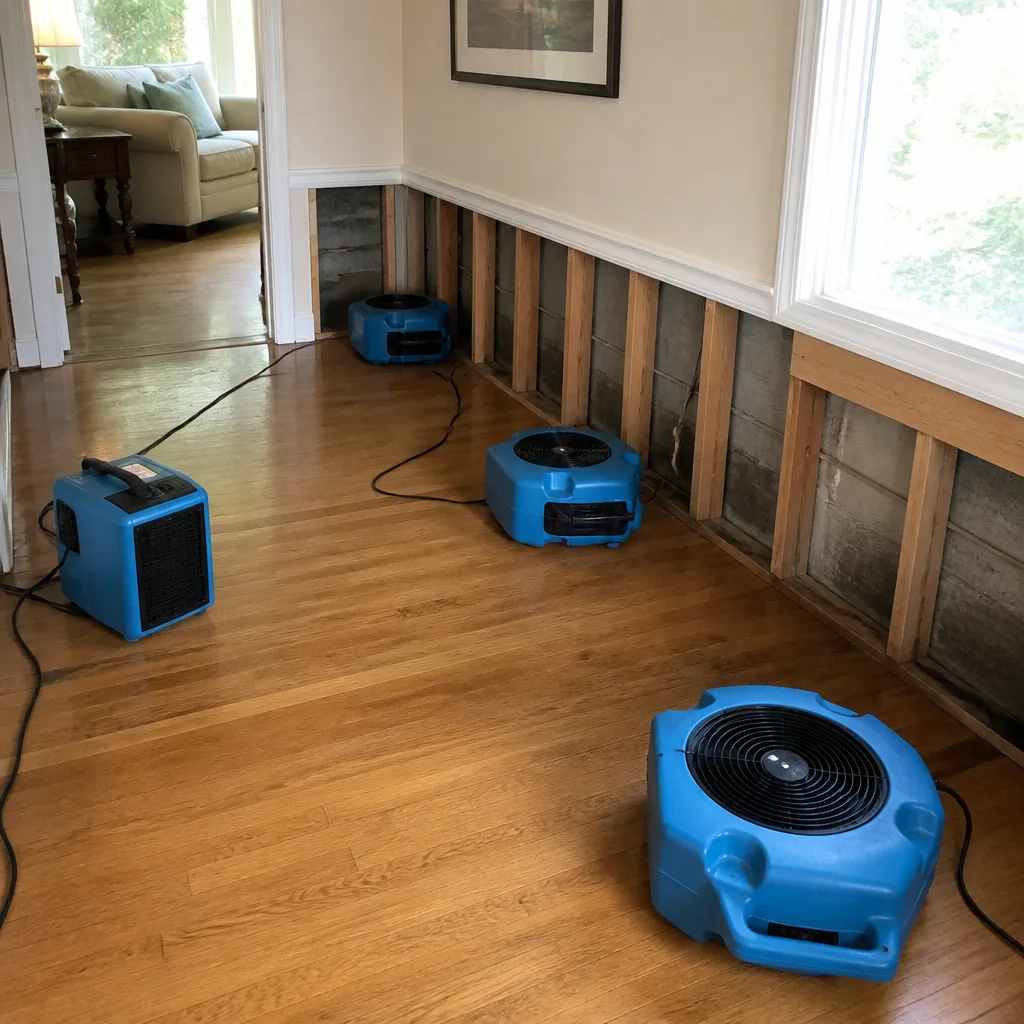
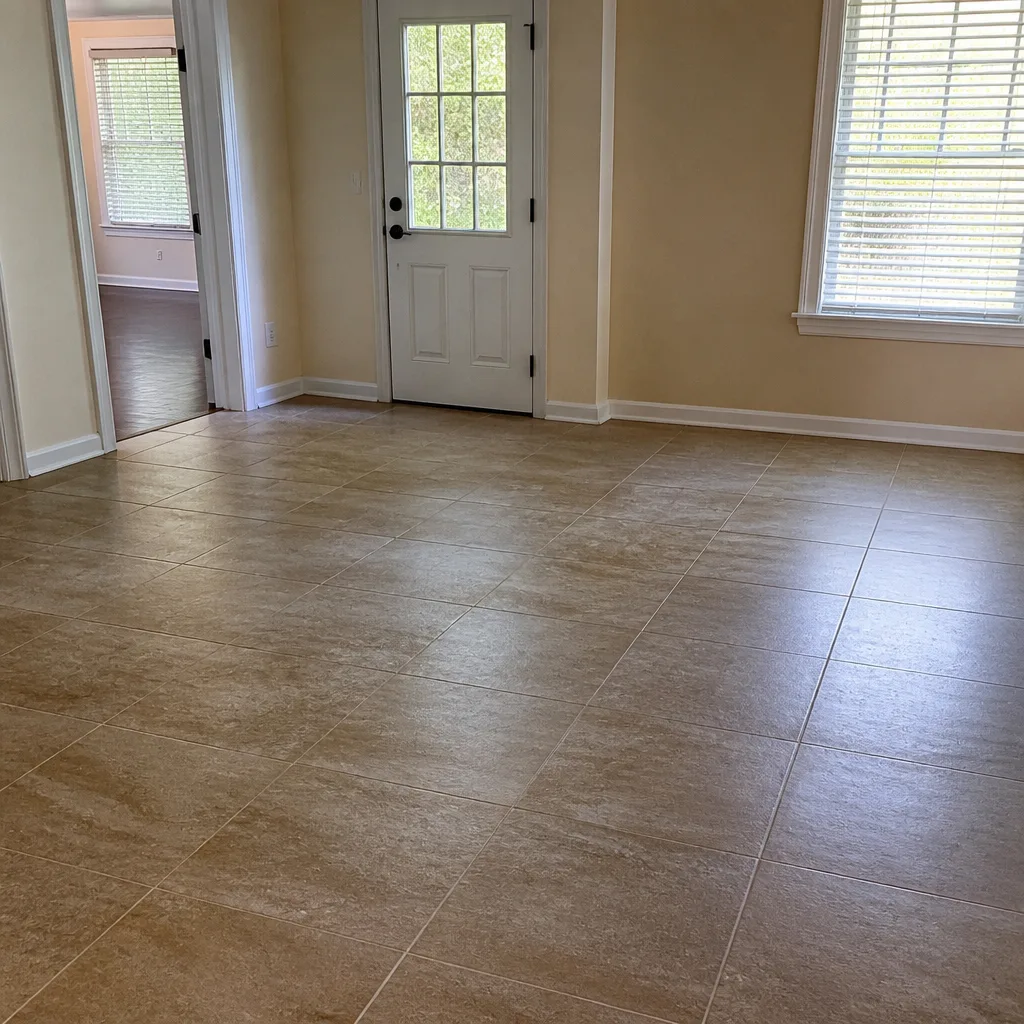

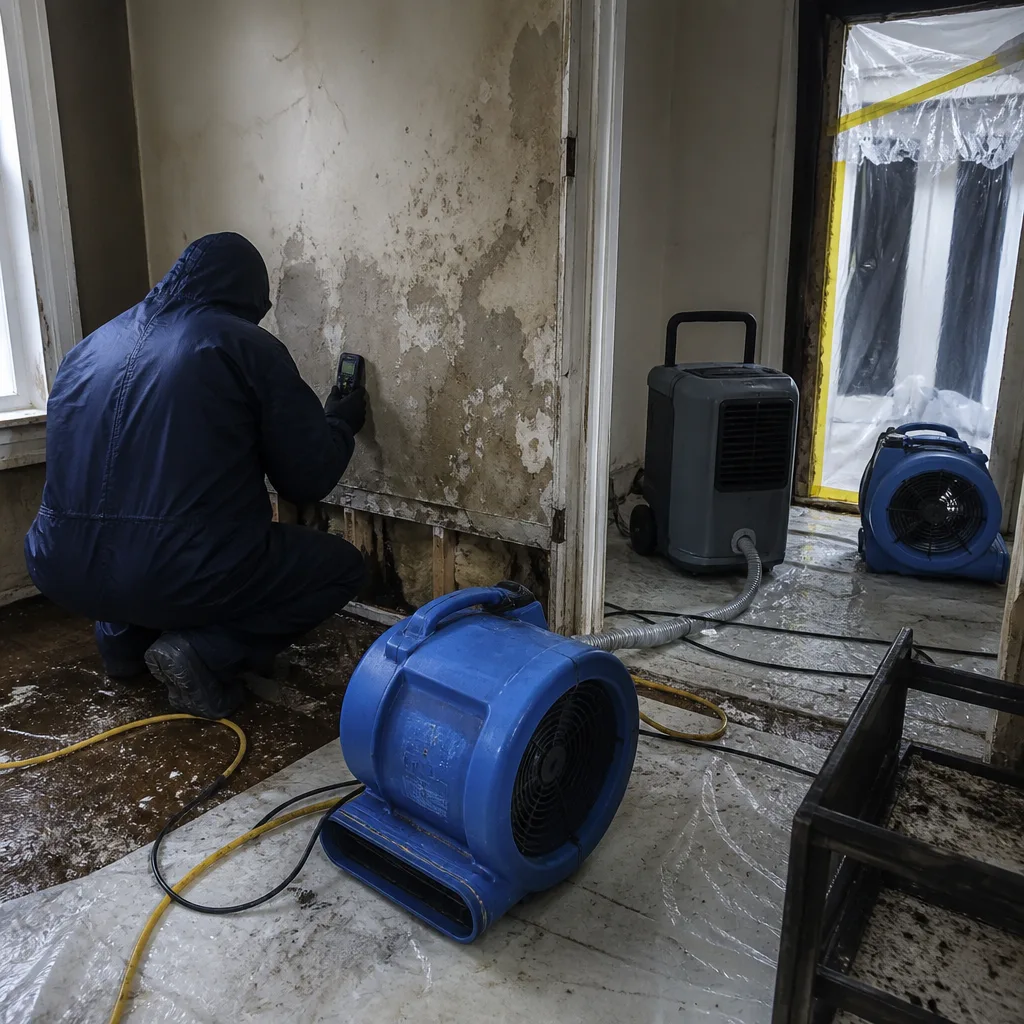 Before
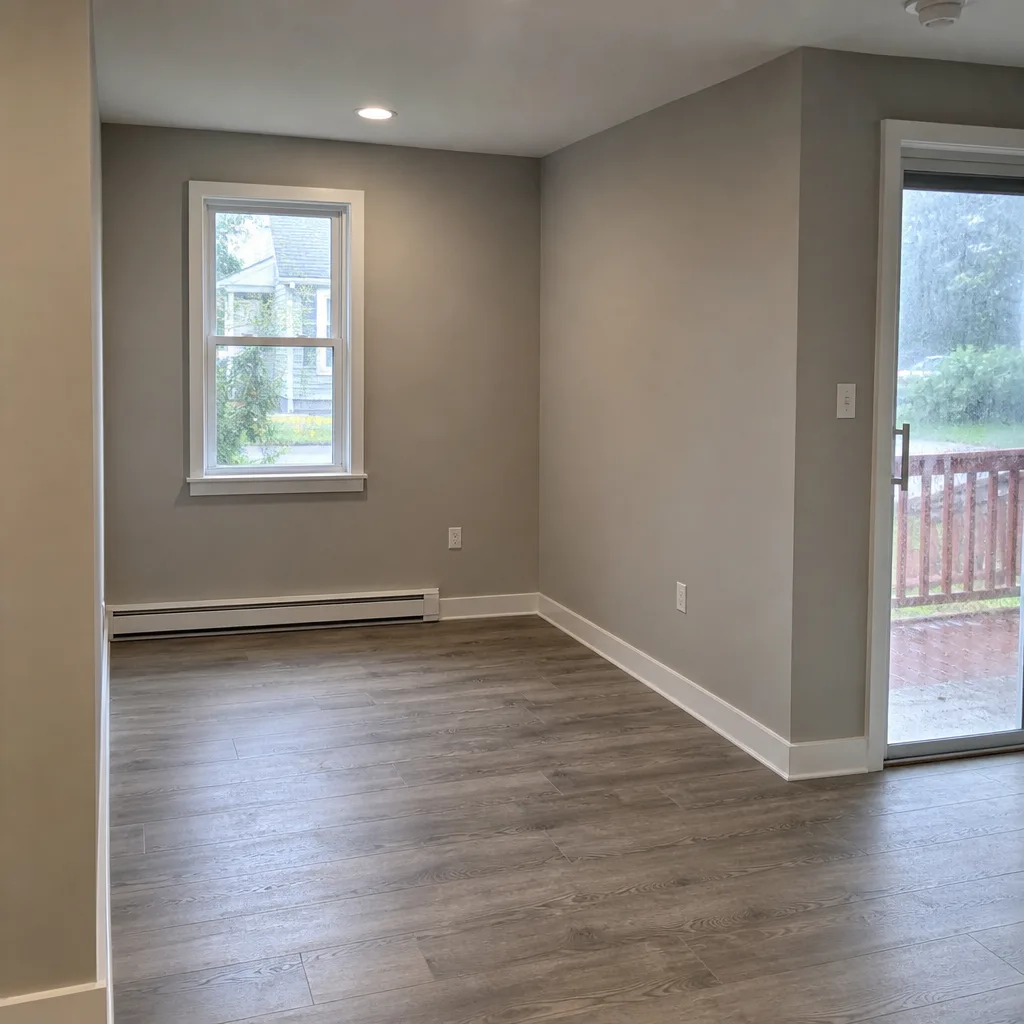 After
After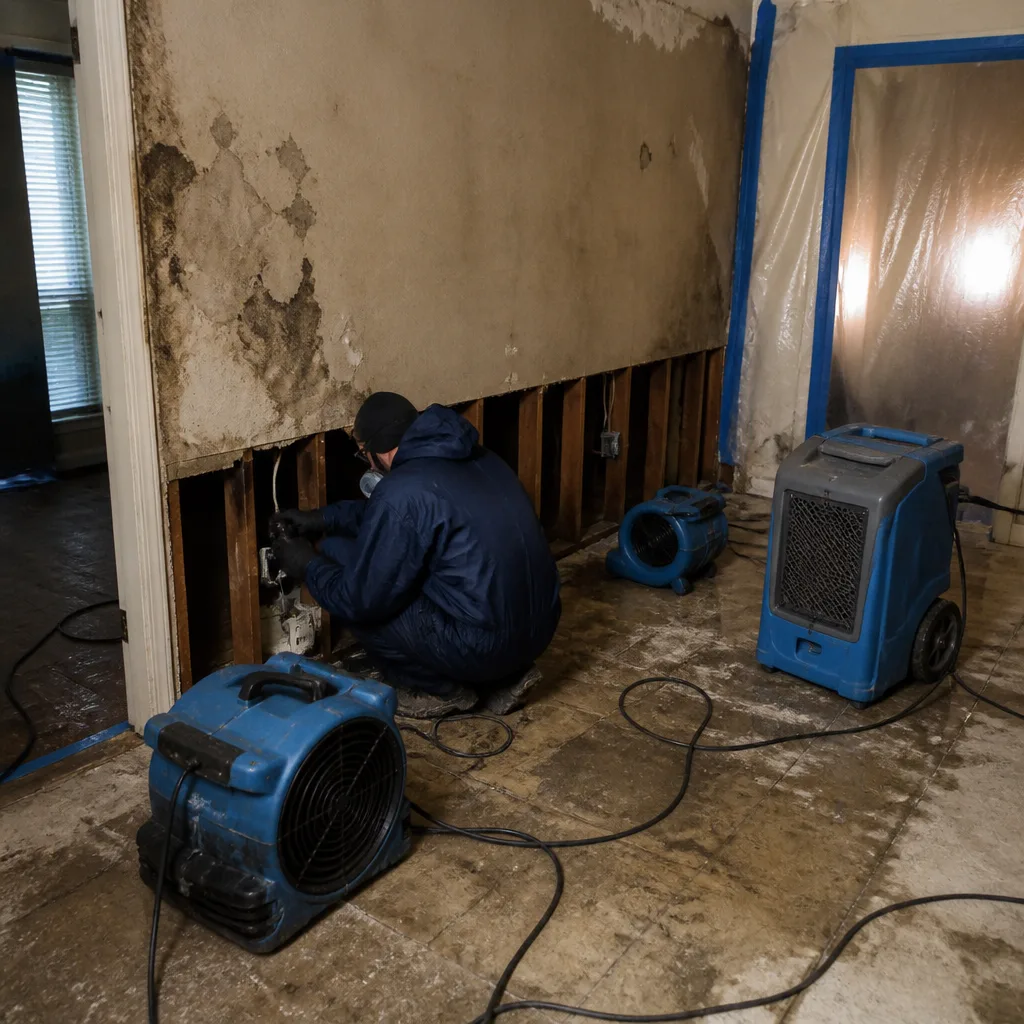 Before
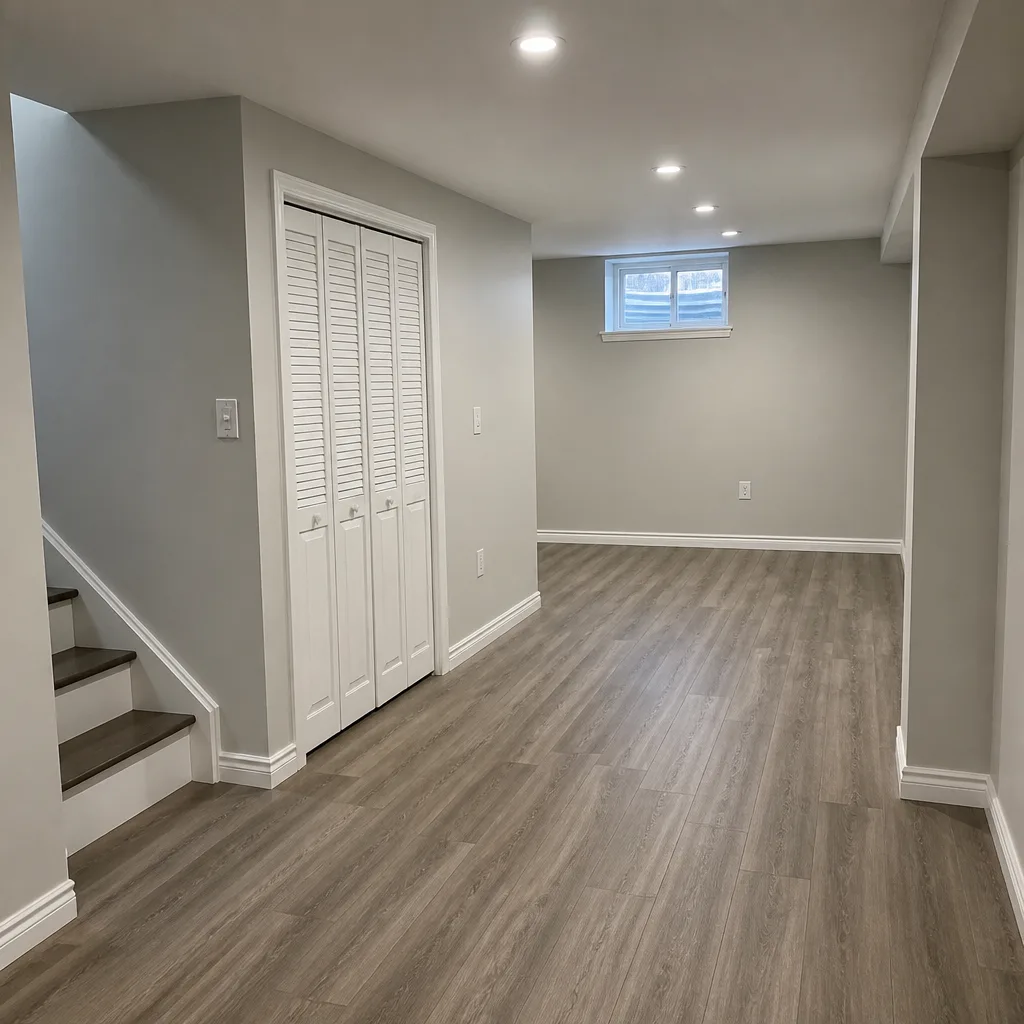 After
After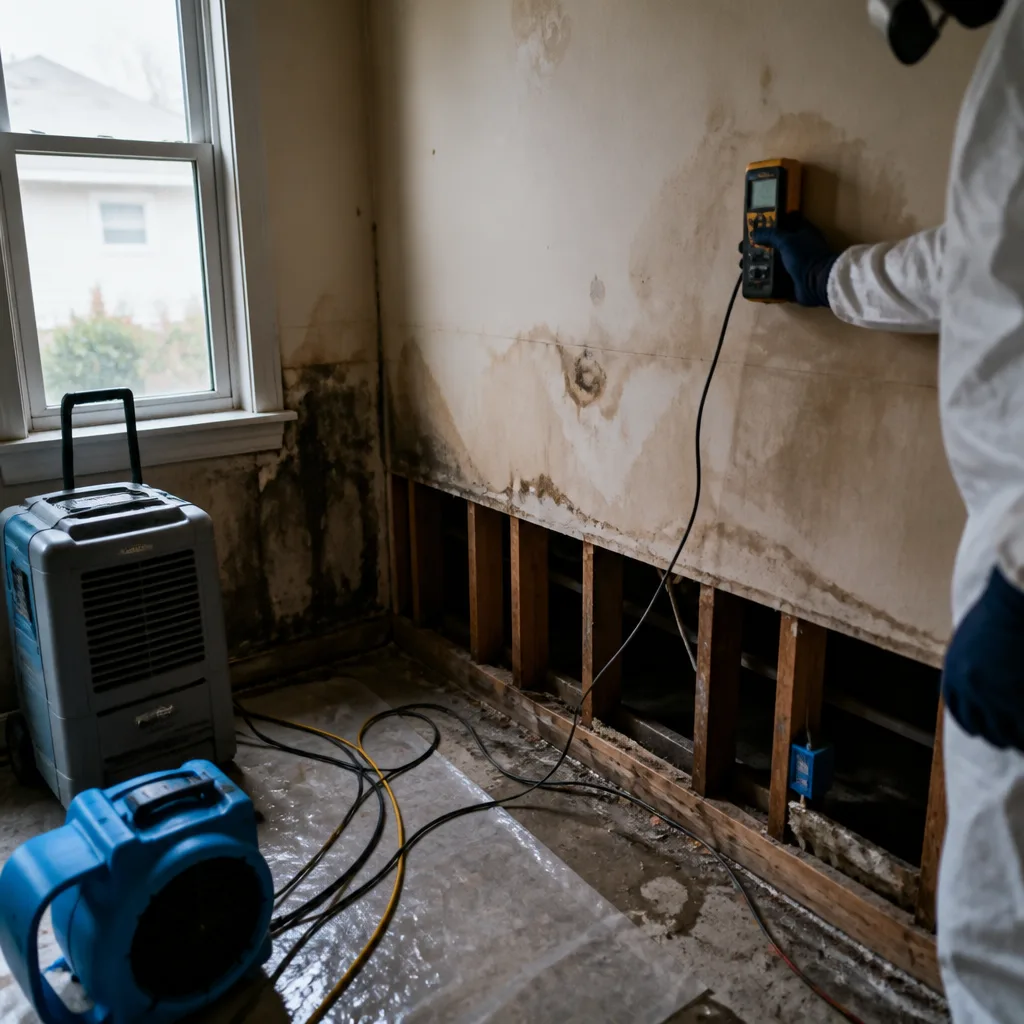 Before
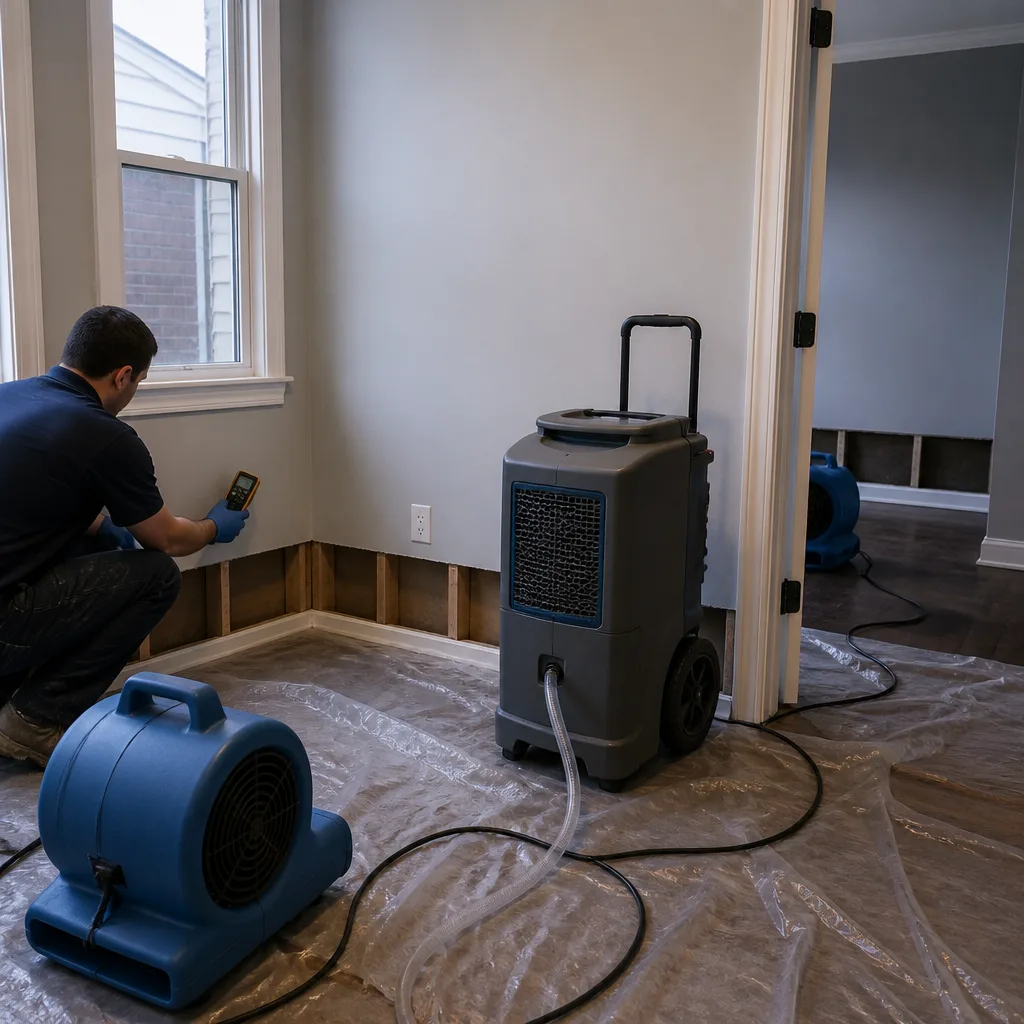 After
AfterSeasonal Damage Restoration Care for Newark: Year-Round Homeowner’s Guide
FEMA flood maps place portions of Newark’s Ironbound District in Zone AE, the highest-risk category for base flooding, yet fewer than 40% of homeowners in those zones carry flood insurance. That gap means seasonal preparedness documentation is often the only financial protection available when water enters a home. In our experience restoring more than 12,000 homes since 2011, the claims that pay fastest are the ones where the homeowner had a dated, organized file of pre-season conditions. This guide maps Newark’s specific seasonal risks to a documentation system any homeowner can maintain, month by month, with the evidence standards that adjusters and insurers recognize. For a deeper dive into the full restoration process, see The Complete Guide to Damage Restoration in Newark.
Quick Answer
Seasonal damage restoration care in Newark follows a predictable calendar driven by the city’s low-lying flood zones, aging combined sewer infrastructure, and coastal freeze-thaw cycles. Homeowners looking for a structured maintenance approach can reference our Water Damage Restoration Maintenance Checklist for Newark Homeowners. Homeowners who document baseline conditions before each season, maintain sump pump test logs, and cross-reference City-published combined sewer overflow (CSO) data with their basement history can reduce claim disputes and accelerate insurance payment when damage occurs.
Table of Contents
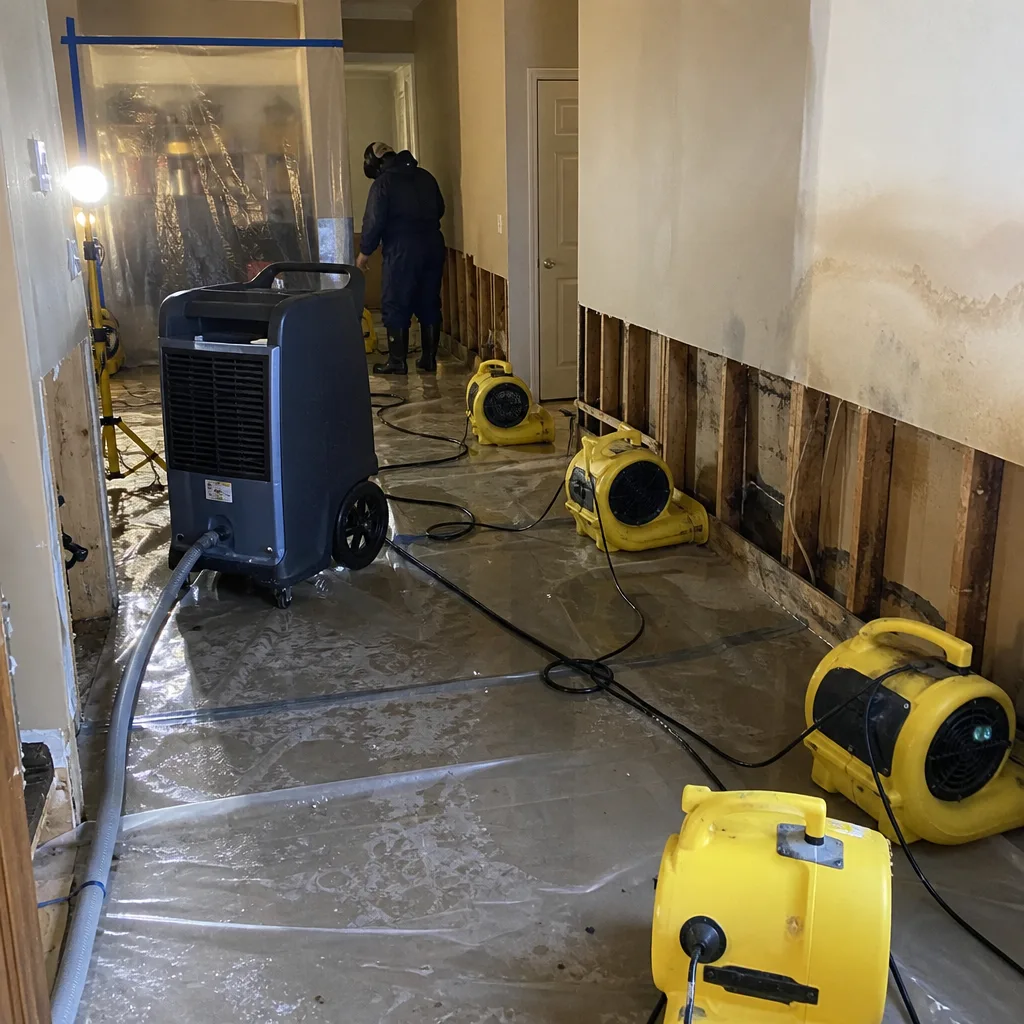
- January-February: Pipe Freeze on Exterior Walls
- March-April: Snowmelt Basement Seepage
- May-June: Pre-Hurricane Season Documentation Window
- July-August: HVAC Condensate Overflow
- September: Peak Storm Readiness
- October-November: Gutter-to-Foundation Saturation
- December: Year-End File Audit
- How to Build a Seasonal Maintenance File That Adjusters Can Read in Ten Minutes
BeforeAfterJanuary-February: Pipe Freeze on Exterior Walls
Newark’s January average low of 24°F, combined with wind exposure off Newark Bay and the Passaic River, pushes pipe freeze risk higher than inland Essex County. The Ironbound District and Port Newark-adjacent neighborhoods catch the worst of it: uninsulated exterior walls facing east or north, especially in pre-war construction with original plaster and minimal wall cavity insulation.
We’ve documented hundreds of freeze breaks in Newark where the split occurred not at the coldest point in the pipe, but at the first elbow inside the heated envelope, where ice expansion met resistance. The damage pattern is recognizable: a 3/8-inch copper split spraying 30-50 gallons per hour into a wall cavity until the main is shut. By the time a homeowner notices reduced flow or a damp spot, the cavity may hold 200+ gallons absorbed into plaster lath and stud bays.
What to document before January:
- Date-stamped photos of all exterior-wall plumbing access points: kitchen sink cabinet backs, bathroom vanity interiors, washing machine box locations.
- Infrared thermometer readings of pipe locations on exterior walls during a cold snap, 20°F or below, recorded with location and temperature.
- Insulation condition photos: wall cavity access where visible, sill plate gaps, foundation penetrations.
- Main water shutoff location photo, with path clear and valve operable.
Standard NJ HO-3 policy language typically excludes damage from freezing if the homeowner failed to maintain heat or shut off and drain systems when away. Documentation that the heating system was operational and the property was occupied or properly winterized becomes evidence in coverage disputes. We recommend storing these January baseline photos in a folder labeled with the date and “Pre-Freeze Documentation,” then updating annually.
If a freeze break occurs, the first 24 hours determine whether the loss stays in the $3,000-$8,000 range for drying and limited repair, or escalates to $15,000+ for full cavity reconstruction. Our Water Damage Restoration in Newark team documents every moisture reading with psychrometric data, the measurement of temperature and relative humidity that determines how much moisture air can hold and how fast materials will dry.
March-April: Snowmelt Basement Seepage
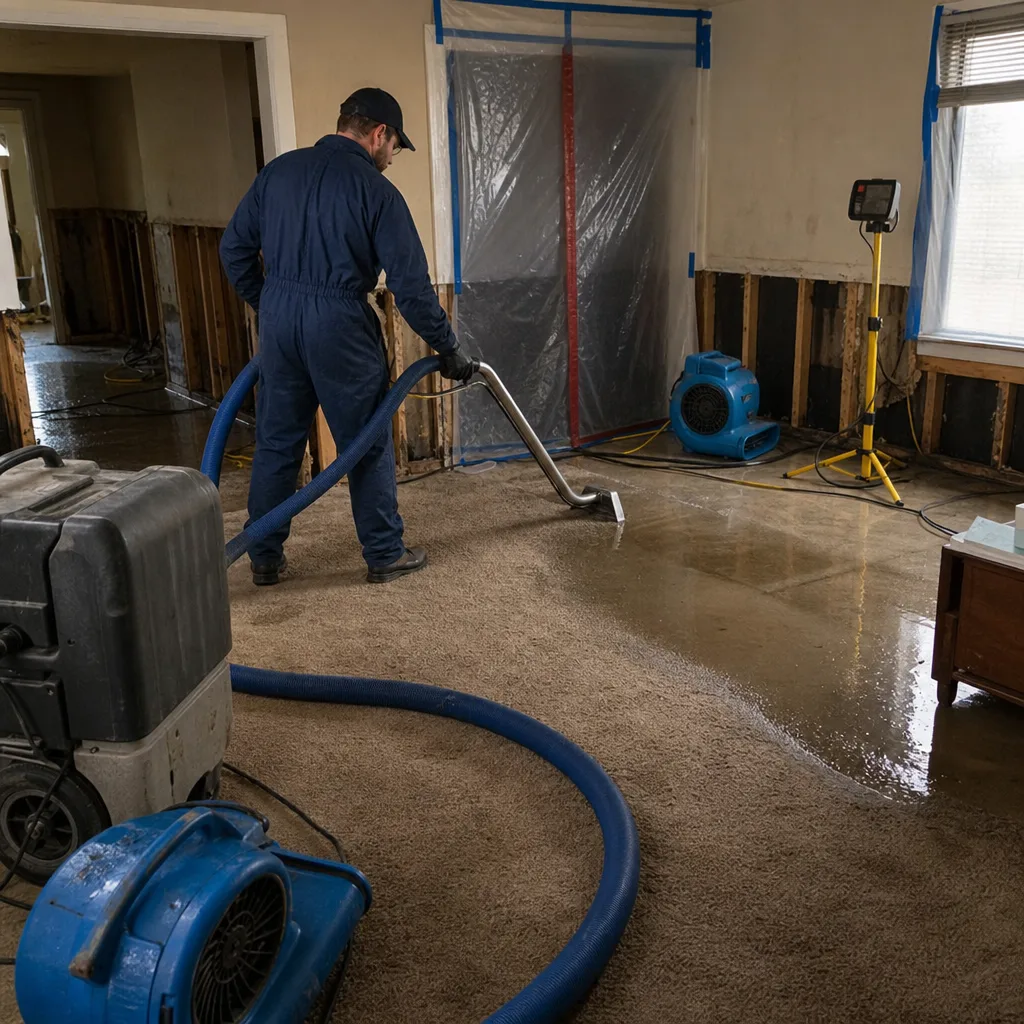
Newark’s combined sewer system, built in an era when stormwater and sanitary flow shared a single pipe, creates a predictable spring problem: when snowpack melts rapidly and spring rains coincide, the system’s capacity is exceeded, and basement backups occur in low-lying areas before the water ever reaches a river or bay. The City of Newark publishes combined sewer overflow (CSO) event data, and homeowners who cross-reference their own basement history with these reports can identify whether their property sits on a recurring overflow pathway.
In the South Ward and portions of the Central Ward, we’ve seen basement seepage that homeowners attributed to “groundwater” when the actual source was surcharge from the municipal sewer lateral, detectable by the timing (during or immediately after rainfall, not 24-48 hours later) and the odor profile. Groundwater intrusion is typically clear and cold; CSO surcharge carries organic material and may present with gray or black water characteristics depending on dilution.
March-April documentation checklist:
- Sump pump test log: date, float trigger height, discharge rate in gallons per minute, backup power status. A 1/3 HP pump should move 35-45 GPM at 10-foot head; note the manufacturer rating and your observed performance.
- Basement wall and floor crack map: dated photos with measurements, noting any new cracking or efflorescence (white mineral deposits indicating moisture migration through concrete).
- Exterior grading observation: photo from each corner showing soil slope away from foundation, with any settled or reversed grades noted.
- Downspout discharge points: photo of each, with distance from foundation measured and extensions in place.
Standard NJ HO-3 policies typically exclude seepage and leakage over time, but may cover sudden and accidental discharge from plumbing, heating, or air conditioning systems. The distinction between “seepage” (excluded) and “sudden discharge” (potentially covered) often hinges on documentation of when the water was first observed and what source was identified. A March baseline file with dry basement photos and moisture meter readings establishes the pre-loss condition.
Our DryMark Restoration Newark home page includes additional guidance on basement water source identification and documentation standards.
May-June: Pre-Hurricane Season Documentation Window
June 1 marks the Atlantic hurricane season, but May is the practical preparation month for Newark homeowners. The city’s coastal-adjacent position means tropical storm remnants, not direct hurricane strikes, drive the majority of wind and water losses: saturated soils from preceding rains, combined with 50-70 mph gusts, topple trees with compromised root systems and drive roof water into envelope failures.
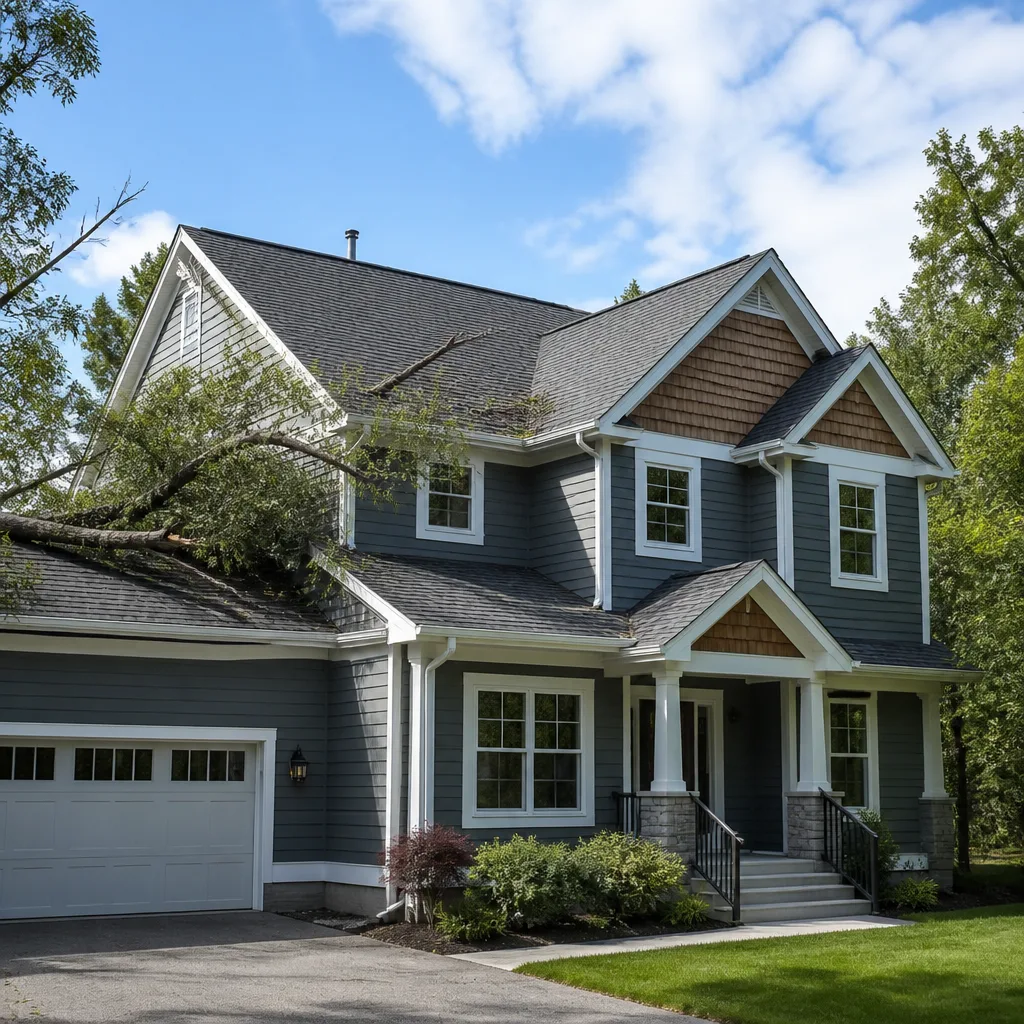
We’ve restored homes in Newark’s Forest Hill and University Heights neighborhoods where mature oak and maple canopies, valued for shade and character, became liabilities when root zones were undermined by prior construction or sidewalk replacement. The failure mode is often rotational, with the root plate lifting on the windward side and the trunk crushing a roof slope or porch structure.
May-June roof and tree documentation:
- Roof condition photos from ground level and, safely, from a ladder at the eaves: shingle condition, flashing integrity, vent and chimney sealant condition, gutter attachment.
- Tree assessment: photos of each tree within falling distance of the structure, noting lean direction, root plate disturbance, fungal growth (indicating internal decay), and any prior limb loss.
- Attic interior: photos of underside of roof deck, rafter bays, and any prior leak staining, with dates of observation.
- Mechanical equipment: exterior condenser unit strapping, generator location and fuel status, sump pump backup battery test date.
The documentation standard here is “could an adjuster orient themselves in ten minutes?” That means photos with identifying context, not close-ups without reference. A shingle photo should show enough roof plane to identify which slope; a tree photo should include the structure it threatens. We organize these by compass direction: “North Elevation,” “Southeast Tree,” etc.
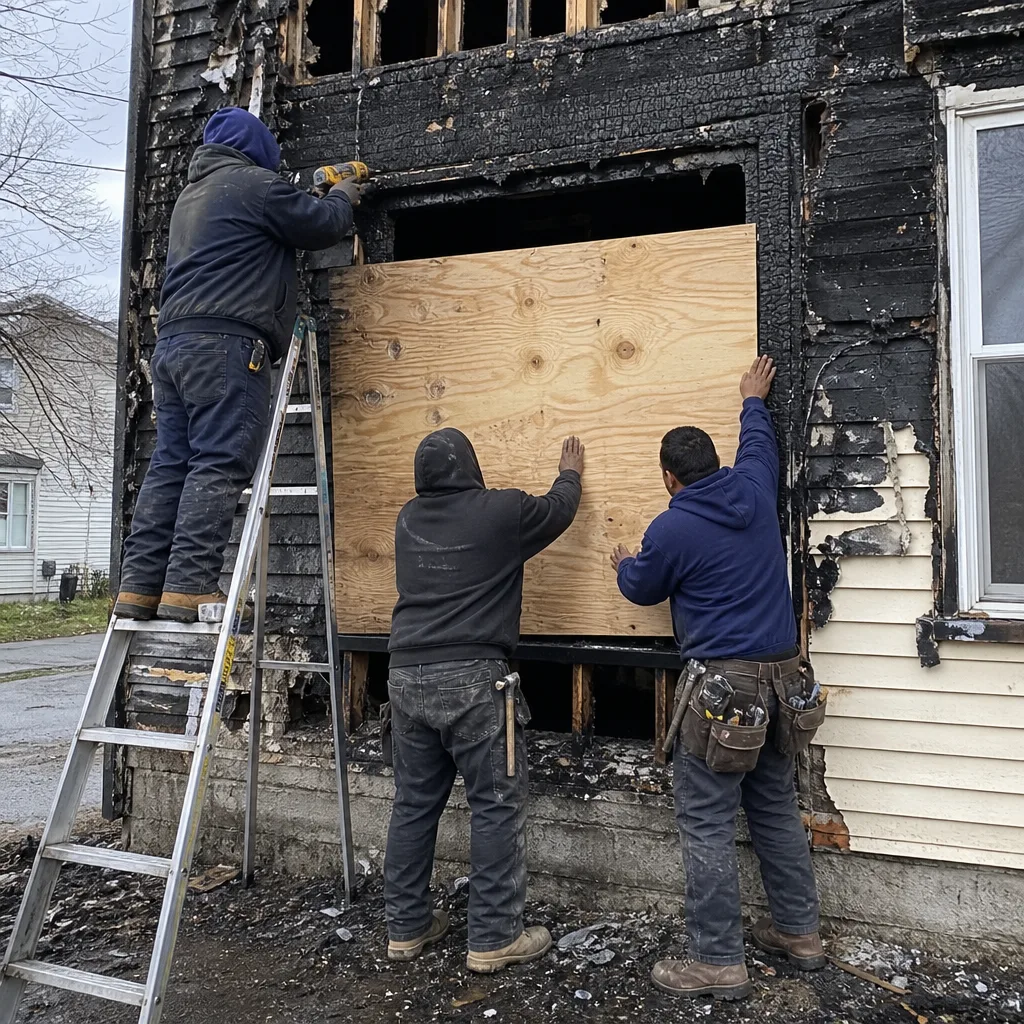
Our Fire & Smoke Damage Restoration in Newark team also notes that May-June lightning strike frequency increases fire risk in this period, and that lightning-caused fires are typically covered perils where documentation of the strike event, including fire department response records, supports the claim.
July-August: HVAC Condensate Overflow
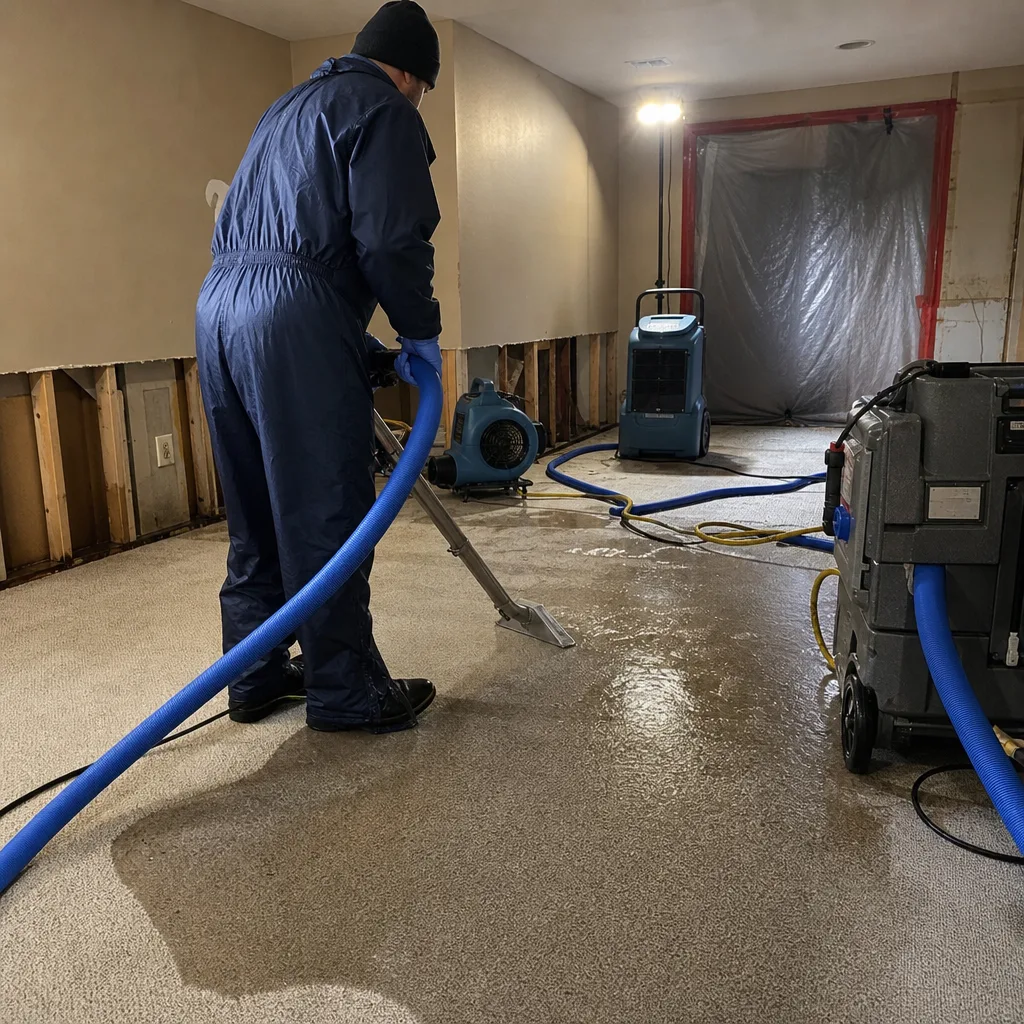
Newark’s July humidity averages 68%, and August is often worse. Air conditioning systems run extended cycles, and condensate production exceeds design capacity in older installations or where maintenance has been deferred. The failure point is almost always the condensate drain line: algae and biofilm accumulation in the 3/4-inch PVC trap, or a cracked pan in an upflow furnace configuration where the evaporator coil sits above the heat exchanger.
We’ve documented condensate losses in Newark’s high-rise residential conversions, where a single overflow on an upper floor can affect six to eight units vertically, and in single-family homes where the drain line was routed through an exterior wall and froze in winter, splitting the pipe for a summer discovery. The damage signature is distinctive: water staining and deterioration directly below the air handler, with mineral content visible on finished surfaces from the dissolved solids in condensate.
July-August HVAC documentation:
- Condensate drain line: photo of trap and cleanout, with last service date noted. A 1:16 bleach-water flush through the trap monthly during cooling season prevents biofilm accumulation.
- Condensate pump, if present: test date, discharge path, alarm function verification.
- Evaporator coil access panel: photo of coil condition, noting any visible corrosion or damage to the drain pan.
- Surrounding area: photo of floor, wall, and ceiling below the air handler, with moisture meter reading of accessible materials.
Psychrometric data becomes relevant here: the temperature differential across the evaporator coil, typically 35-40°F, determines how much moisture is removed from Newark’s humid air. A system low on refrigerant may cool inadequately while still producing condensate, or may ice the coil and then release a surge of water when thawing. Documentation of normal operation, including supply air temperature and condensate flow rate, establishes baseline for “sudden and accidental” versus “wear and tear” coverage disputes.
September: Peak Storm Readiness
September combines the highest Atlantic tropical storm activity with Newark’s peak soil moisture from summer rainfall, creating the year’s highest tree-fall and basement flooding risk. The Ironbound District’s Zone AE flood exposure is most acute in this month, when storm surge from distant hurricanes can elevate Newark Bay and the Passaic River even without local heavy rain.
We’ve responded to September losses where the homeowner had prepared for rain but not for surge-driven backflow through floor drains and sewer laterals. The water source determines coverage: overland flood from bay or river rise requires NFIP flood insurance; sewer backup may be covered by an endorsement to standard HO-3; sump pump failure is typically a separate endorsement with specific limits, often $5,000-$10,000.
September-specific preparation:
- Review and photograph current insurance declarations: flood policy status, sewer backup endorsement, sump pump failure coverage limit, deductible amounts.
- Test sump pump and backup systems under load: fill the pit to trigger float, measure discharge rate, verify battery or generator backup operation for minimum 4-hour runtime.
- Clear and photo-document roof drains, scuppers, and parapet walls on flat-roof sections common in Newark’s older multifamily stock.
- Secure or document outdoor contents: patio furniture, grills, air conditioning compressors, with photos for potential wind or flood claims.
- Identify and photograph elevation of mechanical systems, water heater, and electrical panel above potential flood level; FEMA recommends 12 inches above base flood elevation for new construction, but existing homes may have lower installations.
The Haven Standard, Clause 1, requires a written price before any work starts. In September emergency conditions, this standard becomes more critical, not less: storm-chasing contractors may present verbal estimates that balloon once work is underway. We deliver a written scope with line-item pricing, and we document that scope with a photo record before any equipment is deployed.
October-November: Gutter-to-Foundation Saturation
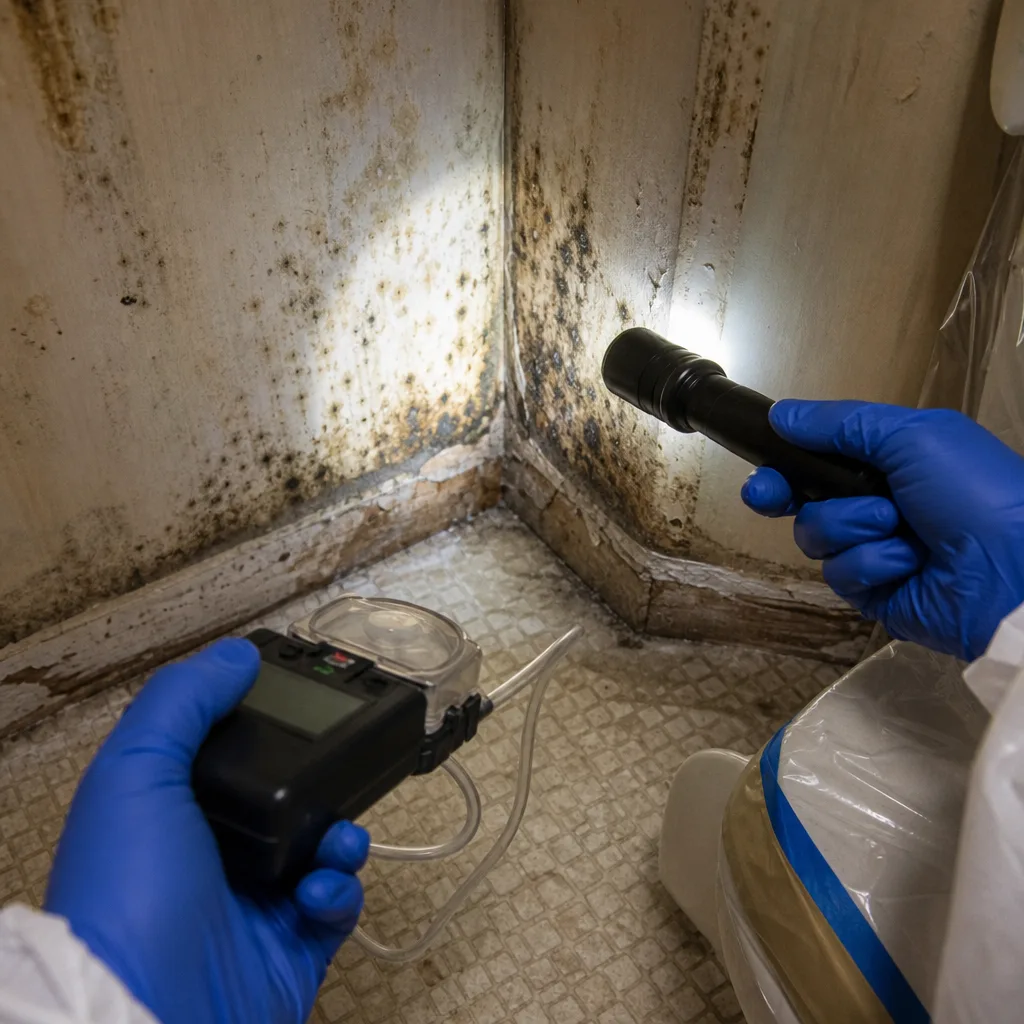
Newark’s October-November rainfall, averaging 8-10 inches combined, arrives after leaf drop from the city’s extensive street tree canopy. Clogged gutters overflow, and the water concentration at foundation level creates hydrostatic pressure that drives seepage through existing cracks or porous mortar in older masonry construction. The South Ward and portions of the North Ward with original brownstone and brick foundations are particularly susceptible.
We’ve documented cases where years of gutter neglect created a soil saturation pattern that appeared, to the homeowner, as “rising damp” or “foundation failure.” The actual mechanism was simpler: 200+ gallons of concentrated roof runoff deposited against the foundation each rainfall, exceeding the drainage capacity of the soil and creating a perched water table at the basement wall. The solution was gutter and downspout correction, not foundation repair, but the misdiagnosis cost homeowners thousands in unnecessary work.
October-November gutter and drainage documentation:
- Gutter condition: photos of each run, noting sag, separation, downspout attachment, and leaf guard condition if present.
- Downspout discharge: measured distance from foundation, splash block or extension condition, and whether discharge reaches a functional drainage path or creates a collection point.
- Foundation wall: photos of each elevation, noting staining pattern, efflorescence, cracking, and any prior repair locations.
- Basement interior: moisture meter readings at base of each wall, floor slab, and any visible foundation crack, with location noted.
Standard NJ HO-3 policies explicitly list gutter maintenance as a homeowner duty, and damage from water, snow, or ice backup due to gutters that “the insured has failed to keep in repair” may be excluded. Documentation that gutters were cleaned and functional before the loss period supports coverage.
Our Mold Remediation in Newark team notes that October-November seepage, if not dried properly before winter heating season begins, creates ideal conditions for mold growth in wall cavities: warm interior surfaces, cool exterior temperatures creating condensation at the dew point, and organic material in wood and paper-faced drywall. The IICRC S520 standard for mold remediation requires documentation of moisture source elimination before remediation begins; our seasonal file provides that documentation.
December: Year-End File Audit
December is the administrative close of the seasonal cycle. The file compiled through the year becomes the baseline for the next, and the audit process itself is documentation that the homeowner maintained the property with reasonable care, a standard that insurers apply in coverage determinations.
December audit steps:
- Consolidate all seasonal photos into a single dated folder structure: by year, then by month, then by location (Exterior, Basement, Attic, Mechanical).
- Review and update the moisture reading log: note any trends, such as rising readings at a specific wall location that may indicate developing seepage.
- Verify insurance policy effective dates, coverage limits, and endorsements; photograph current declarations pages.
- Test and log all emergency systems: sump pump, backup battery, generator, water main shutoff valve.
- Schedule any deferred maintenance identified during the year, with contractor estimates obtained in writing per Haven Standard practice.
The completed annual file should contain: 40-60 date-stamped photos, a moisture reading log with 20+ entries, equipment test logs, insurance documentation, and maintenance records. This is the file that turns a “he said, she said” coverage dispute into a documented claim with a clear pre-loss condition, a recognized loss event, and a direct causal link.
How to Build a Seasonal Maintenance File That Adjusters Can Read in Ten Minutes
Adjuster workflow is standardized: 15-30 minutes per initial file review, with complex or disputed claims receiving more attention. A well-organized homeowner file that answers the standard questions, in order, accelerates this process and reduces the likelihood of coverage denial or delayed payment.
File structure:
- Cover sheet: Property address, policy number, insurer contact, agent contact, and a one-paragraph loss narrative with date, time, source, and initial action taken.
- Pre-loss documentation: The seasonal photos and moisture logs, organized by location, with the most recent baseline set highlighted.
- Loss event documentation: Photos of damage as discovered, with timestamps; photos of source if identifiable (broken pipe, overflowing drain, storm entry point); weather data for the date (NOAA or local source).
- Mitigation documentation: Photos of emergency actions taken (water shutoff, sump pump activation, temporary repairs); receipts for any emergency supplies or services.
- Professional assessment: Written scope from restoration contractor, with line-item pricing; moisture mapping with readings; equipment placement plan and daily drying logs if drying services engaged.
- Correspondence log: Date, party, method, and summary of all communications with insurer, adjuster, contractor, and any other parties.
The key standard is traceability: any photo should be identifiable by location and orientation, any reading by location and date, any communication by participant and content. Vague or undated documentation creates gaps that insurers exploit to deny or reduce claims.
Our equipment, including professional-grade drying systems from Dri-Eaz and Phoenix, produces daily moisture logs that meet IICRC documentation standards. These logs, combined with our photo record on every visit, form the evidentiary backbone of claims that pay without dispute. The 365-Day Done Right Promise, backed by The Haven Standard, means that if any documentation is challenged, we return to address it at no additional cost.
Common Mistakes to Avoid
- Documenting only after damage occurs. Post-loss photos prove the extent of damage but not the cause or the pre-loss condition. Insurers routinely deny claims where the homeowner cannot establish that the damage was sudden and accidental rather than long-term neglect.
- Using only a smartphone without backup. Phones fail, are lost, or are replaced without full data transfer. Automatic cloud backup is essential, and an annual export to a separate storage location provides redundancy.
- Failing to cross-reference CSO events with basement backups. Newark homeowners who experience repeated basement water without checking the City’s published CSO data may misattribute sewer surcharge to groundwater, pursuing ineffective solutions while the actual source continues.
- Accepting verbal estimates for emergency work. Haven Standard, Clause 1, exists because verbal estimates invite scope creep. A written price before work starts, with line-item breakdown, is the only protection against invoice inflation once the crew is inside.
- Neglecting to document mold-prone conditions before heating season. October moisture that sits undetected until January, when heating drives mold growth in wall cavities, creates claims that insurers may attribute to long-term moisture rather than a covered event.
- Assuming standard HO-3 covers flood. It does not. Newark’s Zone AE designation means flood insurance is available through NFIP, but must be purchased separately with a 30-day waiting period. Documentation of flood risk without coverage is evidence of uninsurable exposure.
- Failing to update the file after maintenance or repairs. A gutter replacement, sump pump upgrade, or foundation repair changes the baseline. The file must reflect current conditions to remain useful in a claim.
When to Call a Professional
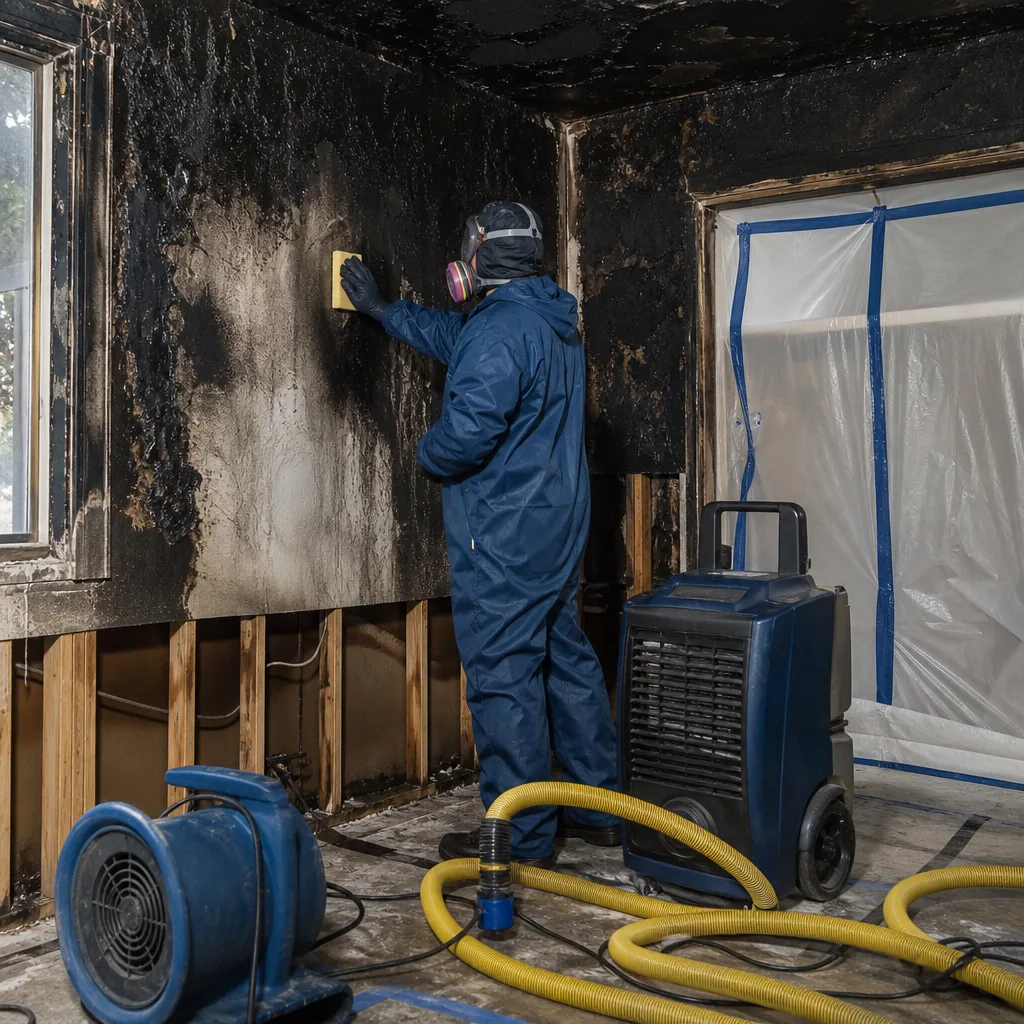
Call for professional assessment when water has affected finished materials (drywall, insulation, flooring), when the source is not immediately identifiable, when moisture has been present for more than 24 hours, or when mold growth is visible or suspected. In Newark’s older housing stock, what appears to be a simple cleanup often involves lath-and-plaster cavities, balloon framing that allows vertical water migration, or asbestos-containing materials that require specialized handling.
Our technicians are background-checked, uniformed, and licensed, with license numbers provided on request. We answer every call with a live person, 24 hours a day, 7 days a week, no voicemail on emergency lines. DryMark Restoration Newark offers free estimates in Newark - call (862) 292-4268. We also provide a Free Second Opinion on any competitor’s written estimate, with no charge for the review.
Frequently Asked Questions
Water damage restoration in Newark typically ranges from $2,500 for contained, Category 1 (clean water) drying of a single room to $15,000+ for Category 3 (sewage or flood) losses with contaminated materials requiring removal and reconstruction. For detailed pricing factors, see our Damage Restoration Cost Breakdown: The Newark Homeowner’s Reference for 2026. The critical variable is response time: drying begins within hours for mitigation costs under $5,000, or after days of unaddressed moisture for costs that escalate to structural repair. Call (862) 292-4268 for a written estimate with exact pricing before any work starts - Haven Standard, Clause 1.
Standard NJ HO-3 policies exclude flood, defined as surface water entering from outside the building envelope. However, they may cover sewer backup with endorsement, sump pump failure with specific endorsement limits, and sudden plumbing failures as covered perils. The distinction depends on documented source identification. A basement backup during a published CSO event, with documentation of no prior seepage, may support a covered sewer backup claim even without flood insurance.
Live phone coverage is available 24 hours a day, 7 days a week, with no voicemail on emergency lines. Dispatch for active water losses in Newark typically occurs within 60-90 minutes of call receipt during standard conditions; during widespread storm events, priority is assigned by active water flow and safety risk, with communication on expected arrival time. Reconstruction and non-emergency services are scheduled with a written scope and start date, not dispatched for same-day arrival.
Surface water removal is within homeowner capability; structural drying is not. Water migrates horizontally in subfloors and wall cavities, and moisture remaining above 16% wood moisture equivalent supports mold growth within 48-72 hours. Professional drying uses psychrometric calculation, vapor pressure differential measurement, and Injectidry or Dri-Eaz systems to remove bound water from materials, not just surface water. Documentation of professional drying also supports insurance claims; self-performed cleanup without moisture mapping does not.
Both. The homeowner owns the policy and the claim; the restoration company provides the technical documentation that makes the claim payable. At DryMark Restoration Newark, we deliver a written scope with line-item pricing, a photo record on every visit, and daily drying logs formatted to IICRC standards that adjusters can read and approve directly. We coordinate with adjusters on scope and pricing, but all coverage decisions remain between the homeowner and insurer. Our documentation reduces back-and-forth; it does not replace the homeowner’s claim responsibility.
Photograph, in this order: the source or entry point of water, the extent of visible water on floors and walls, the condition of affected contents with identifying details, and any emergency actions taken (water shutoff, sump pump operation, temporary repairs). Include context in each photo, not just close-ups: a wide shot showing room location, then detail of damage. Timestamp automatically if possible, or note time on paper held in frame. This sequence matches adjuster review workflow and accelerates claim processing.
The Bottom Line
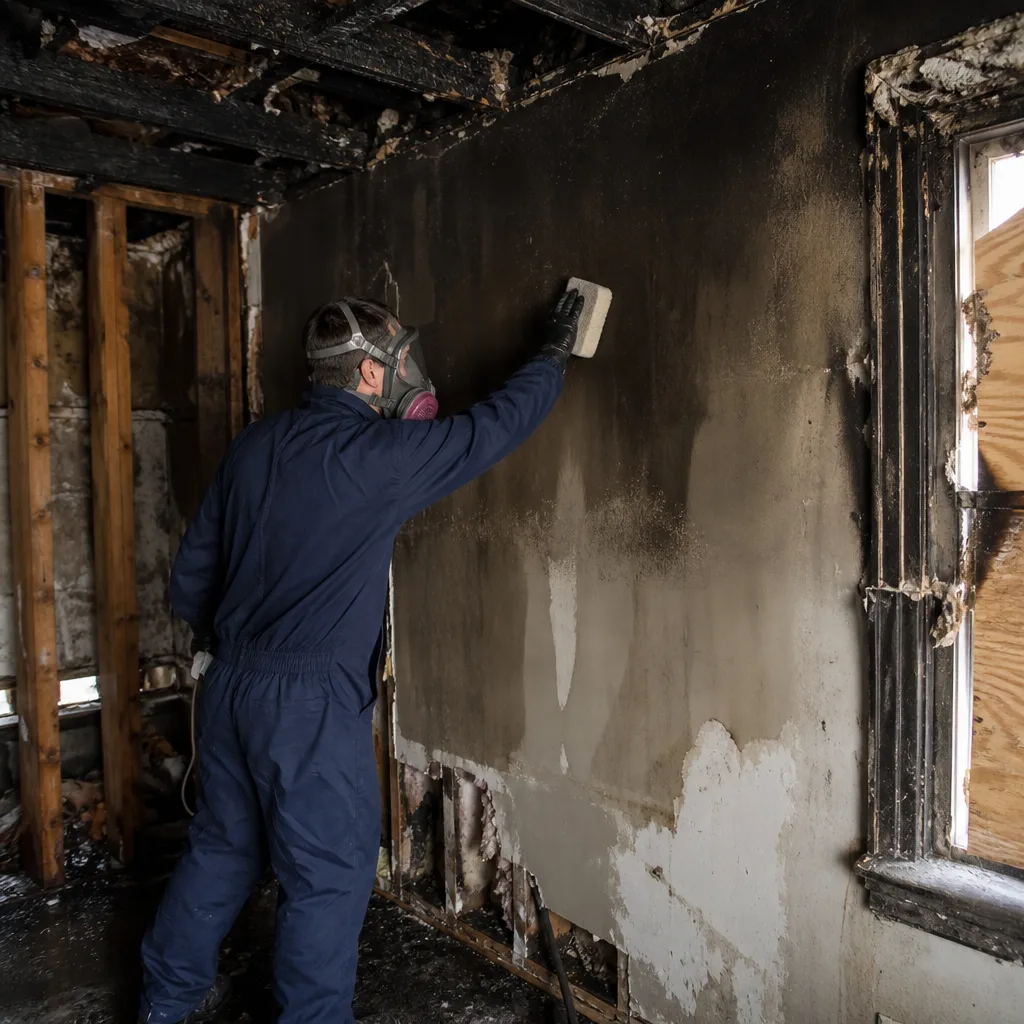
Newark’s seasonal damage risks follow a calendar driven by geography, infrastructure, and climate that a prepared homeowner can anticipate and document against. The Ironbound District’s flood exposure, the combined sewer system’s spring surcharge capacity, and the coastal freeze-thaw cycle create predictable loss patterns. A maintenance file with date-stamped photos, moisture readings, equipment test logs, and organized insurance documentation transforms the post-loss scramble into a documented claim with clear coverage support. The investment is time, not money, and the return is measured in claim payment speed and dispute avoidance. Explore our more guides & resources for year-round property protection strategies.
Written by Alicia Brennan, Owner at DryMark Restoration Newark, serving Newark since 2011.