
Last updated September 23, 2026
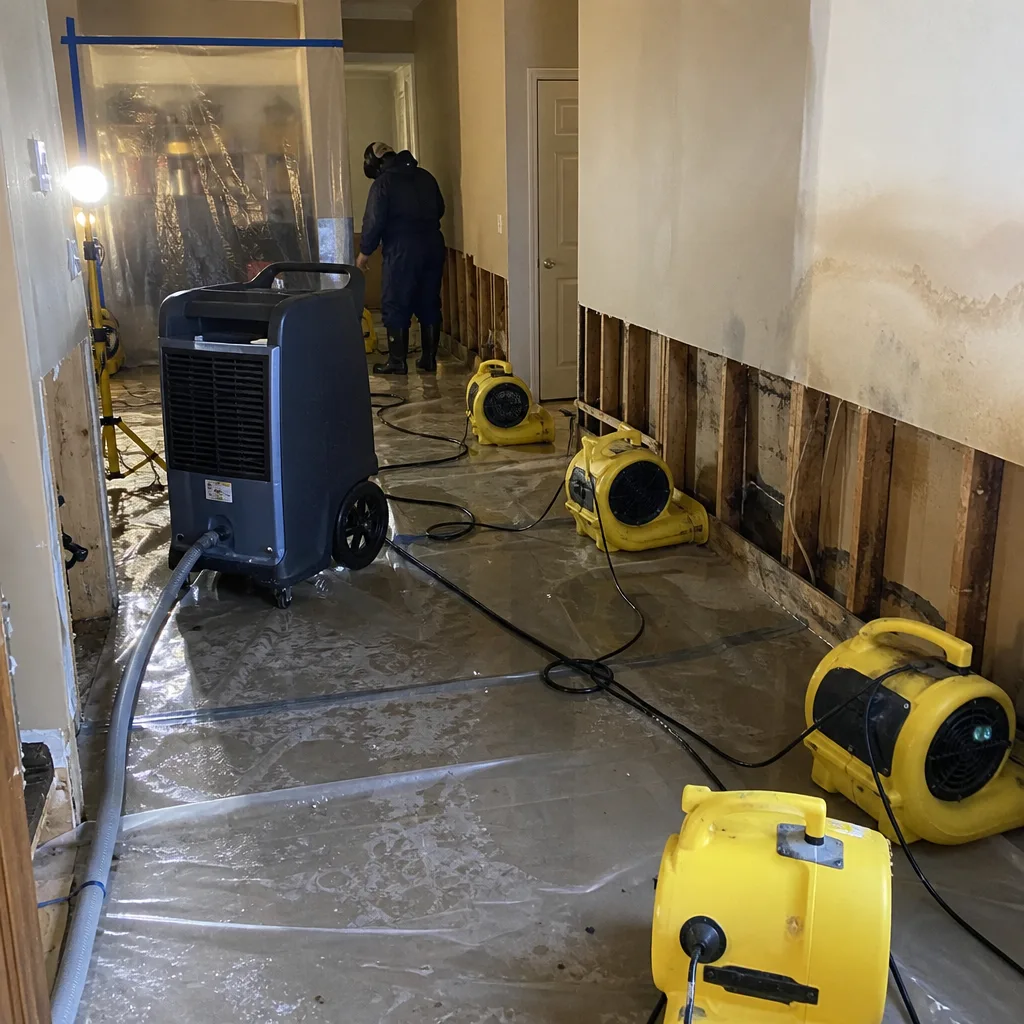
Free visual inspection and a written scope of work before any mitigation begins - photos, moisture readings, and drying logs go in your claim file
The scope we write is the scope we bill. Anything new gets shown to you, in writing, before we touch it.
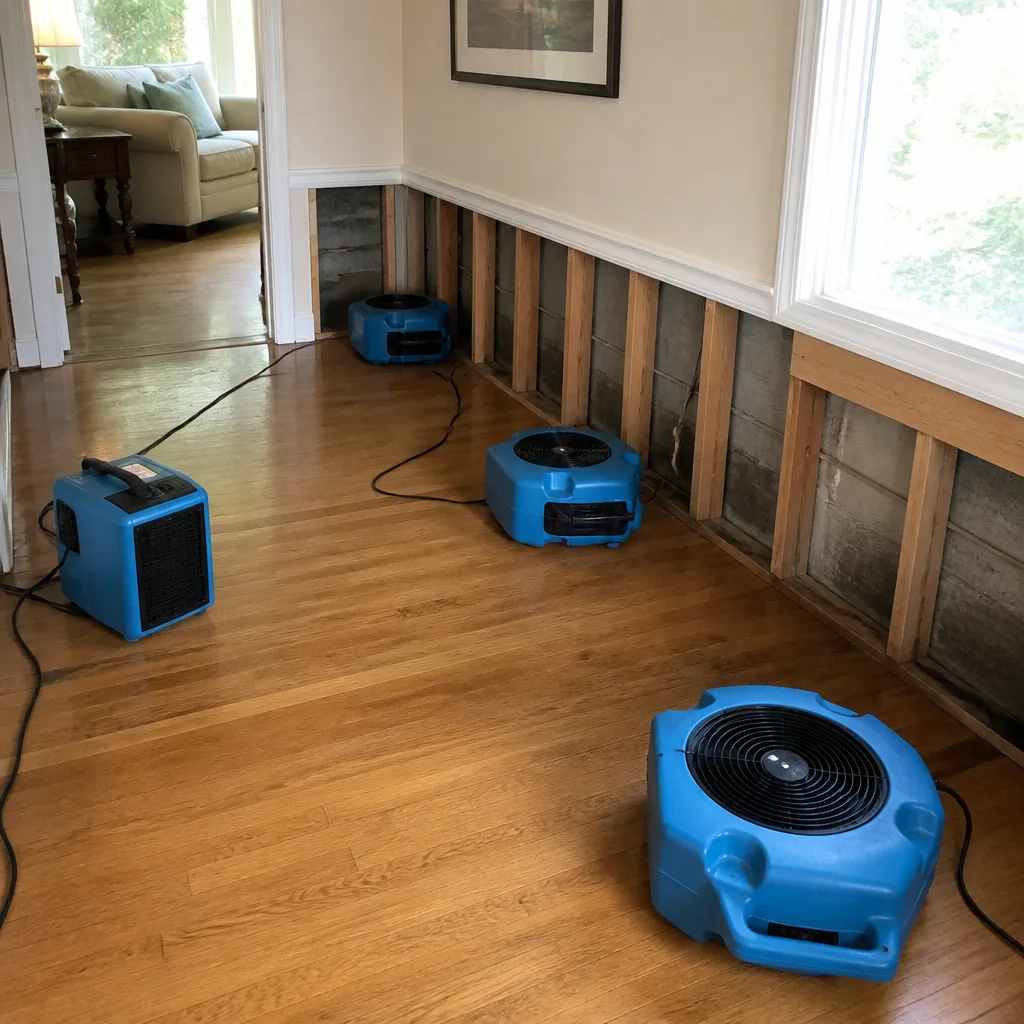
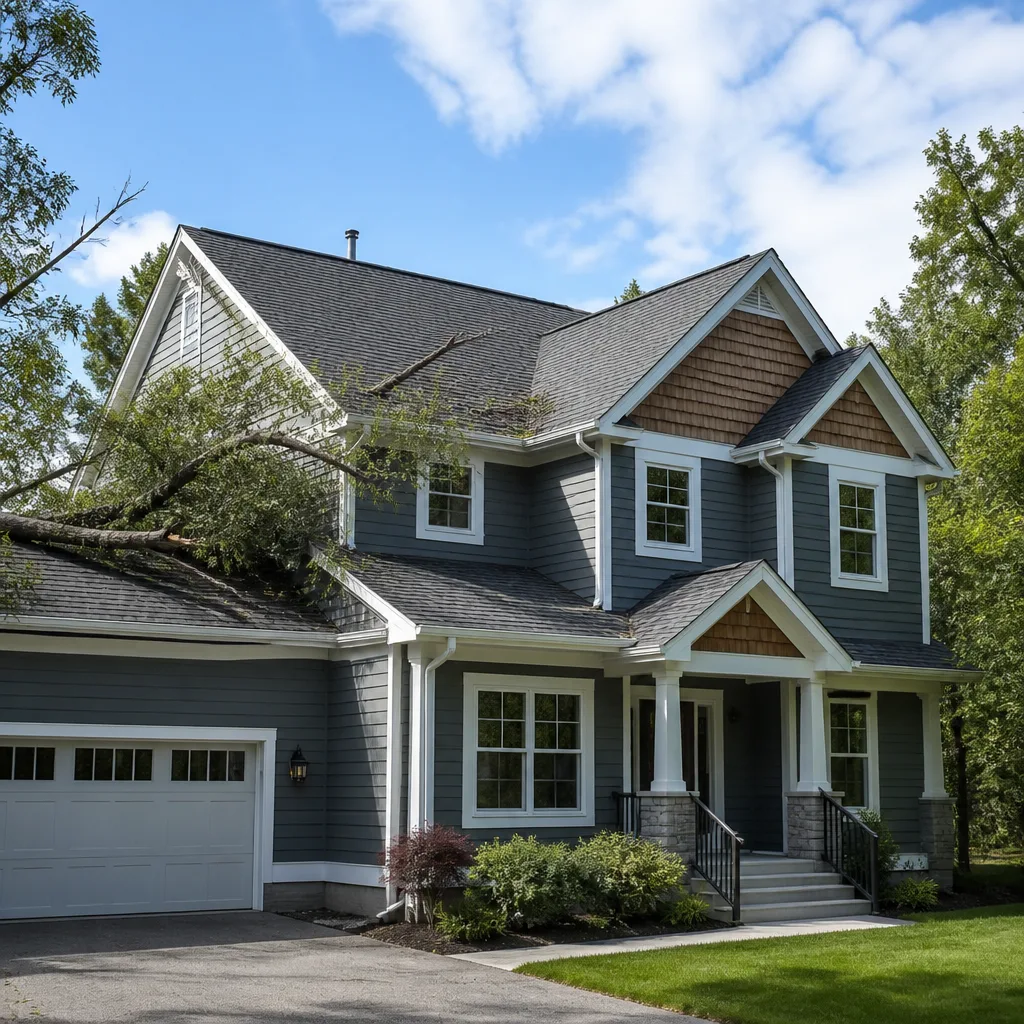
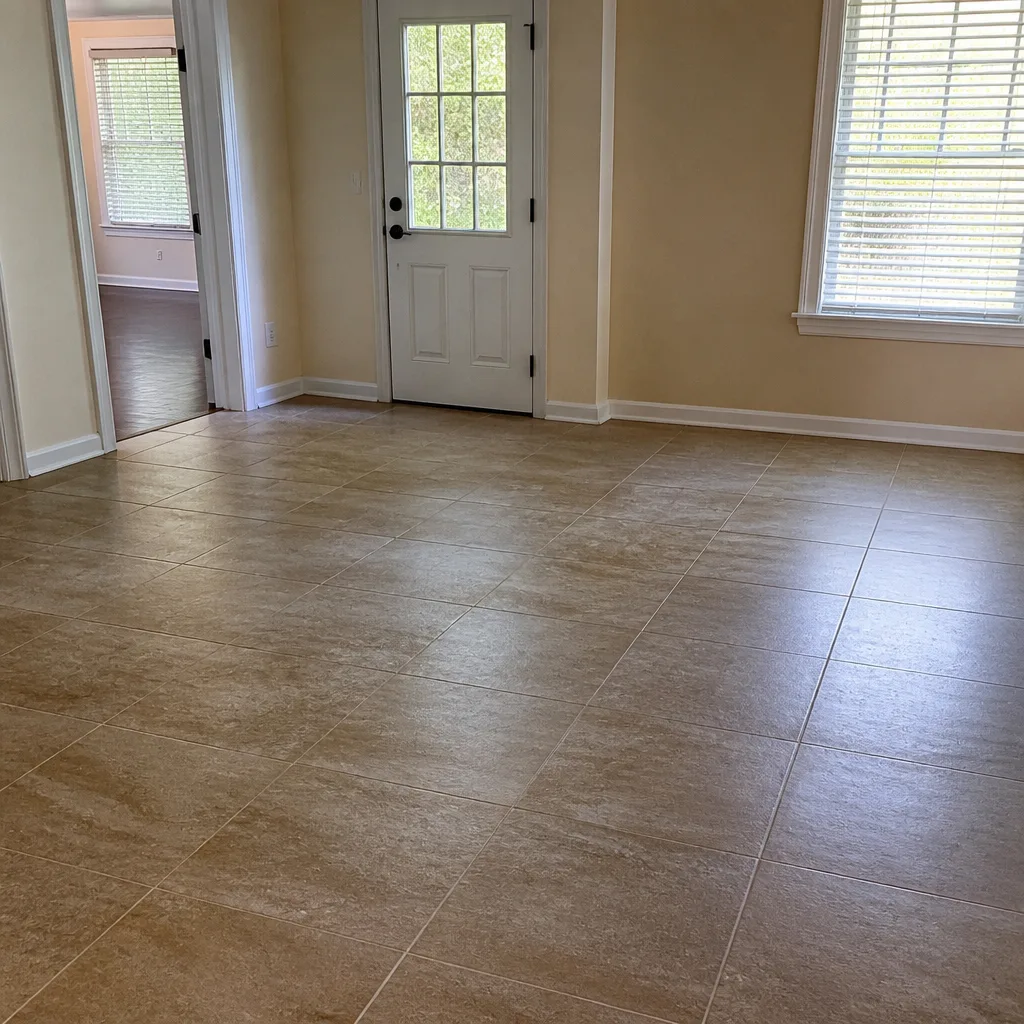
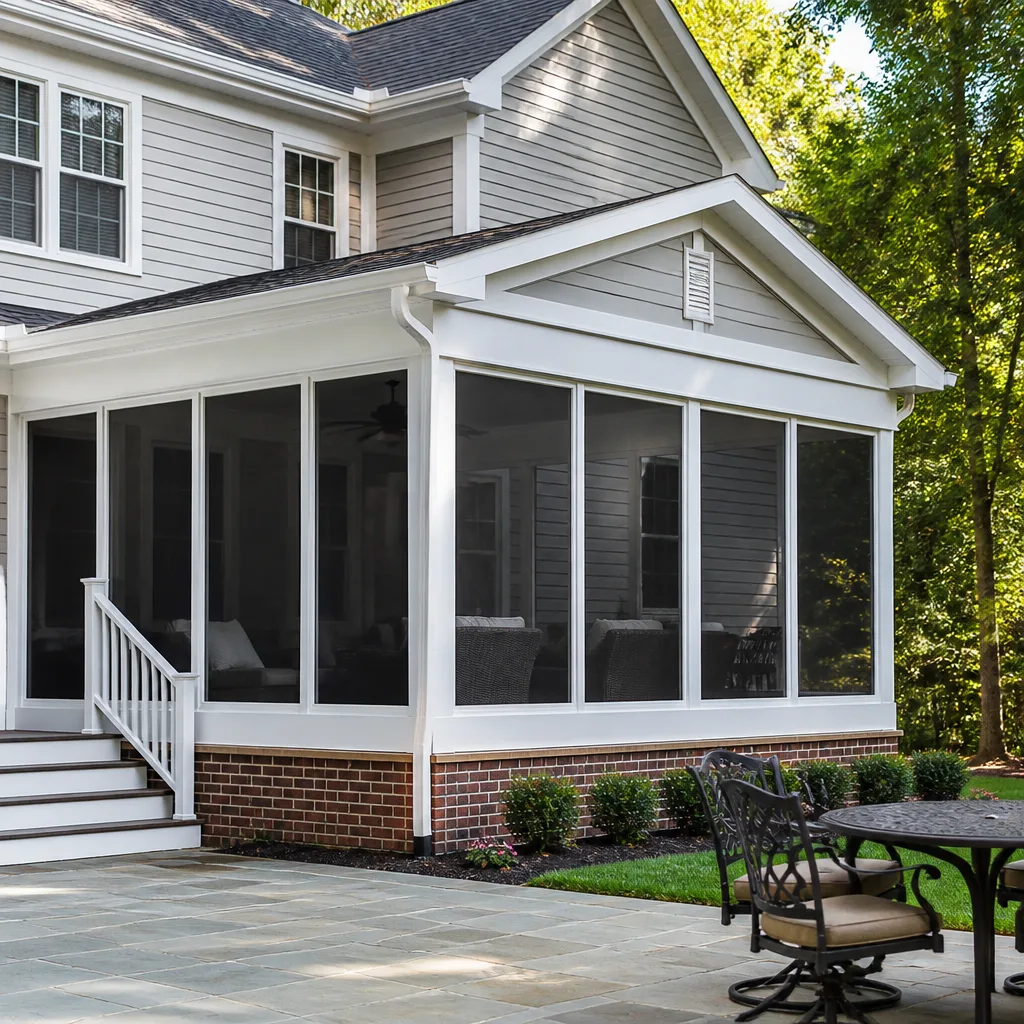
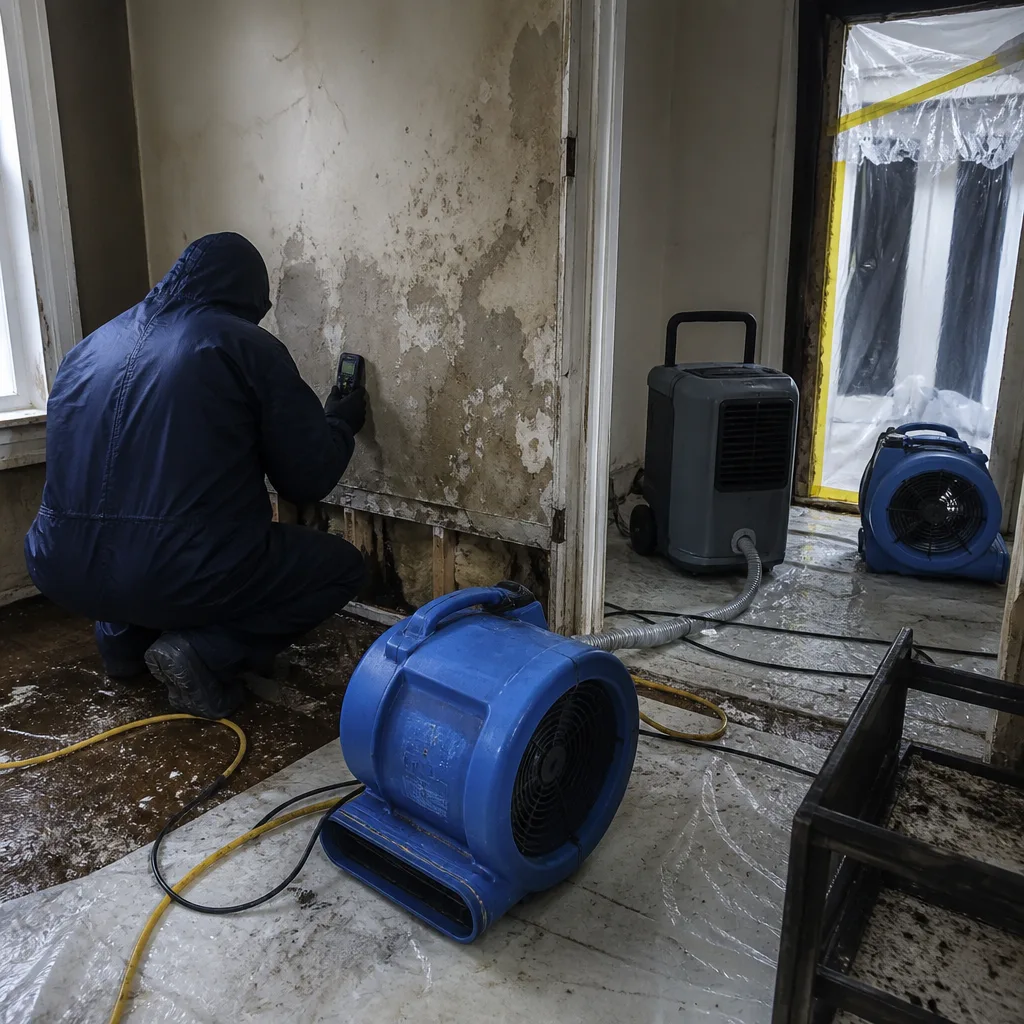 Before
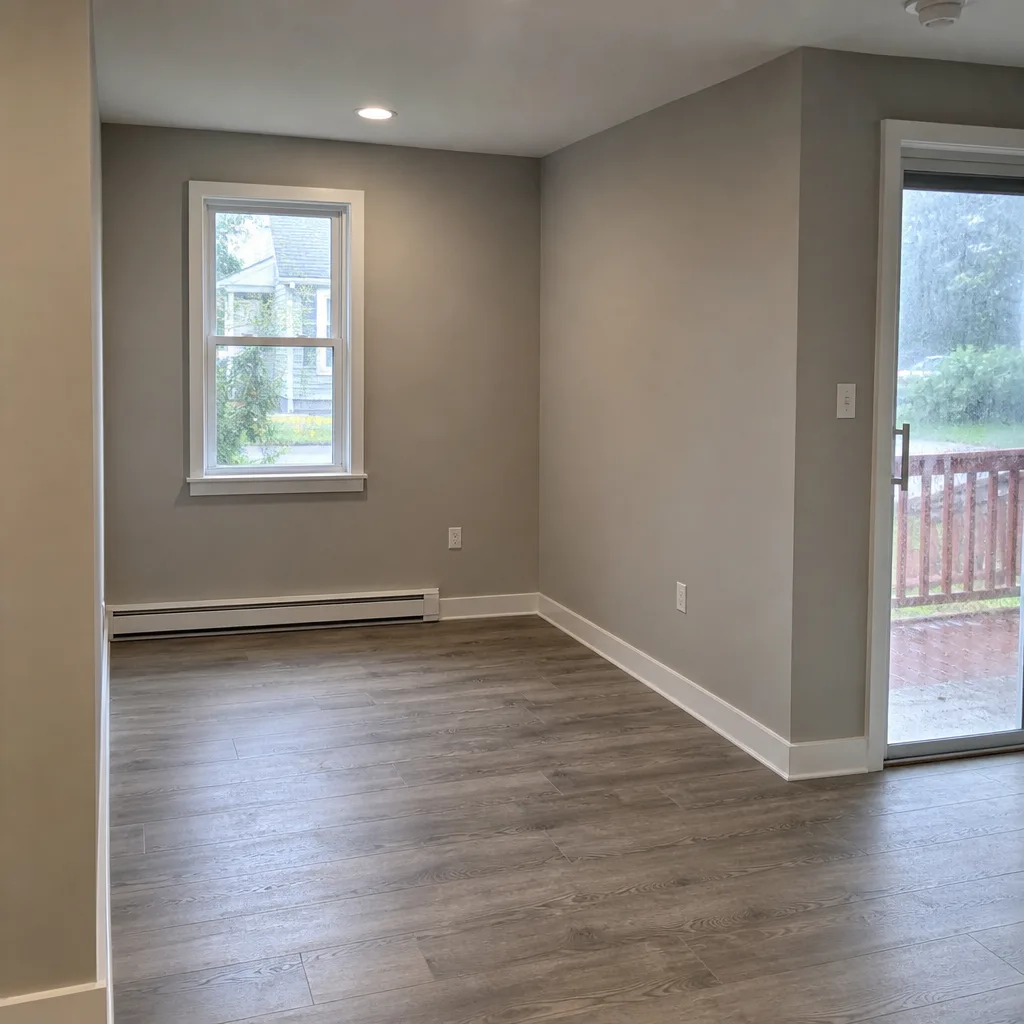 After
After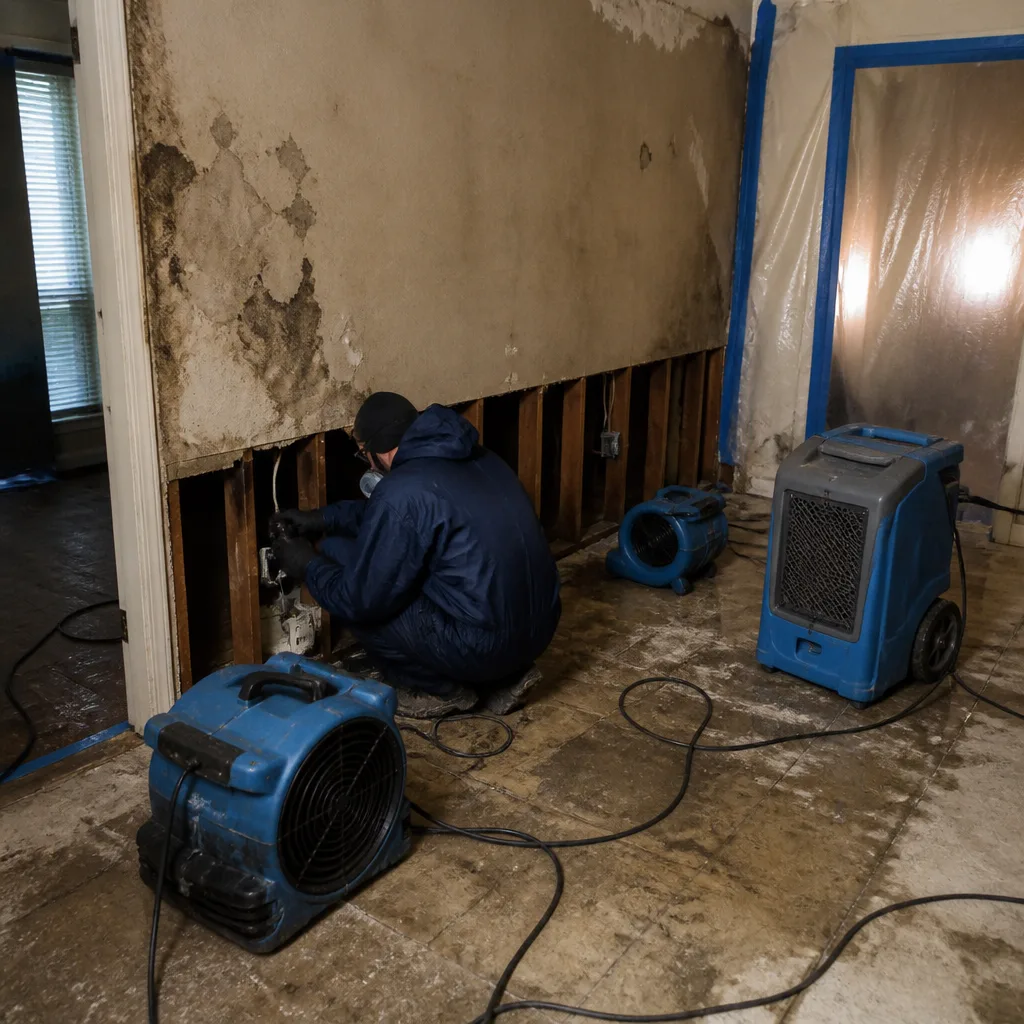 Before
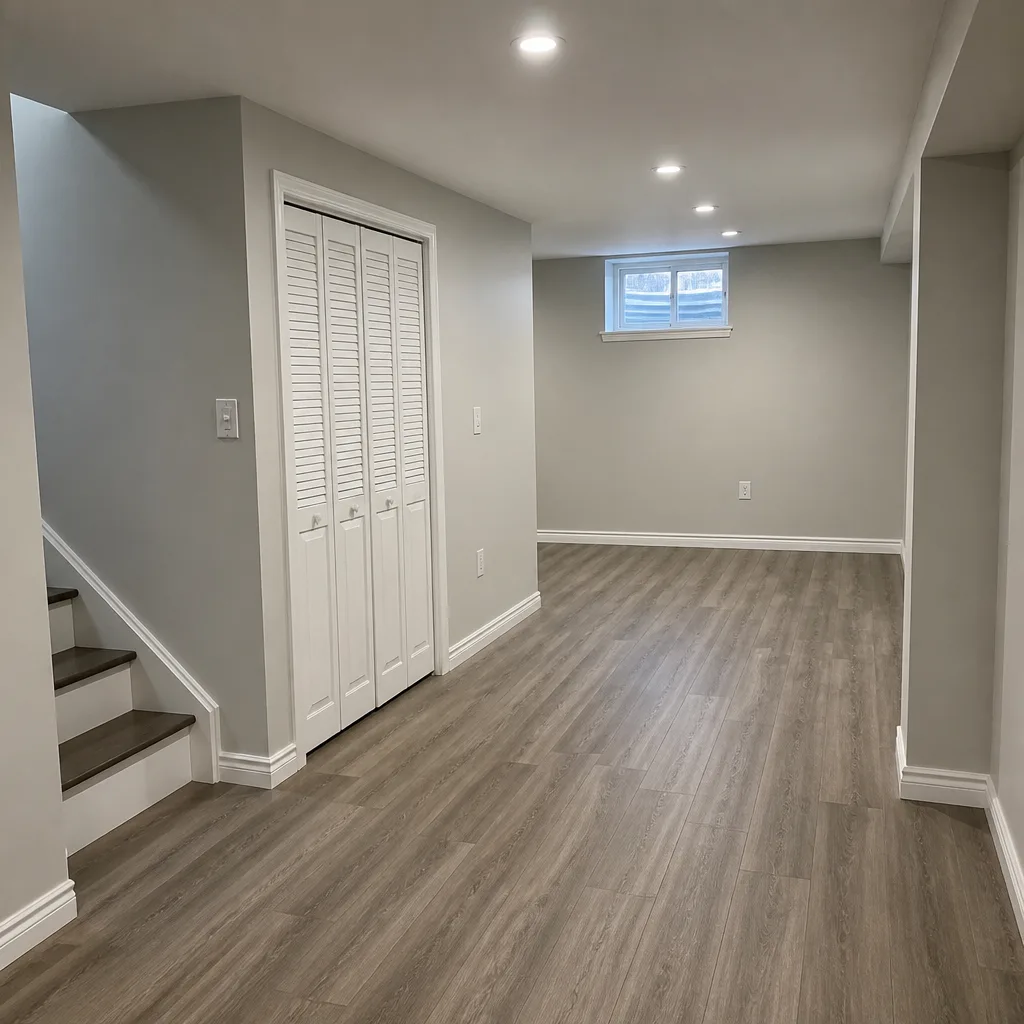 After
After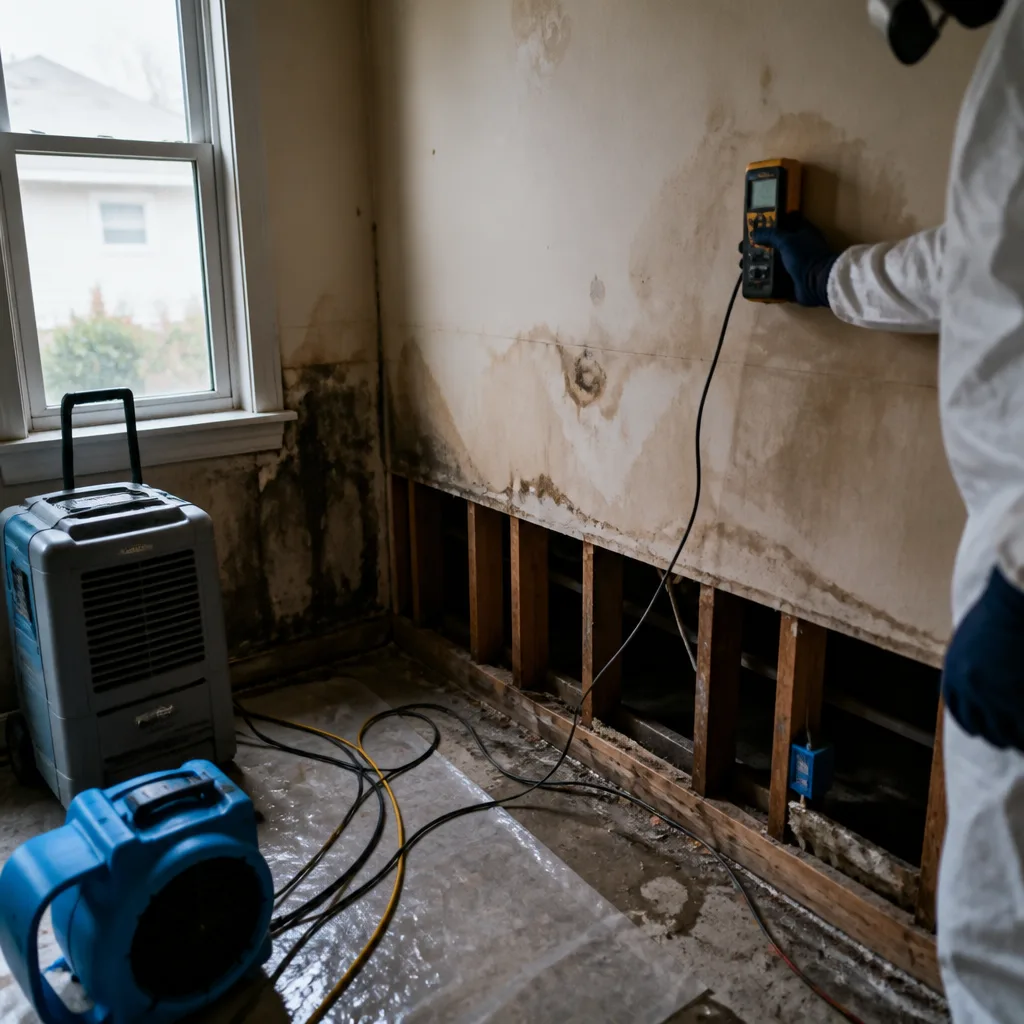 Before
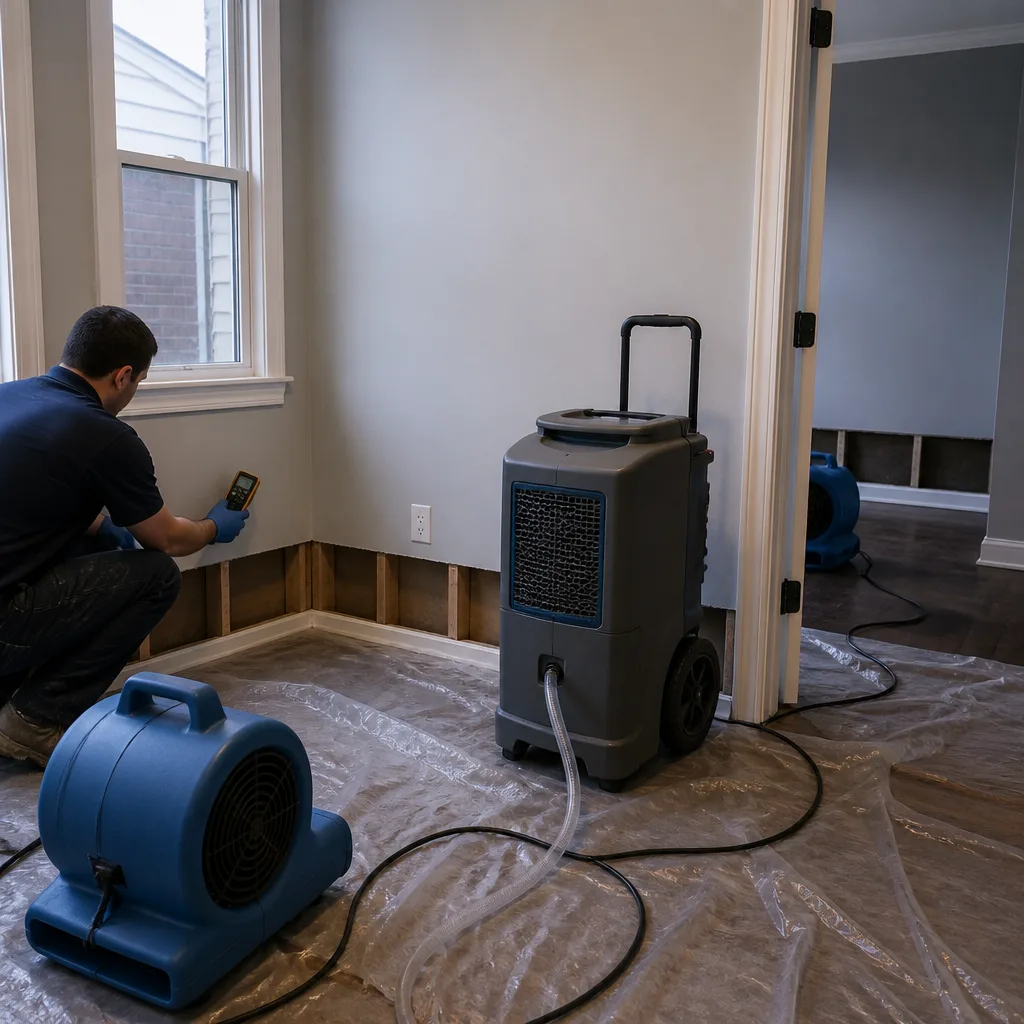 After
AfterHow to Hire a Damage Restoration Contractor in Newark: A Step-by-Step Guide
Here’s a number that stops most Newark homeowners cold: in Essex County, water damage claims denied due to insufficient documentation rose 34% between 2019 and 2023, according to New Jersey Department of Banking and Insurance complaint data. The cause wasn’t the damage itself. It was the contractor’s failure to produce a written scope, itemized estimate, or photo record that matched what the adjuster found on reinspection. In our experience restoring over 12,000 homes since 2011, the single most expensive mistake Newark homeowners make is confusing speed of arrival with quality of documentation. This guide - along with our Complete Guide to Damage Restoration in Newark - will teach you to hire based on what a contractor can prove, not how fast they show up.
Quick Answer
To hire a damage restoration contractor in Newark, request five documents before any work begins: a written scope of work, an itemized estimate, proof of NJ Home Improvement Contractor registration, a certificate of liability insurance, and a mold remediation license if applicable. Verify IICRC certification through the public directory by name and credential number, not by logo alone. Structure payment to documented project milestones, not calendar dates, and never sign an Assignment of Benefits clause without understanding that it may transfer your right to negotiate the insurance settlement to the contractor.
Table of Contents
- The Assignment of Benefits Trap in New Jersey
- The Five Documents Every Newark Homeowner Should Demand
- How to Verify IICRC Certifications by Name and Number
- What a Legitimate Written Scope Contains
- Red Flags Unique to Post-Storm Newark
- How to Structure a Milestone-Based Payment Schedule
- Common Mistakes to Avoid
- When to Call a Professional
- Frequently Asked Questions
- The Bottom Line
BeforeAfterThe Assignment of Benefits Trap in New Jersey
Assignment of Benefits, or AOB, is a legal document that transfers your right to file and negotiate an insurance claim to a third party - in this case, your restoration contractor. In Florida, AOB reform laws passed in 2019 severely restricted these agreements after contractors filed lawsuits against insurers without homeowner knowledge or consent. New Jersey has no comparable statute. AOB clauses remain legal and enforceable here, operating in a gray area that leaves Newark homeowners exposed.
We’ve reviewed AOB documents presented to Newark homeowners after water losses in the Ironbound, Forest Hill, and University Heights neighborhoods. The language varies, but the effect is consistent: the contractor gains standing to sue your insurer, to settle your claim without your input, and in some cases to collect payment directly from the insurance company while you remain liable for any shortfall. One document we reviewed from a 2022 basement flood in Weequahic granted the contractor “all rights and benefits under the policy, including the right to commence suit in the name of the insured.” The homeowner learned of a $47,000 settlement only when their mortgage servicer flagged the claim.
The alternative is straightforward. Under DryMark Restoration Newark home practices, we work with your adjuster, not around you. Our documentation - the written scope, the photo record, the daily drying log - is addressed to you, copied to your insurer at your direction, and never subject to an AOB transfer. If a contractor in Newark presents an AOB, pause. Read it. Consider having your insurance agent or an attorney review it. The minutes you spend understanding the document may determine whether you control your own claim settlement.
The Five Documents Every Newark Homeowner Should Demand
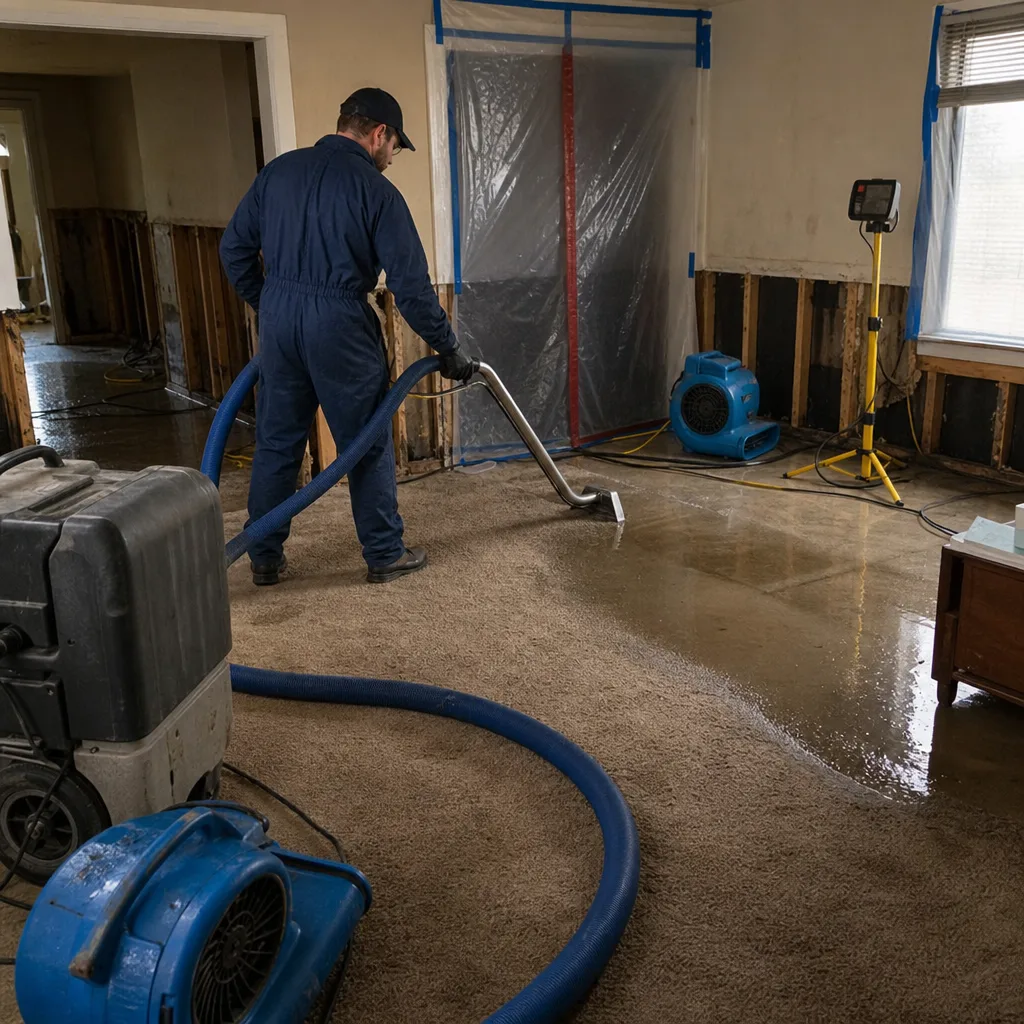
Before any technician enters your home, before any equipment is unloaded, before any moisture reading is taken, five documents should be in your possession or confirmed as forthcoming. These are not preferences. They are the minimum evidentiary standard that separates a professional restoration operation from a crew with a van and a dehumidifier.
- Written Scope of Work - A room-by-room description of what will be done, what materials will be removed or restored, what equipment will be deployed, and what the completion criteria are. Not a one-page summary. Not a verbal walkthrough. A signed document with line items.
- Itemized Estimate - Costs broken down by labor, materials, equipment rental, and disposal. Each line item references a specific unit cost and quantity. Haven Standard, Clause 1: a written price before work begins, with no scope-creep additions once the crew is inside. This is the founding principle of our operation, and it should be non-negotiable in any contractor you hire.
- Proof of NJ Home Improvement Contractor Registration - New Jersey requires registration through the Division of Consumer Affairs. The registration number should be verifiable online. Ask for it. Check it. A legitimate contractor provides it without hesitation.
- Certificate of Liability Insurance - Minimum $1 million general liability, with your property address listed as a certificate holder if work is substantial. The certificate should name the insurer, policy period, and coverage limits. Request it be sent directly from the insurance broker, not handed over as a photocopy.
- Mold Remediation License if Applicable - New Jersey’s Mold Licensing Act (P.L. 2015, c. 222) requires licensure for mold assessment and remediation. If your water damage involves or may involve mold, this license is mandatory, not optional. The license number should match the New Jersey Department of Labor’s public database.
In Newark’s older housing stock - the pre-war brick colonials in Clinton Hill, the frame duplexes in Lower Vailsburg, the mid-century ranches in Upper Roseville - the risk of hidden mold is elevated. Plumbing runs through plaster and lath, through balloon framing cavities, through additions built without permits in the 1970s and 1980s. A contractor who cannot produce a mold license when mold is suspected or confirmed is operating illegally and exposing you to liability.
We provide all five documents before work begins on every job. No exceptions. No “we’ll email it tomorrow.” The documentation gap that costs homeowners their claims is the problem our company was built to solve.
How to Verify IICRC Certifications by Name and Number
The Institute of Inspection, Cleaning and Restoration Certification, IICRC, sets the industry standard for water damage restoration, fire and smoke restoration, and applied microbial remediation. A logo on a van door proves nothing. A technician’s claim of certification, unverified, proves nothing. The only proof that matters is a match in the IICRC public directory.
Here’s the process:
- Go to iicrc.org and navigate to the “Find a Certified Professional” or “Verify Certification” portal.
- Enter the technician’s full name exactly as provided. The directory searches by individual, not by company.
- Cross-reference the credential number against the certification claimed. Common designations include WRT (Water Damage Restoration Technician), ASD (Applied Structural Drying), AMRT (Applied Microbial Remediation Technician), and FSRT (Fire and Smoke Restoration Technician).
- Check the expiration date. IICRC certifications require continuing education. An expired certification is not a current certification.
- Ask the contractor which specific technicians will be assigned to your job, then verify each by name. A company certification does not cover every employee.
Why does this matter in Newark specifically? Because the city’s building stock presents technical challenges that require current training. The high water table in parts of the Passaic River floodplain means basement water intrusion often involves hydrostatic pressure and vapor migration, not simple bulk water removal. The density of rowhouse construction in the North and Central Wards means shared walls, concealed cavities, and cross-contamination risks that demand applied structural drying knowledge, not just equipment rental. A technician with a current WRT and ASD certification understands psychrometric data - the measurement of temperature, humidity, and vapor pressure that determines whether a structure is actually dry or merely feels dry.
At Water Damage Restoration in Newark, our technicians hold current IICRC certifications verifiable through the public directory. We also document all work to IICRC, RIA, and IFA standards. The daily moisture logs we produce use equipment from Dri-Eaz, Phoenix, and B-Air to generate the psychrometric data that turns restoration invoices into payable insurance claims. When we say a structure is dry, we can show you the vapor pressure differential that proves it.
What a Legitimate Written Scope Contains
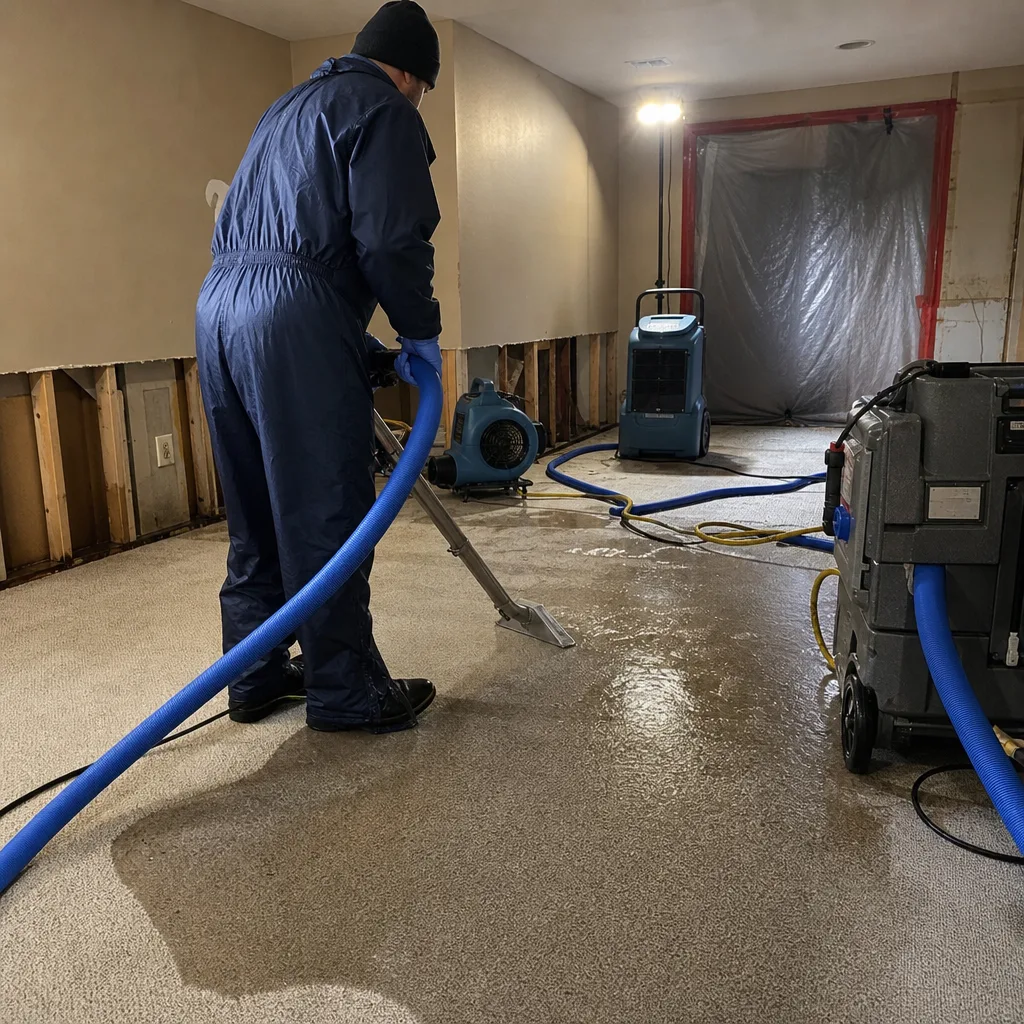
A verbal agreement to “handle everything” is not a scope. It is a blank check. In our experience, the most common source of dispute between Newark homeowners and restoration contractors is the gap between what the homeowner understood would be done and what the contractor actually performed. A legitimate written scope eliminates that gap by specifying every action, every material, and every completion standard.
Here is what to look for:
- Room-by-room inventory - Each affected space listed separately, with dimensions, materials affected (oak strip flooring, gypsum wallboard, fiberglass insulation by trade name), and classification of water damage (Category 1, 2, or 3 per IICRC S500 standards).
- Moisture readings at time of inspection - Specific readings in affected materials and unaffected controls, with the meter type and scale noted. A scope without moisture readings was written without assessment.
- Equipment specifications - Number, type, and capacity of dehumidifiers, air movers, and specialty equipment such as Injectidry cavity drying systems or negative air machines. The scope should state the equipment manufacturer’s name and the calculated cubic feet per minute or pint removal capacity.
- Removal versus restoration decisions - For each material, whether it will be dried in place, removed and replaced, or subjected to tertiary drying (targeted drying of dense or complex assemblies after primary and secondary phases are complete).
- Completion criteria - The specific moisture content or equilibrium moisture content that must be achieved before equipment is removed, typically referenced to an unaffected control area or to published standards for the material class.
- Timeline with milestones - Not “three to five days” but “Day 1: equipment placement and initial readings; Day 2: first moisture check and equipment adjustment; Day 3-5: daily readings per IICRC protocol” and so on.
- Photo documentation requirement - A statement that photographs will be taken at each phase and provided to the homeowner as a standard deliverable, not an upsell.
In Newark’s climate, completion criteria matter more than in drier regions. Summer humidity along the Passaic River corridor can sustain elevated moisture content in structural materials even when surface readings appear normal. A scope that specifies vapor pressure differential or equilibrium relative humidity, not just surface moisture, is a scope written by someone who understands local conditions - as covered in our Seasonal Damage Restoration Care for Newark: Year-Round Homeowner’s Guide.
Our scopes include all of these elements. They are signed by the homeowner and the project manager before work begins. Haven Standard, Clause 1: written price before work starts. The price is derived from the scope, not imposed upon it.
Red Flags Unique to Post-Storm Newark
Newark’s geography and housing market create specific vulnerabilities after named weather events. The city’s position at the confluence of the Passaic and Hackensack Rivers, combined with combined sewer overflow infrastructure that dates to the early 20th century, means that heavy rainfall produces basement flooding at volumes and frequencies that attract opportunistic contractors from outside the market.
Watch for these patterns:
- Door-to-door solicitation within 48 hours of a declared emergency - Legitimate restoration companies in Newark do not canvass neighborhoods. We are dispatched by call, by adjuster referral, or by prior customer contact. A contractor knocking on your door with a pre-printed contract is operating a storm-chasing model, not a service model.
- Pressure to sign before your adjuster inspects - The contractor’s interest in preventing adjuster involvement is a warning sign. Your insurer’s inspection provides an independent scope validation. A contractor who discourages or preempts that inspection may be planning to inflate the claim or to settle it through an AOB without your participation.
- Estimates written without moisture readings - After Hurricane Ida’s remnants flooded Newark in September 2021, we reviewed competitor estimates written on kitchen counters, in driveways, without a moisture meter touching a wall. An estimate without readings is a guess, not a scope. It cannot be defended to an insurer and it cannot be used to verify completion.
- Out-of-state license plates on work vehicles - Not disqualifying in itself, but worth verifying. Ask where the company is registered, where its principal office is, and whether it holds New Jersey Home Improvement Contractor registration. Storm chasers often operate under temporary registrations or subcontract to local holders without disclosing the arrangement.
- Requests for upfront payment or deposit before work begins - Standard practice in restoration is payment upon documented completion, or direct billing to insurance with homeowner responsibility for deductible. A demand for substantial upfront payment, especially in cash, is not standard practice and may indicate financial instability or intent to perform incomplete work.
- Failure to mention permit requirements - Newark requires permits for substantial electrical, plumbing, or structural work. A contractor who does not discuss permitting may be planning to perform work without it, leaving you with uninsurable improvements and potential code violations on resale.
The Ironbound and East Ward, with their high concentration of basement-level commercial and residential space, saw particular concentrations of post-Ida solicitation. In the months following, Newark’s Division of Code Enforcement issued multiple stop-work orders to unregistered contractors. The homeowners who suffered most were those who signed quickly, without documentation, under pressure of standing water.
How to Structure a Milestone-Based Payment Schedule
In standard construction, payment schedules tied to calendar dates are common: 25% at start, 25% at 30 days, 50% at completion. In restoration, this structure misaligns incentives. A contractor paid on calendar dates is motivated to maintain equipment on site, not to achieve drying goals efficiently. A contractor paid on documented milestones is motivated to produce evidence of progress.
We recommend this structure for Newark homeowners:
- No payment due at equipment placement - The initial emergency response, including water extraction and equipment placement, should be documented with a written scope and itemized estimate before any payment obligation attaches. This is Haven Standard, Clause 1 in practice.
- First payment upon completion of emergency mitigation - Defined by specific criteria: standing water removed, affected materials assessed, initial moisture readings documented, and drying equipment placed per the written scope. Typically 30-40% of total.
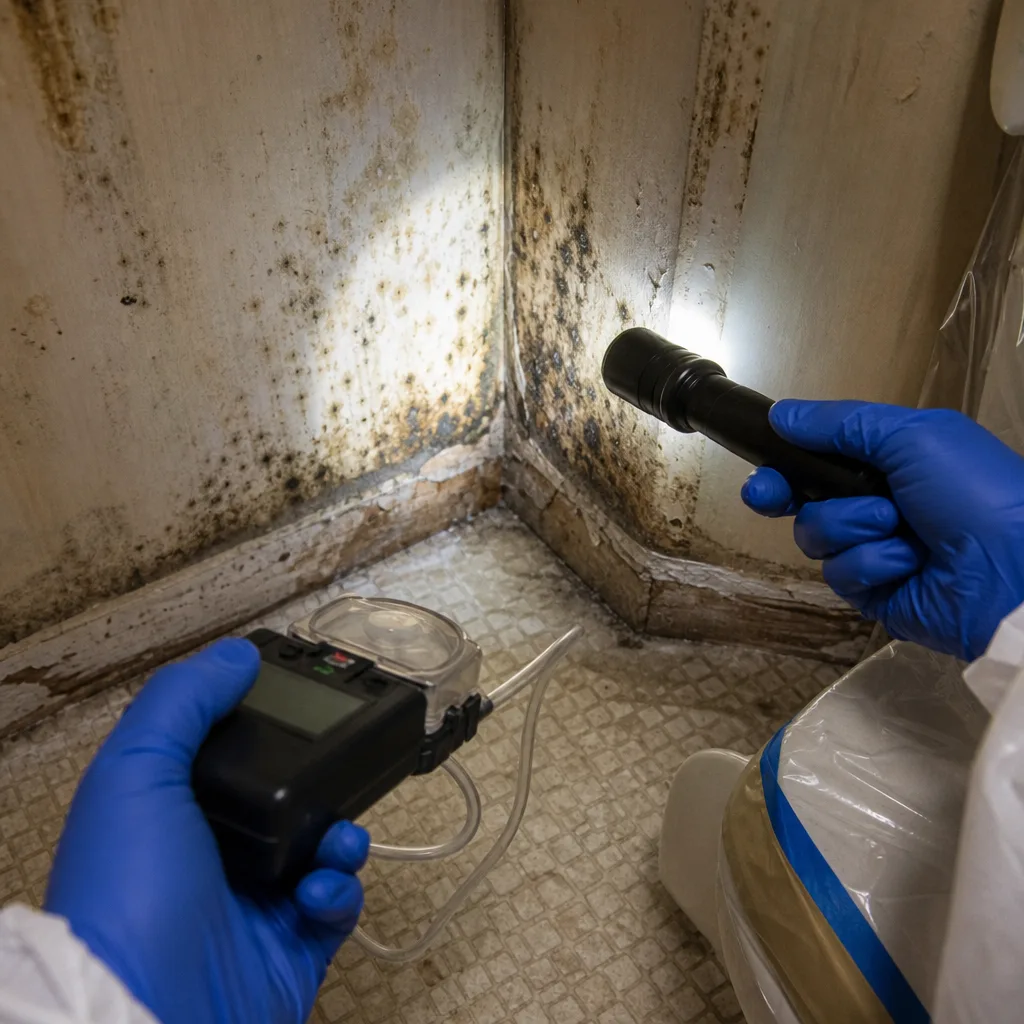
- Second payment upon achievement of drying goals - Documented by daily moisture logs showing progression toward completion criteria, with equipment adjusted or removed as appropriate. The logs should show psychrometric data: temperature, relative humidity, and specific humidity readings at each visit. Typically 30-40% of total.
- Final payment upon completion of all restoration work - Including any necessary reconstruction, with final photo documentation, signed completion certificate, and 365-Day Done Right Promise warranty document delivered. The remaining balance, less any insurance deductible or prior payments.
This structure preserves homeowner leverage through completion. If drying goals are not met, payment for that milestone is not due. If reconstruction deviates from the written scope, the final payment provides negotiating power. In our experience, contractors who resist milestone-based payment are often those who cannot or will not produce the documentation that milestones require.
For insurance claims, we coordinate directly with adjusters, providing the documentation that supports each milestone. Photo records on every visit, daily drying logs, and written scope amendments for any changed conditions. The result is an invoice that matches the adjuster’s file, reducing dispute and delay.
Common Mistakes to Avoid
- Hiring based on arrival time alone - A contractor who arrives in 30 minutes with no documentation is not preferable to one who arrives in two hours with a written scope. Speed of response matters for emergency mitigation, but speed without documentation creates the claims denials that cost Newark homeowners tens of thousands in uncovered repairs.
- Accepting a verbal estimate - New Jersey law does not require written estimates for home improvement work under $500, but restoration work rarely falls below that threshold. A verbal estimate cannot be compared, cannot be disputed, and cannot be presented to an insurer. It is not an estimate. It is a conversation.
- Failing to verify insurance certificate authenticity - Call the insurance broker listed on the certificate. Confirm the policy is current and the coverage limits match your project’s scale. We have encountered expired certificates presented as current, and certificates with coverage limits inadequate for multi-unit Newark properties.
- Ignoring the mold license requirement - In Newark’s humid summers, Category 2 or 3 water damage can produce visible mold within 48-72 hours. A contractor performing mold remediation without New Jersey licensure is committing a disorderly persons offense and exposing you to liability if remediation is incomplete.
- Signing an AOB without legal review - The gray-area status of Assignment of Benefits in New Jersey means these documents are enforceable and often contain broad grants of authority. The cost of a 30-minute attorney review is negligible against the value of your claim negotiation rights.
- Paying upfront for reconstruction - Reconstruction and rebuild work is scoped, scheduled, and priced in writing like a remodel. It is not emergency mitigation. Never pay substantial upfront deposits for reconstruction; payment should be tied to documented completion of trade work.
- Not requesting a second opinion - We offer a Free Second Opinion on any competitor’s written estimate at no charge. A second opinion costs nothing and may reveal scope gaps, inflated unit pricing, or missing documentation that affects your claim.
When to Call a Professional
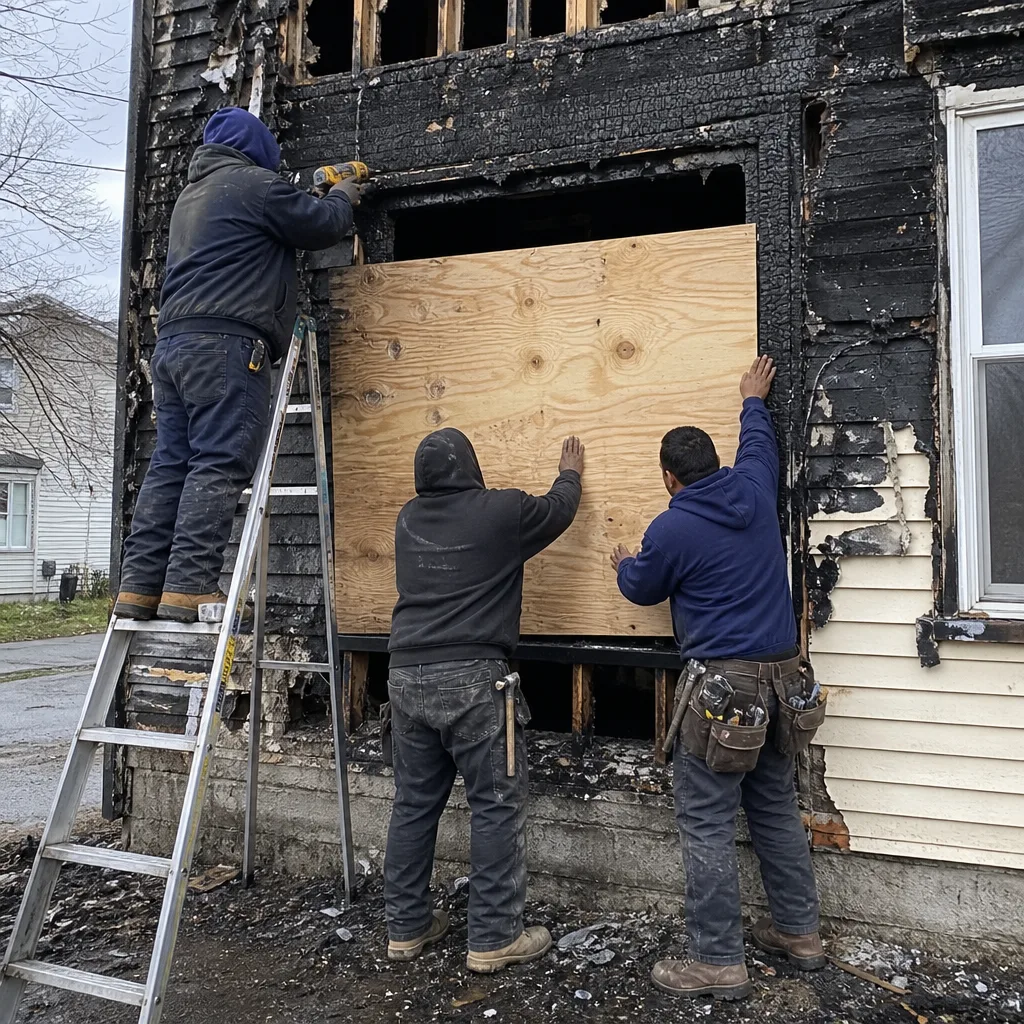
Call a professional restoration contractor when water has affected finished materials or structural components, when mold is visible or suspected, when fire or smoke damage involves more than surface soot, or when sewage or biohazard contamination is present. These are not DIY situations. Category 3 water, or “black water,” carries pathogenic agents. Fire damage often involves hidden structural compromise. Mold disturbance without containment spreads spores.
In Newark, specific scenarios warrant immediate professional response: basement flooding in the Passaic River floodplain, where combined sewer overflow may introduce contaminants; water intrusion in pre-war masonry construction, where plaster and lath assemblies trap moisture behind apparently dry surfaces; and any water loss during summer months, when ambient humidity above 60% relative humidity sustains microbial growth in materials above 16% moisture content. See our Water Damage Restoration Maintenance Checklist for Newark Homeowners for seasonal preparation steps.
Mold Remediation in Newark requires licensed assessment and remediation under New Jersey law. Fire & Smoke Damage Restoration in Newark demands IICRC FSRT-certified technicians who understand the difference between dry smoke, wet smoke, and protein residue, and who can specify the appropriate cleaning protocol for each. DryMark Restoration Newark offers free estimates in Newark - call (862) 292-4268. A live person answers every call, 24 hours a day, 7 days a week, with no voicemail on emergency lines.
Frequently Asked Questions
Water damage restoration in Newark typically ranges from $1,200 for limited basement extraction and drying to $8,500+ for whole-house Category 3 losses with reconstruction. The variables are water category, affected square footage, material types, and whether mold remediation is required. We provide a written price before work begins on every job, with no exceptions. Call (862) 292-4268 for an exact quote - estimates are free.
Most Newark homeowners policies cover sudden and accidental water damage, but coverage varies by cause of loss, policy endorsements, and your deductible amount. The key to full coverage is documentation: a written scope, itemized estimate, photo record, and daily drying log that match the adjuster’s file. We produce this documentation as standard, not as an upsell, and coordinate directly with adjusters. Call (862) 292-4268 to discuss your specific policy and loss.
For emergency mitigation - standing water extraction, initial assessment, equipment placement - we typically dispatch within 60-90 minutes in Newark proper, depending on traffic and weather. Reconstruction and rebuild work is scoped, scheduled, and priced in writing; it does not require emergency dispatch. The relevant question is not arrival time but documentation quality: a contractor who arrives fast with no written scope creates the delays that matter, which are insurance delays and dispute delays.
For water damage affecting more than a few square feet of finished material, or any mold growth exceeding 10 square feet, professional remediation is necessary. DIY cleaning of Category 2 or 3 water, or disturbance of mold colonies without containment, spreads contamination and may void your insurance coverage. New Jersey law requires licensed mold remediation for any mold assessment that recommends remediation. We provide free second opinions on any competitor’s scope if you’re uncertain.
You retain that right unless you sign an Assignment of Benefits. We work with your adjuster at your direction, providing documentation that supports your claim. Our photo records, drying logs, and written scopes are addressed to you, with copies to your insurer as you authorize. You maintain control of the settlement process. This is the alternative to the AOB model that transfers your rights to the contractor.
Newark’s summer humidity and river-proximity water table require professional-grade dehumidifiers with specific humidity removal capacity, not consumer units. Look for equipment from manufacturers such as Dri-Eaz, Phoenix, XPOWER, B-Air, and Injectidry. The contractor should specify the equipment by name, explain the cubic feet per minute or pint removal capacity, and document its deployment in the written scope. Equipment brand logos on vans are not equipment specifications.
The Bottom Line
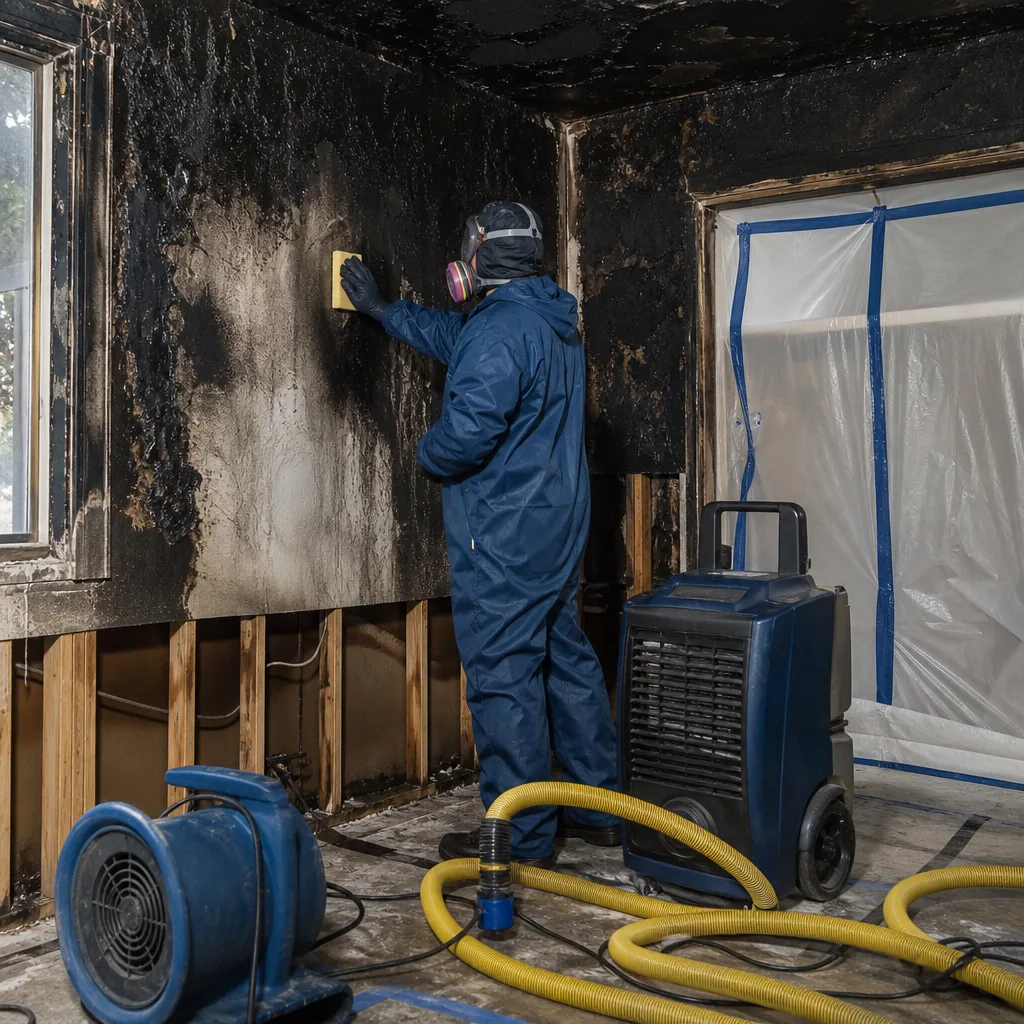
Hiring a damage restoration contractor in Newark is a documentation decision, not a speed decision. For more guides & resources on protecting your home and claim, visit our blog. The five documents - written scope, itemized estimate, NJ Home Improvement Contractor registration, liability insurance certificate, and mold license if applicable - protect your property, your claim, and your legal rights. Verify IICRC certifications by name and number through the public directory. Structure payment to documented milestones, not calendar dates. Never sign an Assignment of Benefits without understanding that it may transfer control of your insurance settlement. In a market with Newark’s specific risks - river flooding, combined sewer overflow, pre-war construction, summer humidity - the contractor who can prove their work is the contractor who will get your claim paid.
DryMark Restoration Newark provides free estimates, free second opinions on competitor quotes, and the documentation that turns restoration invoices into payable claims. Call (862) 292-4268. A live person answers, 24 hours a day, 7 days a week.
Written by Alicia Brennan, Owner at DryMark Restoration Newark, serving Newark since 2011.