
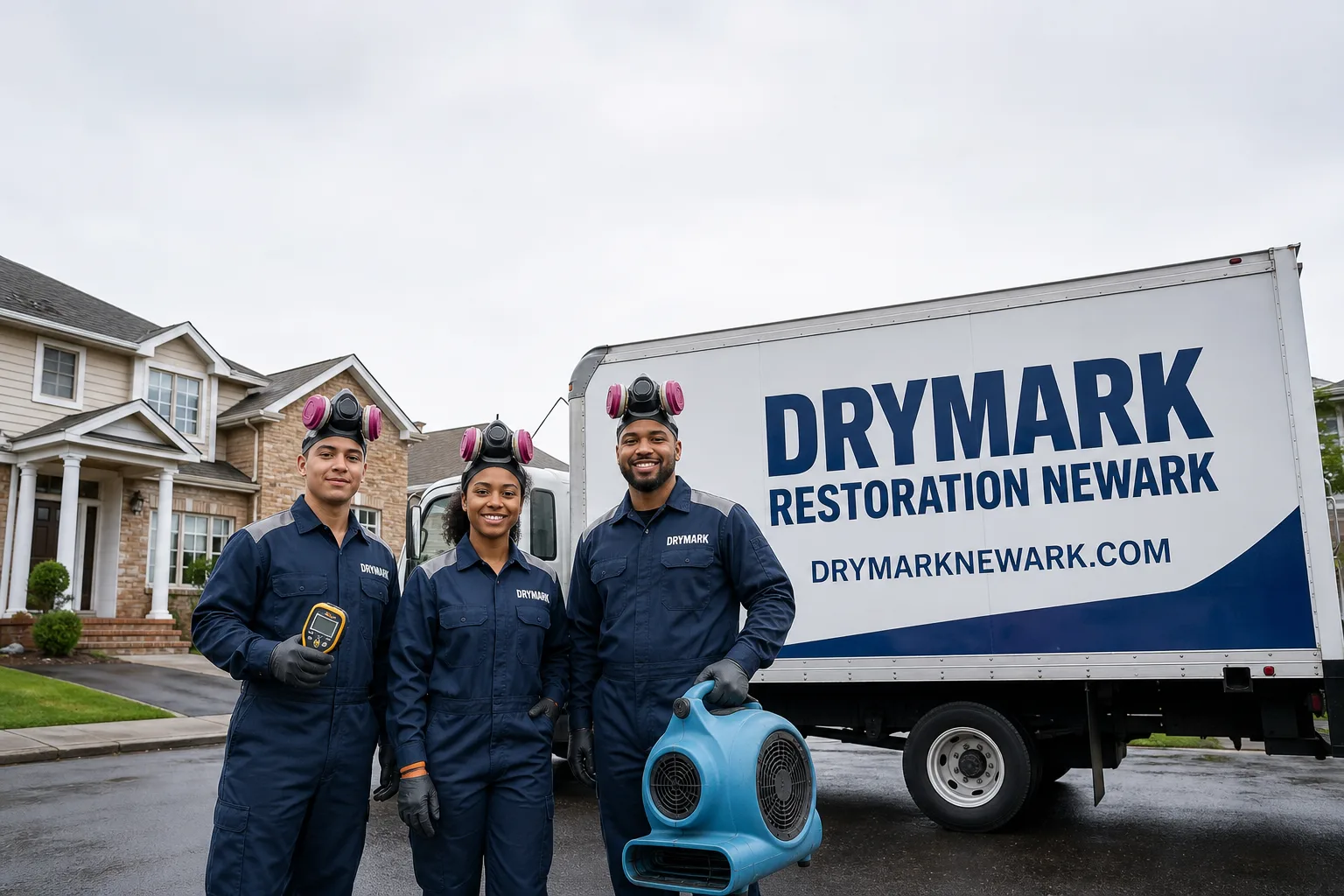
Free visual inspection and a written scope of work before any mitigation begins - photos, moisture readings, and drying logs go in your claim file
The scope we write is the scope we bill. Anything new gets shown to you, in writing, before we touch it.
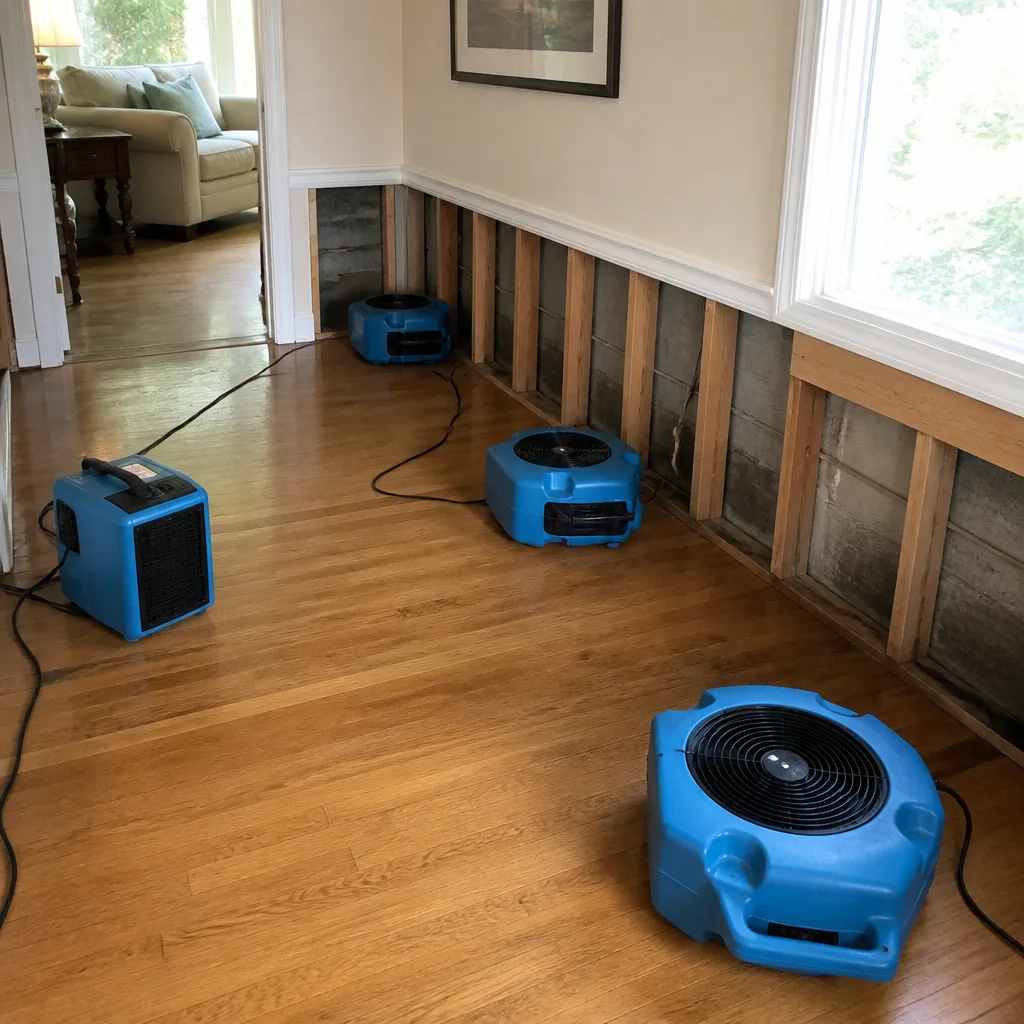
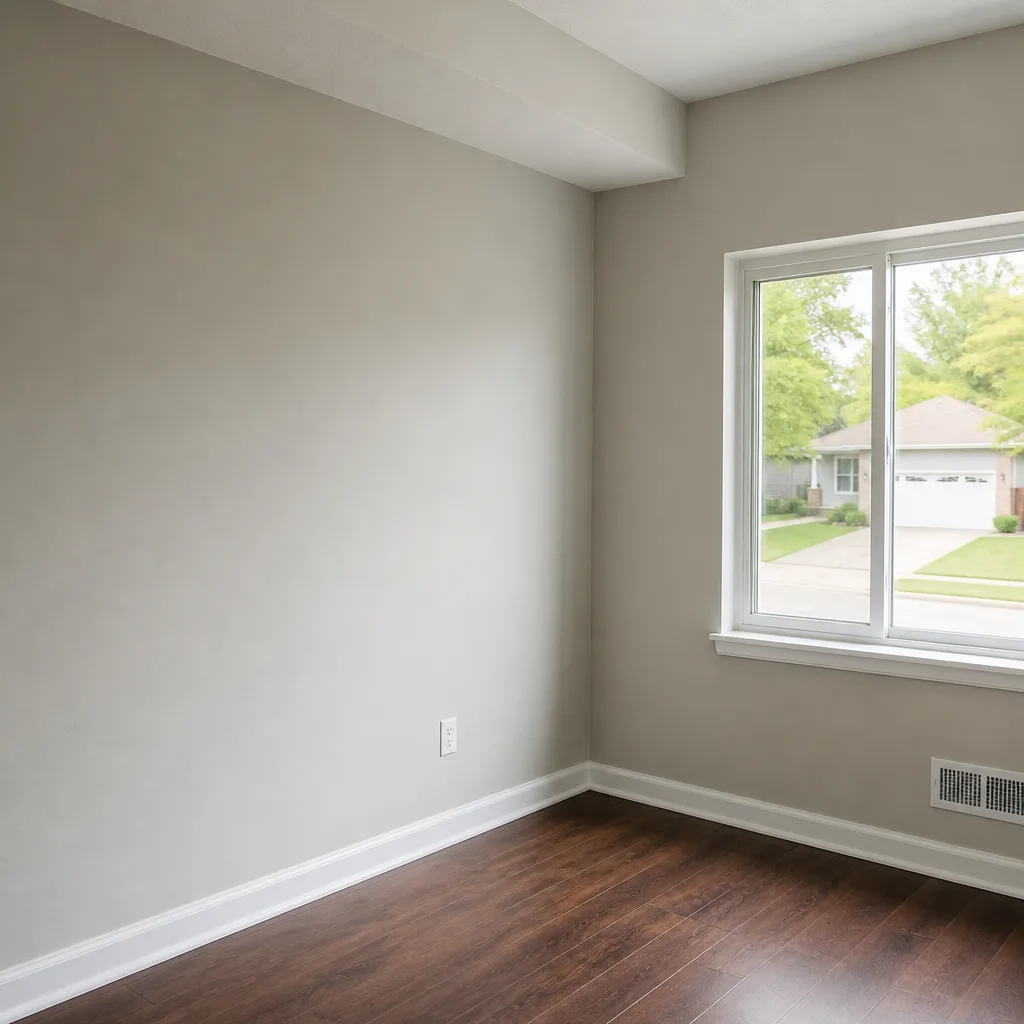
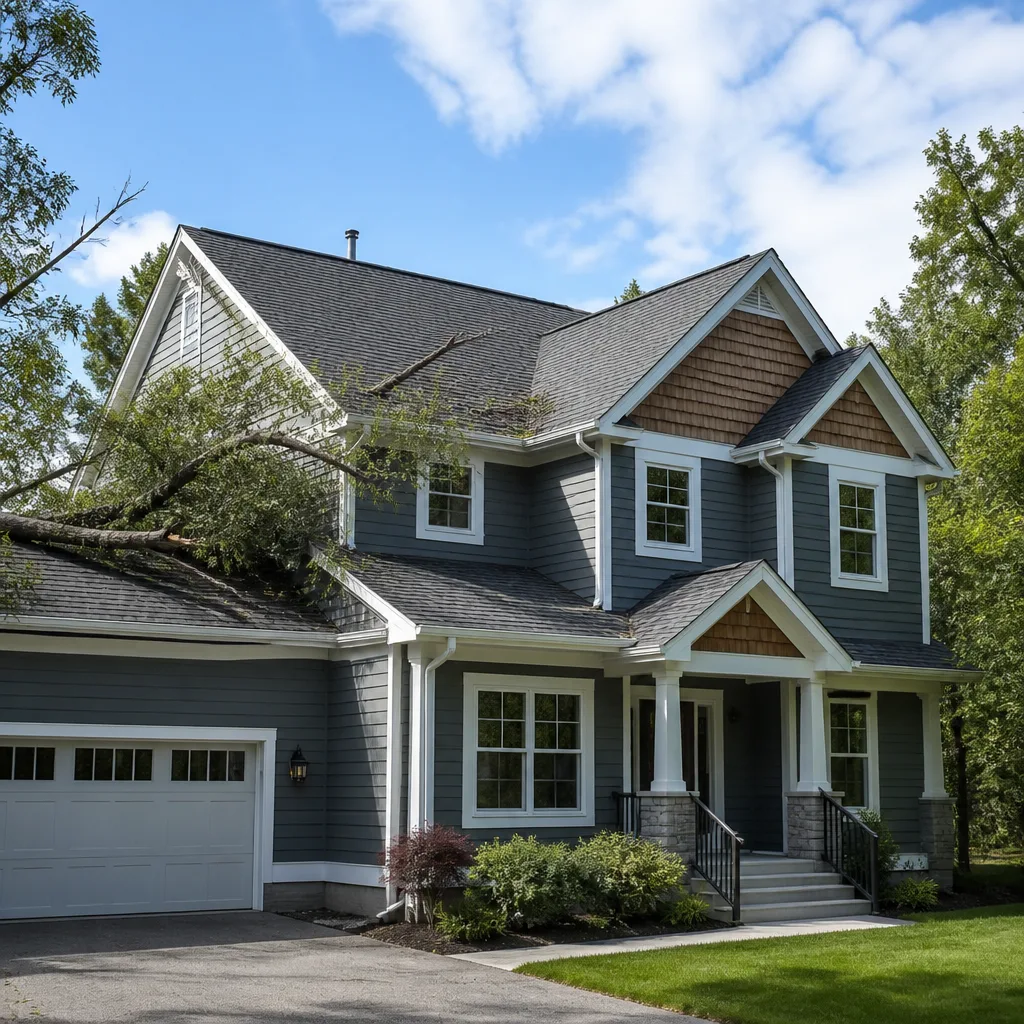
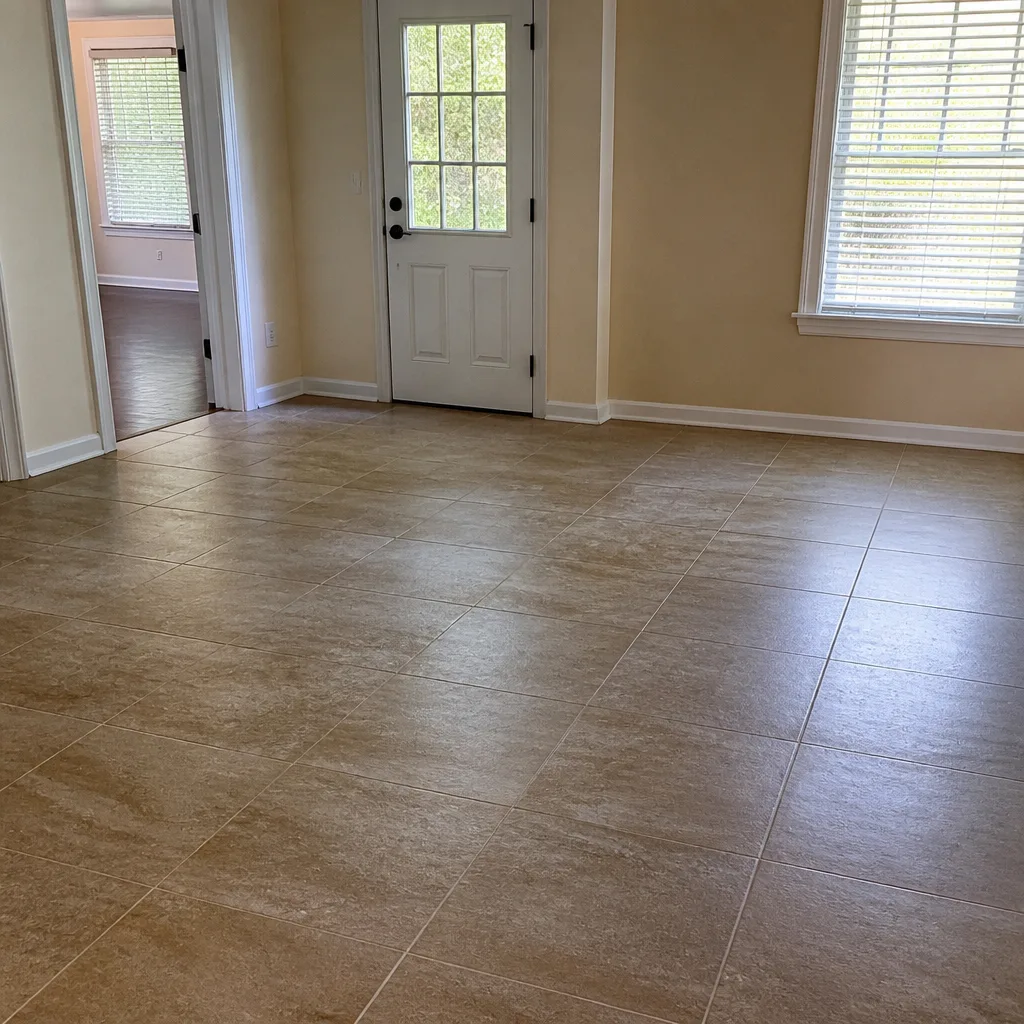
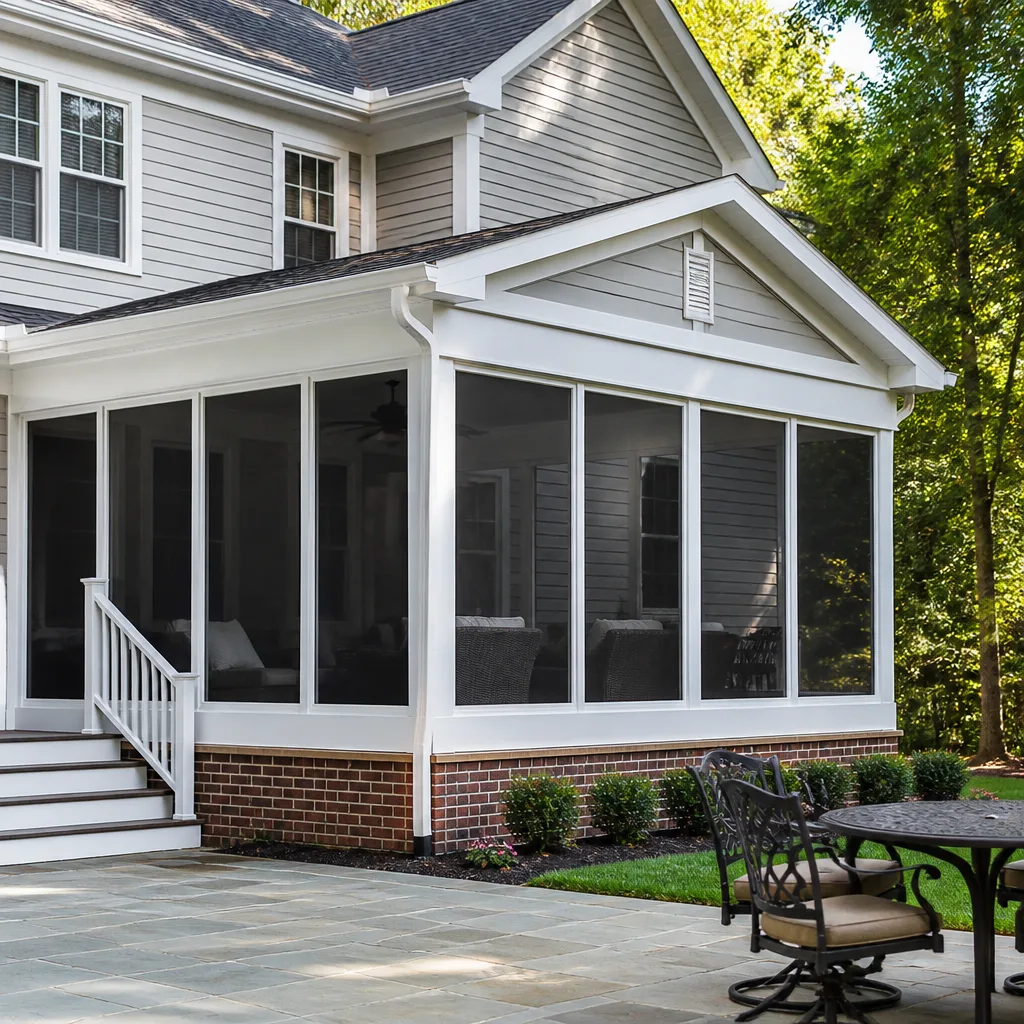
 Before
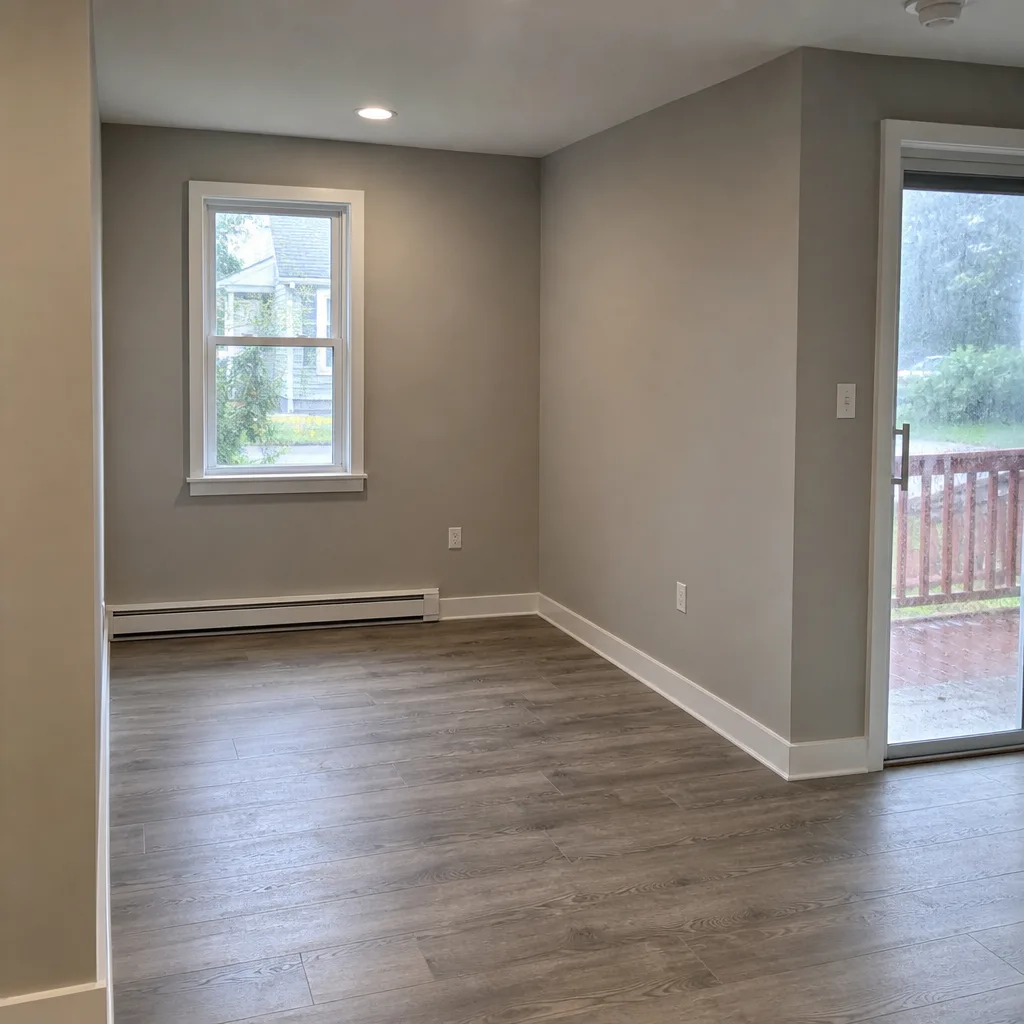 After
After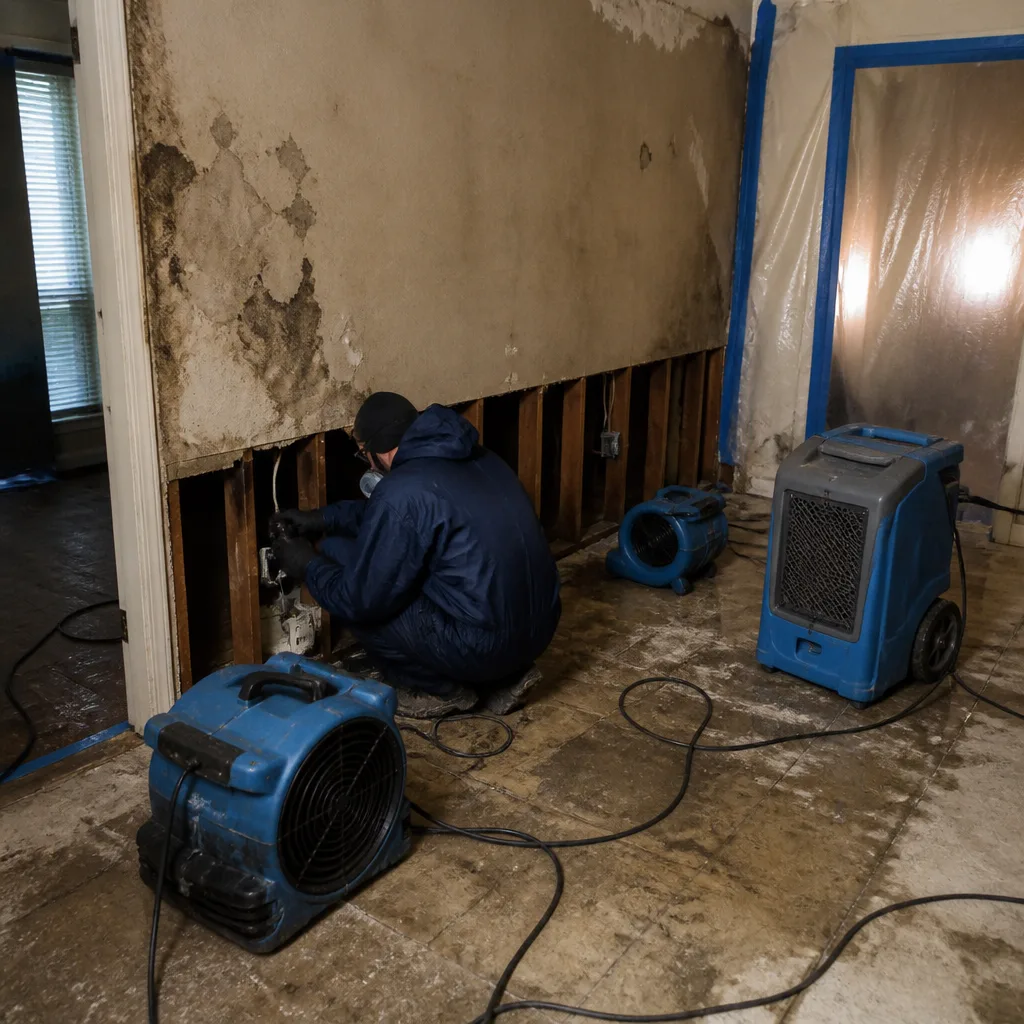 Before
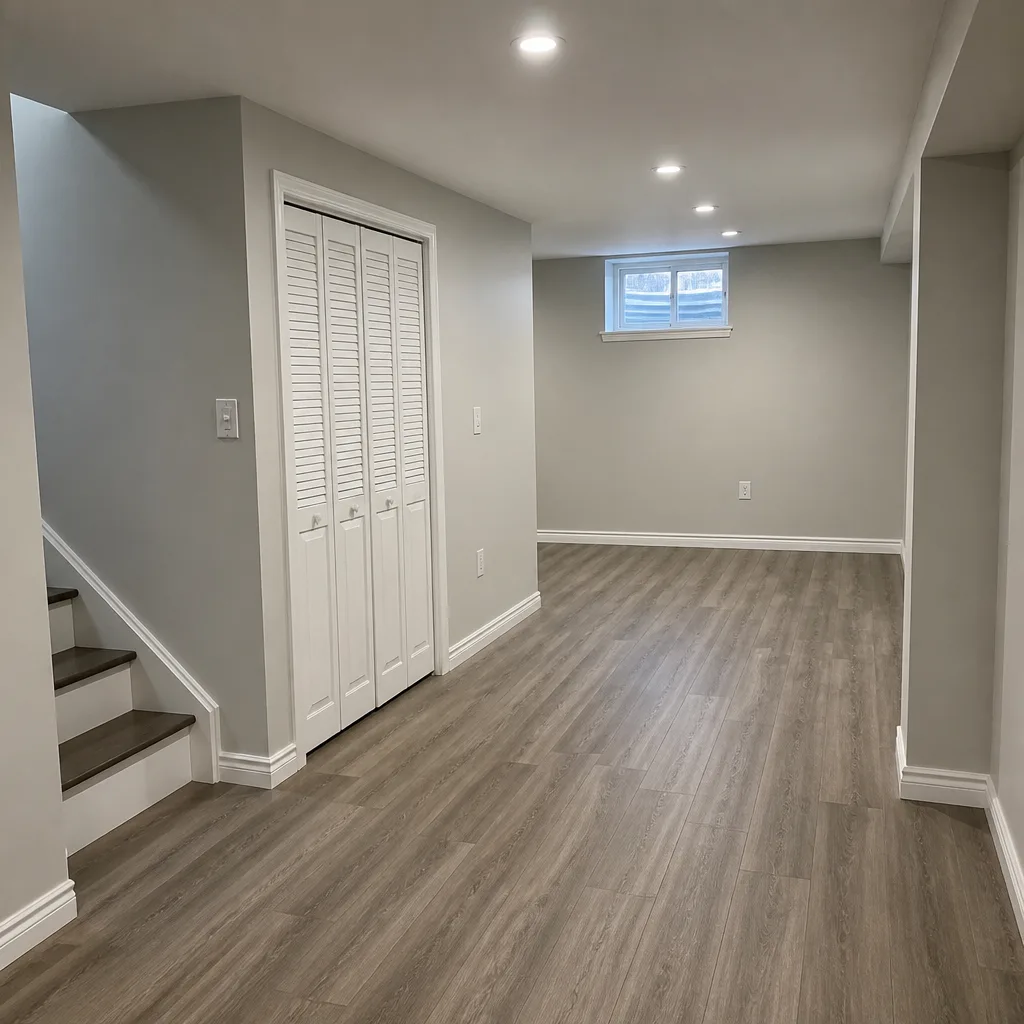 After
After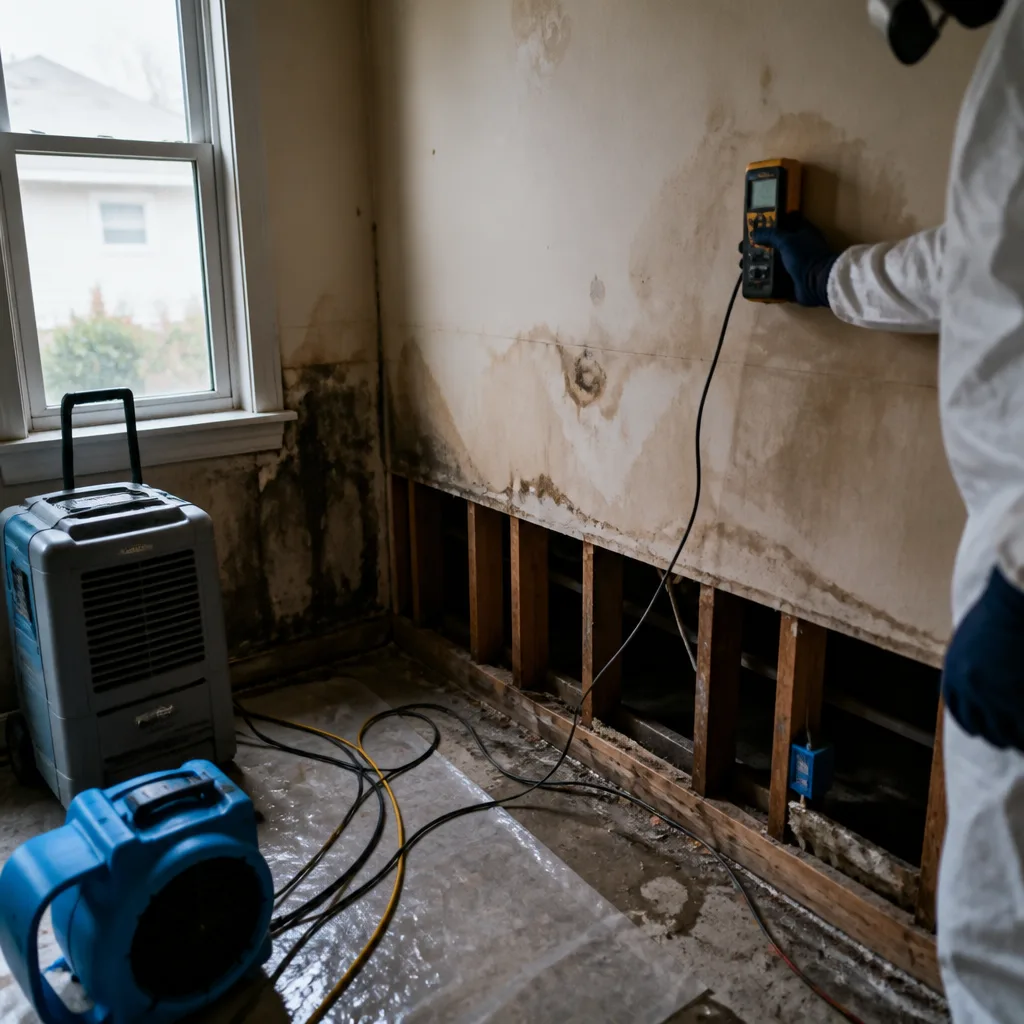 Before
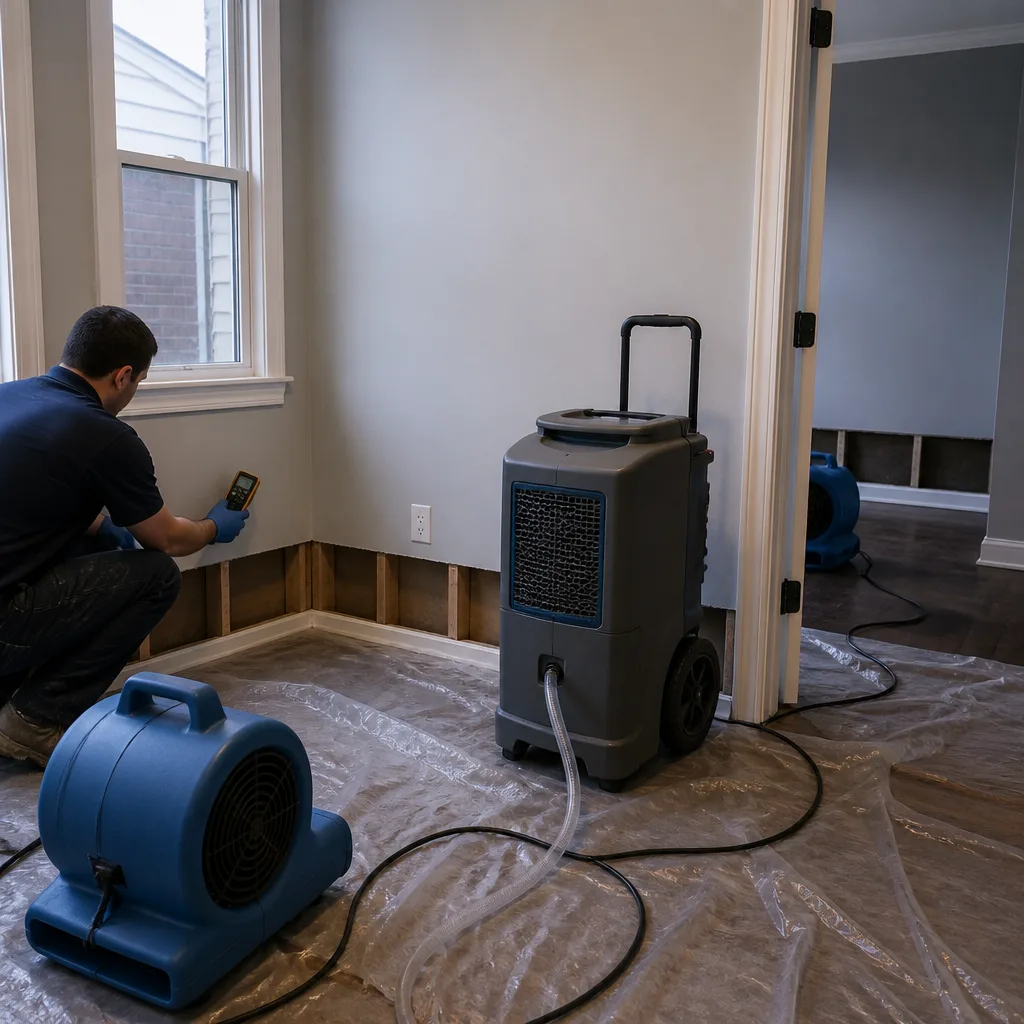 After
AfterFast, Reliable Water Damage Restoration Across Union City
Water damage restoration in Union City typically costs $2,800-$7,500 for a standard residential job, with emergency water extraction starting at $1,200-$2,400 and structural drying running $180-$340 per day depending on equipment count and duration. Most Union City water losses involve multiple units in attached brick walk-ups, so our crews arrive with enough gear to dry several apartments simultaneously.
We’re familiar with Union City’s streets because we’ve worked them for years. From Bergenline Avenue to Summit Avenue, from the rowhouses near Washington Park to the walk-ups along 32nd Street, our teams know the building stock: the 1900-1940 brick construction, the internal steam lines, the flat roofs with parapet walls that fail every winter. Dispatch and scheduling are coordinated from our New York City office, but the crews serving Union City are local and carry the equipment to handle multi-unit losses without waiting for a second truck. If you’re standing in water right now, call (862) 292-4268. A live person answers, 24 hours a day, 7 days a week. No voicemail trees.
Why DryMark Restoration Newark Is Union City’s Preferred Water Damage Restoration Company
Union City residents measure contractors by what they can document, not what they promise. We’ve restored more than 12,000 homes since 2011, every one with a written price before work started and a photo record when the crew left. That documentation-first approach matters especially here, where a single water loss often generates claims across three to five insurance policies.
Our response time to Union City averages 45-90 minutes depending on traffic across the Lincoln Tunnel or Holland Tunnel routes. We don’t quote arrival times we can’t meet. Reviews from Union City customers consistently cite two things: the written scope they received before anyone touched their walls, and the daily drying logs that got their claim paid without a fight.
We know the local conditions. The urban canyon density along Bergenline Avenue traps moisture and slows drying. The original lime plaster behind those brick walls has no vapor barrier, so water moves fast and mold follows faster. A crew that treats a Union City walk-up like a suburban ranch house will miss saturated chases and leave structural members wet. We don’t.
Our Water Damage Restoration Services in Union City
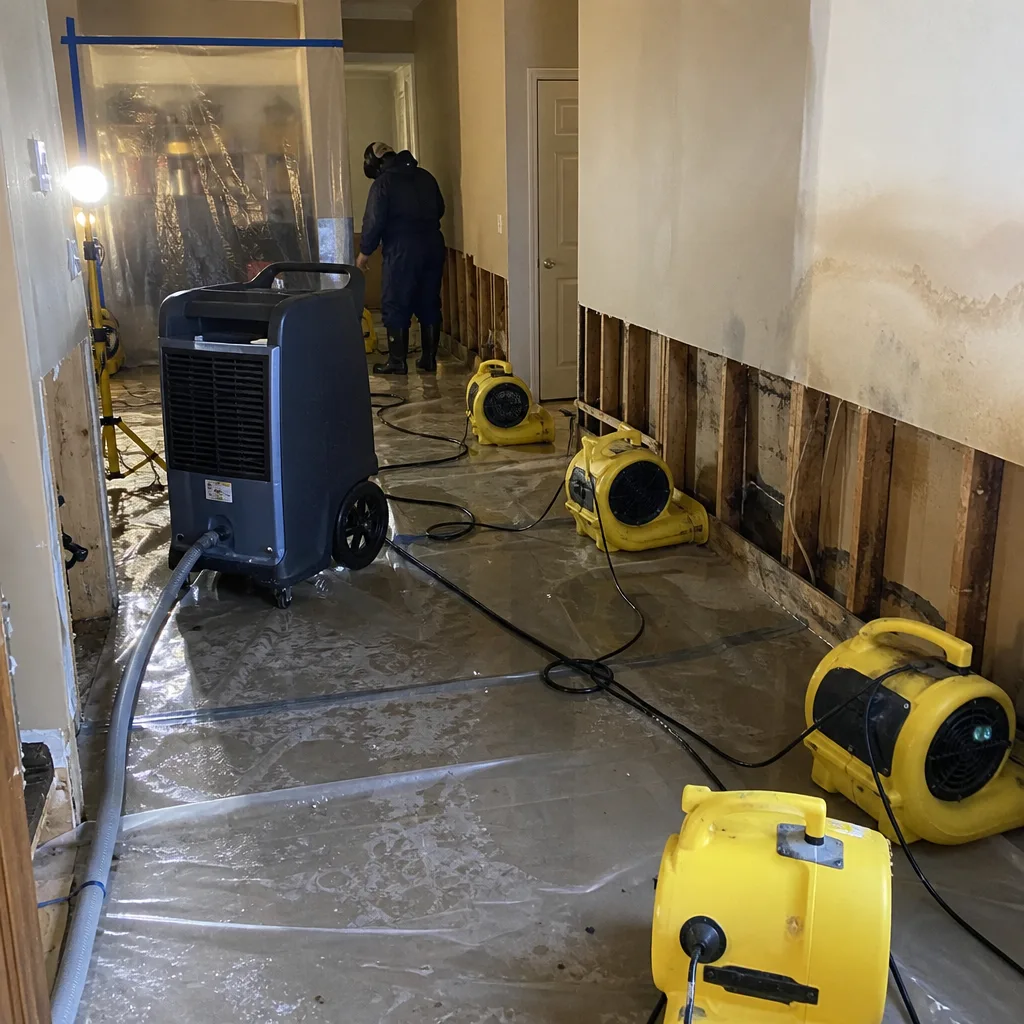
Emergency Water Extraction
A burst pipe or failed steam line in a Union City walk-up doesn’t stay in one unit. Water follows the path of least resistance through shared wall cavities, ceiling chases, and floor penetrations. Our emergency water extraction teams arrive with truck-mounted extraction units and portable flood pumper systems sized for multi-unit deployments. We extract standing water first, then map migration paths with thermal imaging before any drying equipment goes in. In Union City’s dense housing, skipping that mapping step means leaving water in three adjacent units that will show up as mold in six weeks.
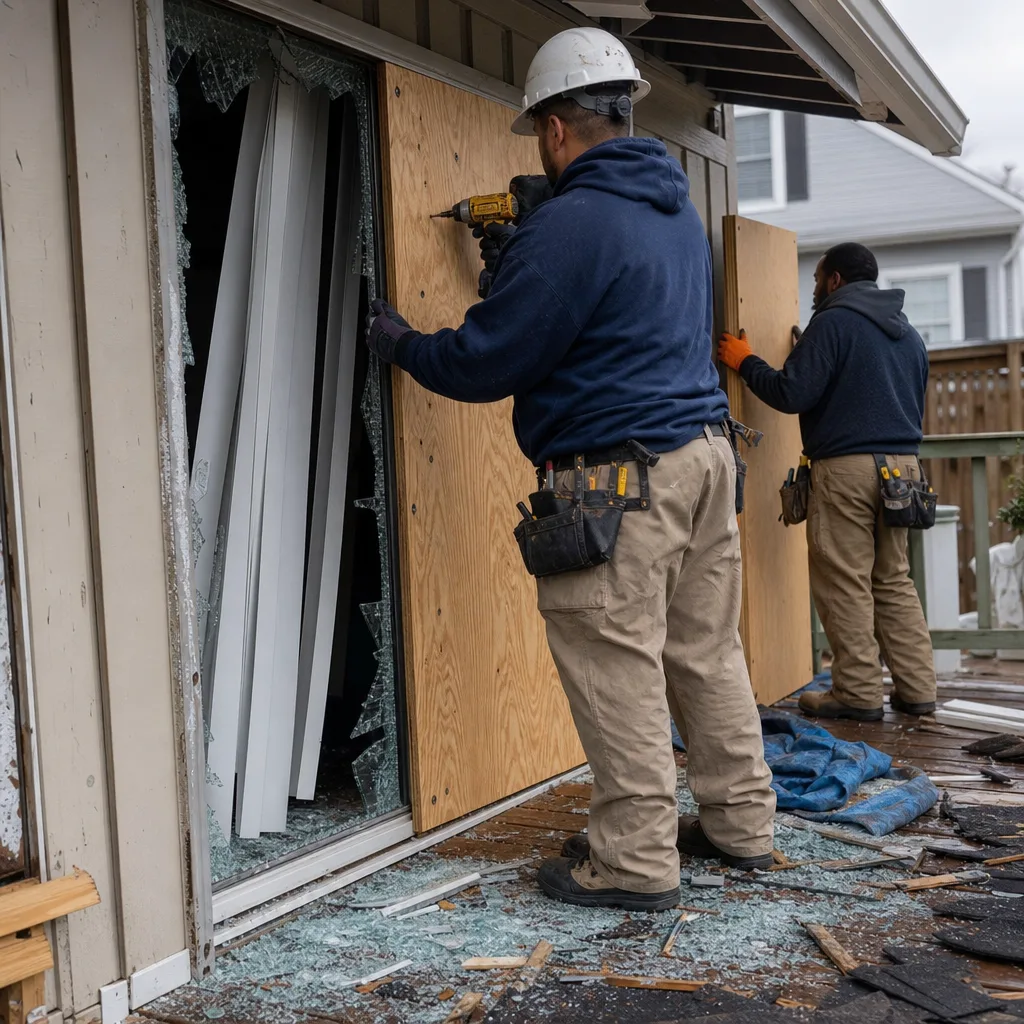
Structural Drying & Dehumidification
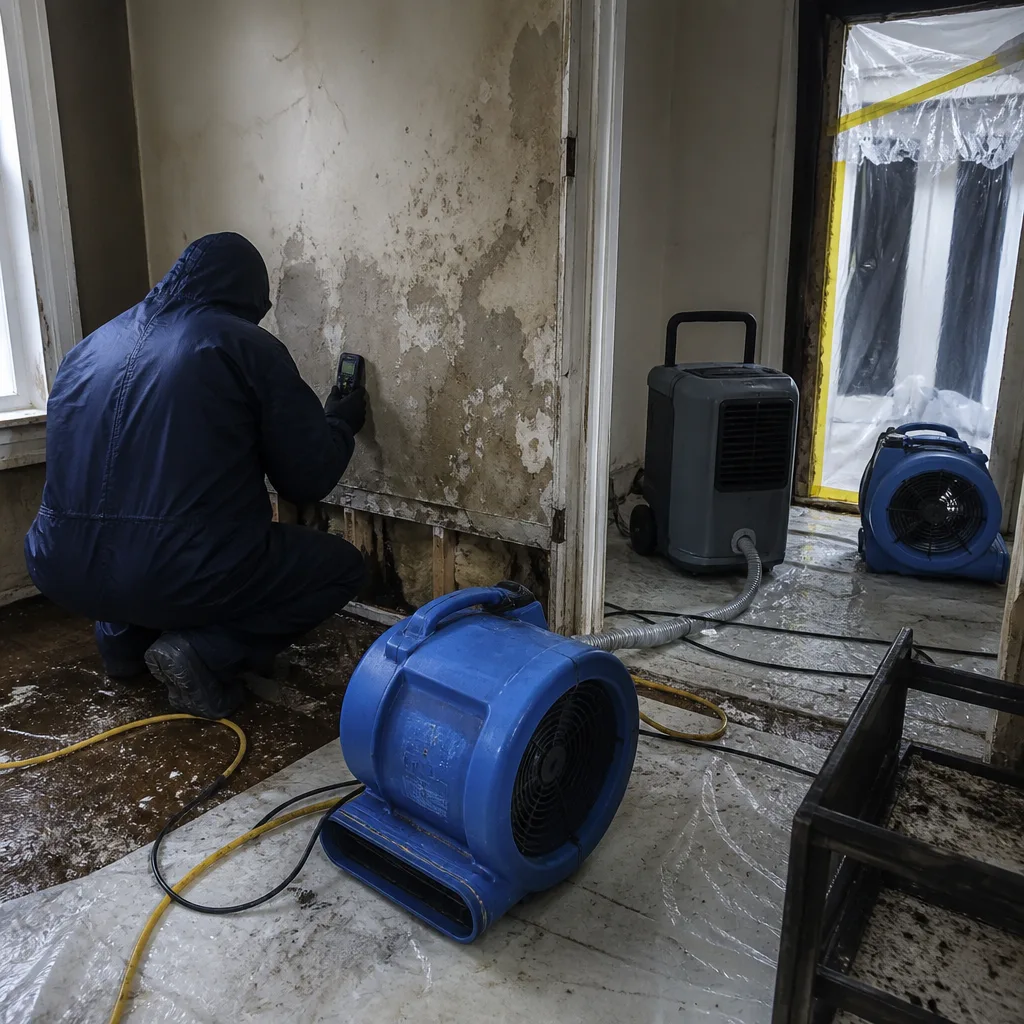
Union City’s urban canyon density traps moisture and extends drying cycles compared to open-suburban environments. A standard drying job in Secaucus might clear in three days; the same loss in a Union City walk-up often needs five to seven days of controlled dehumidification. We deploy Phoenix dehumidifiers and Dri-Eaz air movers in calculated arrays based on psychrometric data - the measurement of temperature, humidity, and vapor pressure that tells us when materials are actually dry, not just surface-dry. Daily moisture logs document every reading, every adjustment, every gallon of water removed. Those logs go to your adjuster as standard, never as an upsell.
Flood Cleanup
Union City sits on the Hudson Palisades, which offers some protection from river flooding, but basement and ground-floor units still take water from overwhelmed storm drains, failed sump pumps, and sewer backups during heavy rain events. Our flood cleanup protocol follows IICRC standards for water classification: Category 1 (clean supply line), Category 2 (gray water with chemical or biological contamination), or Category 3 (black water, including sewage). The distinction matters for what gets saved and what gets removed, and for how your insurer covers the loss. We document the classification with photos and moisture readings before any demolition begins.
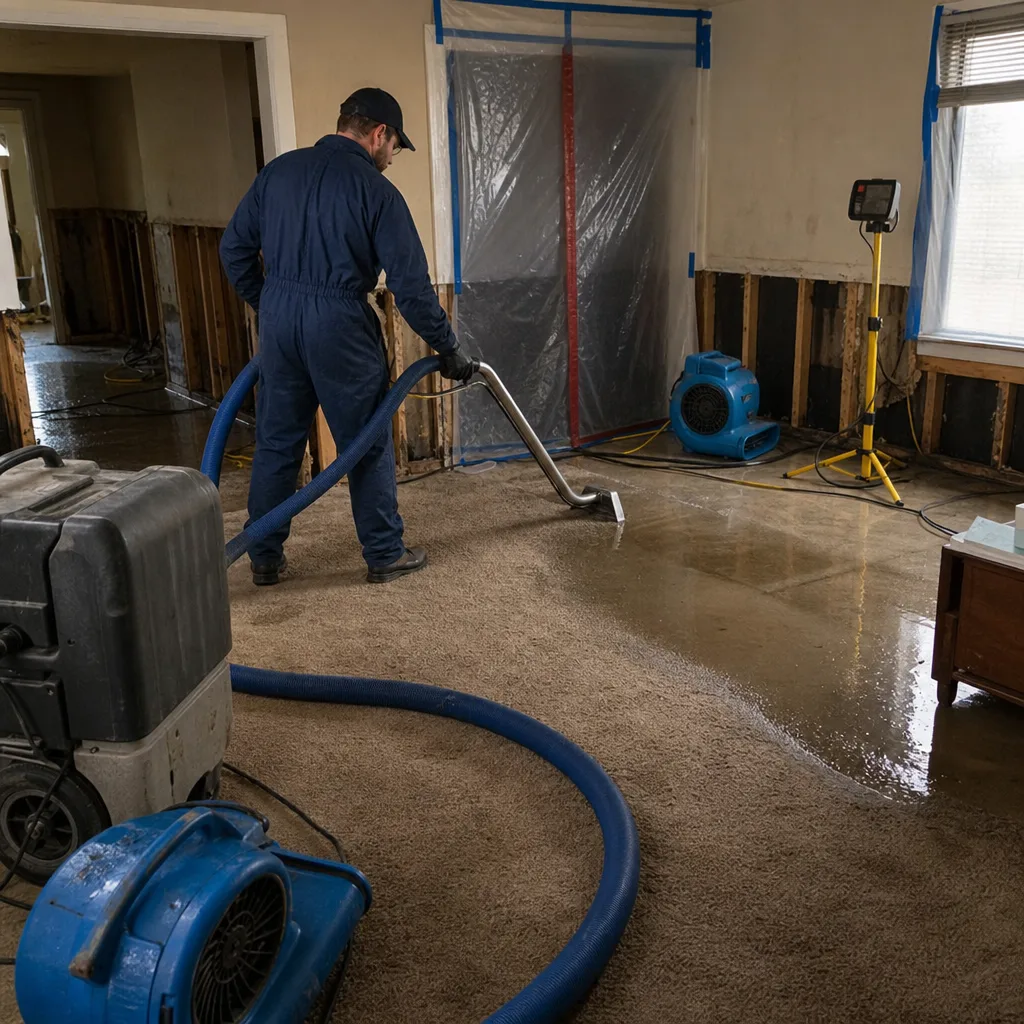
Burst Pipe Restoration
Union City’s aging cast-iron plumbing stacks and original steam-heat lines fail with increasing frequency as infrastructure passes century-mark age. A burst pipe in a modern home releases water at household pressure; a failed steam line delivers near-boiling water under pressure through multiple floors simultaneously, often buckling century-old plaster and soaking structural members before residents can respond. This failure mode - common in Union City, rare in newer construction - requires different handling than a standard pipe break. We treat steam-line condensate as Category 2 or 3 water once it has crossed floors and picked up rust, pipe debris, and whatever else lines a century-old chase. The remediation scope, the drying protocol, and the documentation all change accordingly.
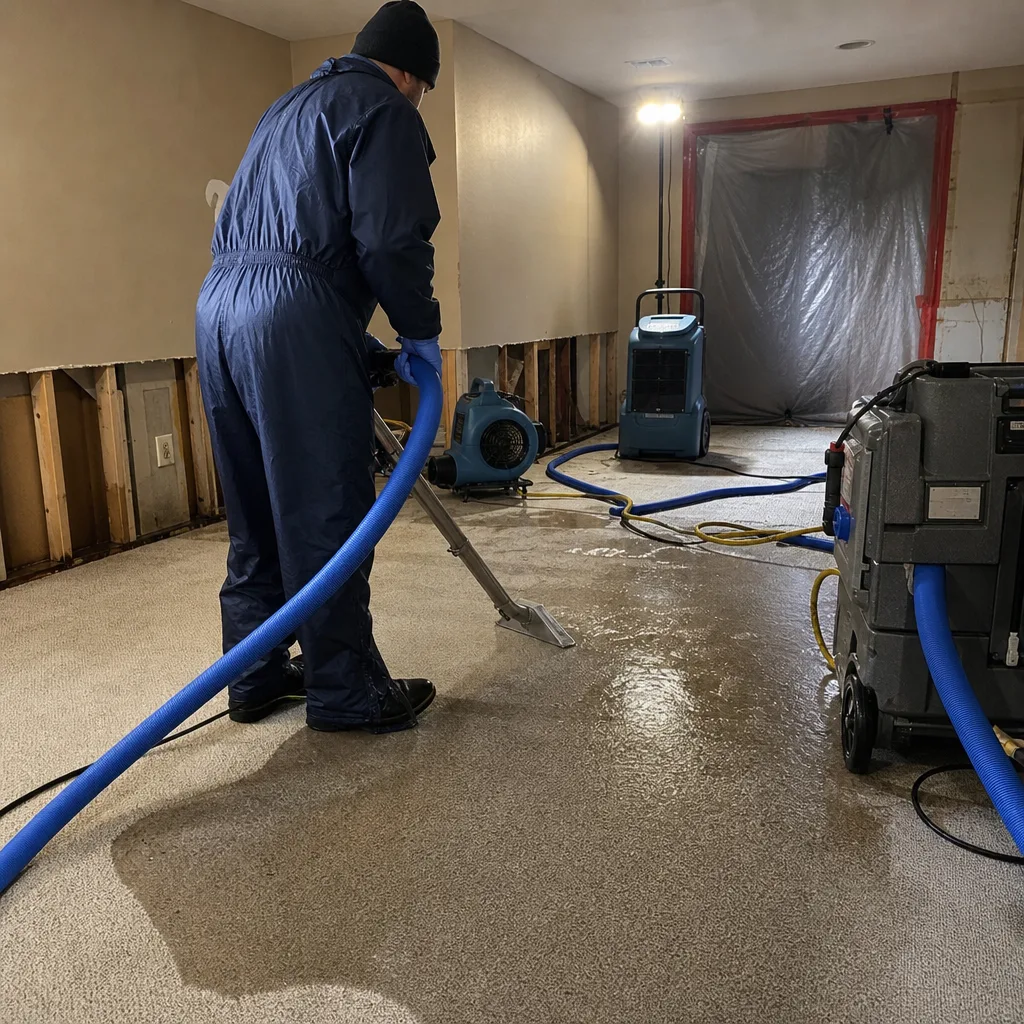
Ceiling & Roof Leak Water Damage
Nor’easters and heavy freeze-thaw cycles stress the flat roofing membranes and aging brick parapet walls common across Union City, making post-storm roof-leak water intrusion one of the most consistent seasonal damage drivers. Water enters through compromised membrane seams, failed internal drains, or cracked parapet coping, then travels along structural channels to emerge three floors from the actual breach. We trace the source with moisture mapping and thermal imaging, document the path for insurance, and dry the affected assemblies without unnecessary demolition where drying in place is structurally sound.
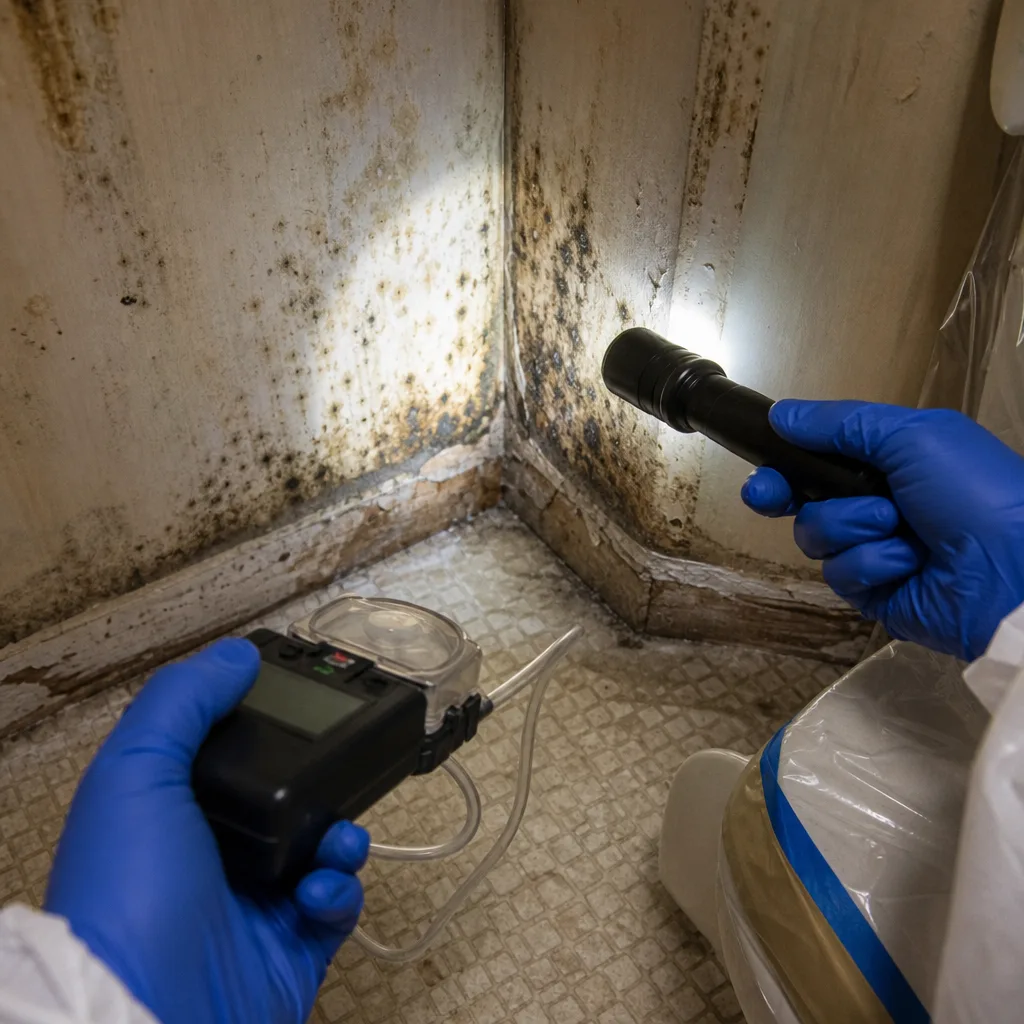
Basement Water Removal
Basement water removal in Union City presents unique challenges: limited access in older buildings, shared drainage systems, and the proximity to bedrock that limits sump pump effectiveness in some zones. We assess drainage capacity before extracting, then deploy submersible pumps and truck-mounted extraction in sequence to avoid overwhelming shared drain lines. Every step is photo-documented.
What happens when you call
- 1
A real person answersNo phone trees - you reach a local pro.
- 2
You get an upfront price rangeHonest numbers before anyone is dispatched.
- 3
A background-checked tech heads outLicensed & insured, dispatched right away.
- 4
You approve before work beginsNothing starts until you say go.
BeforeAfterTrusted Brands We Service in Union City
Our equipment inventory includes professional-grade drying systems from Dri-Eaz, Phoenix, and XPOWER, with Injectidry cavity-drying systems for the enclosed wall and ceiling chases common in Union City’s brick walk-ups. We stock enough units to deploy simultaneous drying arrays across multiple apartments in the same building - a capacity that matters when one steam-line failure affects five units on three floors. All equipment operation is documented to IICRC, RIA, and IFA standards, producing the daily drying logs that turn restoration invoices into payable insurance claims.
Common Water Damage Restoration Problems We See in Union City Homes
- Multi-unit moisture migration in attached walk-ups. Water from one unit routinely travels through three to five adjacent units across shared walls and floors before it’s contained. A contractor who scopes only the visibly wet unit misses most of the loss and leaves behind a mold problem that surfaces months later.
- Steam-line failures mistaken for clean water losses. Aging steam-heat condensate lines deliver near-boiling, pressurized water through multiple floors. By the time it reaches the lowest affected unit, that water has crossed rusty pipe, century-old plaster, and structural debris. It is not Category 1, and treating it as such creates health risks and claim denials.
- Underestimated drying times due to urban density. Union City’s building canyon effect traps moisture and slows vapor release. Crews accustomed to suburban airflow patterns often pull equipment before plaster and structural members reach dry standard, leaving behind elevated moisture that supports mold colonization.
- Rapid mold colonization behind no-vapor-barrier plaster. Union City’s near-total absence of modern vapor barriers means water that reaches wall cavities behind original lime plaster can support mold colonization in 24 to 48 hours - faster than in newer suburban construction, where a vapor barrier usually buys extra drying time.
Pricing for Water Damage Restoration in Union City, NJ
We publish ranges because Haven Standard, Clause 1 requires a written price before work begins - every time, with no exceptions. Here is what water damage restoration typically runs in Union City’s market:
| Service | Typical Range in Union City |
|---|---|
| Emergency water extraction (single unit) | $1,200 - $2,400 |
| Emergency water extraction (multi-unit deployment) | $2,400 - $5,500 |
| Structural drying & dehumidification (per day) | $180 - $340 |
| Standard residential drying job (3-7 days) | $2,800 - $7,500 |
| Ceiling/wall demolition and removal (per affected room) | $450 - $950 |
| Antimicrobial treatment of affected cavities | $280 - $620 |
| Full water damage restoration with reconstruction | $8,500 - $24,000+ |
What moves a job within these ranges: the number of affected units, the water category (clean vs. contaminated), whether drying in place is possible or demolition is required, and the duration of structural drying needed given Union City’s moisture-trapping urban density. We deliver a written scope with exact pricing before any work starts. Bring a competitor’s written estimate and we’ll review it at no charge - our Free Second Opinion is standard, not a promotion.
We Also Serve Cities Near Union City
Our crews respond throughout Hudson County and beyond, including Water Damage Restoration in Union City as well as Hoboken, Secaucus, Jersey City, and North Arlington. Building stock and failure modes vary by municipality - Secaucus has newer construction with different vapor barrier profiles, Jersey City has its own density patterns along the waterfront - and our scopes account for those differences. Wherever you are, the documentation standard is the same: written price before work, photo record on every visit, daily drying logs.
Serving Union City, NJ - Our Local Coverage Area
We’re based in the Union City area and know this community well. Use the map below to see our service coverage - if you’re nearby, we can almost certainly help.
FAQs - Water Damage Restoration in Union City
A failed steam line delivers near-boiling water under pressure through multiple floors simultaneously, often buckling century-old plaster and soaking structural members before residents can respond - a failure mode seldom encountered in newer construction. The condensate also picks up rust and pipe debris as it travels, changing the water classification from clean to contaminated and requiring different remediation protocols. If you suspect a steam-line failure in your building, call (862) 292-4268 immediately - this is not a wait-and-see situation.
Mold colonization can begin in 24 to 48 hours in Union City’s older buildings, which lack modern vapor barriers behind original lime plaster. That timeline is faster than in newer suburban construction, where vapor barriers typically extend the window. The urban canyon density also slows natural drying, so professional dehumidification is usually necessary to beat that clock. Call (862) 292-4268 for an assessment - estimates are free.
Responsibility depends on the source of the water, your lease terms, and your insurance coverage - but documentation determines what actually gets paid. We provide the moisture mapping, photo record, and written scope that adjusters need to assign liability and process claims across multiple policies. In Union City’s multi-unit walk-ups, we routinely coordinate simultaneous remediation across several apartments with different insurers and absentee landlords. Call (862) 292-4268 and we’ll document the loss properly from the start.
Drying in place is often possible when moisture is caught early and the wall assembly is accessible to directed airflow - we use Injectidry cavity-drying systems to push dry air into enclosed chases without demolition. However, if plaster is already buckled, if mold is present, or if the chase contains contaminated water from a steam-line failure, controlled demolition and removal is the correct approach. We make that determination with moisture readings and thermal imaging, not guesswork, and we document the rationale in writing before any demolition begins.
Union City’s flat roofs and brick parapet walls were built for a different climate regime and have now endured a century of freeze-thaw cycling. Nor’easters deliver wind-driven rain that finds every membrane seam and coping crack; winter freeze-thaw opens those breaches further. Internal drains clog with debris and back up. The result is water entering at the roof level and traveling along structural channels to emerge far from the source. We trace the actual path with thermal imaging, document it for insurance, and repair the roof assembly as part of the restoration scope where needed.
We got a call from a 5-story brick walk-up near the 32nd Street light rail station, where a cracked condensate line on an original steam radiator had been weeping into the ceiling chase overnight. Our tech pulled moisture readings on three floors before starting water extraction, mapped the saturated chase with a thermal camera, and set Dri-Eaz air movers and a Phoenix dehumidifier running through a full structural drying cycle with daily drying logs; the plaster behind the radiator needed containment and antimicrobial treatment, but the structural members came back to pre-loss condition without replacement. That is how Water Damage Restoration should work - documented, measured, and verified.
Union City’s building stock demands a different approach than generic water damage restoration. The attached walk-ups, the original steam systems, the no-vapor-barrier plaster, and the multi-unit insurance complexity all require a contractor who documents before acting and writes the price before starting the work. That is what Haven Standard, Clause 1 requires. That is what we deliver.
Call (862) 292-4268 for a free estimate. A live person will answer, 24 hours a day, 7 days a week.
Written by Alicia Brennan, Owner at Back to Dry Restoration, independently owned and operated under The Haven Standard since 2011.