
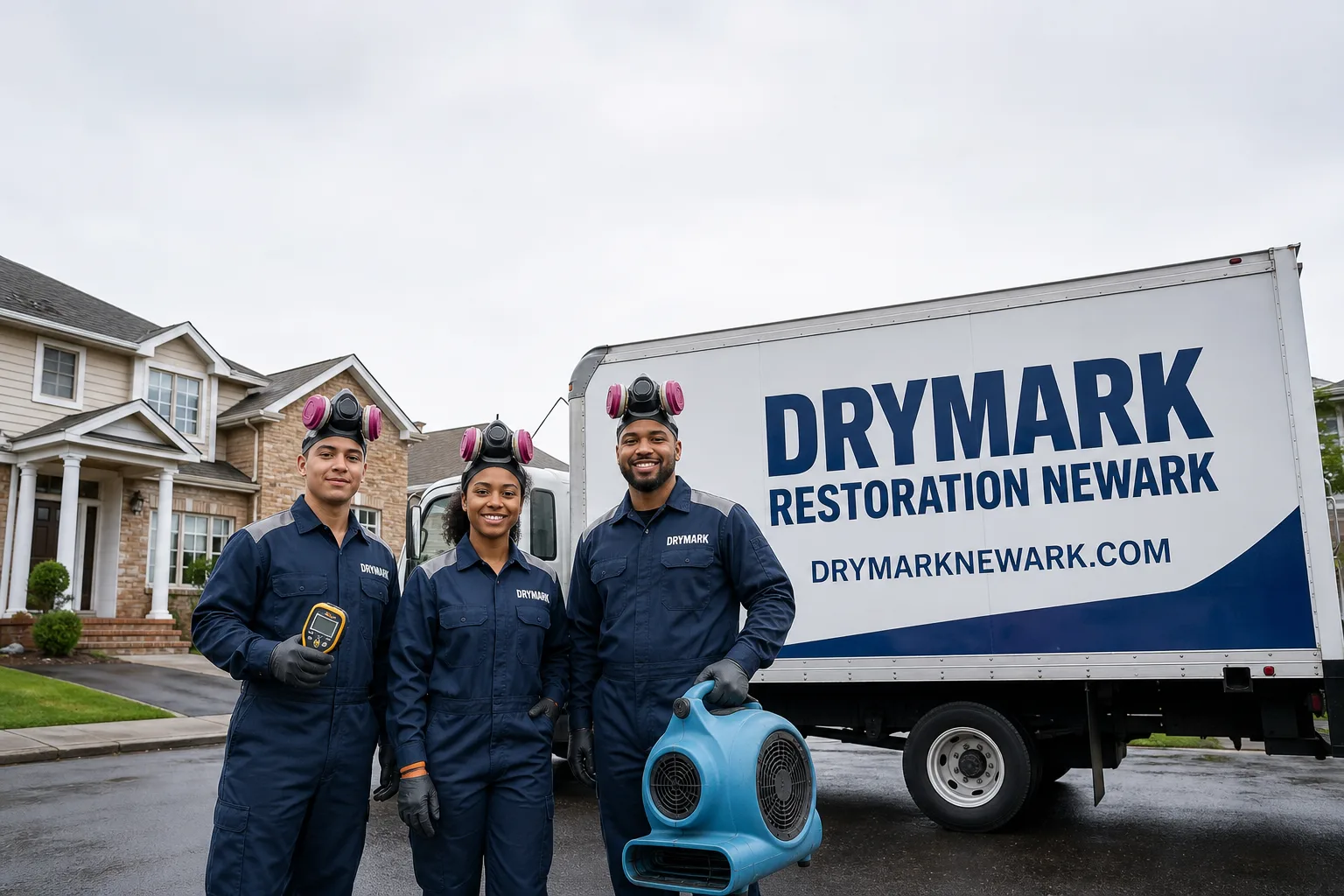
Free visual inspection and a written scope of work before any mitigation begins - photos, moisture readings, and drying logs go in your claim file
The scope we write is the scope we bill. Anything new gets shown to you, in writing, before we touch it.
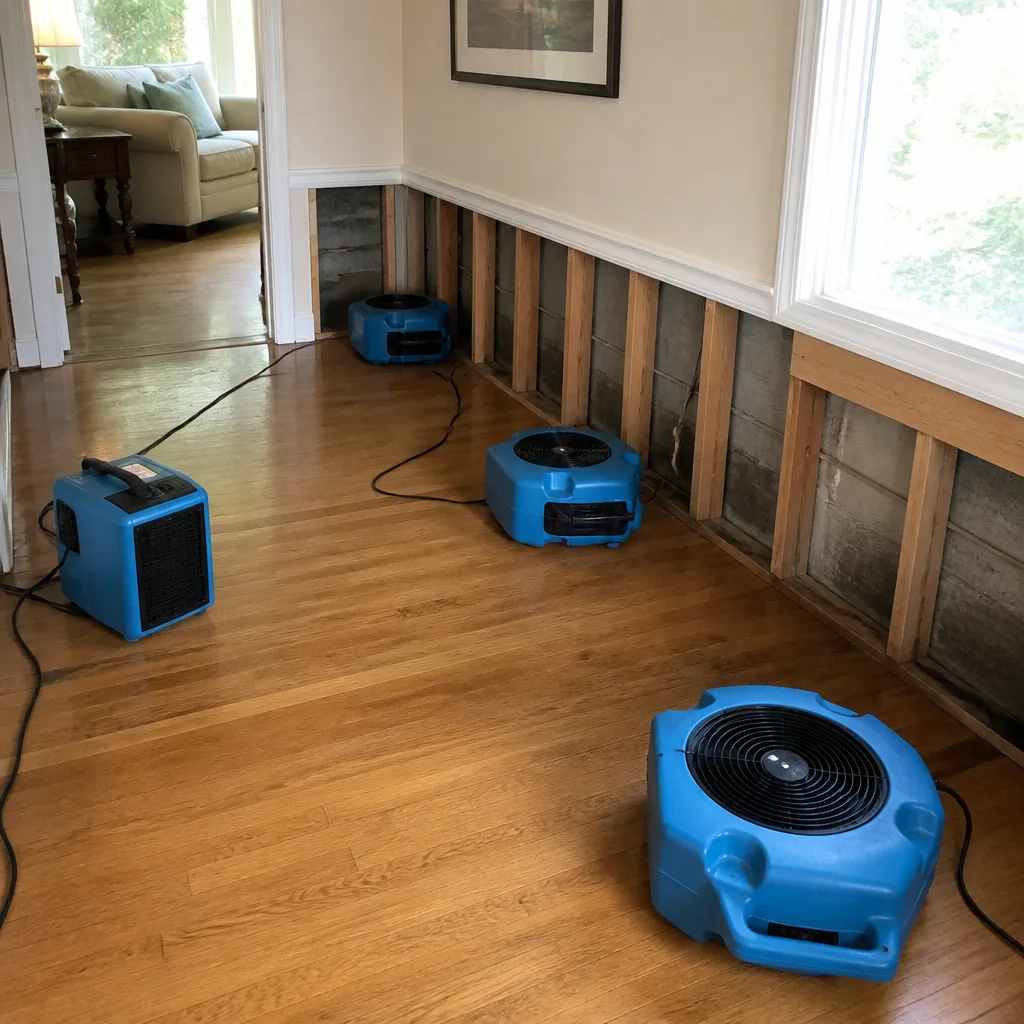
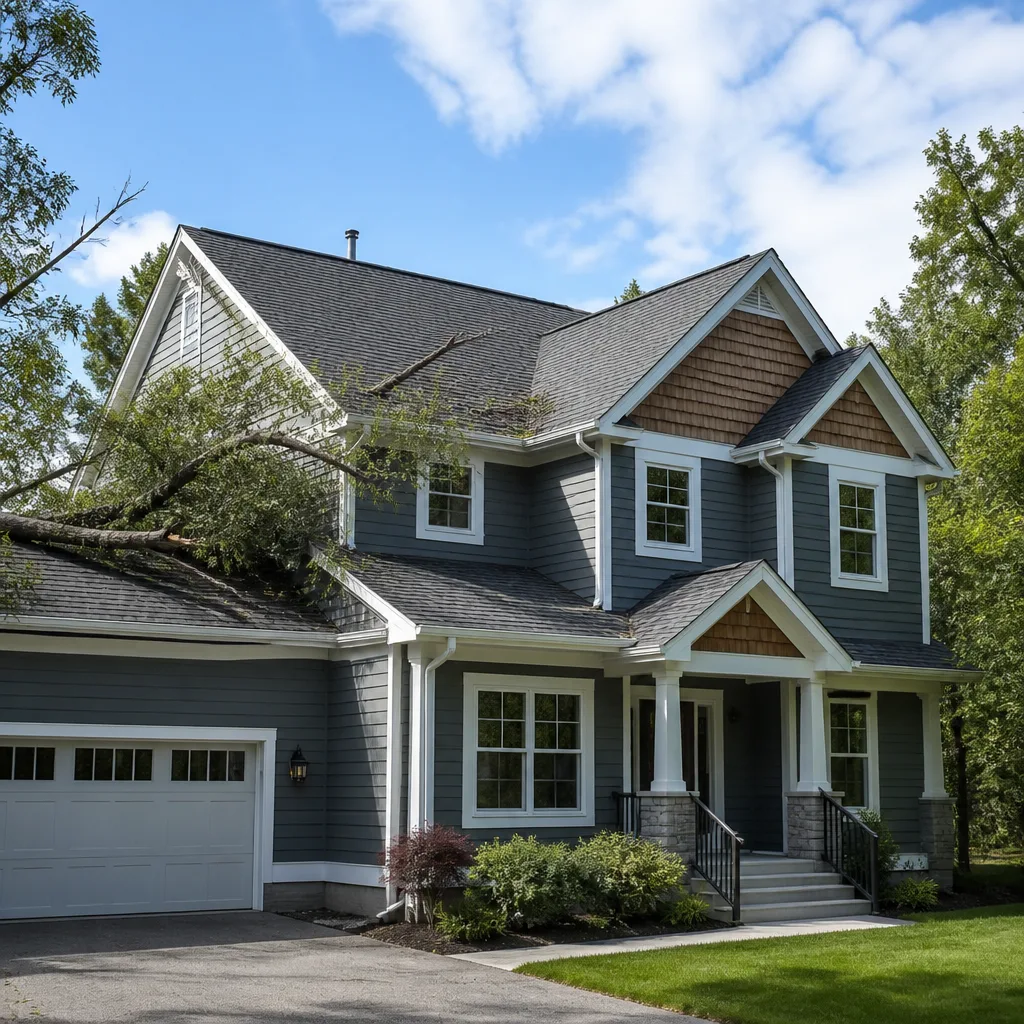
 Before
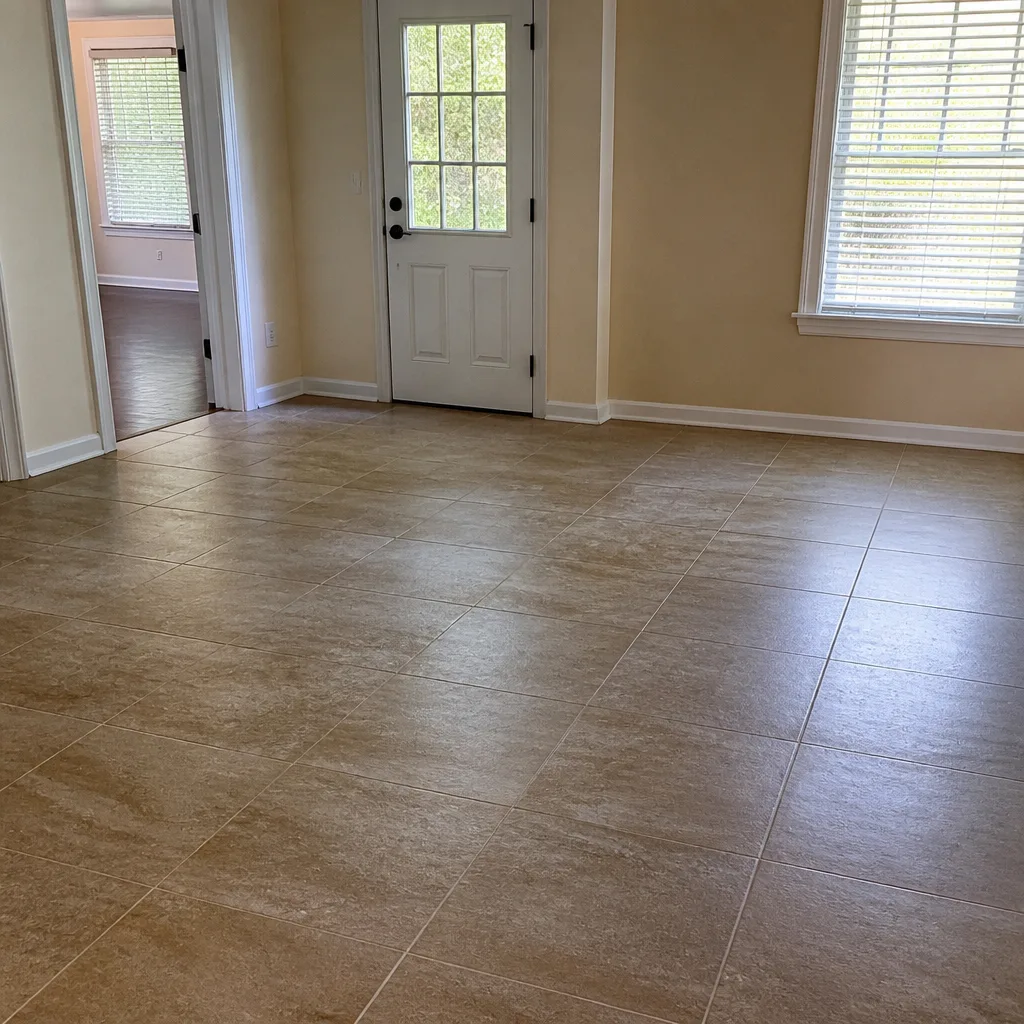
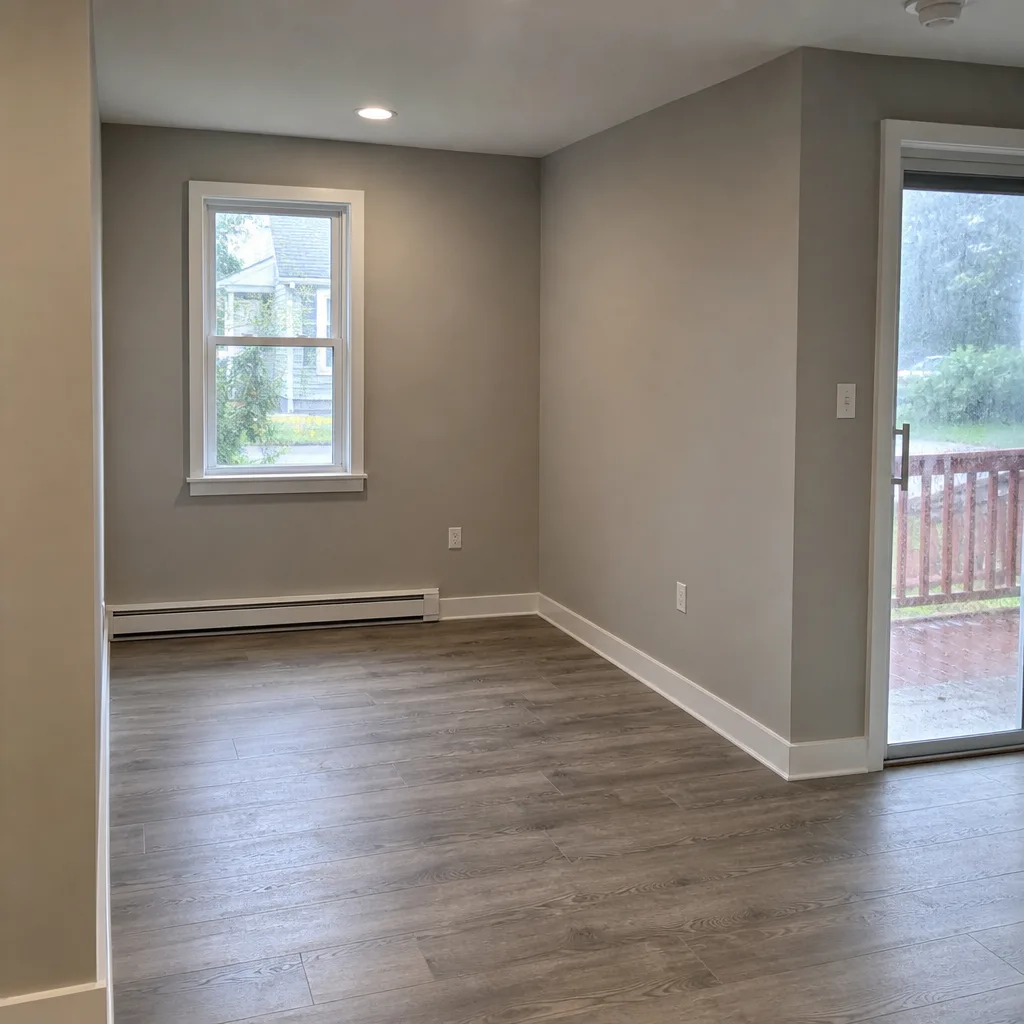 After
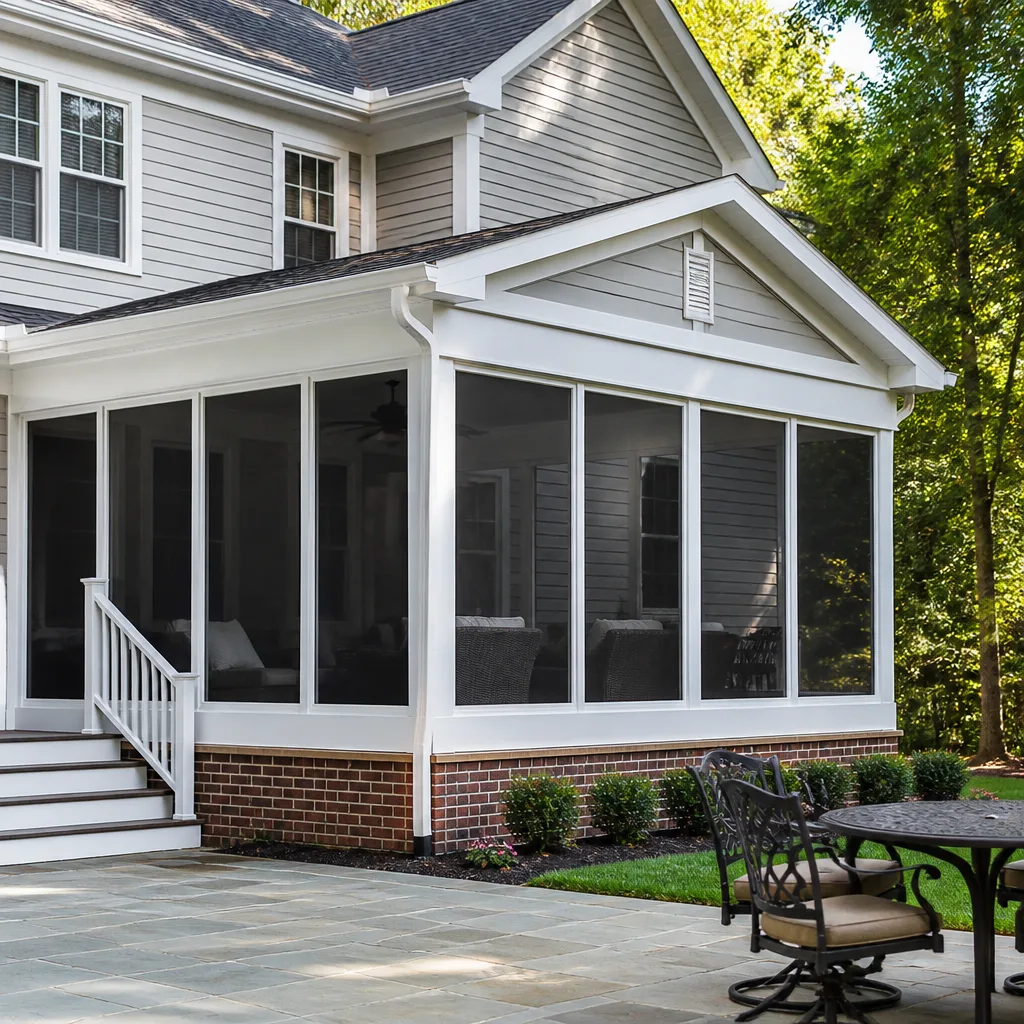
After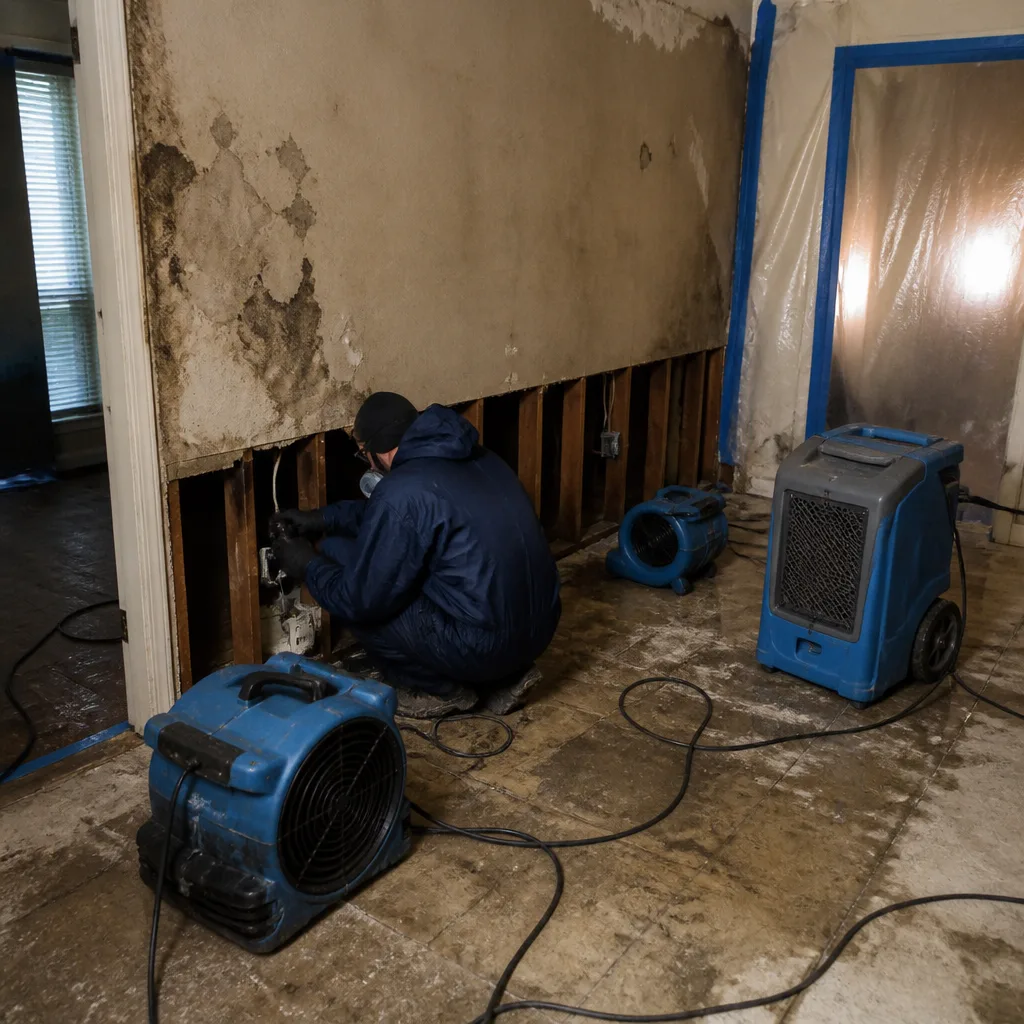 Before
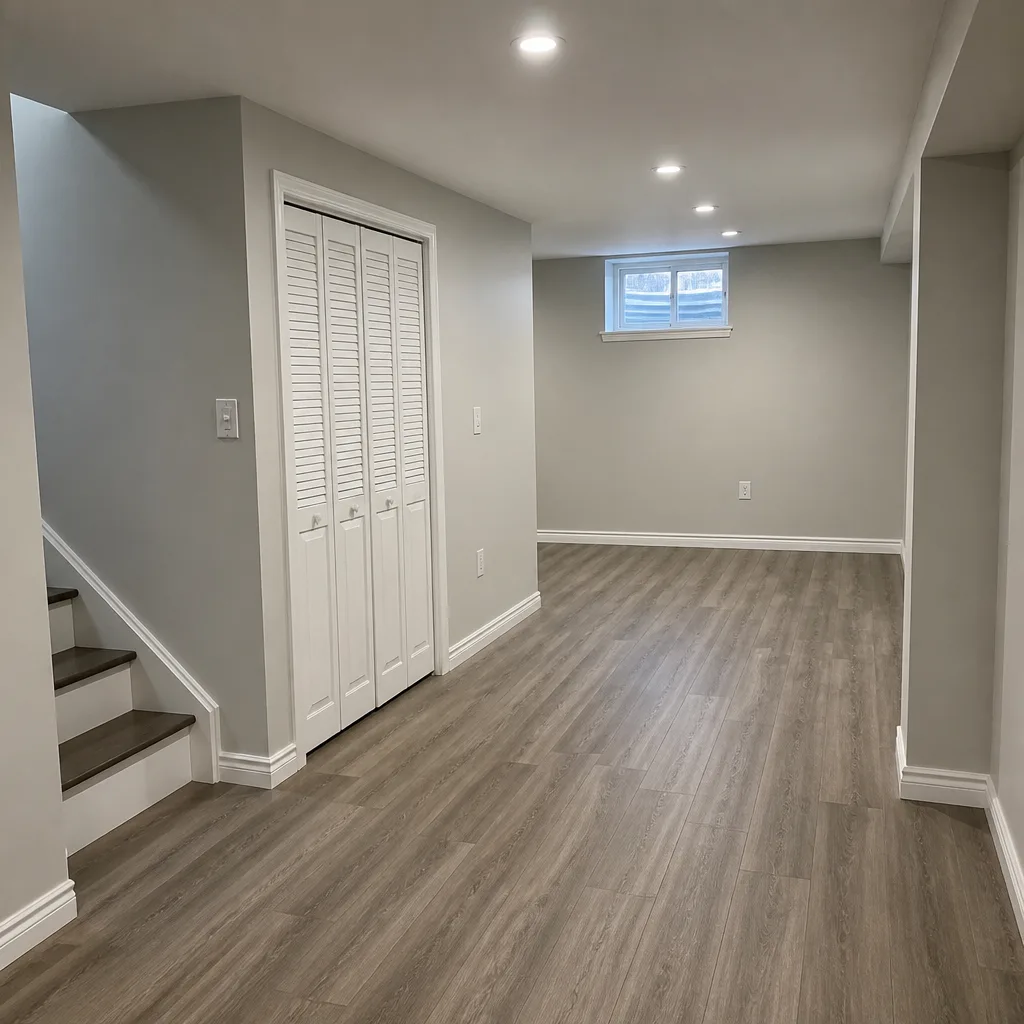 After
After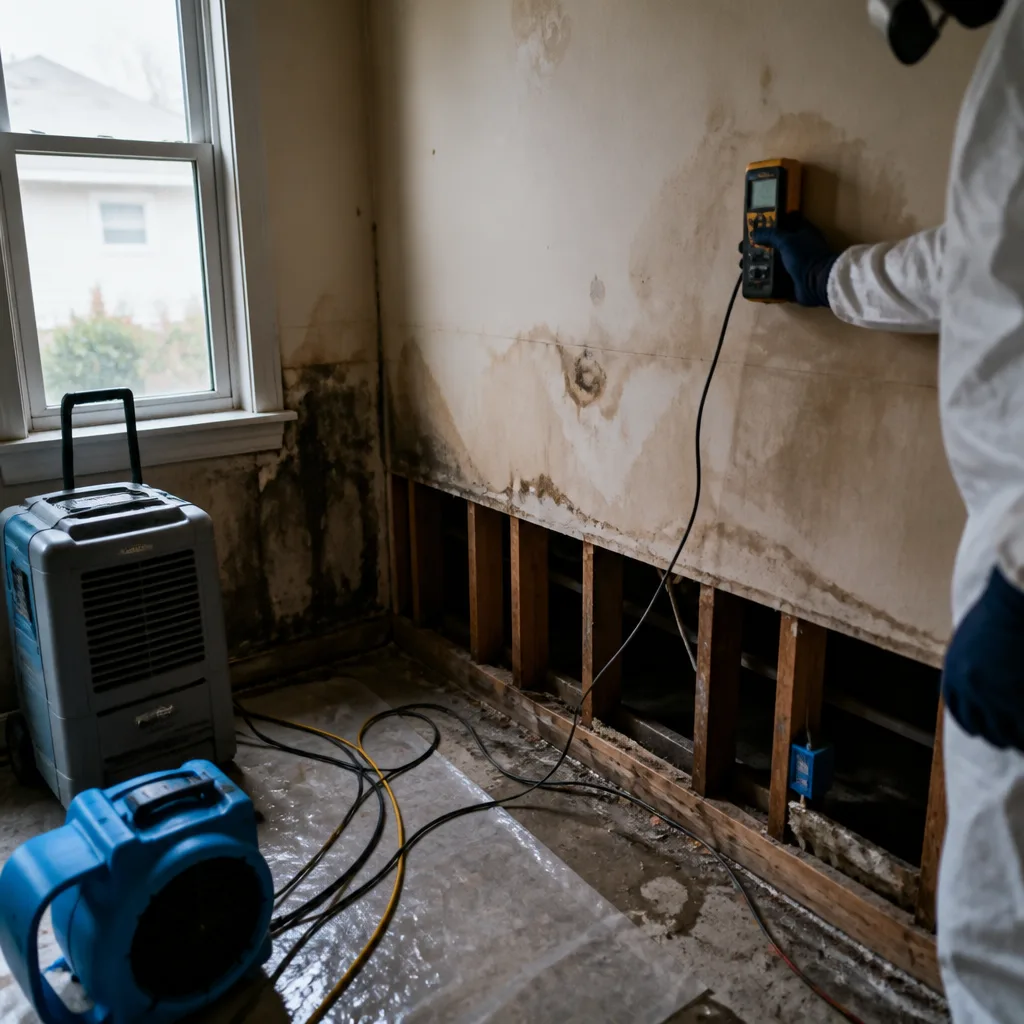 Before
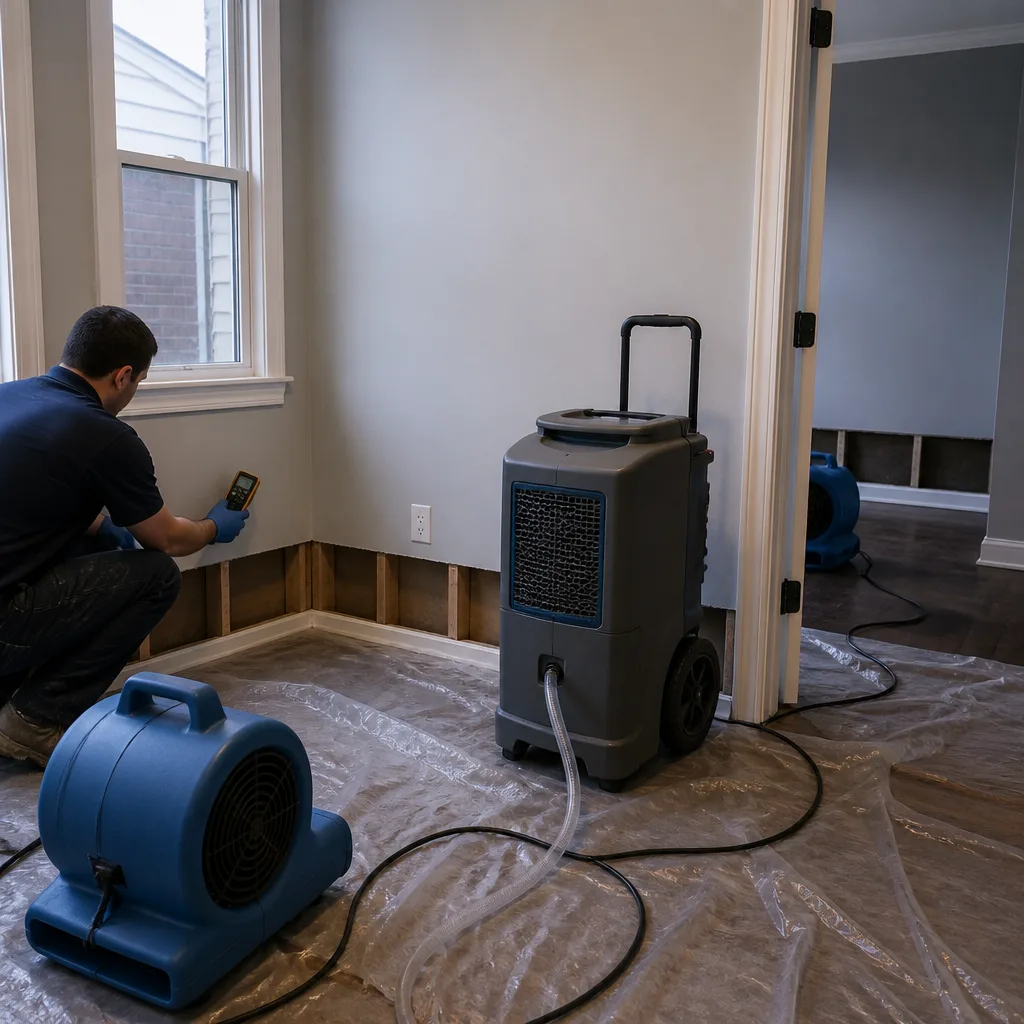 After
AfterFast, Reliable Water Damage Restoration Across Hoboken
Water damage restoration in Hoboken typically costs $2,800-$7,500 for a standard residential loss, with Category 3 sewage backups running $4,200-$9,000 due to mandatory removal of contaminated materials. Most Hoboken properties we see are finished basement units in 19th-century brownstones where the combined sewer system has backed up during heavy rain, meaning the loss starts black, not clean. We’re on the phone live 24 hours a day, 7 days a week at (862) 292-4268, and our crews dispatch to Hoboken from our New York City office with equipment staged for the masonry structures and dual-policy claims this city generates.
Hoboken isn’t like upland Hudson County. The city sits largely at or below sea level in a low-lying Hudson River basin, with a combined sewer infrastructure that routinely pushes raw sewage into basements during routine rain events. Post-Sandy FEMA flood map revisions placed large swaths of Hoboken in elevated-risk AE and VE zones, making flood insurance mandatory for many mortgage holders and creating a population that is unusually insurance-savvy. Our Water Damage Restoration team was built for exactly this environment: documentation-first, with written prices before work starts, photo records on every visit, and drying logs that satisfy both NFIP flood claims and separate homeowners or commercial policies.
Why DryMark Restoration Newark Is Hoboken’s Preferred Water Damage Restoration Company
We’ve restored water-damaged properties in Hoboken since our founding in 2011, and the pattern is consistent. Landlords on Bloomfield Street, Washington Street, and Garden Street call us because they’ve learned that a fast pump-out without proper Category 3 containment, antimicrobial treatment, and masonry drying documentation costs them their claim. Our 12,000+ restored homes include hundreds in Hudson County, and our reviews from Hoboken customers consistently cite the same thing: we show up with a written scope, we photograph everything, and we produce the daily moisture logs that turn restoration invoices into payable claims.
Response time to Hoboken averages under 90 minutes from initial call to crew arrival for emergency losses. Our dispatch is coordinated from the New York City office, but the trucks, equipment, and technicians serve Hoboken locally. We know which buildings on Willow Avenue and Monroe Street have the oldest cast iron plumbing, which blocks near the waterfront flood first in a nor’easter, and how to document hydrostatic pressure damage in sub-grade units for adjusters who’ve never set foot in a Hoboken brownstone basement.
Every technician is background-checked, uniformed, and licensed, with license numbers provided on request. We don’t send day laborers or subcontractors you can’t name. Haven Standard, Clause 1: a written price is delivered before anyone starts work, every time, with no scope-creep additions once the crew is inside your building.
Our Water Damage Restoration Services in Hoboken
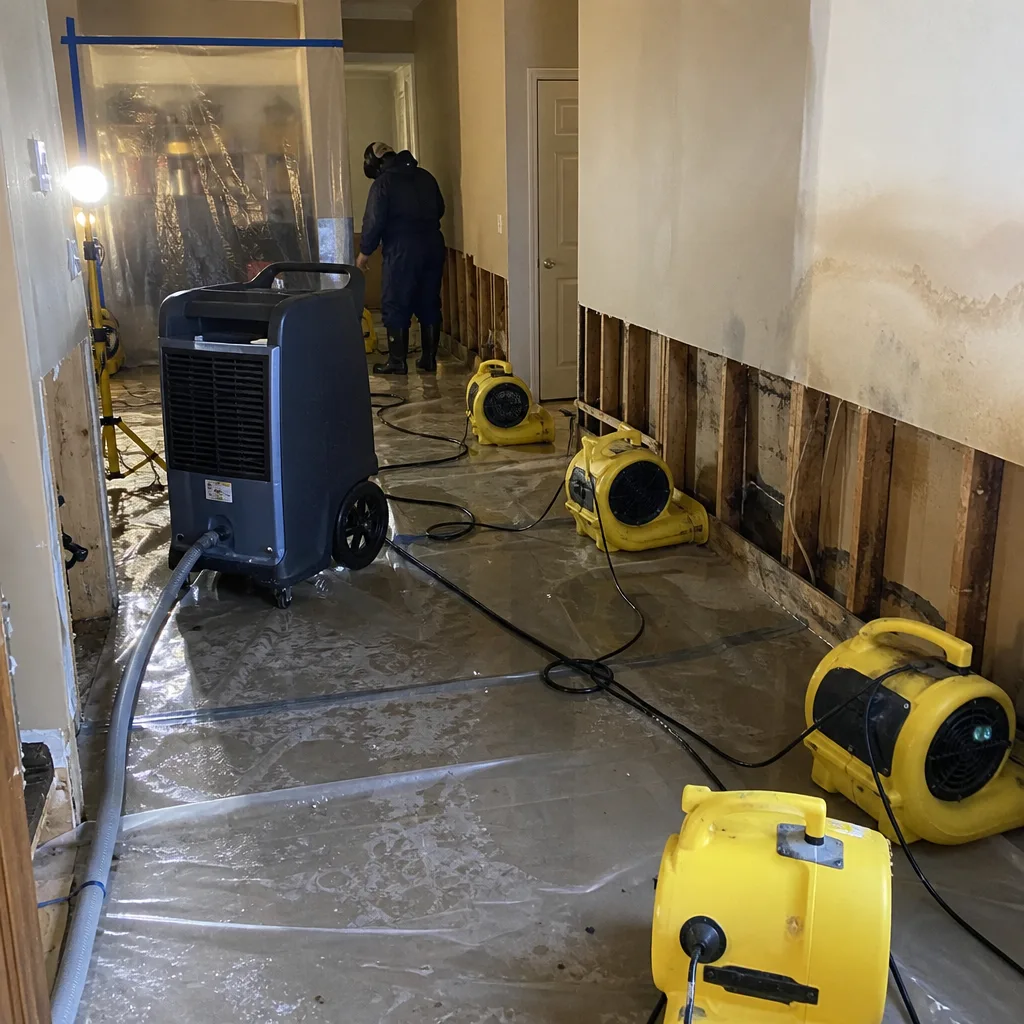
Emergency Water Extraction
In Hoboken, emergency water extraction usually means sewage-contaminated basement water from a combined sewer backup, not a clean pipe burst. We deploy truck-mounted extraction systems capable of removing standing water from finished basement units in dense row-house configurations where access is tight. On a recent call near Observer Highway, we extracted 4 inches of Category 3 water from a ground-floor commercial space, set containment barriers to prevent cross-contamination to upper residential units, and documented the loss for both the NFIP flood policy and the commercial property policy before the adjuster arrived.
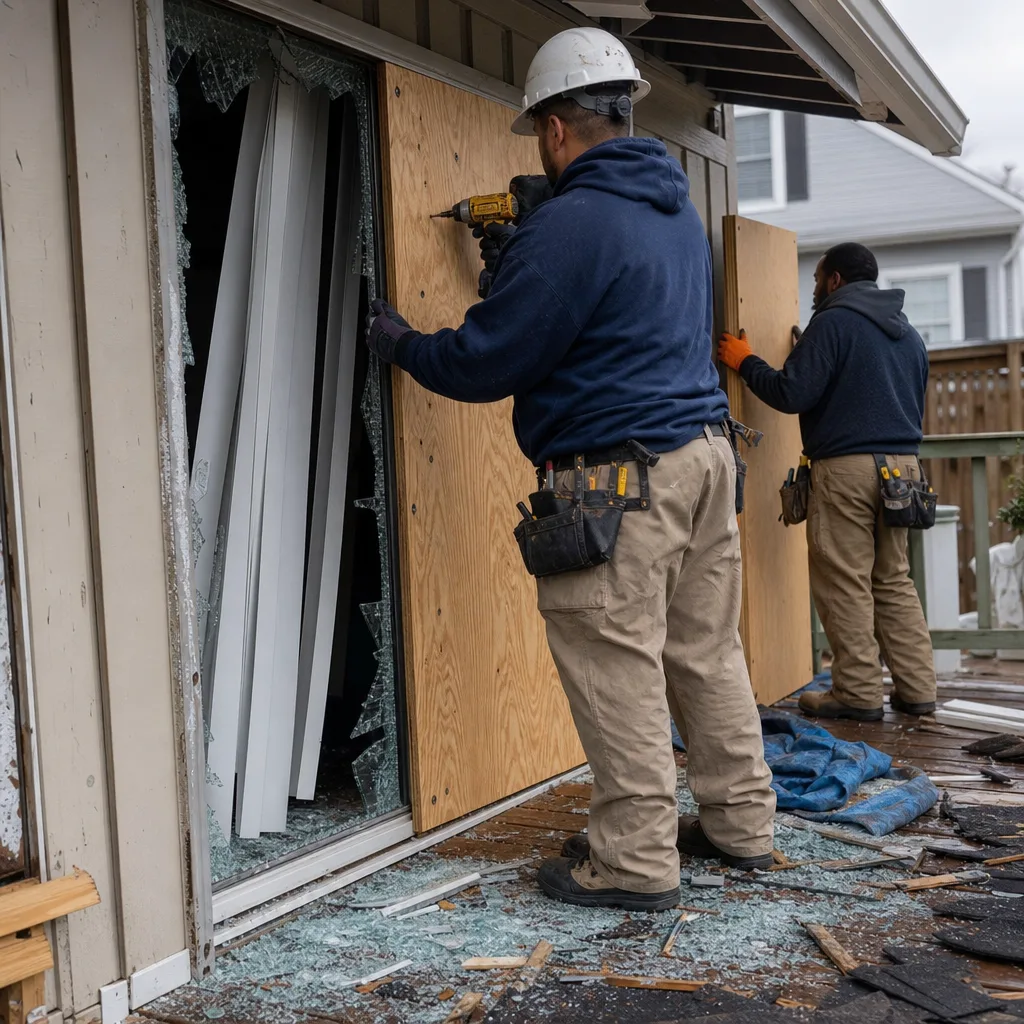
Structural Drying & Dehumidification
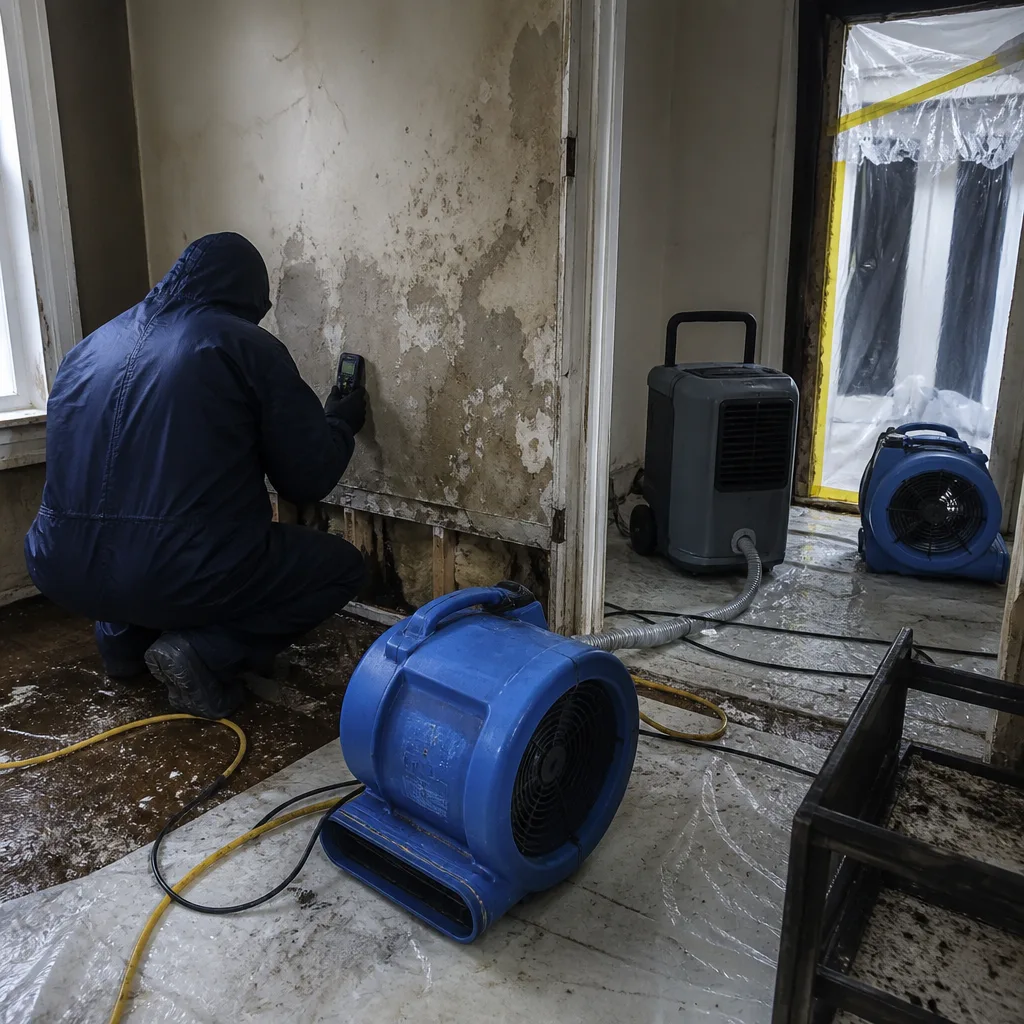
Hoboken’s 19th-century brownstones dry differently than suburban drywall construction. Brick and mortar wick water deep into masonry walls, and original plaster harbors moisture behind visible surfaces that standard air movers alone will not reach. We use Dri-Eaz and XPOWER dehumidification systems sized to the cubic volume of these dense masonry spaces, with Injectidry cavity drying systems for wall voids and ceiling chases. Psychrometric data - temperature, relative humidity, and vapor pressure differential, which is the force that actually drives moisture out of materials - is logged daily and shared with your adjuster as standard documentation, not an upsell.
Flood Cleanup
Flood cleanup in Hoboken carries unique documentation requirements because so many properties carry dual policies. Post-Sandy FEMA revisions placed much of the city in AE and VE zones, meaning NFIP flood insurance is mandatory for many mortgage holders. When a nor’easter pushes Hudson River surge into basement units near Sinatra Park or Maxwell Place, or when heavy rain overwhelms the combined sewer system in the southwest neighborhoods, we scope the loss for both policies simultaneously. Our photo record, drying log, and written scope are structured to satisfy NFIP documentation standards and private insurer requirements without duplicate work or conflicting descriptions.
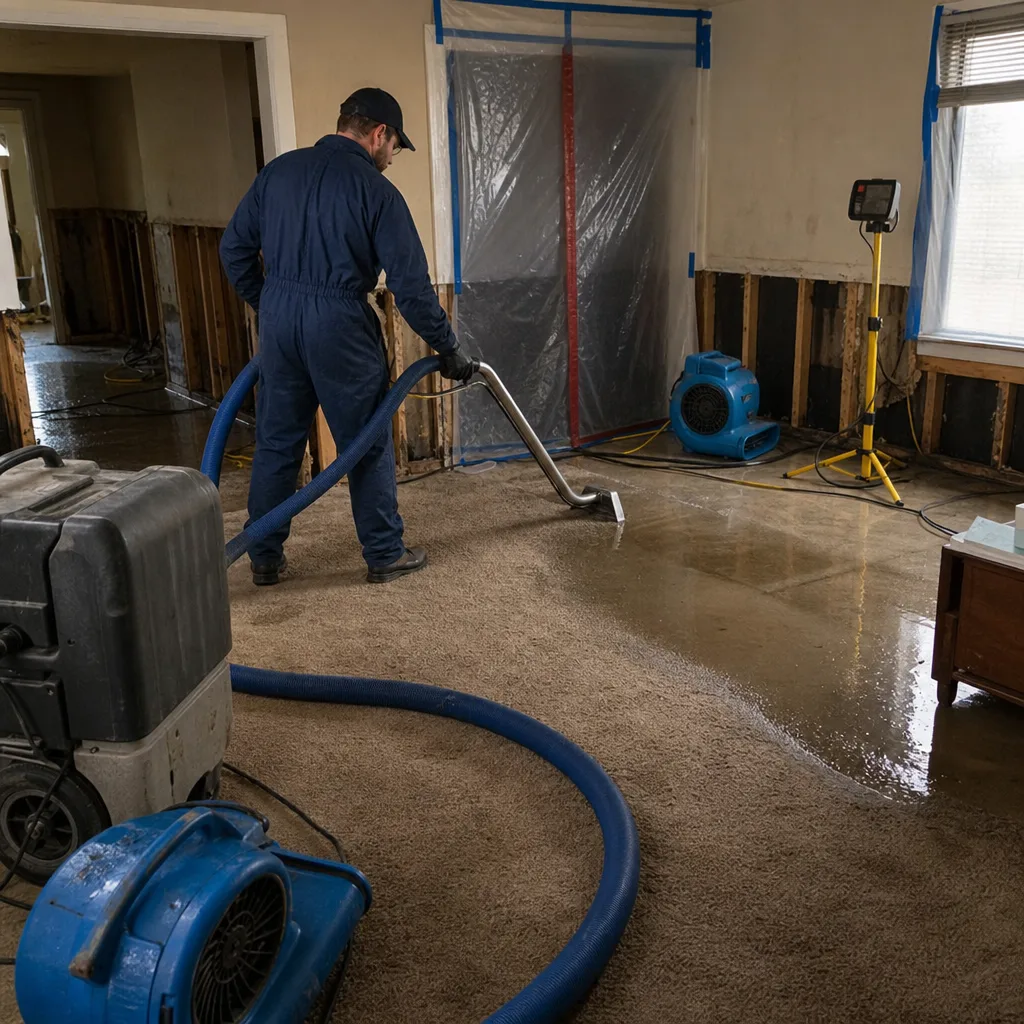
Burst Pipe Restoration
Hoboken’s aging housing stock contains original cast iron and galvanized plumbing that corrodes faster after repeated flood exposure. A burst pipe in a brownstone on Garden Street or Hudson Street often reveals secondary damage: previous water exposure has weakened the pipe wall, and the surrounding plaster and lath have been compromised by earlier losses that were never properly dried. We don’t just replace the pipe section. We moisture-map the surrounding wall cavity, document the condition of adjacent plumbing for the property owner, and include in our written scope any necessary removal of water-damaged plaster that will not dry clean in a masonry structure.
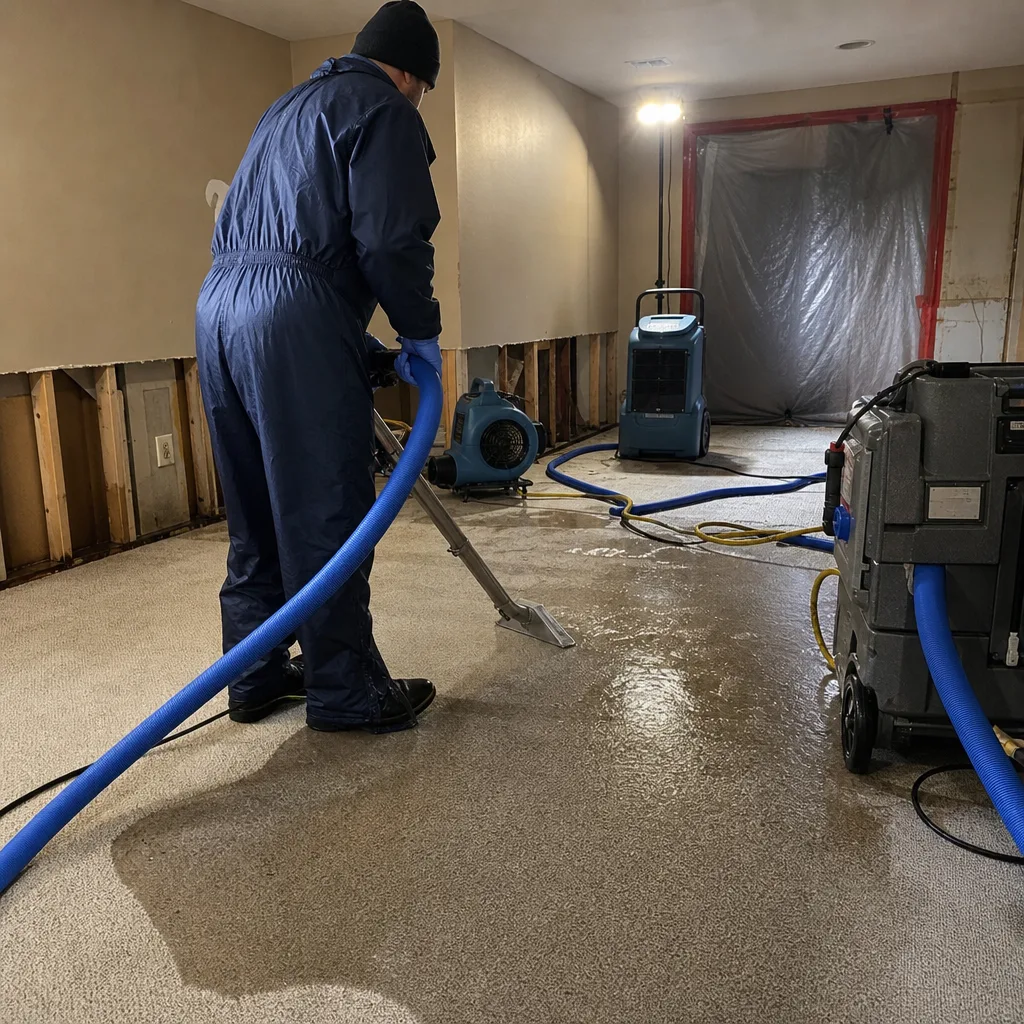
Basement Water Removal
Basement water removal is the service we perform most often in Hoboken, and it’s rarely a simple pump-out. The high water table and below-sea-level grades mean hydrostatic pressure pushes moisture back into sub-grade spaces after extraction unless proper dehumidification is maintained. We size dehumidification to the specific moisture load of masonry construction, not the square-footage rules used for wood-framed suburban basements. Tertiary drying - the final phase where materials reach equilibrium moisture content - takes longer in brownstone basements, and we log those readings until the structure is stable, not until the equipment rental period ends.
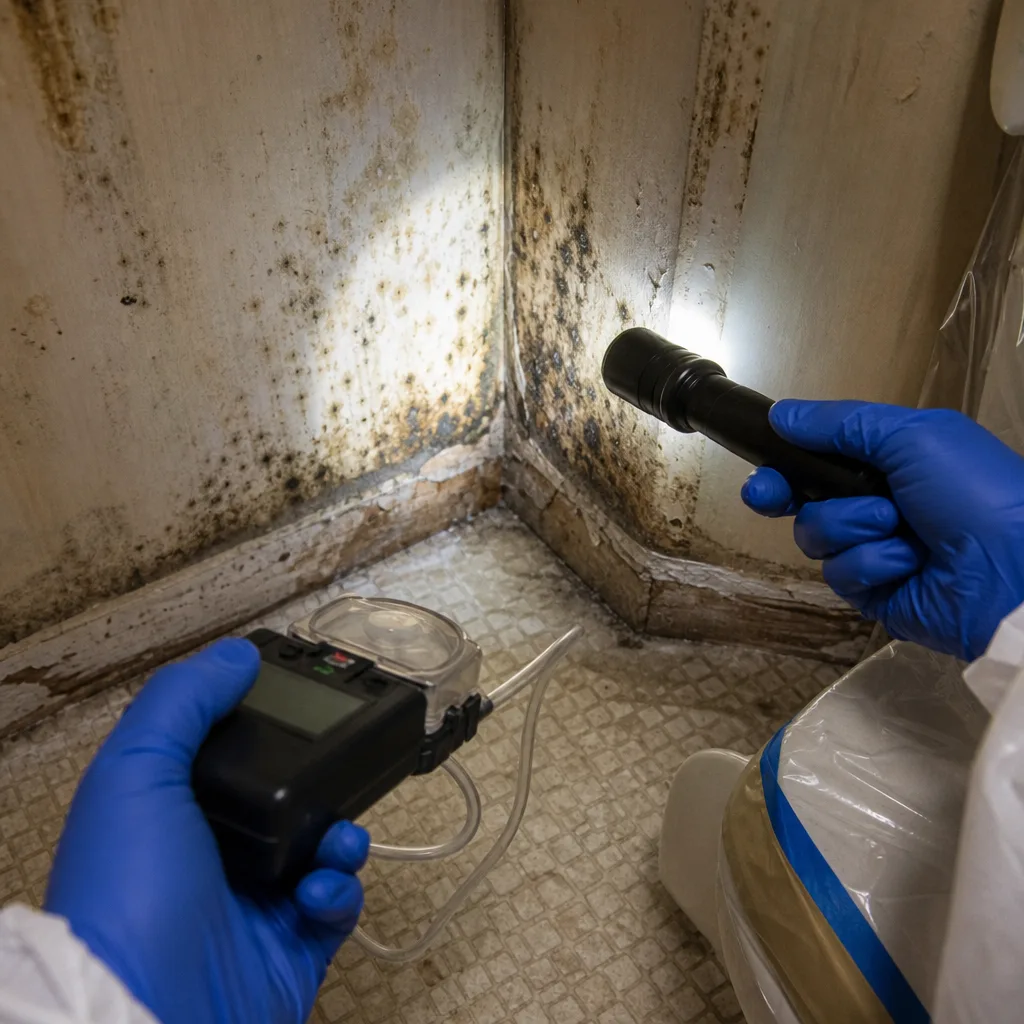
Ceiling & Roof Leak Water Damage
Ceiling and roof leak damage in Hoboken’s flat-roofed multi-family buildings often travels horizontally through multiple units before showing as a stain. We trace the water path using thermal imaging and moisture meters, document affected square footage by unit, and provide a written scope that allocates restoration costs appropriately for landlord-tenant and insurance purposes. In buildings with original plaster ceilings, we assess whether the lath has delaminated from repeated wet-dry cycles - a common failure mode in Hoboken’s housing stock that requires removal rather than spot repair.
What happens when you call
- 1
A real person answersNo phone trees - you reach a local pro.
- 2
You get an upfront price rangeHonest numbers before anyone is dispatched.
- 3
A background-checked tech heads outLicensed & insured, dispatched right away.
- 4
You approve before work beginsNothing starts until you say go.
BeforeAfterCommon Water Damage Restoration Problems We See in Hoboken Homes
- Category 3 misclassification. Contractors unfamiliar with Hoboken’s combined sewer system treat sewage backups as clean water losses, attempting to dry brick, plaster, and insulation that must be removed under IICRC standards. The result is a failed claim and mold growth within 48 hours.
- Incomplete moisture mapping in masonry walls. Original plaster and brick wick water laterally and vertically far beyond visible staining. Without cavity probes and thermal imaging, hidden moisture behind walls feeds mold and damages structural mortar.
- Single-policy documentation for dual-policy losses. Hoboken properties in AE/VE zones often have both NFIP flood and homeowners or commercial coverage. A scope written for one policy may be rejected by the other, delaying payment for months.
- Inadequate dehumidification for high-water-table spaces. Air movers alone evaporate water into the air, but without sufficient dehumidification capacity, that moisture re-condenses on cooler masonry surfaces. Hoboken sub-grade spaces require dehumidifiers sized for continuous hydrostatic pressure, not just the initial water volume.
Pricing for Water Damage Restoration in Hoboken, NJ
These are the price ranges we see in Hoboken’s market for work performed under Haven Standard, Clause 1 - written price before work begins, with no additions once the crew is inside:
| Service | Typical Range in Hoboken |
|---|---|
| Emergency water extraction (Category 1, clean water) | $1,800 - $3,500 |
| Emergency water extraction (Category 3, sewage/contaminated) | $2,800 - $5,200 |
| Structural drying & dehumidification (residential) | $2,200 - $4,800 |
| Structural drying & dehumidification (commercial/multi-family) | $3,500 - $8,000 |
| Flood cleanup with dual-policy documentation | $4,200 - $9,000 |
| Basement water removal with masonry drying | $3,000 - $6,500 |
| Burst pipe restoration with adjacent damage | $2,500 - $5,500 |
| Ceiling/roof leak damage (per affected unit) | $1,800 - $4,200 |
What moves a job toward the higher end: Category 3 contamination requiring removal of finished materials, multiple affected units in a multi-family building, dual-policy documentation requirements, and masonry construction that extends drying time. What keeps costs controlled: fast call response that limits secondary damage, accurate initial scope that prevents change orders, and proper documentation that accelerates insurance payment. We provide free estimates, and our Free Second Opinion on any competitor’s written estimate means you can verify scope and pricing at no charge.
We Also Serve Cities Near Hoboken
Our crews respond daily throughout Hudson County, including Water Damage Restoration in Hoboken and neighboring Union City, Jersey City, Secaucus, and Kearny. Each city presents different flood risk profiles, building stock, and insurance documentation requirements, and we scope accordingly.
Serving Hoboken, NJ - Our Local Coverage Area
We’re based in the Hoboken area and know this community well. Use the map below to see our service coverage - if you’re nearby, we can almost certainly help.
FAQs - Water Damage Restoration in Hoboken
Hoboken’s combined sewer system carries both stormwater and sanitary sewage in the same pipes, and during significant rain events the system’s capacity is exceeded, causing backflow into the lowest points - typically basement drains and fixtures. The city’s below-sea-level grades and high water table mean there’s nowhere for the excess to go, so it enters your building. This is a Category 3 water loss under IICRC standards, requiring removal of affected porous materials and antimicrobial treatment, not just drying. Call (862) 292-4268 and we’ll assess whether your specific loss qualifies for NFIP coverage, homeowners coverage, or both.
Yes. Brick and lime-based plaster are hygroscopic - they absorb and hold moisture far more than modern drywall and wood framing. In a typical Hoboken brownstone basement, we see moisture readings at sill plates and mortar joints remain elevated for 5 to 7 days longer than in comparable wood-framed spaces, even with professional dehumidification. Our drying protocols account for this with extended monitoring, cavity drying systems, and daily moisture logs that document progress to your adjuster. The written scope includes the full drying timeline, not an optimistic estimate.
Mold colonization begins 24 to 48 hours after water intrusion in Hoboken’s typical basement conditions: temperatures in the 60s to 70s, high humidity, organic food sources in plaster and wood lath, and often previous moisture damage that has established spore reservoirs. In Category 3 sewage backups, bacterial growth precedes visible mold and creates additional health hazards. We apply antimicrobial treatment as part of our standard Category 3 protocol, documented with photos, and we do not attempt to dry materials that IICRC standards require to be removed. Speed matters for extraction, but proper containment and removal matter more for mold prevention in contaminated losses.
Document for both policies from day one, with separate photo records, moisture logs, and written scopes that describe the same physical damage using each policy’s required terminology. NFIP adjusters need flood-specific cause documentation and proof of compliance with policy conditions; homeowners adjusters need proof that the loss is not excluded as flood damage. Our standard deliverable includes dual-policy documentation packages, and we coordinate directly with both adjusters to prevent conflicting descriptions that delay payment. Haven Standard documentation is designed for exactly this scenario, which is common in Hoboken’s AE and VE zones.
No. Cast iron and galvanized steel that has been repeatedly exposed to flood water, especially Category 3 sewage contamination, has accelerated interior corrosion that cannot be reversed by drying. The pipe wall thins, scale buildup restricts flow, and failure at joints or bellies becomes likely. We document the condition of exposed plumbing in our photo record, note corrosion evidence in our written scope, and recommend replacement to the property owner and adjuster. Drying the surrounding structure is necessary; pretending the plumbing is fine is not. Call (862) 292-4268 for an assessment that includes plumbing condition documentation.
Written by Alicia Brennan, Owner at Back to Dry Restoration, serving Hoboken since 2011.
Water Damage Restoration in Nearby Areas