
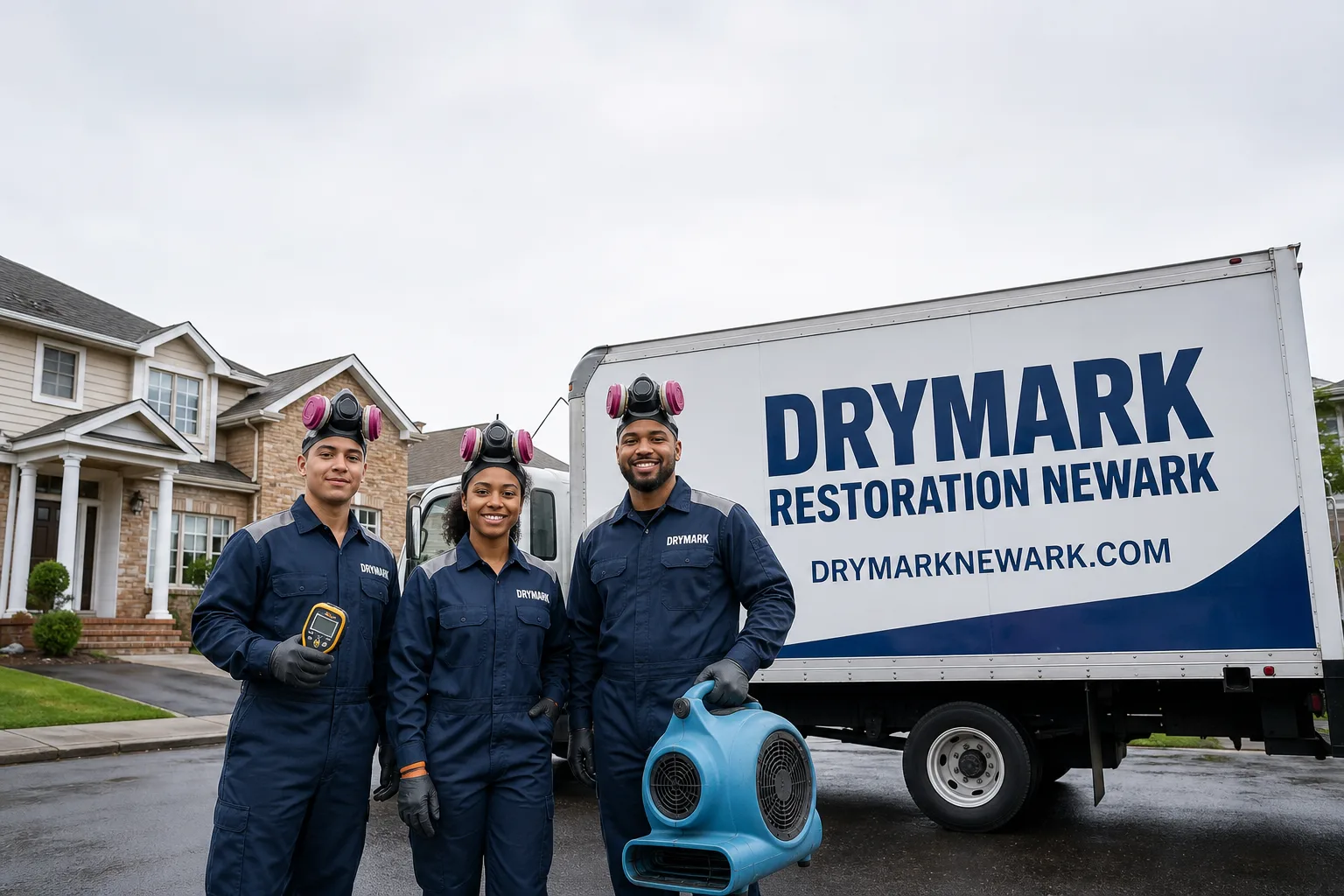
Free visual inspection and a written scope of work before any mitigation begins - photos, moisture readings, and drying logs go in your claim file
The scope we write is the scope we bill. Anything new gets shown to you, in writing, before we touch it.
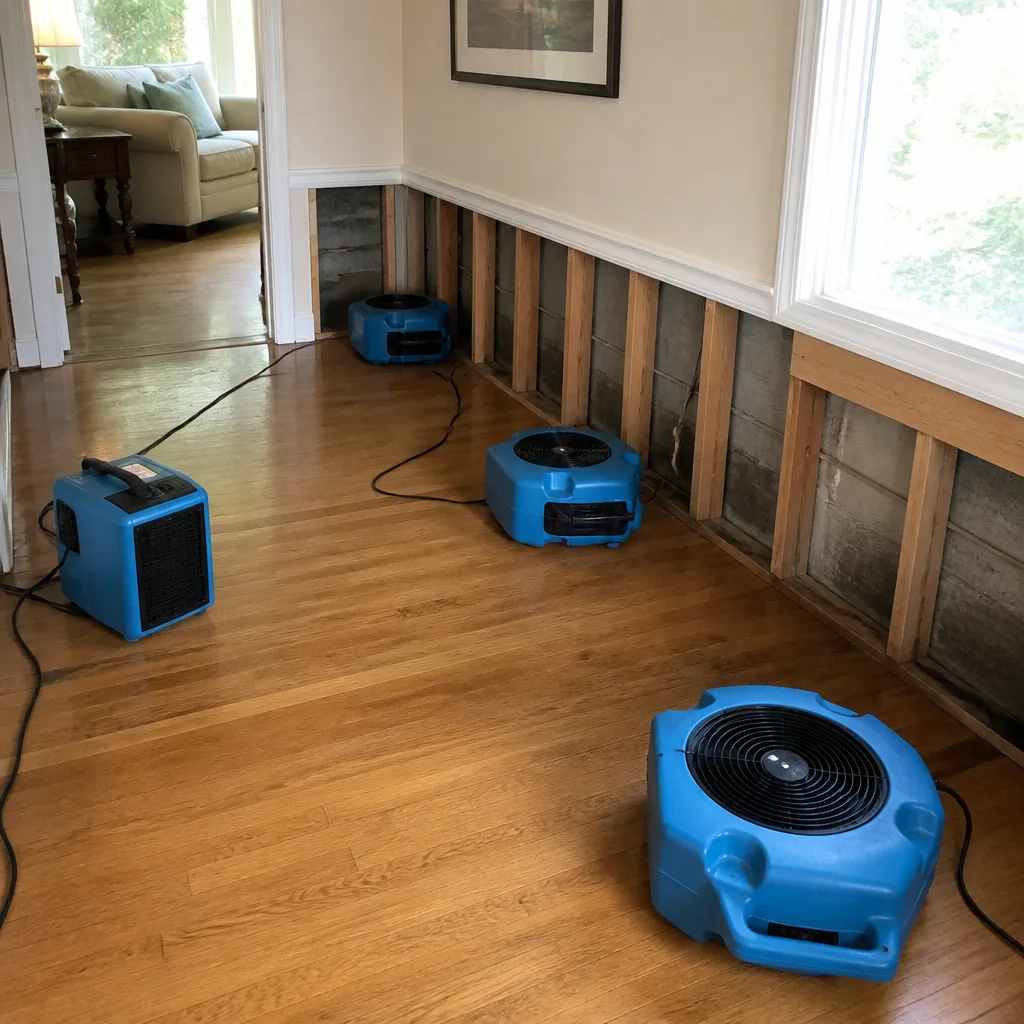
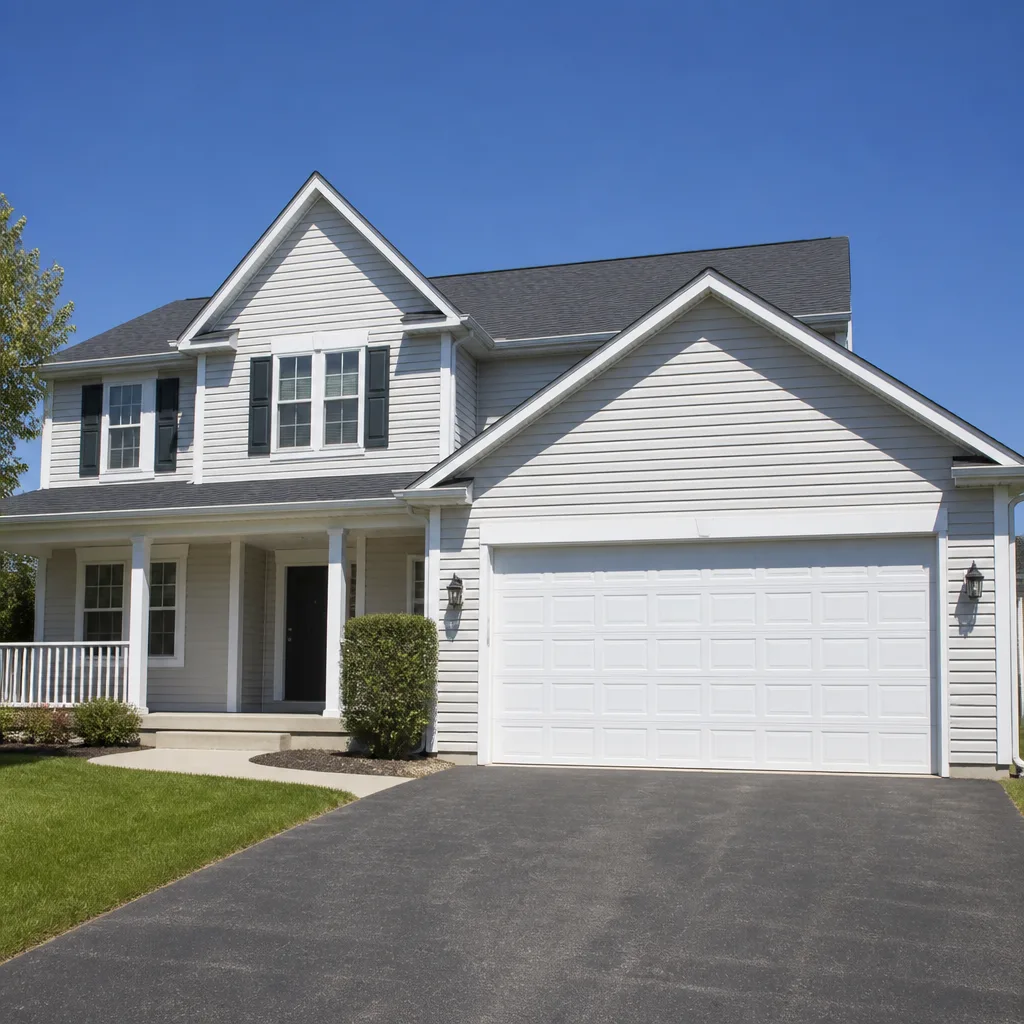
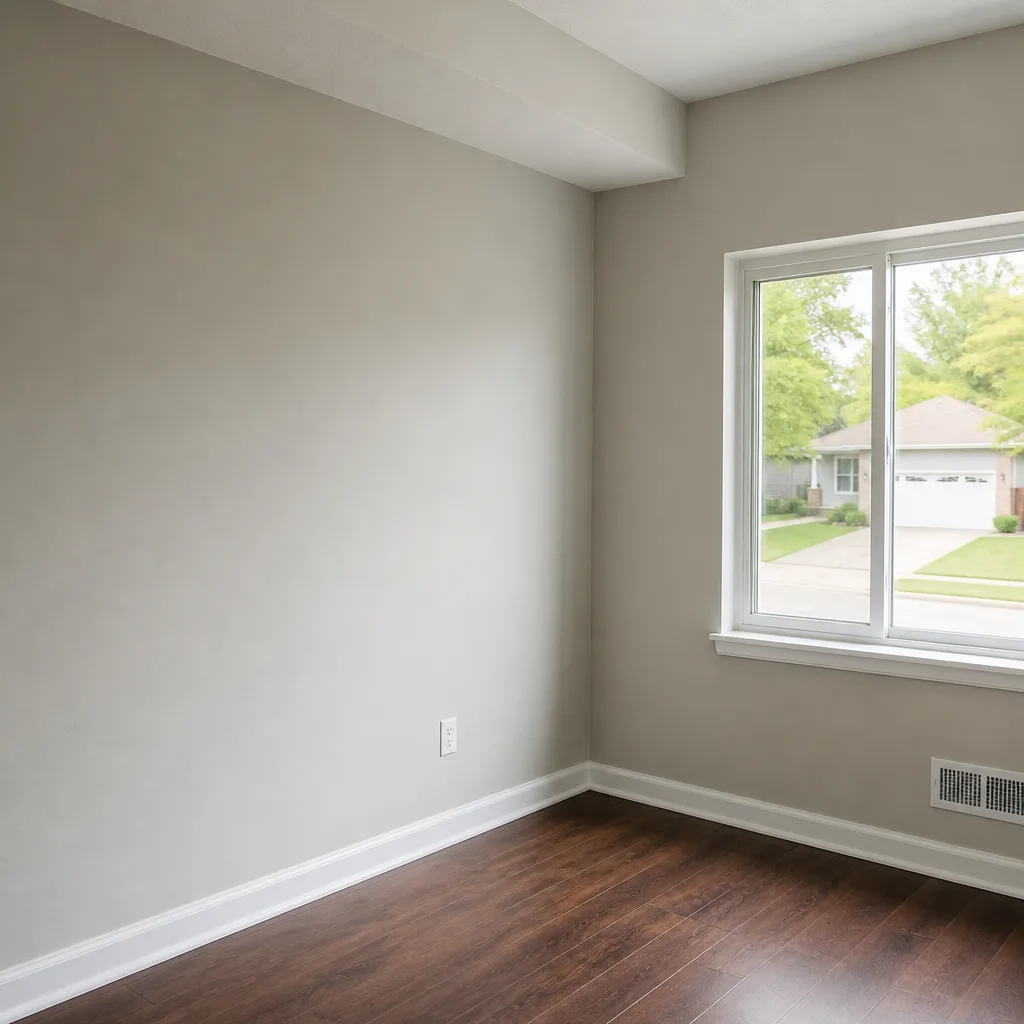
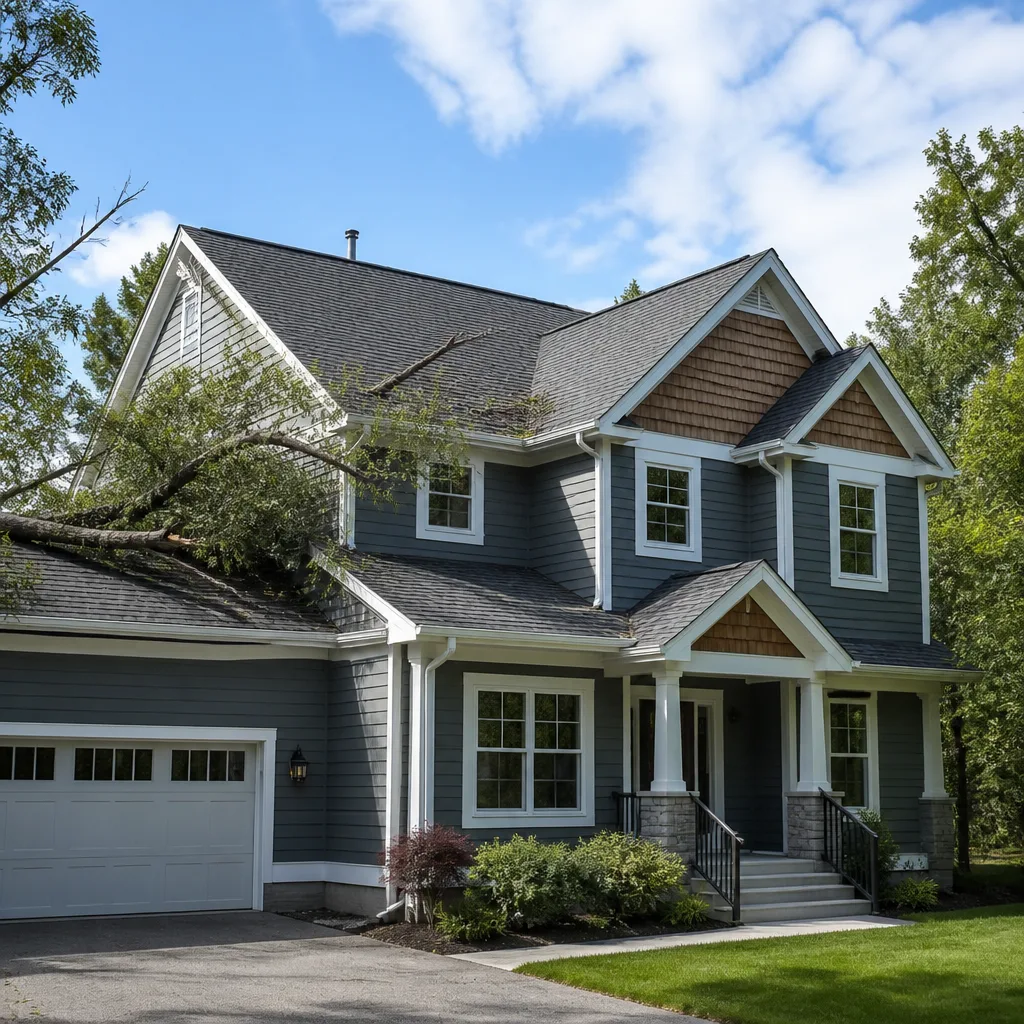
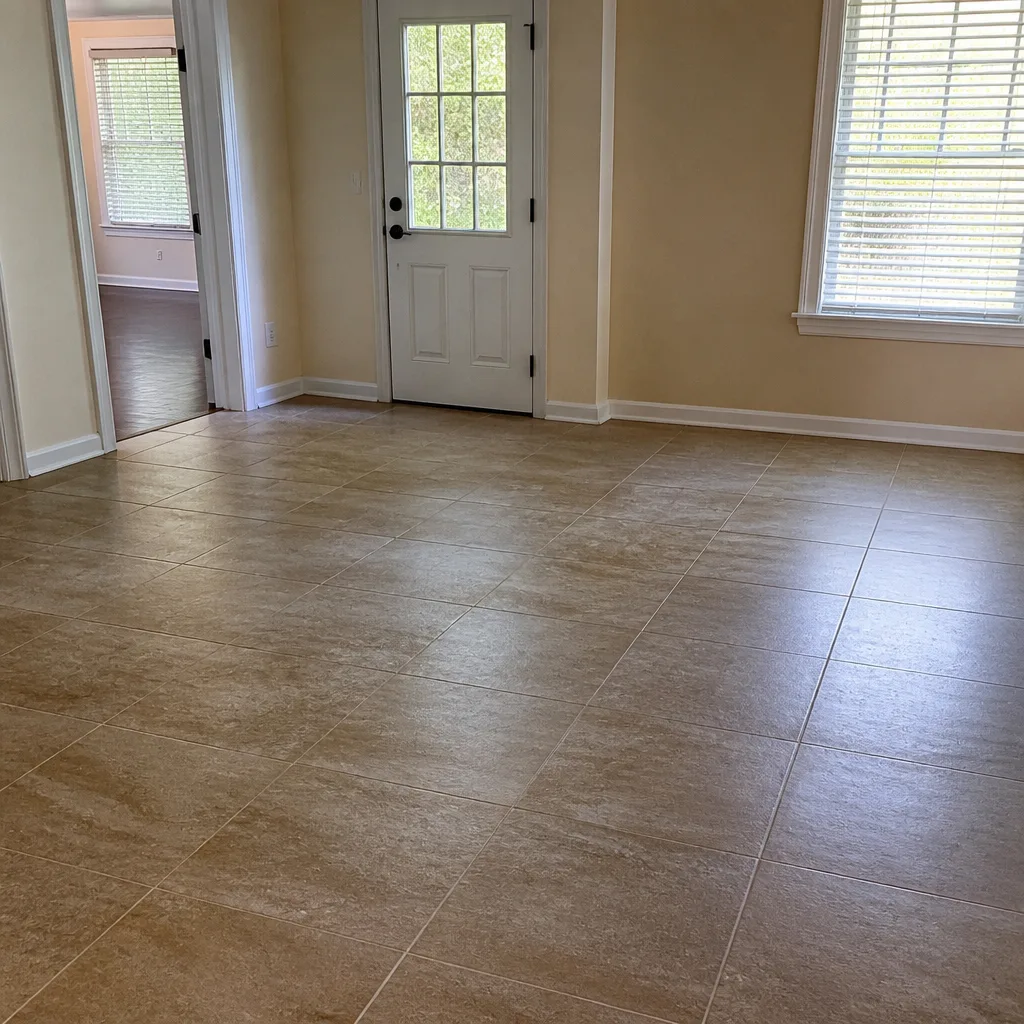
 Before
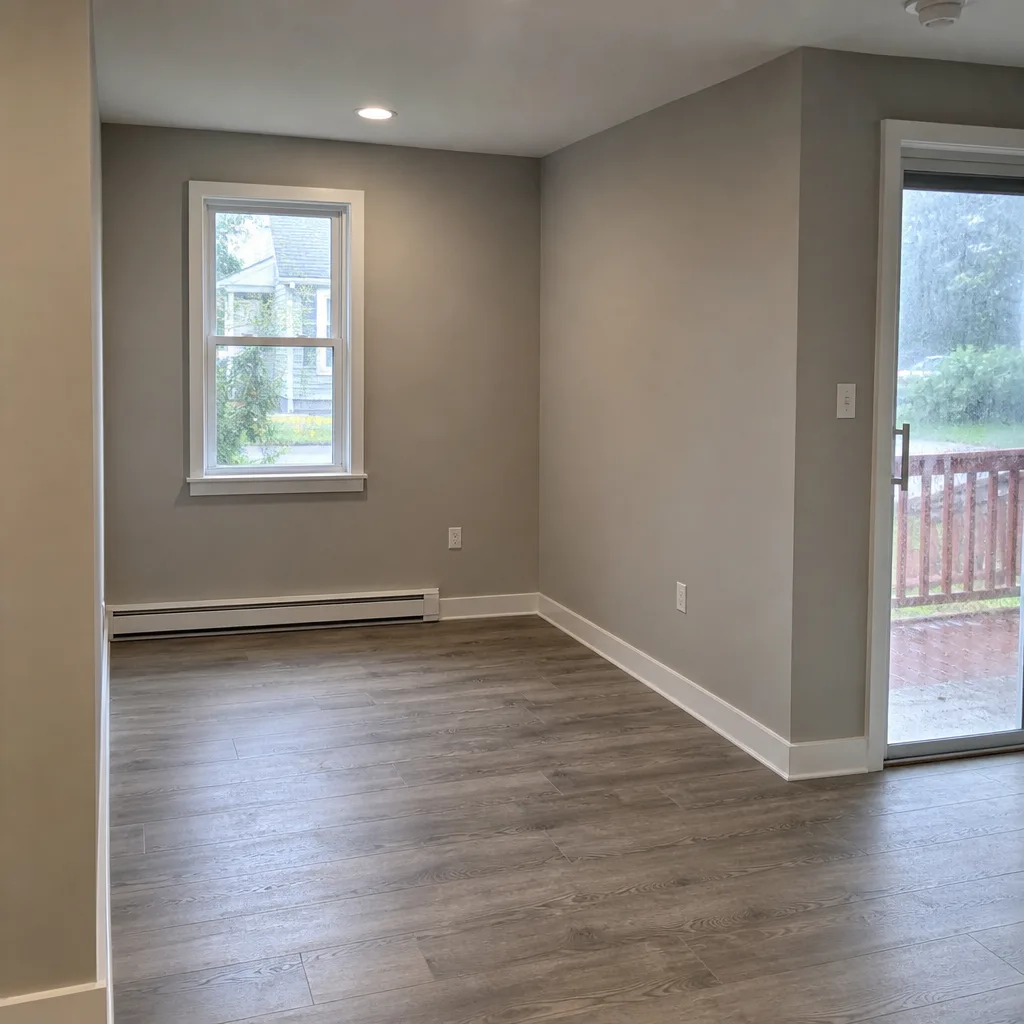 After
After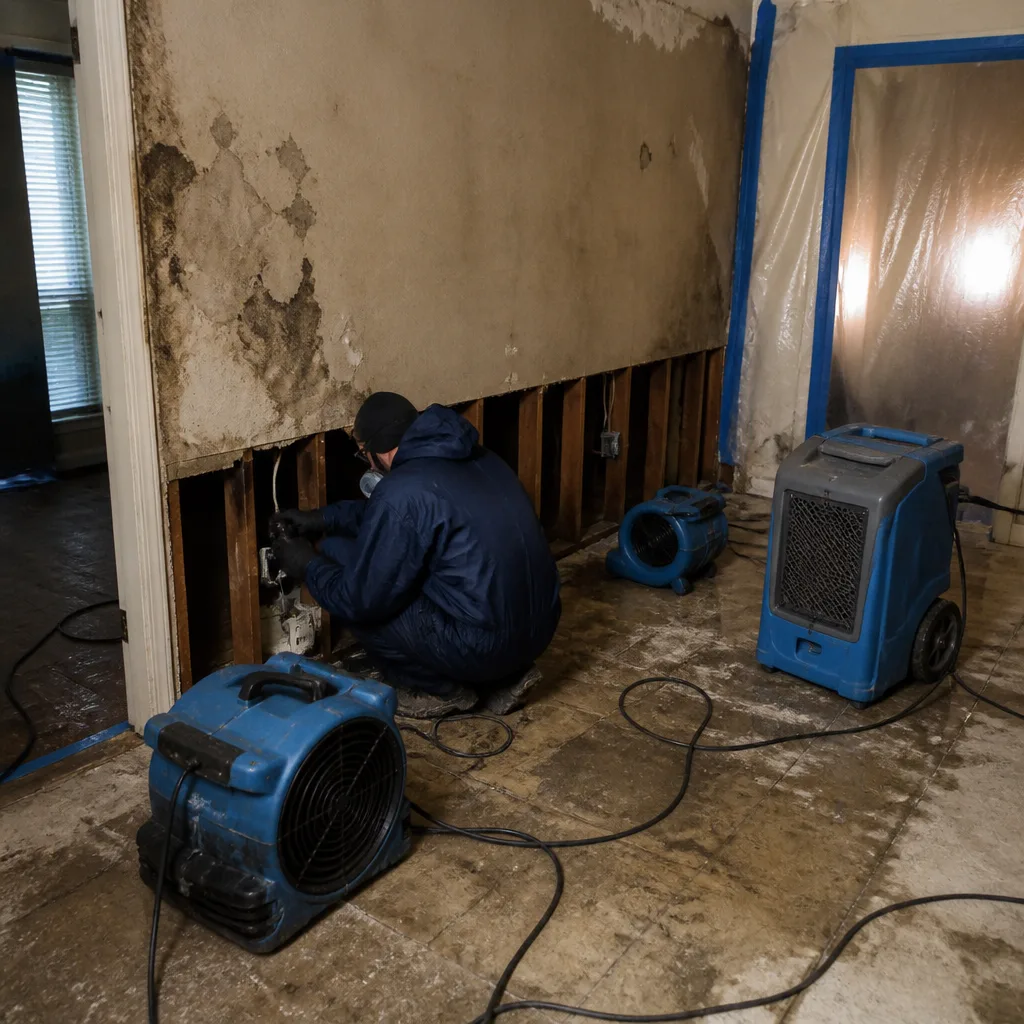 Before
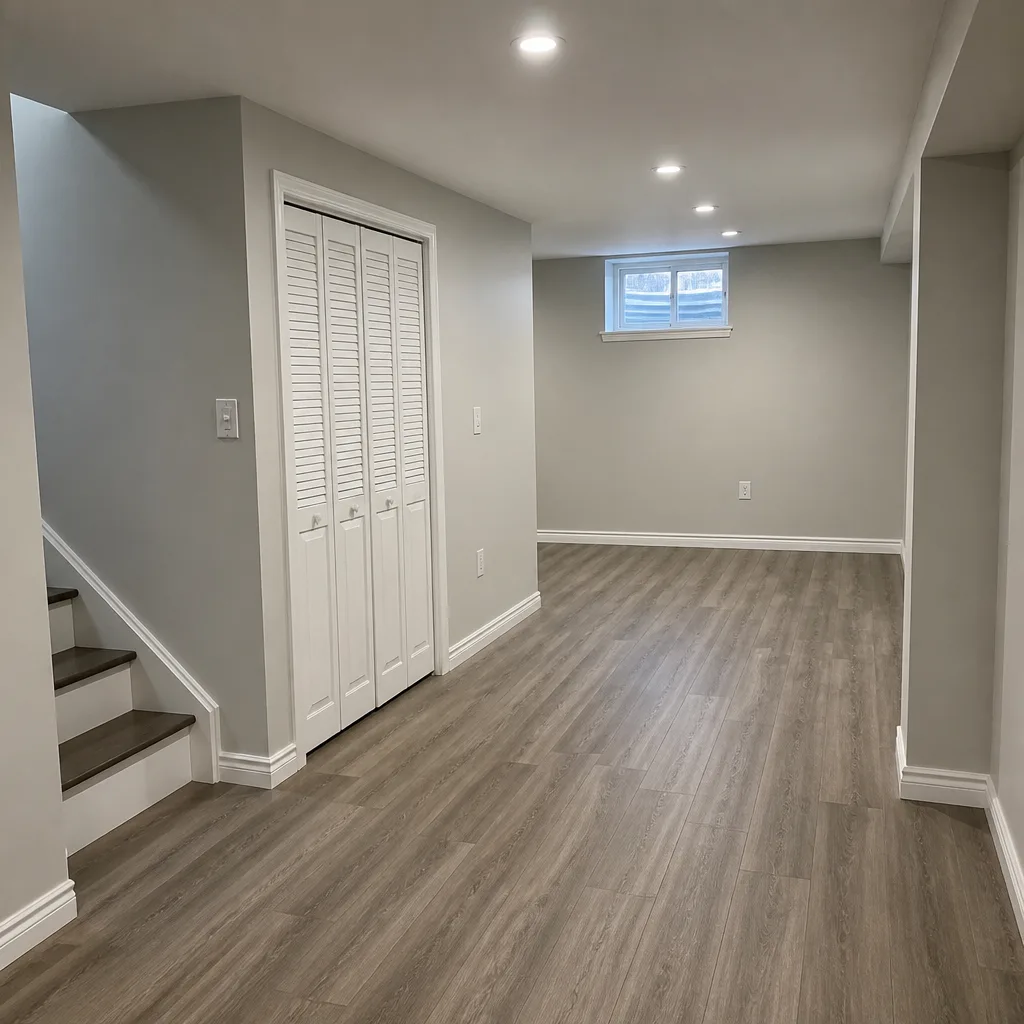 After
After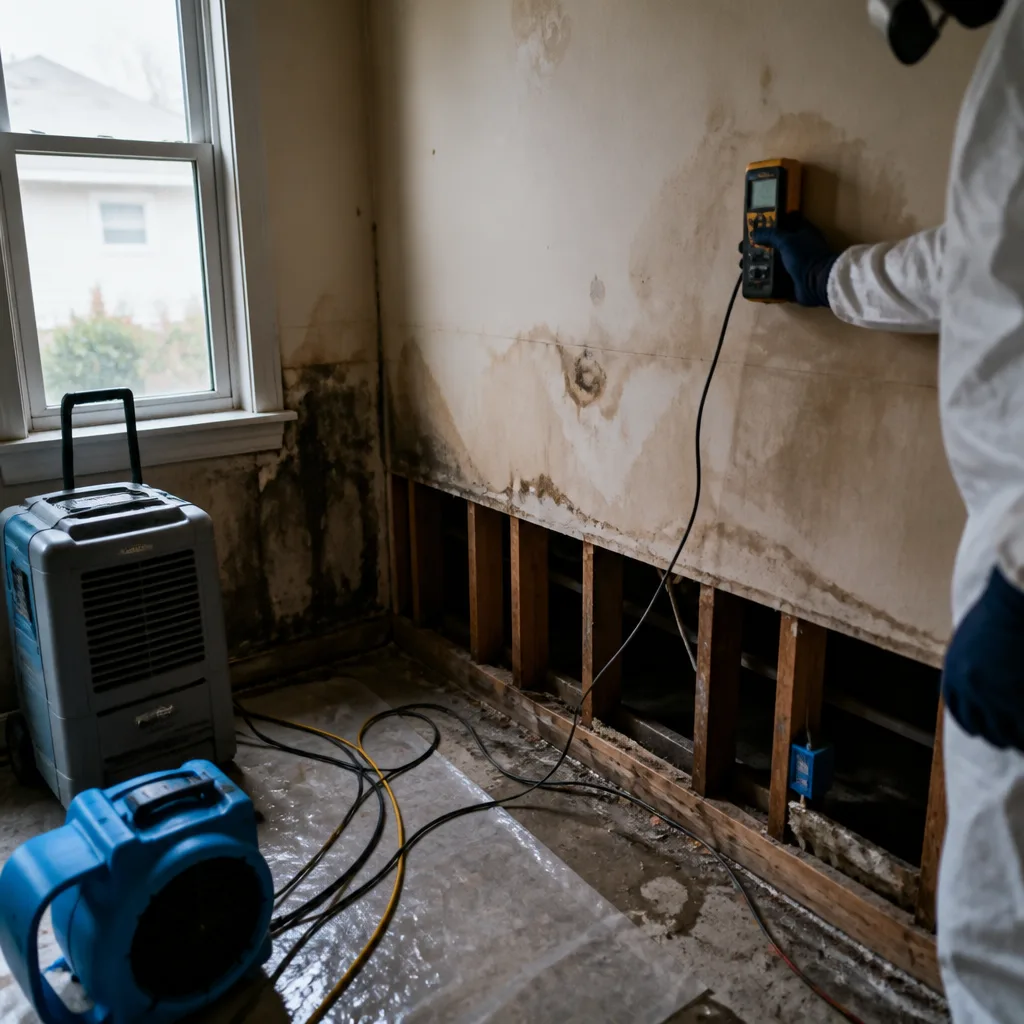 Before
 After
AfterFast, Reliable Mold Remediation Across Greenwich Village
Mold remediation in Greenwich Village typically costs $1,800-$6,500 depending on affected square footage, with most inspections scheduled within 24 hours and containment set same-day for active growth. We’re DryMark Restoration Newark, and our crews work Greenwich Village from our New York City office - close enough to know the neighborhood’s specific liabilities, not so distant that response slips into next-day territory. Call (862) 292-4268 for a written estimate before any work begins.
Greenwich Village isn’t generic Manhattan. The 1820s Federal row houses on Bedford Street, the Italianate brownstones near Washington Square Park, and the subdivided tenements along Bleecker Street each present mold problems that require different approaches - and different documentation for the insurance claim that follows. We’ve restored over 12,000 homes since 2011, every one with a written price before work started and a photo record when we left.
Why DryMark Restoration Newark Is Greenwich Village’s Preferred Mold Remediation Company
Our reputation in Greenwich Village was built on jobs where sloppy documentation would have cost the homeowner their claim. Alicia Brennan founded Back to Dry in 2011 after working as a claims adjuster and watching restoration invoices get denied for missing moisture logs, undocumented photo sequences, and scopes that changed after the crew arrived. That origin - solving the documentation gap - is why we operate under The Haven Standard on every job.
Greenwich Village customers find us through three-star reviews that mention specifics: “they showed me the moisture readings,” “the written price matched the final invoice,” “photos of every visit.” We answer our phones live, 24 hours a day, 7 days a week - no voicemail trees while water is still moving behind your plaster. Response time to Greenwich Village averages under 90 minutes for active Category 2 or 3 water losses that risk mold colonization, which is why our Greenwich Village Water Damage Restoration team prioritizes these calls.
Local knowledge matters here. We know which blocks sit above the buried Minetta Brook, where LPC landmark review adds timeline to any exterior remediation, and how to maneuver drying equipment through staircase-only buildings with no elevator access. That knowledge changes the scope, the price, and the documentation we produce.
Our Mold Remediation Services in Greenwich Village
Mold Inspection & Testing
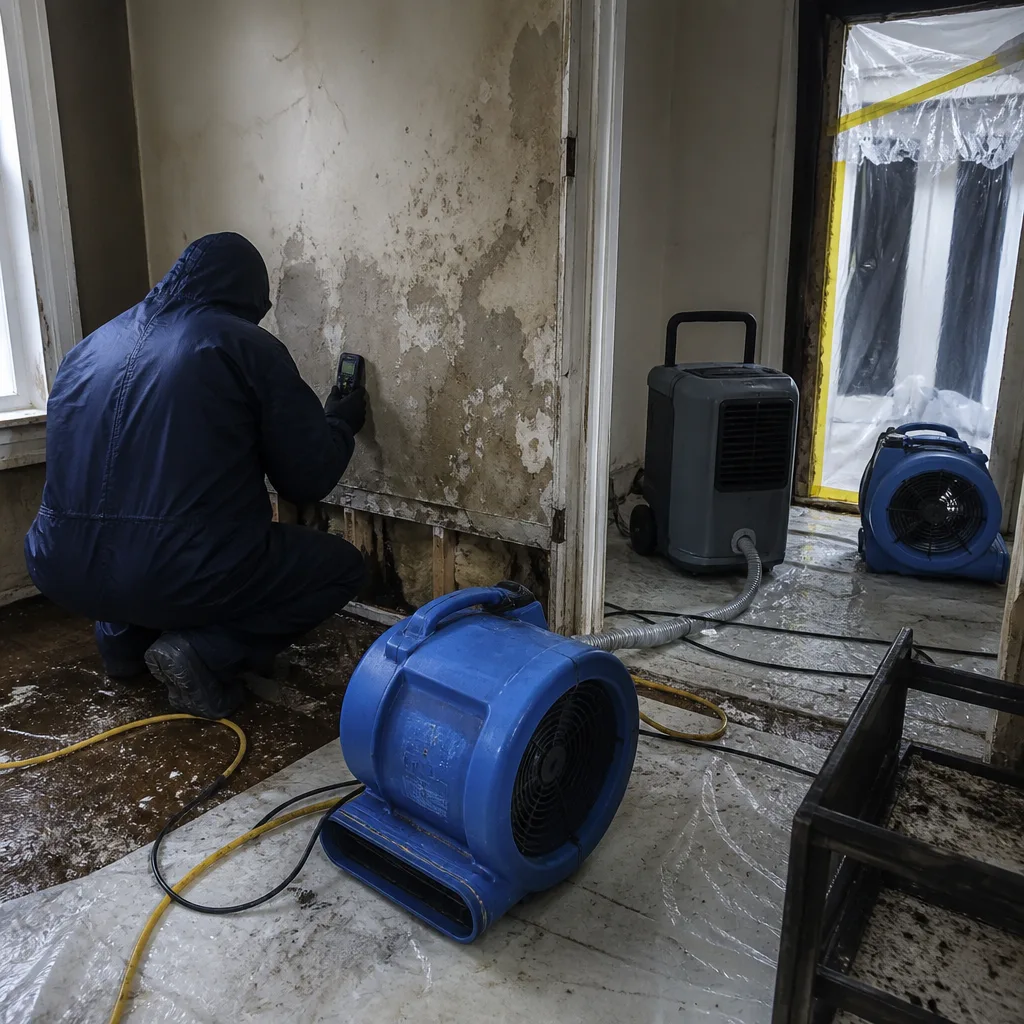
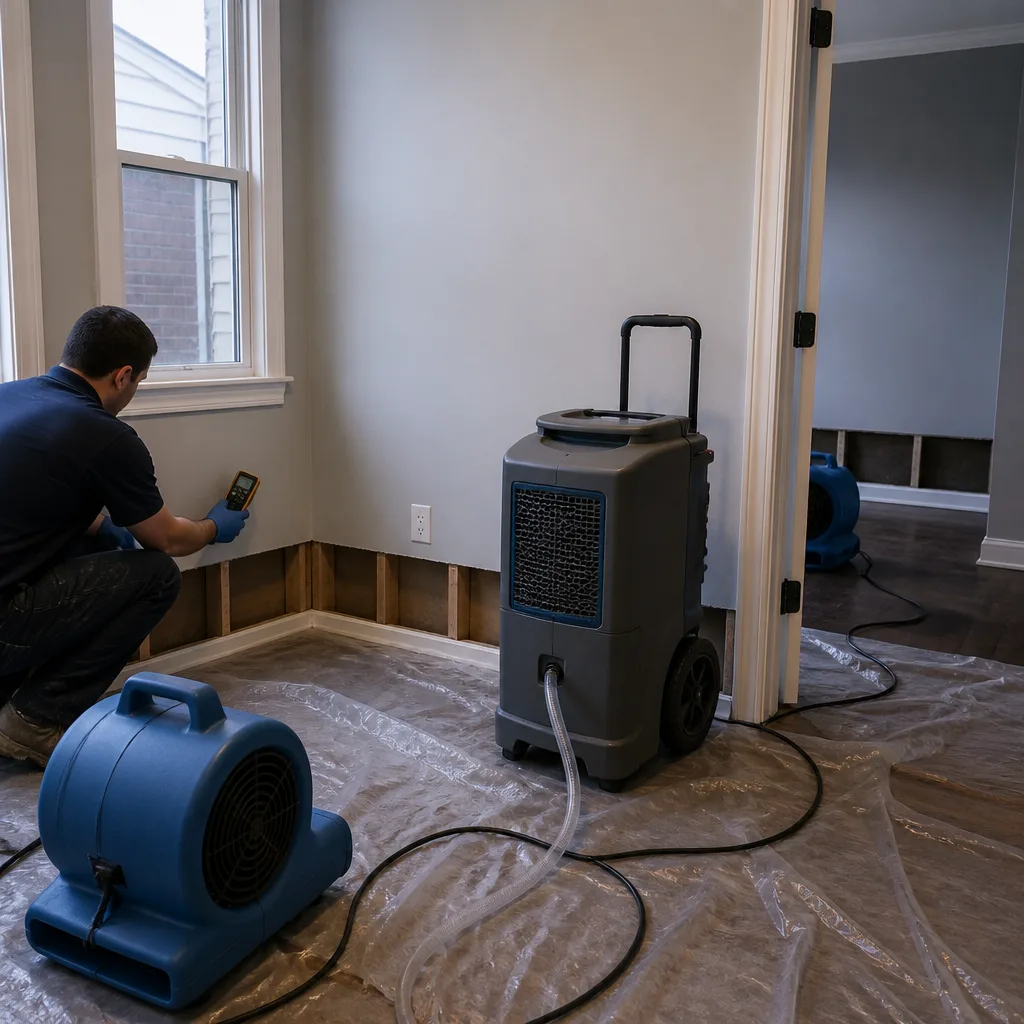
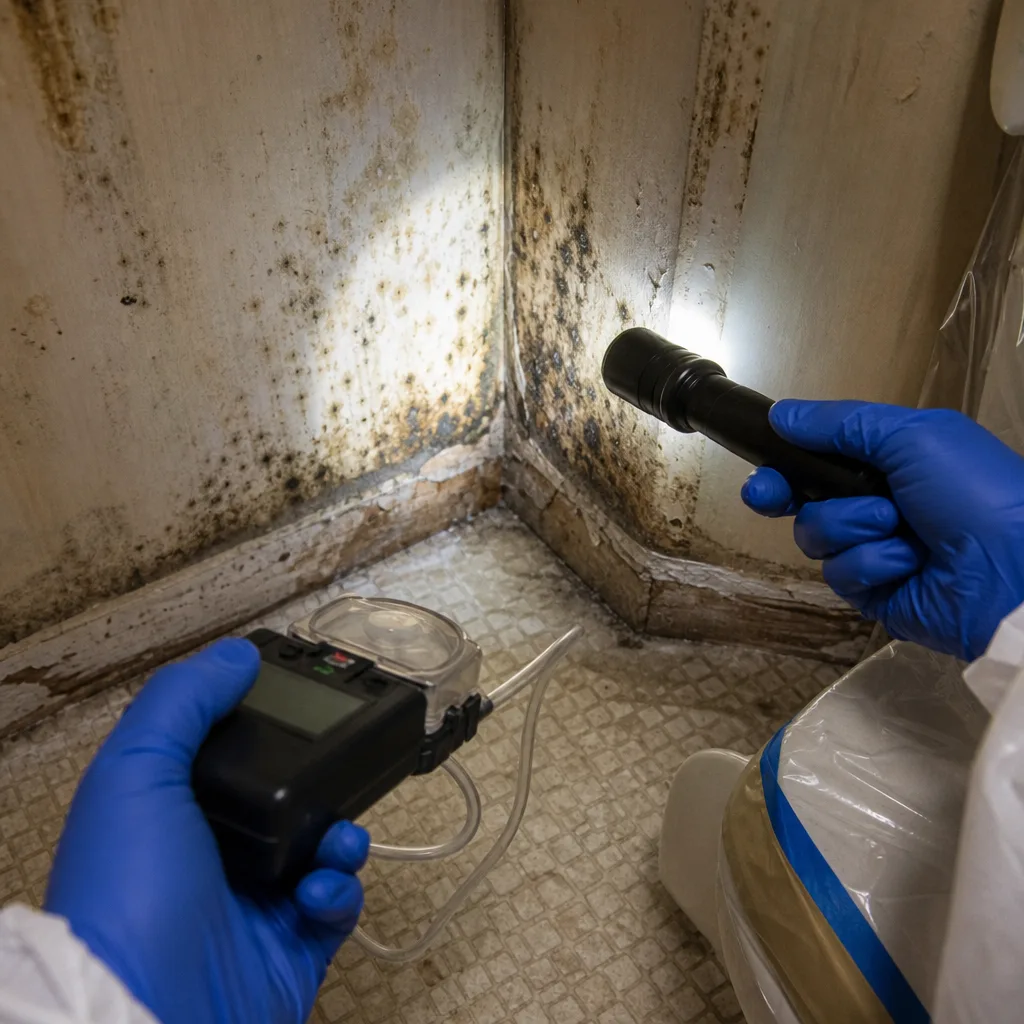
A proper mold inspection in Greenwich Village starts with moisture mapping, not guesswork. We use thermal imaging and calibrated moisture meters to find the source - whether it’s a failed steam-heat riser in a Washington Square North co-op, groundwater intrusion from Minetta Brook pressure near Minetta Lane, or a cracked galvanized line in a subdivided Perry Street townhouse. Air and surface samples go to an independent lab; we don’t self-certify clearance. Typical inspection cost in Greenwich Village: $450-$850 for residential properties up to 2,500 square feet.
Mold Removal
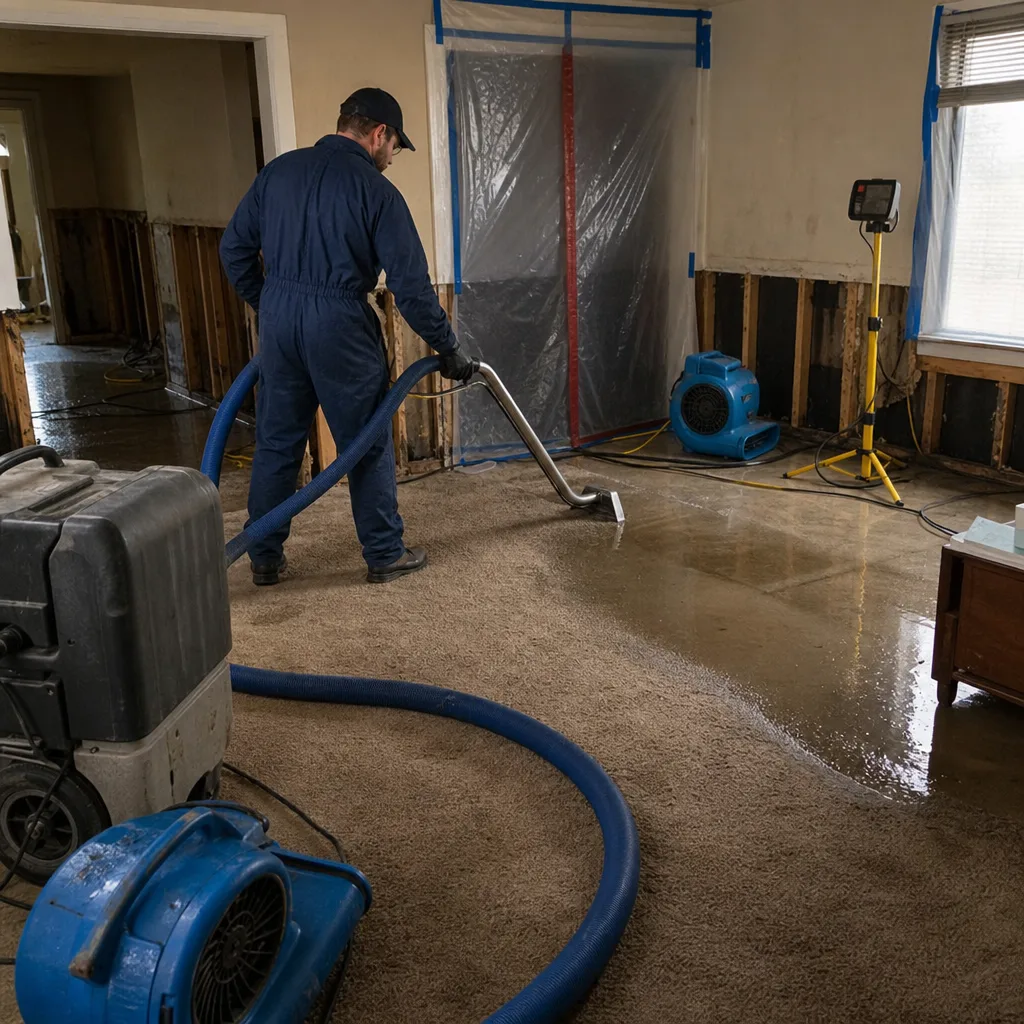
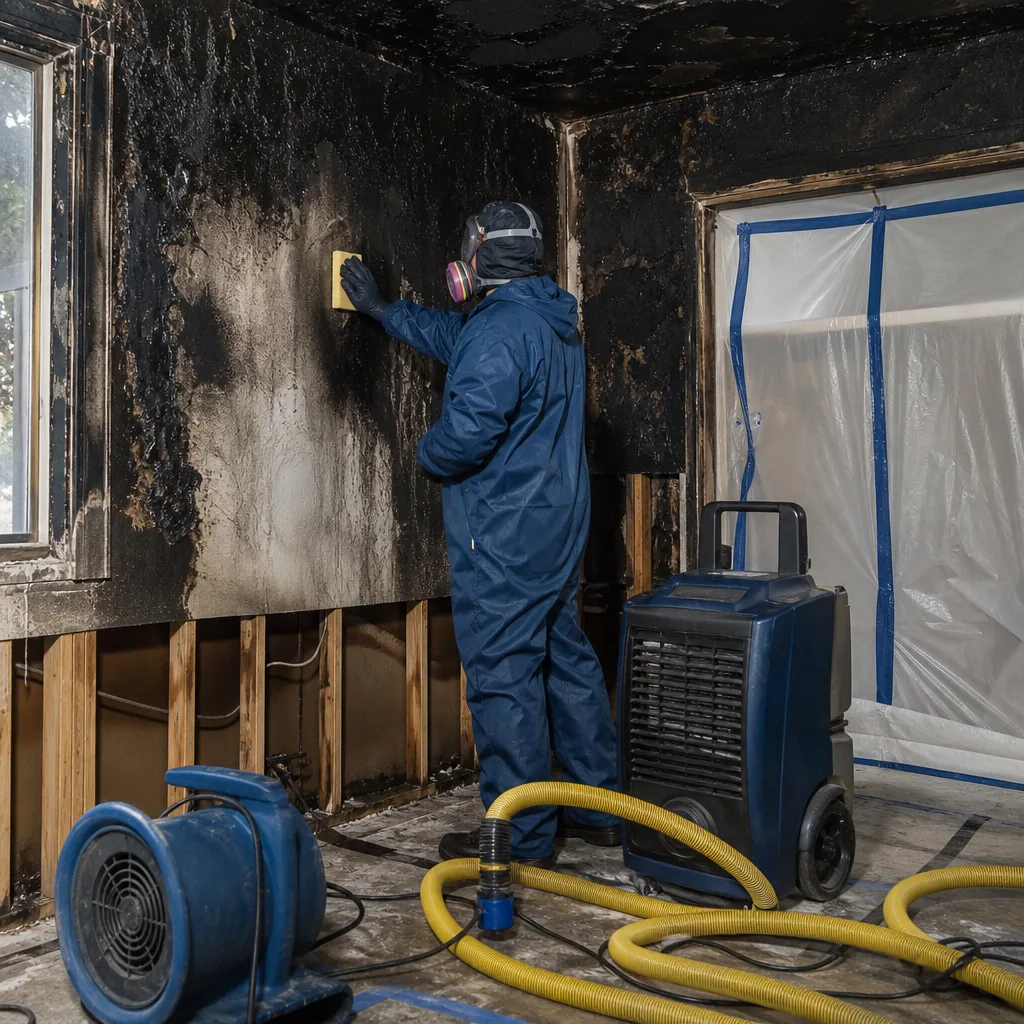
Removal in Greenwich Village row houses means working with original horsehair plaster, old-growth timber framing, and cast iron supply lines that don’t behave like modern materials. We establish containment with negative air pressure, remove non-salvageable materials by classification, and HEPA-vacuum every surface before antimicrobial application. In LPC landmark district properties, we document every character-defining element - water-warped wood windows, deteriorated masonry, damaged cornices - because replacement requires commission approval and period-appropriate materials. Typical removal scope in Greenwich Village: $2,200-$5,800 for contained residential growth up to 200 square feet.
Black Mold Remediation
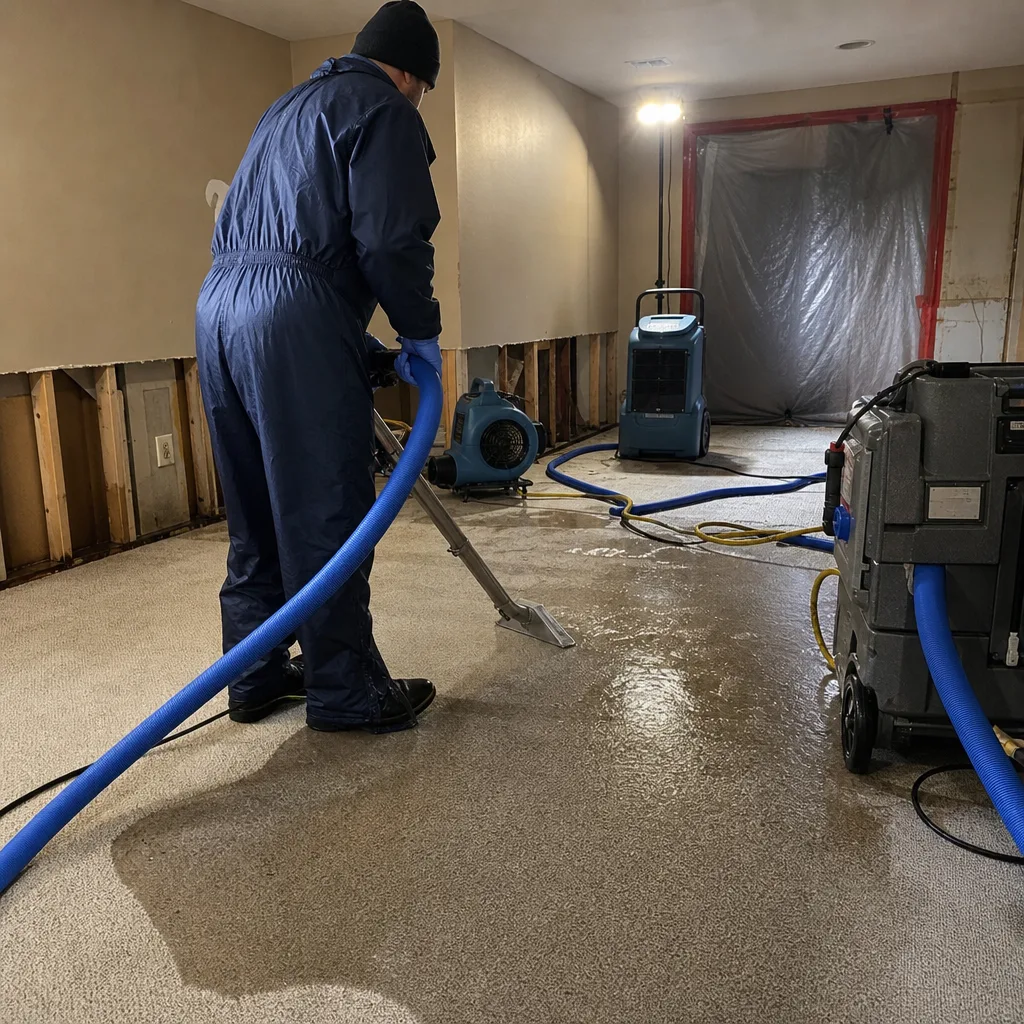
Stachybotrys and other toxigenic species require the same containment rigor plus specific antimicrobial protocols. We see black mold most often in Greenwich Village basements with chronic moisture - particularly those Minetta Brook blocks where hydrostatic pressure keeps relative humidity above 60% year-round. Our Mold Remediation team treats the organism and the condition that allows it, with daily moisture logs to IICRC S520 standards that your adjuster can read without calling for clarification.
Air Quality Restoration
Post-remediation air quality in Greenwich Village’s tight, multi-unit buildings affects neighbors as much as the primary unit. We run particle counts and VOC readings before, during, and after containment breakdown, with clearance documentation that satisfies both IICRC standards and co-op board requirements. Many Village buildings built 1860-1920 have shared air plenum returns; we map them before we start. Air quality restoration as standalone service: $1,800-$3,400.
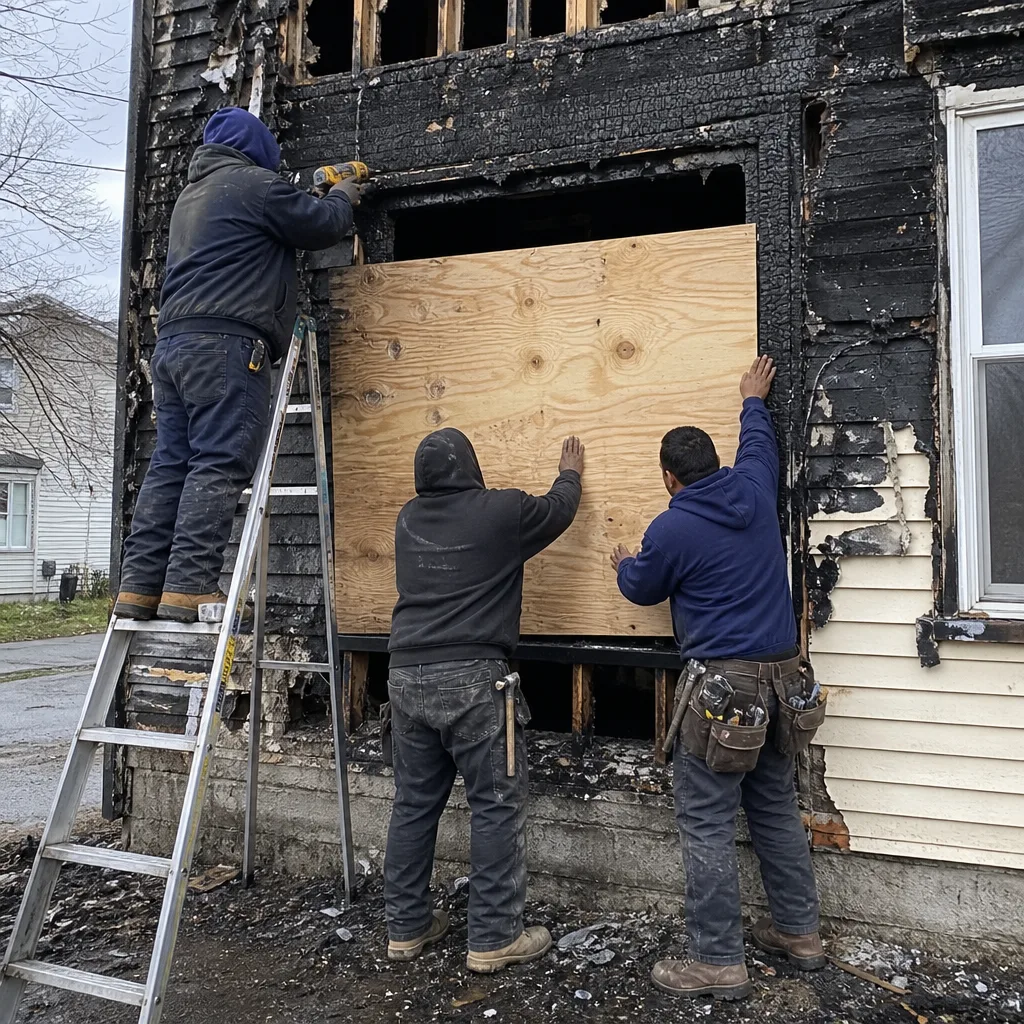
Moisture & Humidity Control
This is where Greenwich Village diverges from standard mold remediation. On Minetta Lane, Minetta Street, and Minetta Square, the buried Minetta Brook generates hydrostatic groundwater pressure that no surface waterproofing or interior drain tile fully solves. We’ve learned - sometimes the hard way - that drying these basements to generic standards and promising a “dry basement” is a liability. Our moisture & humidity control plans for these blocks include permanent dehumidification, vapor barrier installation where appropriate, and antimicrobial treatment cycles tied to the building’s steam-heat season. Annual management plan: $1,200-$2,800 initial setup, $400-$650 quarterly monitoring.
What happens when you call
- 1
A real person answersNo phone trees - you reach a local pro.
- 2
You get an upfront price rangeHonest numbers before anyone is dispatched.
- 3
A background-checked tech heads outLicensed & insured, dispatched right away.
- 4
You approve before work beginsNothing starts until you say go.
BeforeAfterTrusted Standards We Document To in Greenwich Village
Every Greenwich Village job is documented to IICRC S520 mold remediation standards, RIA restoration industry guidelines, and IFA indoor environmental quality protocols - not because certifications impress, but because adjusters recognize the documentation format and pay claims faster. We deploy Dri-Eaz and Phoenix dehumidifiers, XPOWER and B-Air air movers, and Injectidry cavity drying systems where horsehair plaster and lath construction require targeted airflow without demolition. Equipment logs, psychrometric data (temperature, relative humidity, vapor pressure differential), and daily moisture content readings are standard deliverables, never upsells.
Common Mold Remediation Problems We See in Greenwich Village Homes
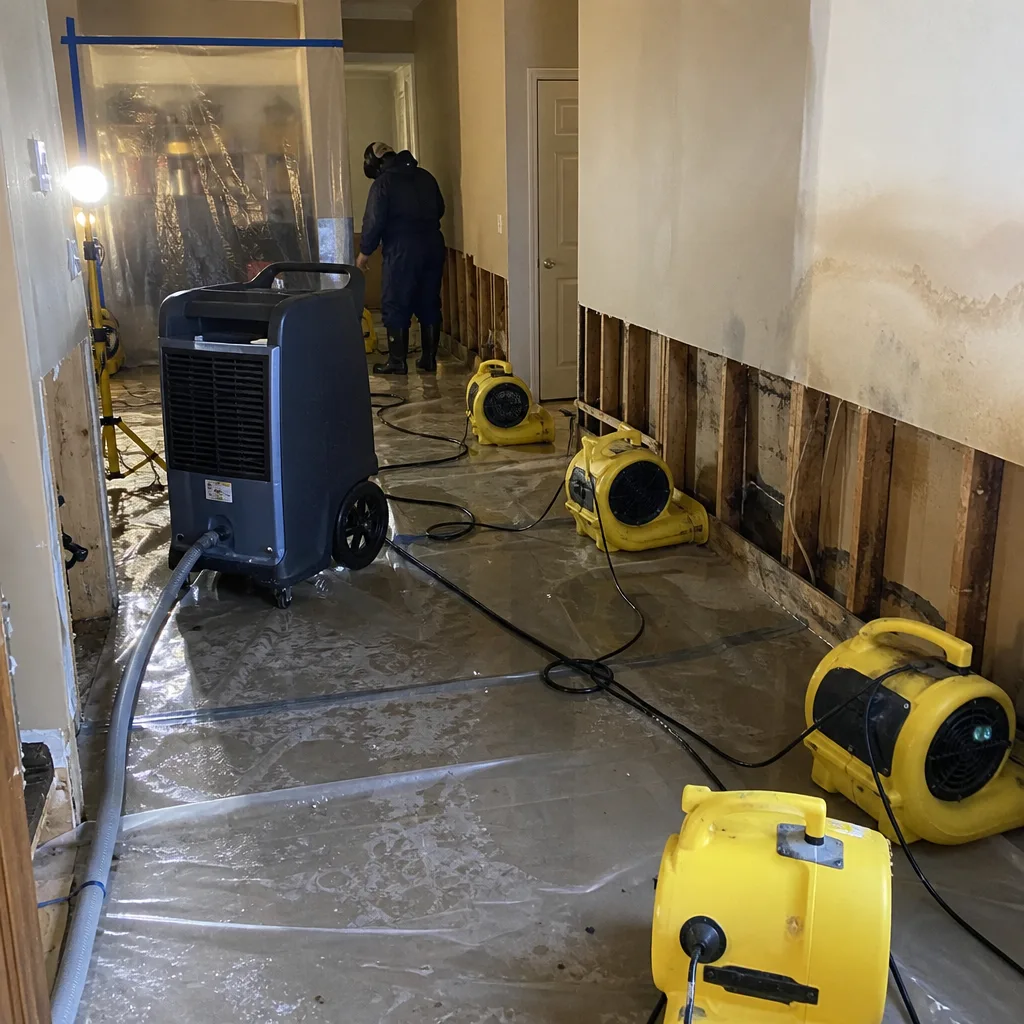
- Minetta Brook hydrostatic pressure keeps basements on Minetta Lane, Minetta Street, and Minetta Square chronically damp regardless of surface waterproofing. Mold returns within 6-12 months unless the scope shifts from one-time remediation to ongoing moisture management.
- Undocumented apartment subdivisions in 1820s-1880s row houses turn straightforward water-loss traces into multi-unit investigations. We’ve traced Category 2 water through three informal units in a MacDougal Street building, with no elevator to move equipment between floors.
- LPC landmark review delays on character-defining exterior elements - water-warped wood windows, fire-damaged cornices, deteriorated masonry - add 4-8 weeks and 25-40% cost to any remediation requiring replacement. Scopes must budget this timeline or the job stalls mid-process.
- Century-old steam-heat systems produce burst-pipe losses every January and February, with Category 2 or 3 water saturating original horsehair plaster that holds moisture far longer than modern drywall. Drying logs must run 7-14 days, not the 3-5 day standard for new construction.
Pricing for Mold Remediation in Greenwich Village, NY
| Service | Typical Range in Greenwich Village |
|---|---|
| Mold inspection & testing | $450 - $850 |
| Contained mold removal (up to 200 sq ft) | $2,200 - $5,800 |
| Black mold / toxigenic species remediation | $3,400 - $7,200 |
| Air quality restoration (standalone) | $1,800 - $3,400 |
| Moisture & humidity control (Minetta Brook blocks) | $1,200 - $2,800 setup; $400 - $650/quarter |
| Full remediation + reconstruction (LPC district) | $8,500 - $18,000+ |
What moves a job to the higher end: affected square footage above 200, Category 3 water source, LPC landmark review requirements, multi-unit coordination in subdivided buildings, and Minetta Brook blocks requiring permanent moisture management. Haven Standard, Clause 1: every job gets a written price before work begins - no exceptions. Bring a competitor’s written estimate and we’ll review it free under our Free Second Opinion policy. Call (862) 292-4268.
We Also Serve Cities Near Greenwich Village
Our crews respond to Mold Remediation in Greenwich Village and surrounding neighborhoods including St. George, Battery Park City, Financial District, and Tribeca. Dispatch and scheduling are coordinated from our New York City office.
Serving Greenwich Village, NY - Our Local Coverage Area
We’re based in the Greenwich Village area and know this community well. Use the map below to see our service coverage - if you’re nearby, we can almost certainly help.
FAQs - Mold Remediation in Greenwich Village
The buried Minetta Brook still flows beneath your block, generating hydrostatic groundwater pressure that surface waterproofing and interior drain tile cannot fully stop. Effective remediation on Minetta Lane requires shifting from a one-time dry-out to a permanent moisture & humidity control plan with seasonal antimicrobial treatment. Call (862) 292-4268 for a written scope - estimates are free.
Mold colonization begins 24-48 hours after water intrusion on organic materials like horsehair plaster and old-growth timber framing, which are common in Greenwich Village’s 1820s-1880s housing stock. Category 2 or 3 water from burst galvanized or steam-heat lines accelerates this timeline. Call (862) 292-4268 immediately - we answer live 24/7 and can typically have containment established same-day.
Yes, if remediation requires replacing character-defining exterior elements - water-warped wood windows, fire-damaged cornices, deteriorated masonry - LPC approval is mandatory before work begins, and modern equivalents are not permitted. This adds 4-8 weeks and 25-40% cost that must be built into the written scope under Haven Standard, Clause 1. Interior remediation without exterior replacement generally does not trigger review.
We do it regularly. Our techs are trained for staircase-only buildings and carry portable equipment sized for tight vertical spaces - Dri-Eaz and XPOWER units that fit through 28-inch doorways, Injectidry hoses for cavity drying without full demolition. The challenge is often undocumented pipe routes between informal units; we moisture-map the full building envelope and document findings with photos for your adjuster. Written price before work begins, every time.
Category 1 (clean water) on modern materials may resolve with structural drying alone. Category 2 (gray water) and Category 3 (black water) - the norm in Greenwich Village’s aging steam-heat and supply systems - require antimicrobial treatment and often material removal per IICRC S520. Horsehair plaster, which saturates deeply and dries slowly, frequently crosses from drying candidate to removal recommendation once moisture content exceeds 16% MC at 72 hours. We document the category determination, the moisture readings, and the scope decision in writing before starting.
Written by Alicia Brennan, Owner at Back to Dry Restoration, serving Greenwich Village since 2011 under The Haven Standard.