
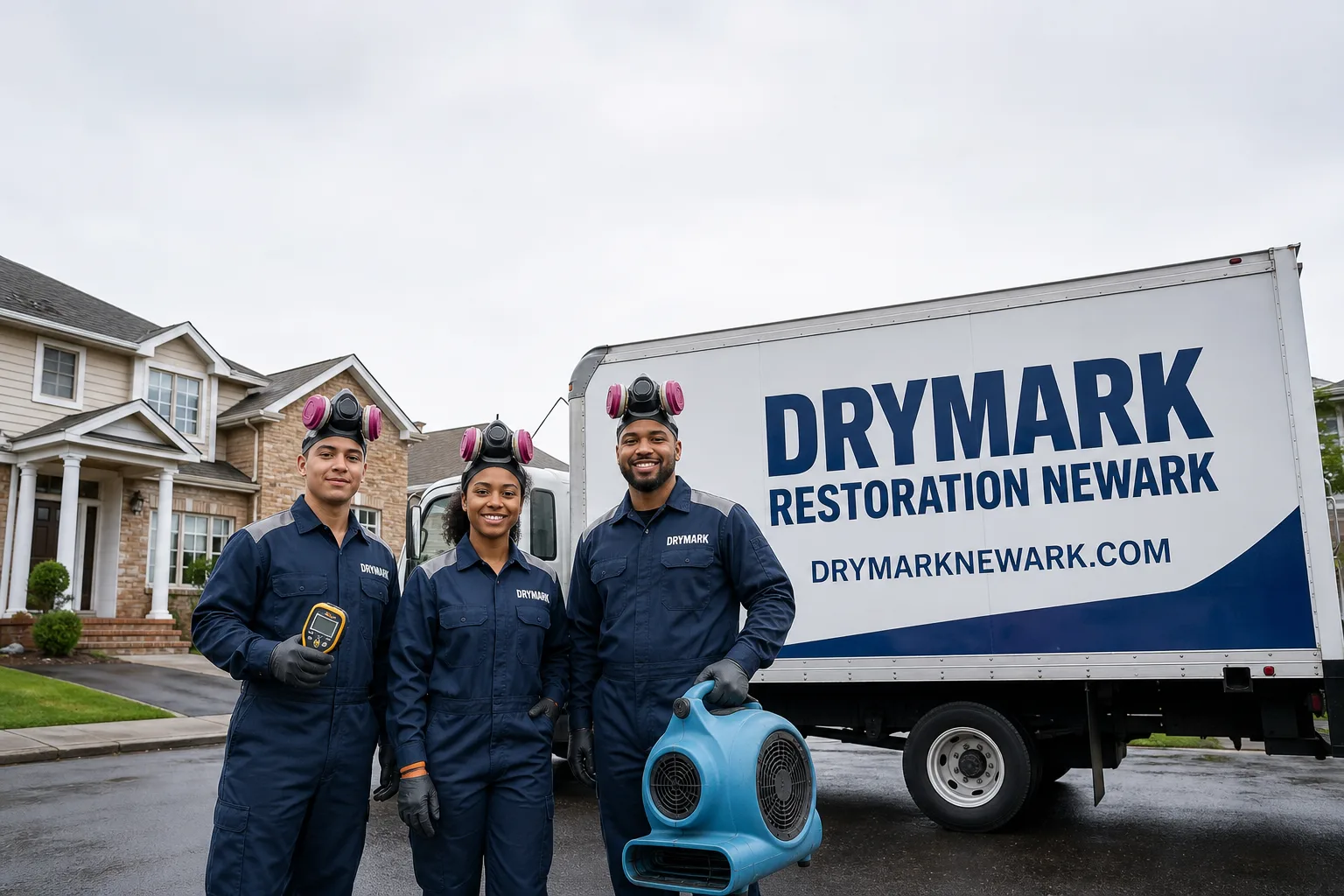
Free visual inspection and a written scope of work before any mitigation begins - photos, moisture readings, and drying logs go in your claim file
The scope we write is the scope we bill. Anything new gets shown to you, in writing, before we touch it.
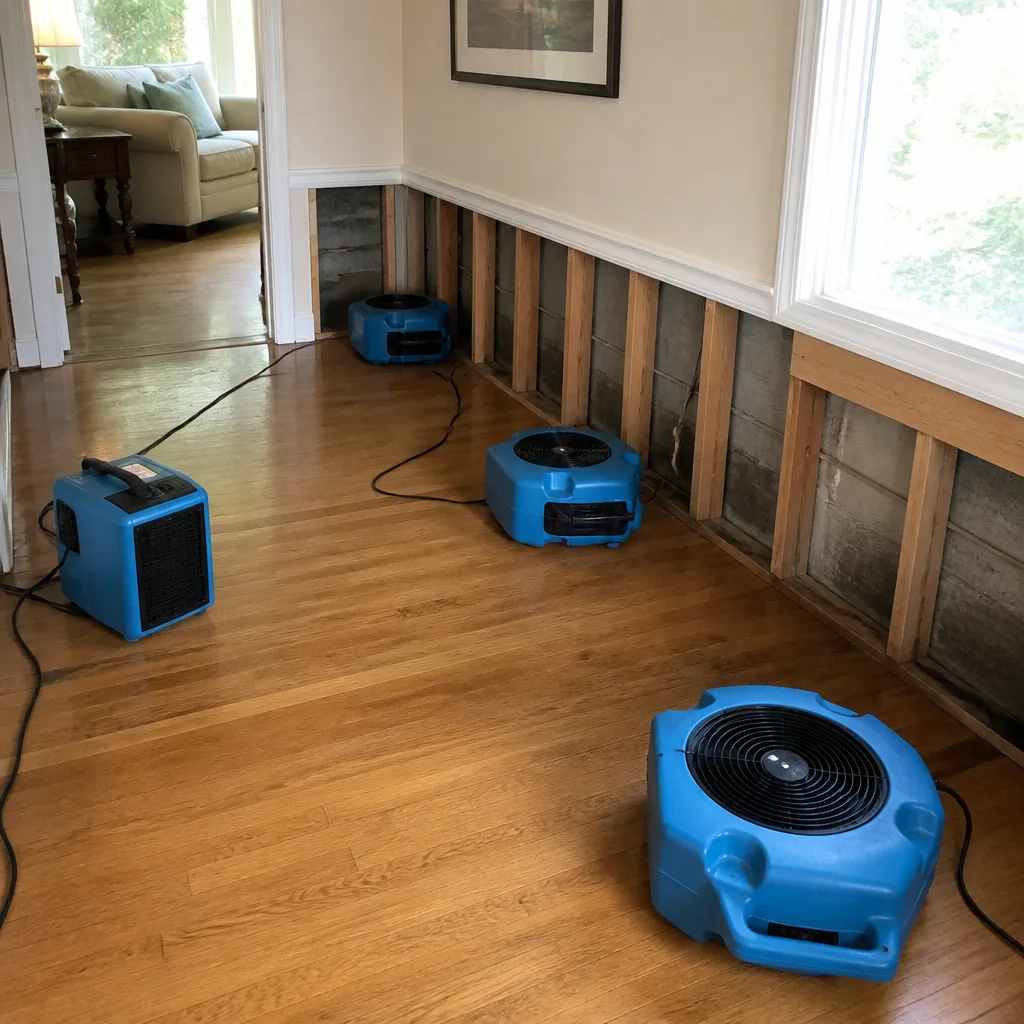
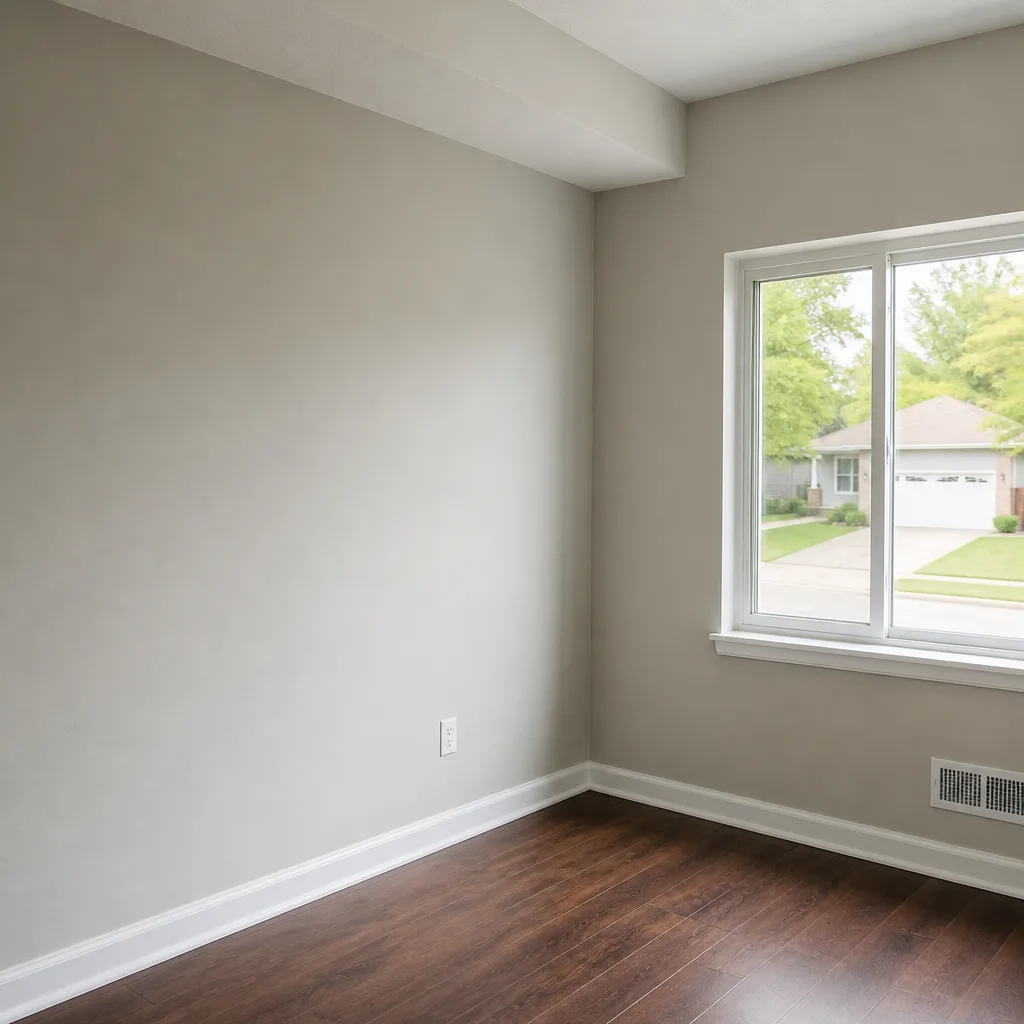
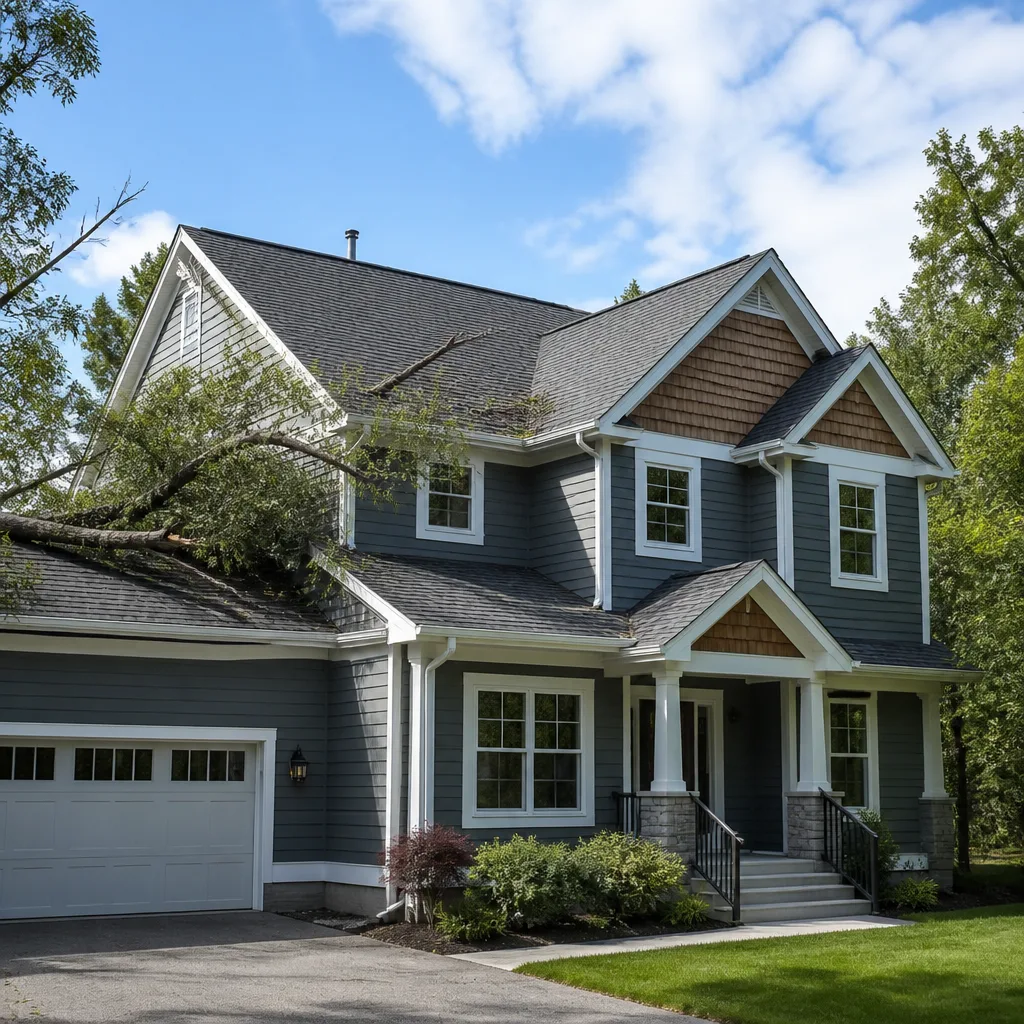
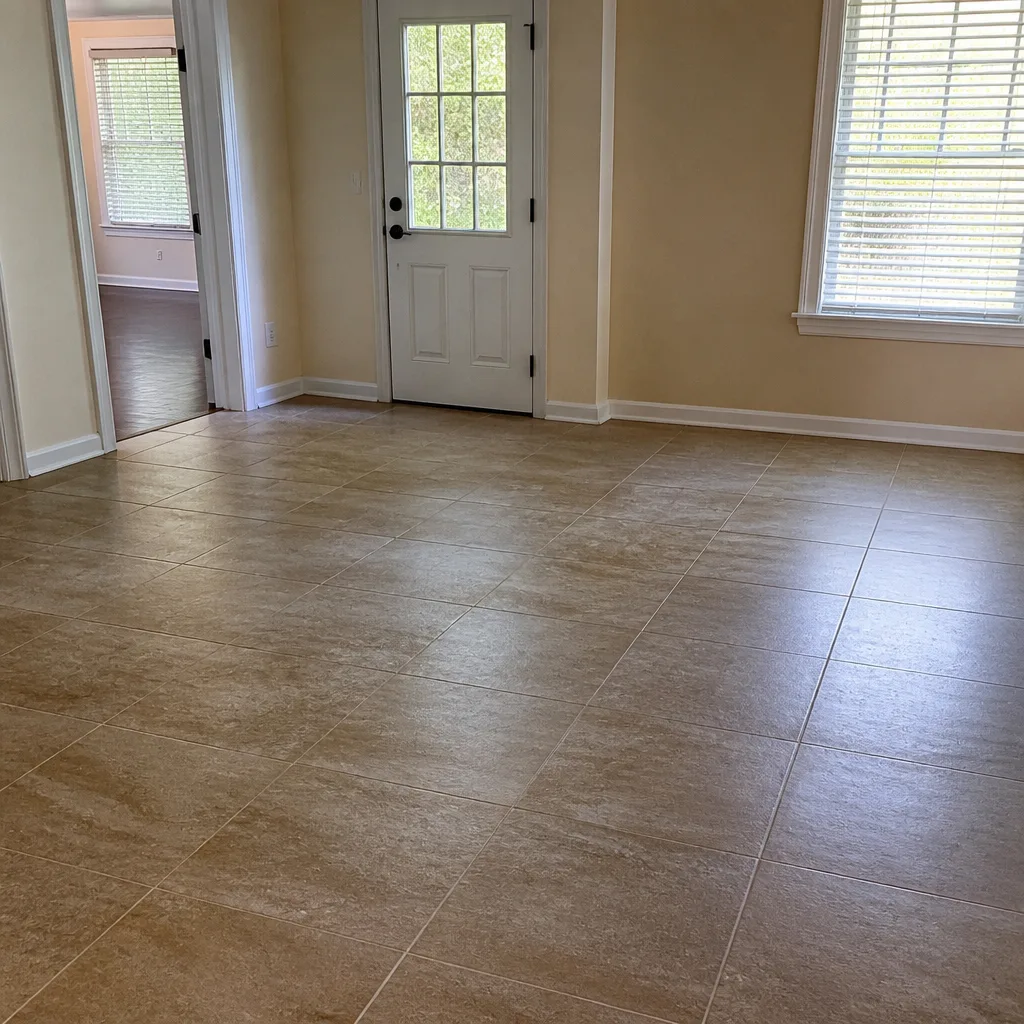
 Before
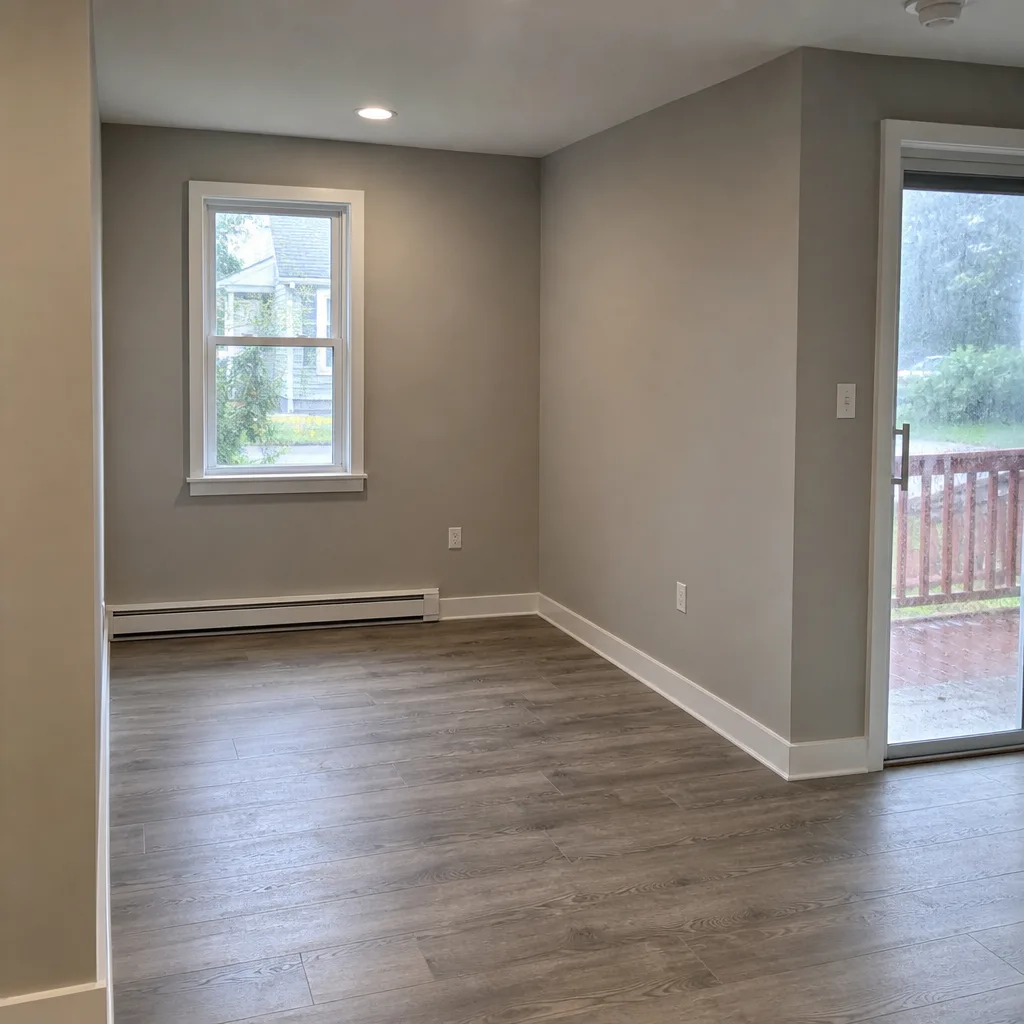 After
After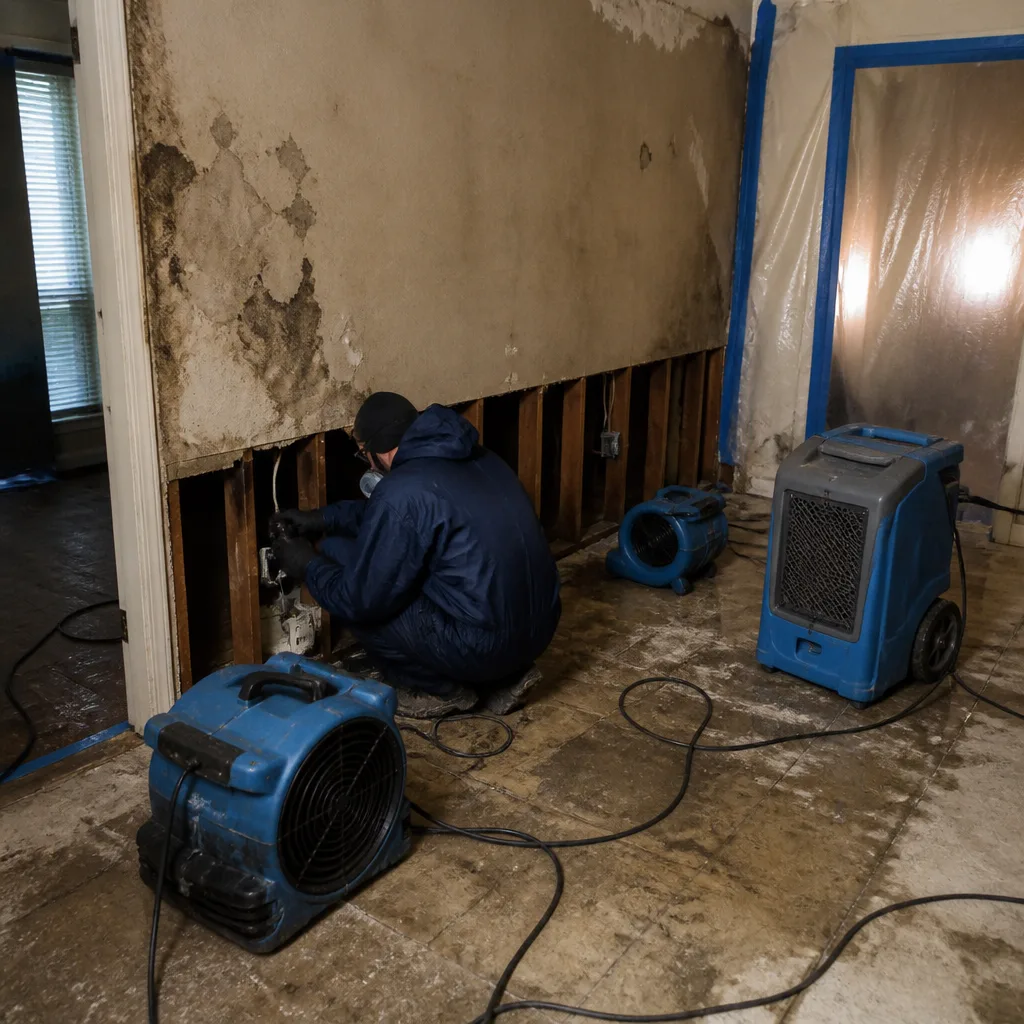 Before
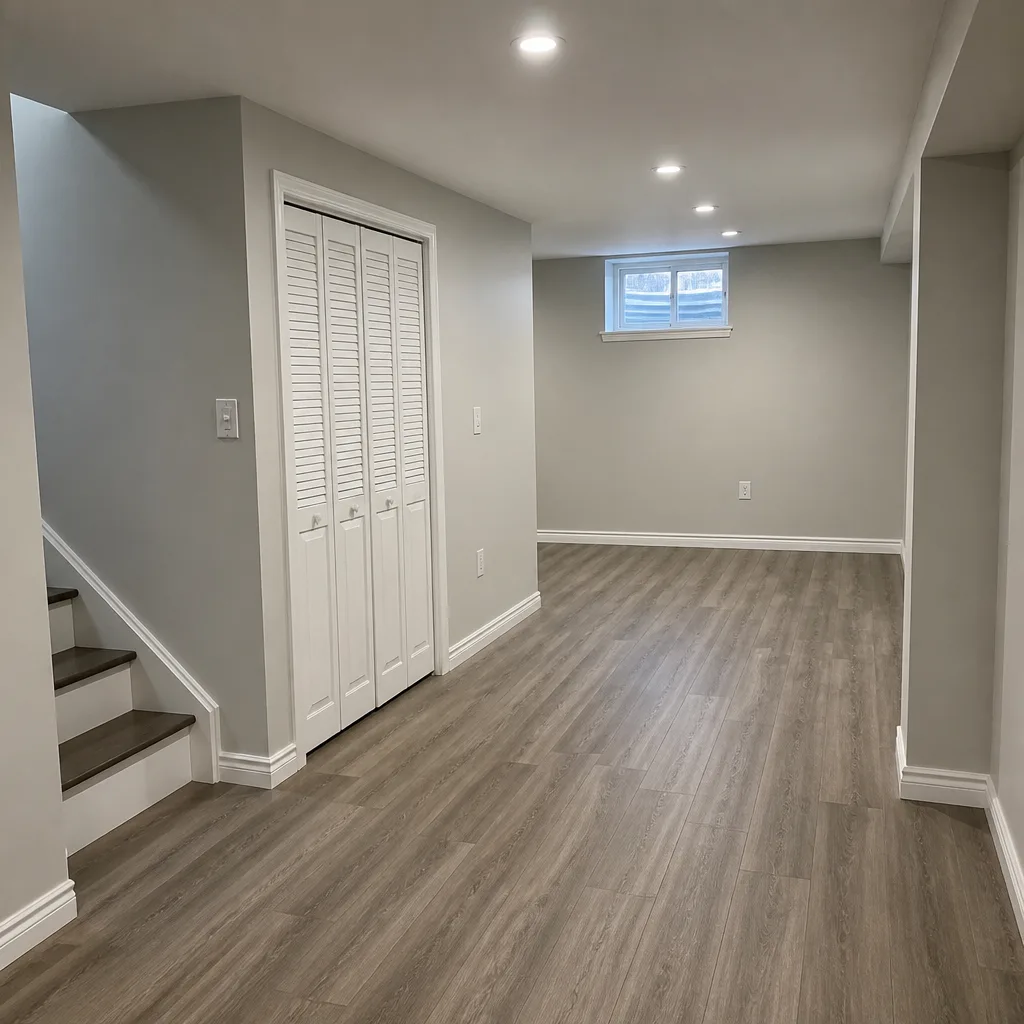 After
After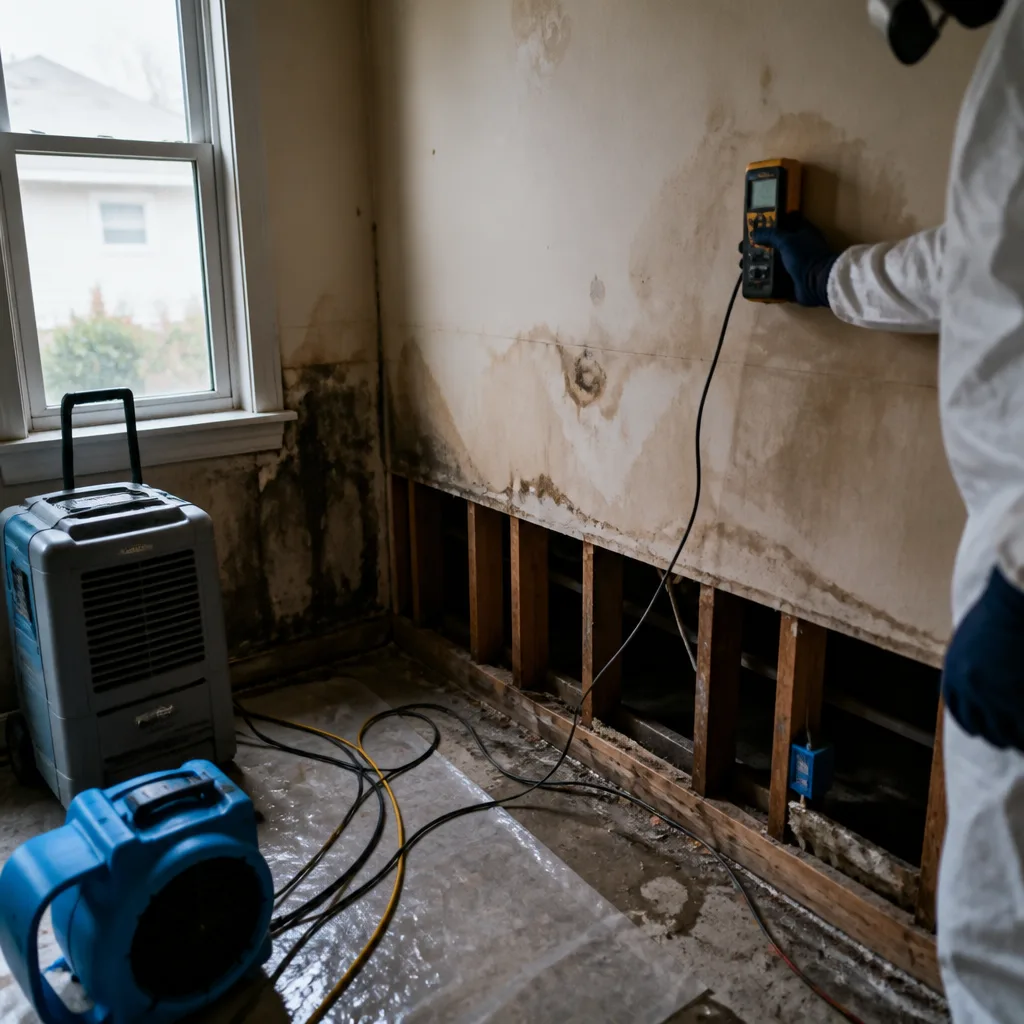 Before
 After
AfterTrusted Sewage Cleanup for Newark Homeowners
Sewage cleanup in Newark typically costs between $1,800 and $6,500 depending on contamination level and affected square footage, with emergency response available within 60-90 minutes in the Ironbound, Forest Hill, and University Heights neighborhoods. We’re DryMark Restoration Newark, and we’ve handled Category 3 black water losses in Newark’s pre-war brownstones, new construction in the Central Ward, and everything between since 2011 - learn about our Sewage Cleanup in Newark. Our crews carry IICRC-certified WRT and ASD credentials, and every job starts with a written price before anyone touches your property - Haven Standard, Clause 1. If you’ve got sewage backing up through a floor drain in a Weequahic basement or a toilet overflow in a Downtown Newark loft, call (862) 292-4268. A live person answers, 24 hours a day, 7 days a week.
Newark’s combined sewer system, built largely before 1950, was designed for a smaller population and less impervious surface. During heavy rain, the system overwhelms and sewage backs up through lowest-point drains - typically basement floor drains in the South Ward and Ironbound, where slab-on-grade construction is common. We’ve documented this pattern across 12,000+ jobs since Alicia Brennan founded Back to Dry after seeing how poor documentation cost homeowners their insurance claims. Our daily moisture logs, photo records, and written scopes turn restoration invoices into payable claims. That’s not a marketing position. It’s the origin of the company.
What Our Sewage Cleanup Service Includes
Sewage Backup Cleanup
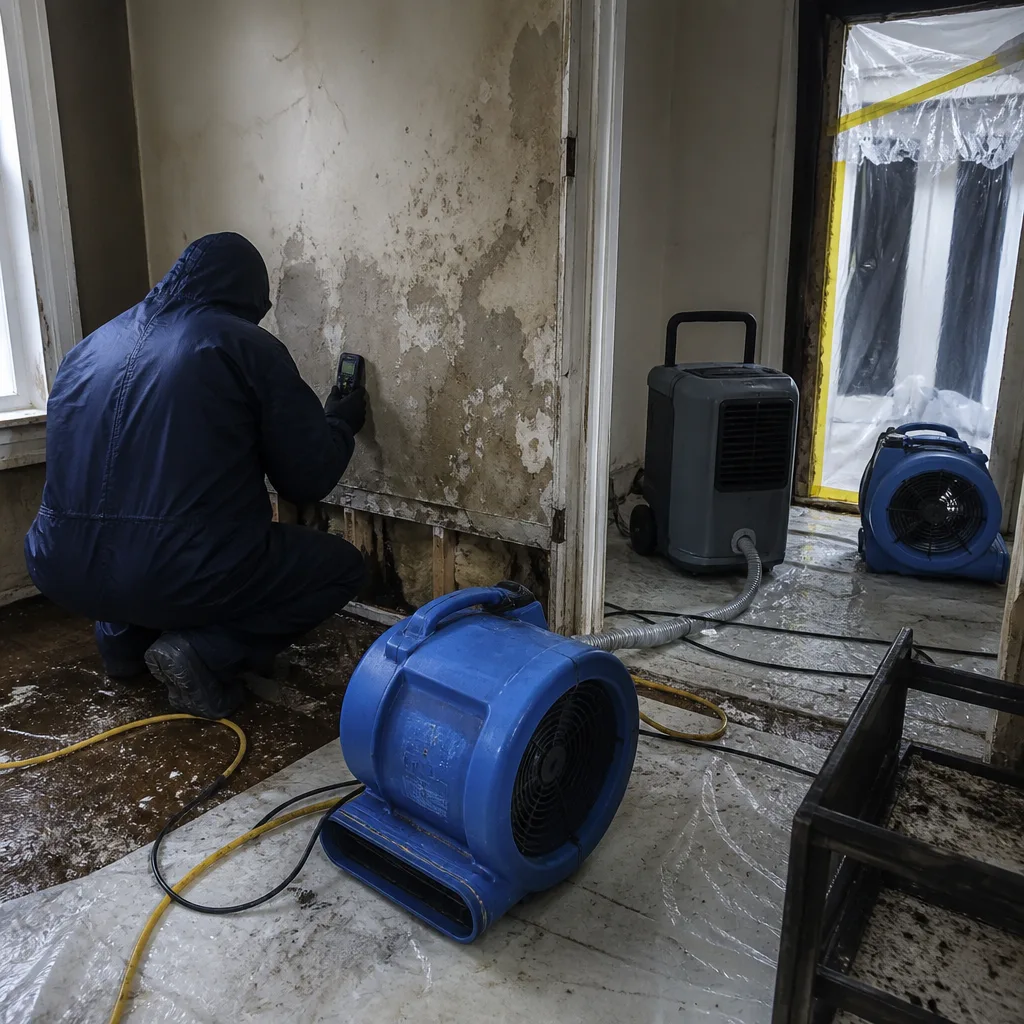
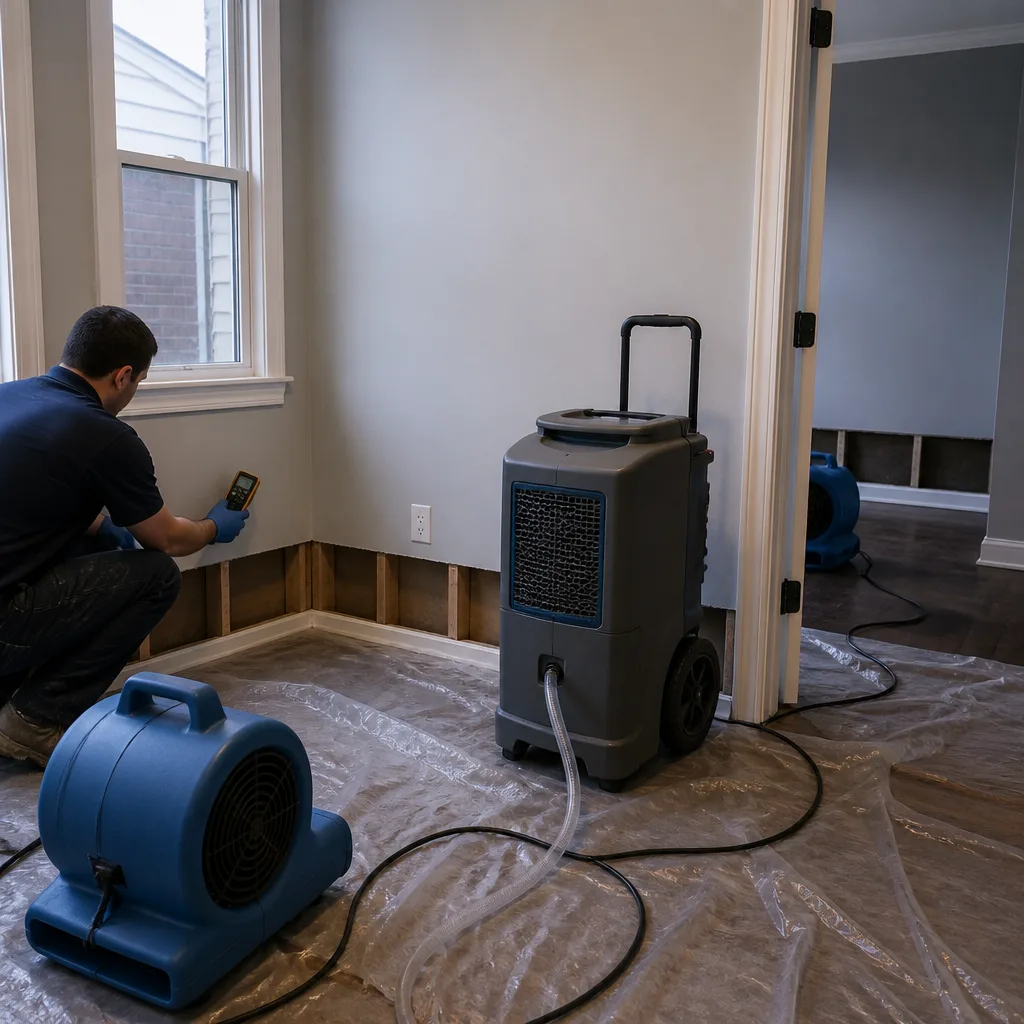
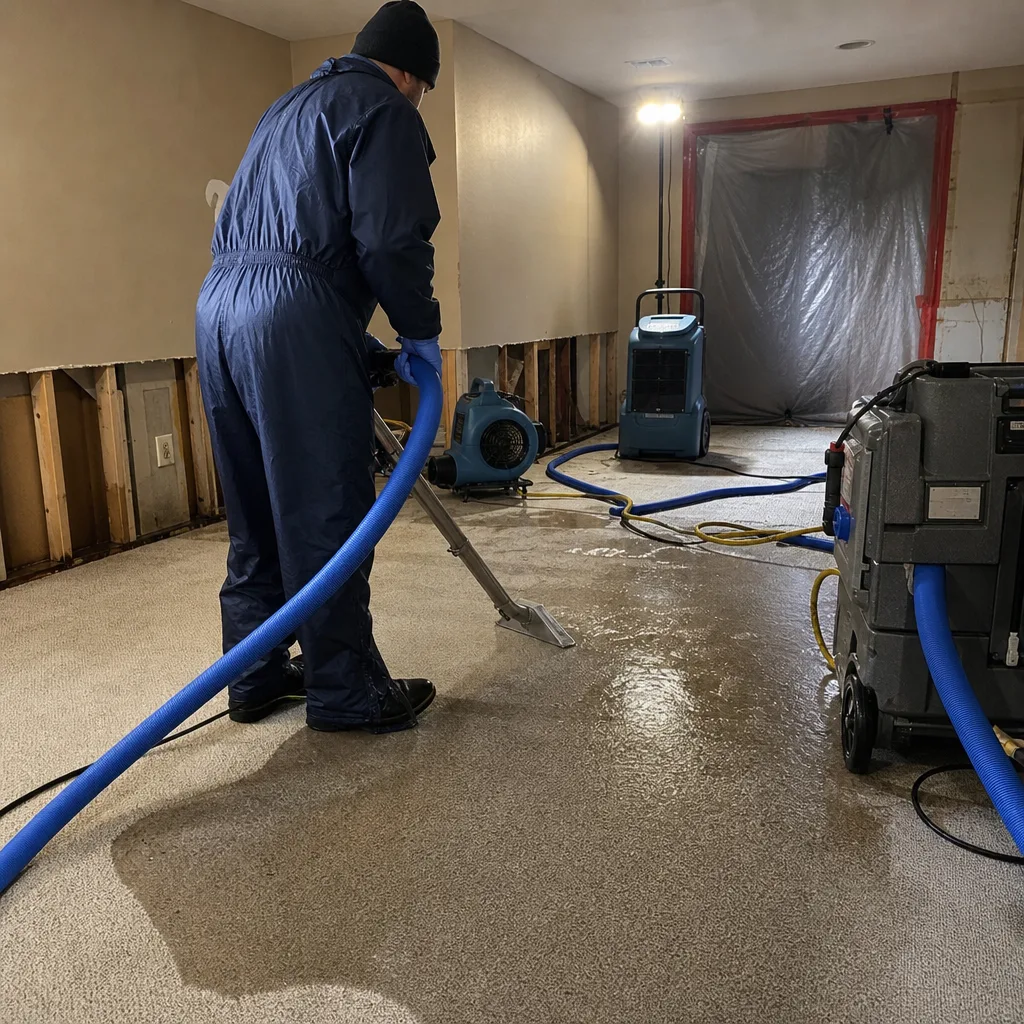
A sewage backup occurs when wastewater reverses flow through your drainage system, typically through floor drains, toilets, or sink openings. In Newark, we see this most often during combined sewer overflow events in the Ironbound and Lower Vailsburg areas, where the municipal system predates modern capacity requirements. Our crew establishes containment with 6-mil polyethylene barriers, extracts standing black water with truck-mounted or portable extraction equipment, and removes contaminated porous materials per IICRC S500 standards. We document every square foot of affected area with moisture readings and photographs before any removal begins, so your adjuster sees exactly what was there and why it had to go.
Toilet Overflow Cleanup
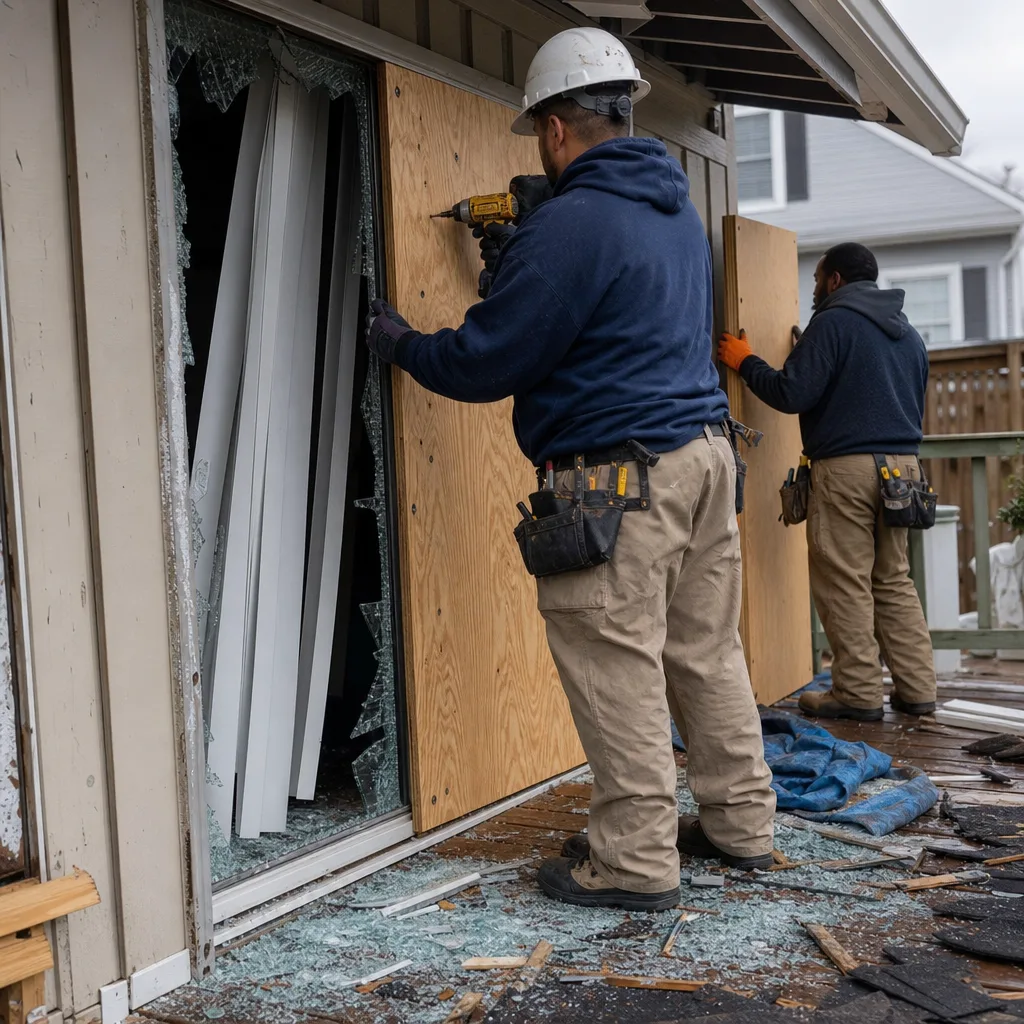
Toilet overflow cleanup addresses Category 2 or 3 contamination from a failed wax ring, blocked trap, or municipal backup forcing waste through the fixture. In Newark’s older housing stock, particularly the pre-1920s triple-deckers in the North Ward, original cast-iron drain lines with internal corrosion create frequent blockage points. We extract standing water, remove contaminated flooring and baseboard within the established migration pattern, and apply antimicrobial treatment to remaining structural materials. Every toilet overflow job includes a written scope defining the contamination category, the square footage affected, and the specific materials marked for removal - delivered before demolition starts.
Septic Failure Cleanup
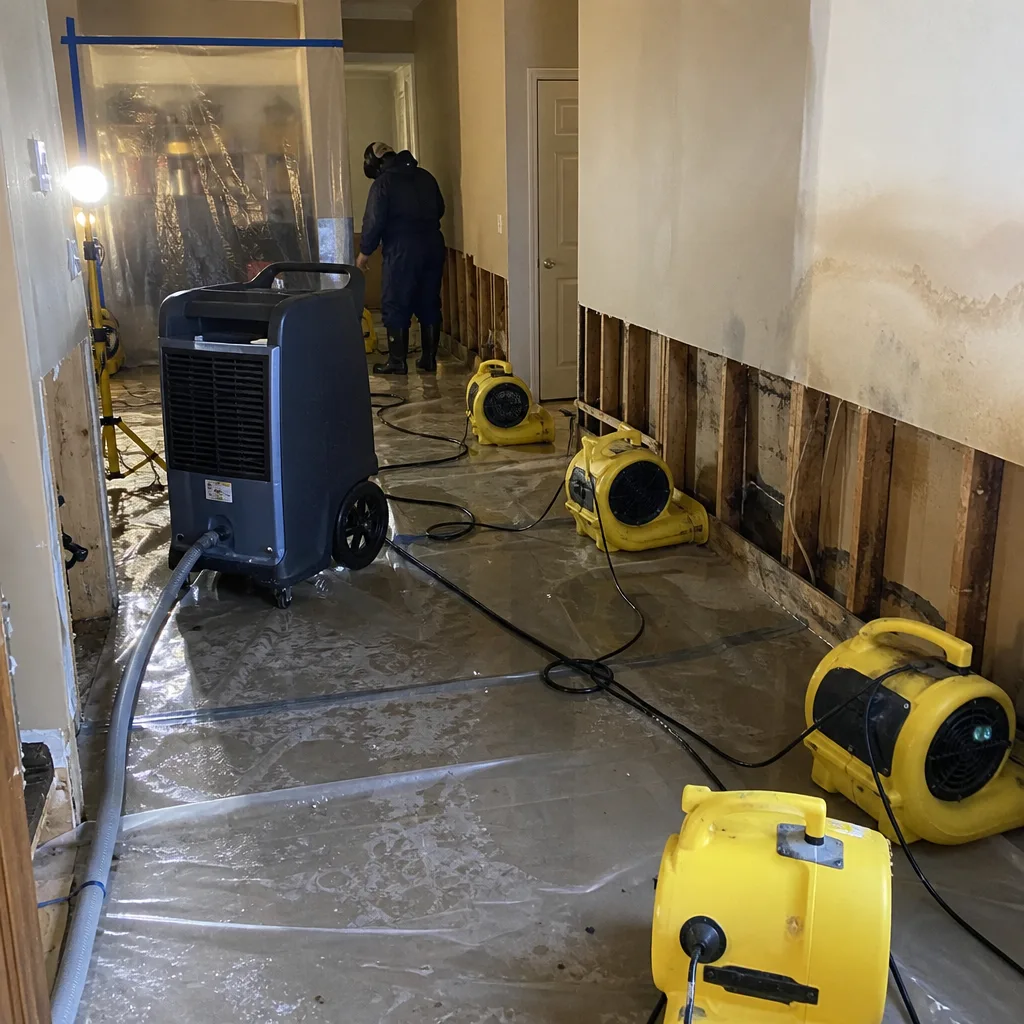
Septic failure cleanup handles effluent surfacing from a failed drain field, backed-up tank, or damaged distribution box. While most of Newark is on municipal sewer, properties in the outer wards near the city boundary - particularly areas west of Irvington and south of Elizabeth - may still operate septic systems installed before annexation or sewer extension. For properties near the Kearny border, we also provide our Sewage Cleanup in Kearny. We pump and remove standing effluent, excavate contaminated soil where required by local health department directive, and document soil saturation depths with probe readings. Our written scope includes any necessary coordination with the Essex County Health Department for disposal manifests and clearance testing.
Black Water Extraction
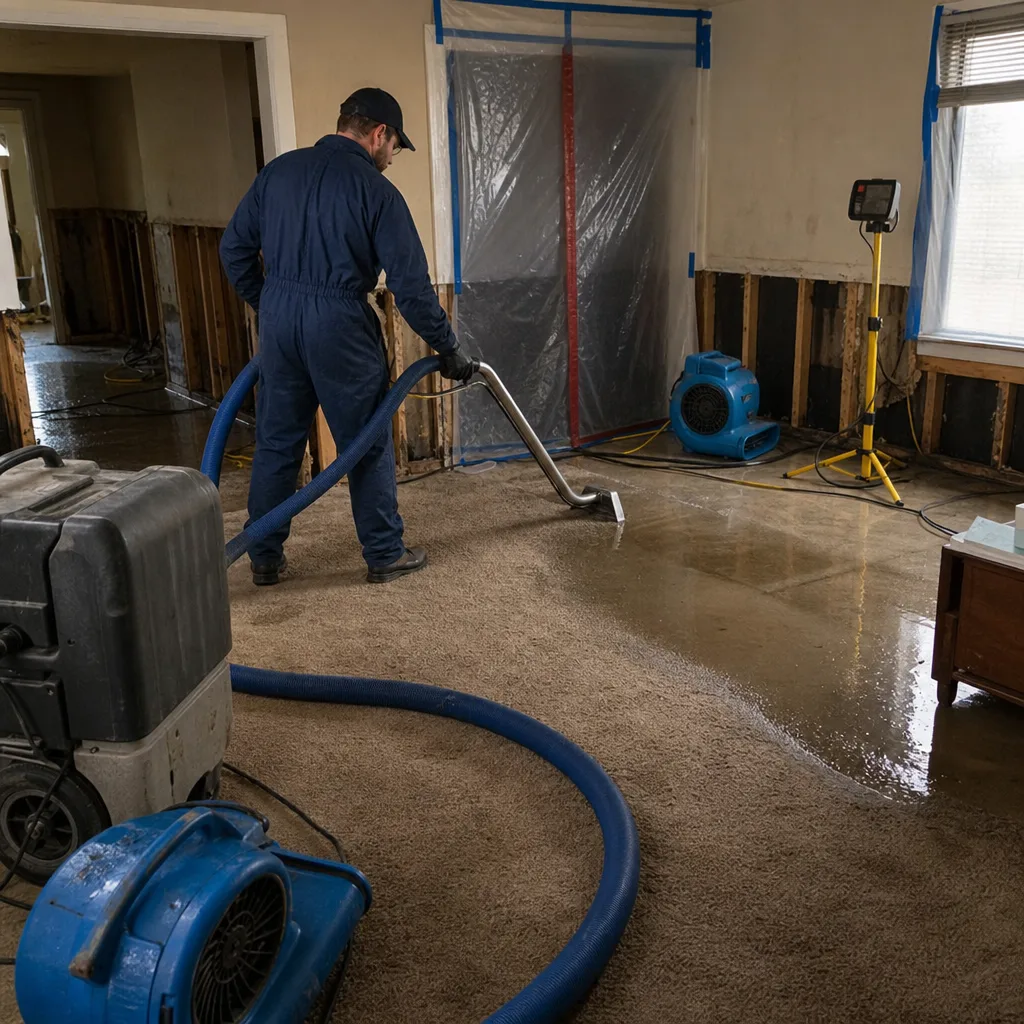
Black water extraction is the controlled removal of Category 3 water containing pathogenic agents from sewage, seawater flooding, or rising river water. Newark’s proximity to the Passaic River means we occasionally see riverine flooding in the East Ward and Ironbound that carries both sewage and chemical contaminants, requiring dual classification. We deploy submersible pumps for deep standing water, weighted extraction wands for carpet and pad, and portable units from XPOWER and B-Air for confined spaces. Psychrometric data - temperature, relative humidity, and specific humidity readings - is logged at setup and every 24 hours until dry standards are achieved.
Sanitization & Disinfection
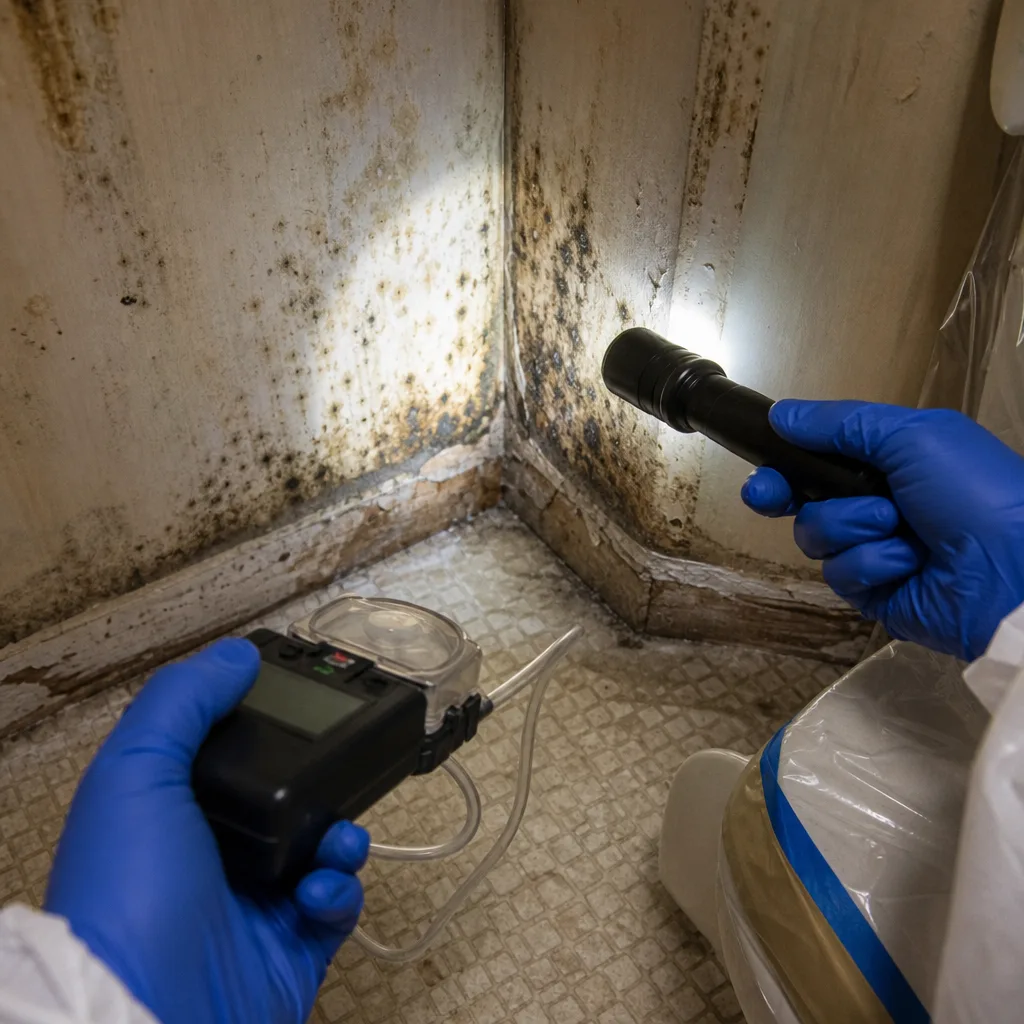
Sanitization and disinfection follows physical removal of contaminated materials, applying EPA-registered antimicrobial solutions to structural surfaces that remain. We don’t guess at coverage: our crews calculate application rates by square footage and material porosity, then document with dated photographs showing wet-contact time on each treated surface. In Newark’s multi-family housing, particularly the converted brownstones and brick apartment buildings in the Central Ward, we coordinate with property managers to establish safe re-entry timelines and post-treatment air sampling where occupants have respiratory sensitivities. The Haven Standard requires a written clearance checklist before any space is released for occupancy.
Crawl Space Sewage Removal
Crawl space sewage removal addresses contamination in the confined sub-floor areas common in Newark’s older homes, particularly the frame construction in parts of the South Ward and West Ward where full basements weren’t excavated. Access is often limited to 18-24 inches of clearance, requiring specialized low-profile extraction equipment and extended hoses from truck-mounted units. We remove contaminated vapor barriers, saturated insulation, and any organic debris, then establish negative air pressure with HEPA filtration during the process. Every crawl space job includes post-removal moisture mapping with pin and pinless meters to identify hidden saturation in floor joists and subflooring that could support secondary mold growth.
What happens when you call
- 1
A real person answersNo phone trees - you reach a local pro.
- 2
You get an upfront price rangeHonest numbers before anyone is dispatched.
- 3
A background-checked tech heads outLicensed & insured, dispatched right away.
- 4
You approve before work beginsNothing starts until you say go.
Signs You Need Sewage Cleanup Right Now
- Multiple drains backing up simultaneously. When your toilet, tub, and kitchen sink all refuse to drain, the blockage is likely in your main sewer line or the municipal lateral, not an individual fixture. In Newark’s combined system, this pattern often precedes a full basement backup by hours or minutes, not days.
- Sewage odor without visible water. Hydrogen sulfide and methane from a dried trap, cracked drain line, or slowly leaking joint can permeate walls before liquid ever appears. If you smell rotten eggs or raw sewage in a Newark home with original plaster walls, the contamination may already be inside the wall cavity.
- Gurgling or bubbling from drains and toilets. Air displaced by a downstream blockage forces back through the path of least resistance, typically the toilet or lowest fixture. This is your drainage system signaling that pressure is building, and a backup is imminent without immediate intervention.
- Wet spots in the yard during dry weather. In Newark properties with aging sewer laterals - particularly the clay tile common in pre-1960 installations - a break between the house and the municipal tap can saturate soil and eventually backflow into the basement. We’ve replaced laterals in the North Ward where tree roots had completely infiltrated the joint at the property line.
- Visible mold growth near drains or in the basement within 48-72 hours of any water event. Category 3 water carries enough organic loading that mold colonization accelerates dramatically. In Newark’s humid summer climate, we’ve documented Aspergillus and Penicillium growth on saturated drywall in under 72 hours. By the time you see it, the moisture problem has been active longer than it appears.
BeforeAfterOur Sewage Cleanup Process - Step by Step
- 1
Emergency response and containment. When you call (862) 292-4268, a live person dispatches the nearest available crew and talks you through immediate safety steps: shut off water if the source is internal, avoid the affected area, and don’t operate electrical equipment standing in contaminated water. Our crew arrives in uniform with identification, establishes a containment zone with 6-mil poly and tape, and sets up HEPA air filtration if the space is occupied or HVAC-connected.
- 2
Documentation before disturbance. Before extraction or removal, we photograph the loss from multiple angles, record moisture readings with calibrated pin and pinless meters, and mark the visible water line and contamination perimeter. This pre-work documentation is delivered to you and your adjuster as the baseline for the claim. Alicia Brennan built this step into The Haven Standard after years of seeing carriers deny coverage because the “before” condition was never properly recorded.
- 3
Extraction and controlled demolition. Standing black water is extracted with truck-mounted or portable equipment depending on access. Contaminated porous materials - carpet, pad, drywall below the water line, insulation, and baseboard - are removed per IICRC S500 Category 3 protocols. We weigh removed materials and document disposal manifests, particularly for jobs requiring Essex County special waste handling.
- 4
Cleaning, sanitization, and structural drying. Remaining structural materials are cleaned with detergent solutions, then treated with EPA-registered antimicrobials at calculated application rates. Drying equipment from Dri-Eaz, Phoenix, and Injectidry is deployed based on psychrometric calculations: air movers create vapor pressure differential to drive moisture from materials into the air, while dehumidifiers remove that moisture and exhaust dry air. We log temperature, relative humidity, and specific humidity daily until materials reach established dry standards.
- 5
Verification, written scope for reconstruction, and warranty. Final moisture readings confirm structural materials are within 4% of established baseline moisture content for the material class. We deliver a photo-documented completion package, a written scope for any necessary reconstruction, and the signed 365-Day Done Right Promise under The Haven Standard. If reconstruction is needed, that work is separately quoted in writing - Haven Standard, Clause 1 applies to every phase.
How Much Does Sewage Cleanup Cost in Newark?
Sewage Cleanup pricing in Newark follows the contamination category, affected square footage, and structural complexity of the loss. These are the ranges we most commonly see, based on 12,000+ jobs documented since 2011:
| Service Scenario | Typical Range in Newark | Primary Cost Drivers |
|---|---|---|
| Localized toilet overflow (single bathroom, no migration) | $1,800 - $3,200 | Flooring type, baseboard removal, subfloor access |
| Basement sewage backup (partial, <400 sq ft) | $3,500 - $5,500 | Extraction volume, finish removal, drying days required |
| Full basement sewage loss (>800 sq ft with finished space) | $5,500 - $8,500 | Contents handling, demolition depth, HVAC contamination |
| Crawl space sewage removal | $4,000 - $7,500 | Access limitations, vapor barrier replacement, soil contamination |
| Multi-unit contamination (apartment/condo with migration) | $6,500 - $12,000+ | Unit count, common area impact, coordination requirements |
What moves a job to the higher end of the range: finished basement with drywall and insulation requiring full removal; hardwood or engineered flooring that can’t be salvaged after Category 3 saturation; HVAC ductwork in the affected zone requiring cleaning or replacement; and any delay in response that allows secondary mold growth, which triggers separate remediation scope. What keeps costs controlled: fast extraction to limit migration, immediate removal of saturated porous materials before mold colonization, and accurate moisture mapping that prevents unnecessary demolition of dry materials.
Every estimate we provide is written, itemized, and delivered before work begins - Haven Standard, Clause 1. We don’t charge for the estimate itself, and we offer a Free Second Opinion on any competitor’s written quote. Bring another restoration company’s scope and we’ll review it line by line, at no charge, to identify what’s necessary, what’s padded, and what’s missing. Call (862) 292-4268 to schedule.
Sewage Cleanup Near Newark - Our Service Area
We maintain crews positioned for 60-90 minute response across Newark and the immediate surrounding cities. Our primary service corridor runs from the Ironbound through Downtown to the North Ward, with extension to Sewage Cleanup in Harrison, Sewage Cleanup in Kearny, and the broader Essex and Hudson County area including North Arlington, Bayonne, Jersey City, Secaucus, Rutherford, St. George, Hoboken, Union City, and East Rutherford. Response times to the outer ring - Bayonne, Secaucus, and Hoboken - typically run 90-120 minutes depending on Holland Tunnel and Turnpike conditions. For properties in Harrison and Kearny, we’re often on site within 45 minutes during standard dispatch hours.
Newark’s position as a transit and port hub means we also handle commercial sewage losses: restaurants in the Ironbound with grease-related sewer backups, multi-family buildings in the Central Ward with aging cast-iron stacks, and industrial facilities near Port Newark with process water contamination. We also offer our Sewage Cleanup in Harrison for businesses just across the city line. The documentation standards are identical regardless of property type - written price first, photo record on every visit, daily drying logs until completion.
Serving Newark, NJ - Our Local Coverage Area
We’re based in the Newark area and know this community well. Use the map below to see our service coverage - if you’re nearby, we can almost certainly help.
Frequently Asked Questions - Sewage Cleanup in Newark
Sewage cleanup is the professional removal, cleaning, and drying of spaces contaminated by Category 3 black water containing pathogenic organisms from human or animal waste. The process includes extraction of standing water, controlled demolition of contaminated porous materials, antimicrobial treatment of remaining structures, and mechanical drying to established moisture standards. At DryMark Restoration Newark, every sewage cleanup is documented with pre-work photographs, moisture readings, daily drying logs, and a written completion report - the documentation package that turns your restoration invoice into a payable insurance claim.
Most residential sewage cleanups in Newark are completed in 3-5 days from extraction to final verification, with reconstruction quoted separately if needed. The timeline extends when contamination has migrated into wall cavities, under hardwood flooring, or into HVAC systems - each requiring additional access and treatment steps. We provide a written timeline with every scope, updated daily if conditions change, so you’re never estimating progress from the smell alone. Call (862) 292-4268 for a specific timeline based on your loss.
Typical residential sewage cleanup in Newark runs $1,800 to $6,500 depending on contamination extent, finished versus unfinished space, and whether mold remediation is required as a secondary scope. Multi-unit or commercial losses with extensive migration can exceed this range. We deliver a written, itemized price before any work begins - Haven Standard, Clause 1 - and offer a Free Second Opinion on any competitor’s written estimate. Call (862) 292-4268 for your specific quote; estimates are free.
Yes. Our crews deploy portable extraction and drying equipment from XPOWER and B-Air for confined spaces, upper-floor losses without elevator access, and any job where truck-mounted equipment can’t reach. We’ve maintained these units in our fleet since 2015 and stock replacement components for same-day repair if a unit fails mid-job. Whether your loss requires our full truck-mounted system or portable equipment from XPOWER, B-Air, or any other manufacturer, we size the deployment to the loss, not to equipment availability.
Yes. A live person answers our emergency line 24 hours a day, 7 days a week - no voicemail, no next-business-day callback while sewage is still active in your property. Crews are dispatched from our Newark position for response times of 60-90 minutes in the Ironbound, Forest Hill, University Heights, and Downtown areas. Call (862) 292-4268 at any hour; the person who answers can dispatch, talk you through immediate safety steps, and begin documentation for your insurance claim.
Every sewage cleanup is covered by our 365-Day Done Right Promise under The Haven Standard: if any aspect of our work fails to meet the written scope or documented dry standards, we return and make it right at no additional cost. This is a signed warranty, not a verbal assurance, and it applies to both the cleanup phase and any reconstruction we perform. The warranty is transferable if you sell the property within the coverage period, with documentation provided to the new owner.
Ensure safe access to the affected area, secure pets in a separate room, and gather your insurance policy number and adjuster contact if a claim is open - our crew will photograph and document everything else. Don’t attempt to clean or remove materials yourself; disturbing contaminated areas without proper PPE and containment can spread pathogens and compromise the documentation your claim requires. If electrical outlets or equipment are in contact with standing water, avoid the area entirely and tell our dispatcher when you call (862) 292-4268.
Schedule Your Sewage Cleanup Service in Newark Today
Call (862) 292-4268 now. A live person will answer, gather the details of your loss, and dispatch the nearest crew with a written price delivered before any work begins. We’re independently owned and operated under The Haven Standard, with 12,000+ homes restored since 2011 and every one documented to IICRC standards. Your estimate is free. Your second opinion on any competitor’s quote is free. The documentation that protects your claim is standard on every job. Call now.
Written by Alicia Brennan, Owner at Back to Dry Restoration, serving Newark since 2011.